
South America and Antarctica
Exploring around Iguaçu Falls
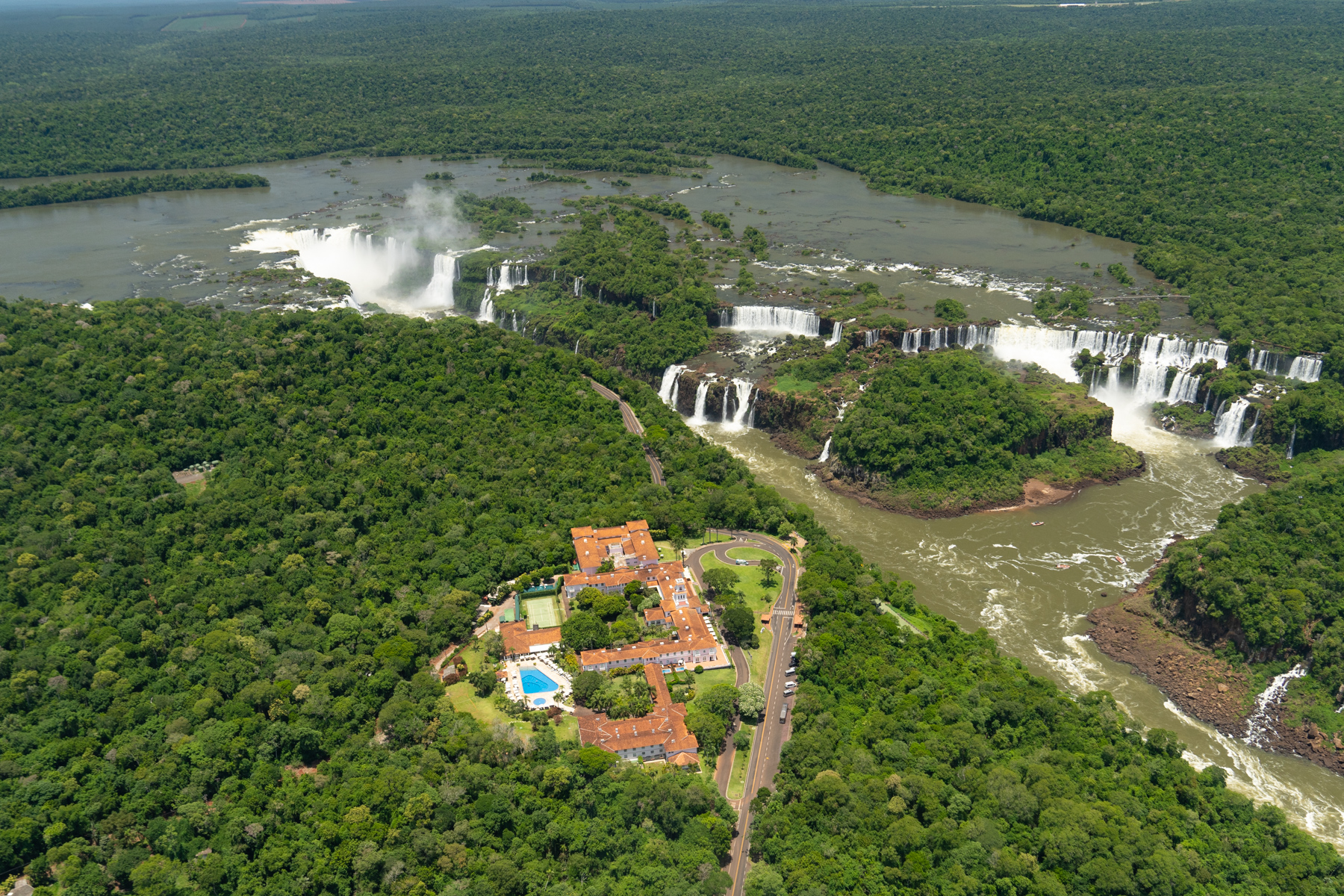
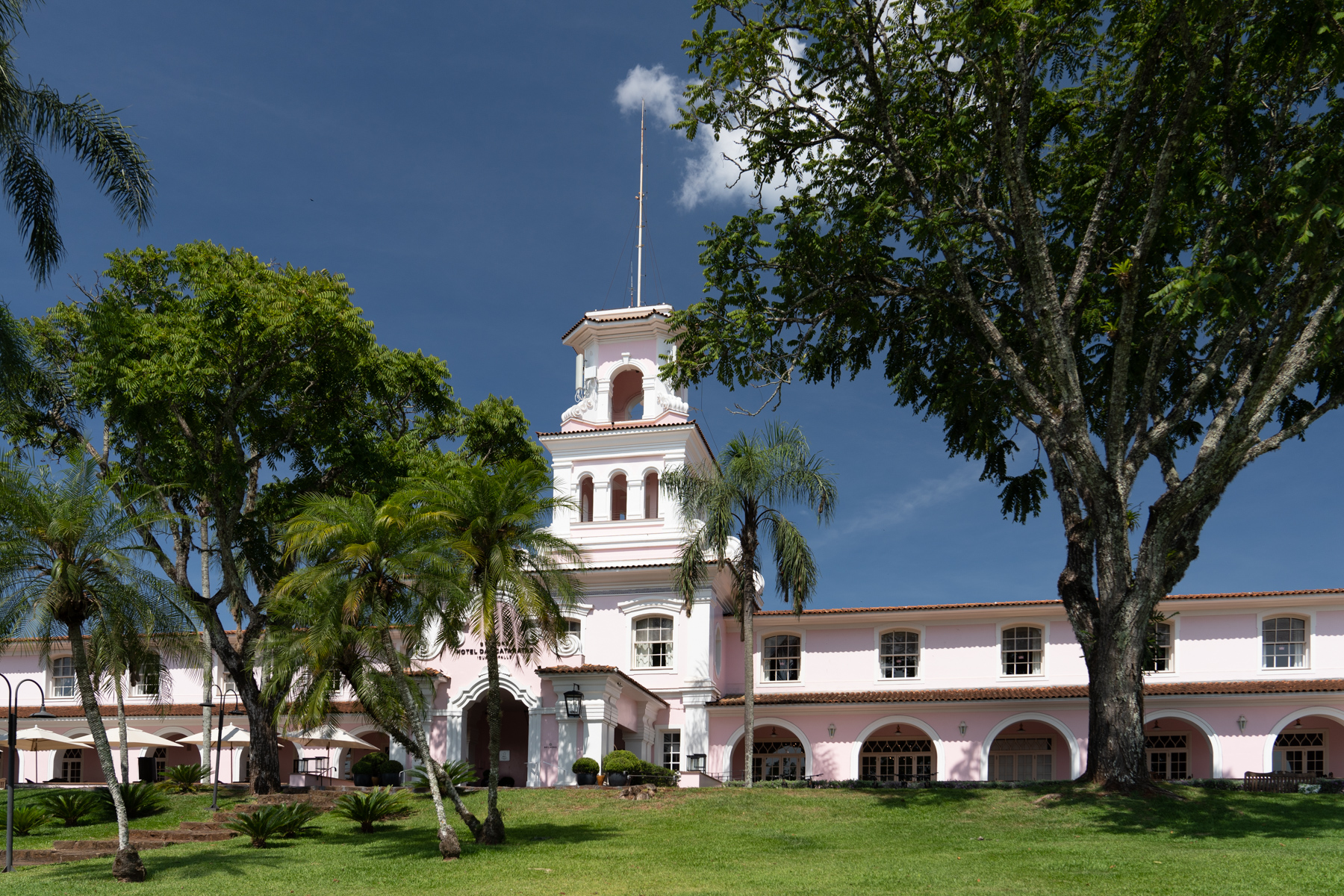
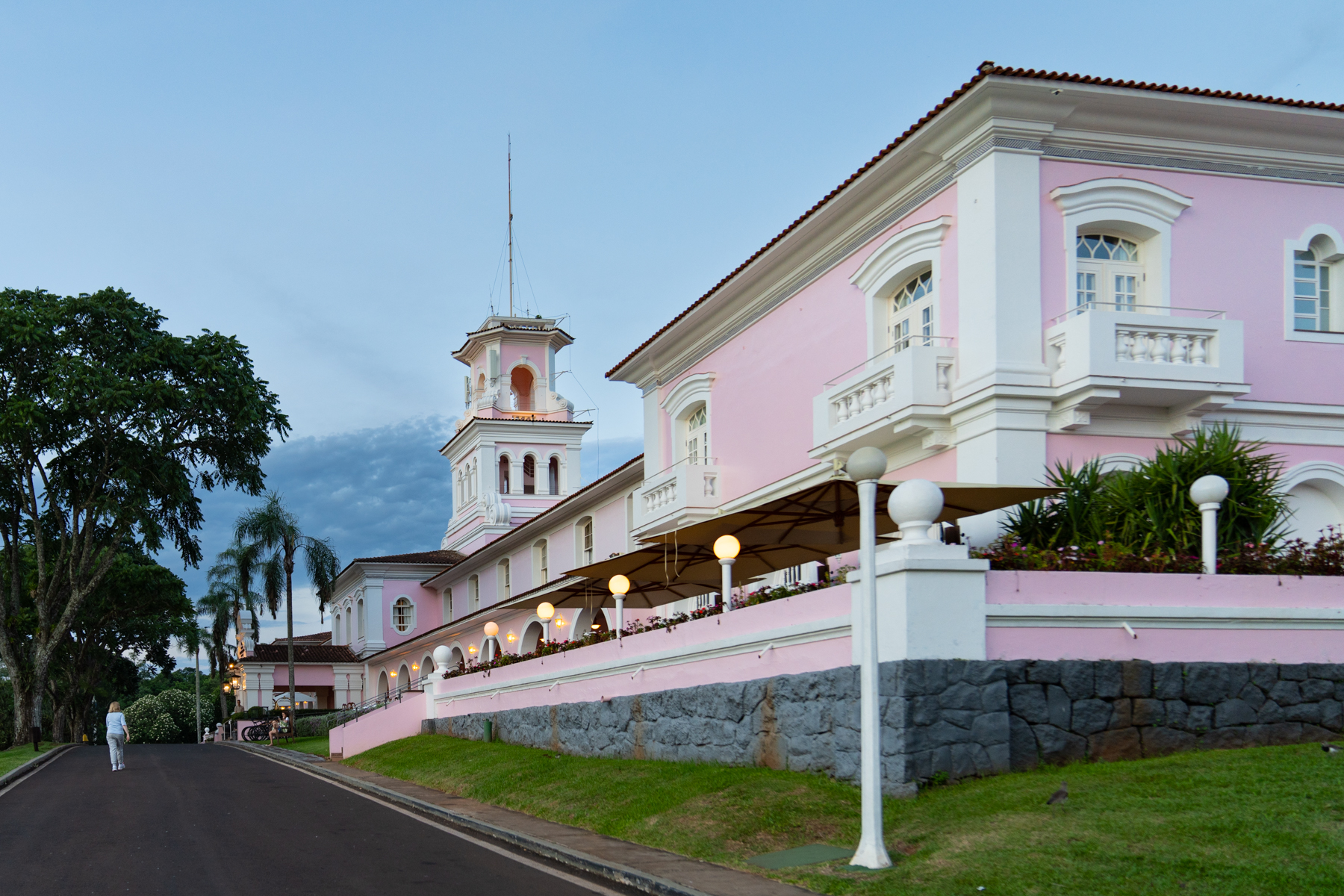
This morning we were up early so we could see Iguaçu Falls before the crowds arrived. The waterfall is 9km inside the national park (from the Brazil entry) and the park entry opens at 9 am. However, our hotel is inside the national park and we are so close to the falls that we can see them from our hotel room window! This means that we have access to the trails along the falls before the crowds arrive, which is very nice.
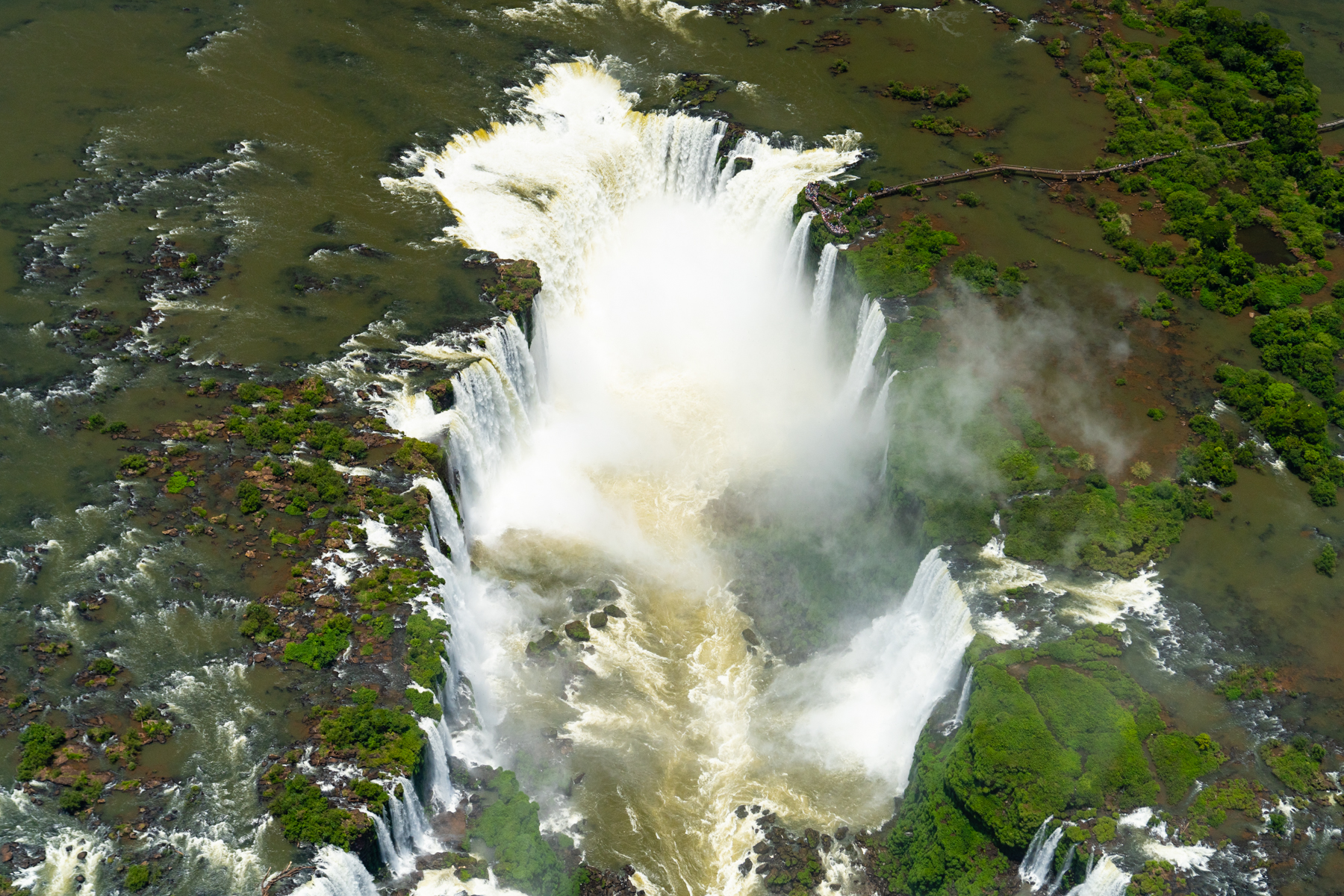
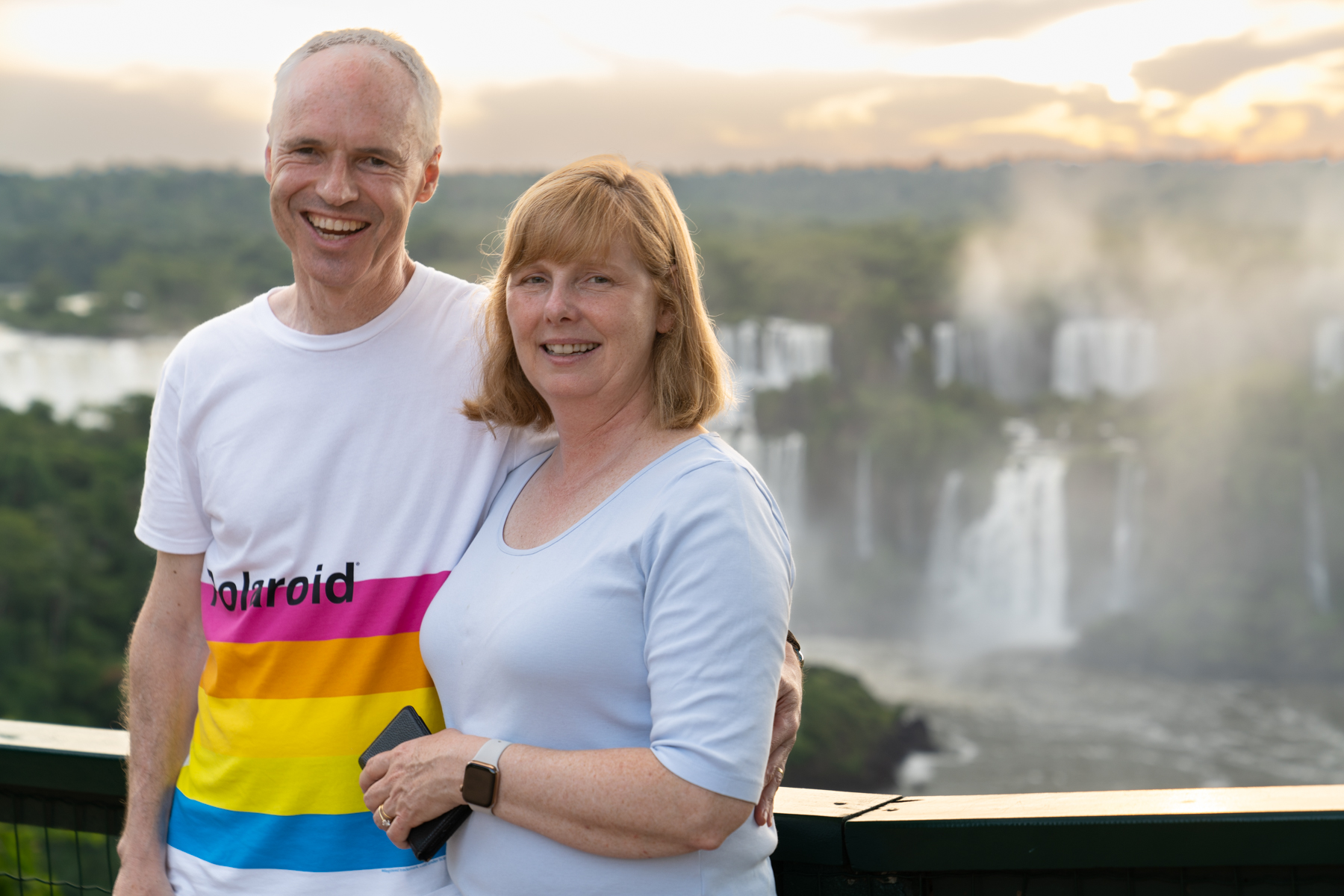
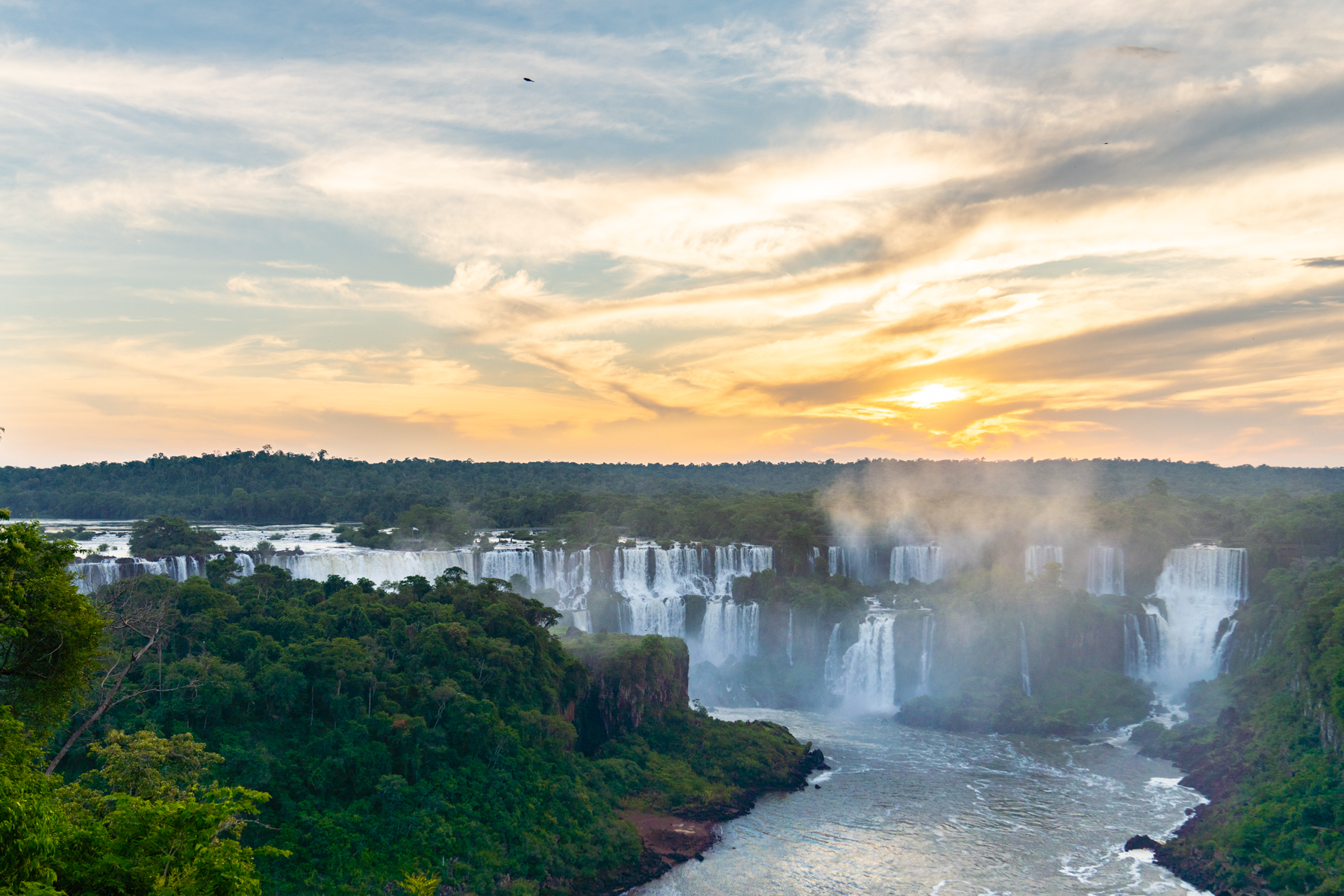
Iguaçu Falls is made up of 275 individual drops across 2.7km, with the longest drop being 82m. It sits on the border of Brazil and Argentina. The size and power of it defies description, as does the noise. We walked along the Brazil side and out onto the observation deck that provides a great view up the Devil’s Throat, a section about 90m wide and 80m deep. It is truly spectacular.

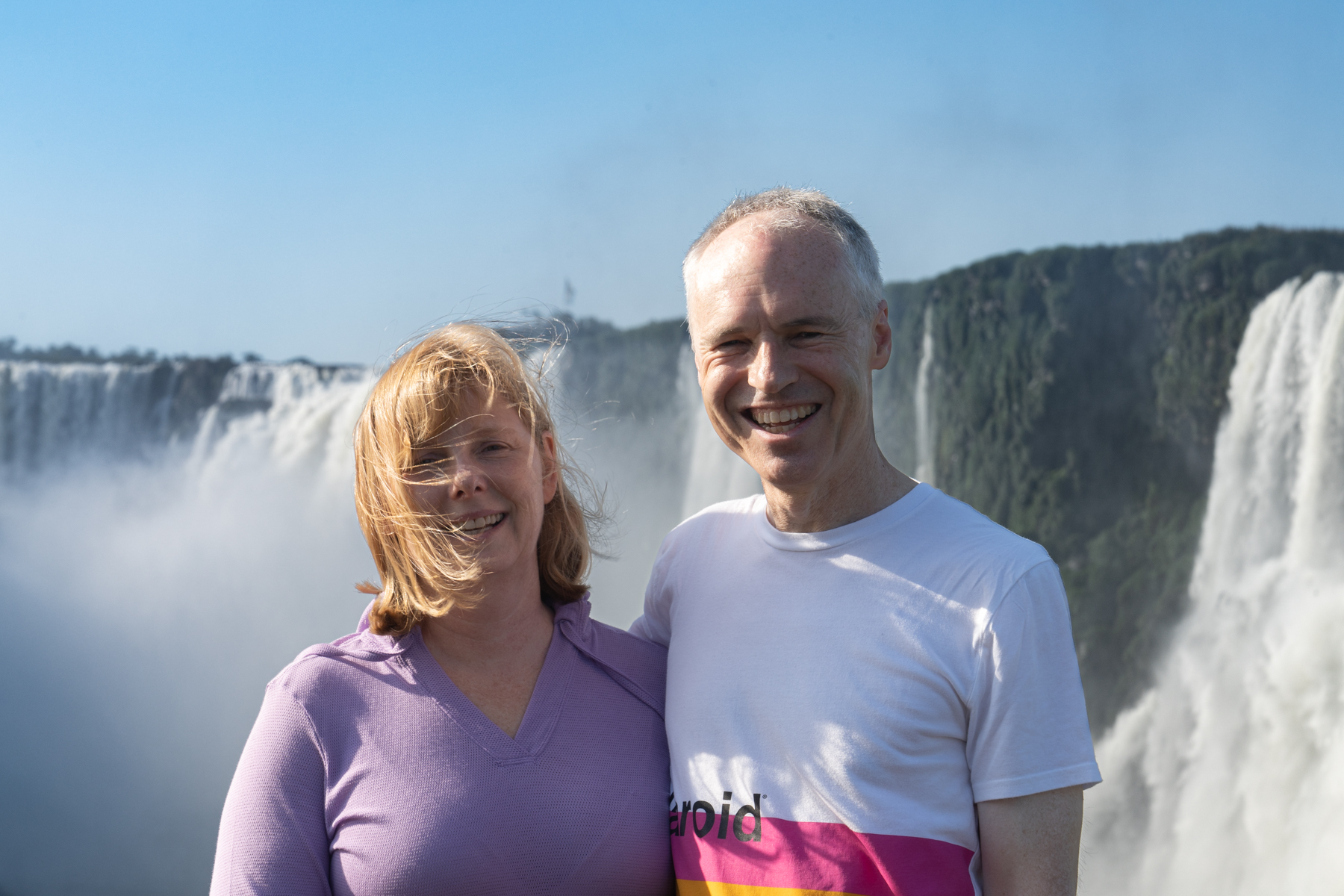
The round trip out and back to the hotel took us about 90 minutes, by which time we were ready for breakfast. We had a lovely breakfast in the hotel and discussed our options for the rest of the day. We knew that the view from the Argentinian side is also meant to be spectacular but it requires a six-hour round trip by car, which was a bit off-putting. Instead, we decided to hire a helicopter and fly over the falls.
The hotel concierge arranged a driver for us and we set off for the helicopter base, just outside the entrance to the national park. Our helicopter was a Bell Jet Ranger, which was very comfortable and would provide us with great views of the scenery below us.
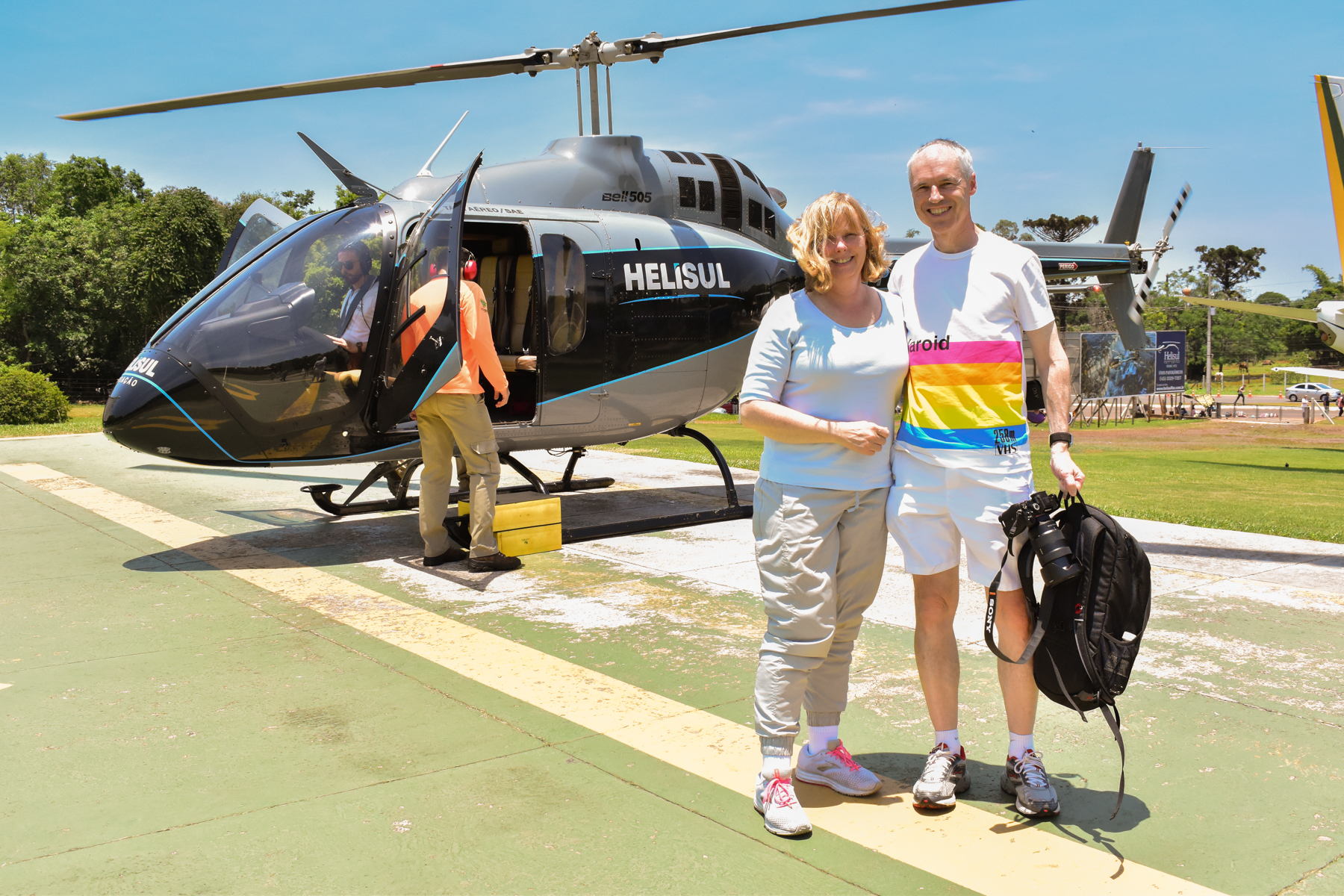
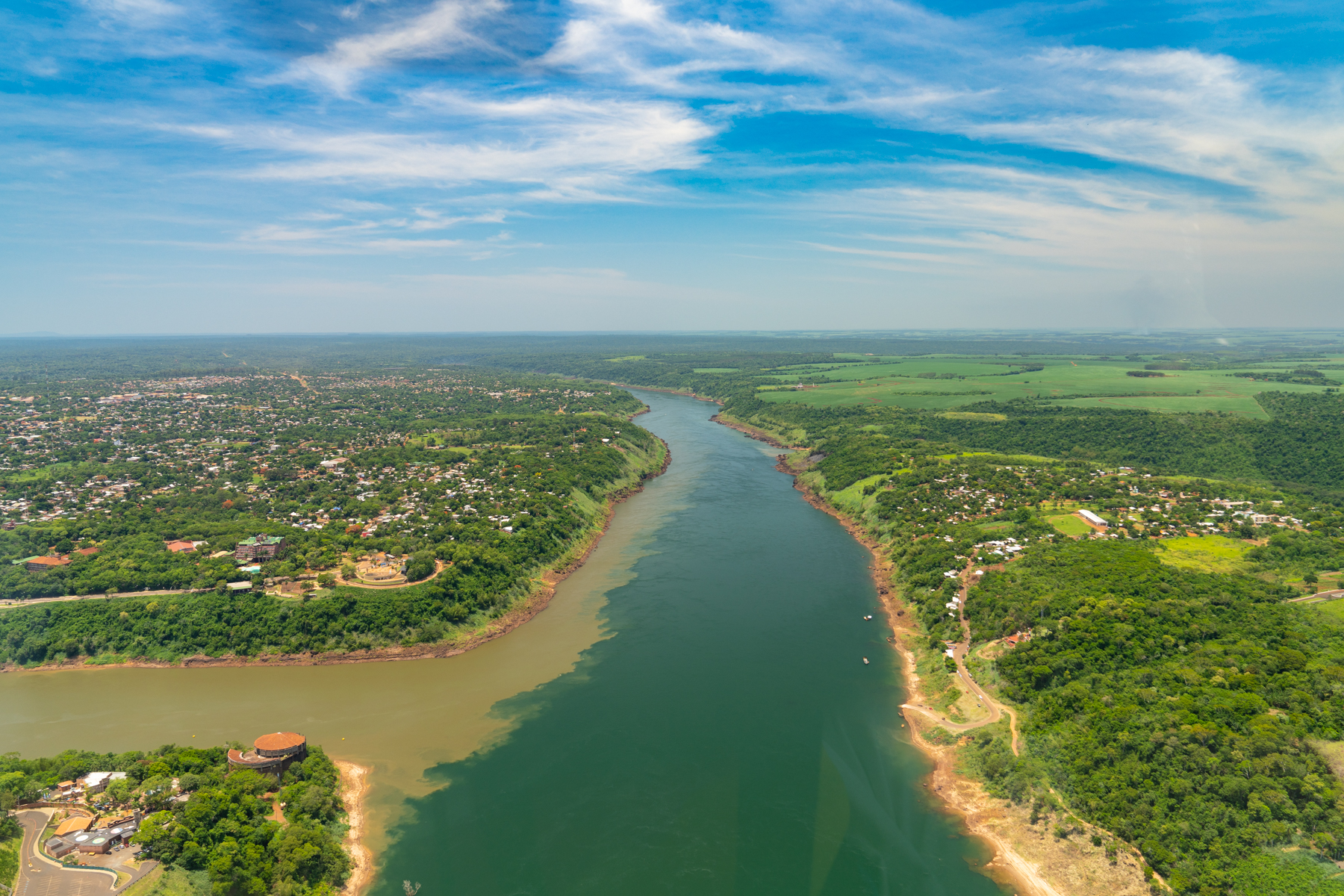
First, we headed out to see the Itaipu Dam. On the way to the dam we hovered over the Triple Frontier, where the Iguazú and Paraná rivers converge at the borders of Brazil, Argentina, and Paraguay.
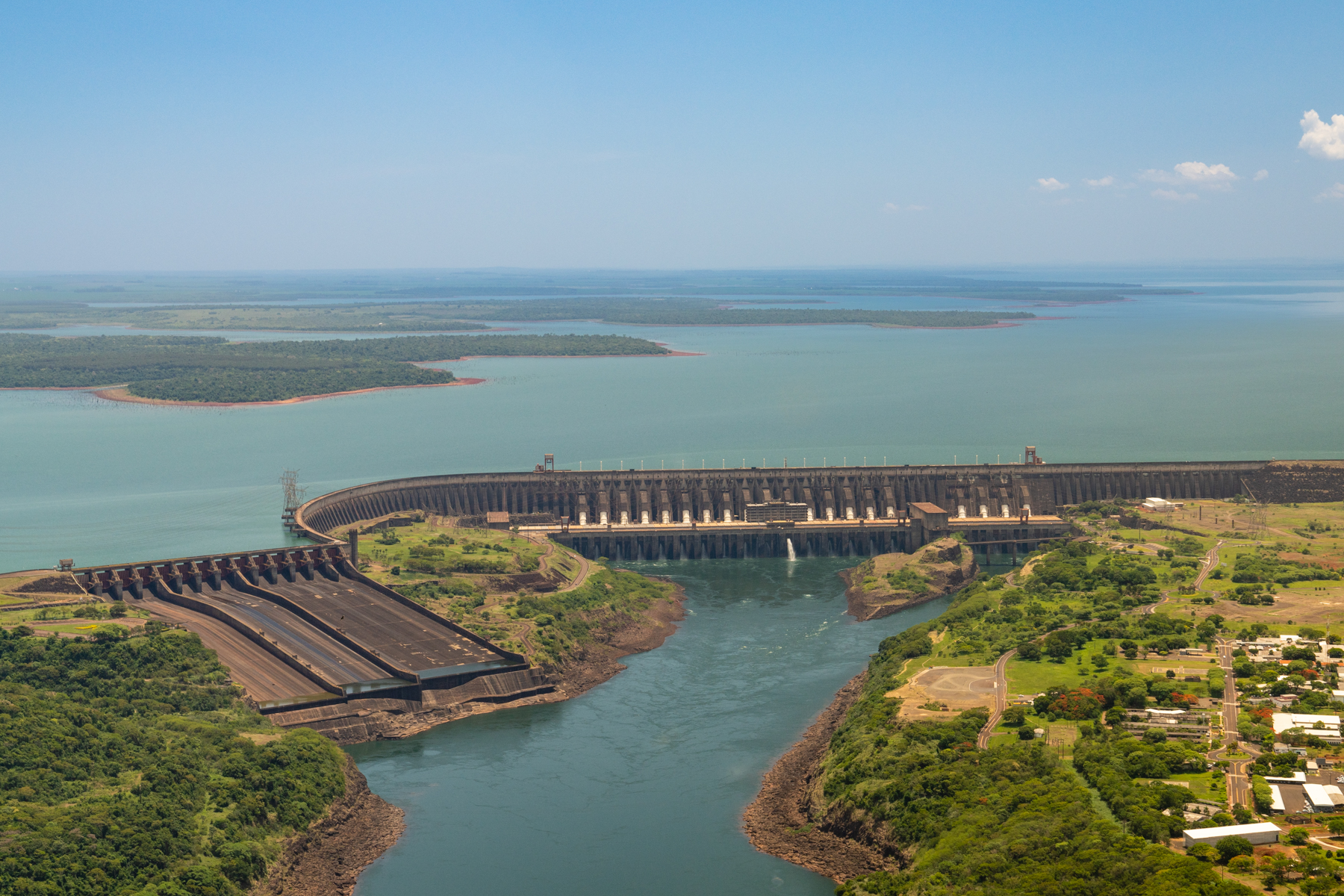
The Itaipu Dam is considered to be one of the seven modern wonders of the world. The dam was built to facilitate the generation of hydro-electric power and is the largest in the world by annual electricity production.
Our next destination was Iguaçu Falls. The view of the falls from the ground was amazing but the perspective from the air was something else again. We did a few laps around the falls and were awed by the might and scale of them.
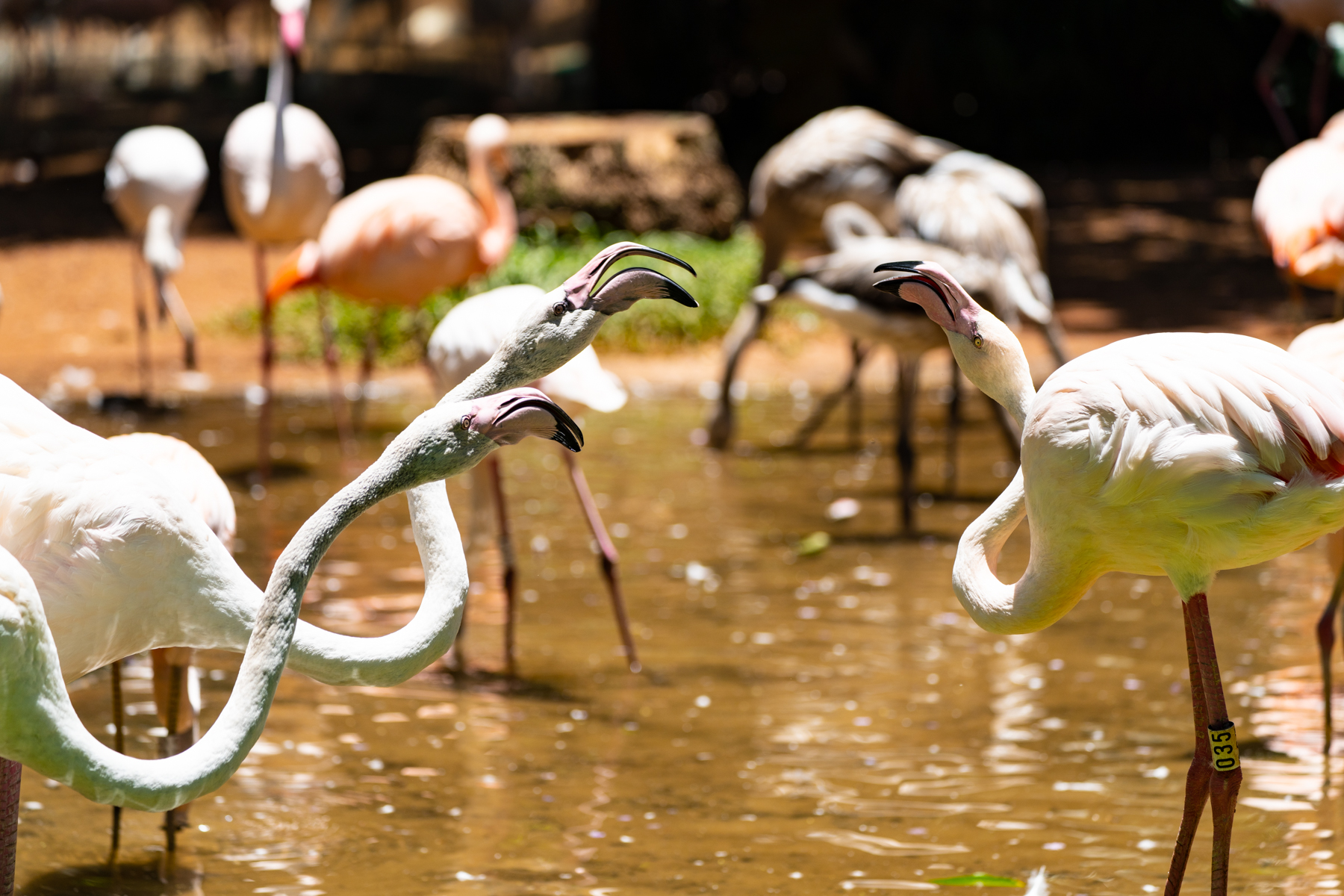
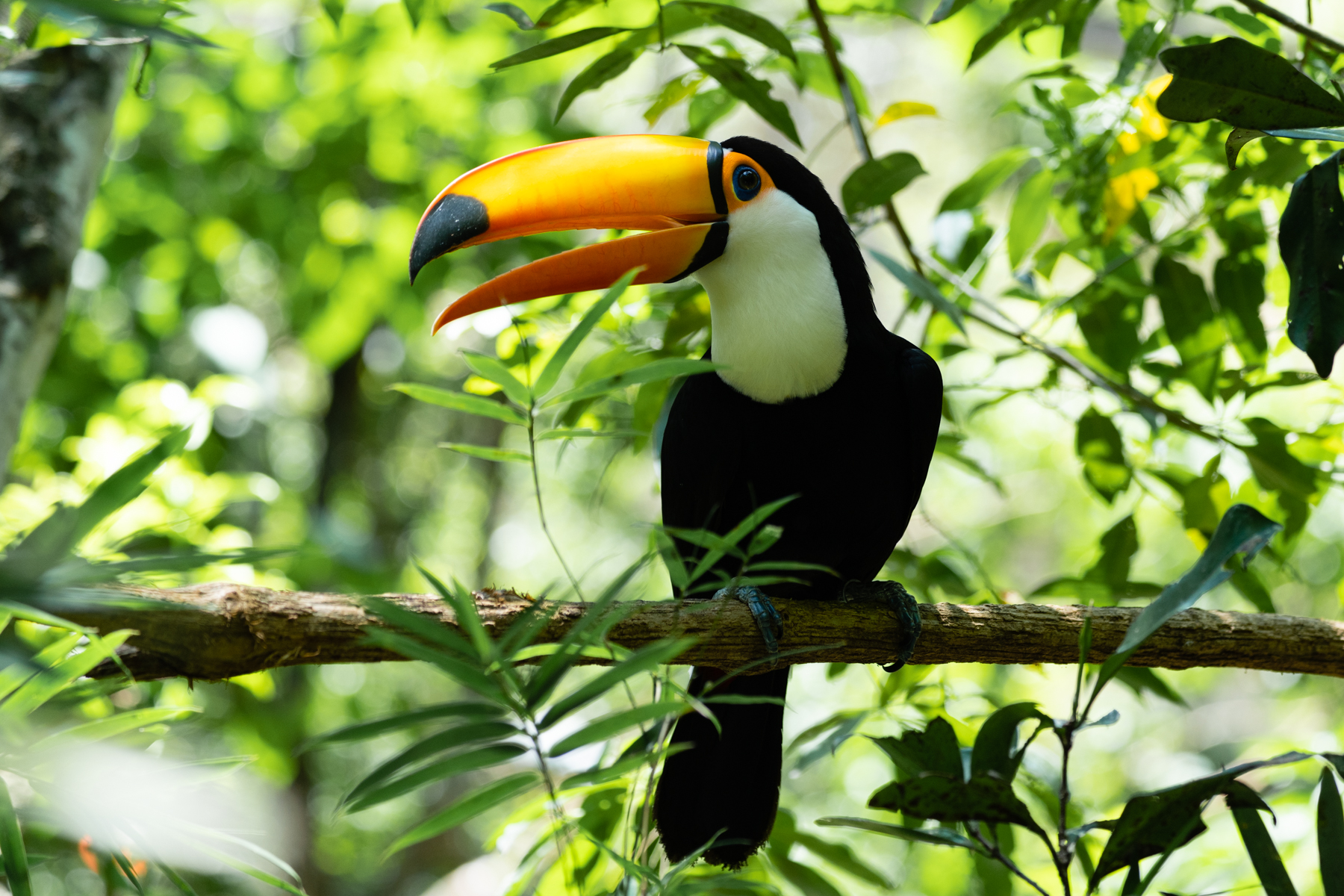
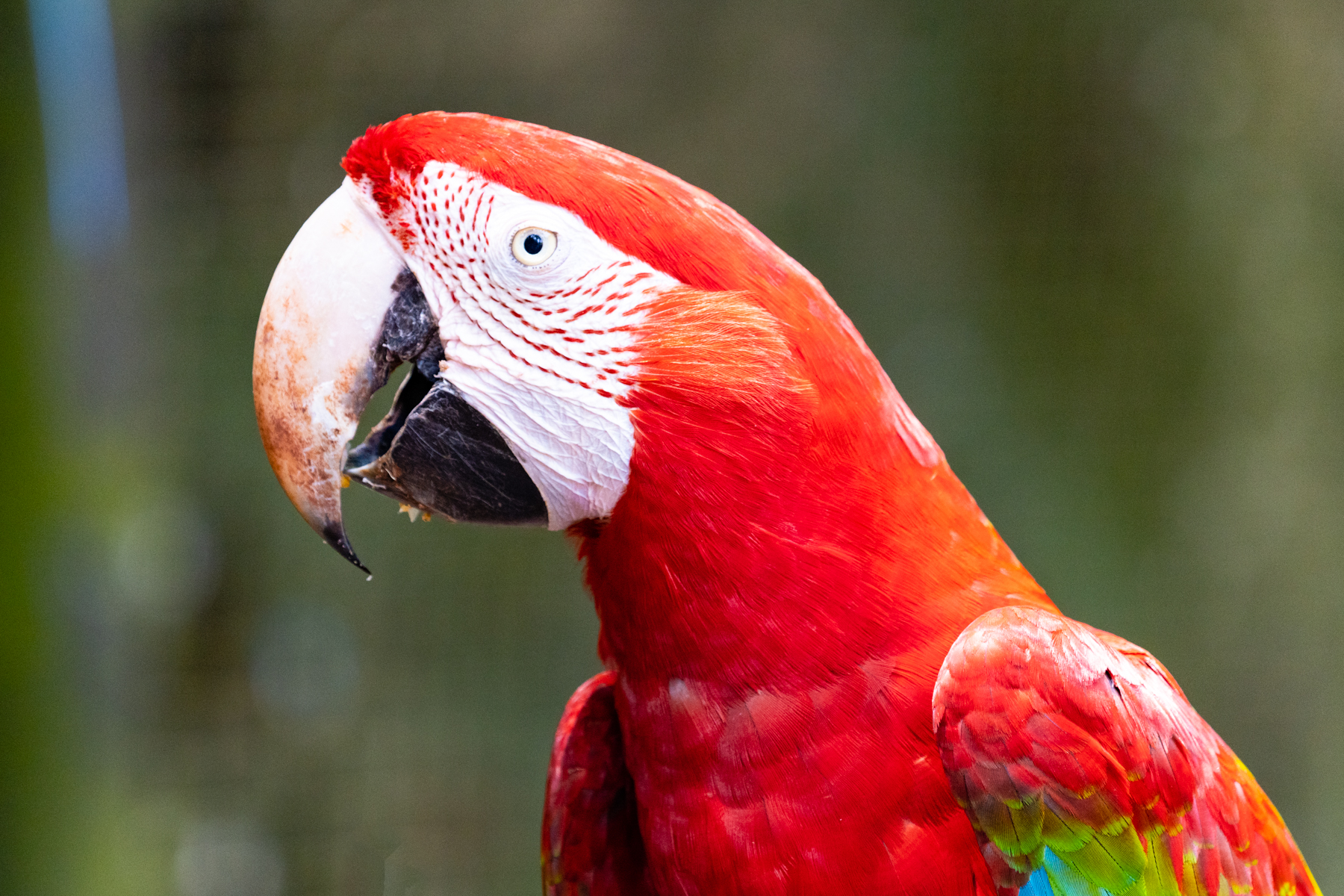
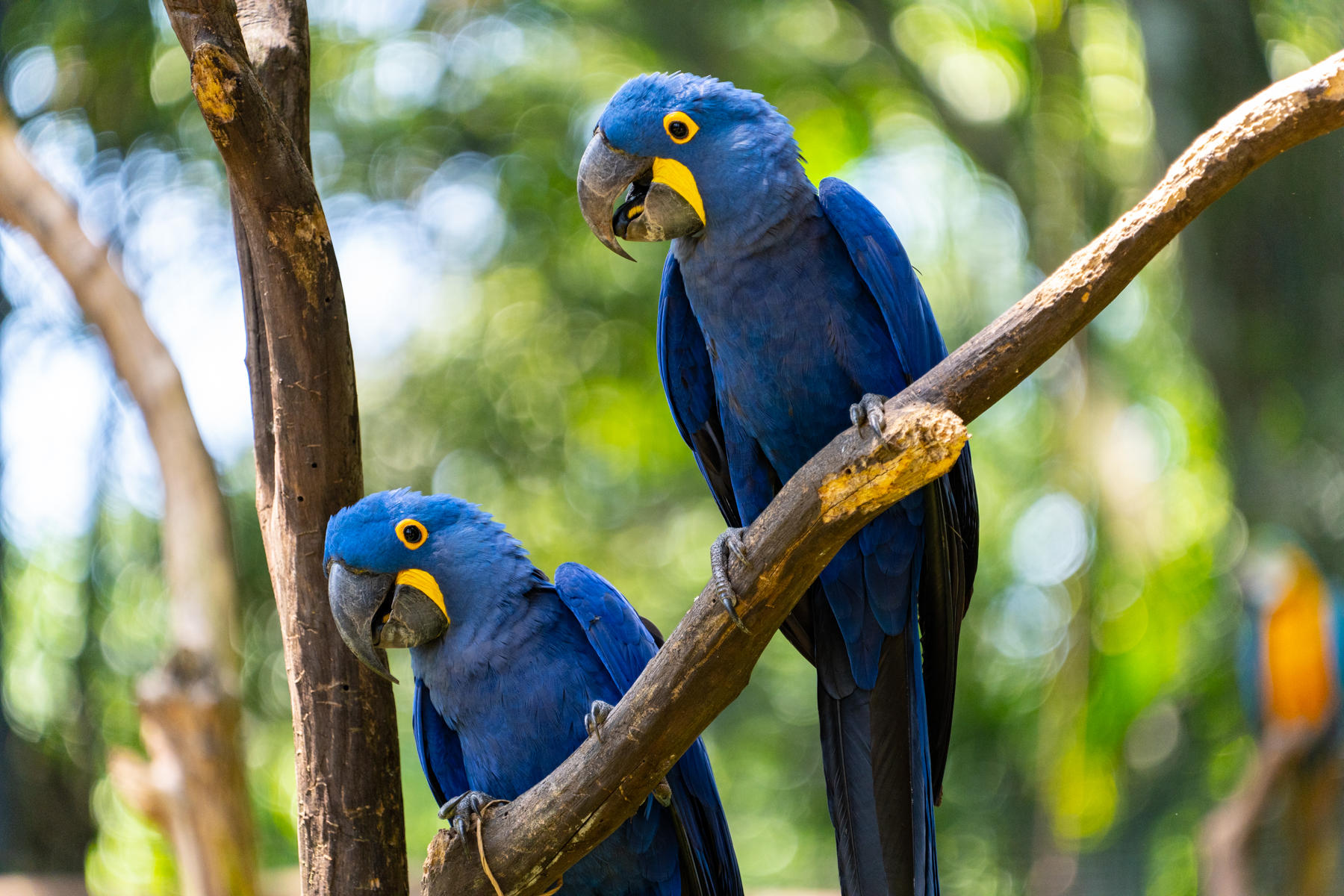
After landing back at the helicopter base, we decided to head to Parque das Aves, a 16 hectare bird sanctuary dedicated to the conservation of native rainforest birds and other wildlife. We spent about two hours in the park and thoroughly enjoyed it. It is a beautiful place.
Our driver then dropped us back at the hotel and we headed to the bar for a drink and a snack, since we hadn’t yet had any lunch. We had a nice meal while we debated what to do next. We didn’t really come up with a plan so we just had a walk around the hotel before heading back to the room for a short rest.
Before dinner we walked across the lawn, down to the edge of the river, to take in the sunset over the falls. Very pretty.
We then walked back to the hotel and opted for a light dinner (well, spaghetti and ice cream!).
We are now debating whether to pack tonight or worry about it in the morning.
Tomorrow morning we head to Rio de Janeiro, which we are looking forward to (despite seemingly every person we meet who has been there telling us how dangerous it is!).