
Europe
Our last day exploring Berlin
Today we managed to better yesterday’s performance in respect of getting downstairs to breakfast. But not by much! We had only a loose plan for today though so we took our time over breakfast (which allowed for extra champagne!).
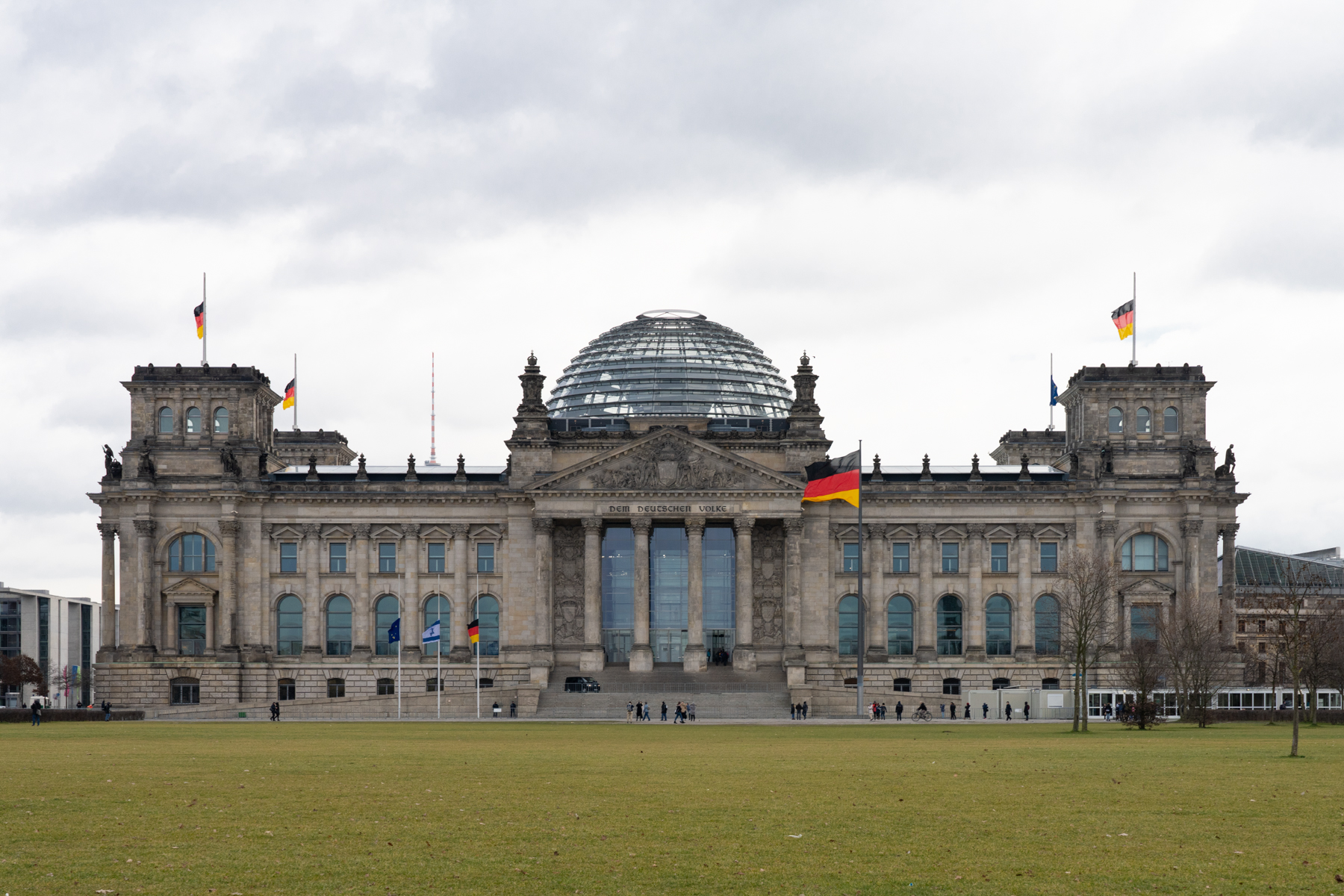
After breakfast we got ourselves organised and headed out for a walk past the Reichstag and along the Spree River. It was cold today but, thankfully, not raining.
We weren’t headed anywhere in particular and we ended up at the Berlin Hauptbahnhof, the main railway station in Berlin. The station is modern, very large, and very busy.
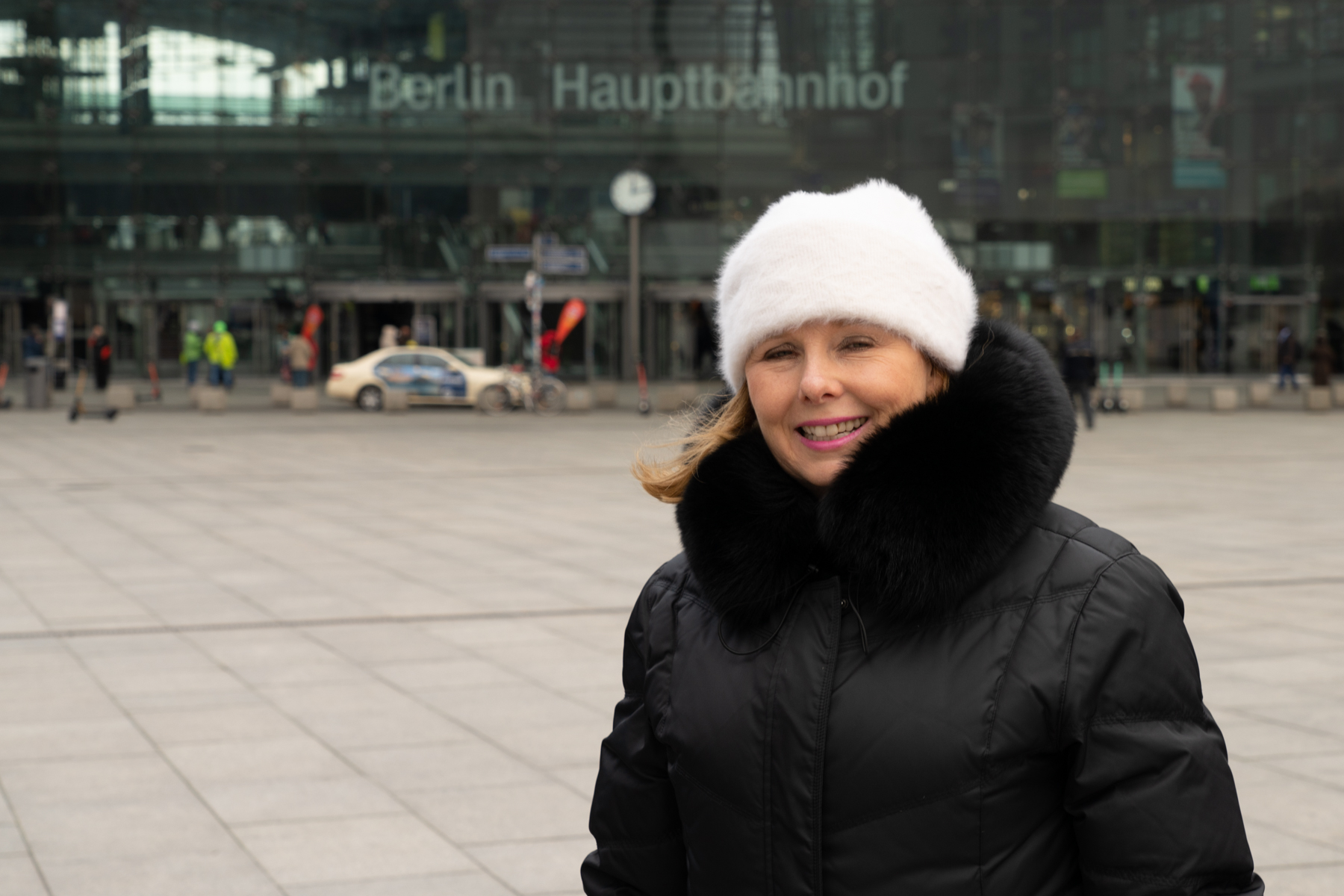
Since we were at the station we decided that we might as well take the train to our next destination, Tempelhof Airport.
An airport might seem a strange location to visit if you’re not flying. But at Tempelhof Airport there are no flights, anyway. The airport has been closed since 2008. We had arranged to go on a tour of the airport at 1:30pm and we arrived at the nearest U-Bahn station, Paradestraße Station, in plenty of time. We walked across the road to the airport and it was not immediately obvious where to go. Our only instructions were some hand-written notes provided by the hotel concierge. We showed these notes to one of the staff stationed in a booth on the edge of the airfield (which is now a big public park) and he pointed us at a gate about 750m away. We walked down there and patiently waited (in the cold!) for a guide to arrive. After about half an hour of waiting, we made some phone calls to try to determine why no one had turned up to meet us. We were still none the wiser after getting off the phone so we started walking back the way we had come. We peered through the fence into the restricted area of the old airport and, in the distance, could make out what looked to be a small tour group. But we had to circle back around the terminal (which is a long way!) if we were to join them. We tried a short-cut (but that didn’t work) before we found someone who could direct us to the right spot. In fact, he escorted us (quite a distance) to where we were meant to be. By this time the tour was long gone.
As we pondered our next move, we found an employee of the tour company. He was very nice and informed us that the next tour was in two hours and we could join that! Oh, and that tour would be in German since the 1:30pm tour was the only one in English for the day! Waiting around for another two hours didn’t seem that appealing but that was the only way we were going to be able to take the tour. We decided to kill some time by walking down to a nearby Aldi store to get a snack and then wandered back to sit and wait for the tour to start.
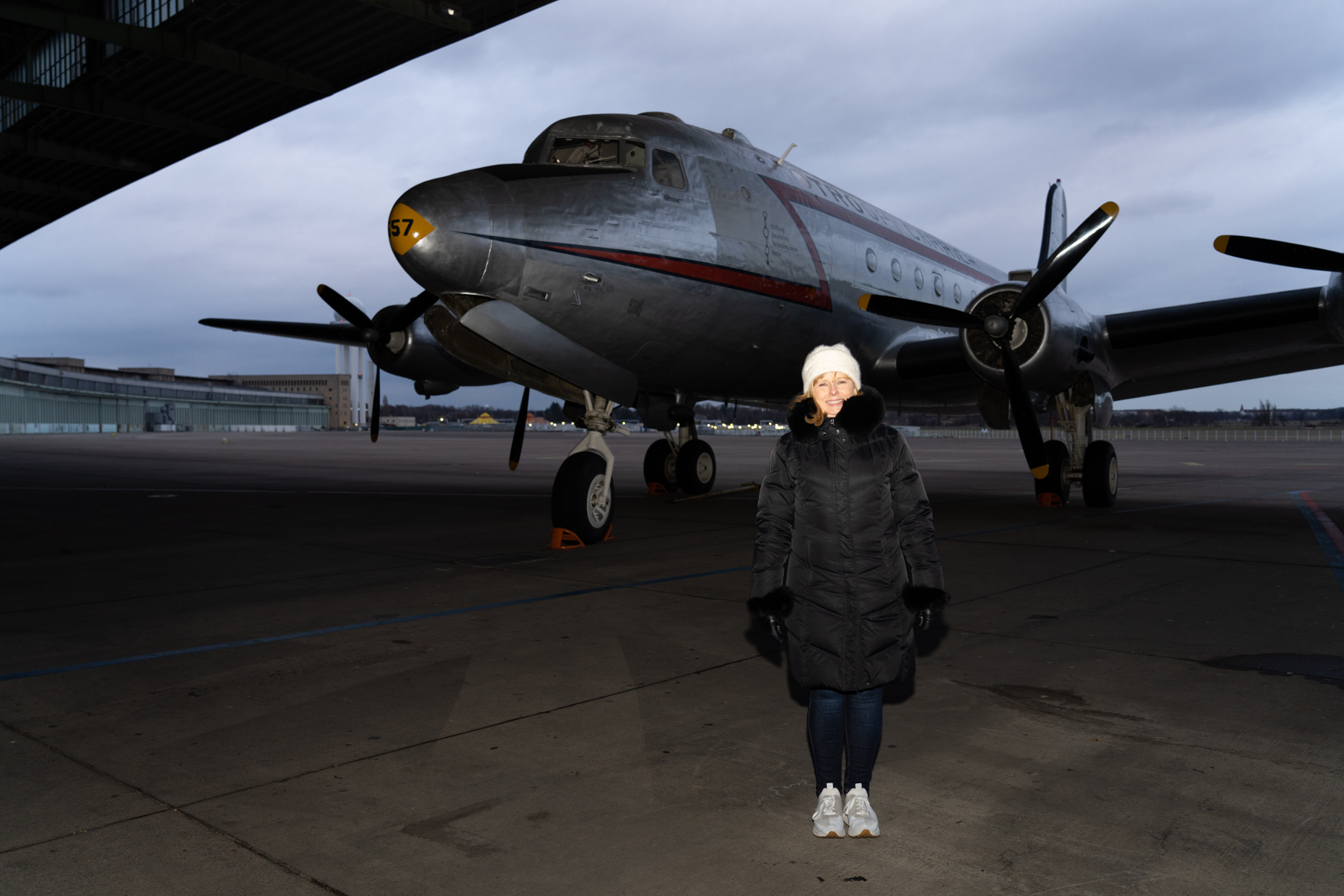
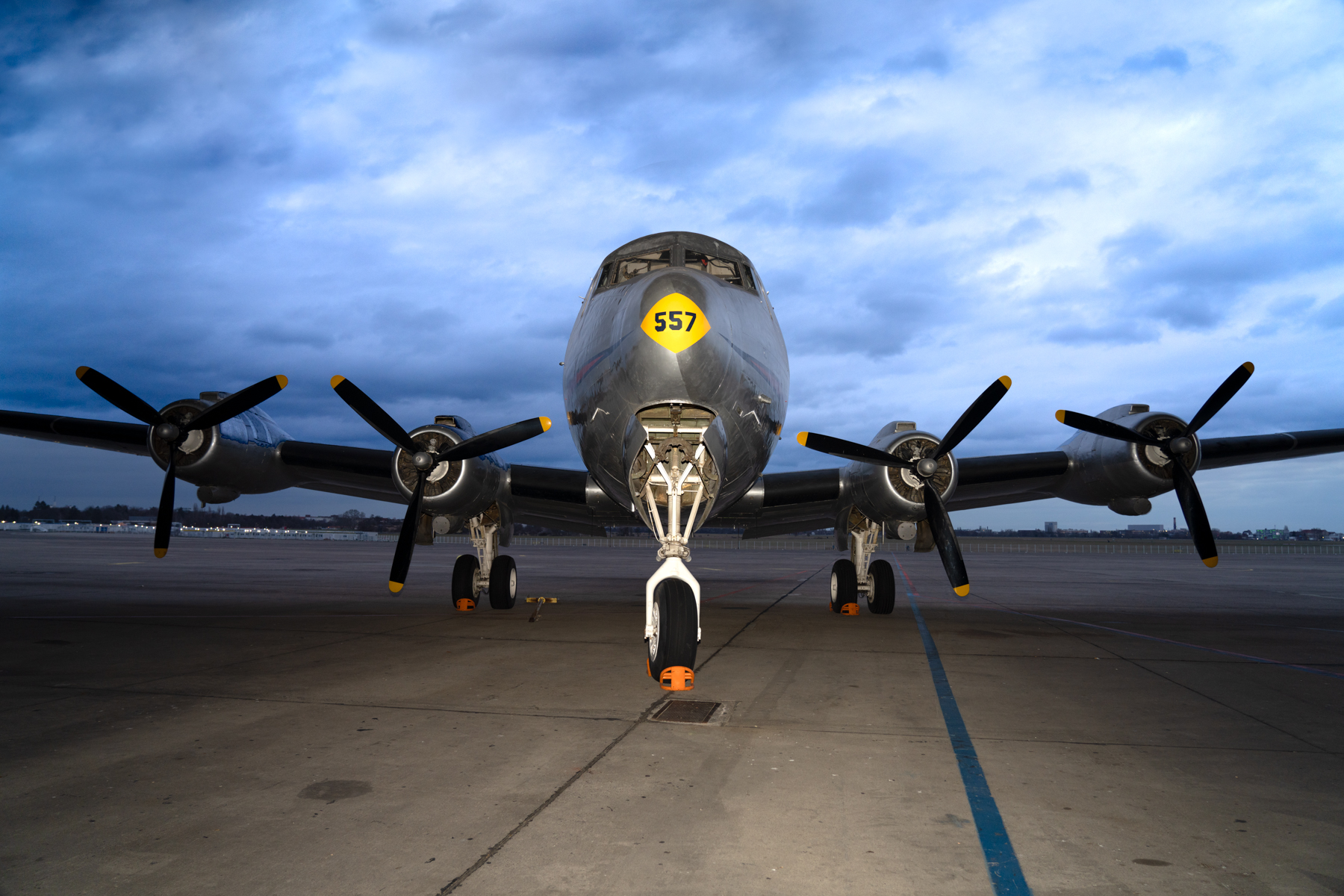
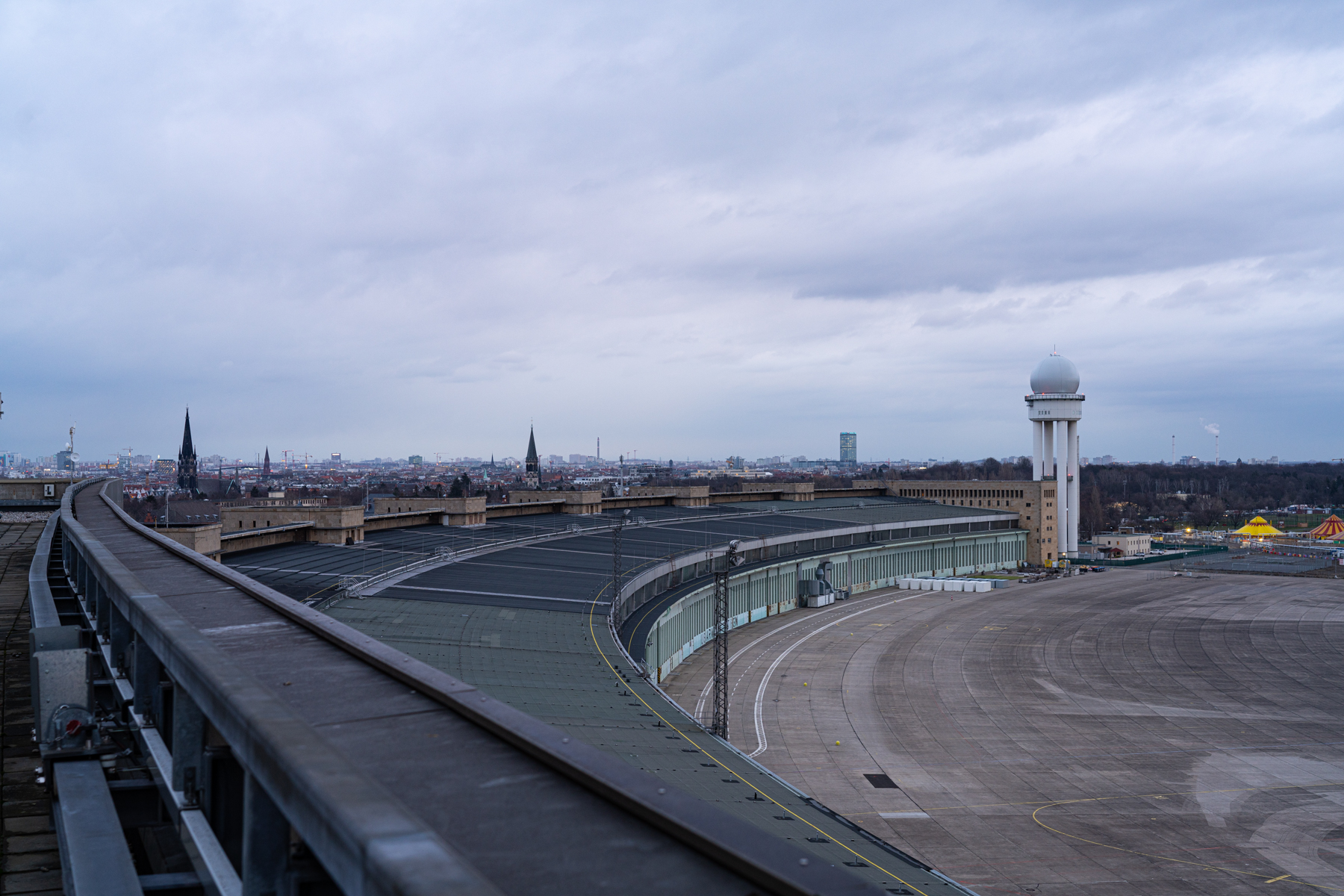
At 4:00pm sharp we set off on the tour of Tempelhof Airport. By this stage, you may be wondering why we would be taking a tour of a now-deserted airport! Tempelhof Airport was a showpiece of the Third Reich and was, at the time of its construction (1936-1939), the largest airport in Europe and one of the twenty largest buildings in the world. Its curved structure (which is a marvel of engineering) is 1.2km long and the design included 9,000 rooms. British architect Norman Foster referred to it as the “mother of all airports”.
The airport construction was halted in 1939 when the war started. It was not used as an airport during the war; instead, it became an aircraft factory. The story is that the Allies did not destroy the airfield because it was such a visible landmark that it provided their pilots with an excellent navigation aid over the city from which they could readily find other bombing targets. The airport sustained significant damage when it was seized by the Soviets in the Battle of Berlin in the closing stages of the war. The Allies used the airport as a base after WWII. During the Cold War, Tempelhof was the main terminal for American military transport aircraft accessing West Berlin.
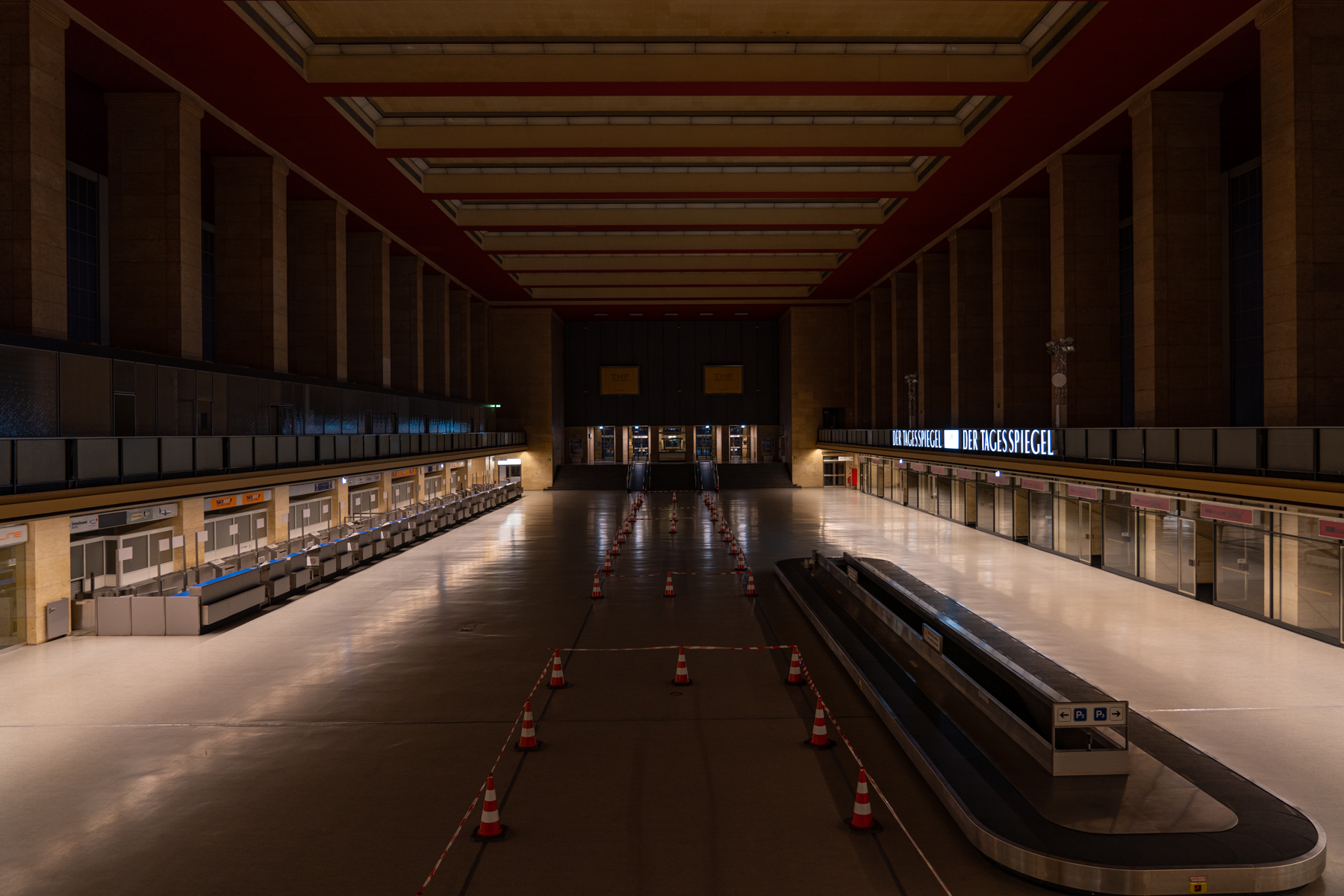
Our guide on the tour of Tempelhof Airport seemed very knowledgeable. We assumed this from listening to her speak for two hours in German about the history of the airport! Occasionally she provided us with a snippet or two in English, which was helpful. It was rather weird (and sometimes a little spooky) to walk through an empty airport for two hours but it was quite fascinating.
It was after 6:00pm by the time we finished the tour. We walked back across the road to Paradestraße Station and headed for Friedrichstraße Station. From there, we walked for about 15 minutes to get back to the hotel.
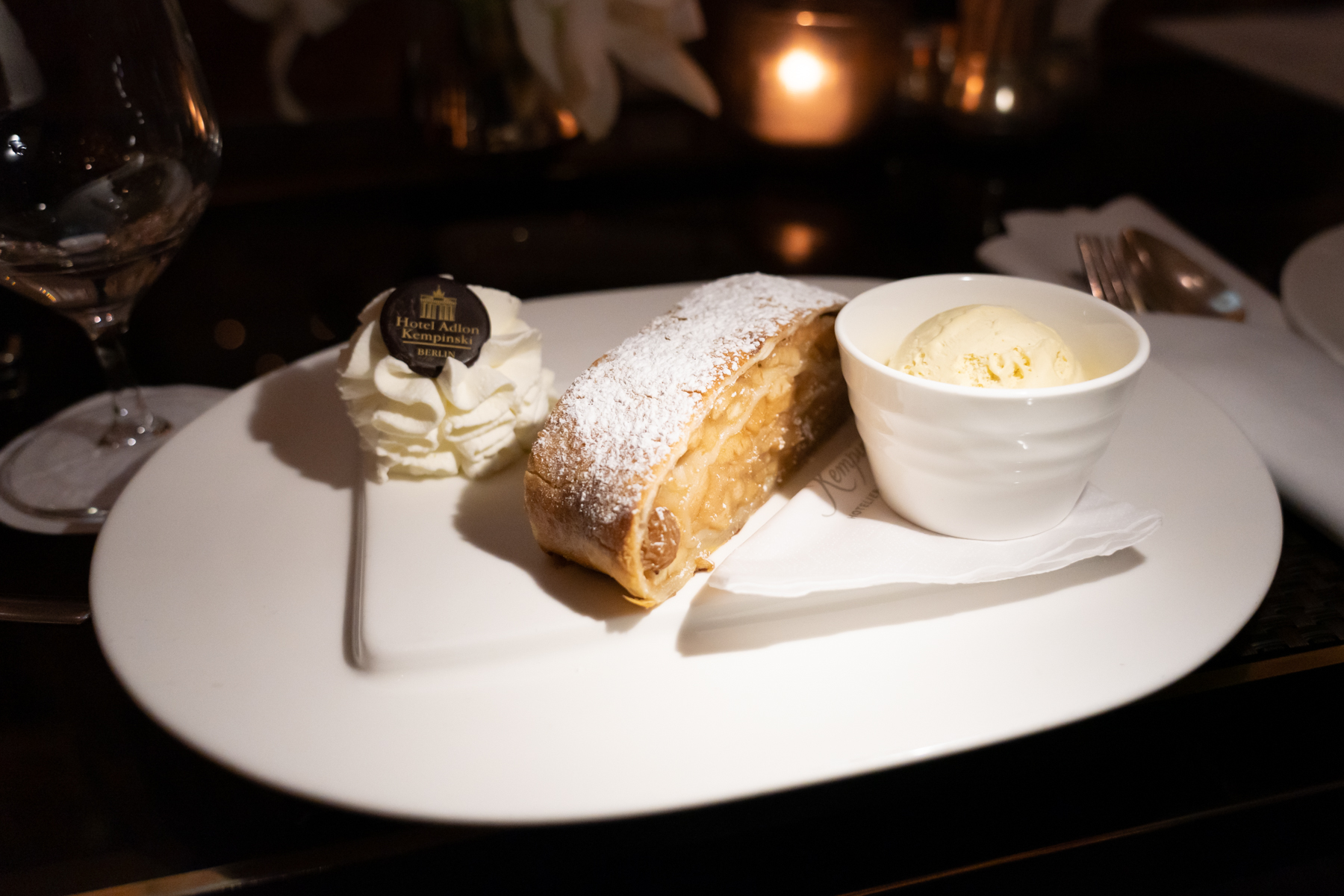
It was about 7:00pm by the time we got back to the hotel and we only had a small window for dinner, since we had managed to secure a visit to the Reichstag, a historic building just near the hotel, at 8:30pm. Visits to the Reichstag require a booking made 24 hours in advance and a strict time slot is allocated for each visitor who applies. So, we decided to have dinner in the hotel. We had a very nice meal, of which the highlight was the Apfelstrudel (apple strudel)!
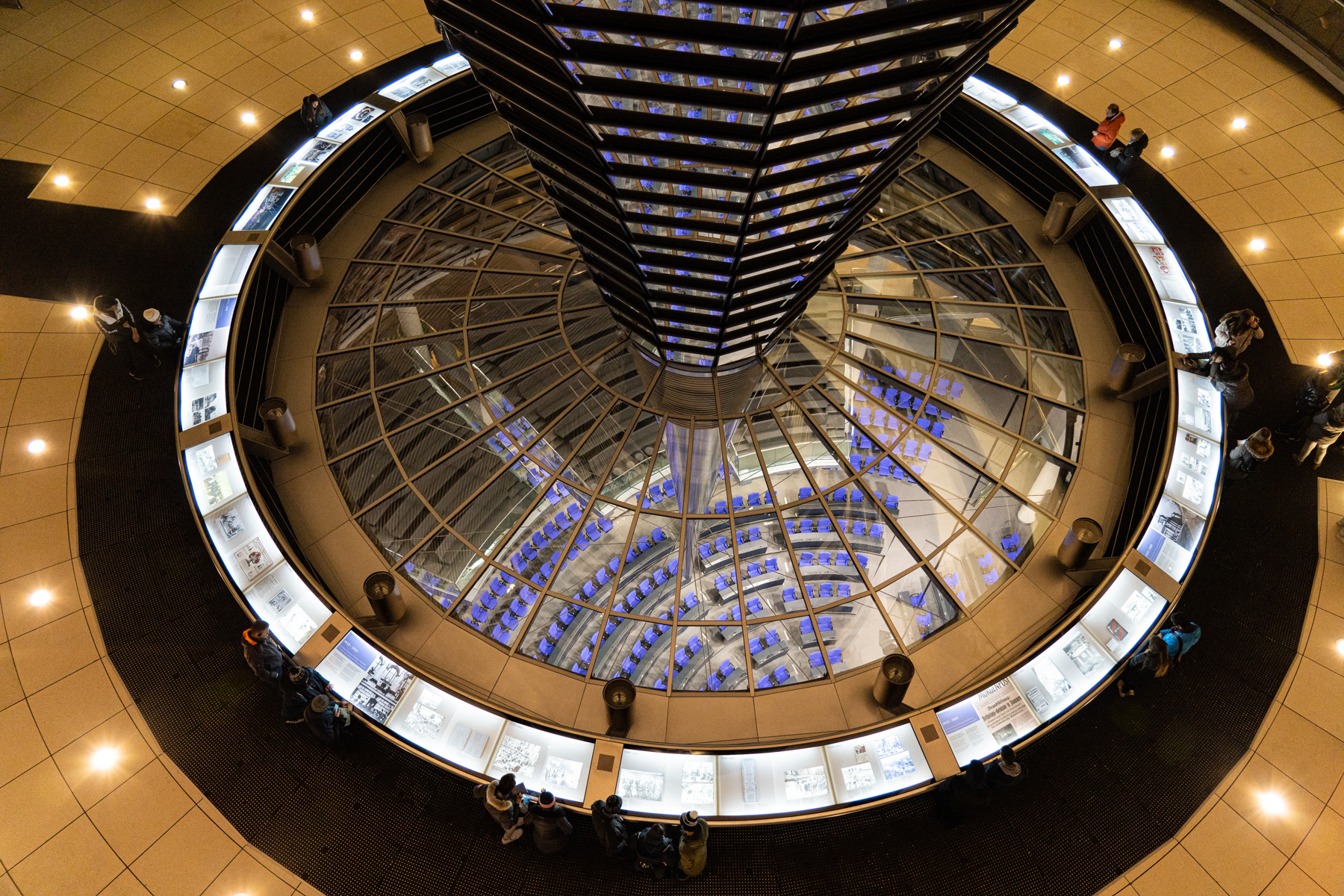
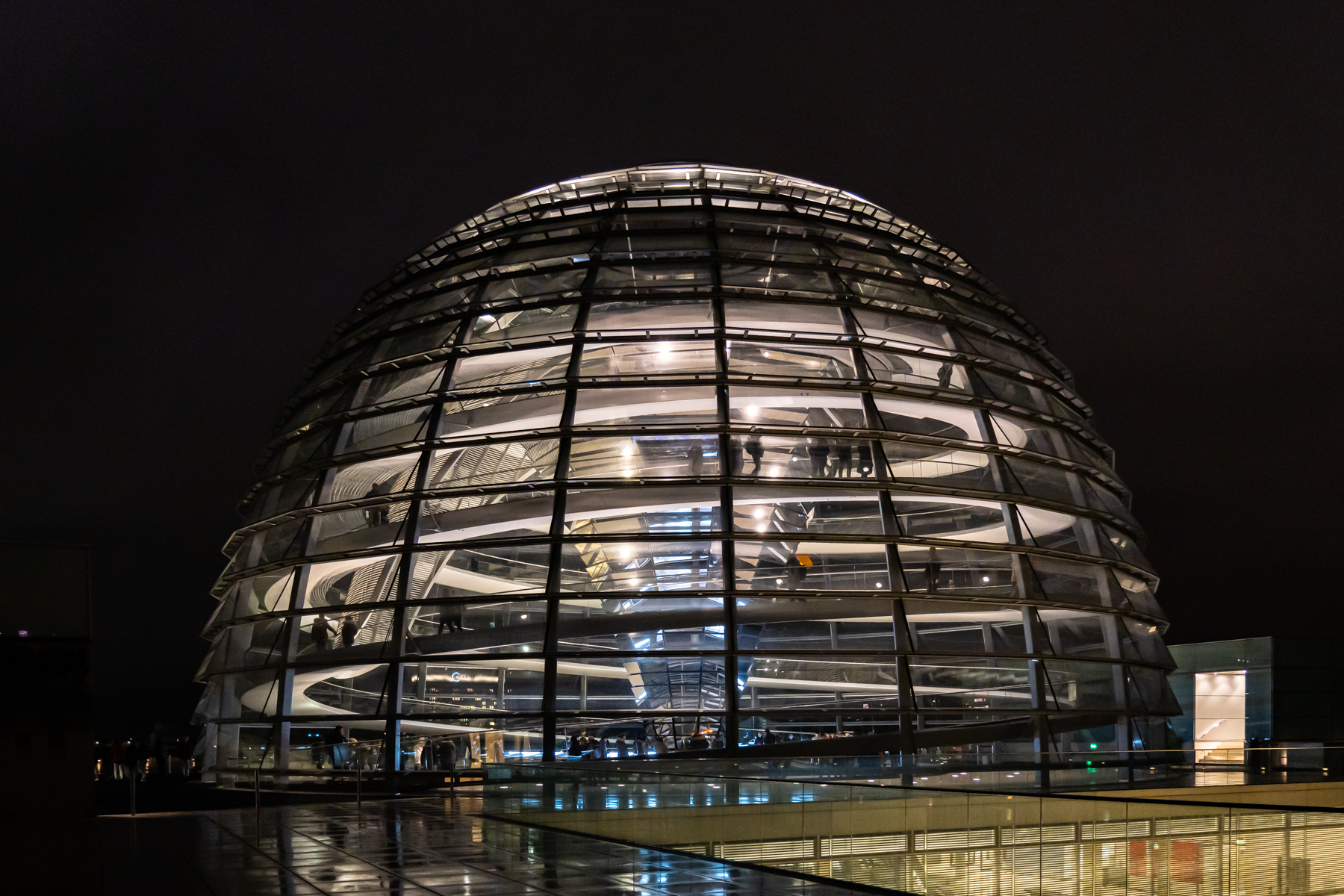
Just after 8:00pm we headed out into the chilly night air for the short walk to the Reichstag. The building was opened in 1894 and was used to house the German parliament until 1933, when it was severely damaged by fire. The fire was allegedly started by a communist councillor and the Nazi Party claimed that the fire was part of a larger plan by the communists who were plotting against the German government. This fire is referred to as the “Reichstag fire” and is considered a pivotal event in the establishment of the Nazi Party. (The term “Reichstag fire” is now accepted to mean the false attribution of an event by an authority to gain popular approval for retribution.) After WWII the building was not used by the parliament and it fell into a state of disrepair. A controversial restoration of the building was conducted from 1961-1964 but it was not until after the reunification of Germany in 1990 that the most recent restoration of the building was commenced. The restoration was led by Norman Foster and was completed in 1999, at which time it once again became the home of the German parliament. The restoration is very impressive; in particular, the new glass dome (from where there is a view down into the parliament debating chamber) is very striking. The Reichstag is the second-most visited landmark in Germany (behind Cologne Cathedral). There was certainly no shortage of visitors when we were there!
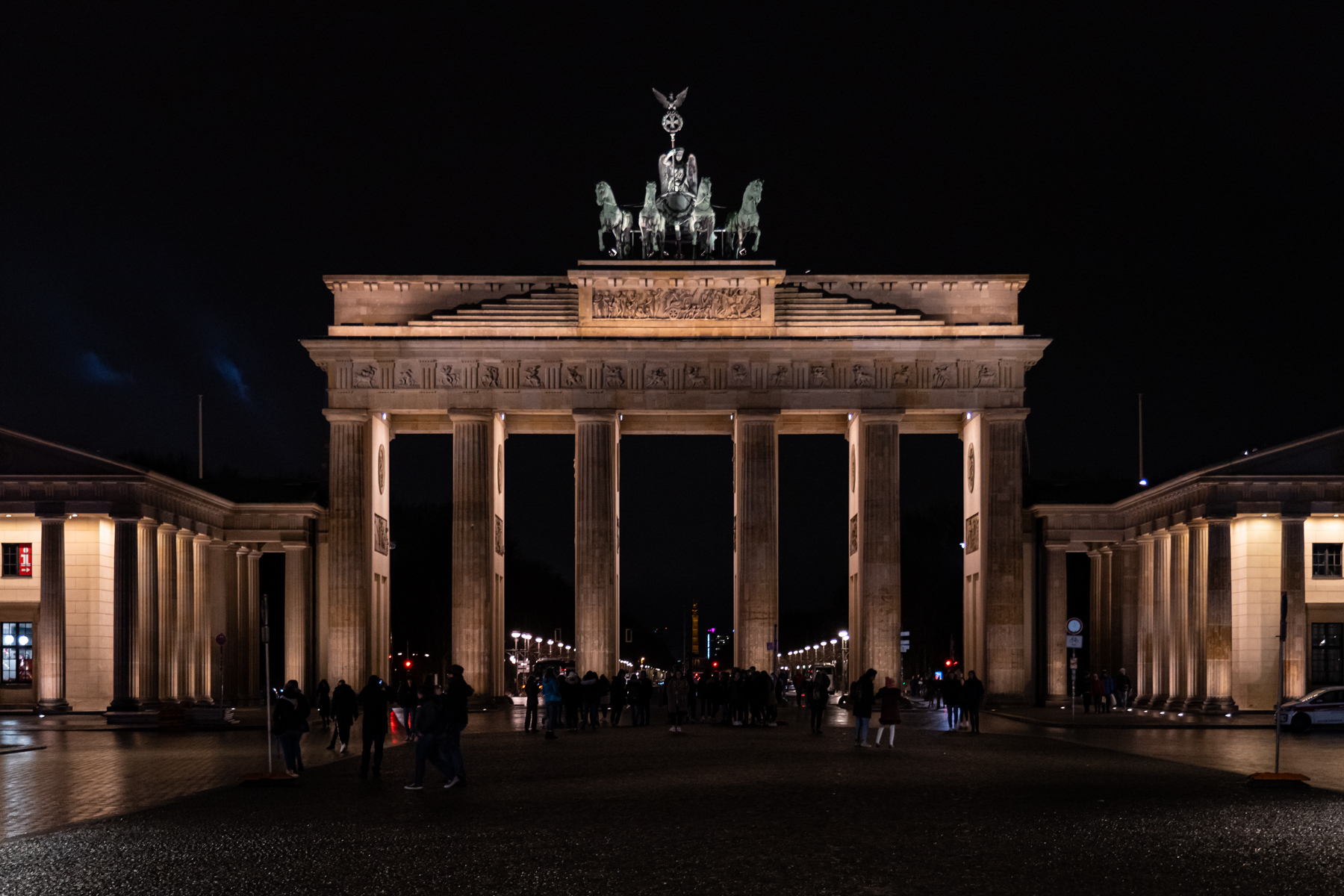
After leaving the Reichstag we walked back to the hotel to retire to bed after a big day of walking, clocking up over 22,000 steps each! Tomorrow we have an early start. We’ll be leaving the hotel at around 7:00am to catch a flight to Munich and then a connecting flight from Munich to Saint-Petersburg.