
Europe
A big day in Moscow
This morning our alarm went off at the somewhat unsavoury time of 3:50am so we could get organised for our departure this morning from Saint Petersburg on the 5:30am Sapsan (bullet train) to Moscow.
We left the hotel at 4:45am and our driver got us to the St.Petersburg-Glavny railway station at around 5:00am. We passed through security and boarded the train, still feeling a little precious after a very short night’s sleep.
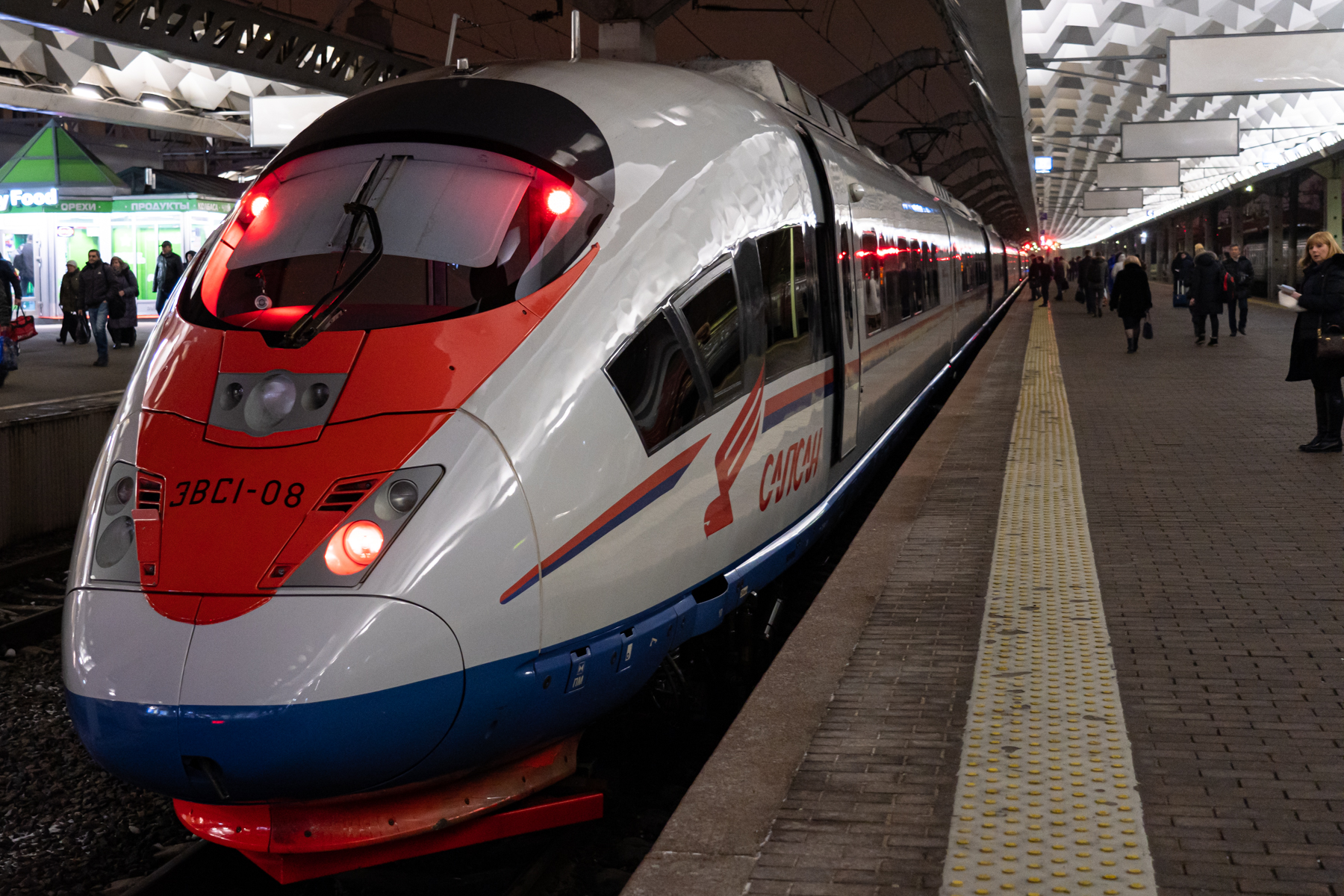

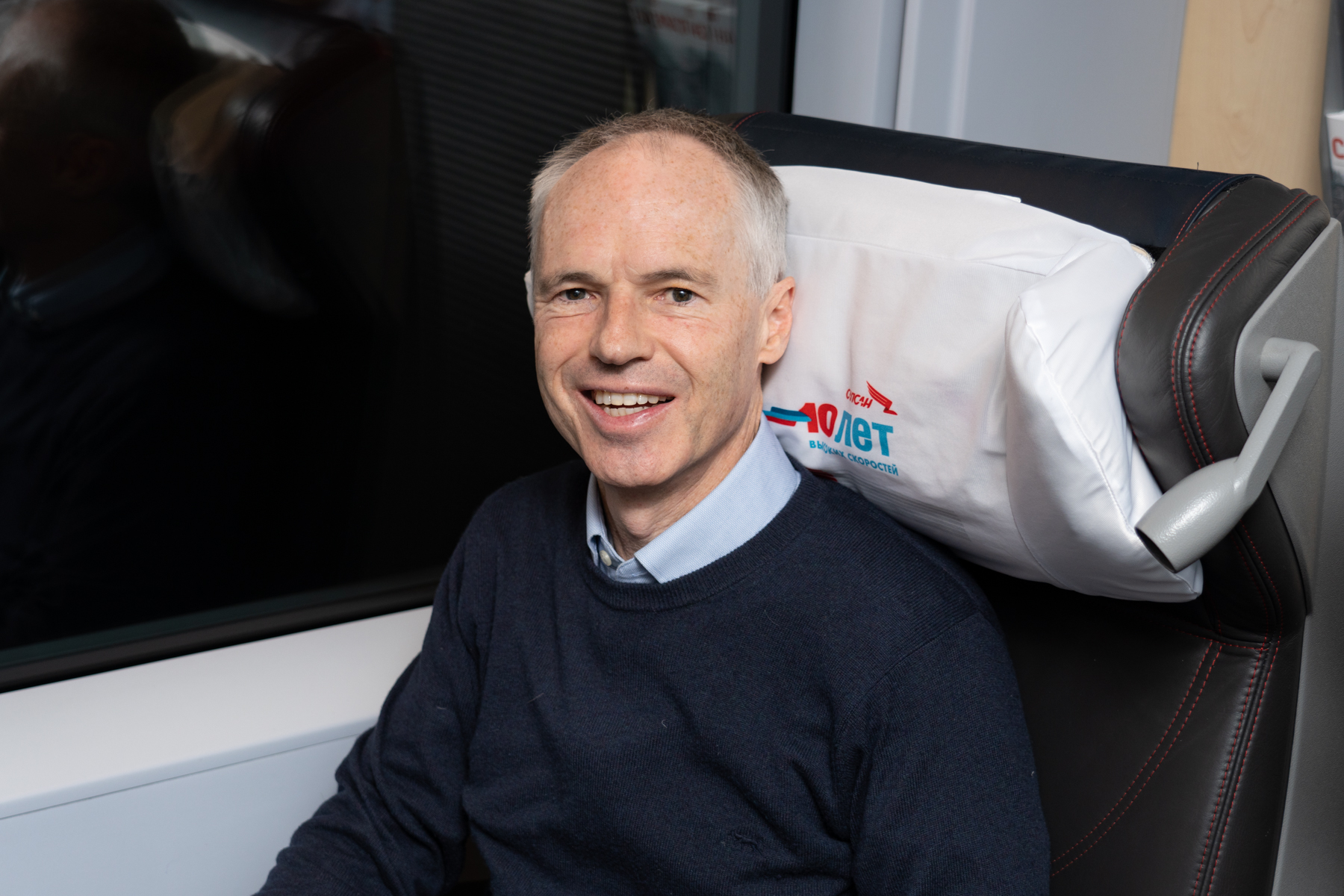
The train departed at 5:30am exactly. We were served a very nice breakfast on the train before we laid down our seats and got under our blankets, hoping to catch a little more sleep before we arrived in Moscow. Our train was a non-stop service and, cruising at up to 250km/hr, we completed the 700km trip to Moscow in about three and a half hours. When we exited the train our guide, Katya, was waiting for us on the platform. She escorted us to our waiting car and introduced us to Igor, our driver for the day.
First up, we went for a drive around the city to get an overview. As a result of the fire that destroyed the city in 1812, Moscow no longer has most of its beautiful buildings. Moscovites set the city on fire as an act of sabotage as Napoleon’s forces approached. Napoleon’s army had won a major battle west of Moscow and marched into the city with little resistance in September of 1812. With large parts of the city destroyed and desolate, the French found that the city was extremely short of food and supplies. On their eventual retreat from Moscow in the bitter Russian winter they suffered great losses as they battled frigid temperatures, famine, disease, and the Cossack and Russian armies who blocked their supply lines and exit options. It is estimated that only one tenth of the French army survived the trip out of Russia to Poland.
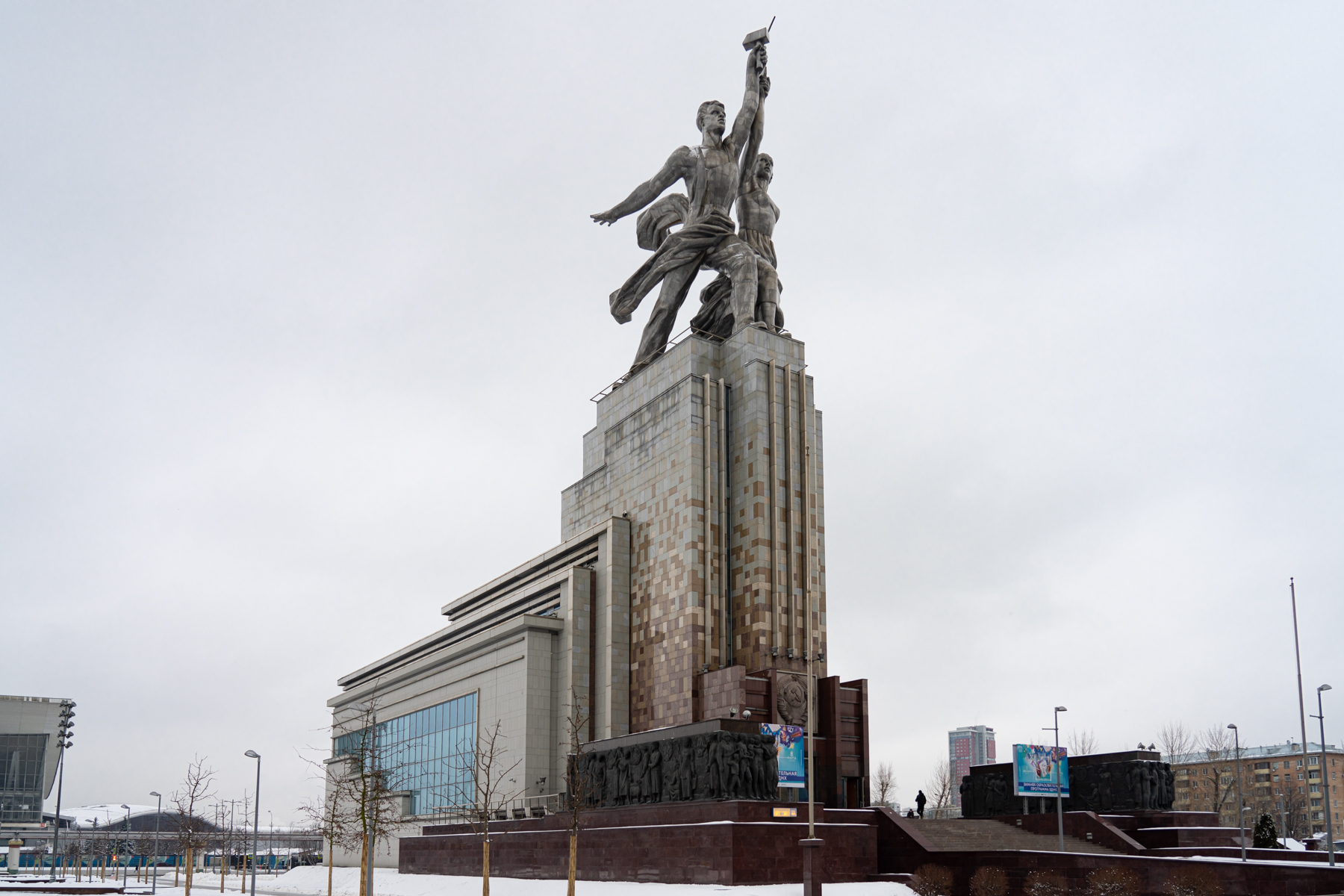
After our drive around, it was time to get out and brave the Moscow weather. Our first major stop was at the Worker and Kolkhoz Woman statue. The statue is 24.5 meters tall and was made for the 1937 World’s Fair in Paris, after which it was disassembled and moved to Moscow in pieces. The sculpture is an excellent example of the socialist realism style, which seeks to glorify communist values and ideals. The man in the statue holds aloft a hammer and the woman a sickle to form the hammer and sickle symbol.
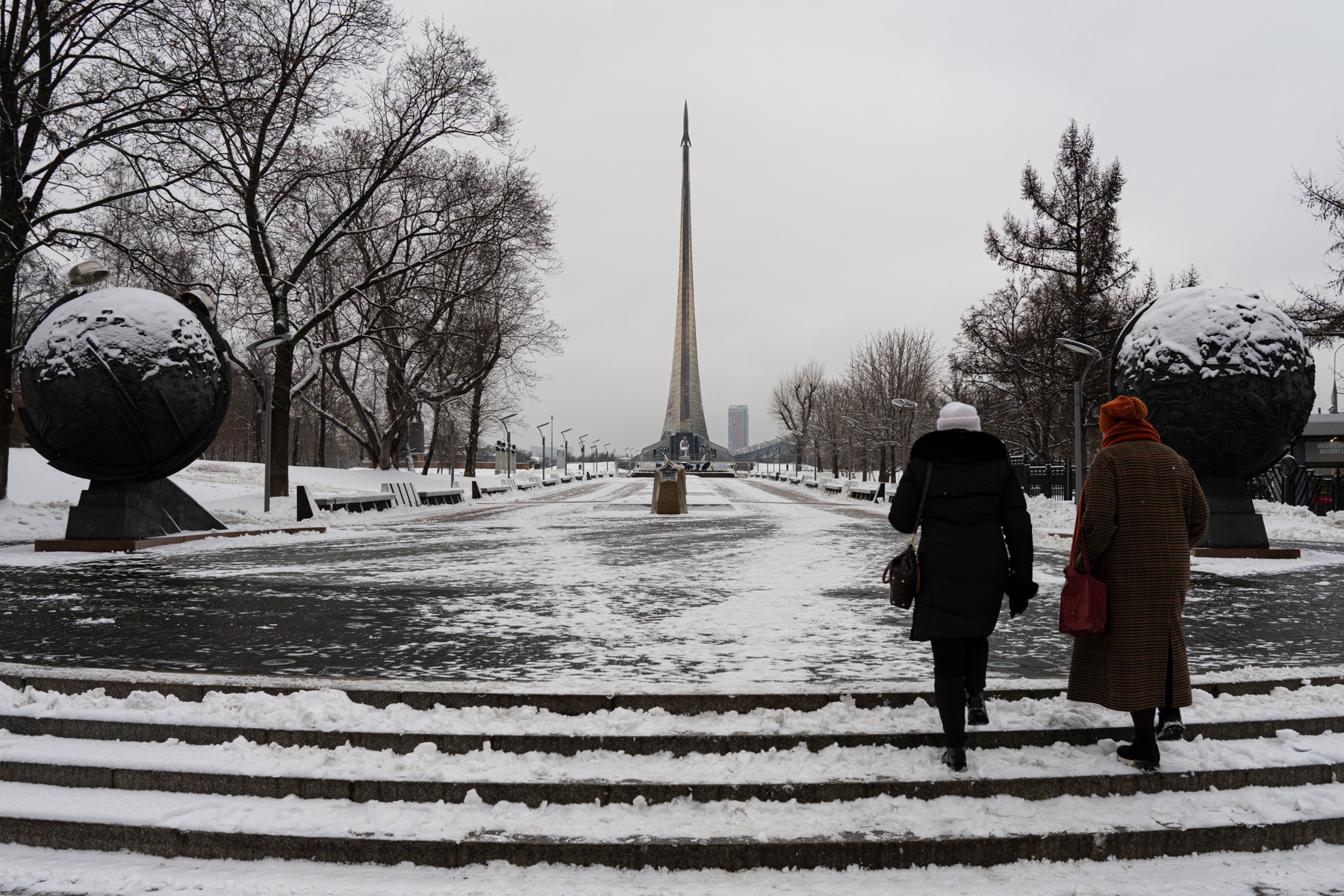
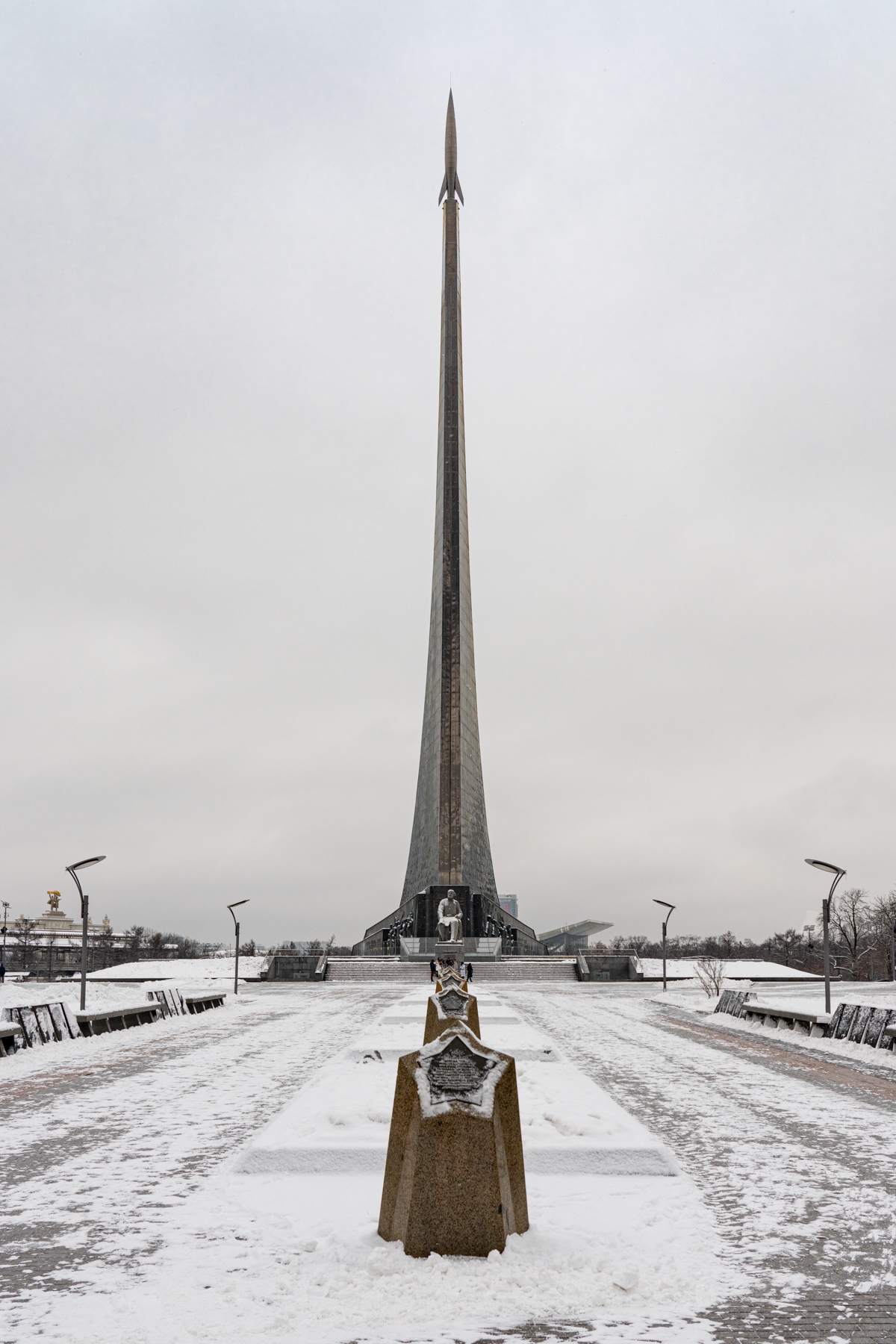
Our next stop was the Monument to the Conquerors of Space, an incredibly impressive 107 metre high statue made of titanium, dedicated to the Russian heroes of space exploration. We also walked along the Cosmonauts Alley, just next to the statue, which honours some of the Russian space pioneers including, of course, Yuri Gagarin.
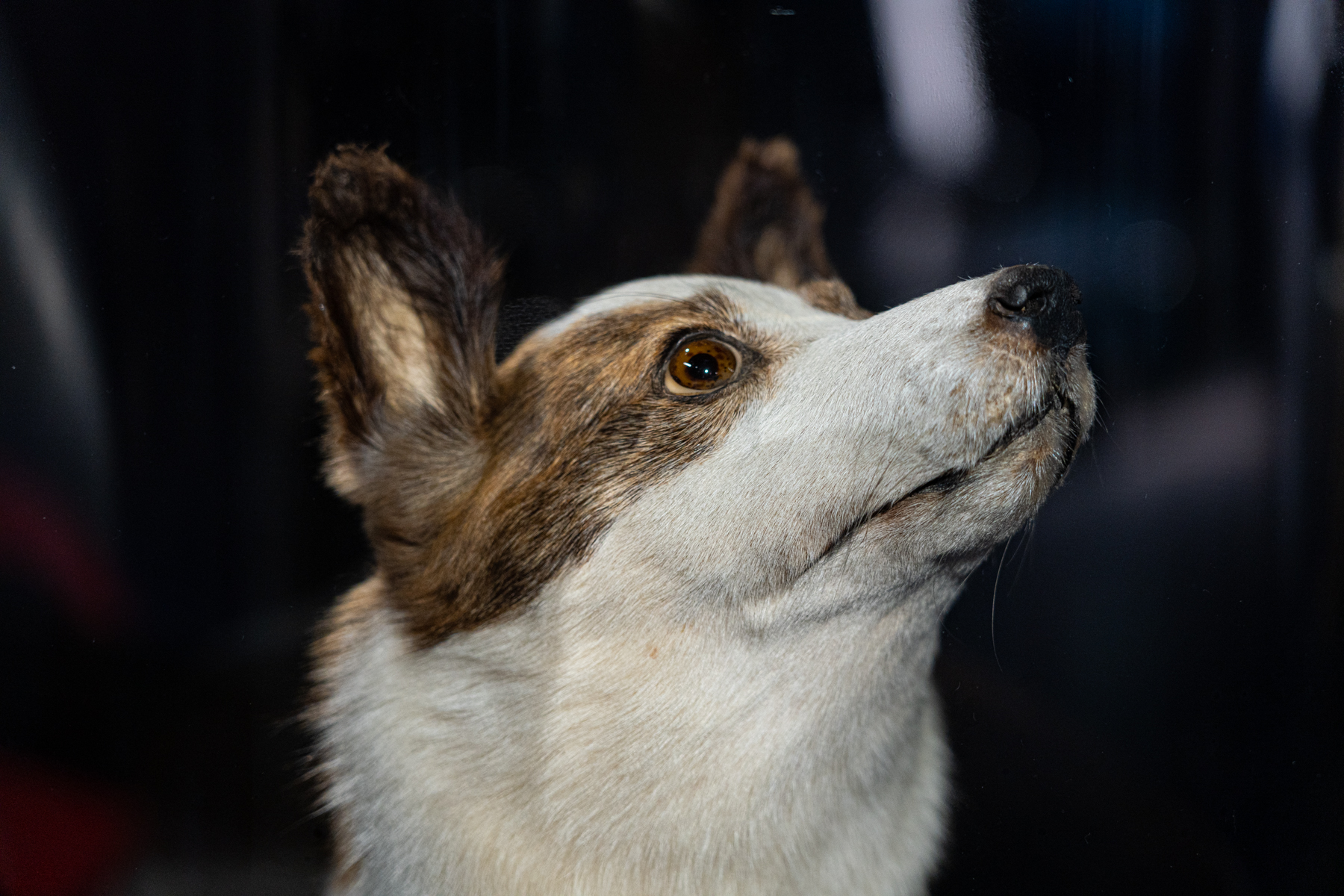
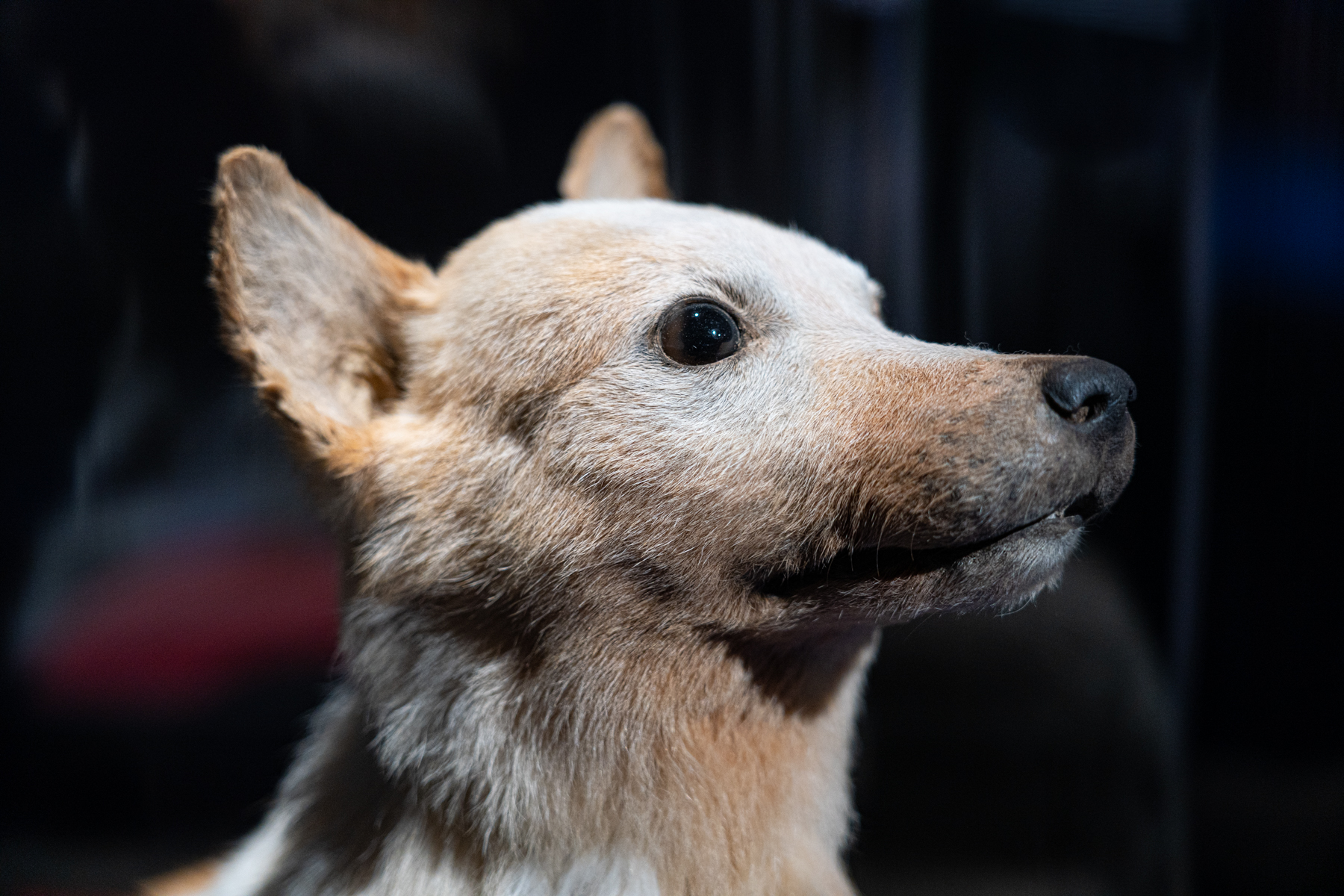
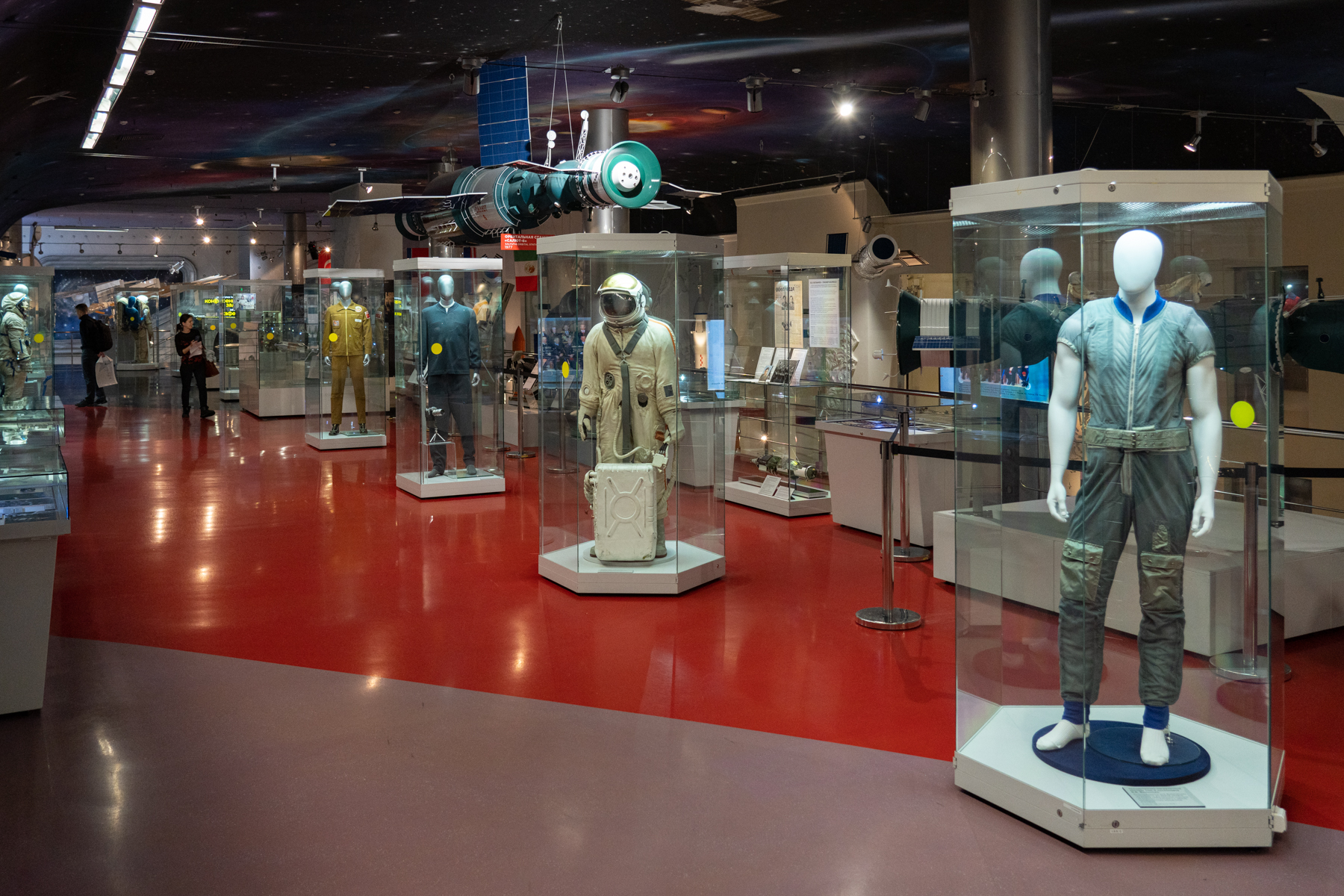
We then headed inside the Memorial Museum of Cosmonautics, which has an incredible display of items from Russia’s space program. Prominently featured in the display are Belka and Strelka, the two dogs who spent a day in space aboard Sputnik 5 on 19 August 1960 before safely returning to Earth. We spent about an hour and a half inside the museum.
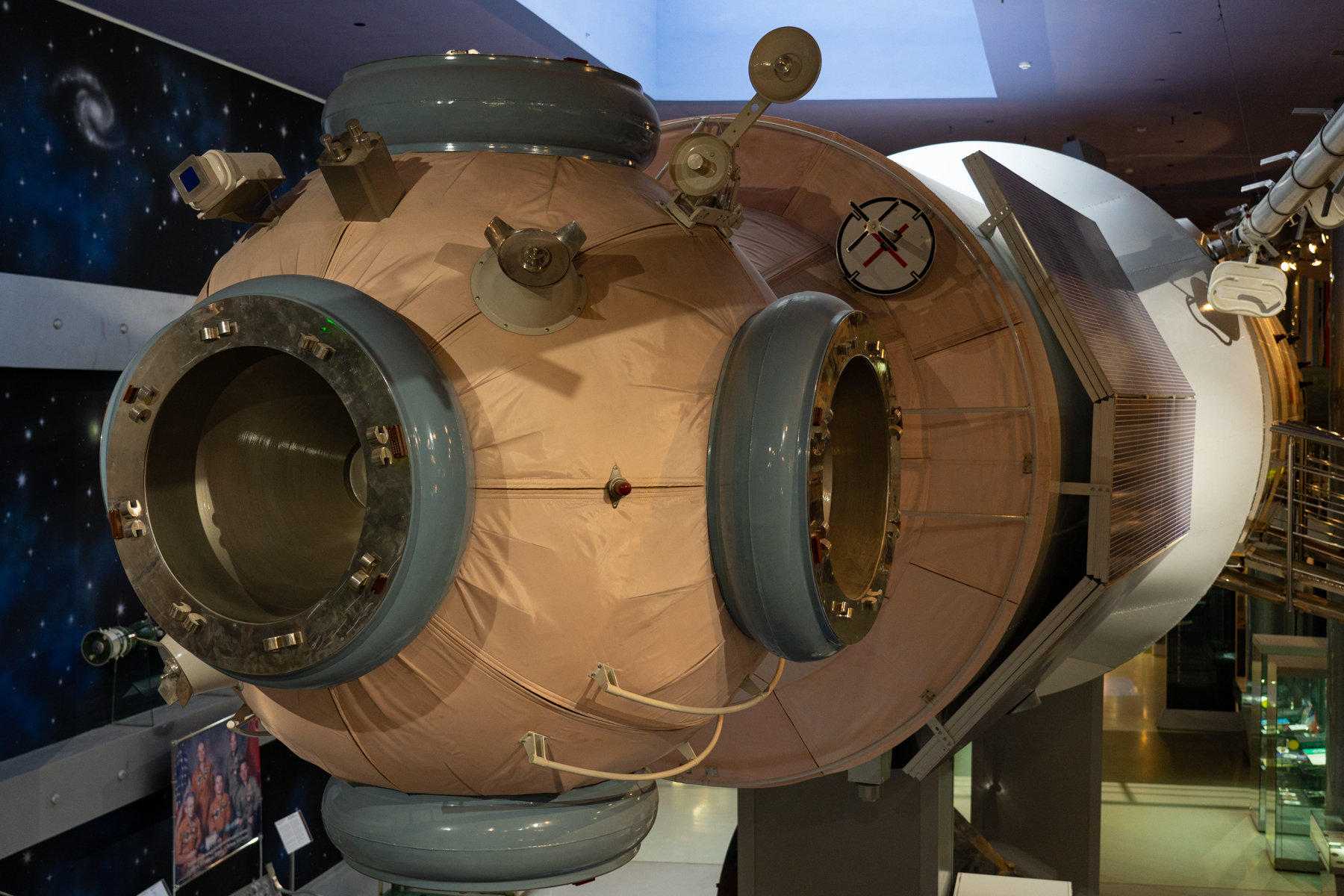
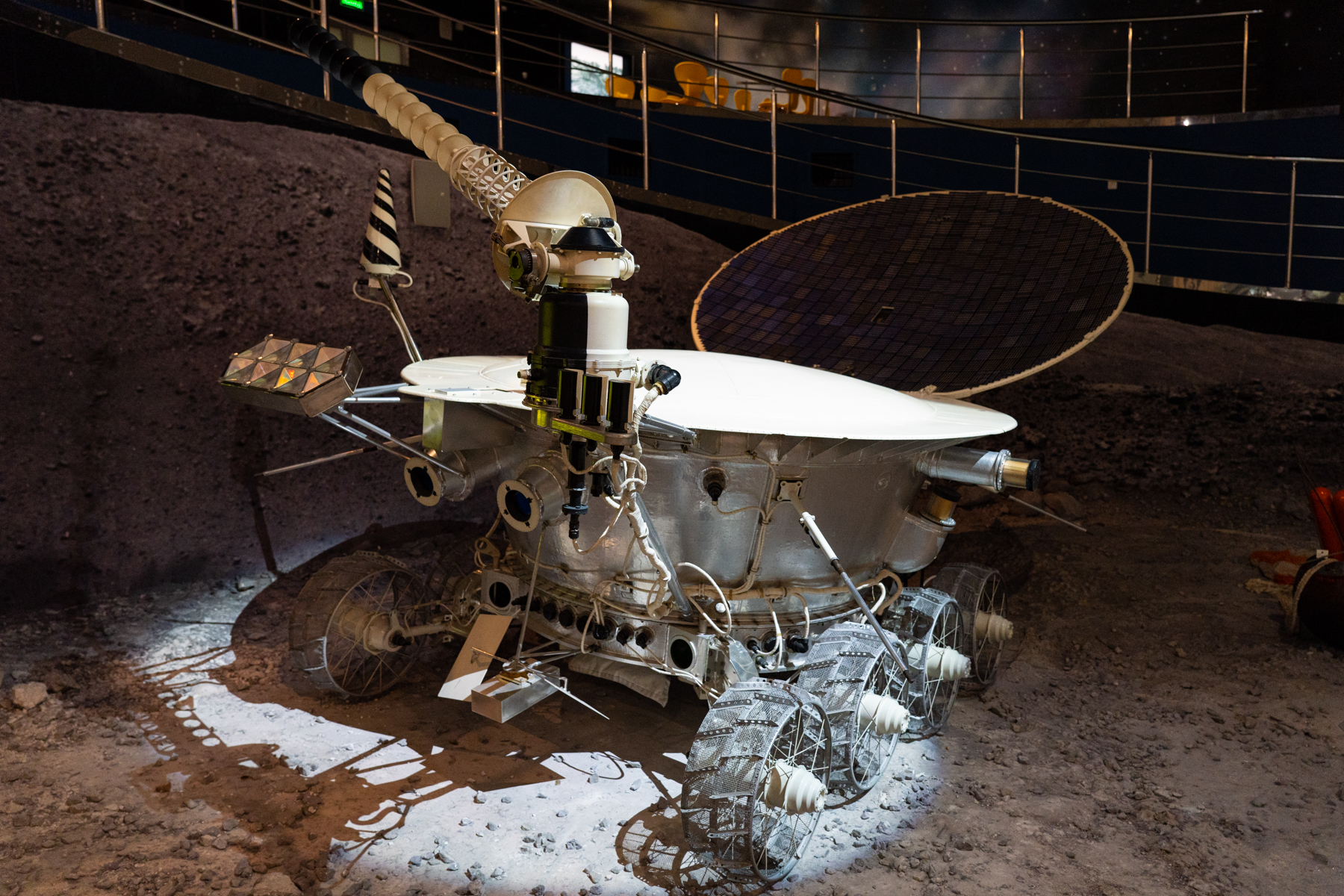
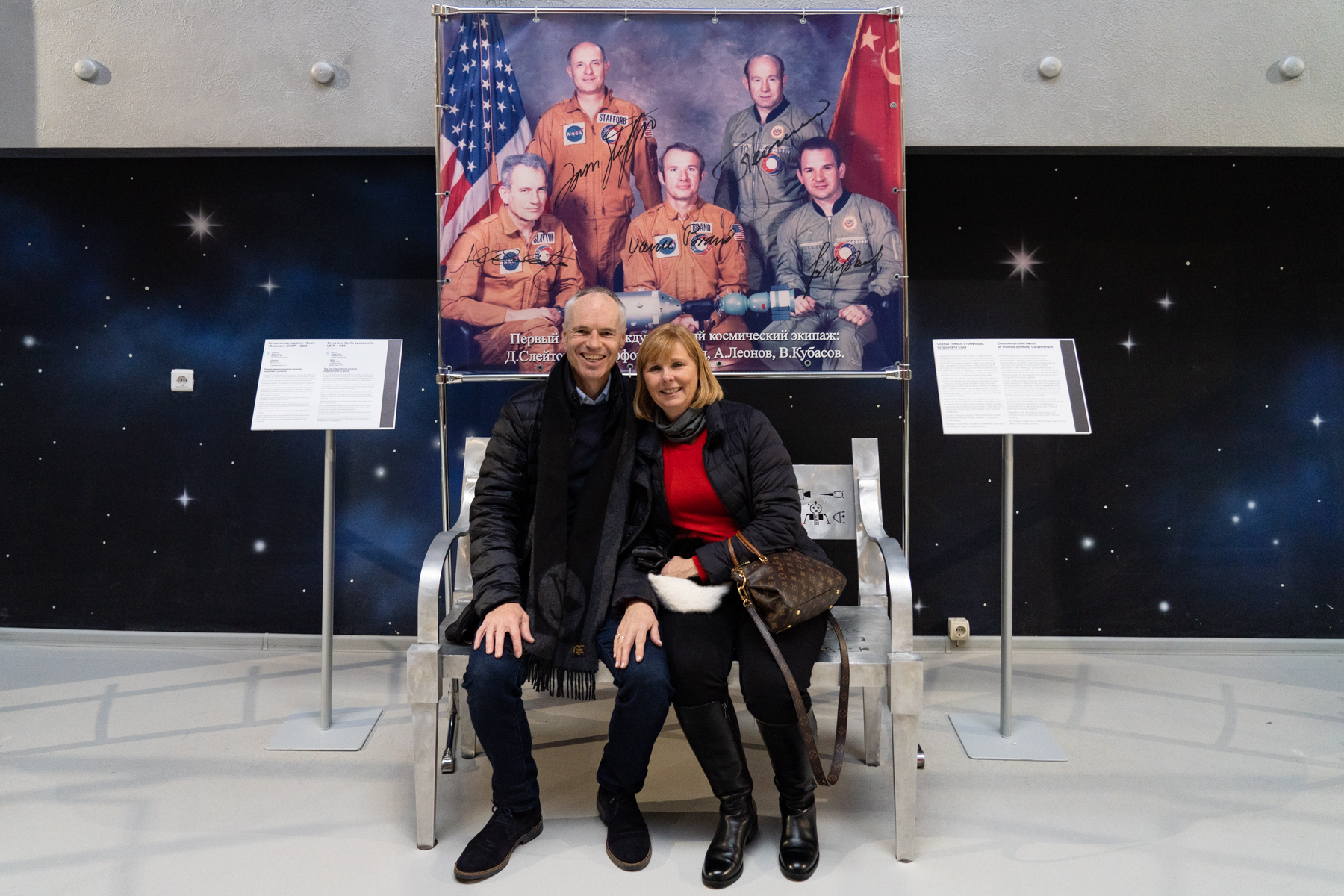
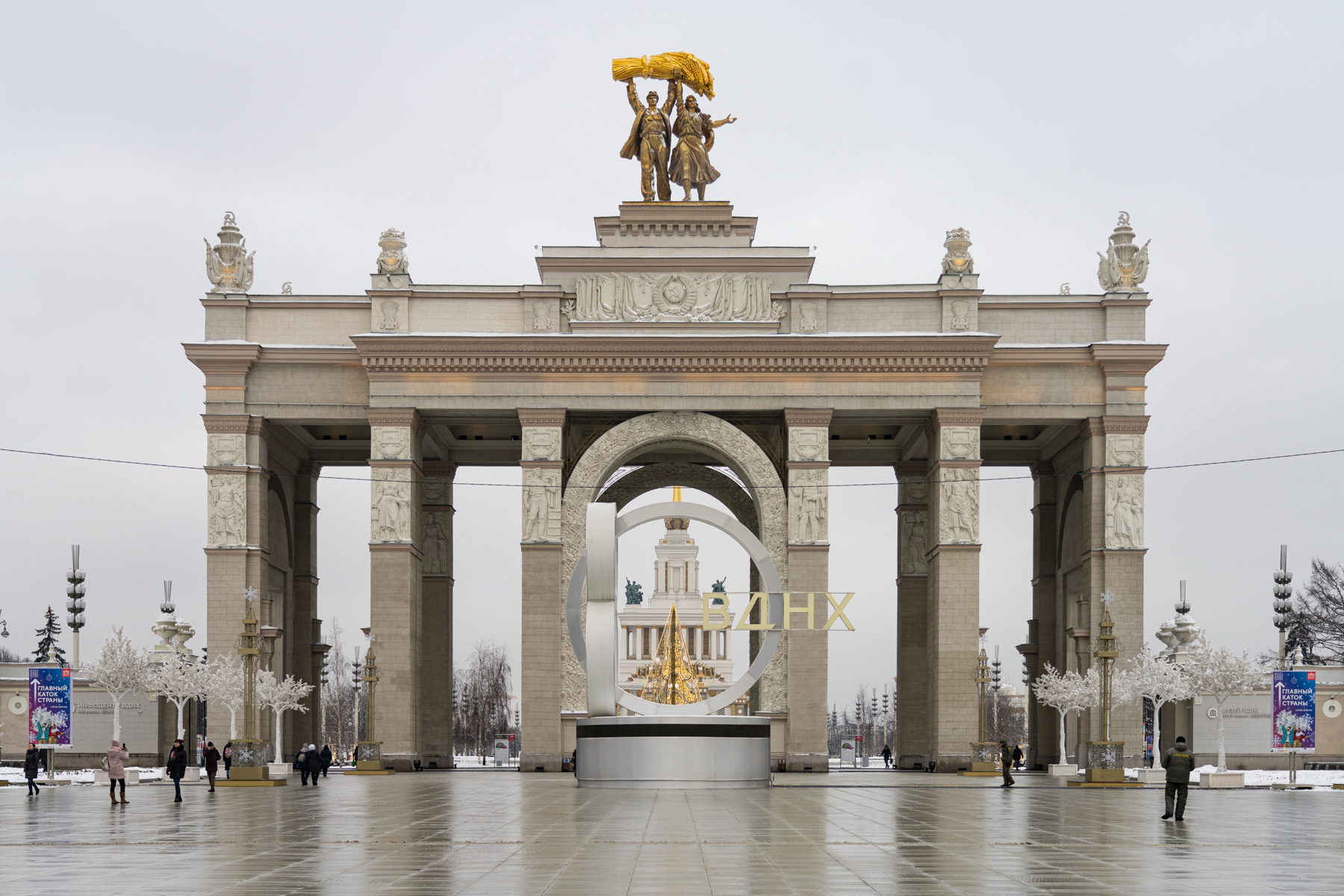
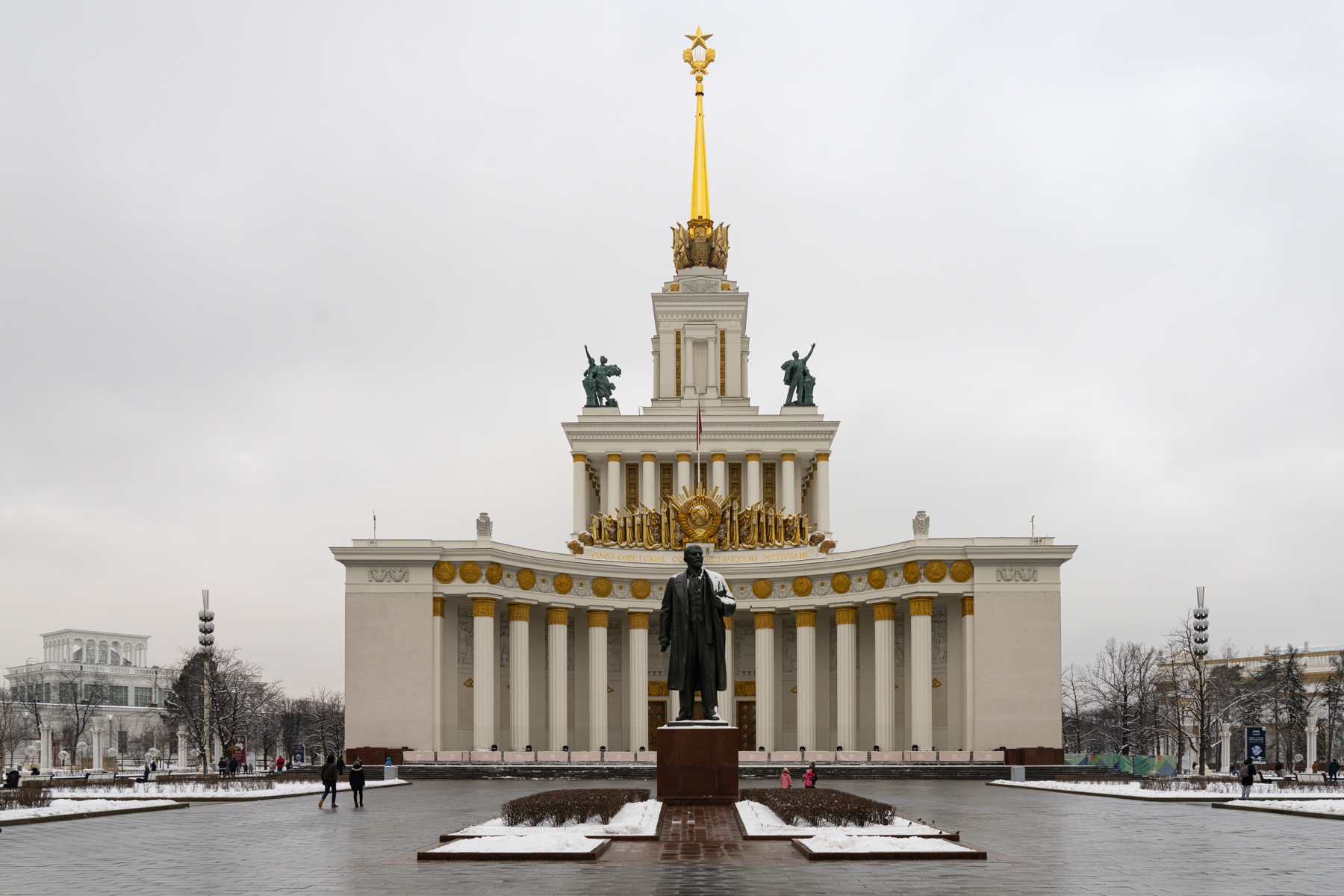
From the space museum we walked to the Vystavka Dostizheniy Narodnogo Khozyaystva (Exhibition of Achievements of National Economy), abbreviated as VDNKh, which is a huge park and exhibition area. Despite the cold (and it was very cold!) there were plenty of people enjoying the park. We were briefly tempted to join the ice skaters on the skating rink but we then thought better of it!
By now it was late morning so we headed for our next stop, Red Square. We took the long way around so we could drive around the perimeter of the Kremlin to appreciate its size. It is much bigger than we had imagined it to be. We said goodbye to Igor at this point, since we planned to spend the rest of the day exploring on foot.
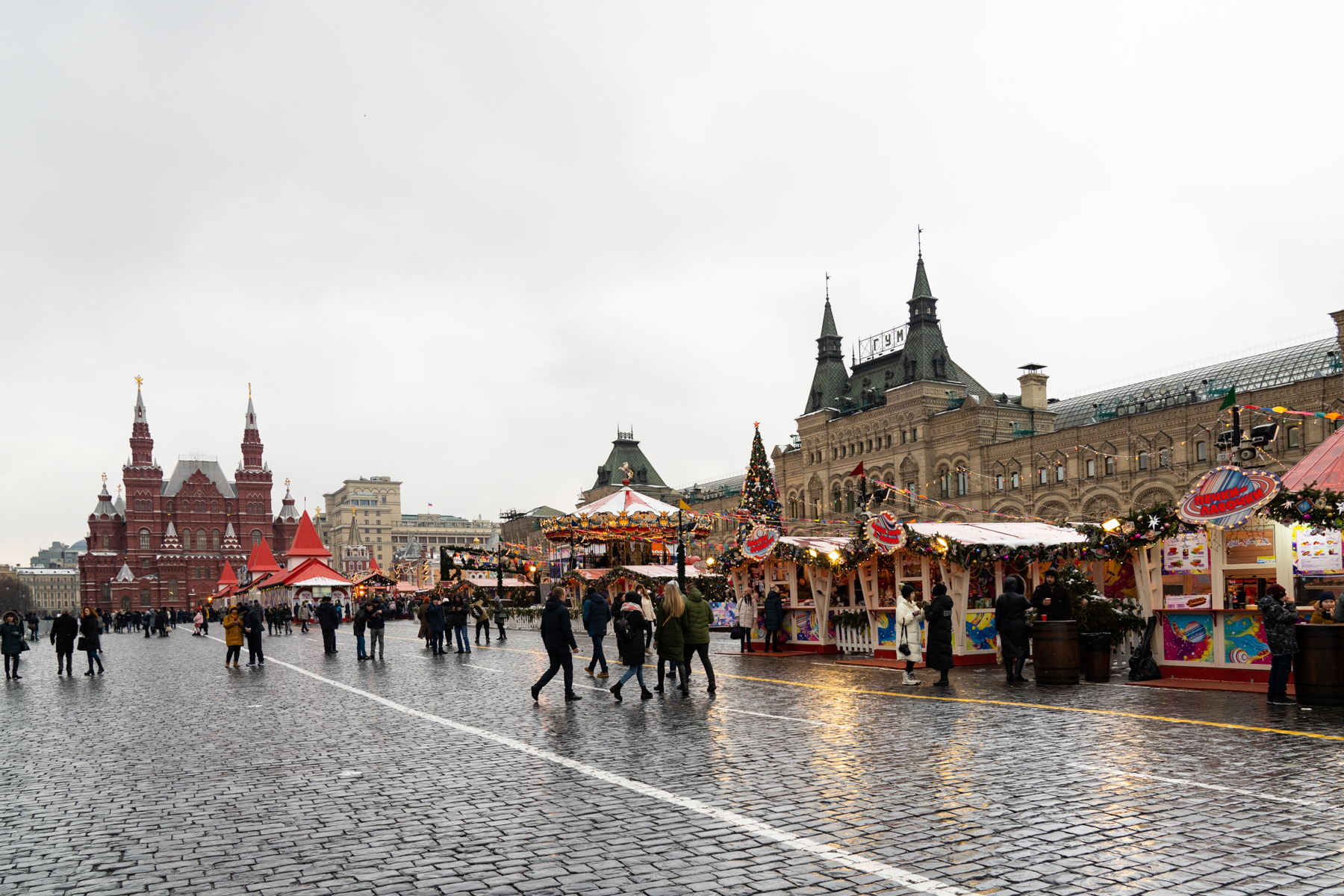
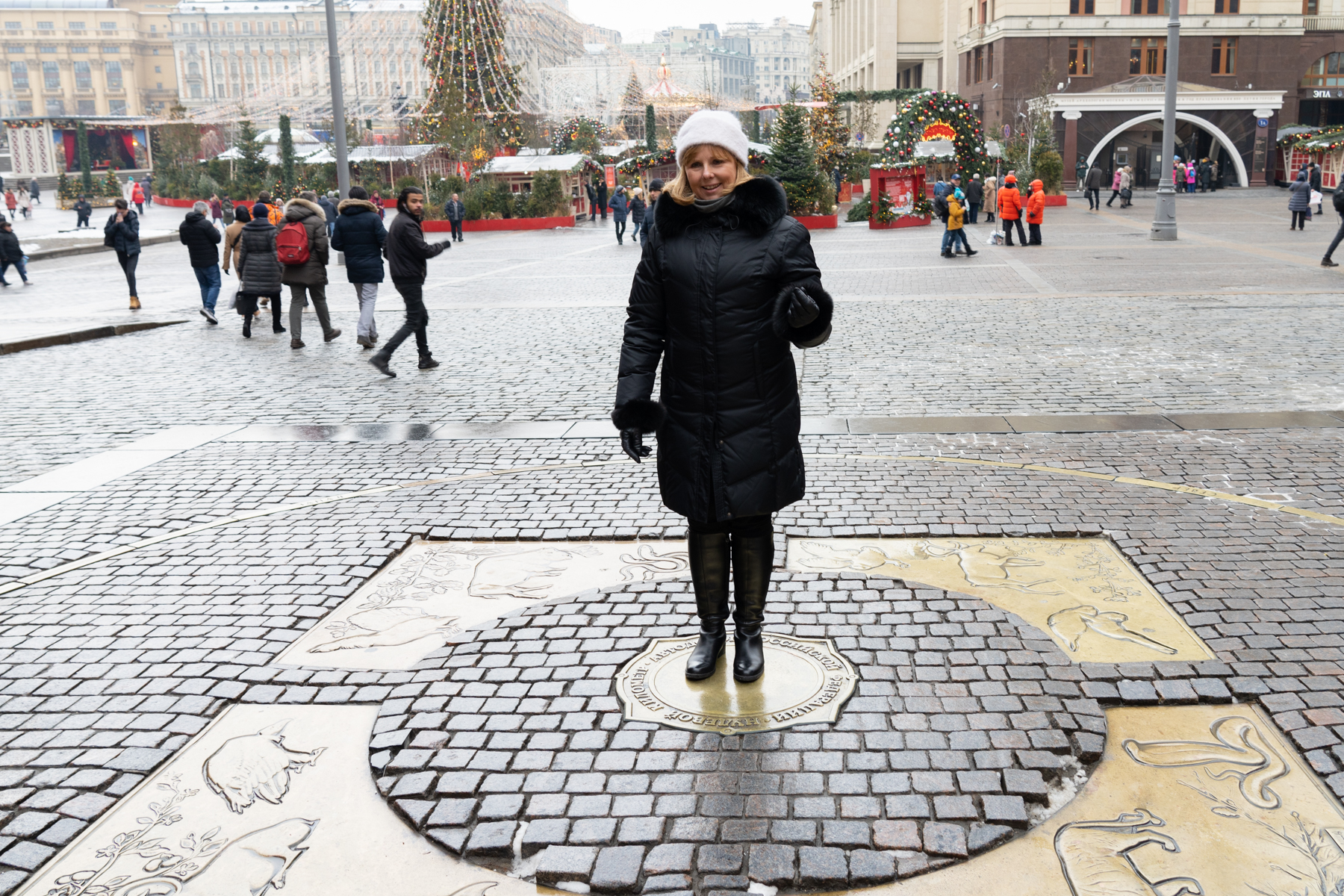
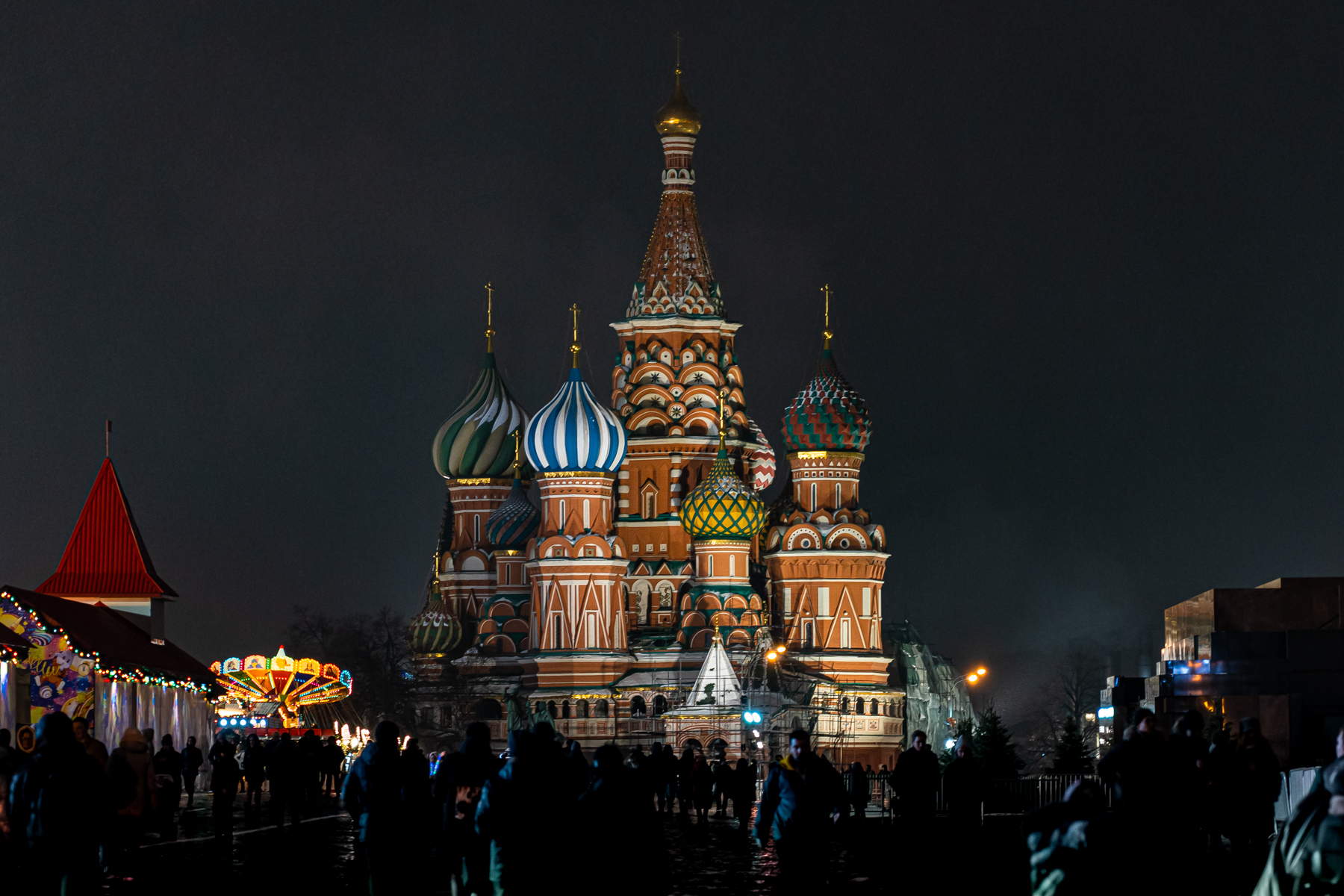
Red Square was buzzing with a market and thousands of people. We took a leisurely stroll through the square, taking in the sights (such as Saint Basil’s Cathedral) and generally just soaking up the atmosphere.
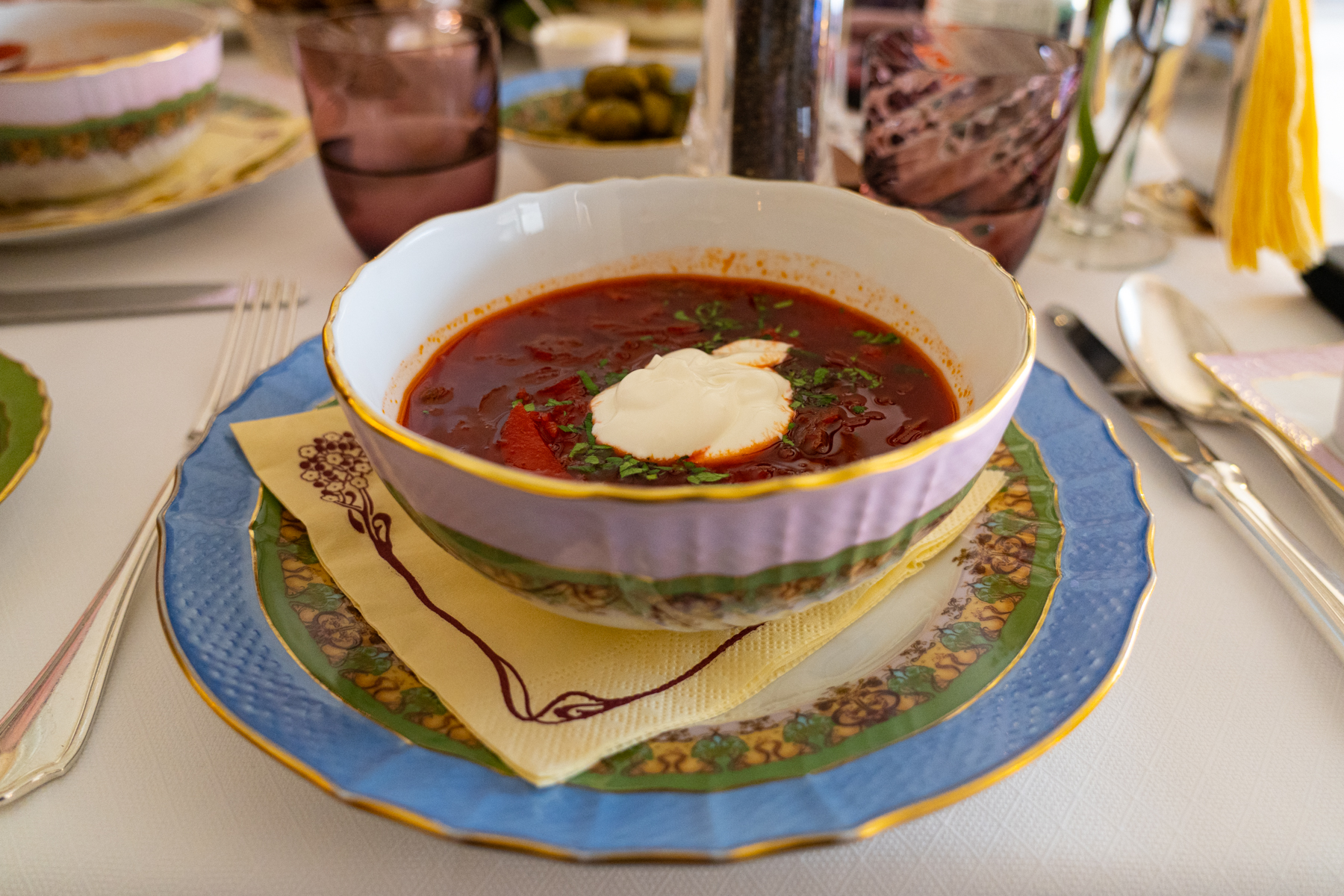
After a busy morning we stopped for lunch in a beautiful restaurant that looked over Red Square. We enjoyed a traditional Russian lunch, starting with a very tasty bowl of Borscht (which we are now planning to make at home!).
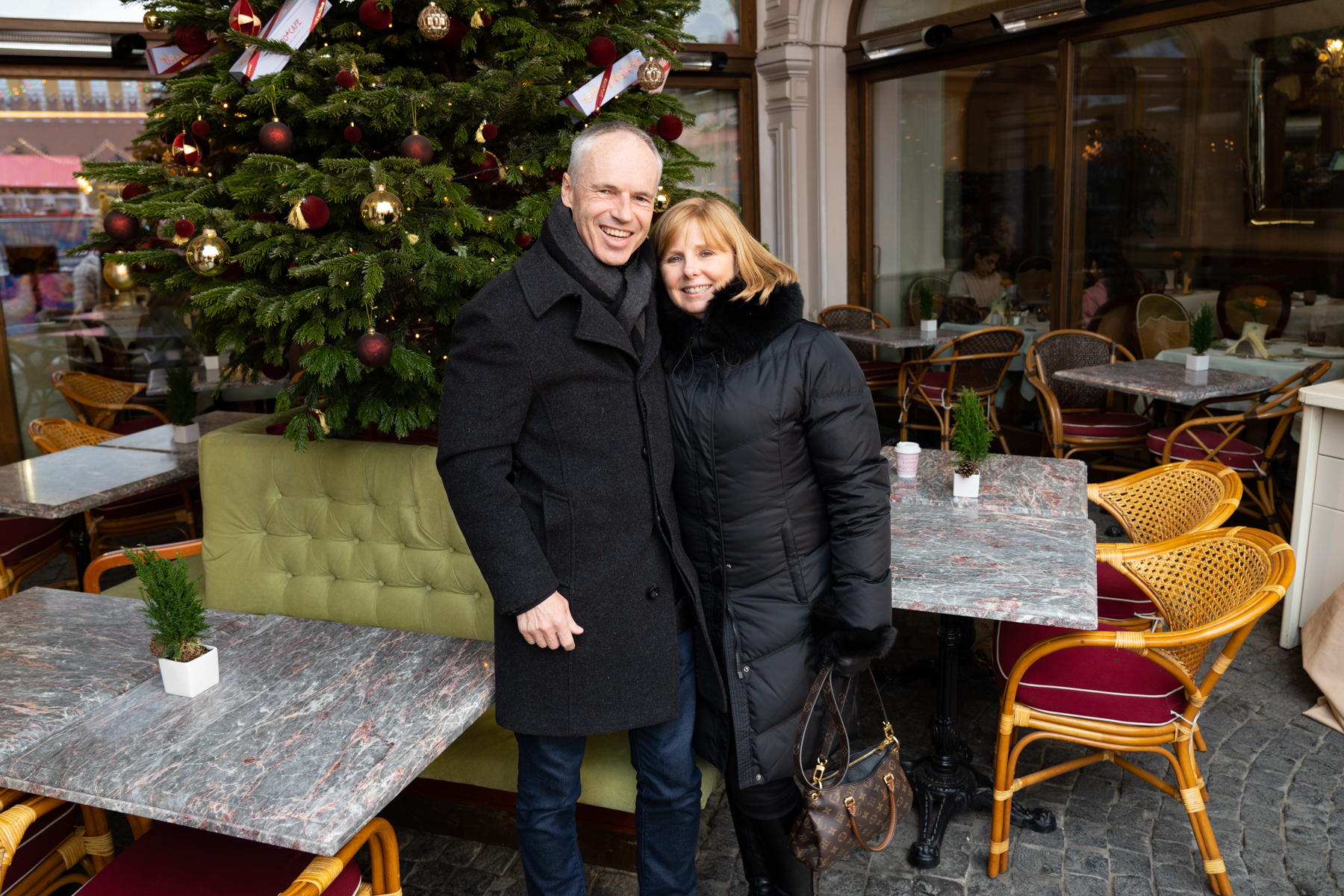
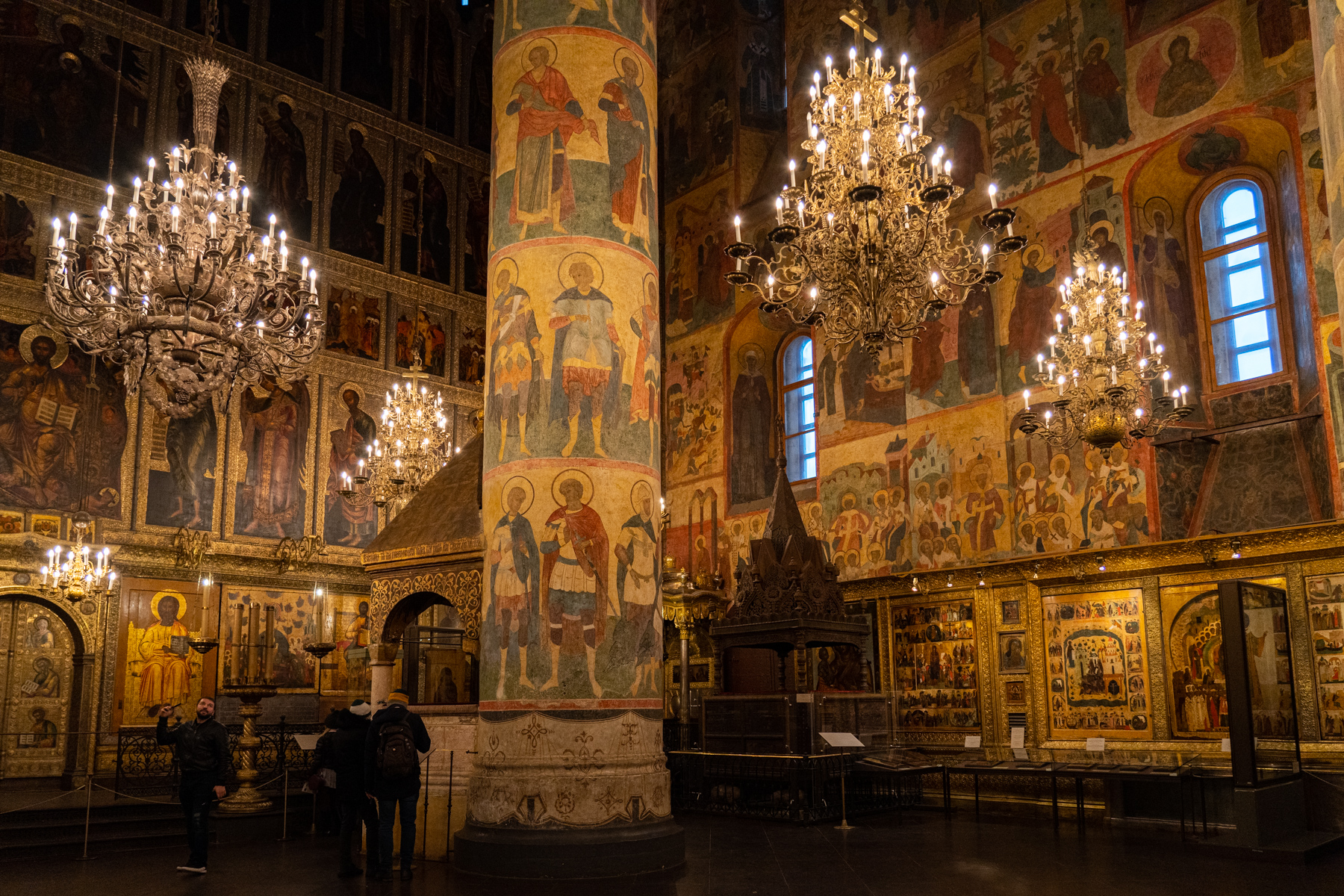
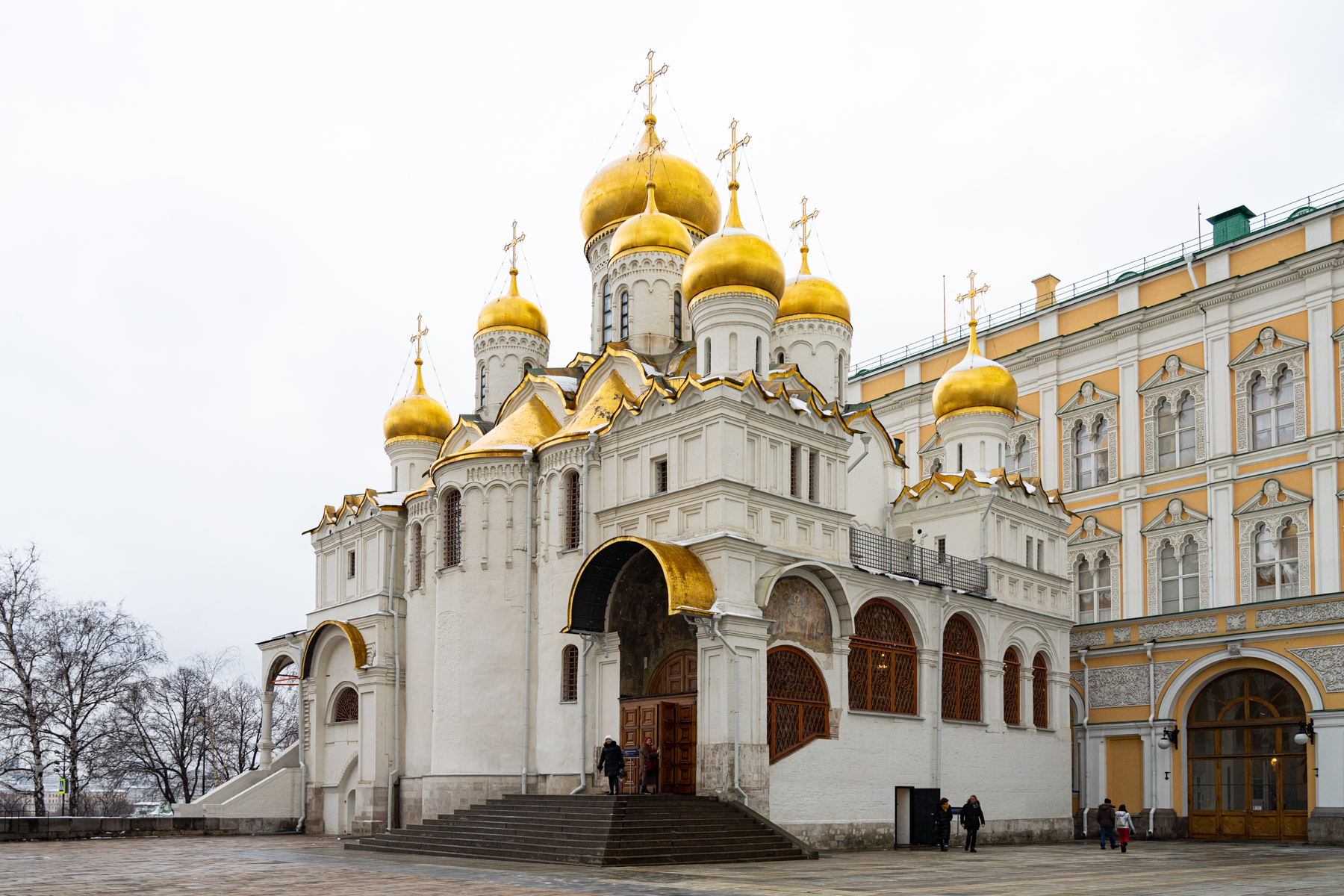
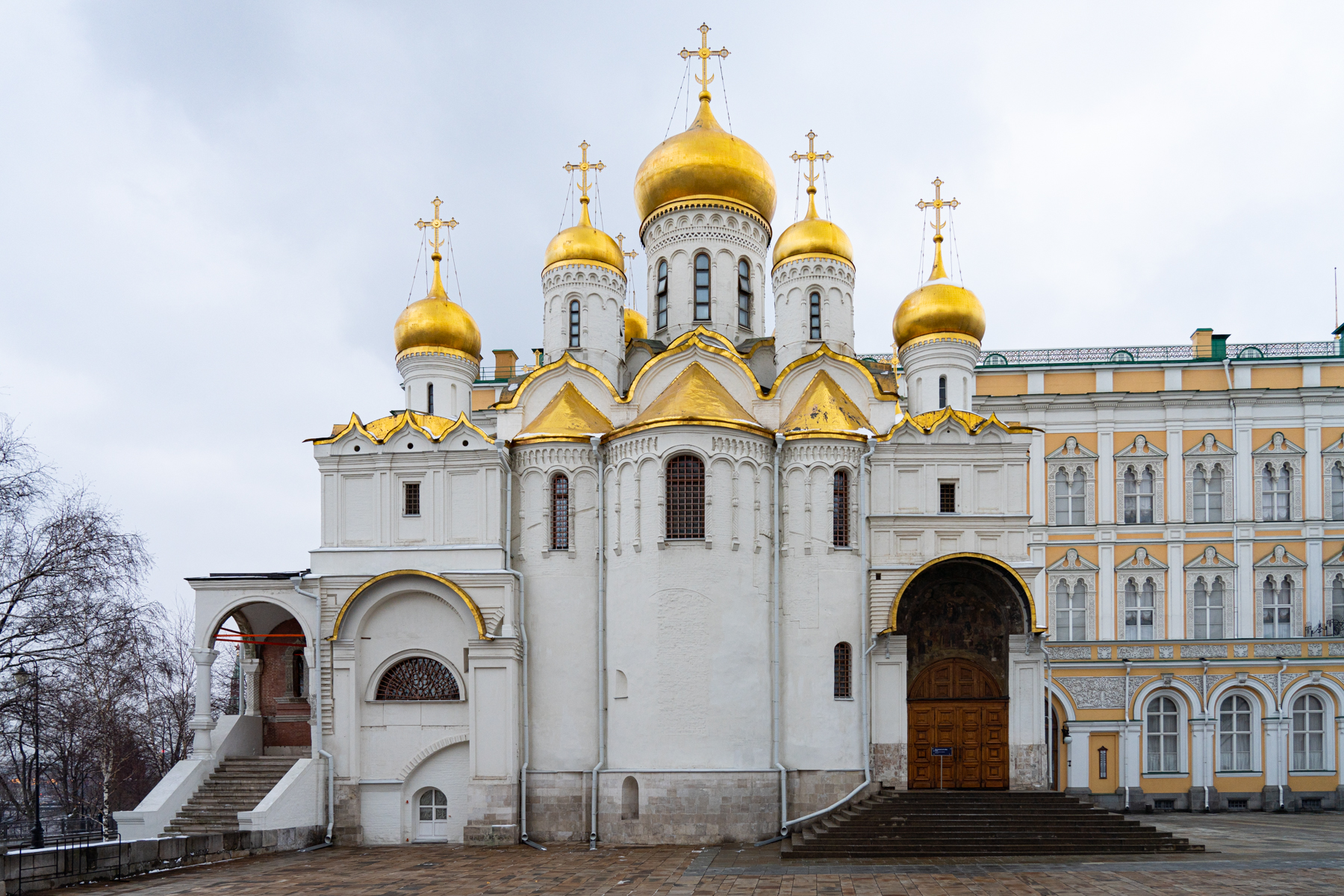
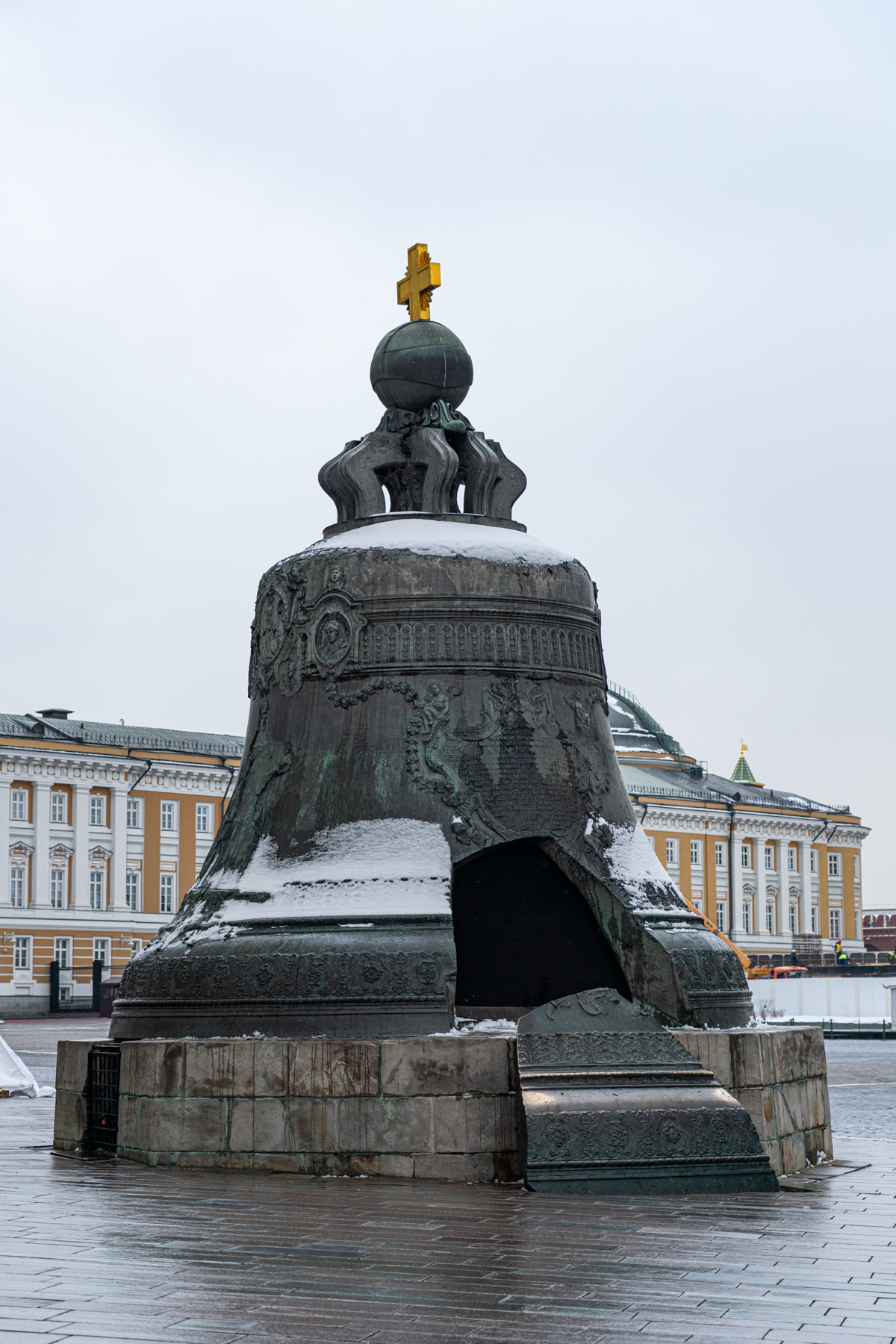
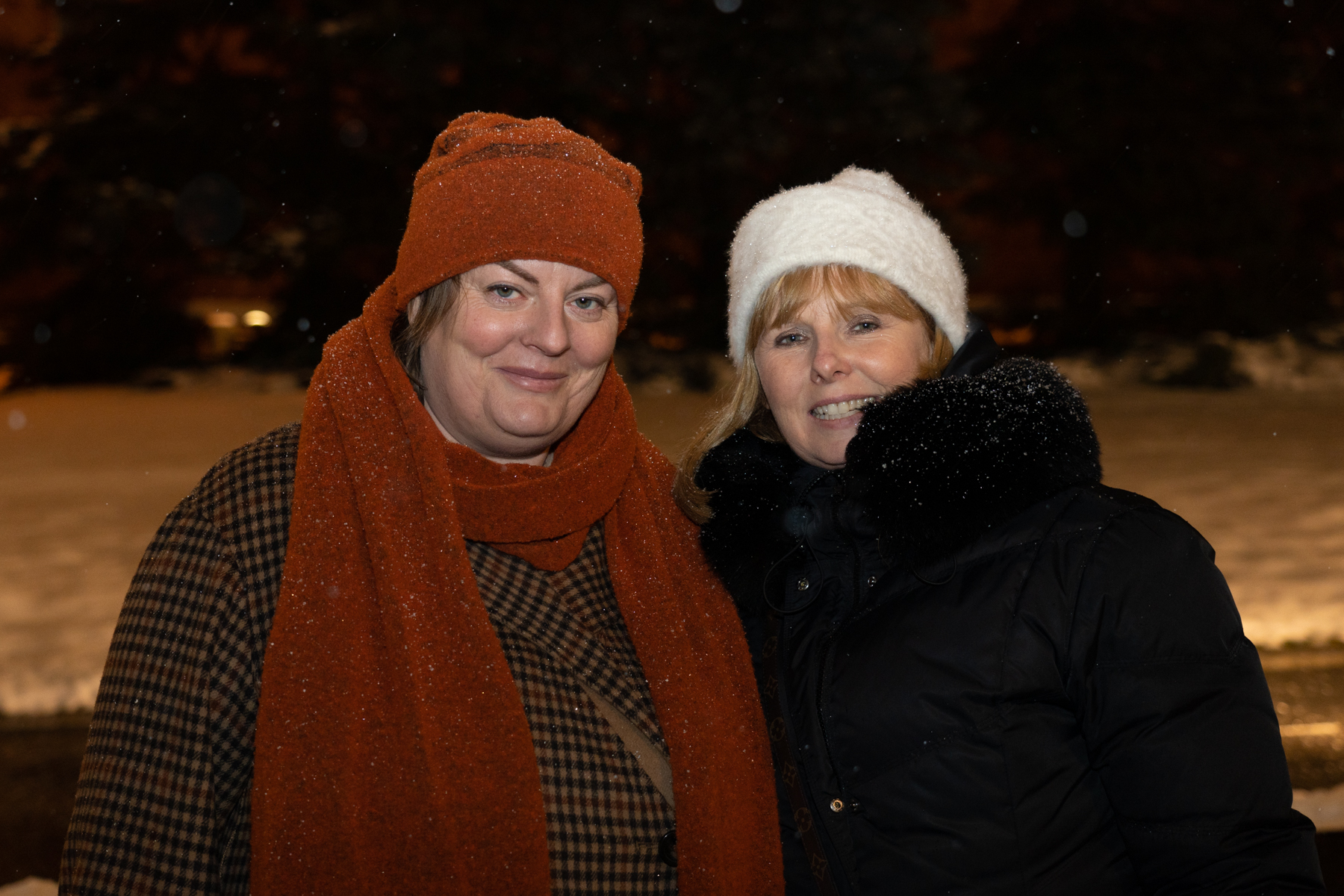
After lunch we headed inside the Kremlin (which literally means “fort inside a city”), the fortified collection of buildings right in the heart of Moscow. The architecture and grandeur of the Kremlin is something to behold. The Kremlin did not burn in the Moscow fires and, thankfully, it also survived Napoleon’s attempt to destroy it. The buildings and churches inside the Kremlin are very beautiful but there is also some more modern Soviet-era architecture too. The highlight for us was probably the Kremlin Armoury, which started out as the royal arsenal in 1508. In 1851 it was converted to a museum, which makes it the oldest museum in Moscow. We spent about three hours inside the Kremlin before heading back into the cold Moscow evening air to watch the changing of the guards, which was a wonderful sight (made even more spectacular by the snow now falling).
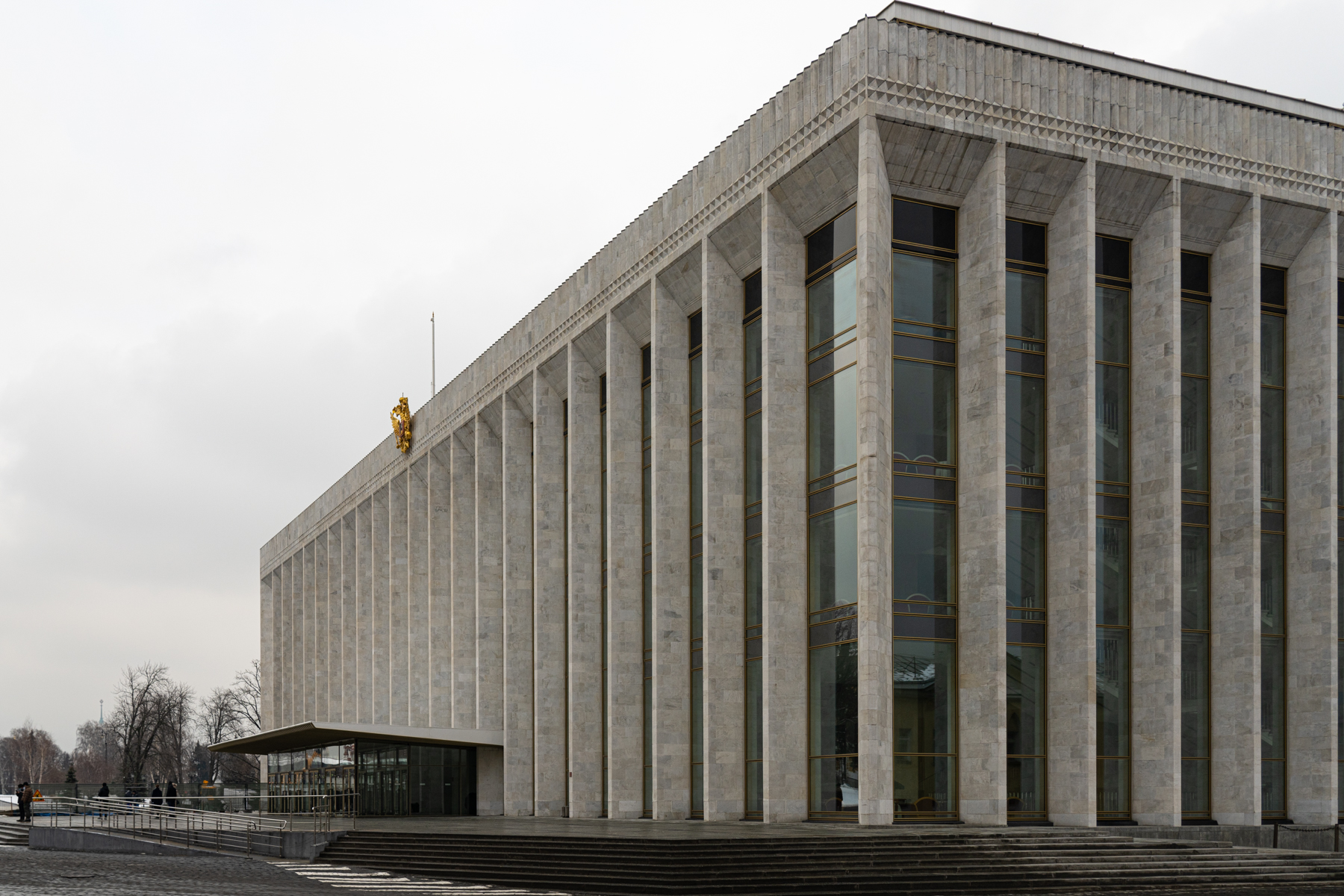
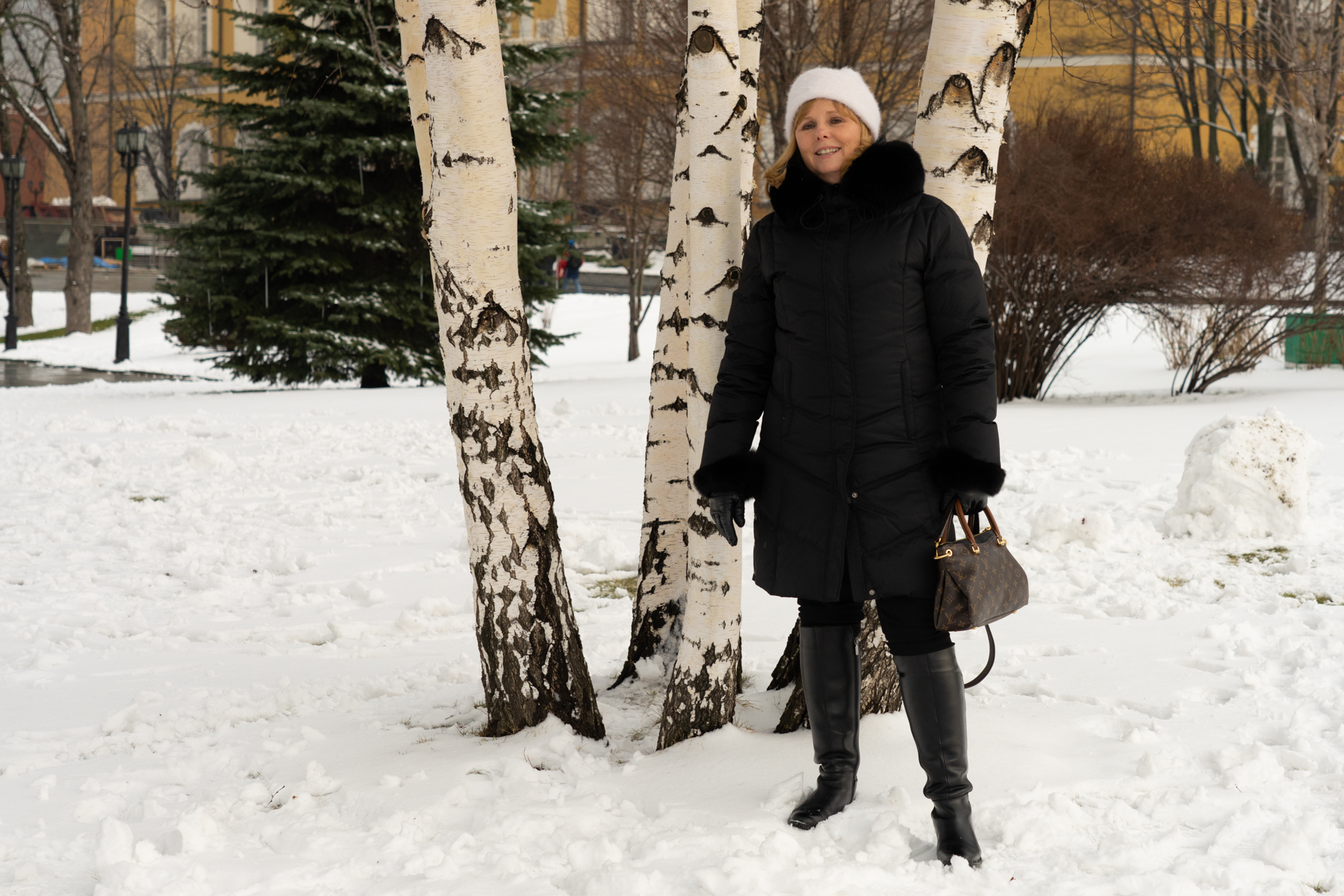

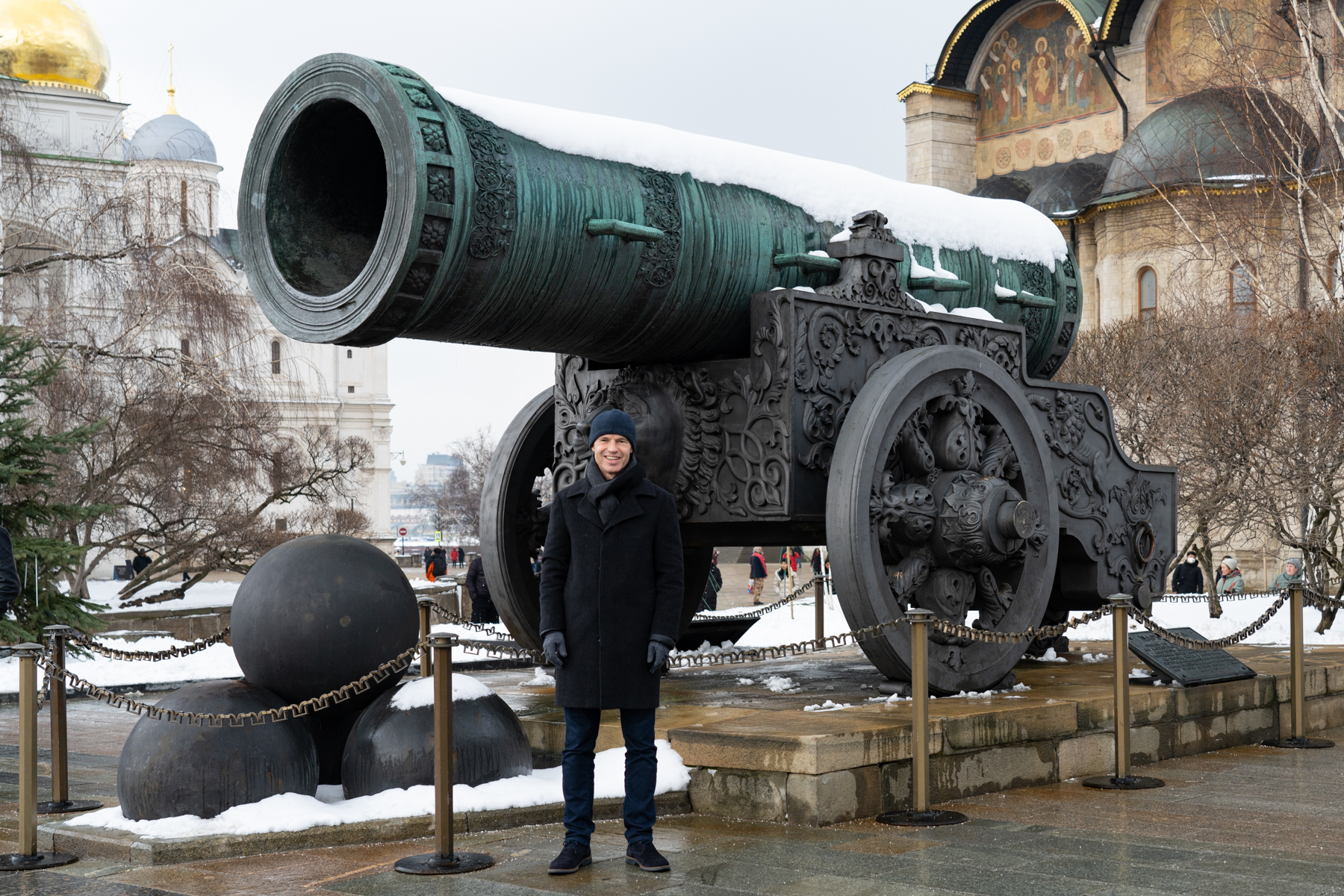
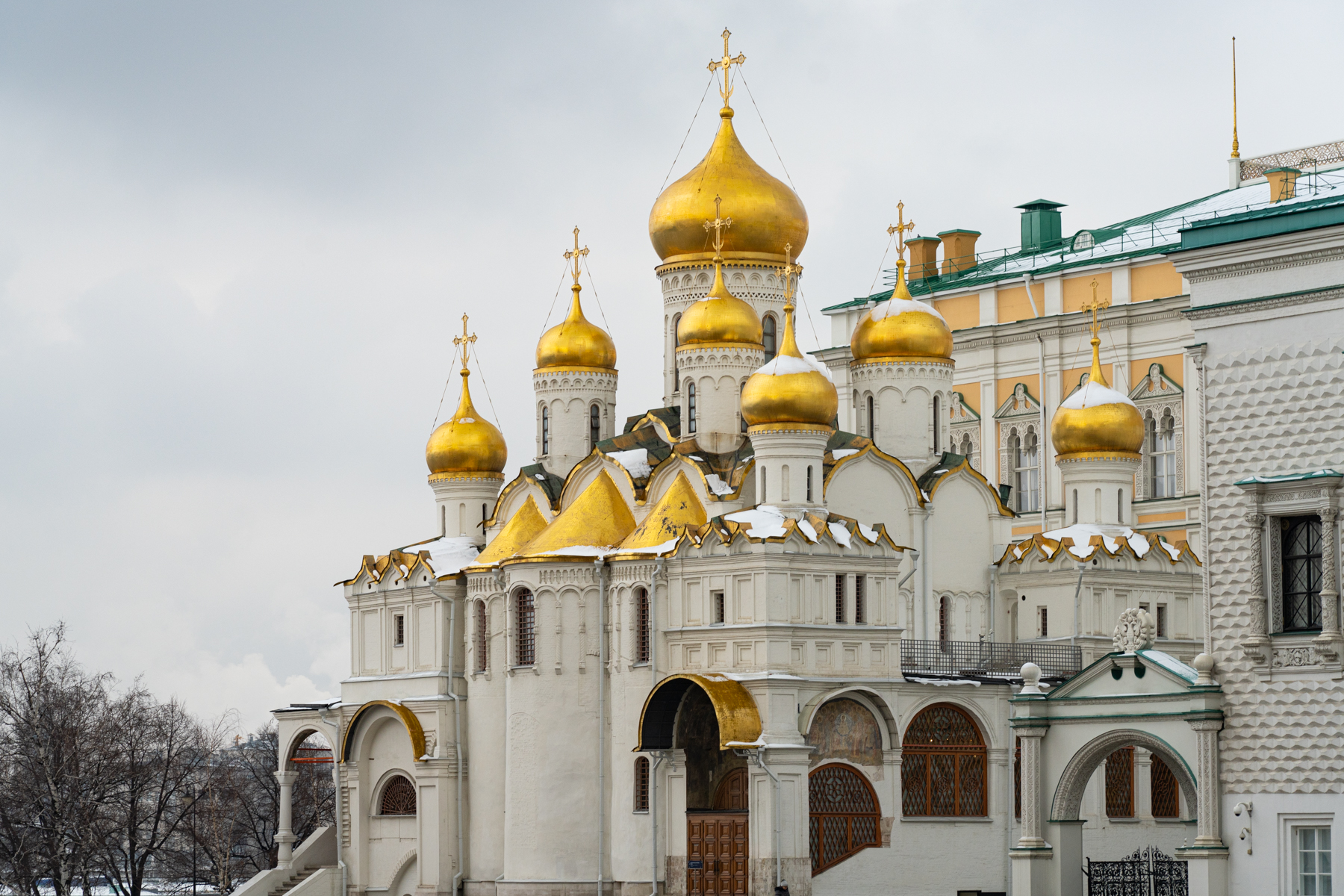
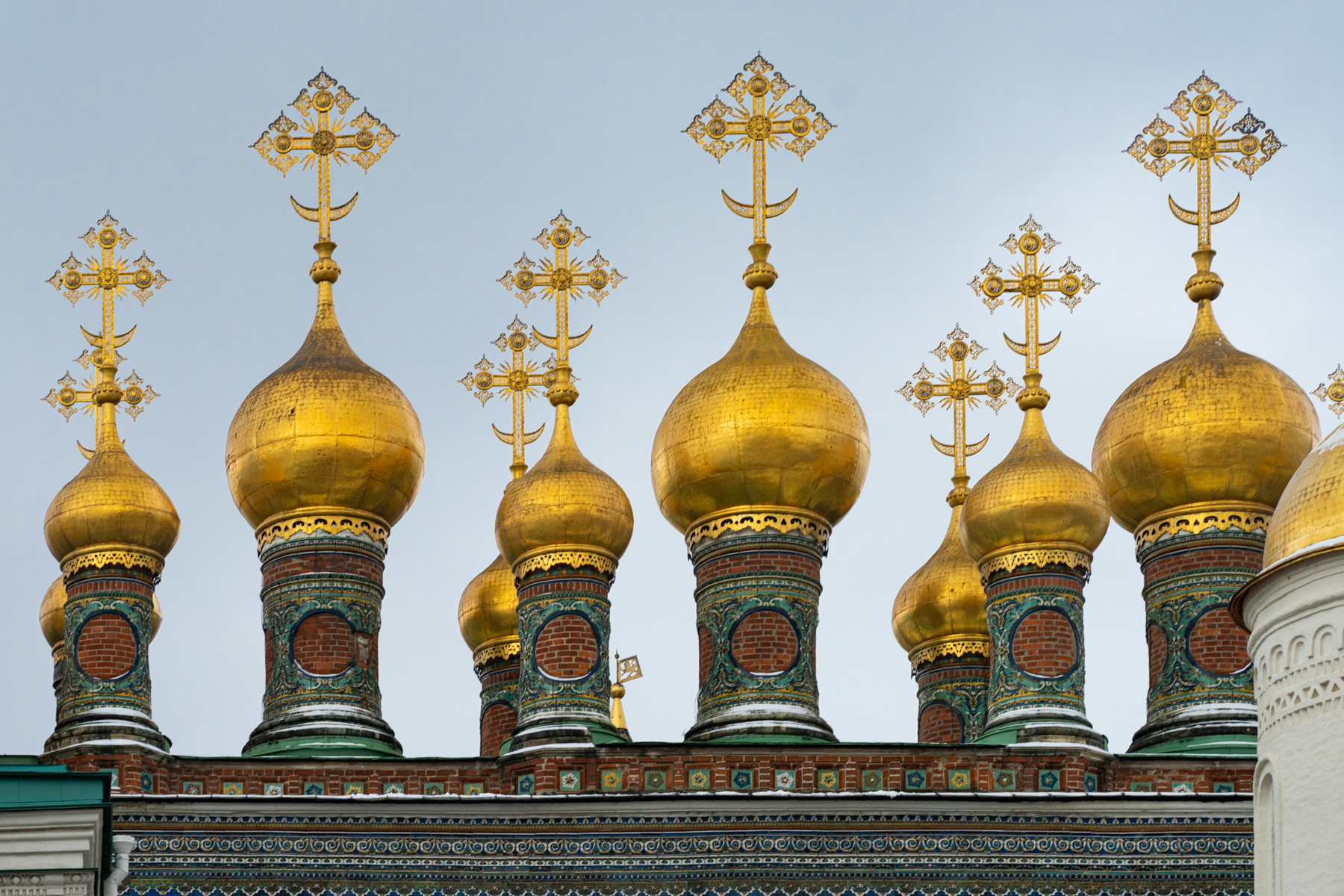
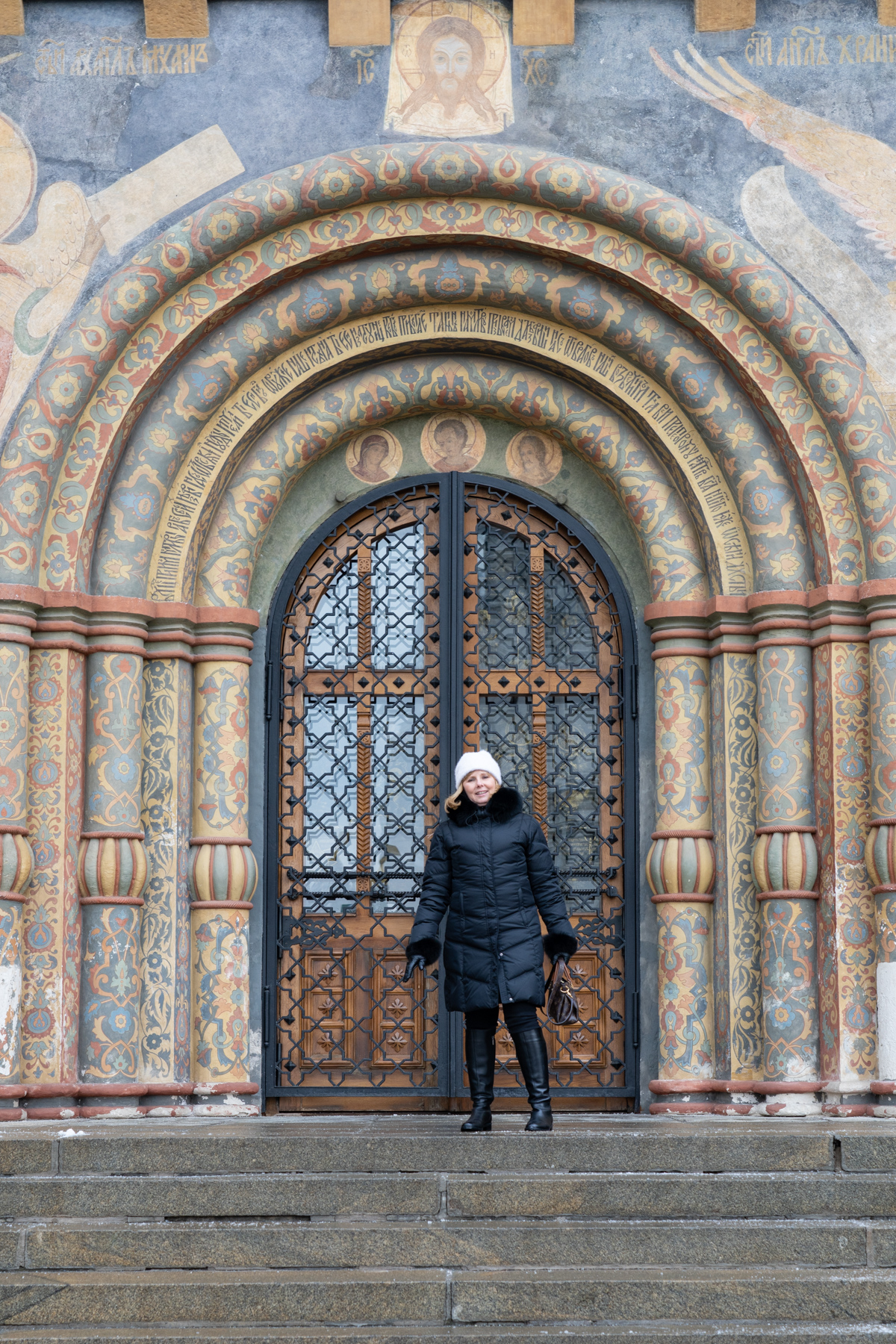
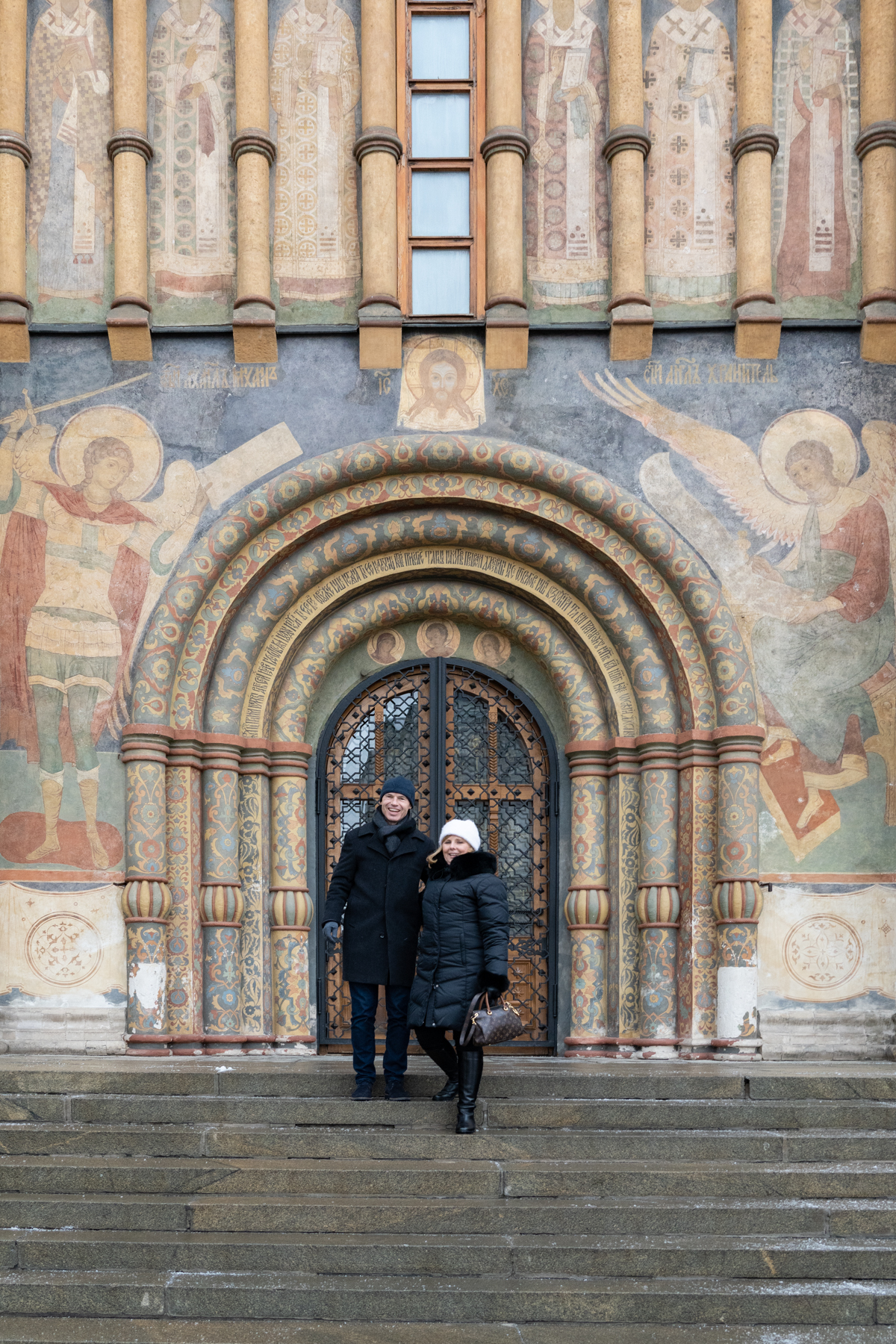
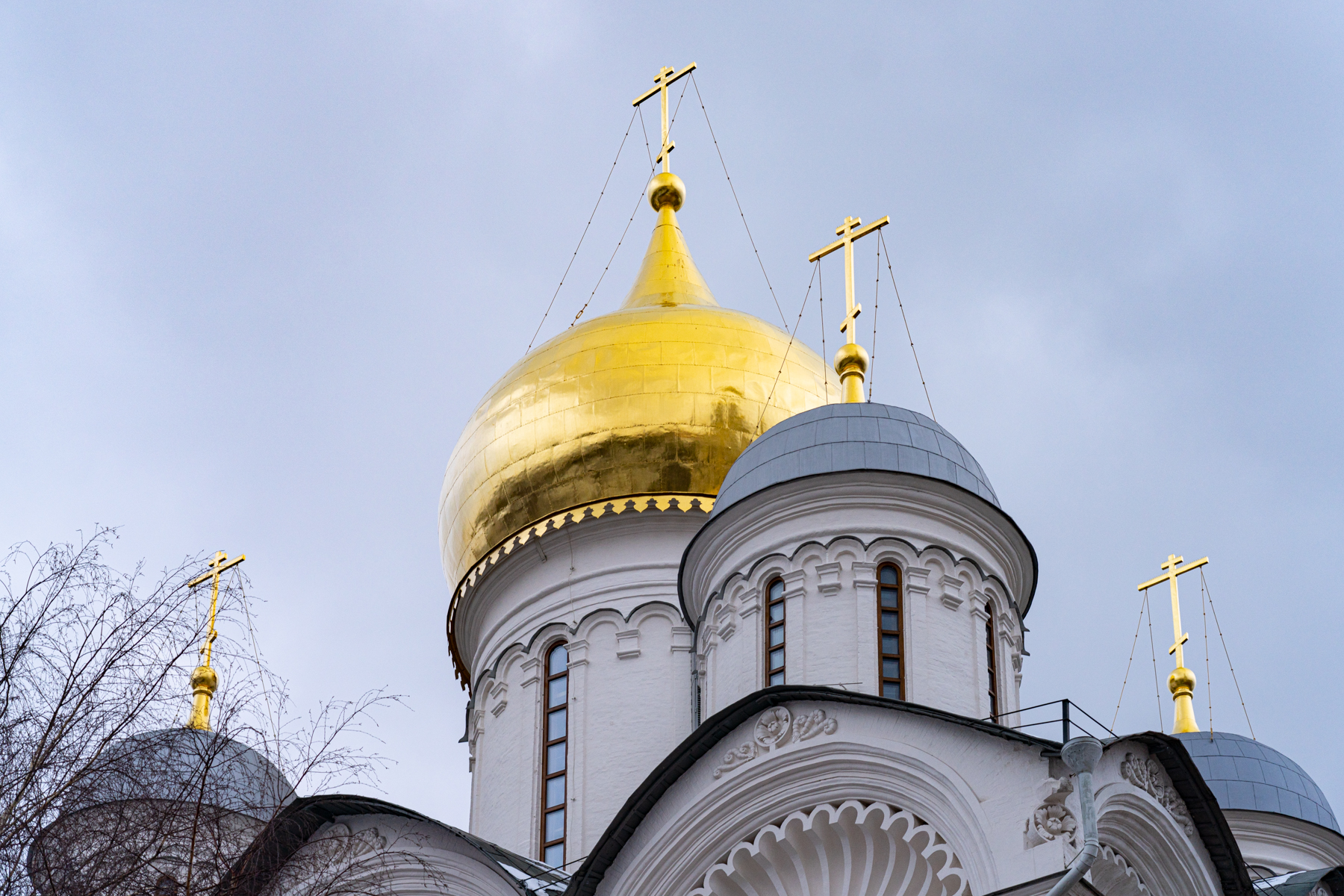
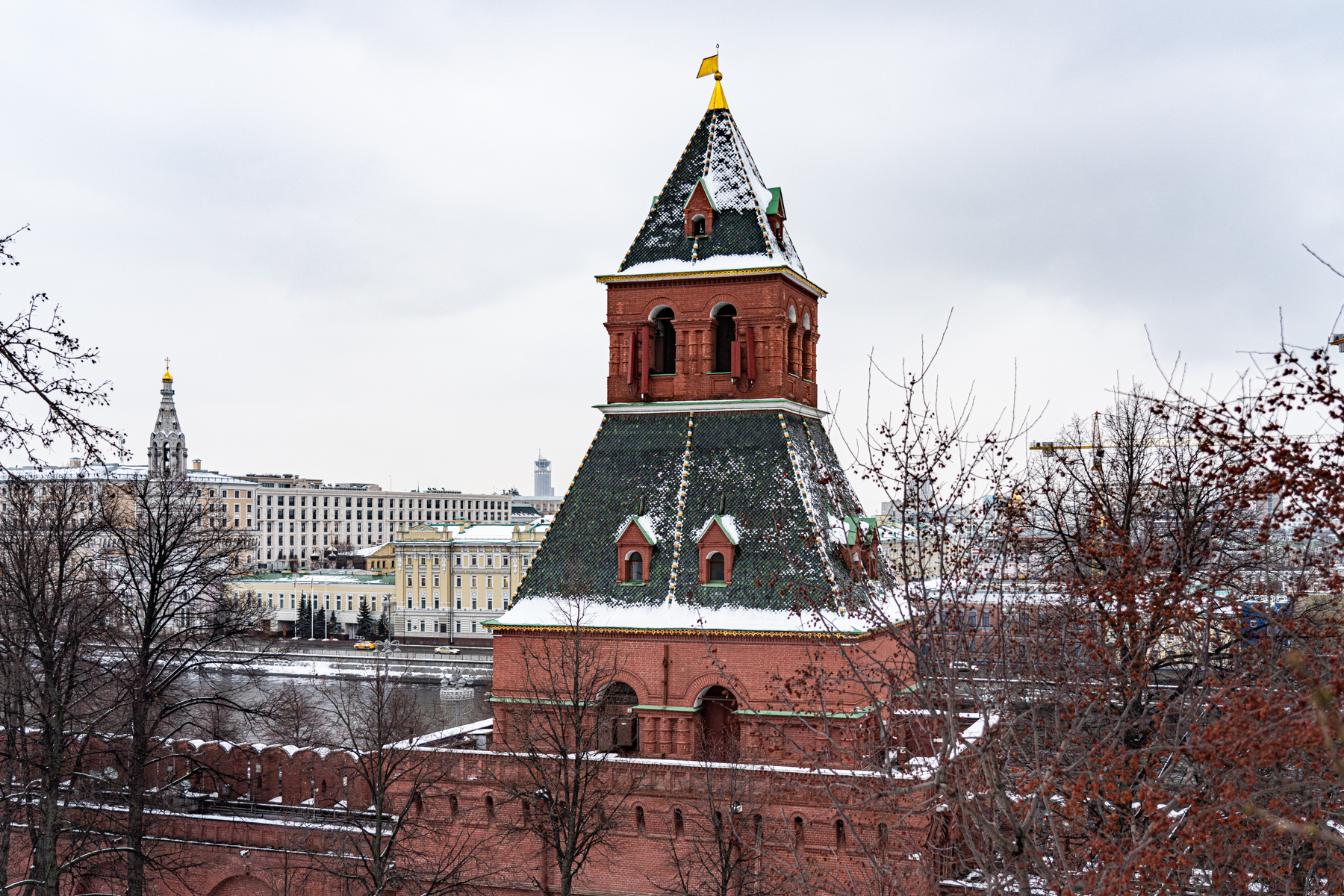
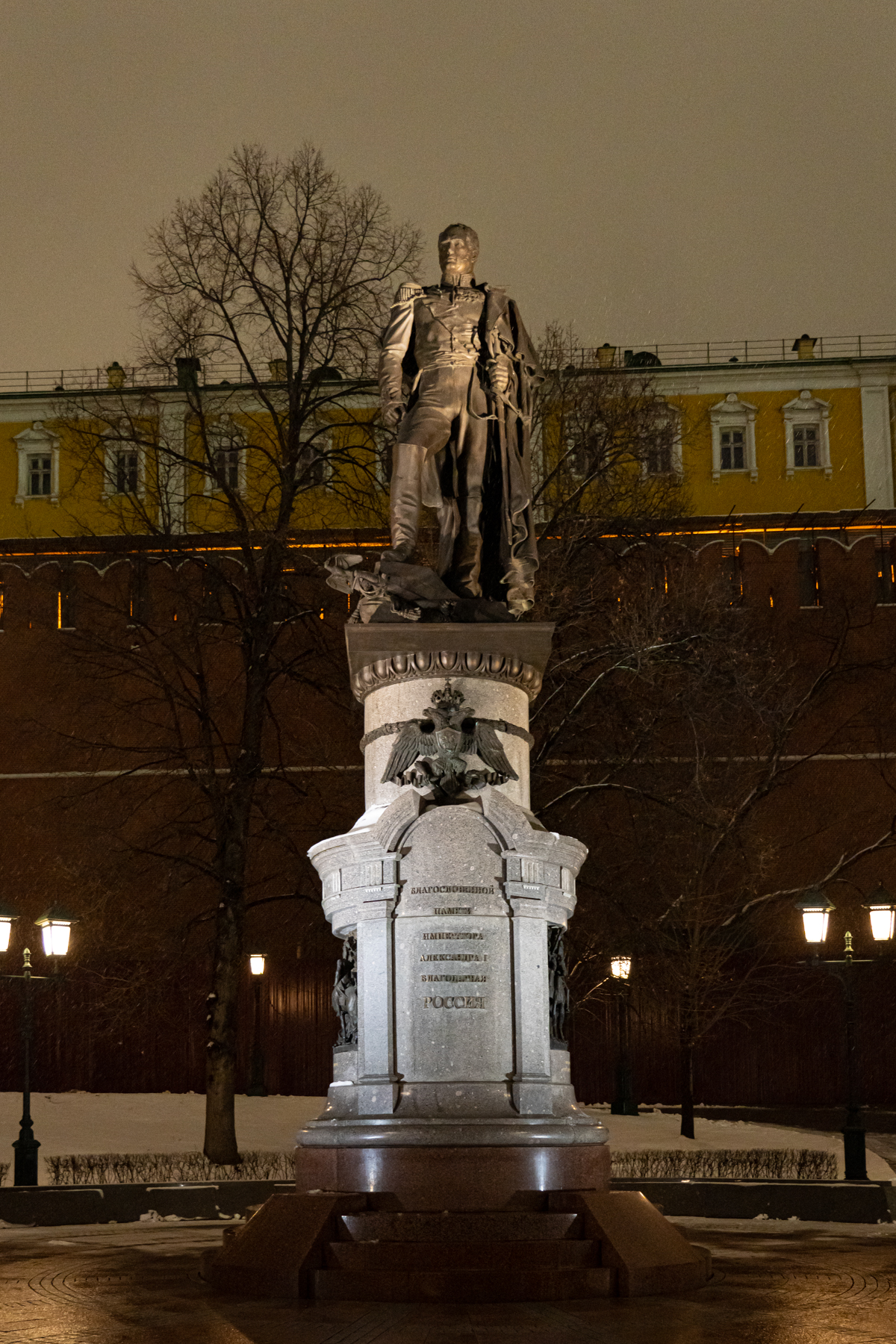
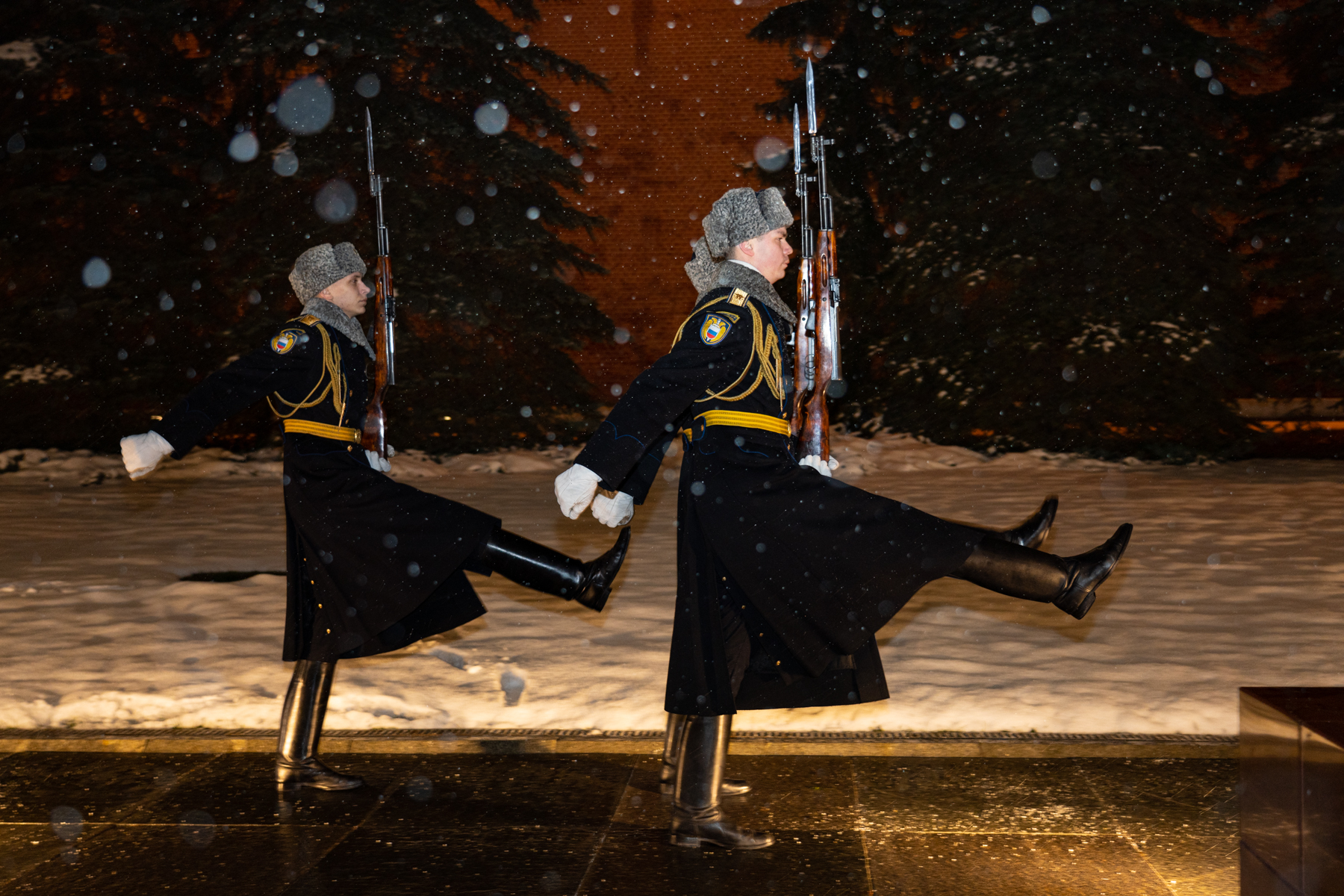
Upon leaving the Kremlin, we headed back to Red Square to get a photo of the beautiful St. Basils’ Cathedral at night.
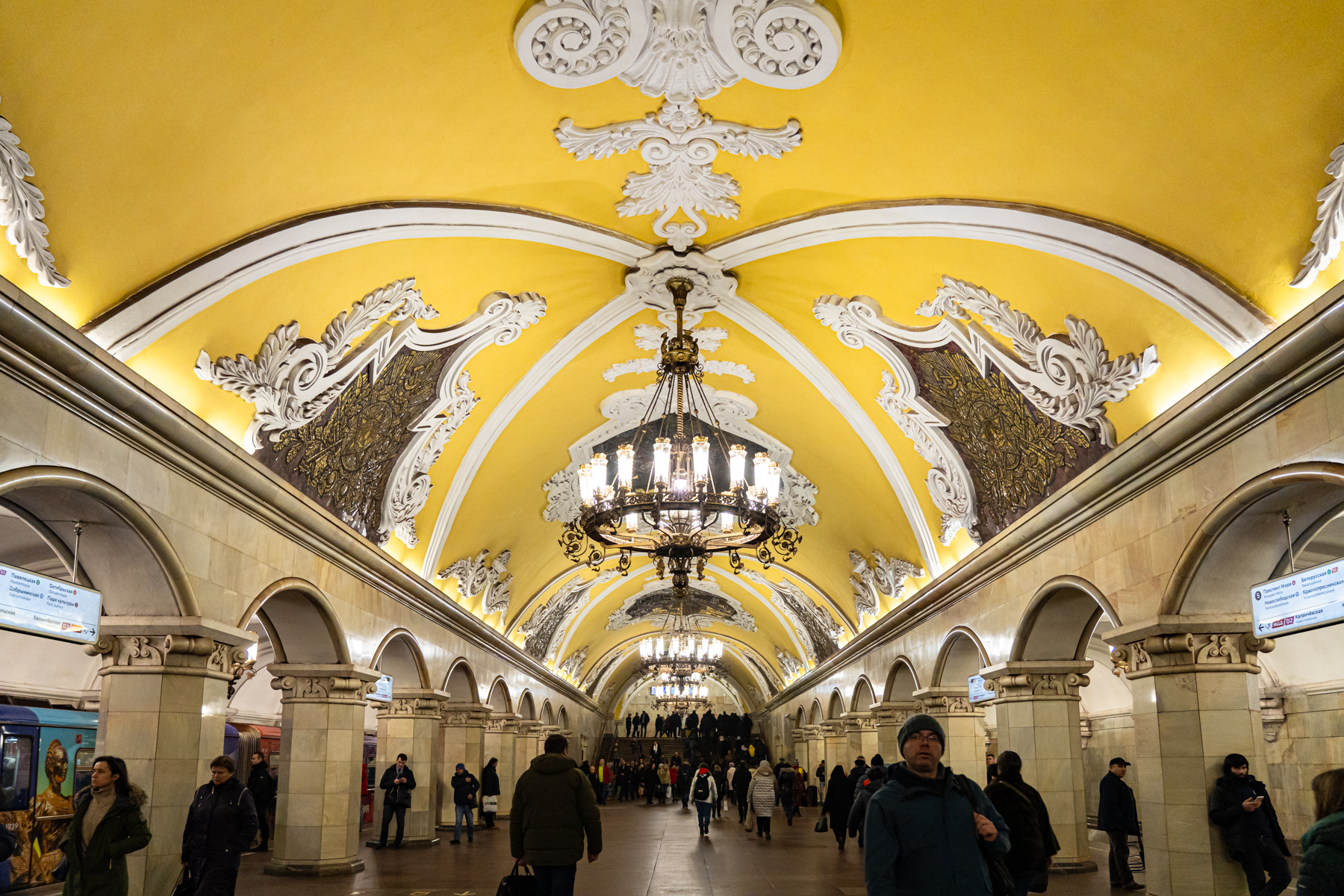
From the Kremlin we meandered back down Arbat Street (which dates back to the fifteenth century) and found a cafe where we could stop and rest for a few minutes. We snacked on some cabbage pirozhki and cake, before heading out and making our way to Ploschad Revolyutsii, the closest station on the Moskovskiy metropoliten (the Moscow Metro train system). We wanted to ride the Moscow subway (which is one of the biggest in the world, with around 260 stations and 400km of track) to see some of the incredible architecture in the stations. The Moscow subway system opened in 1935 and was designed to be a Soviet showpiece, with its incredible architecture and design of its stations intended to show a glimpse into future life in the Soviet era.
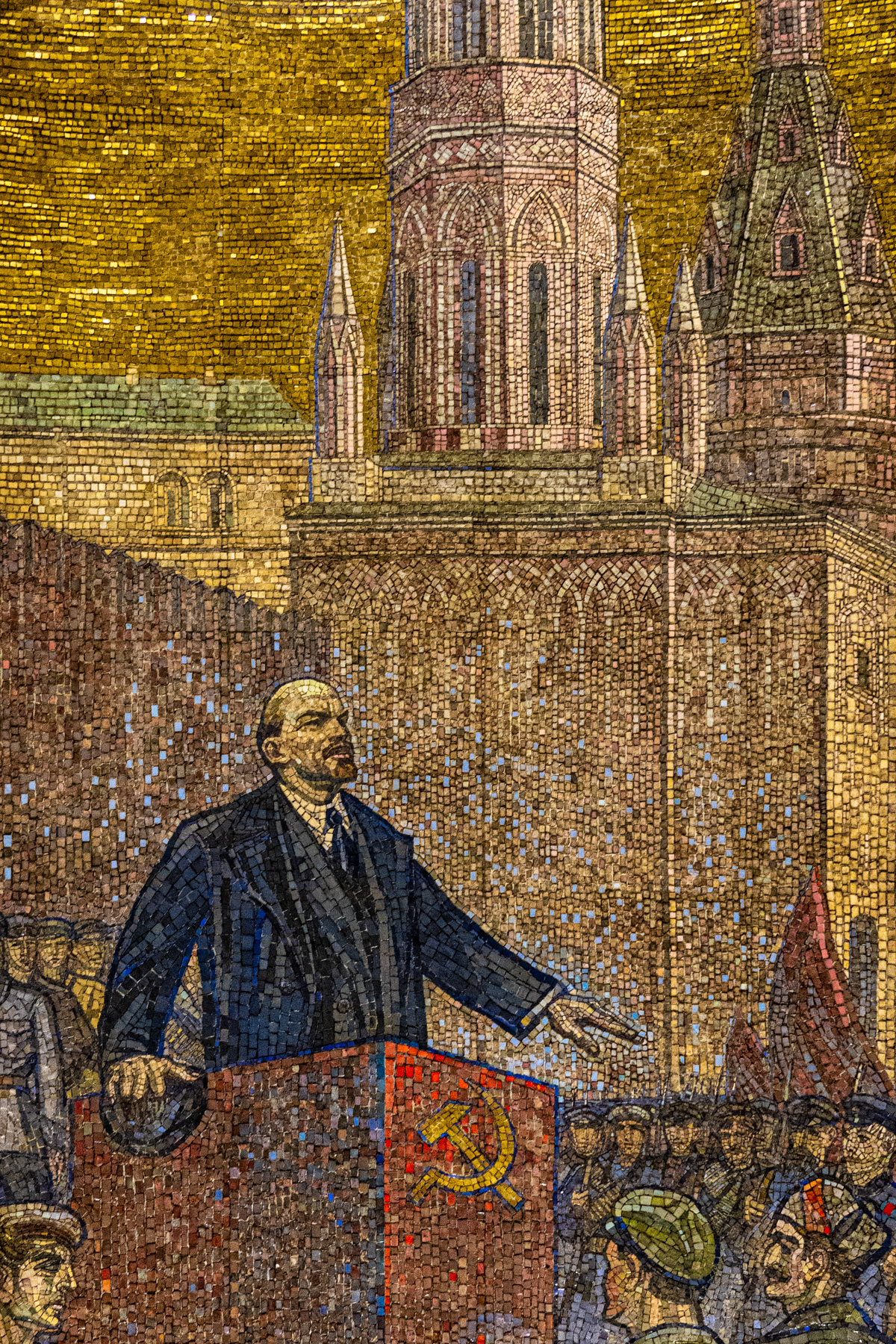
The train platforms were very busy. We discovered just how busy when we got separated in the bustling crowd as we were boarding the train, which resulted in Keith waving to Andrea and Katya as they pulled out of the station on a jam-packed peak-hour Moscow train! Luckily (well, it’s not luck but past experience!) we have a protocol for just such a situation and we caught up again at the next station. The trains come about every 90 seconds so there was no stress. Well, maybe there was just a little stress! We then hopped on another train (together this time!) and got off at Leningradsky Station to get the Sapsan bullet train back to Saint Petersburg. We said goodbye to Katya and boarded the train.
The train departed right on time at 7:30pm. We had a nice dinner shortly after departure and then put on our slippers, reclined our seats, got under our blankets, and headed off to sleep. The train made two stops on the way back and the journey time for the return trip was just under four hours.
It was just before 11:30pm when we got off the train in Saint Petersburg. We were met by our driver on the platform and headed to the car for the short ride back to the hotel.
After a 20 hour day, more than 17,000 steps, and a 1,400km return train journey, we are now ready for bed!
Tomorrow we have a slightly slower day planned. We are going to have a sleep in, enjoy a late breakfast, and then head to the Catherine Palace during the day and then we’re off to the ballet in the evening.