
Around The World
Exploring New Orleans
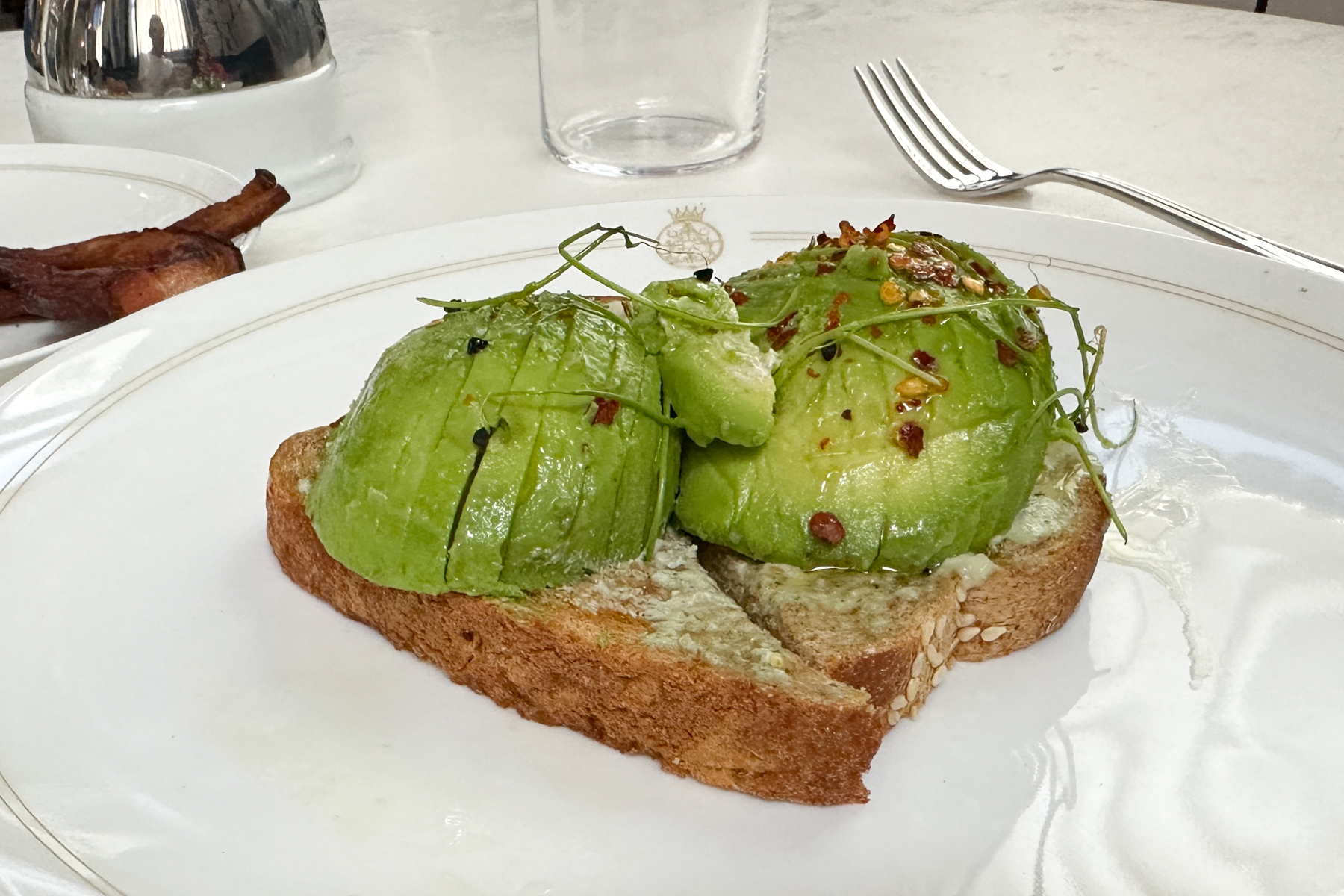
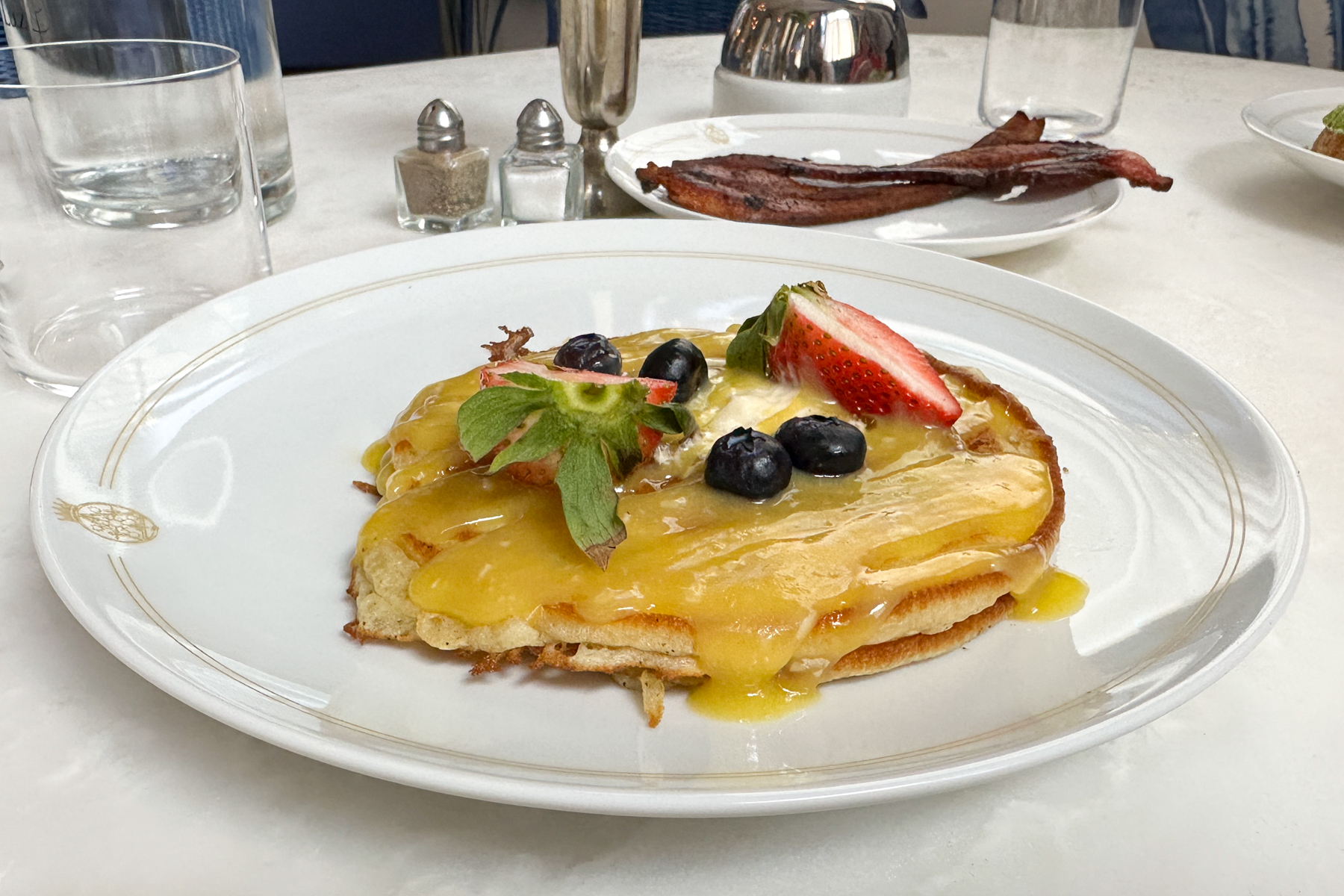
We had a good sleep last night and didn’t get up until around 9:00 am. We got downstairs around 10:00 am and discussed plans for the day over a lovely breakfast (including some excellent griddle cakes with curd!).
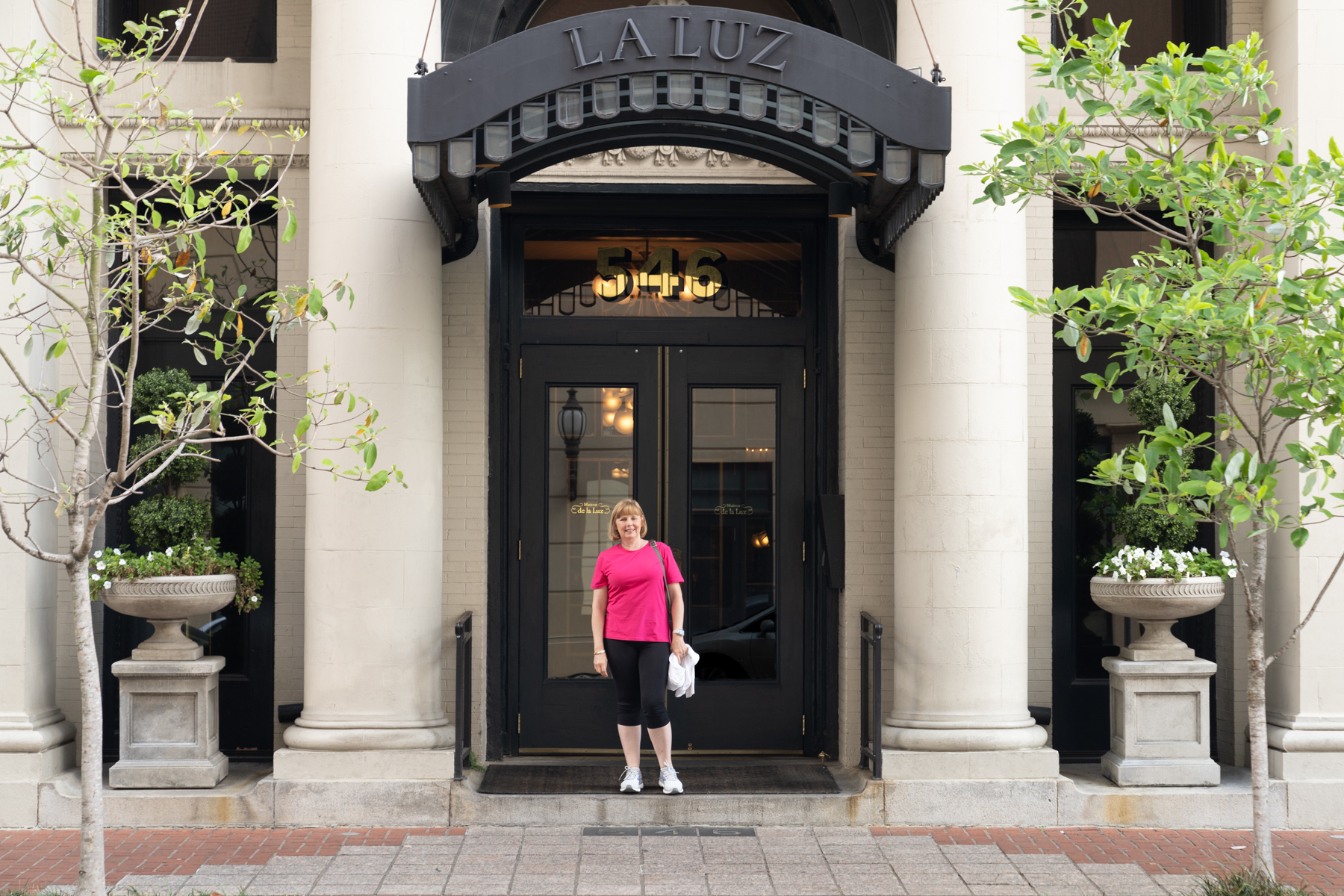
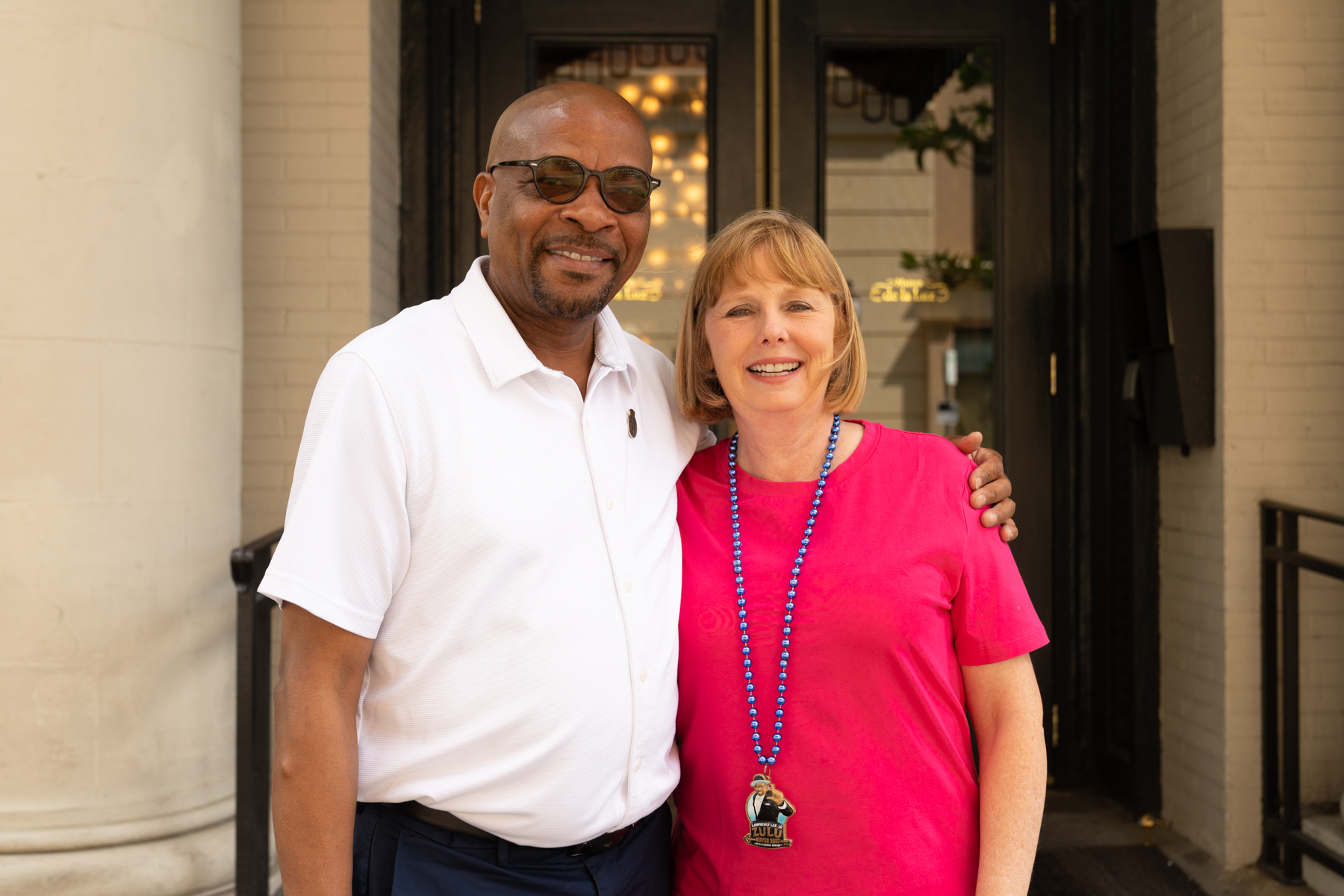
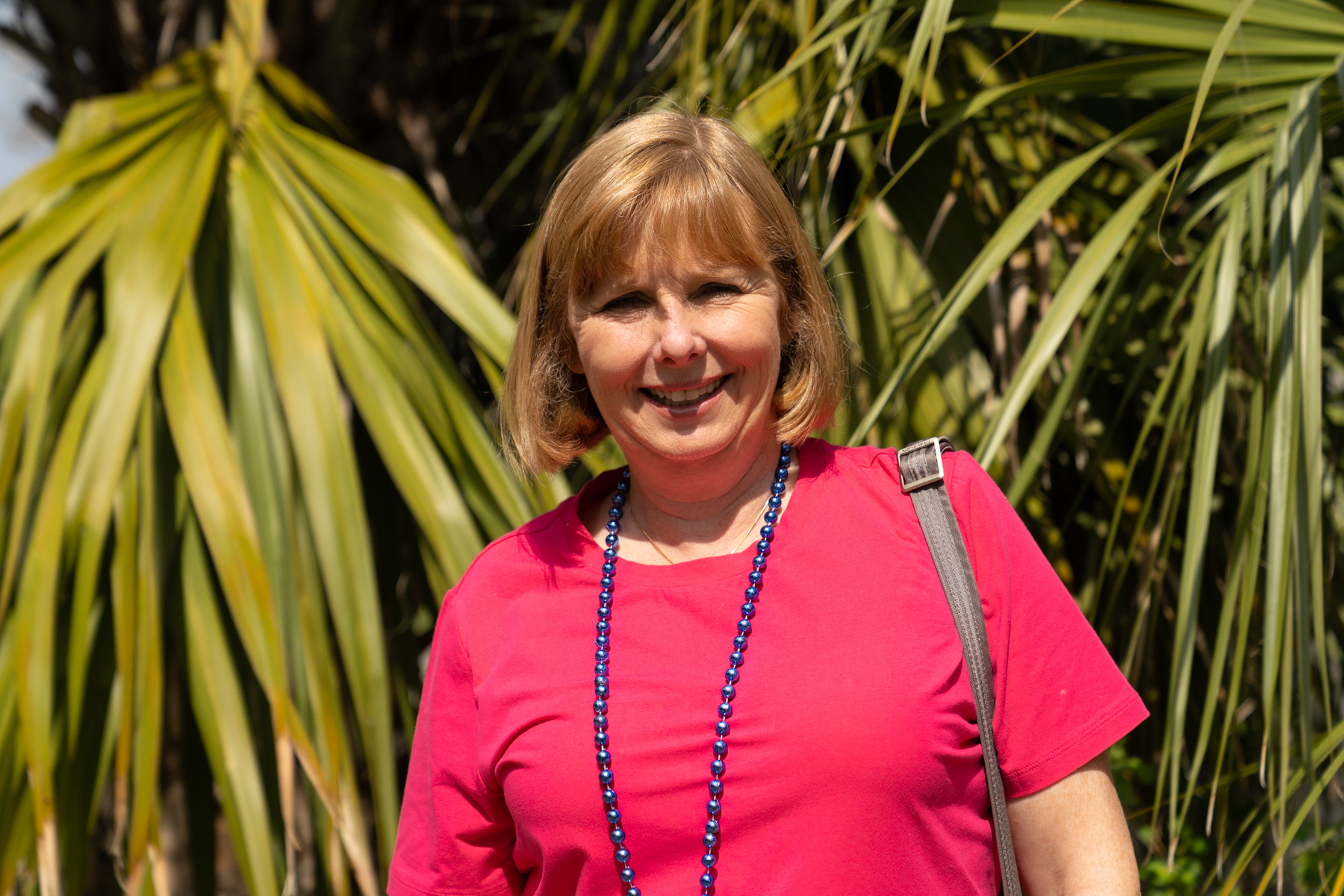
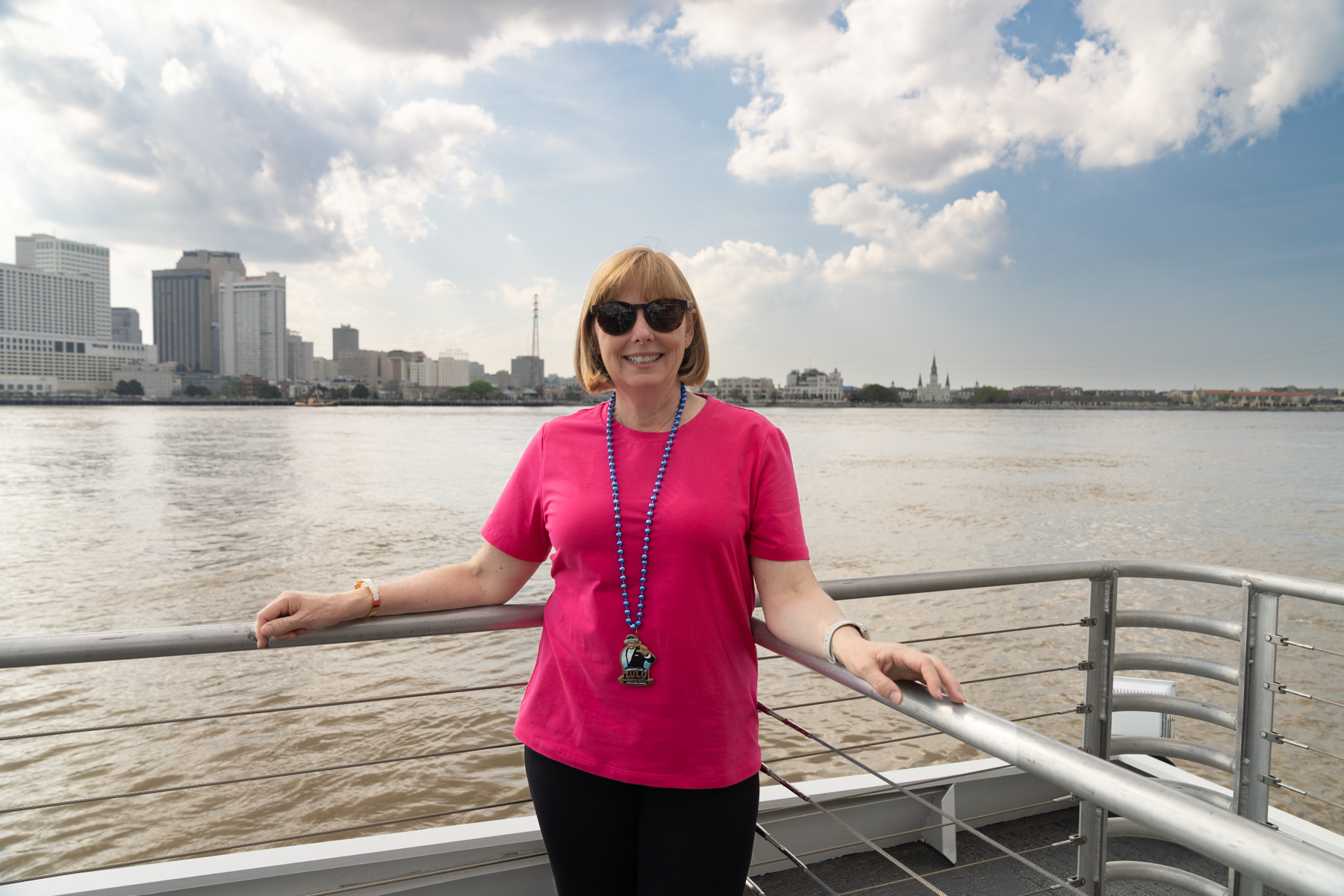
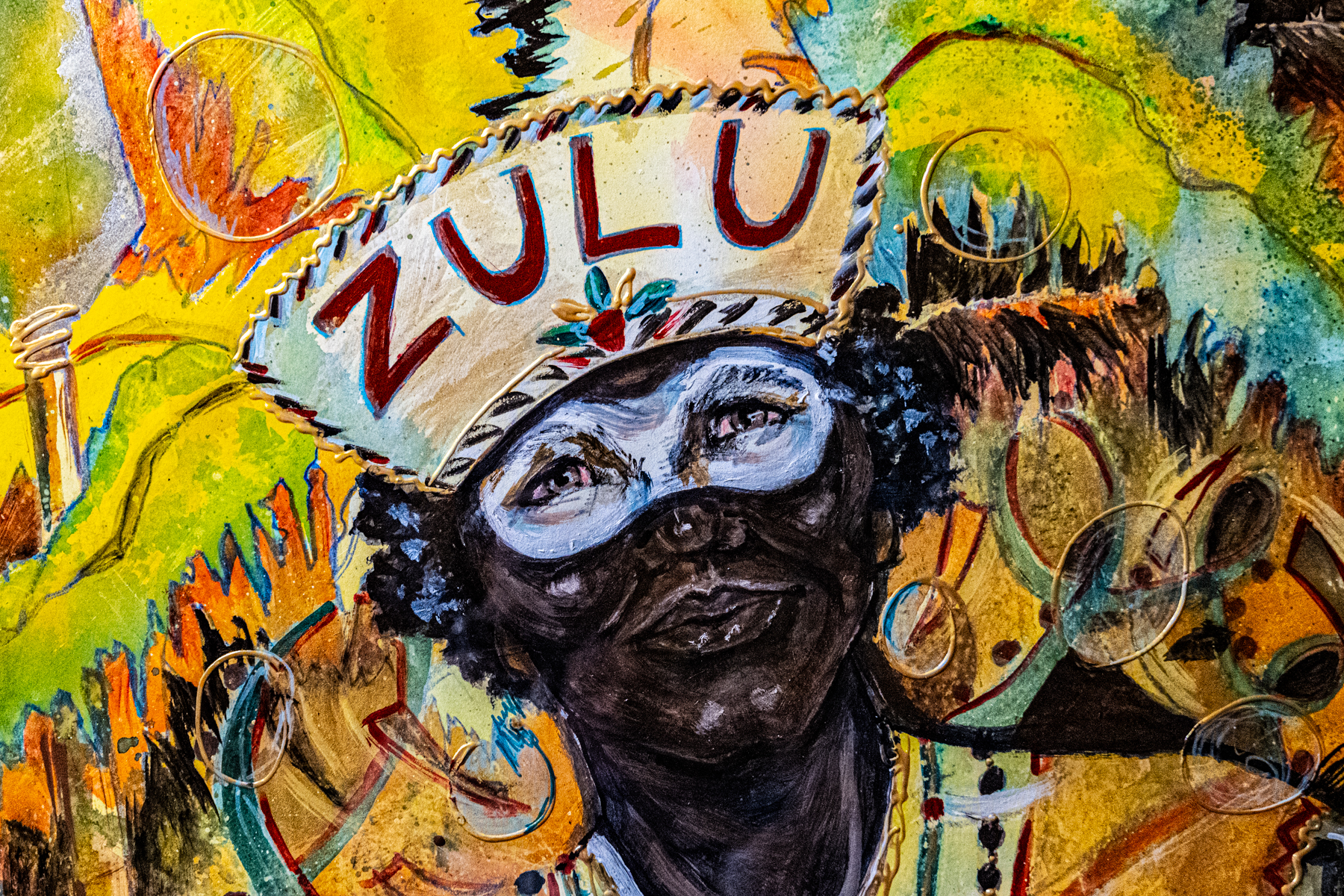
We decided that we’d start with a tour of the city. While we were waiting to be picked up, we chatted to the hotel’s bell-man, Lawrence. He is a New Orleans local and is well-versed in what’s happening in the city. We also found out that he was the Mardi Gras Zulu Mayor in 2020! He even gave Andrea a set of his Mardi Gras beads!
Our bus picked us up around midday, and we headed off on a tour of the city. We headed down St. Charles Avenue (on the Mardi Gras parade route) and admired the grand historic houses and gardens of the area known as the Garden District. We then passed through the French Quarter (much of which we walked yesterday) on our way to Tremé. Founded in the 1810s, Tremé is considered to be the oldest African-American neighbourhood in the USA.
We drove past the William Frantz Elementary School. This school was attended by Ruby Bridges who, as a six-year-old, was the first African-American child to desegregate the all-white school. In 1960, when she was just six years old, Ruby Bridges was escorted to her first day (and many other days) of school by four federal marshals. In protest, white parents pulled their children out of the school and all teachers except for one refused to teach a black child. Barbara Henry was only teacher who would teach Ruby and for over a year, she taught her alone. Every morning, as Ruby walked to school, one woman would threaten to poison her, while another held up a black baby doll in a coffin. Her family also suffered. Her father lost his job as a gas station attendant; the grocery store the family shopped at would no longer let them shop there; and her grandparents, who were sharecroppers in Mississippi, were evicted from their land. Ruby Bridges is now chair of the Ruby Bridges Foundation, which she formed in 1999 to promote “the values of tolerance, respect, and appreciation of all differences”. Ruby Bridges is depicted in the 1964 painting by Norman Rockwell, titled “The Problem We All Live With”. It is considered an iconic image of the Civil Rights Movement. In 2011, Barack Obama had the painting hung in the White House and while viewing the painting with Ruby, said to her “I think it’s fair to say that if it hadn’t been for you guys, I might not be here and we wouldn’t be looking at this together”.
Our tour then proceeded through some of the suburbs to get a better understanding of the impact of Hurricane Katrina, which hit New Orleans in August 2005. Nearly 1,400 people died, not from the winds, but from the failure of the levee system around the city. More than half of New Orleans is built on land that is below sea level, so the flooding that ensued when the levees failed was catastrophic. Even nearly two decades on, Katrina and its impact on the city’s psyche is still widely felt.
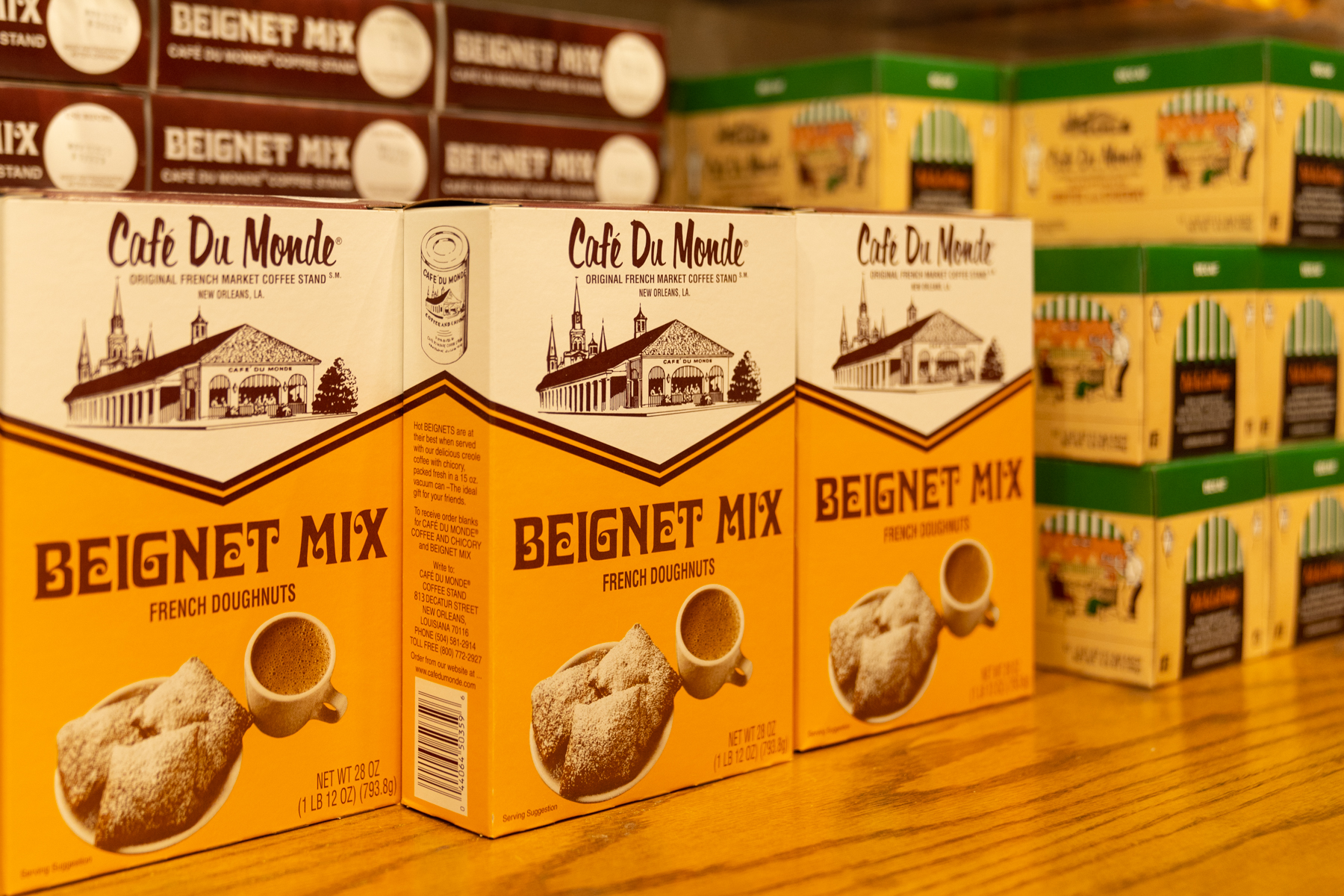
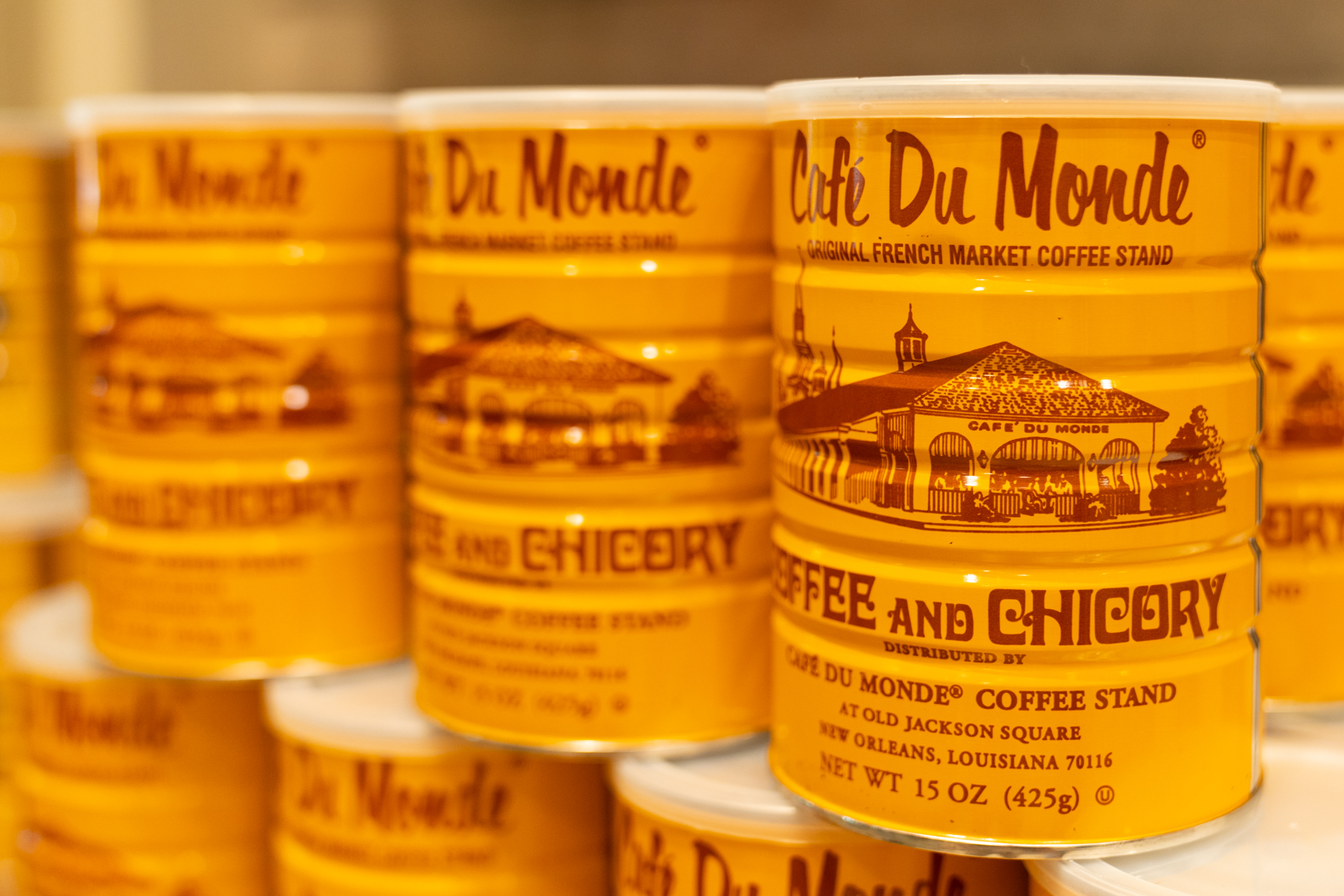
Next, we headed to City Park, where we had a brief stop. We did go into the Café Du Monde in the park but resisted buying any more beignets. We briefly discussed the idea of buying the mixture to make some at home though!
We left the park and drove to Lake Pontchartrain. While referred to as a lake, this huge body of water is an estuary that connects with the Gulf Of Mexico. The lake is crossed by the Lake Pontchartrain Causeway, the longest continuous bridge over water in the world.
From the lake we headed back to our hotel, where we stood outside and pondered our next activity. We decided that it would be fun to take the ferry across the Mississippi River so we set off on foot down Poydras Street to the ferry terminal. After overcoming some confusion around the ticketing system, we boarded the ferry and crossed the river to Algiers Point.
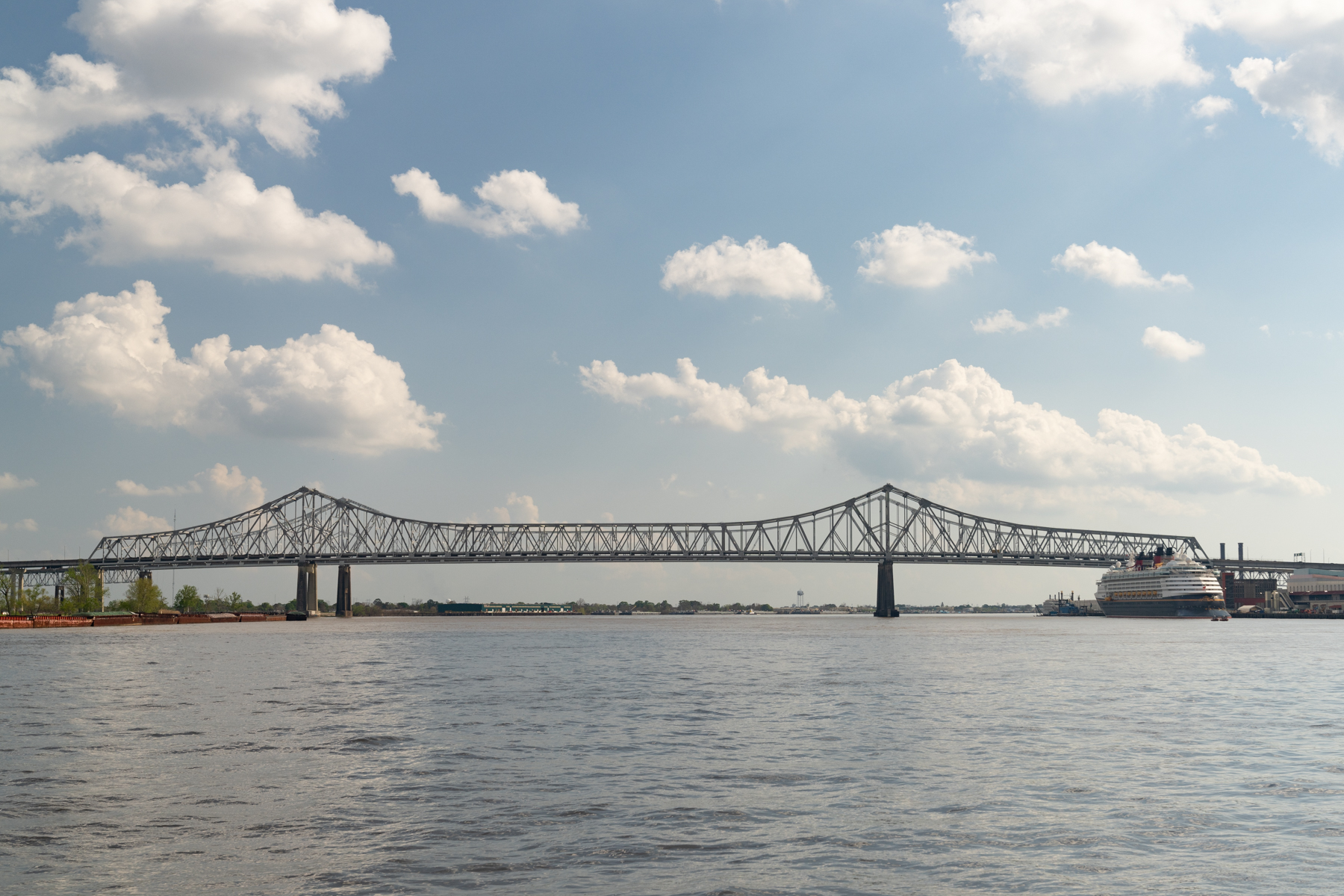
We got a nice view of the Crescent City Connection (formerly the Greater New Orleans Bridge) from the ferry. The Crescent City Connection is a pair of cantilever bridges that carry U.S. Highway 90 over the Mississippi River (and is the farthest downstream bridge on the river). The pair of bridges are the fifth-longest cantilever bridges in the world.
We didn’t have any real objective on the other side of the river; we just wanted to ride a boat on the great Mississippi River so, mission accomplished, we stayed on board and sailed straight back!
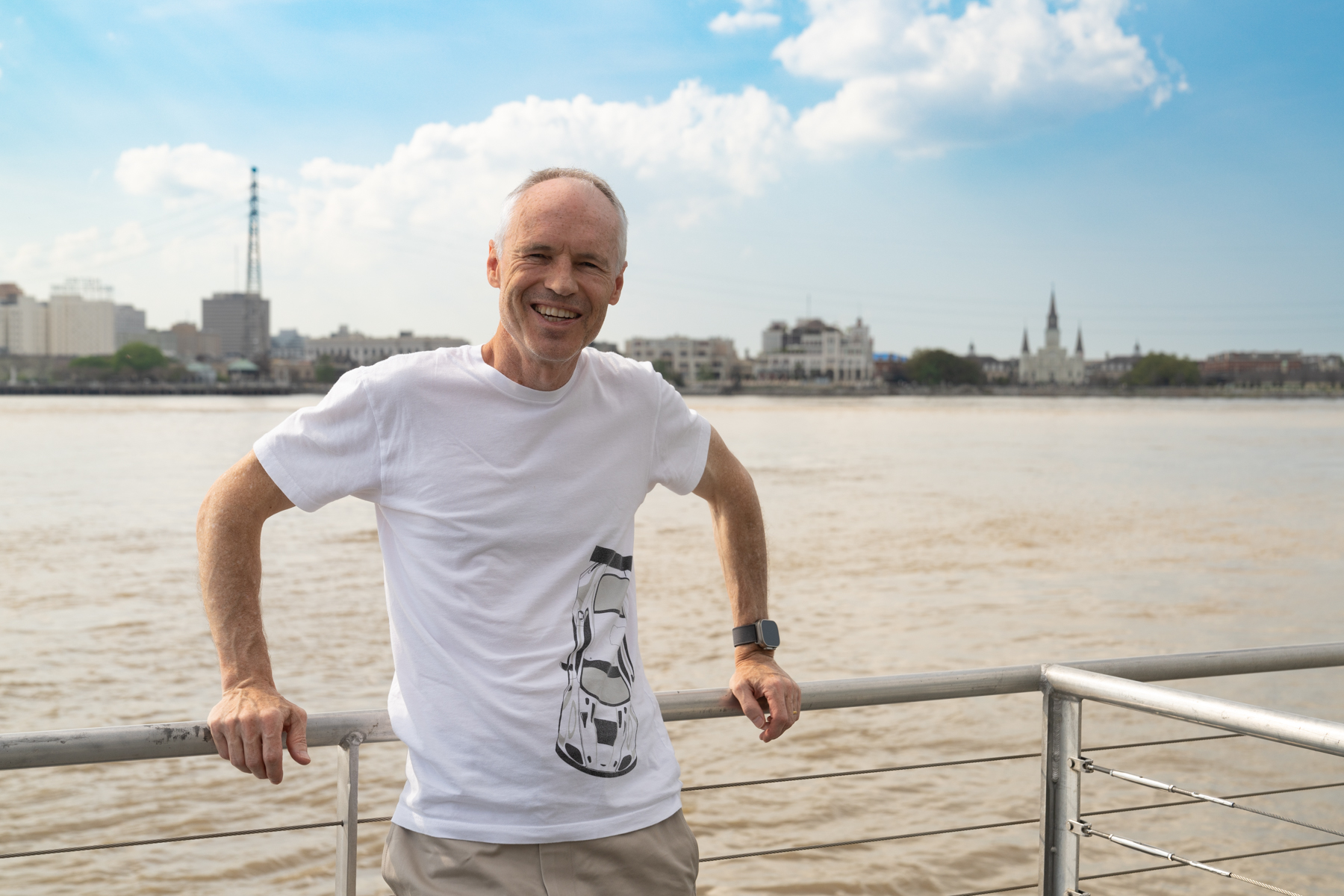
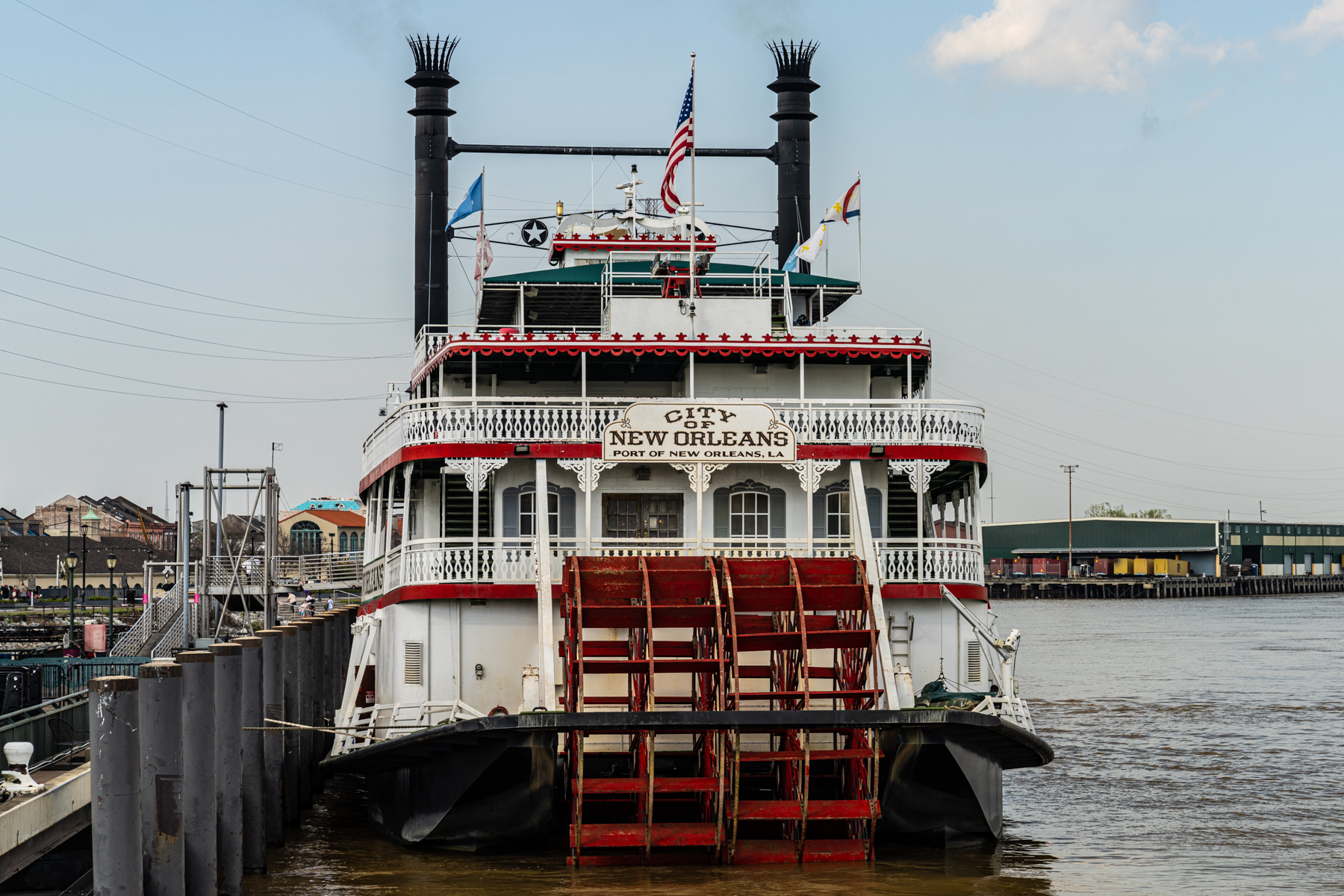
We disembarked from the ferry and walked along the river to the Steamboat Natchez.
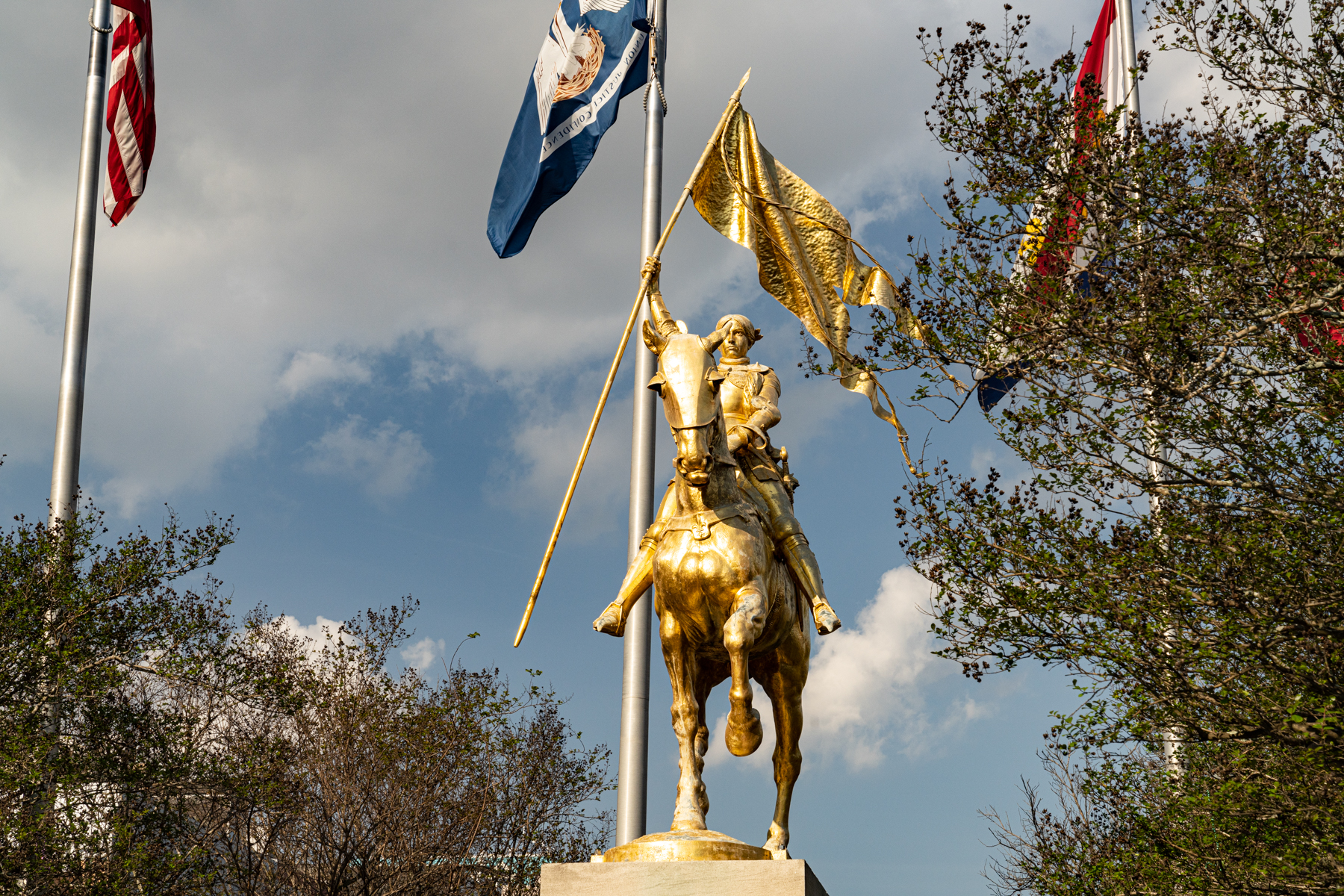
We then walked back into Decatur Street to go to the French Market. Outside the market is a statue of Joan Of Arc on a horse, a gift from the people of France to the city of New Orleans. The statue is a replica of the Frémiet statue at Place des Pyramides in Paris. It is affectionately referred to here as “Joanie on the Pony”.
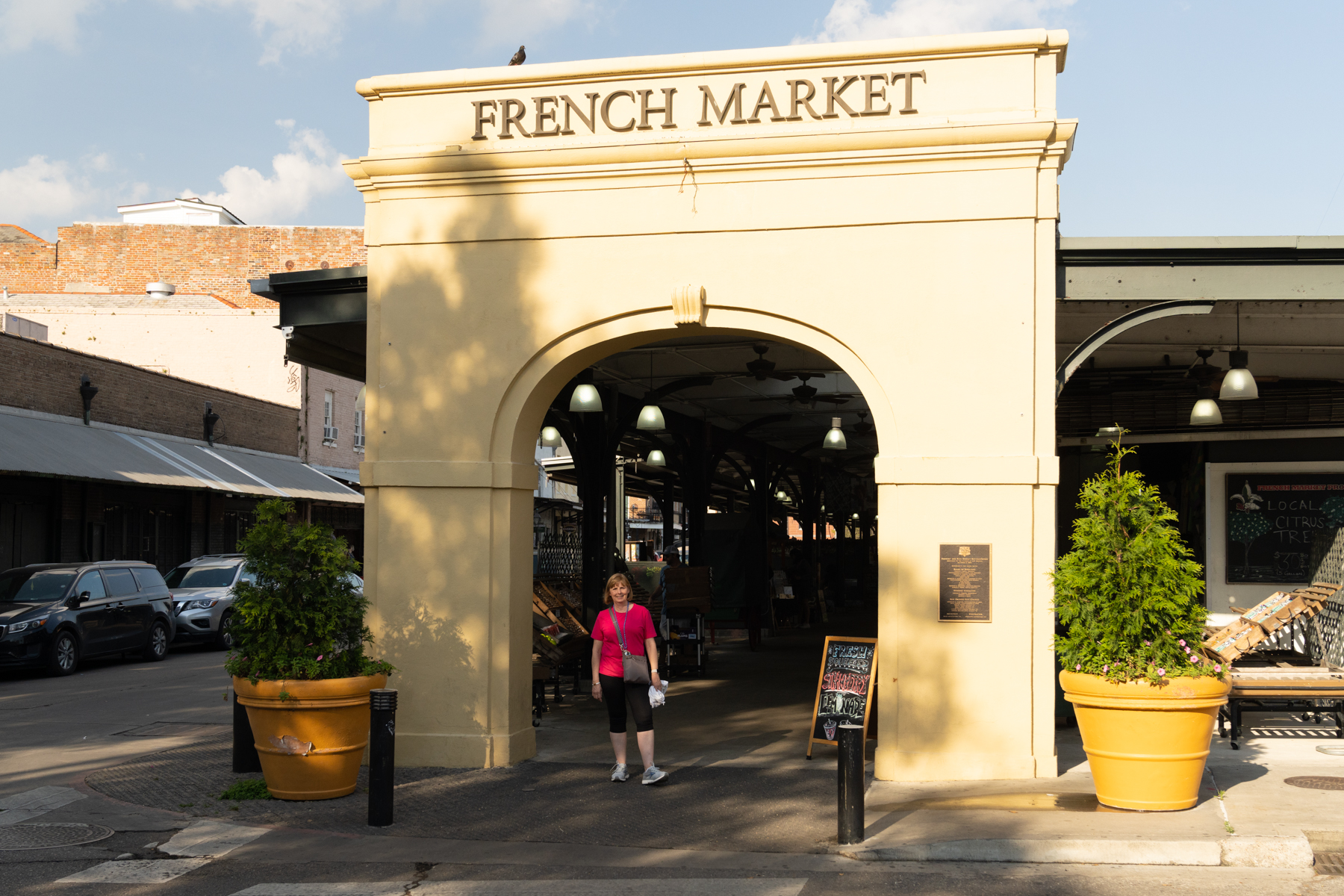
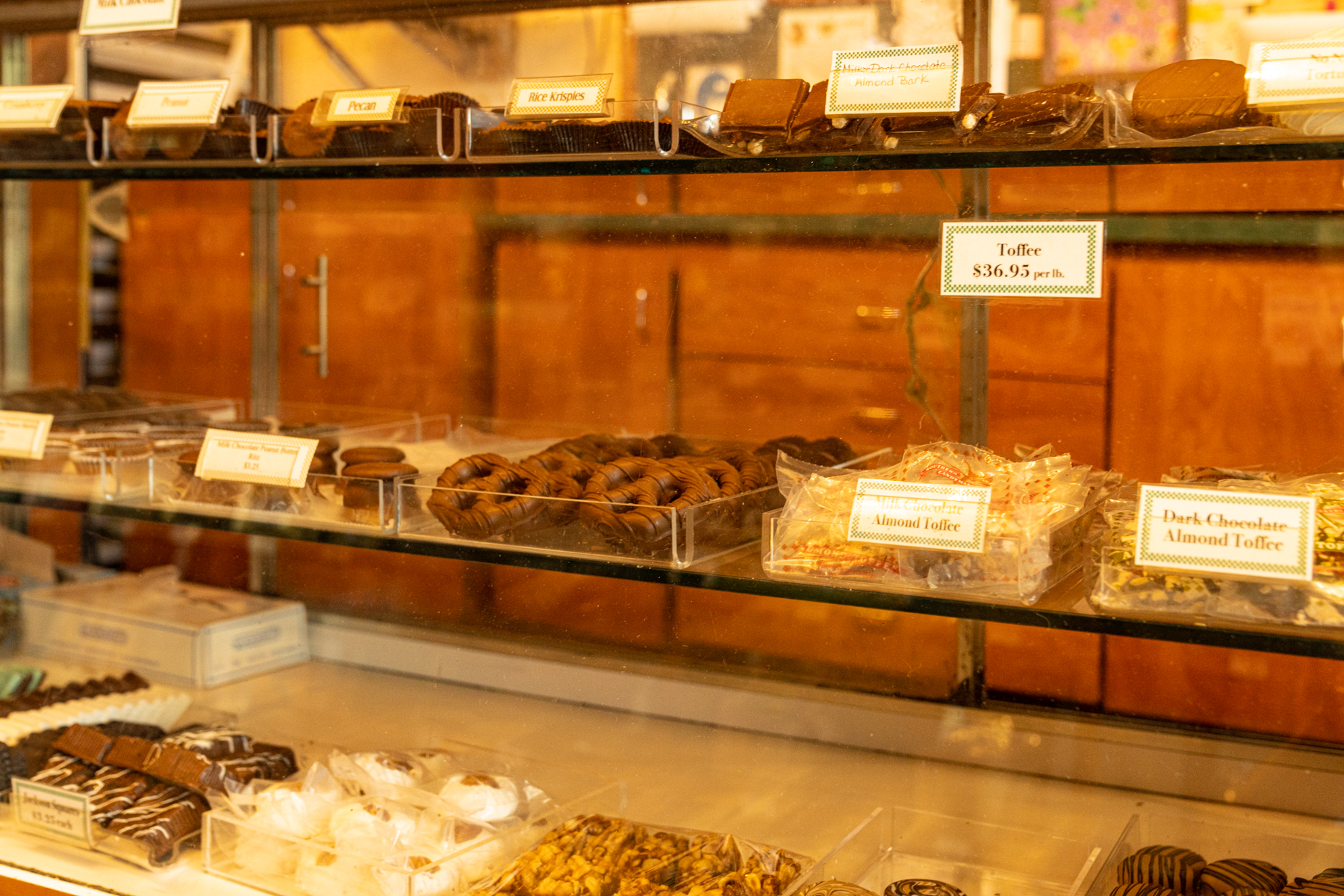
We wandered around the market for a while and then headed back toward Jackson Square. On the way, we stopped at Southern Candymakers, where we bought some local praline (which is very nice).
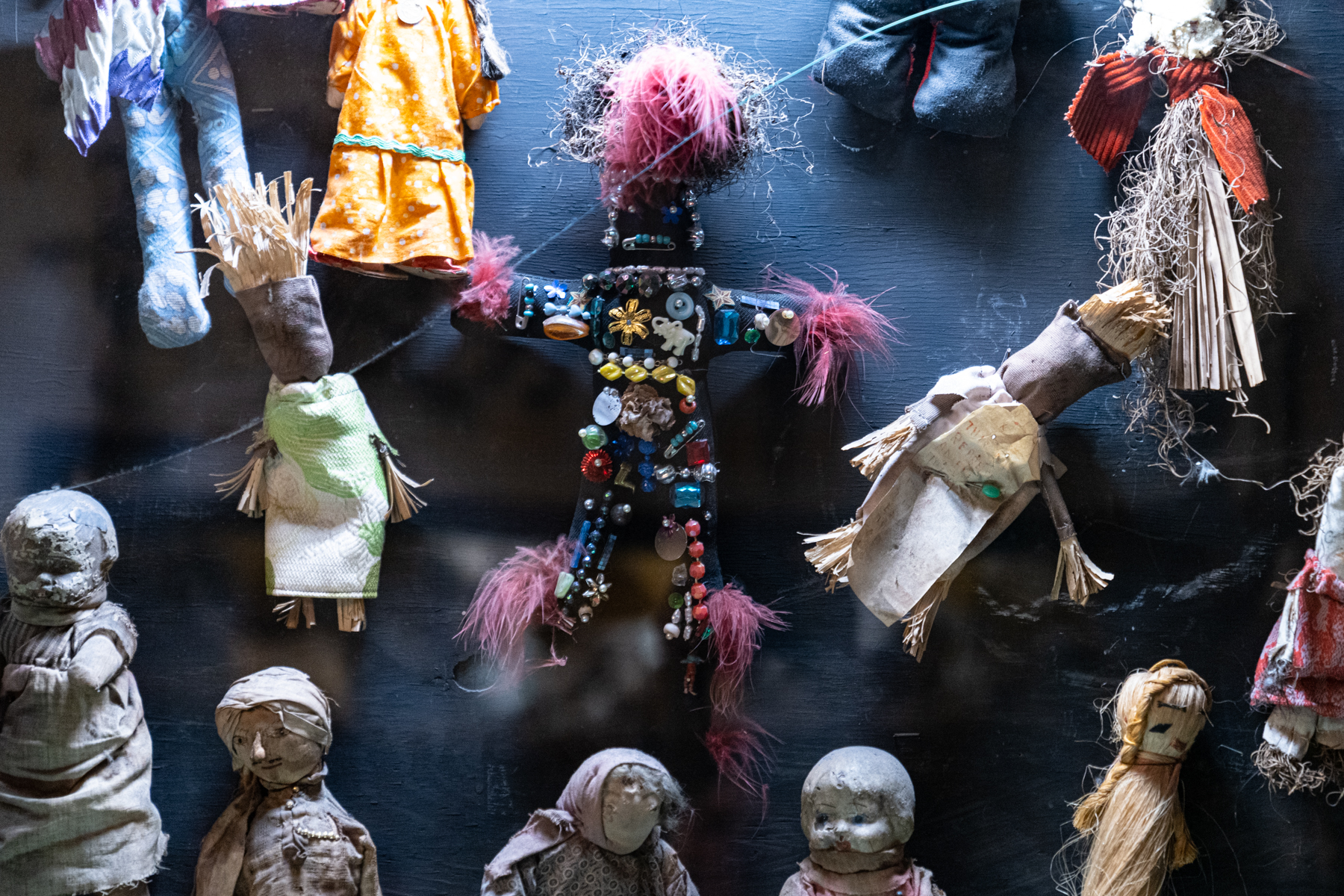
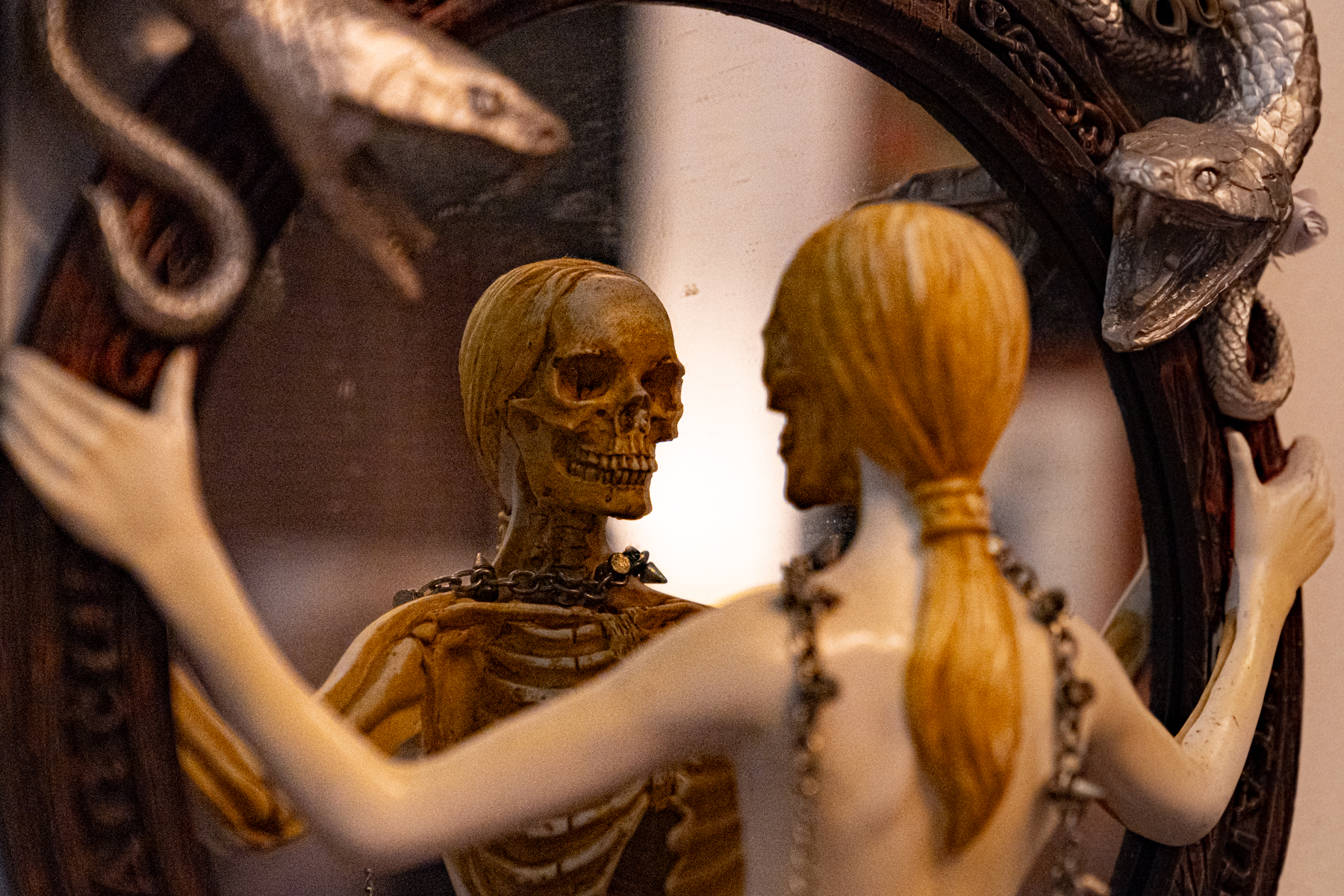
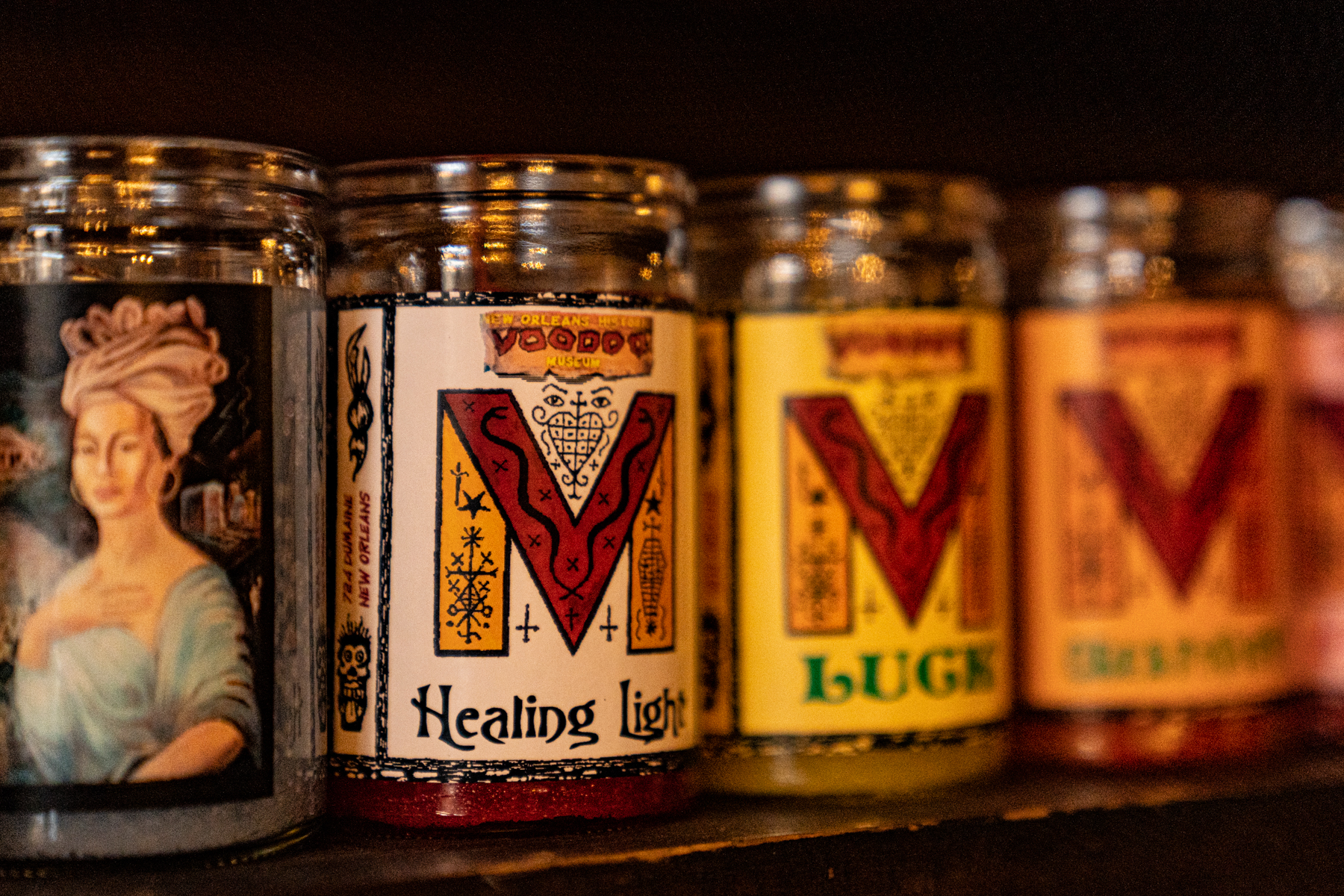
Our next stop was the New Orleans Historic Voodoo Museum on Dumaine Street. Louisiana Voodoo, also known as New Orleans Voodoo, is an Afro-American religion that originated in Louisiana. It combines elements of traditional West African religions, the Roman Catholic form of Christianity, and Haitian Vodou. It has been reported that there were thousands of Voodoo practitioners in New Orleans as recently as 20 years ago but there is now likely to be only a few hundred, with many of them leaving as a result of the population dispersion that occurred after Hurricane Katrina.
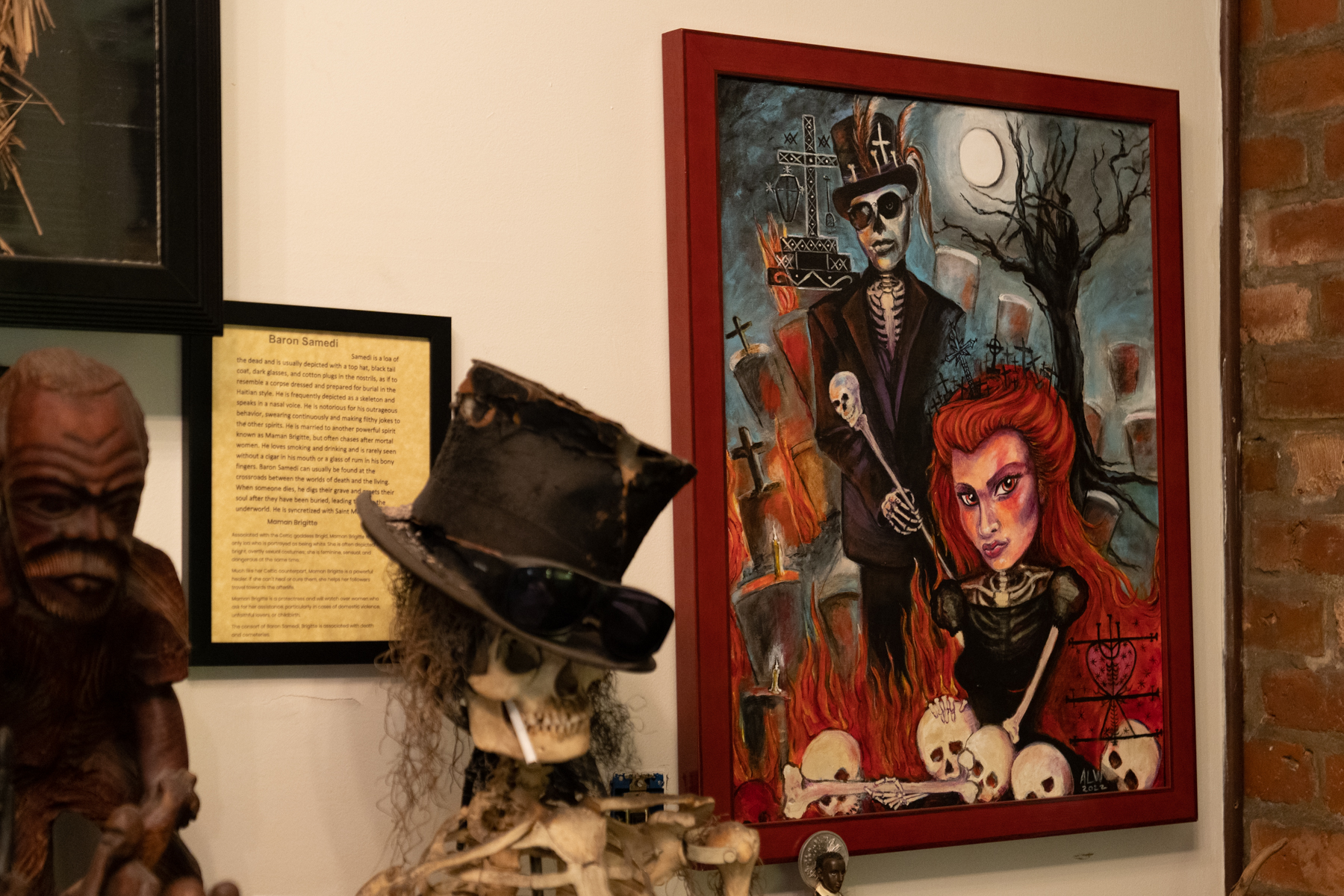
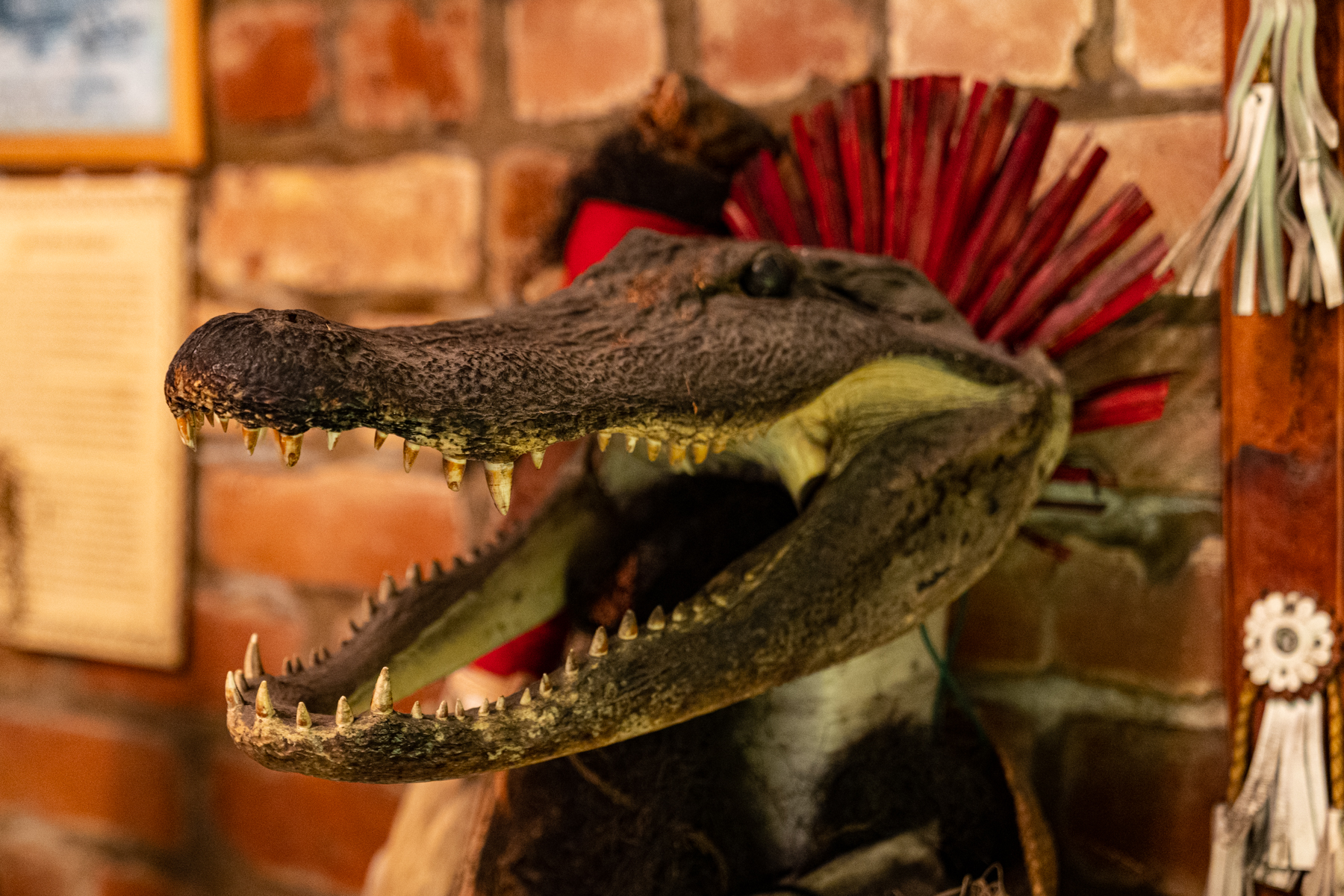
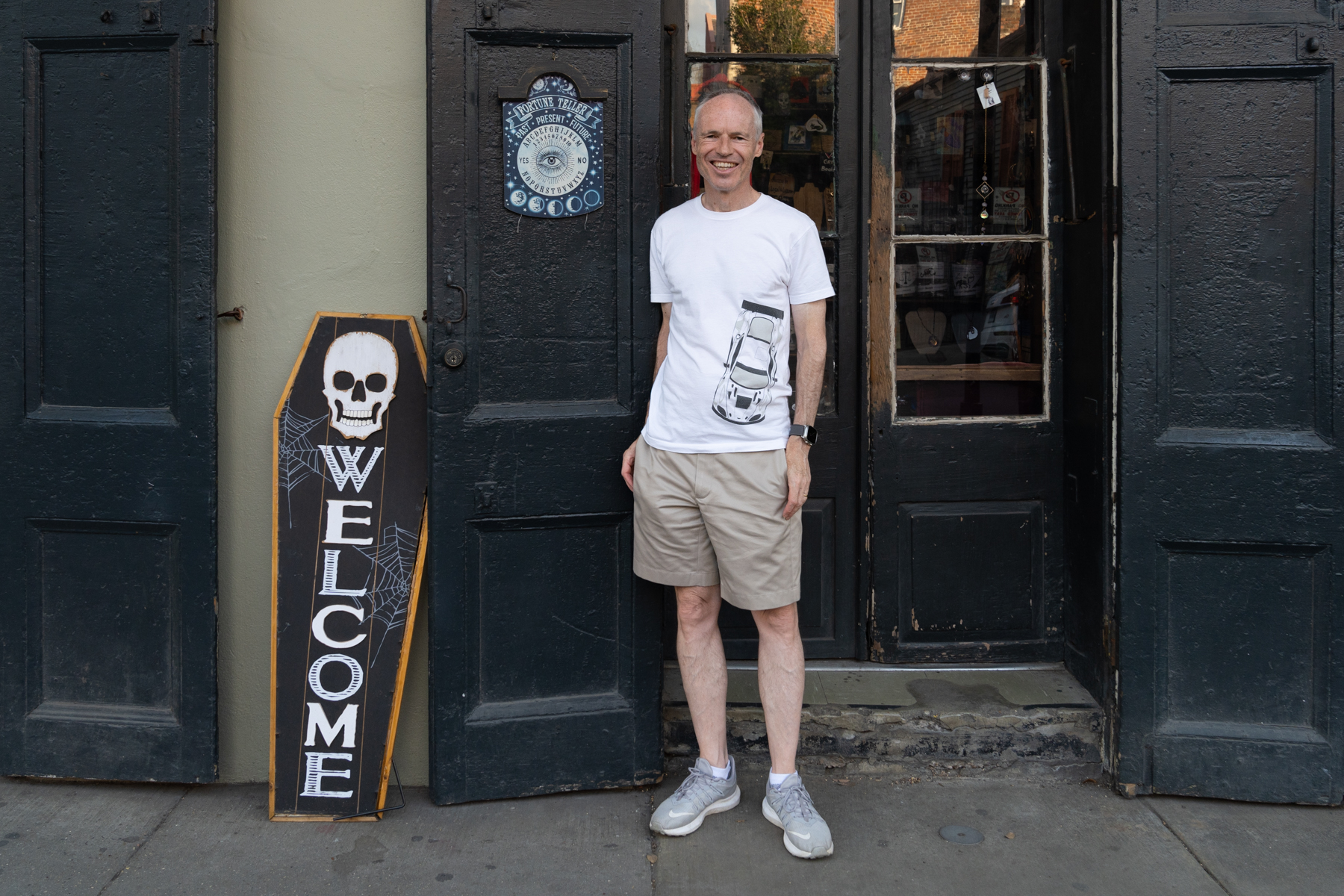
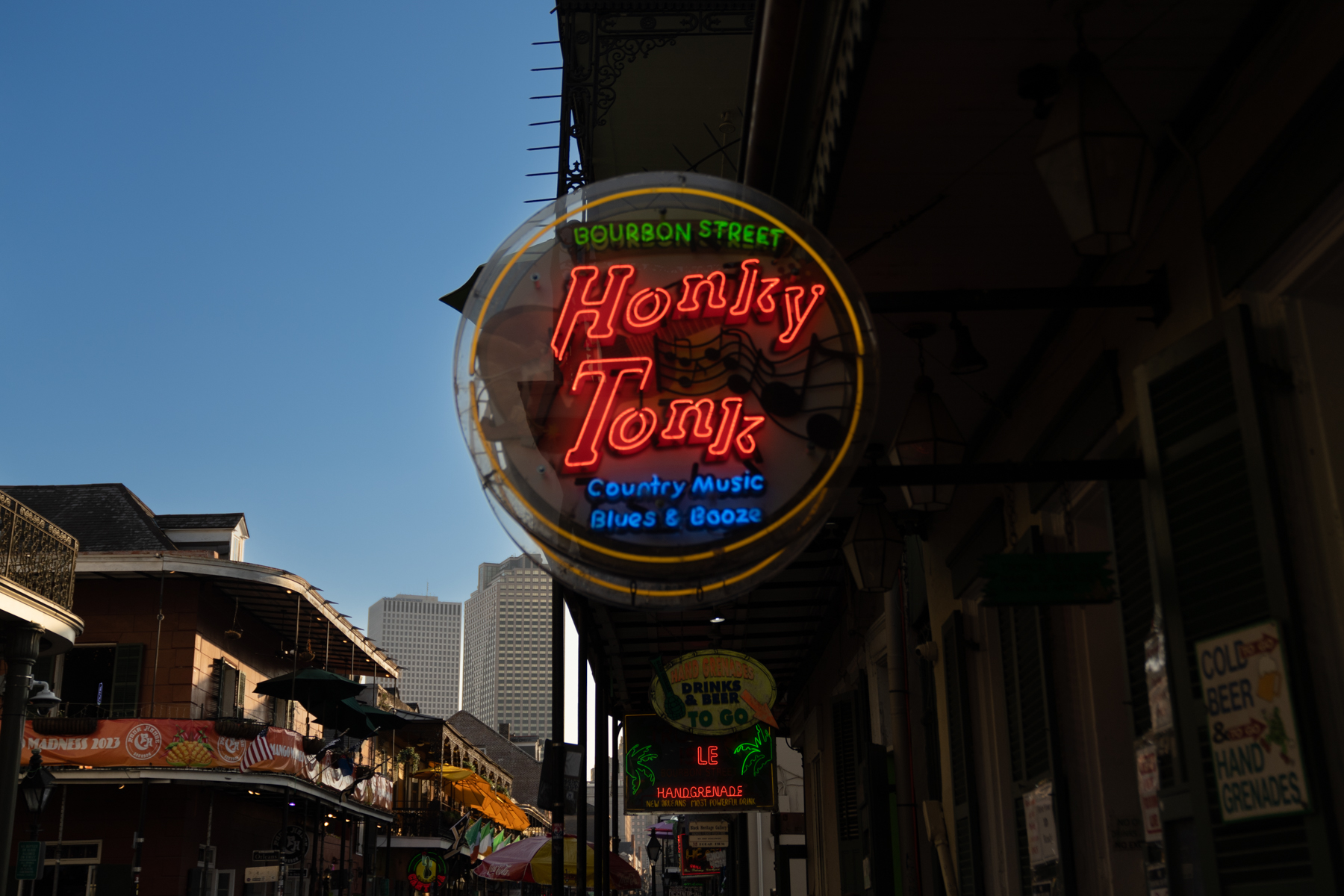
We left the New Orleans Historic Voodoo Museum and headed back down Bourbon Street.
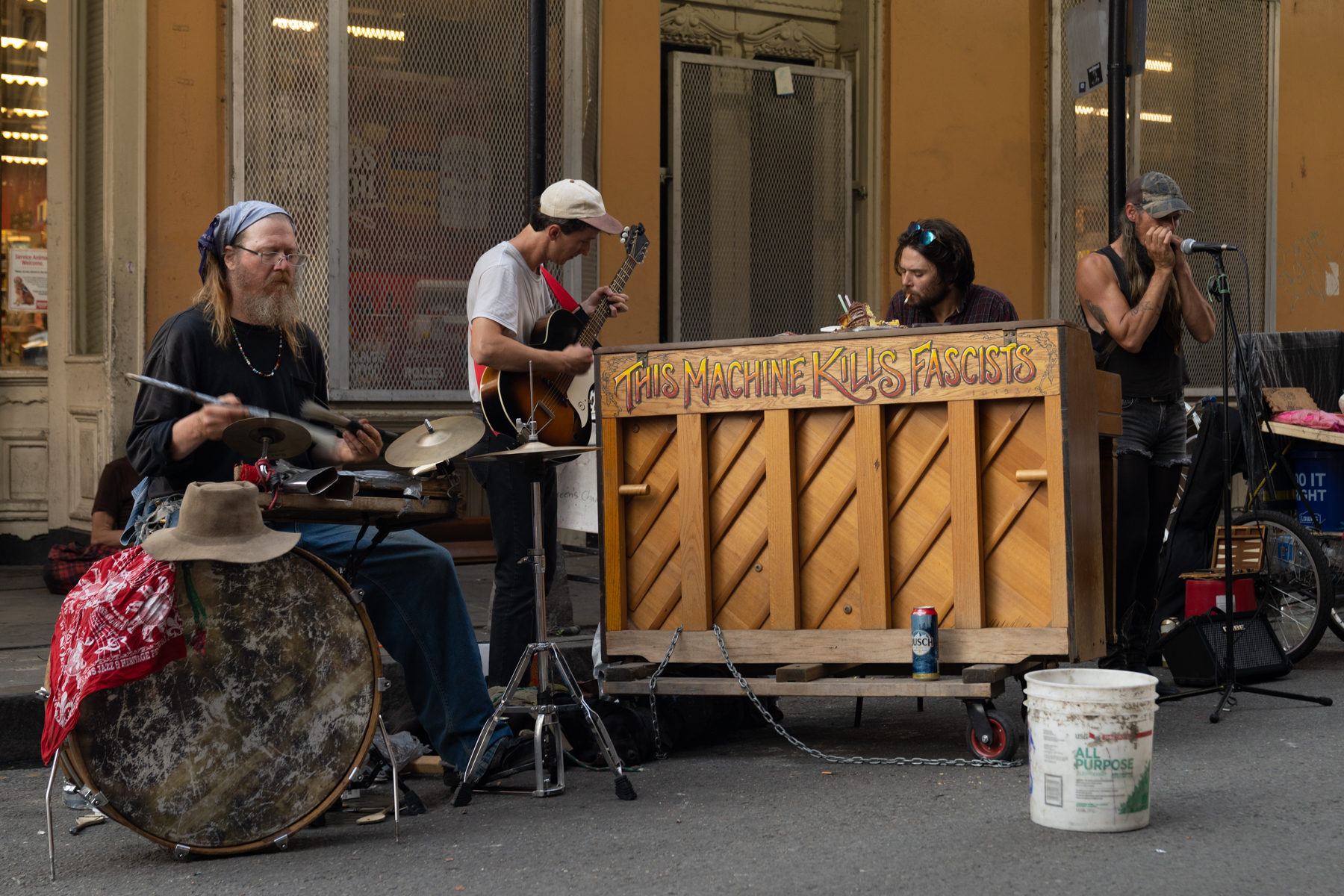
By this time it was only about 5:00 pm so we decided to do more exploring. We walked up Chartres Street, where we stopped to listen to a very fun street band.
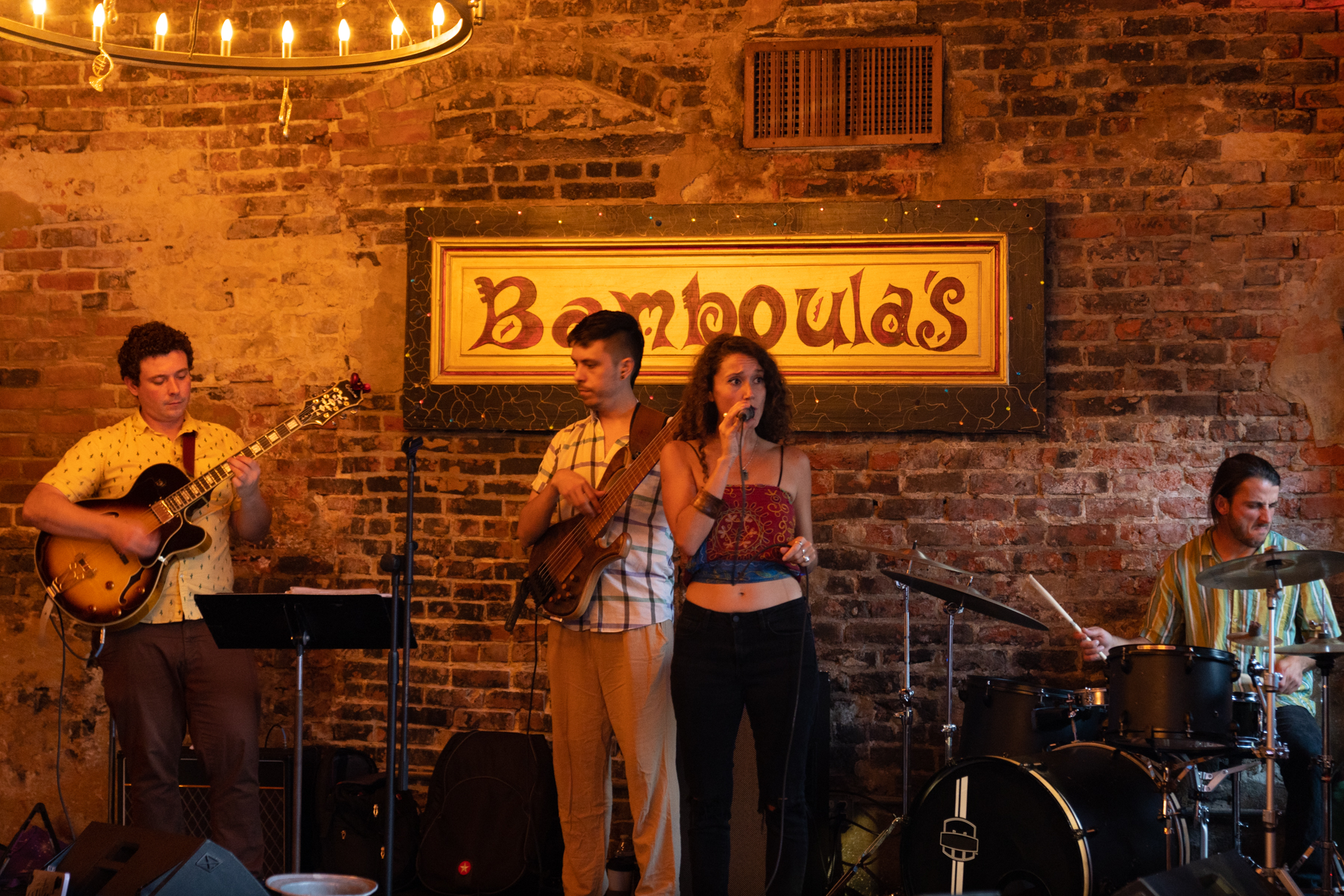
We kept walking up Chartres Street for about a kilometre to Frenchmen Street, away from the throngs of tourists. We enjoyed walking around the area, peeking in and out of the many live music venues along the street. We decided to go into Bamboula’s to have a drink, listen to the live music, and admire the murals on the walls. Keith indulged in a Hurricane cocktail while we there, too!
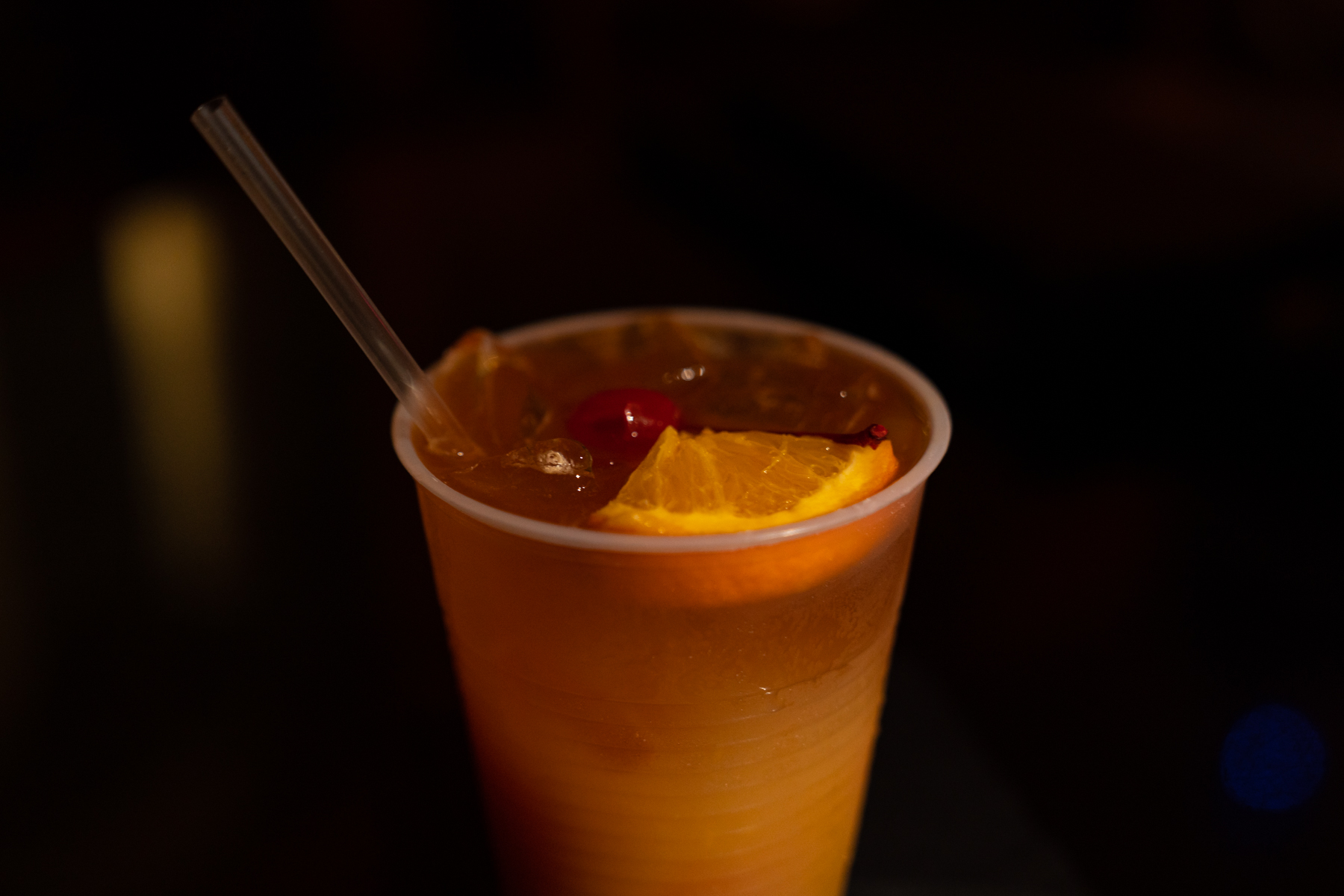
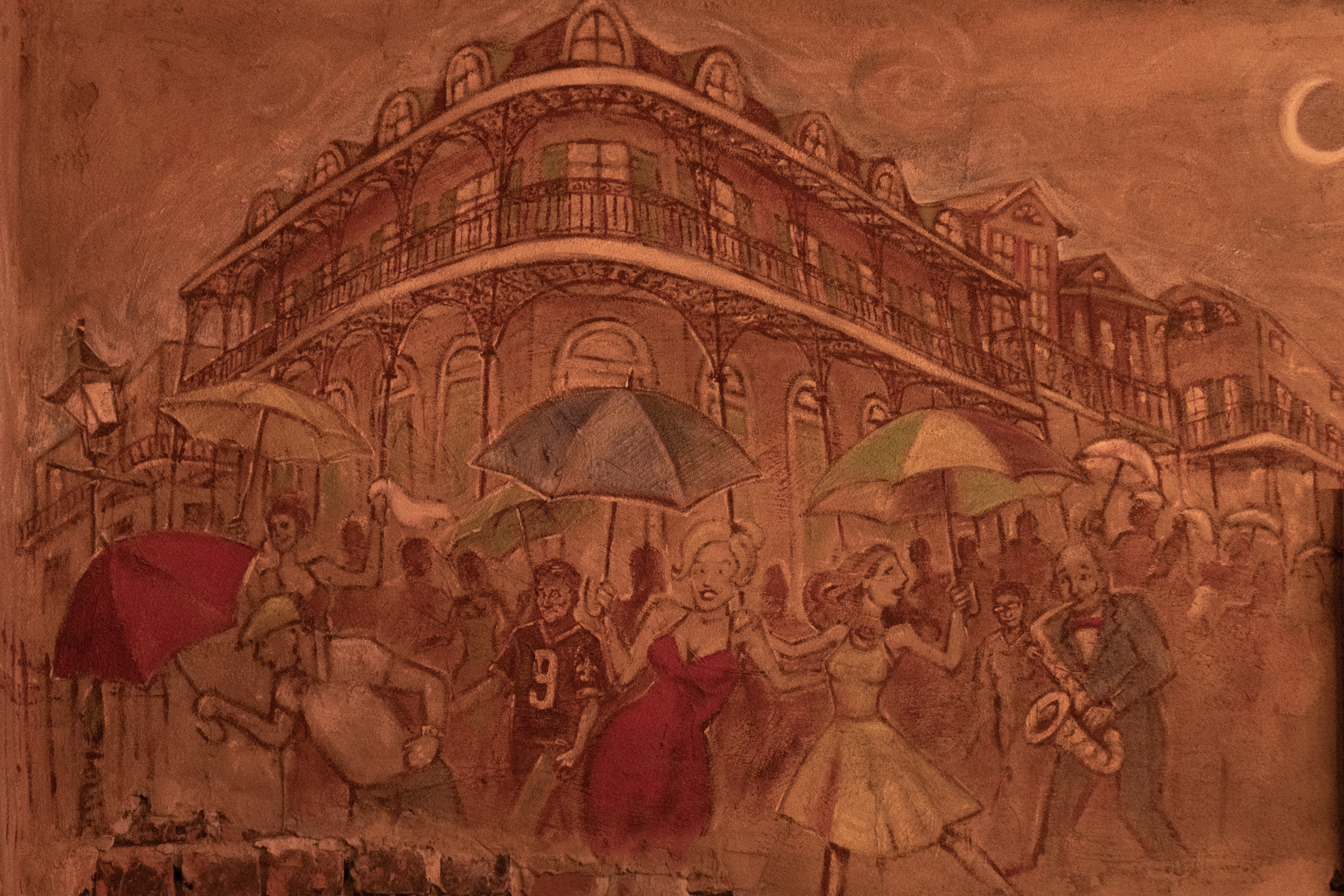
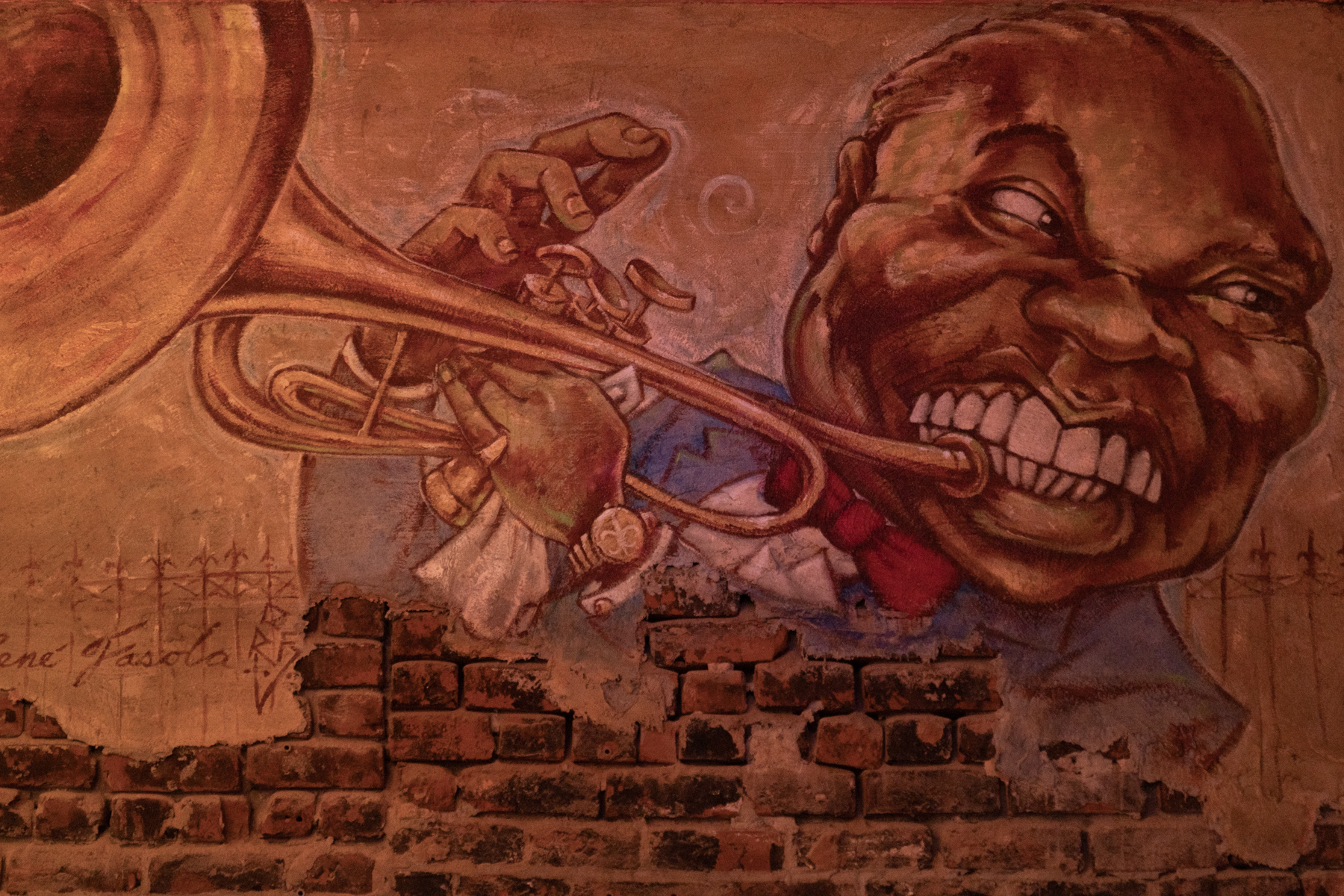
After staying about 45 minutes at Bamboula’s, we went back out on the street and contemplated our options for dinner. Across the road was a restaurant with some interesting choices but we decided we’d hold off and look at other options!
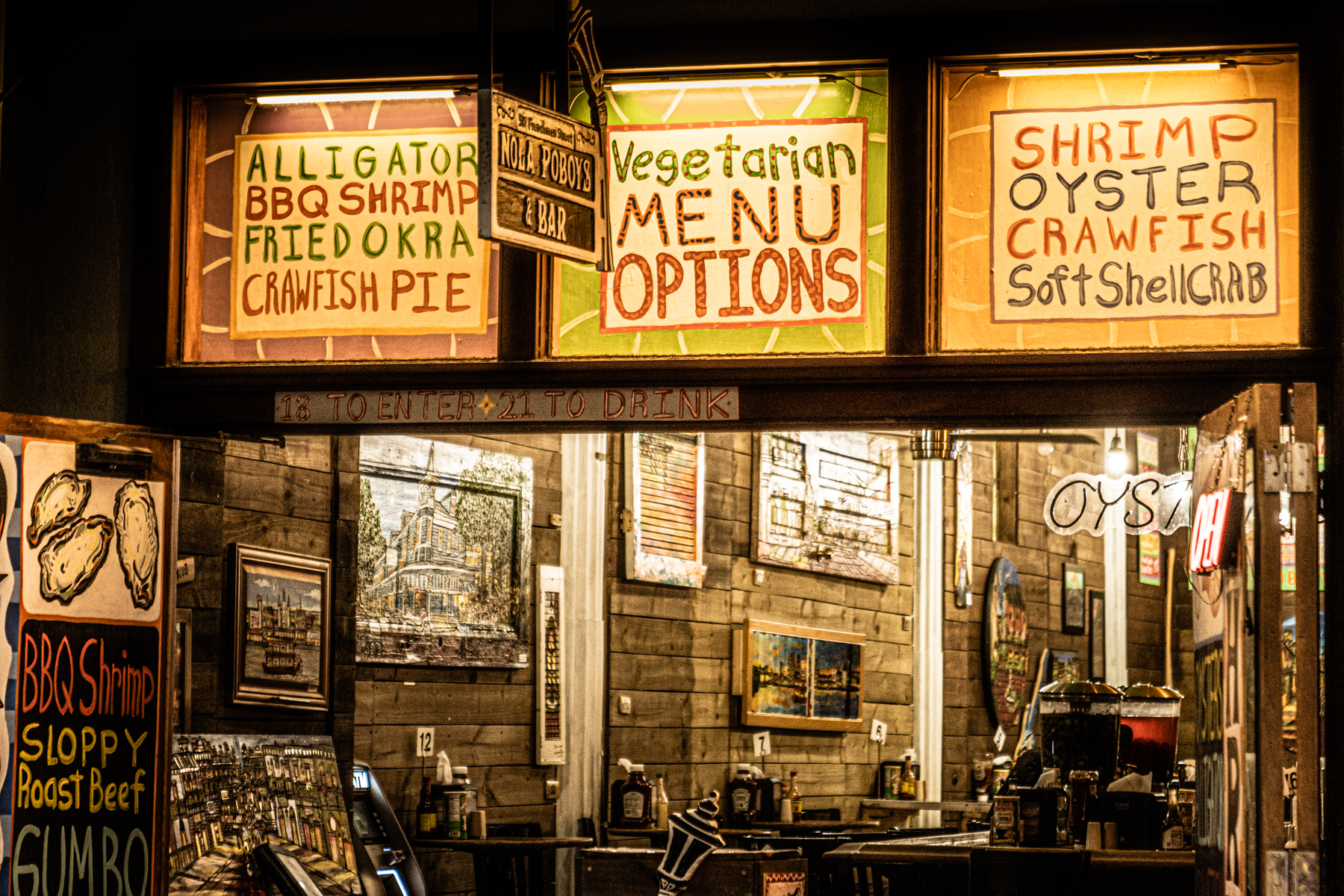
On our way back down Frenchmen Street we found the Frenchmen Art Bazaar, which we strolled around and quite enjoyed.
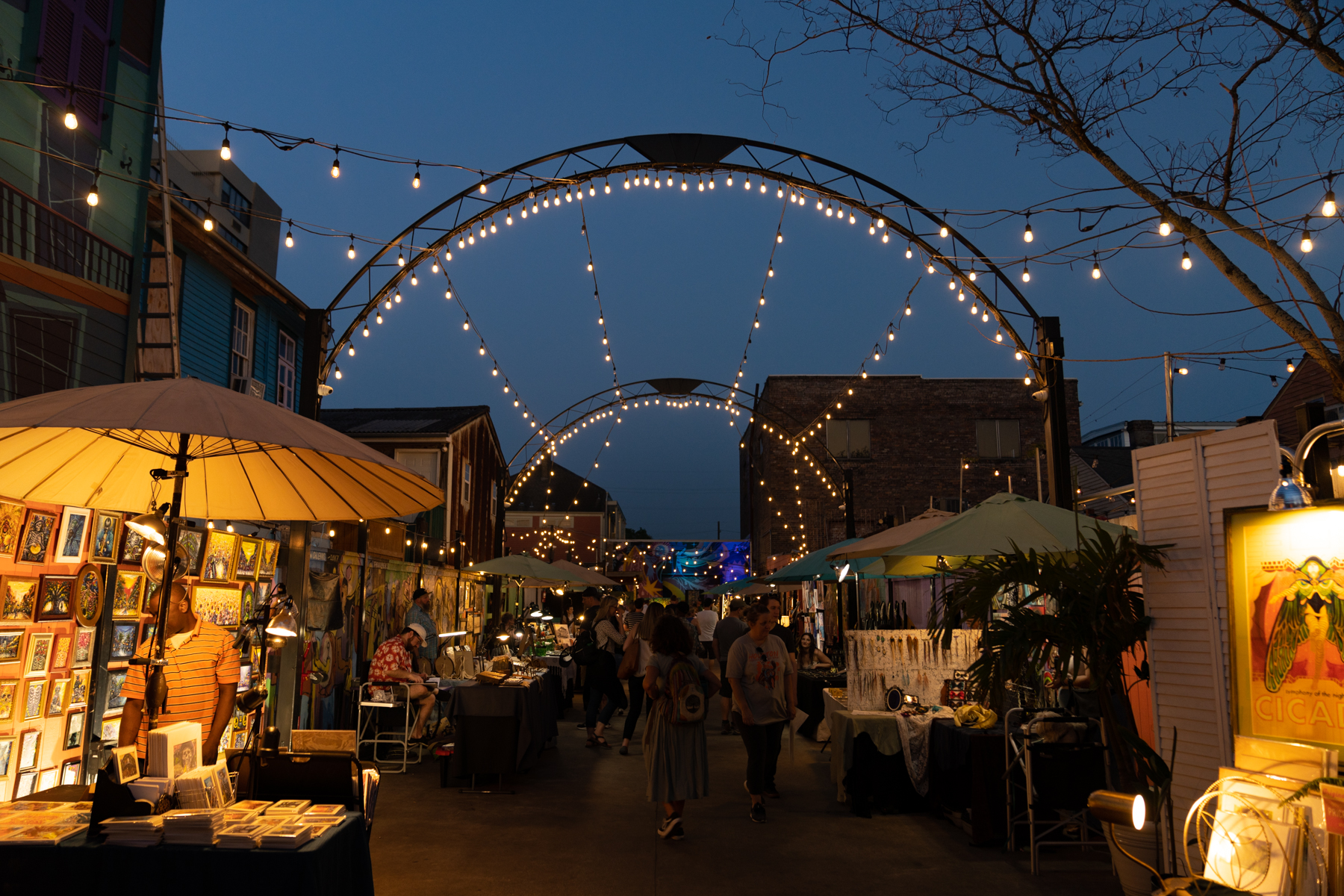
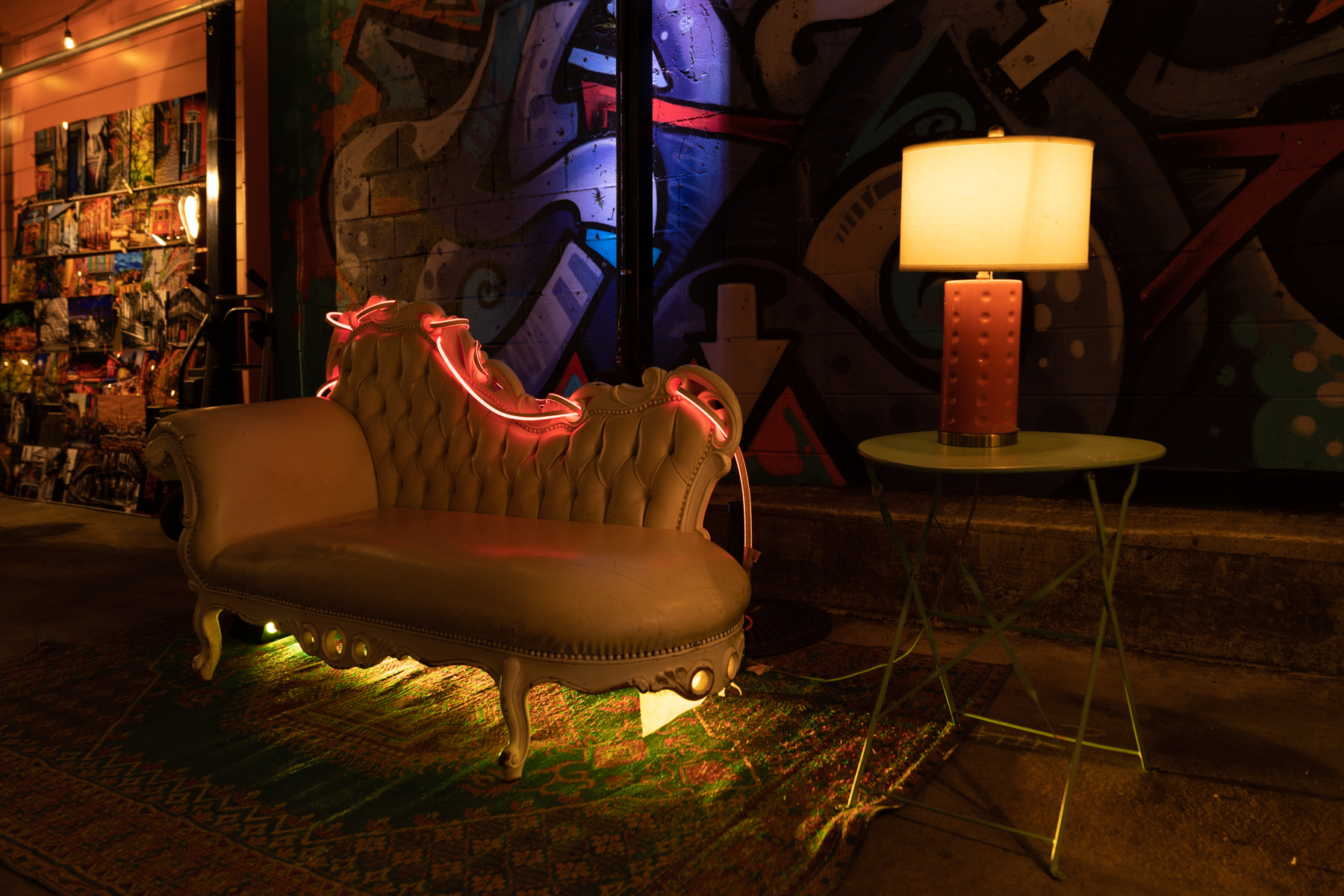
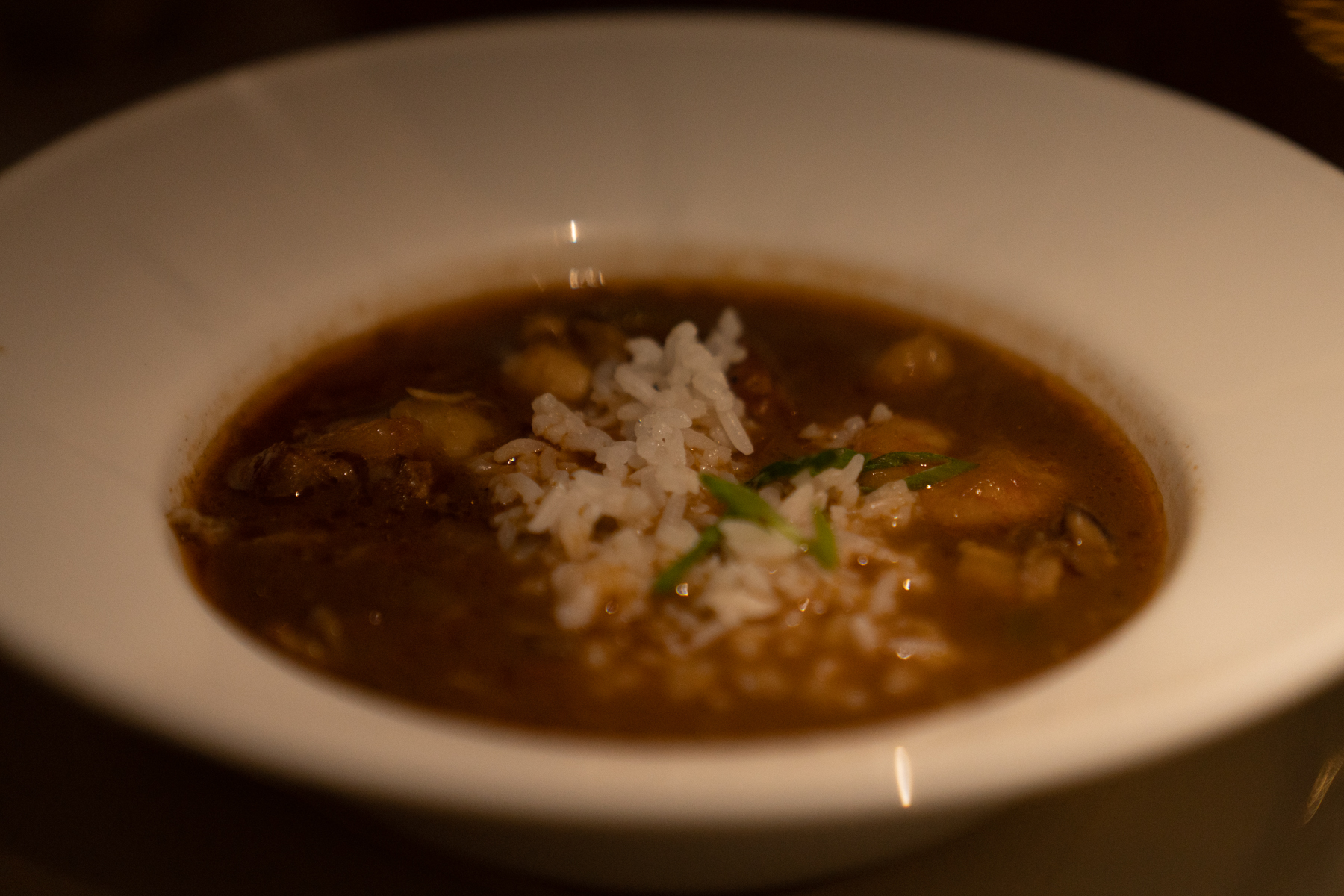
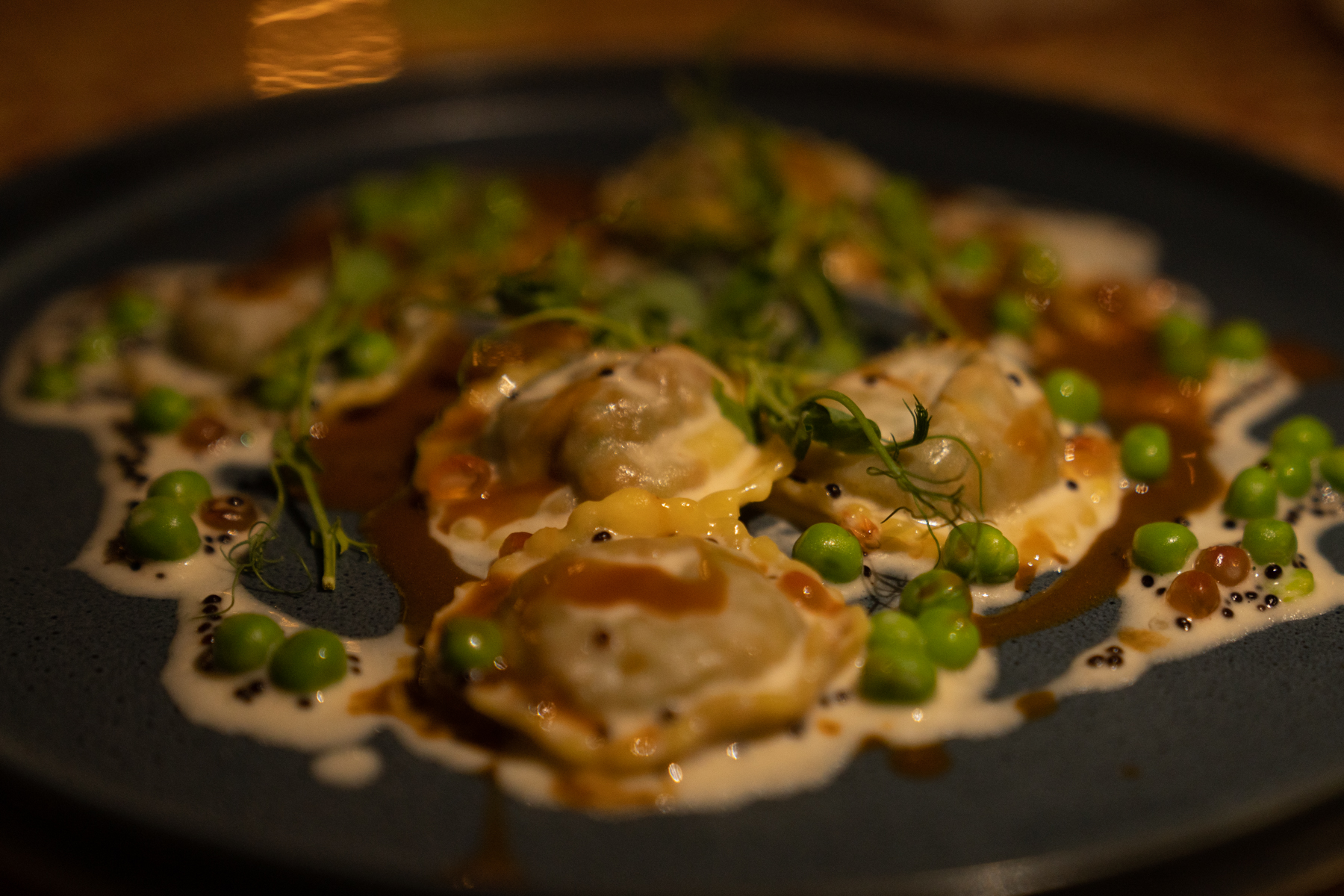
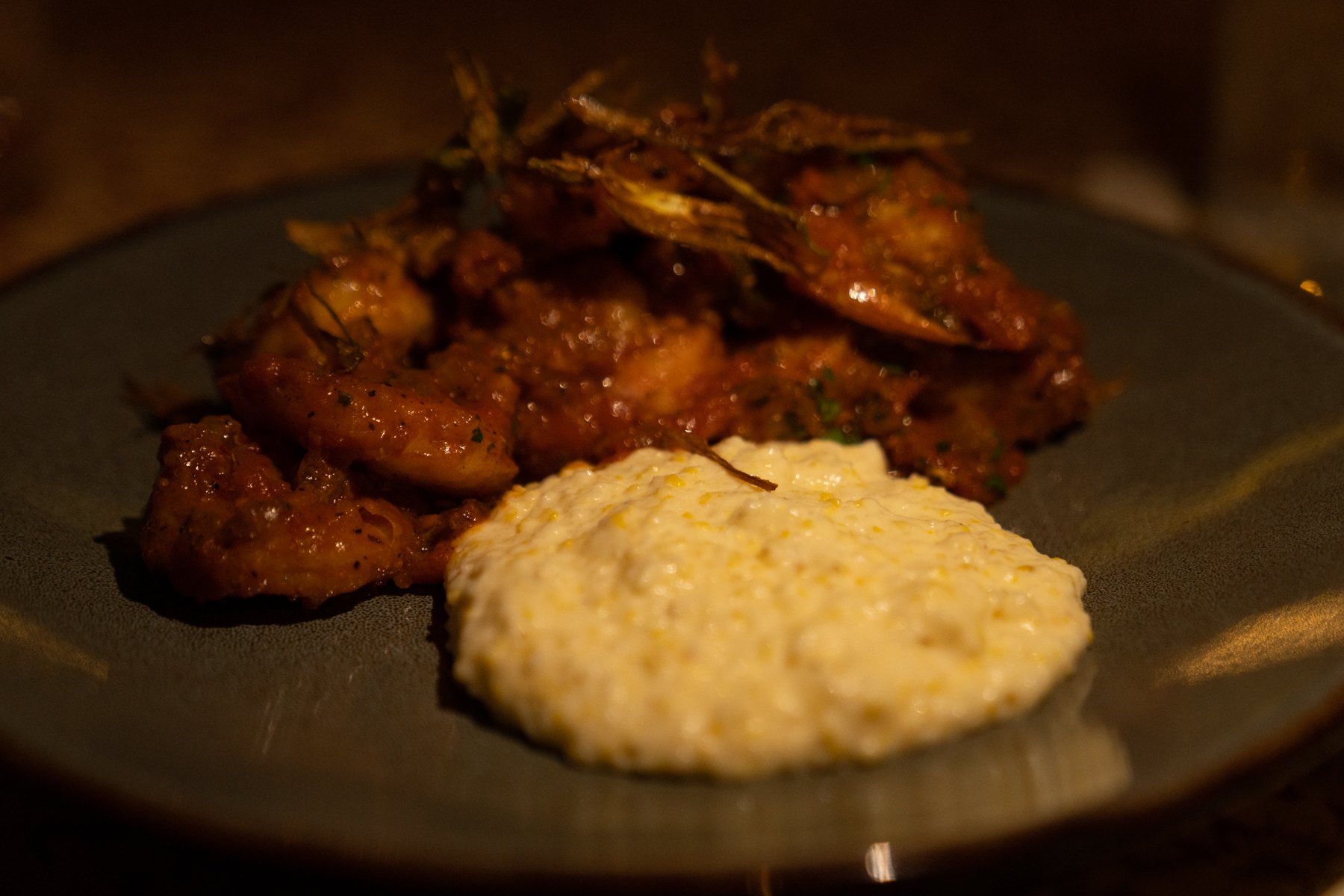
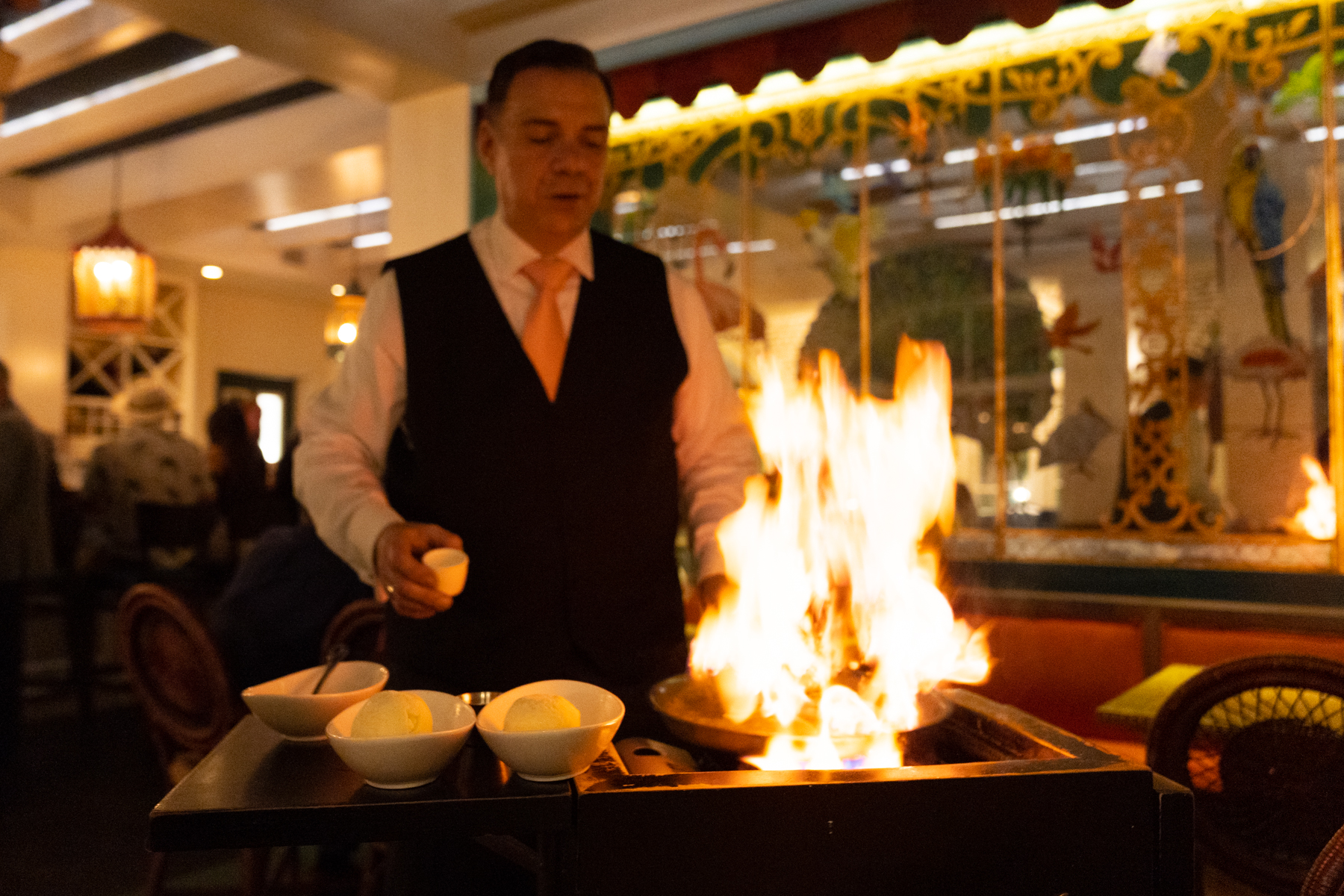
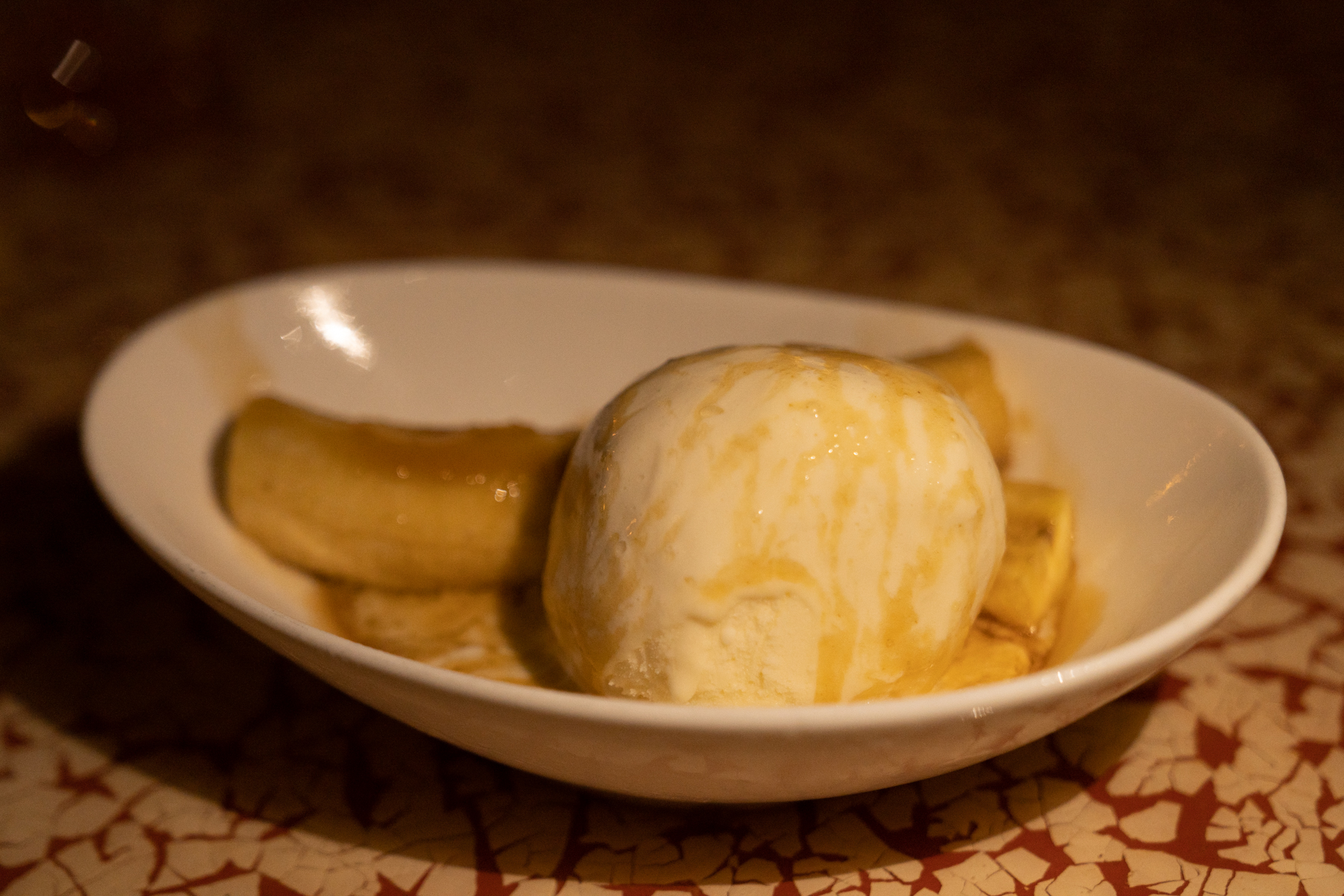
By the time we finished at the Frenchmen Art Bazaar, it was about 7:00 pm. We decided to walk back to the French Quarter to see if we could get a table at Brennan’s. After some cajoling, we managed to snare a table. Brennan’s was founded in 1946 by Owen Brennan, an Irish-American restaurateur and New Orleans native. It is well known for its Creole fare but is especially famous for its Banana Foster dessert. The Banana Foster is made with cooked bananas served in a sauce made with butter, brown sugar, and rum. We had a lovely meal that included local dishes like gumbo, Cajun shrimp, and grits. Naturally, we both had the Banana Foster for dessert!
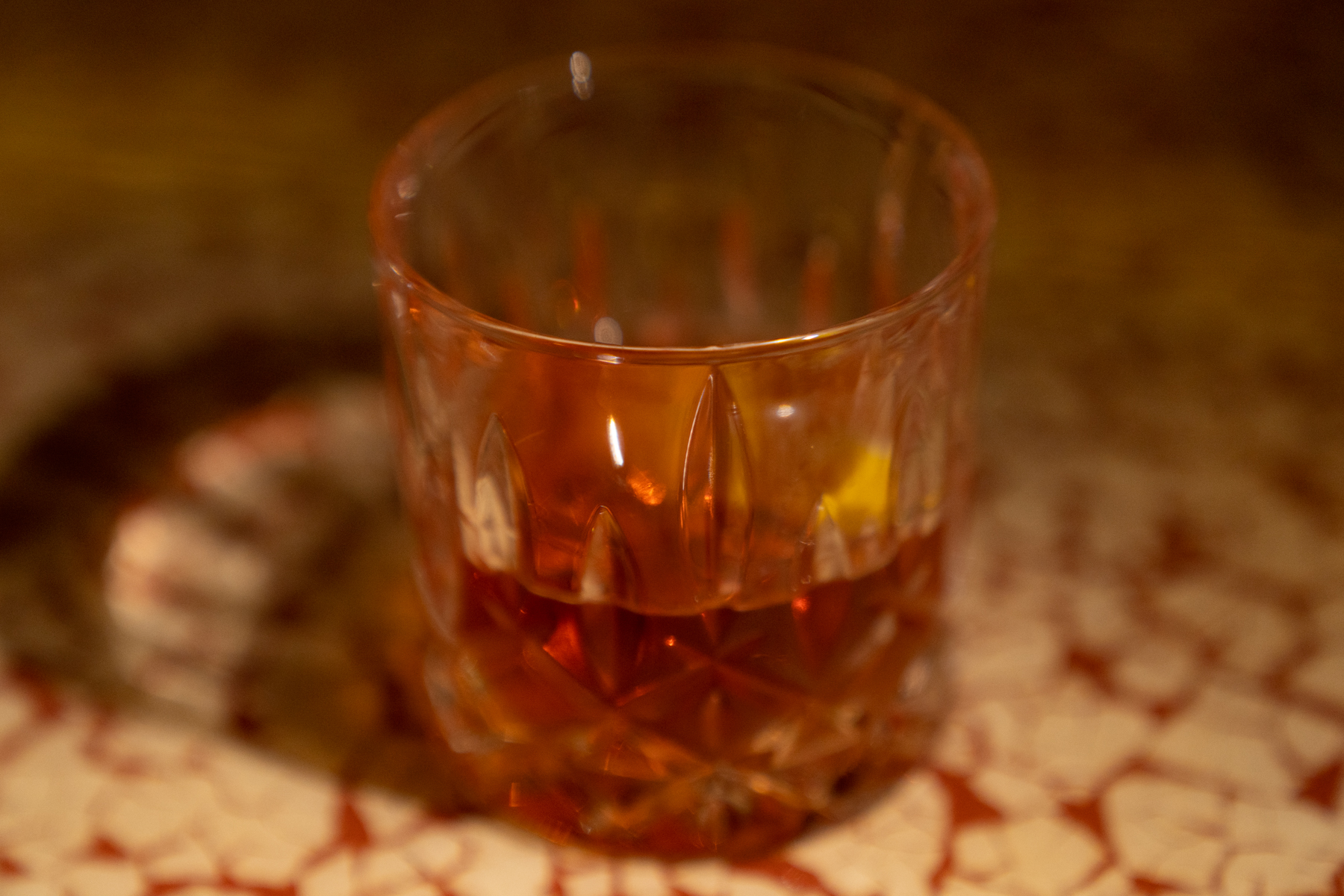
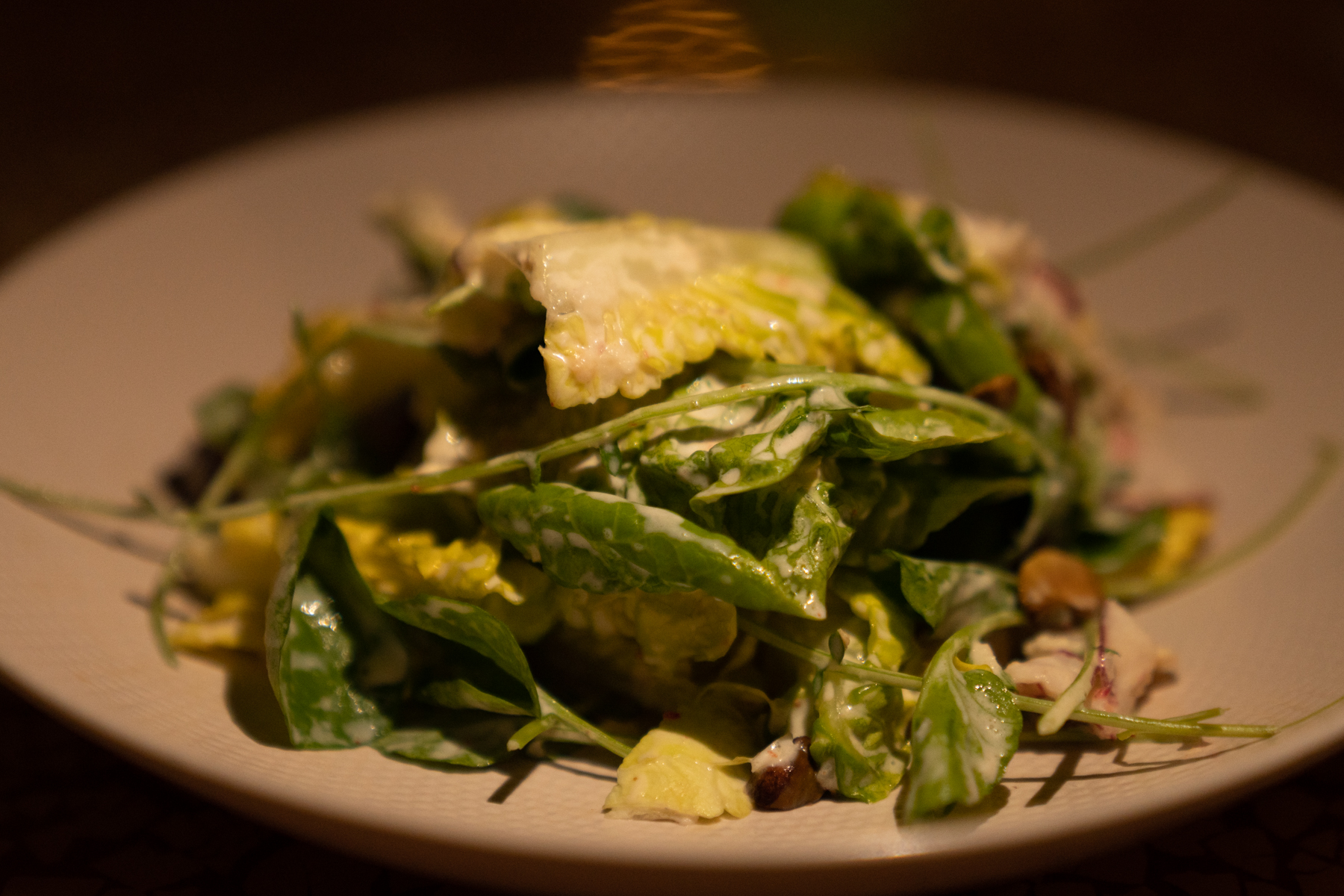
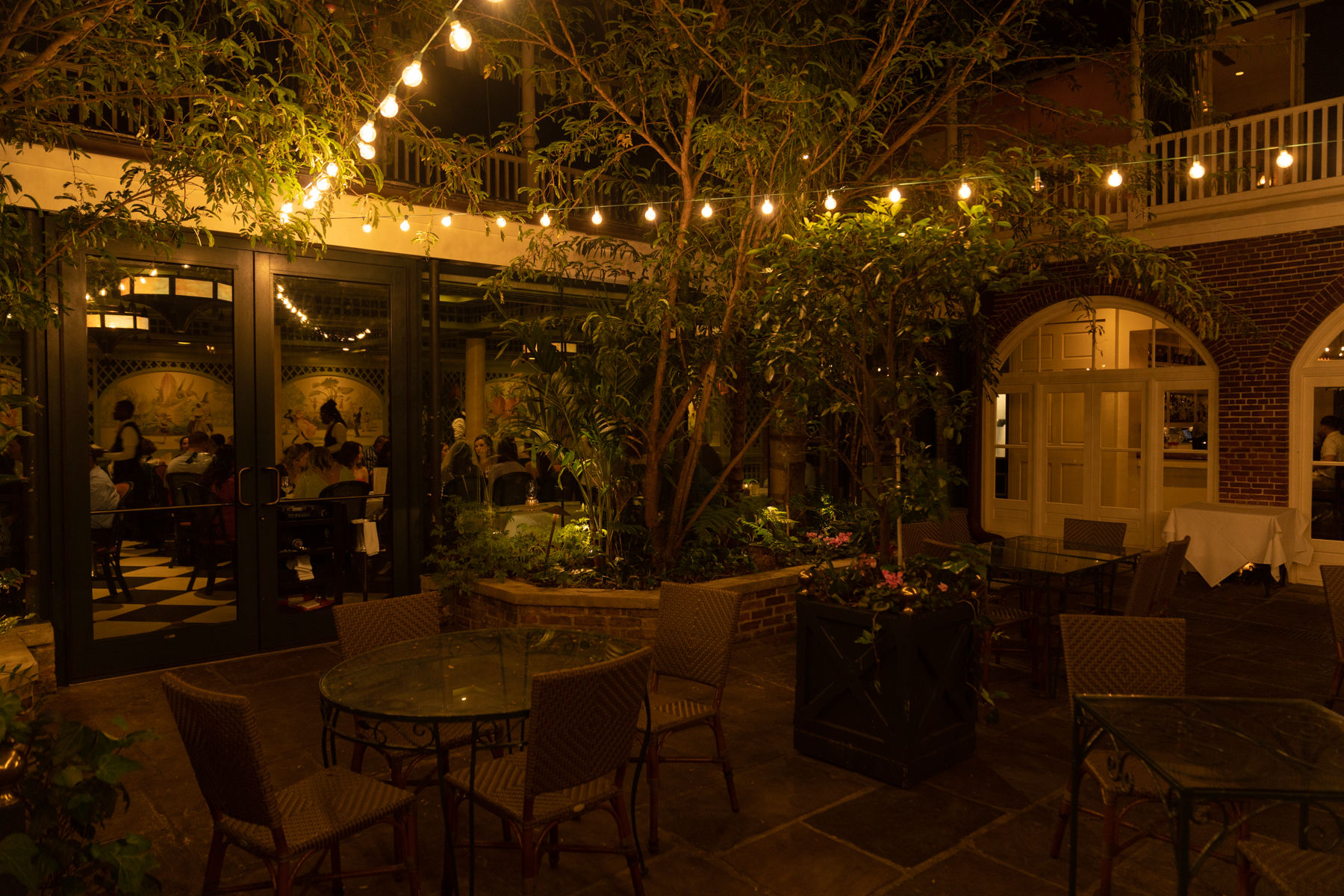
After a beautiful dinner we walked down Bourbon Street, with the intention of going straight back to the hotel. But there was so much atmosphere, we ended up going into a bar to listen to some great live music.
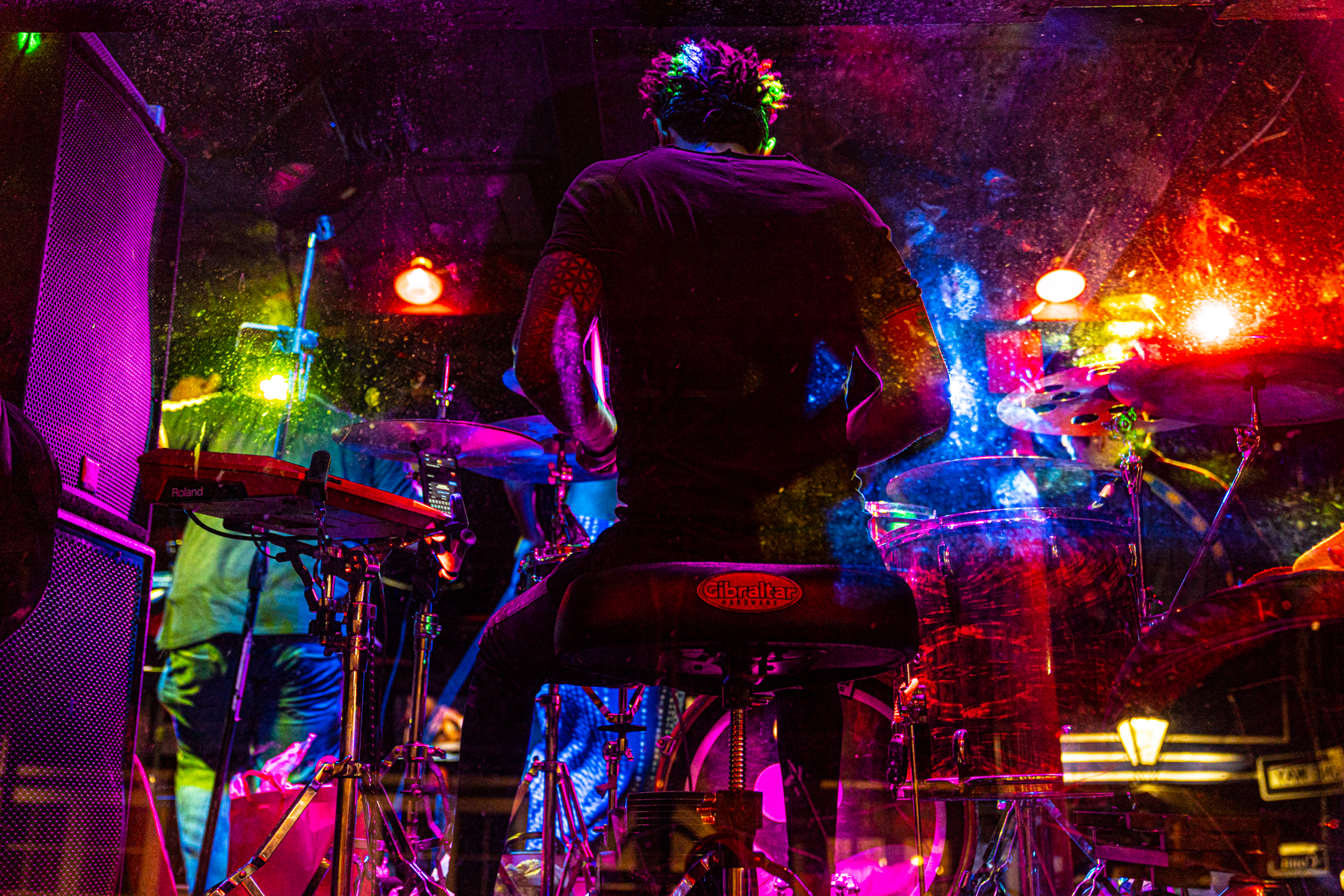
After enjoying the live music we went back out onto Bourbon Street but only got as far as Cafe Beignet, where we decided to stop and order a serve of beignets. We shared one between us and packed up the rest to take back to the hotel, having decided that we’d eaten far too much sugar already today!
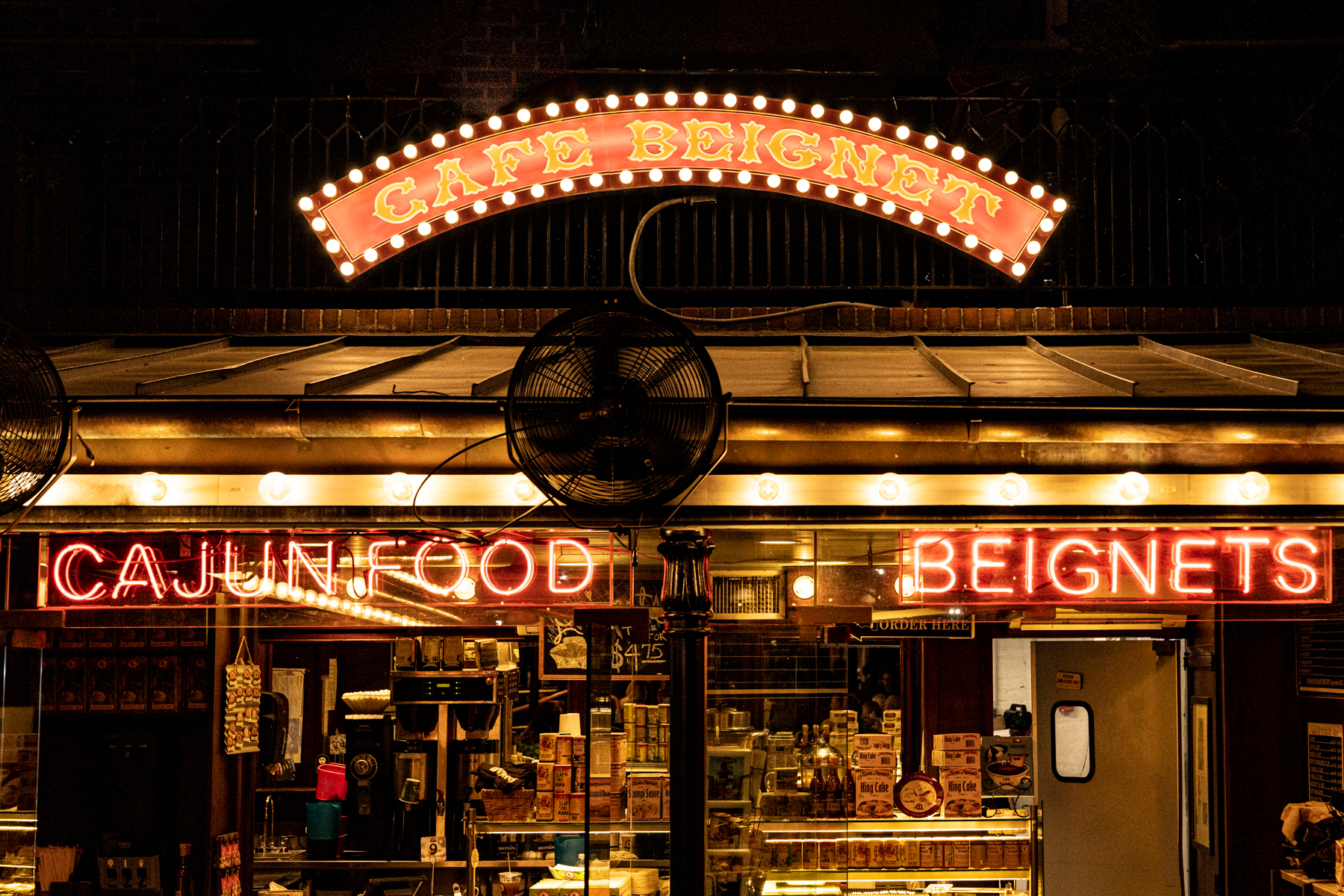
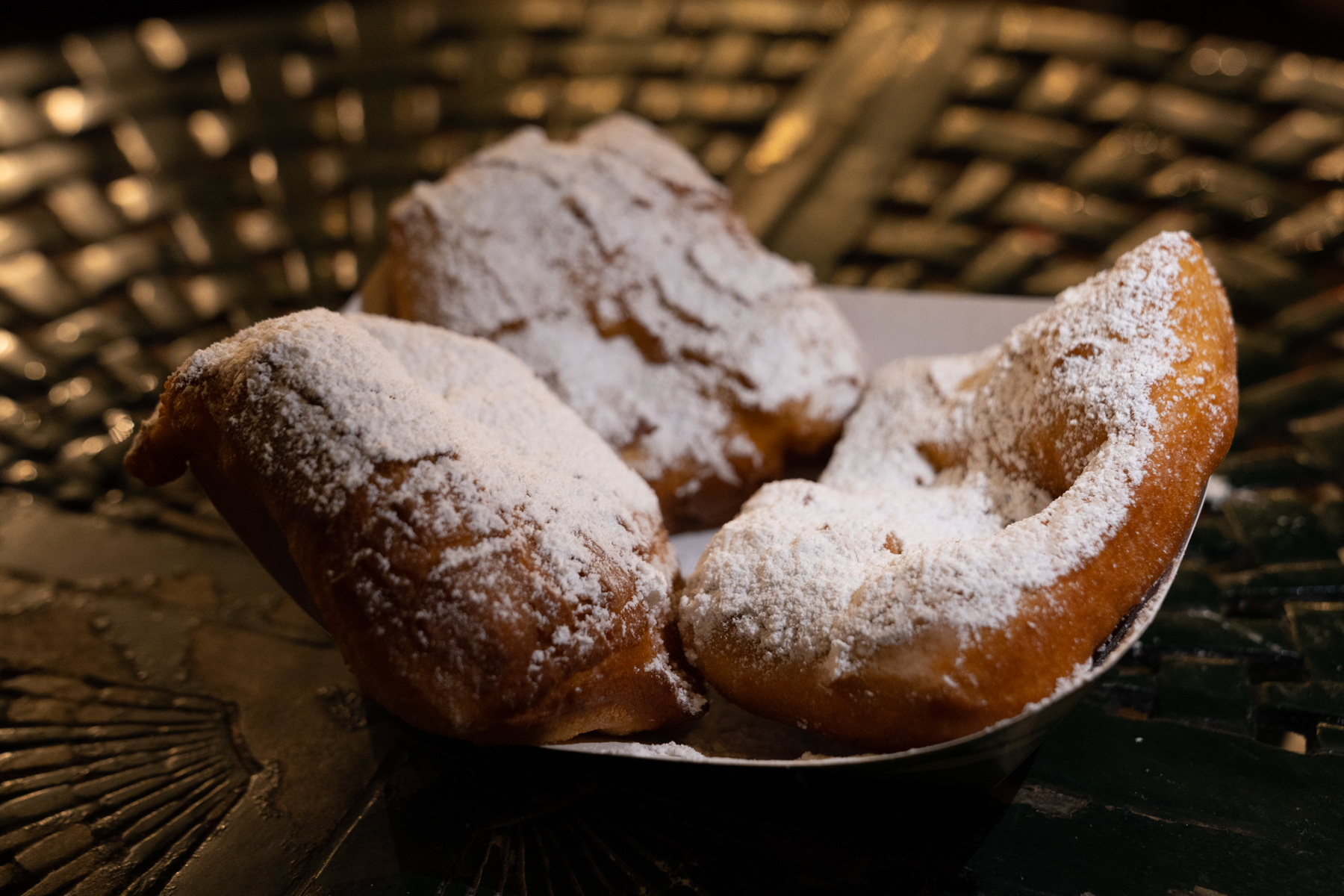
After enjoying our beignet, we walked back to the hotel after a very big day. We’ve got a few things we want to do tomorrow so it may be another busy day!