
Around The World
Exploring Fes
The good sleep we had hoped for last night didn’t quite happen. The combination of going to bed at 4:00 pm New York time (which is where our body clock was!), loud calls to prayer over the loudspeaker from a very close-by mosque (late at night and very early in the morning), and a noisy rooster not too far away, all conspired to cause a very interrupted sleep. Nonetheless, we were up by around 8:00 am to get ourselves organised for the day.
We went upstairs to the restaurant for a very nice breakfast.
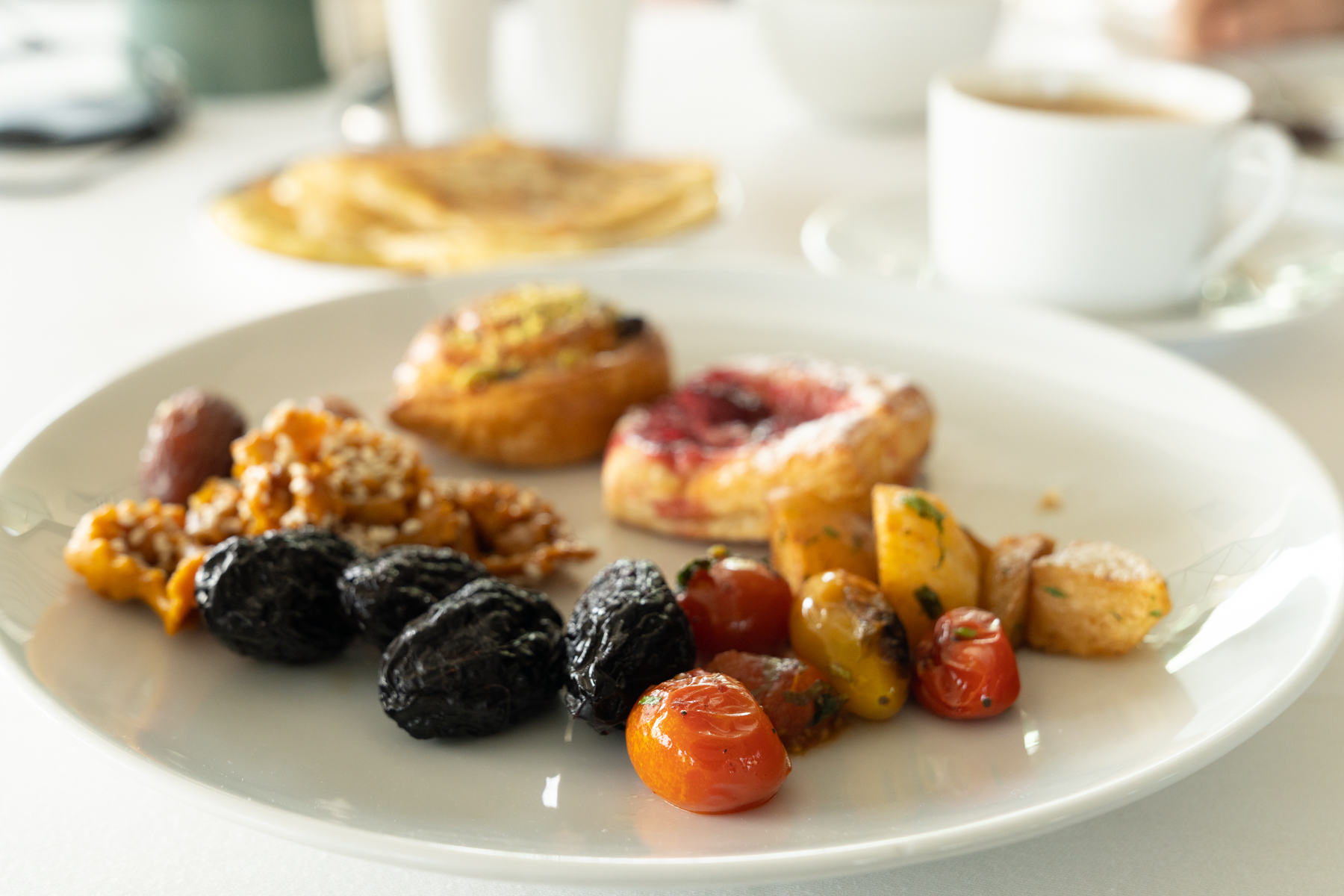
Over breakfast, we chatted to another couple from Australia who were just finishing up a ten-week trip around Morocco.
We were looking forward to exploring Fes today. Fes has been called the “Mecca of the West” and the “Athens of Africa”, and is also considered the spiritual and cultural capital of Morocco.
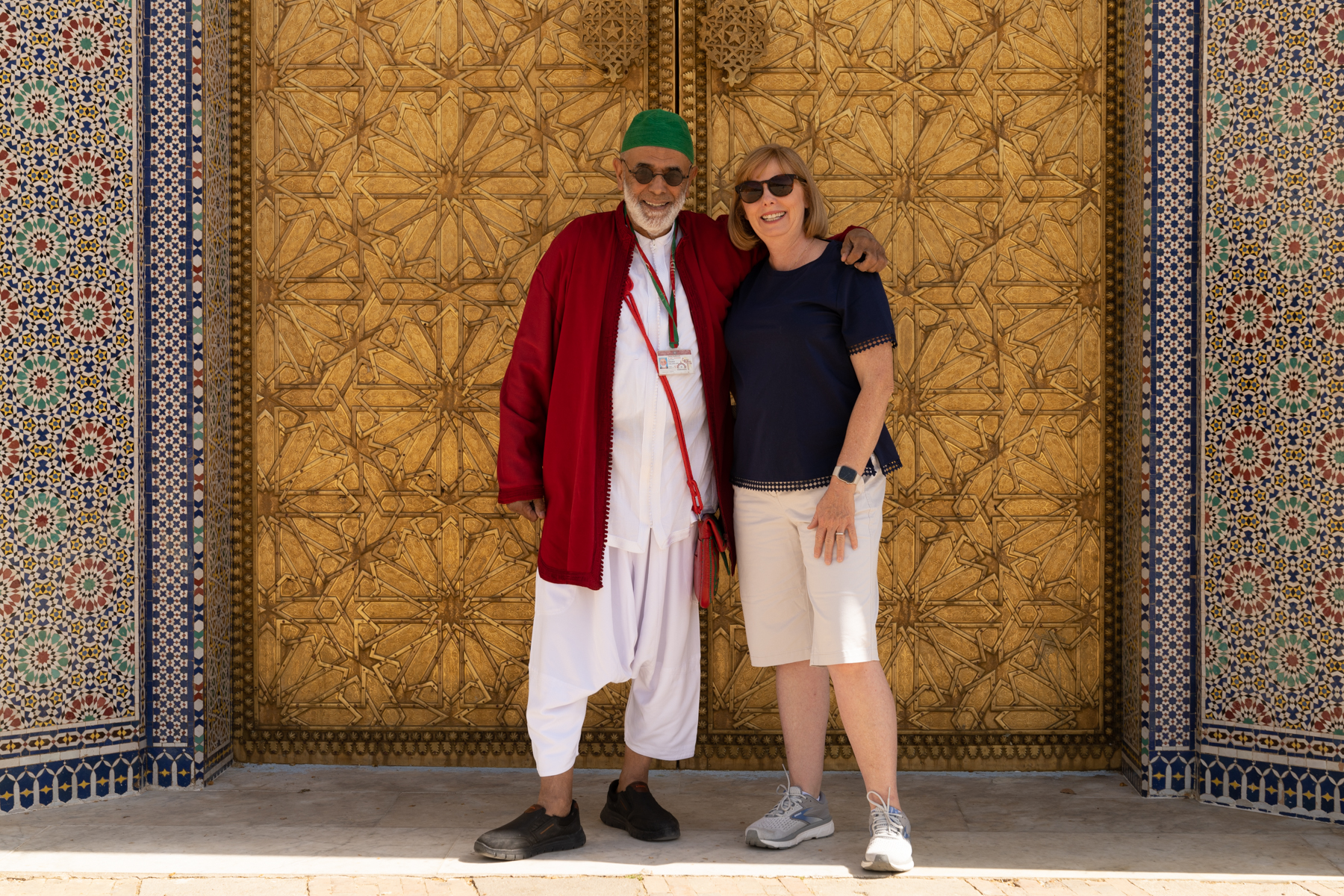
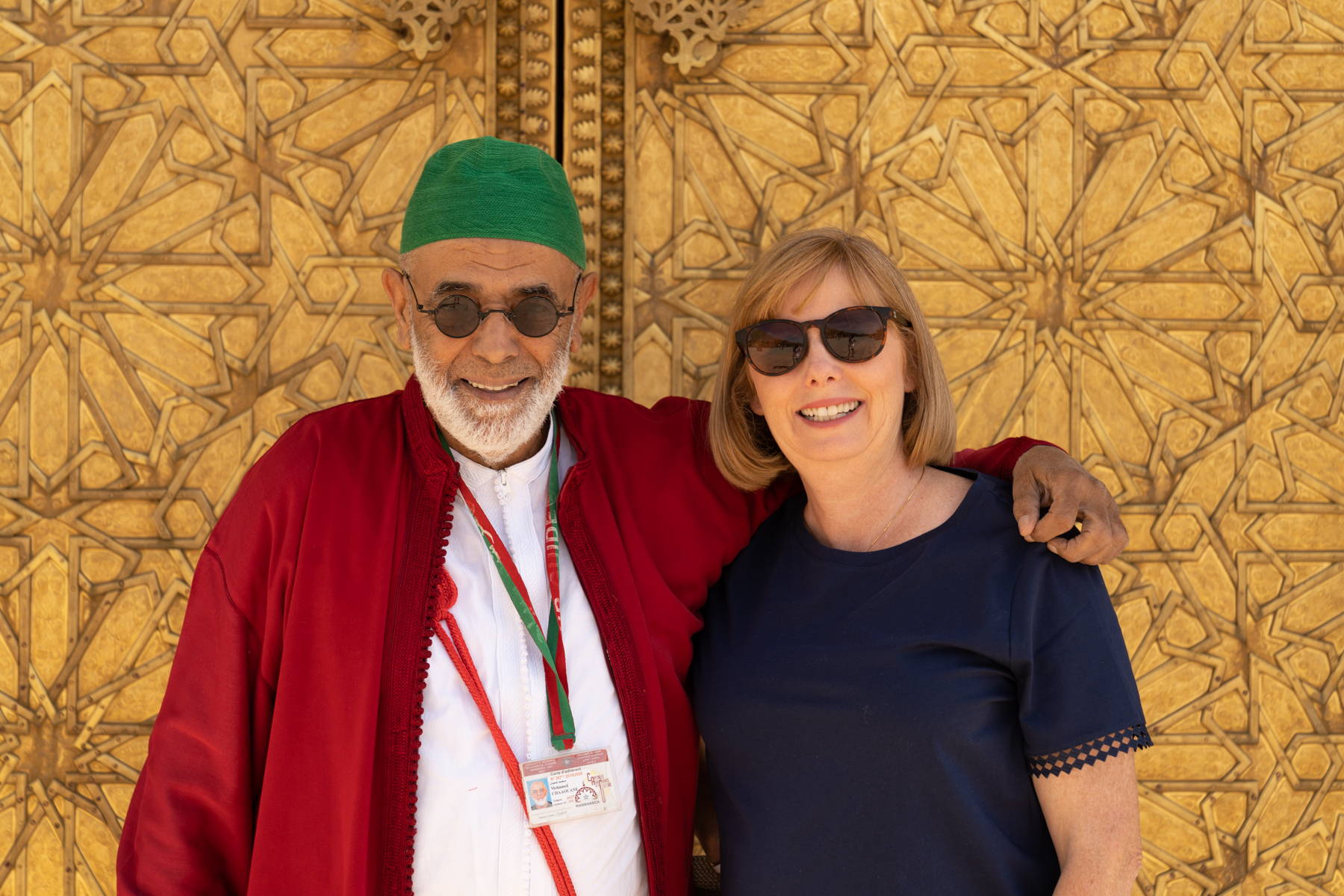
Mohamed and Dawad met us at the hotel at 10:00 am, and we headed for a day of exploring. Our first stop was Dar al-Makhzen (the Royal Palace), which dates back to the 13th century. Entry into the palace is not permitted so we could only admire it from the outside, which we did from the Place des Alaouites entrance.
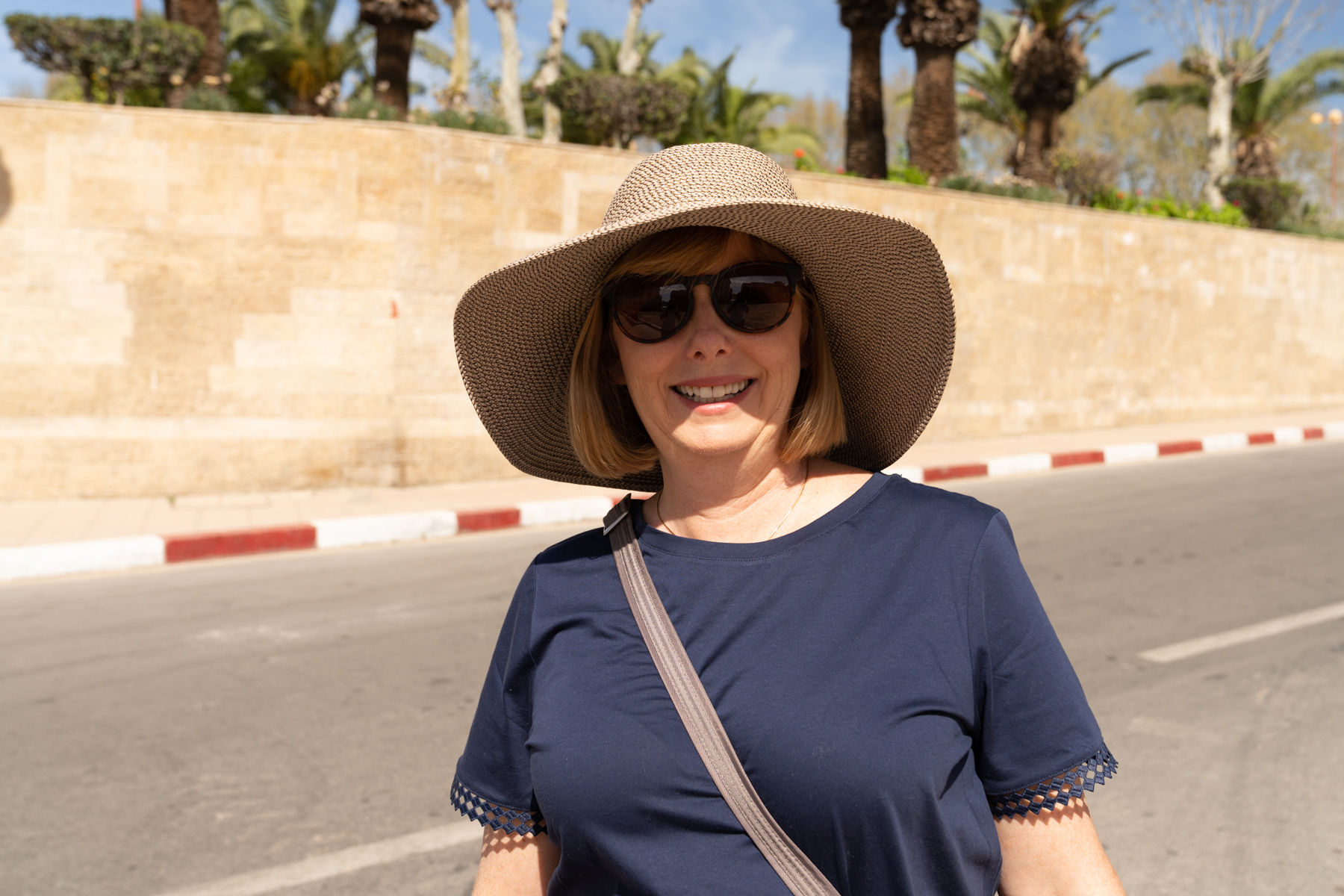
From the palace we walked to the mellah, the Jewish quarter of the town. The buildings in this area had a distinctive architecture, different from the other areas we’ve seen so far.
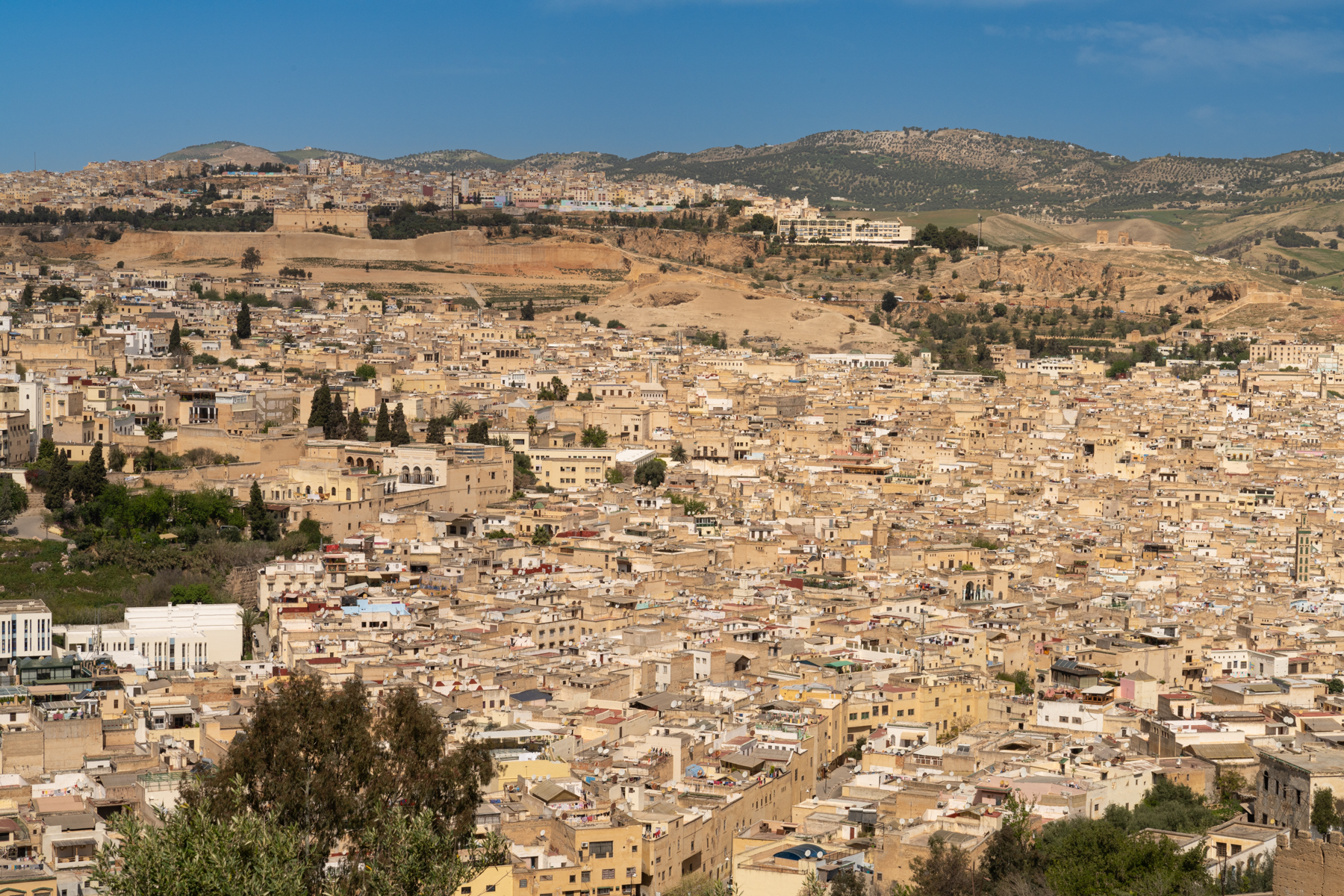
We then hopped back into the car for a drive up to a fort on a high vantage point to get a great view of the city of Fes.
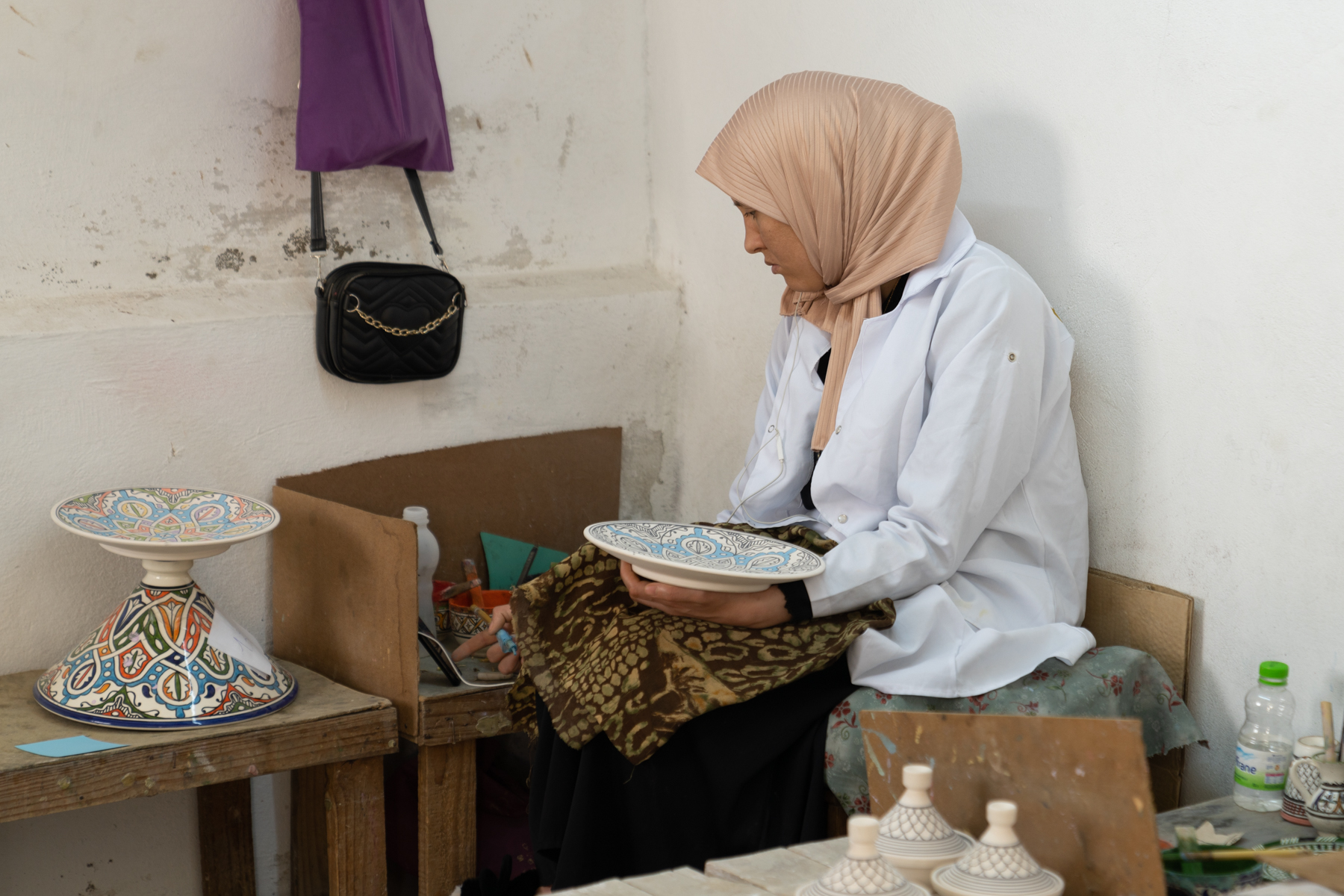
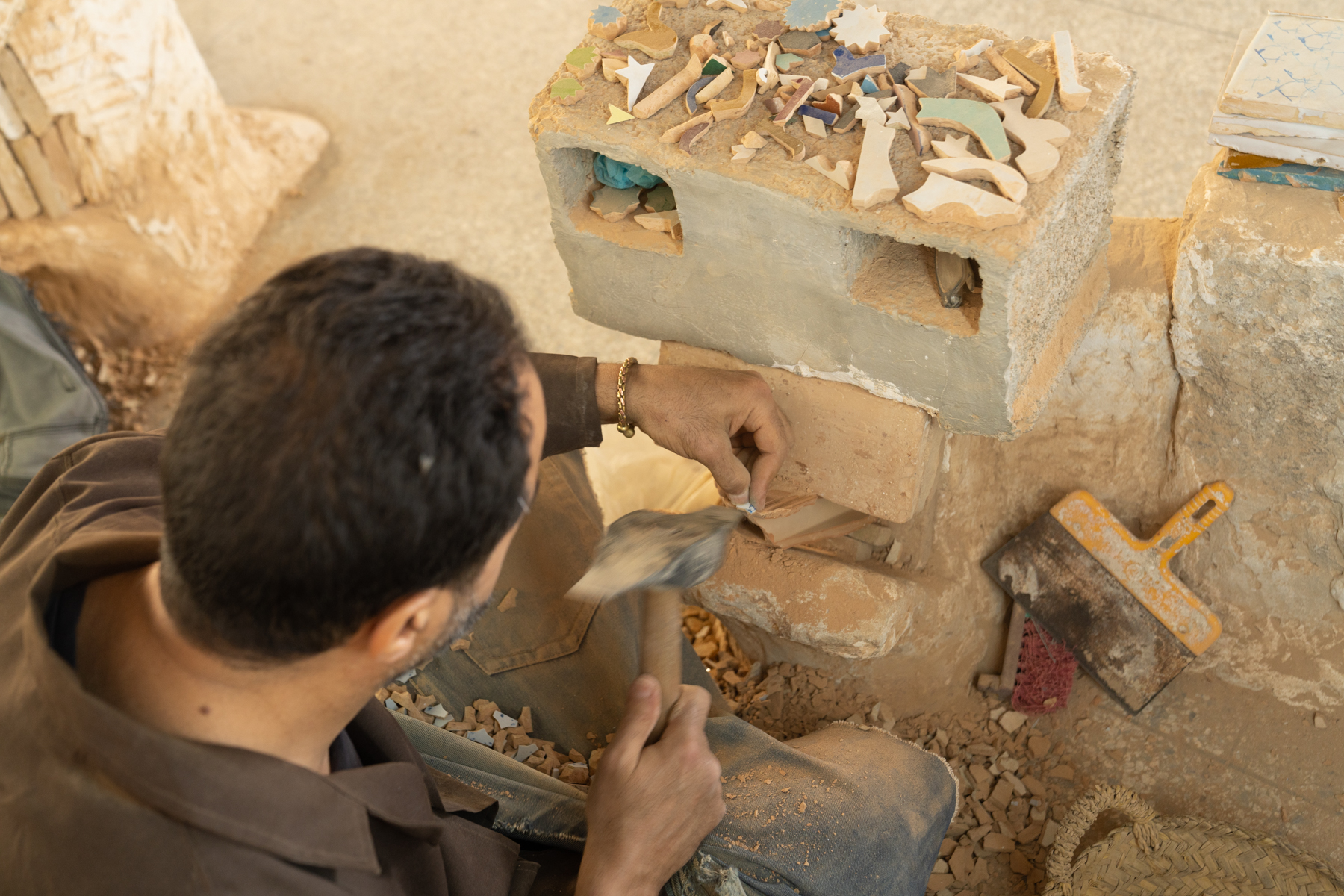
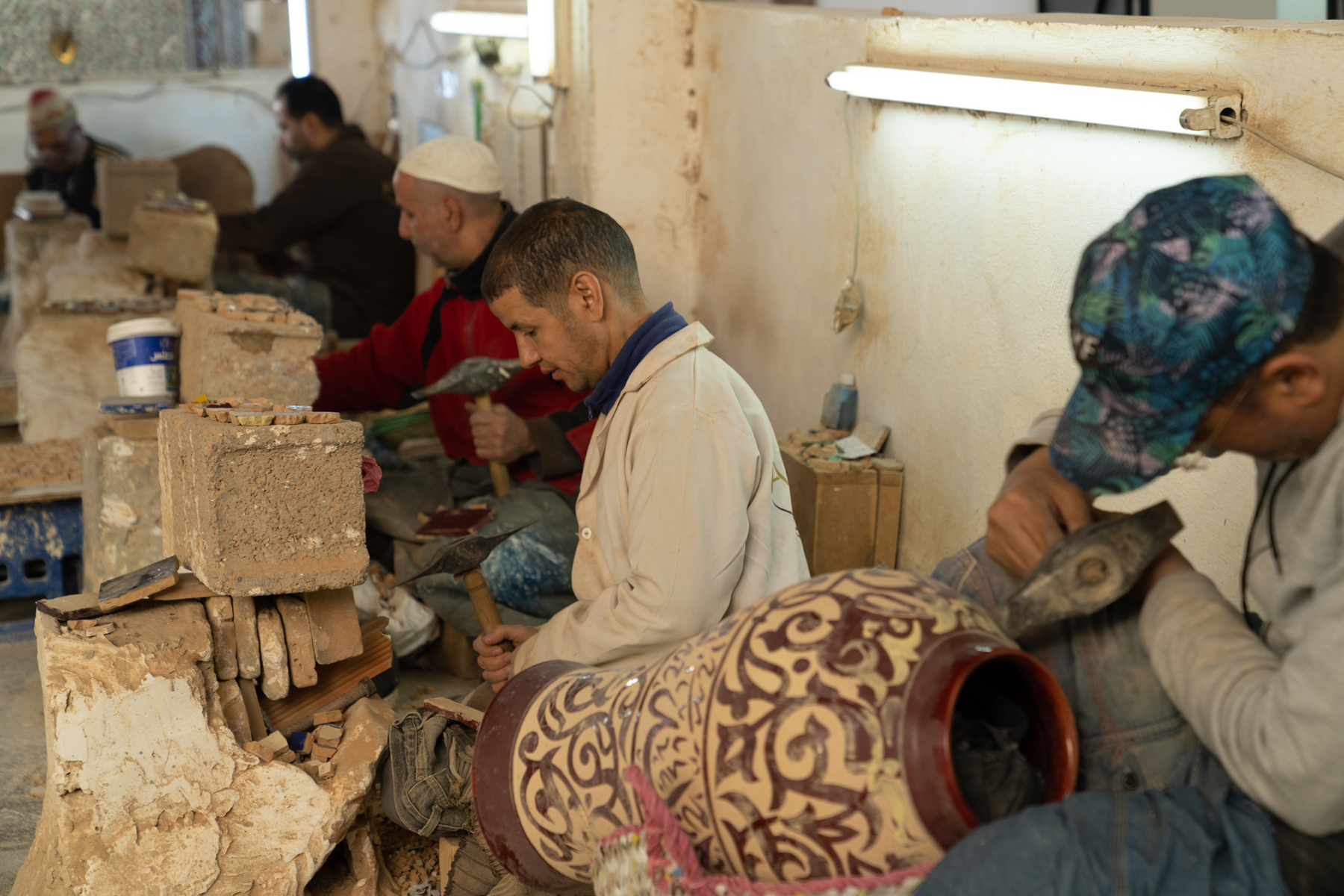
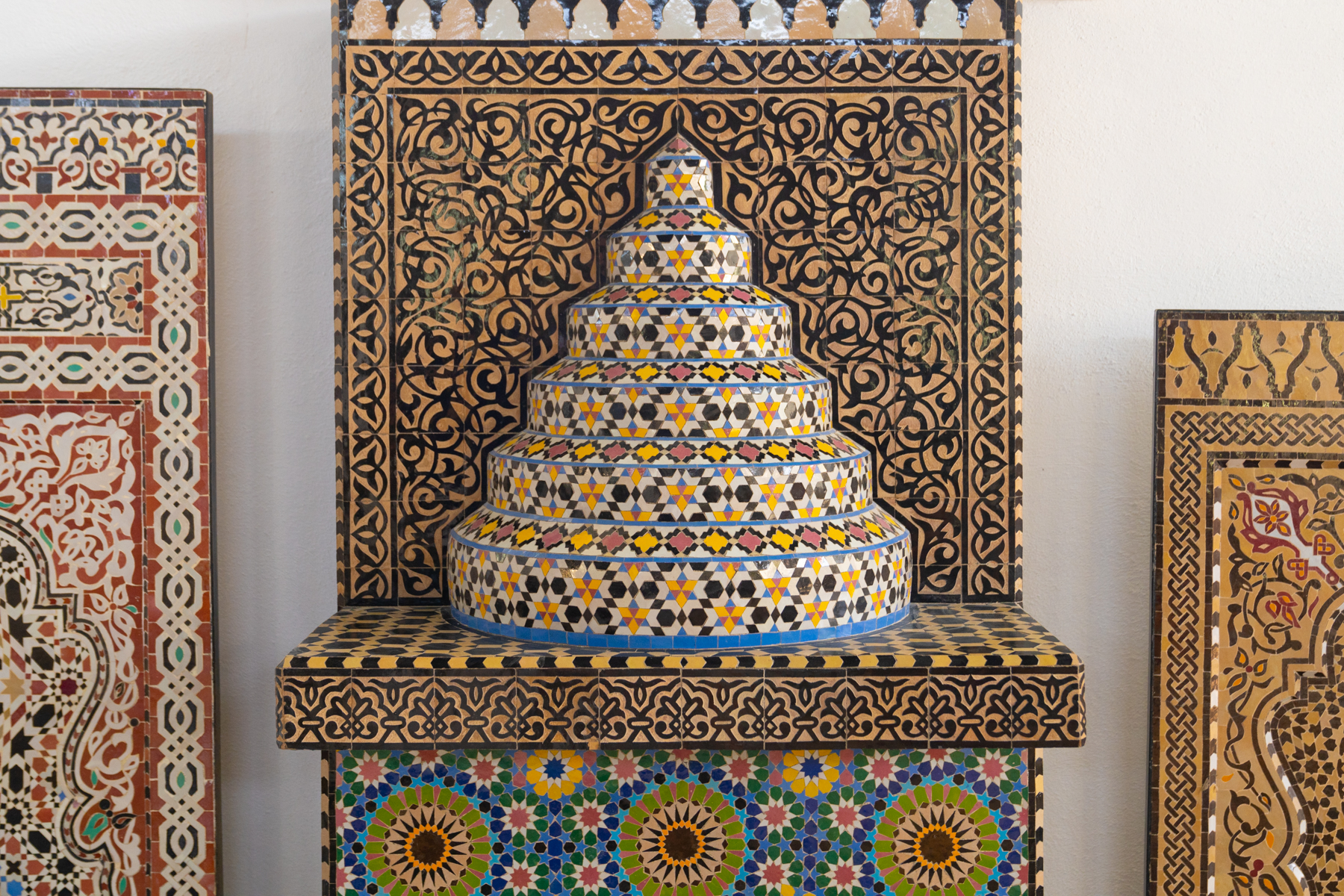
Our next stop was a tour of a workshop making traditional pottery and mosaics. We found this to be really interesting. The techniques in use have not changed in centuries and the amount of work (and patience) required to create some of the pieces was incredible.
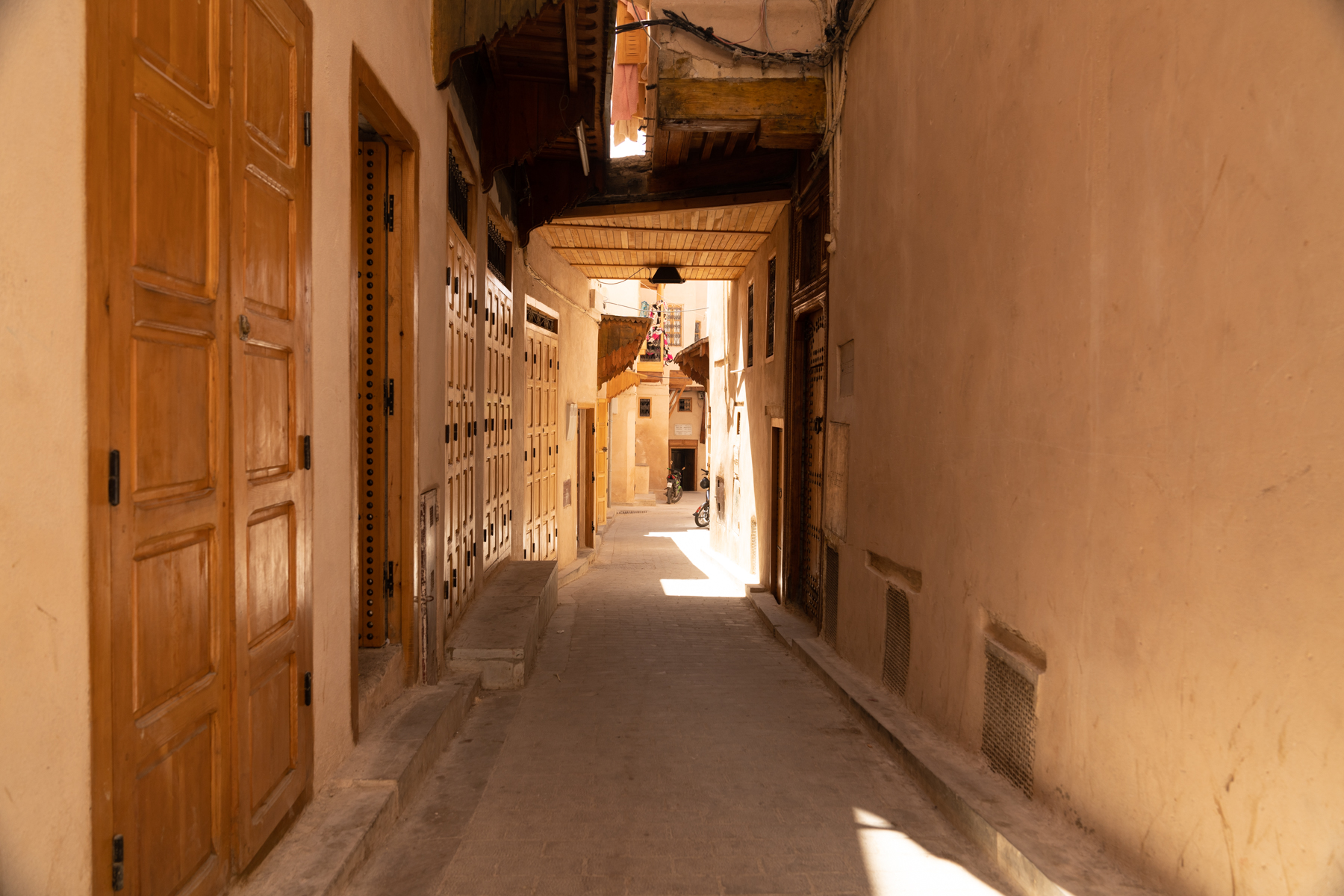
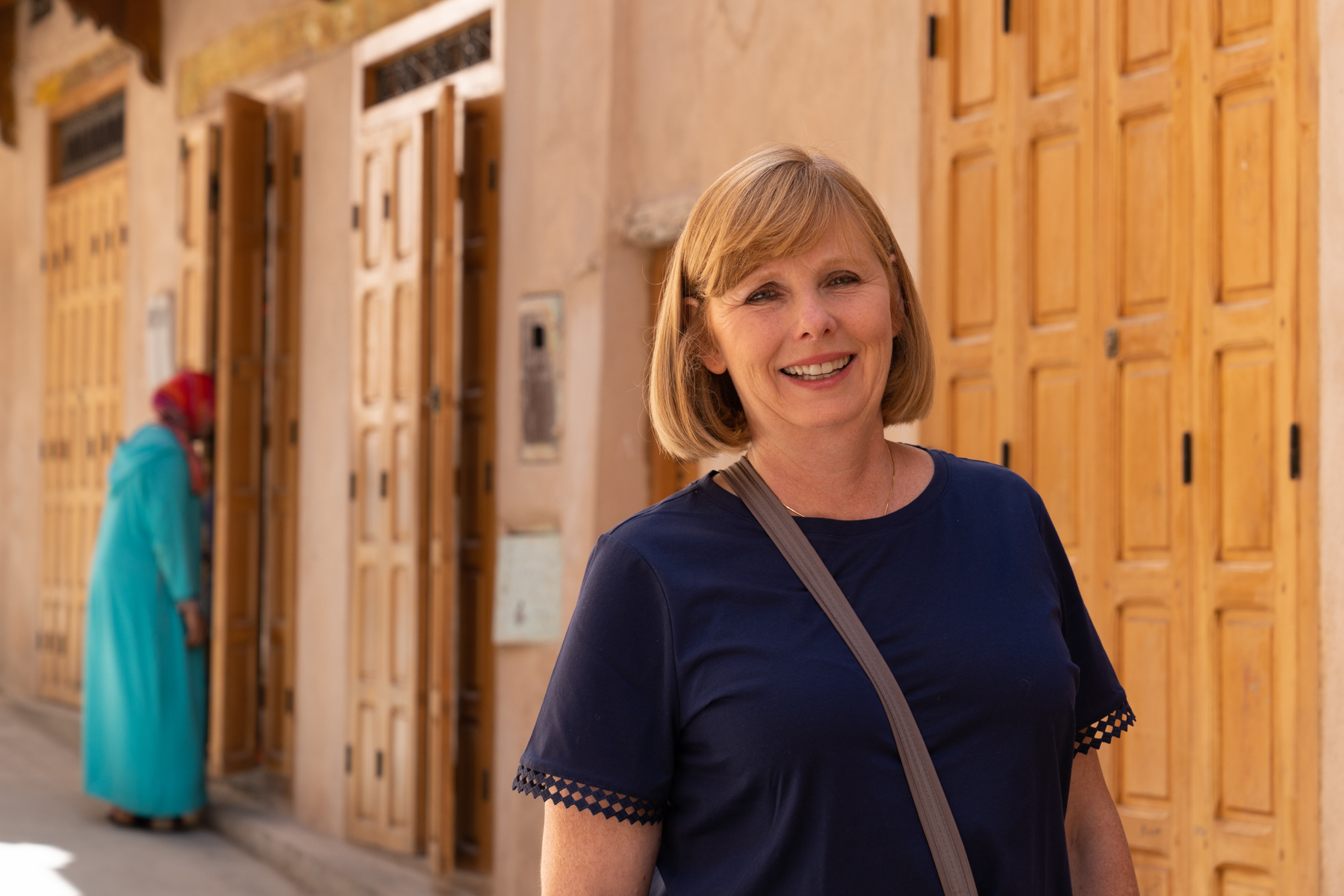
Our next stop was the medina. The word “medina” comes from the Arabic word for “town” or “city”, and is generally considered to refer to the old or historic part of the town. The medina in Fes has two old quarters: Fes el-Bali and Fes Jdid. The medina of Fes is listed as a World Heritage Site and is thought to be one of the world’s largest urban pedestrian zones (although there are horses and a lot of motorbikes in it!). It is reported that there are more than 9,000 streets and alleys in the medina, although no one knows for sure.
To walk through the medina is to experience a total assault on the senses. From the bustle of people, horses, and motorbikes moving through the twisty and narrow alleys, to the sounds, the smells (not all good!), the sights, and the tastes, it is an amazing experience.
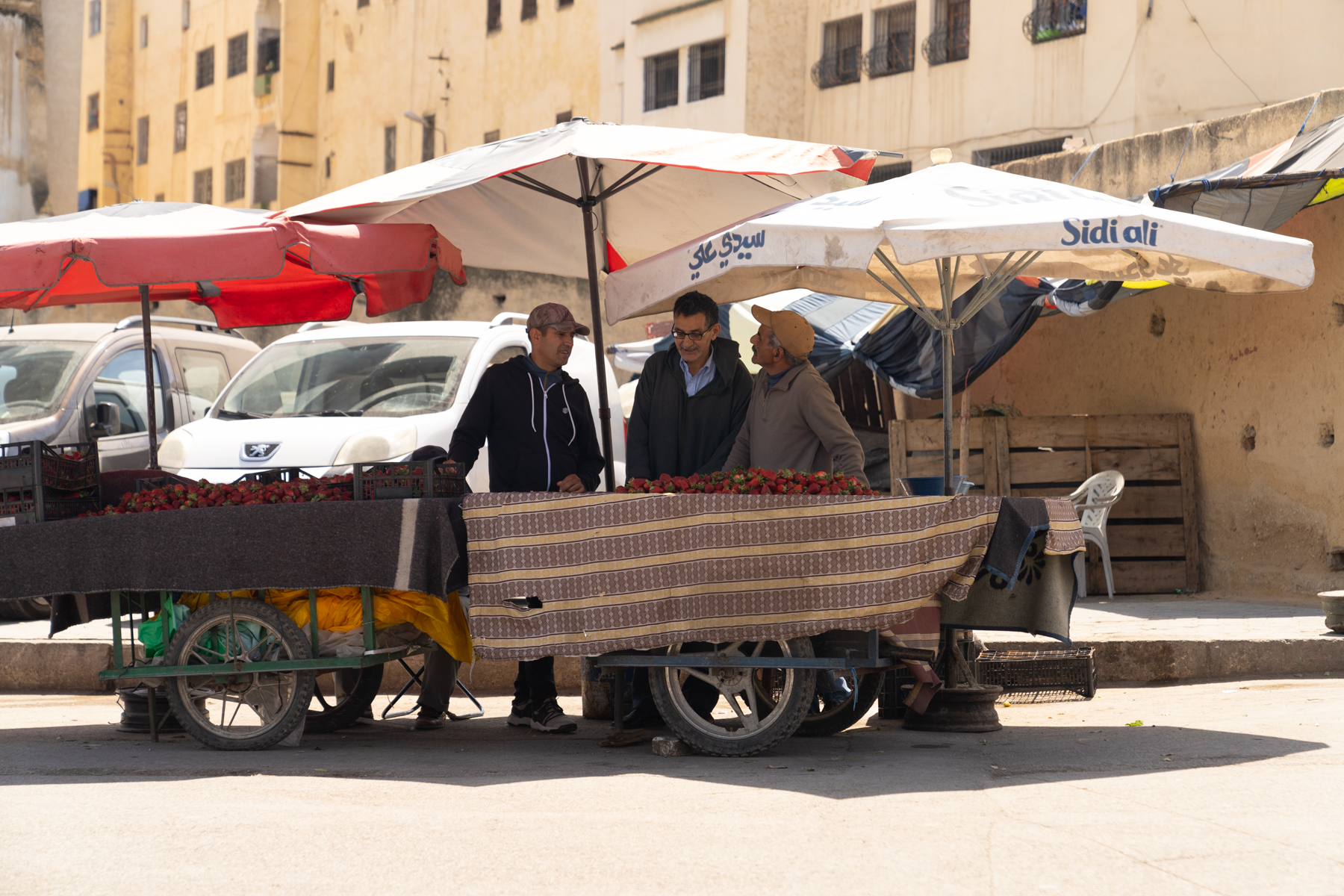
On the oustskirts of the medina, there were a lot of fresh fruit and vegetable vendors (although it’s questionable how fresh it can be after hours in the hot sun!).
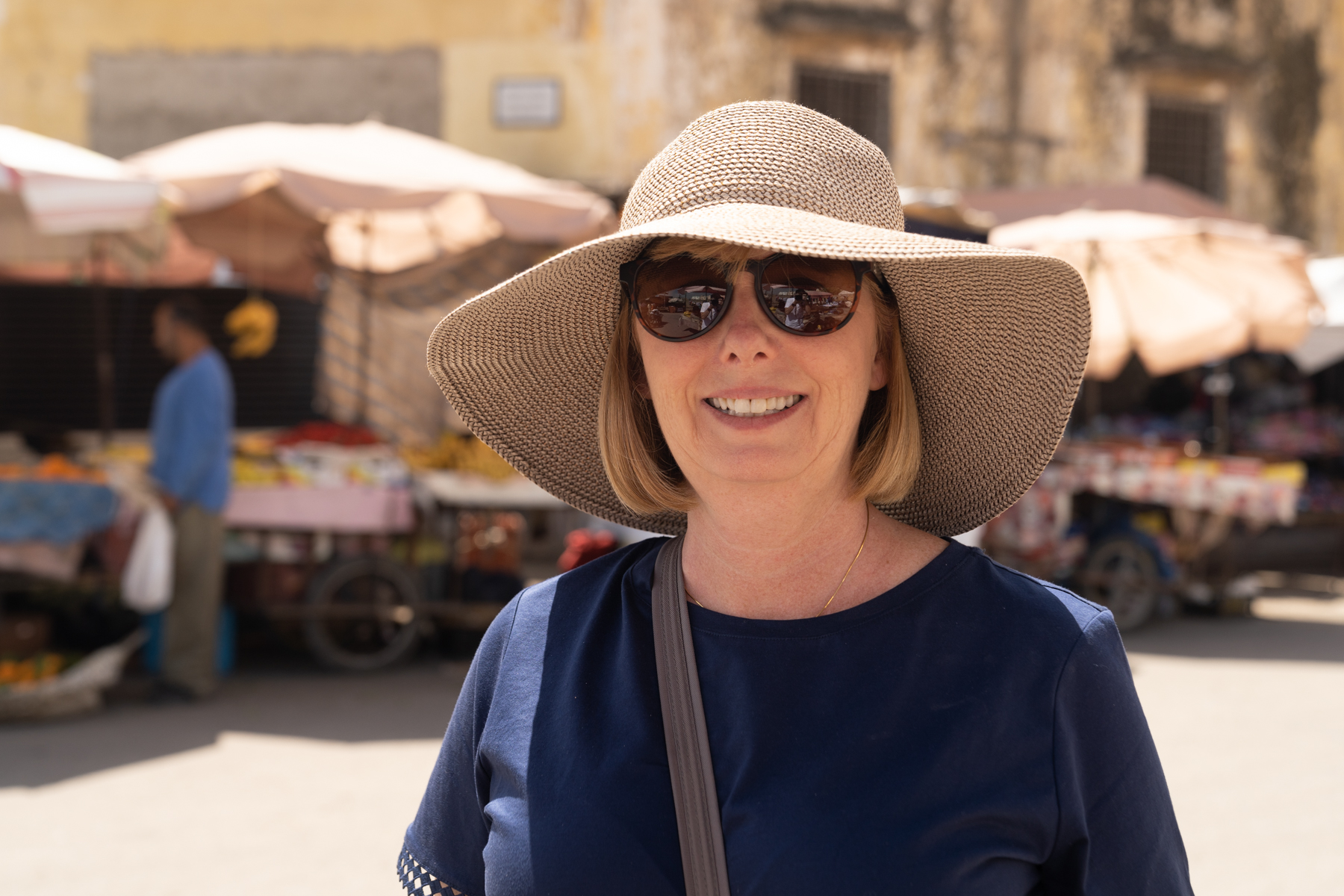
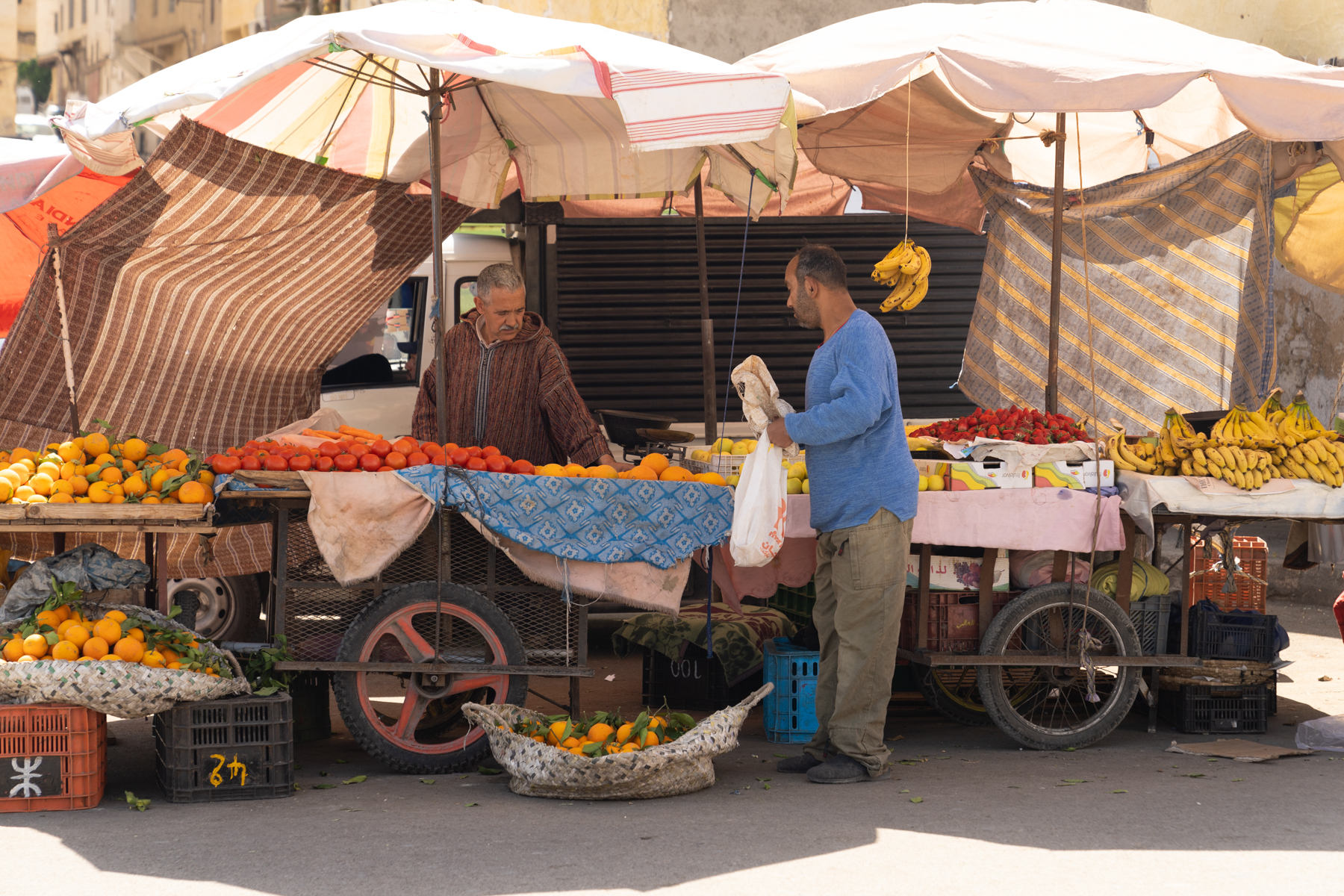
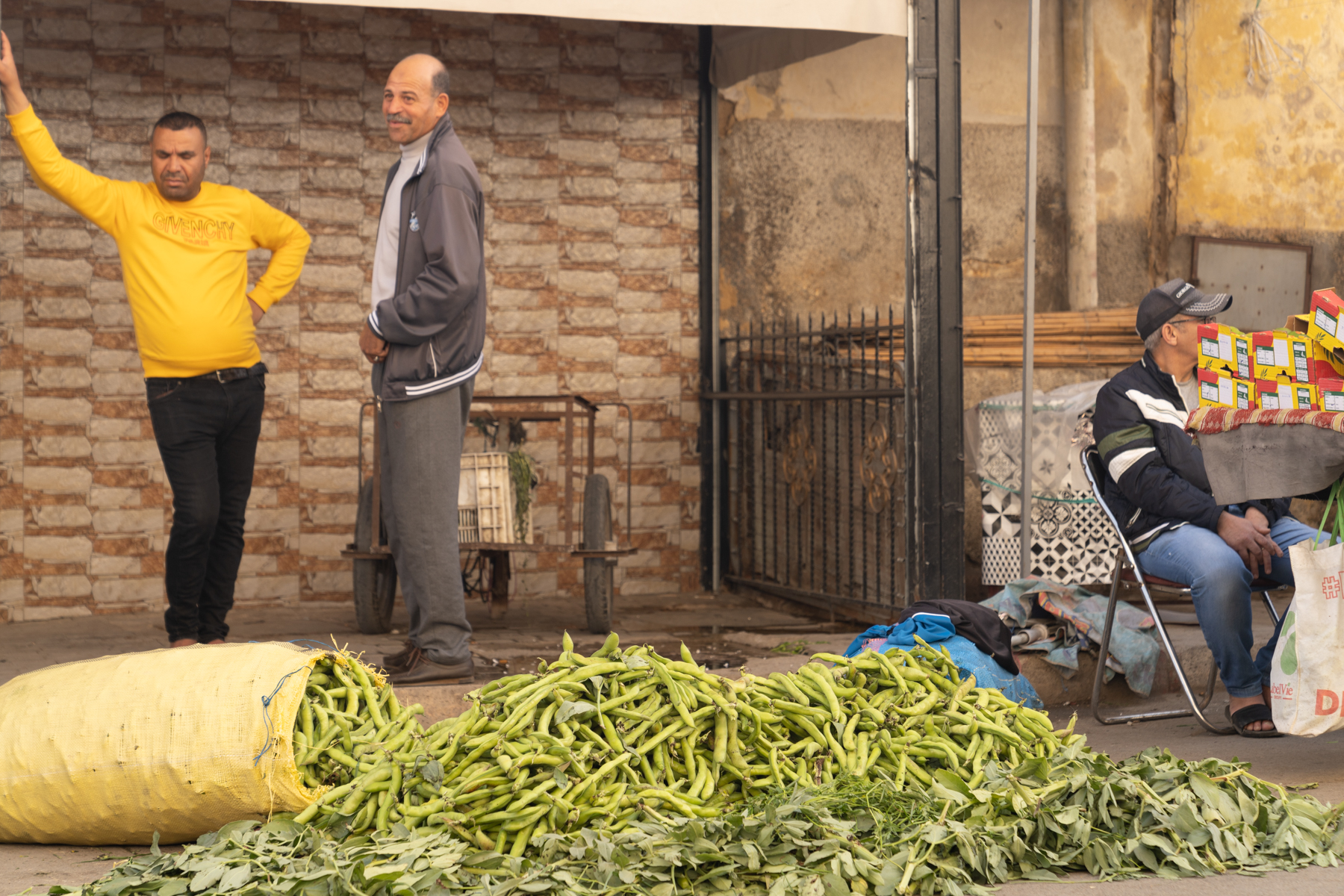
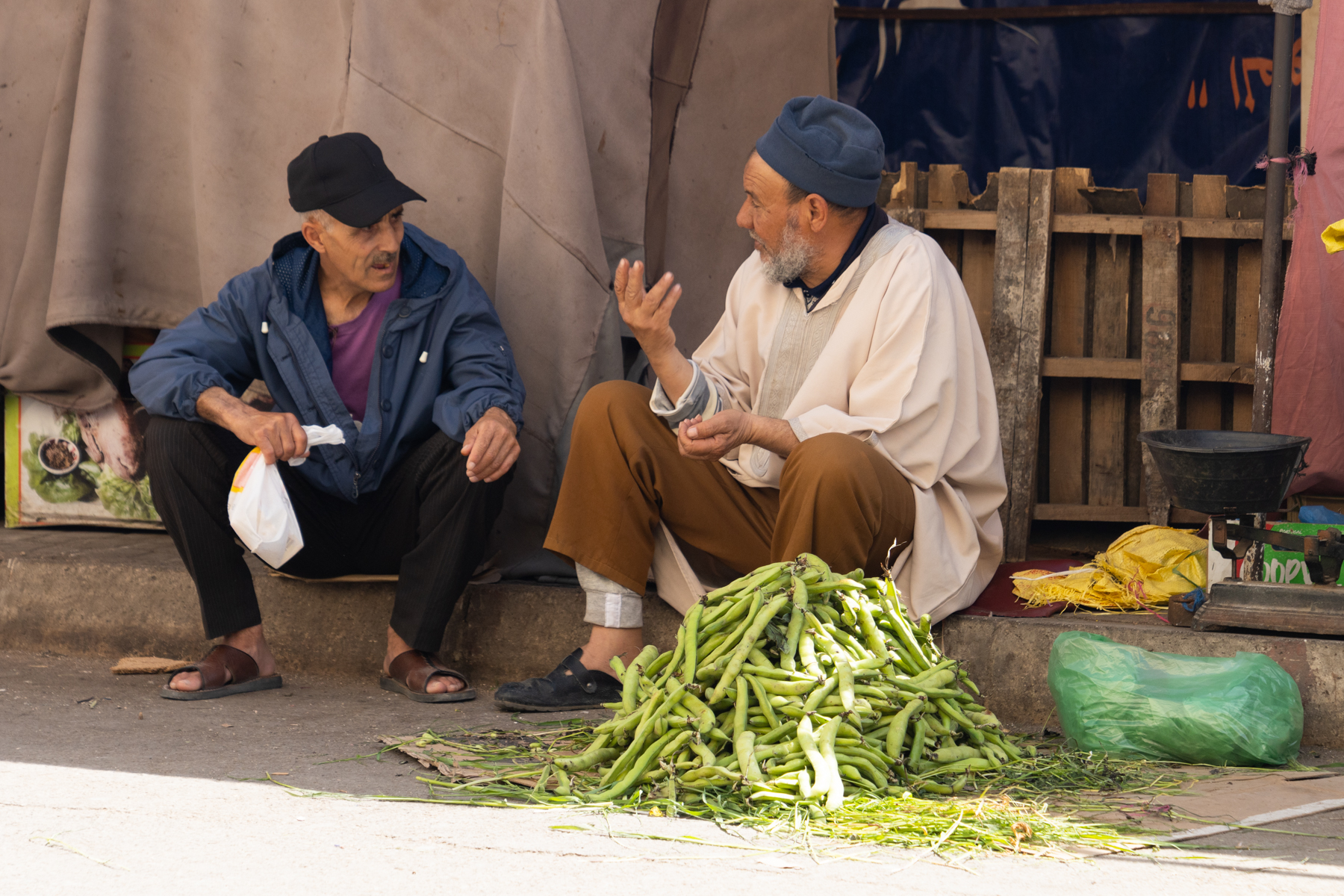
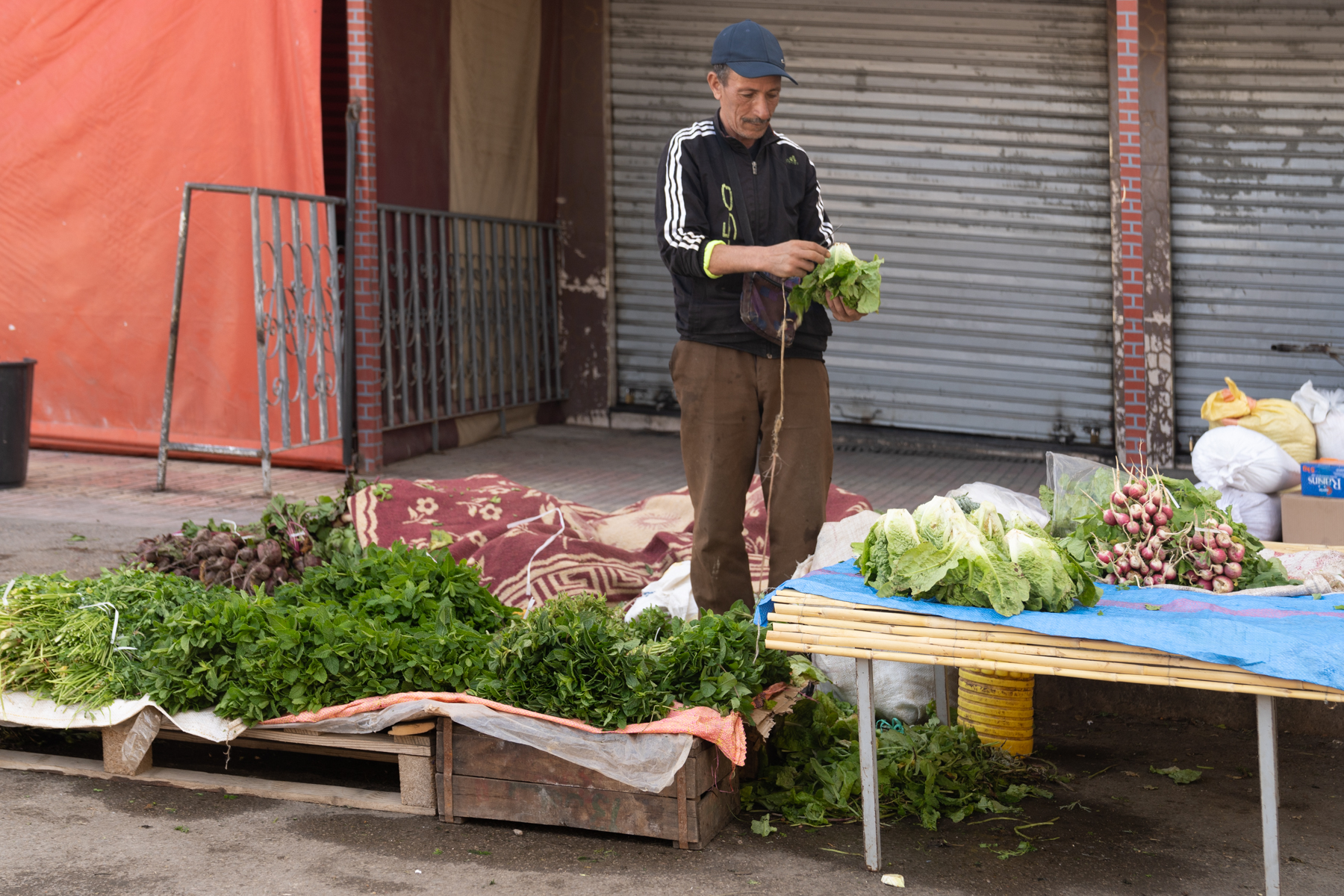
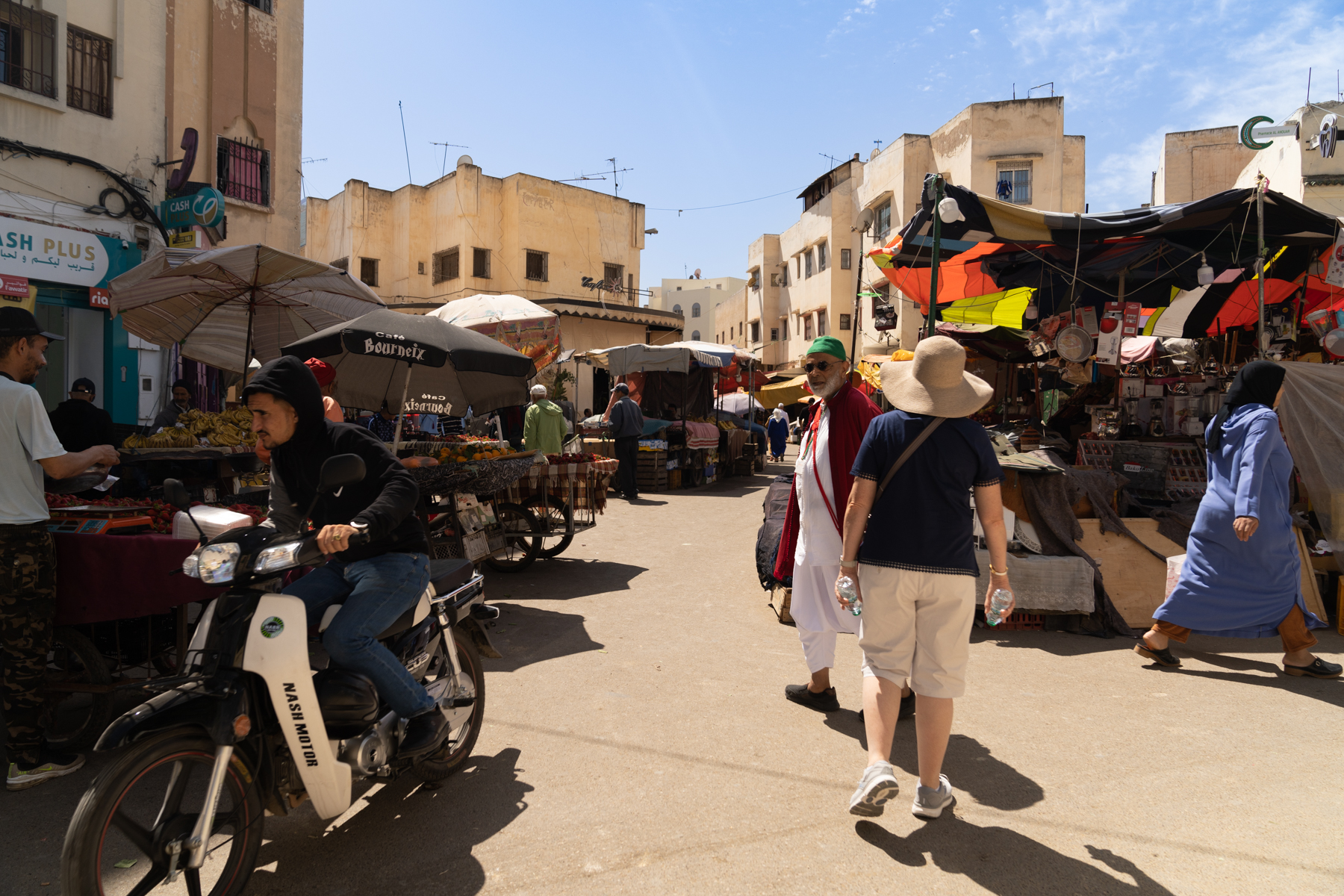
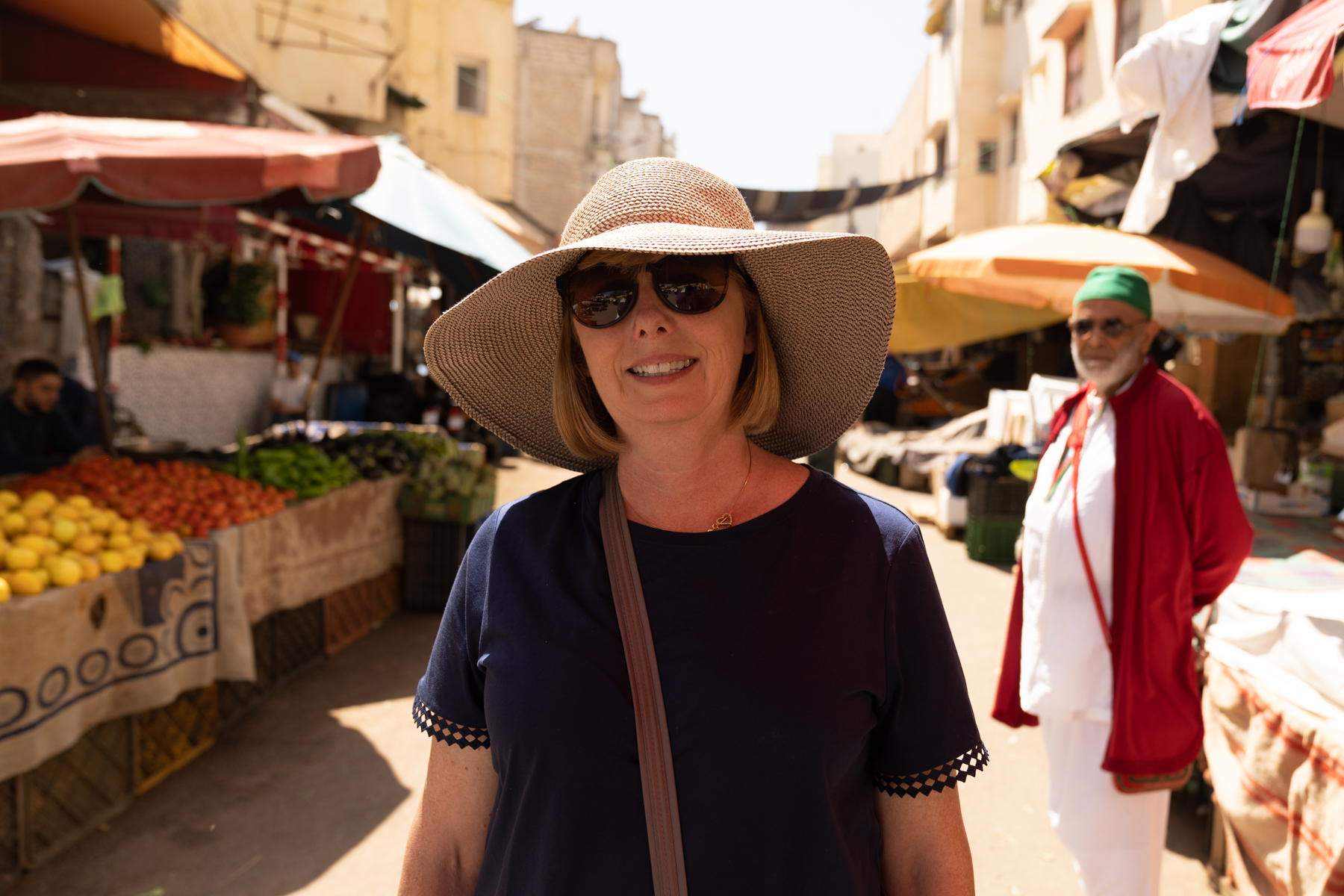
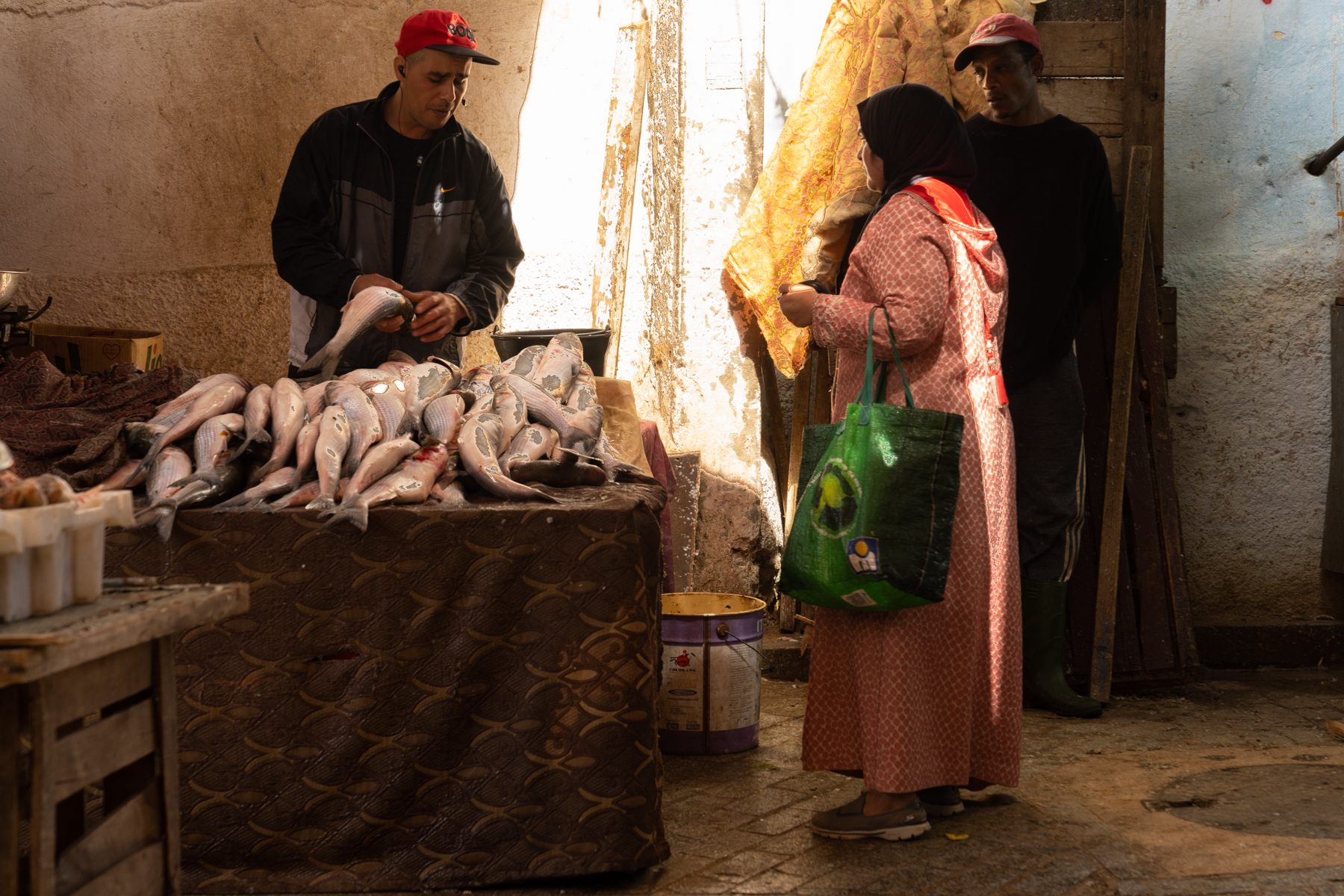
The further we went in, the narrower the alleys became. There is no street system at all; it is a labyrinth that seems impossible to navigate once you are inside it but there were tens of thousands of people moving through it with purpose, many of them just young children.
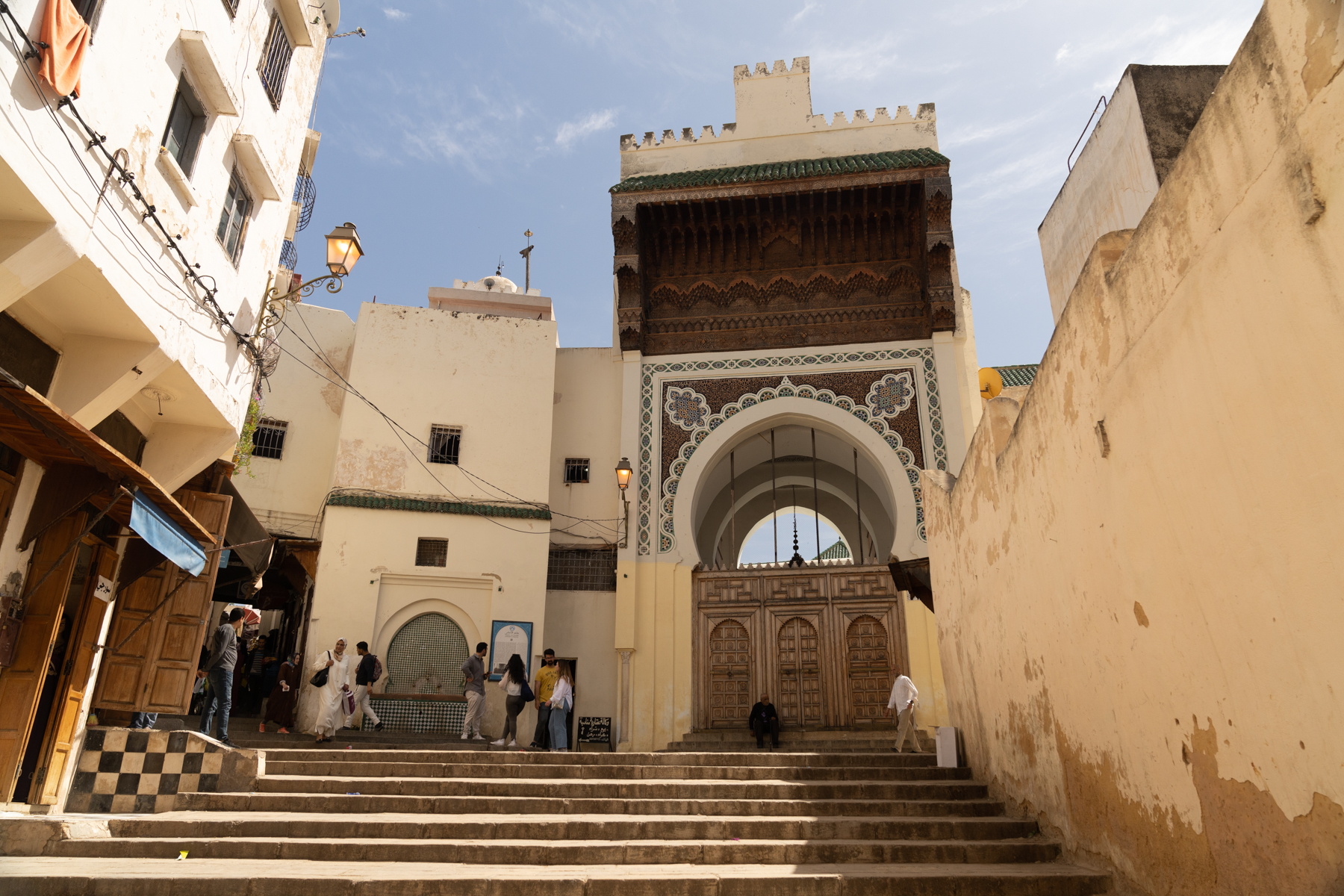
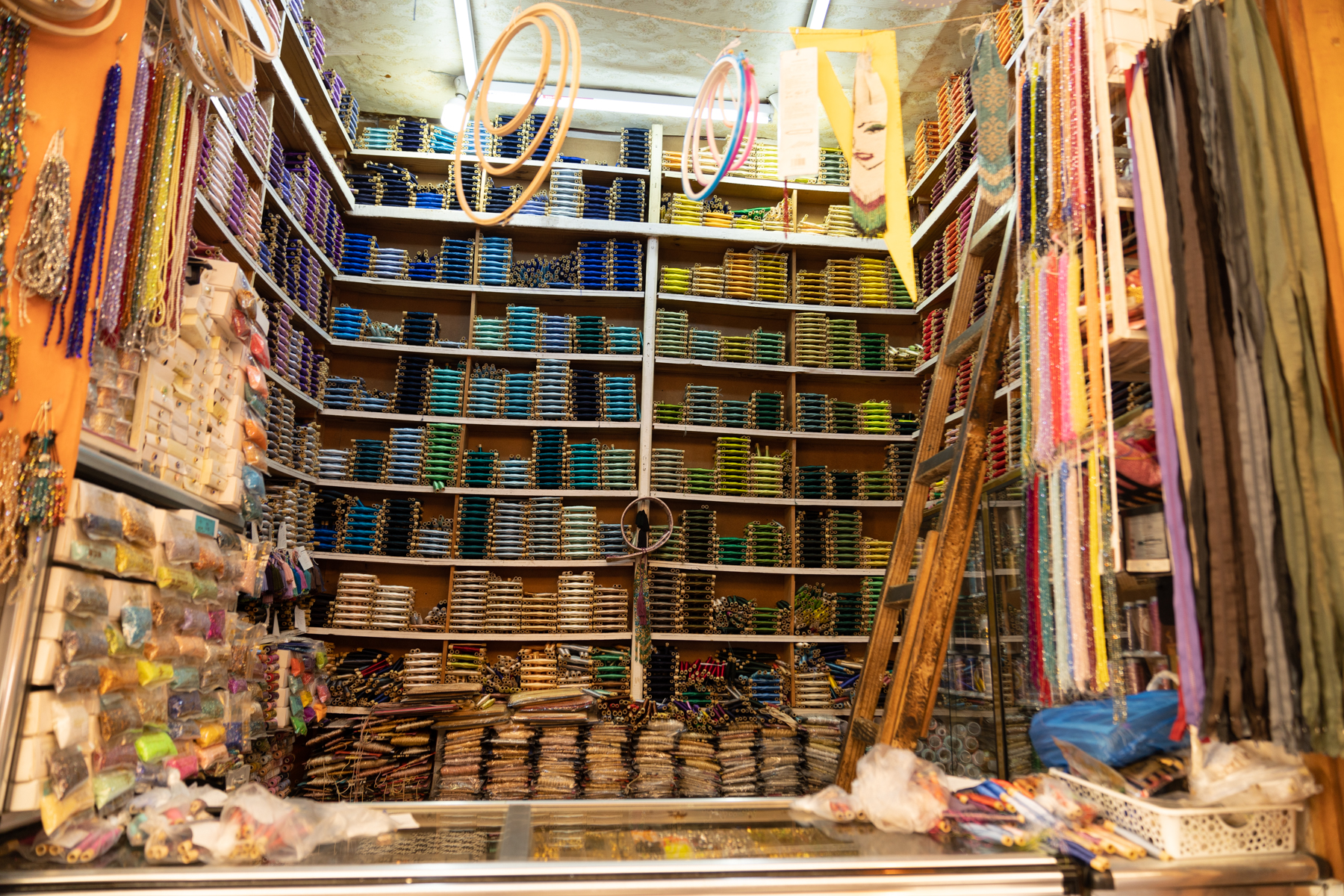
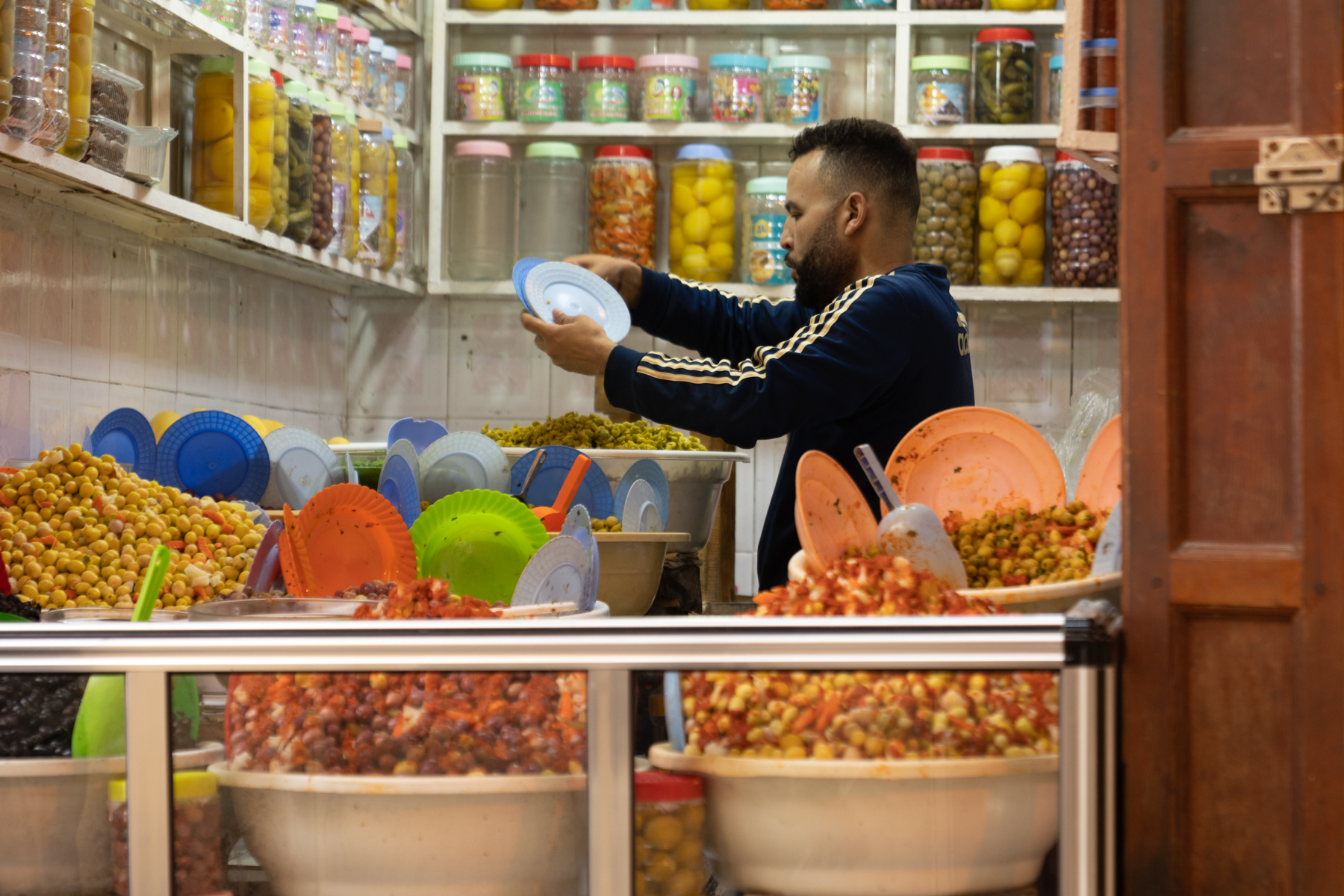
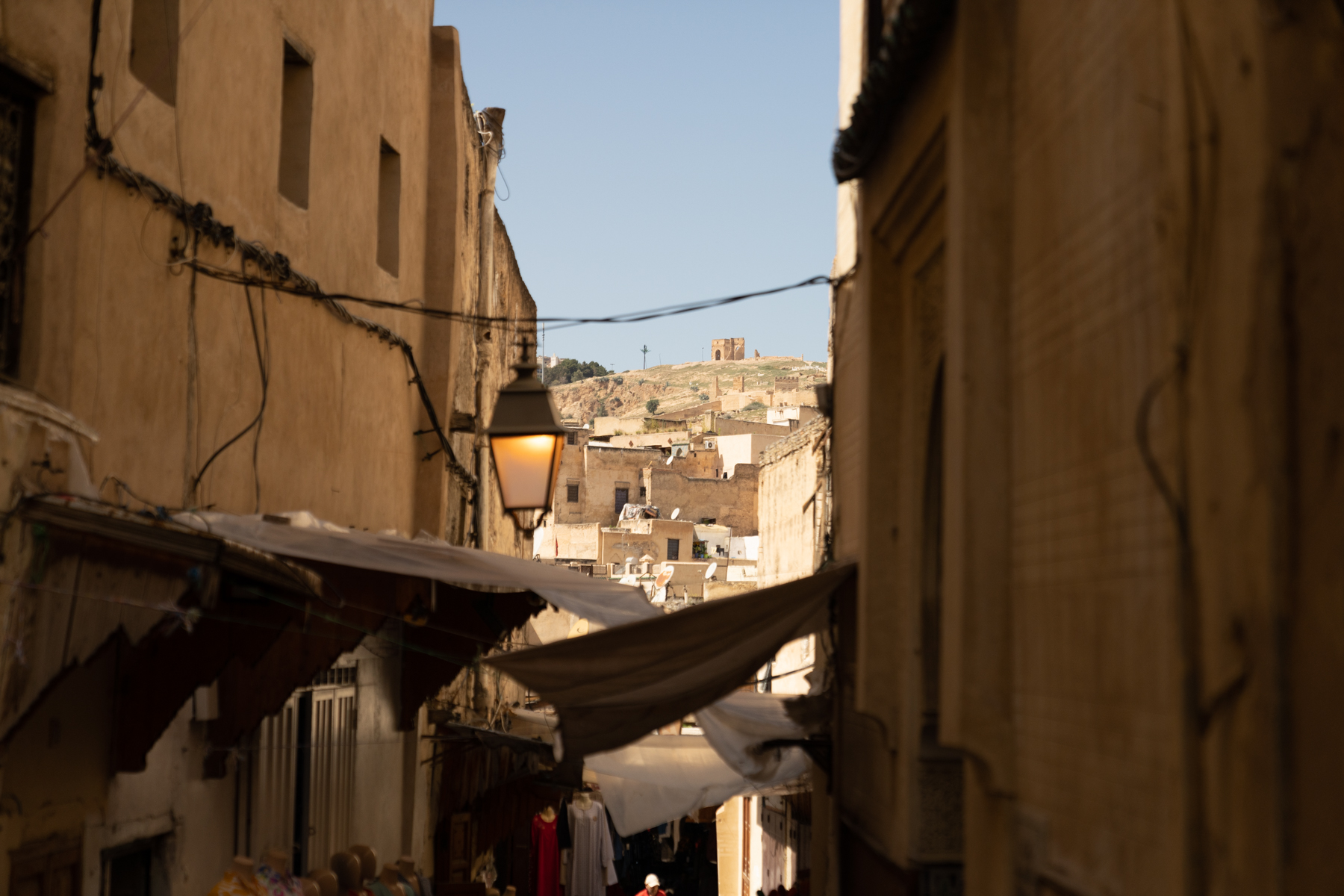
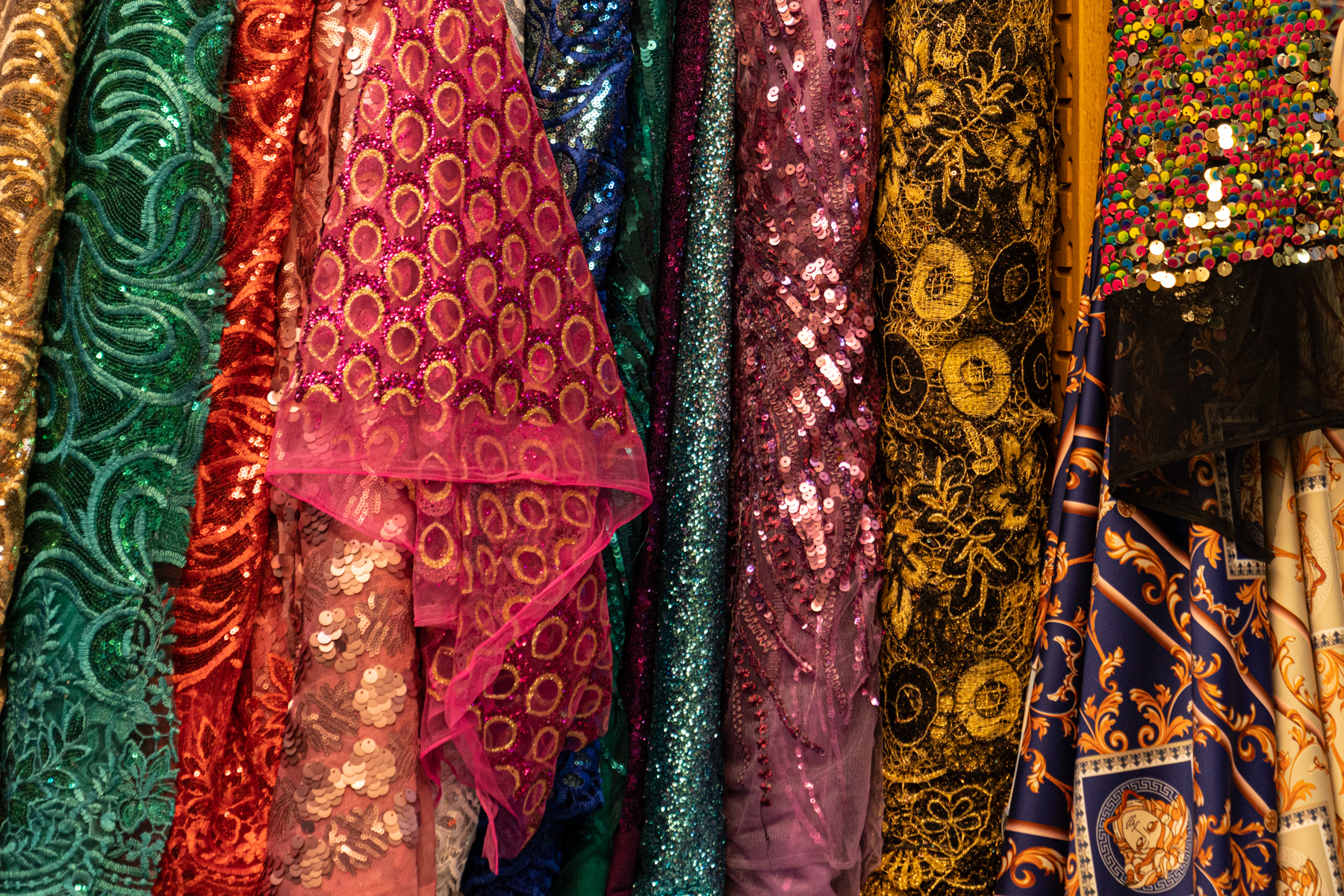
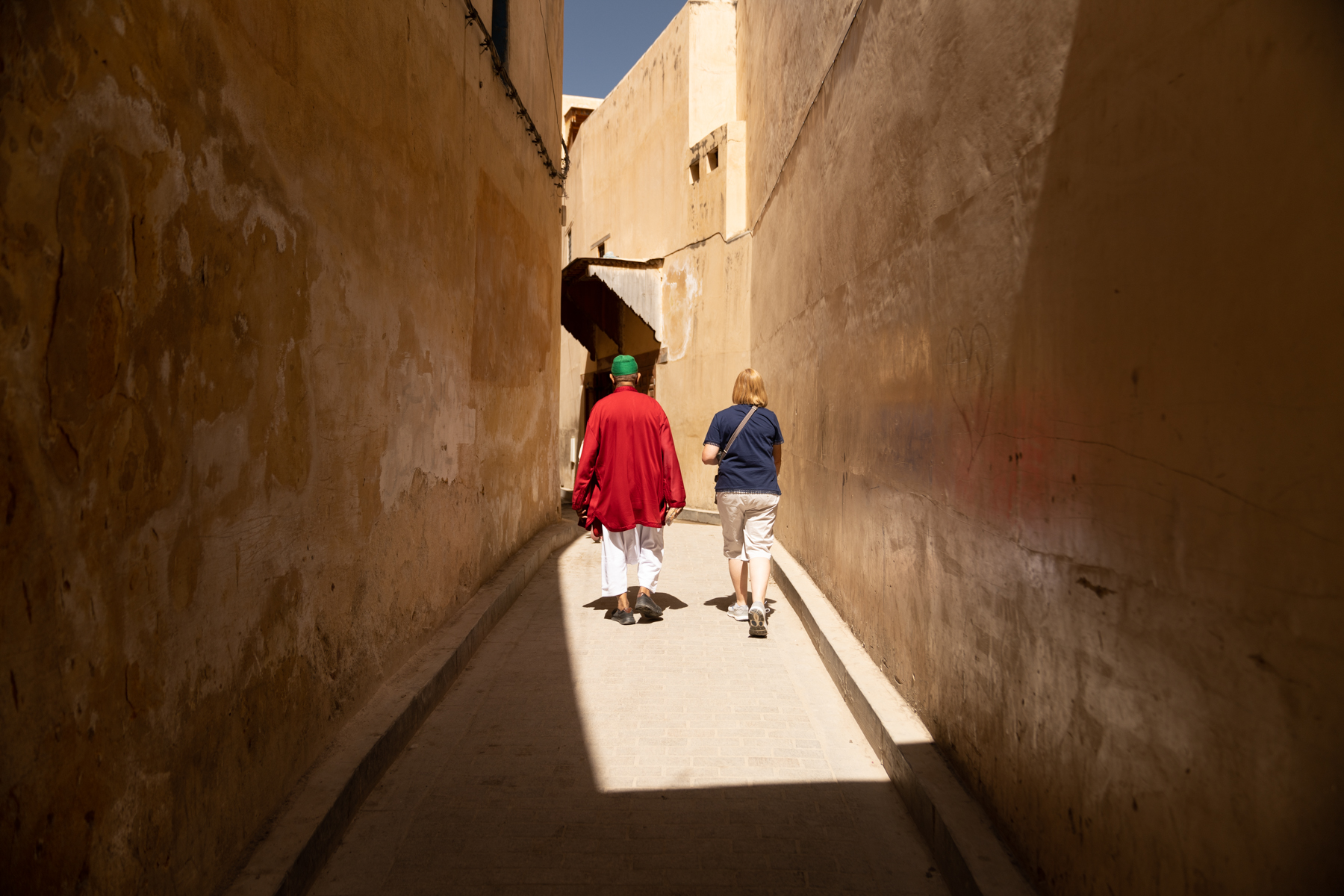
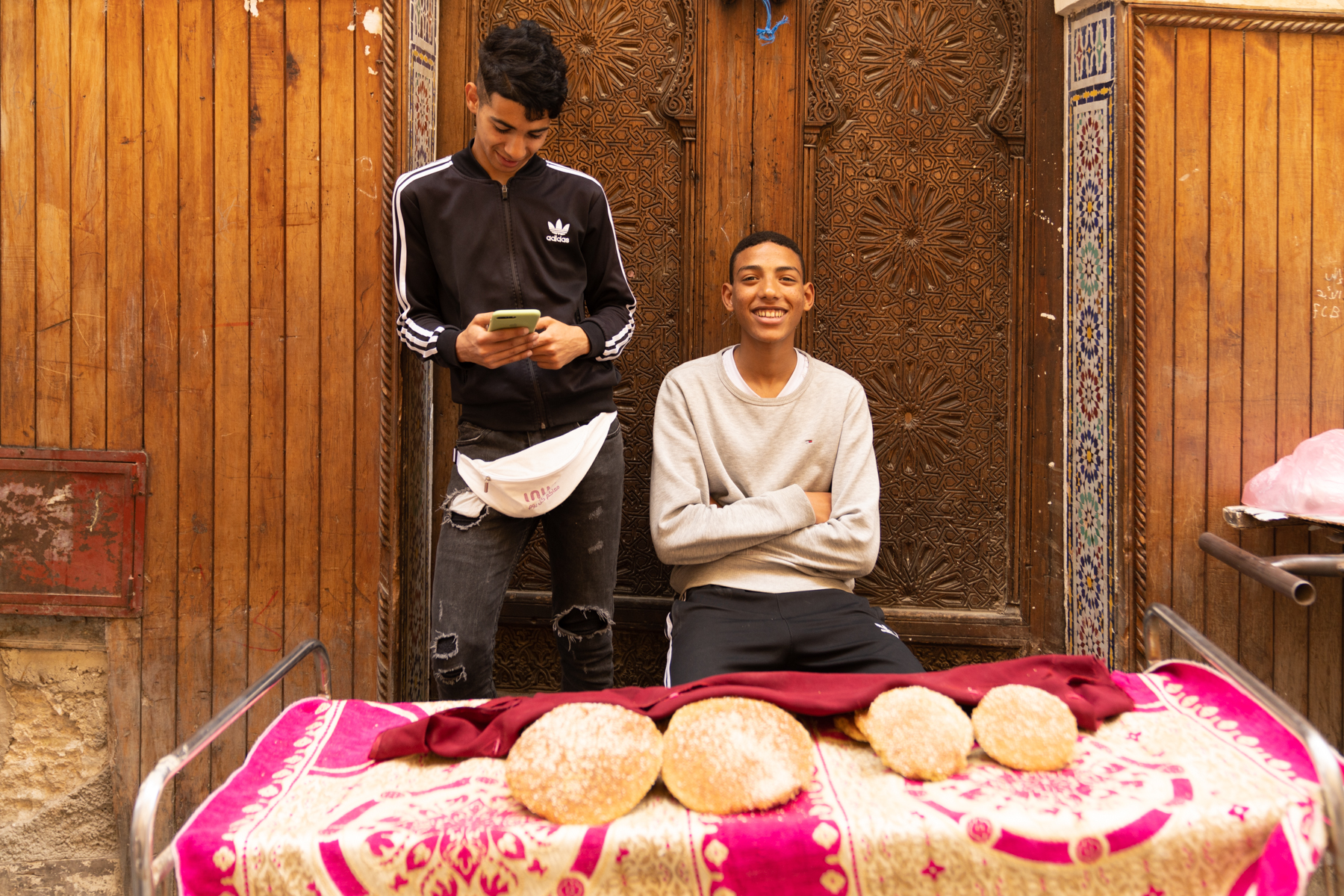
We didn’t stop at many stores but we came across two boys selling fresh bread, so we stopped and bought some from them. It was still hot and very nice.
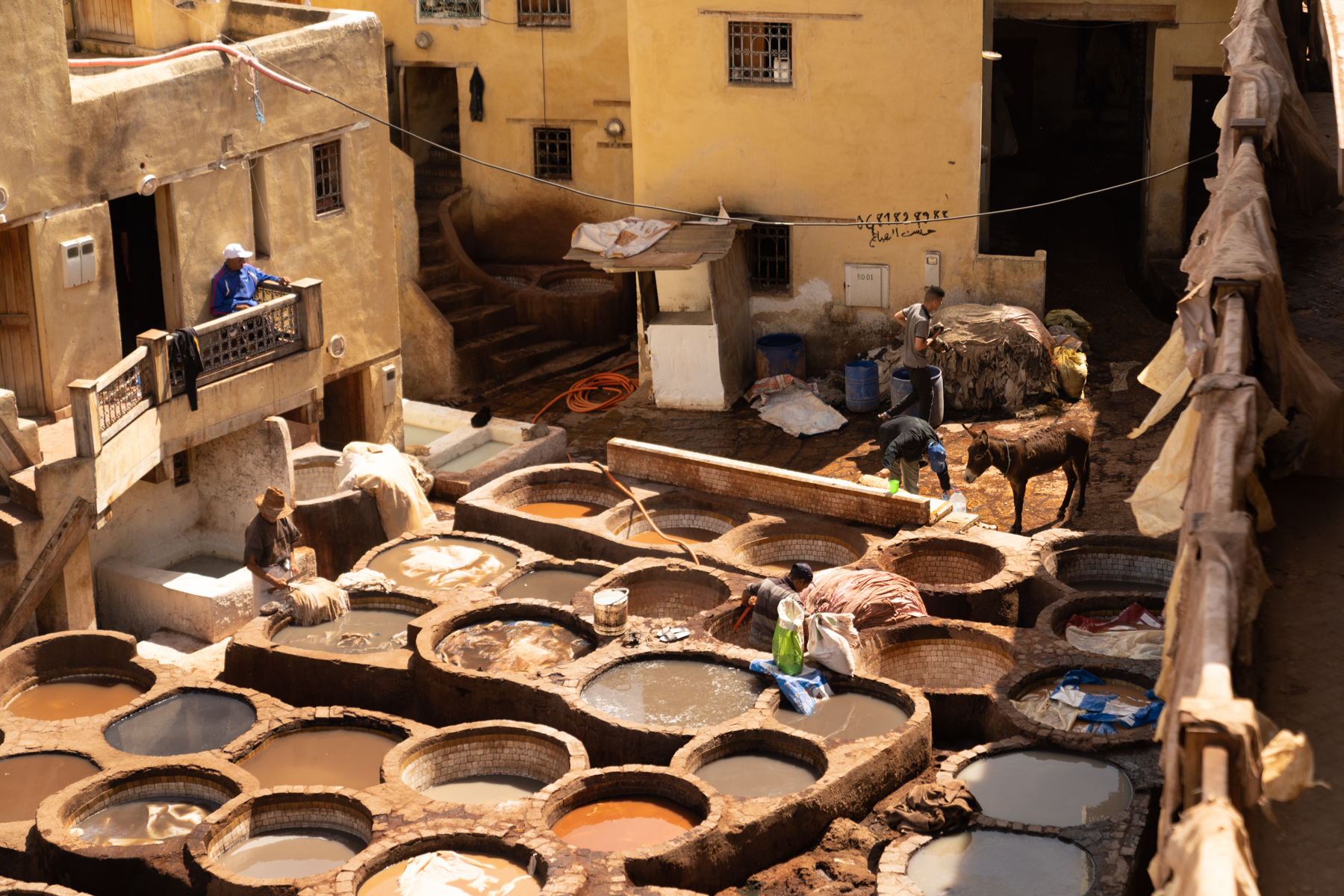
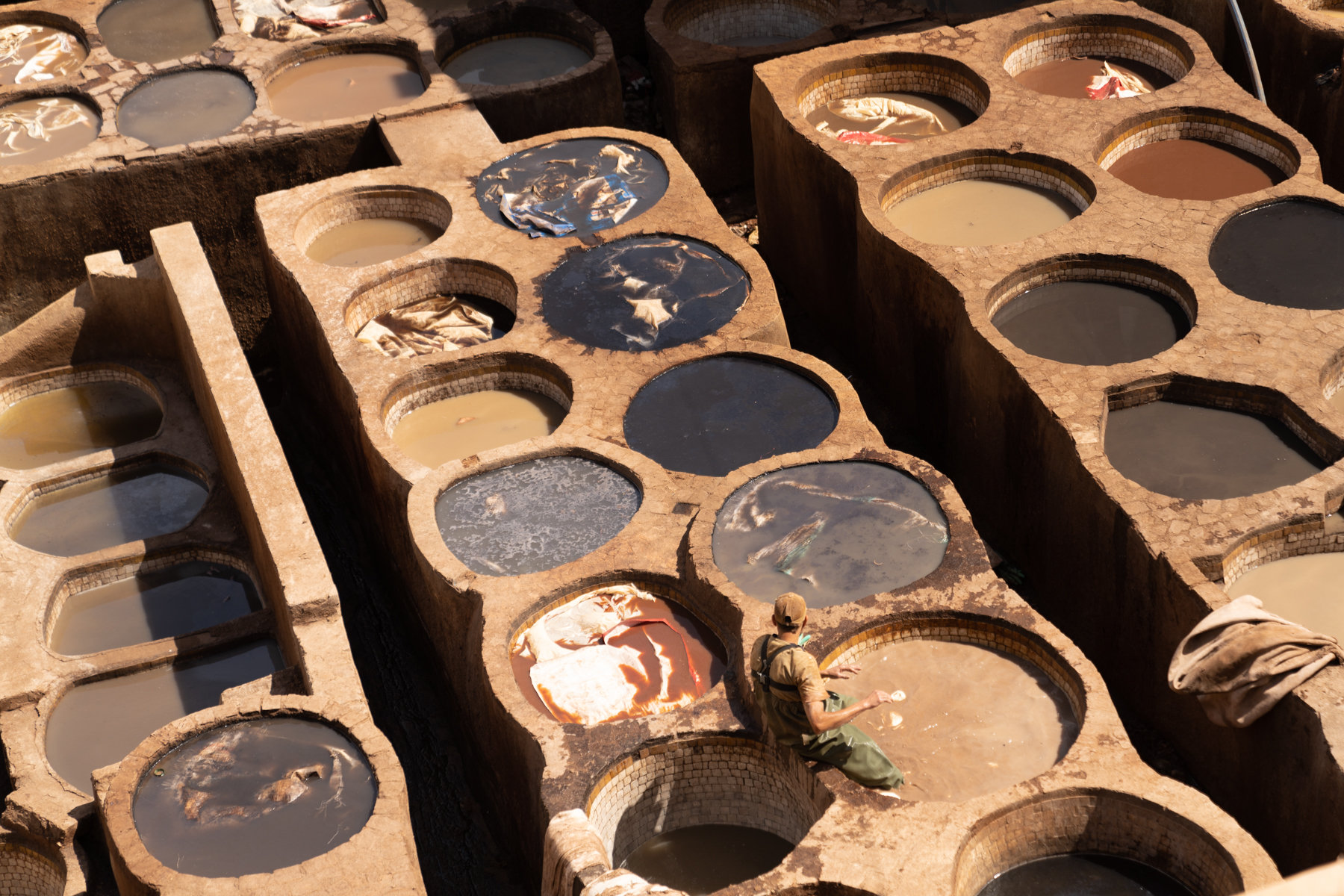
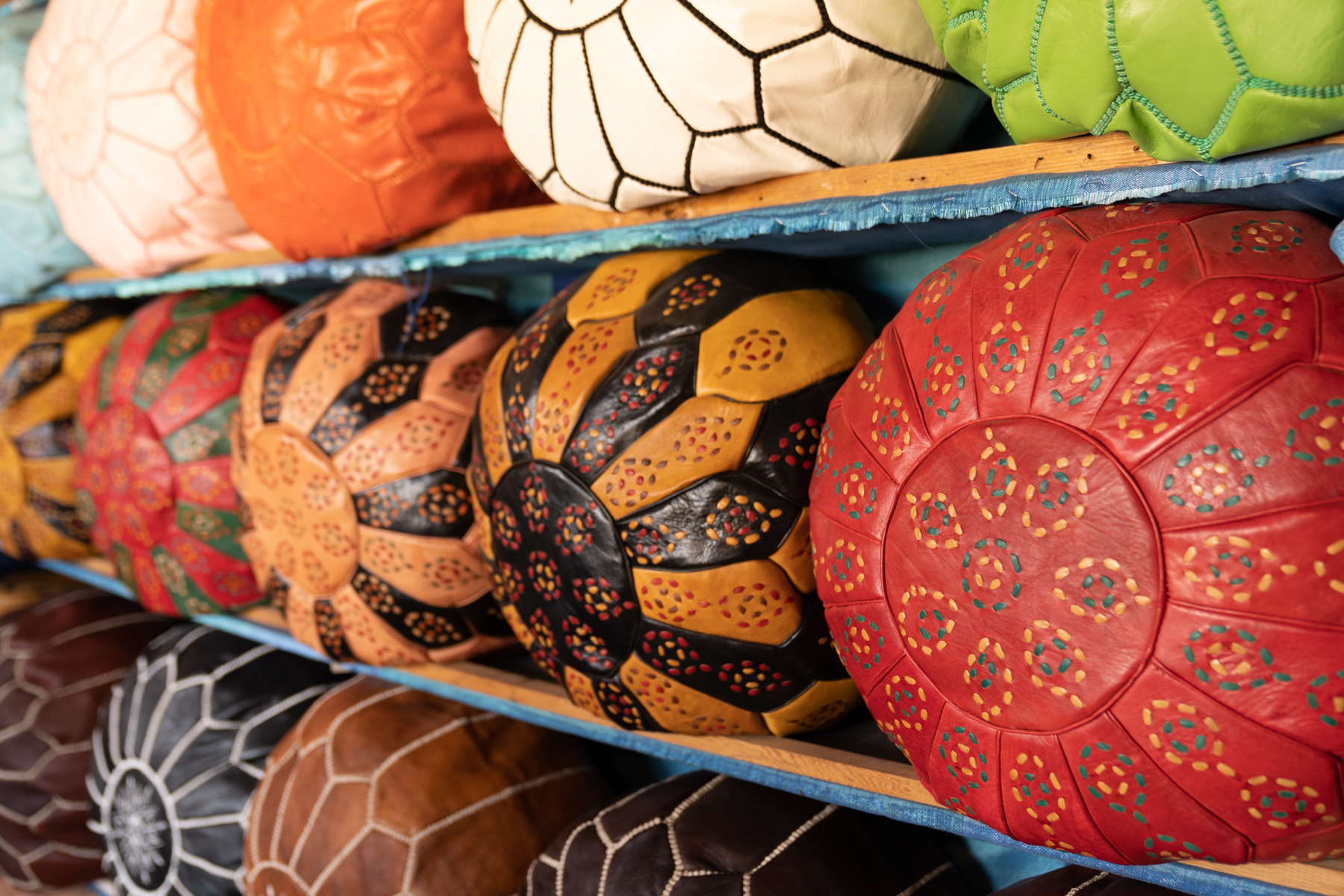
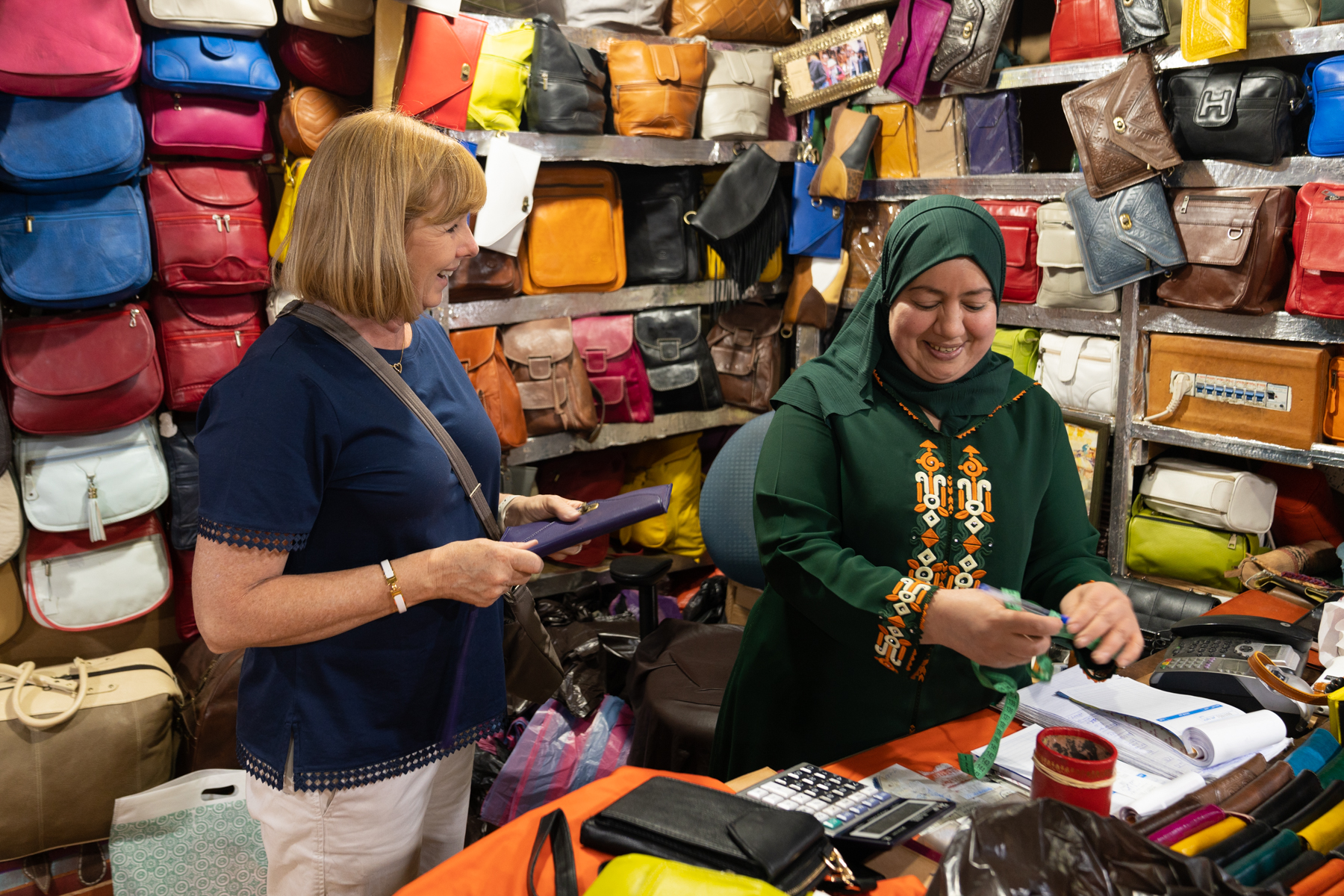
We weaved our way through the alleys to the Chaouwara Tanneries, a co-operative of leather workshops that process leather in a series of outdoor vats in the traditional way. It was quite fascinating. These tanneries are amongst the oldest in the world, dating back to the 11th century.
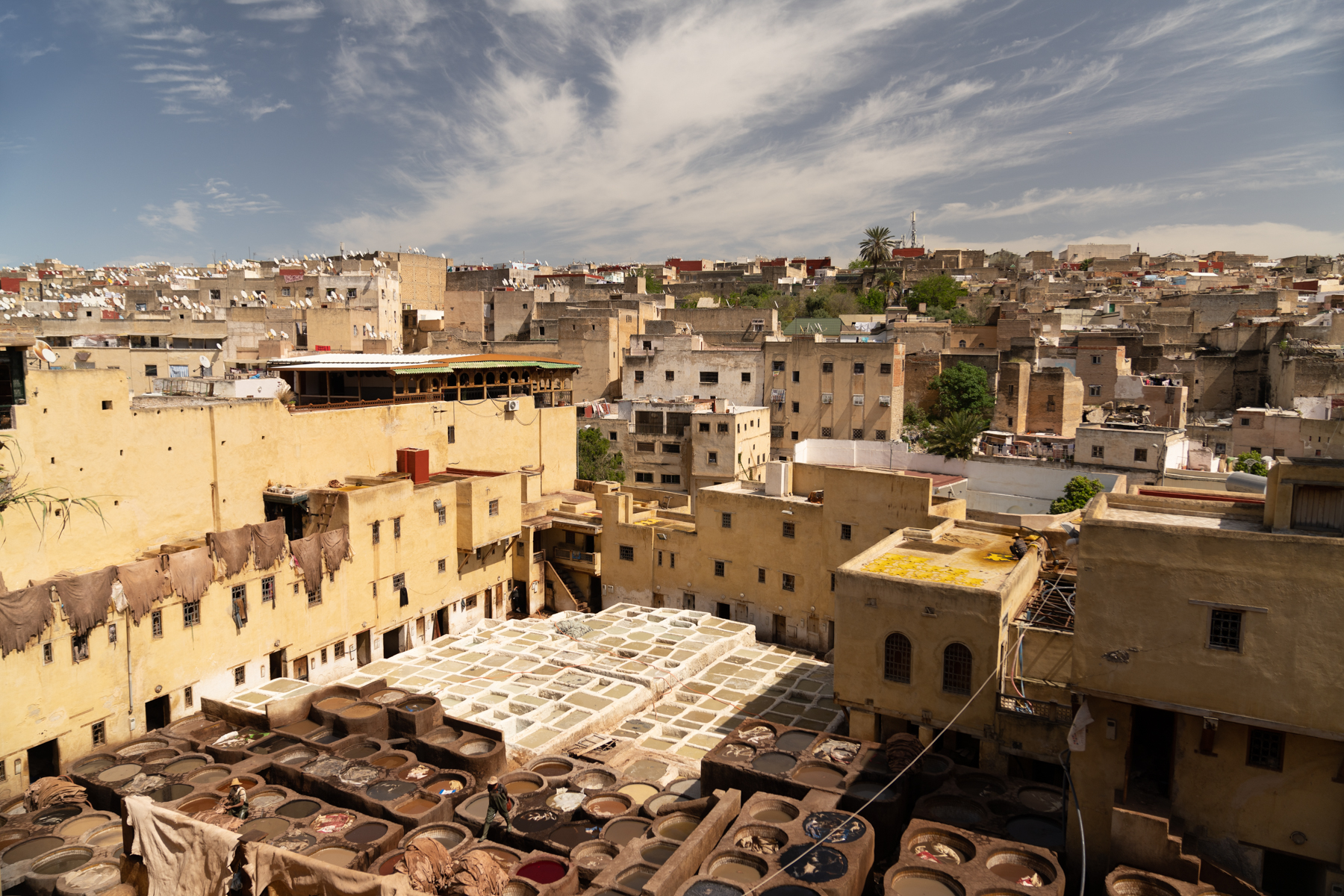
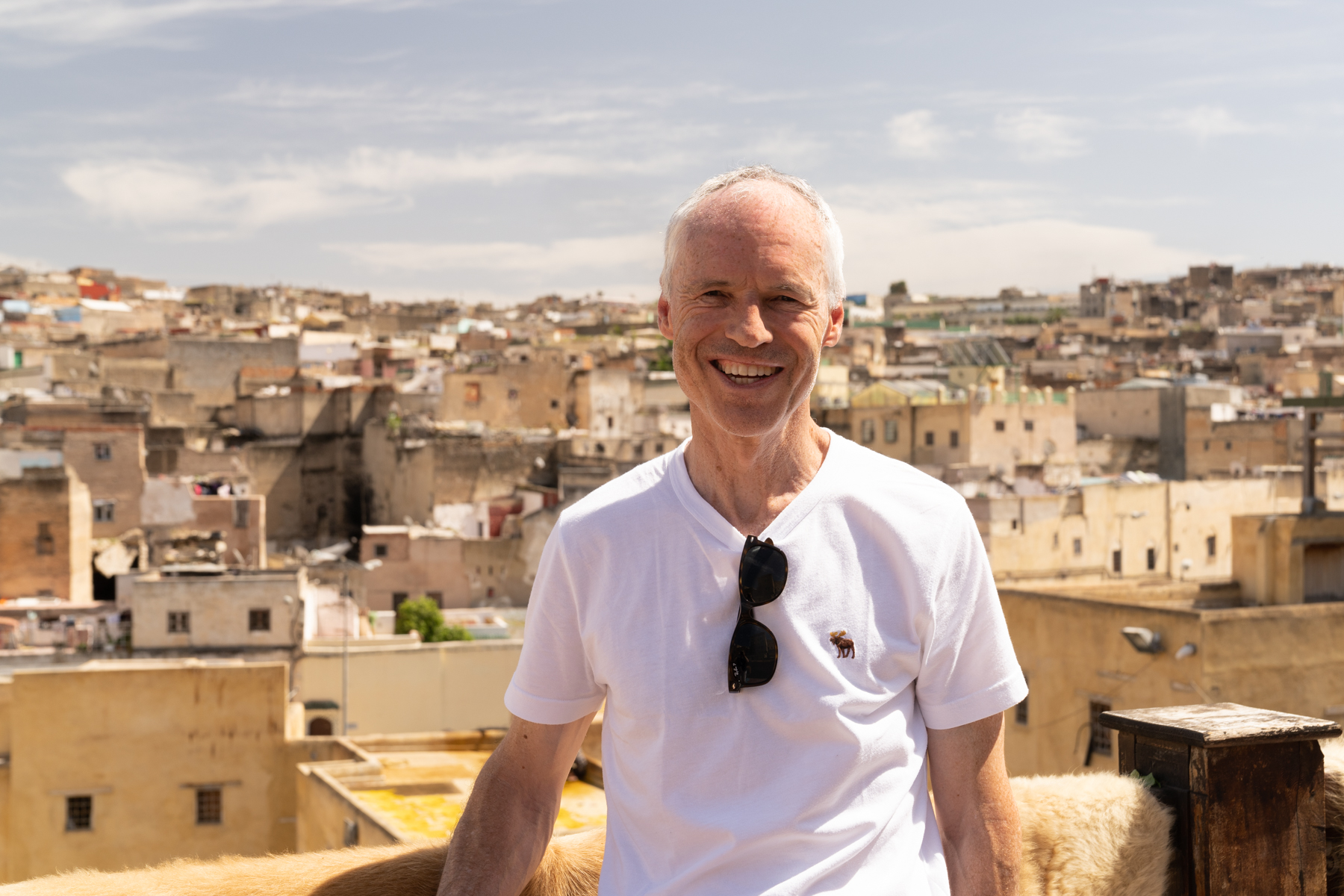
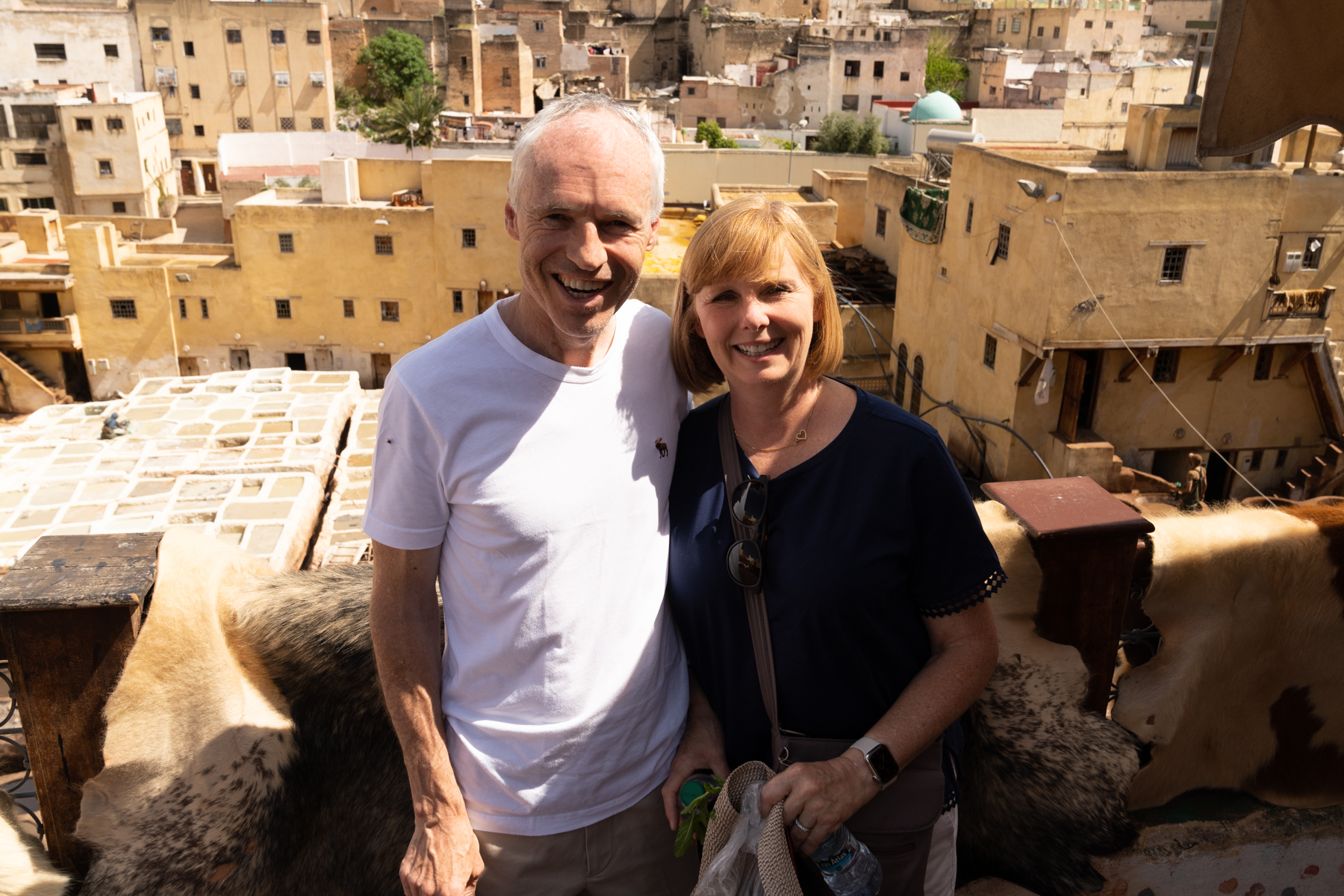
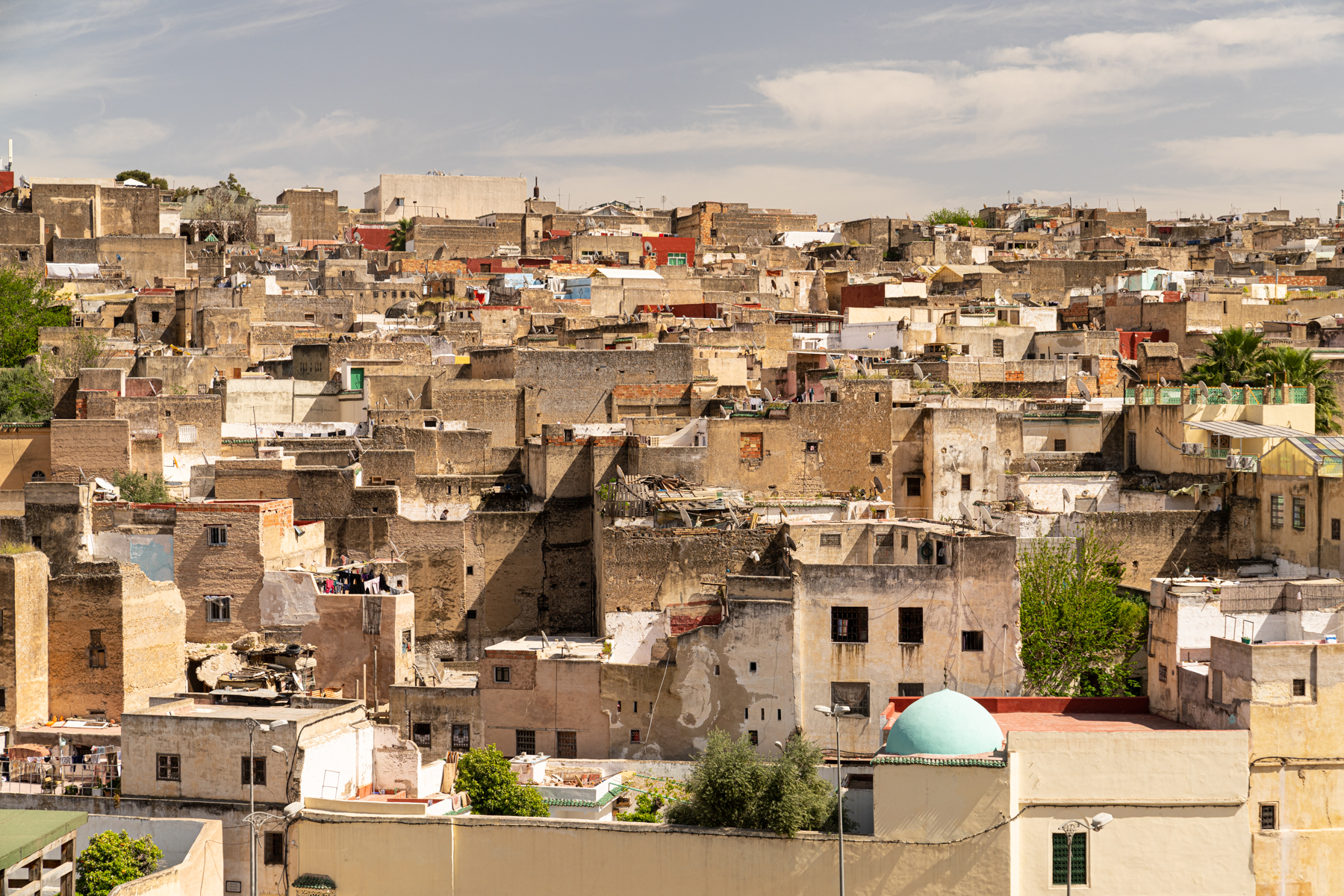
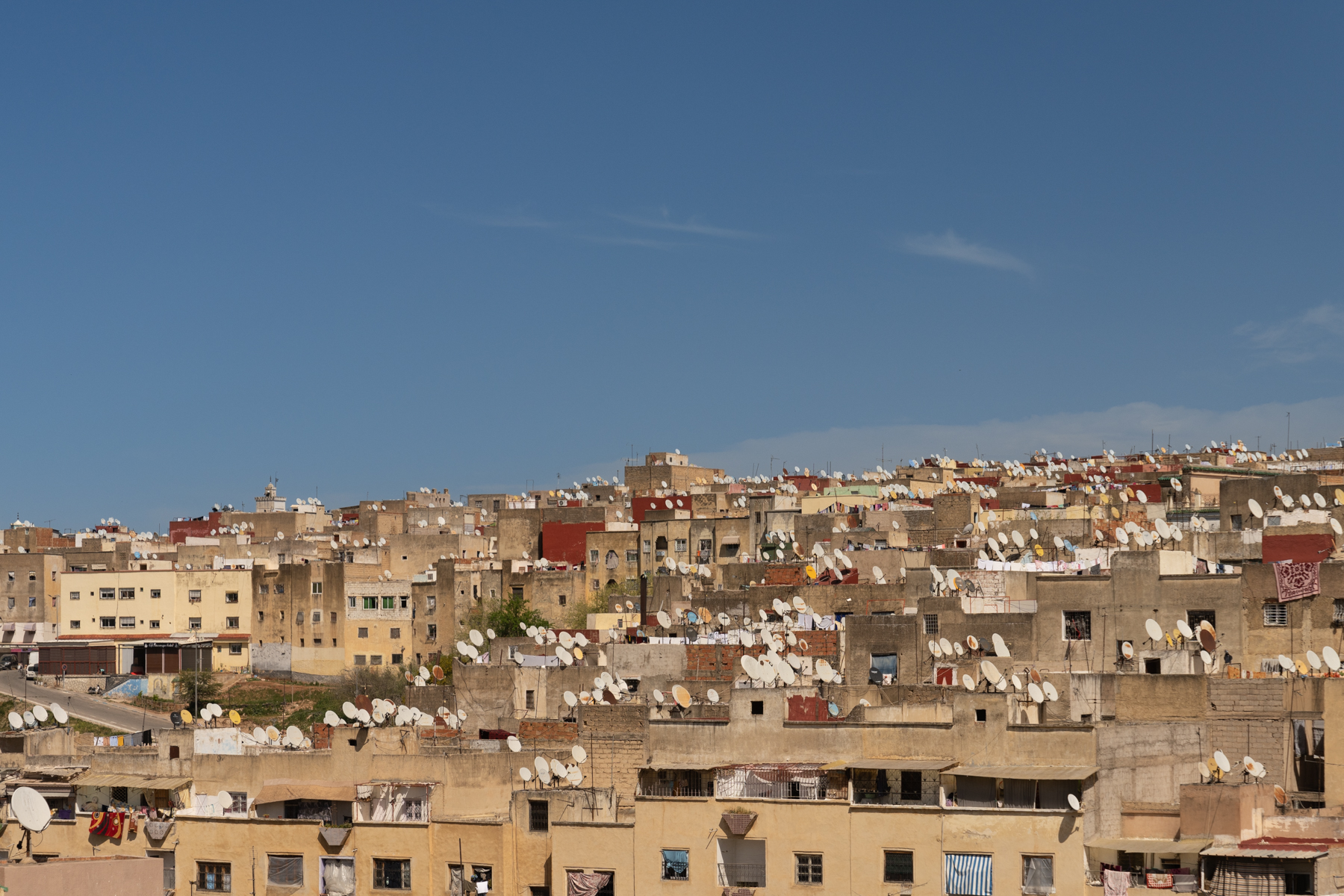
We also got some great views of the medina from one of the leather vendor’s store.
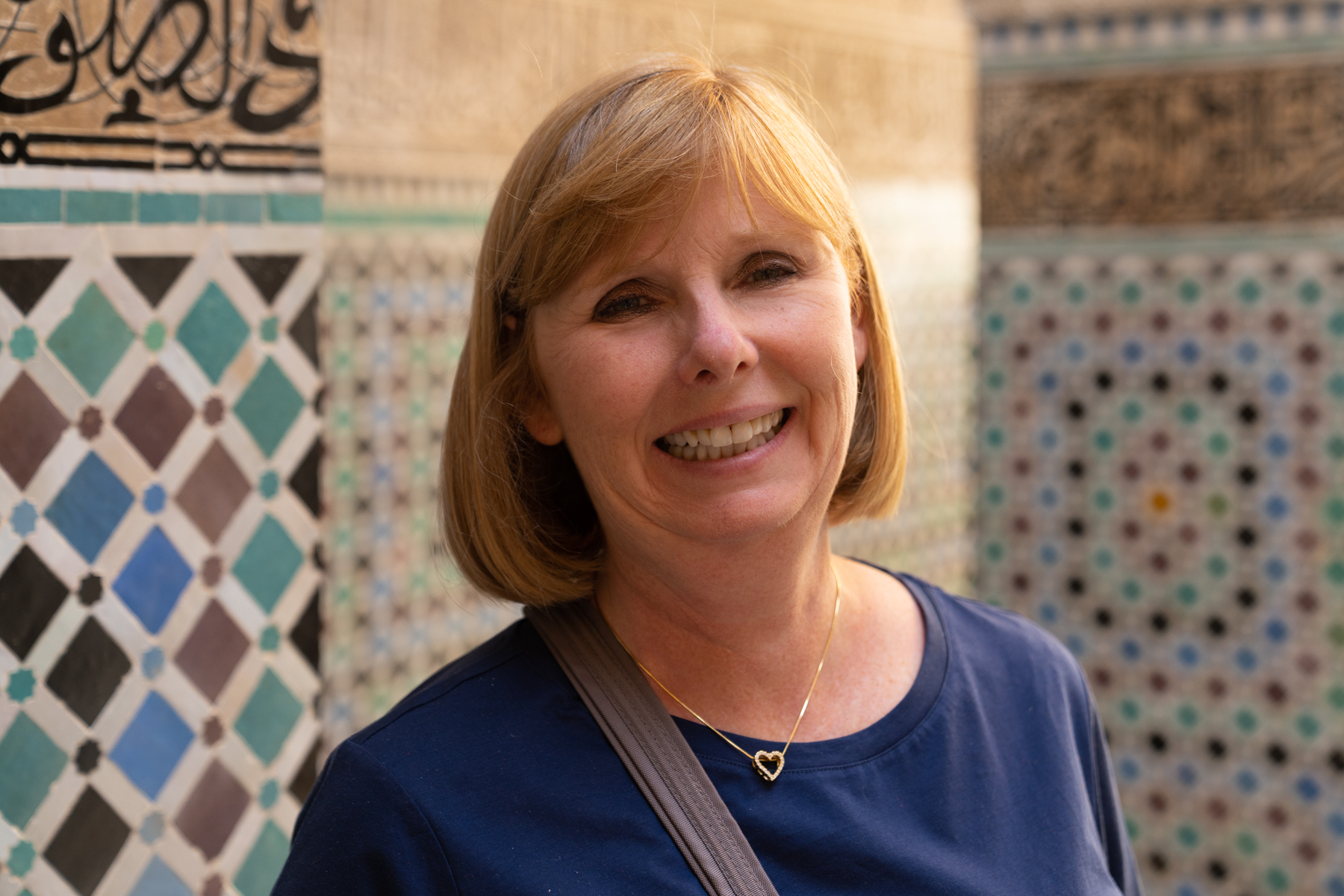
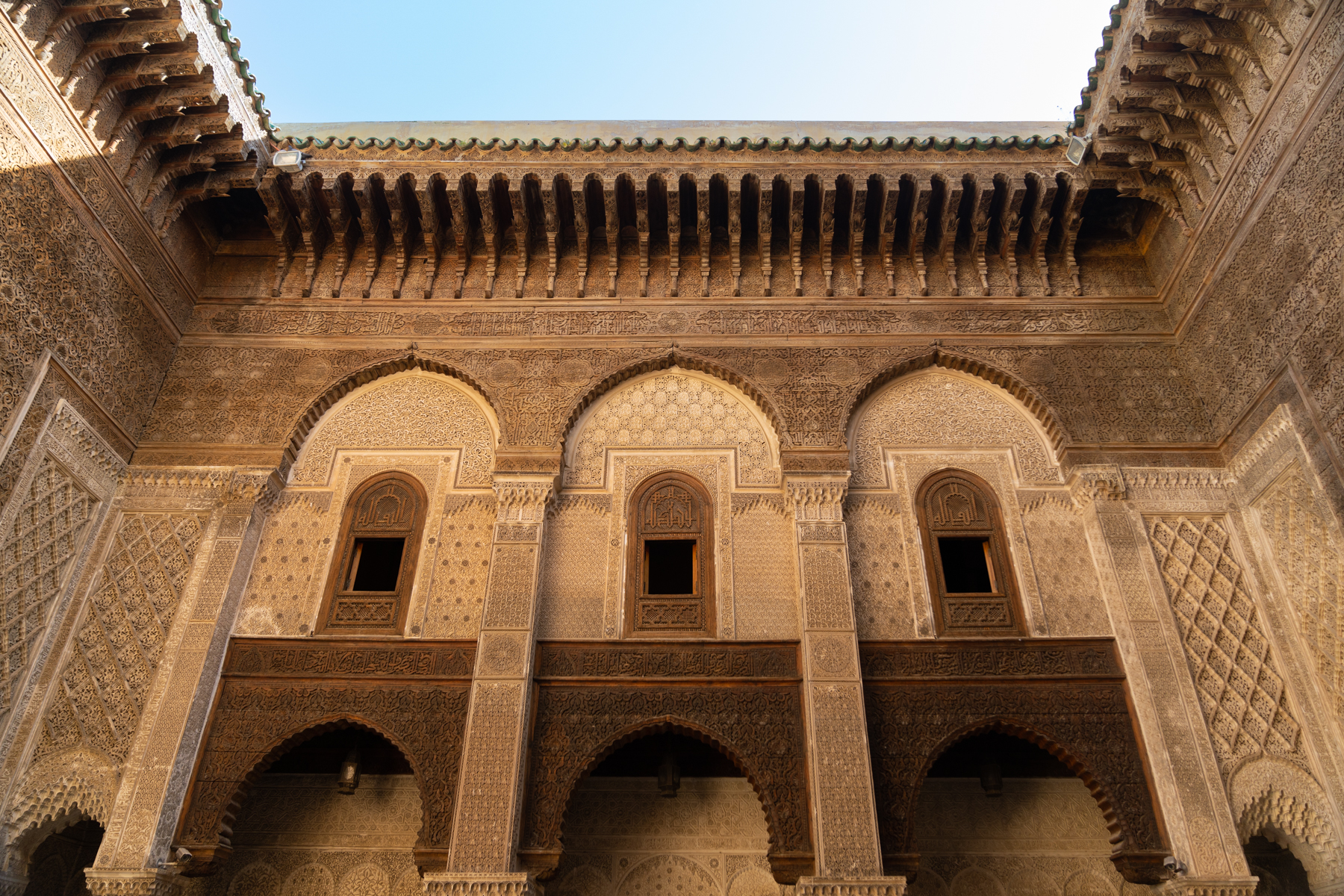
We left the tanneries and headed for the University of Al-Qarawiyyin. The university, founded in 857 and considered by some to be the oldest continuously functioning institute of higher education in the world, focuses on Islamic religious and legal studies with an emphasis on classical Arabic grammar and linguistics.
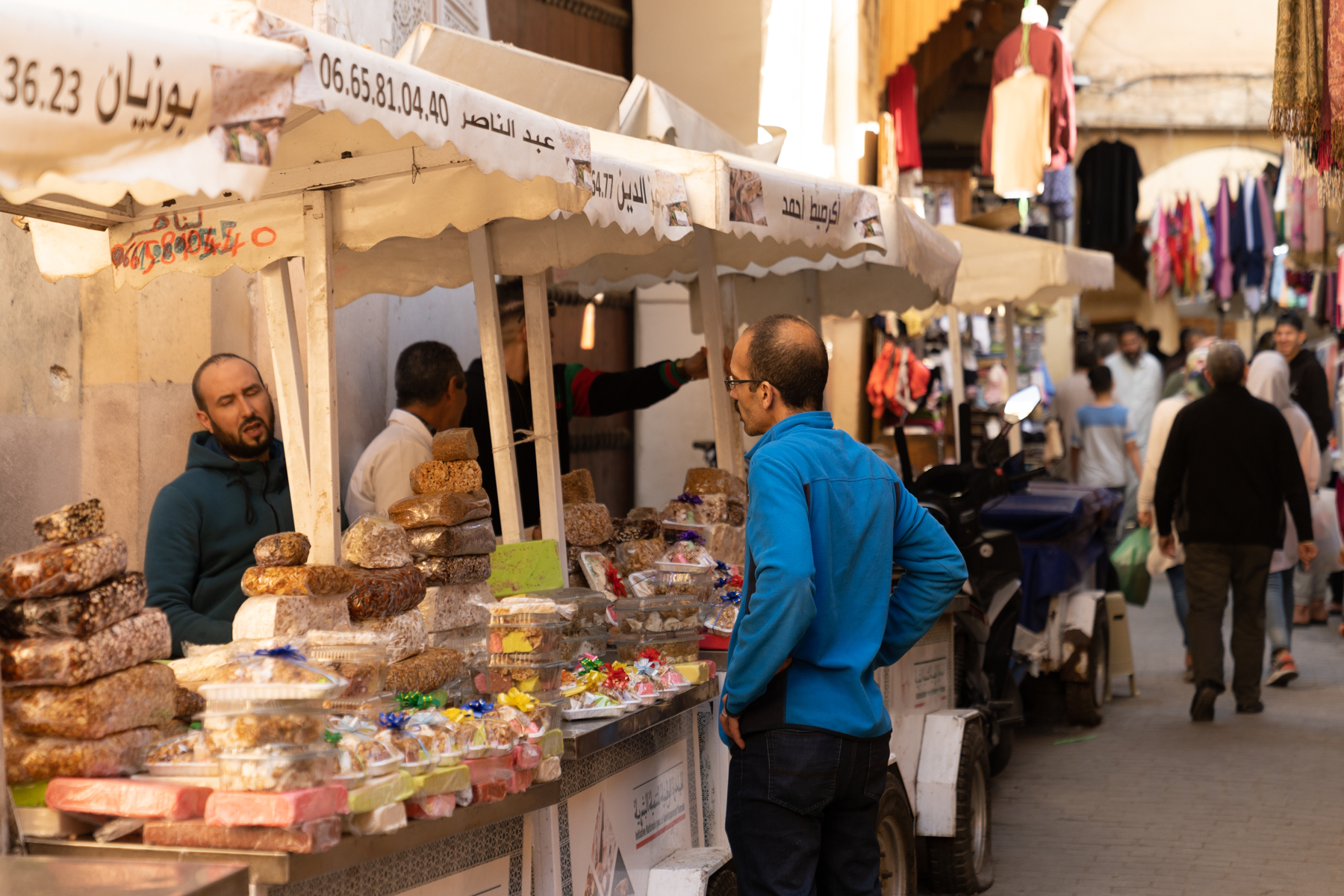
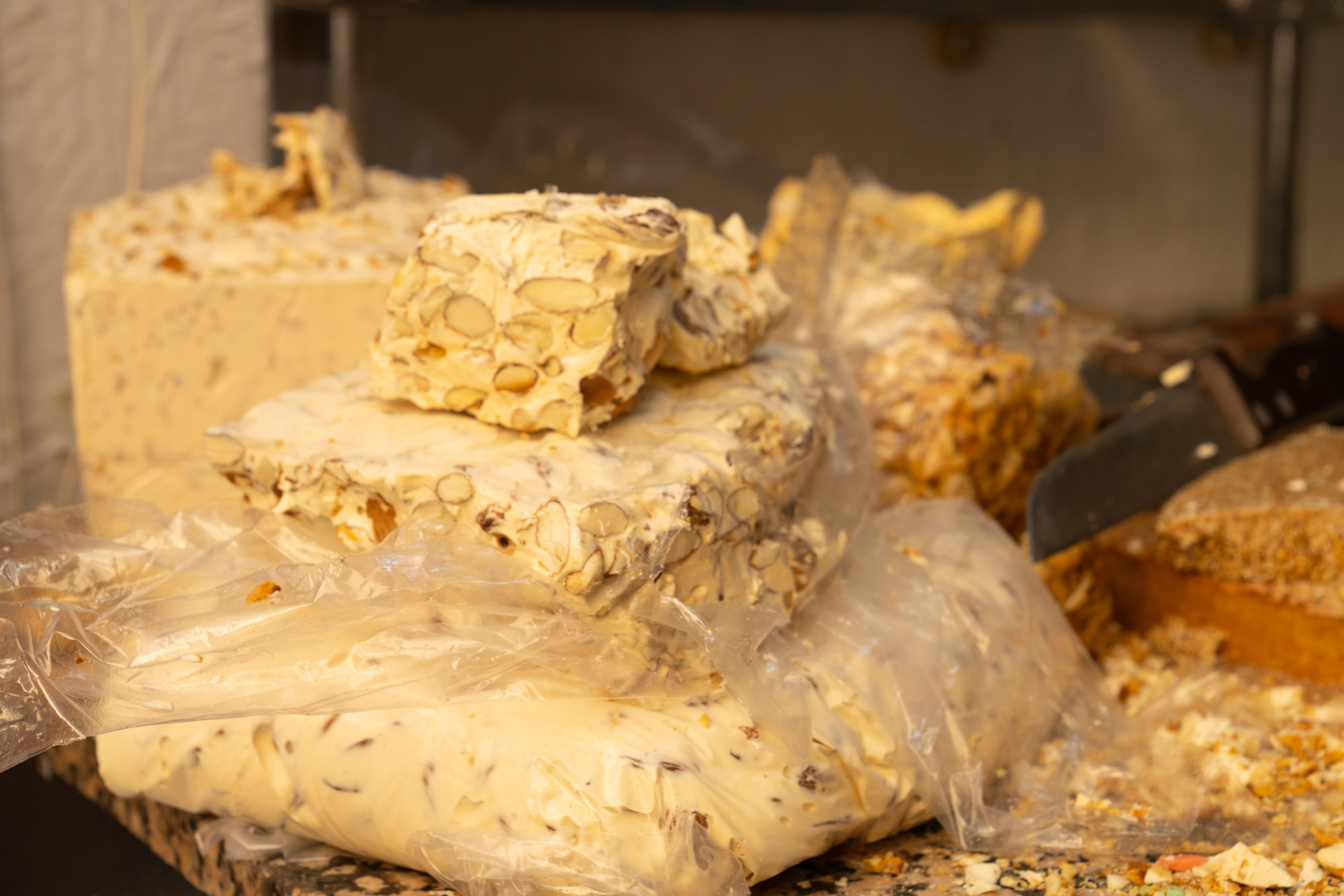
From Al-Qarawiyyin we worked our way further through the alleys, and found a collection of nougat vendors. We sampled some beautiful nougat and ended up buying some to take with us.
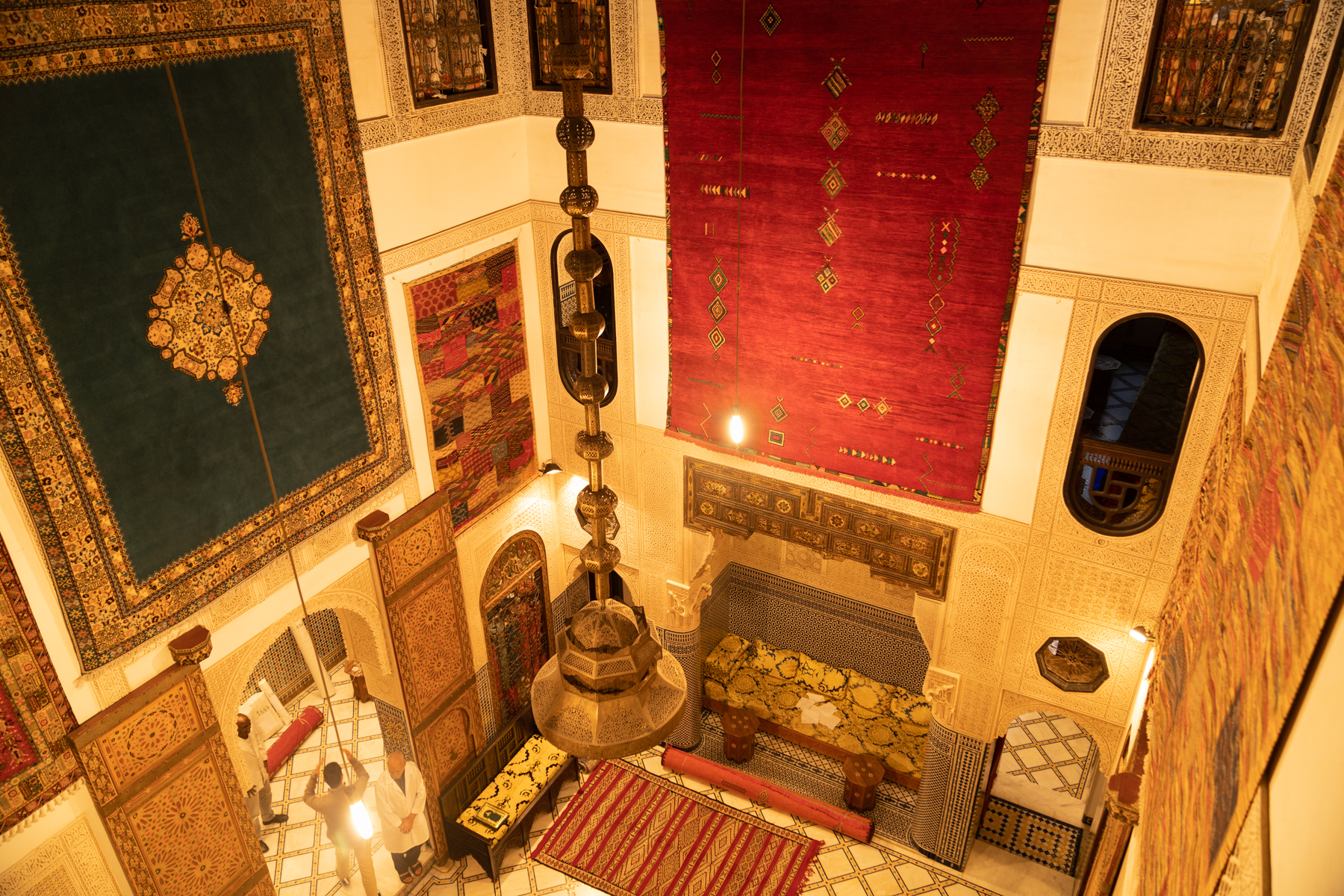
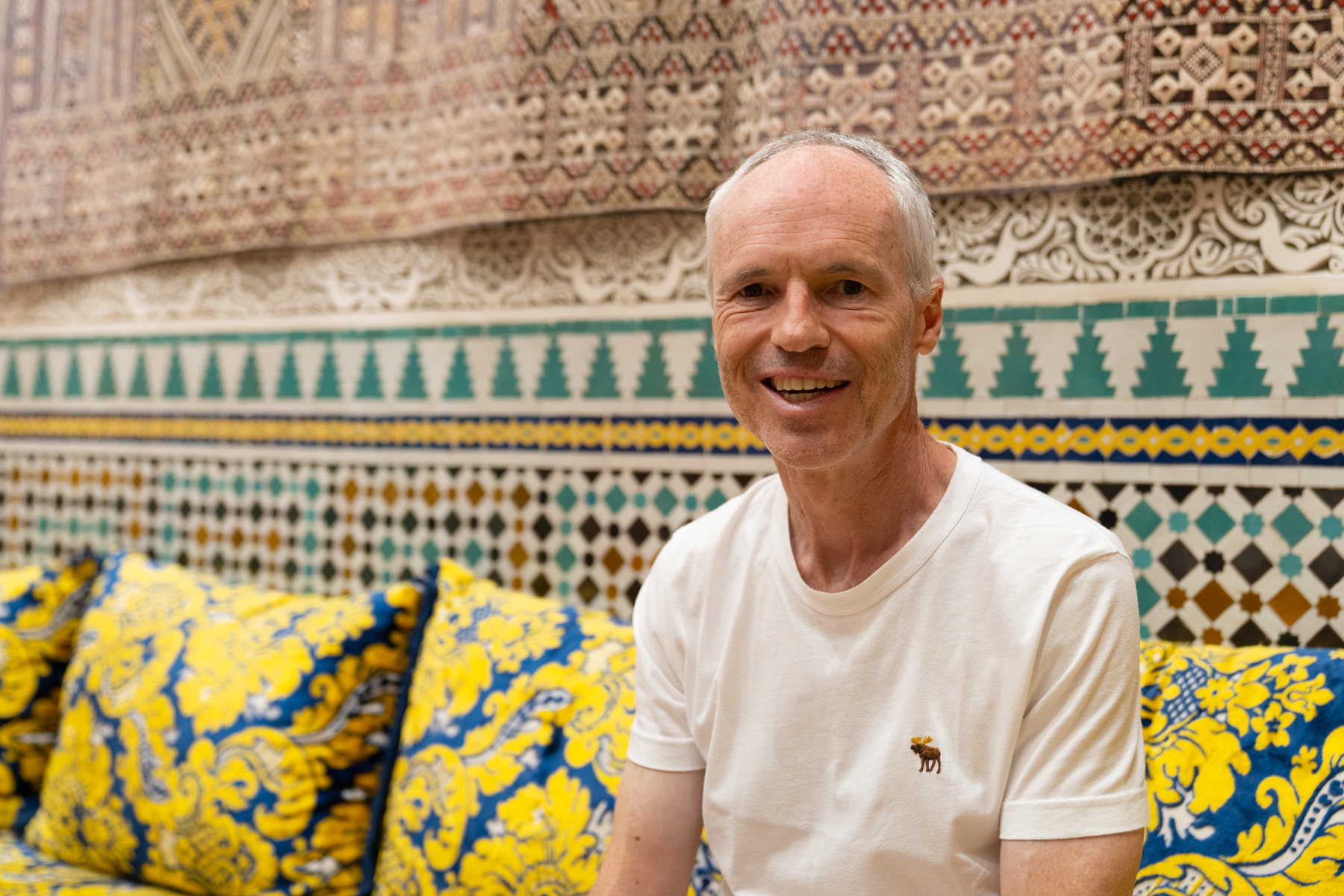
Our next stop was a magnificent store that sold hand-made Berber and Arabic rugs. We learned about the history of the rugs and the tribes that made them, before engaging in a long negotiating exercise to buy a rug!
We left the rug shop and headed towards an exit where we were meeting our driver, Dawad. We hoped that Mohamed knew where he was going because we were lost within minutes of entering the medina and, by this time, we’d been in there for hours. Mohamed managed to navigate us out (with only one wrong turn on the way out!).
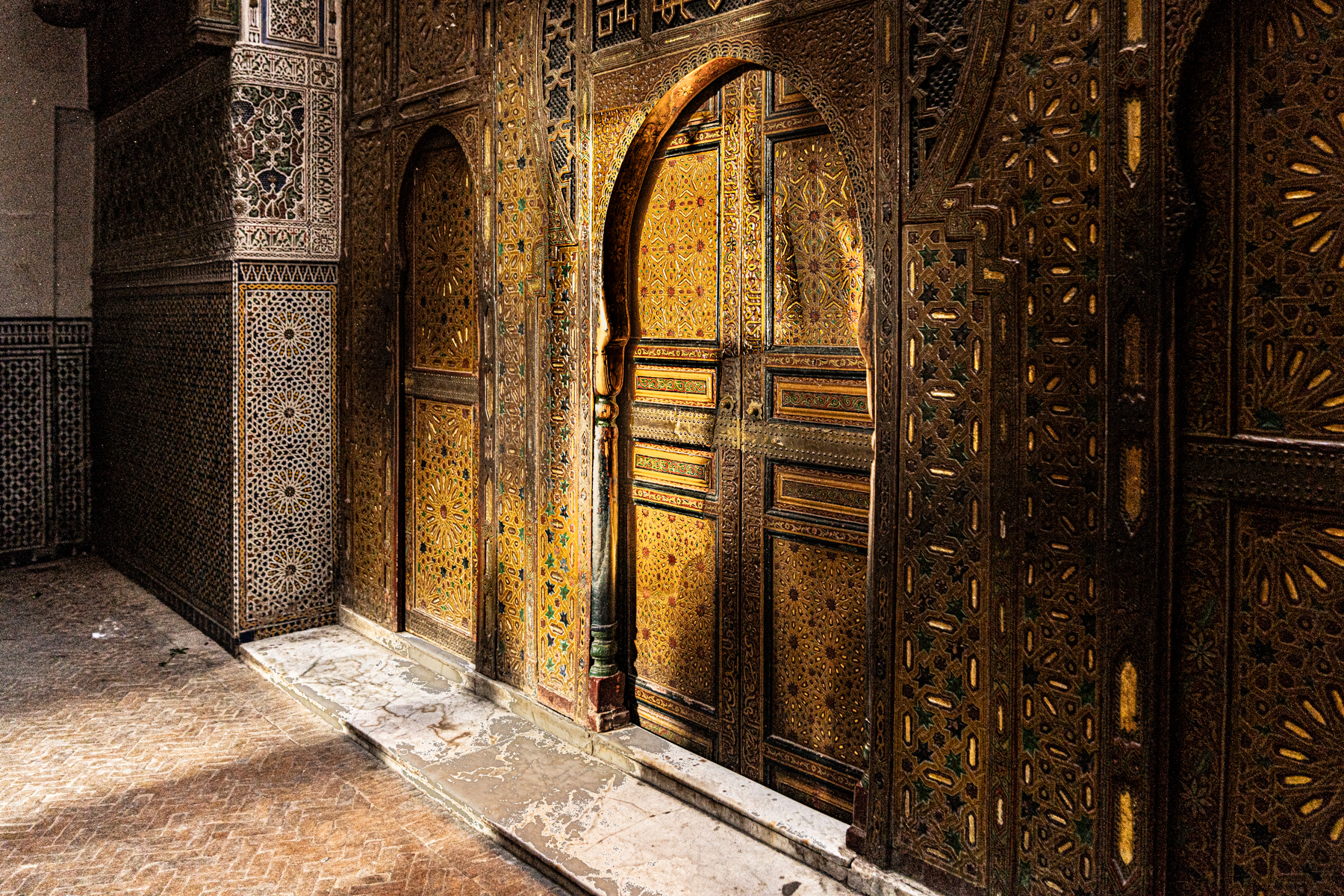
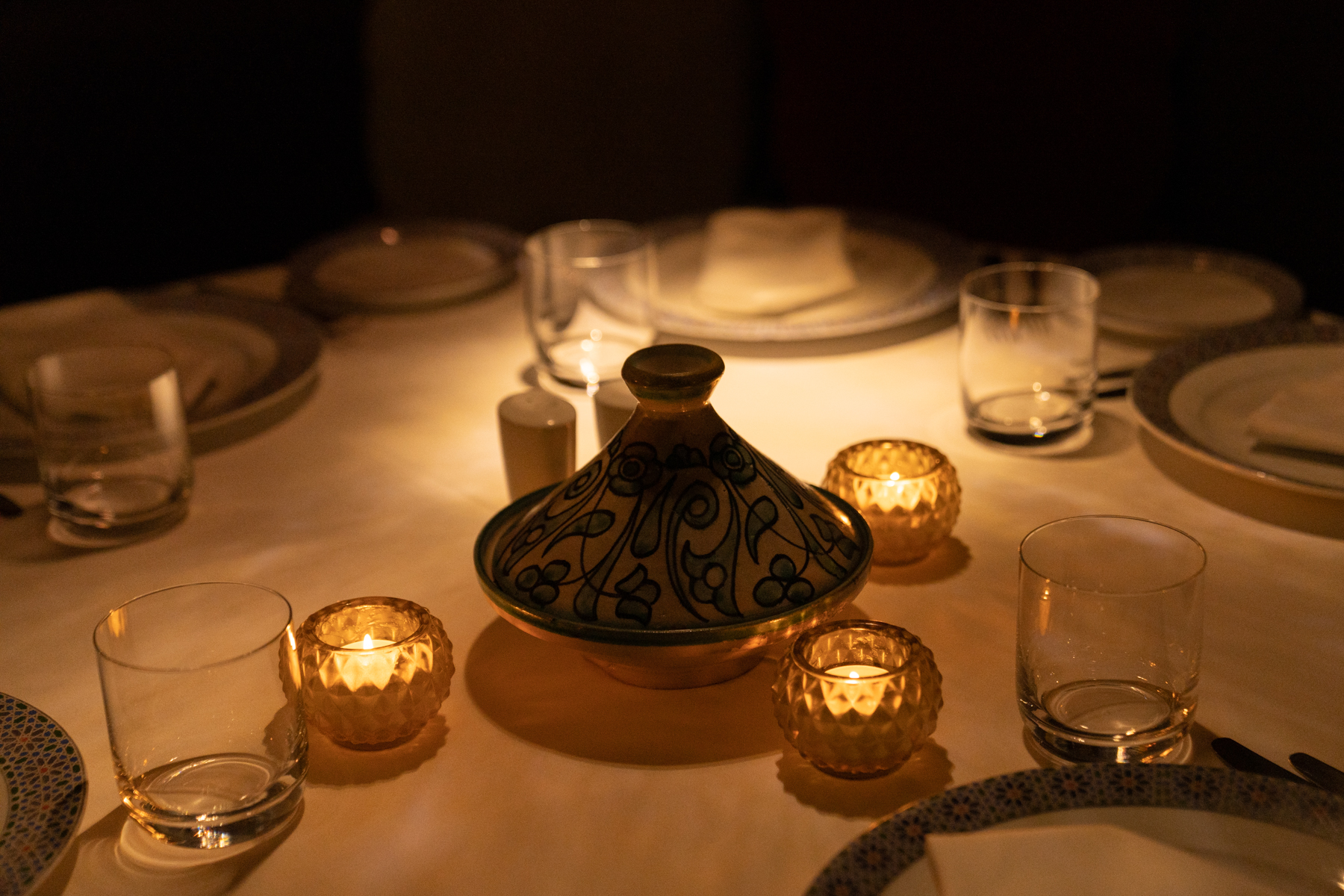
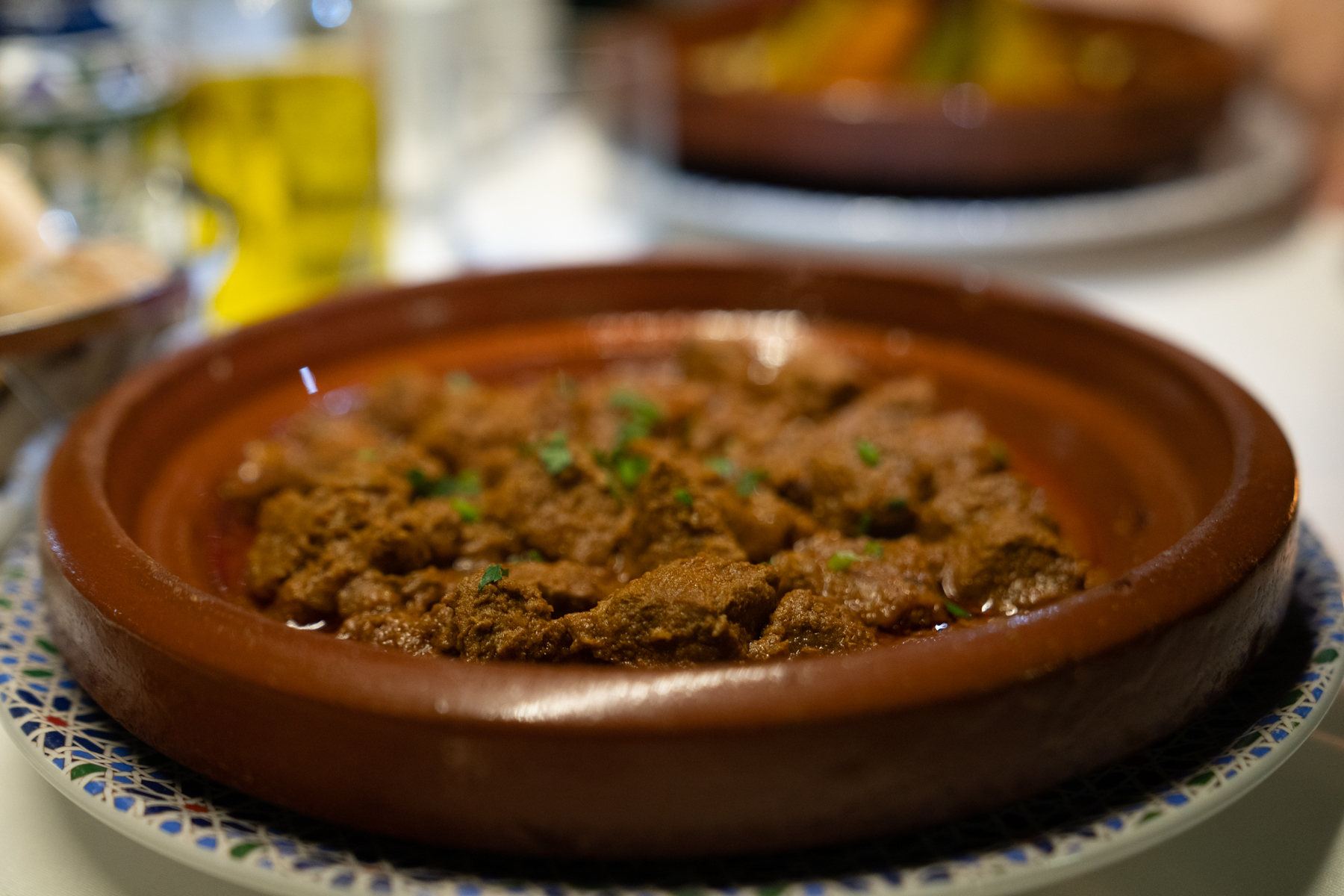
We met Dawad, hopped into the car, and drove back to the hotel. We relaxed briefly in our room before heading upstairs to the hotel’s restaurant, L’Amandier, where we had a lovely dinner.
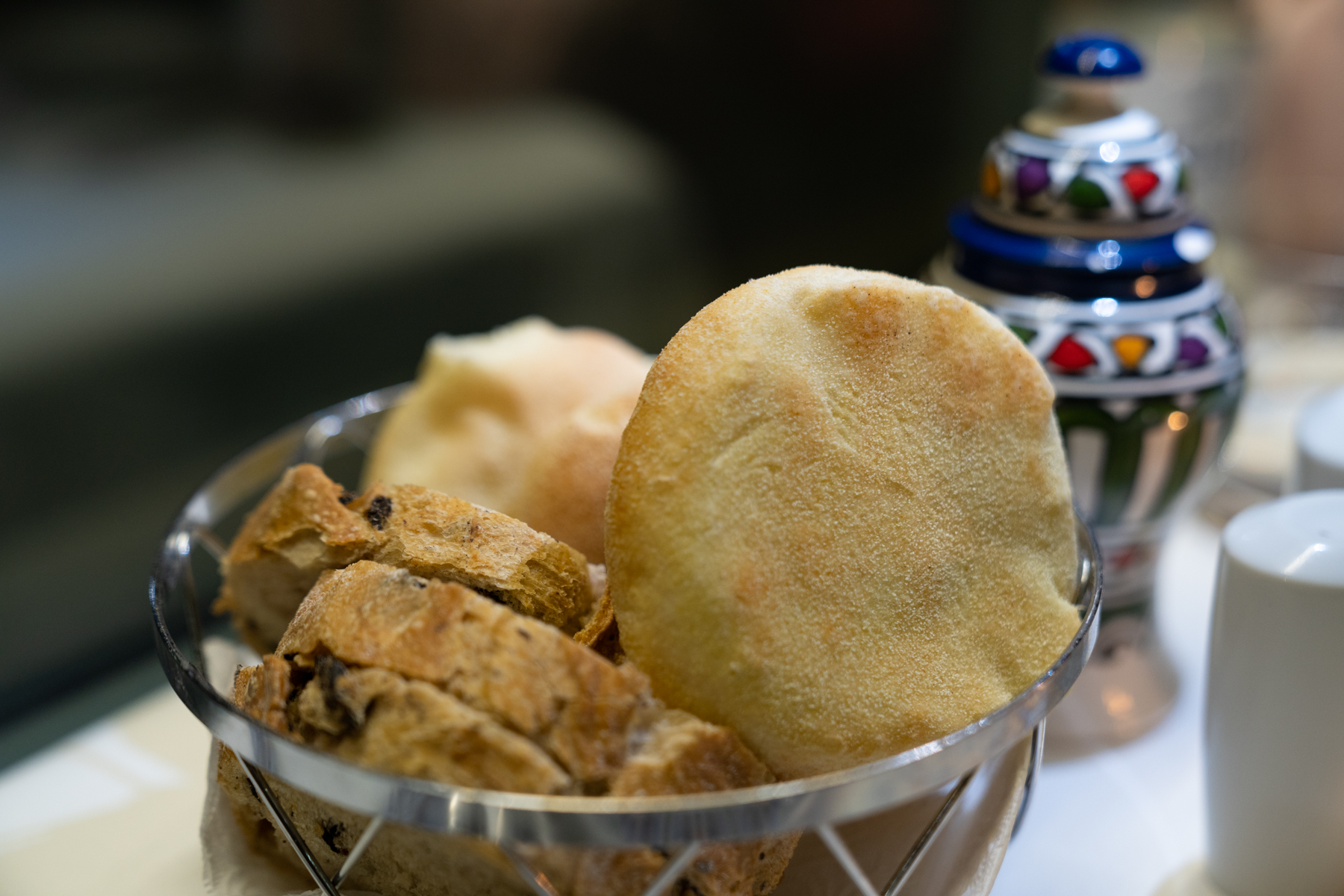
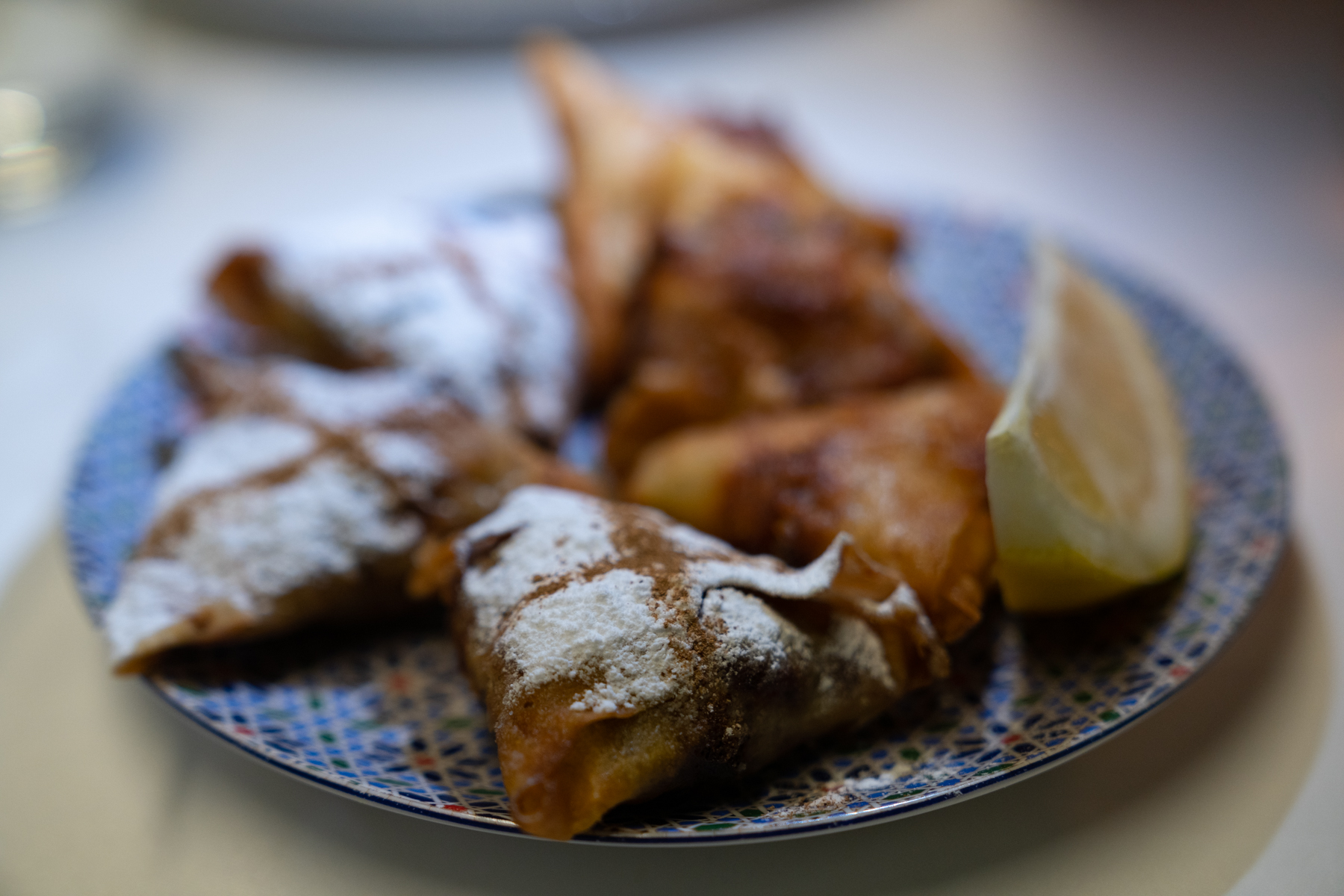
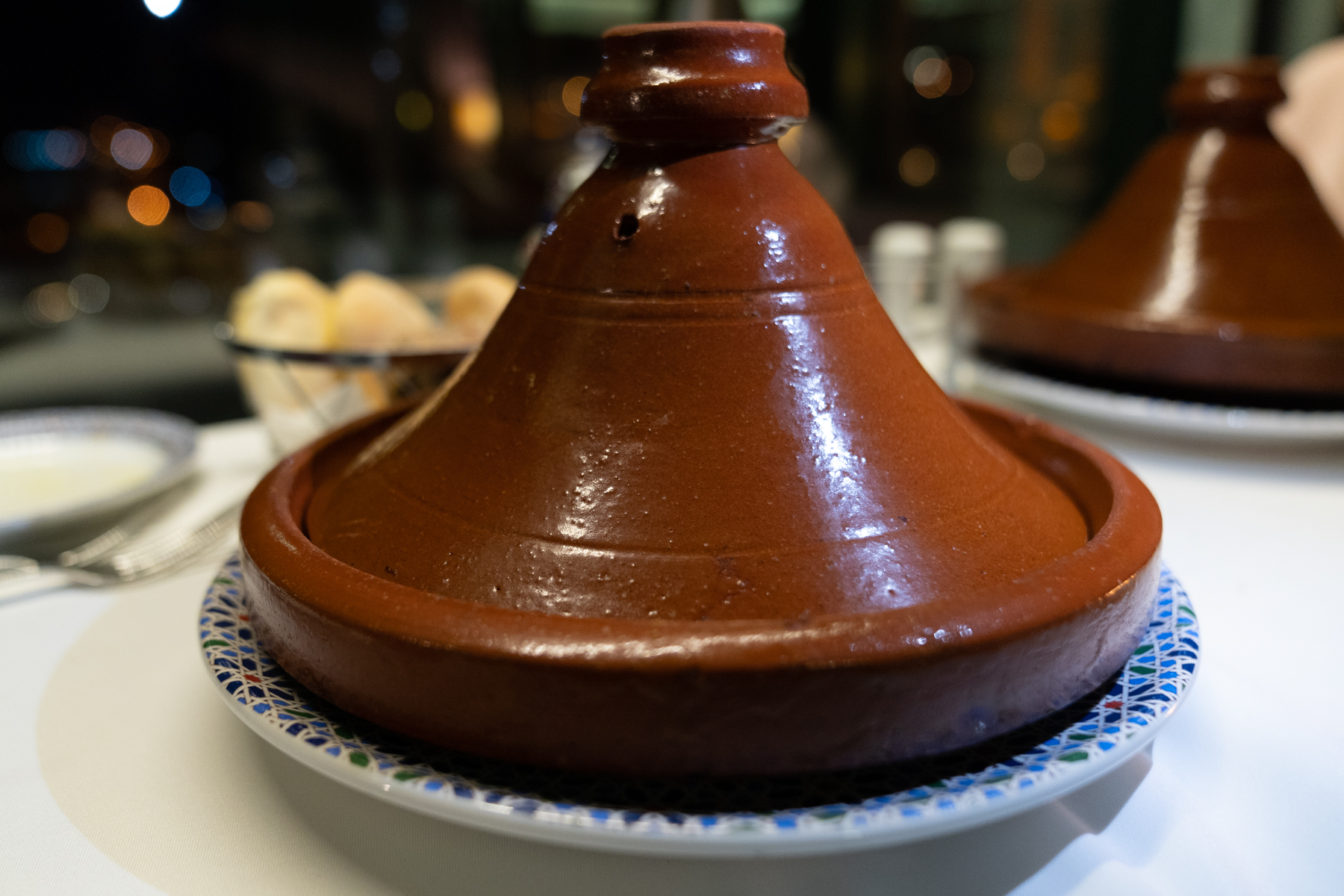
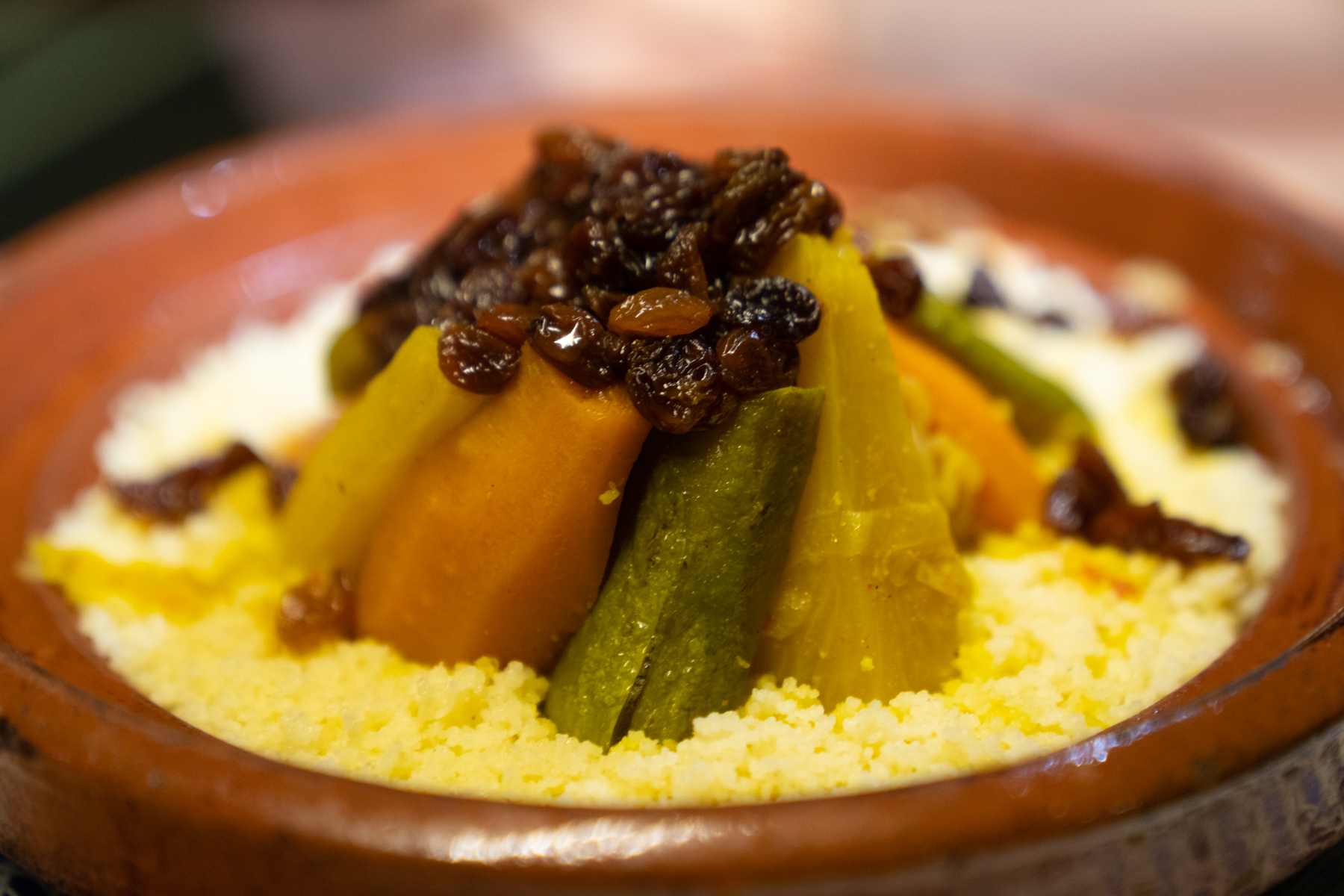
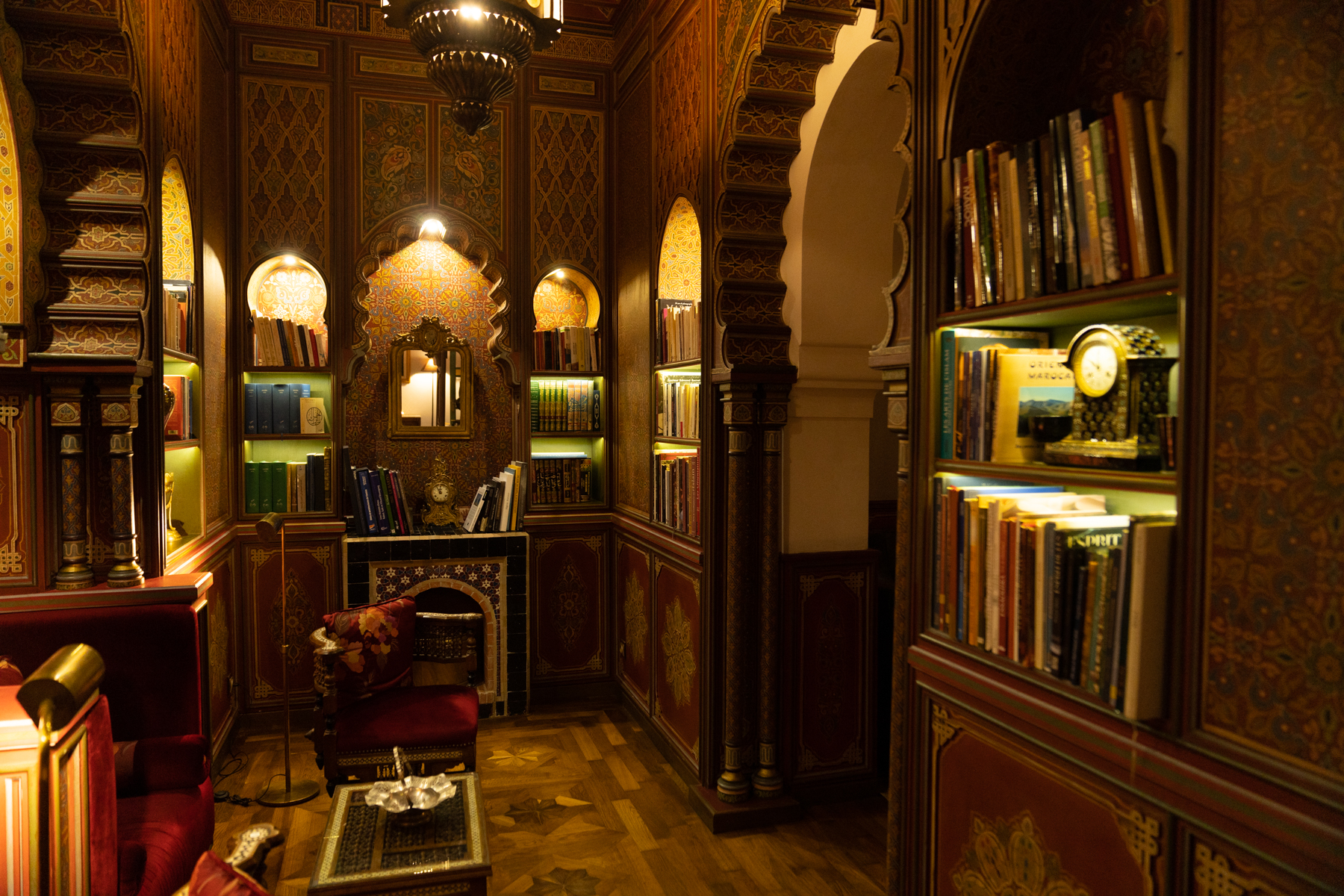
After dinner, we went for a walk in the hotel. We would have liked some time to sit and relax in the library but that wasn’t going to happen.
We headed back upstairs to get organised for bed. We need to be up reasonably early in the morning. We have to re-pack our suitcases (made slightly more difficult as a result of some purchases today!) before we check out and set off tomorrow morning on a 200 km drive west to Rabat, on the Atlantic coast.