
Around The World
Now in Rabat
When the alarm went off at 7:30 am this morning, we didn’t exactly spring out of bed. It turns out that having a mosque just outside our room was good for taking pictures but not good for getting a decent night’s sleep. And the local rooster firing up around 1:45 am didn’t help!
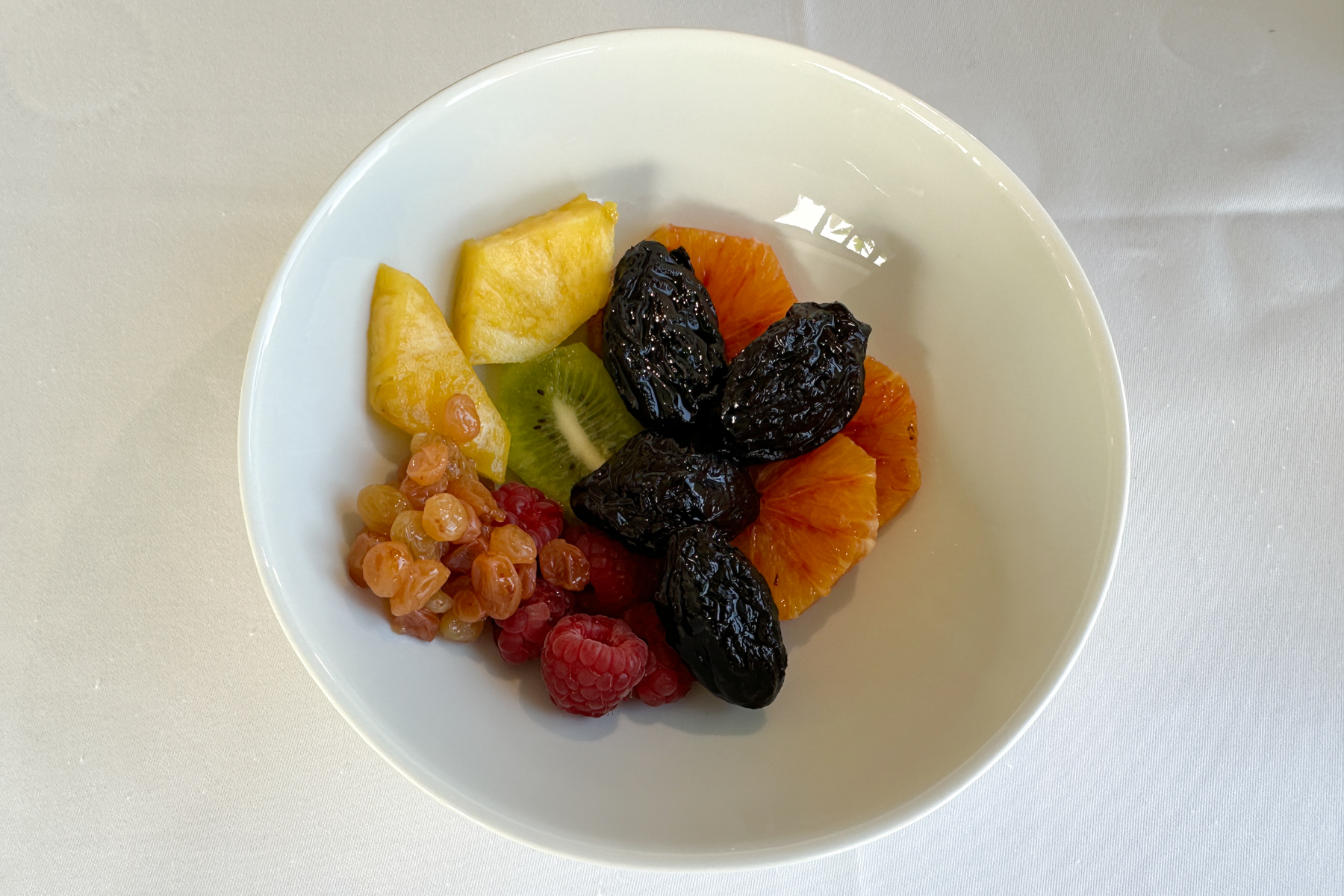
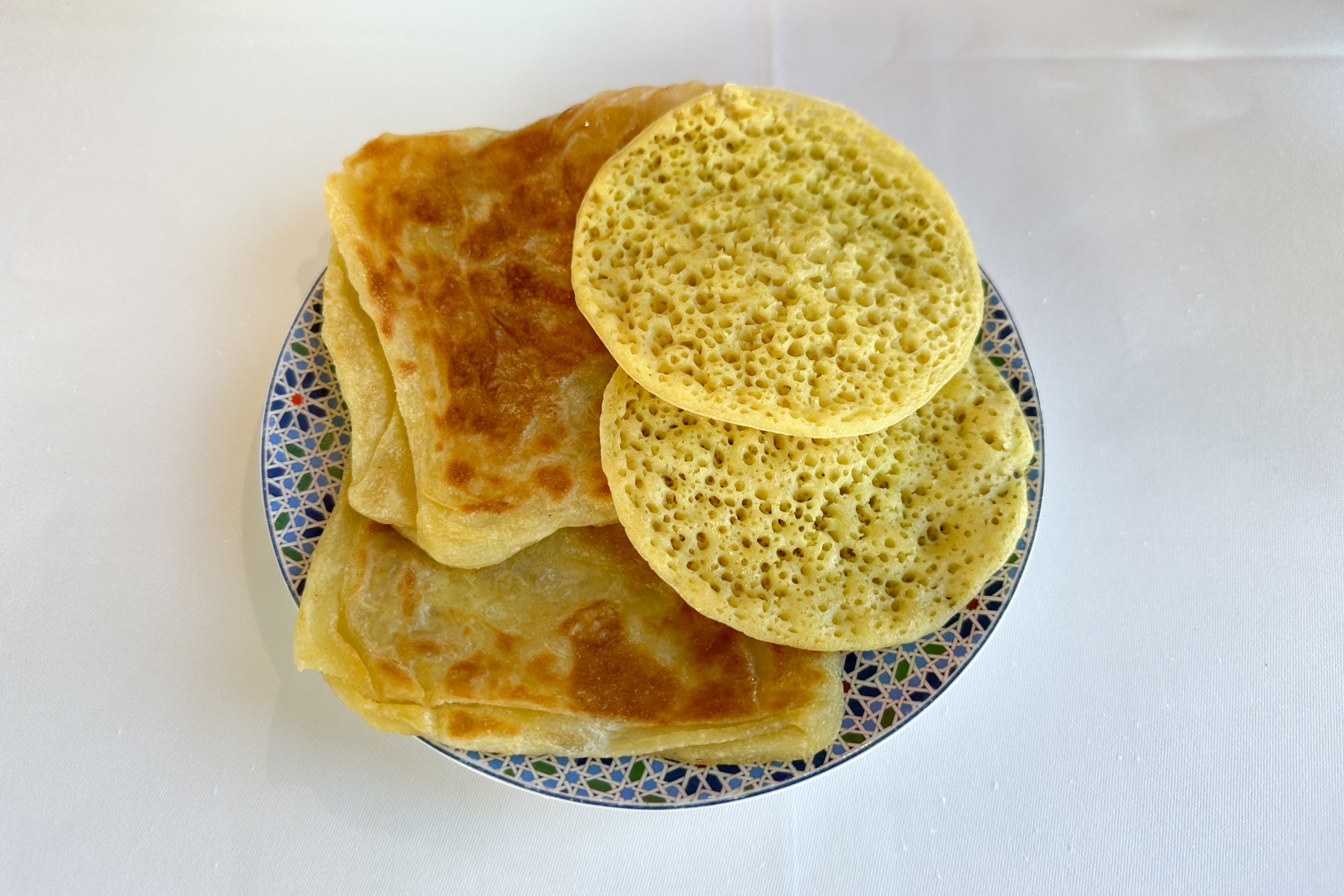
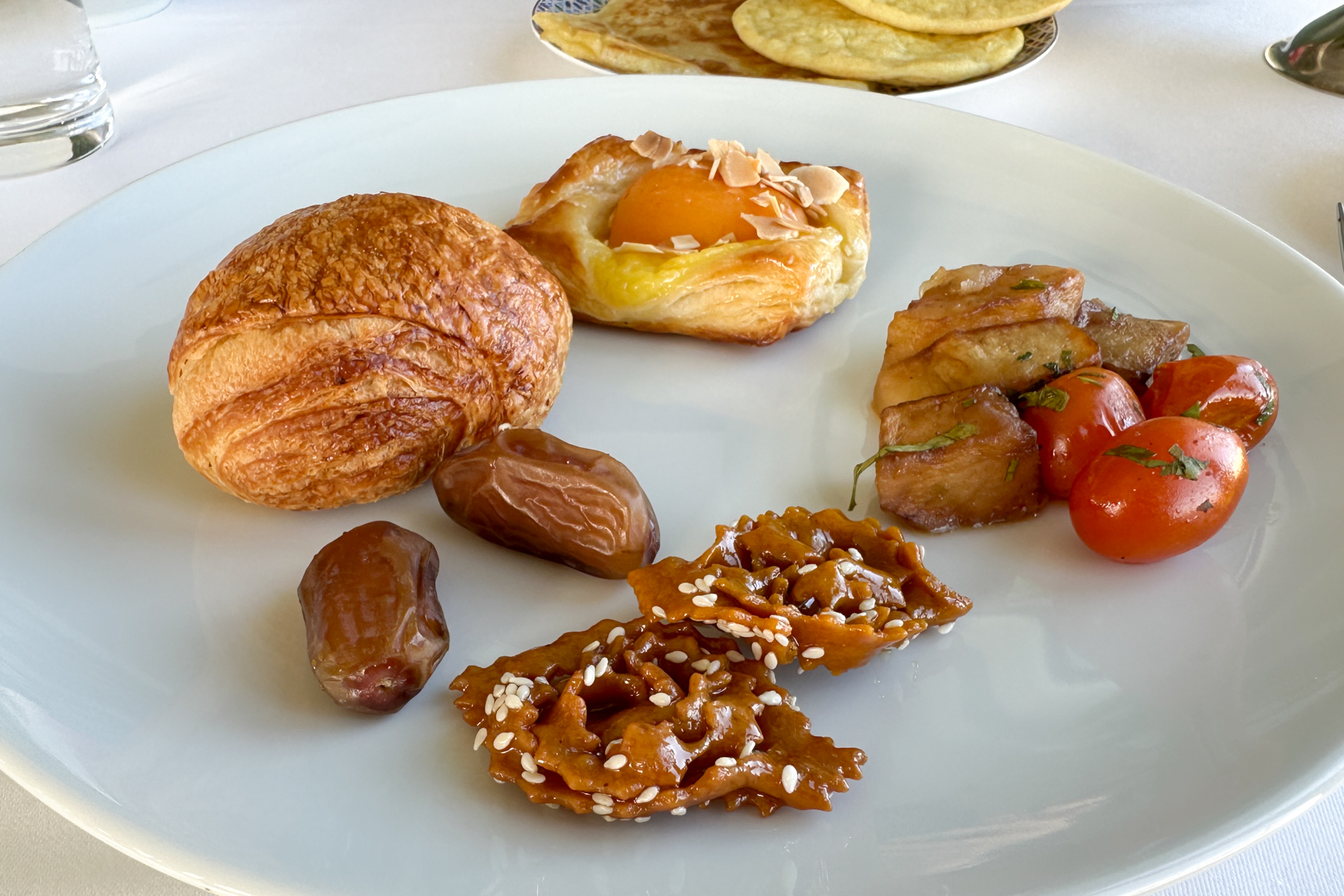
We managed to get upstairs to the restaurant around 8:30 am. We enjoyed a quick breakfast before heading back to our room to pack.
We got downstairs at 9:30 am to meet Mohamed and Dawad. We checked out and hopped in the car for a short ride to our first stop, Bab Bou Jeloud. Bab Bou Jeloud is an ornate city gate that leads into the Fes medina. This gate was built by the French administration in 1913 (a year after the establishment of the French Protectorate over Morocco) to serve as the grand entrance to the old city. This new gate replaced the original medieval gate to the city (which still exists but is now closed).
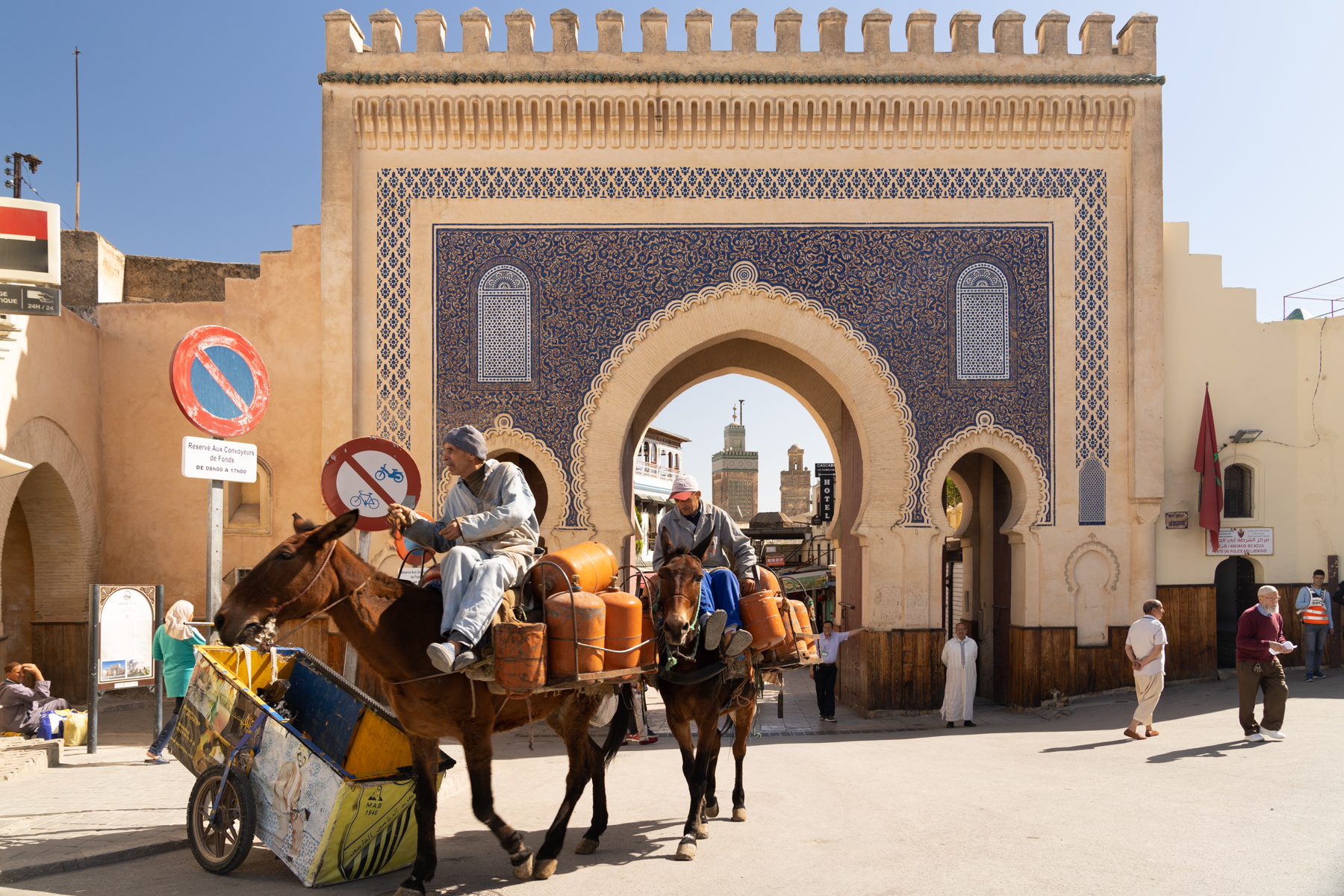
We didn’t spend long looking at the gate before getting back into the car for the 200 km drive to Rabat.
Rabat is the capital city of Morocco. In March 1907, the French invaded Morocco from the east and in August 1907, French ships bombed Casablanca to quell an uprising that was fuelled by resentment of French business expansion in Morocco. In 1912, the Treaty of Fes was signed, whereby France would rescue Morocco from the precarious financial position it was in as a result of its depreciating currency, trade deficit, and large debts to foreign (mostly French) banks. The treaty established the French Protectorate of Morocco, giving France the right (amongst many other rights) to hold the reins of power in both internal and external matters (including representing Morocco in foreign countries). When news of the treaty became public, violent riots broke out in the capital city of Fes, leading the French to designate Rabat as the new capital of Morocco. The noted French architect and urban planner, Henri Prost, was hired to design the new administrative area of Rabat (and the French architectural influence is very evident in the city).
The Treaty of Fes remained in force until 1956, when Morocco reclaimed its independence by agreeing to transform Morocco into a constitutional monarchy with a democratic government. The then king of Morocco, Mohammed V, decided to keep Rabat as the capital city, which it still is today.
We got to Rabat just after midday and alighted at the entrance to the medina to explore the local market.
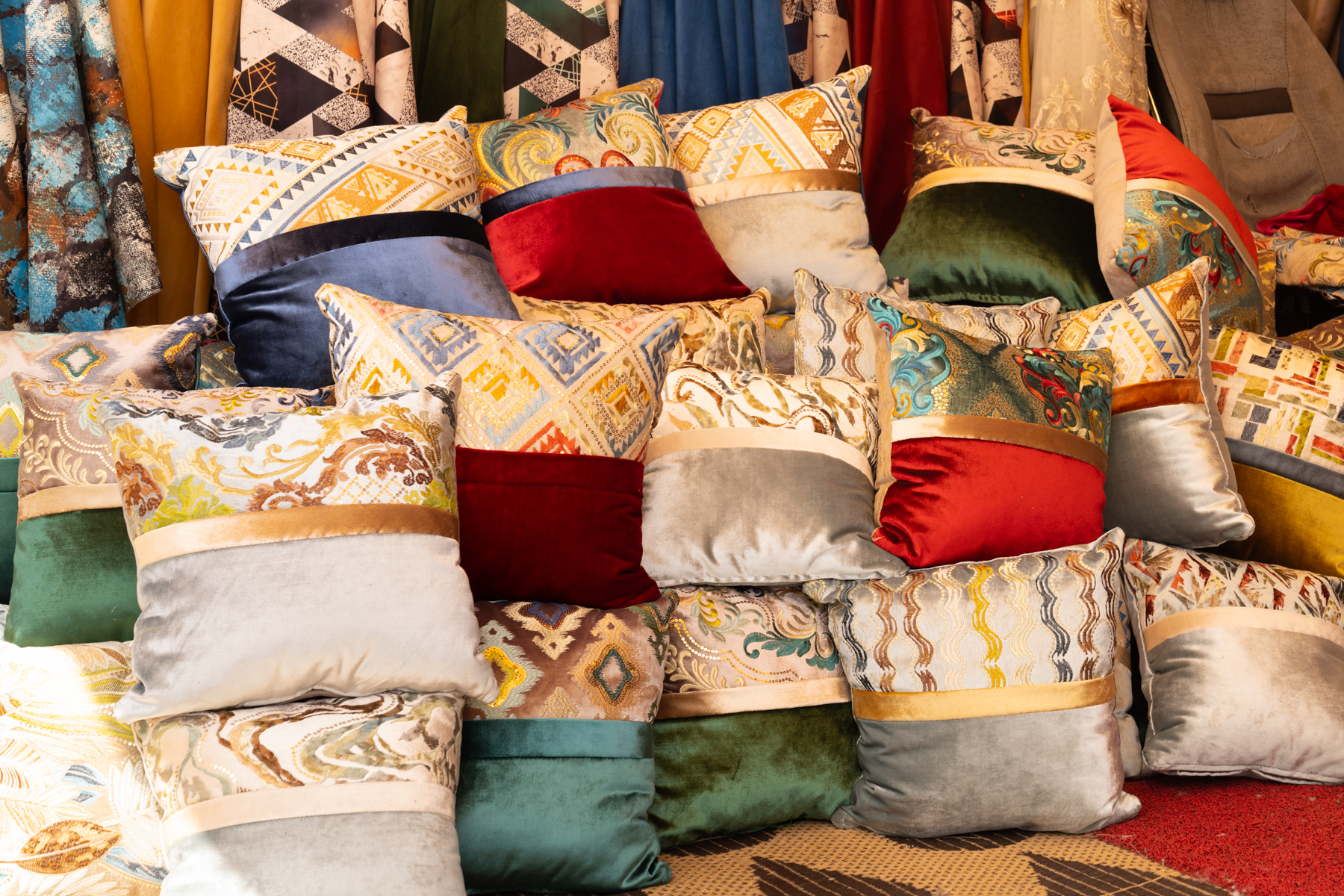
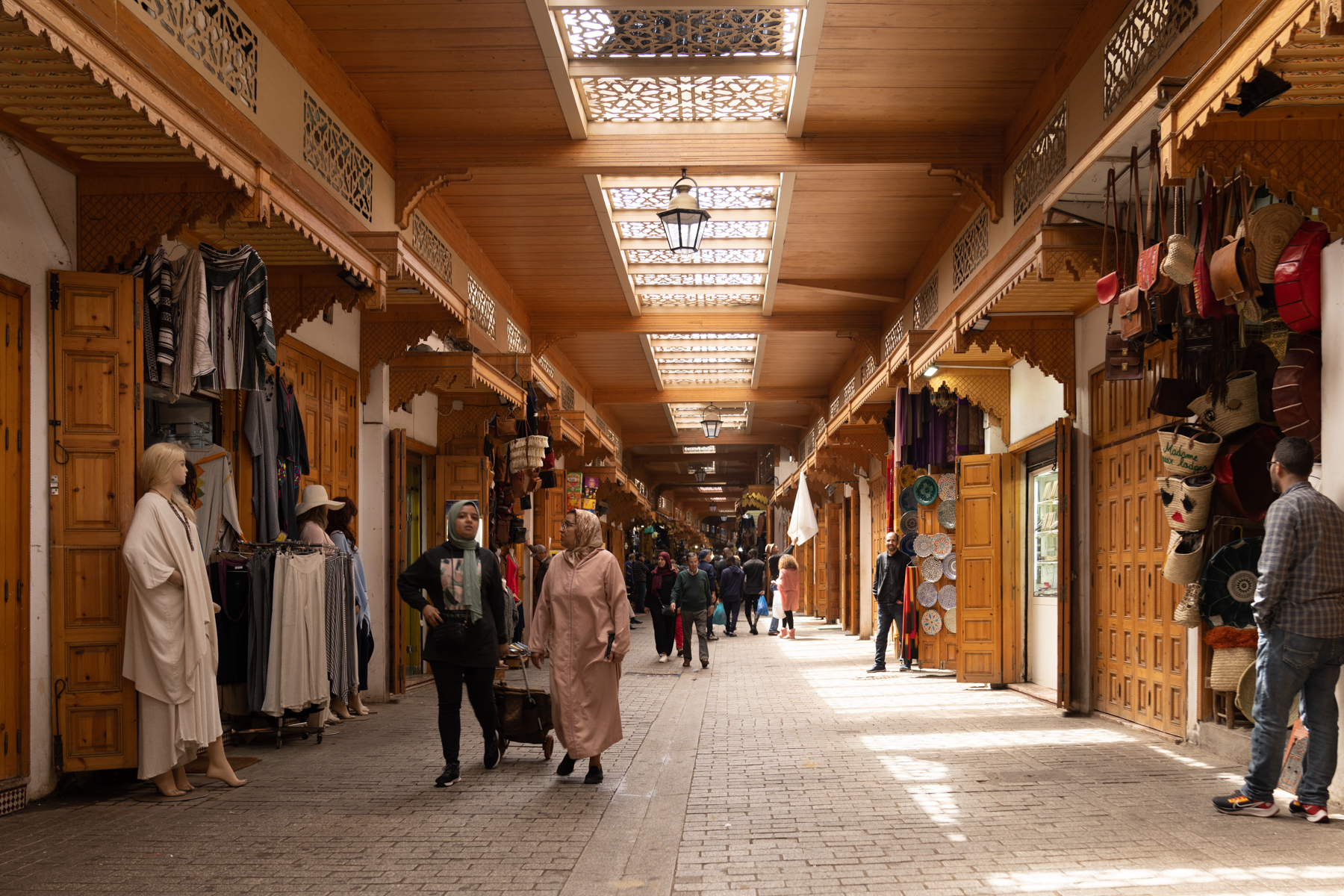
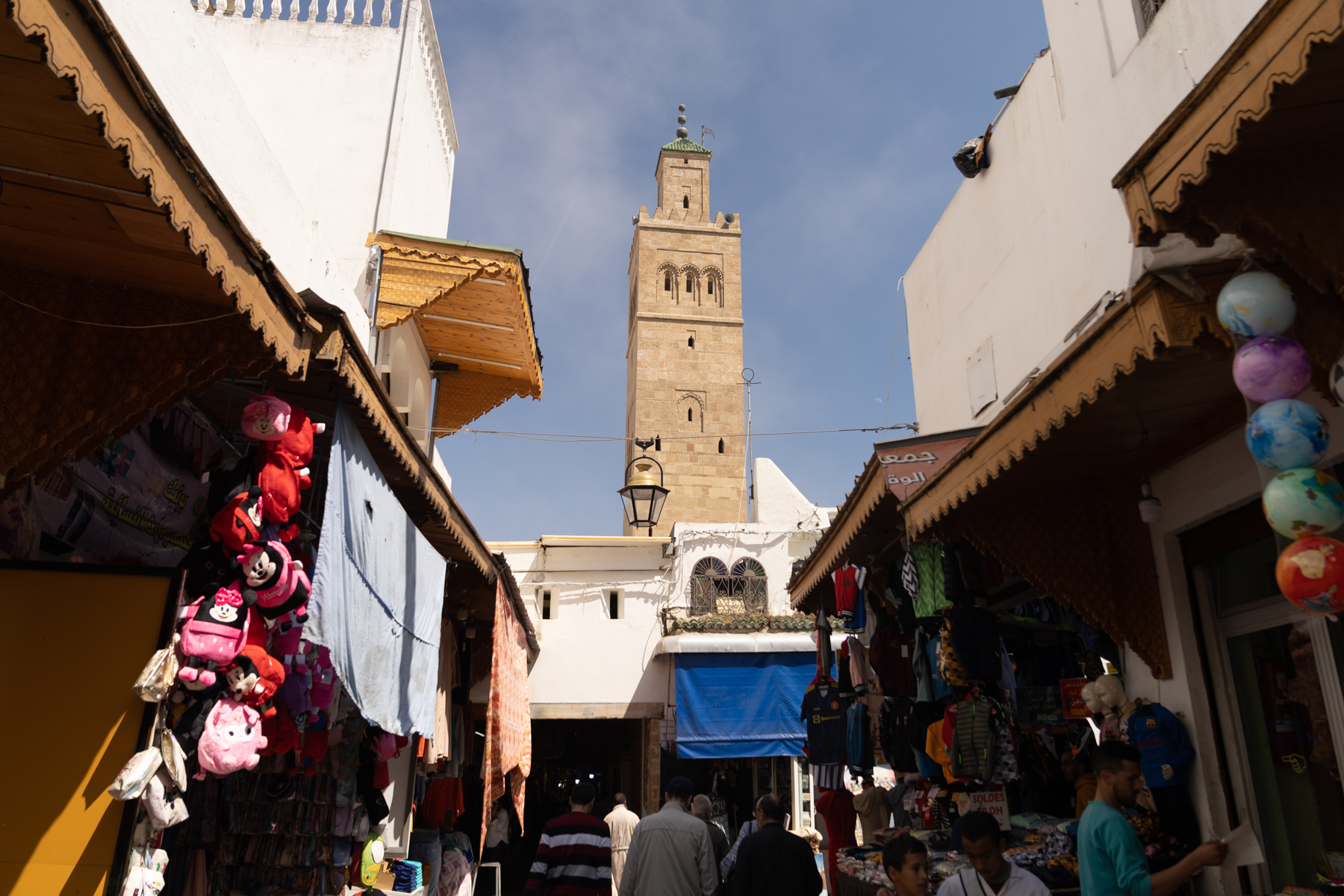
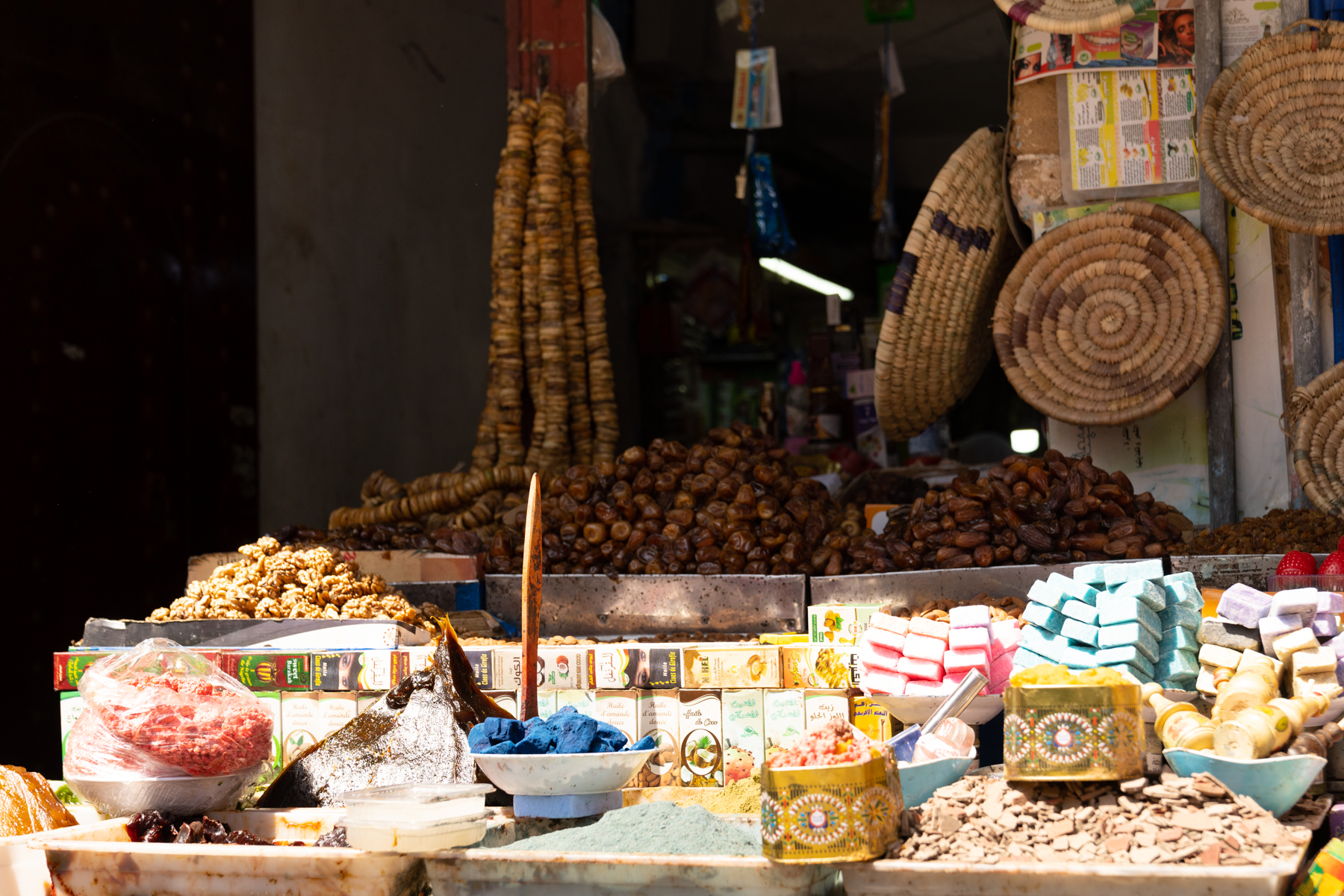
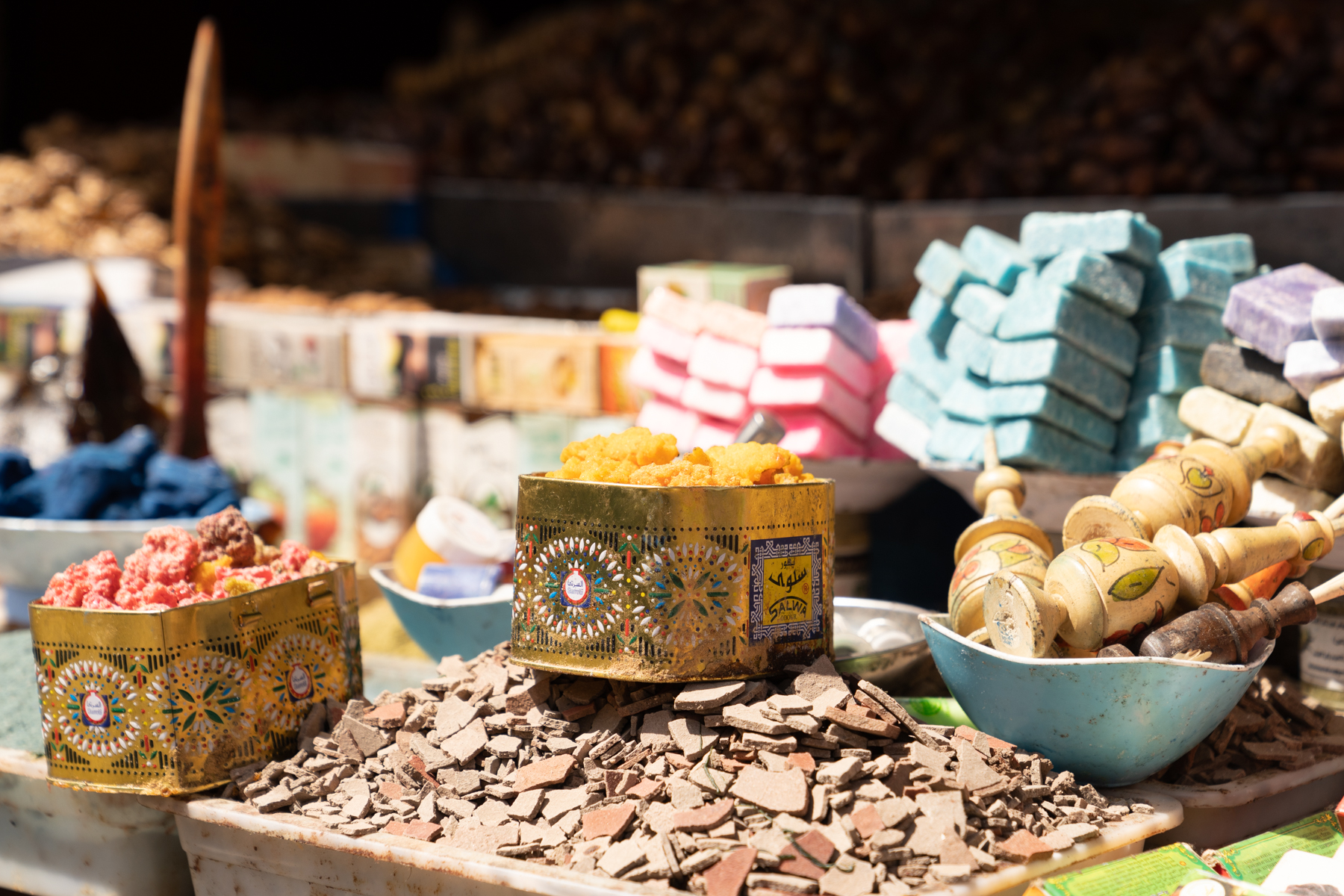
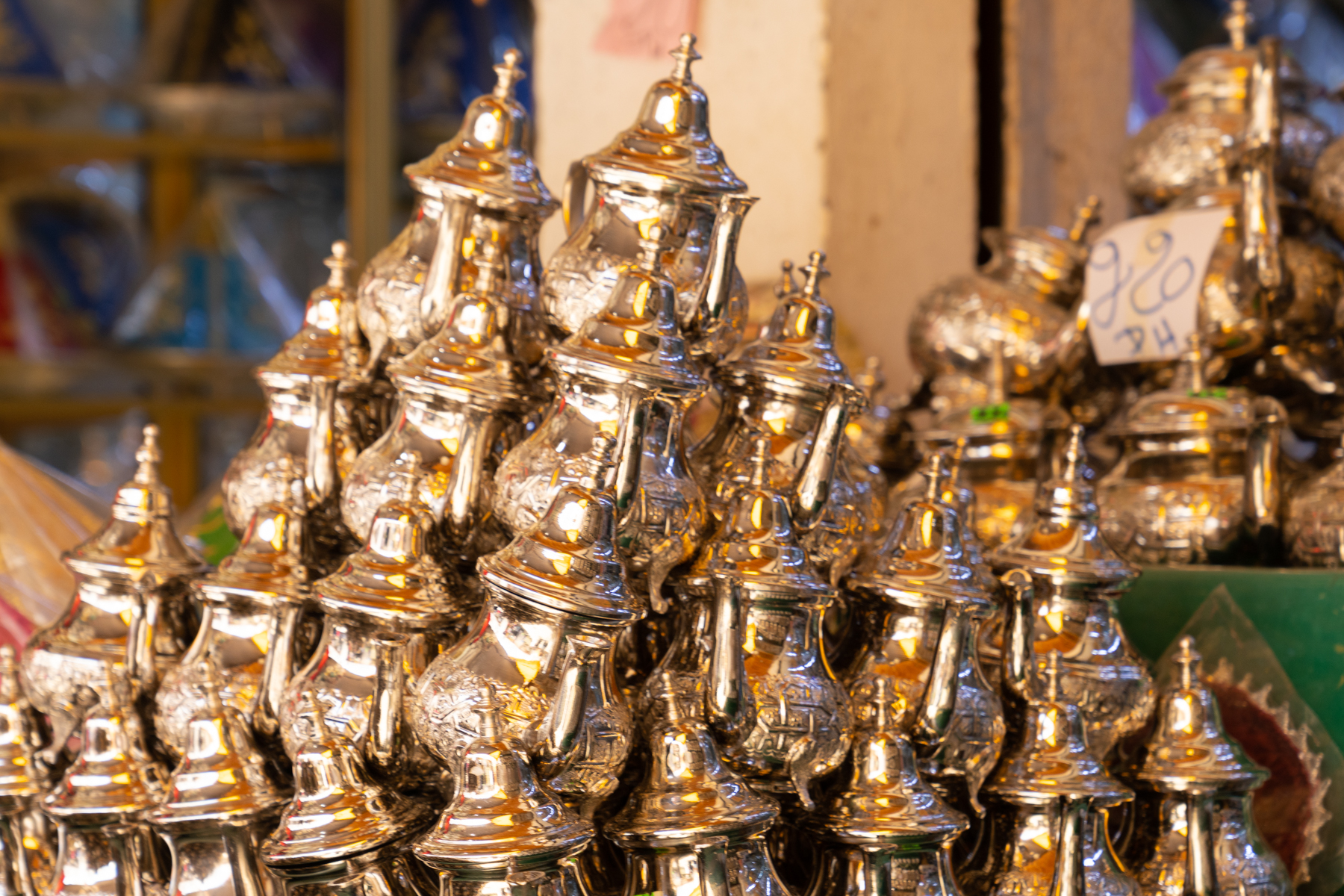
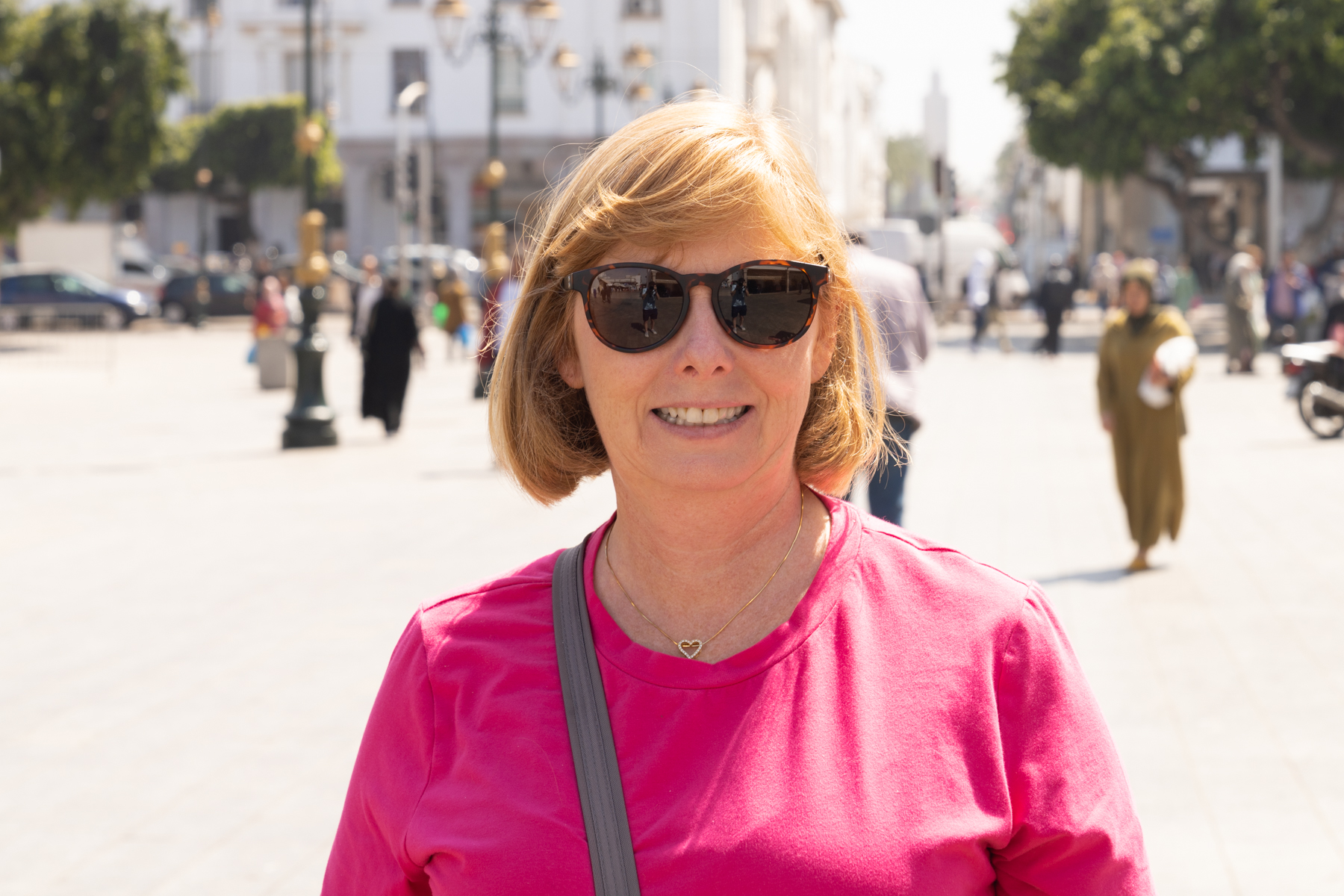
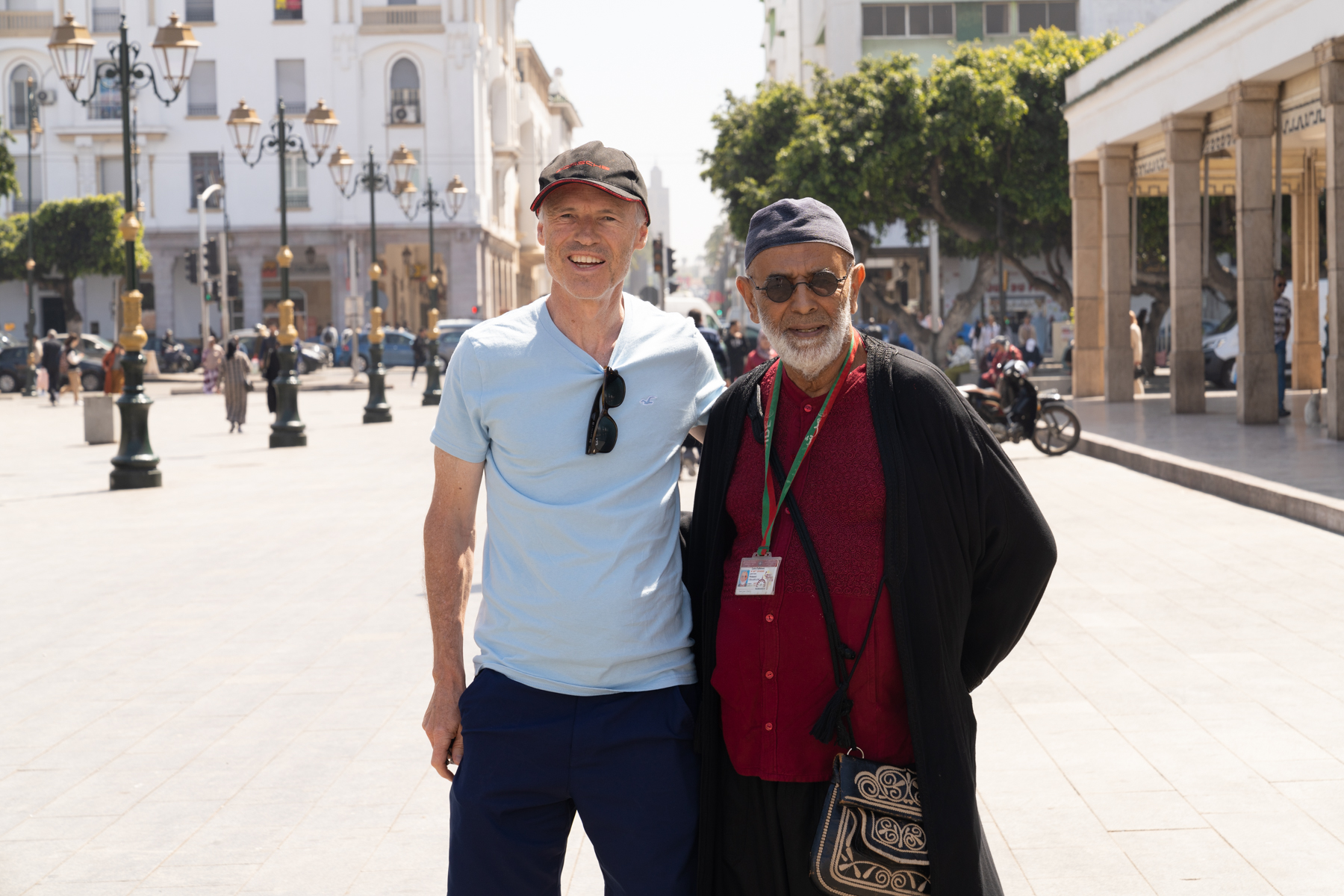
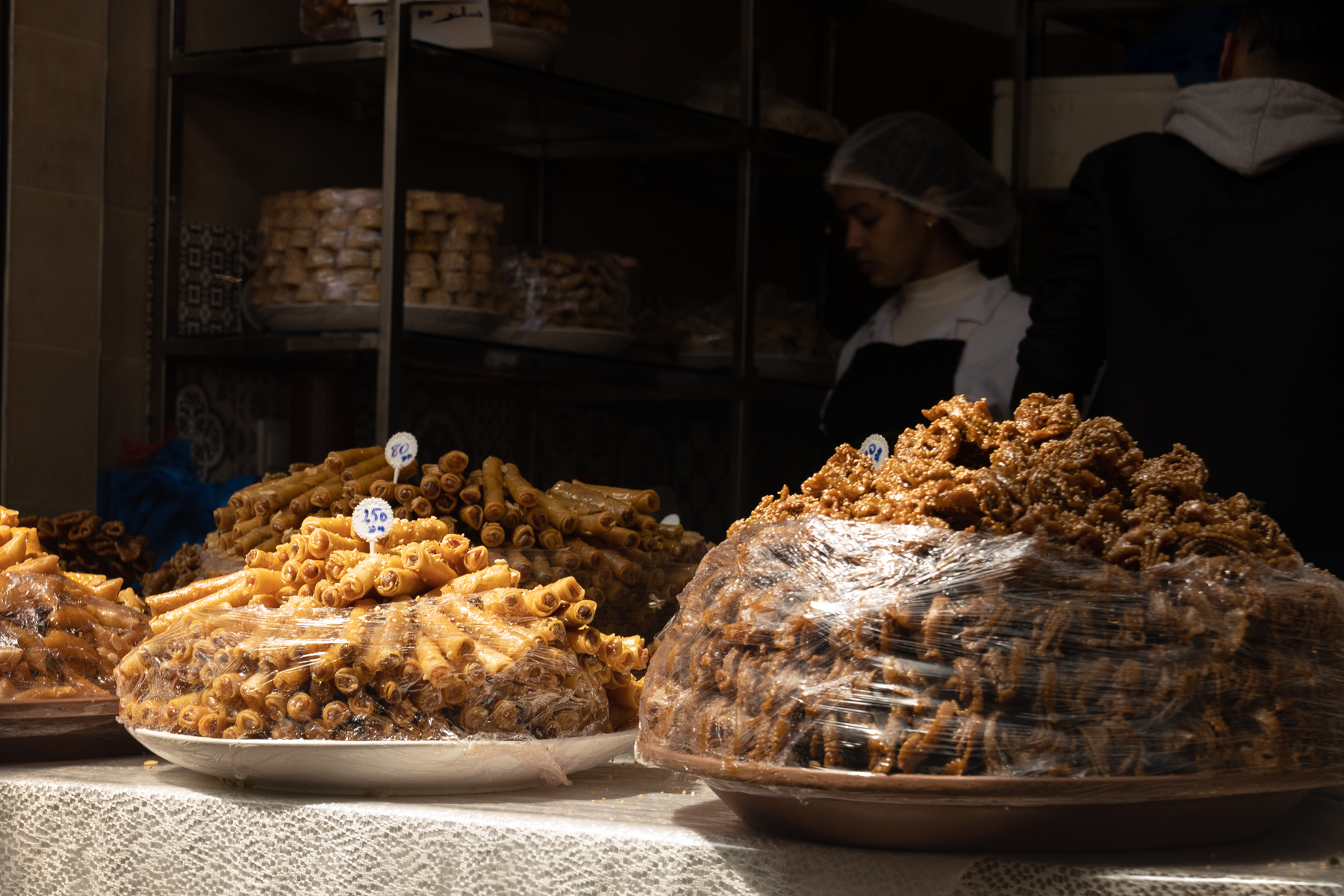
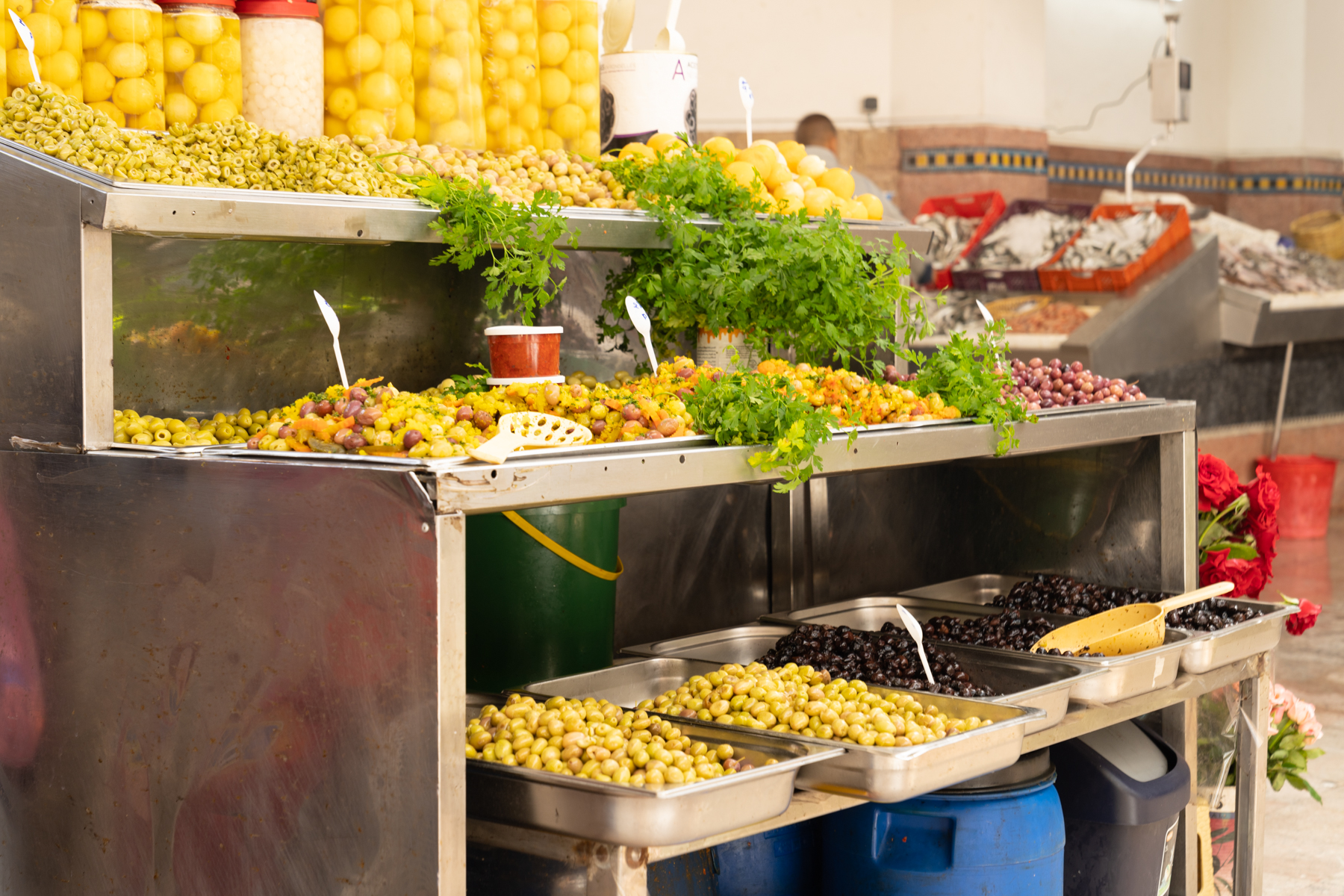
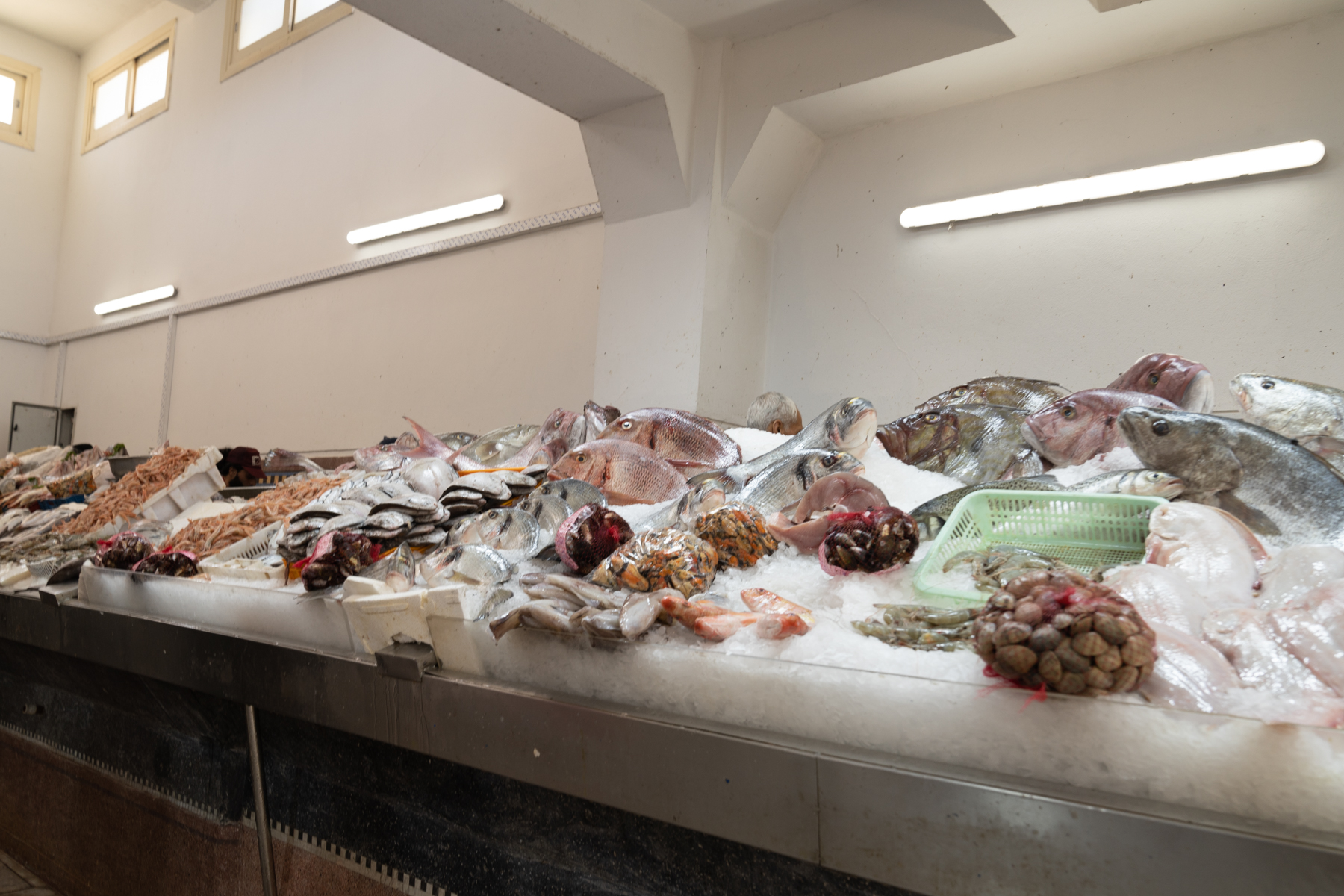
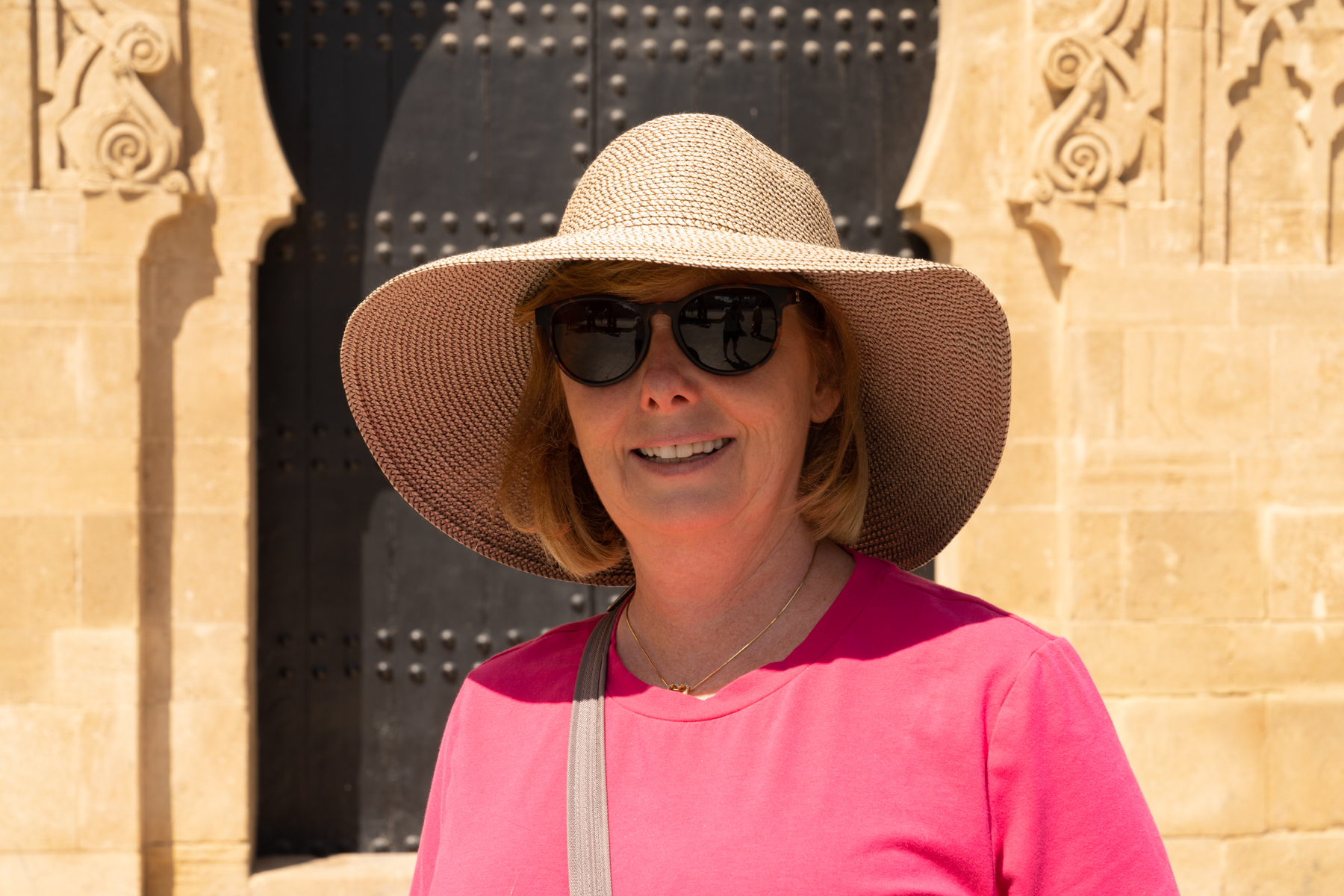
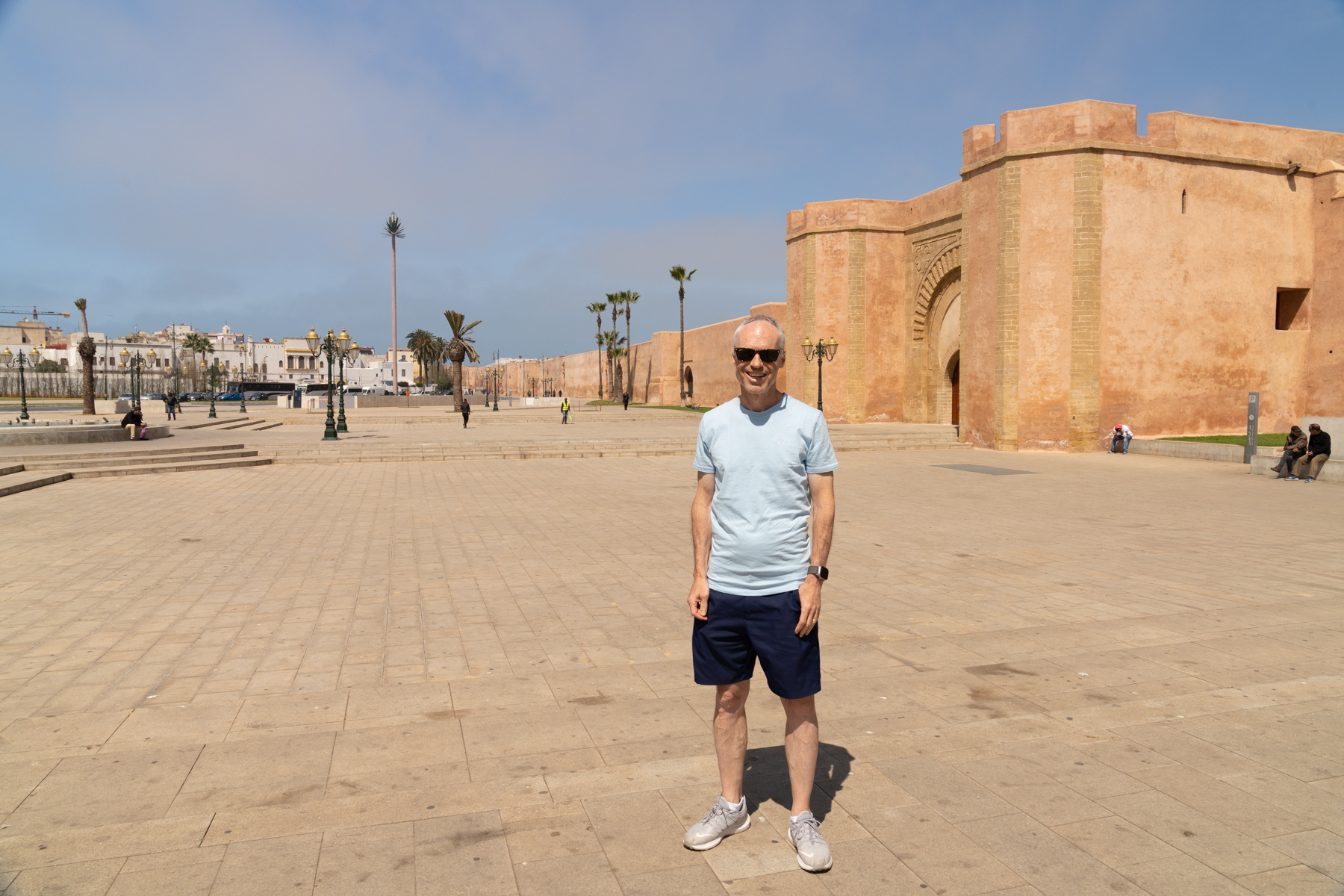
Mohamed had arranged for Dawad to pick us up at a pre-agreed spot outside the medina but the police were diverting traffic as a result of a large funeral nearby for a member of the parliament, so Dawad couldn’t readily stop to pick us up. Mohamed approached the police and negotiated to have the road opened for us. We hopped in the car and headed off to our next stop, the Kasbah of the Udayas.
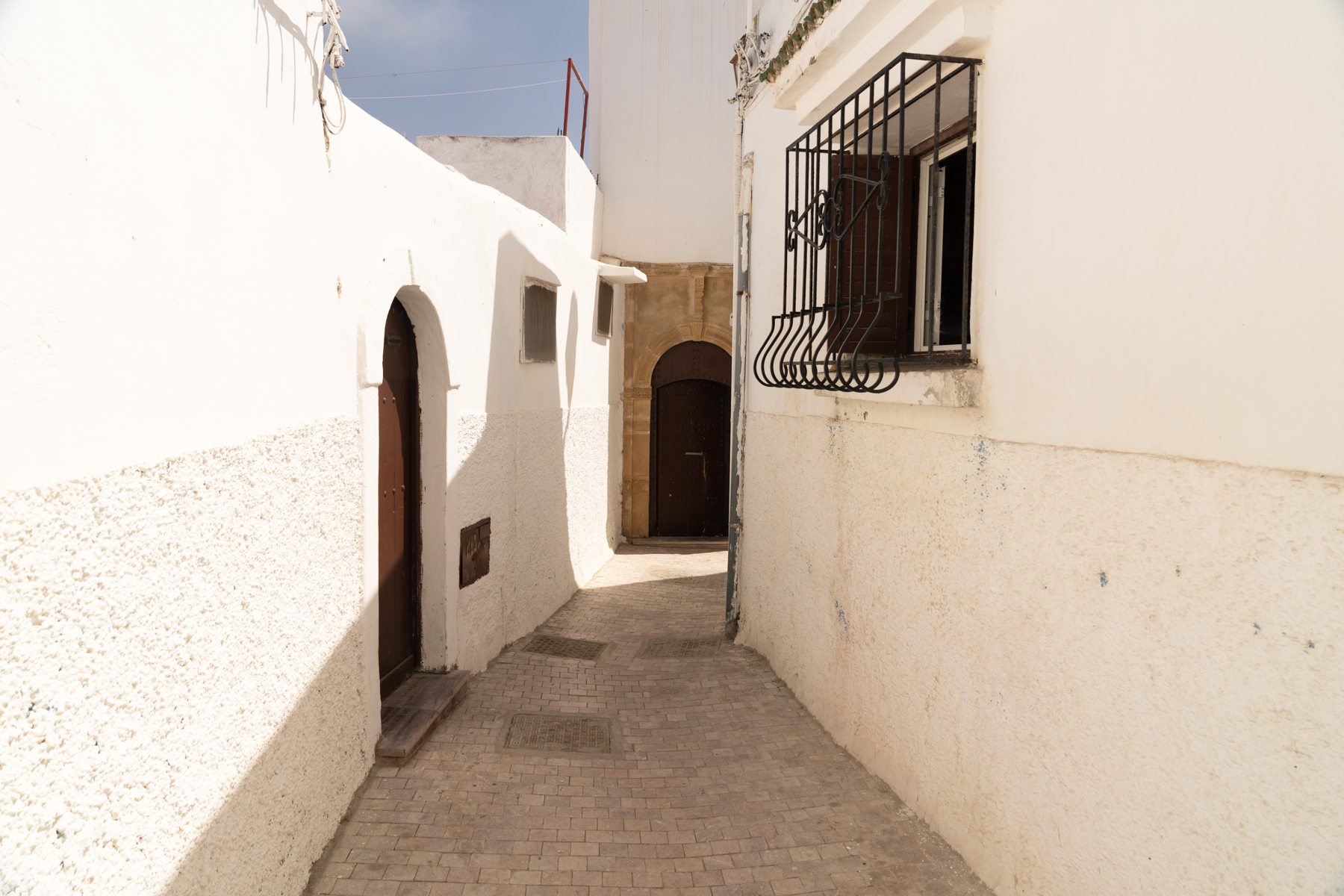
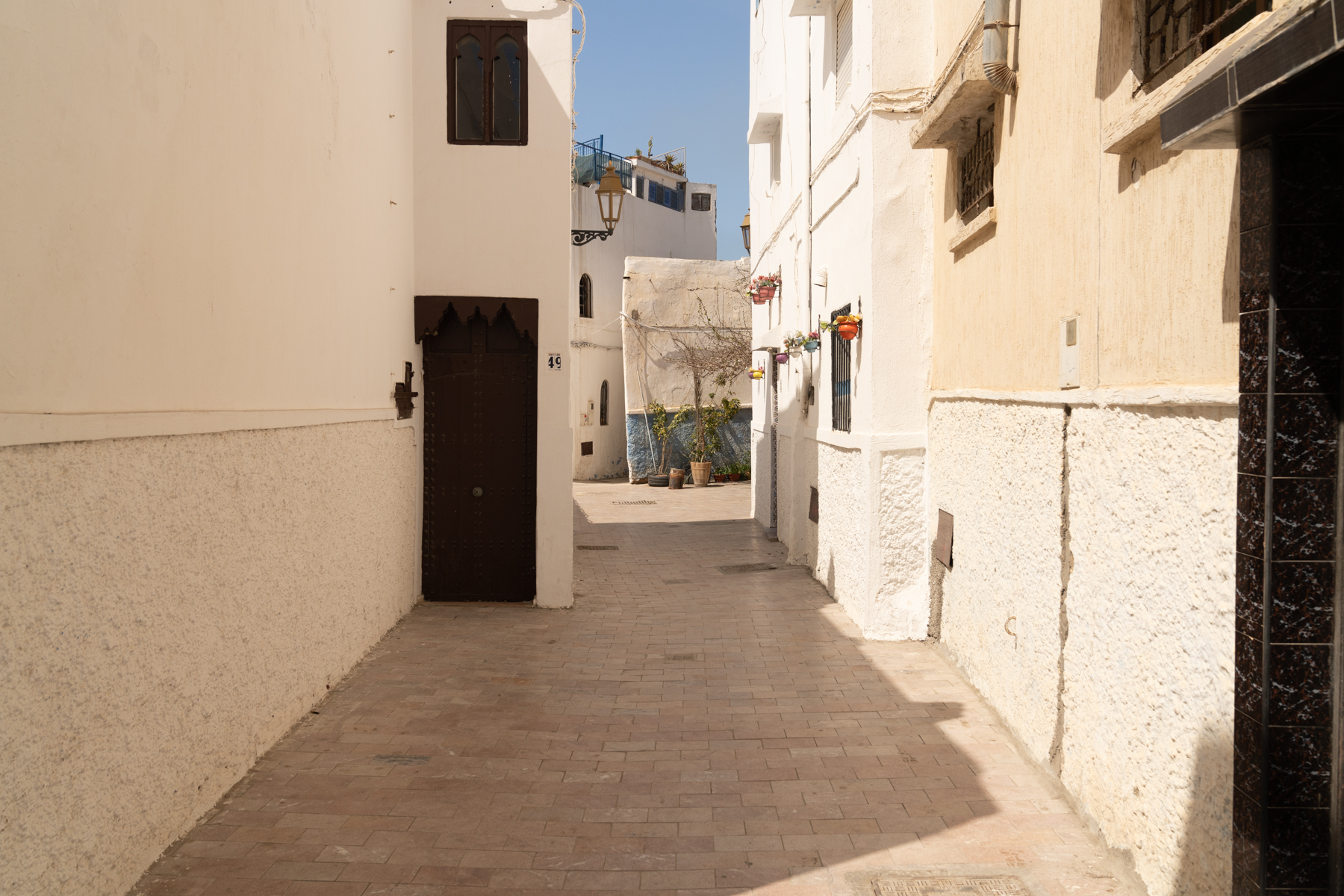
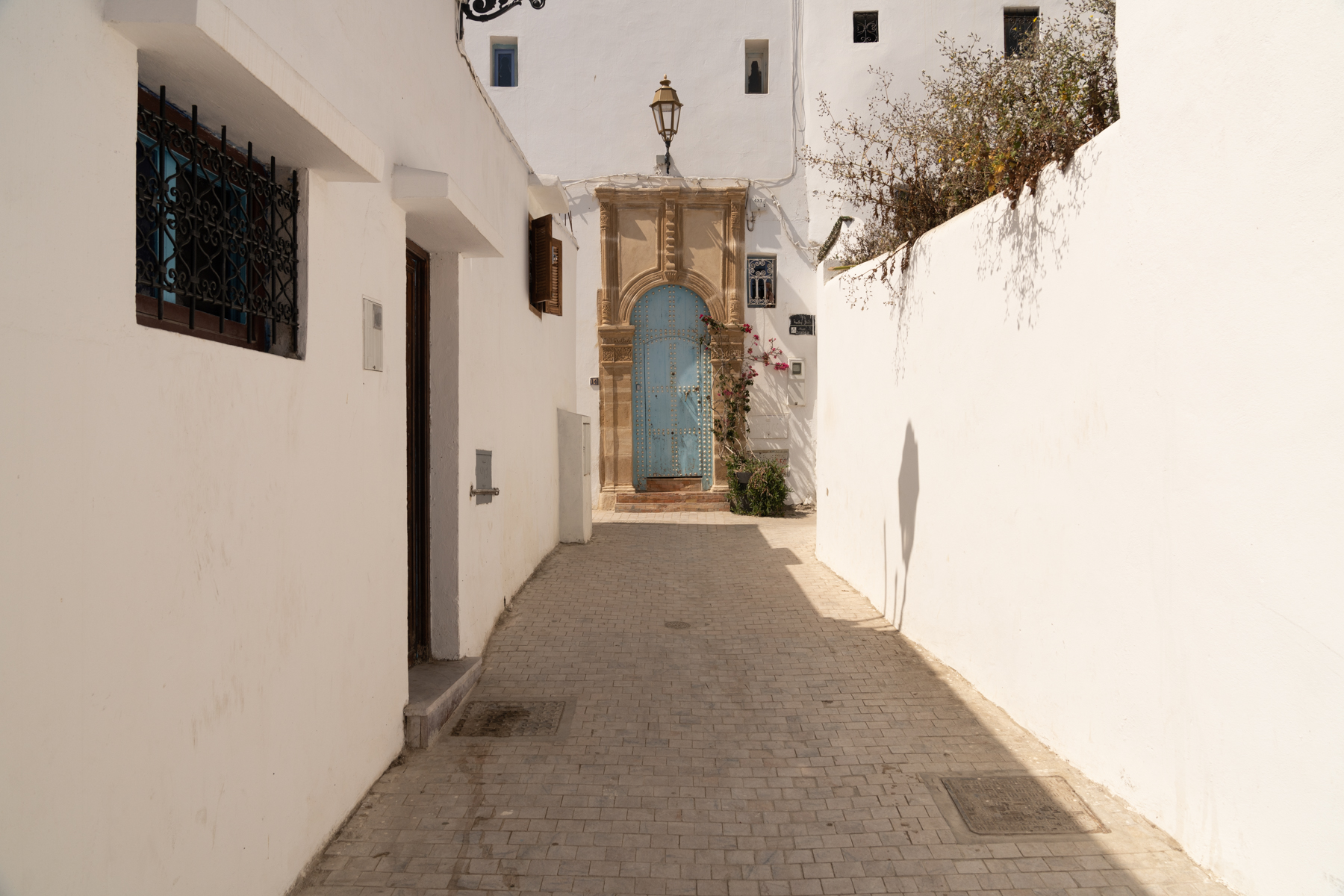
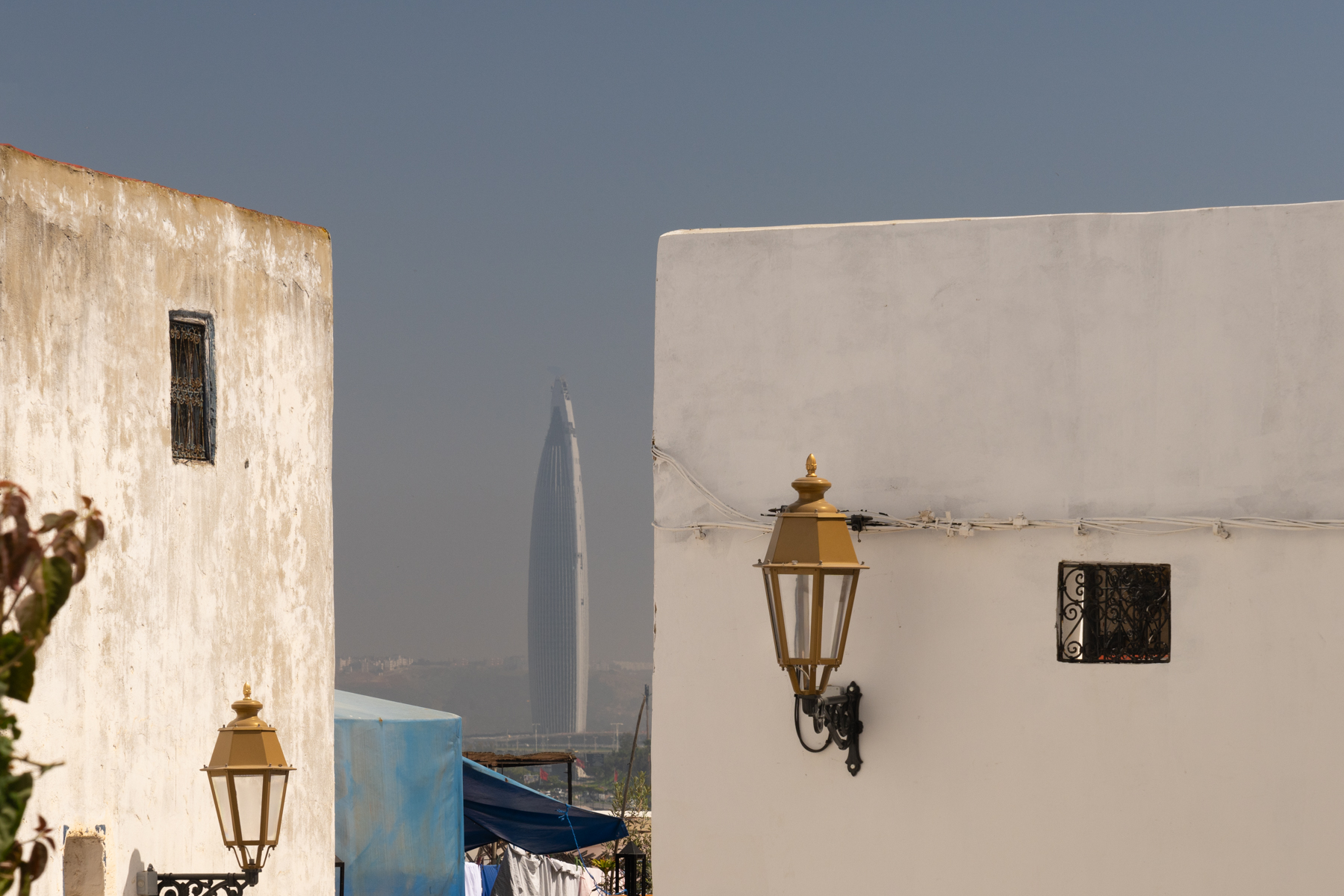
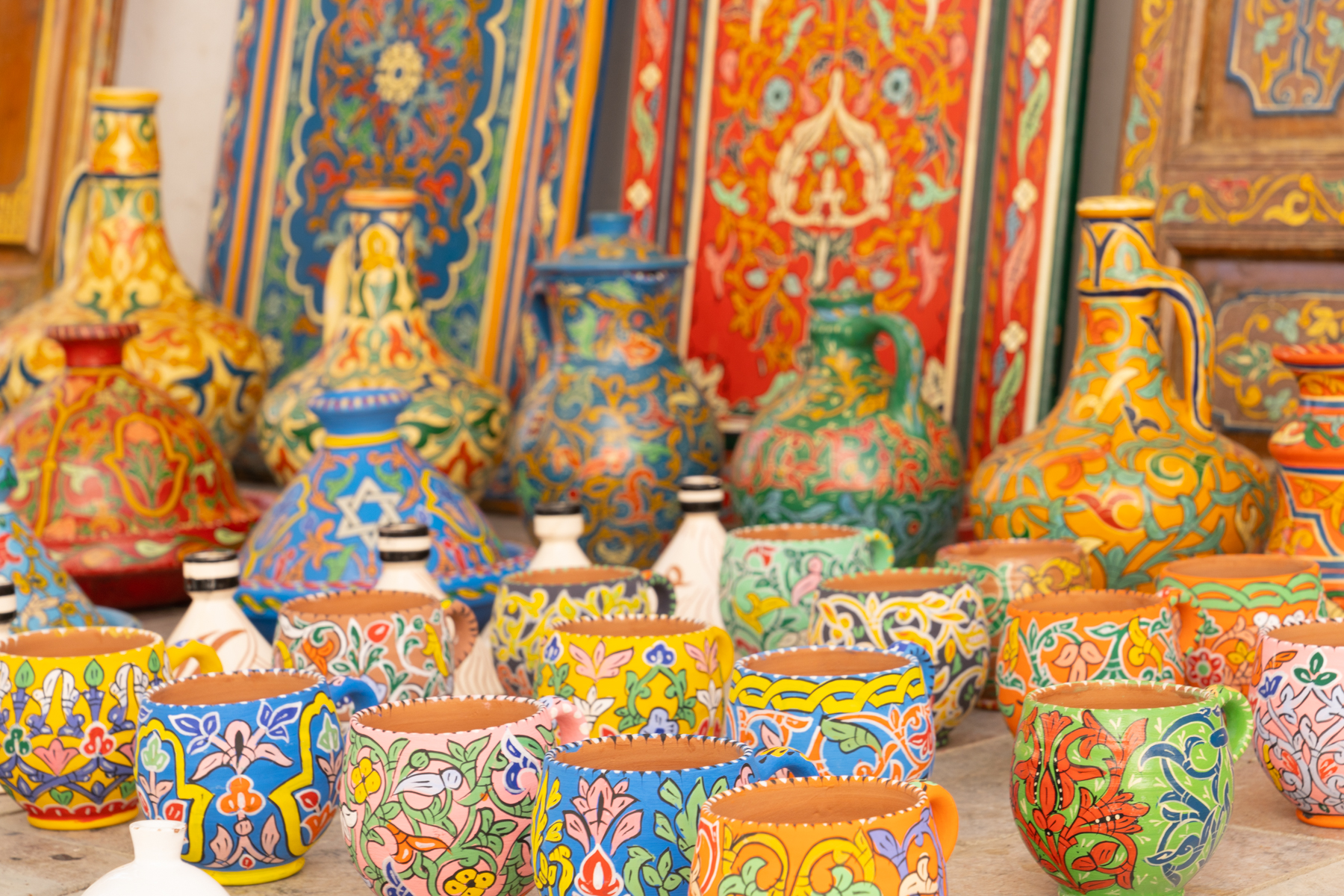
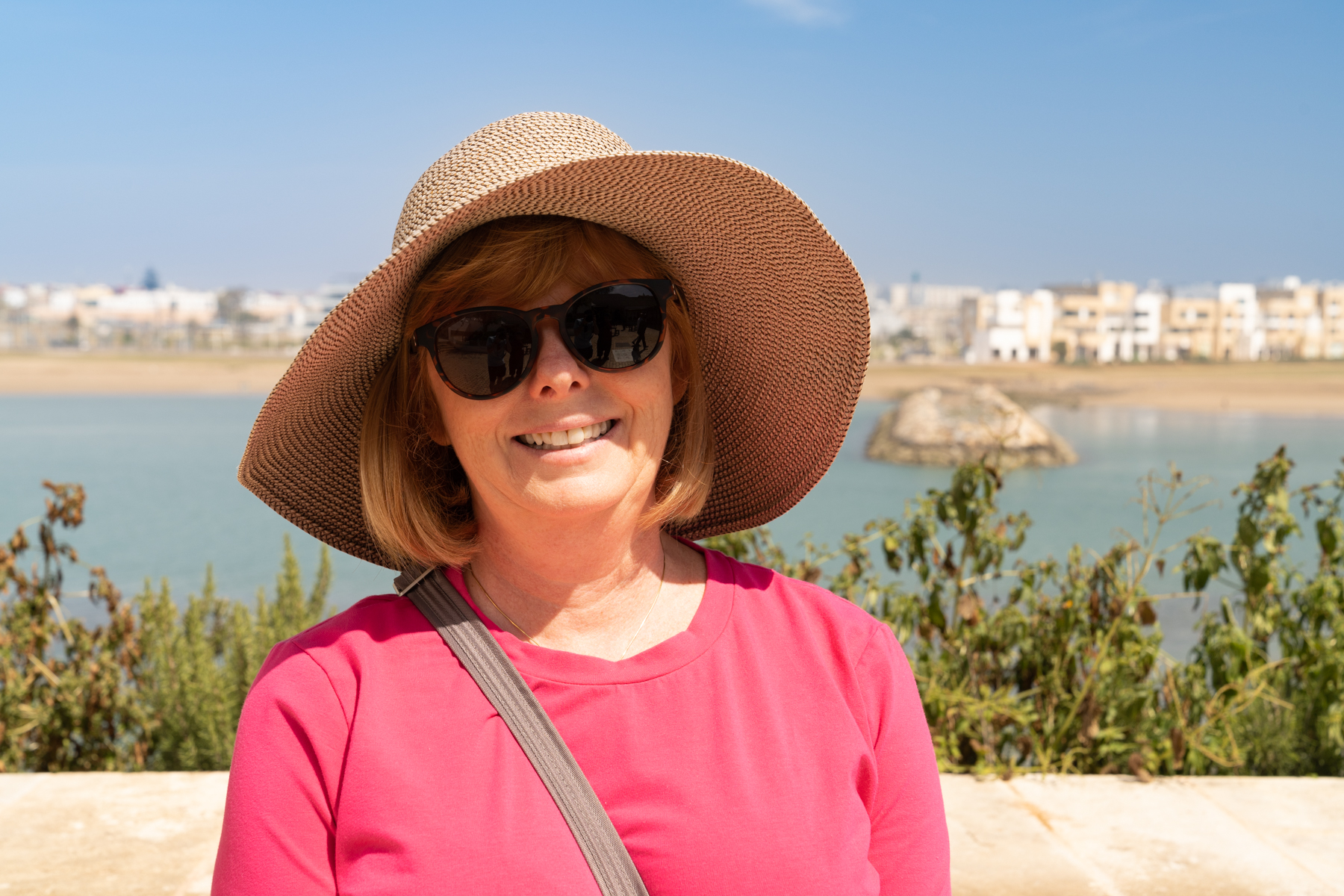
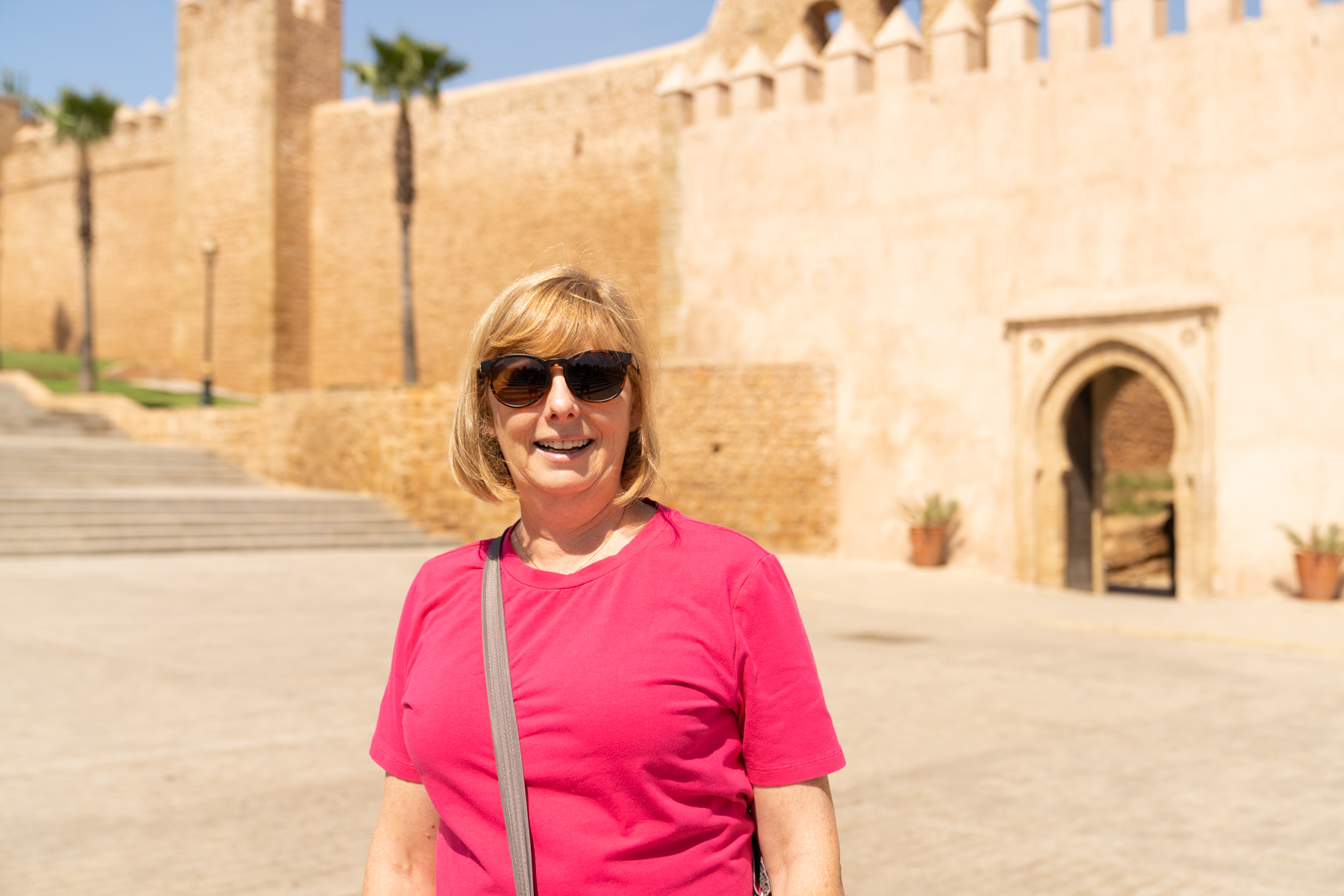
The Kasbah of the Udayas is a citadel in Rabat, located atop a hill at the entrance to the Bou Regreg River. A ribat (fort) has existed on this site since the 10th century. The current kasbah was built in the middle of the 12th century. Today, the majority of the buildings inside the kasbah are occupied by local residents and a few shopkeepers.
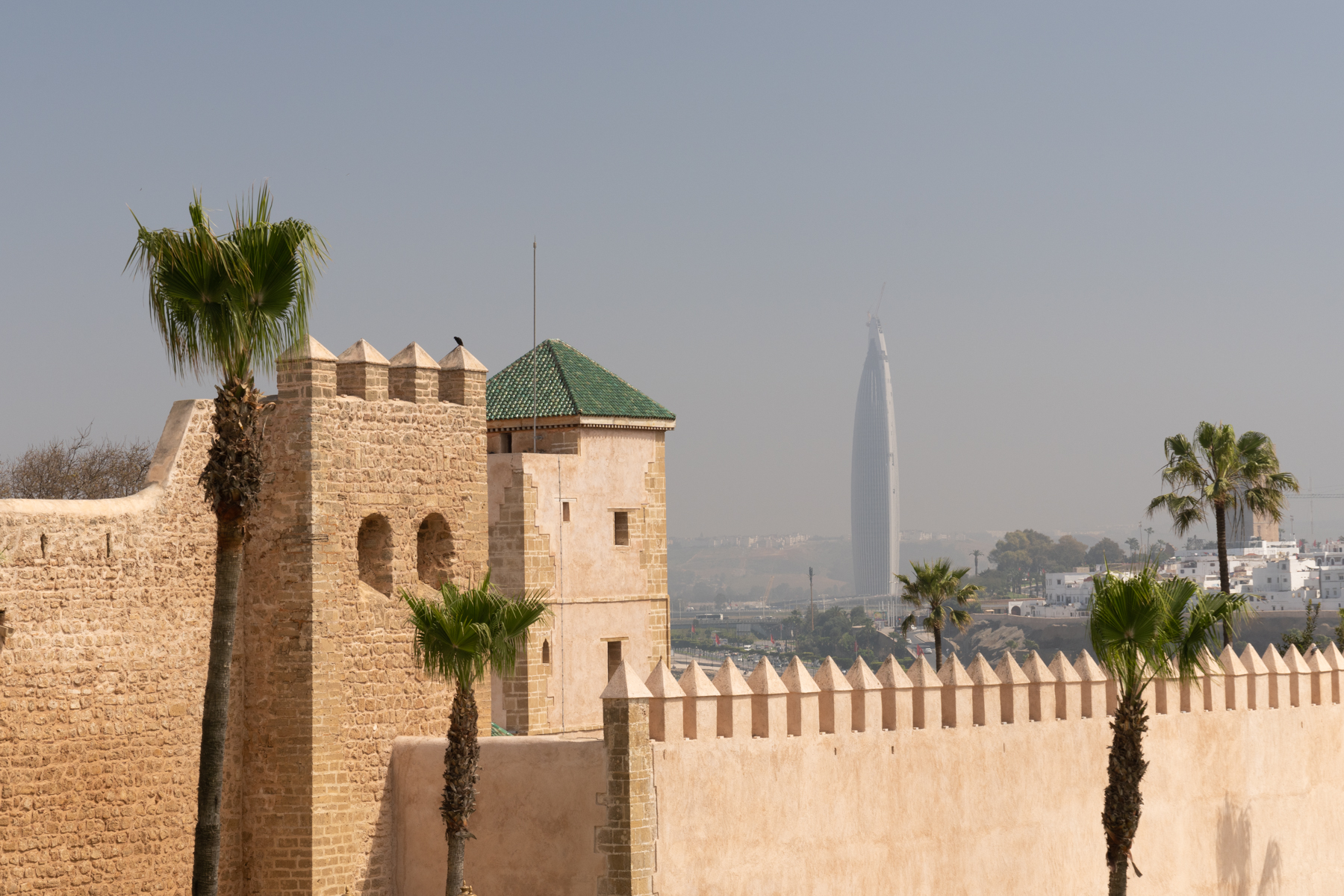
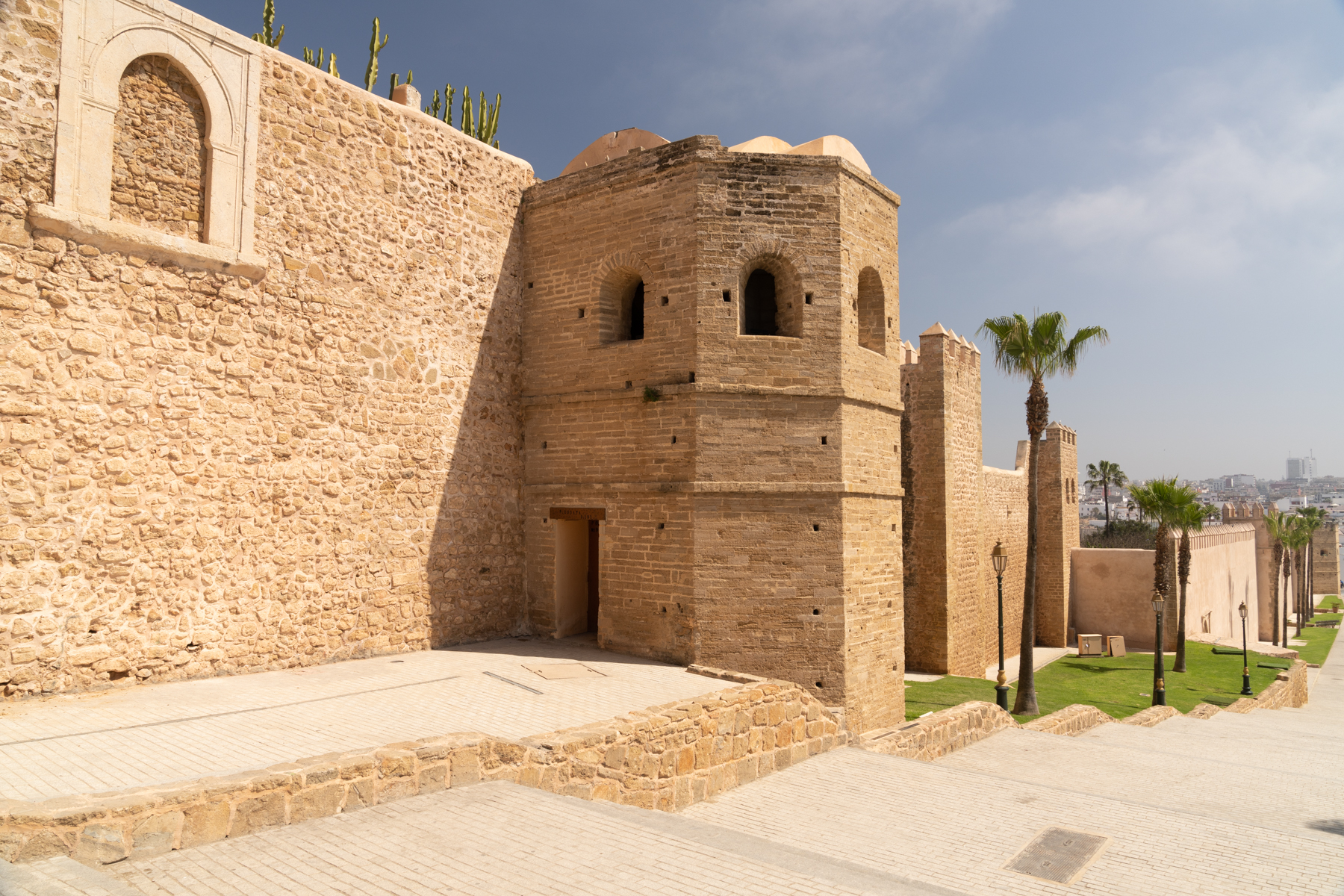
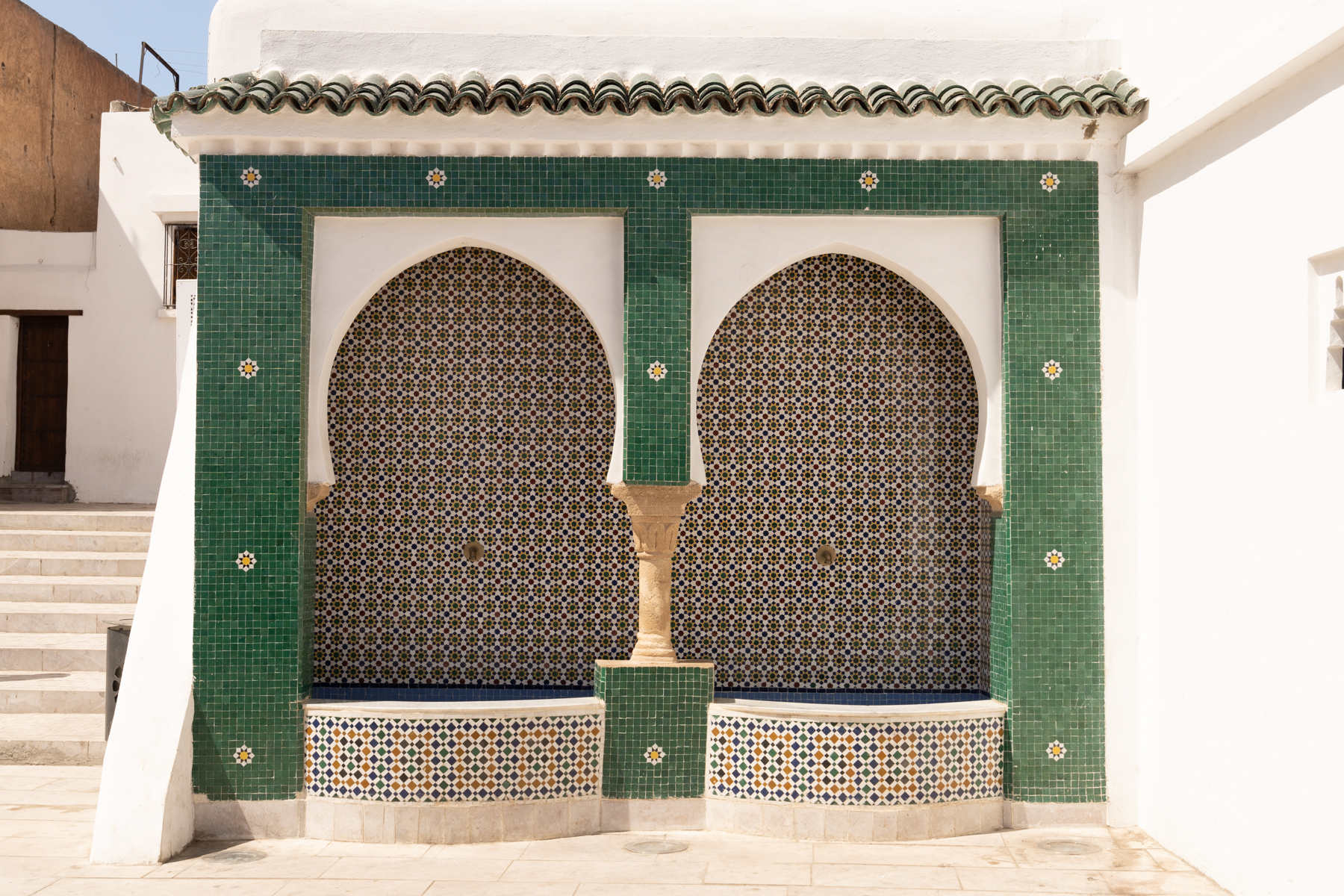
From the kasbah we had a short drive to our next location of interest, the Hassan Tower. The Hassan Tower is the minaret of an incomplete mosque, commissioned by the third Caliph of the Almohad Caliphate, near the end of the 12th century. It was intended that the mosque would be the largest in the world but when the caliph died in 1199, construction ceased. The minaret was 44 metres tall when building stopped and, more than 800 years later, that is how it stands today. The building of the mosque did not progress beyond the initial placement of the supporting columns (many of which have been destroyed by earthquakes and are now being restored). A modern-day mausoleum (for Mohammed V) has also been constructed on the site.
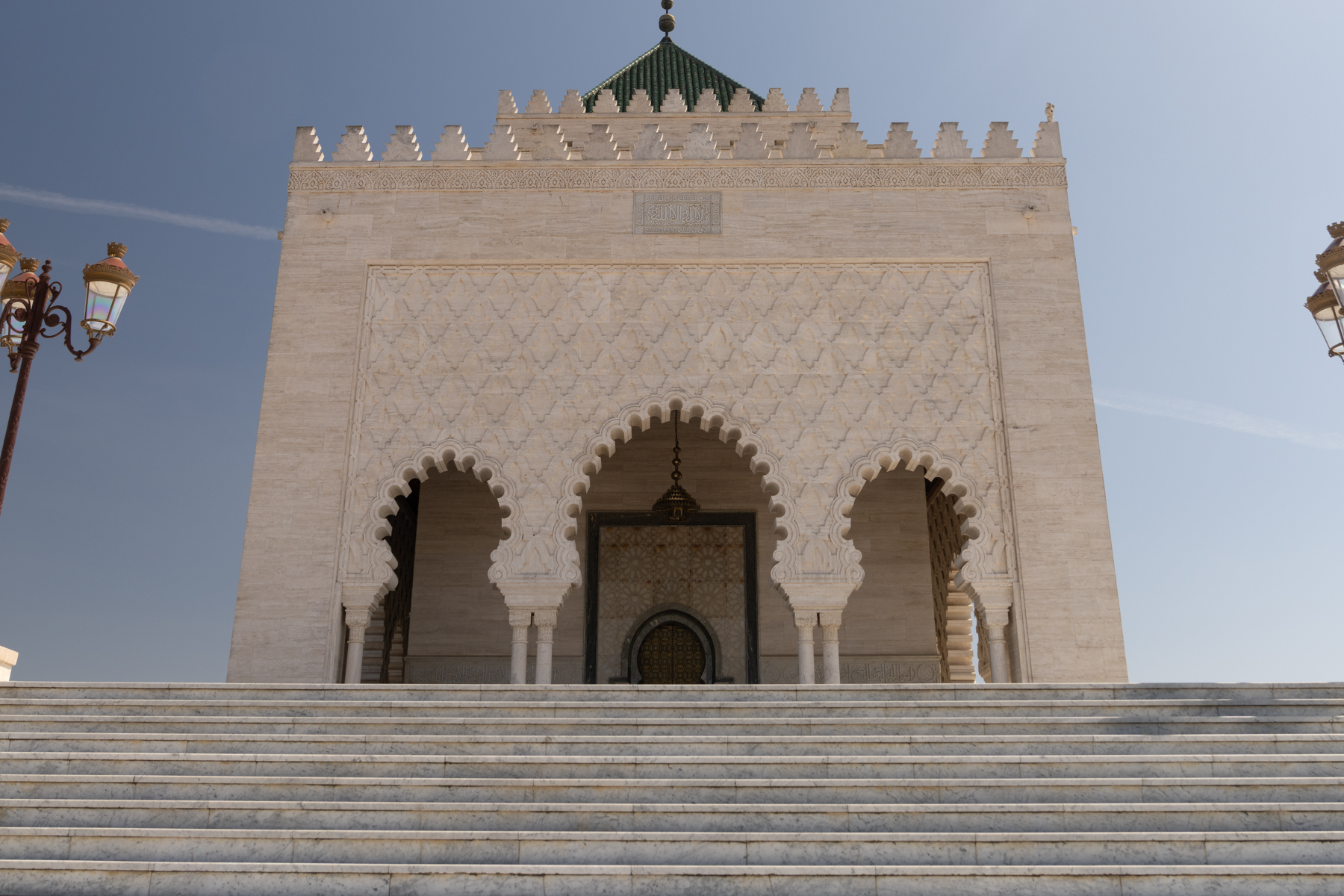
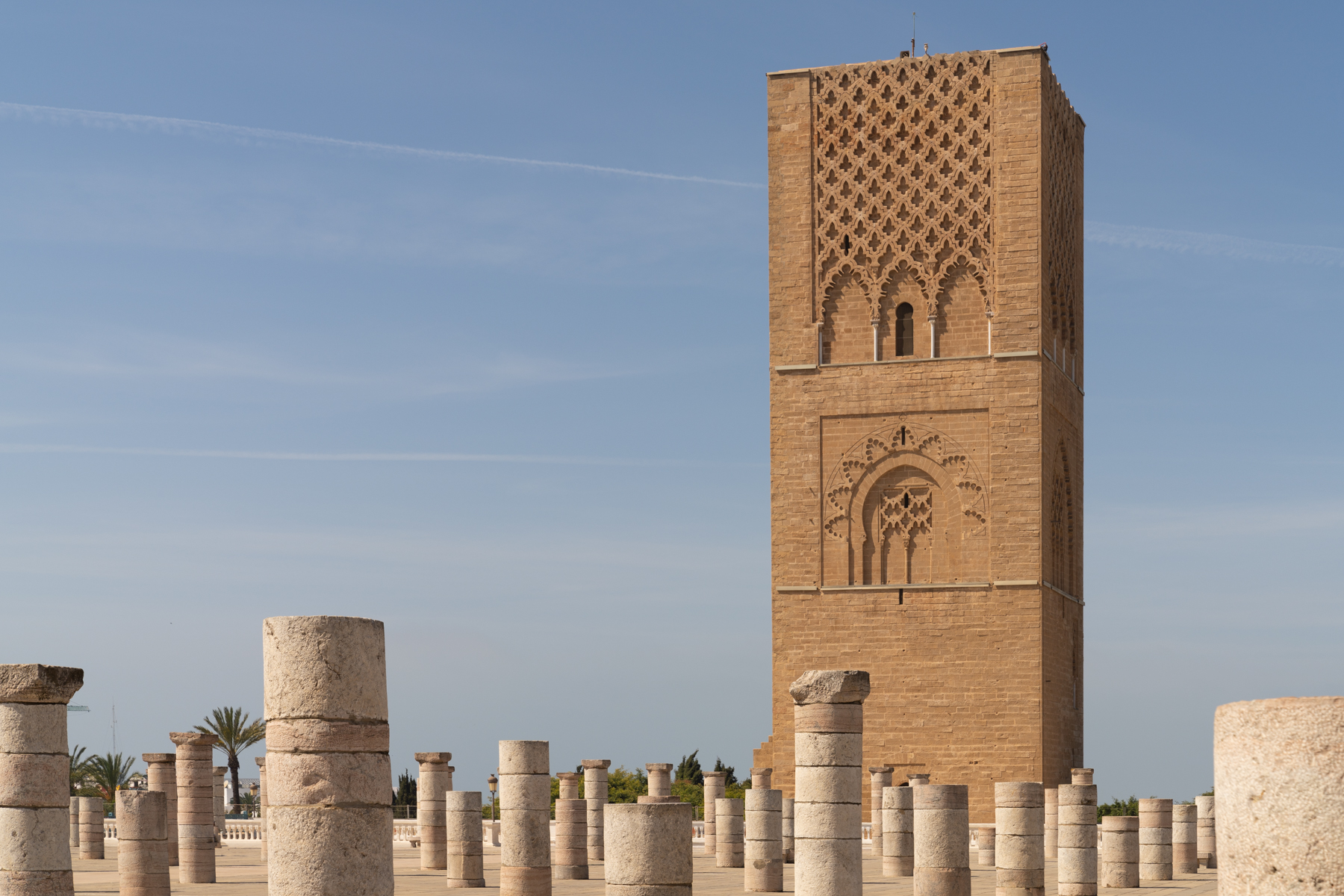
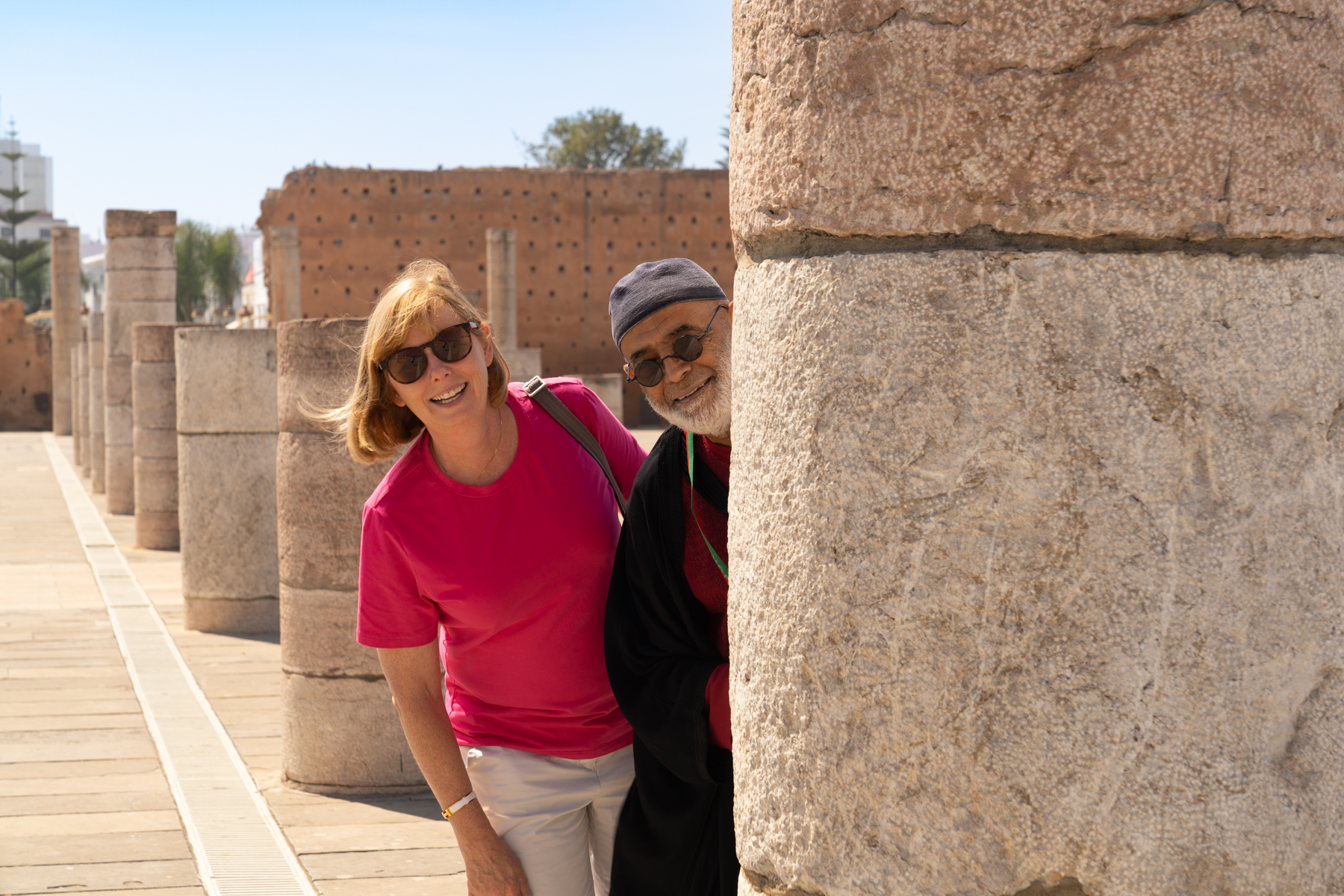
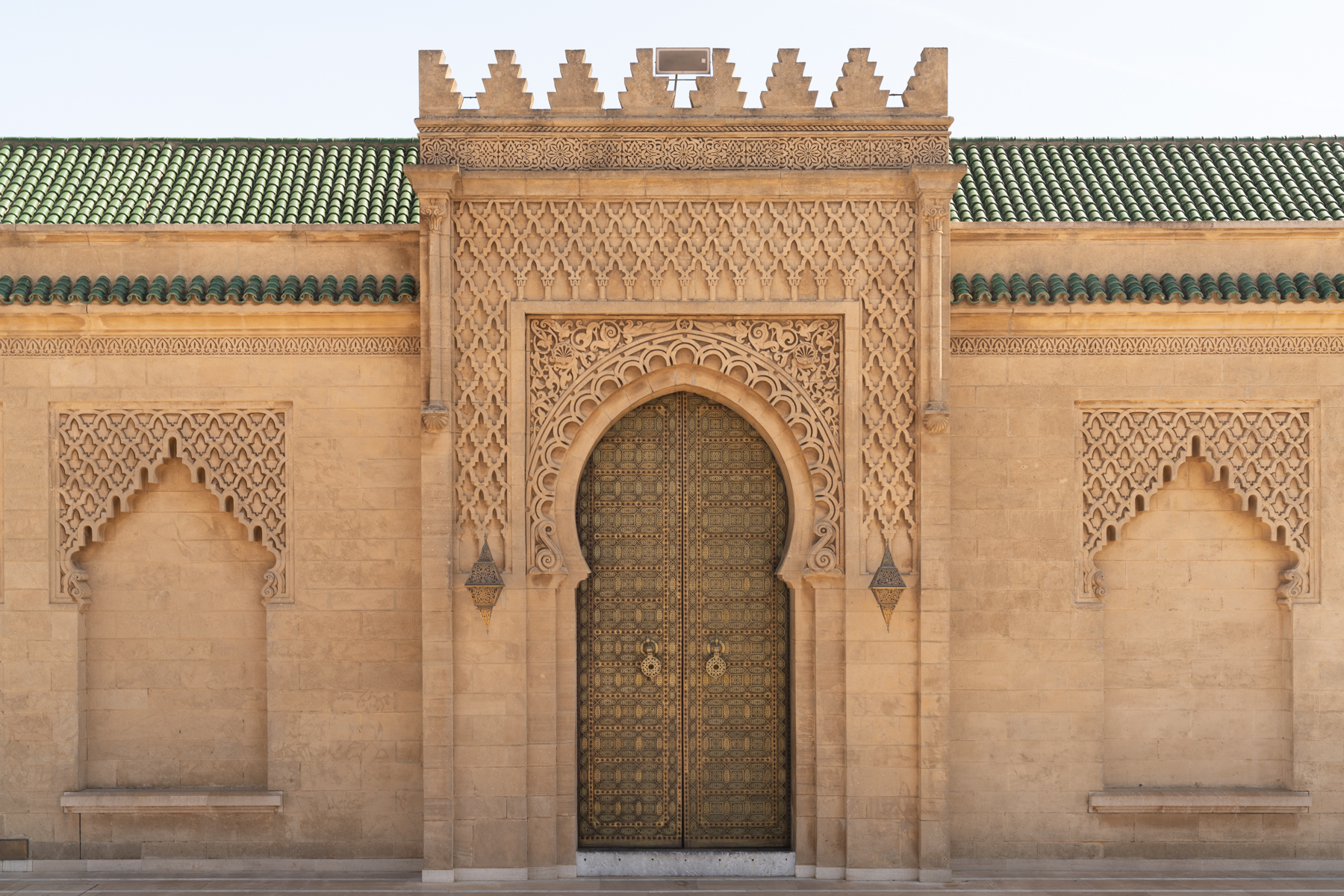
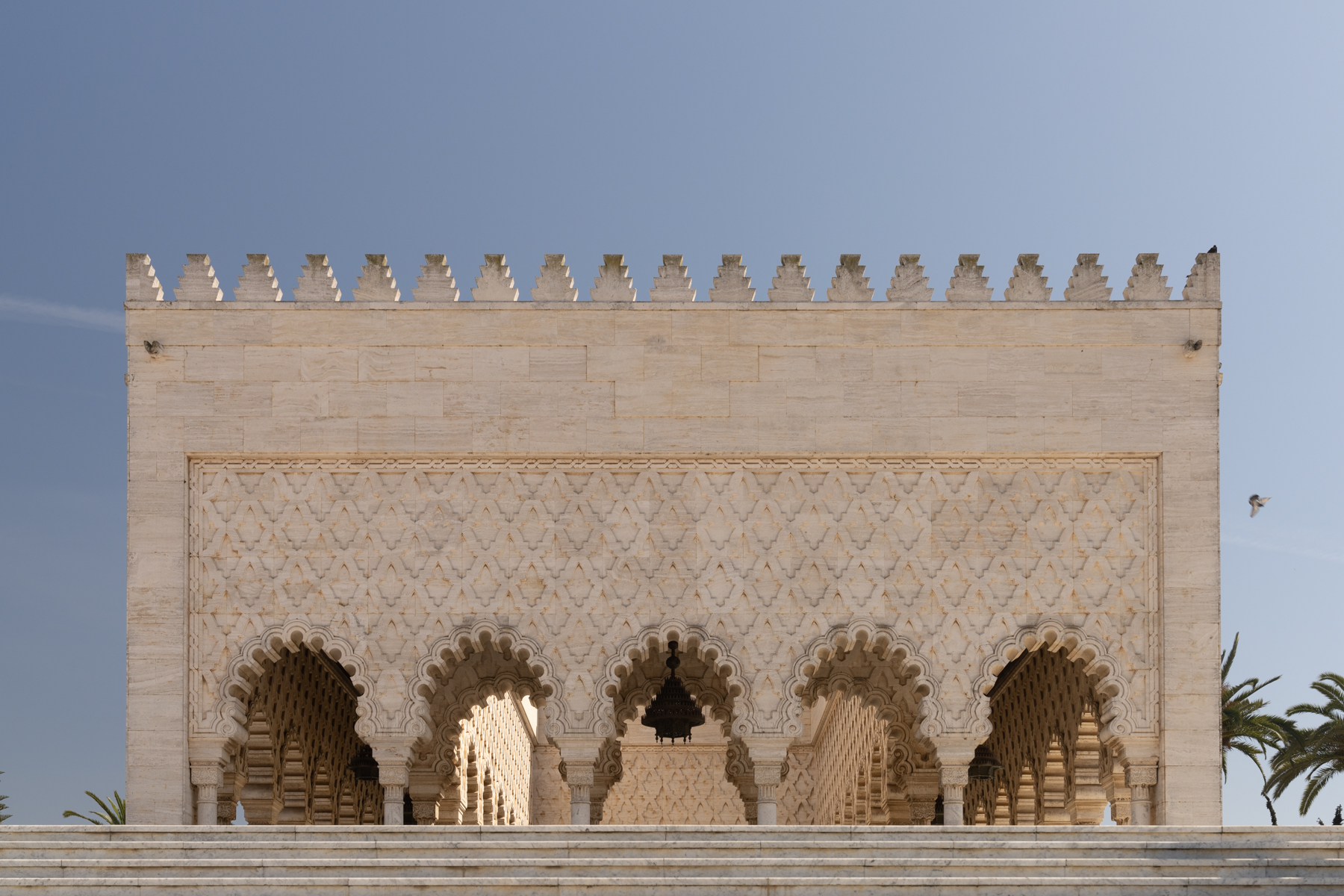
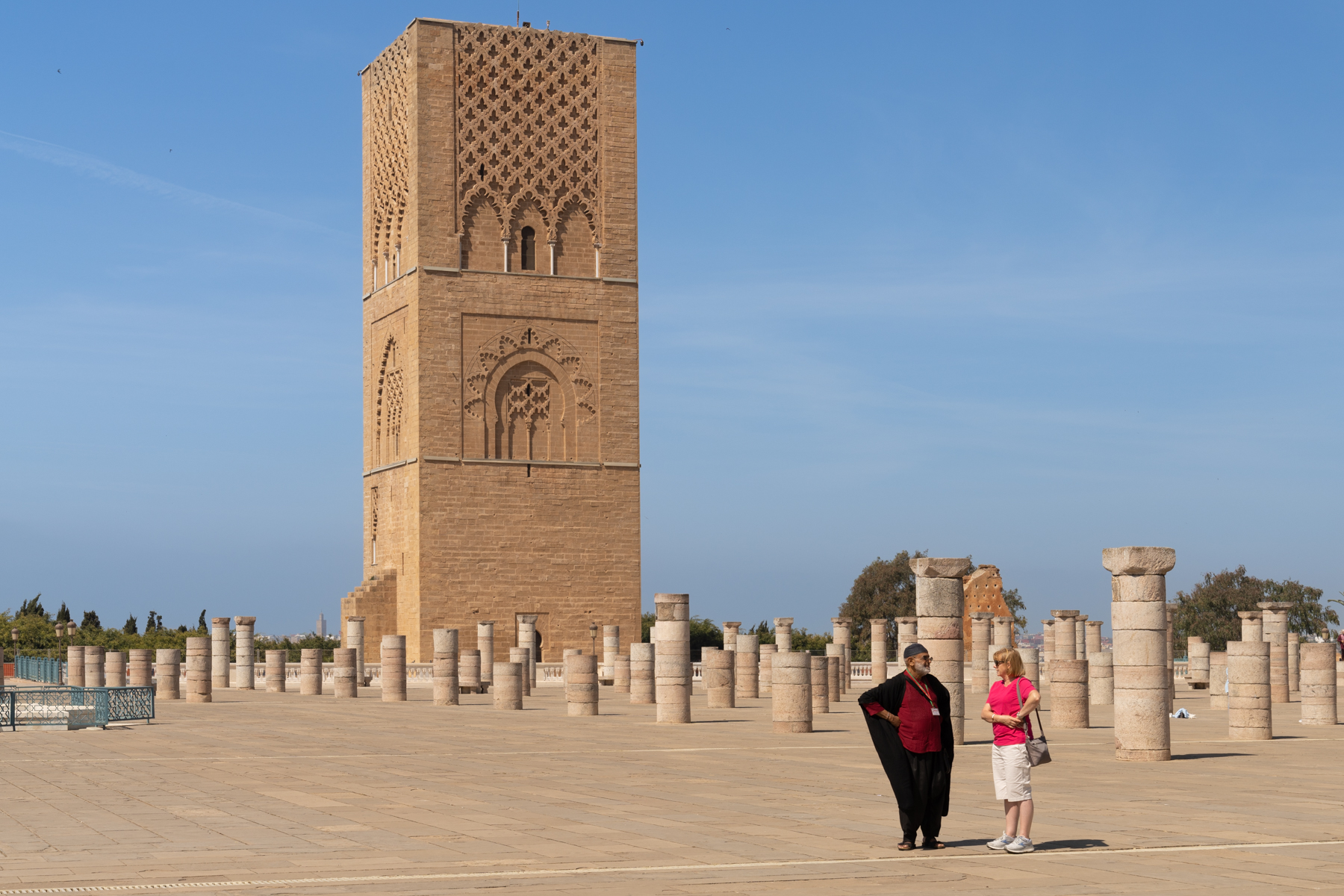
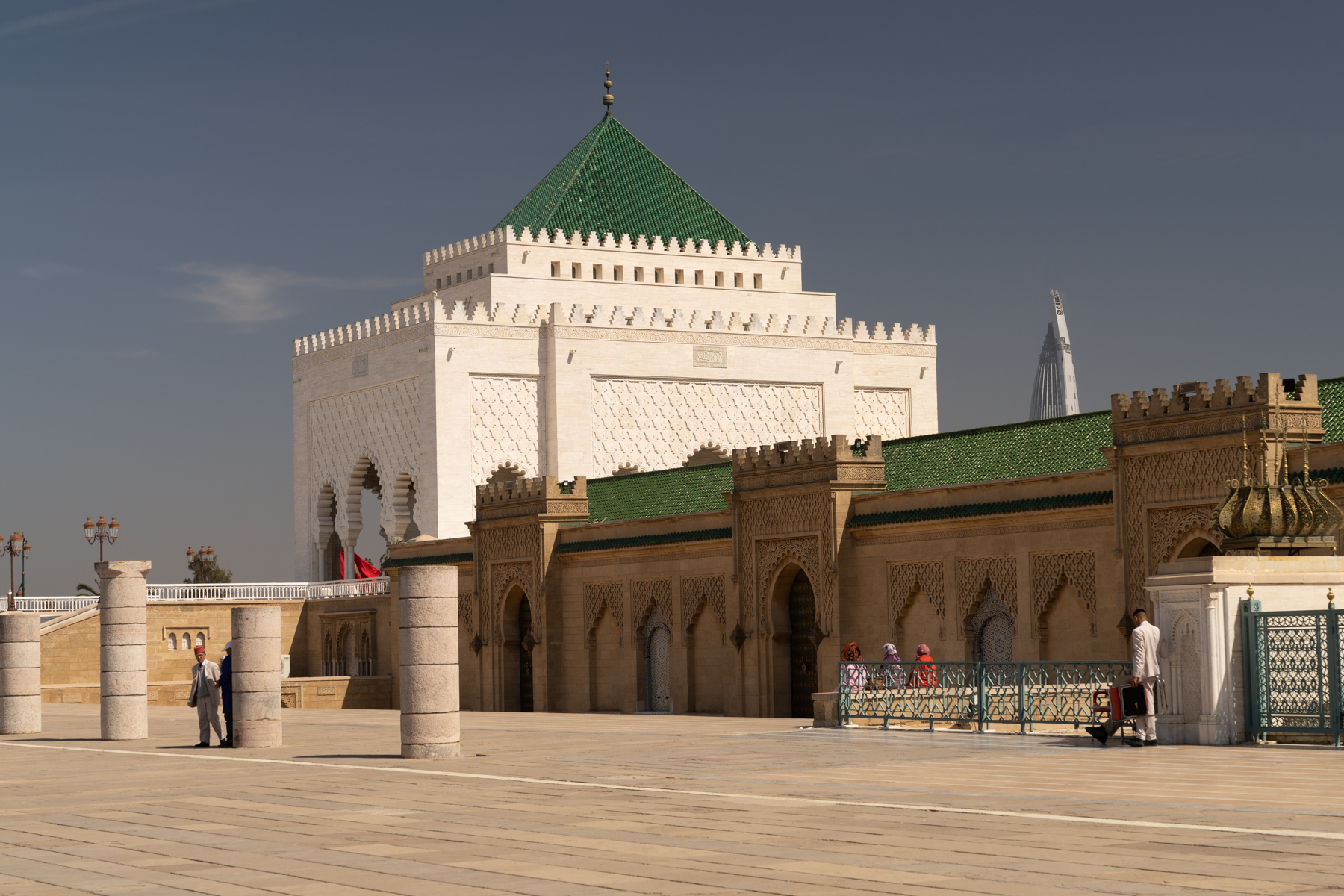
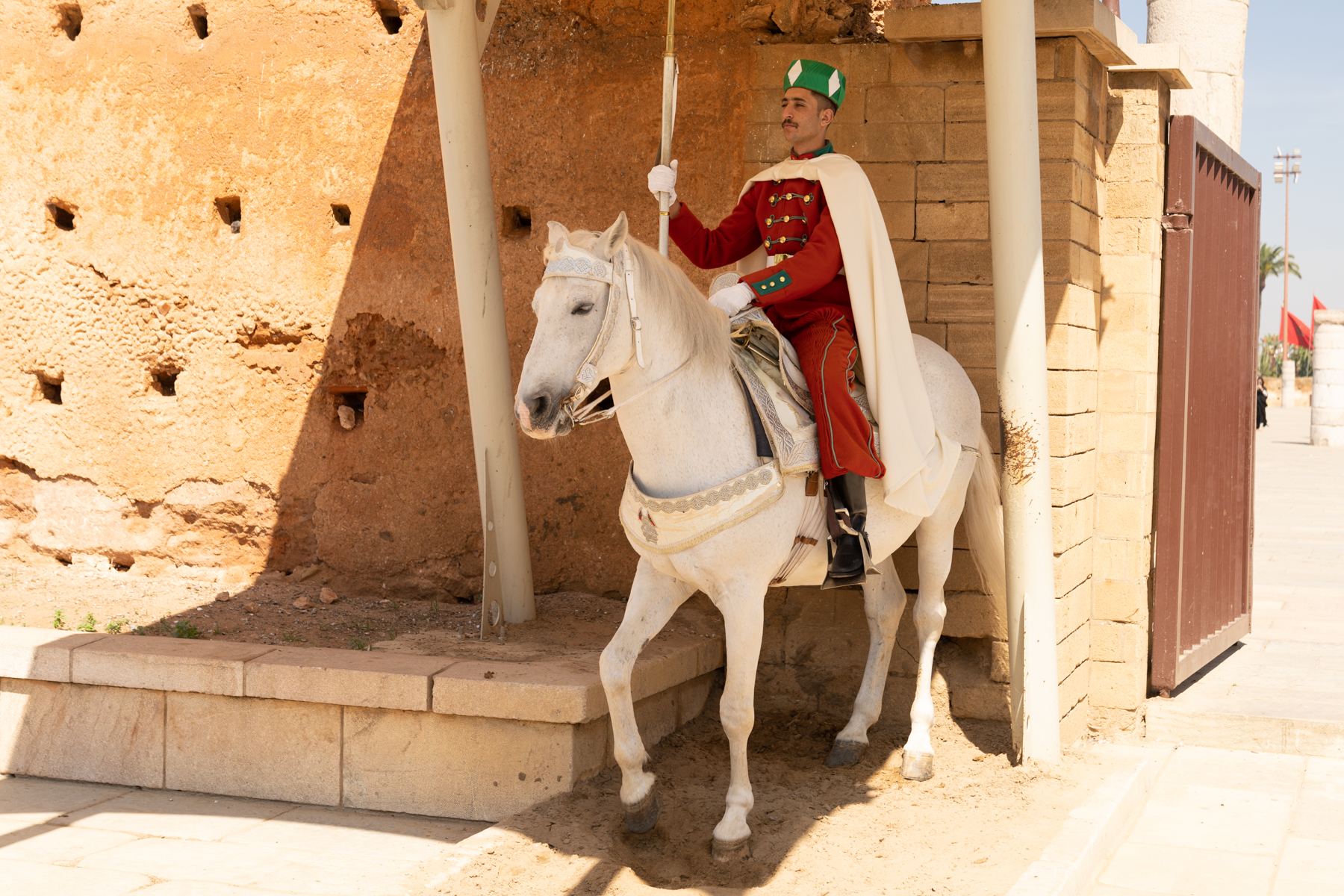
After a very pleasant walk around the Hassan Tower we got back in the car and drove past the Royal Palace (well hidden behind a large fence) and around some of the interesting government buildings.
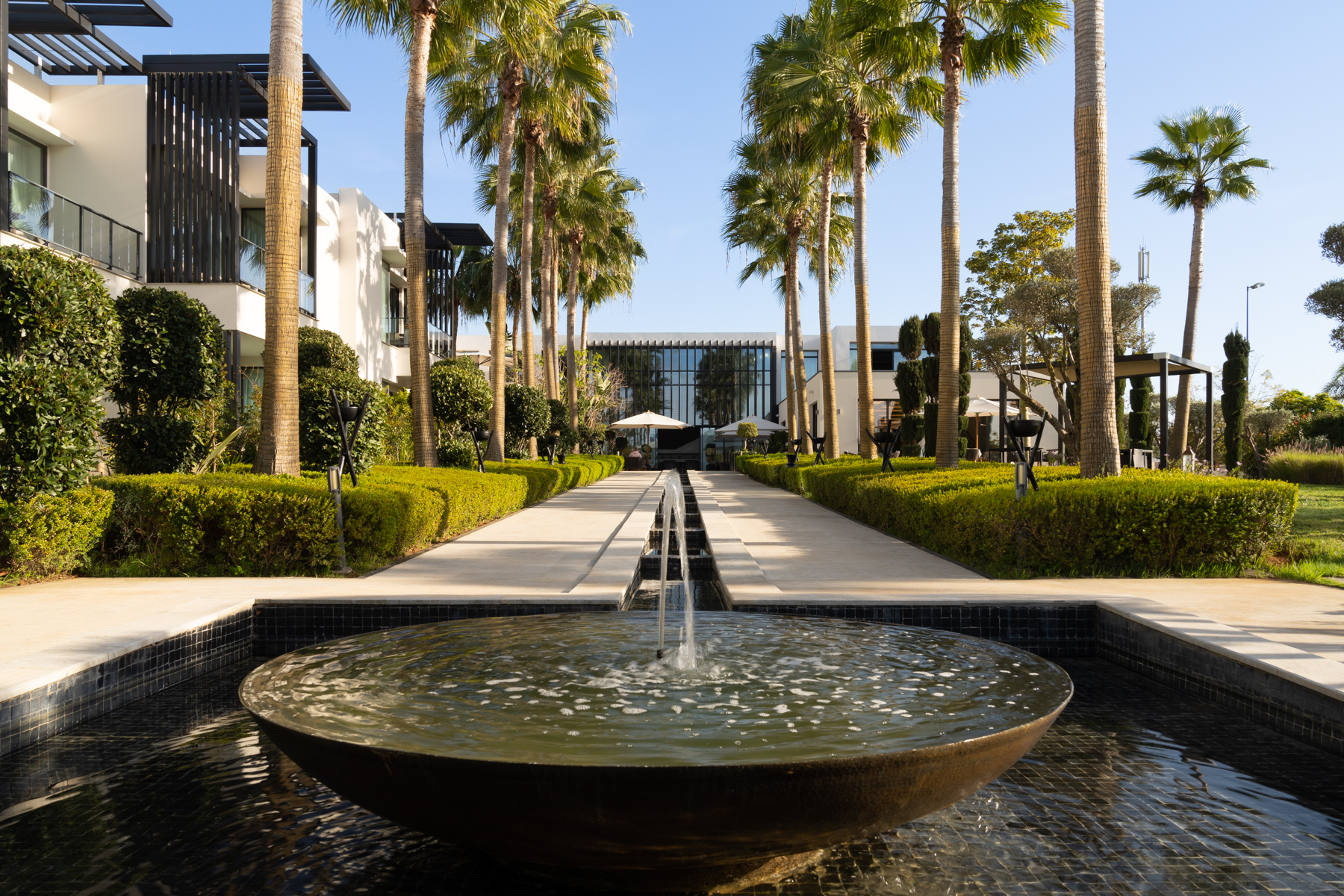
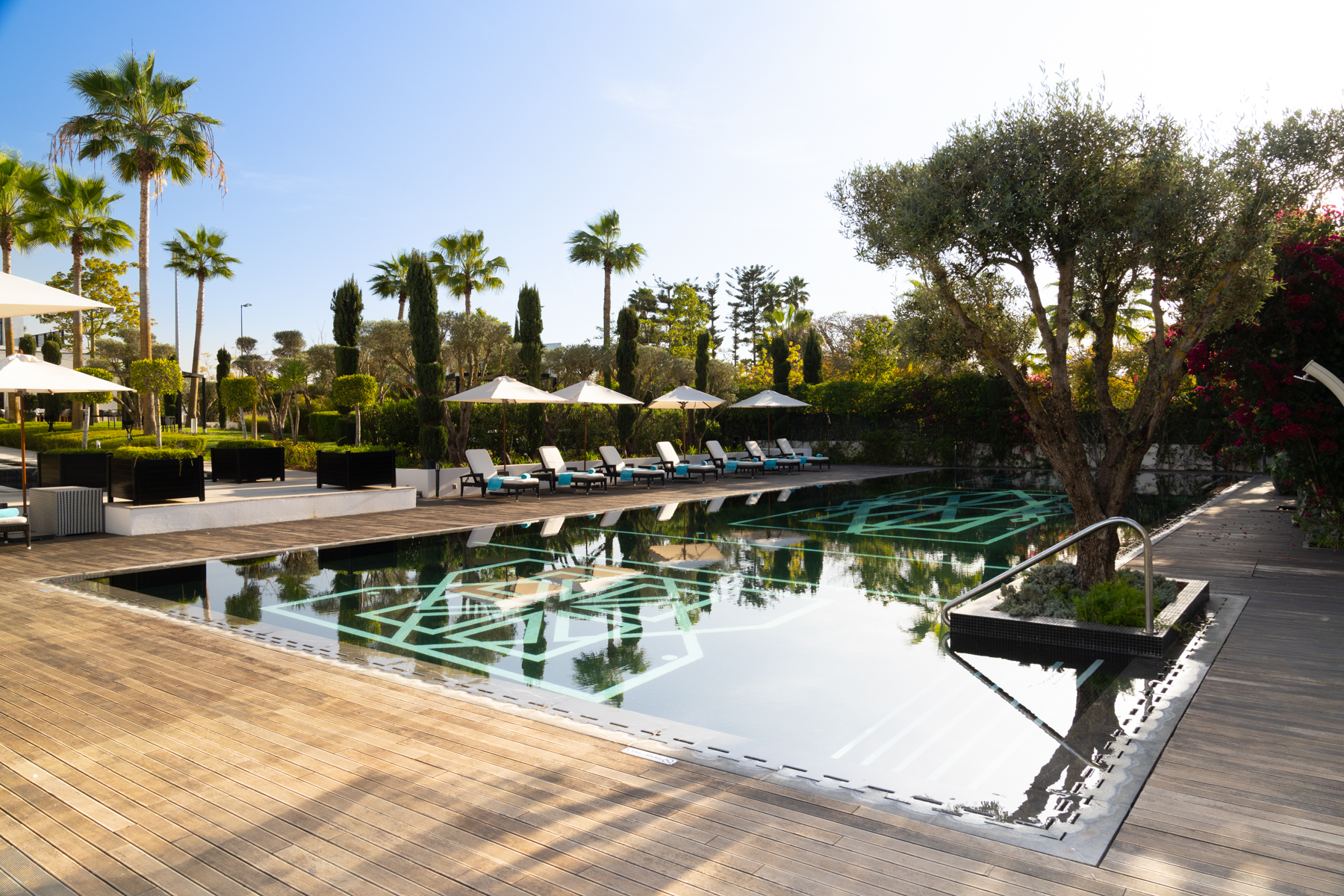
We left the government area and headed for our last stop of the day, the Story Rabat Hotel, where we are spending the night. The hotel is modern and beautiful.
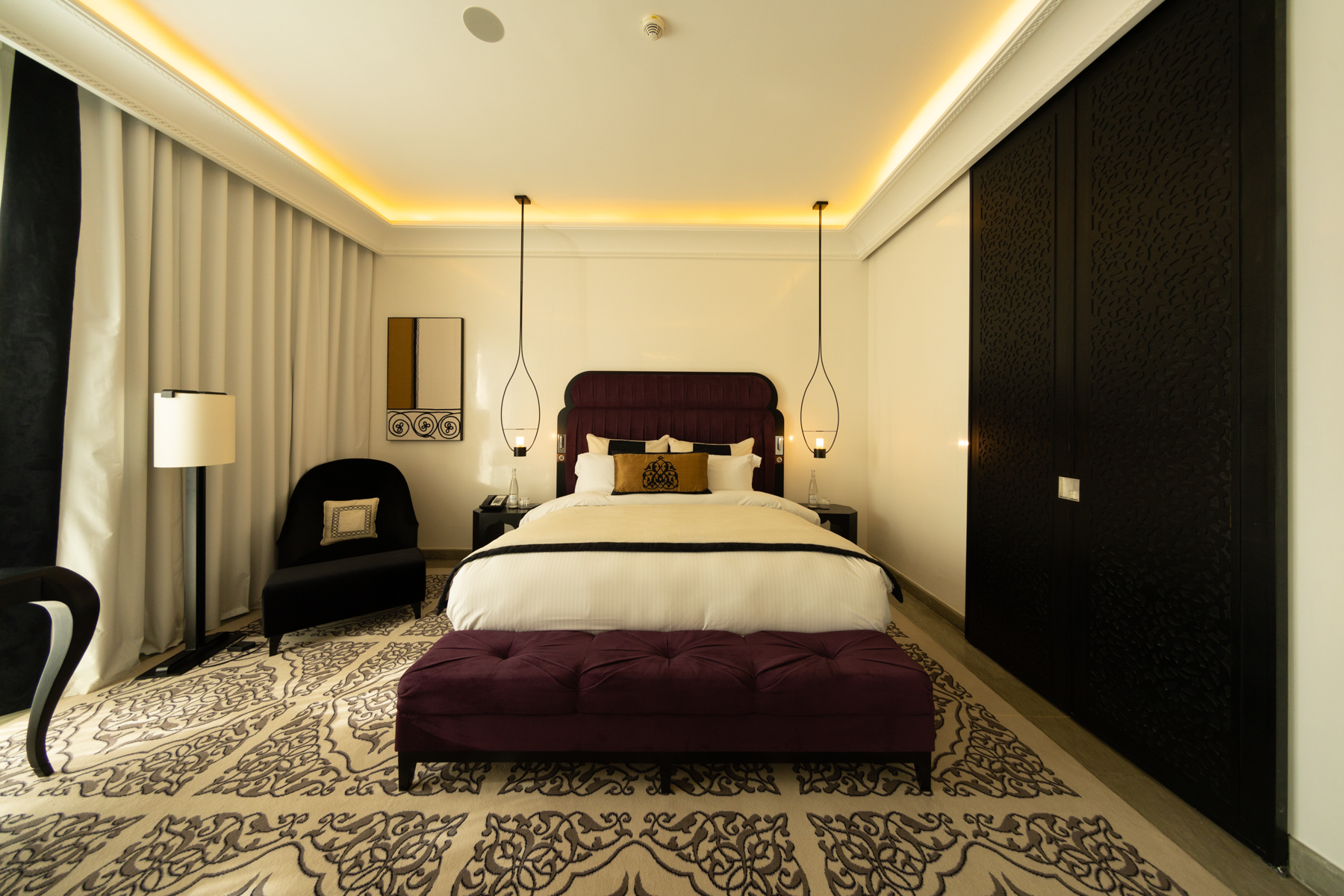
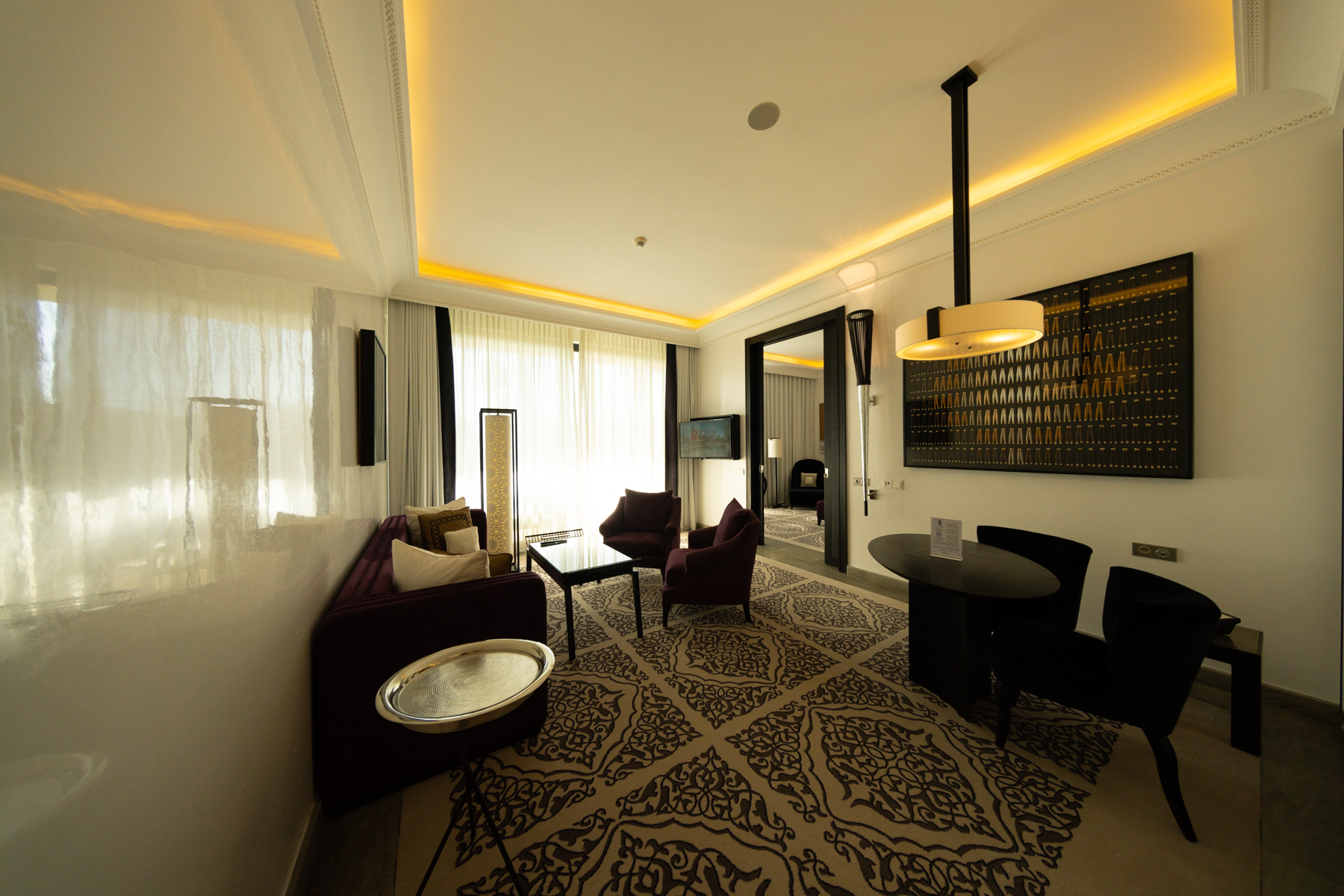
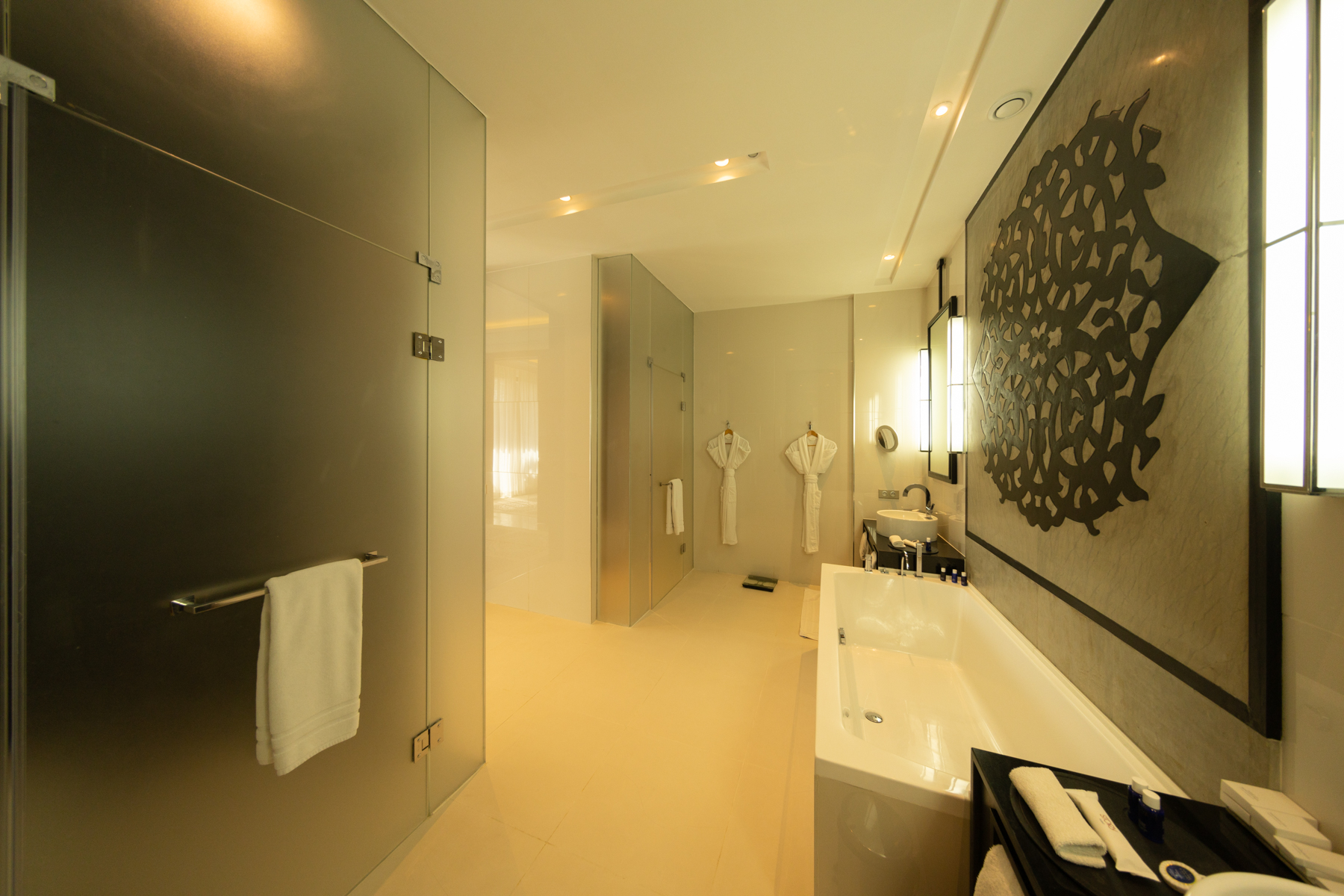
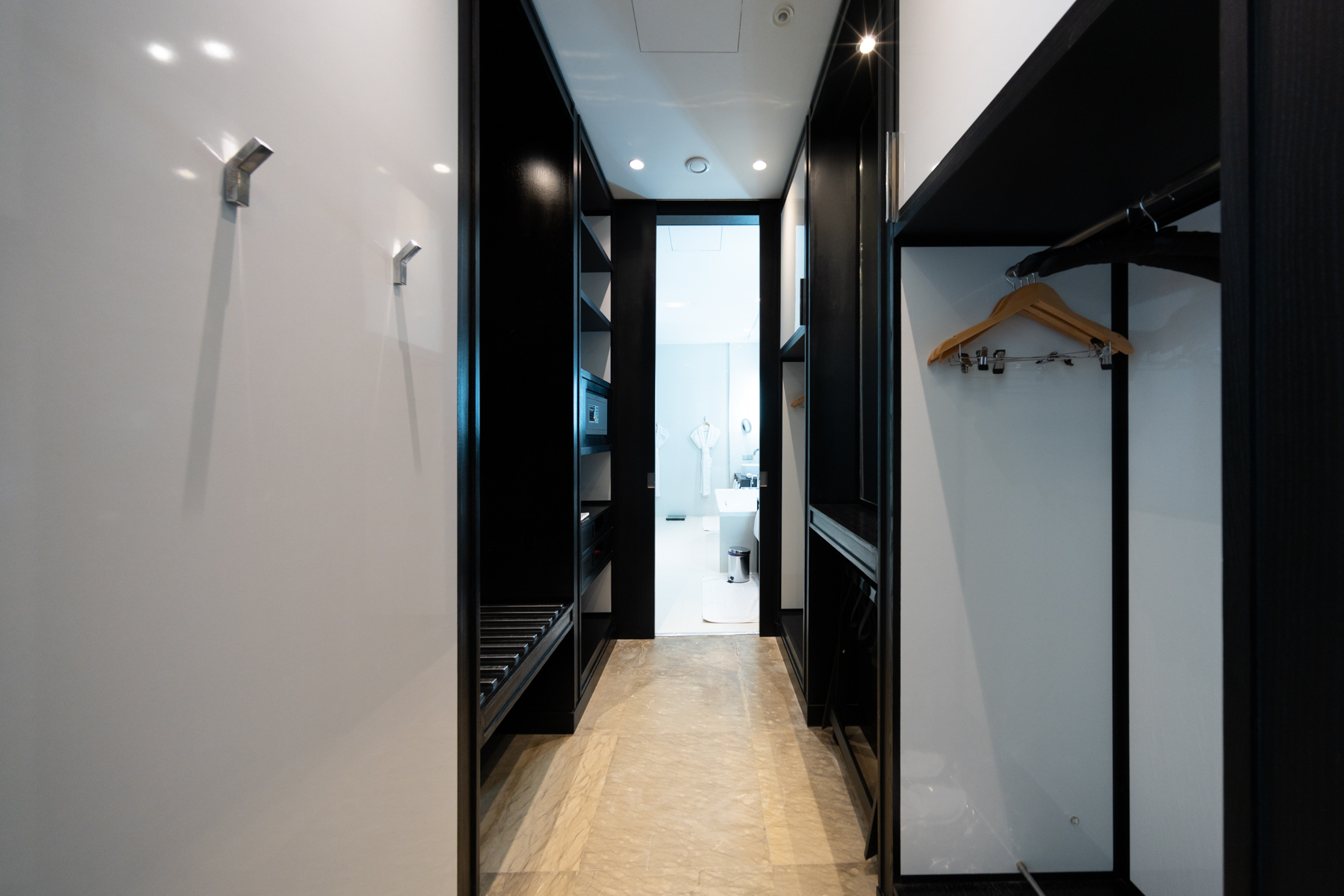
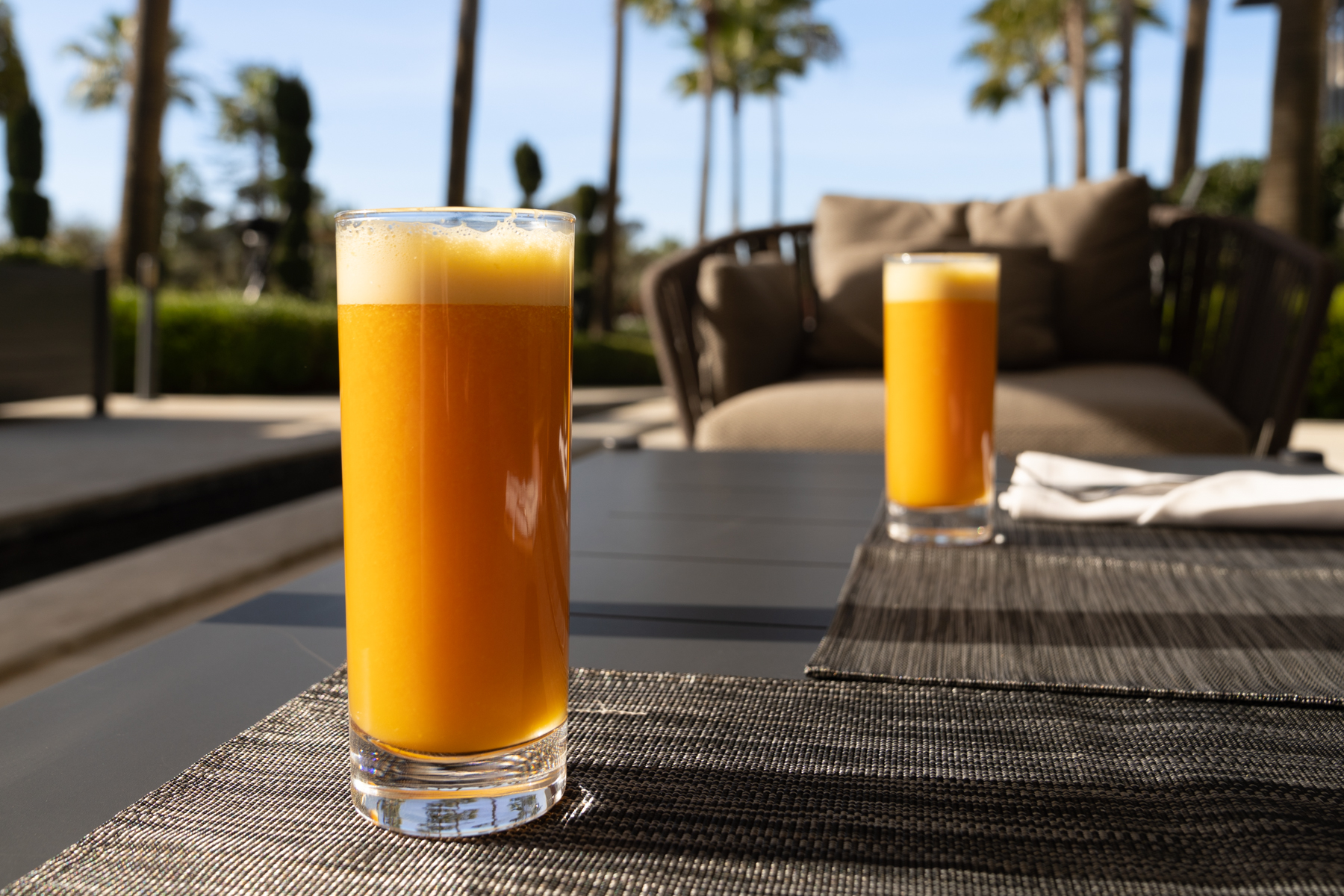
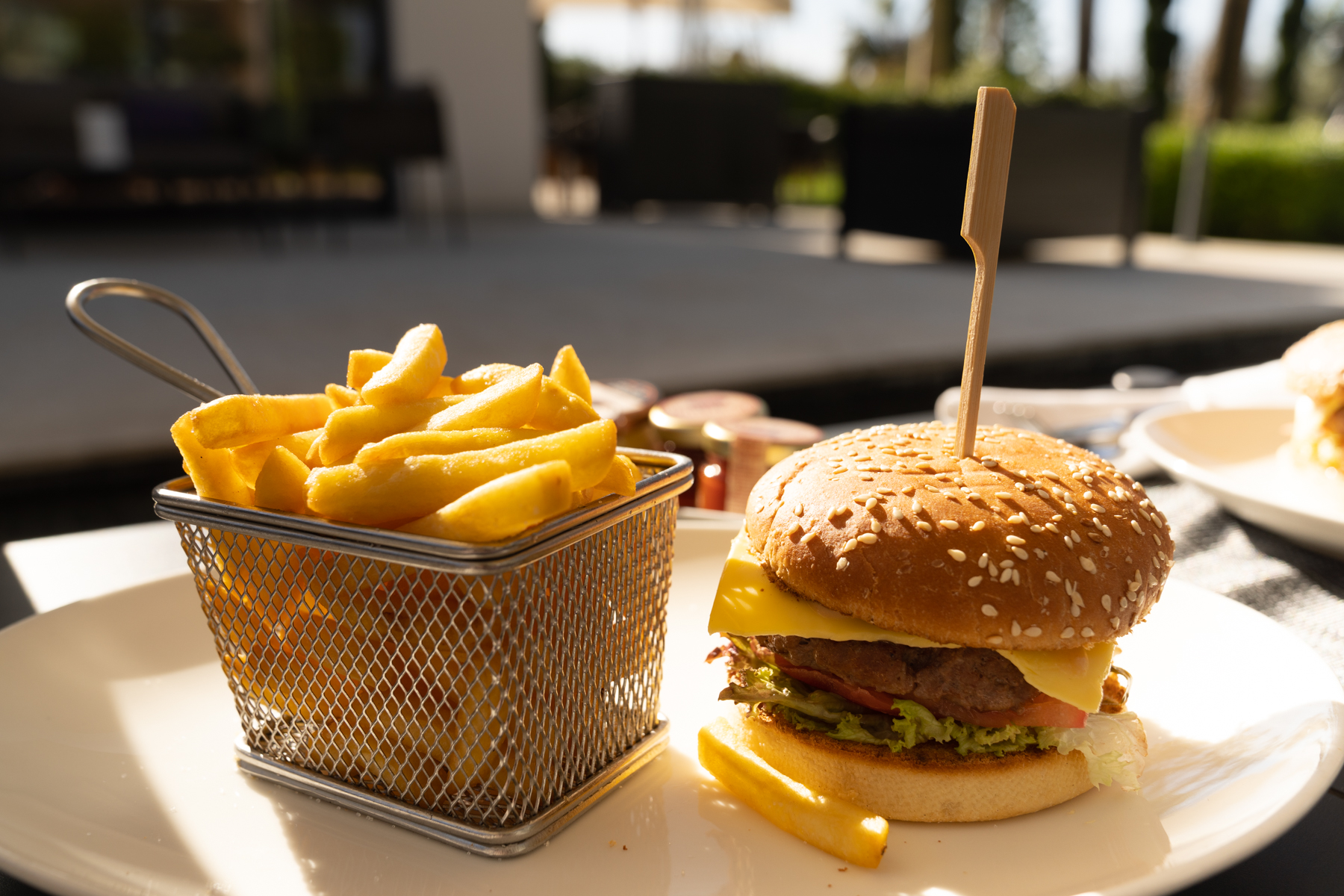
After settling in to our room, we decided to have an early dinner. The hotel’s main restaurant looked amazing but, since the locals are observing Ramadan, most restaurants open later than usual. But the hotel’s cafe was open, so we sat at an outside table and enjoyed a very nice burger for dinner.
Having finished dinner, we went for a very short walk around the hotel grounds, which are beautiful.
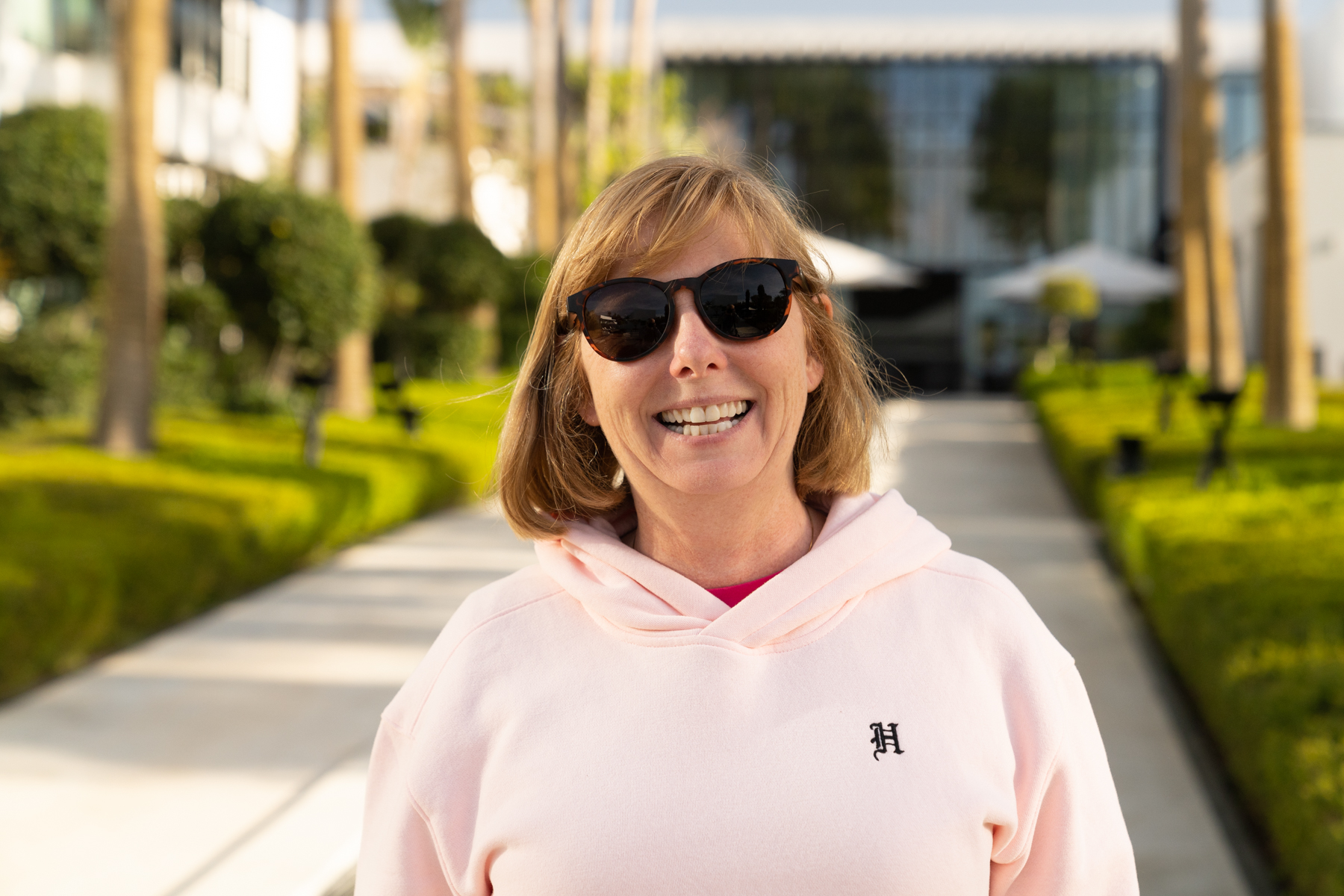
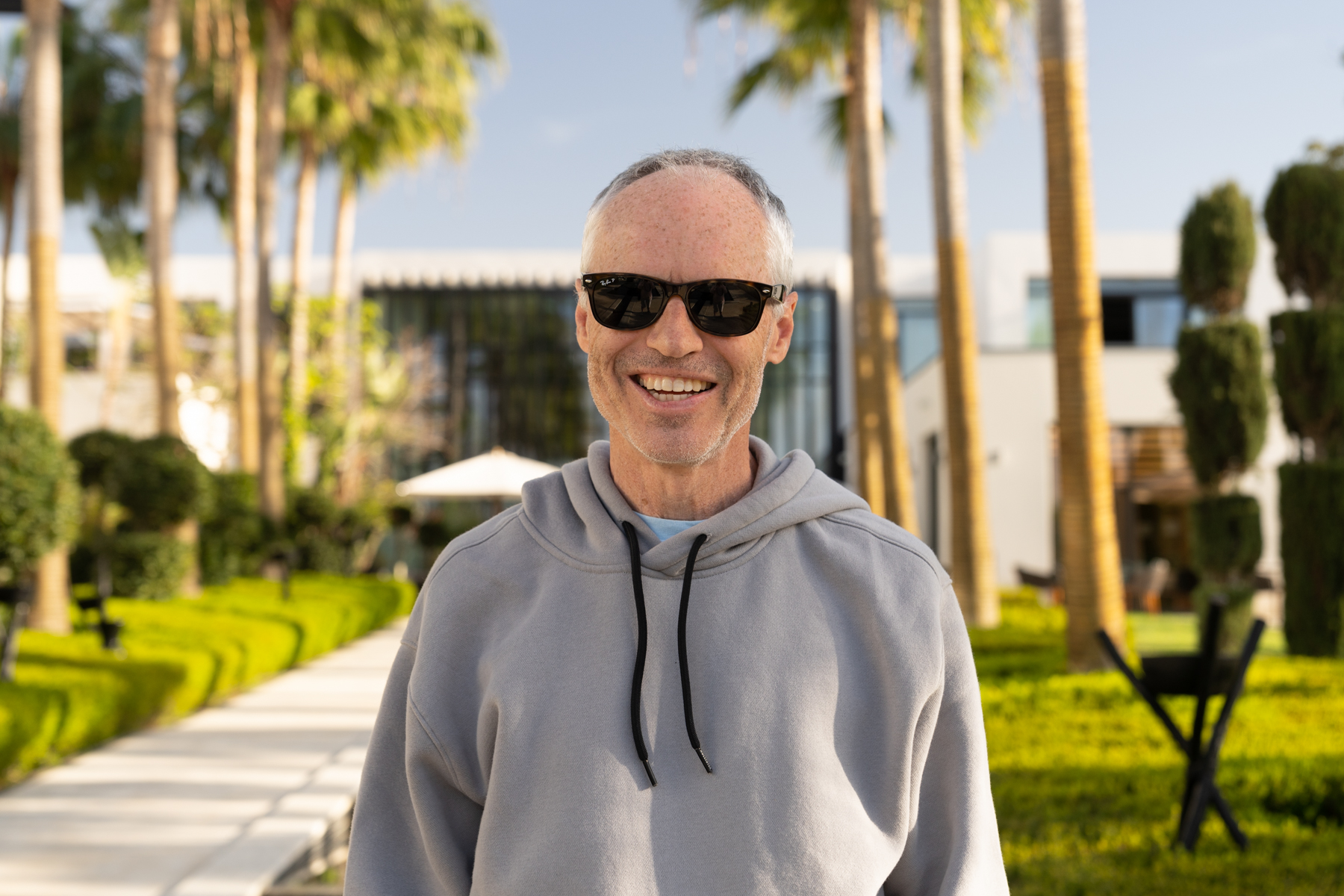
After our short walk, we headed back to our hotel room to relax for the rest of the evening. Tomorrow we’re leaving the hotel at 9:00 am and heading south to Marrakesh, a drive of around 300 km.