
Around The World
Luxor
This morning we were up at the ungodly time of 3:45 am to get ready for a 4:30 am departure from our hotel to Cairo airport to catch a flight to Luxor. Luxor was not on our original itinerary, but we decided to make the most of our time in Egypt, so we squeezed this trip in to the one free day we had in Egypt.
We got to the airport around 5:00 am, cleared security, and headed to the Egyptair lounge (although calling it a lounge may be overstating it a bit!). Just before 6:00 am we were ferried by bus across the tarmac to our waiting aircraft.
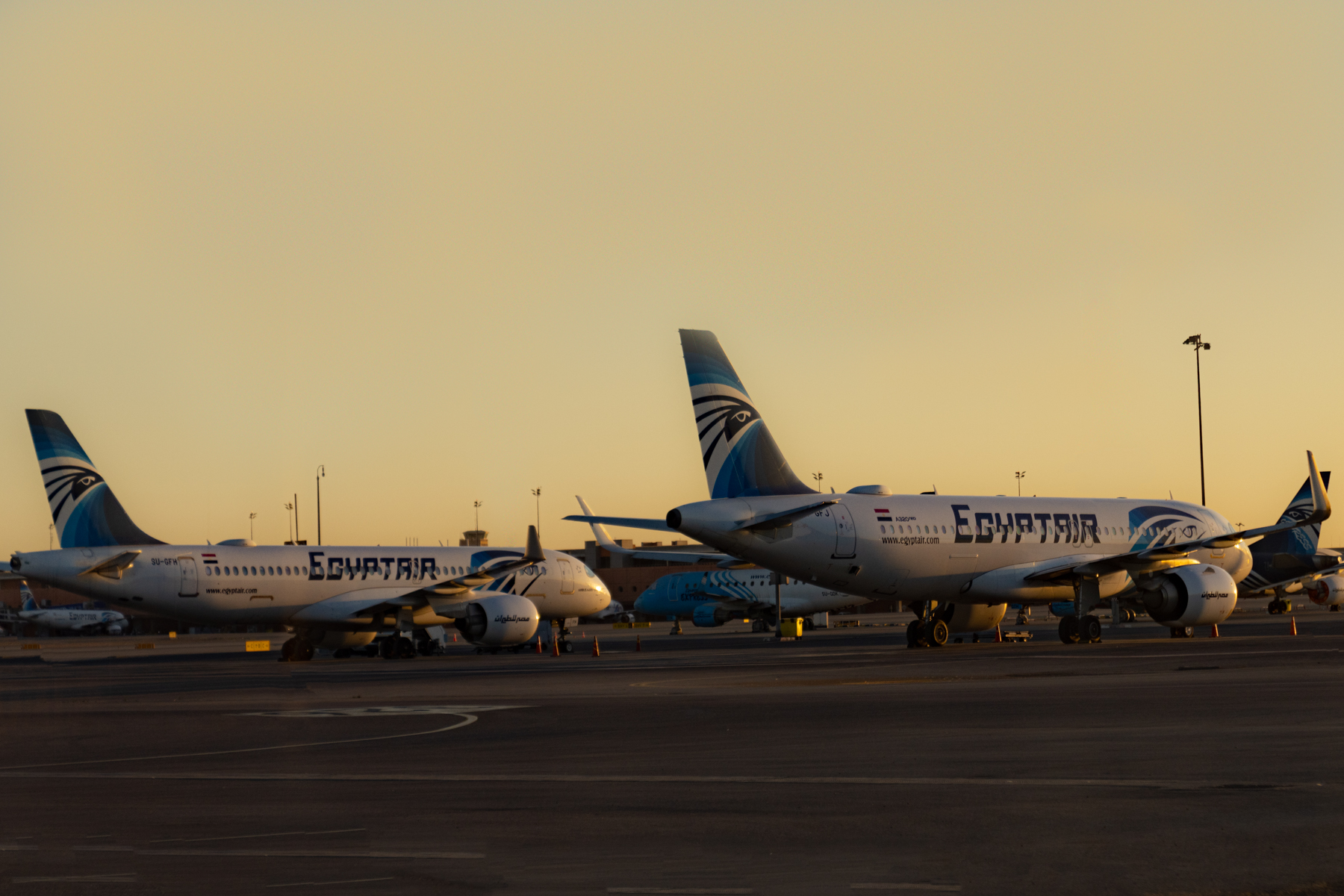
We boarded and settled in for the one-hour flight to Luxor.
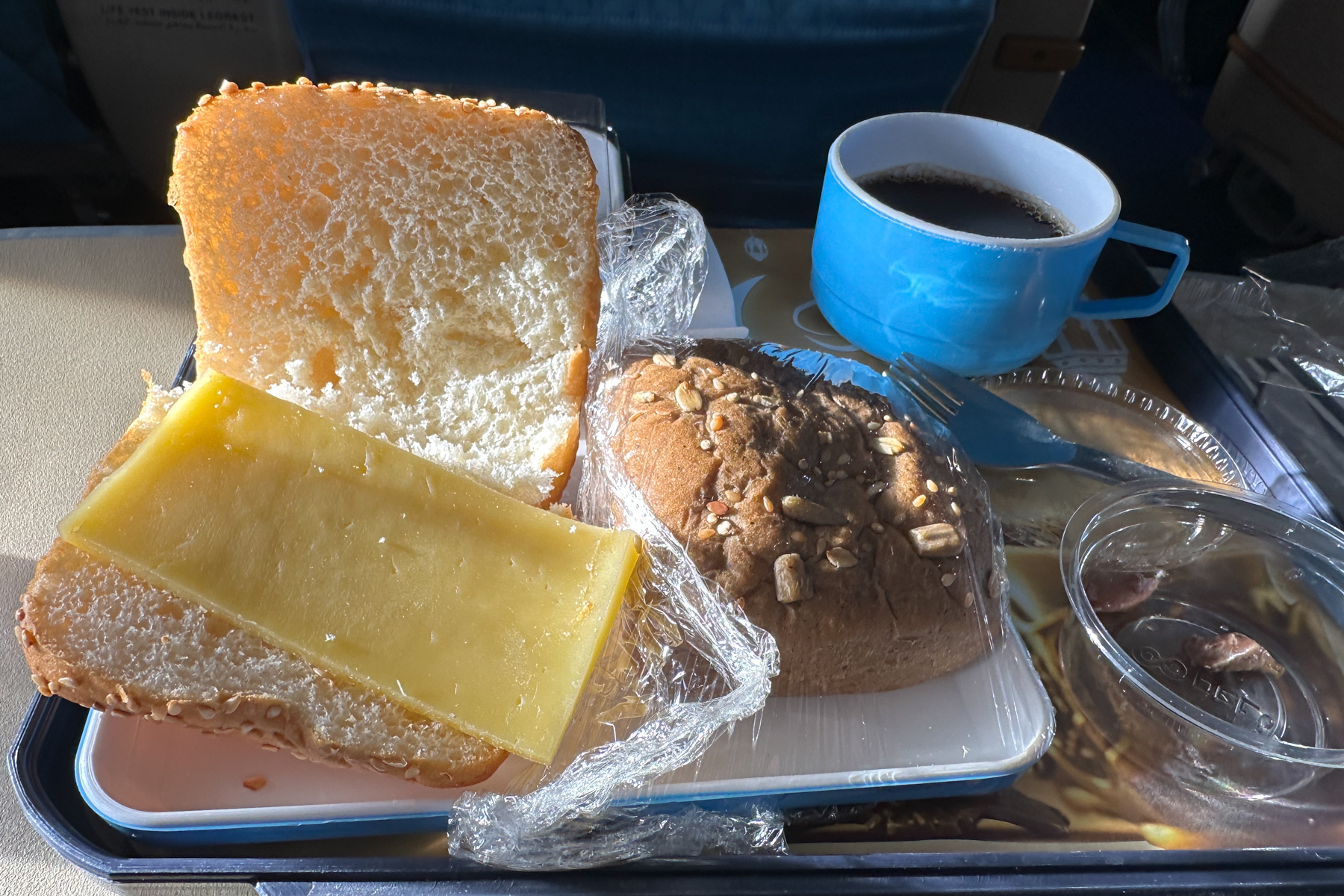
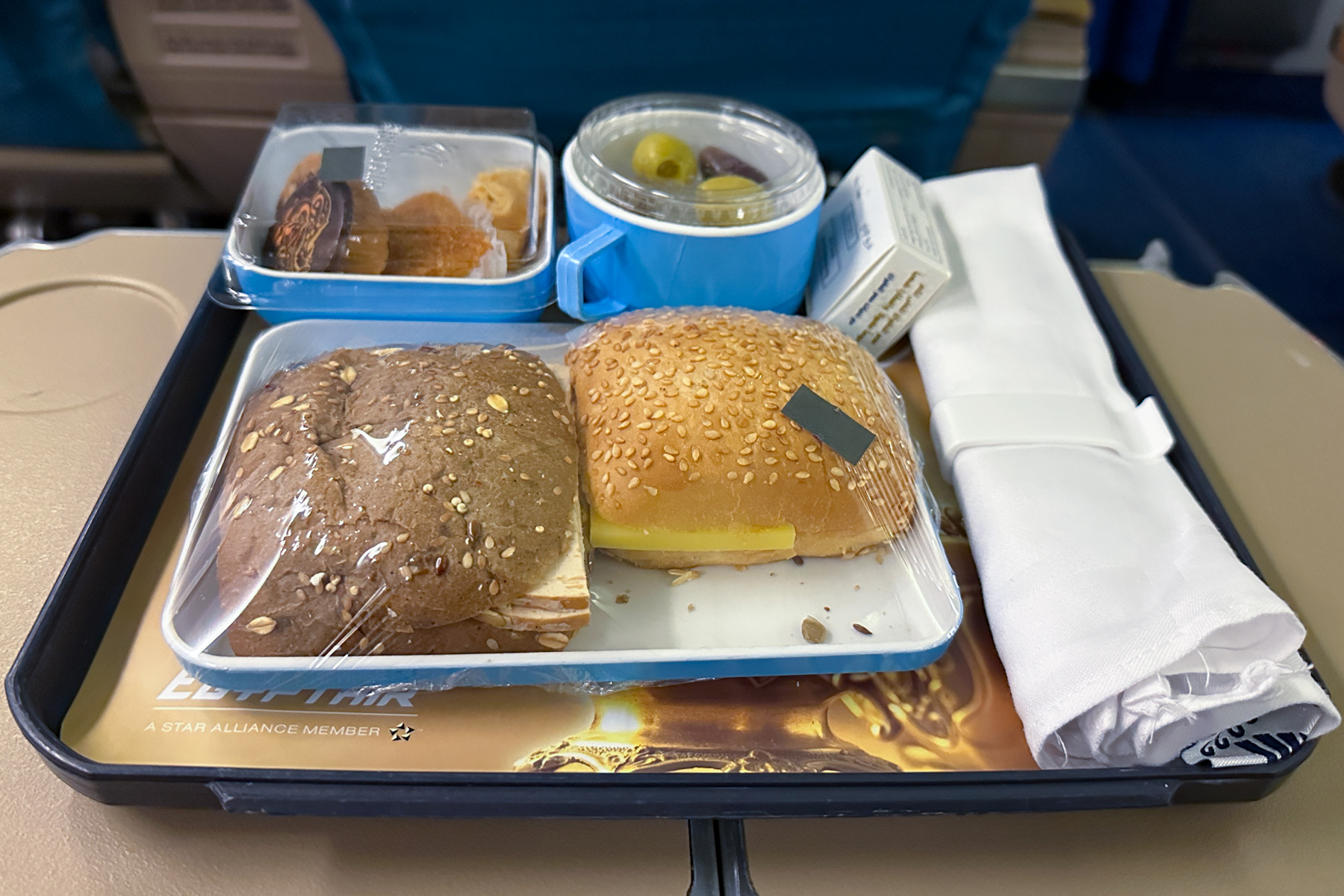
We planned to get some sleep but were offered breakfast, so we decided that it would be worth having something to eat before a long day of sightseeing. Breakfast arrived and we both immediately wondered the same thing: what must the economy class breakfast look like!?
On landing, we were met by our driver. We headed out of the airport and into the town of Luxor, where we picked up Nana, our guide for the day. We then proceeded to our first stop of the day, Karnak. We arrived before 8:00 am and were surprised by how many people were already there. Nana told us that, in the warmer months, the historical sites open at 6:00 am so people can beat the heat. The forecast for today suggested a high of about 35 degrees, so plenty of people had evidently taken advantage of the early opening.
Karnak comprises a vast mix of the ruins of temples, pylons, chapels, and other buildings. Construction at Karnak began around 2000 BC and continued under successive rulers for nearly 2,000 years. Karnak is part of the city of Thebes, a UNESCO World Heritage site.
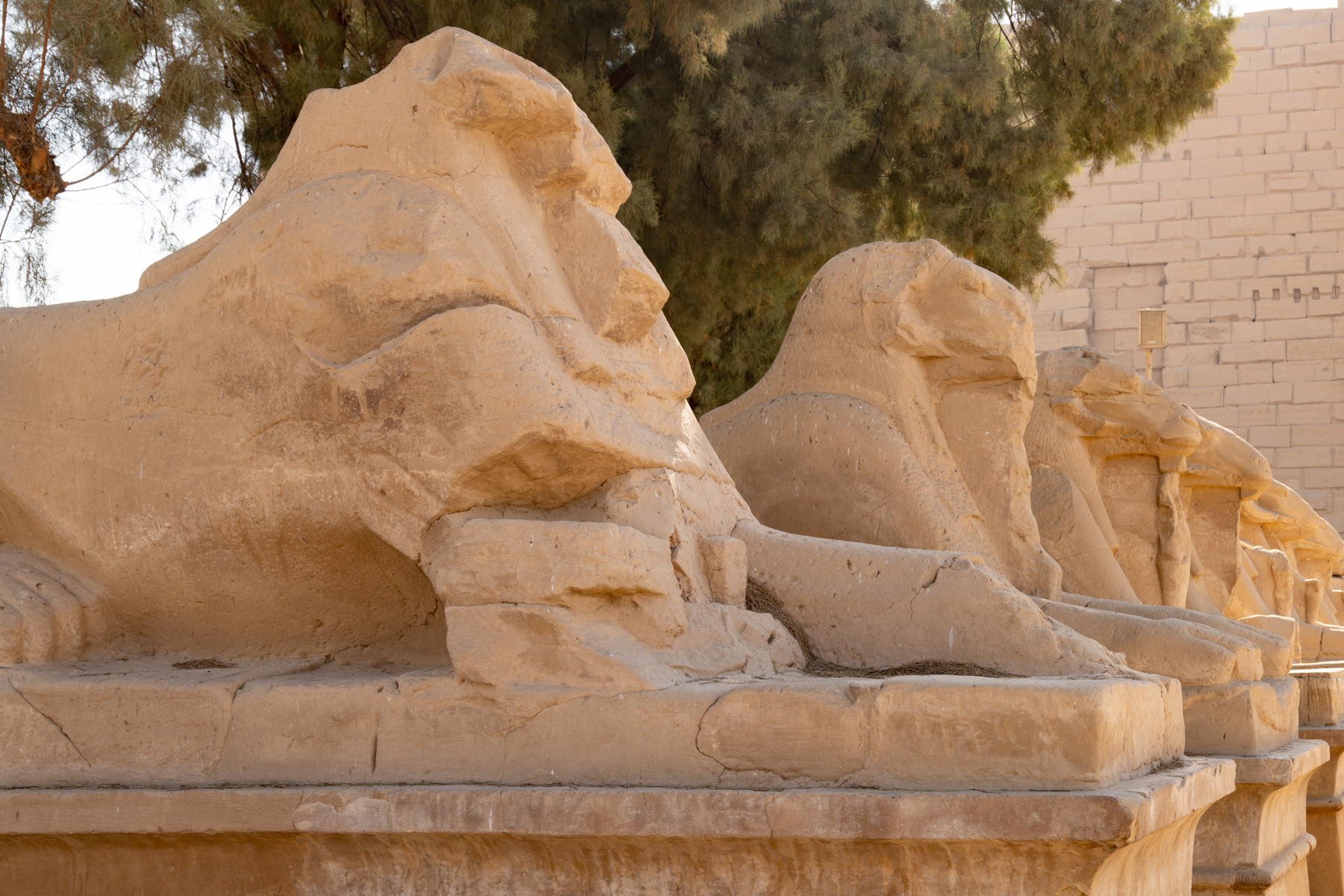
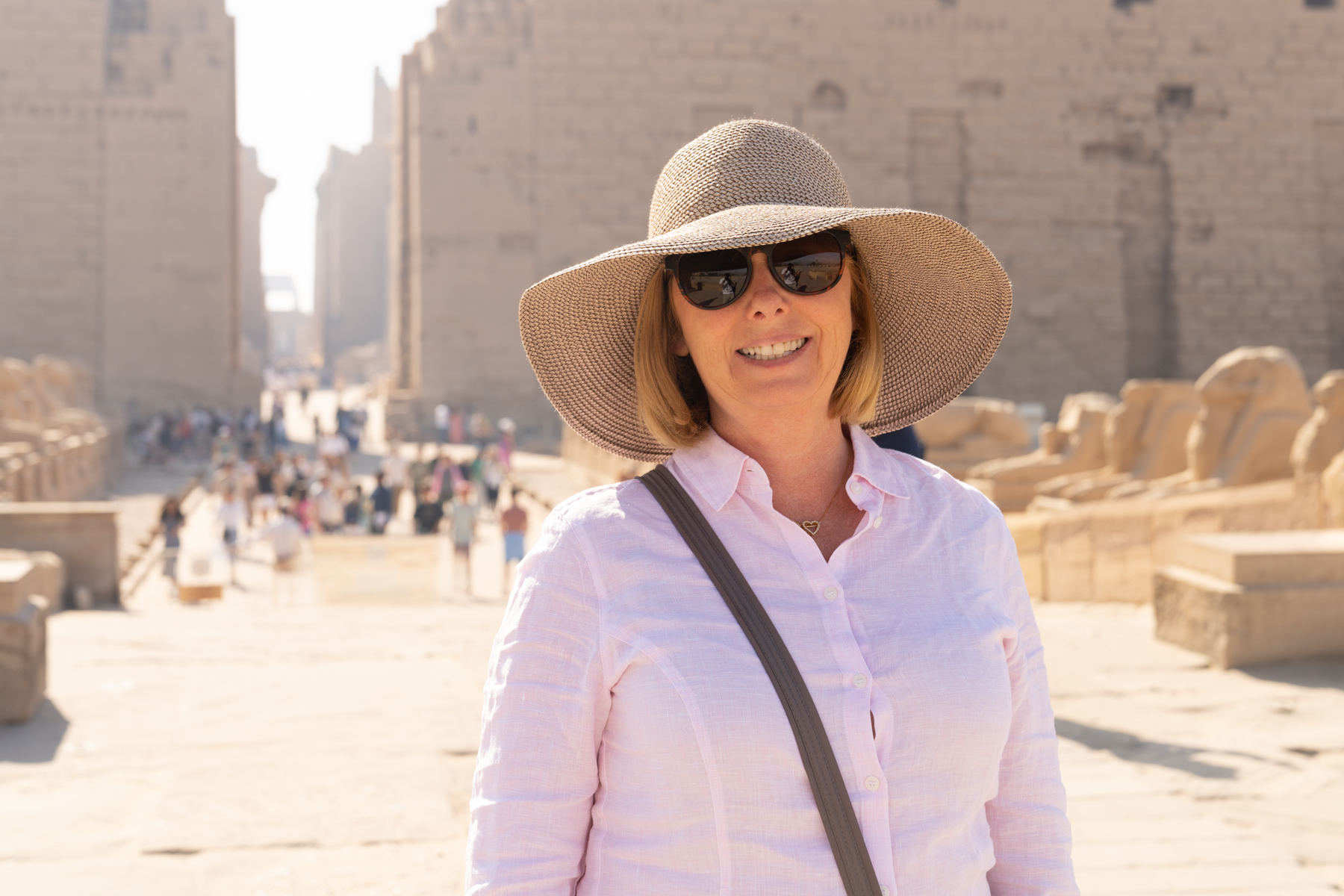
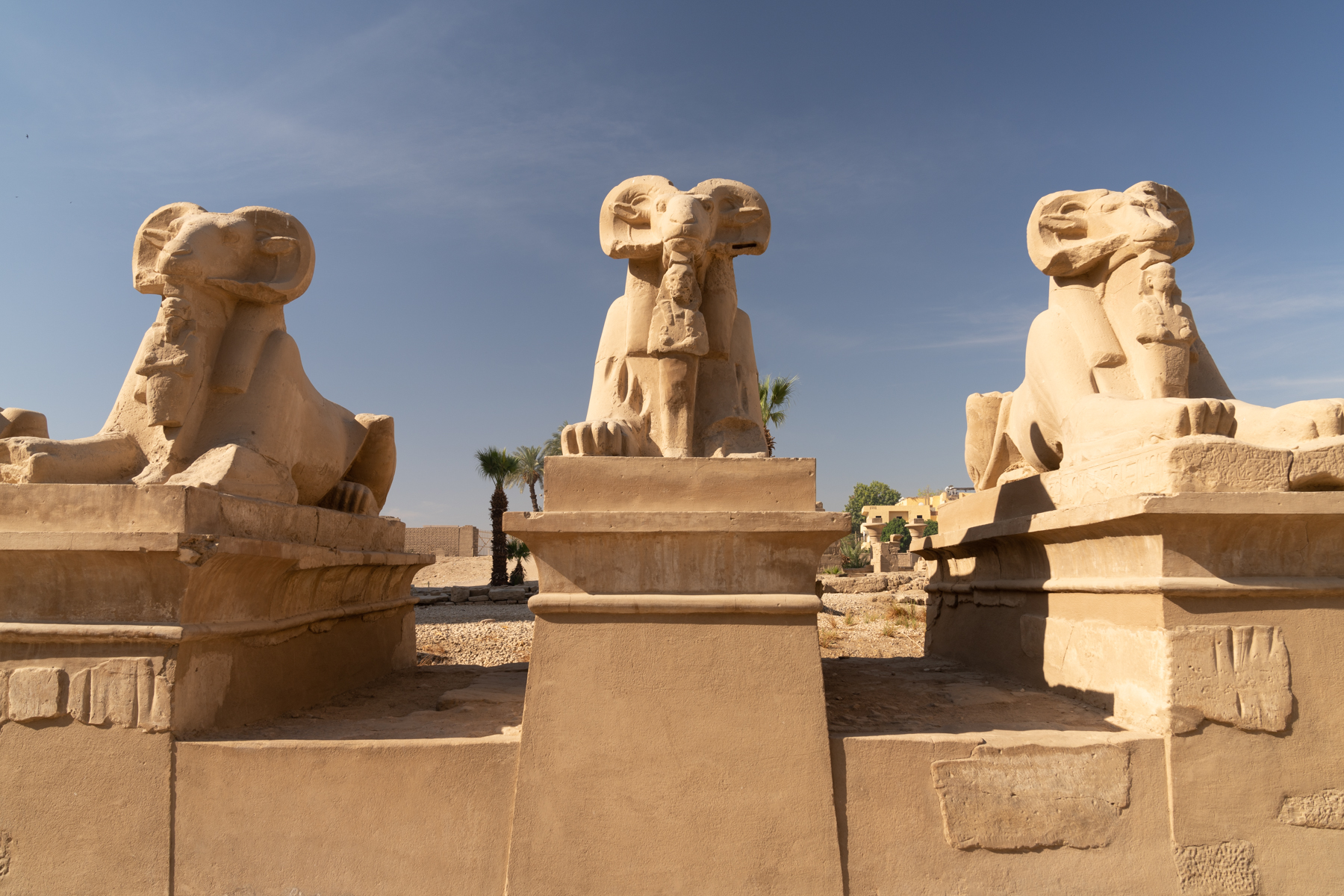
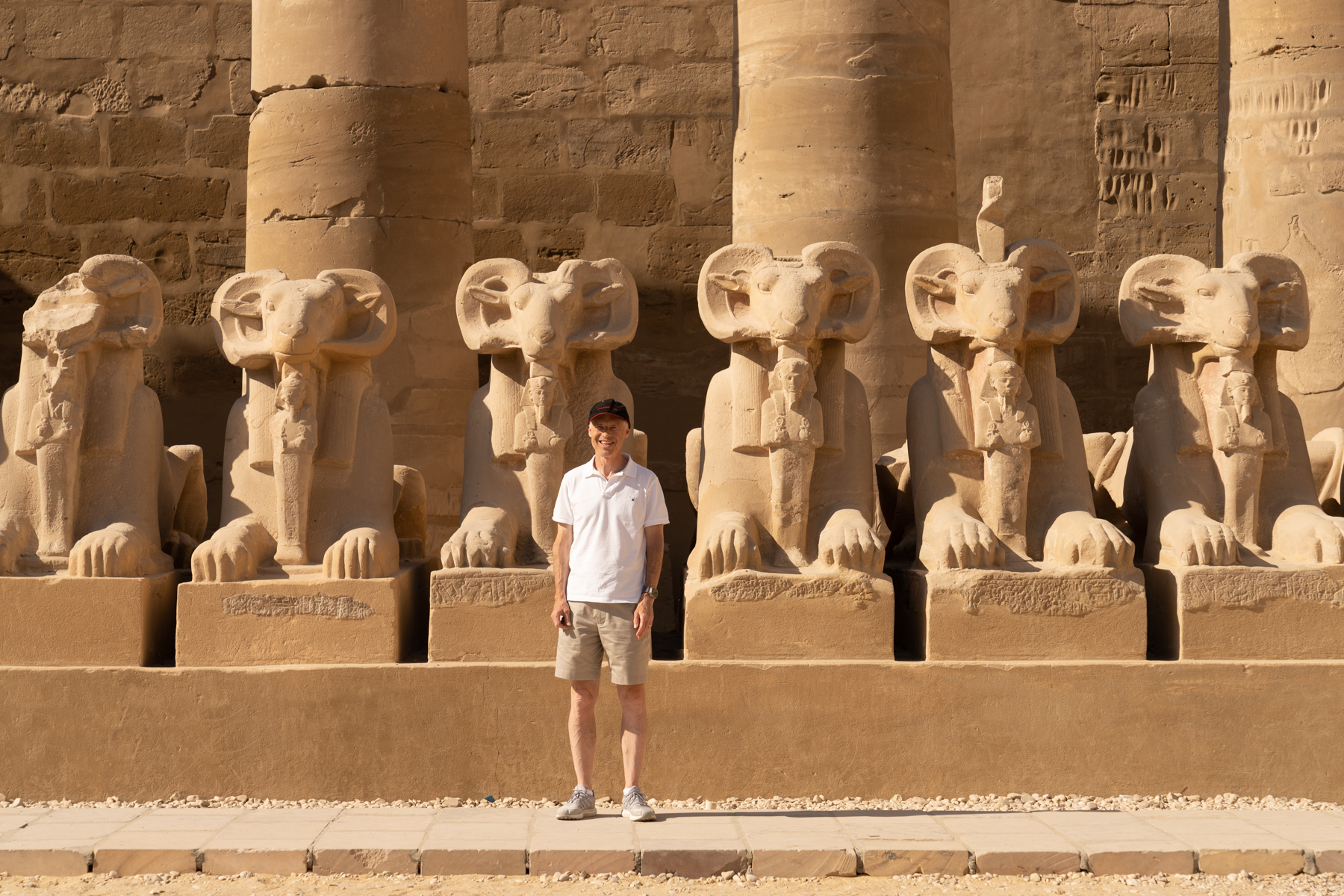
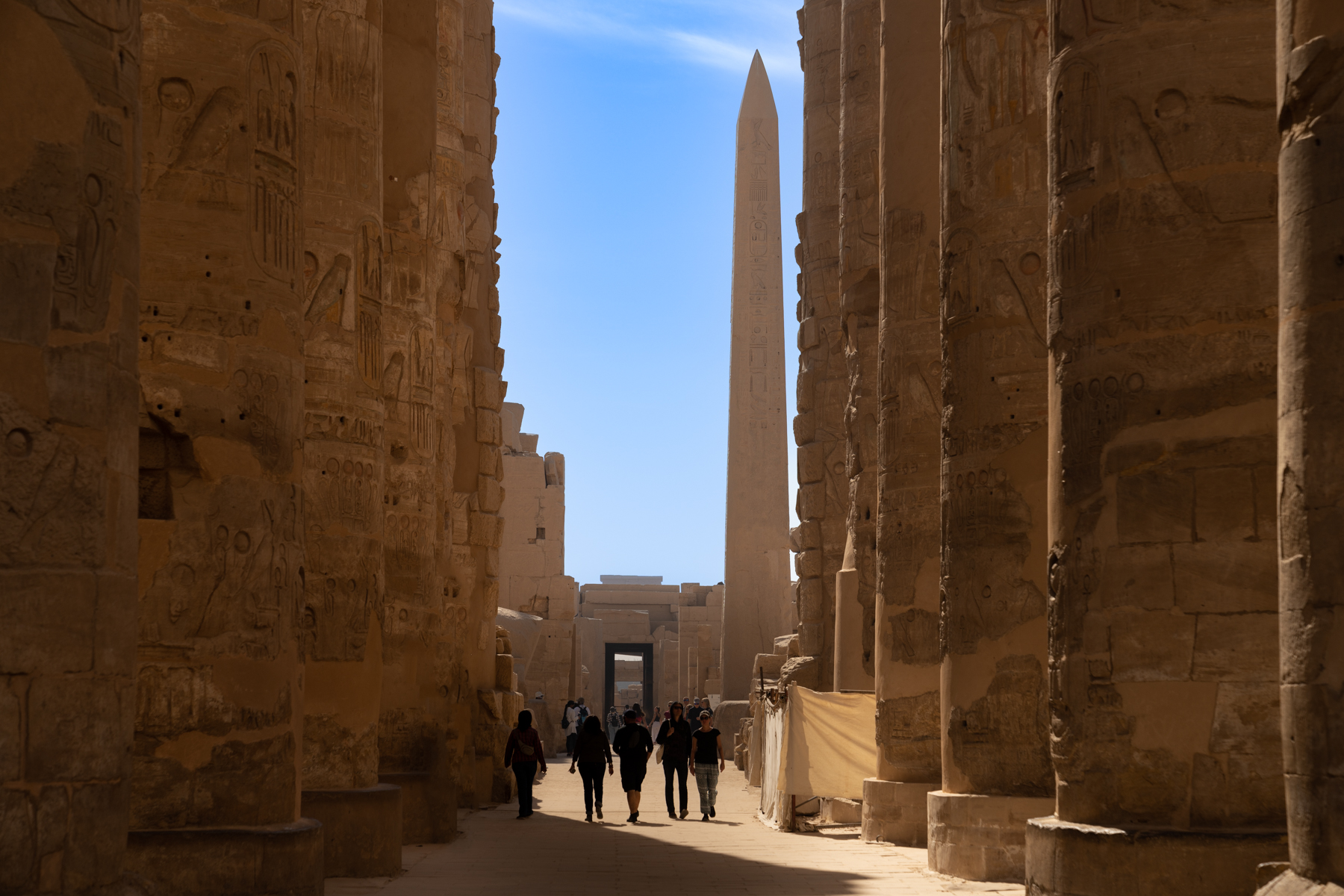
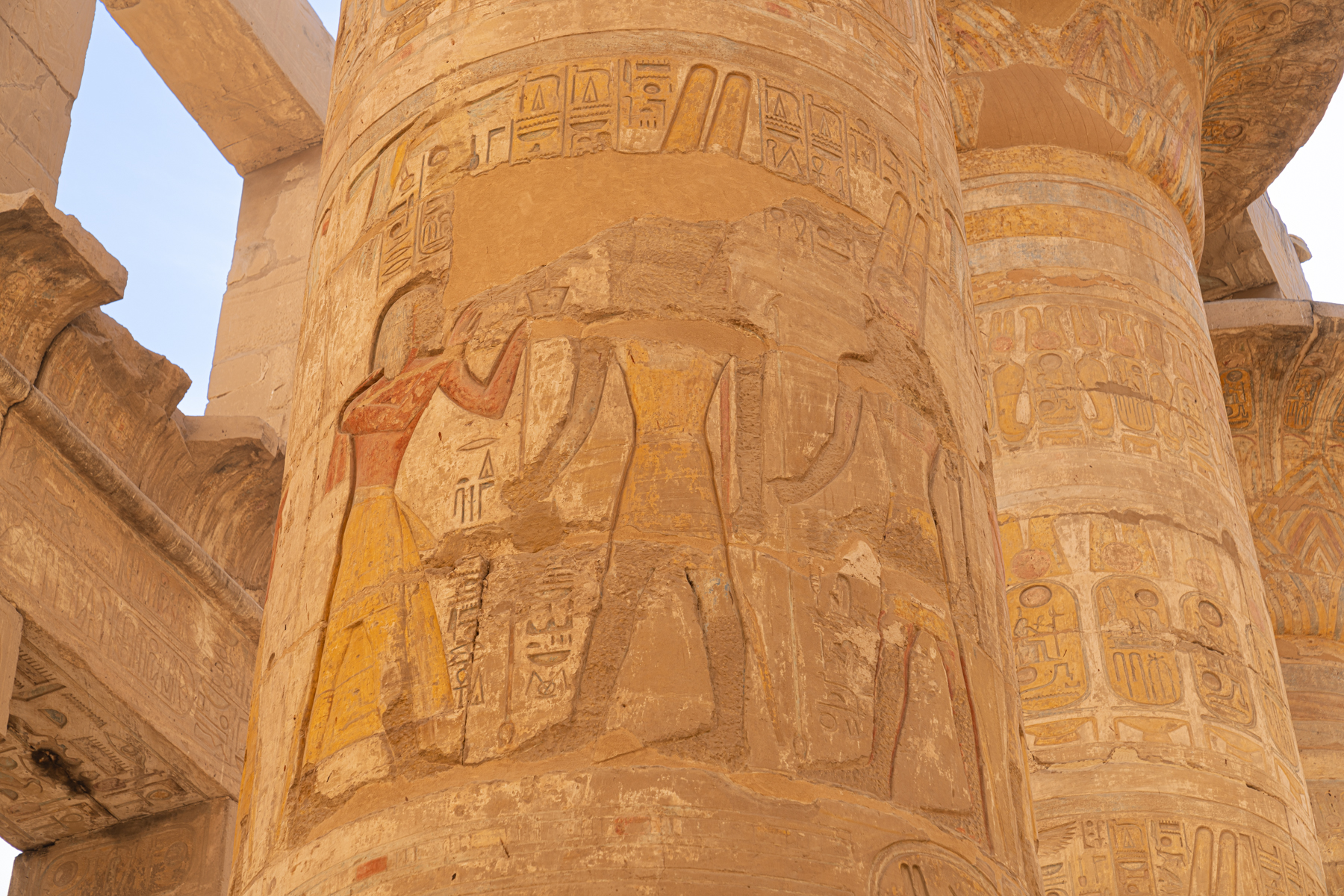
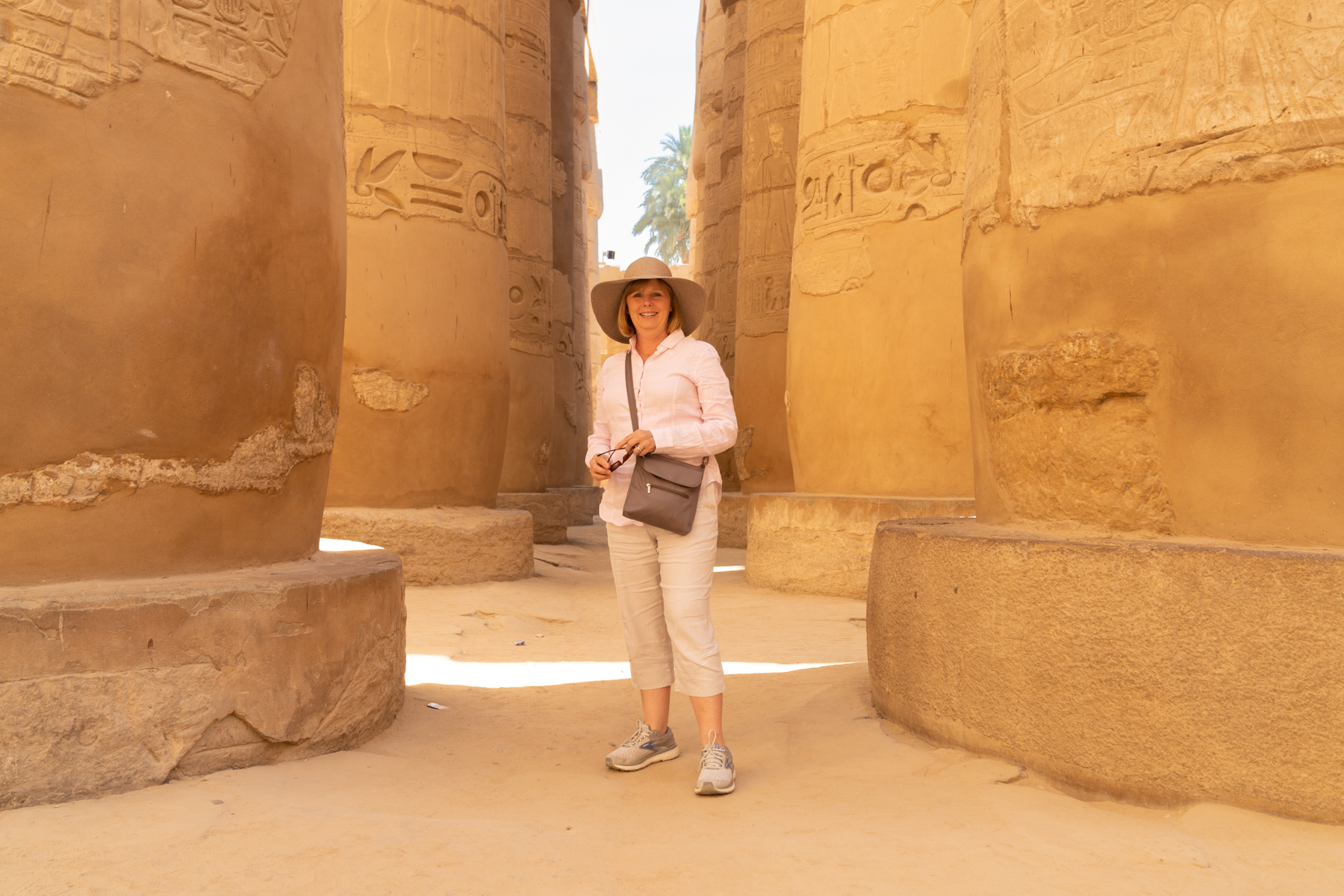
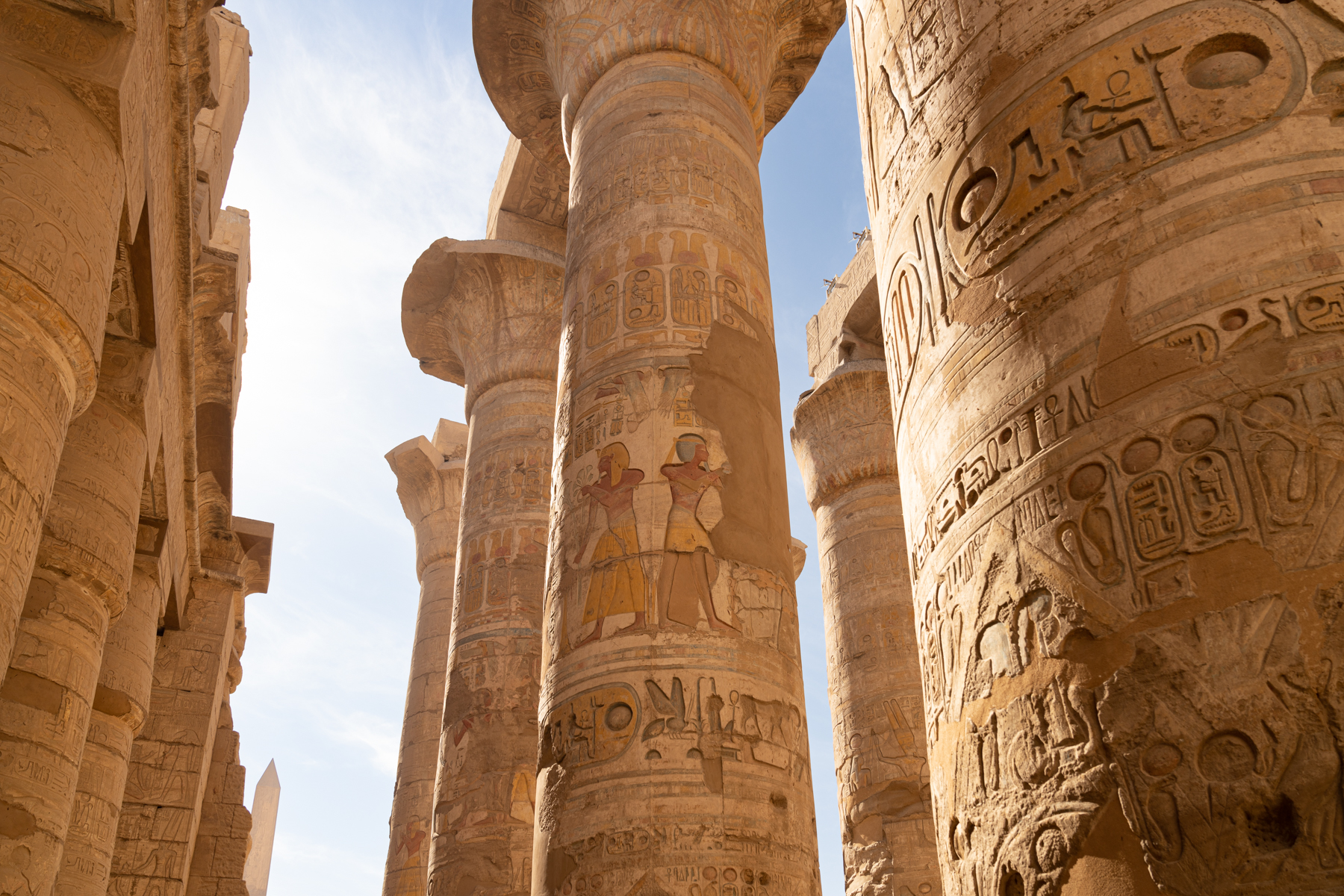
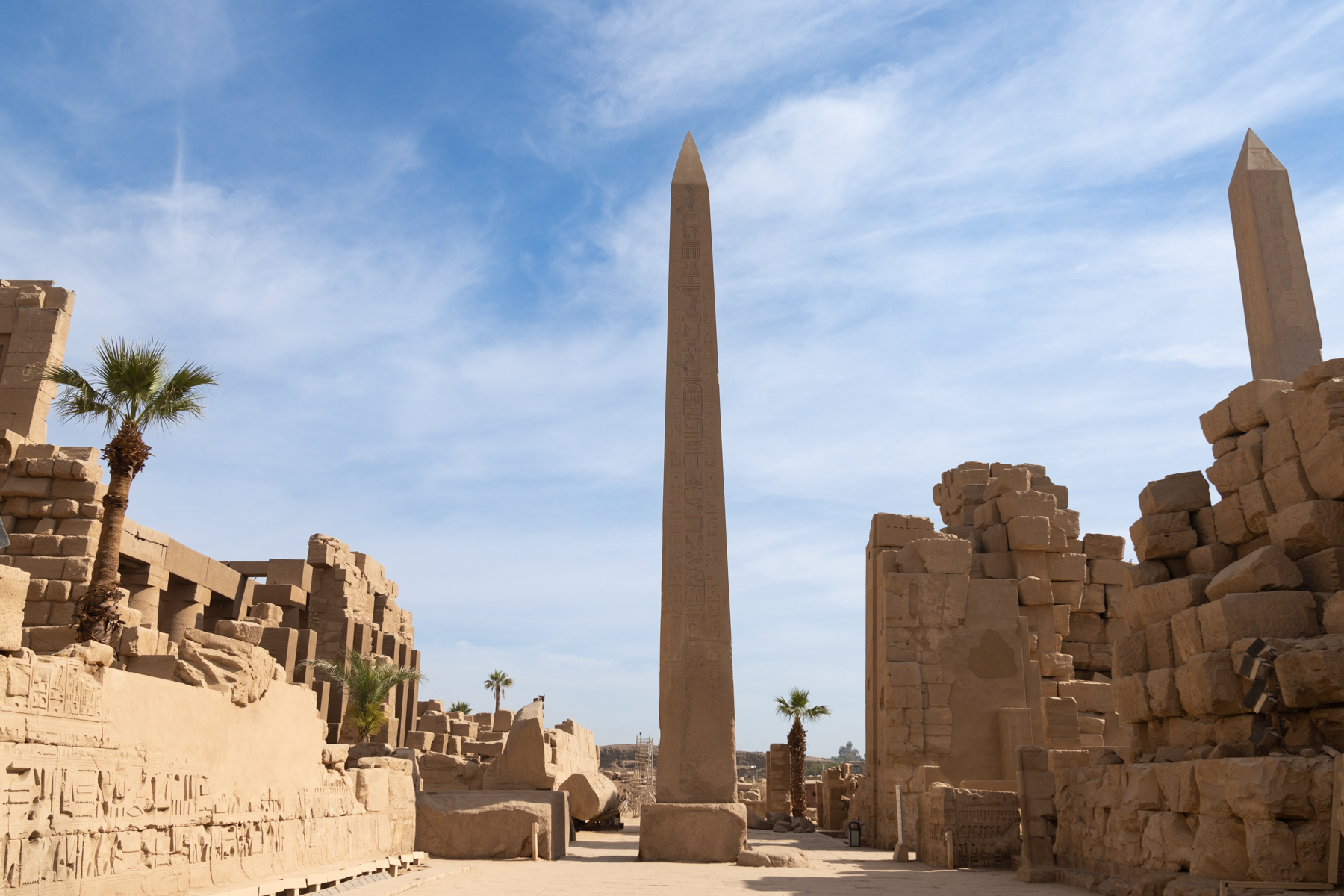
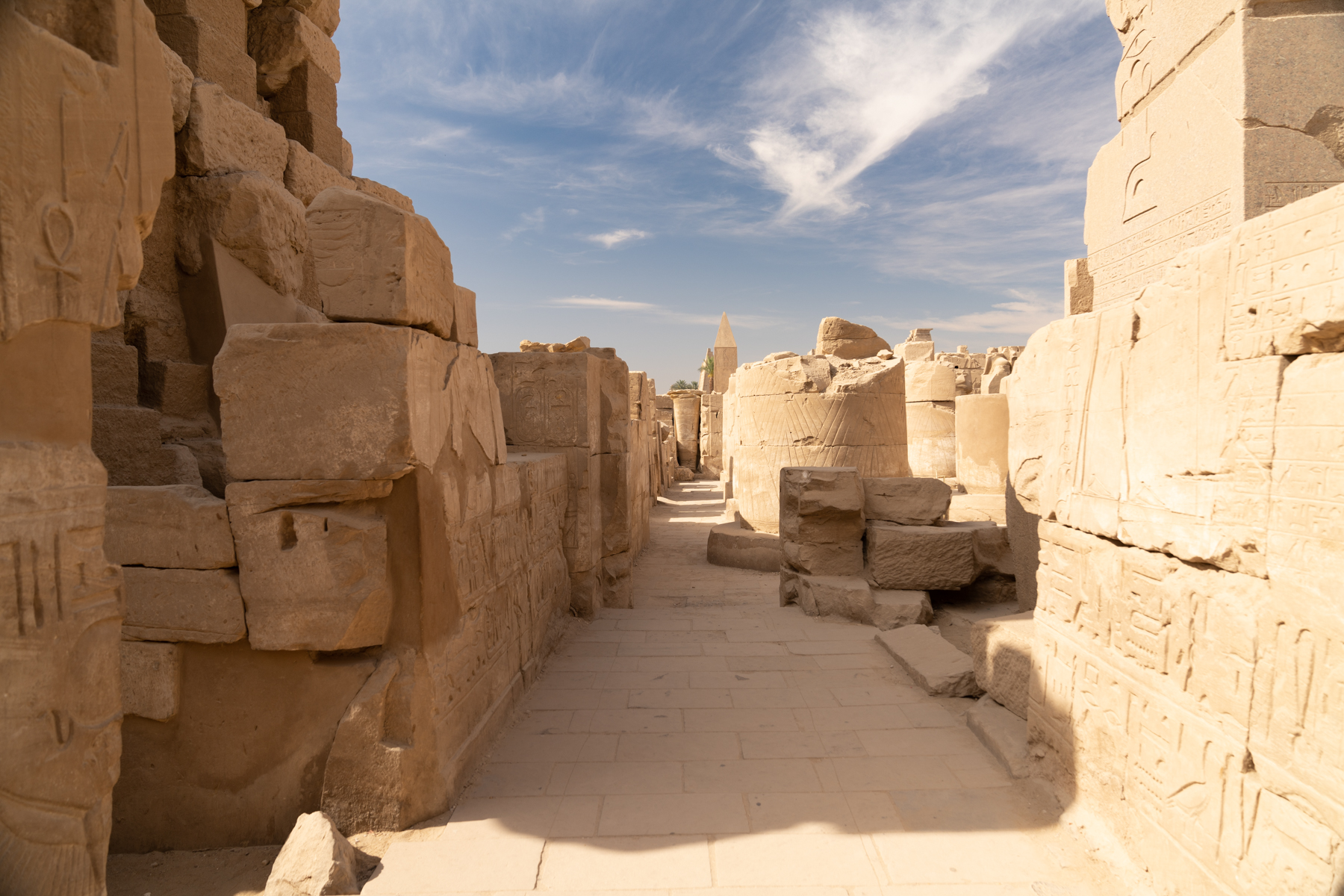
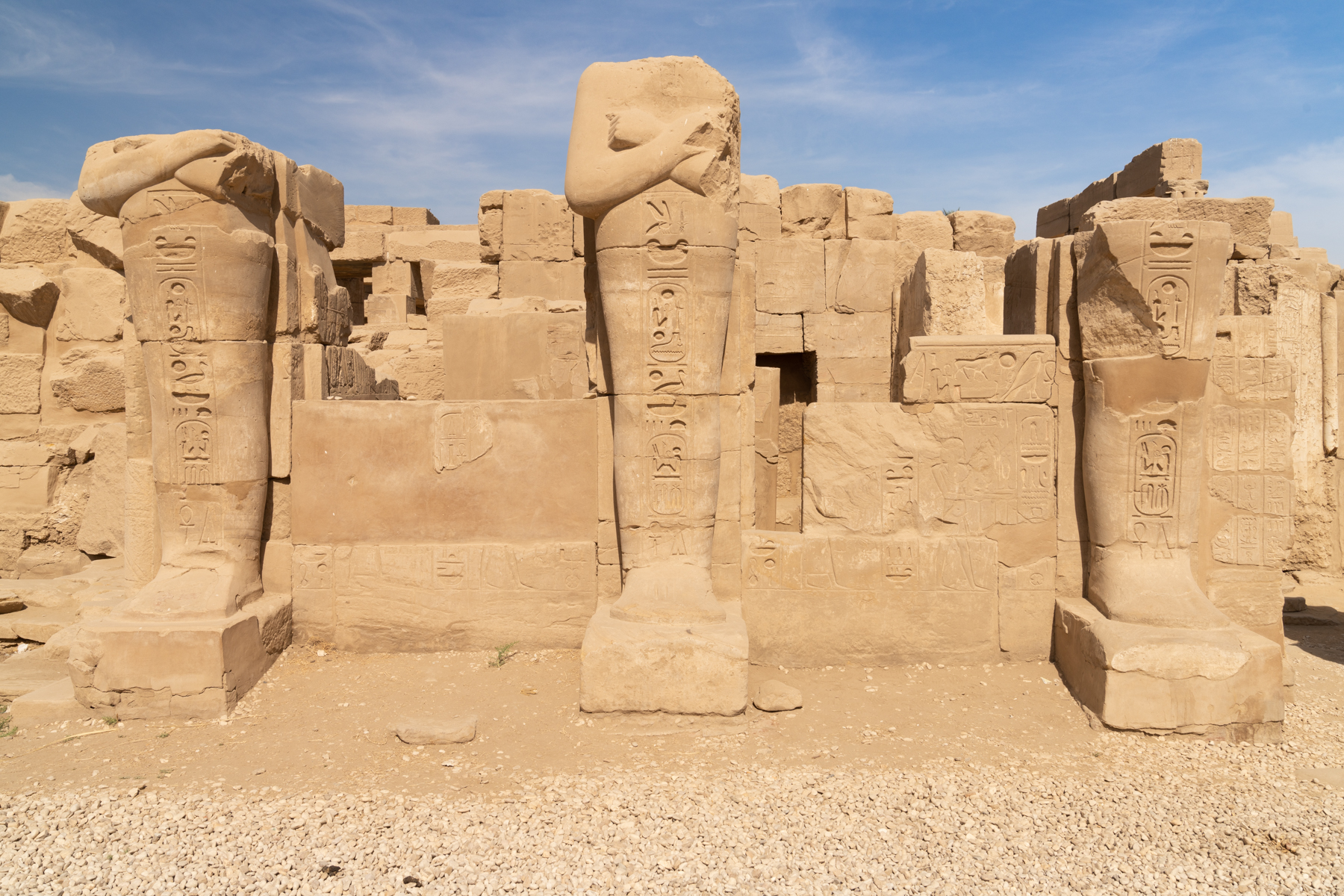
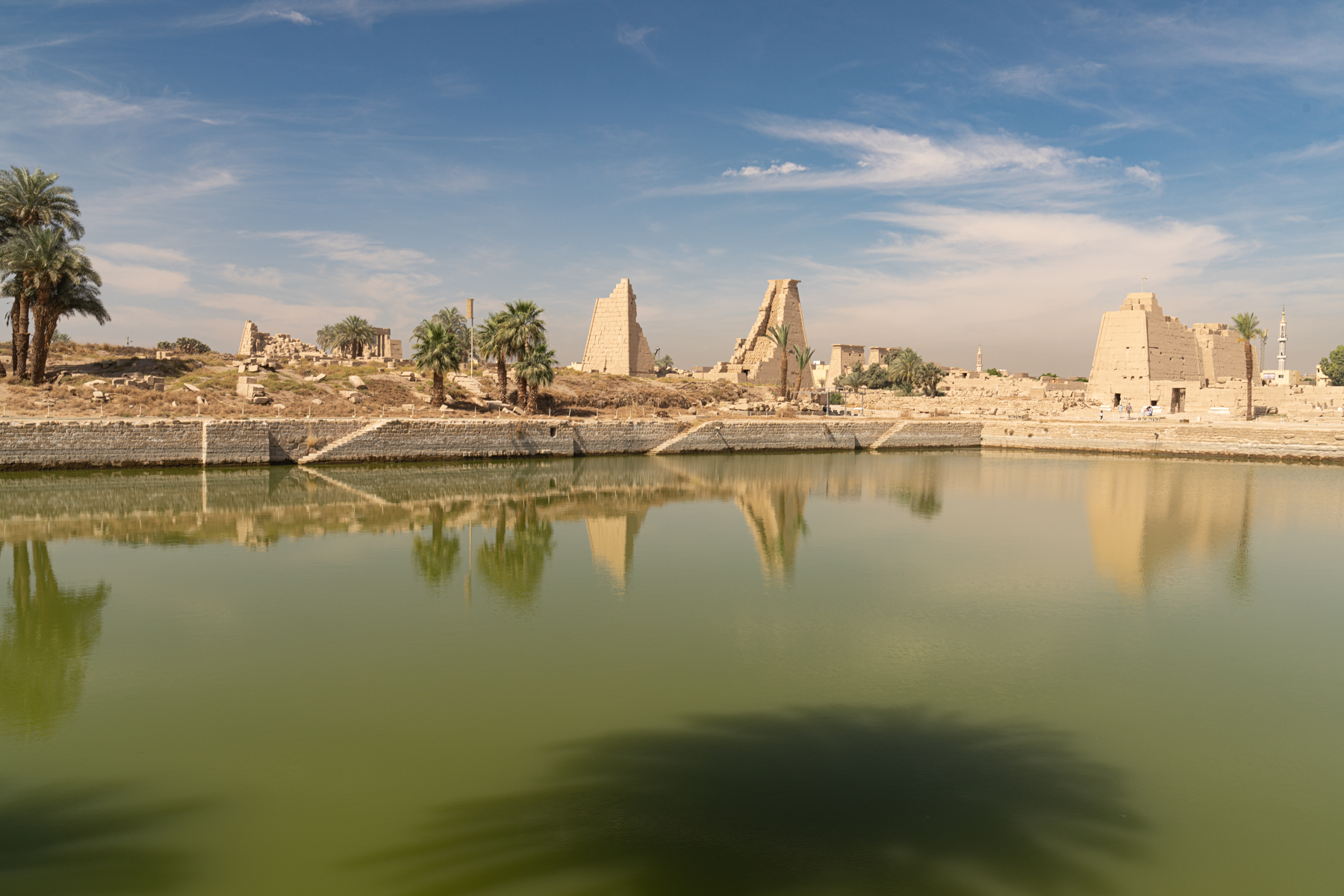
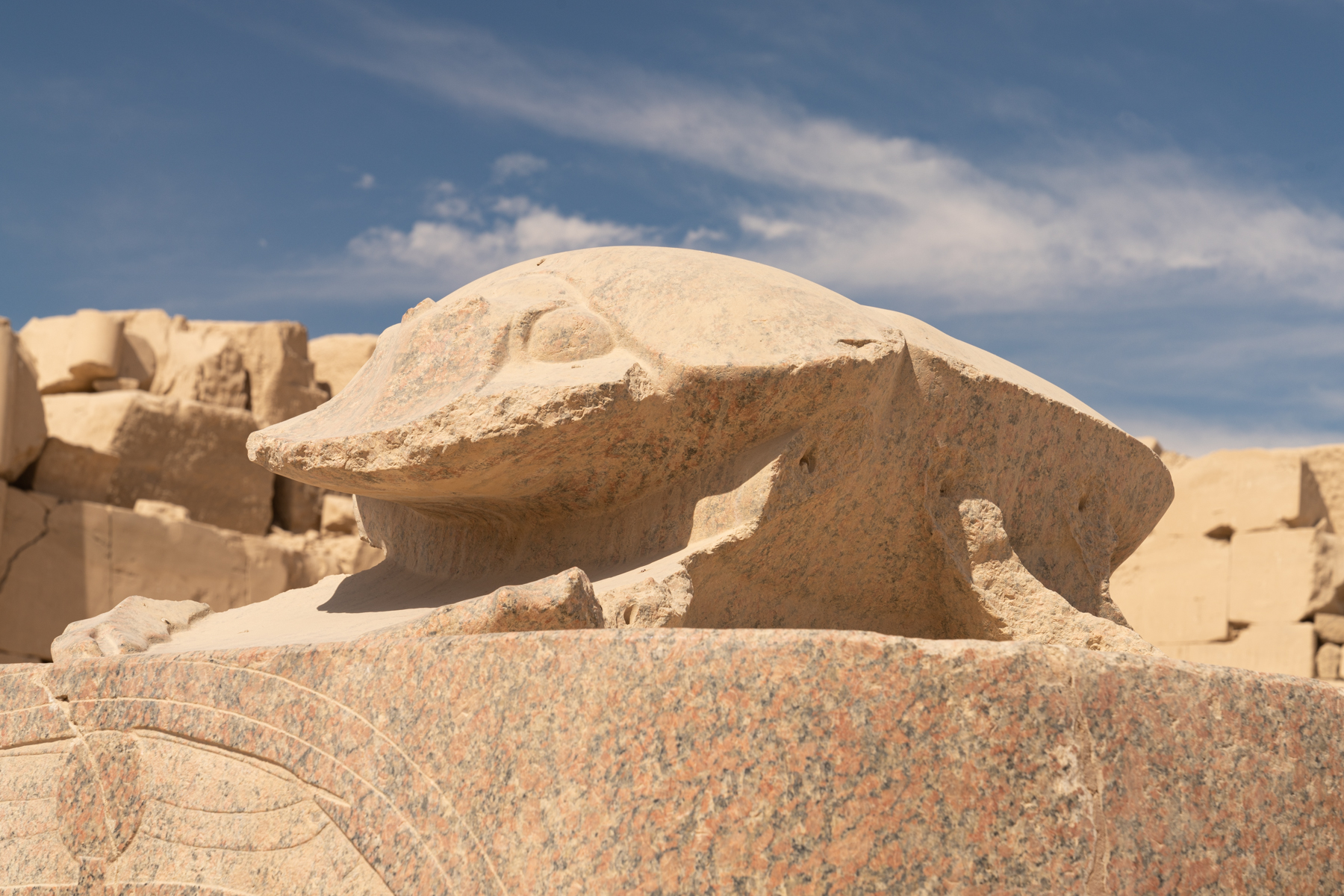
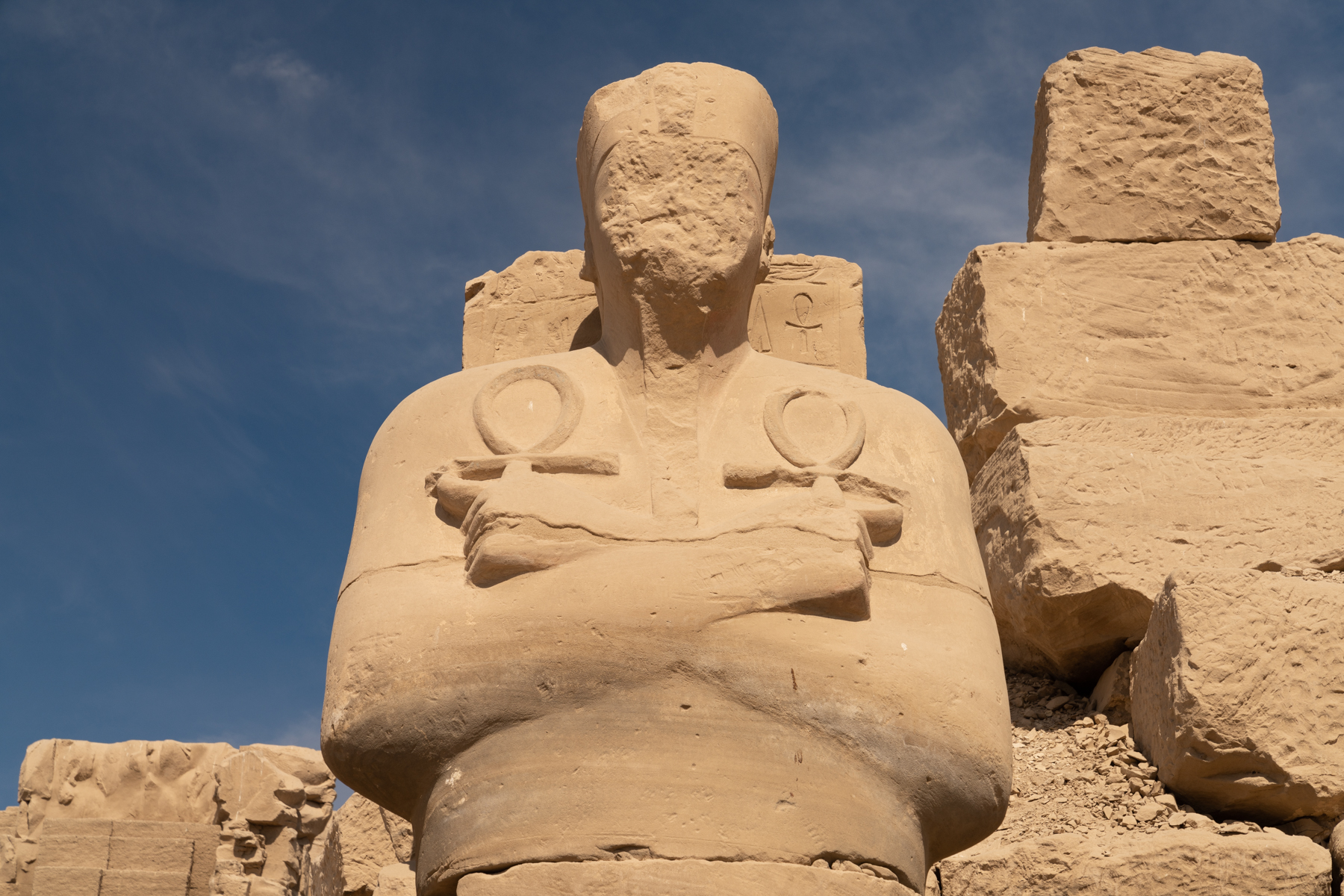
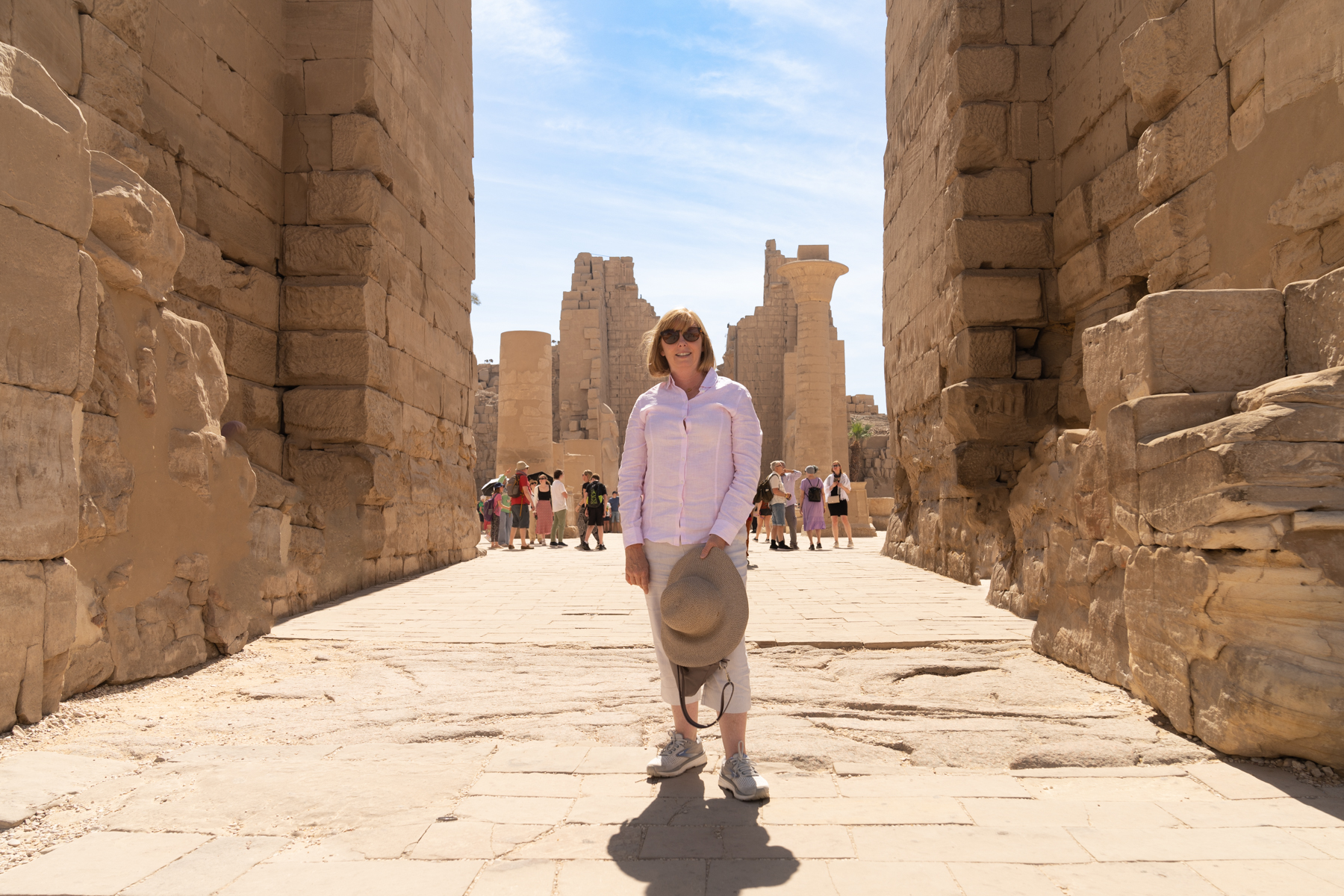
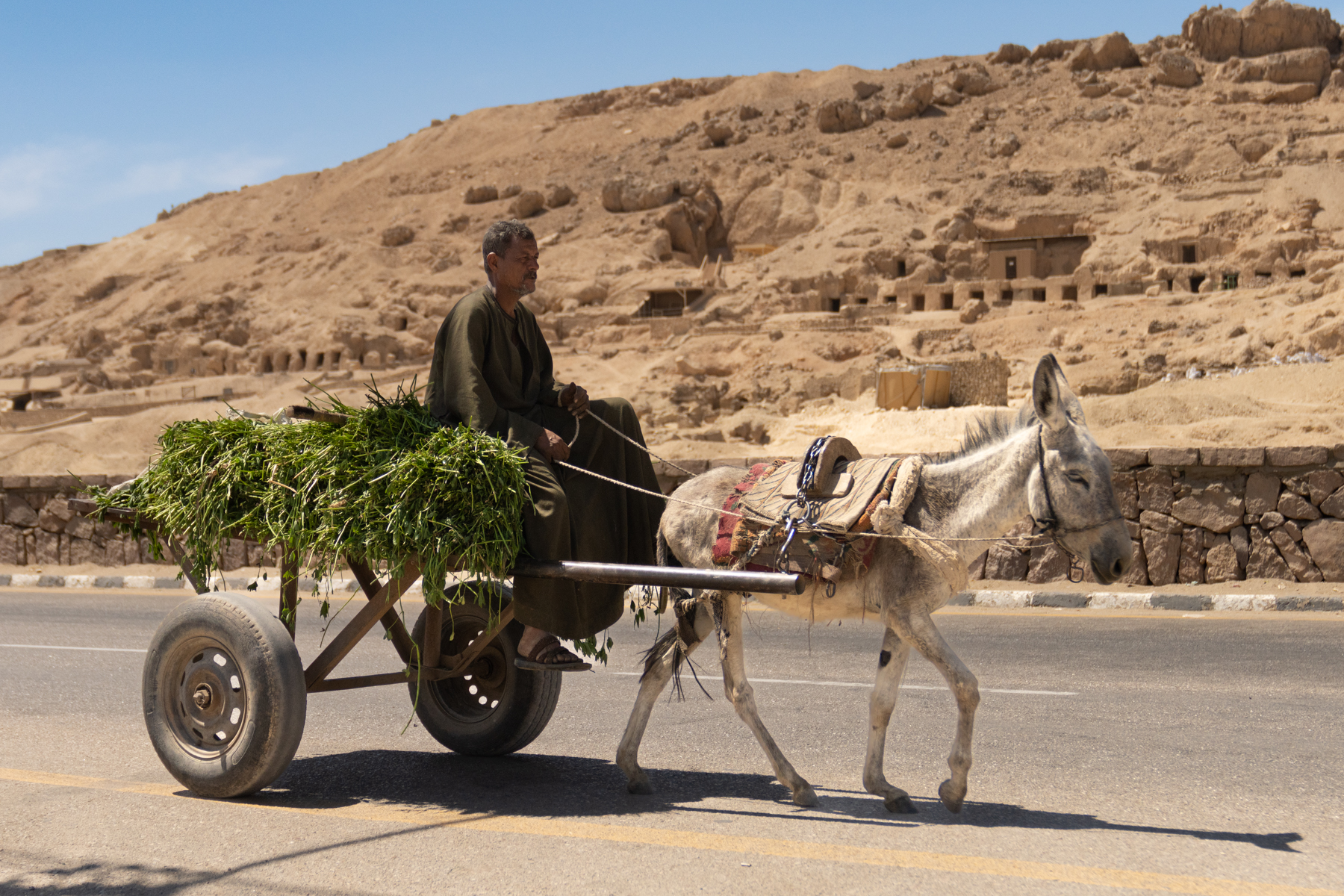
After a good walk around Karnak, we hopped back in the car and headed to our next destination, the Valley of the Kings, which required a drive of about 45 minutes to get to the west bank of the Nile. On the way, we saw a few donkeys on the road.
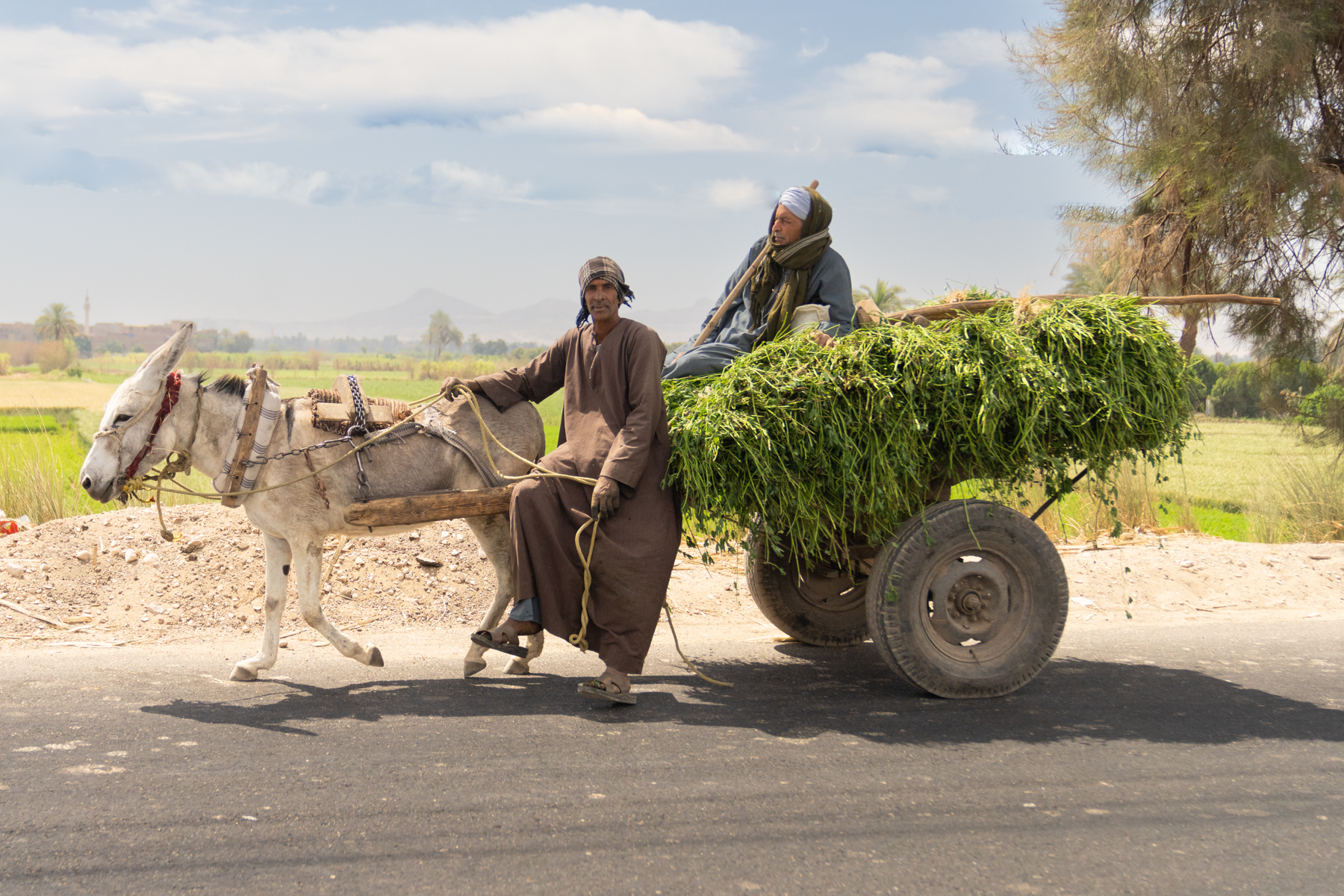
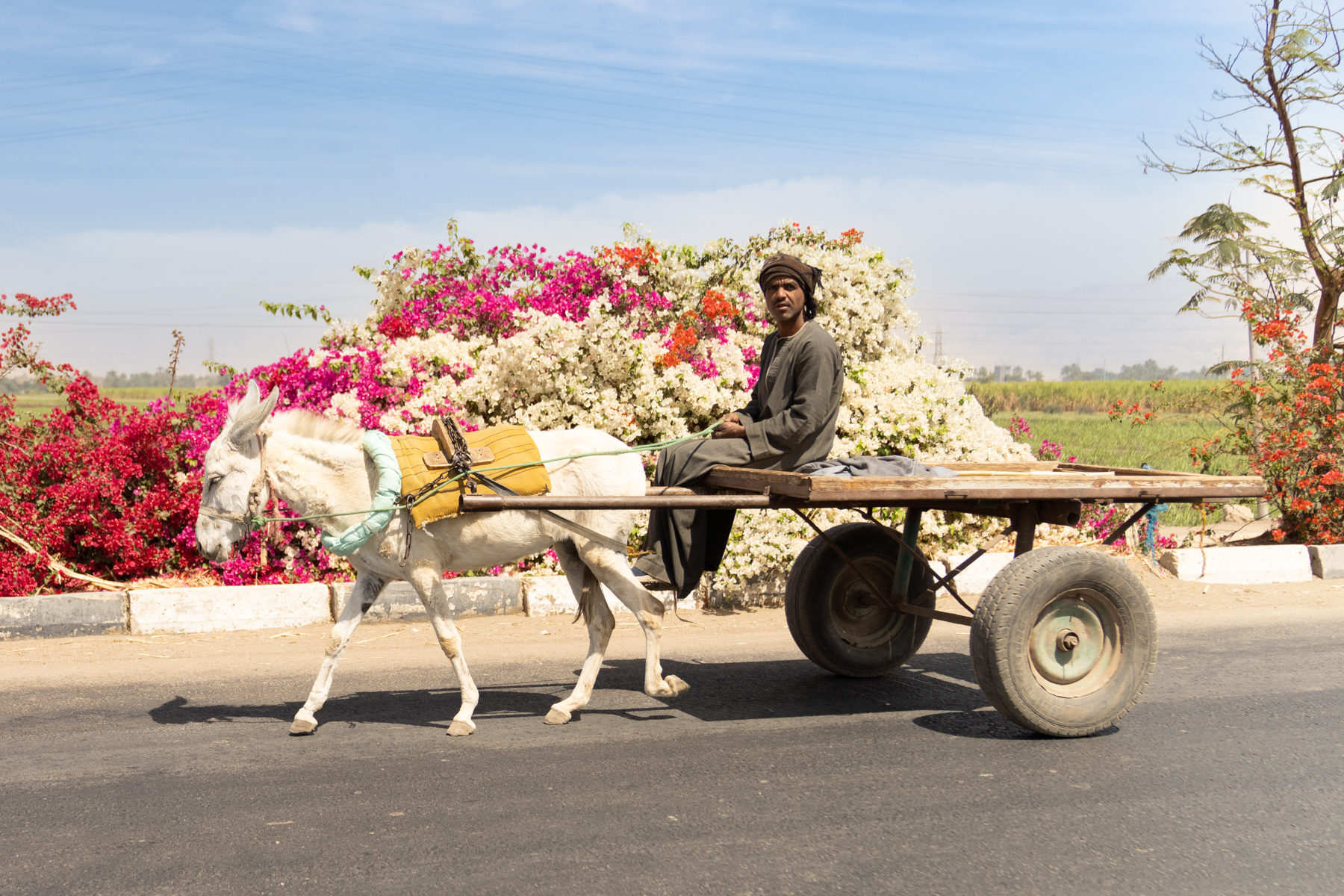
We got to the Valley of the Kings around 10:30 am. It was very busy!
The Valley of the Kings is an area where, from the 16th to the 11th century BC, rock-cut tombs were excavated for pharaohs and powerful nobles (probably in an attempt to better hide the buried treasure that was far easier to find in a prominent above-ground pyramid). There are 63 known tombs in the valley. This area has been a focus of archaeological exploration since the end of the eighteenth century. The valley is famous for the discovery by Howard Carter in 1992 of the tomb of Tutankhamun. This tomb was one of the very few pharaoh tombs that had not been plundered by grave robbers centuries earlier, and contained unimaginable riches. The tomb now is empty, since most of the treasures it contained are now in the Egyptian Museum in Cairo.
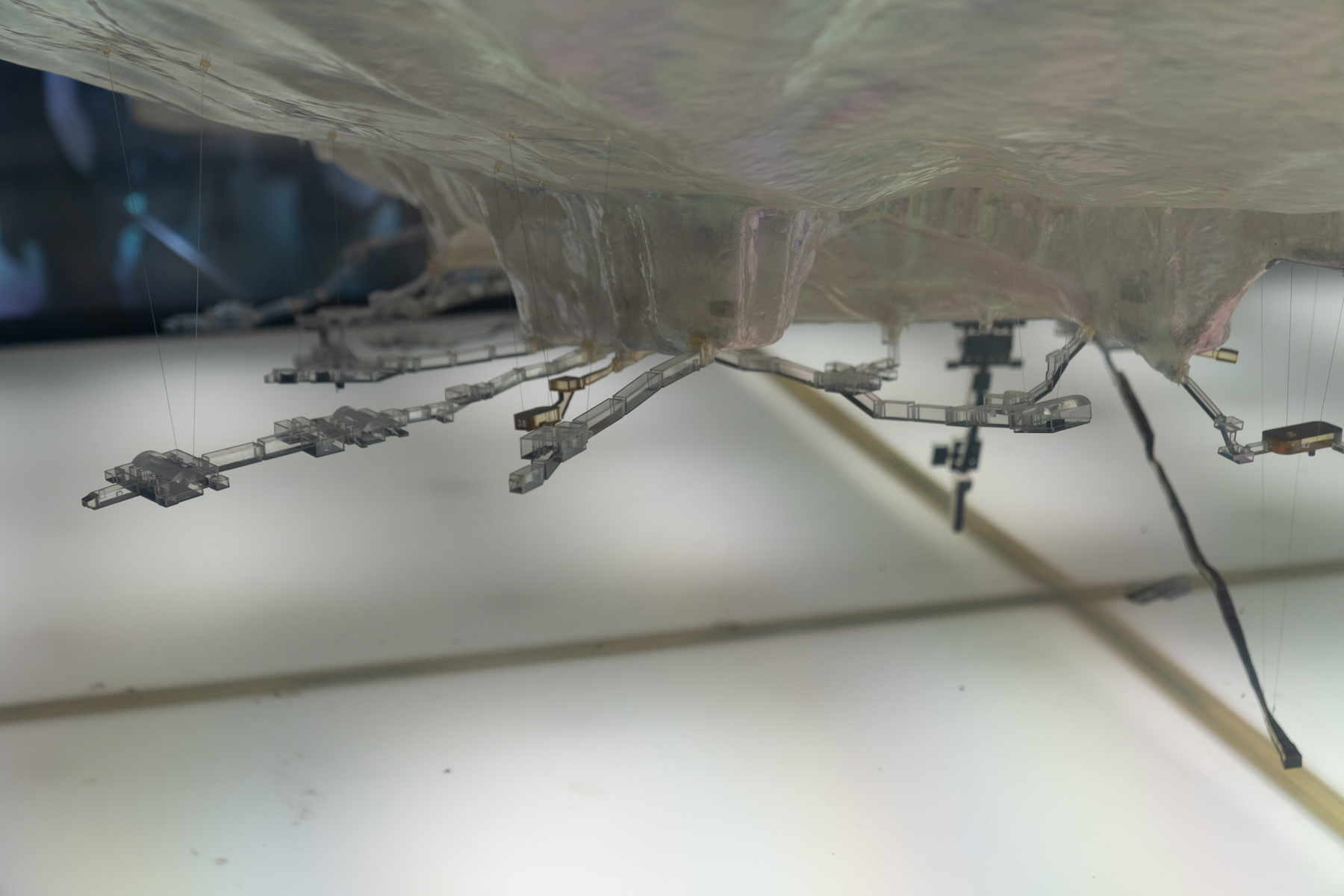
The tombs are located some way into the valley so a fleet of golf carts carries people up to the tomb area. We hopped into a cart and headed off into the valley.
We alighted at the end of the road and proceeded by foot to look at three of the most interesting and well-preserved tombs: Rameses I, Rameses IX, and Tausert/Setnakht (technically two tombs).
We started at the tomb of Rameses IX which, based on the number of people lined up to view it, was one of the more popular tombs.
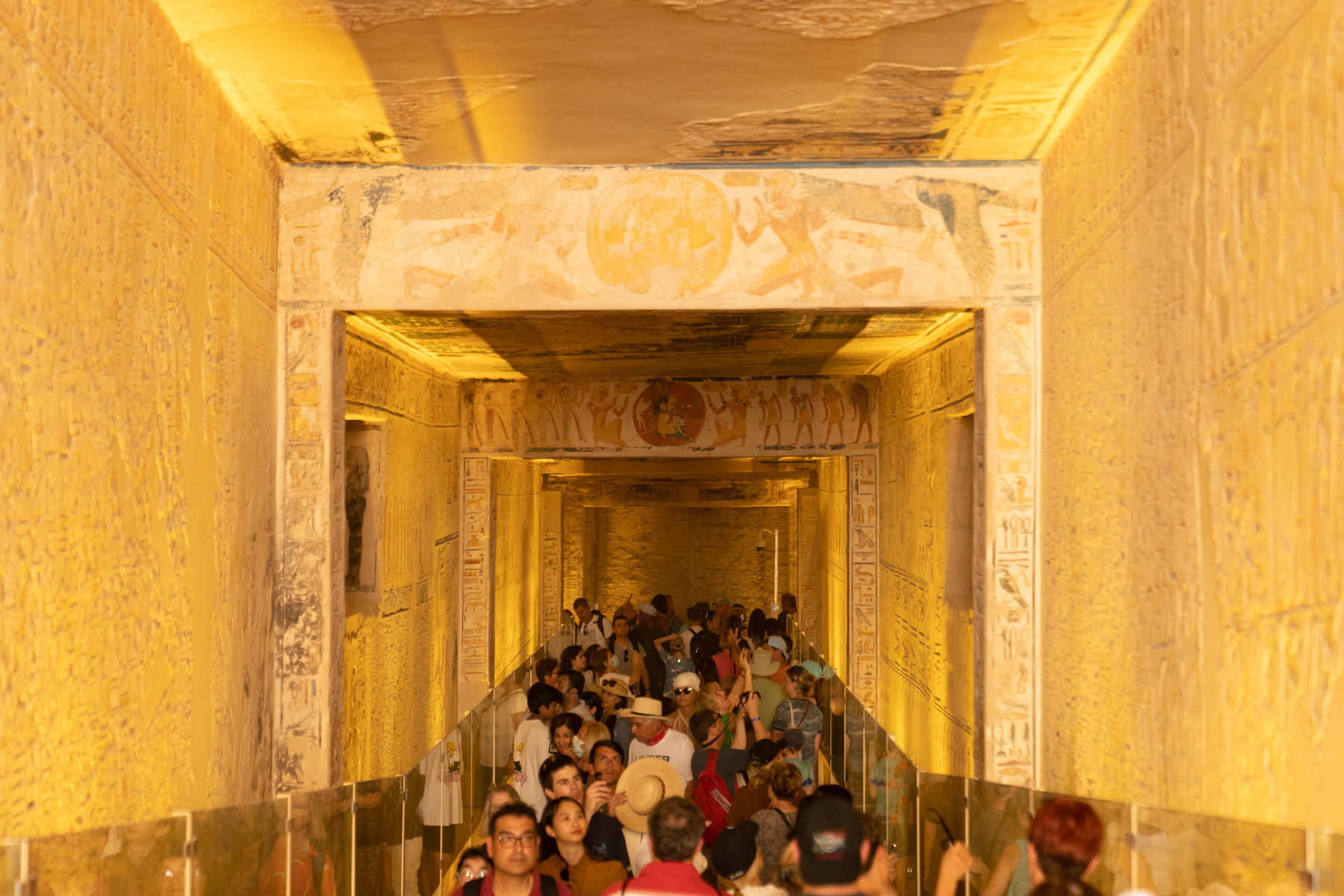
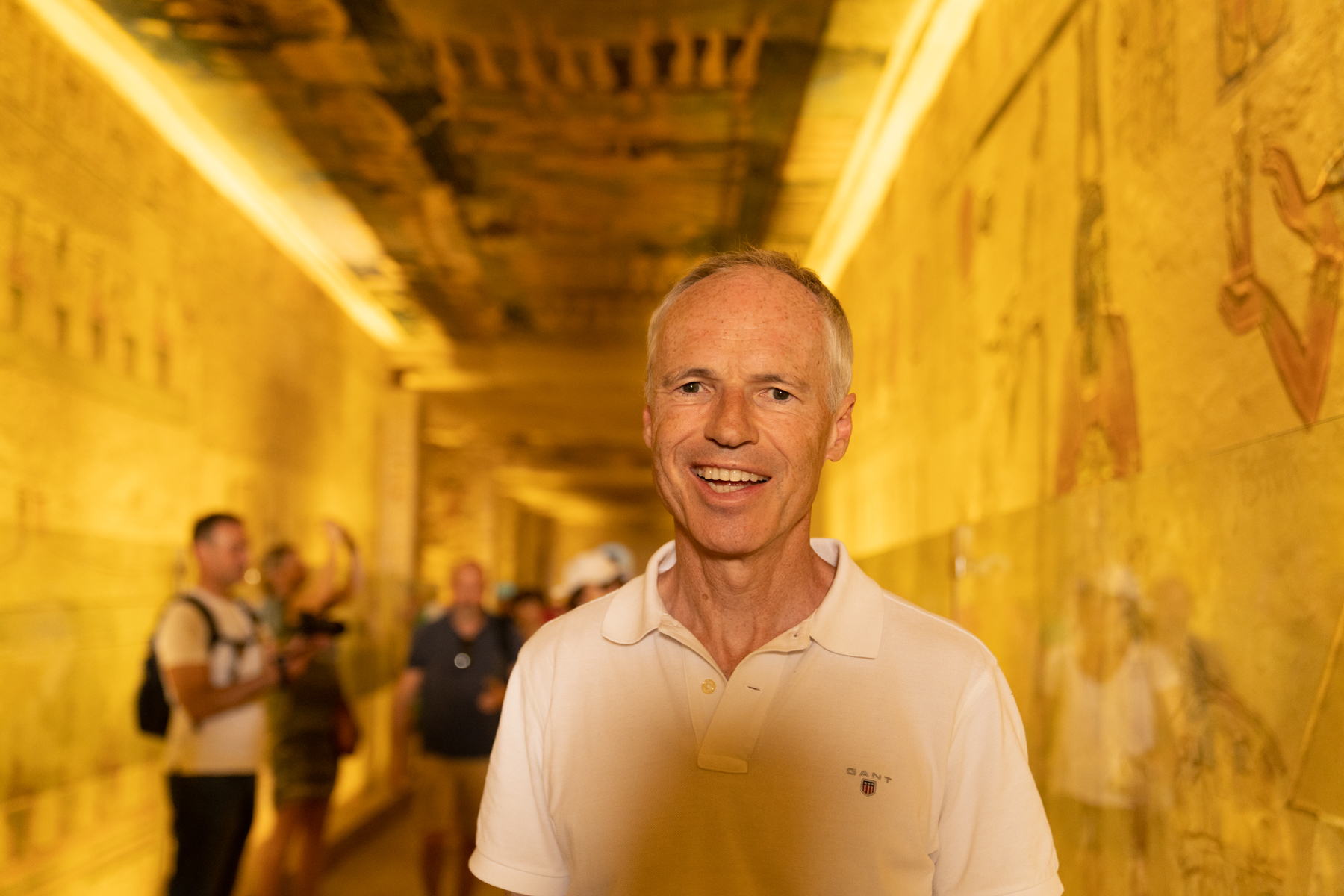
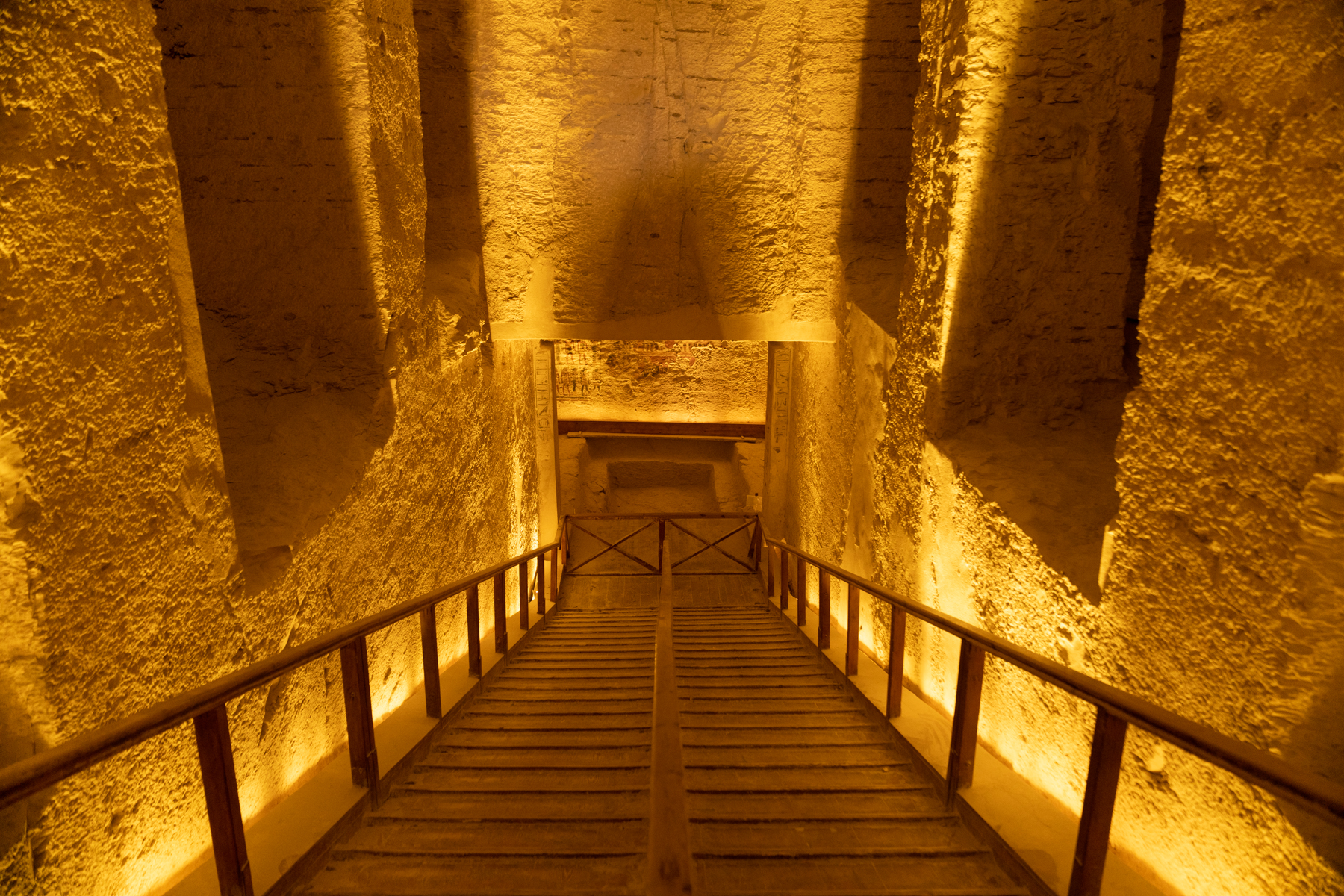
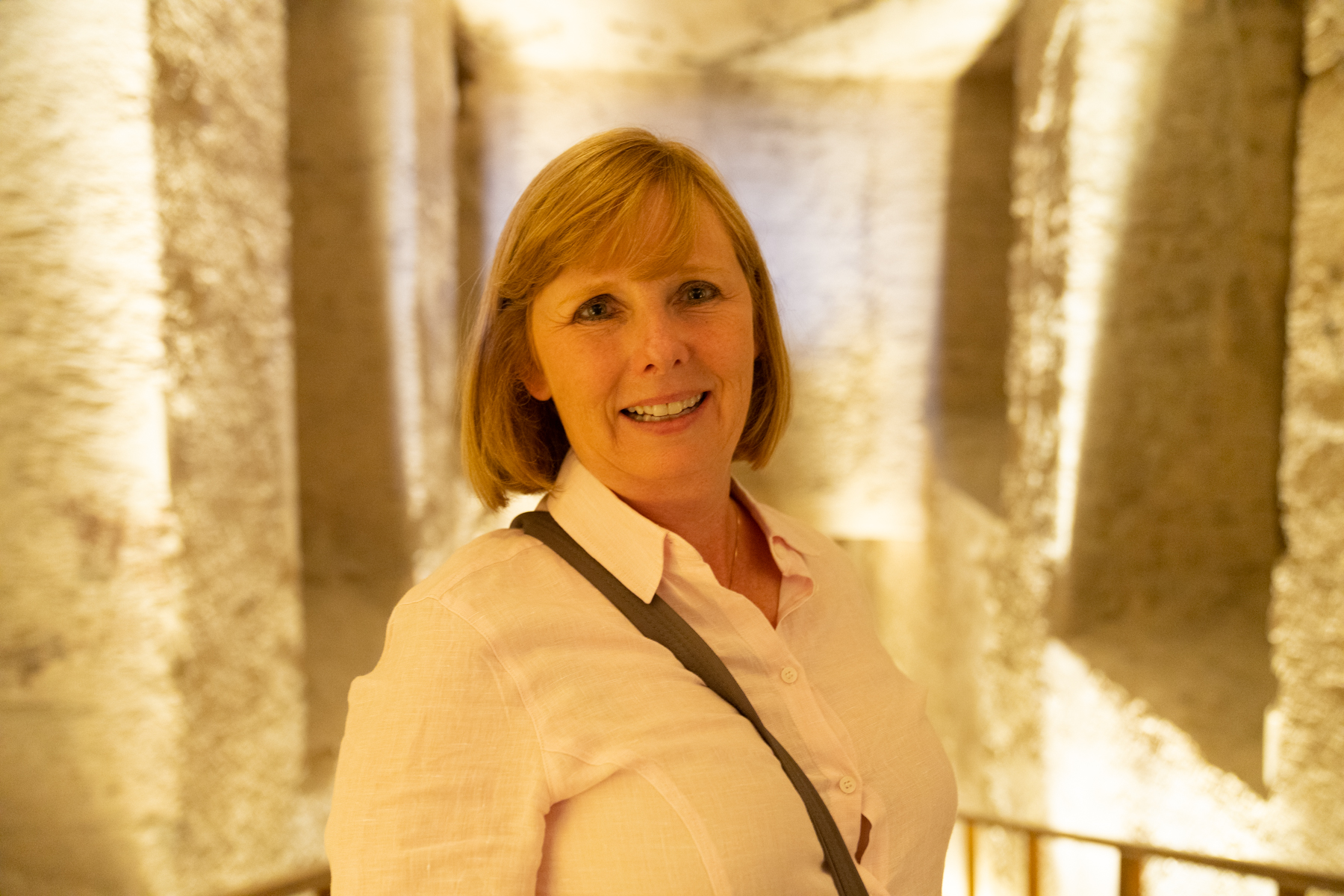
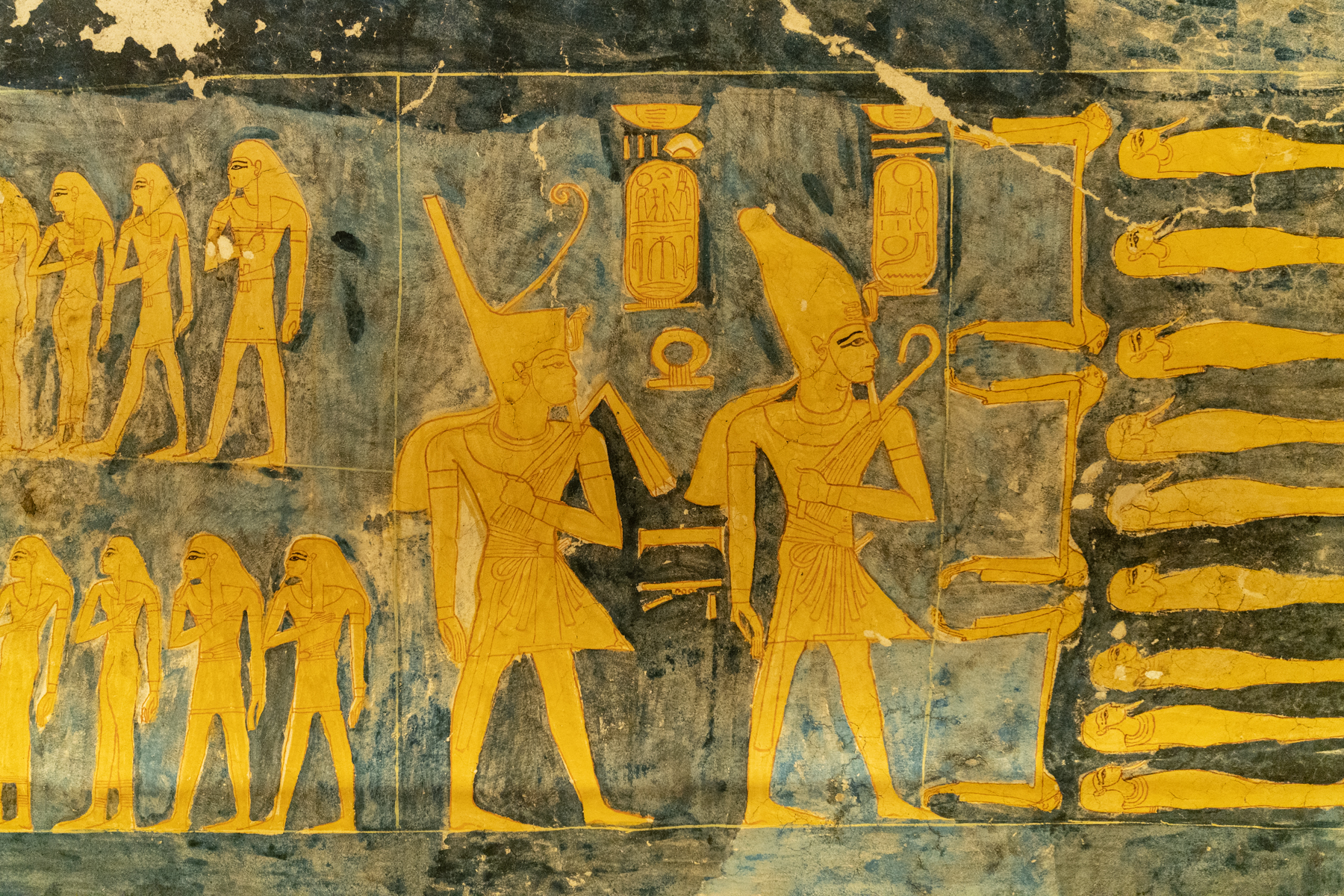
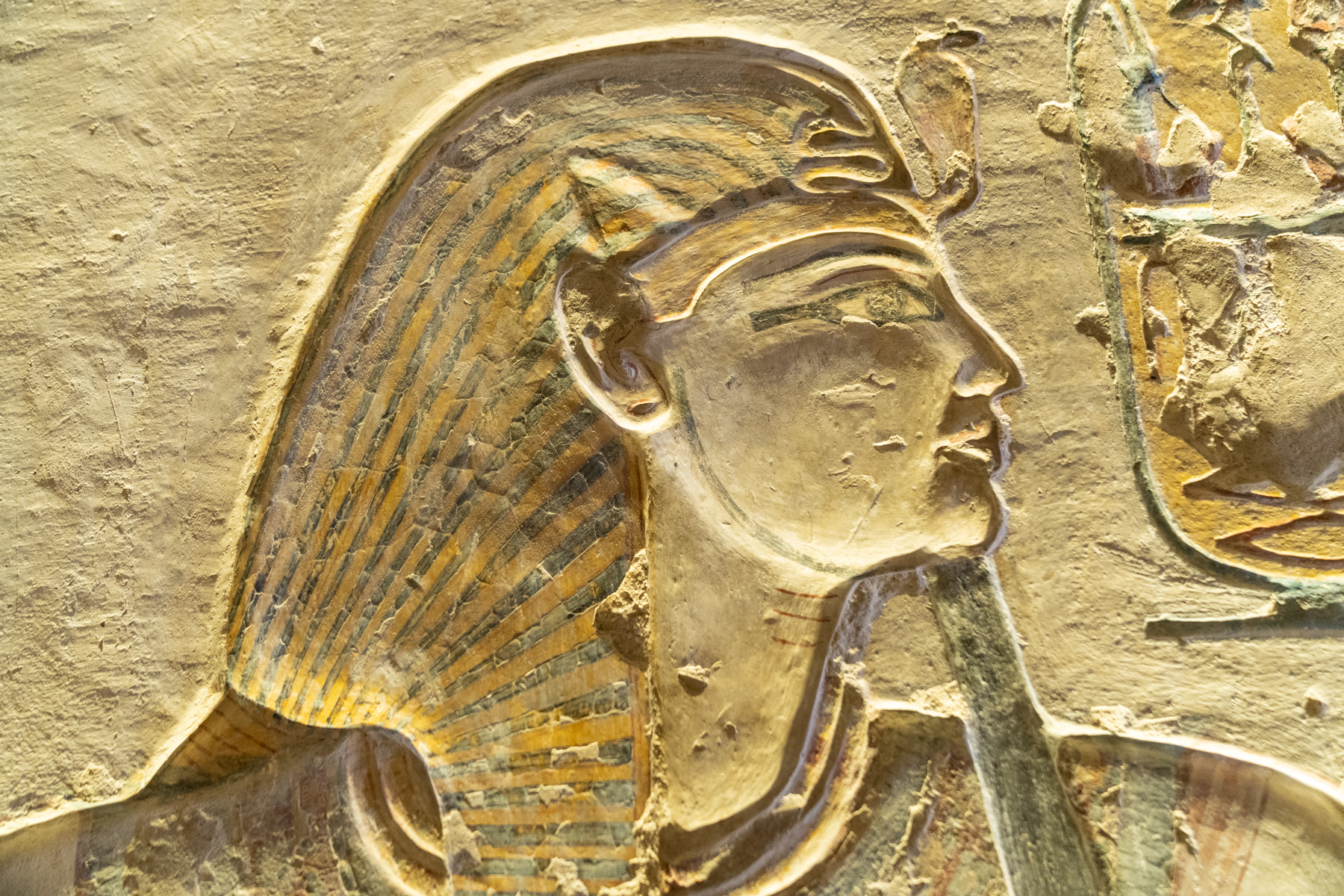
Next, we walked to the tomb of Tausert/Setnakht. This tomb is significant because it was used originally to bury Tausert but was later usurped and modified for Setnakht.
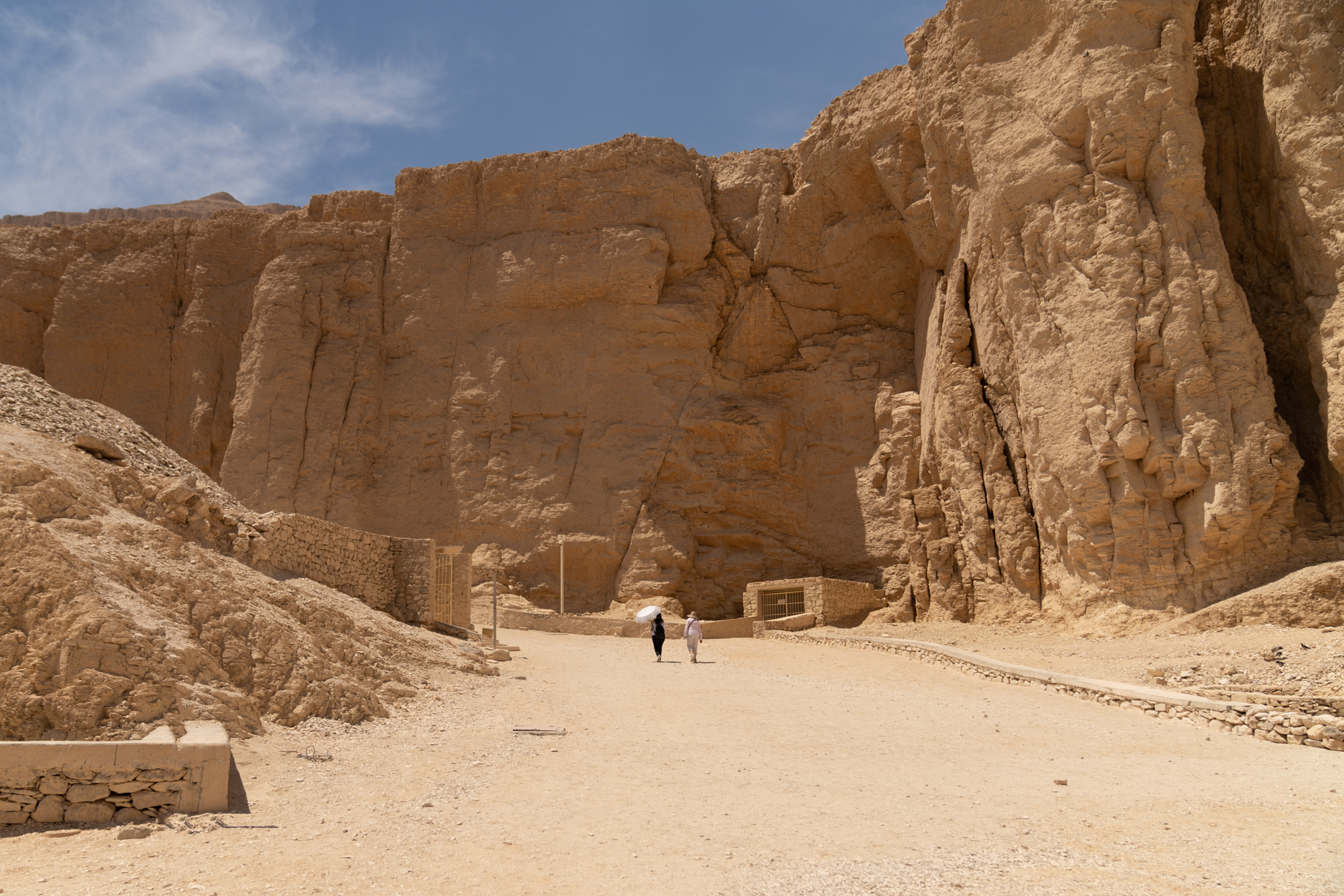
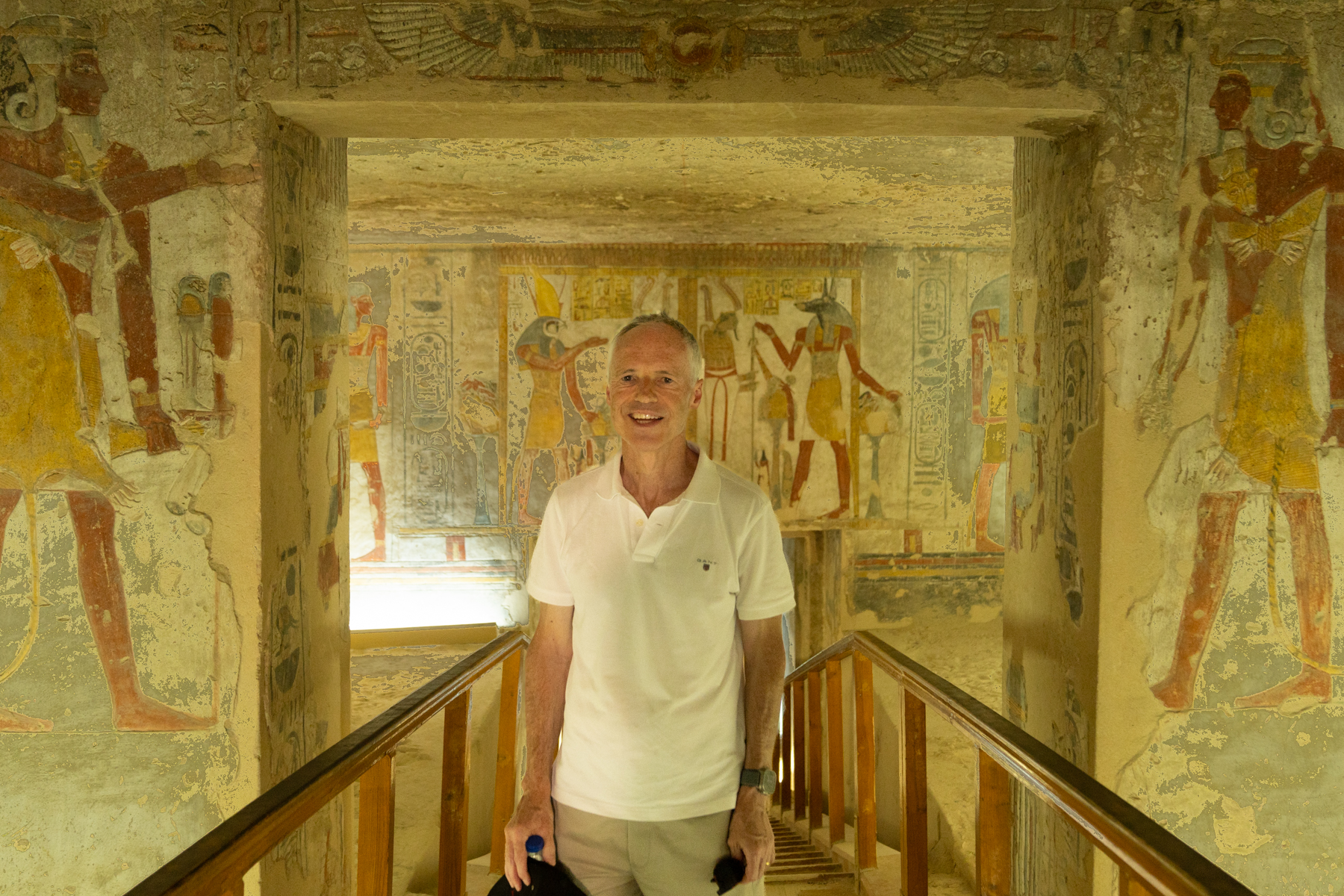
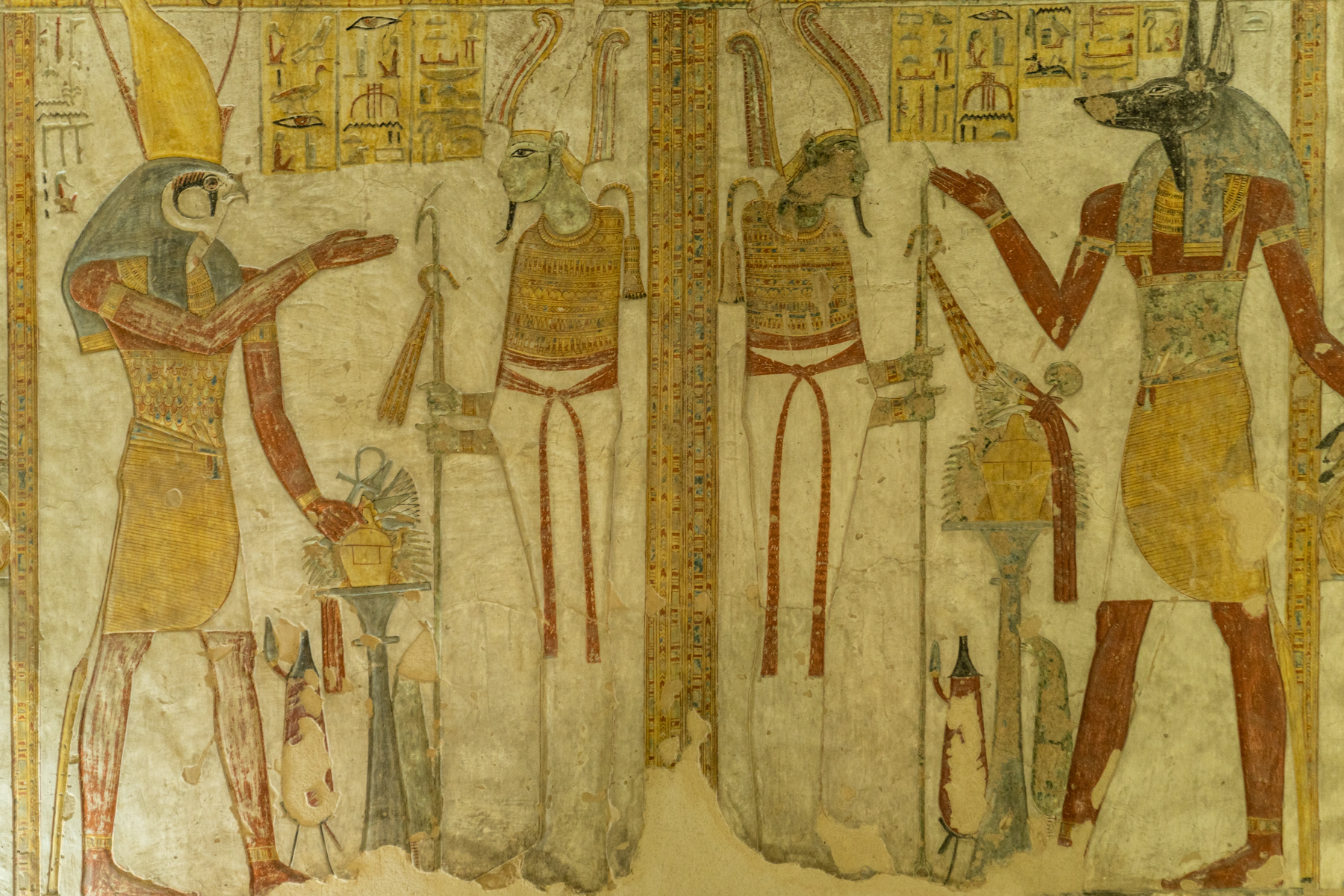
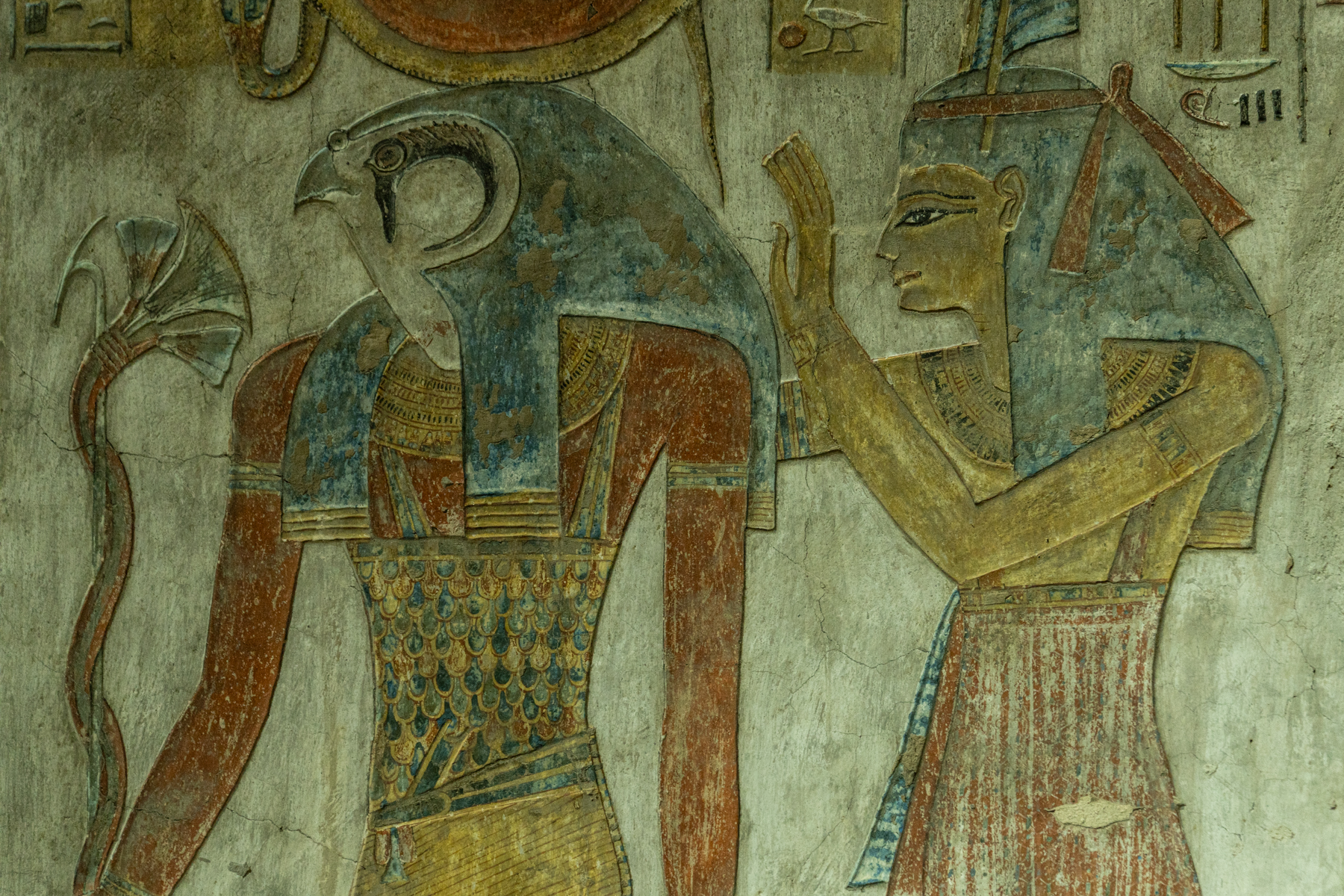
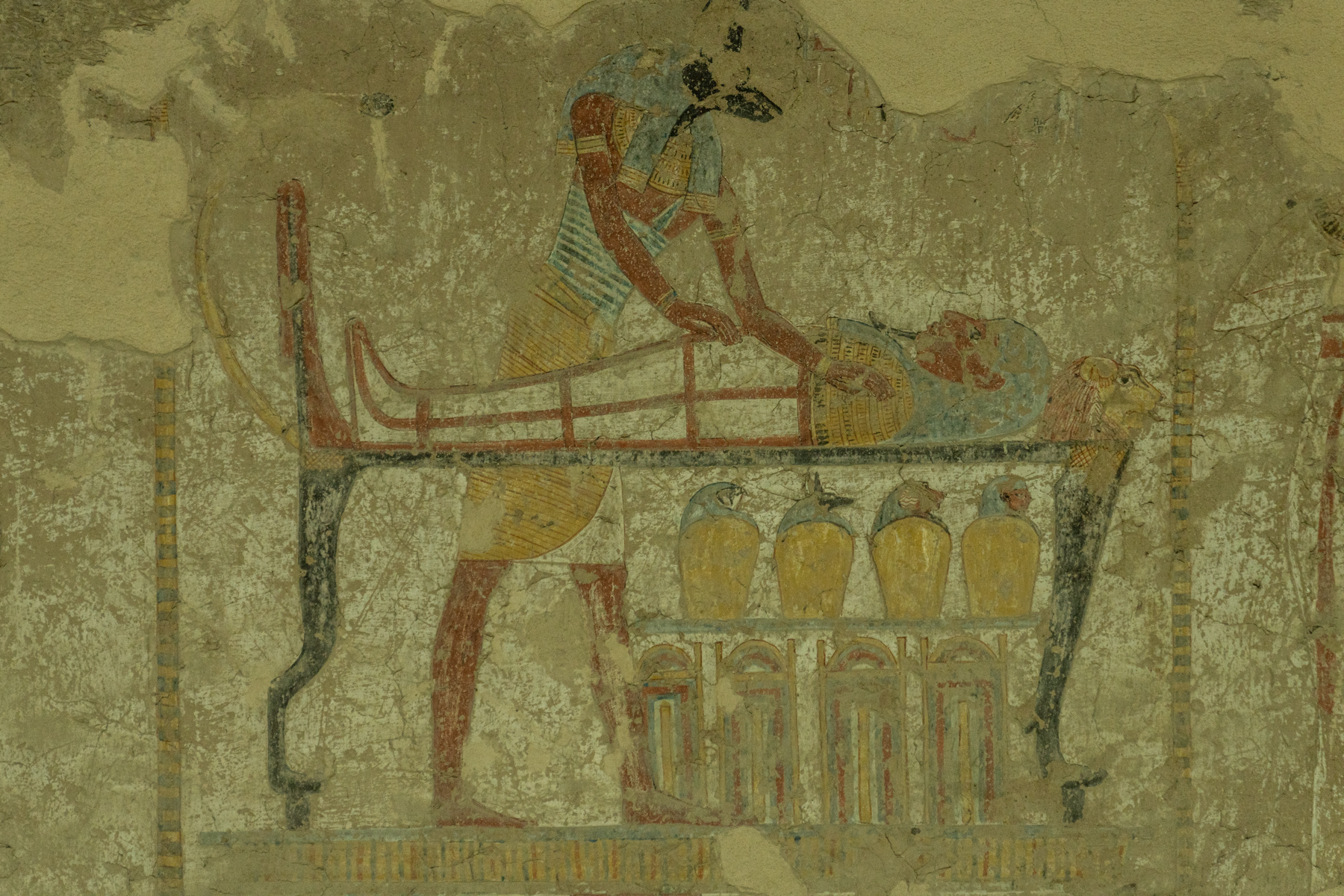
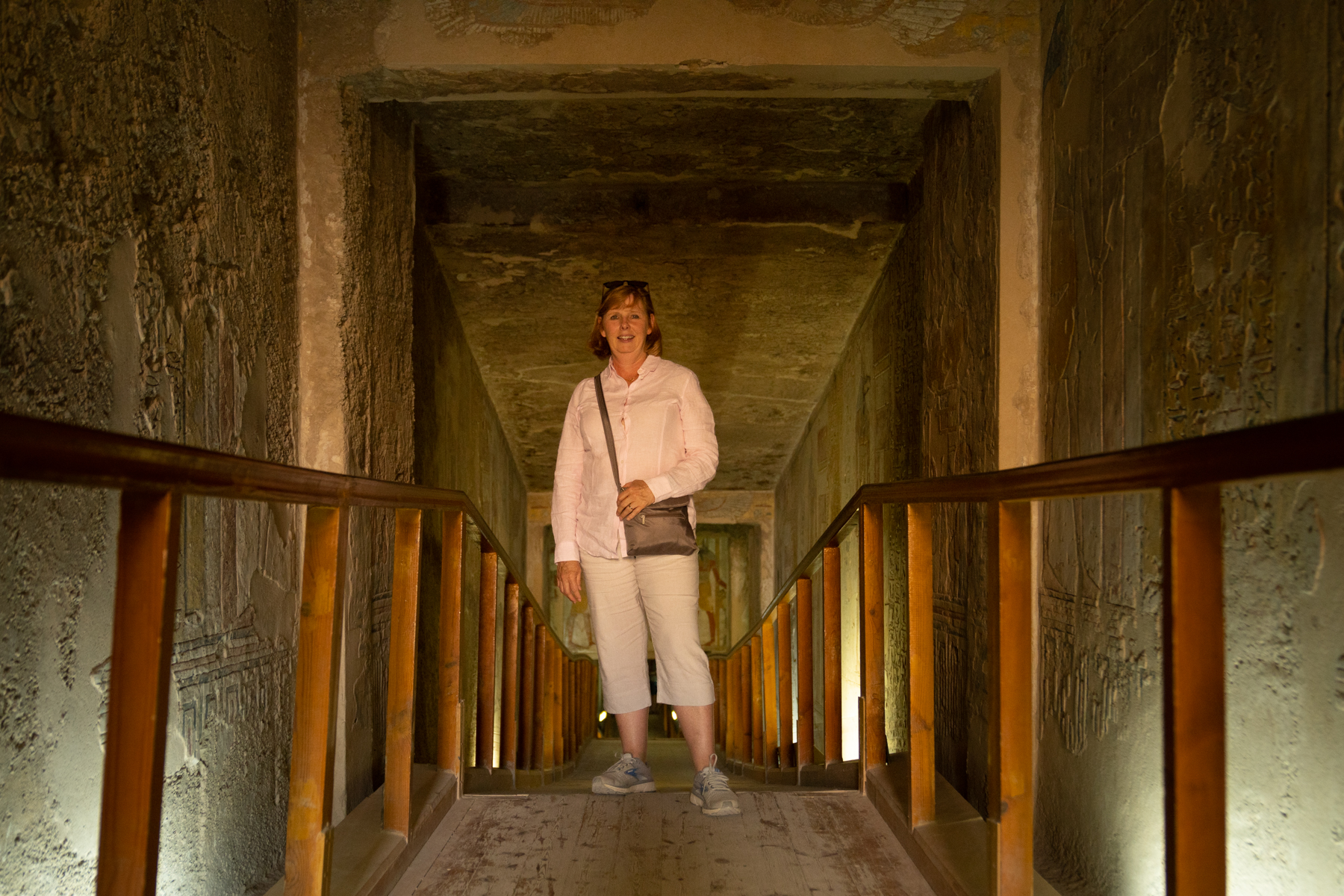
Lastly, we visited the tomb of Rameses I.
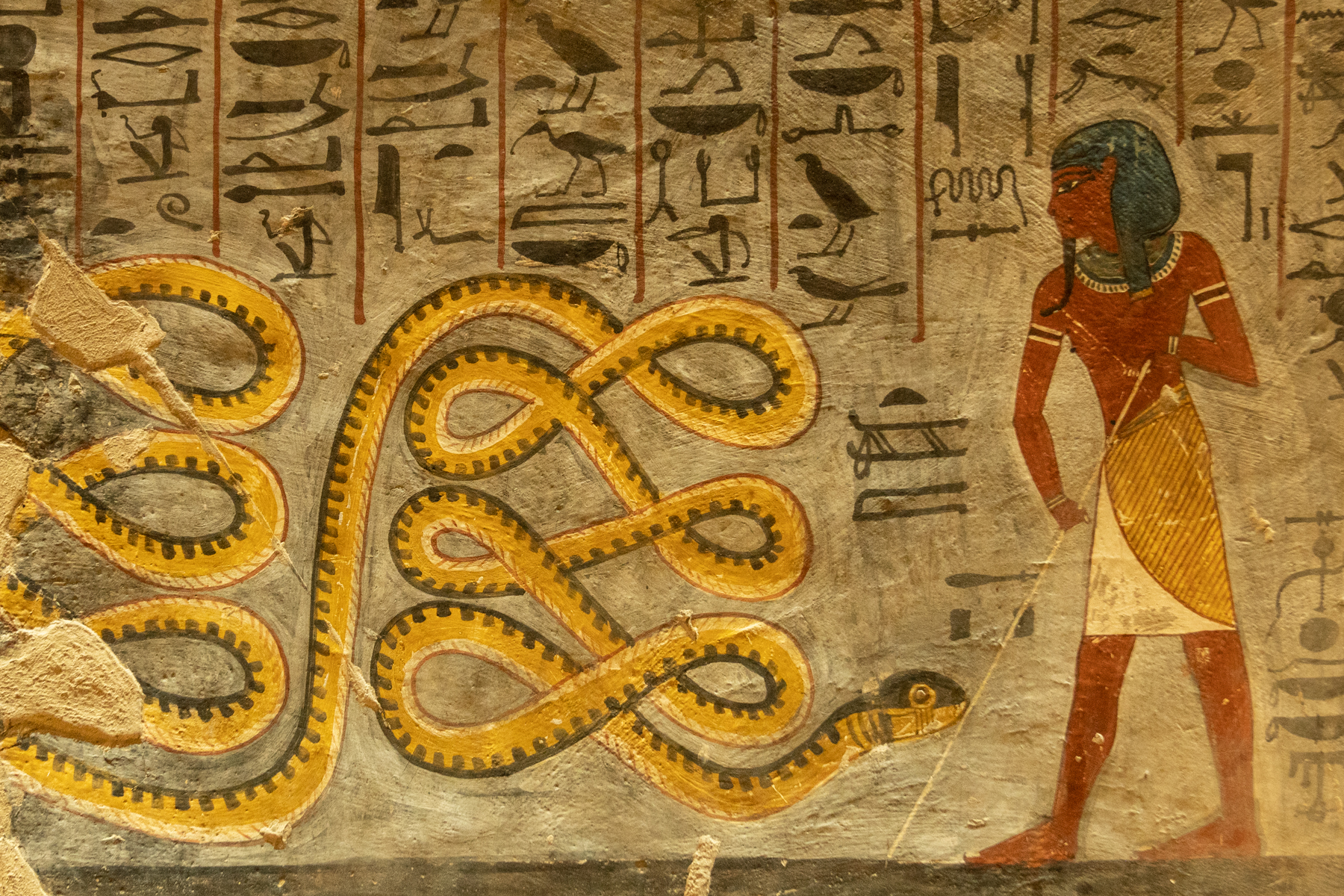
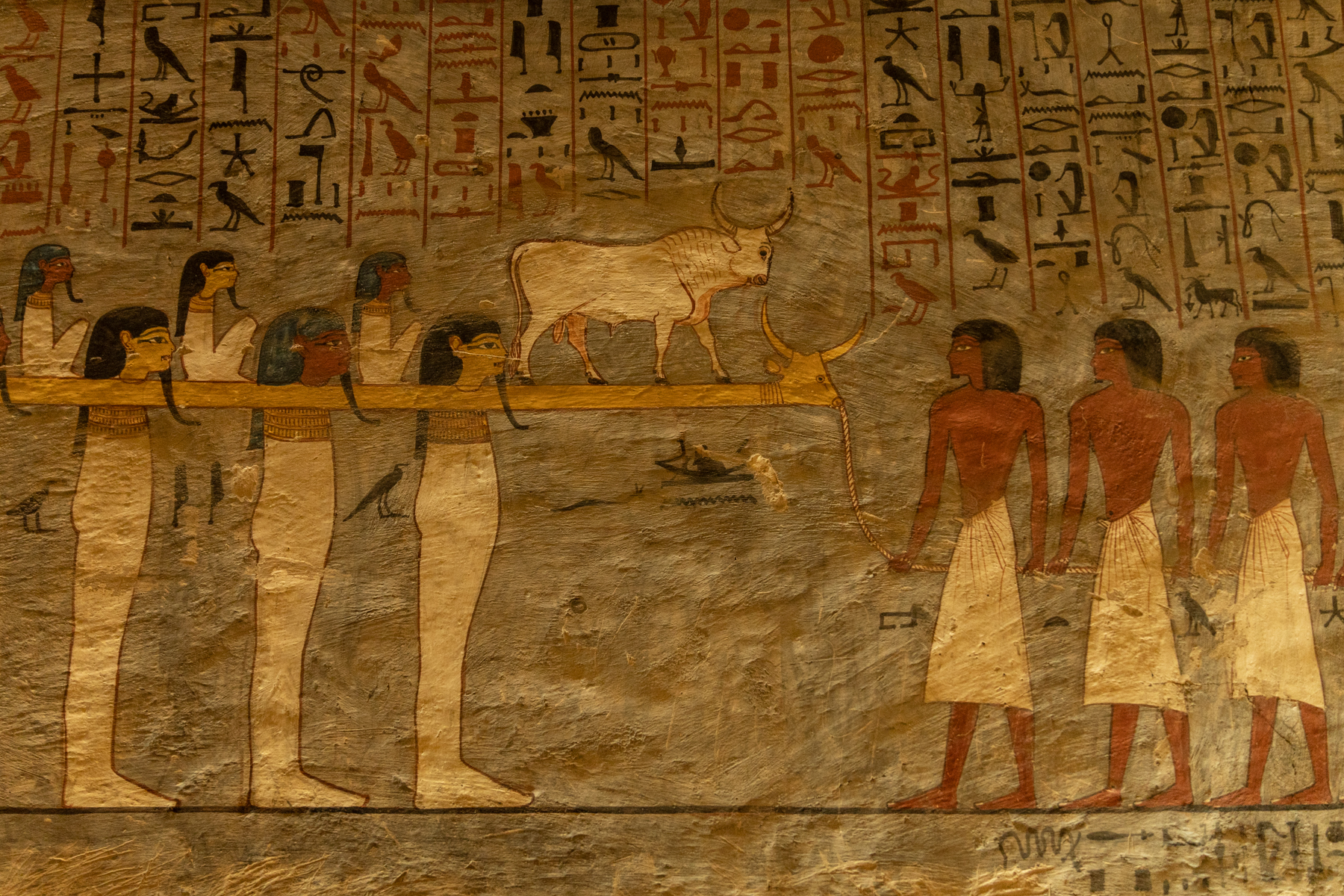
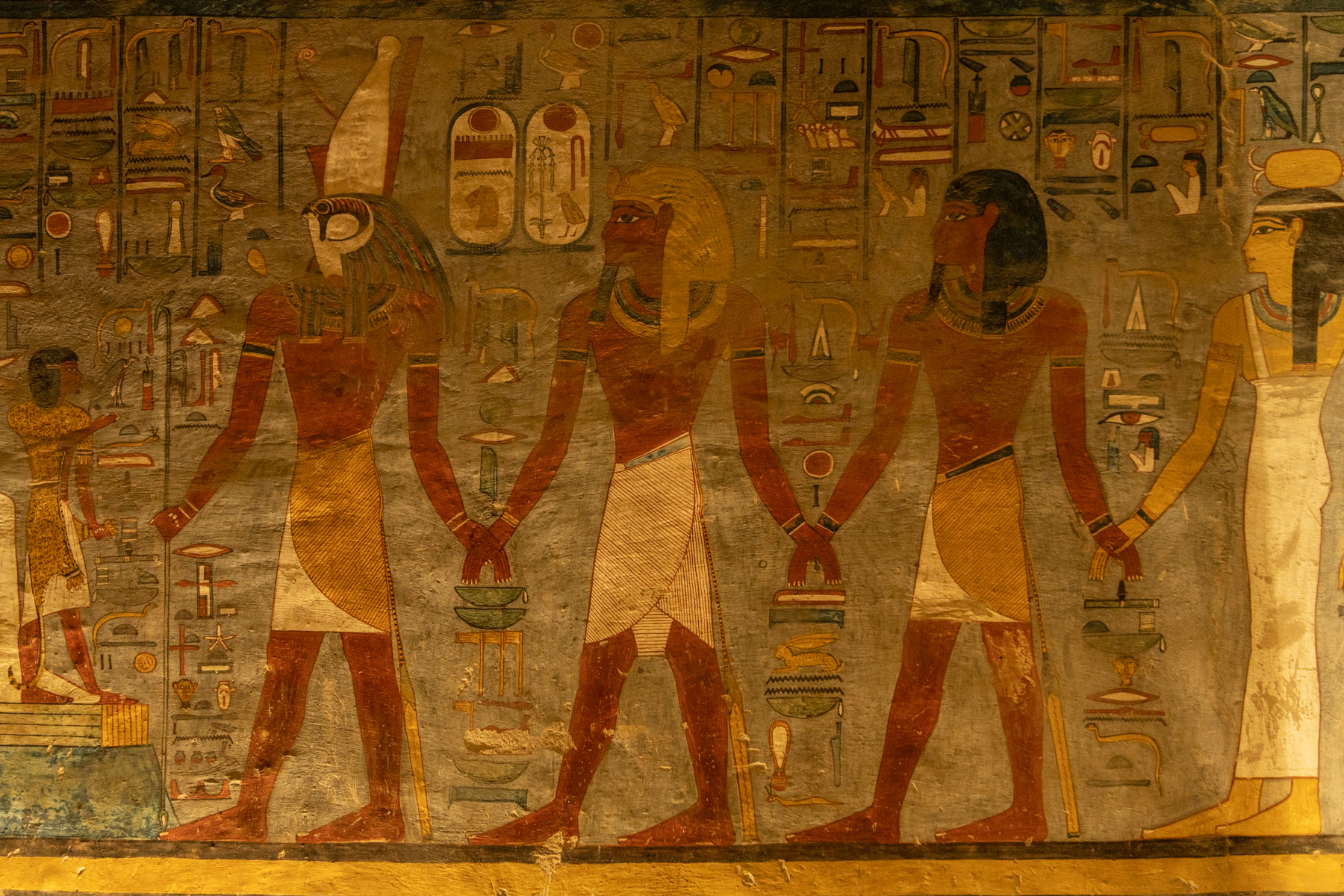
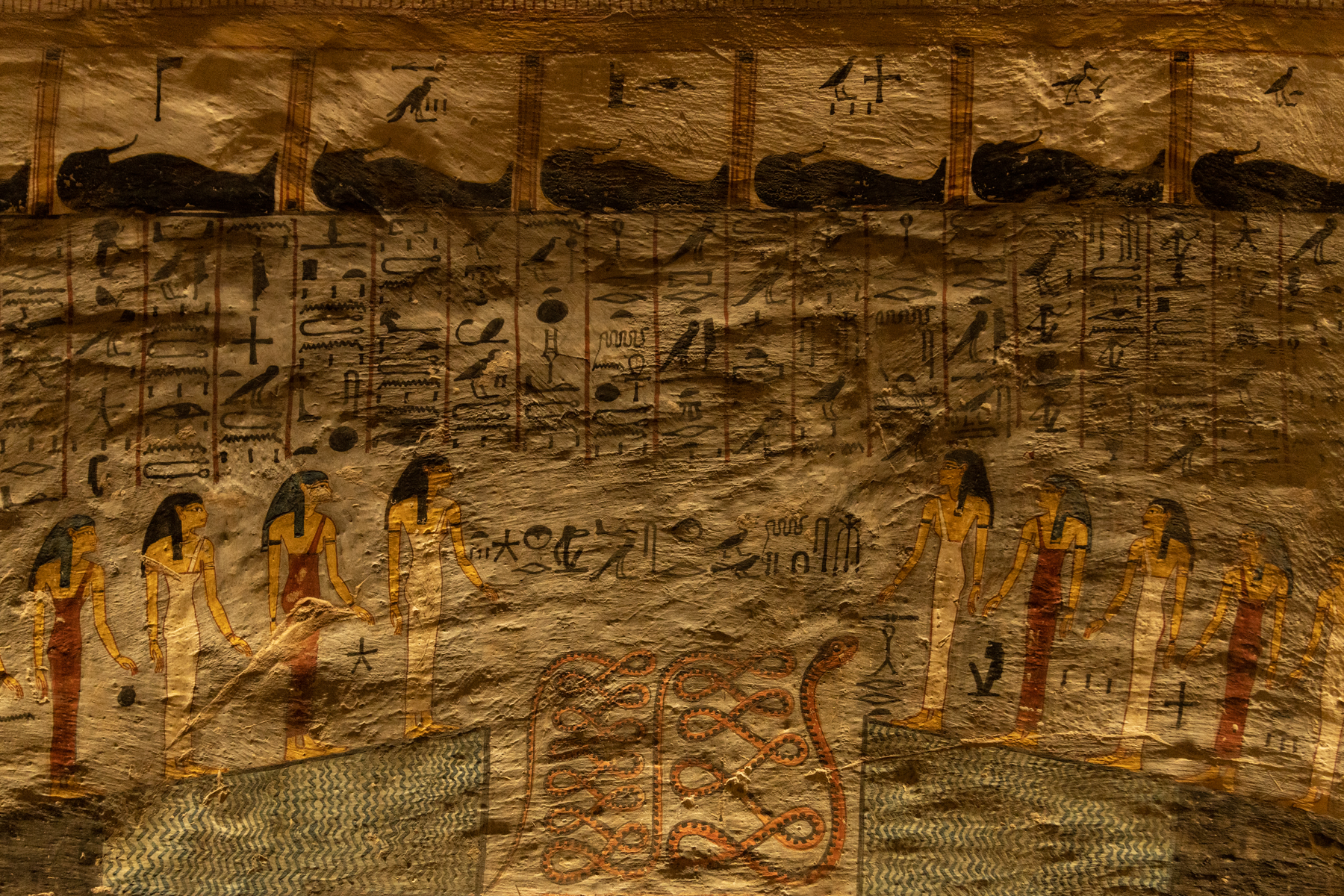
We then walked back to catch a golf cart back to the car park to head off to a local workshop to see how craftsmen worked with the local rocks to create carvings and pottery.
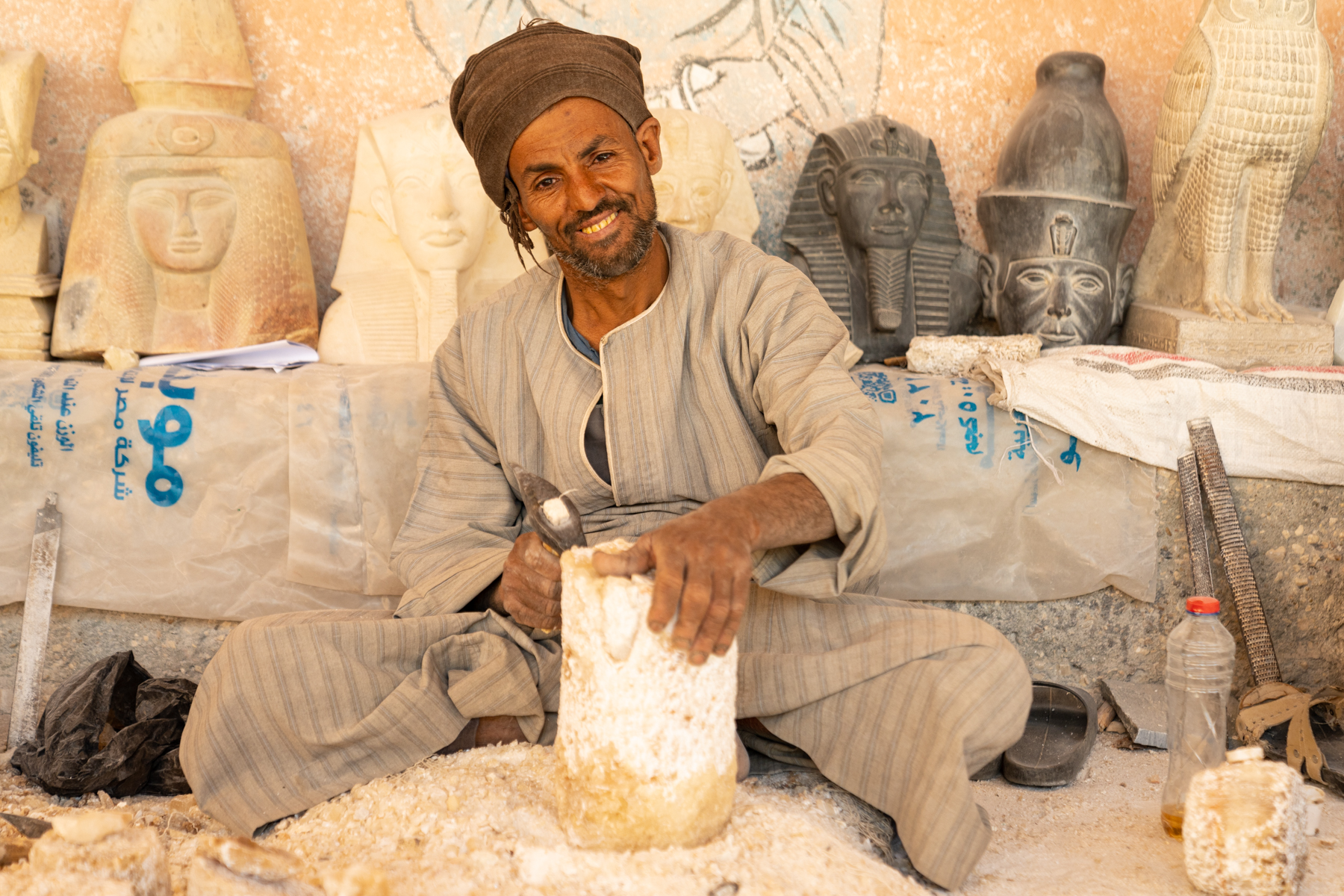
We did a bit of shopping, really just as a gesture to say thank-you for the tour we were given. However, we got the impression they would have preferred a larger gesture!
We hopped back in the car for a short drive to the incredible Temple of Hatshepsut. Again, there were plenty of donkeys on the road on the way.
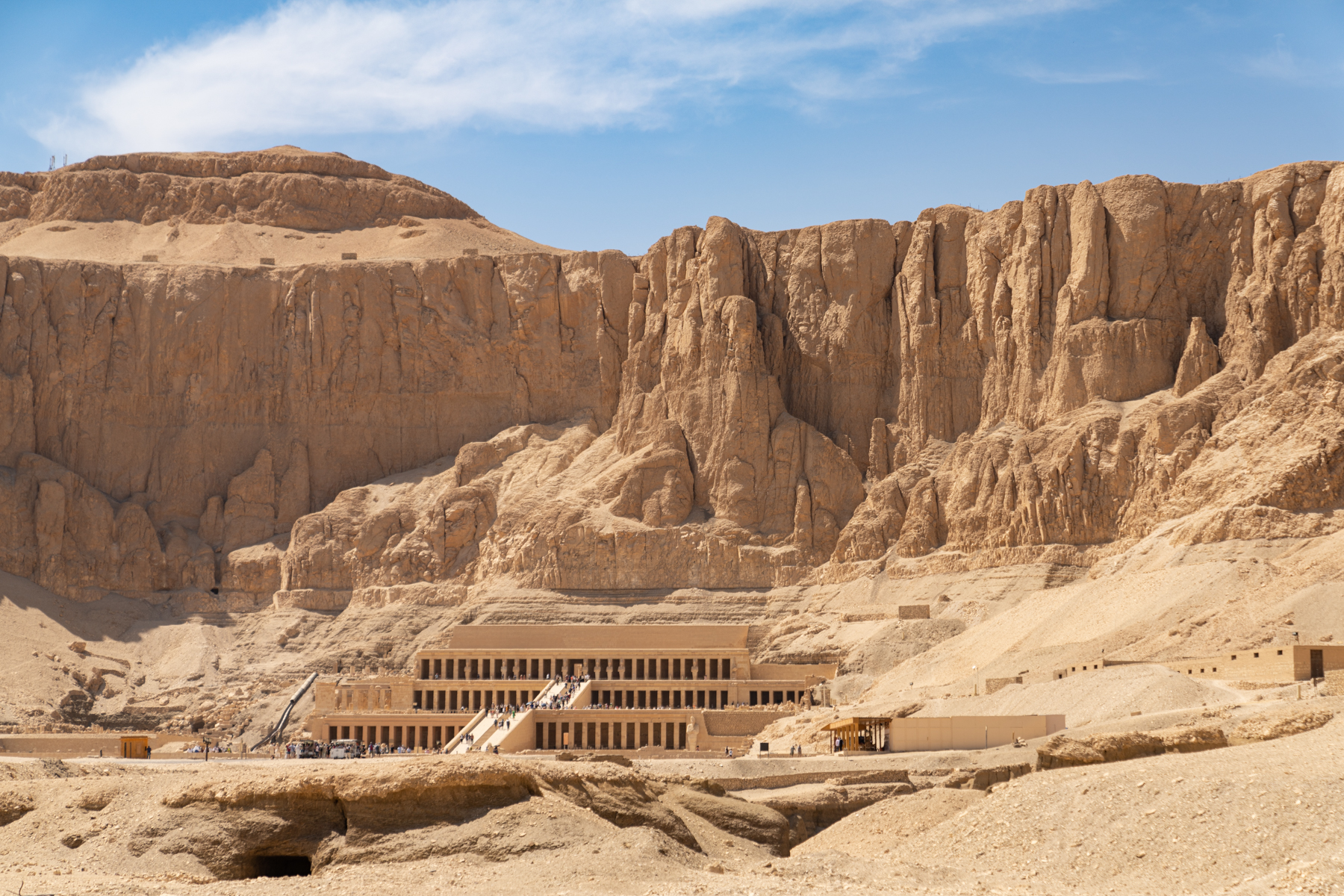
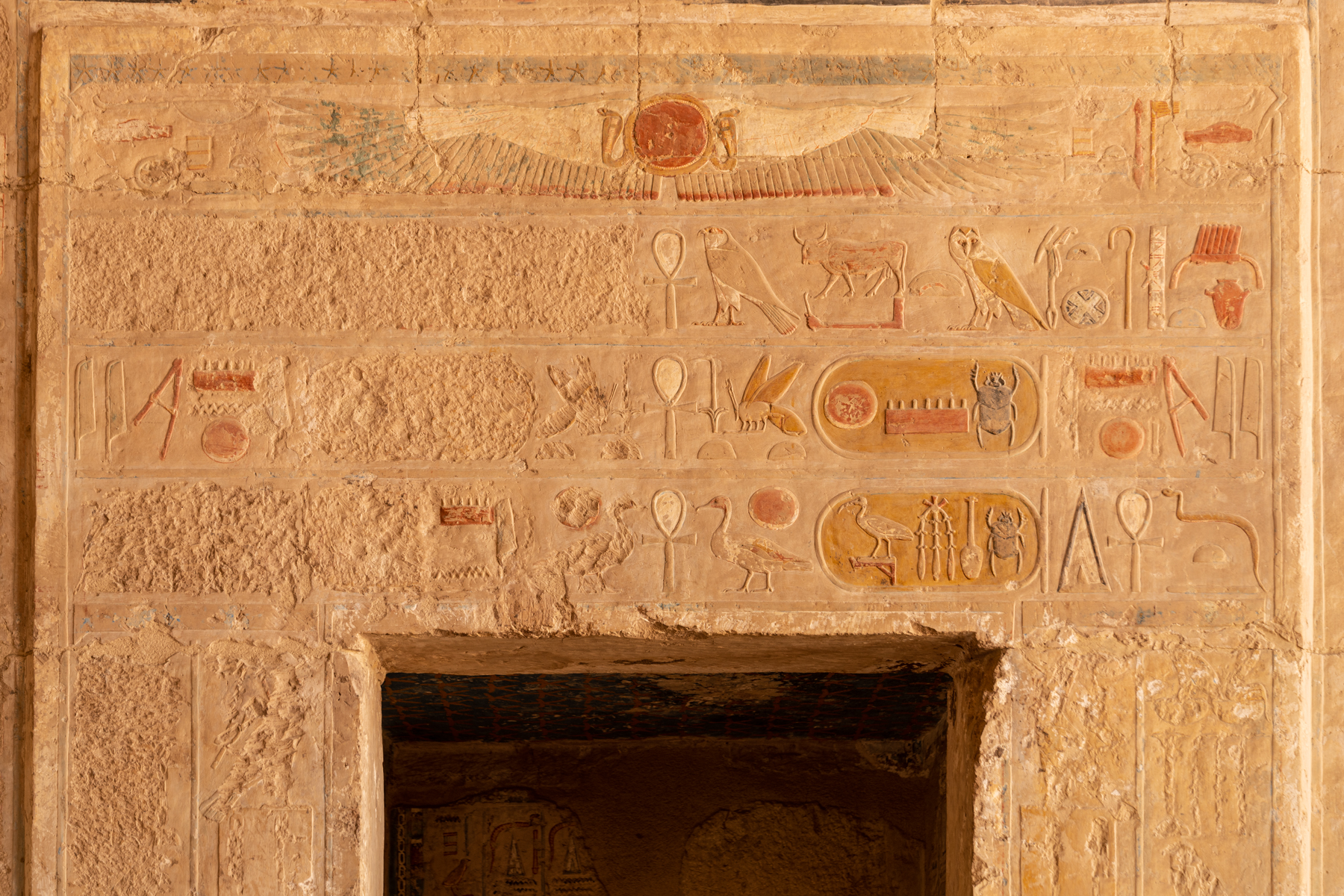
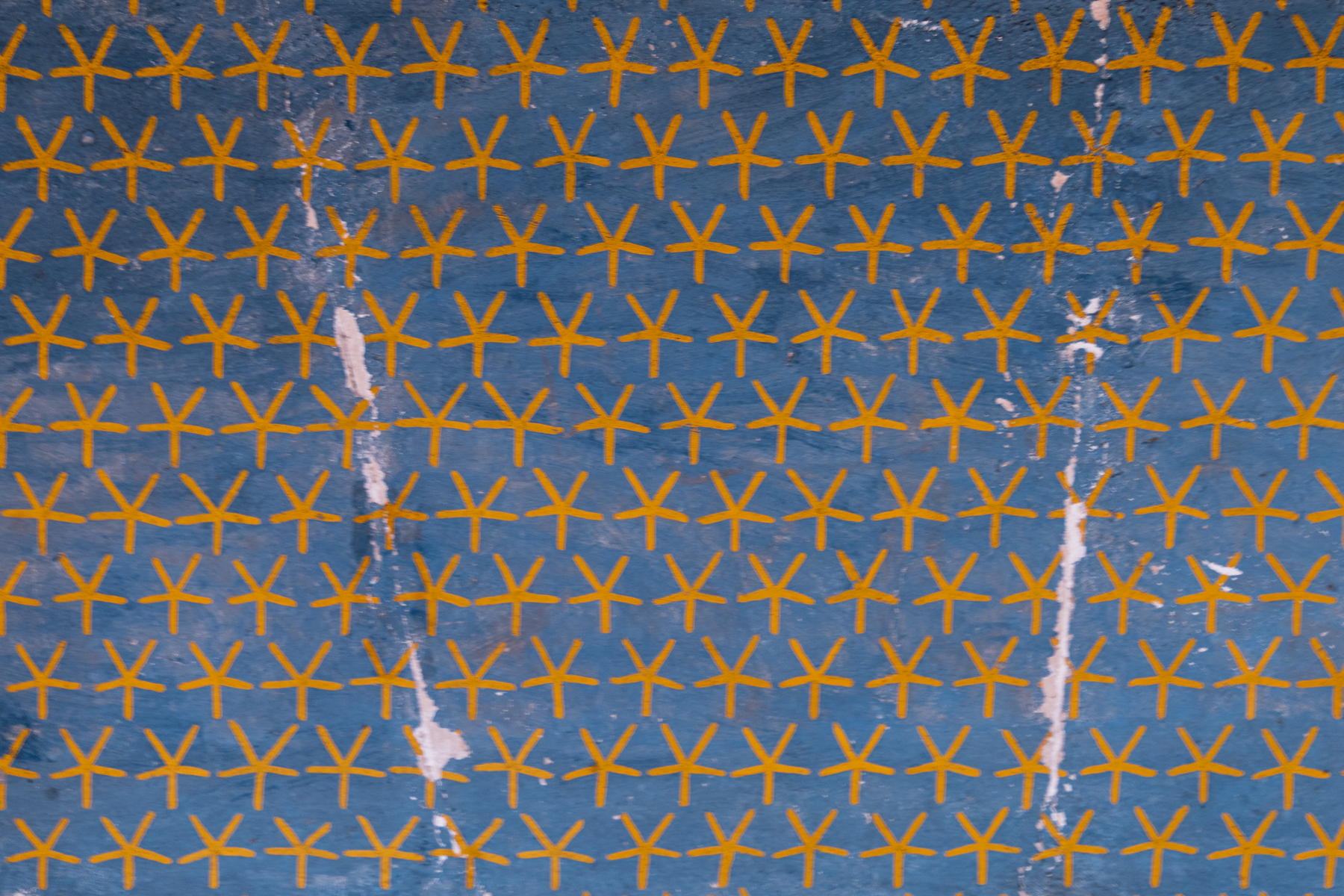
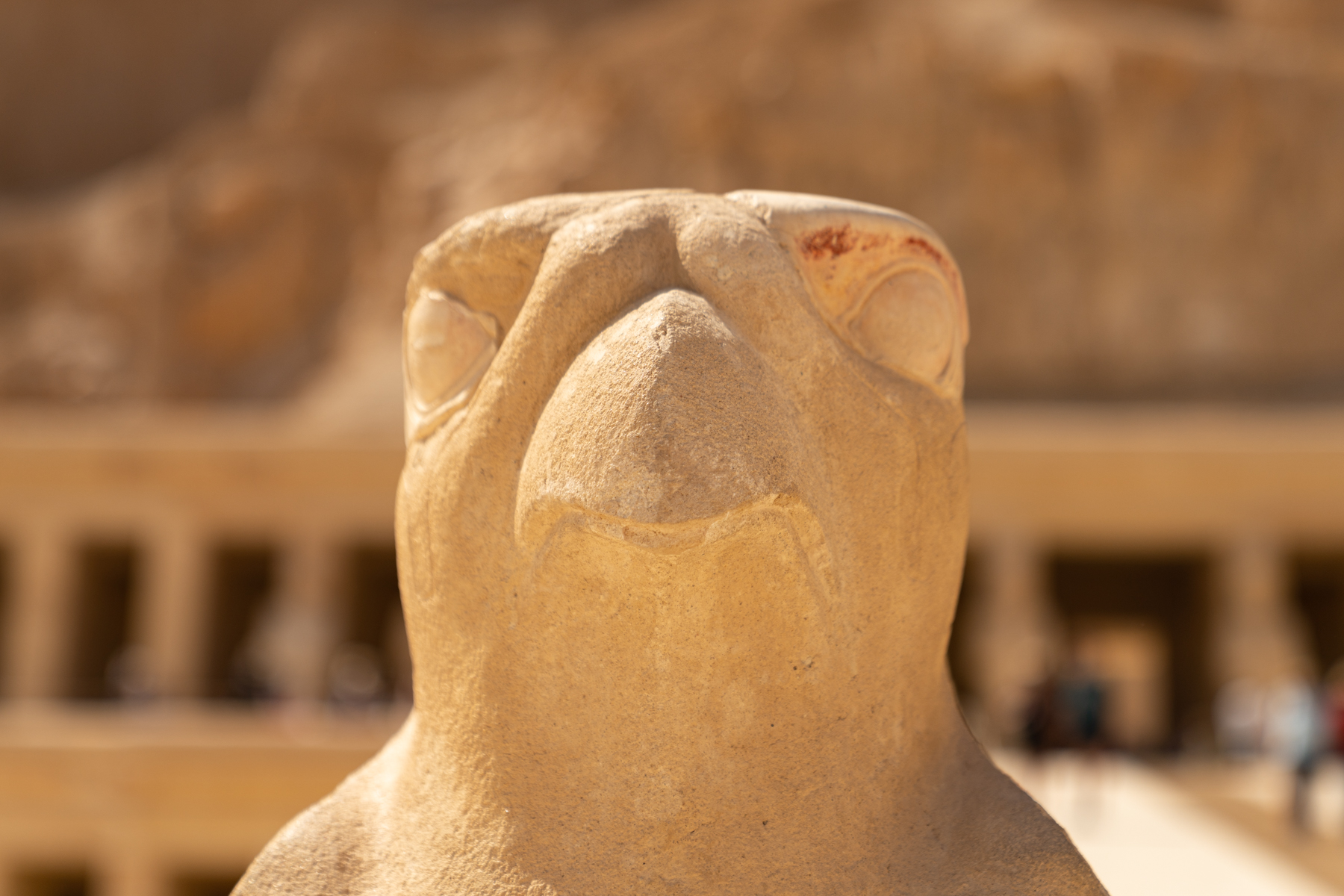
We got to the Temple of Hatshepsut around 1:15 pm. We hopped out of the car for a walk to the temple. Even from a distance, it was a stunning sight. The Temple of Hatshepsut is widely considered to be a masterpiece of ancient architecture and it’s not hard to understand why this is the case. Its three massive terraces rise above the desert floor and into the cliffs, making it a spectacular sight. Hatshepsut was fifth Pharaoh of the Eighteenth Dynasty of Egypt, ruling from around 1479 BC until her death in 1458 BC. She initially ruled as the regent to her stepson, who inherited the throne when he was only two years old. Some years into her regency, she assumed the position of pharaoh, which subsequently caused her stepson to later go on a campaign to obliterate her from history by destroying or defacing any references to her. However, the temple she built still stands (although many references to her inside the temple were removed).
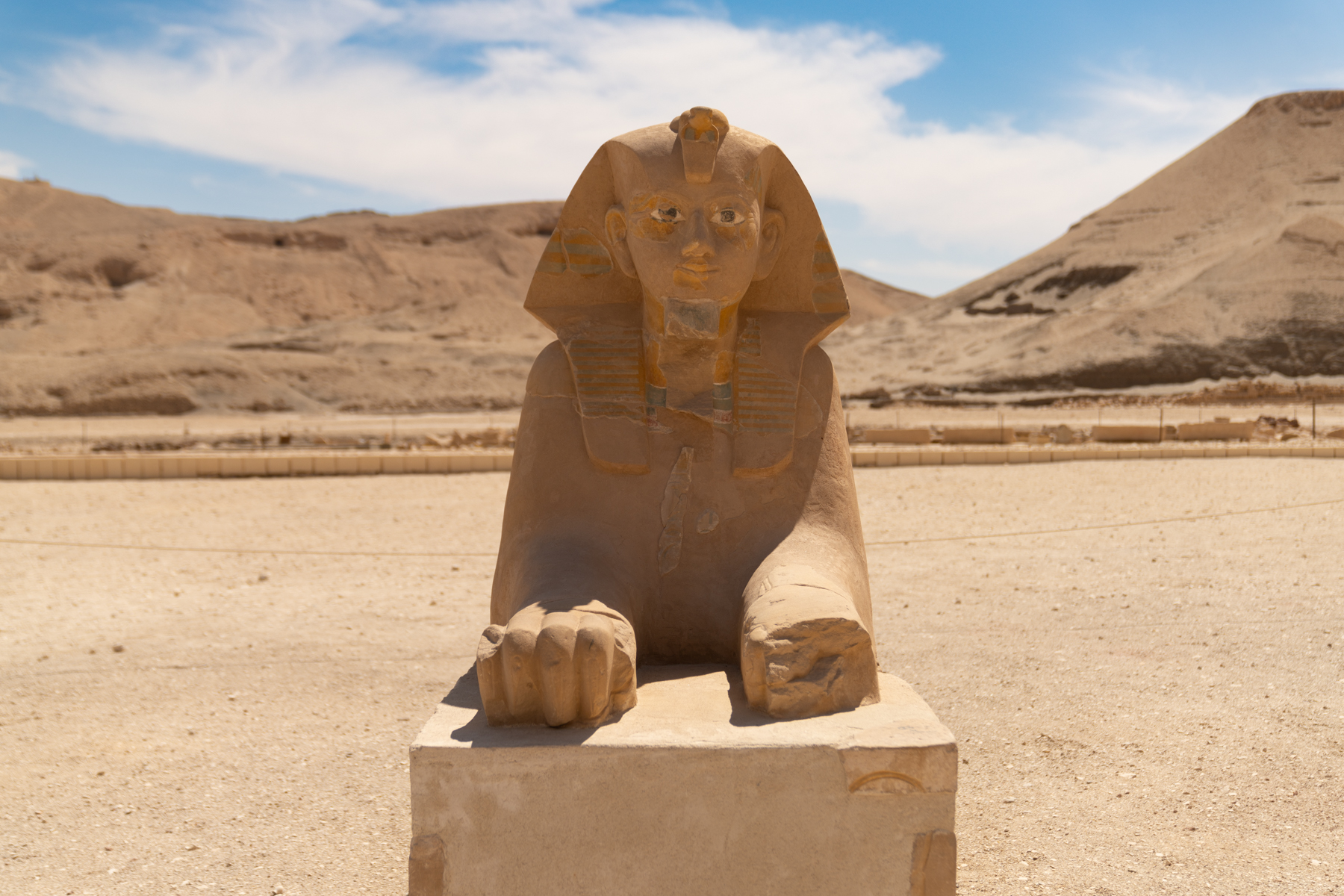
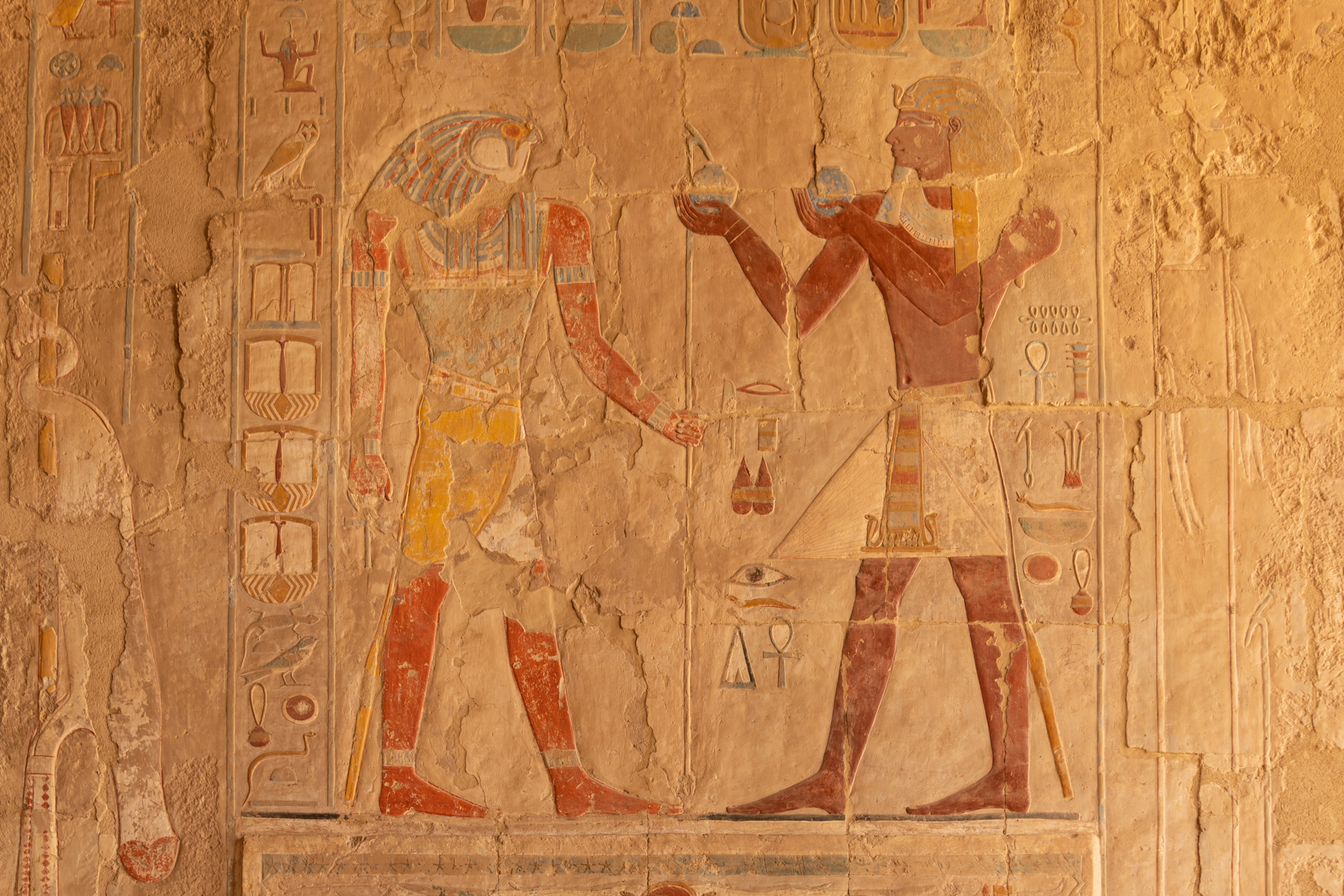
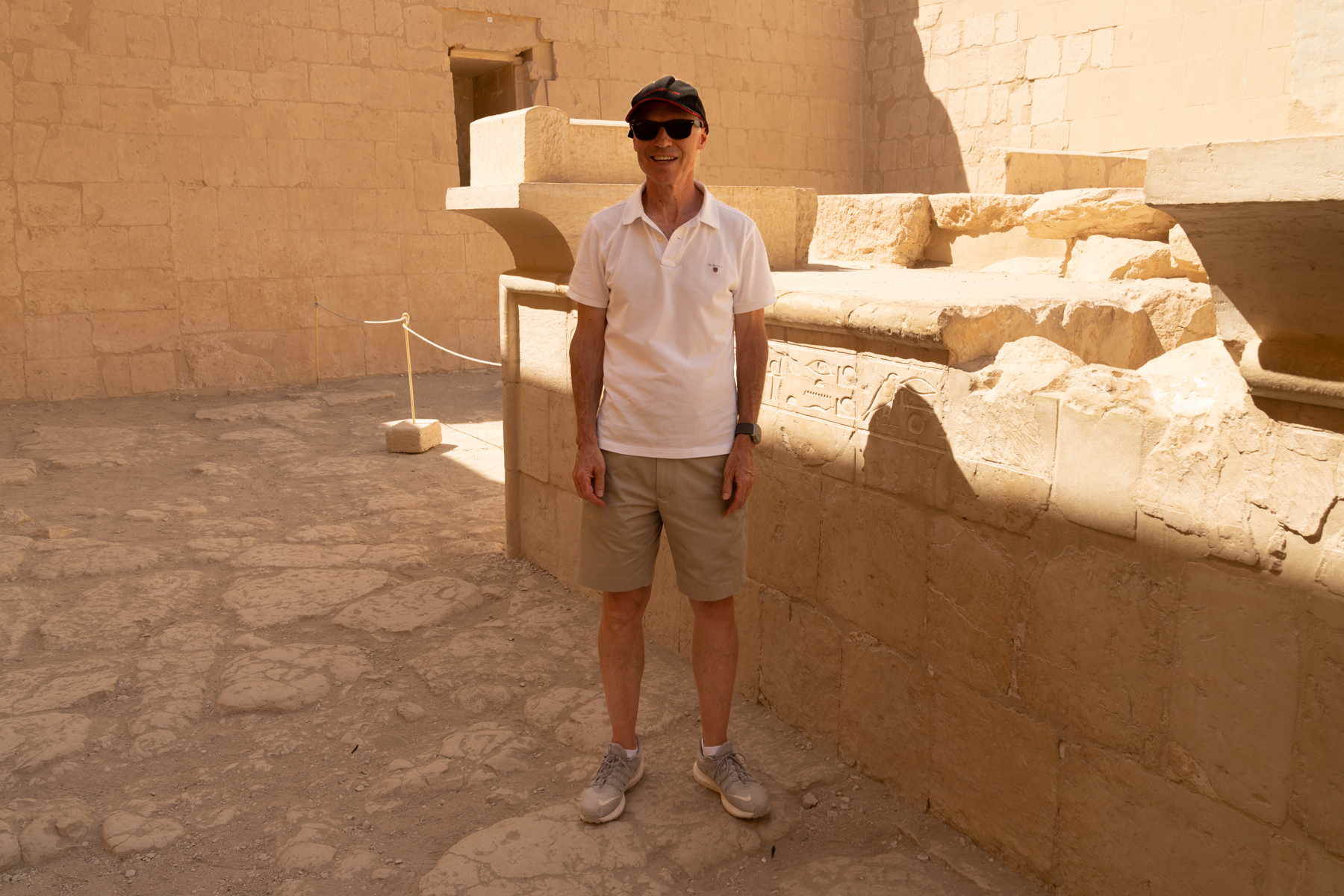
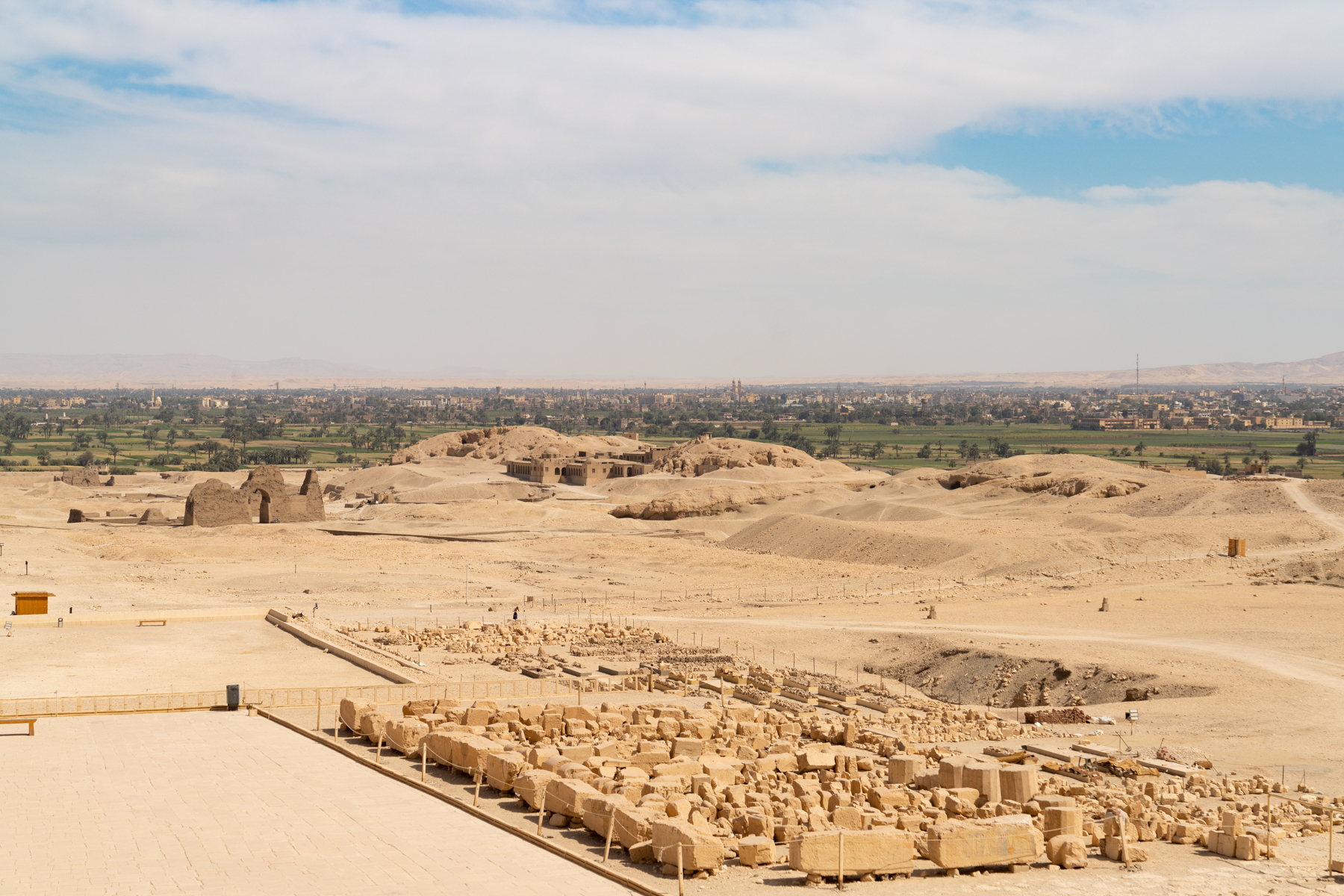
After marvelling at the Temple of Hatshepsut, we got back in the car for a 45-minute drive back to the east bank of the Nile, to visit the Luxor Temple.
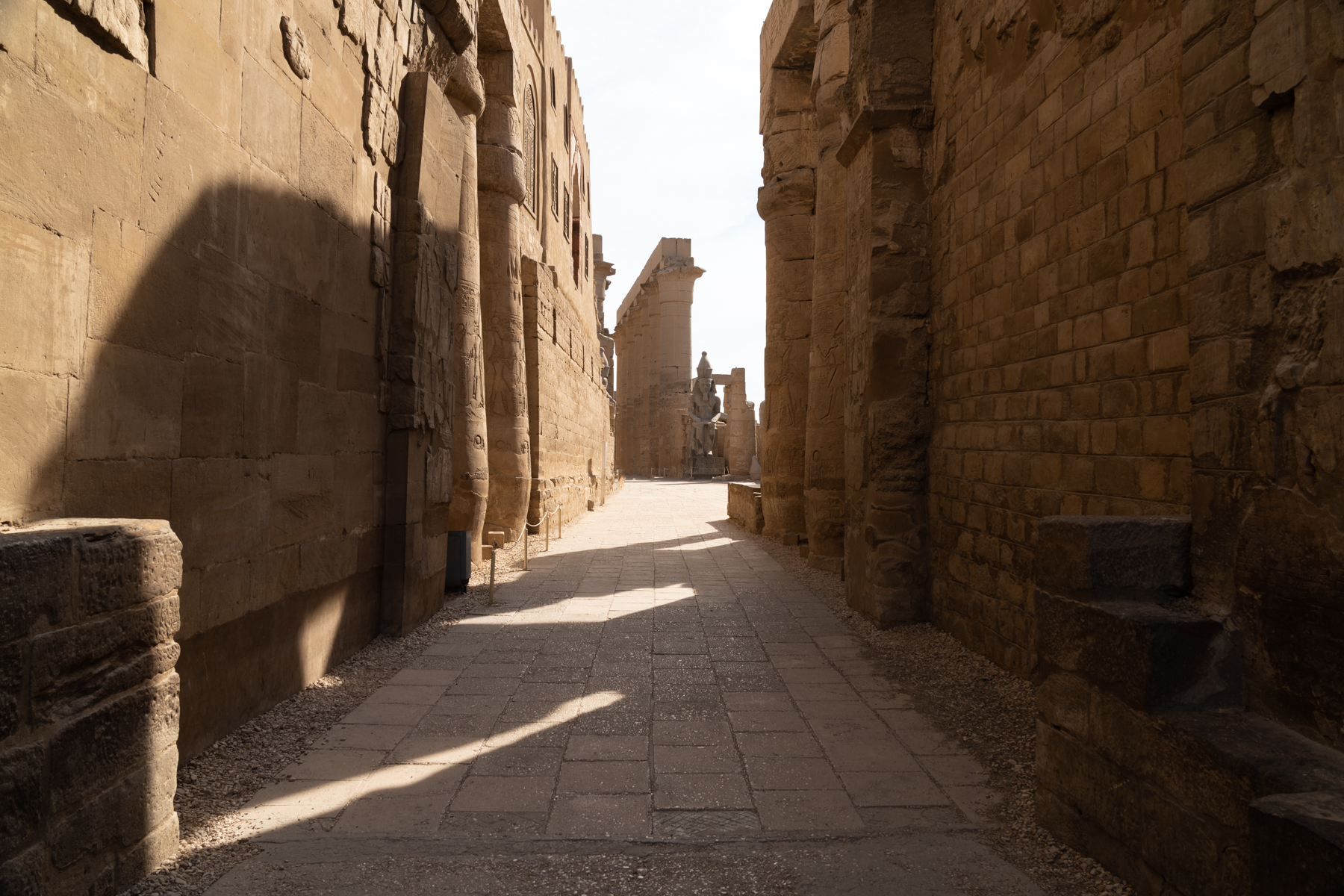
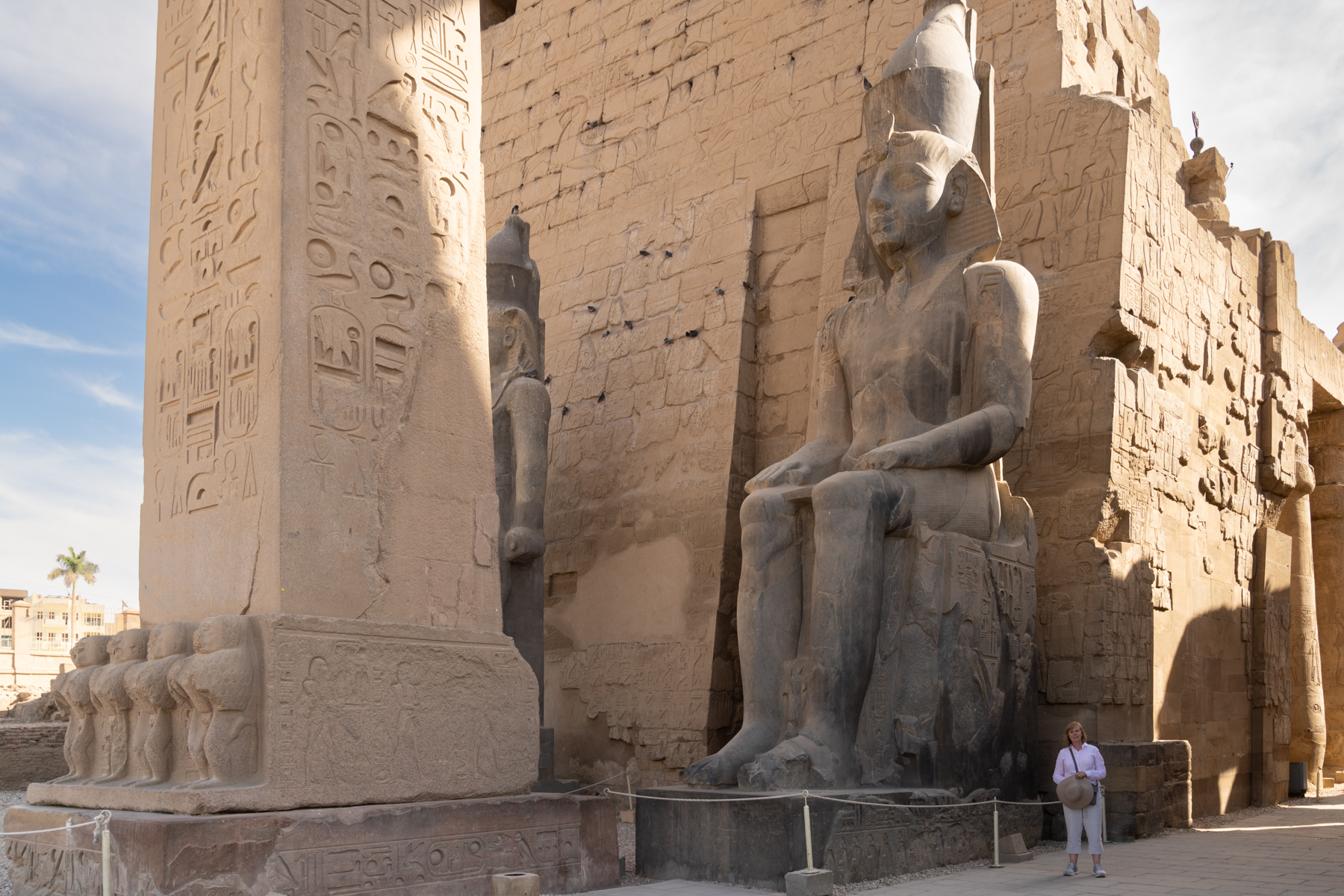
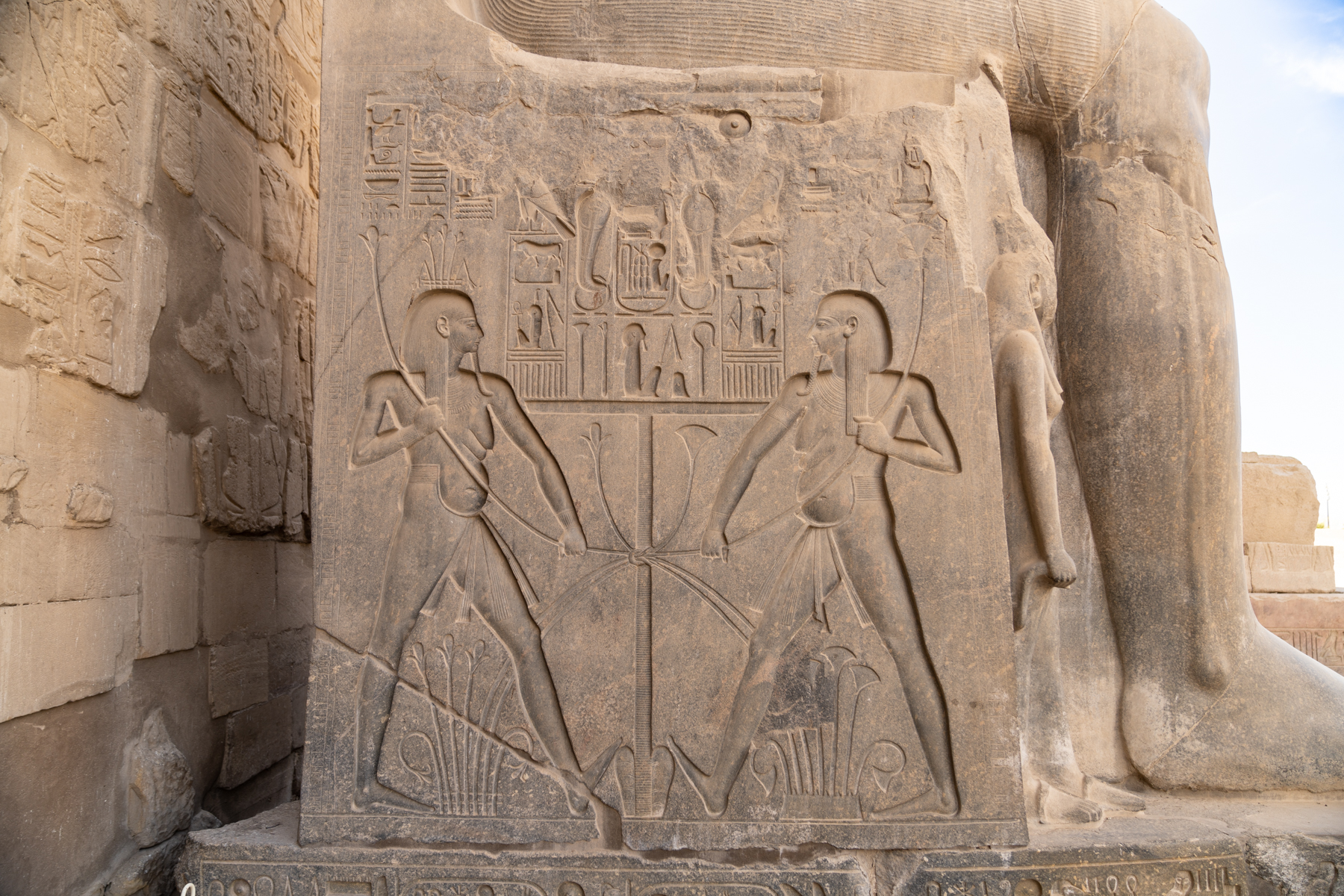
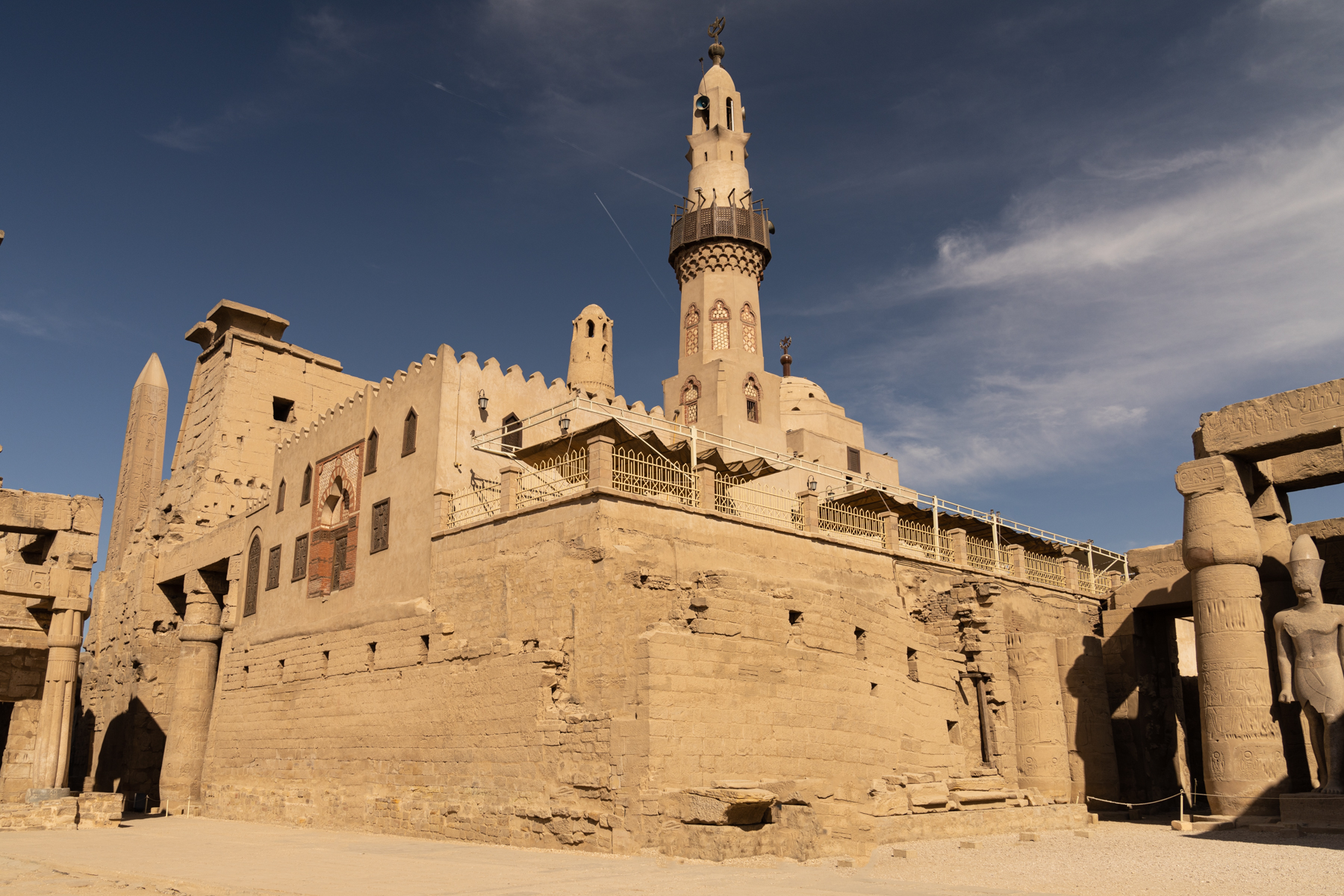
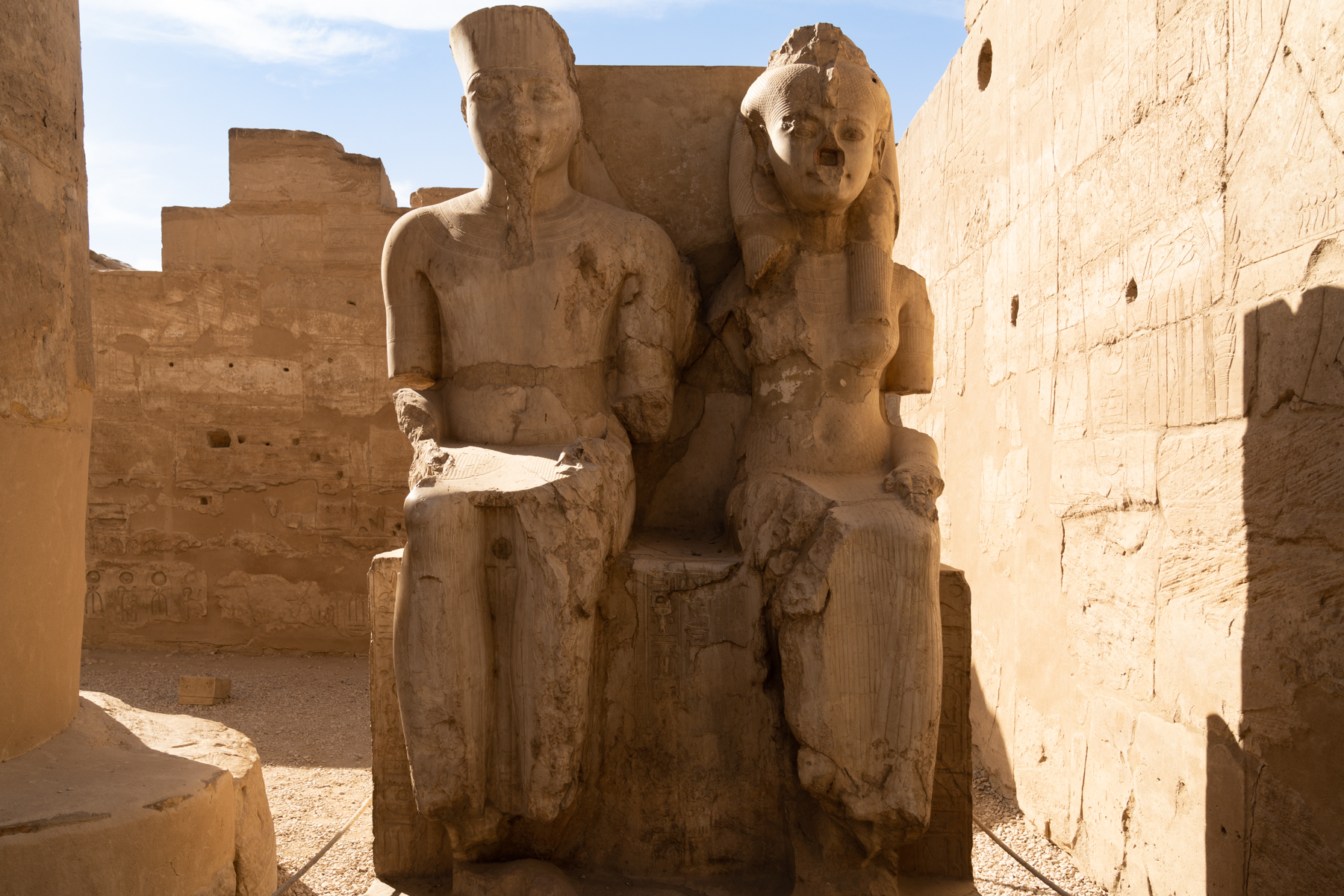
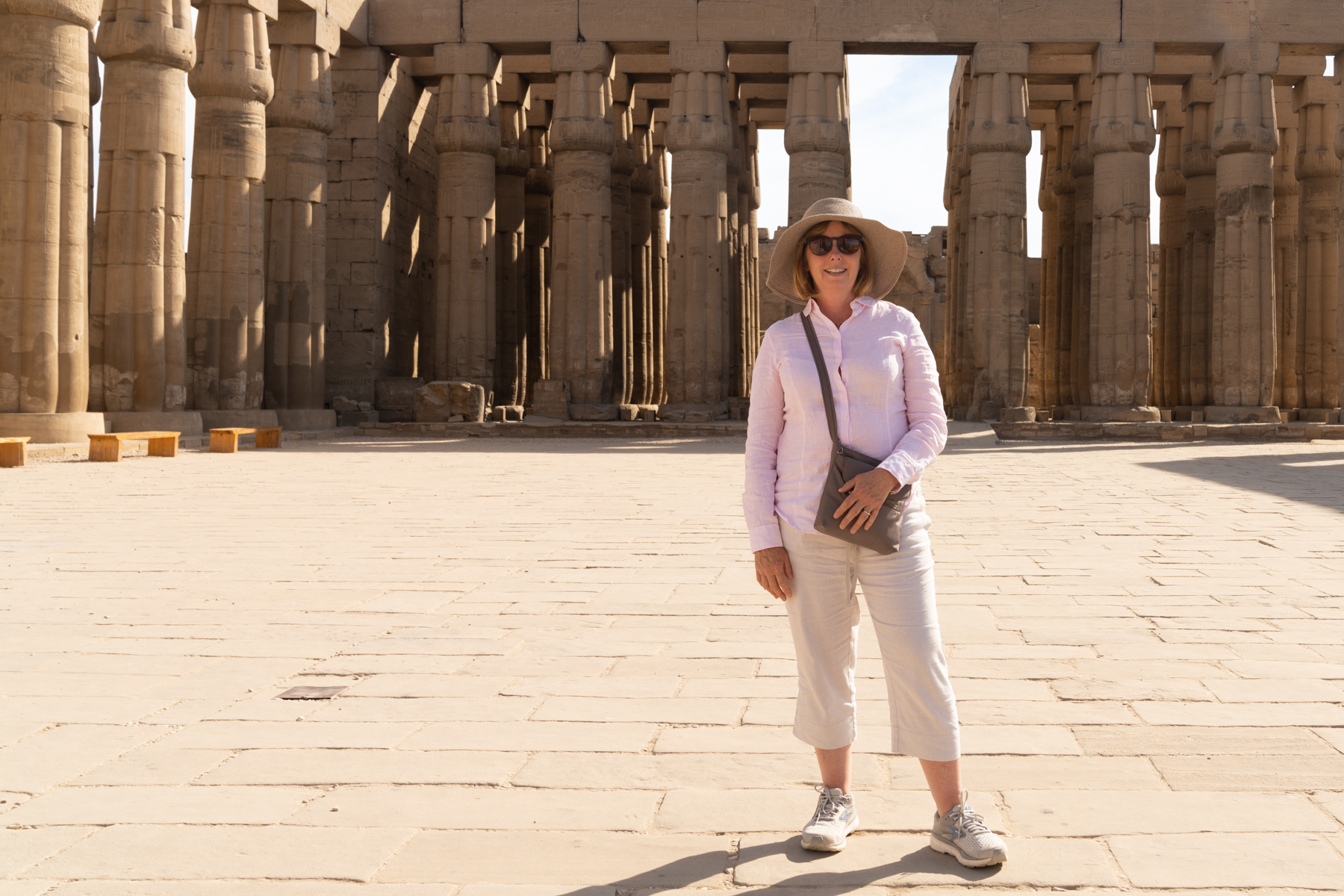
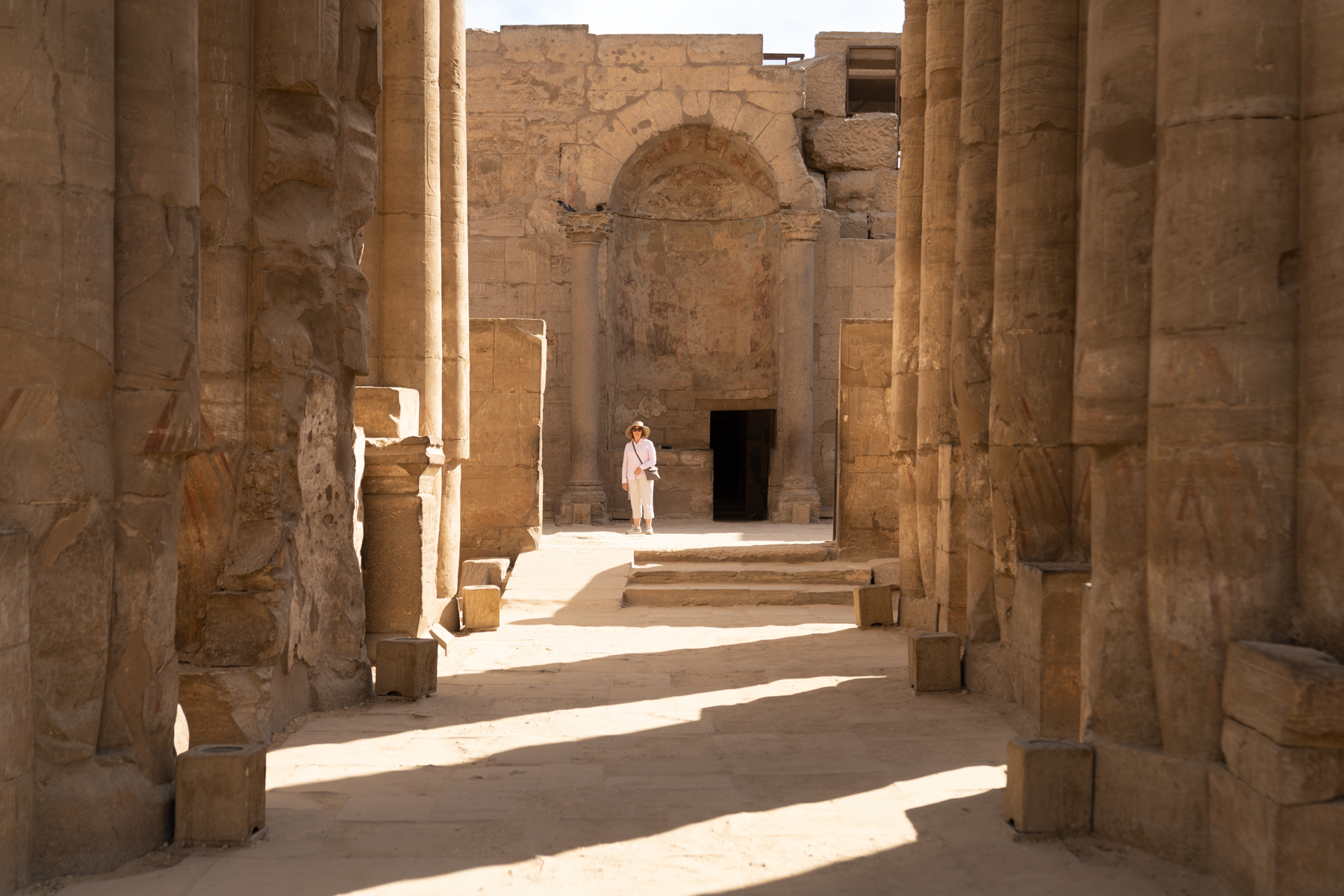
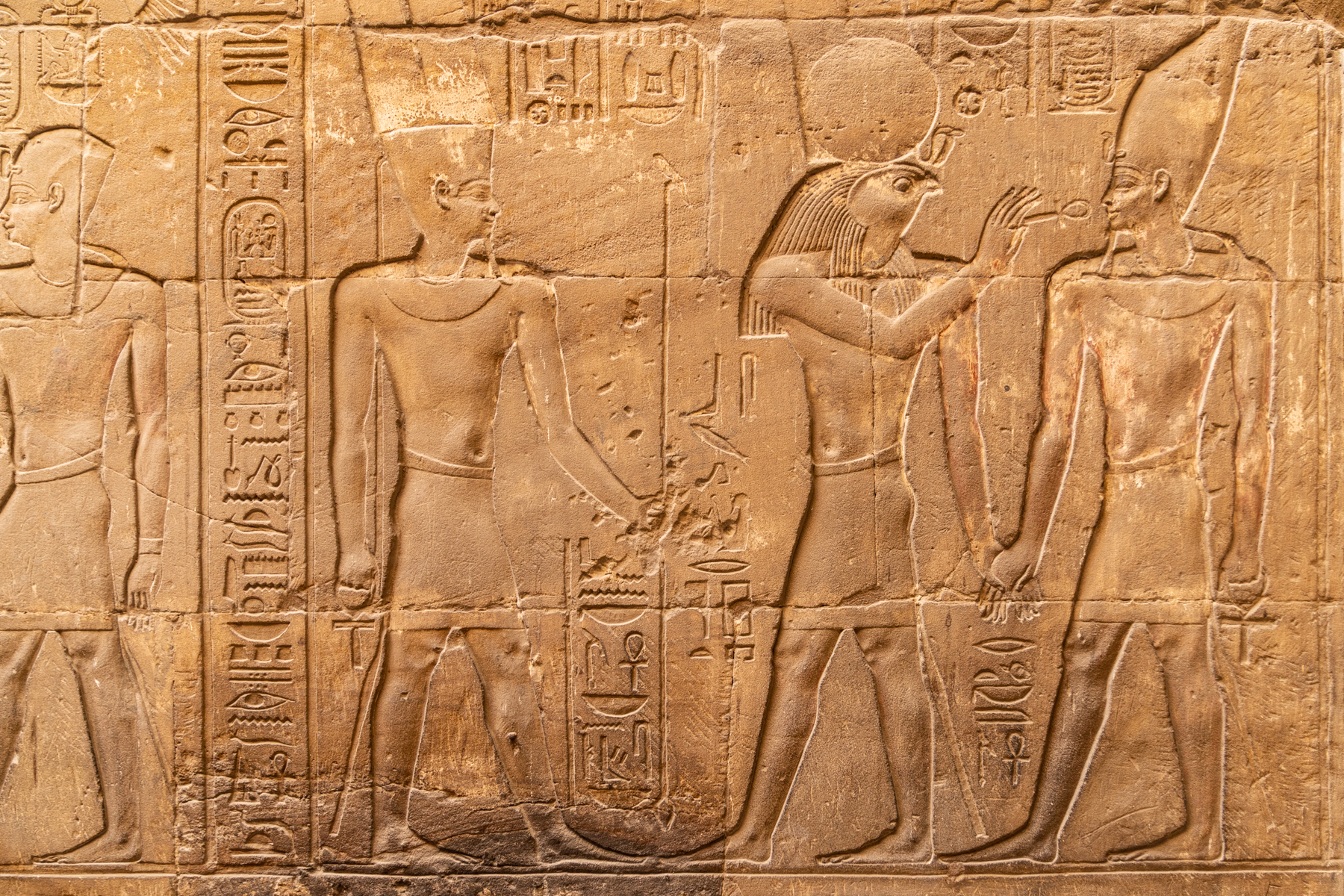
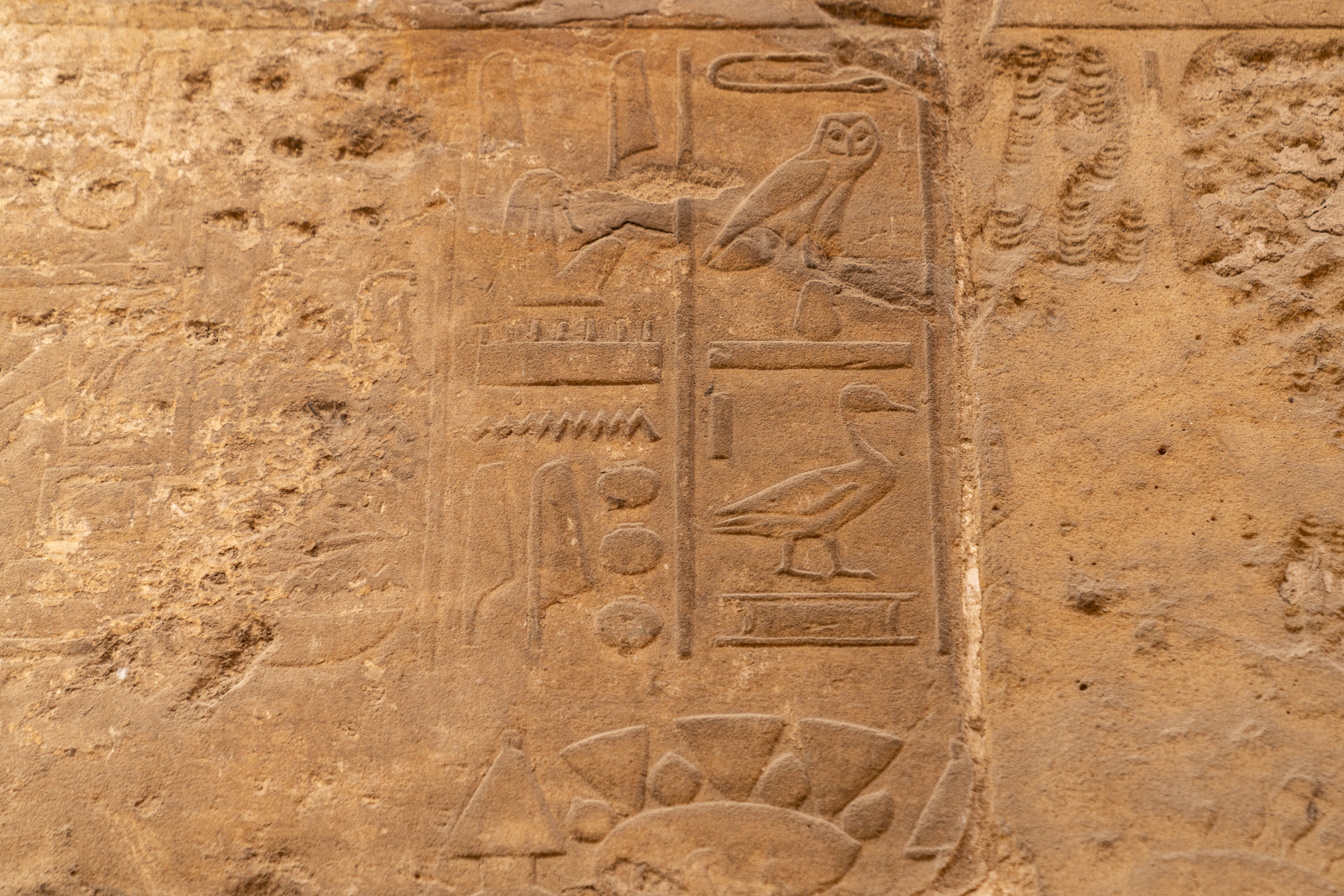
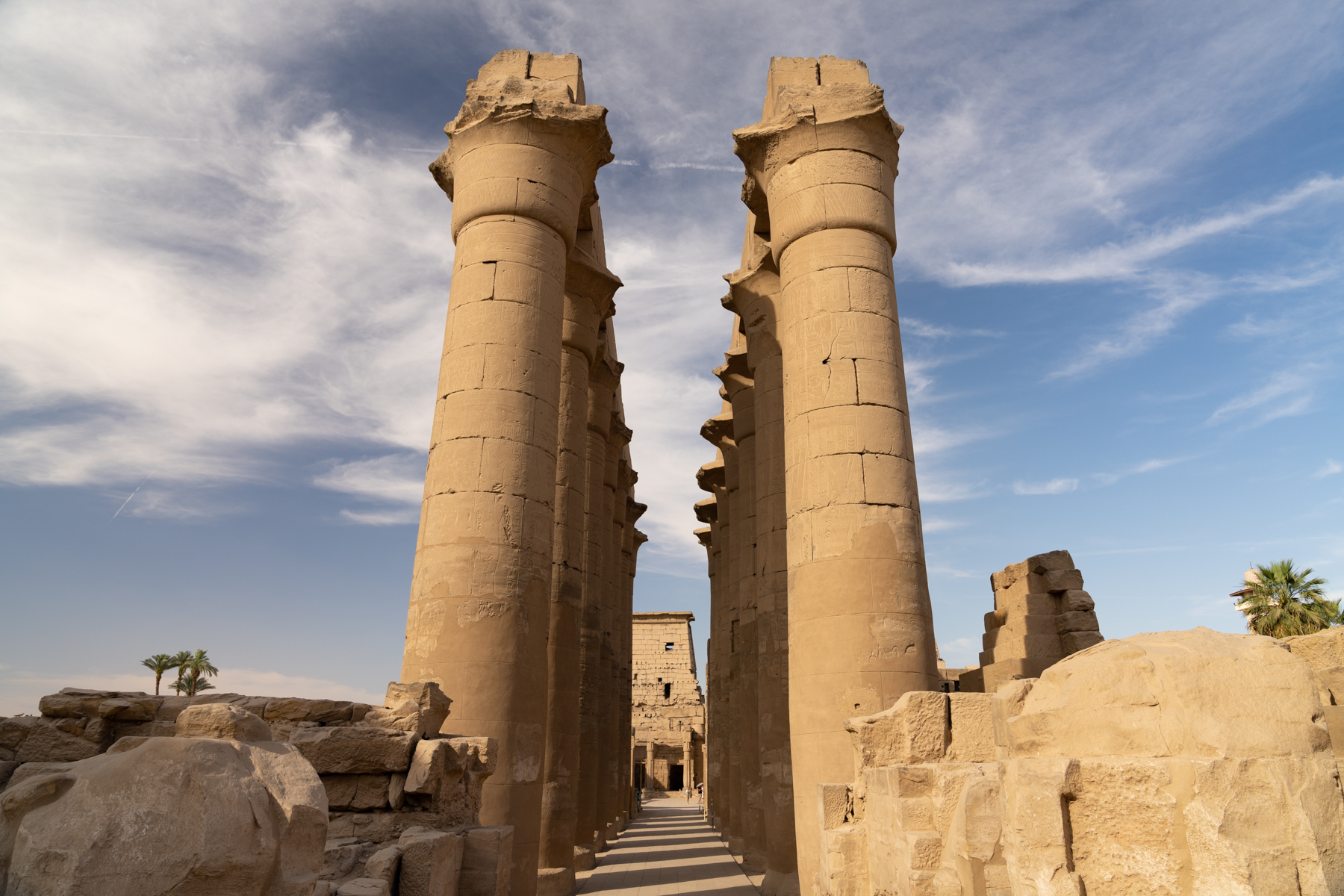
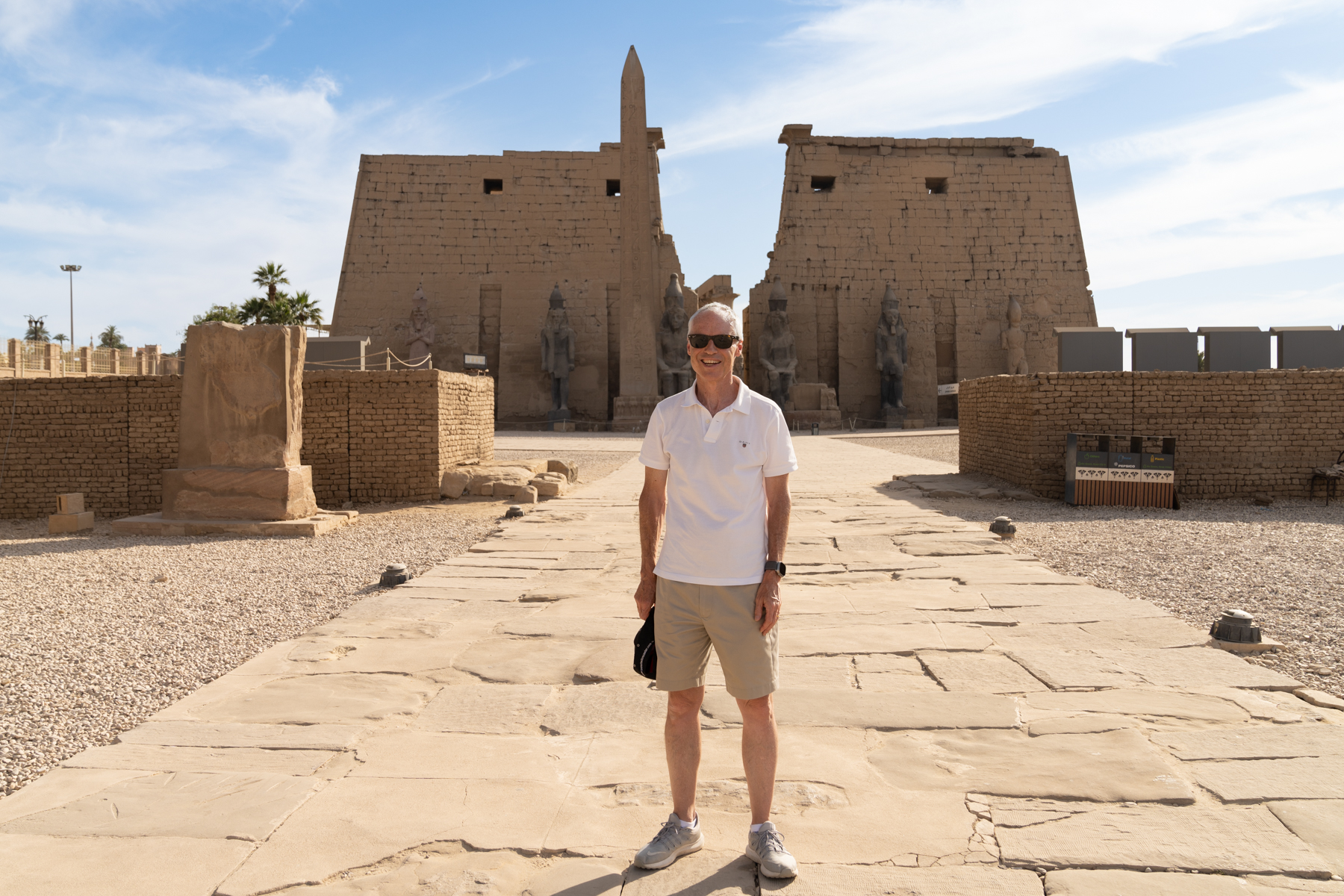
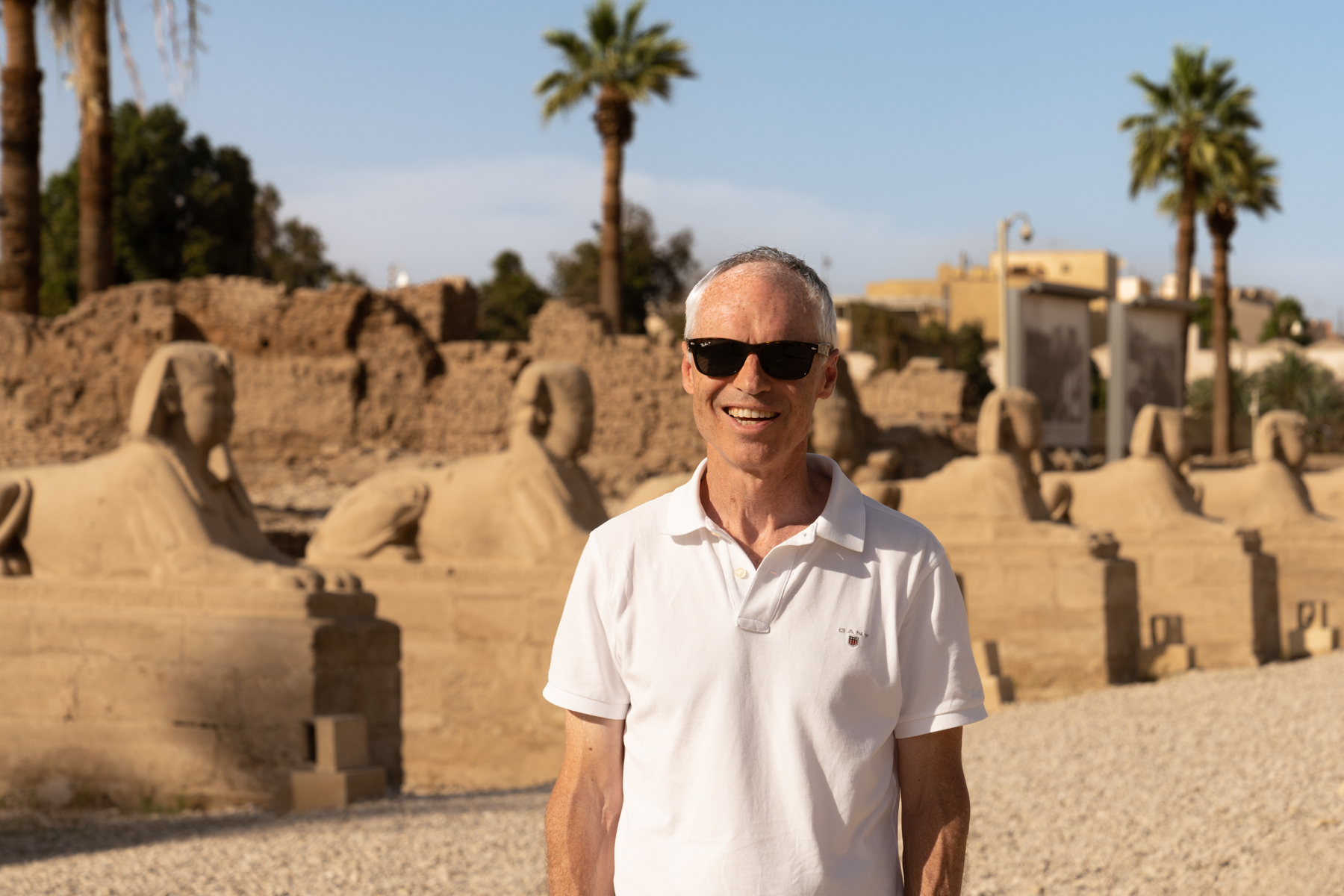
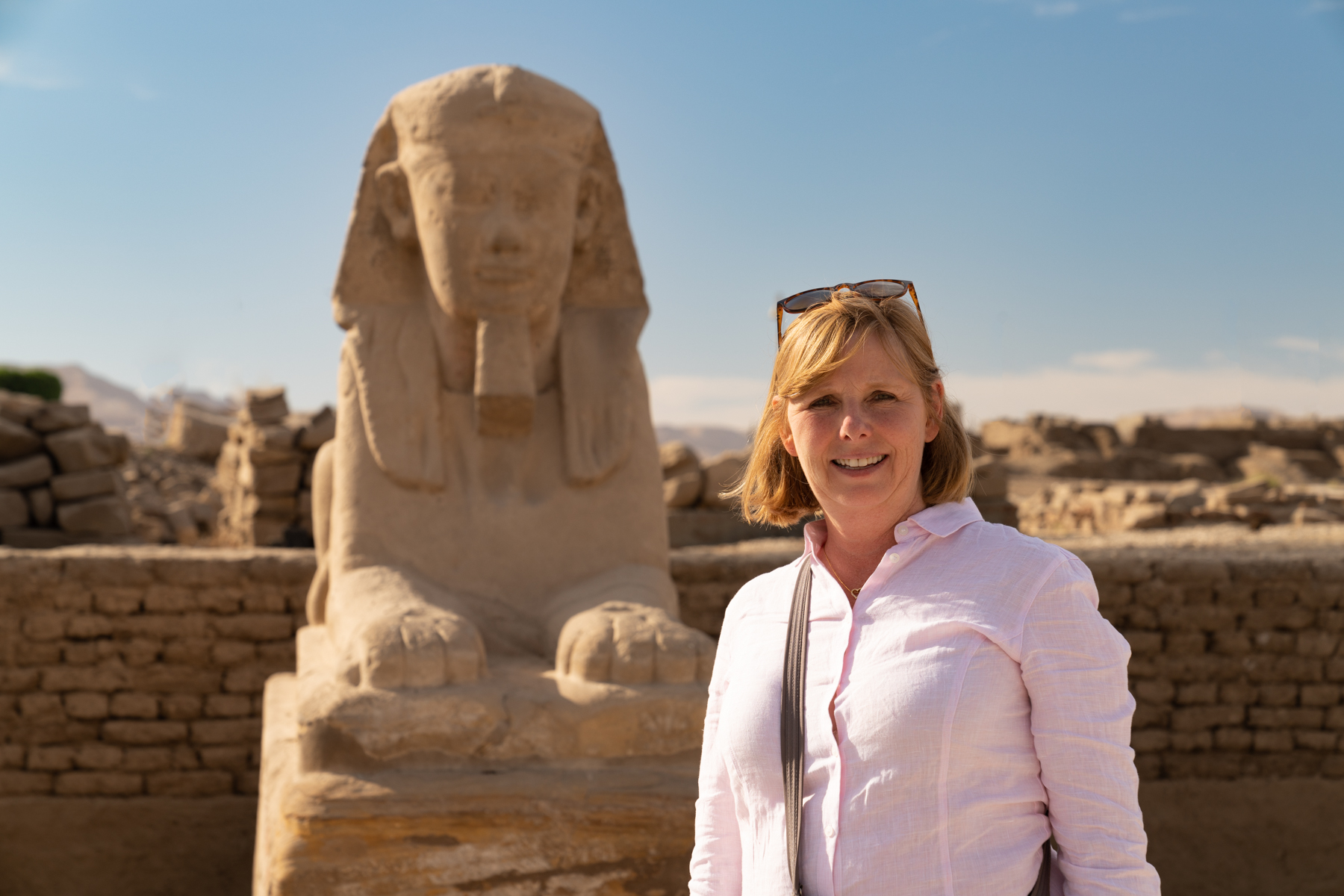
The Luxor Temple was constructed around 1400 BC. Along with the Karnak Temple, it is one of the two main temples on the east bank of the Nile. Archaeologists believe that the primary use of this temple was for the coronation of new pharaohs. A three-kilometre avenue lined with sphinxes connects the Karnak Temple with the Luxor Temple.
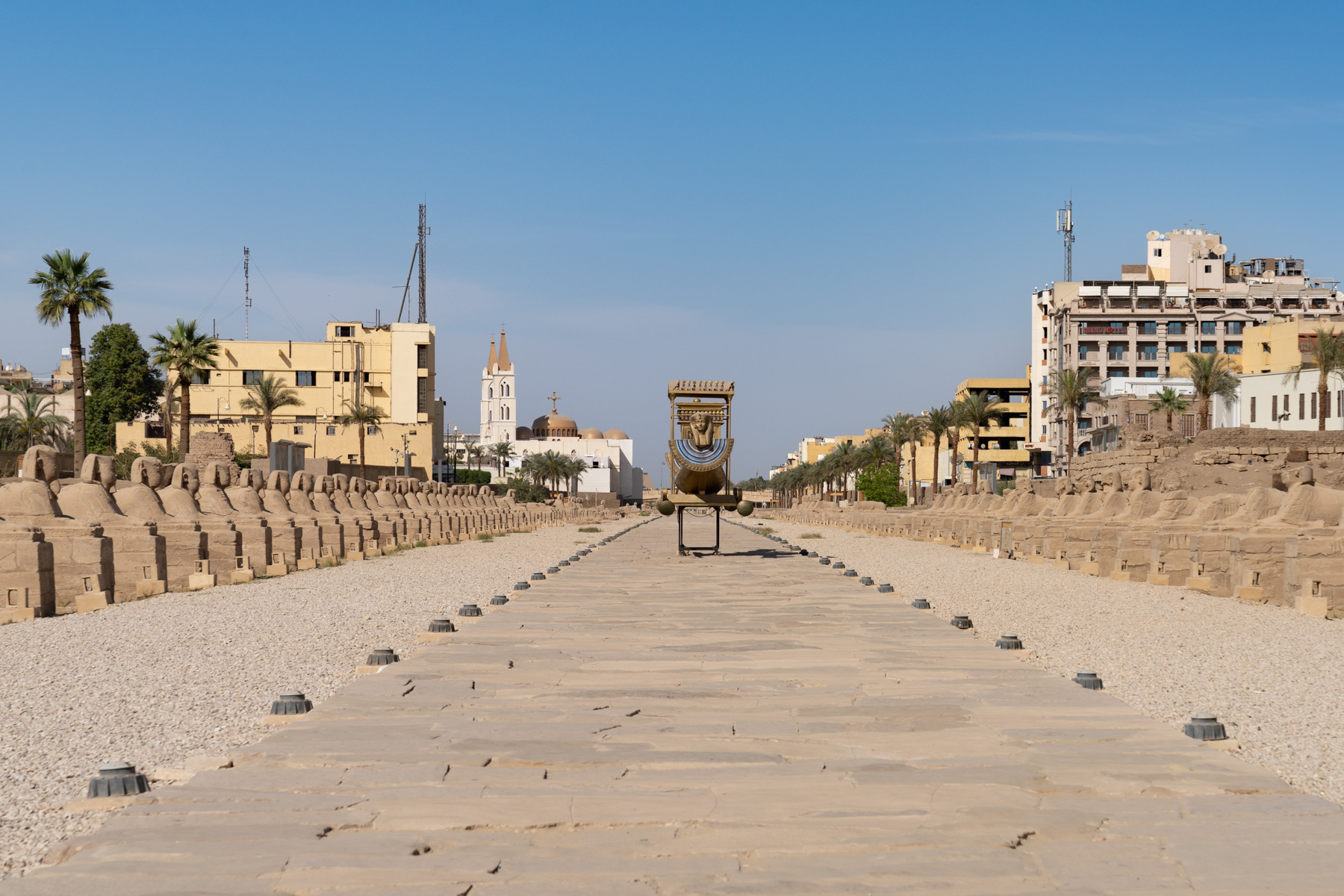
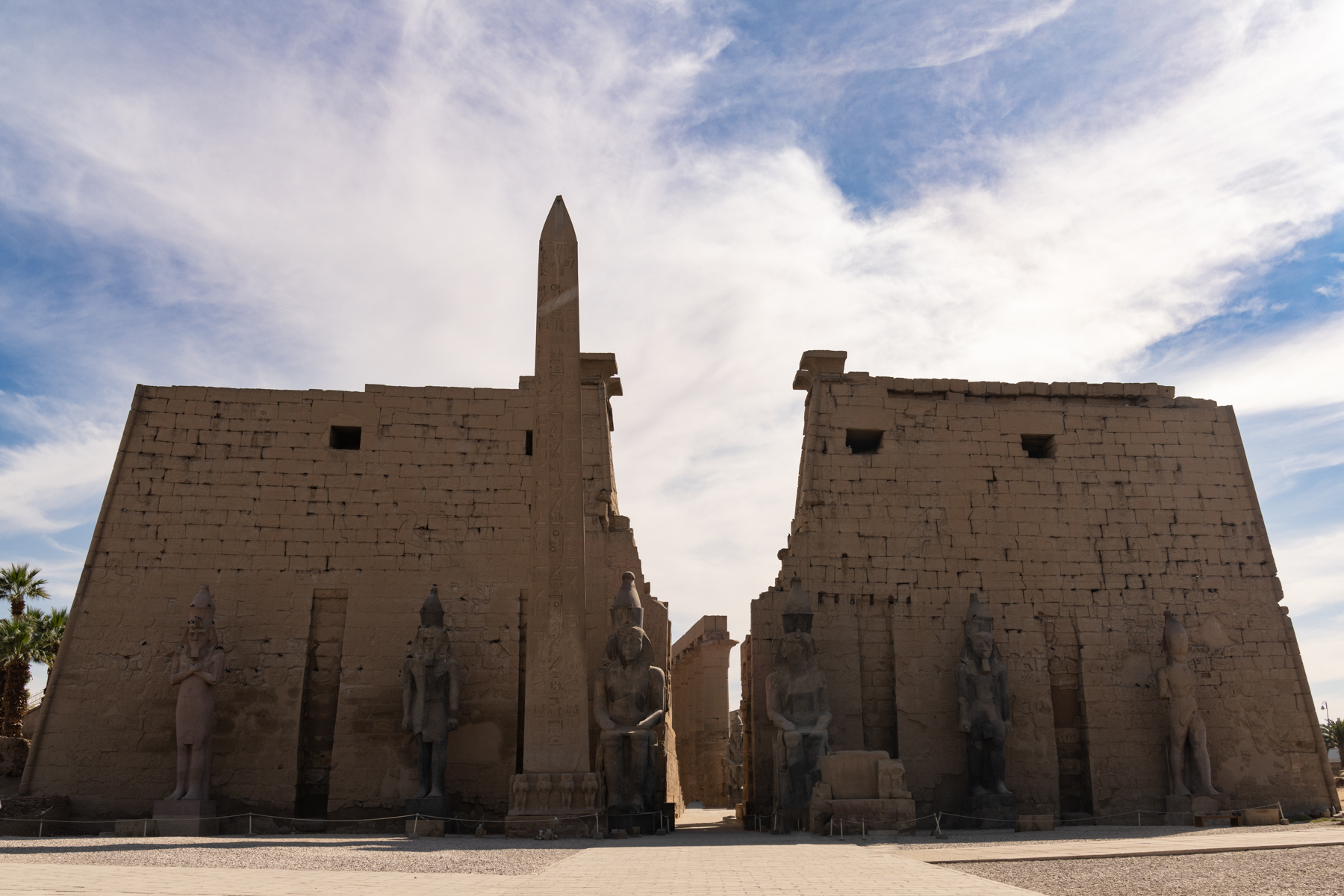
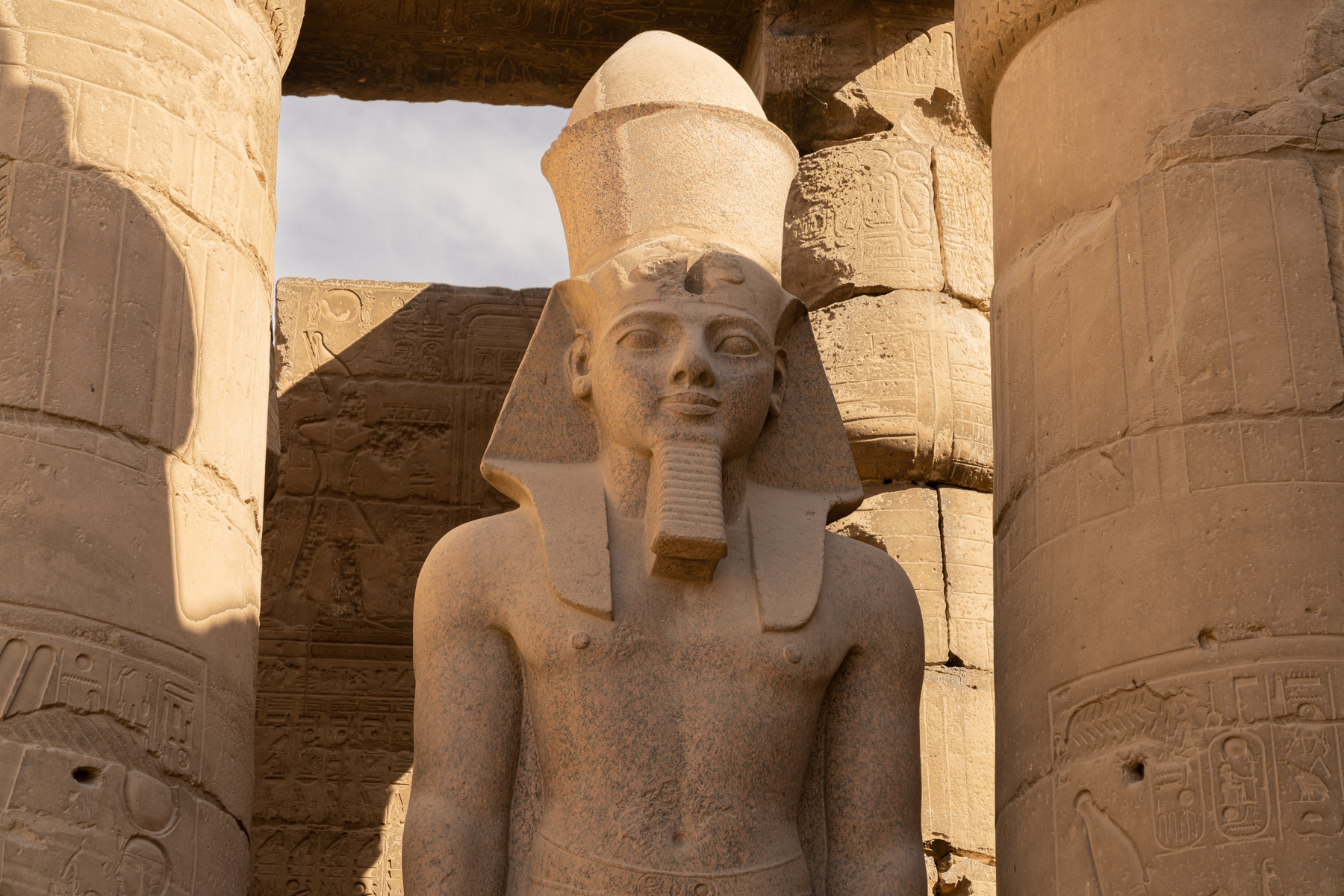
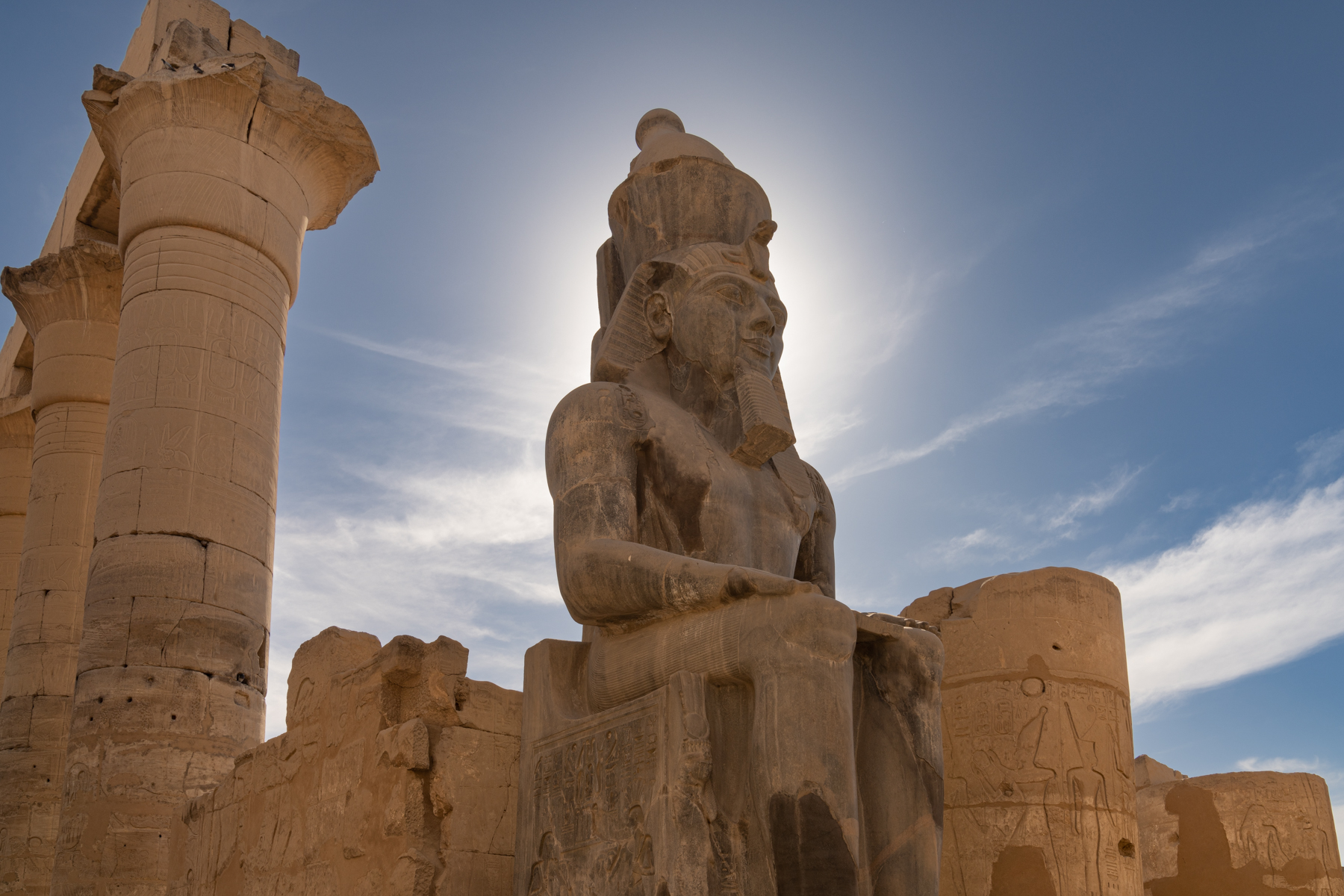
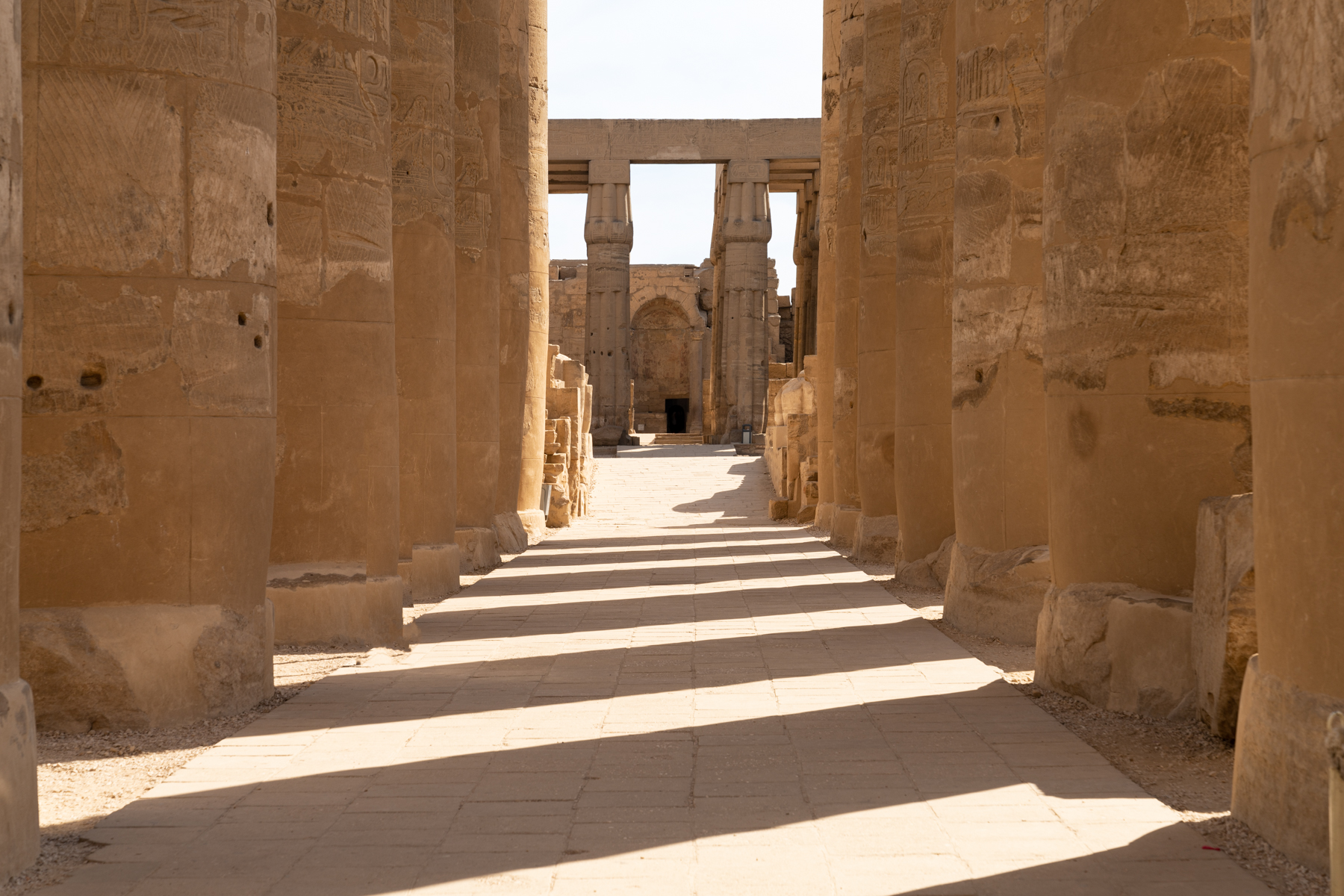
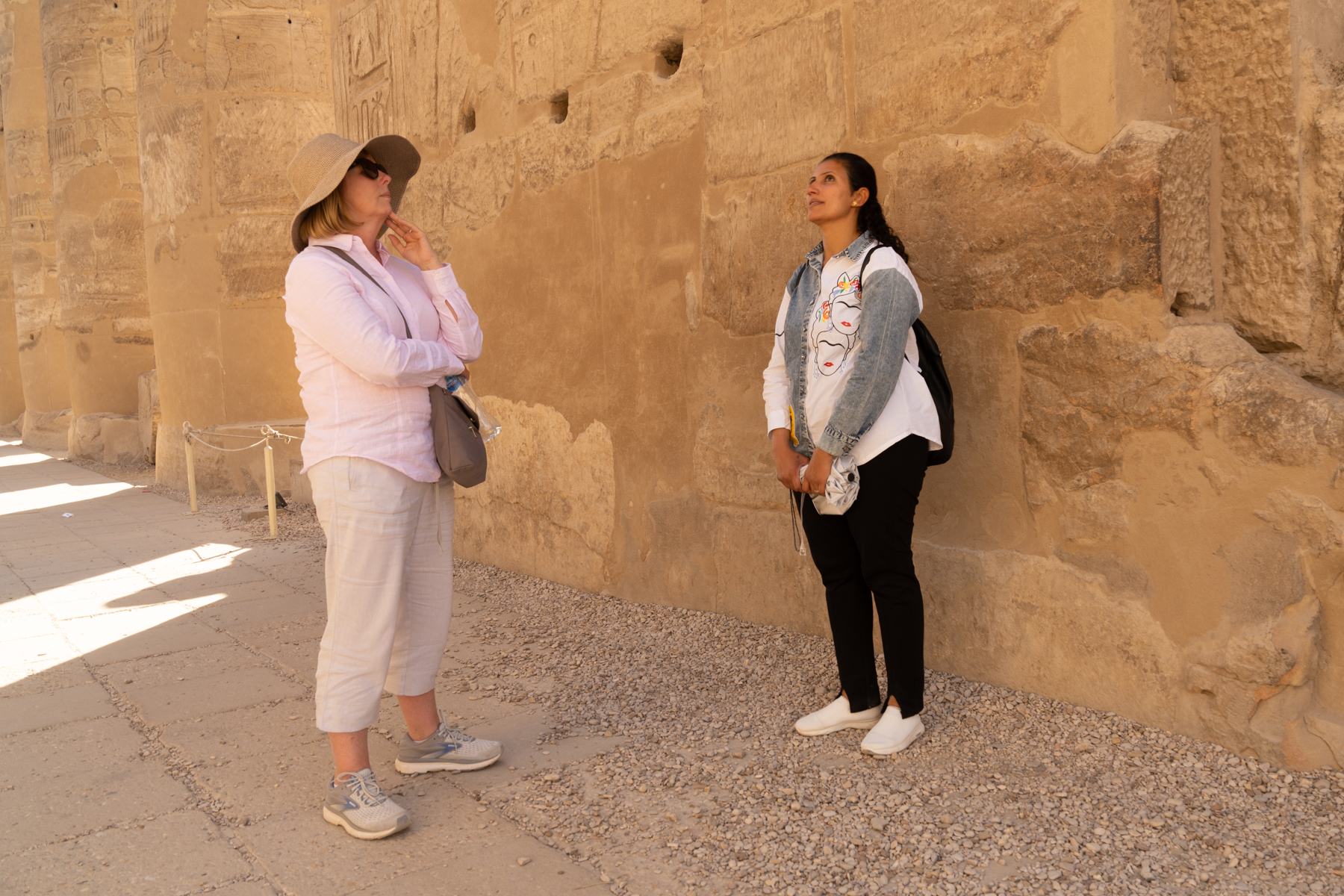
We left the amazing Luxor Temple around 4:00 pm and headed to a nice local restaurant for a very late lunch (or, really, an early dinner). We wanted to make sure we saw everything before stopping for food, so lunch was not our highest priority. But since we had covered the sites we wanted to see, we decided to take a break and have something to eat. We had a very nice lunch of traditional Egyptian food.
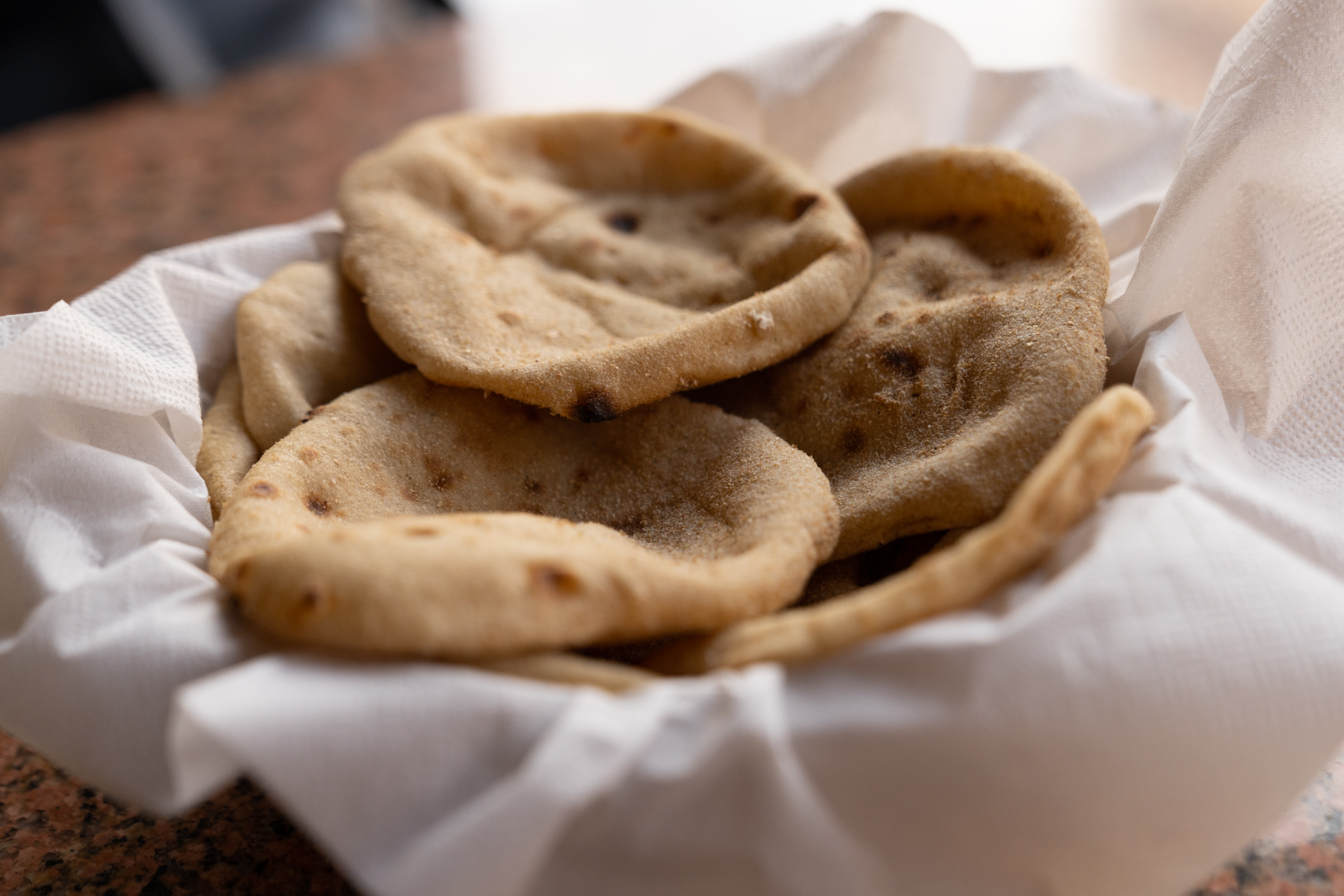
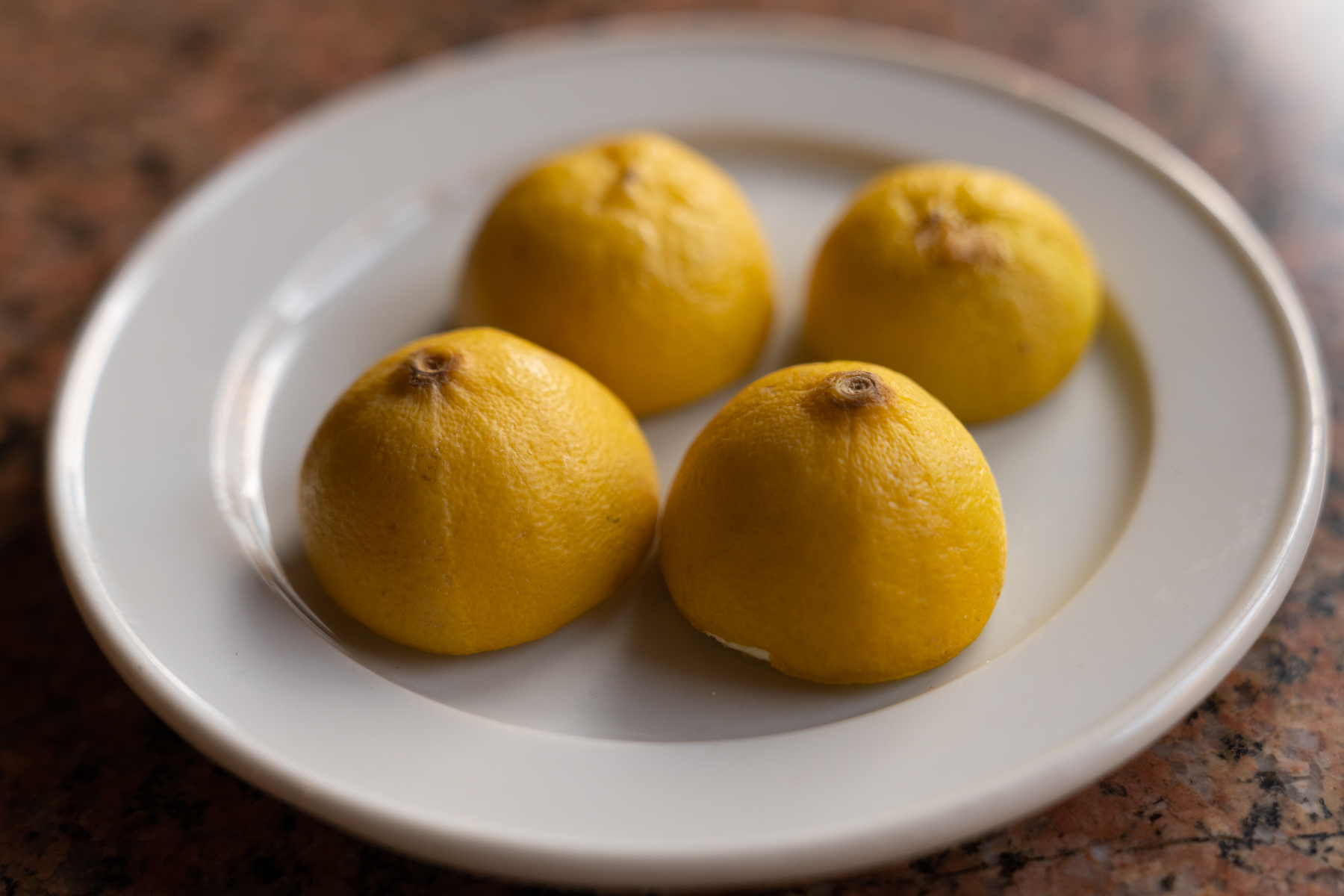
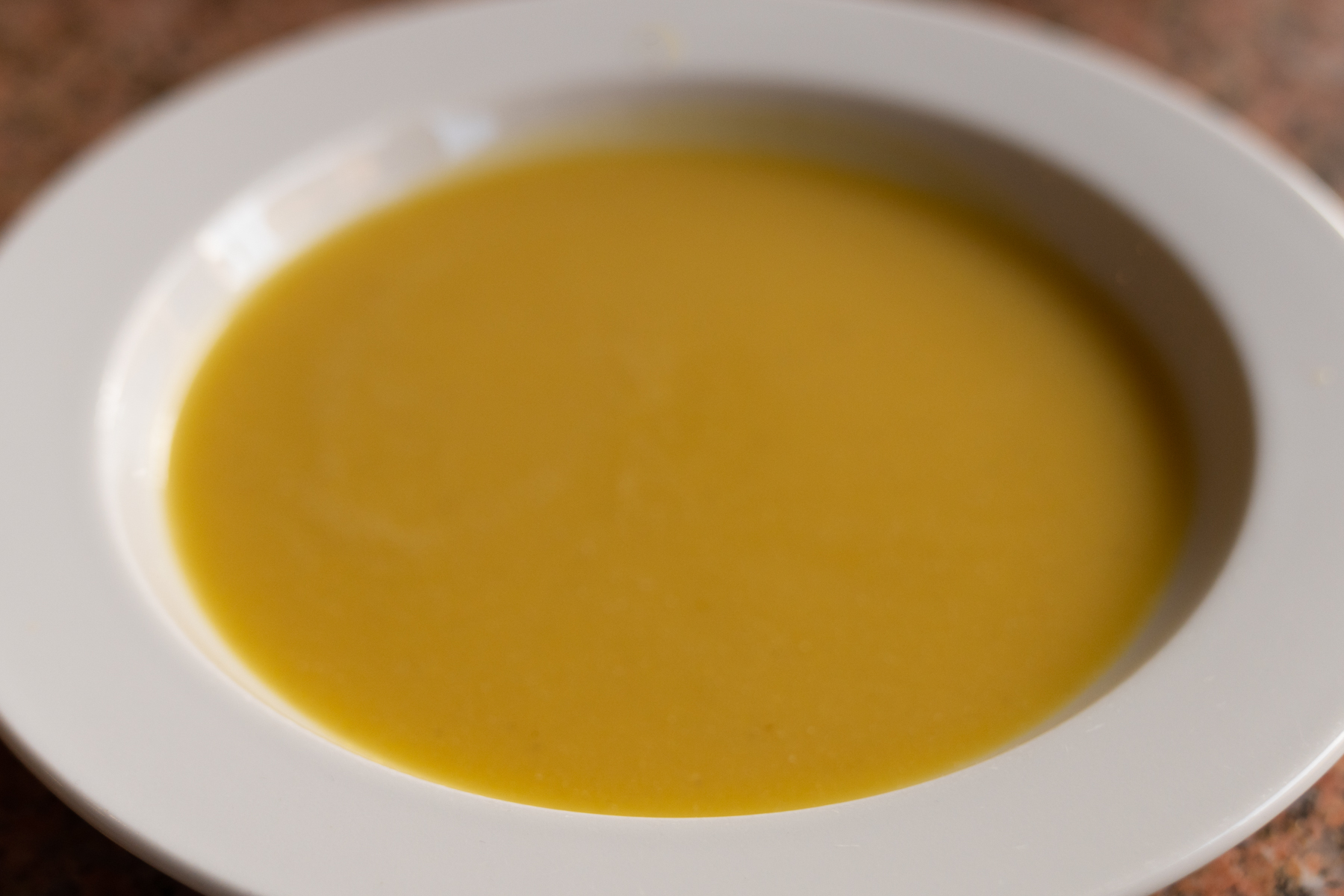
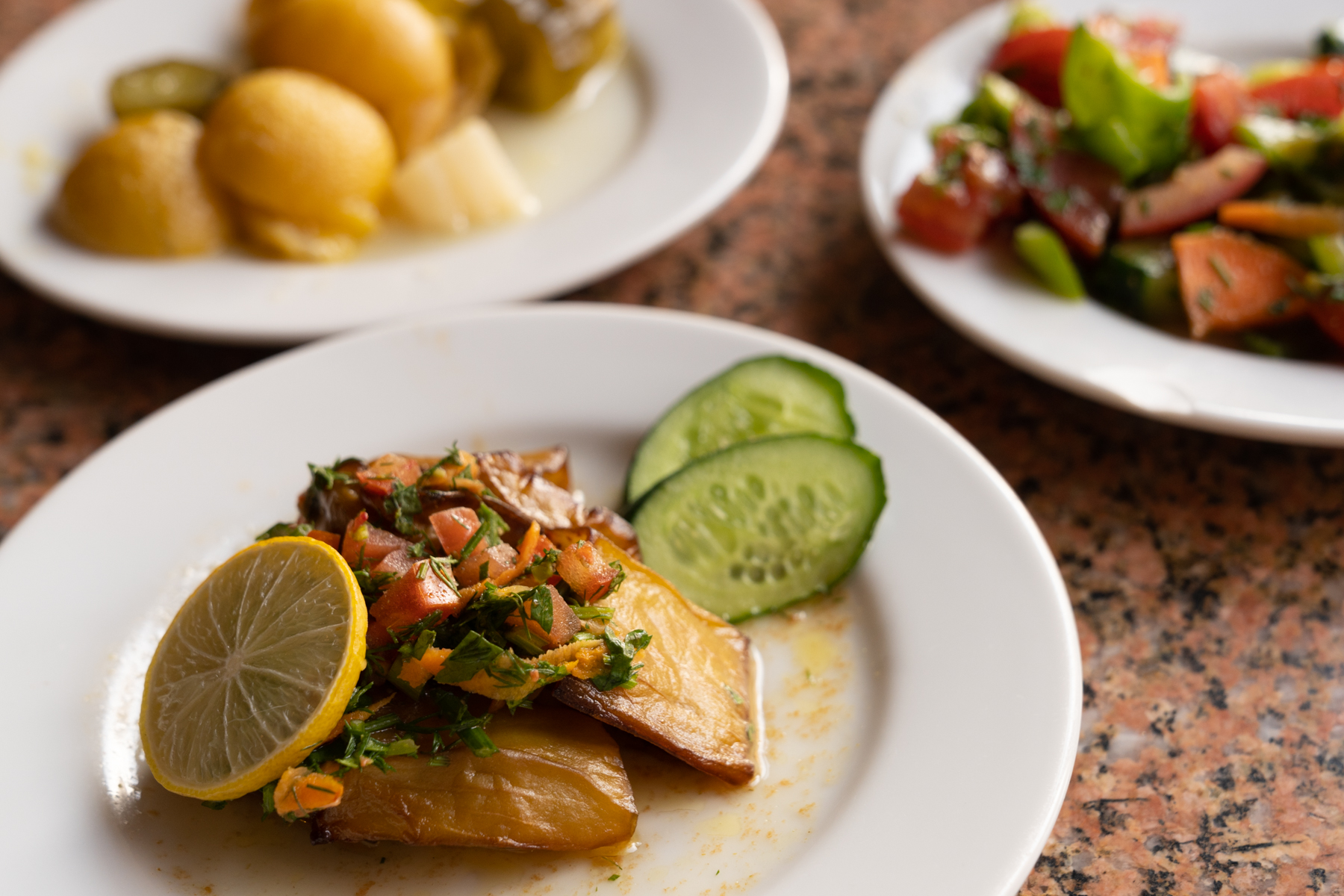
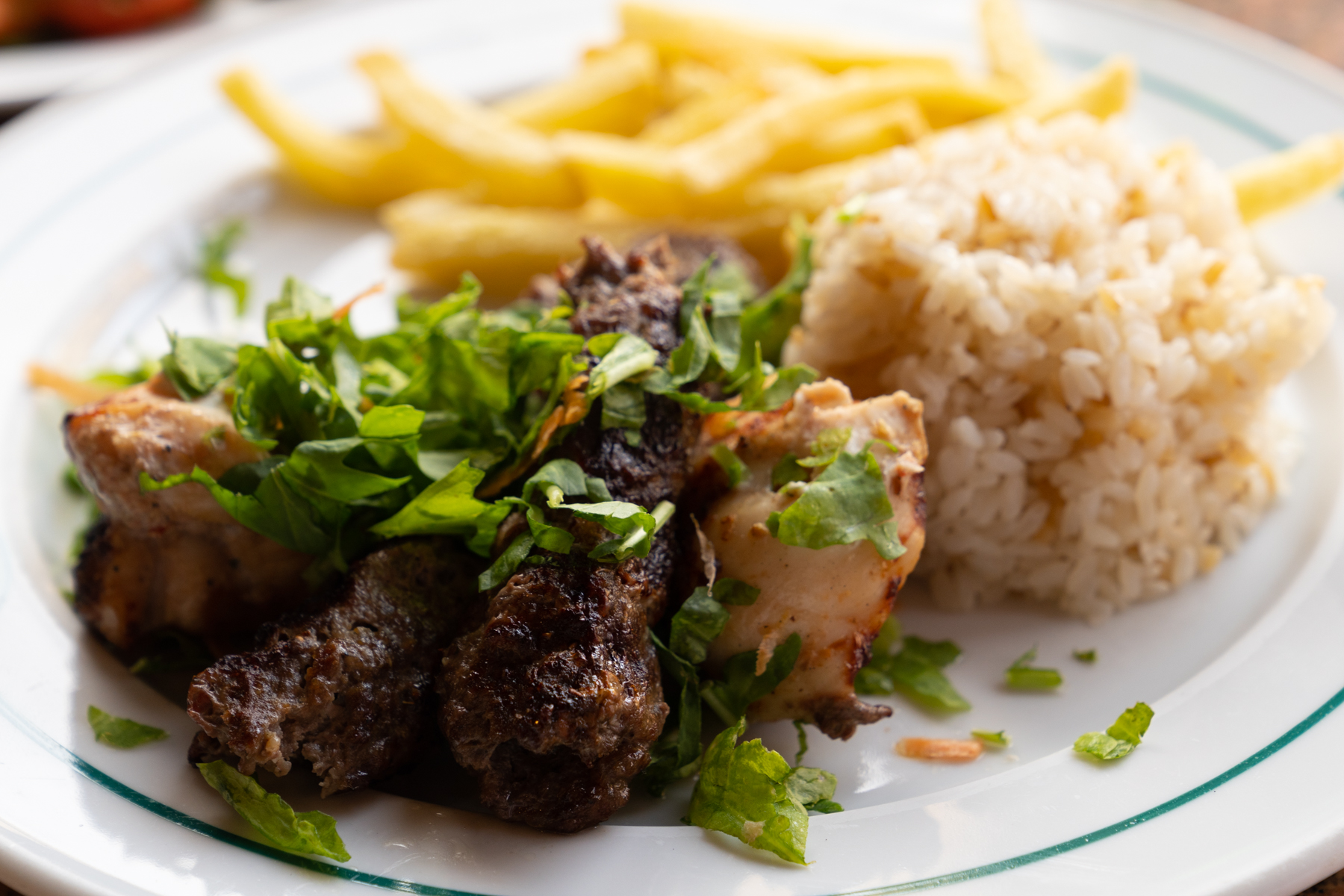
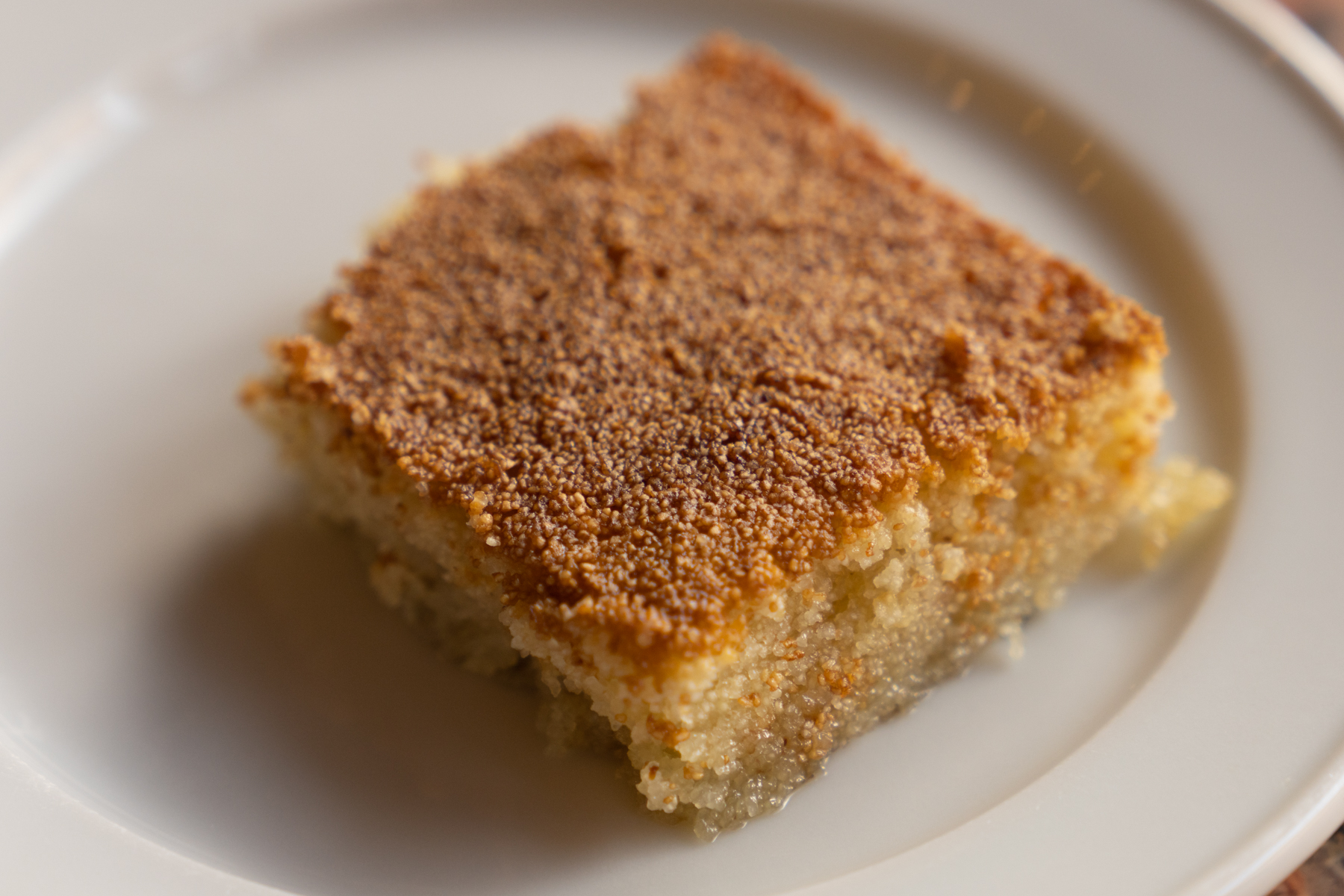
After enjoying a nice meal, we said goodbye to Nana, and we drove back to the airport. Our flight back to Cairo didn’t depart until 8:00 pm, so we just sat and relaxed in the airport until we boarded around 7:30 pm.
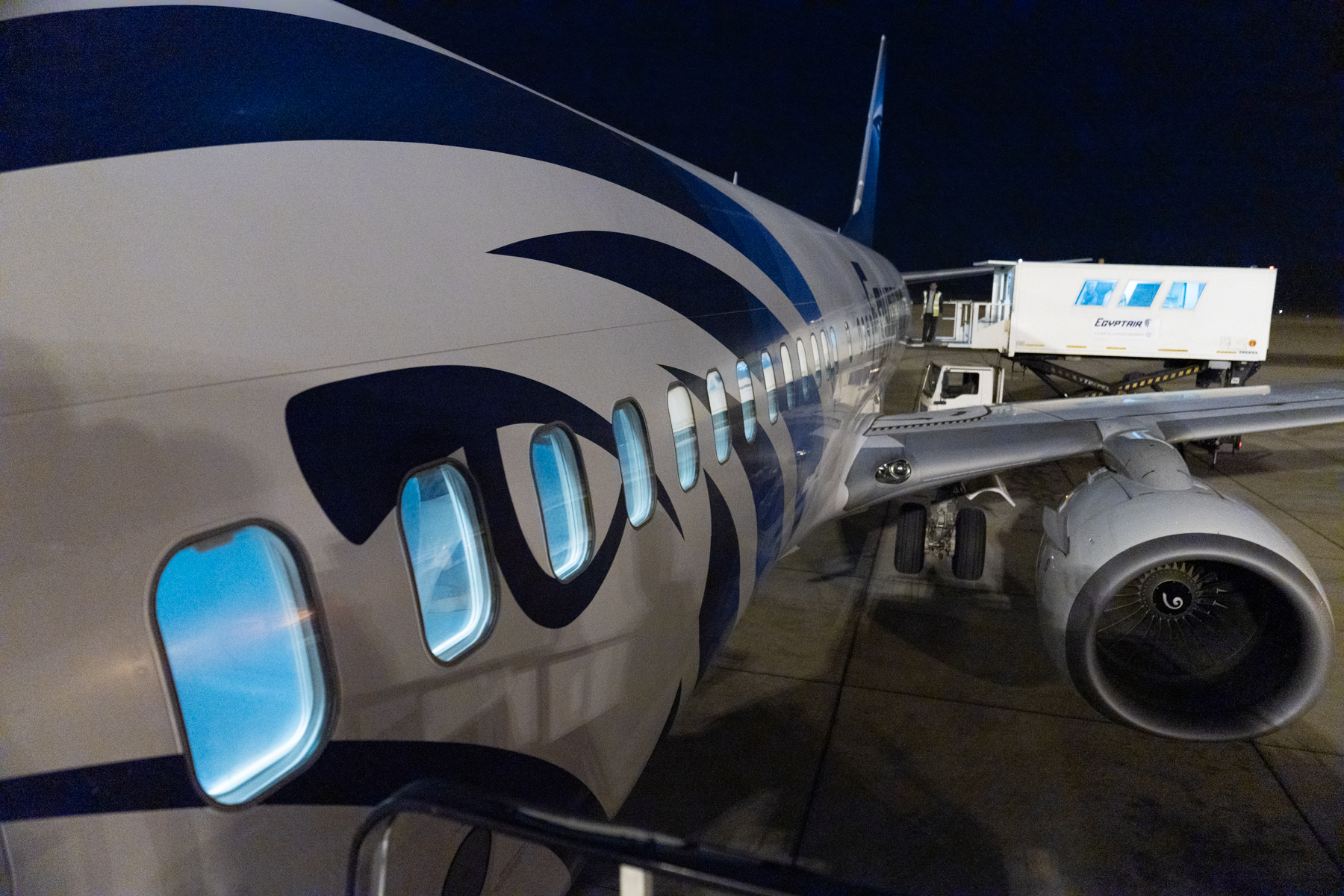
We took off a little late and, shortly into the flight, were offered dinner. Amusingly, the business class dinner on Egyptair is the same as the breakfast!
The flight was pleasant and we landed back in Cairo around 9:30 pm. After some confusion, we managed to locate our driver, and we headed back to the hotel. The hour-long drive back in the mad Cairo traffic (exacerbated by a greater number of people out at night in Ramadan) was far from relaxing!
We got back to the hotel and headed upstairs, ready to crash into bed after a 19-hour day. Tomorrow we plan to visit the Egyptian Museum in the morning, before leaving the hotel around lunchtime to head to the airport for our flight to Amman.