
Around The World
Amman and Jerash
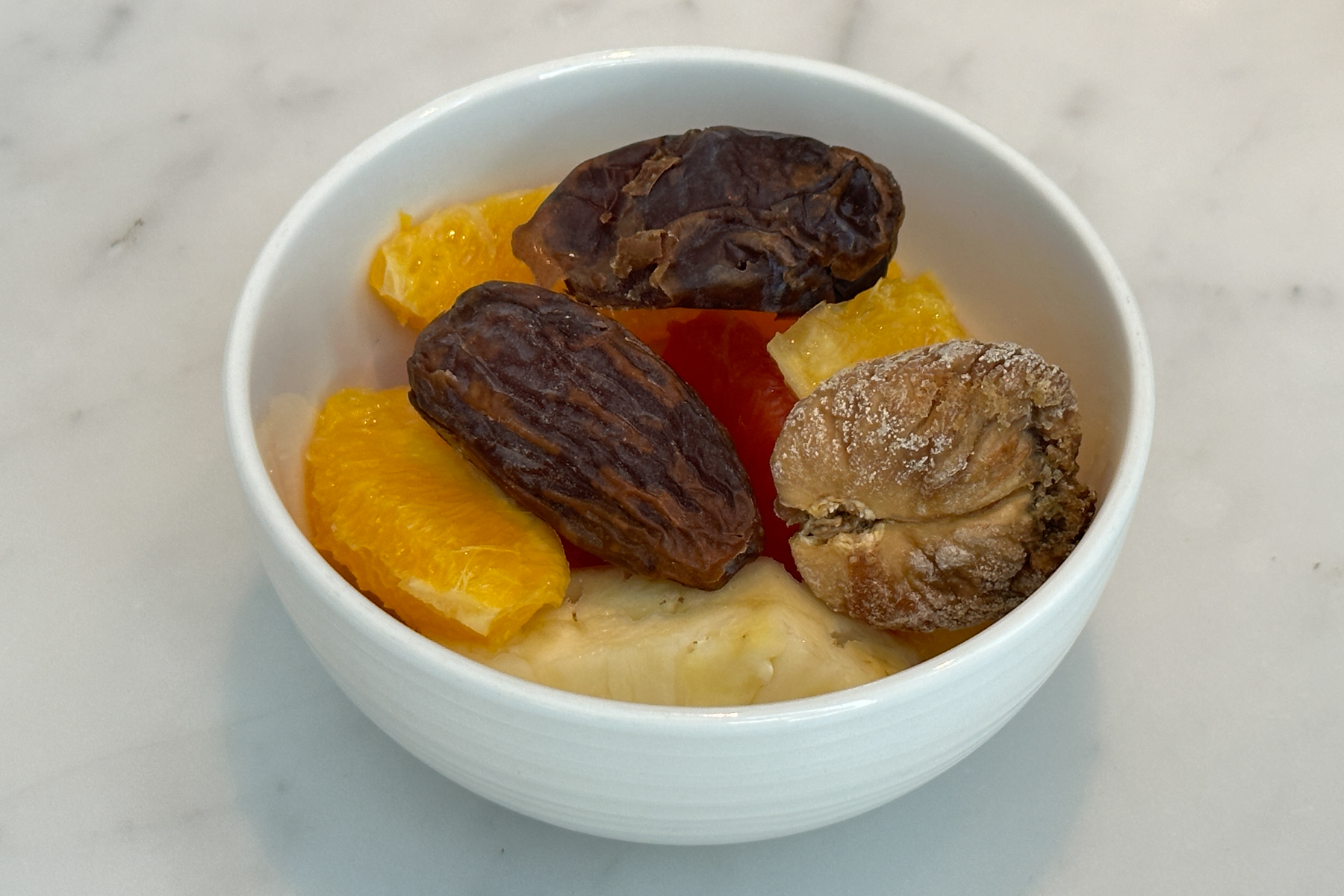
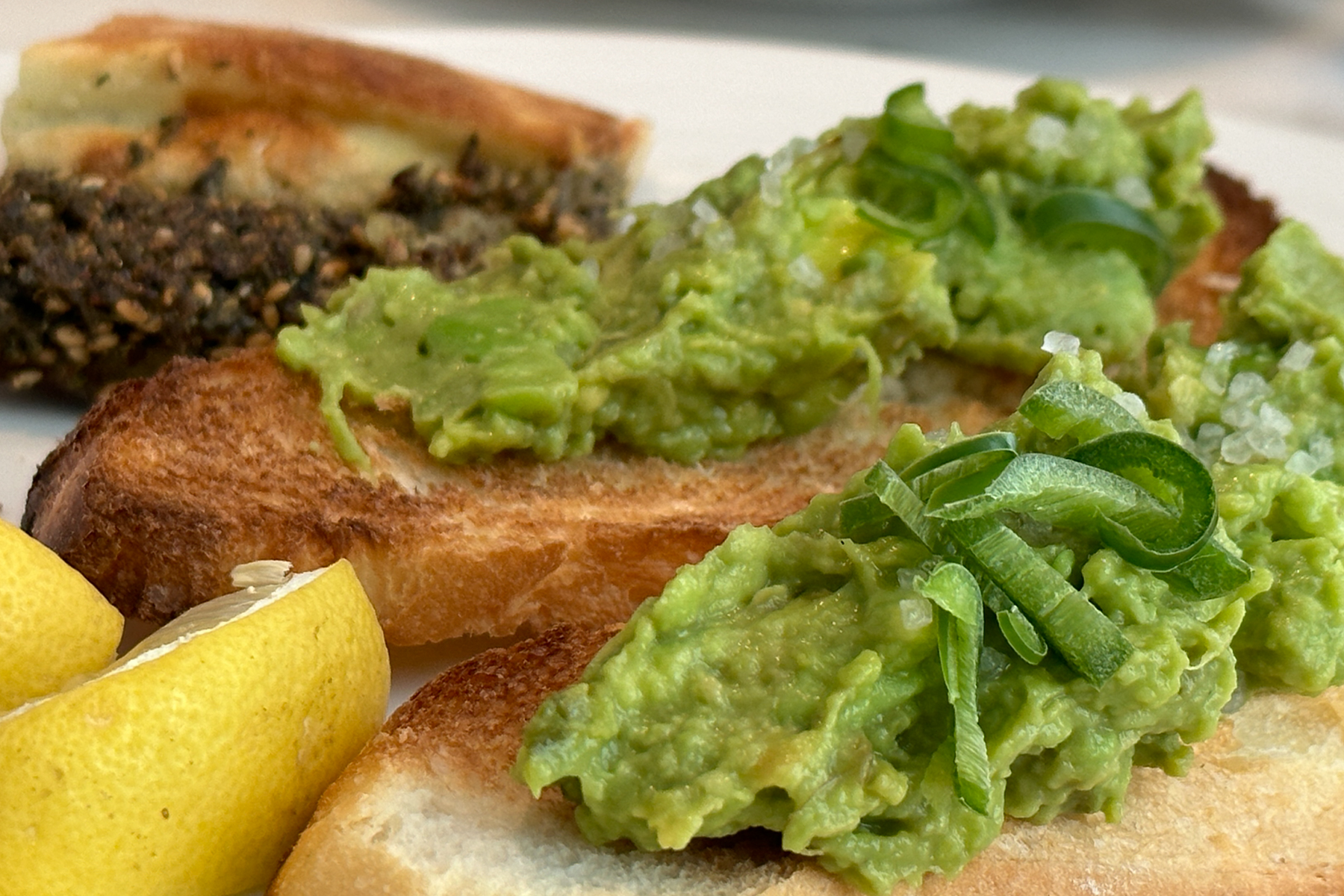
After a good night’s sleep last night, we were up around 7:30 am and downstairs by 8:00 am, ready to contemplate an very impressive selection of pastries and cakes (although we were admirably restrained!).
At 9:00 am we met our guide, Daoud, in the hotel lobby. We sat and chatted with Daoud about the plan for exploring Jordan over the next week.
Jordan is situated at the junction of Asia, Africa, and Europe, on the eastern bank of the Jordan River. It is bordered by Saudi Arabia to the south and east, Iraq to the northeast, Syria to the north, and to the west by Israel, the Dead Sea, and the Palestinian West Bank (which, it captured during the 1948 Arab–Israeli War and controlled until relinquishing it to Israel in 1967). It has a small (26 km) coastline in its southwest on the Red Sea, which separates it from Egypt.
Amman is Jordan’s capital and largest city, as well as its economic, political, and cultural hub. A city tour of Amman was first up on the agenda of our Jordan exploration.
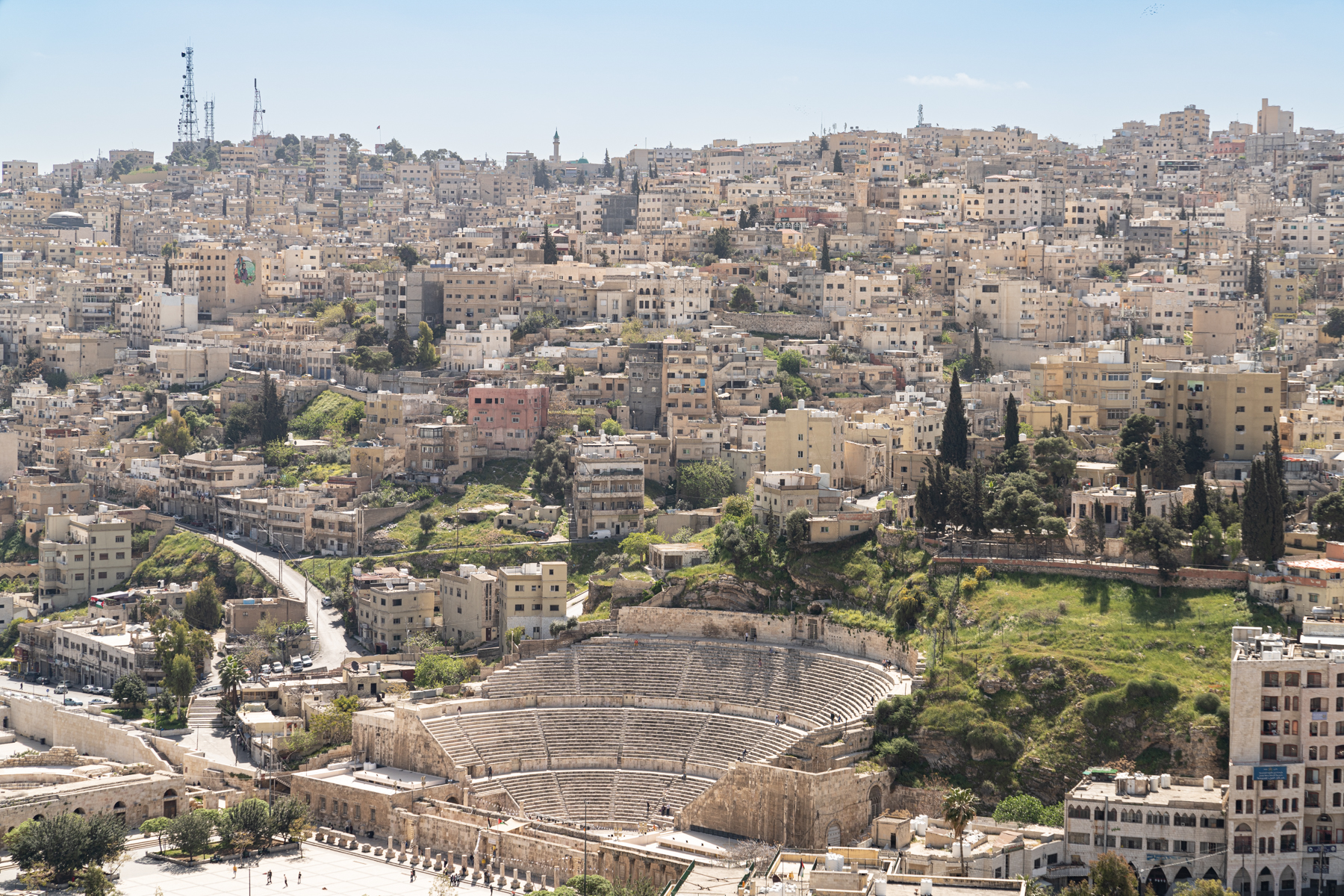
Amman is a clean and relatively calm city. We enjoyed a nice drive around the city centre before making our first stop, at the Roman Theatre in the east of the city. The Roman Theatre is a 6,000-seat theatre built in the 2nd century BC (when Amman was known as Philadelphia). The theatre has excellent acoustics and is still in use today.
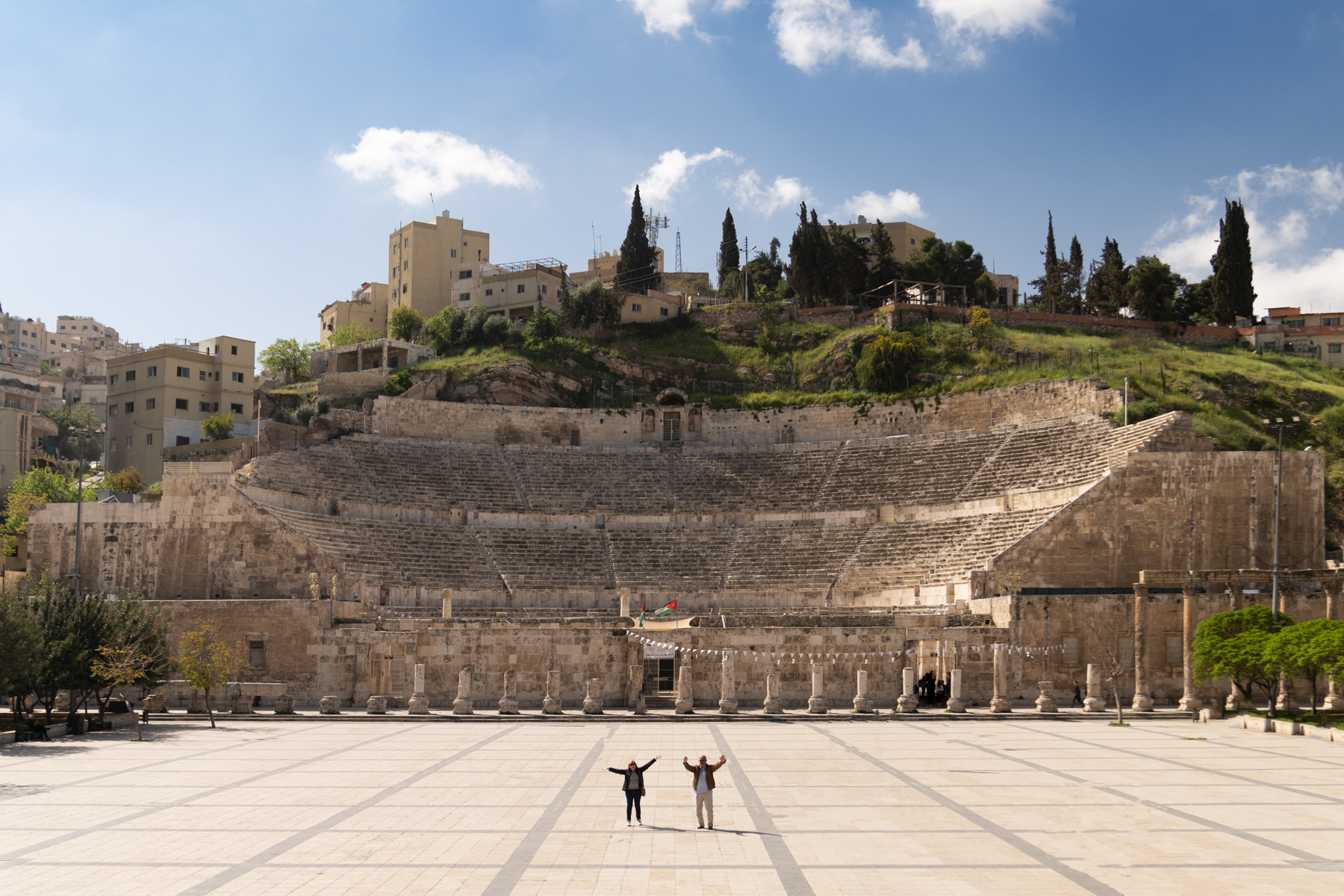
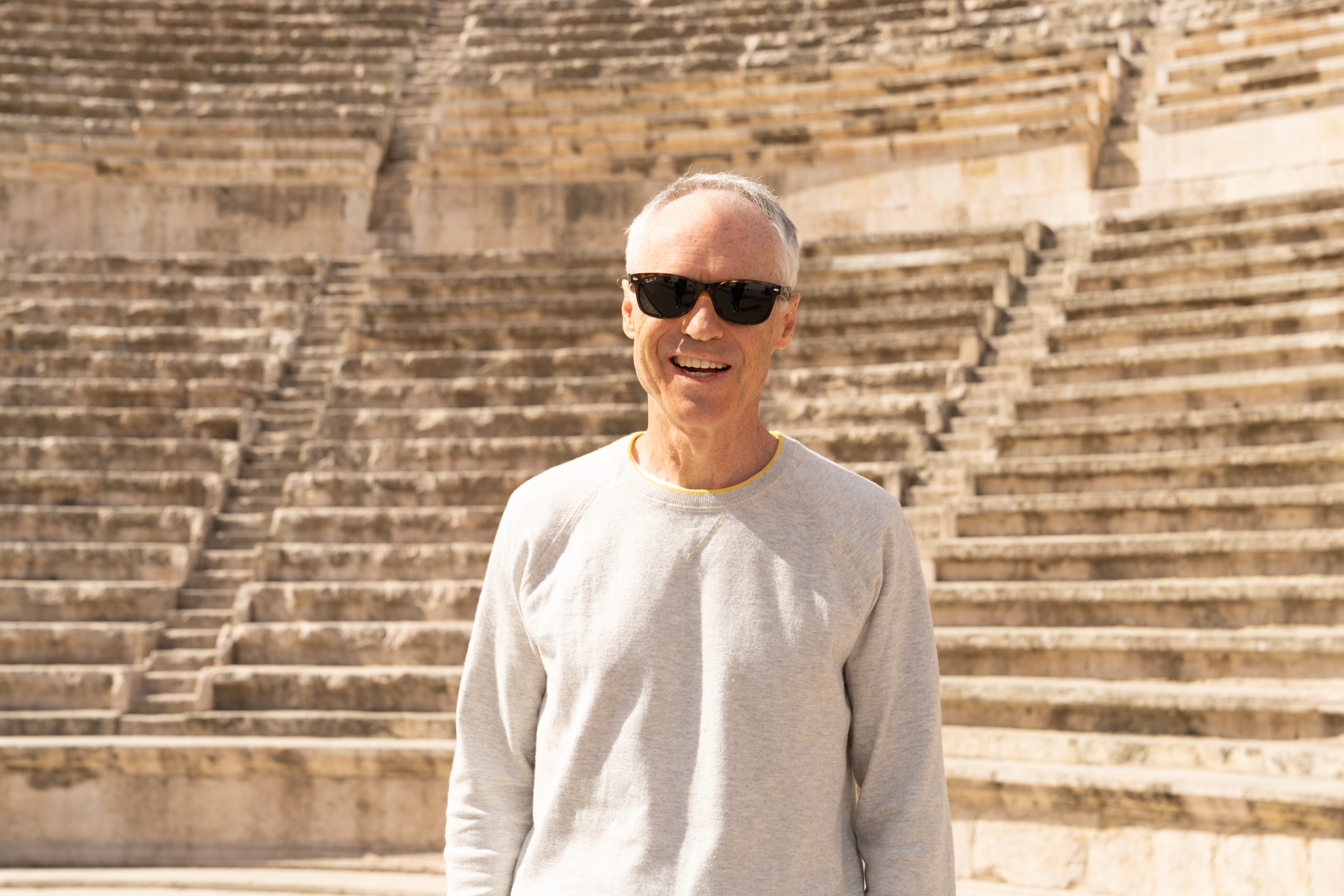
After exploring the Roman Theatre and the two museums (Jordan Folklore Museum and Jordanian Museum of Popular Traditions) housed in the wings of the theatre, we got back into the car to drive up to the Amman Citadel.
The Amman Citadel is considered to be one of the world’s oldest continuously inhabited places, with evidence of habitation dating back to the Neolithic period (10,000–4,500 BC). Much of the citadel was destroyed by the Galilee earthquake in the middle of the 8th century. Most of the structures visible today are from the Roman, Byzantine, and Umayyad periods but much of the citadel is still unexcavated, so it is believed that there is still a lot more to discover.
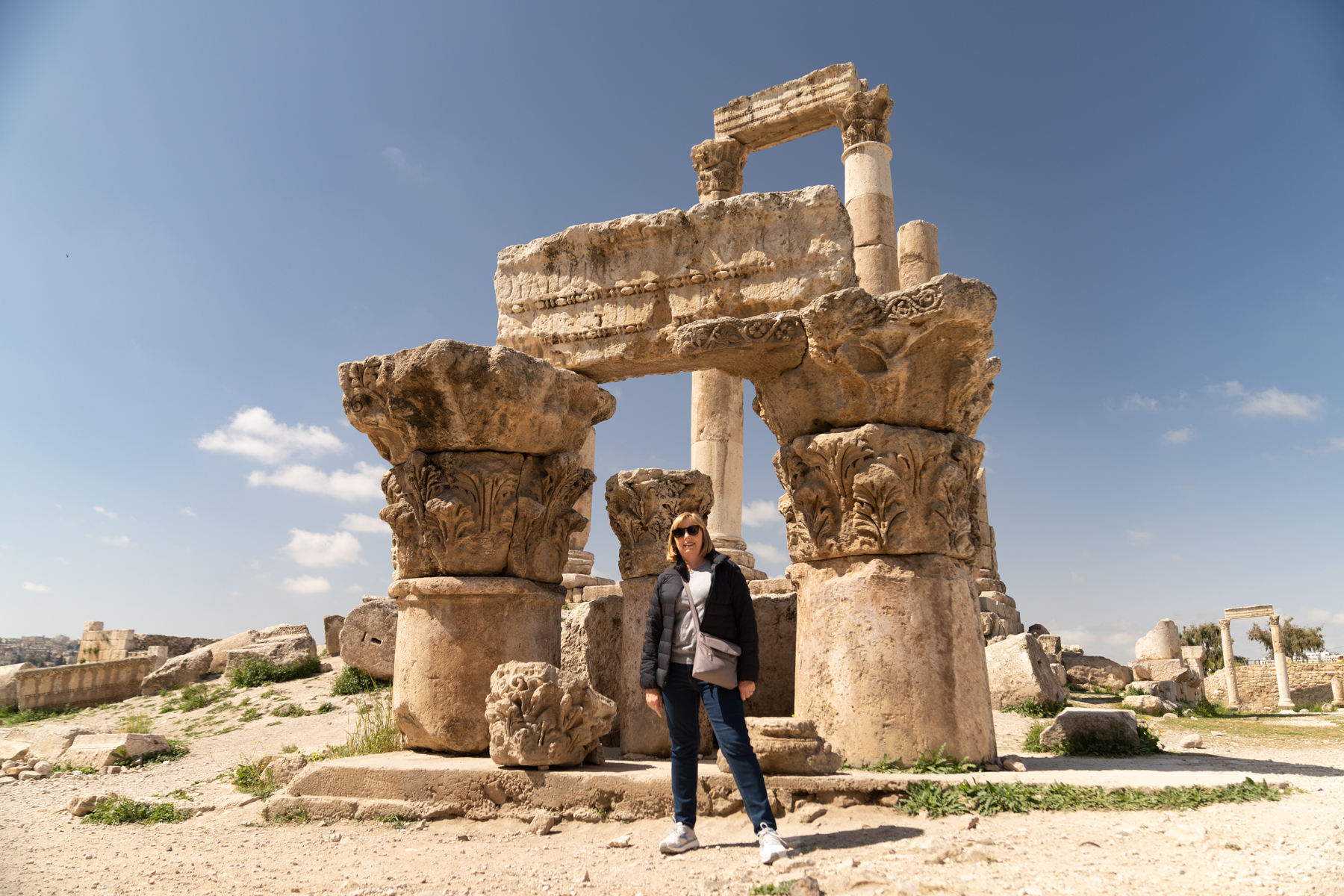
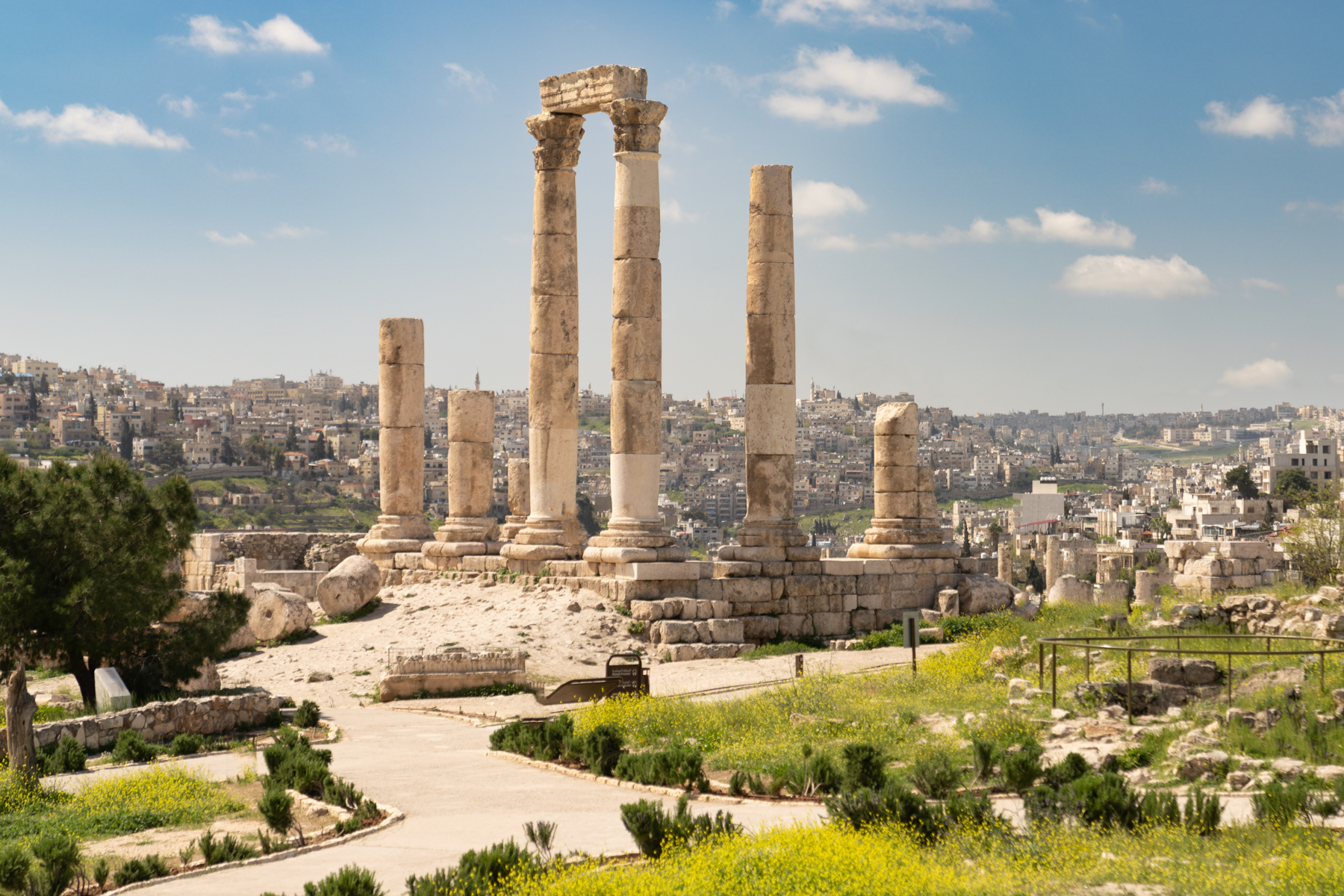
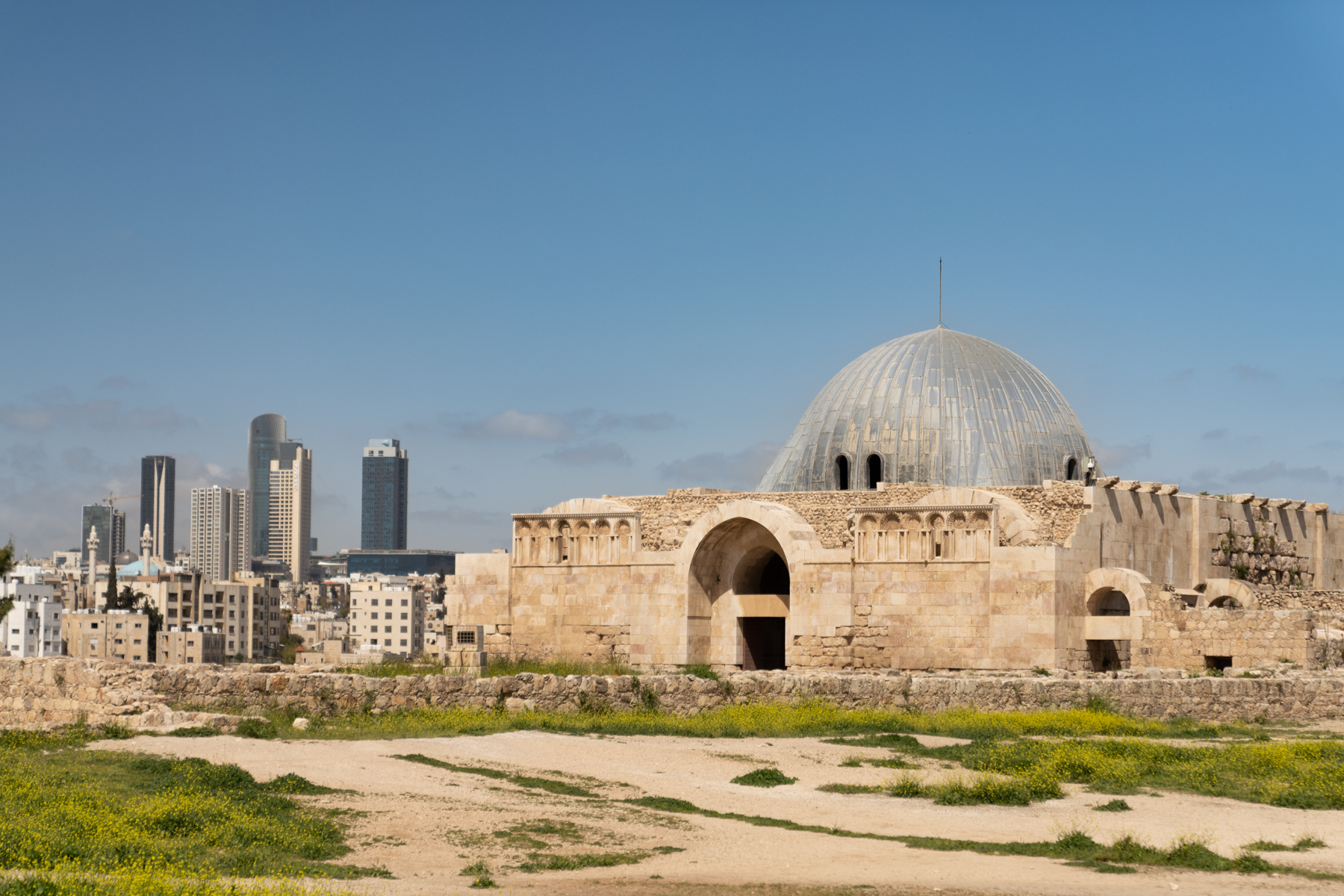
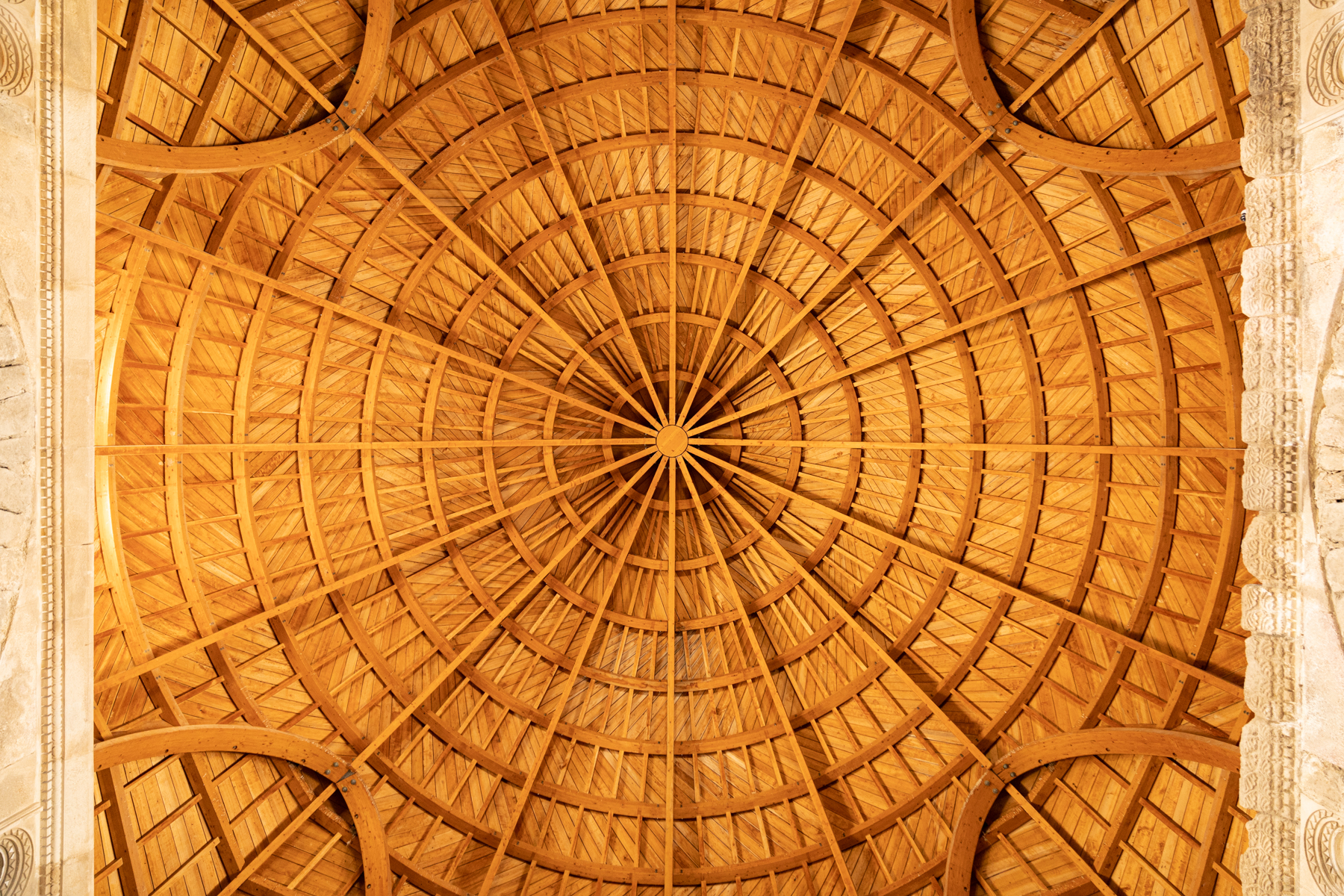
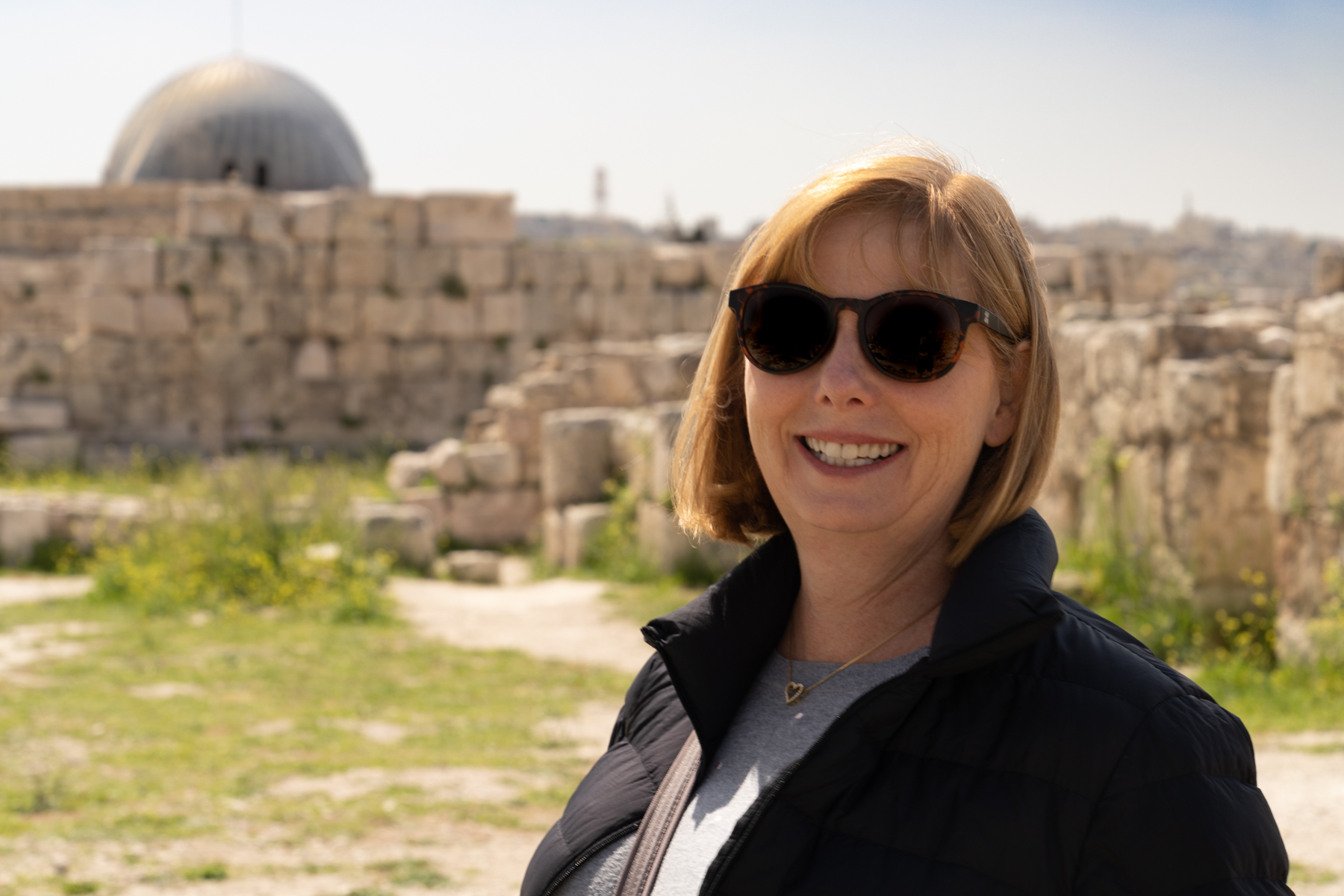
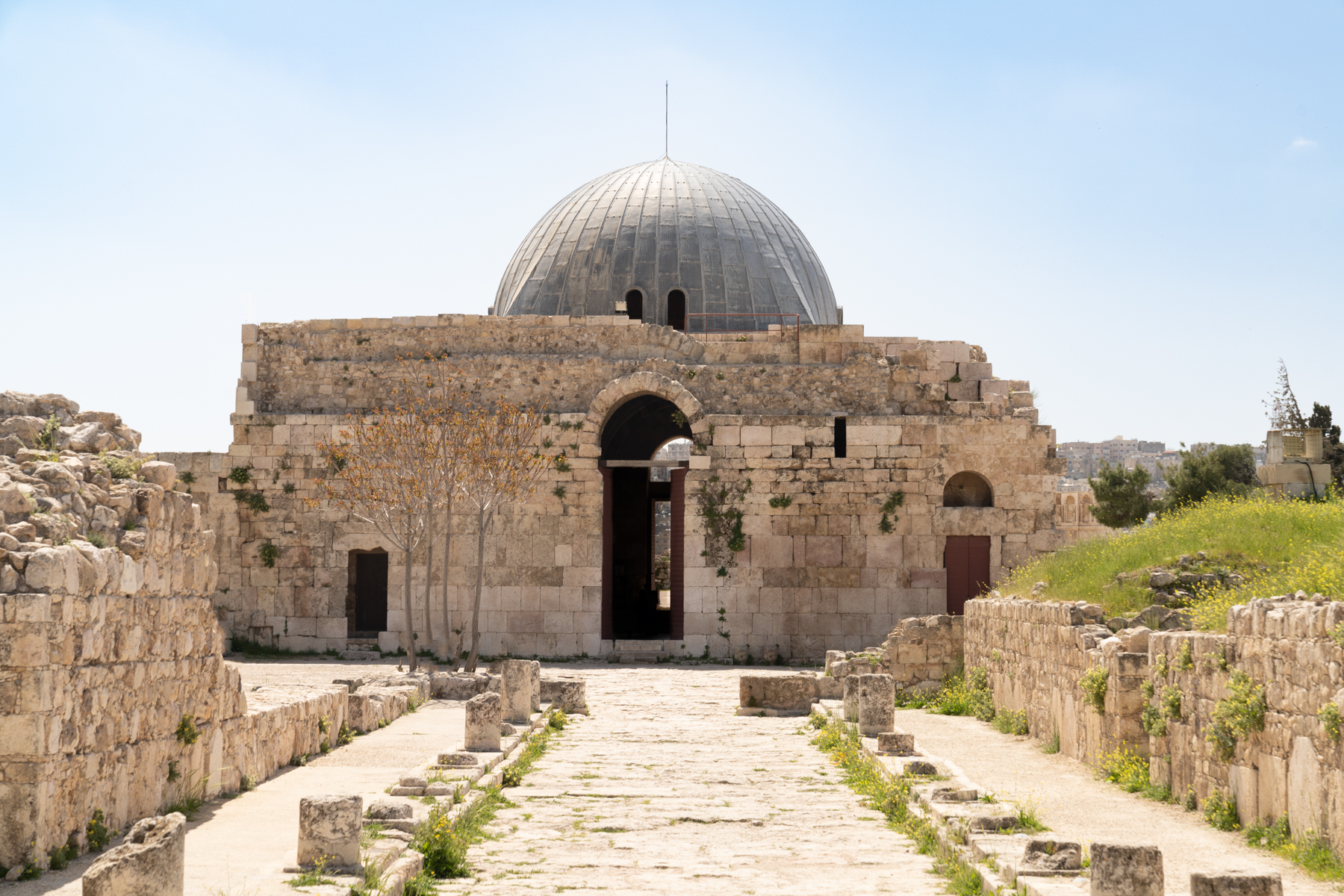
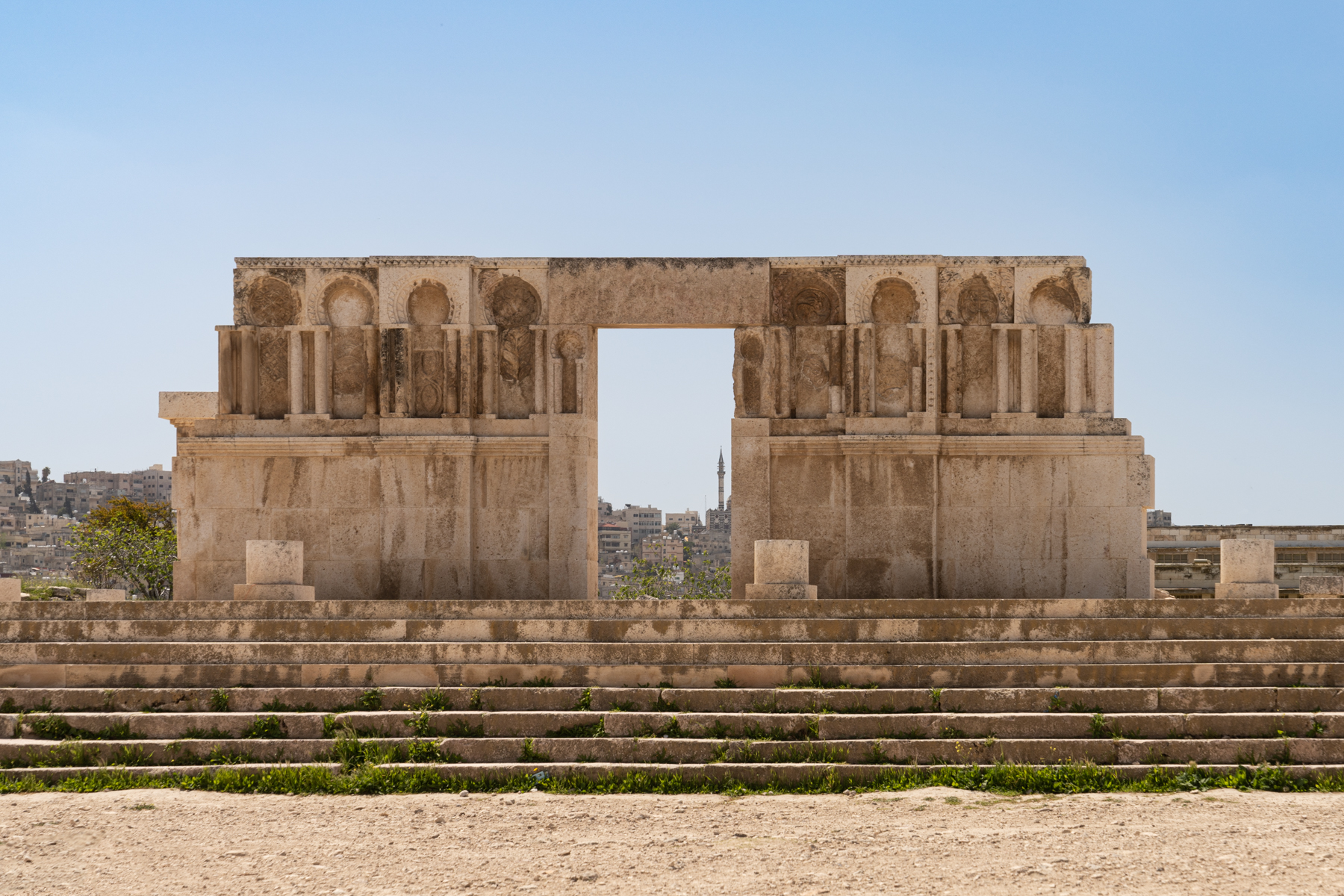
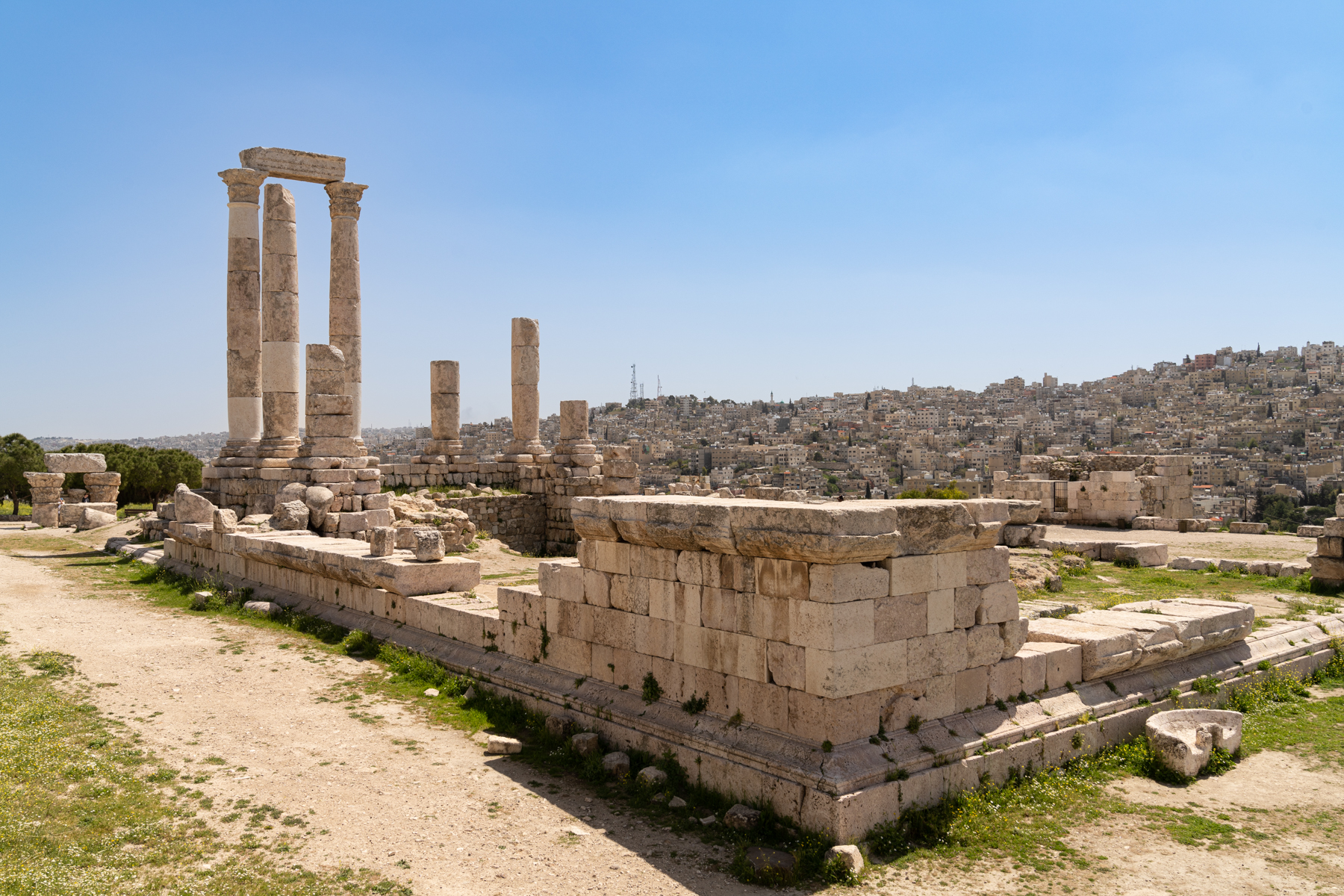
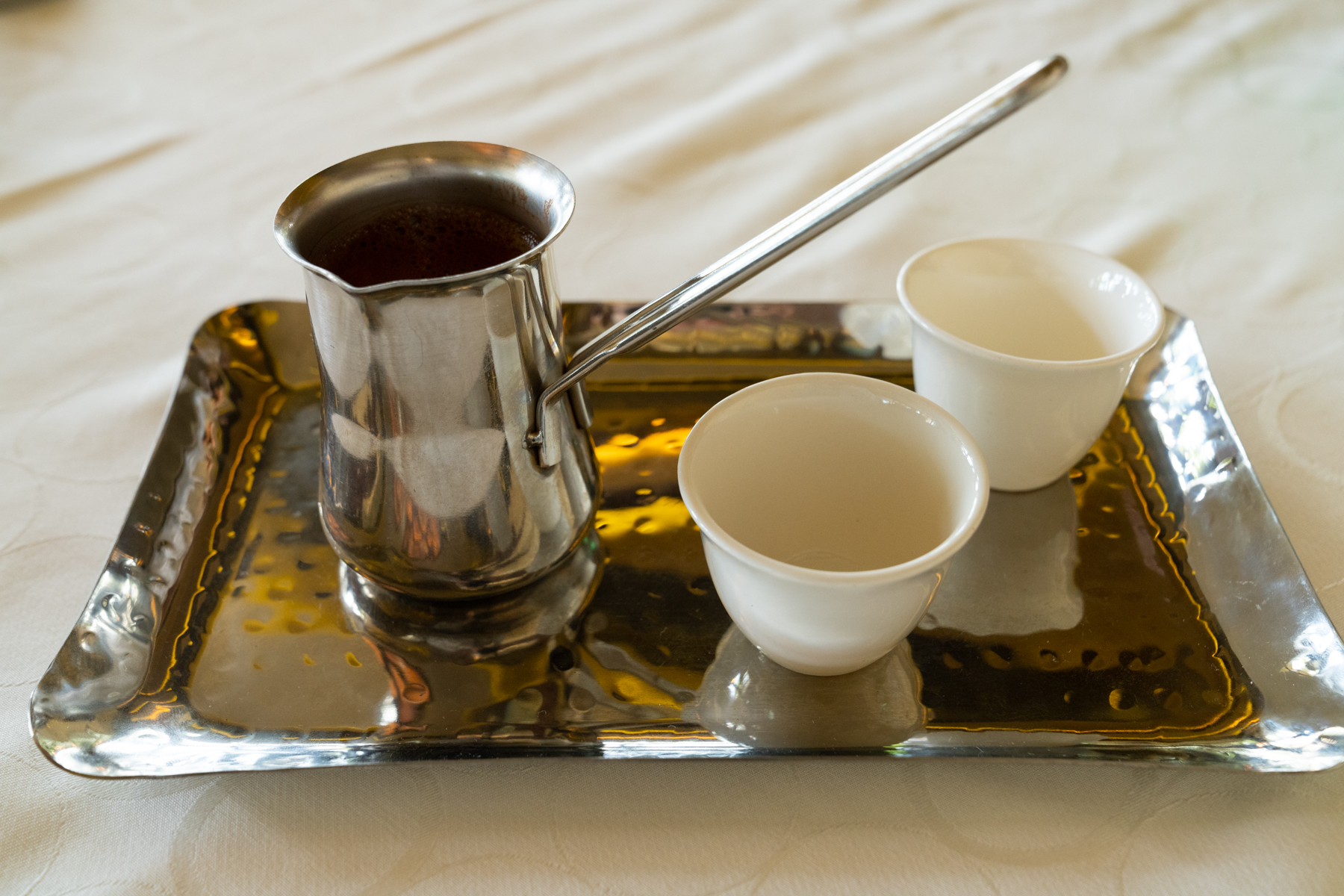
After a nice walk around the citadel, we returned to the car and set off for the city of Jerash, about 50 kilometres north of Amman. We arrived around 12:45 pm and headed to a restaurant called Lebanese House, where we had a lovely lunch.
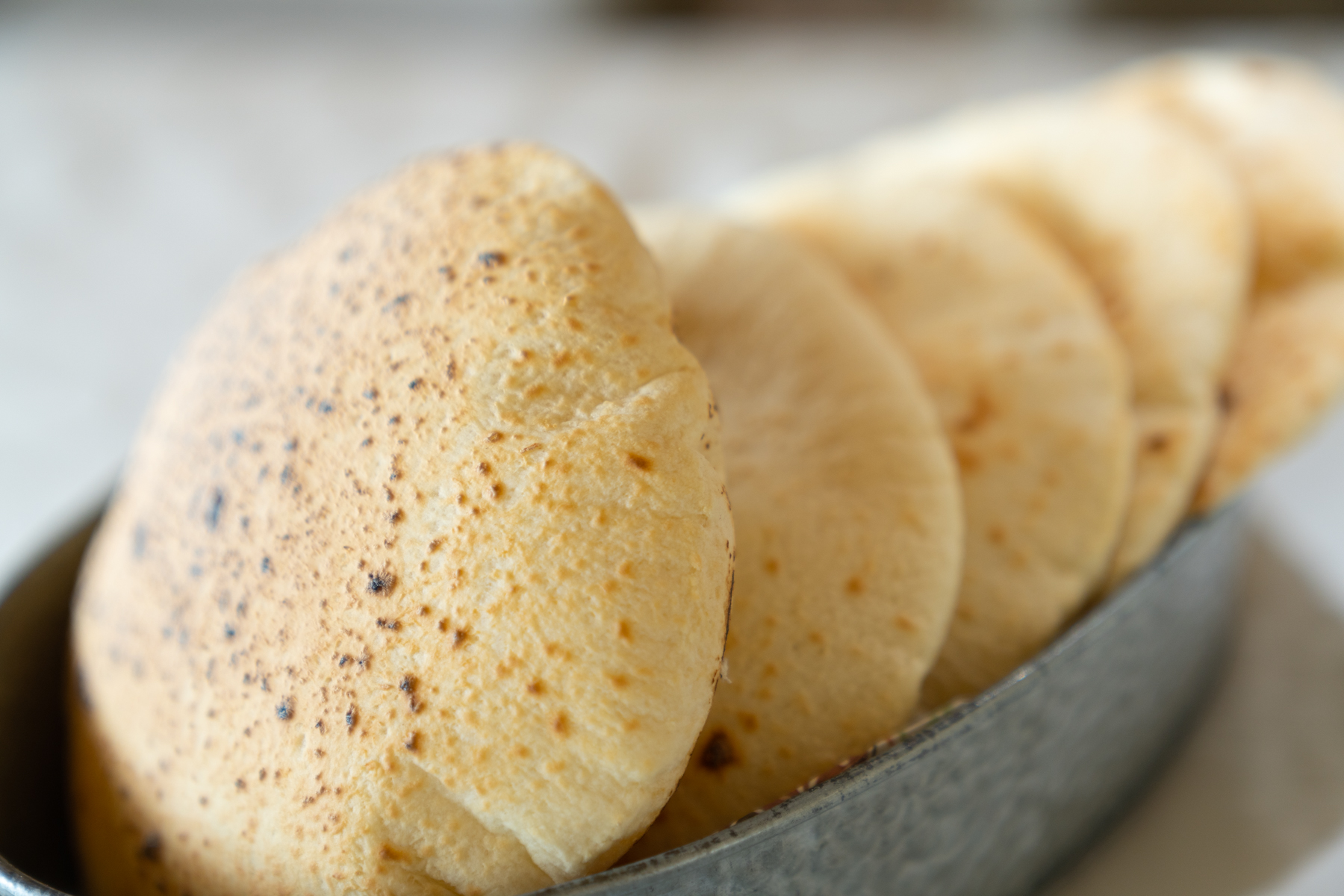
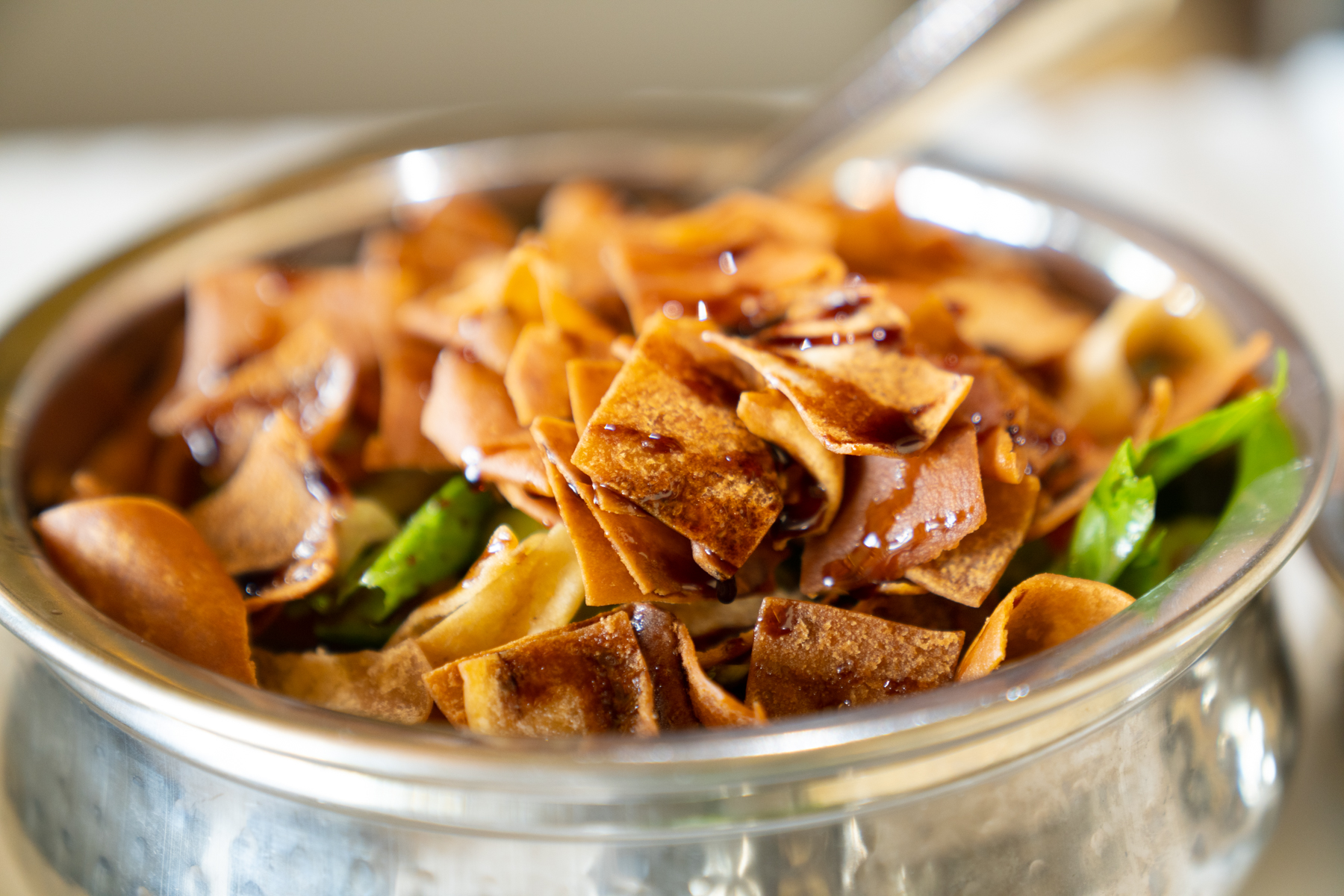
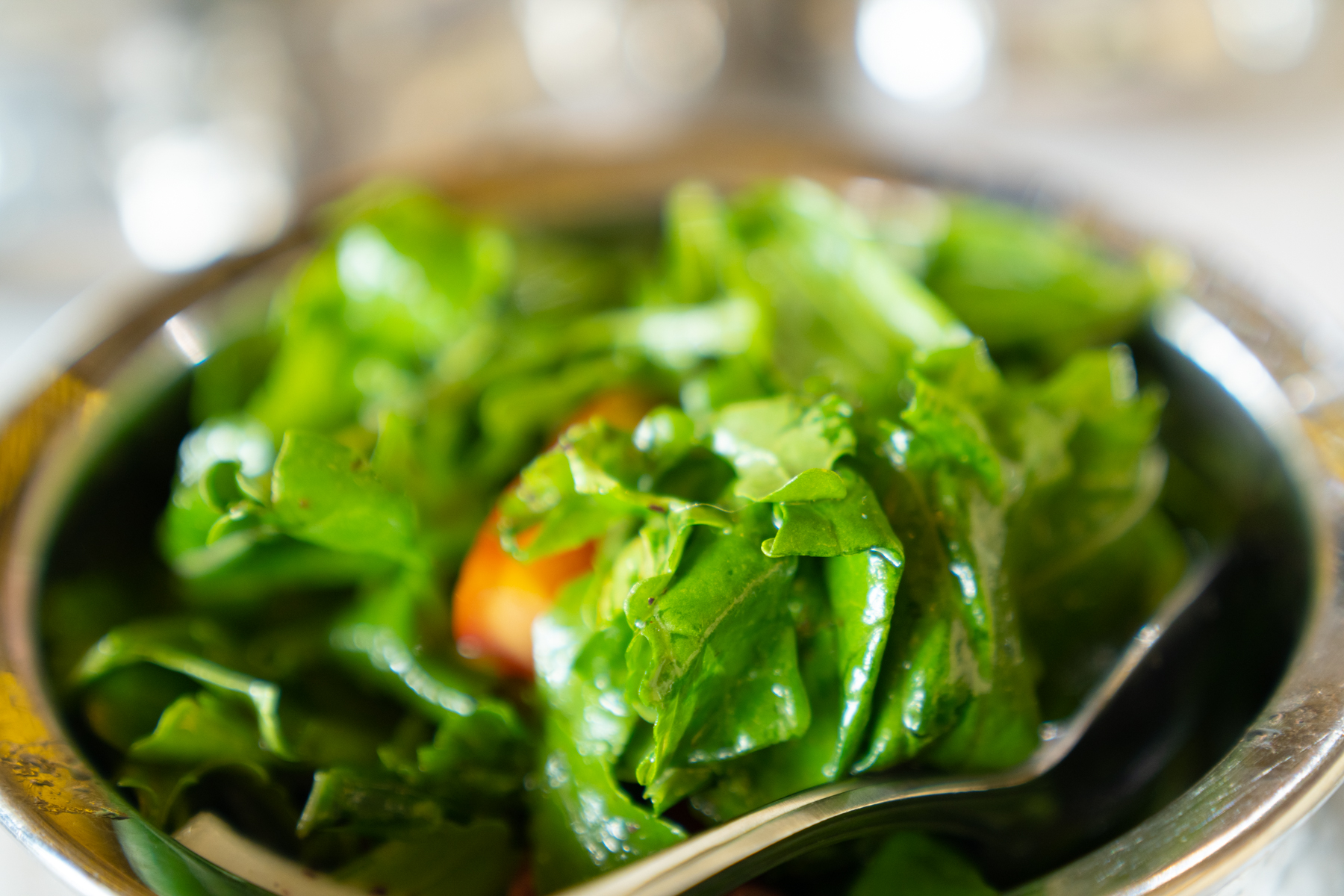
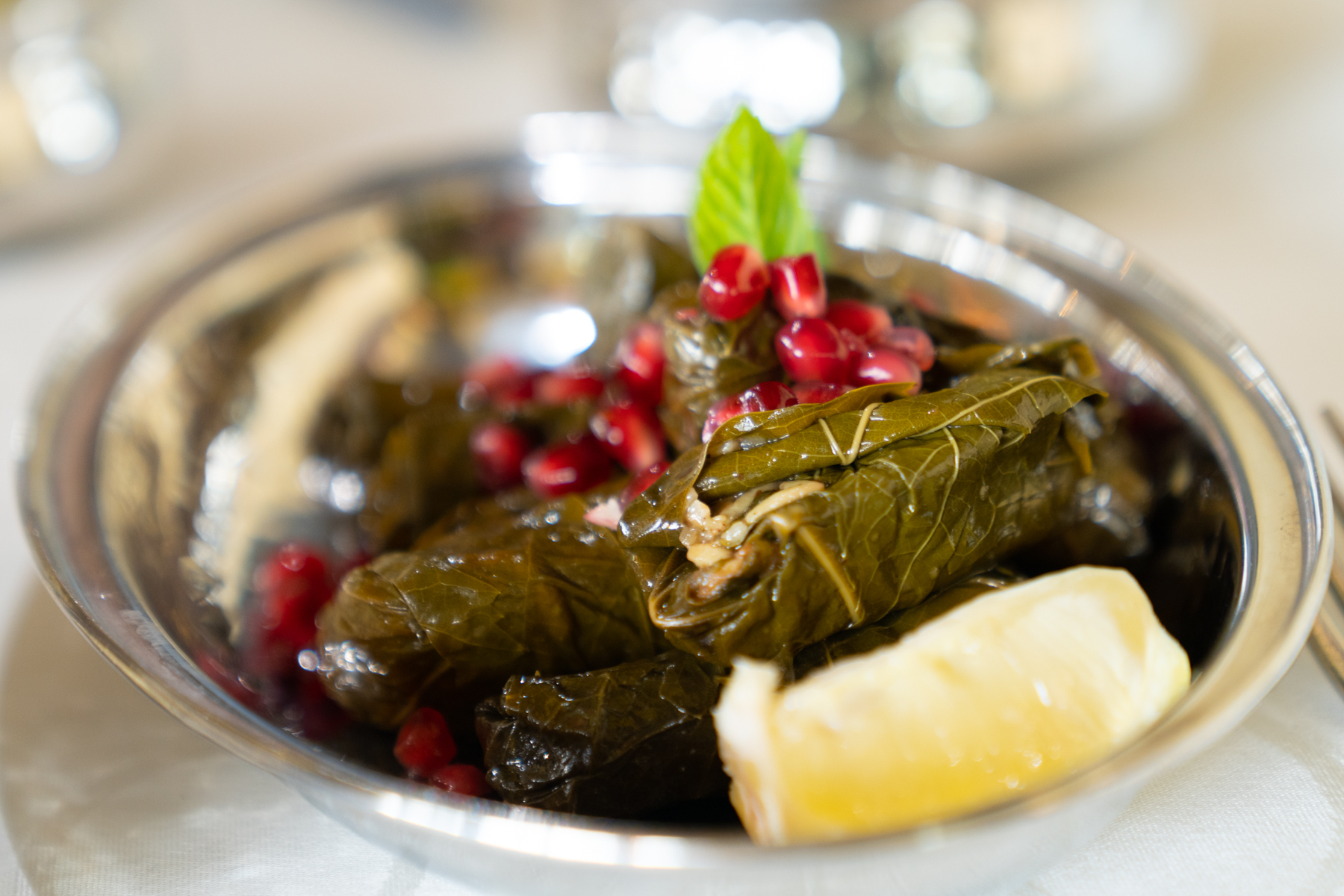
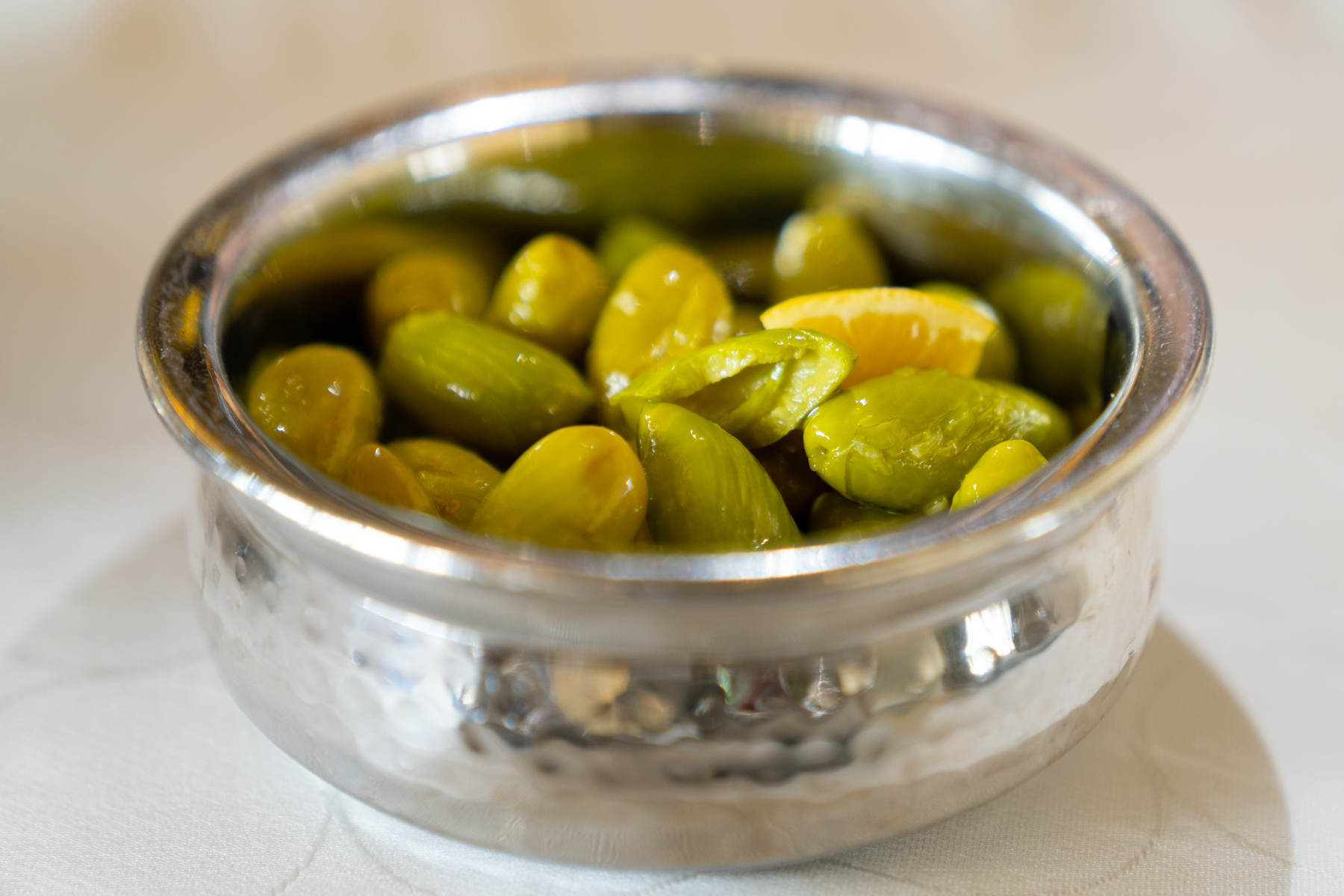
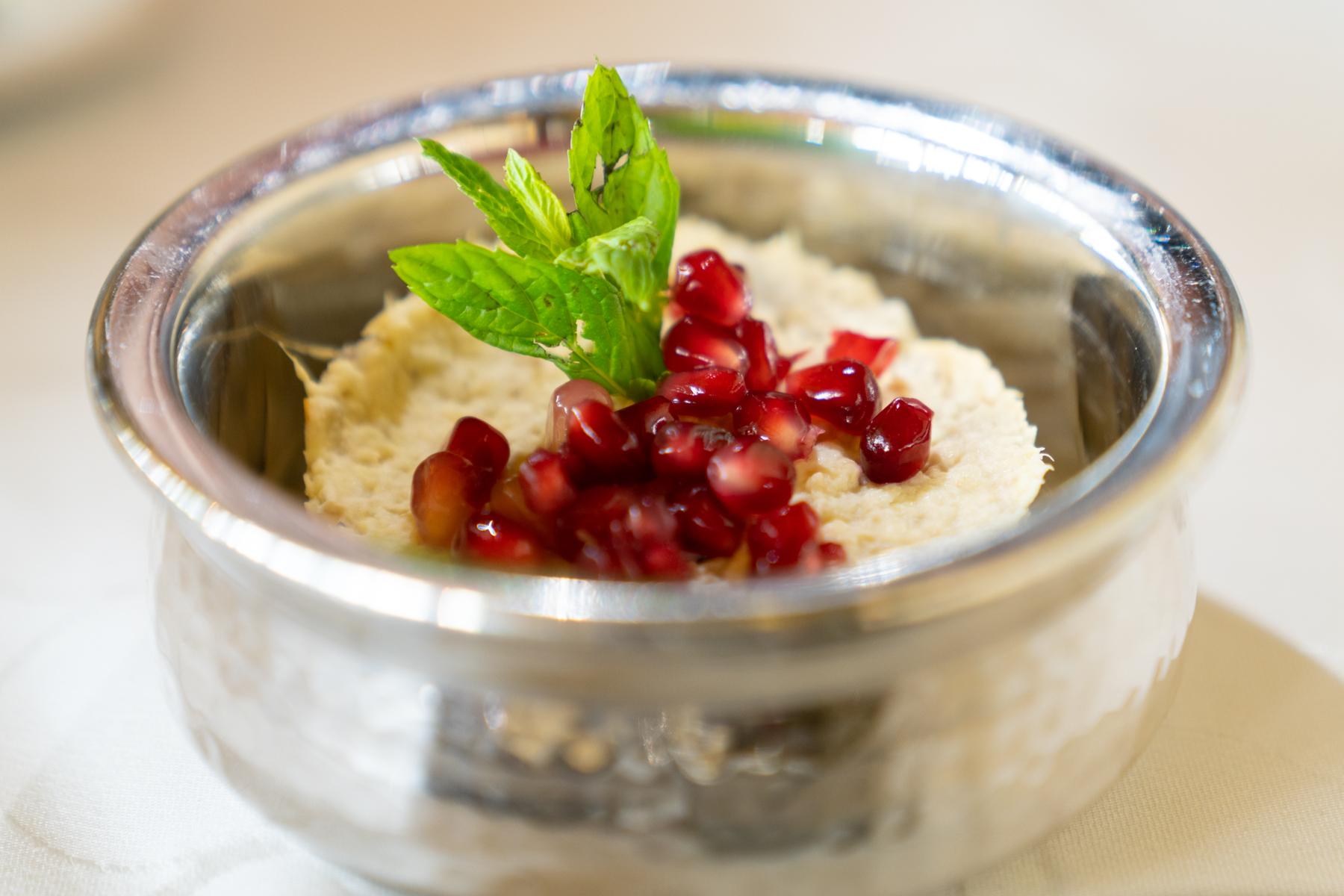
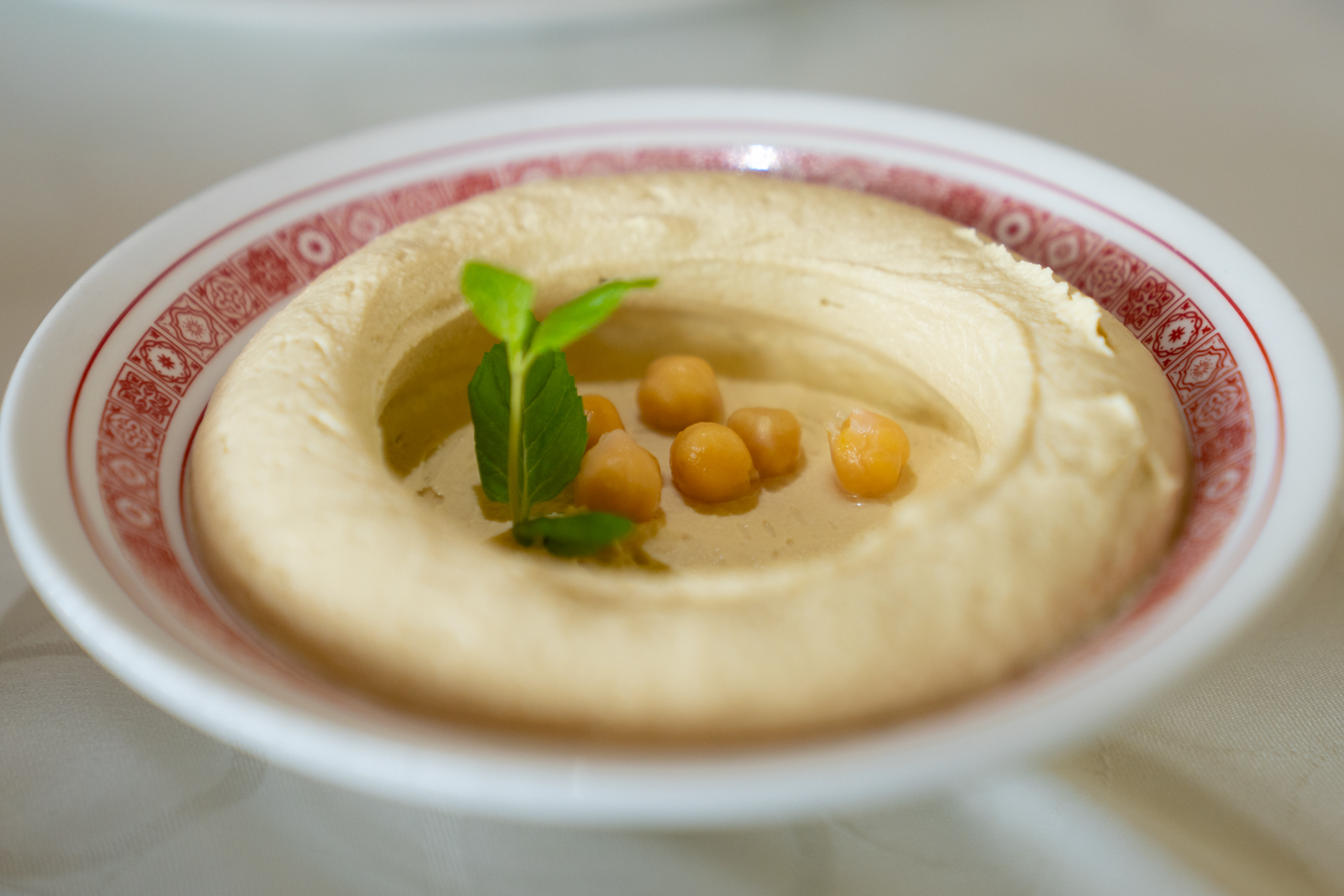
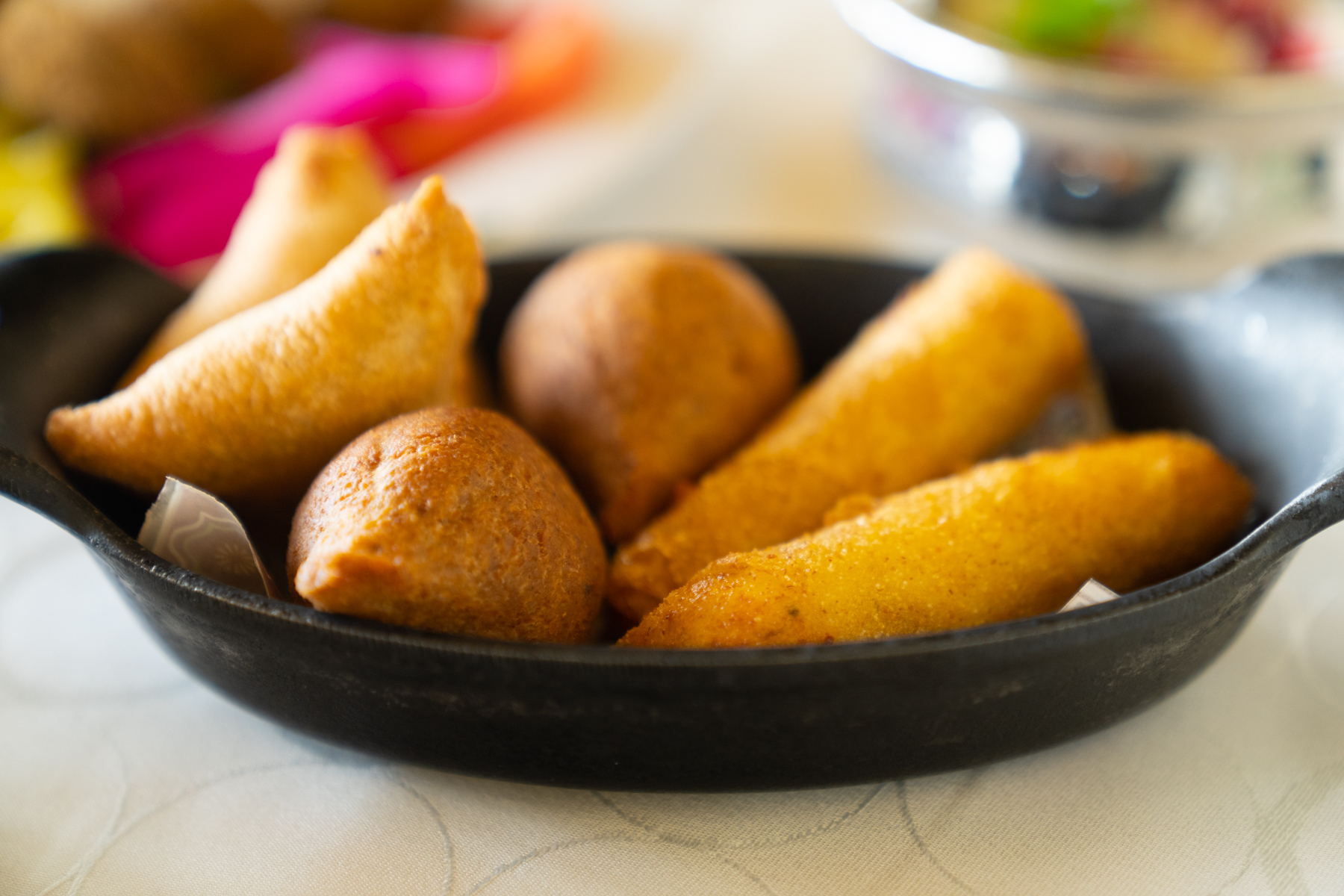
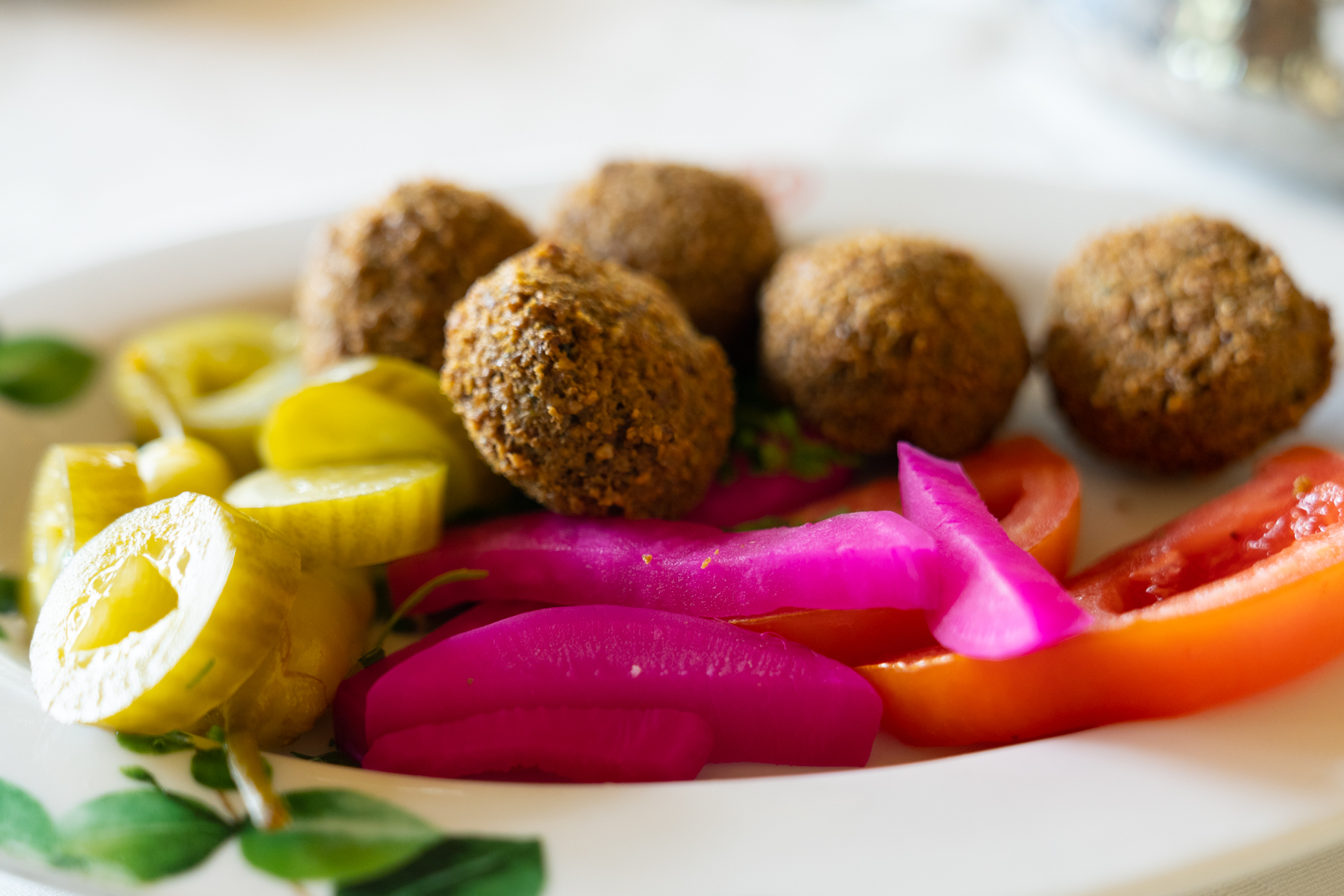
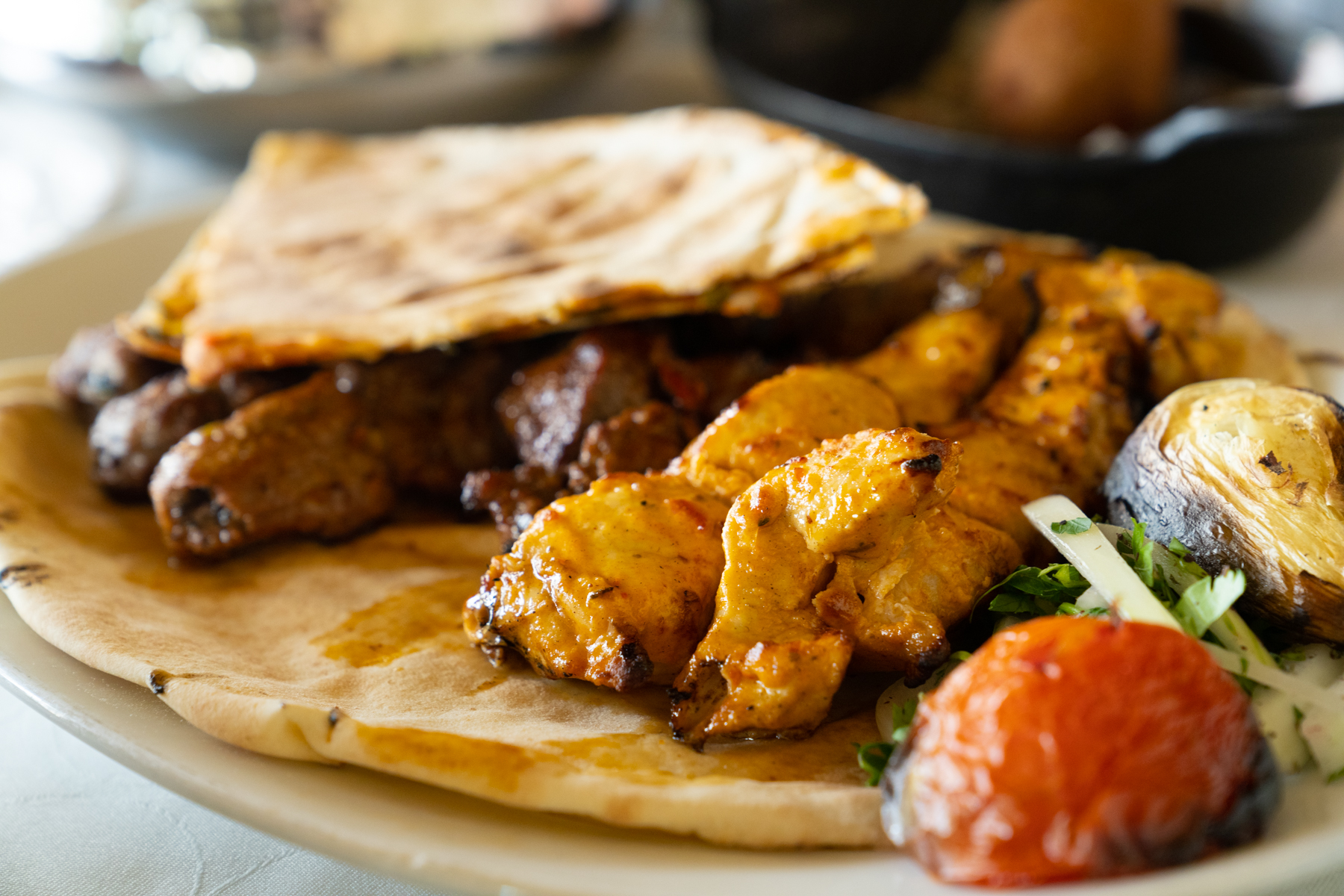
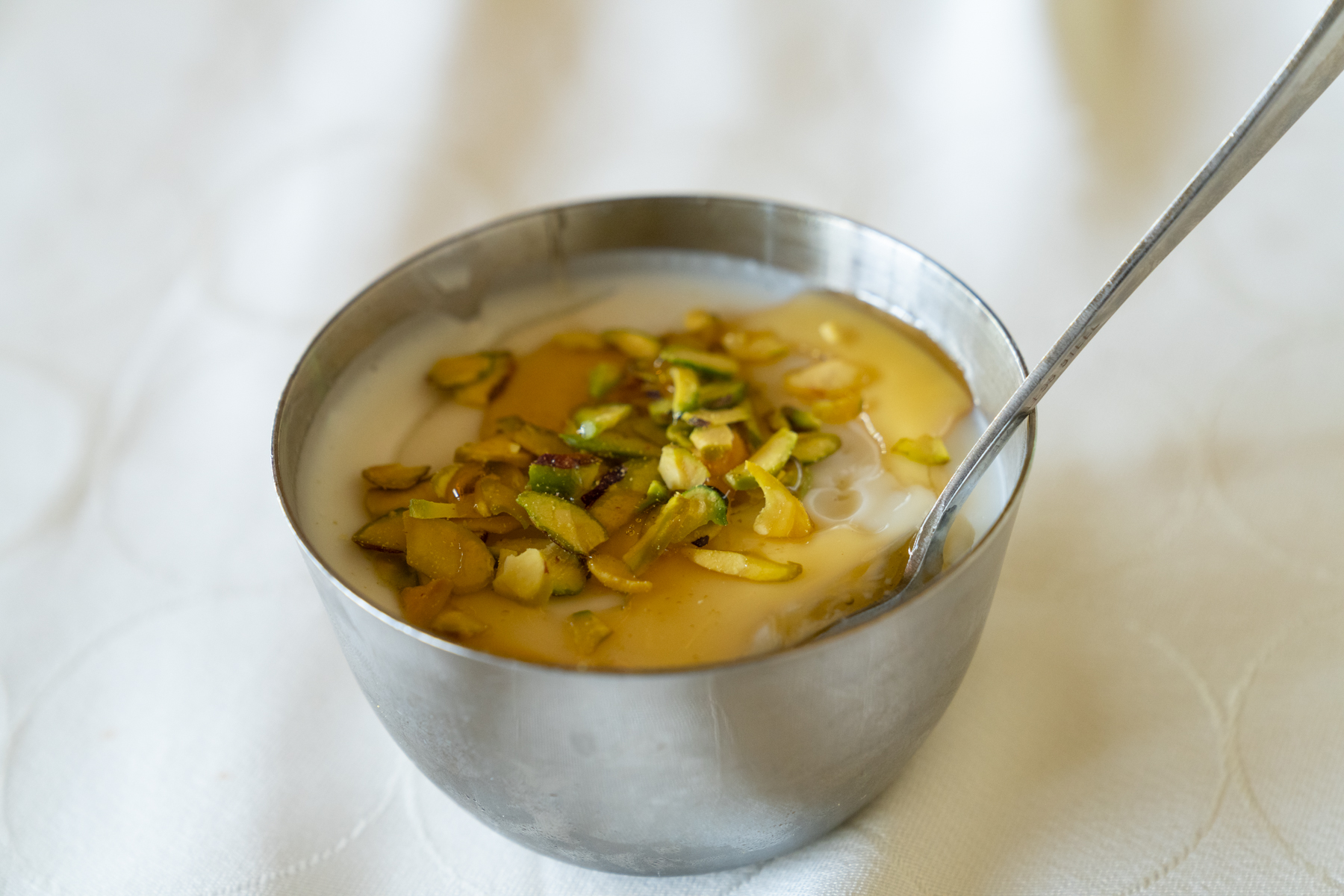
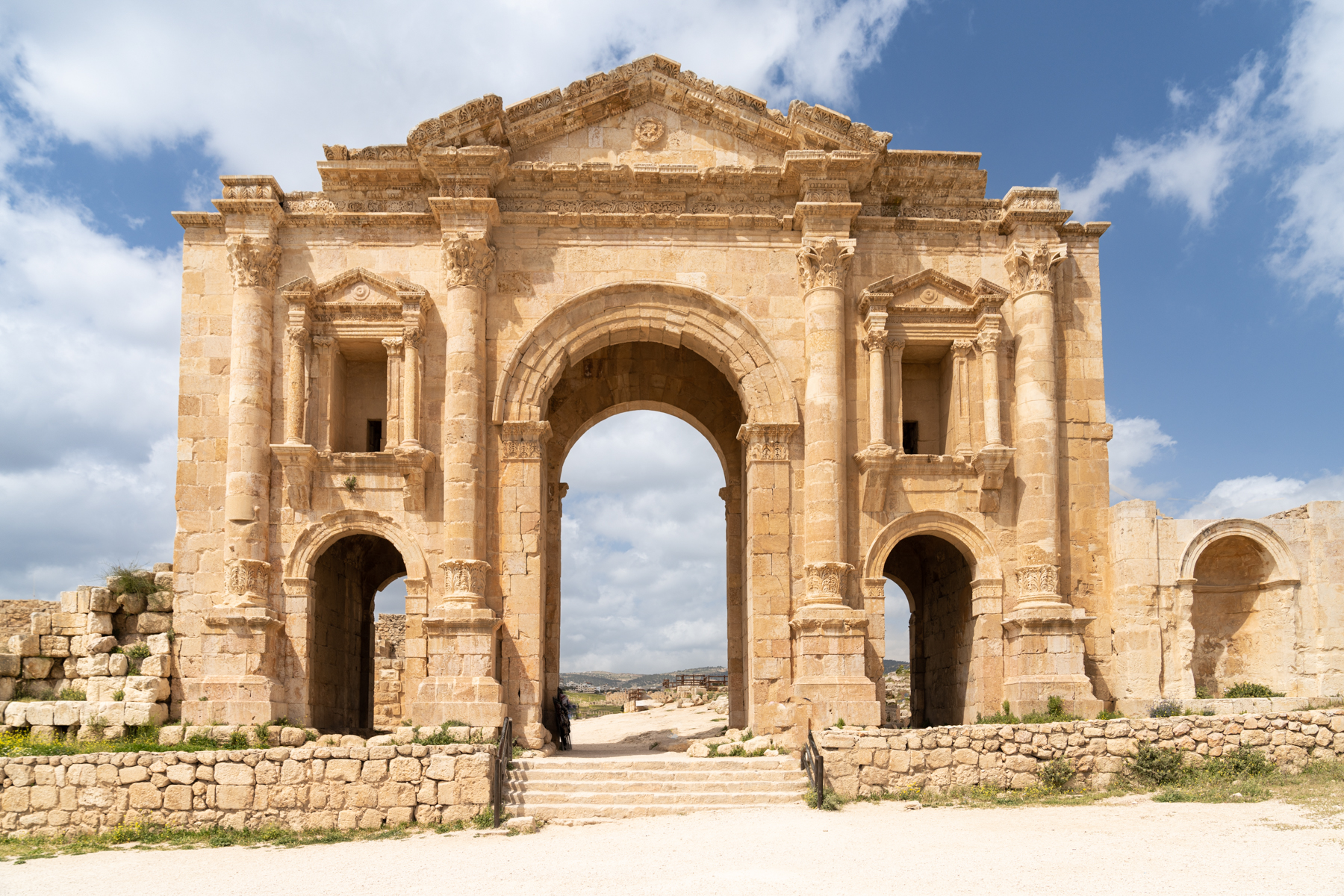
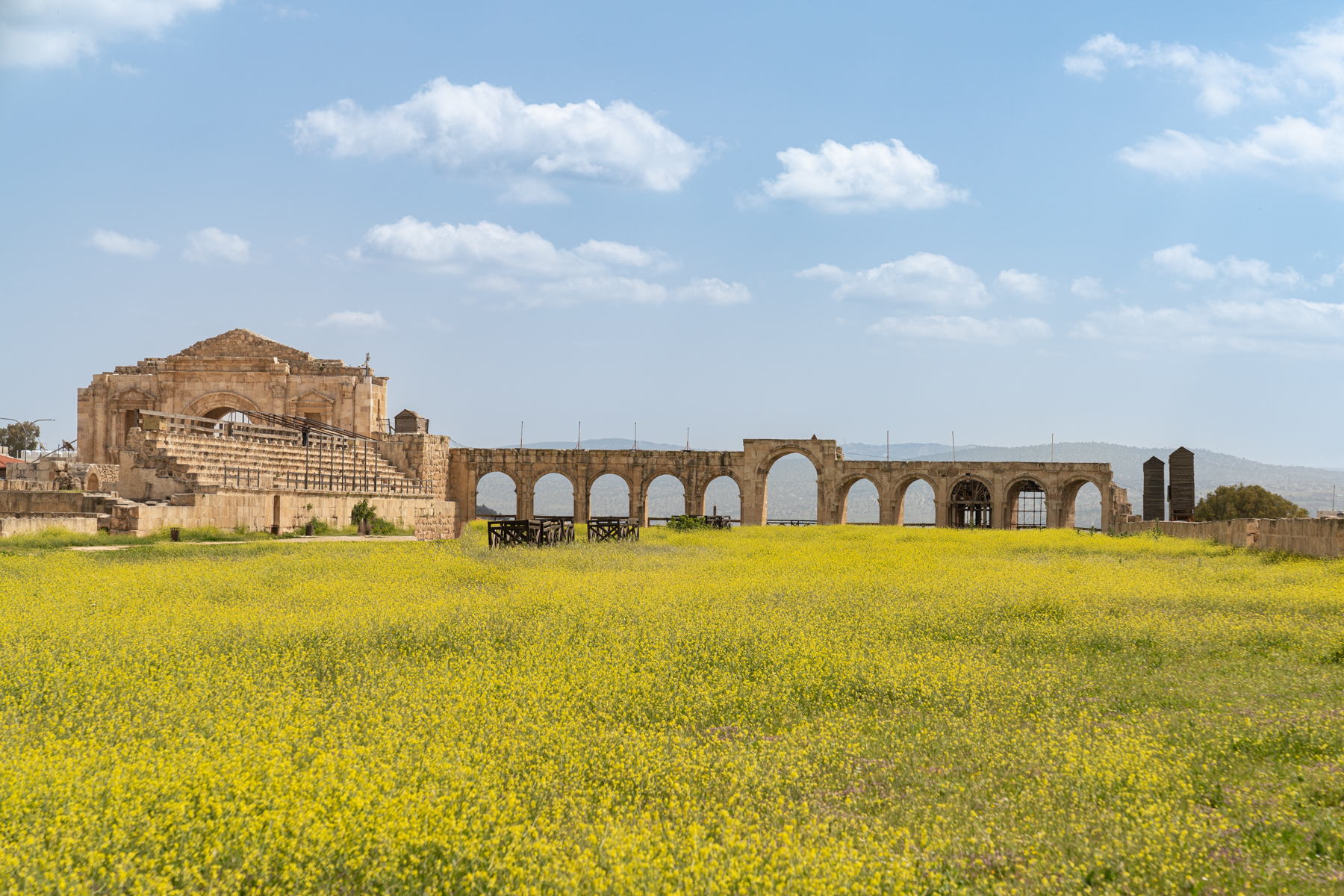
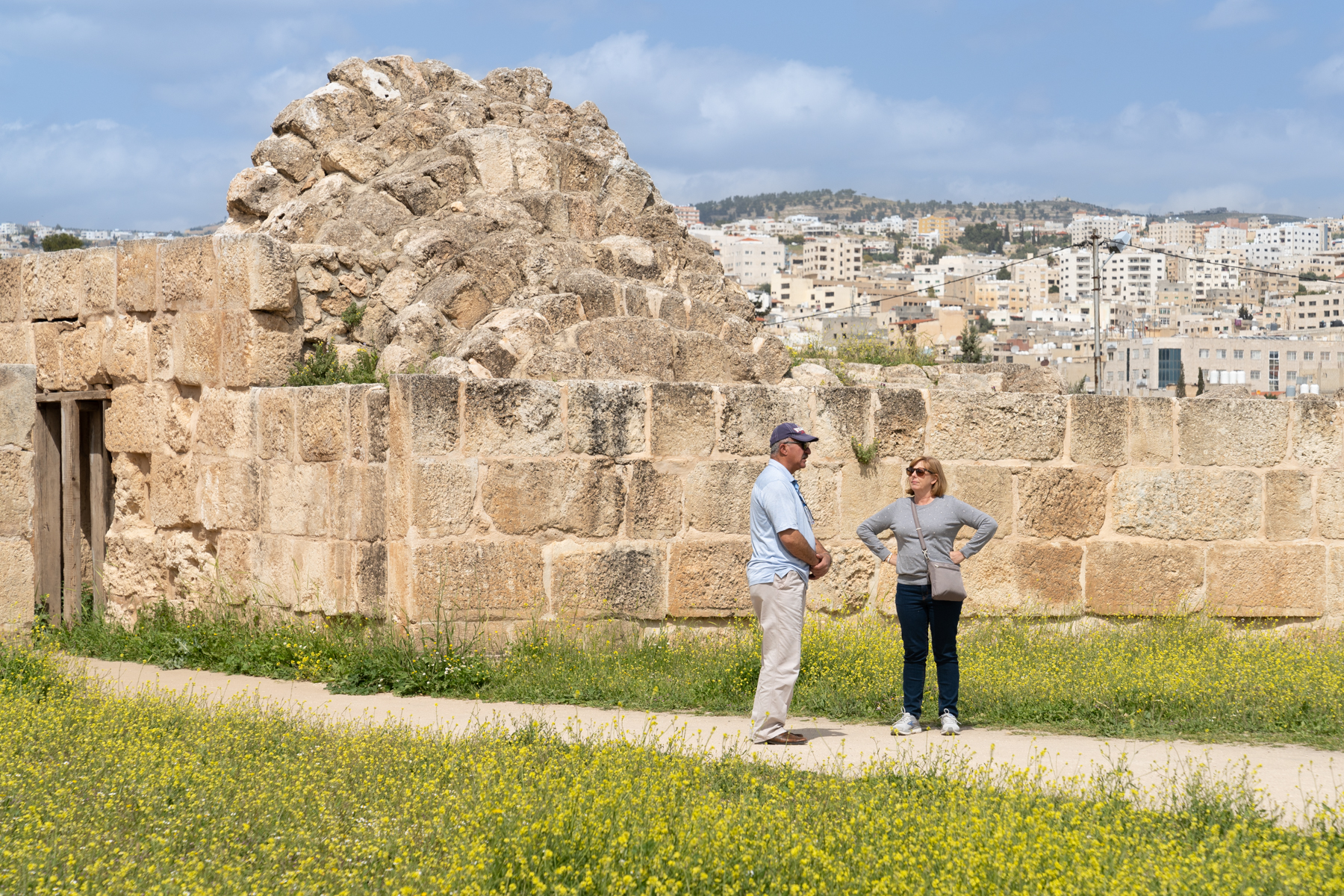
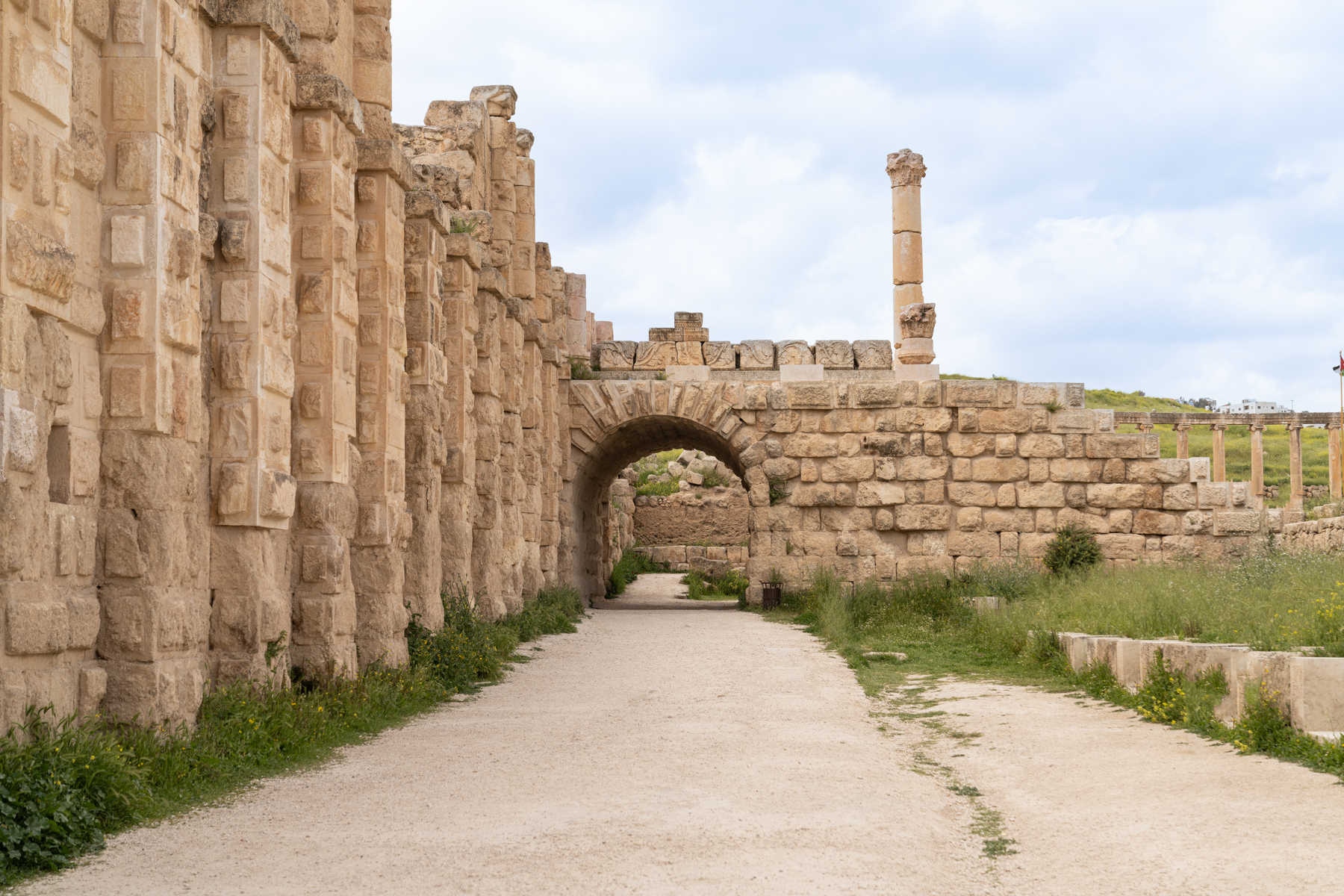
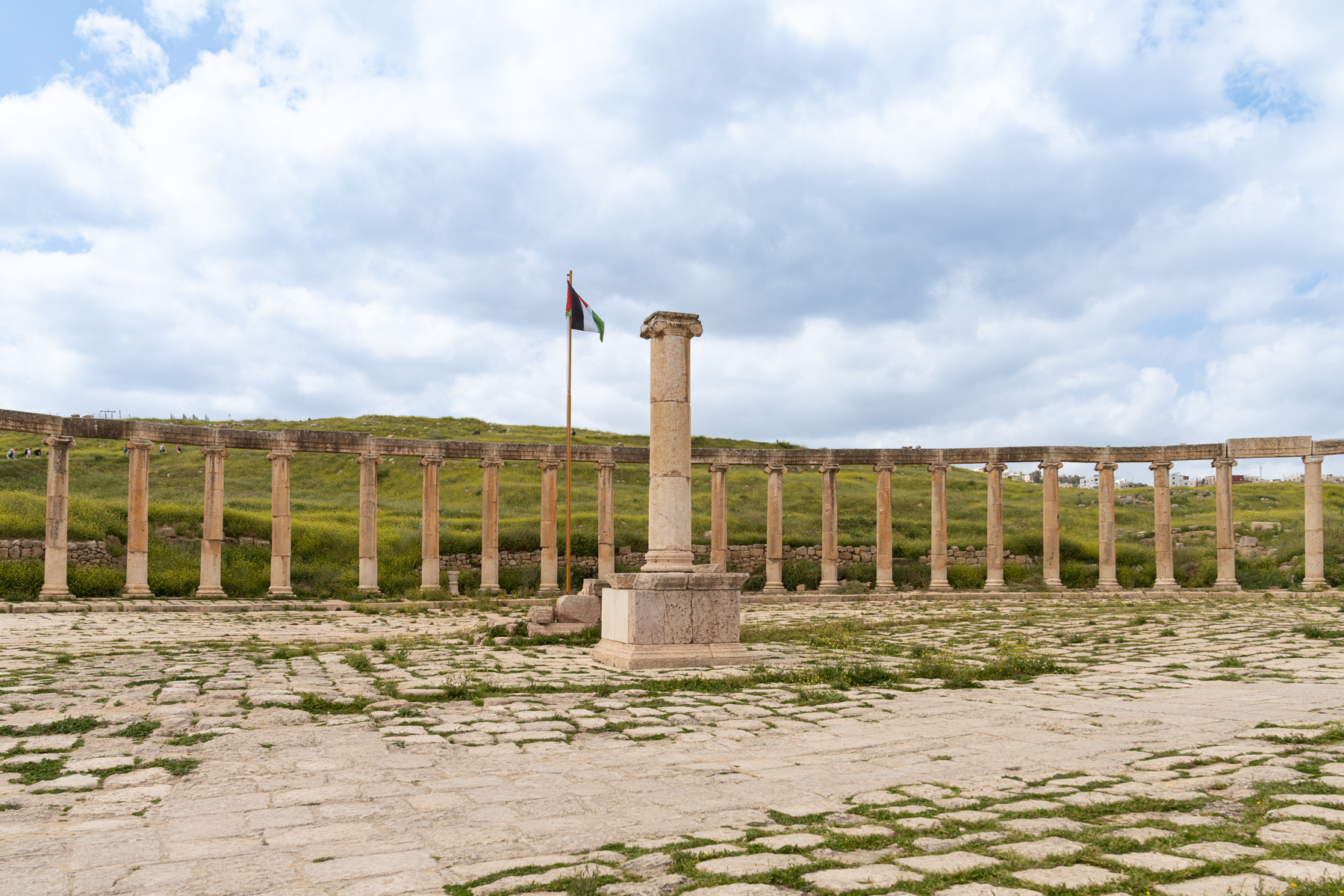
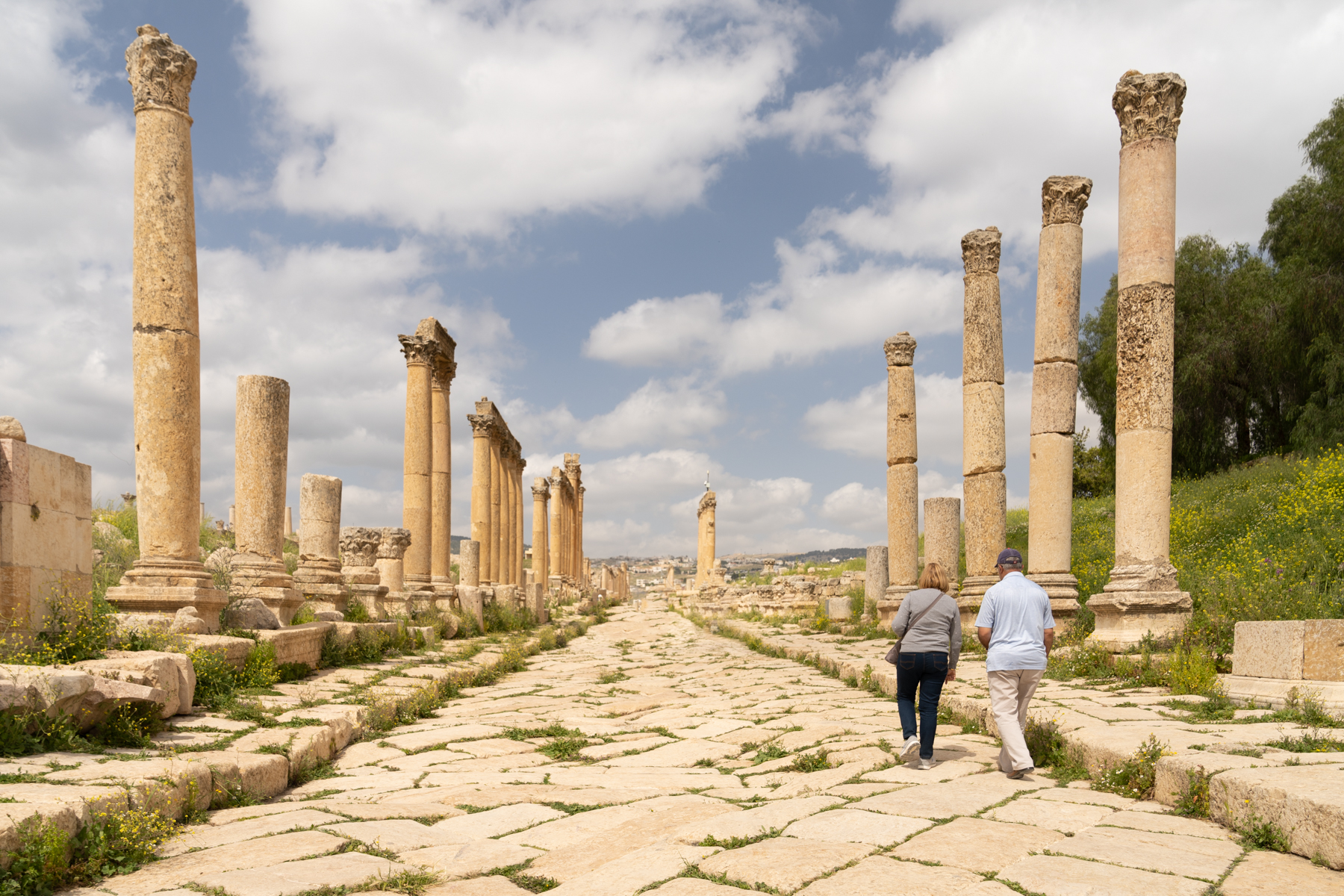
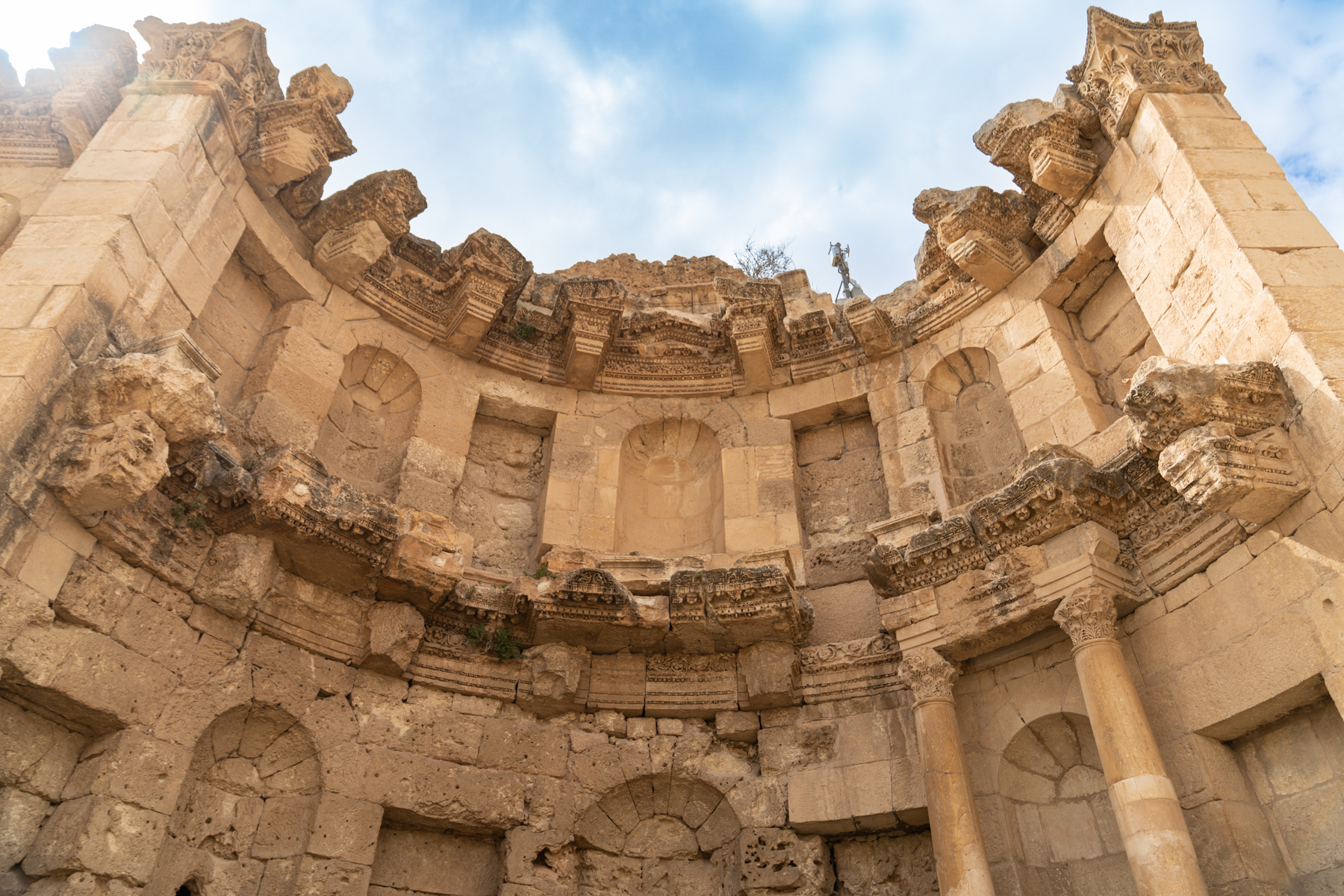
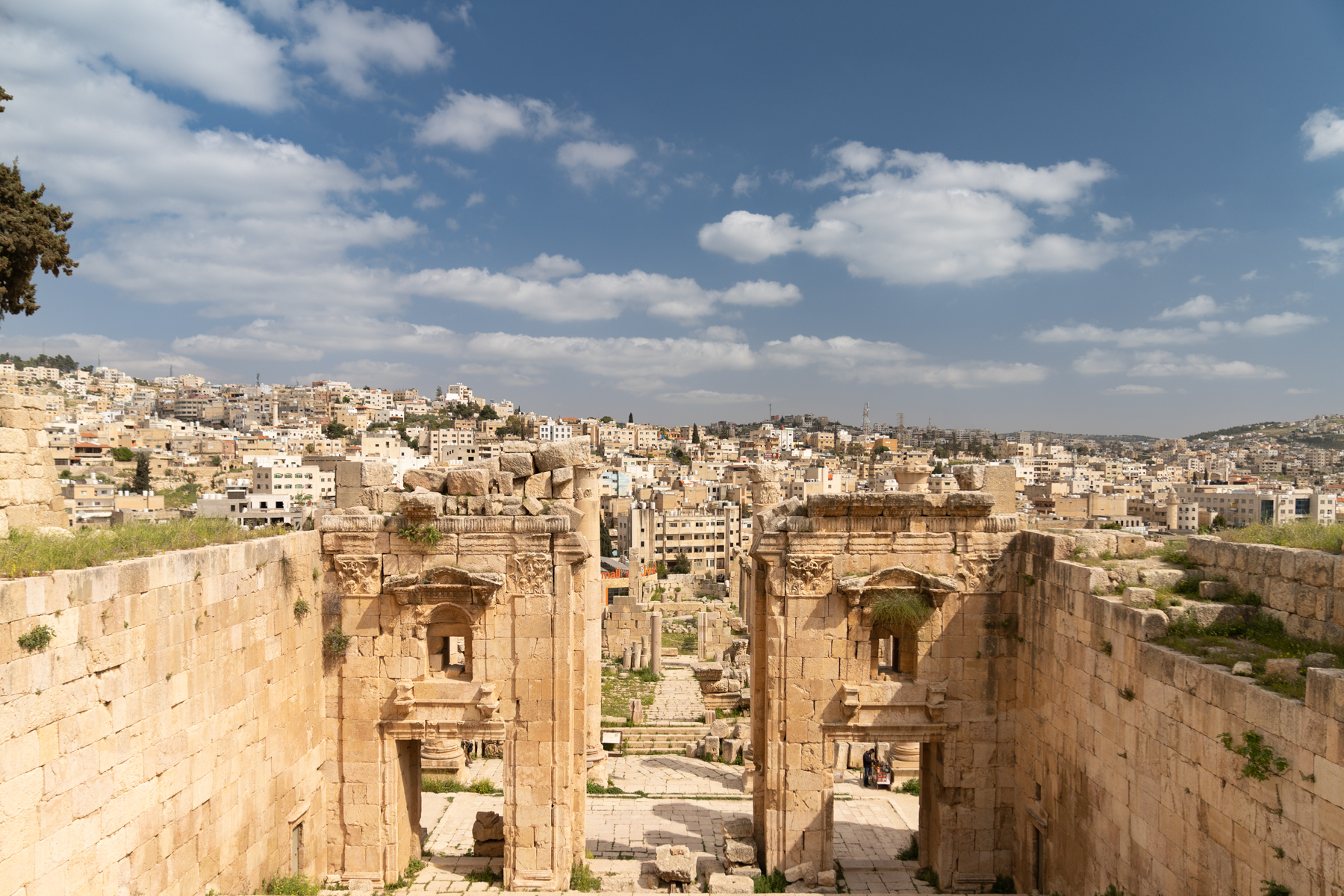
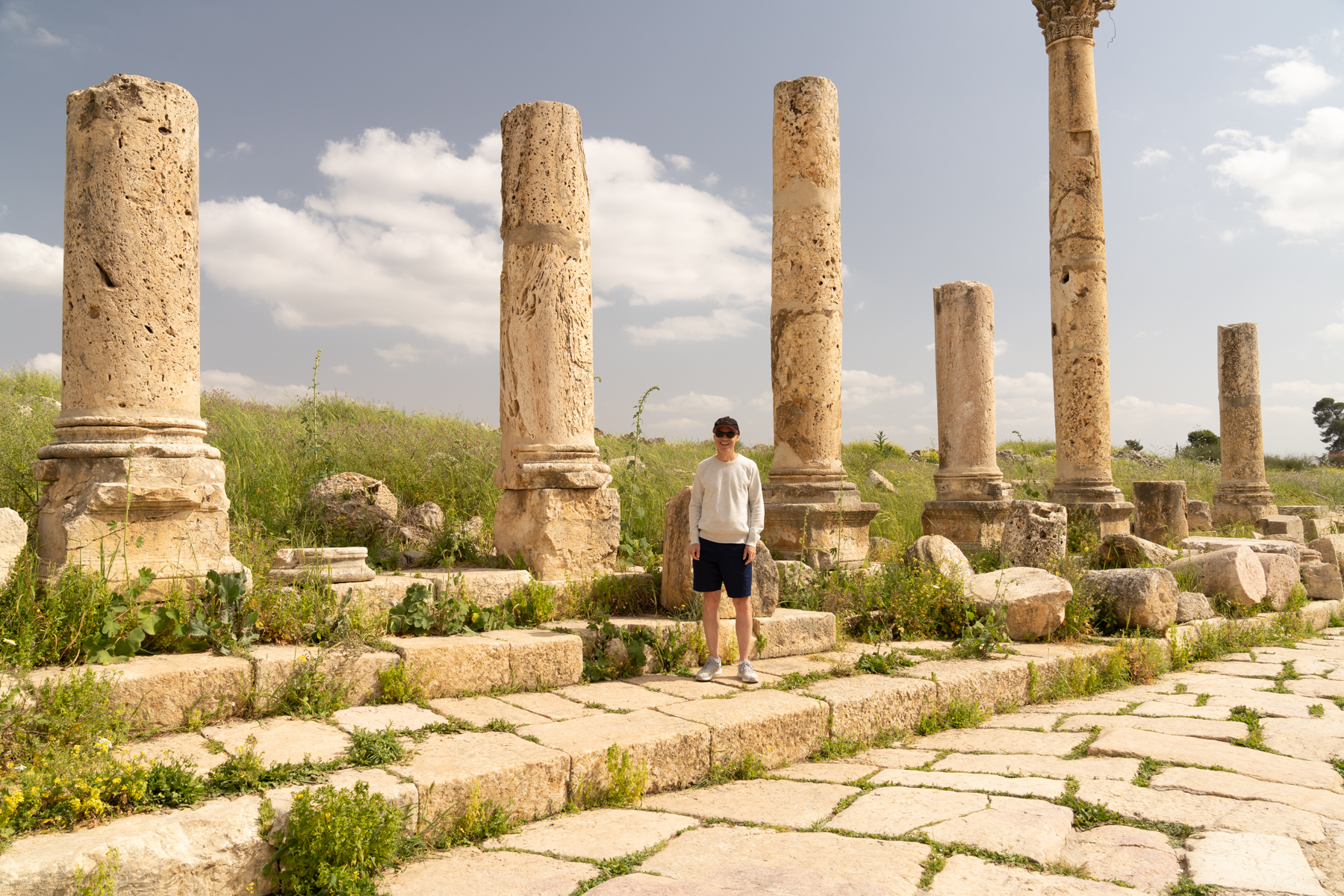
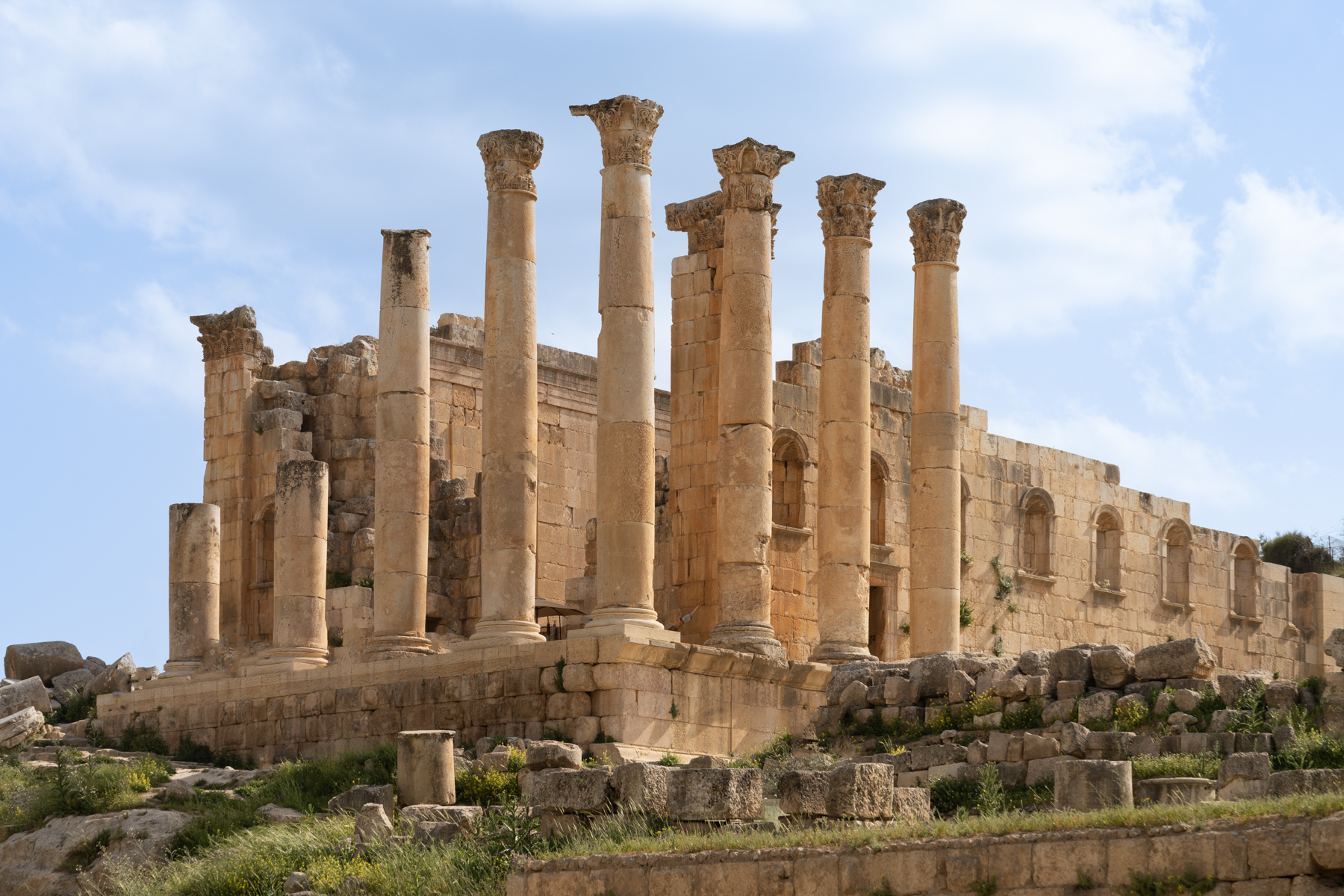
From the restaurant, we headed to off to explore the local ruins. Jerash contains the ruins of Gerasa, one of the world’s best-preserved Greco-Roman cities, as well as evidence of human habitation dating back to the Neolithic period.
Some archaeologists believe that Gerasa (also referred to as Antioch on the Golden River) was founded by Alexander the Great in 331 BC, when he left Egypt and crossed Syria en route to Mesopotamia. However, others believe that the city was founded later by the Greek king Antiochus IV, or by the Egyptian ruler Ptolemy II. The site is huge, with the city growing to about 80 hectares within the city walls at its peak.
Around 4:00 pm, we left Jerash and drove back to Amman. We were back at the hotel by around 5:00 pm. After the huge lunch we’d eaten, we didn’t feel hungry enough to justify eating dinner, so we just relaxed in the room for the evening.
Tomorrow we’re leaving Amman and heading south on the King’s highway, ending up at Petra in the evening.