
Around The World
On the King's Highway
Today we were up at 6:45 am and downstairs to breakfast by 7:30 am. It would be easy to over-indulge at the hotel’s breakfast, such was the impressive selection.

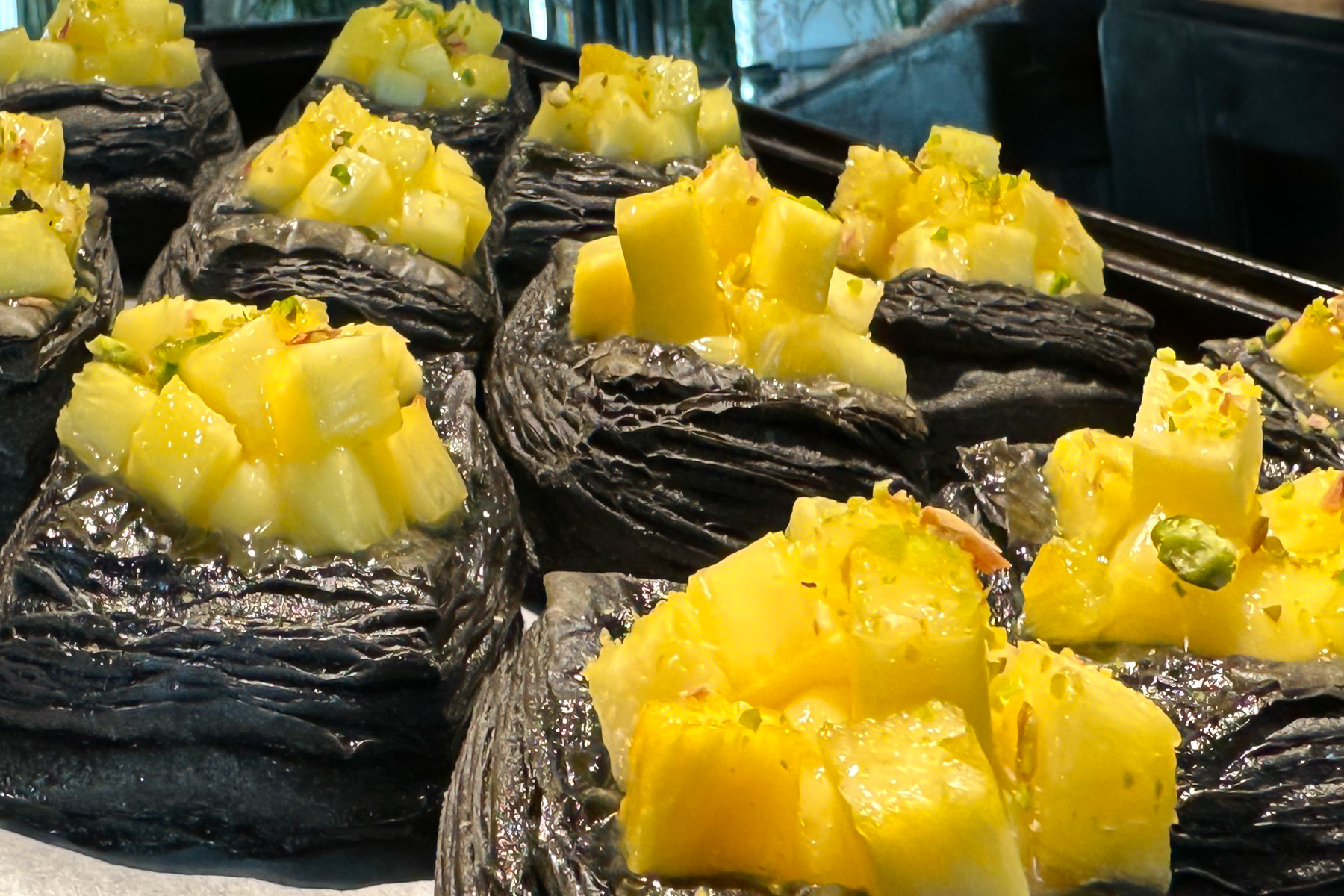
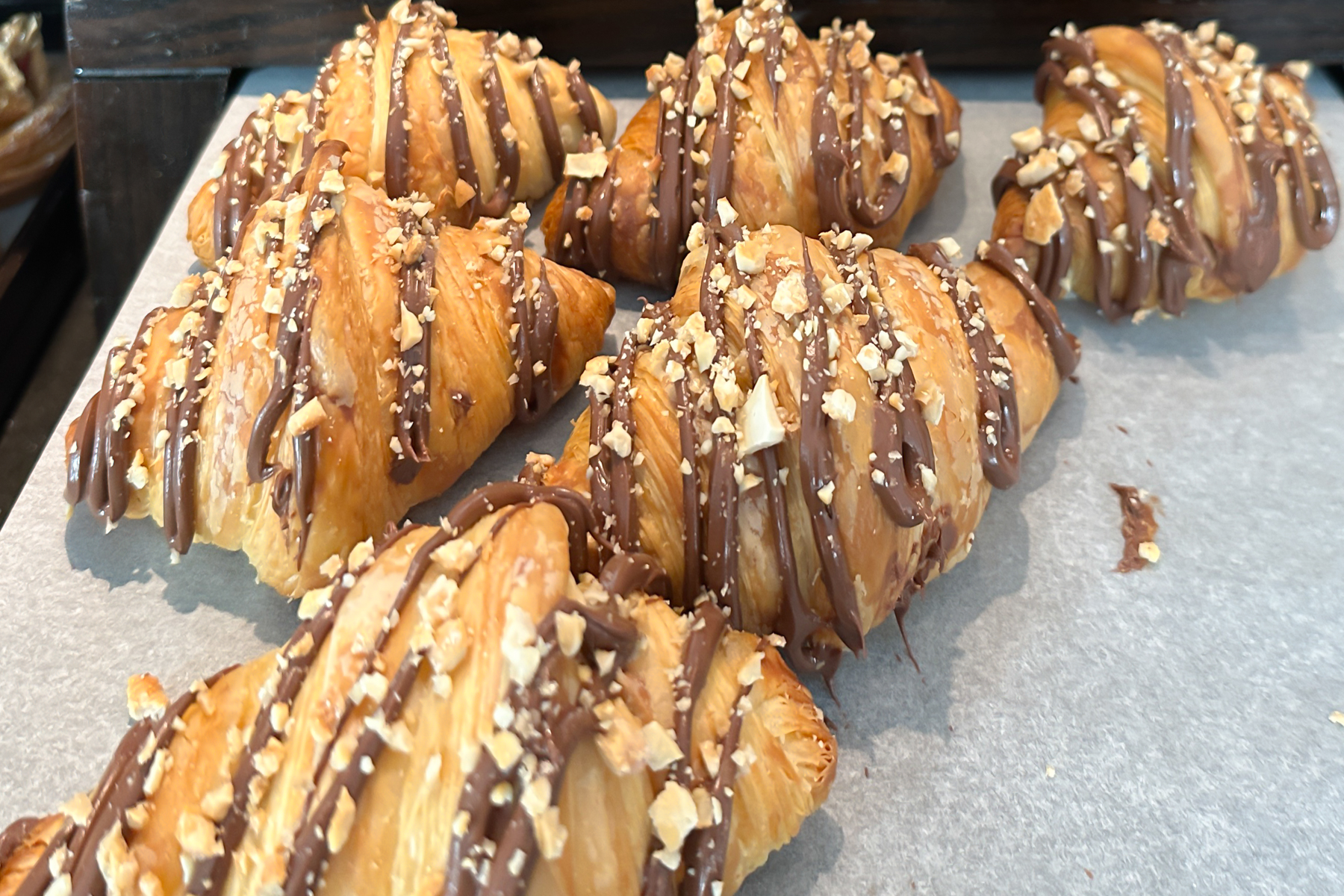
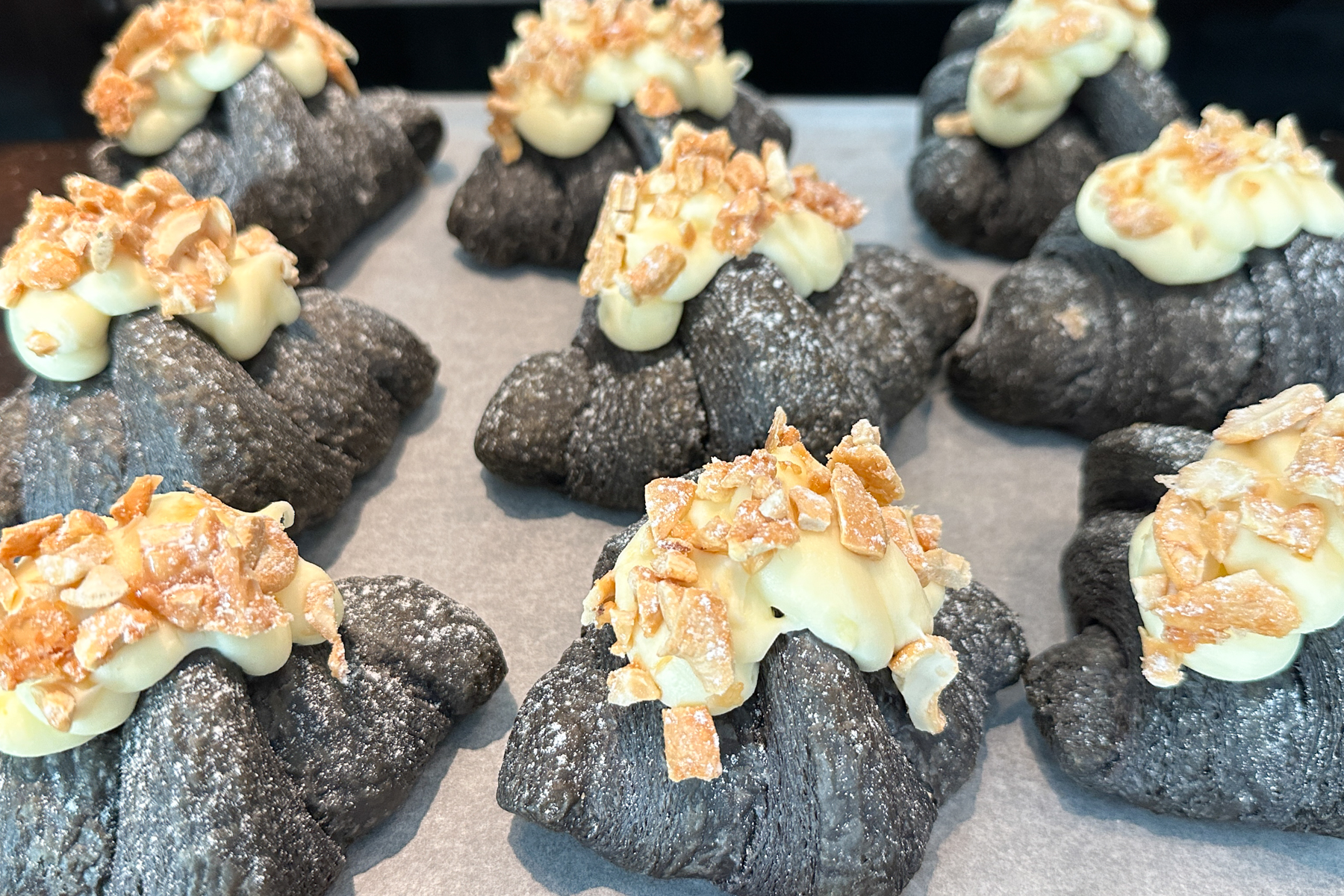

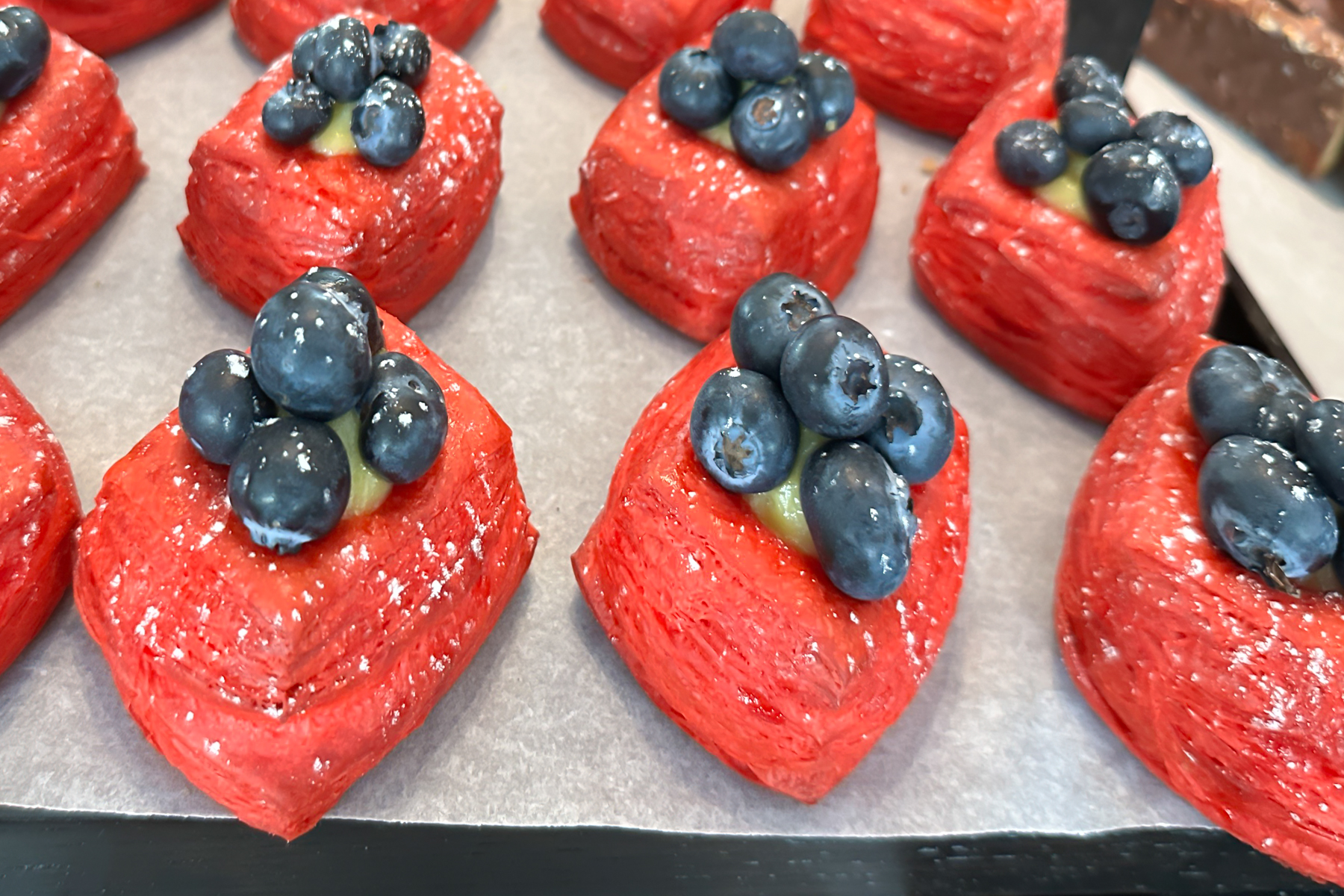

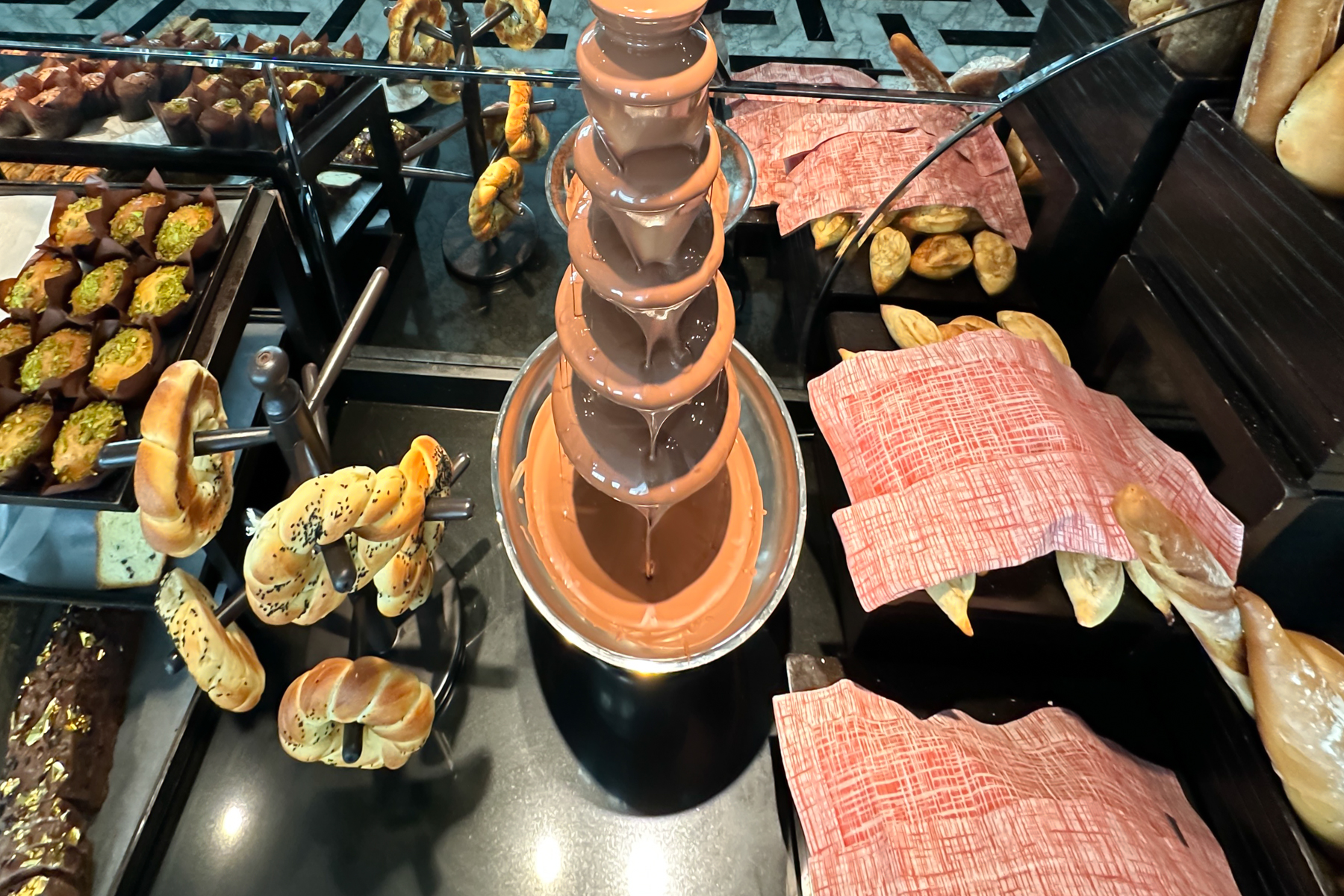
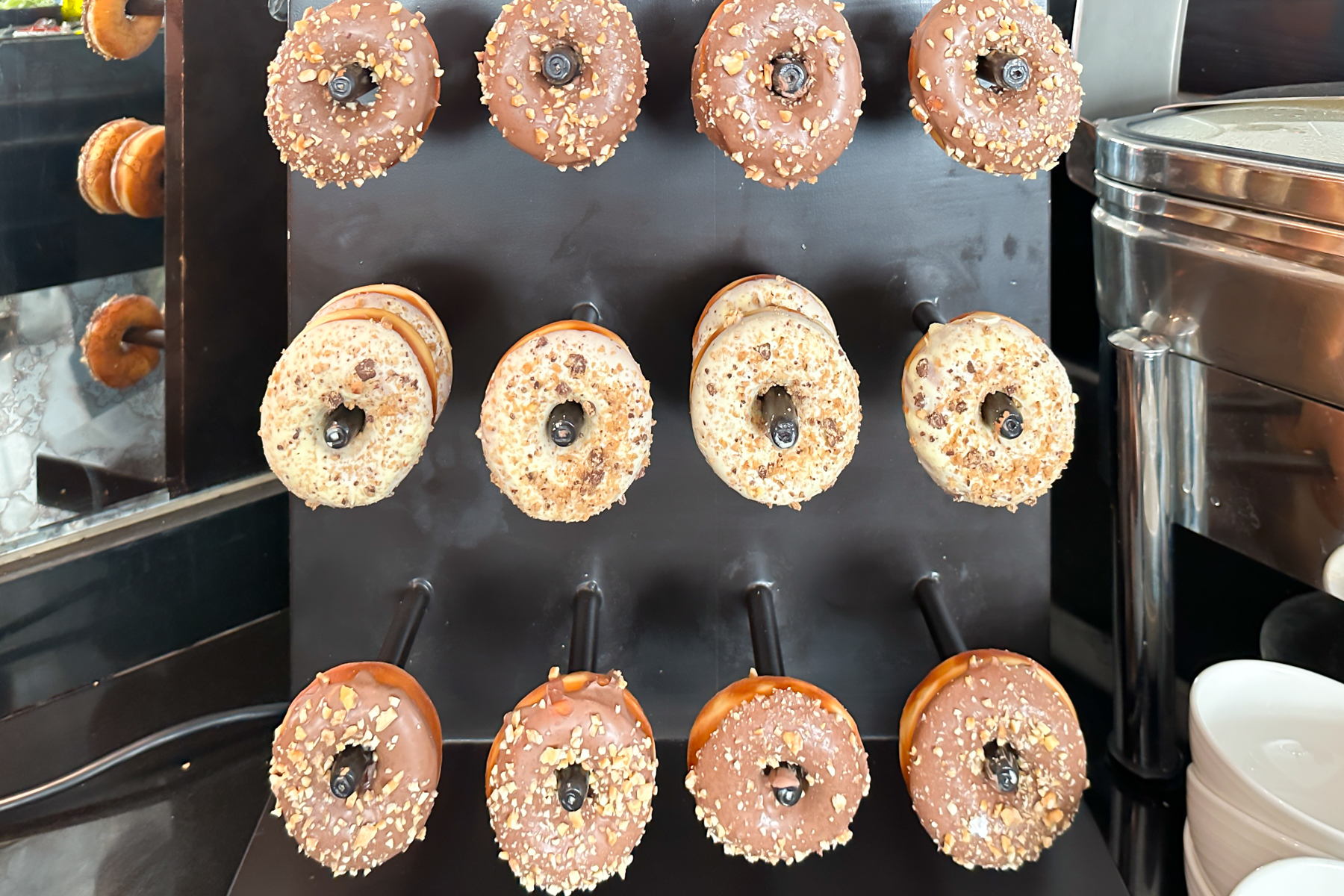
Despite the array of pastries and cakes on offer, we opted for a relatively healthy breakfast.
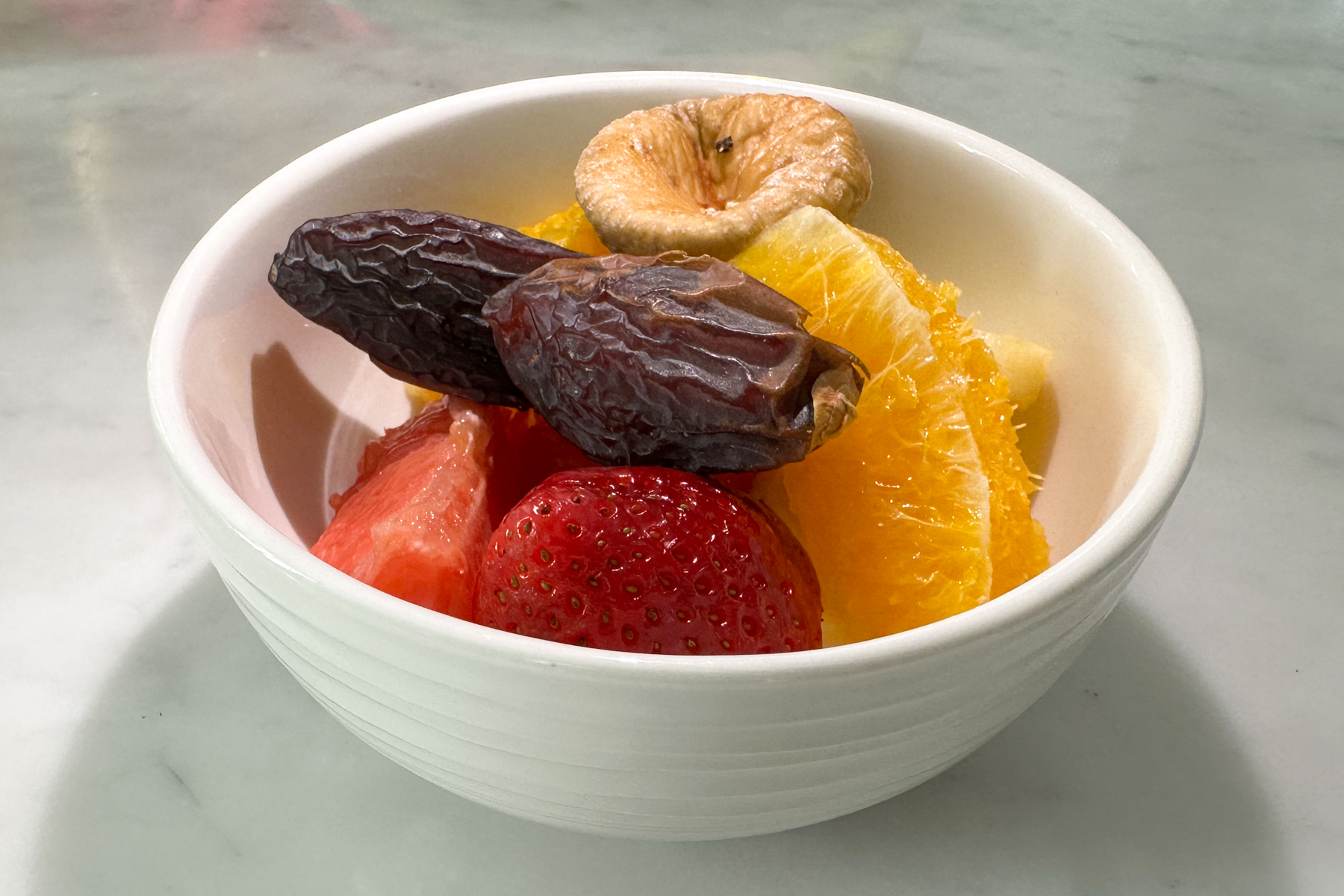
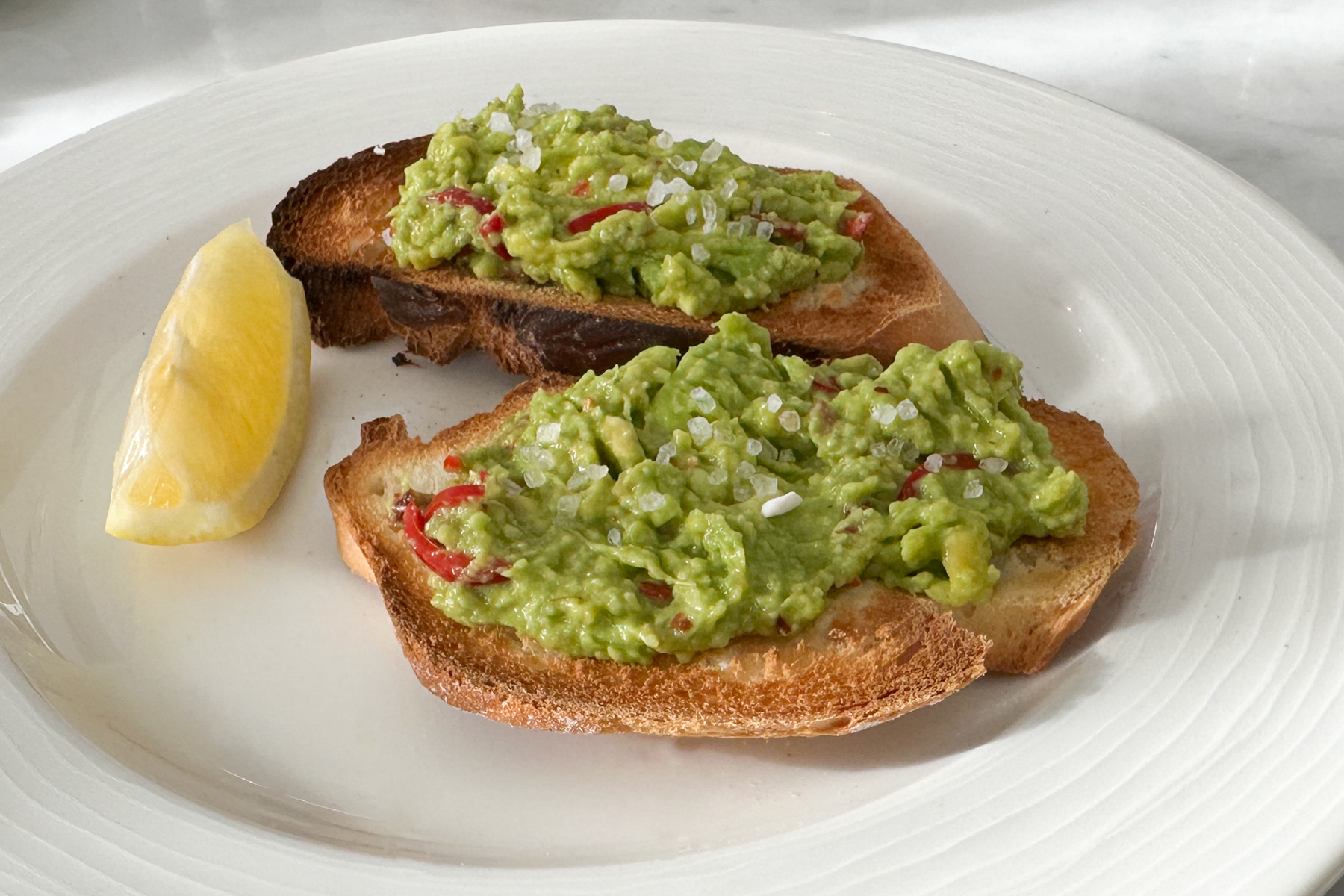
After breakfast, we headed upstairs to finish packing, before checking out and getting on the road by 9:00 am for a big travel day. Our first stop was Mount Nebo, about an hour’s drive south of Amman.
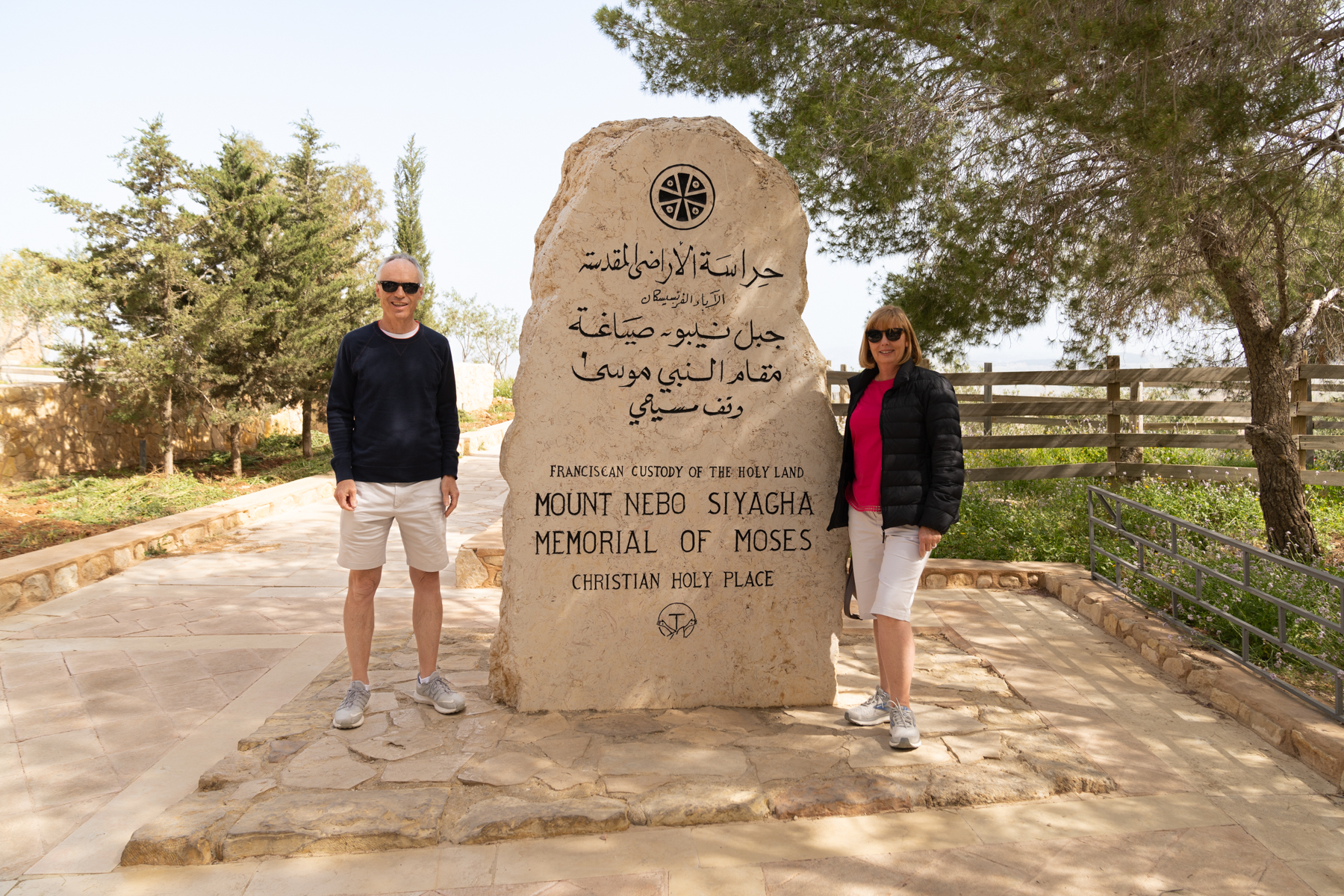
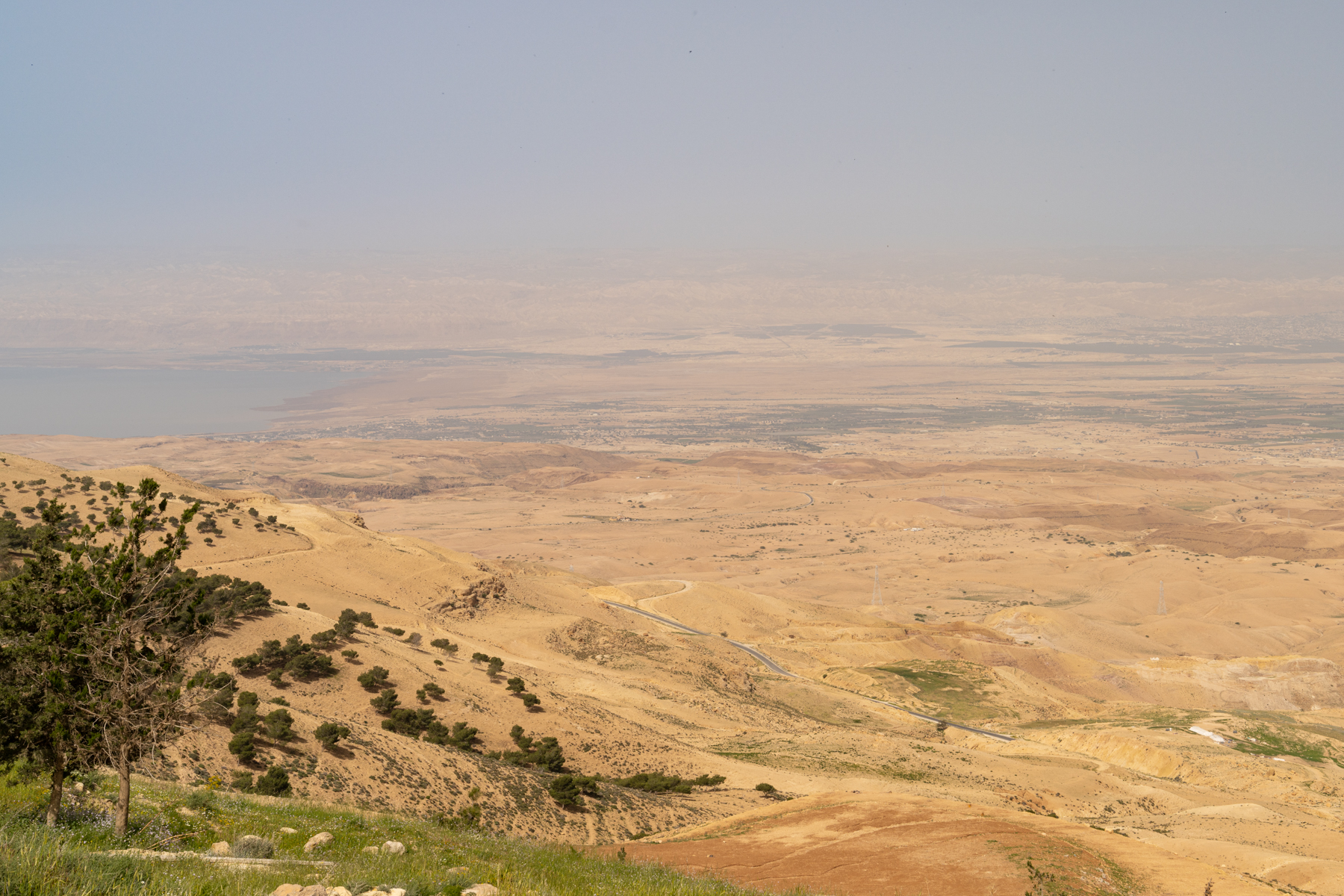
Mount Nebo is a mountain ridge, about 710 metres above sea level. Mount Nebo is mentioned in the Bible as the place where Moses was granted a view of the Promised Land before his death. It was hazy today so our view wasn’t great but we could make out Jerusalem (across the Dead Sea) in the distance.
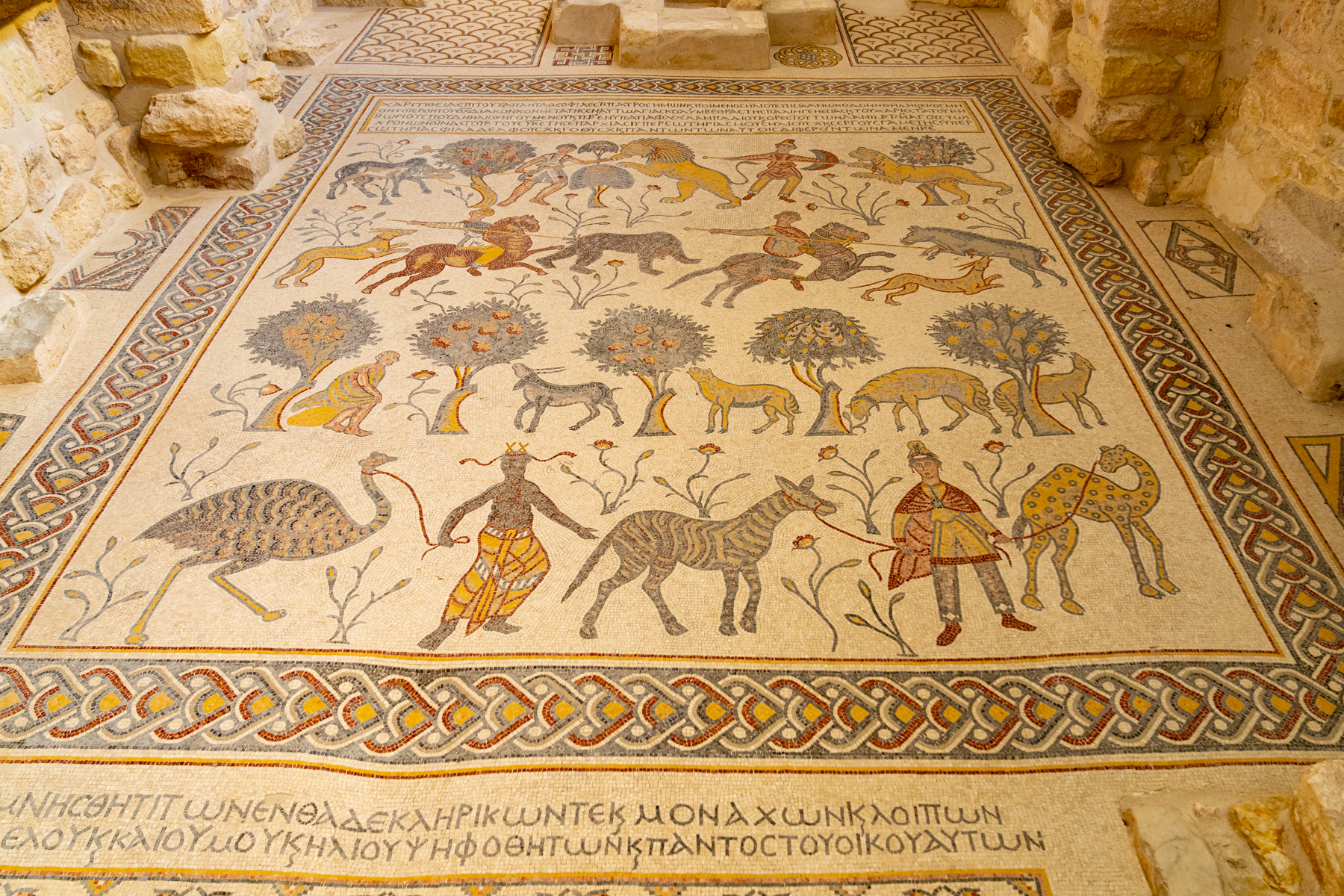
On the highest point of the Mount Nebo, the ruins of a Byzantine church and monastery were discovered in 1933. The church was constructed in the second half of the 4th century to commemorate the place of Moses’ death. It contains a beautiful, well-preserved 6th century mosaic-covered floor. The mosaic is divided into four strips, each portraying a different scene. The top two lines show hunting scenes: a shepherd fighting a lion, a soldier fighting a lioness, and two horseback hunters defeating a bear and wild boar. The third strip portrays a shepherd watching his flock. And the last strip shows an ostrich on a leash held by a dark-skinned man, and a boy holding the leashes of a zebra (that may not be a zebra because there have not been any zebras in this area) and a spotted animal that looks like a camel (but could be intended to be a giraffe).
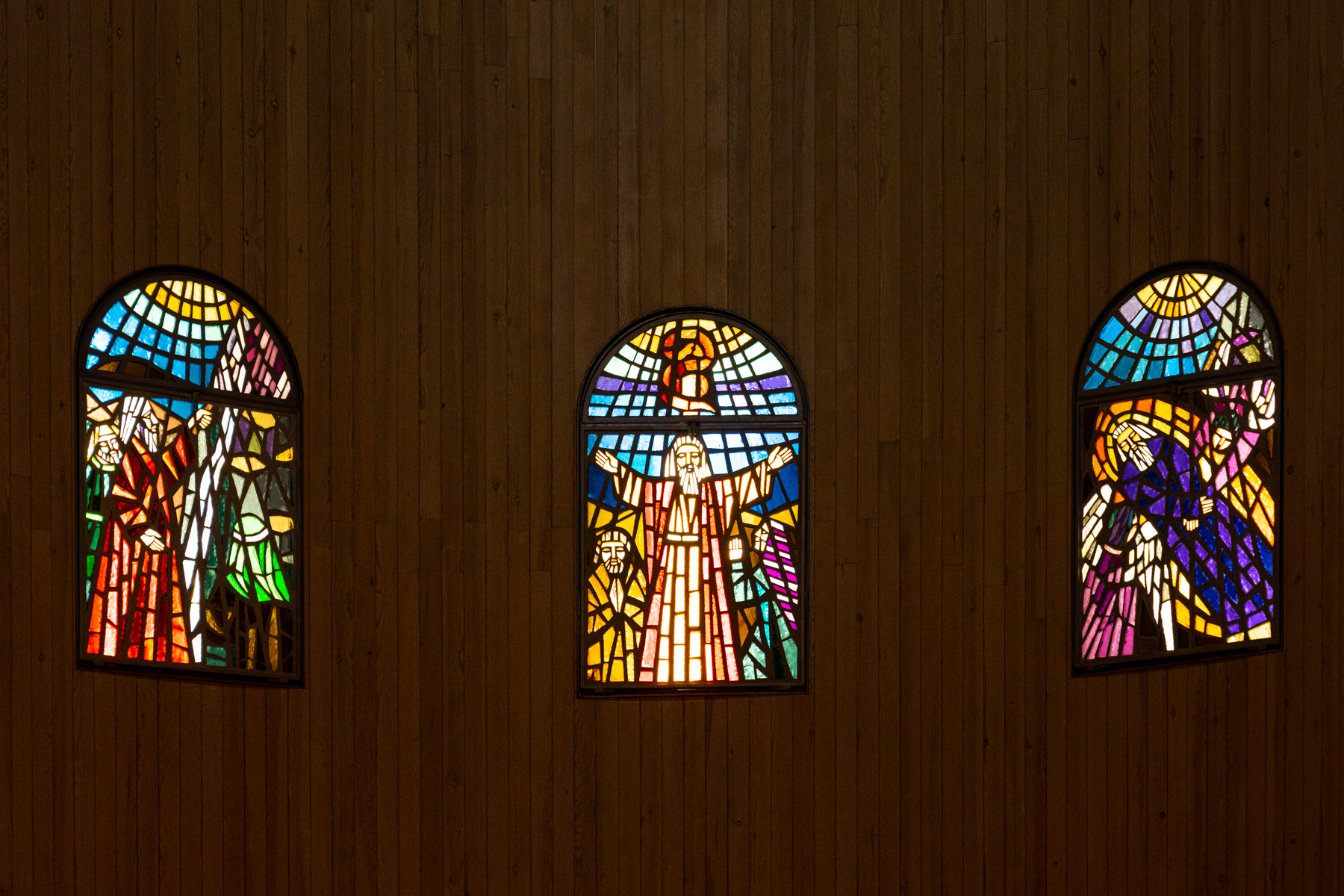
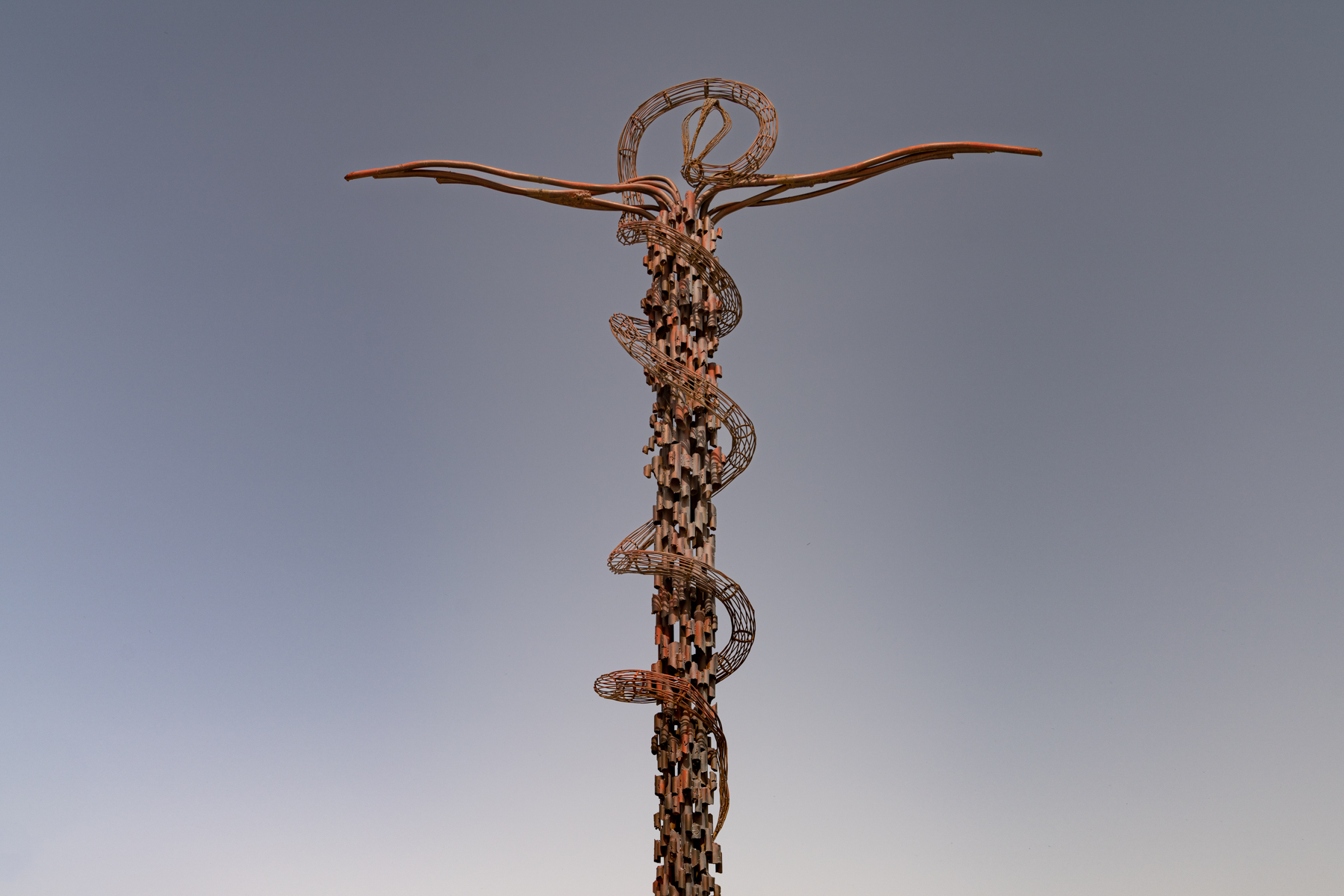
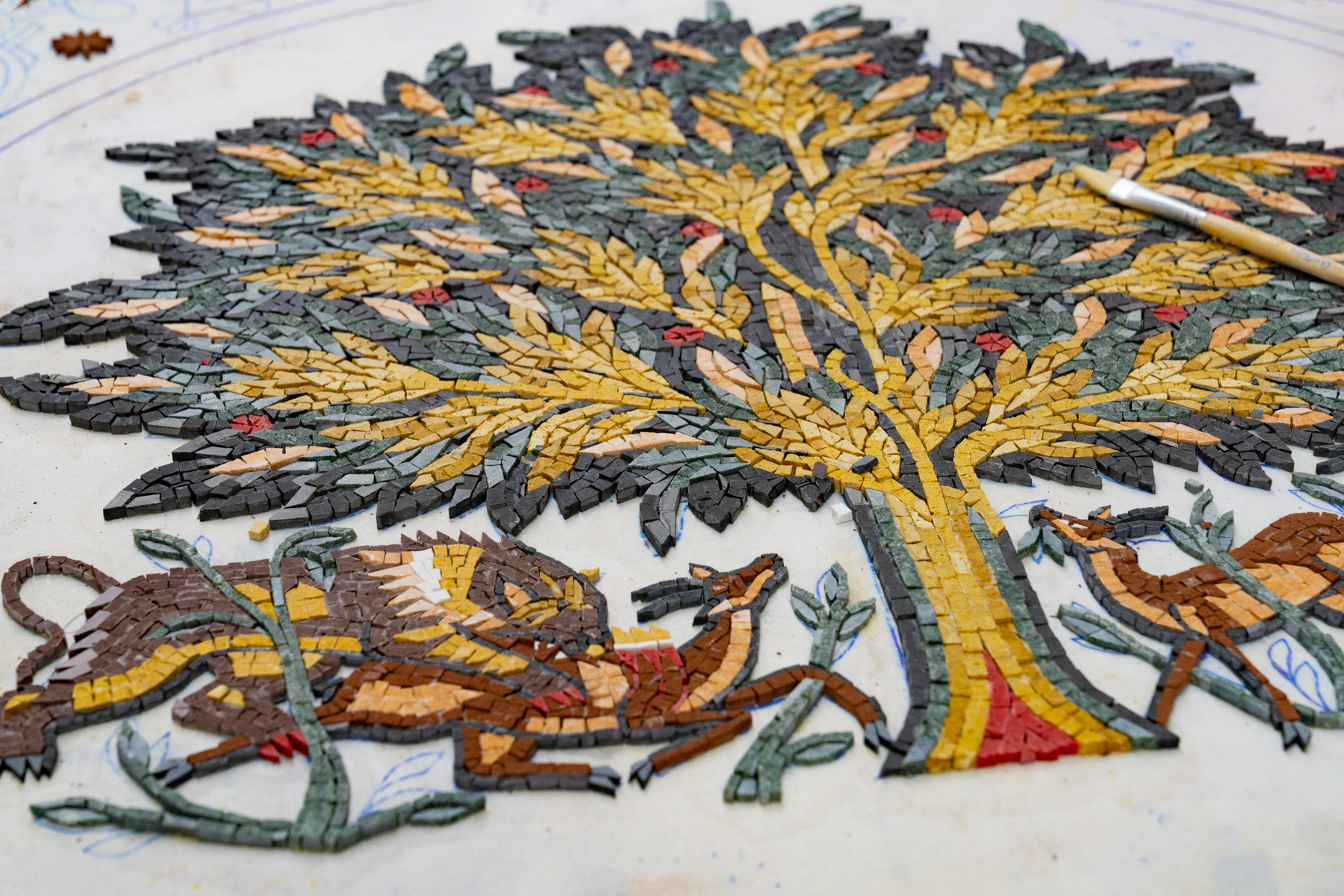
After a walk around Mount Nebo, which included a visit to the local museum, we got back into the car and headed for a local mosaic workshop, where we learned about the tradition of mosaic art.
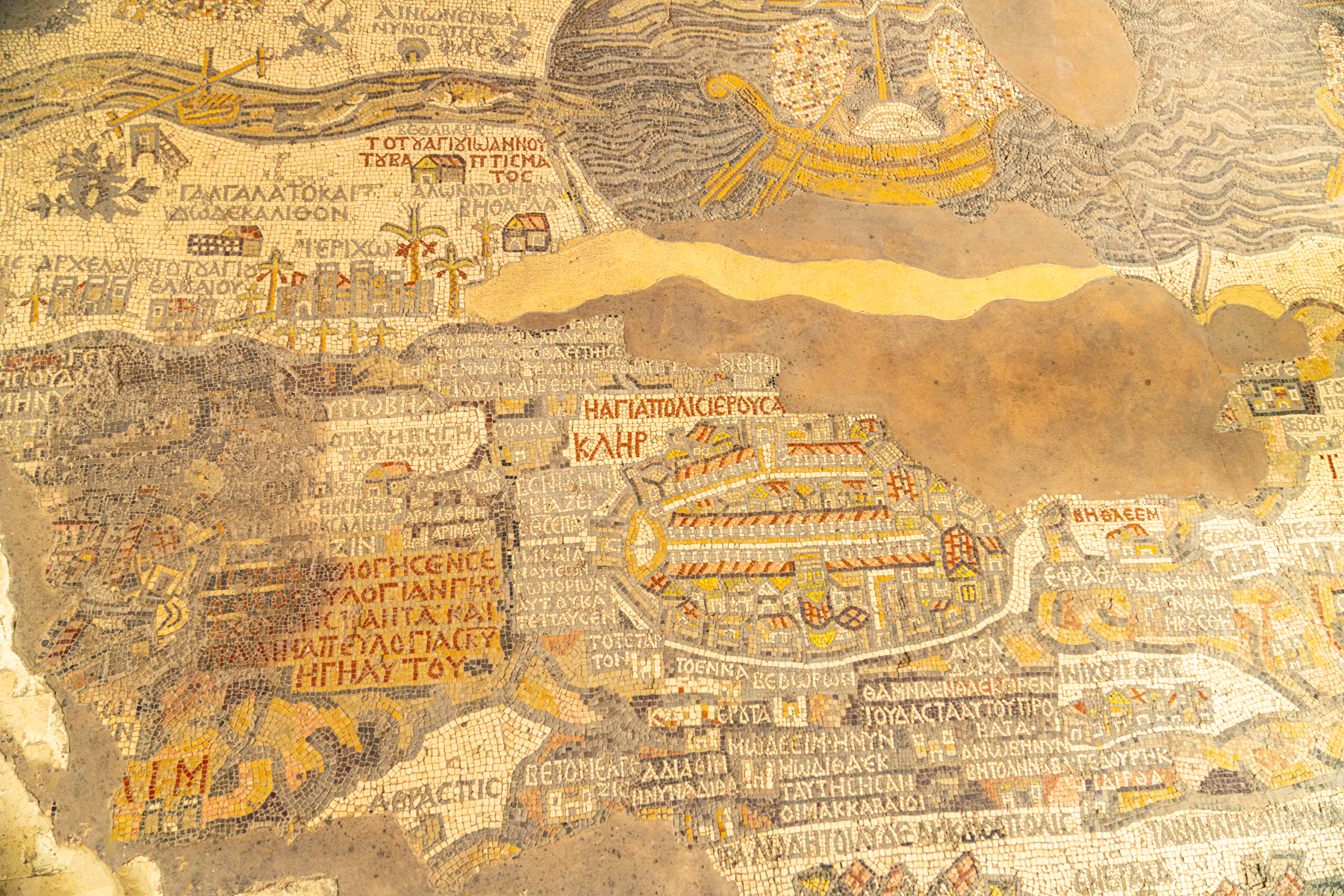
After looking around the mosaic workshop, we drove on to the city of Madaba, a trip of about 20 minutes. Our first place to visit in Madaba was the Saint George Greek Orthodox Church, to view the incredible ancient mosaic map that was unearthed during excavations in 1896. Assembled from about two million pieces of coloured stone, the map depicts hills, valleys, villages, and towns in Palestine and the Nile Delta. The mosaic contains the earliest surviving representation of Byzantine Jerusalem. This map was important in understanding the physical layout of Jerusalem after its destruction and rebuilding in 70 AD.
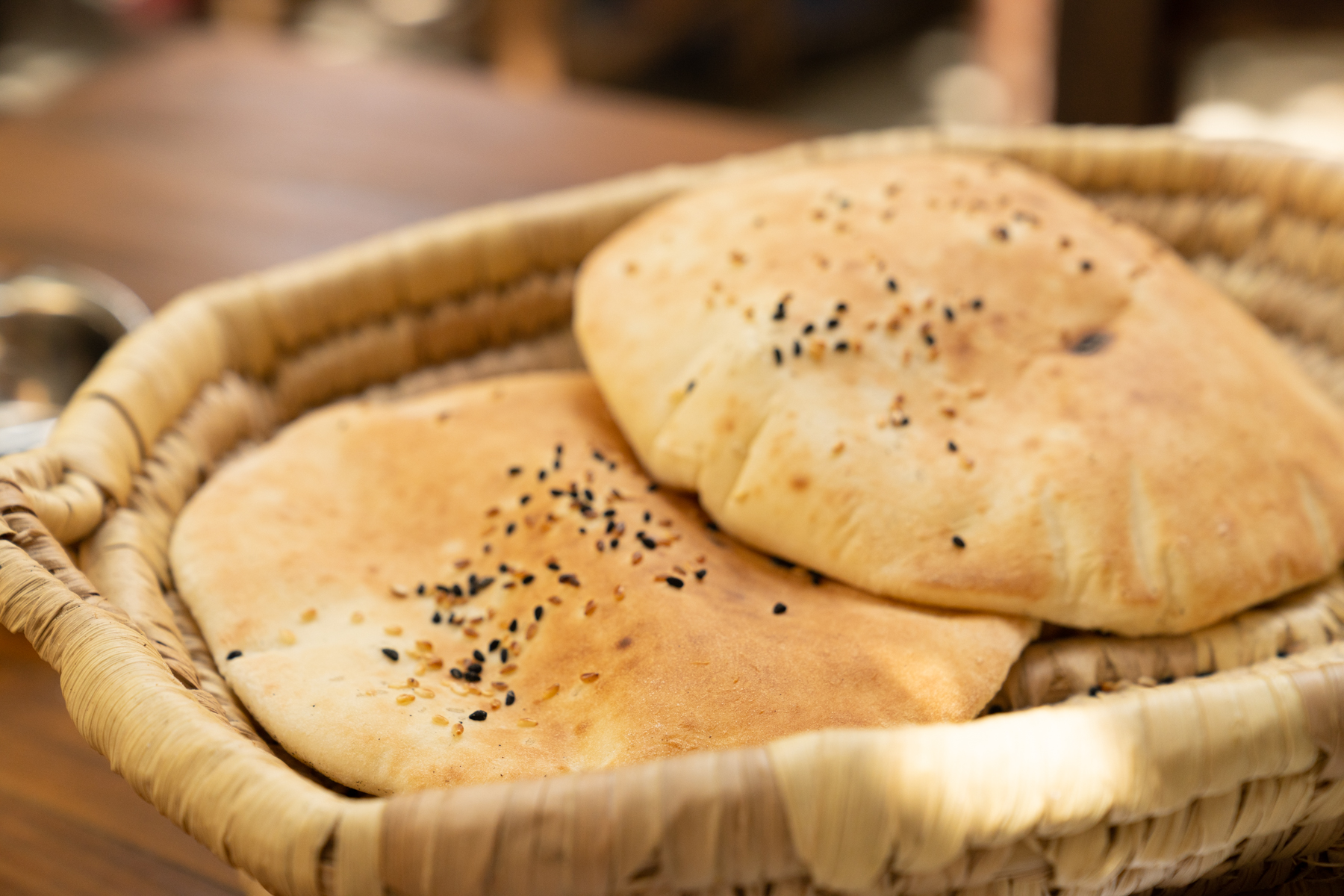
From the church, we walked up the road to a restaurant called Haret Jdoudna, where we sat in a lovely courtyard and enjoyed a typical Jordanian meal.
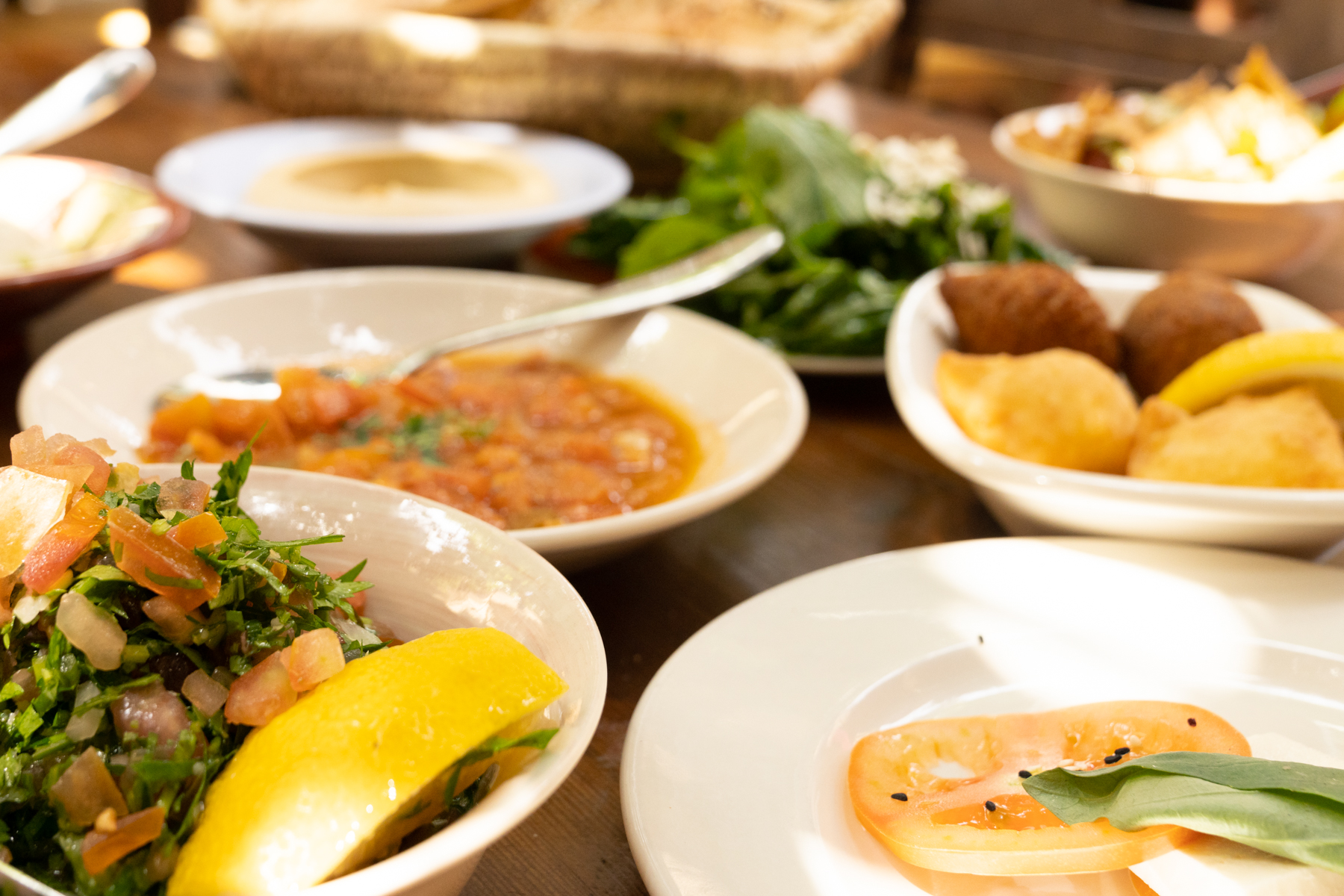

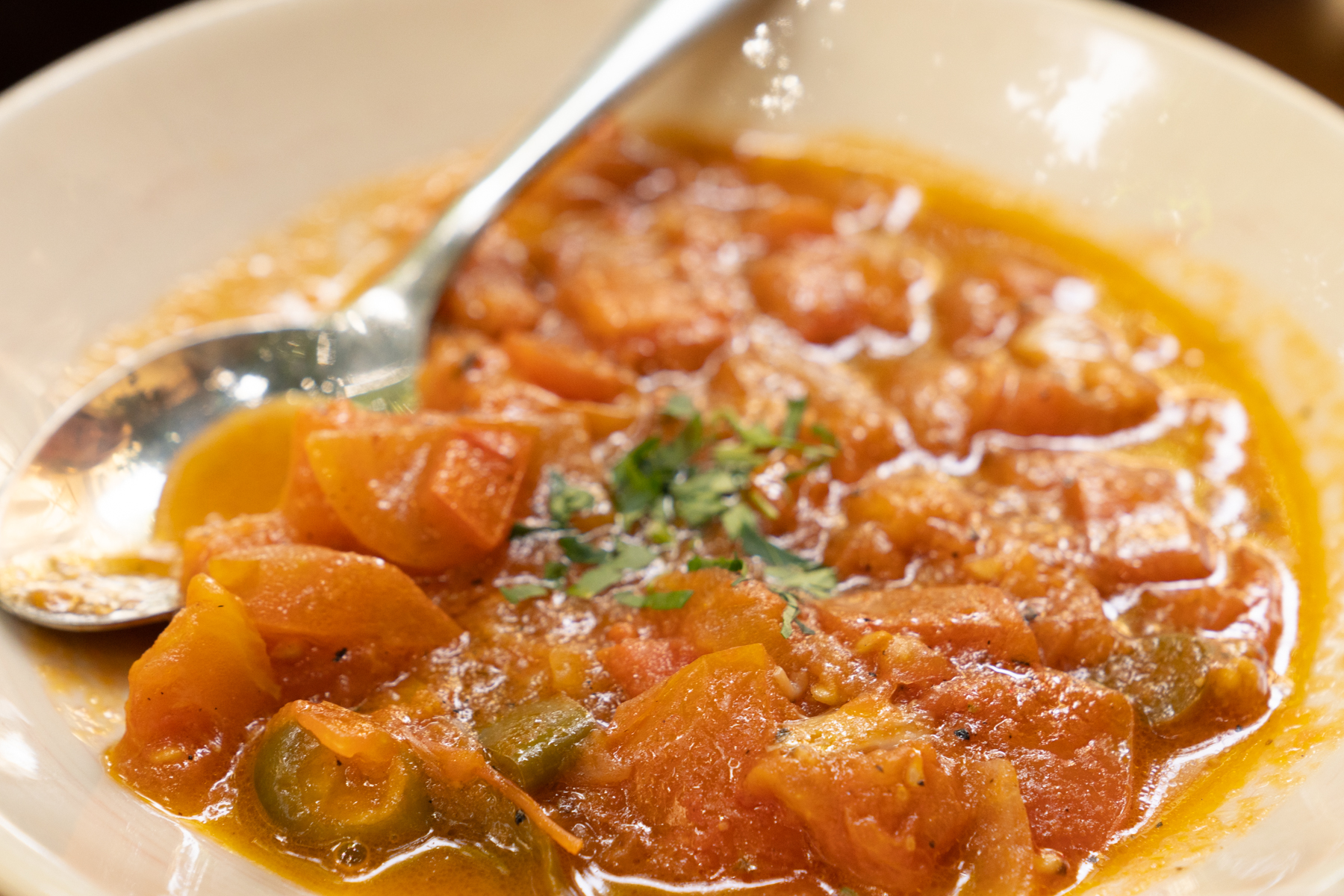
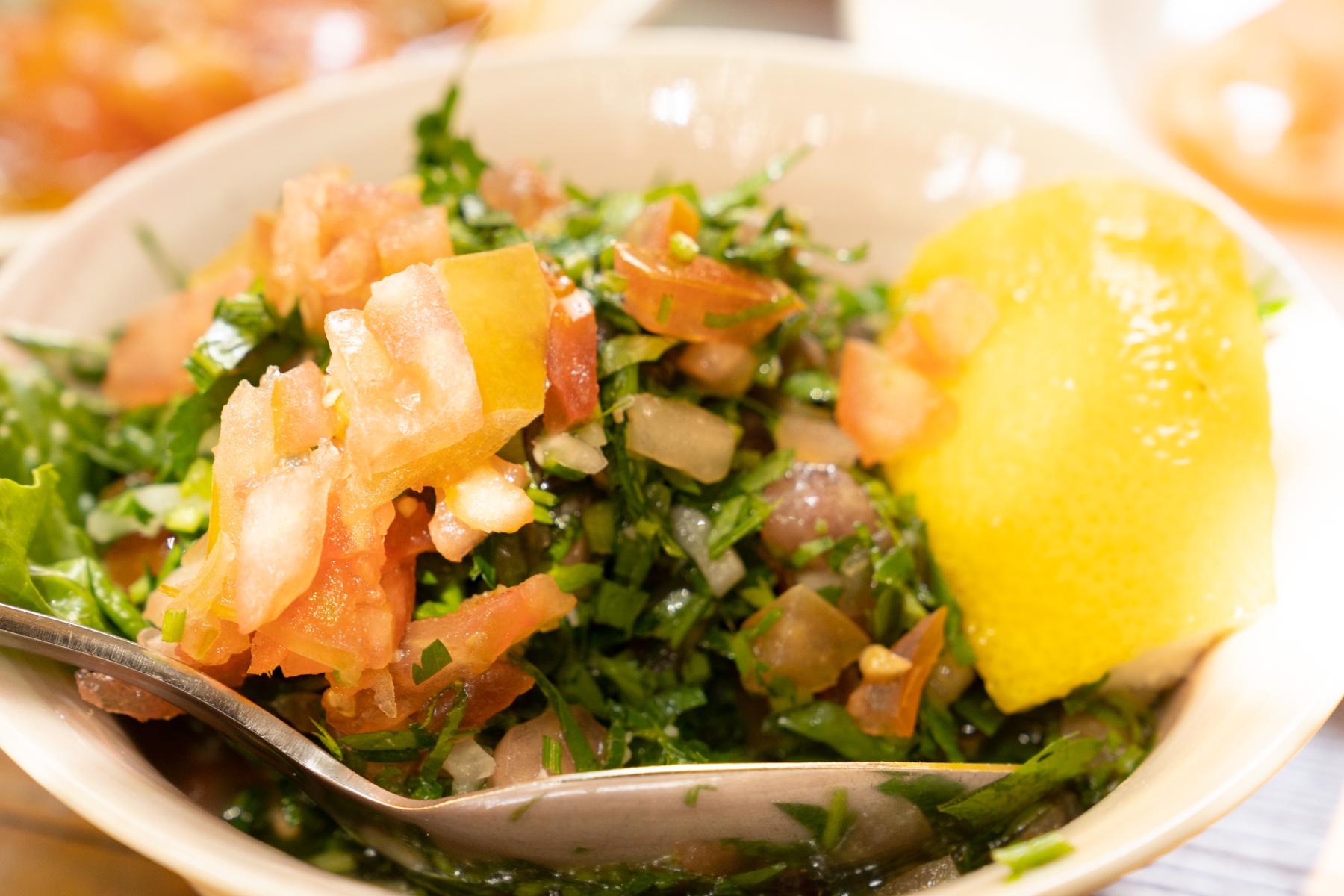
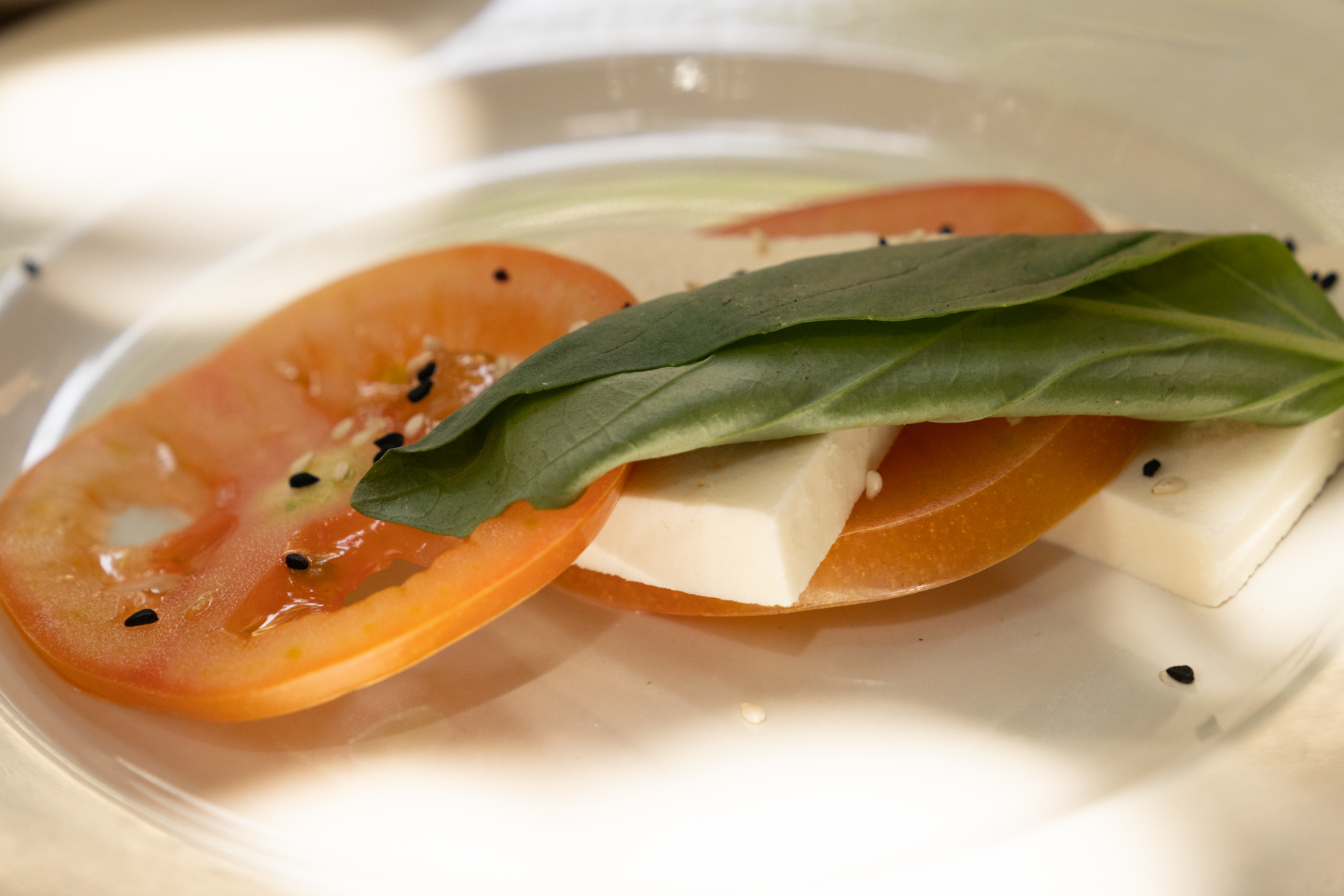
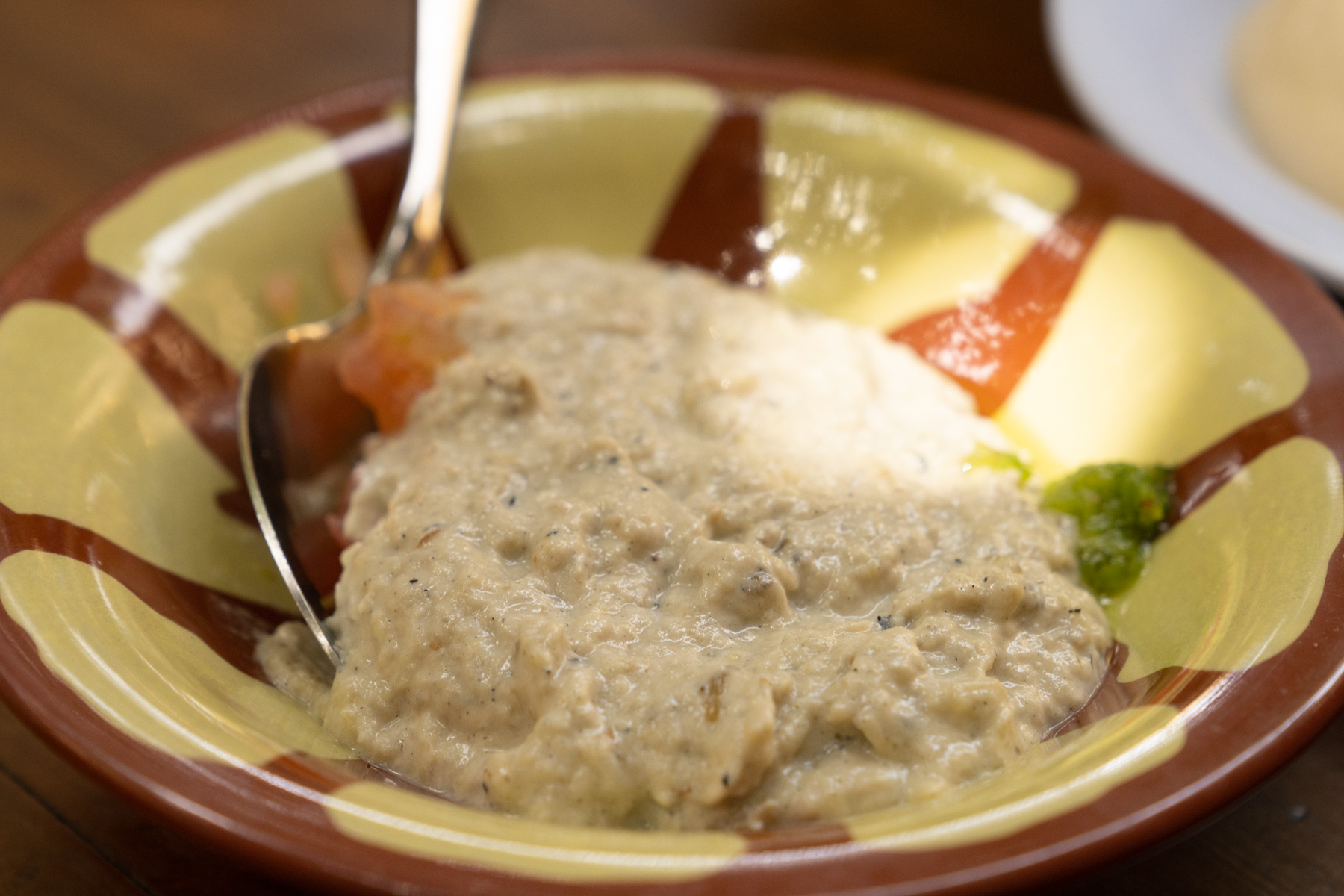
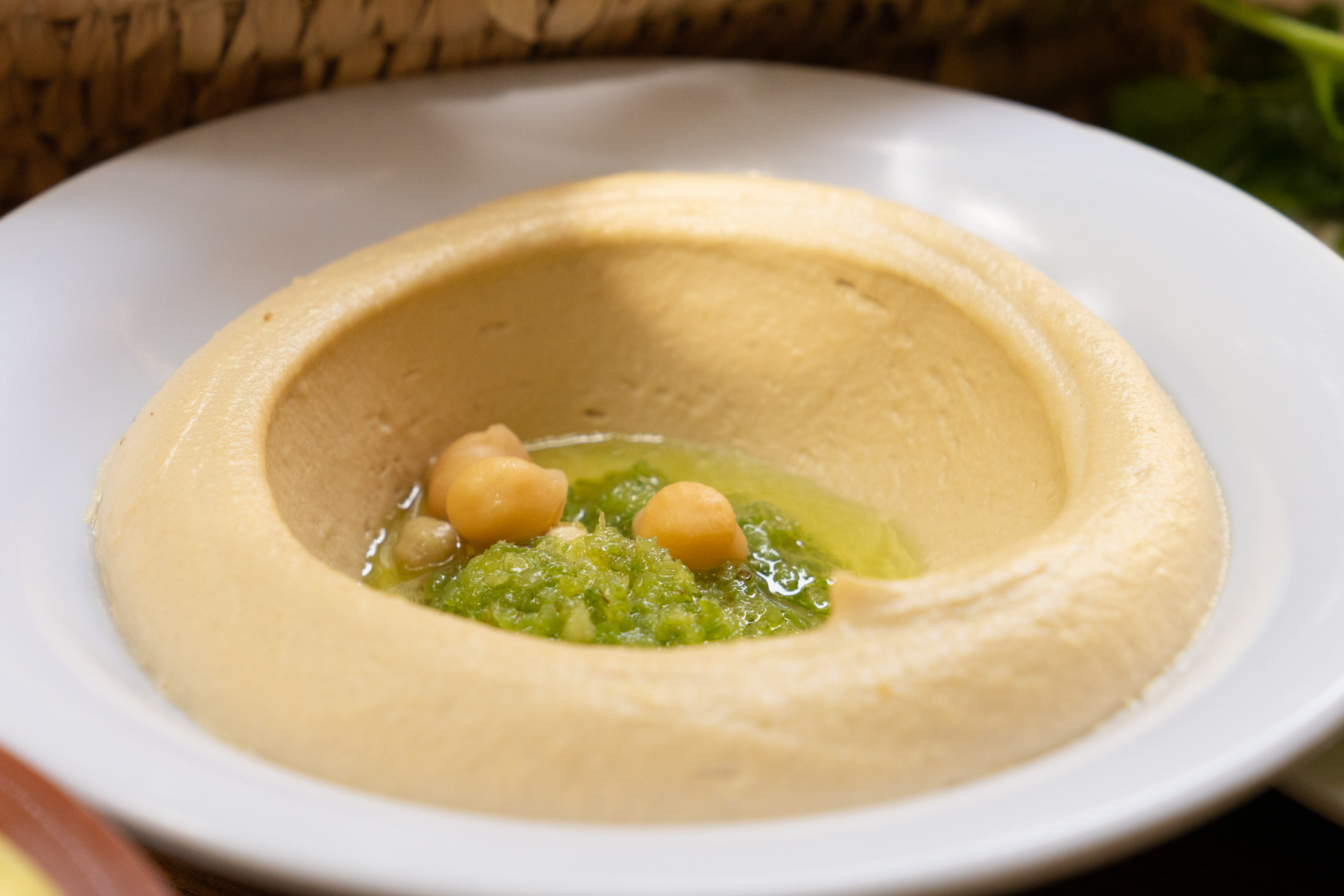
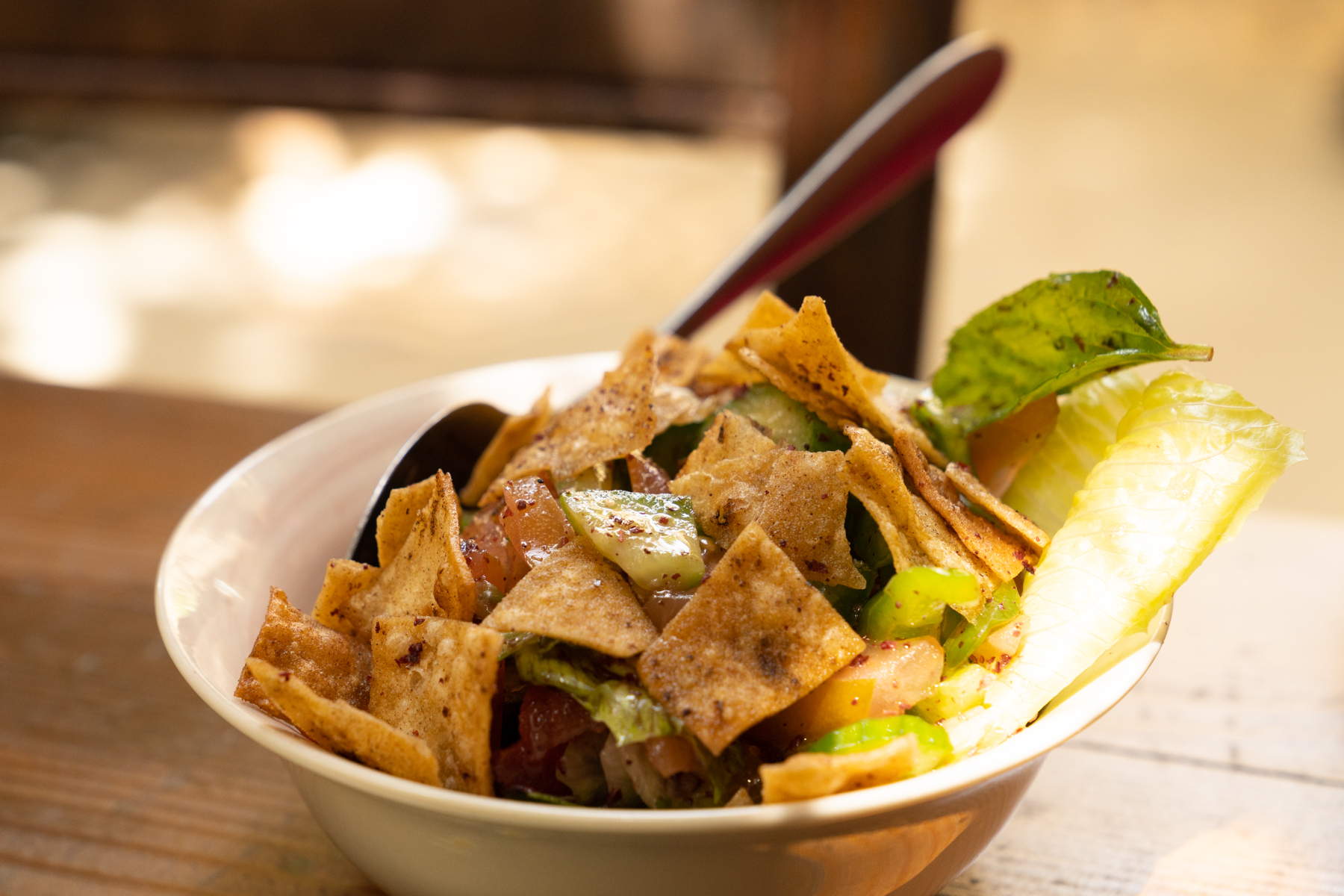
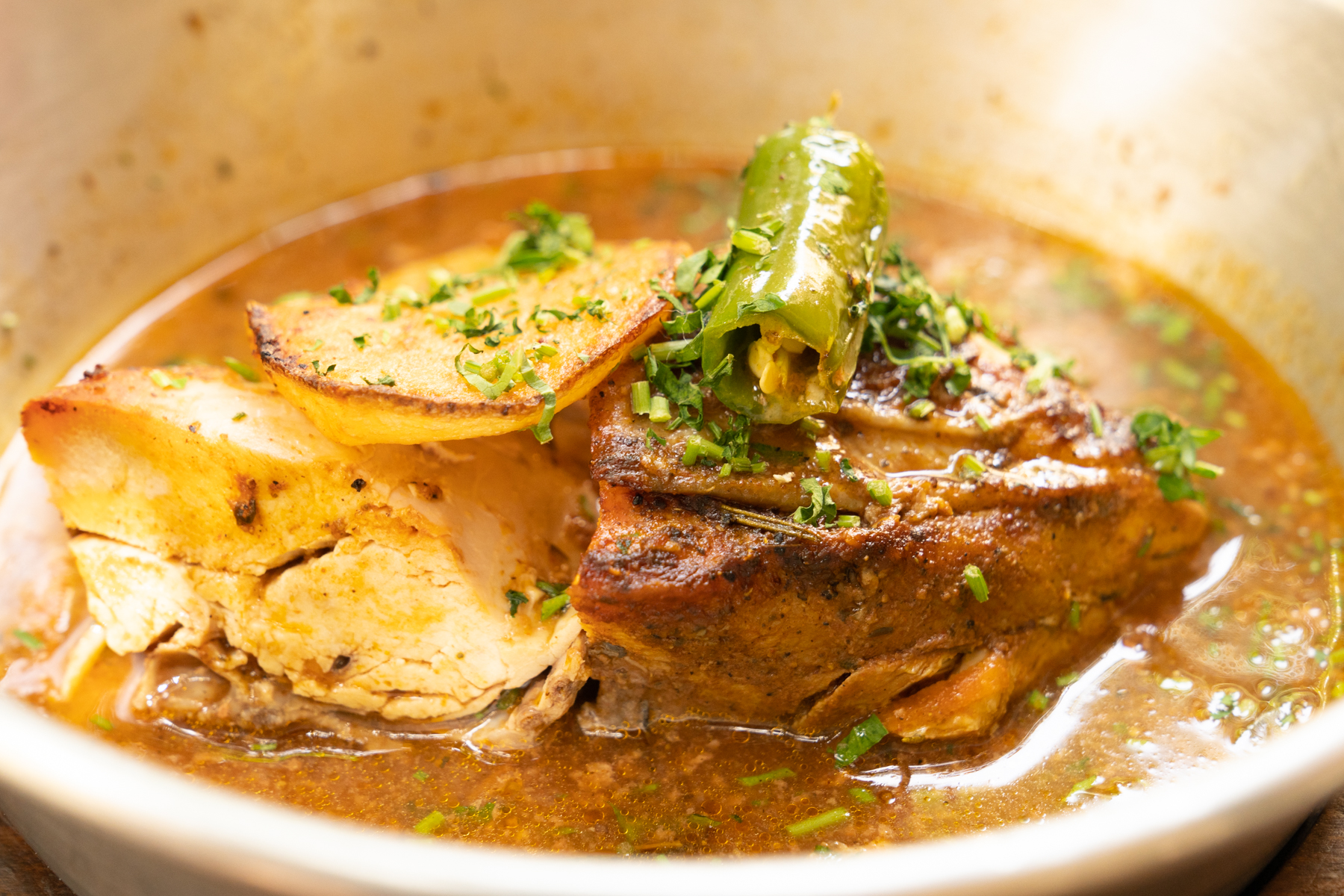
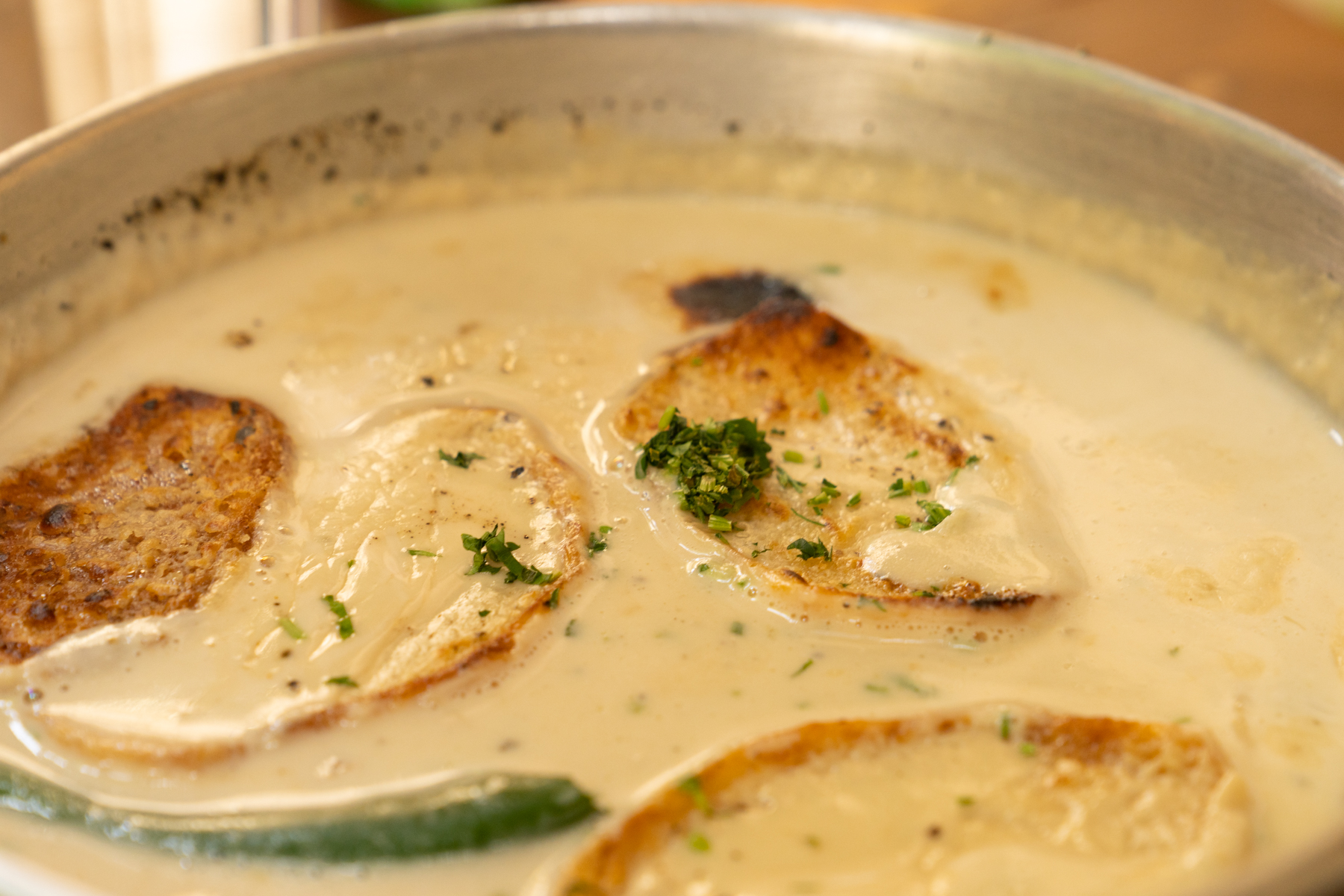
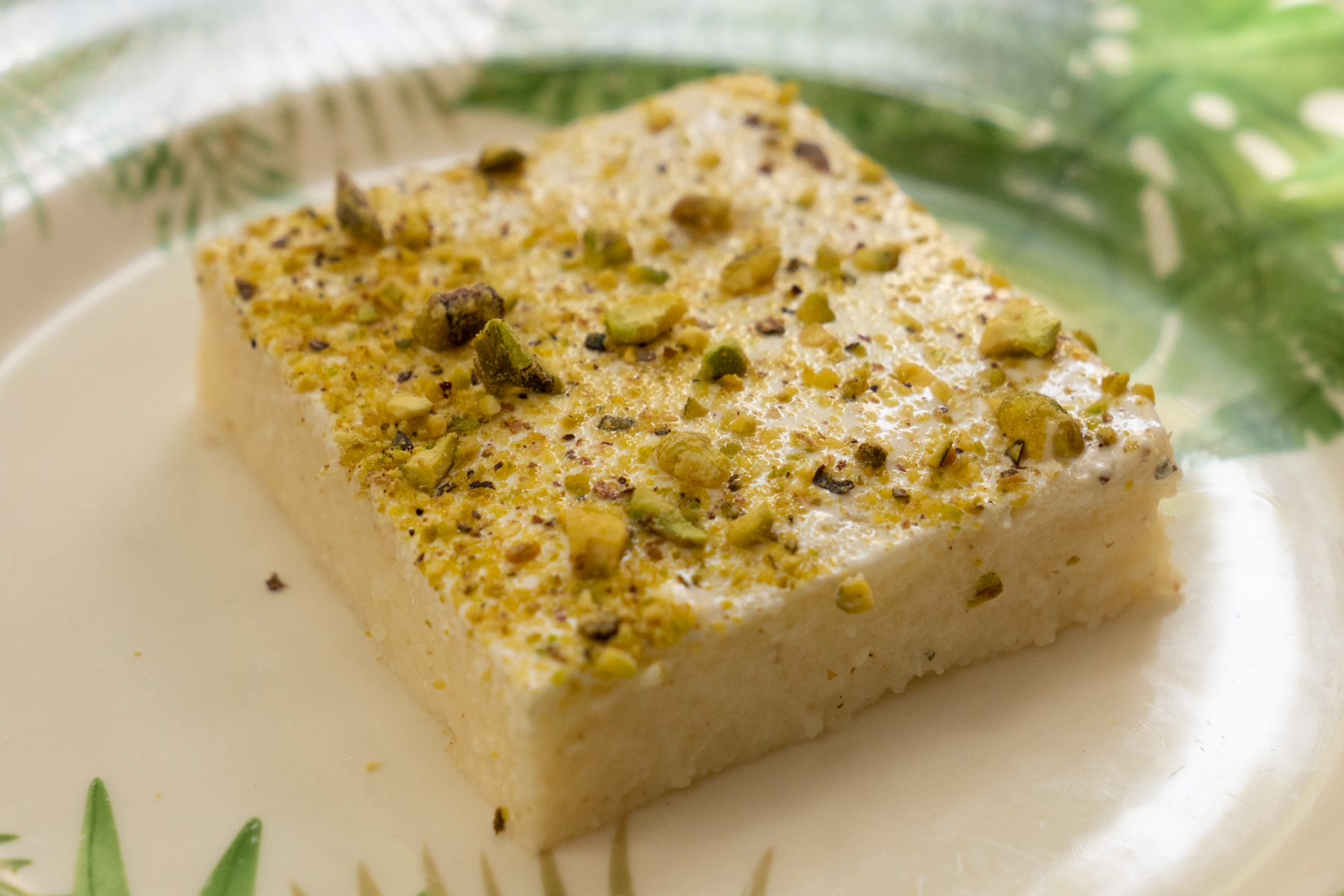
After a wonderful lunch, we got back in the car for a two-hour drive to the city of Kerak, on the King’s Highway. The
King’s Highway is noted in the Bible as the road that the King of Edom forbade Moses from using as he tried to
lead his people to the Promised Land. Later, this route was also an important trade route between Arabia and Syria.
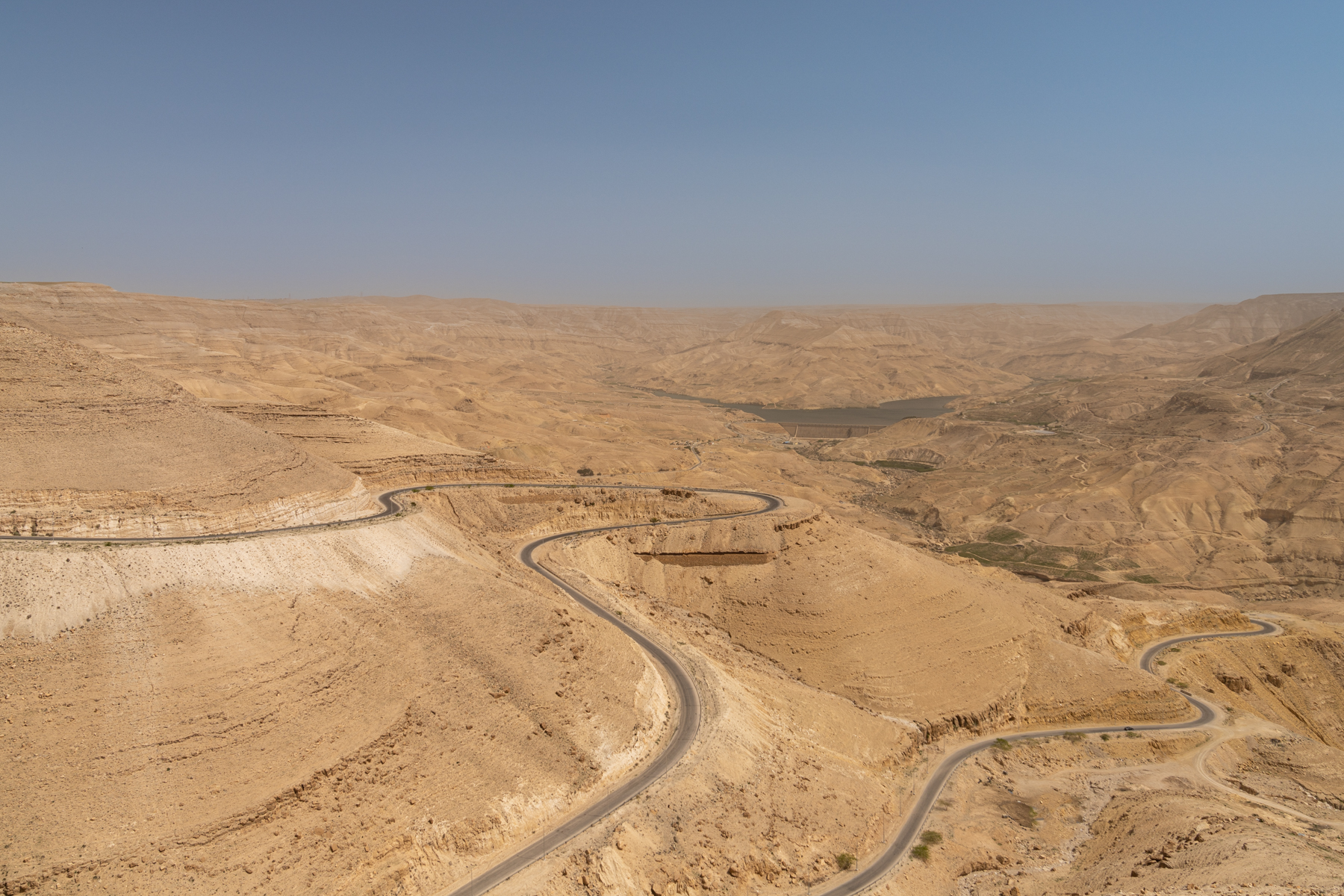
The term “highway” suggests a modern, multi-lane road. But this is not the case. Because the highway is
built over the historical route, it is a single-lane road that twists and turns through the mountainous desert.
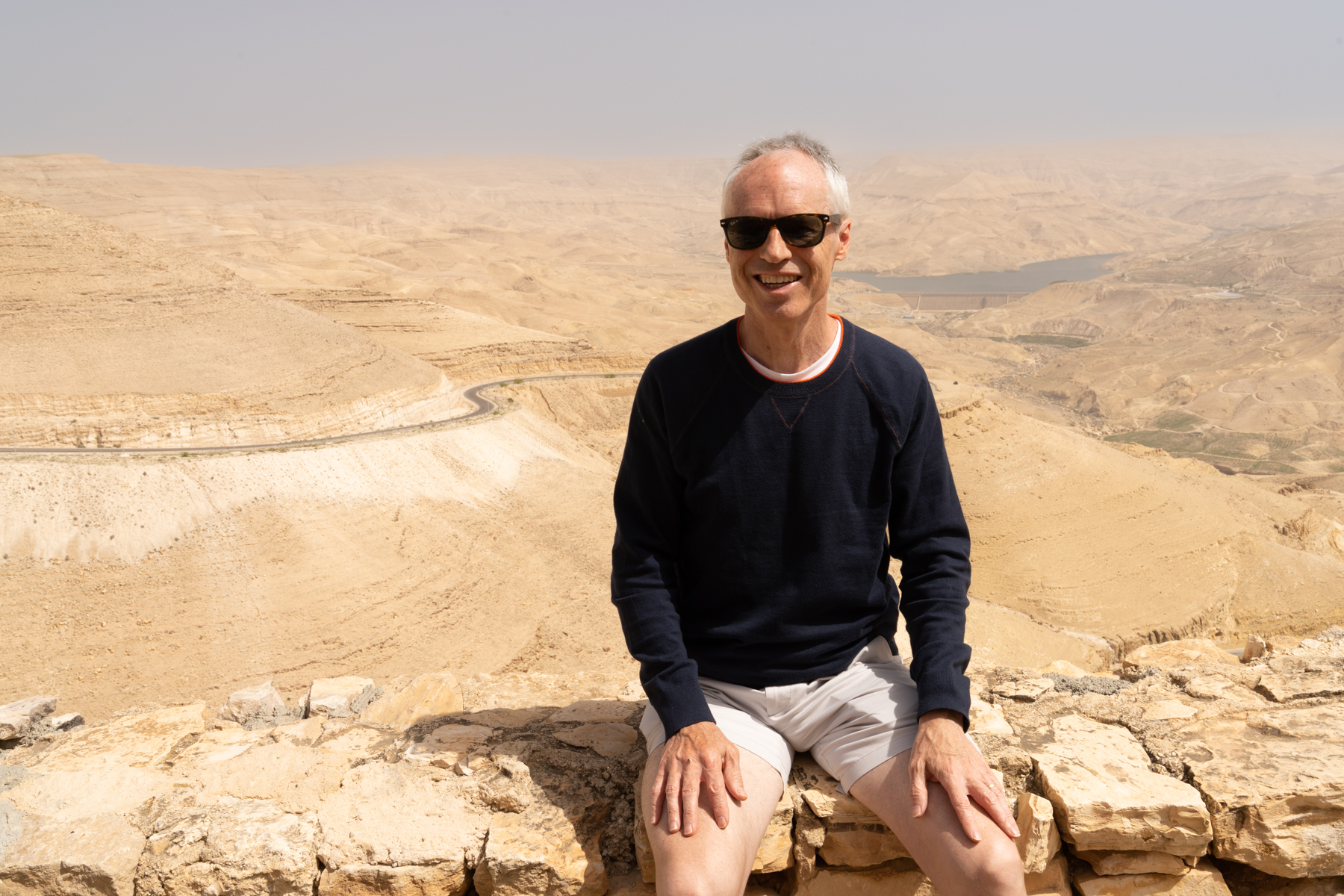
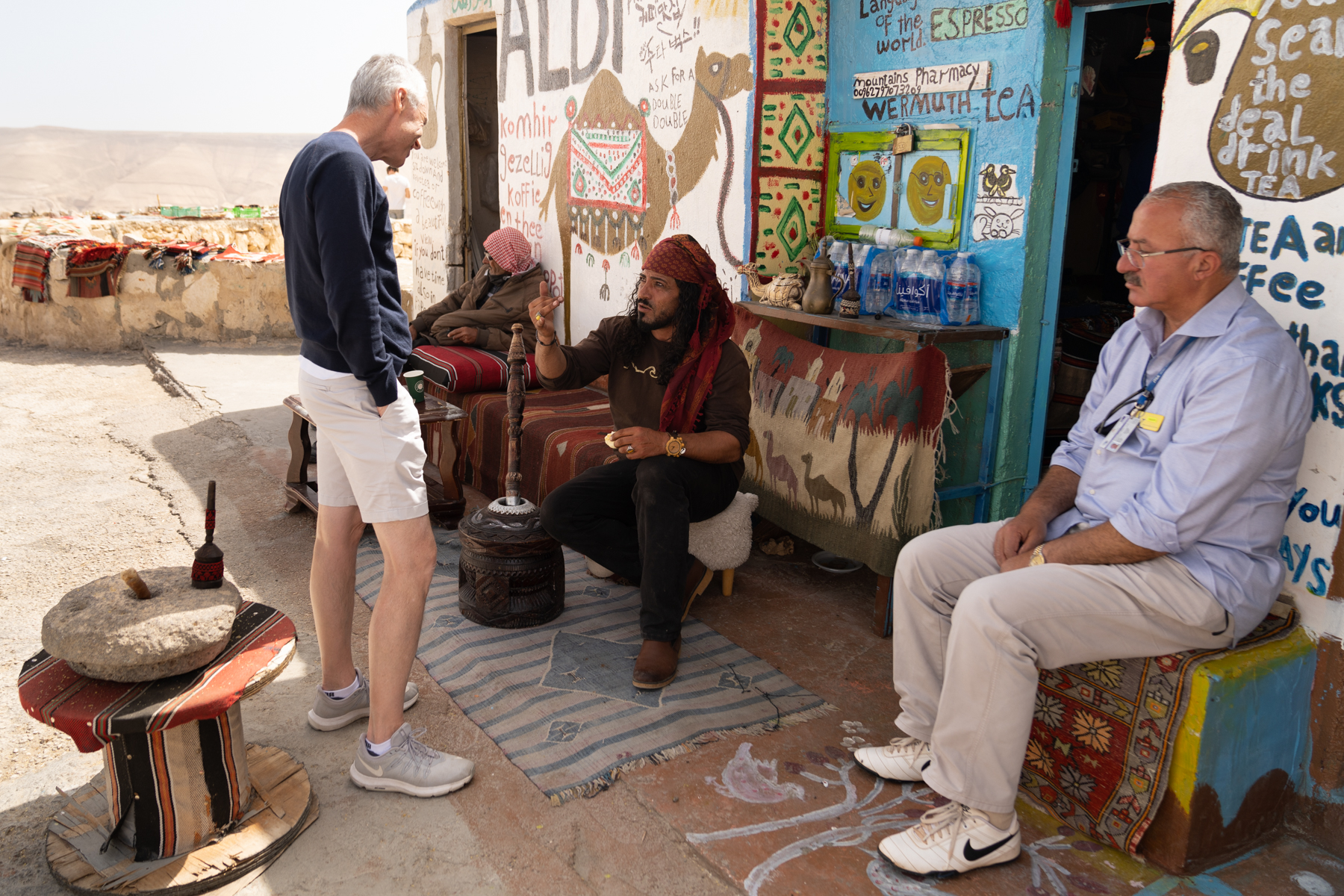
About an hour into the drive from Madaba to Kerak, we stopped at a roadside coffee shop, seemingly in the middle of nowhere! The spot we stopped at had a wonderful view of Wadi al Mujib (the Mujib Valley).
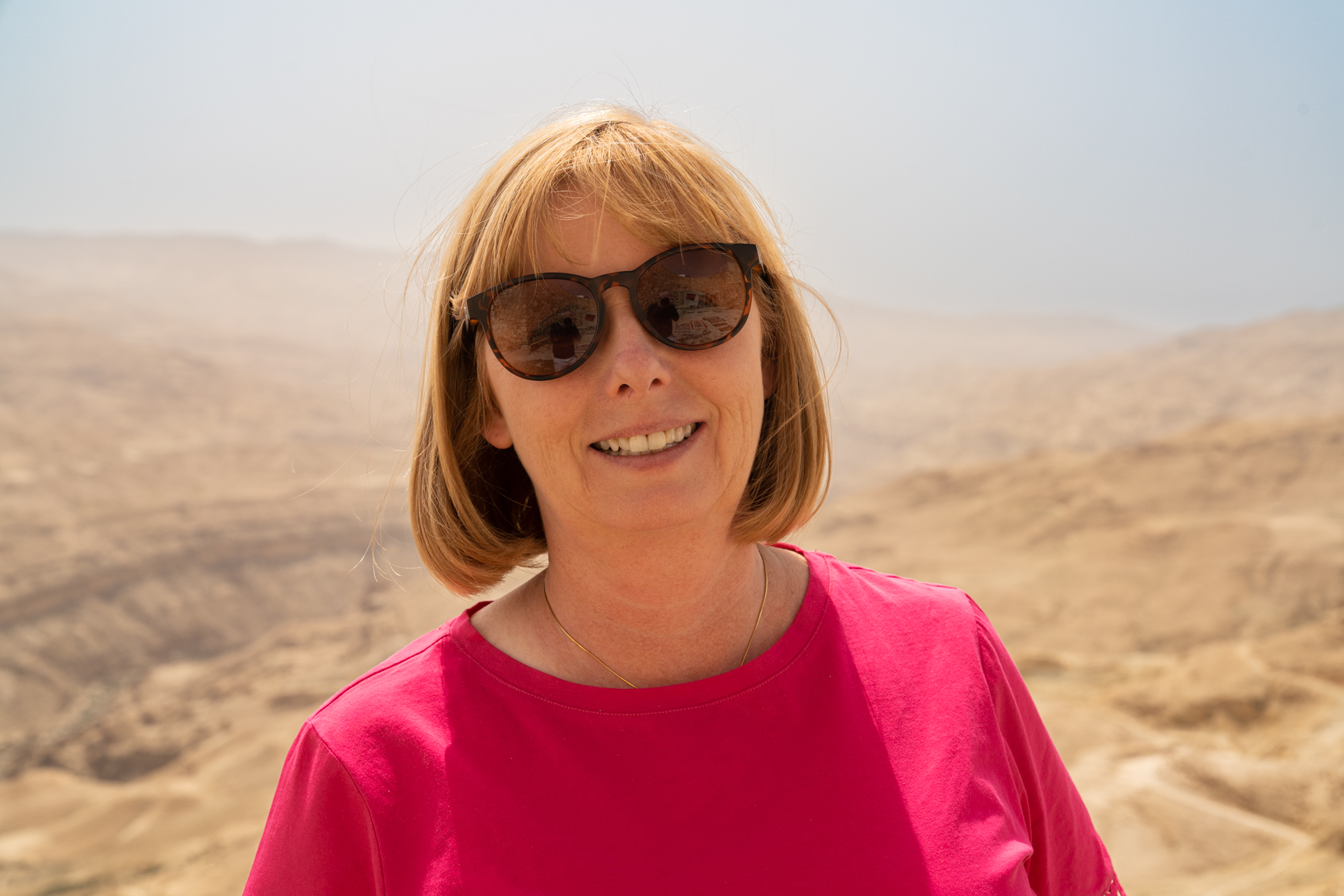
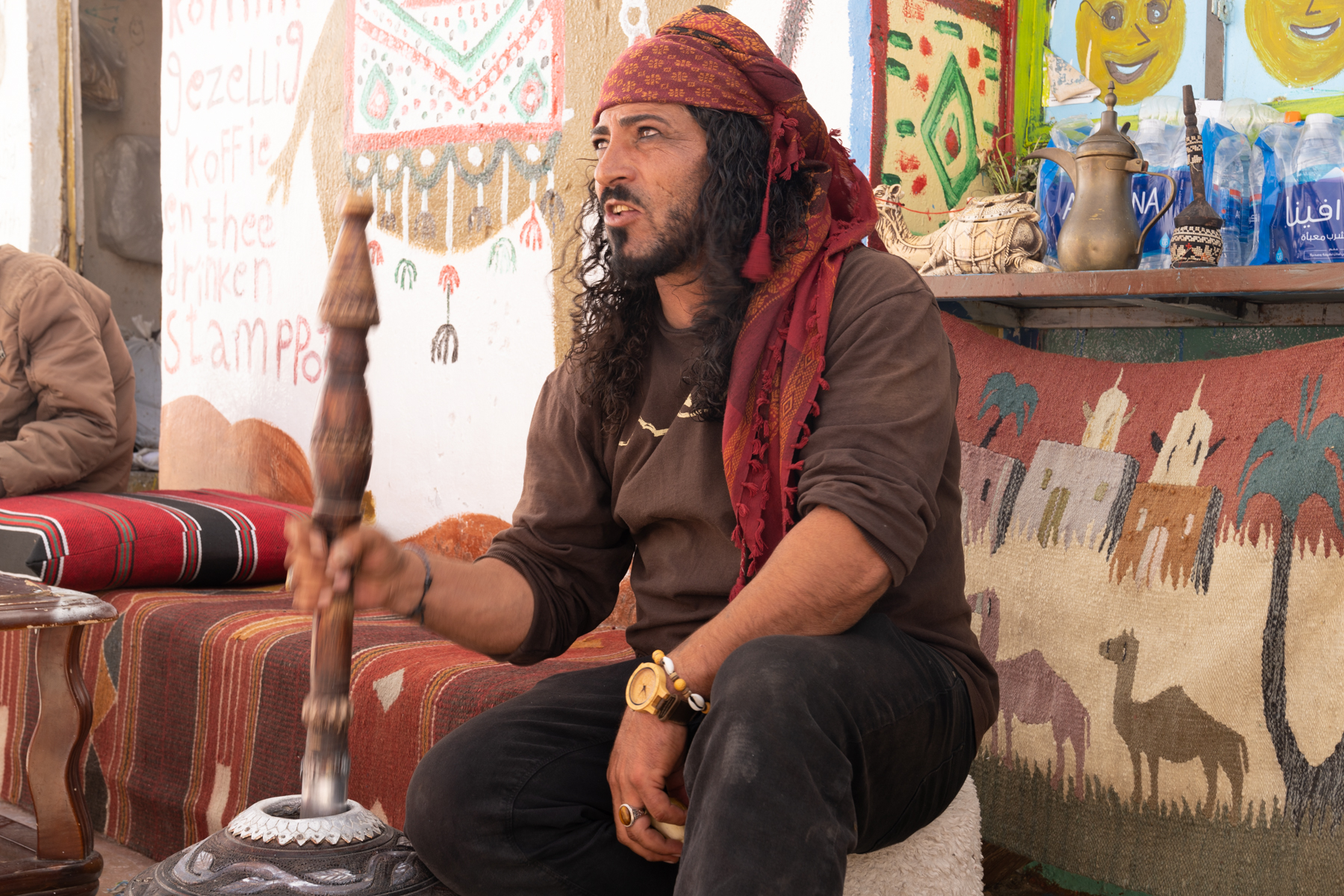
The roadside coffee shop was run by a local Bedouin man named Hany. He showed us the traditional way to make Bedouin coffee, grinding it manually in a traditional mehbash. The grinding of the beans is done to a beautiful, rhythmic tune that serves as an invitation to come and join in the ritual of drinking coffee.
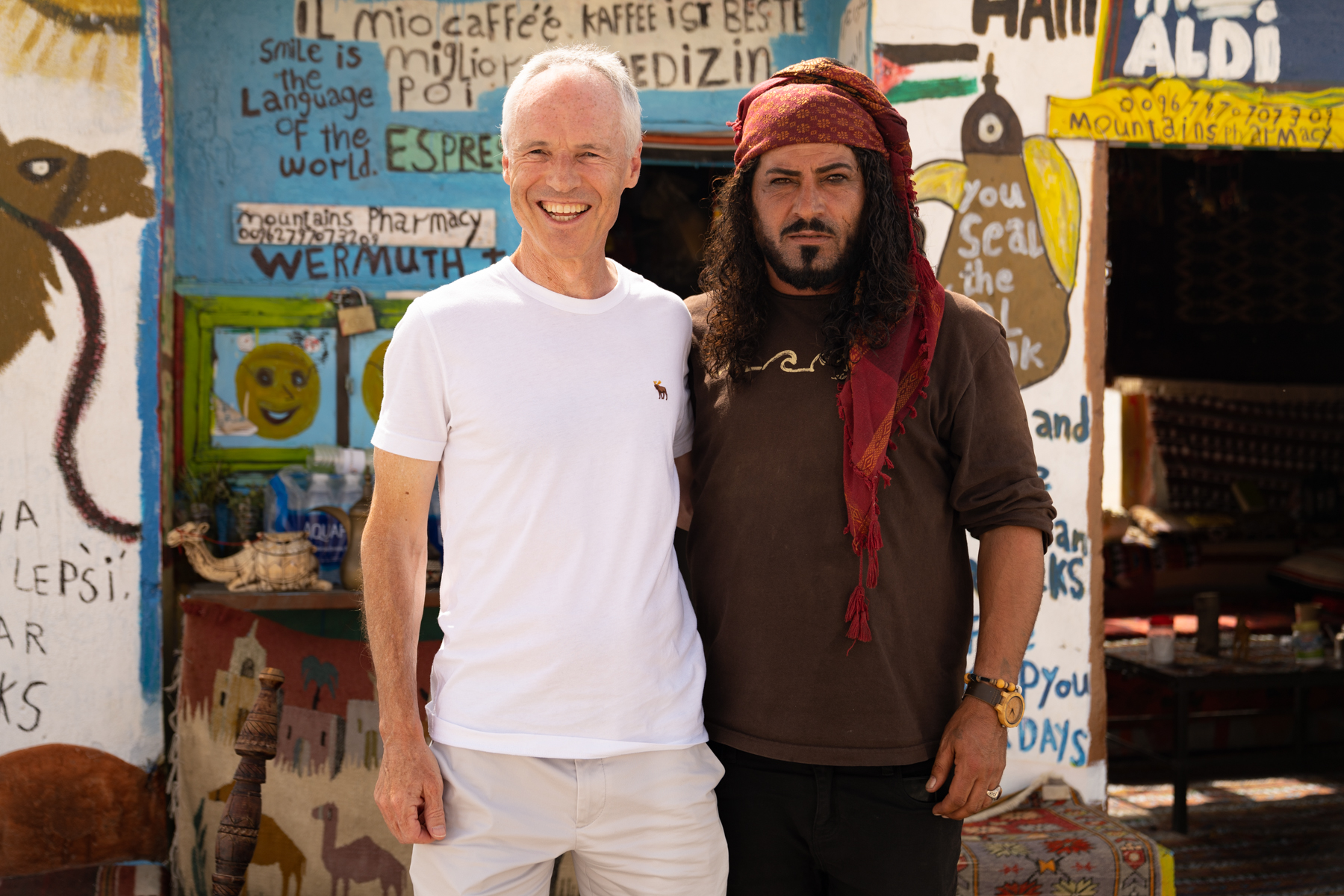
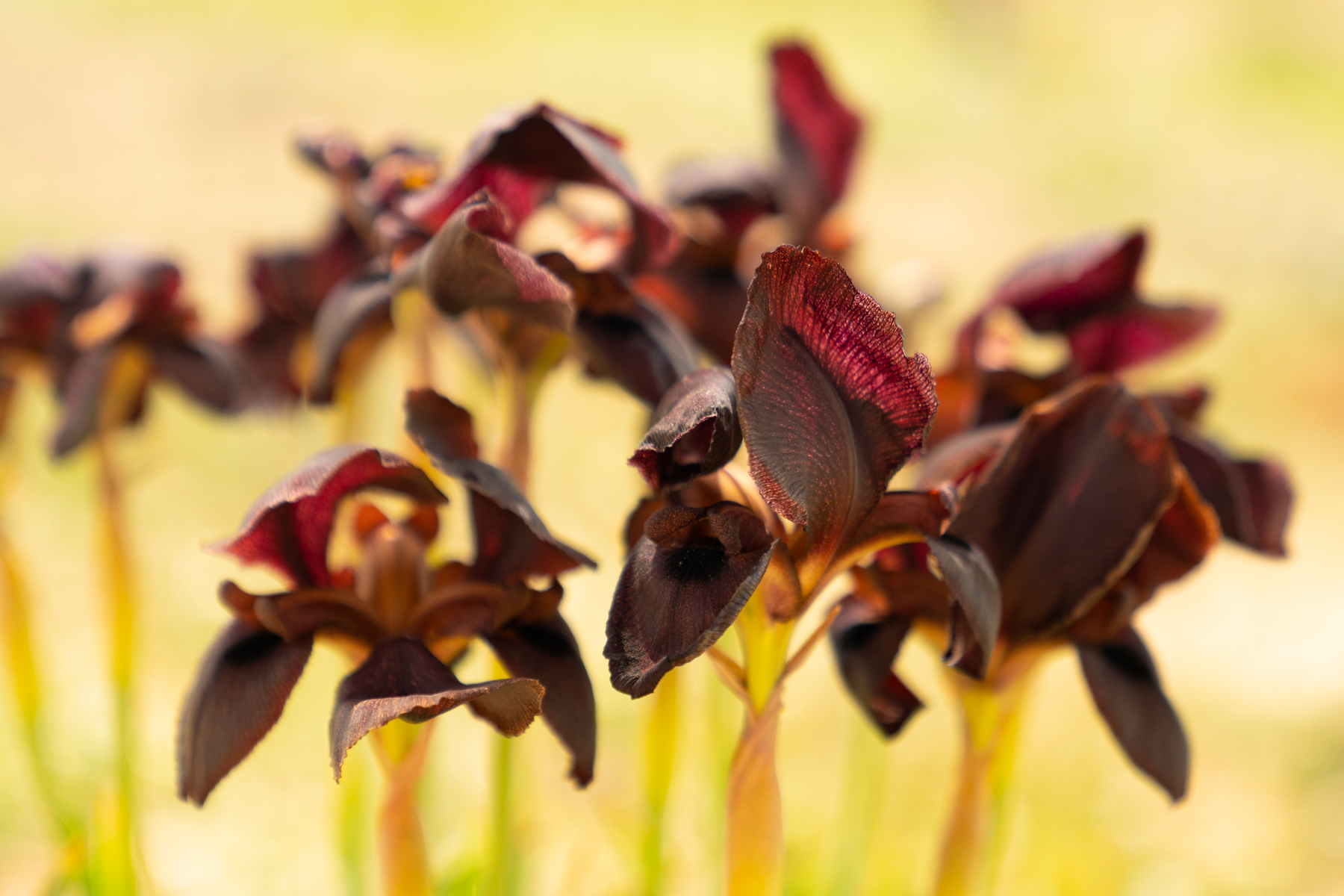
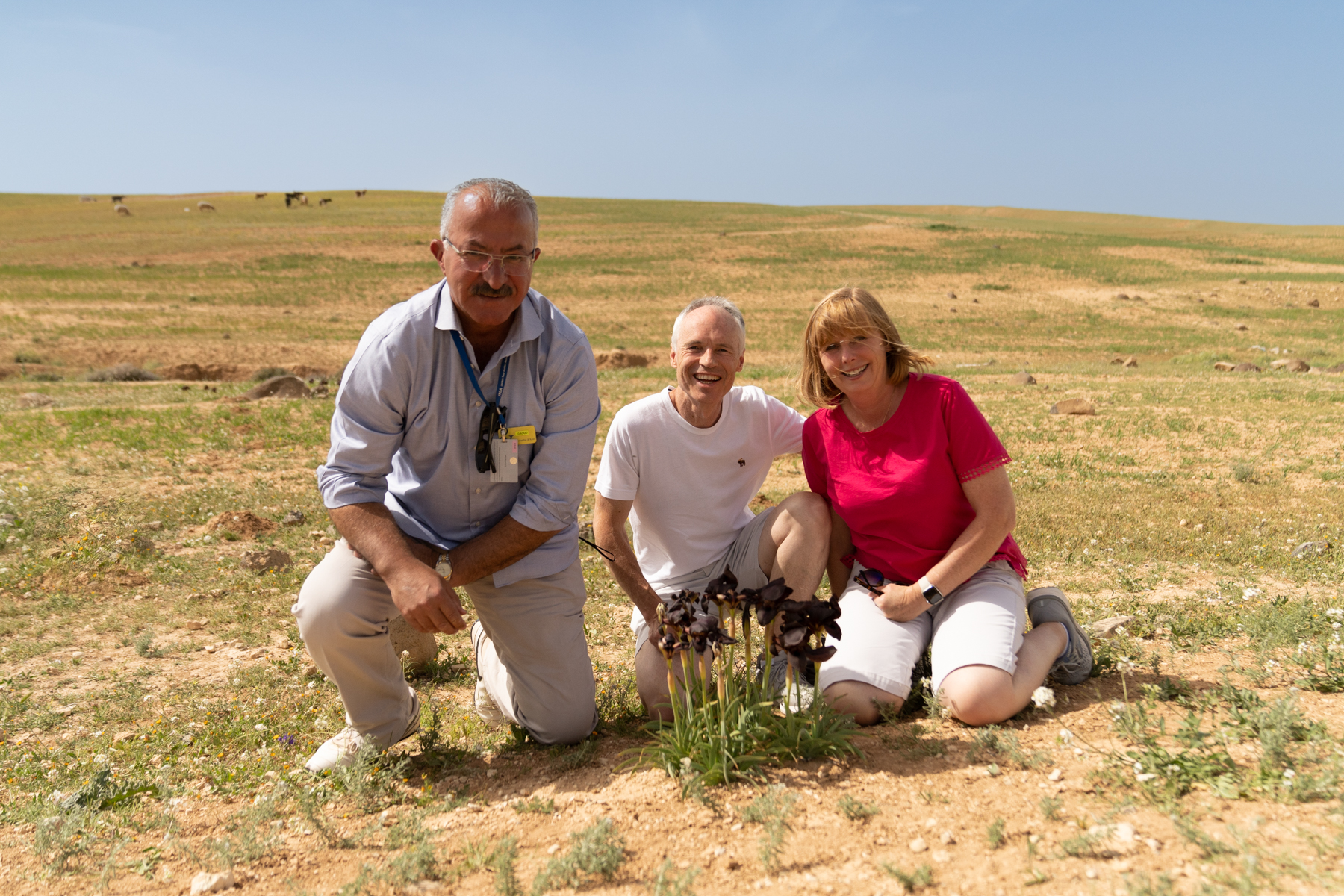
We said goodbye to Hany and hopped back into the car to resume our drive to Kerak. About half an hour down the road, we stopped on the side of the road to look at a black iris, the national flower of Jordan. This flower blooms in the spring and is a national symbol of growth, renewal, and change.
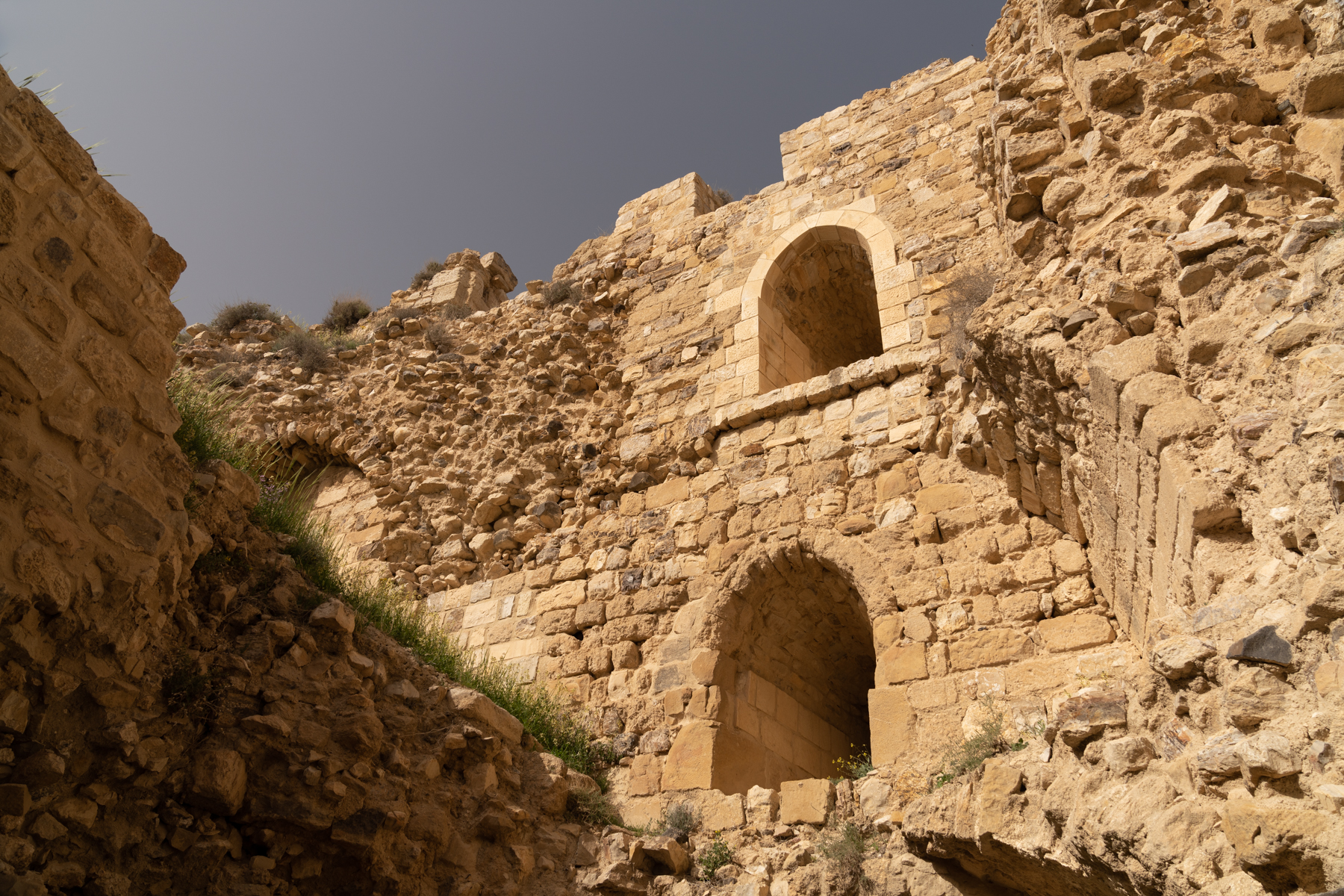
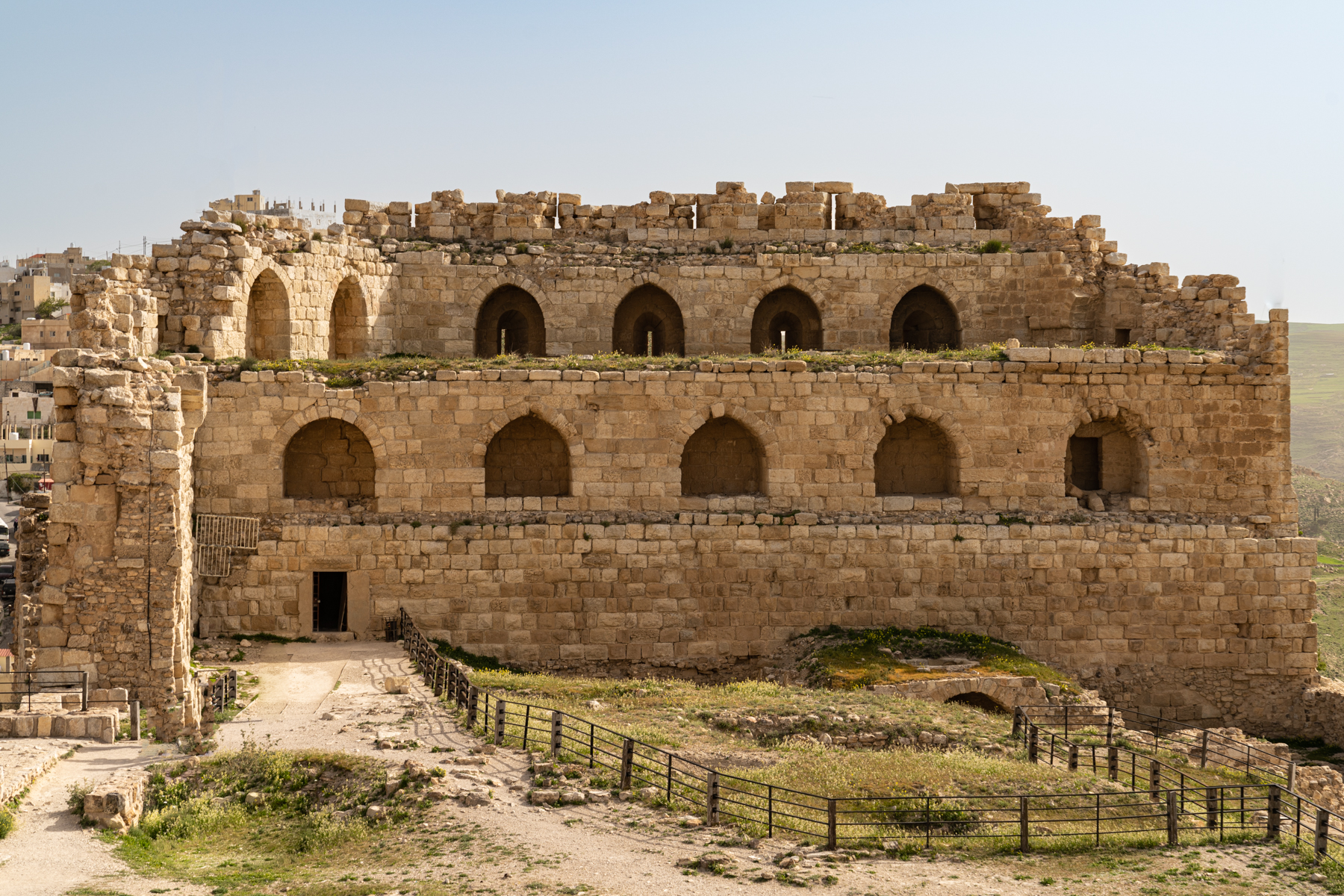
We arrived at Kerak at around 4:00 pm, to see the medieval Kerak Castle. Construction of the castle began in the 1140s and because of its position east of the Dead Sea, Kerak Castle was used by the Christian Crusaders to control Bedouin herders as well as the trade routes from Damascus to Egypt and Mecca. The castle fell to a Muslim army in 1188 and has undergone numerous changes of control over the centuries.
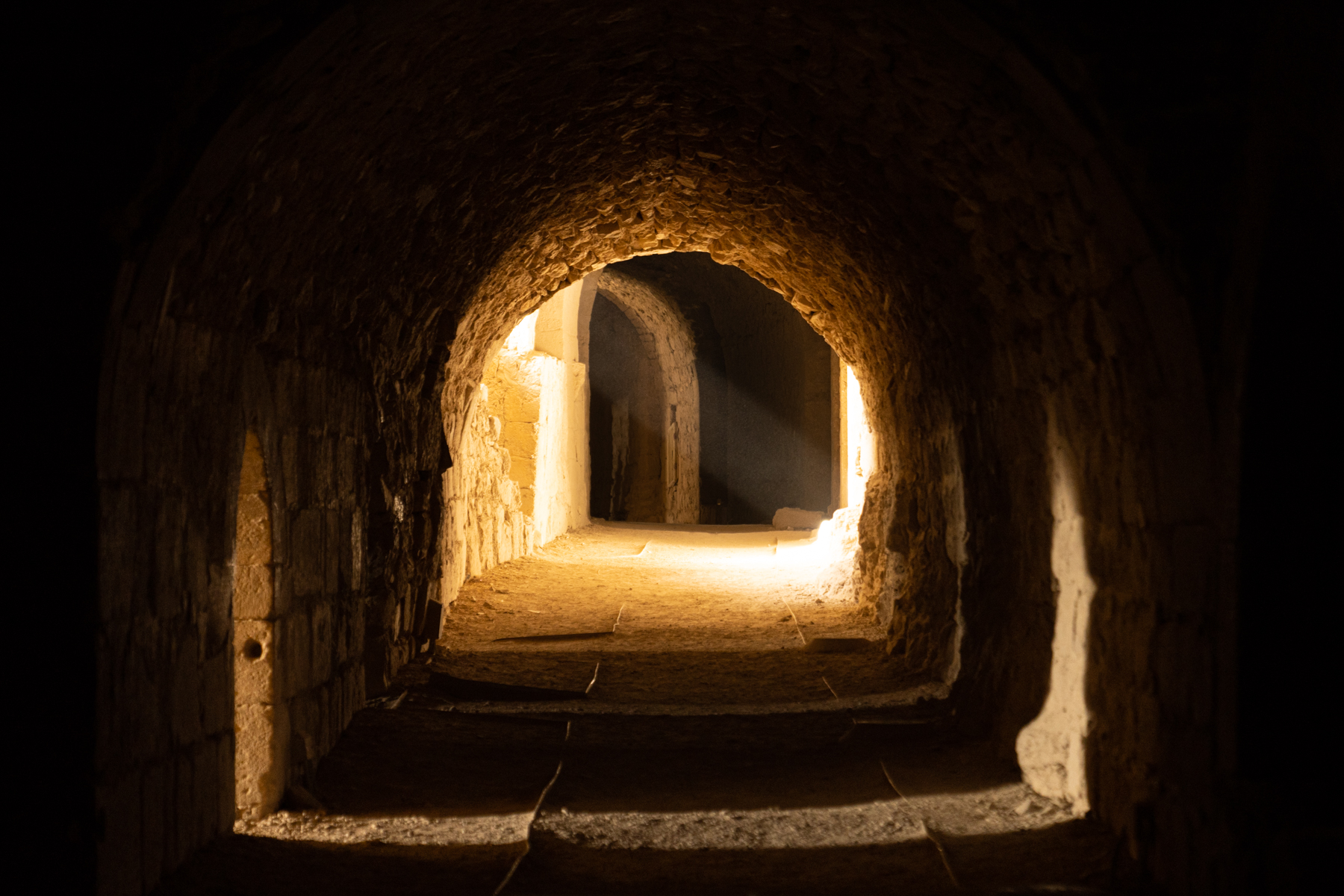
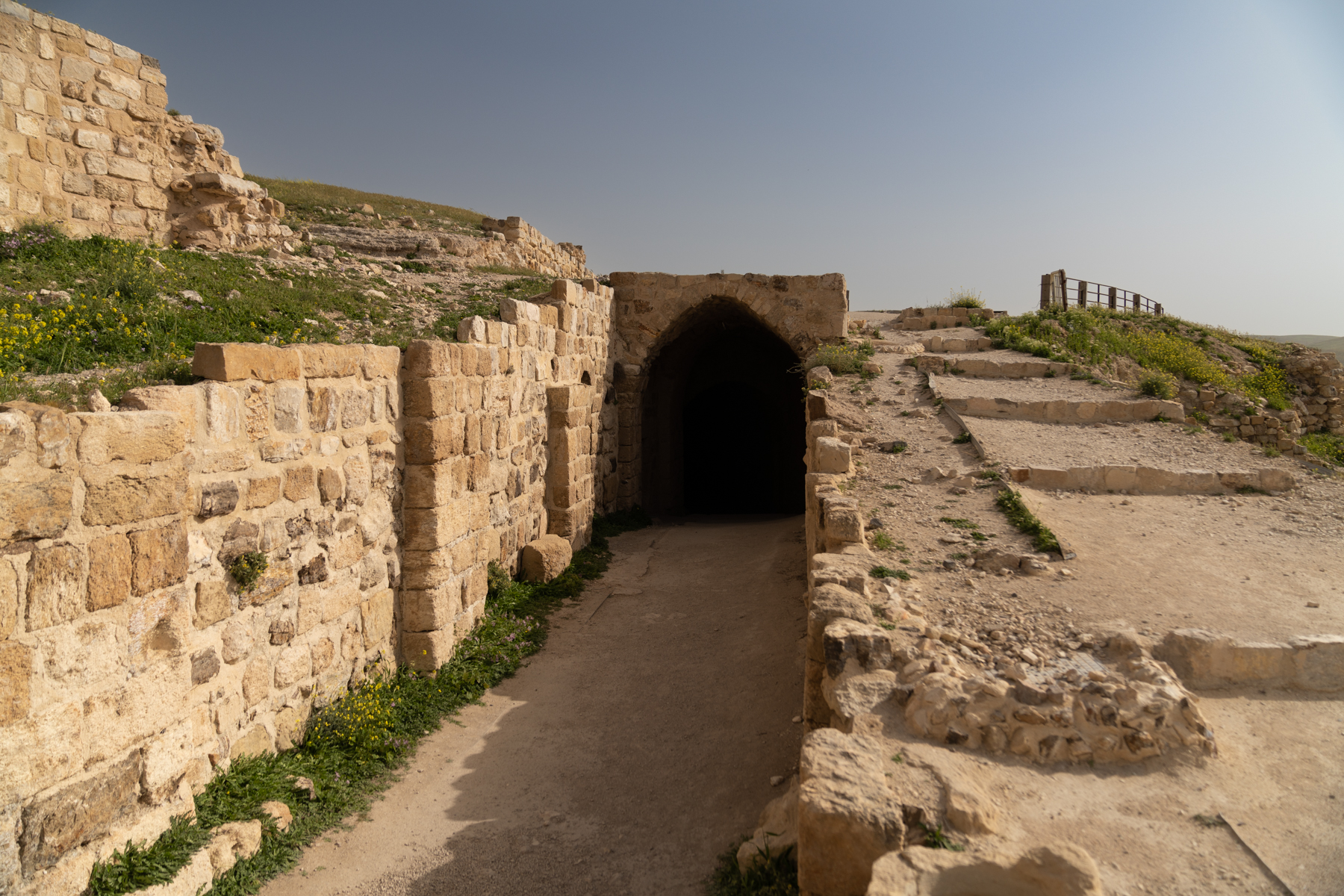
After about 45 minutes of walking around Kerak Castle, we got back in the car for a drive of about two-and-a-half hours to the city of Petra. We took a shortcut off the King’s Highway at Shobuk to save a few minutes on the trip but endedup getting caught up in some “local traffic”.
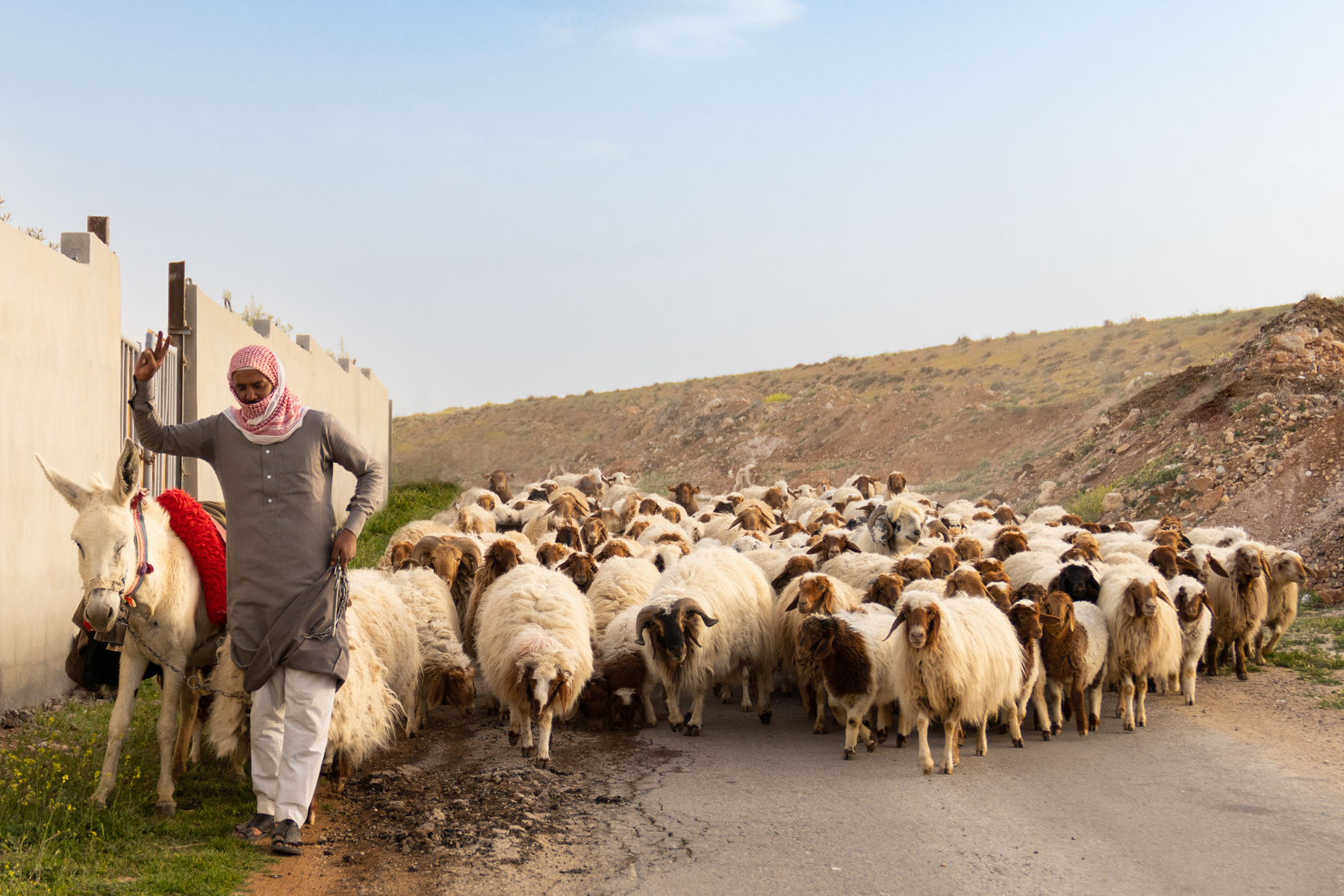
We got to the Mövenpick Hotel in Petra just before 7:00 pm. The hotel was incredibly busy. We eventually checked in and went to our room. We weren’t very hungry after our huge lunch in Madaba so we went downstairs to the ice-cream bar and ordered a couple of banana splits for dinner!
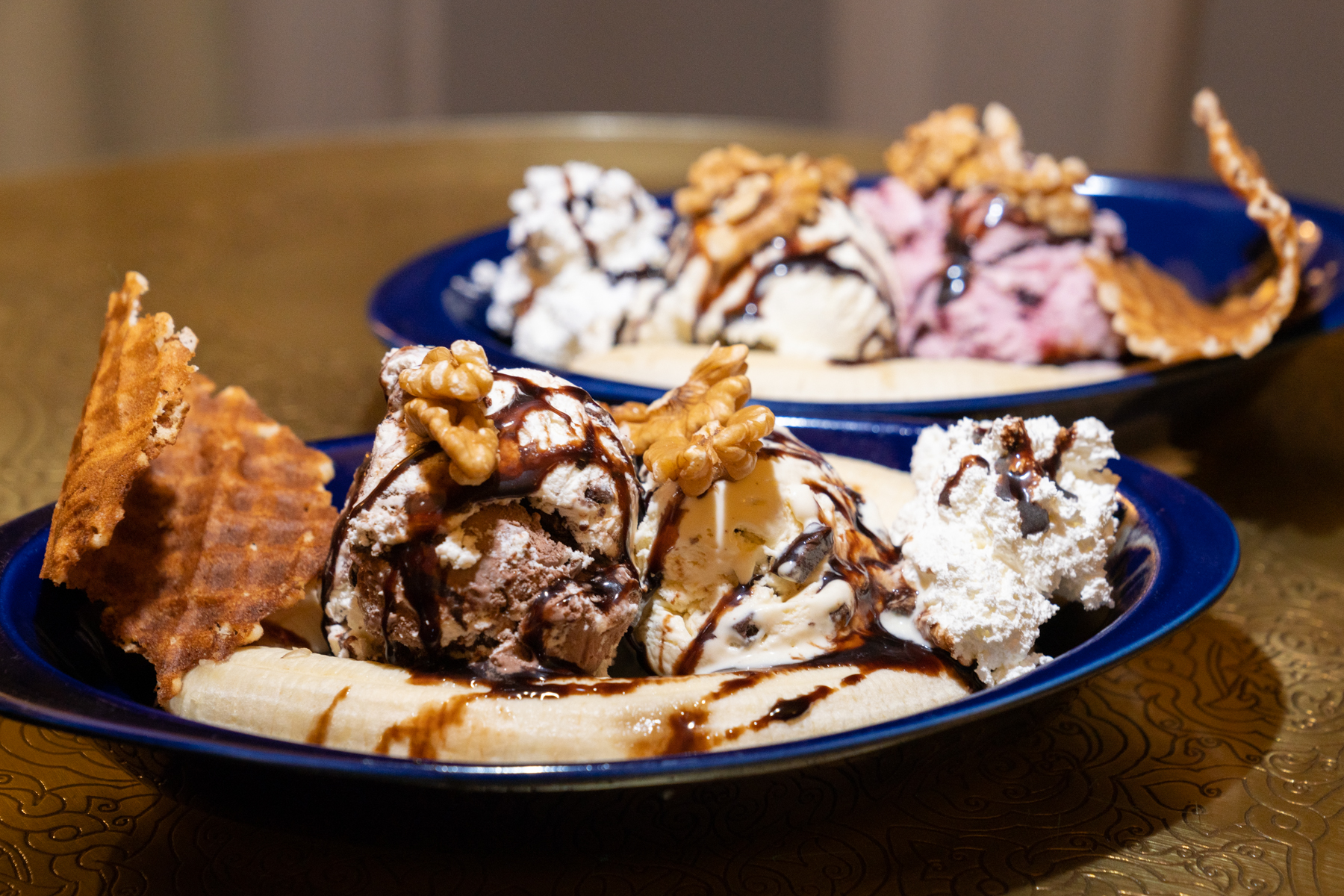
We relaxed in our room, eating our banana splits, before heading to bed.
Tomorrow we’ll be exploring the ancient city of Petra, which we have been looking forward to for many years.