
VIC/SA Road Trip
Great Ocean Road
Today we set off at 10:00 am for a week-long trip along the south coast of Victoria, across to the Adelaide Hills, and back via Dunkeld.
Our destination for today was Port Fairy. Via the more direct inland route, getting to Port Fairy takes a bit over four hours to drive. However, we opted for the much prettier drive along the full 243km of the Great Ocean Road. Built from 1919 to 1932 by around 3,000 WWI veterans, it is considered the world’s longest war memorial.
Being a very hot day, and a weekend, the coastal towns were busy with beach-goers, so the trip along the most popular section (Torquay to Lorne) was pretty slow. But eventually the traffic thinned out, and we had a very pleasant drive.
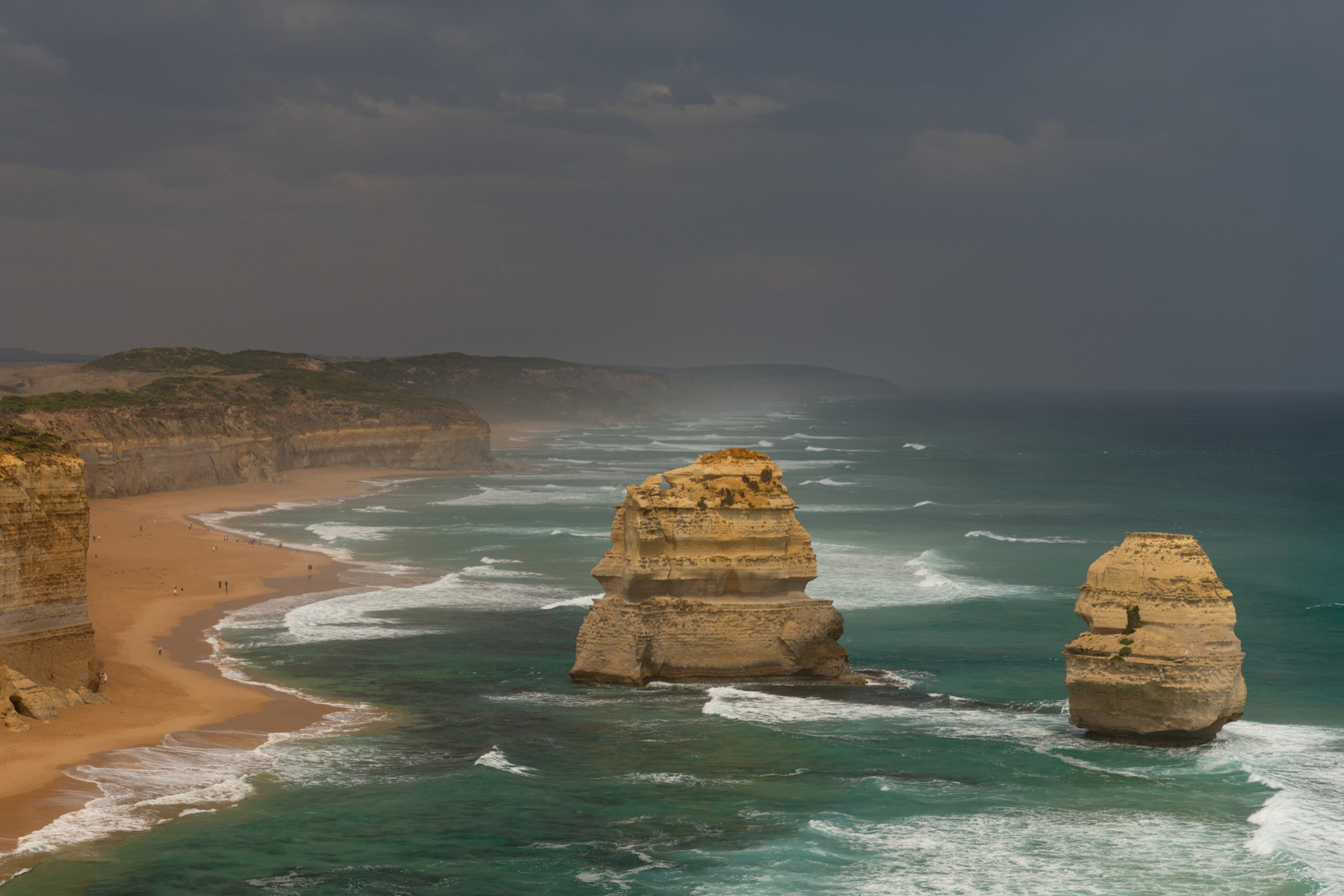
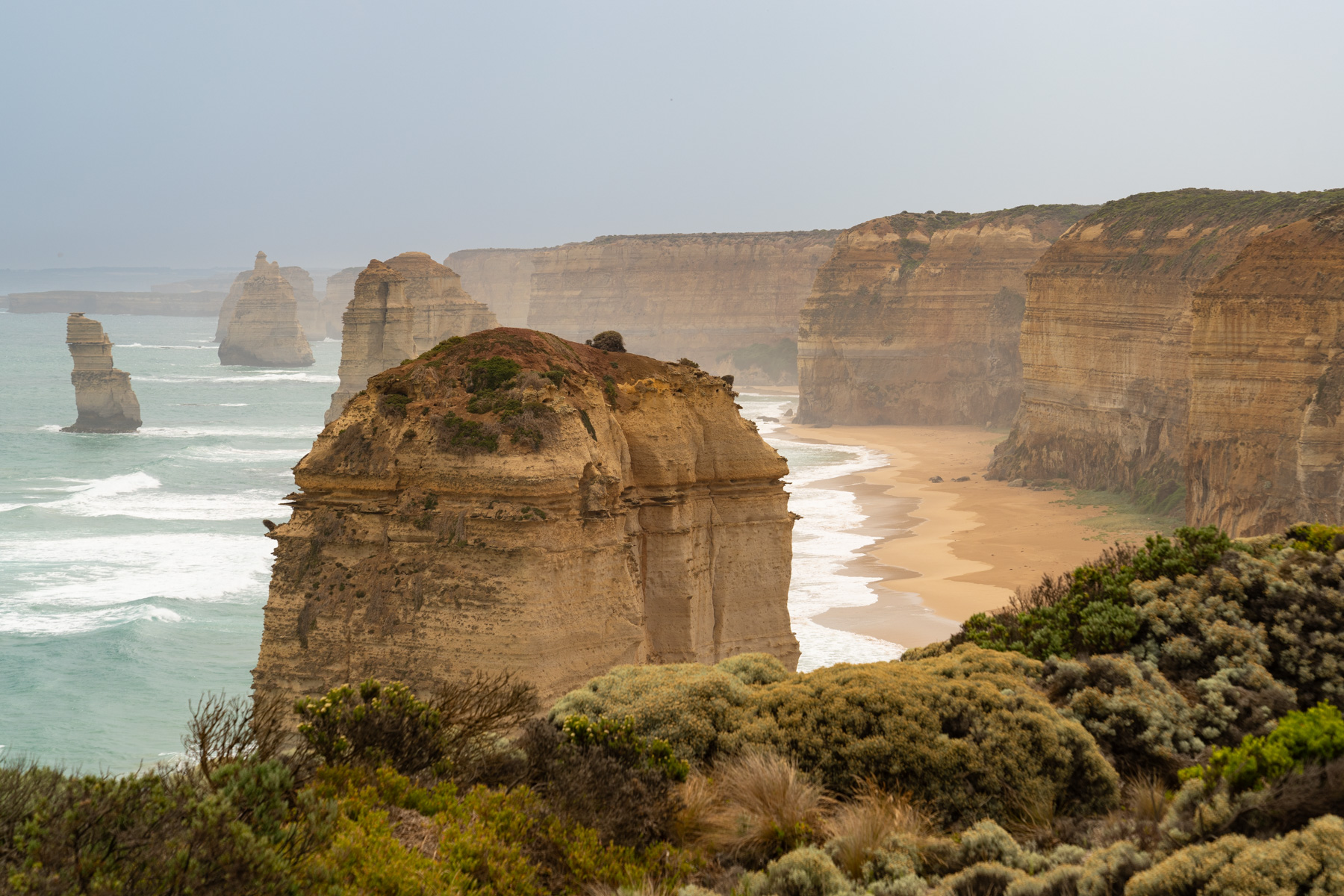
After five hours of driving, our first stop was Port Campbell, to see the Twelve Apostles limestone rock formation. The weather had been sunny the whole way but as we arrived at the Twelve Apostles, it started pouring with rain. Undeterred, we waited for a break in the weather before heading out to the viewing platform. Despite the name, there has never (as far as we know!) been more than nine apostles. The formations evolved over a period of about 20 million years. Coastal winds and waves eroded the cliff face at the mainland and eventually completely separated the stacks from the shore. When first separated, the stacks formed island bridges. However, as harsh winds and storms battered them, the bridges collapsed, leaving the standalone stacks we see today. One apostle collapsed in 2005 and another followed in 2009. Eventually they will likely all collapse and disappear into the sea.

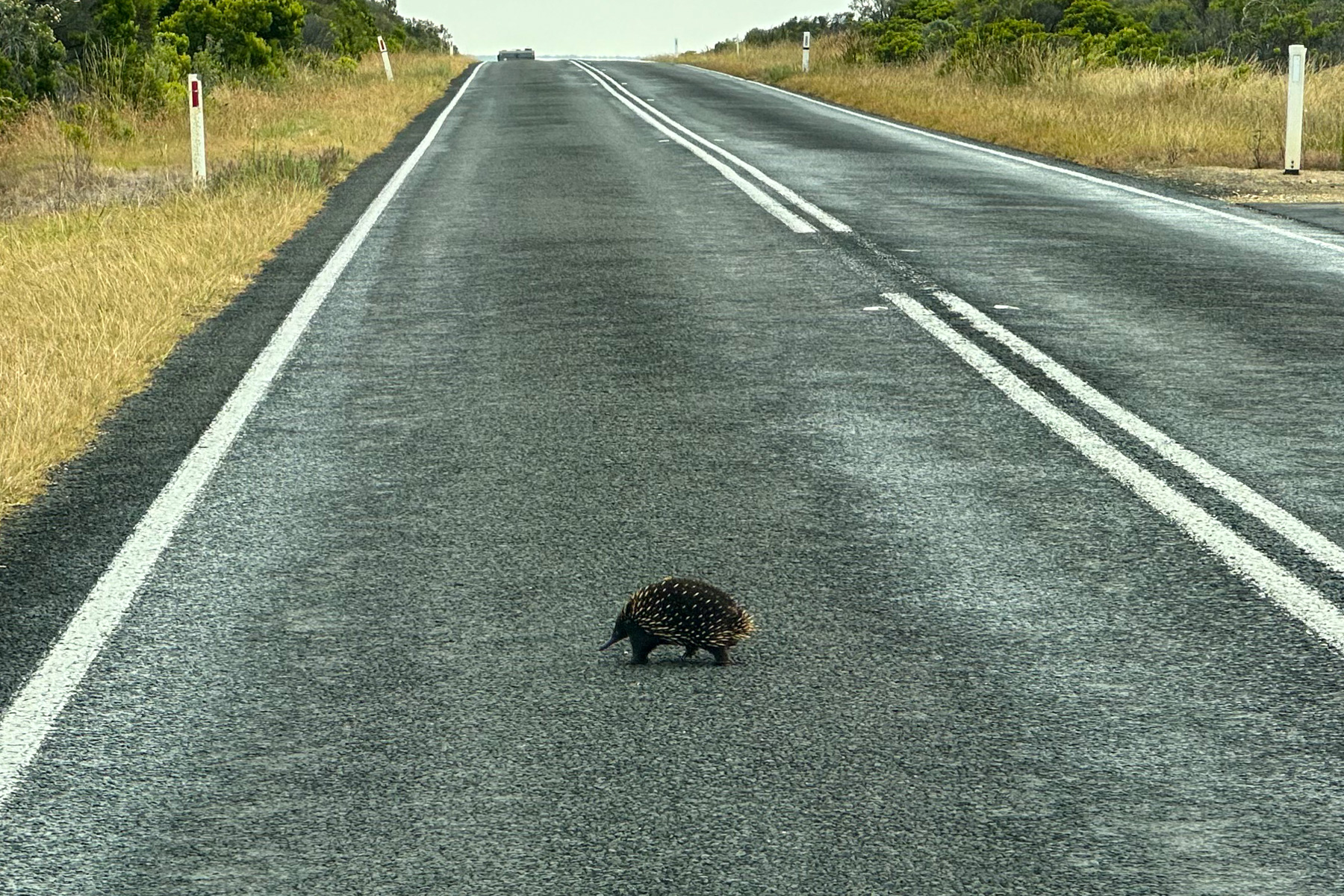
Our next stop was a detour off the Great Ocean Road, inland to Timboon to visit the Timboon Ice-Creamery. Their ice-cream is amazing, so we couldn’t pass up the opportunity to visit and indulge. On the way, we stopped to let a very cute echidna waddle across the road.
We got to Timboon around 4:15 pm, where we dealt with the challenging question of which flavours to choose. The most unusual flavour we had was Vegemite, which turned out to be surprisingly good!


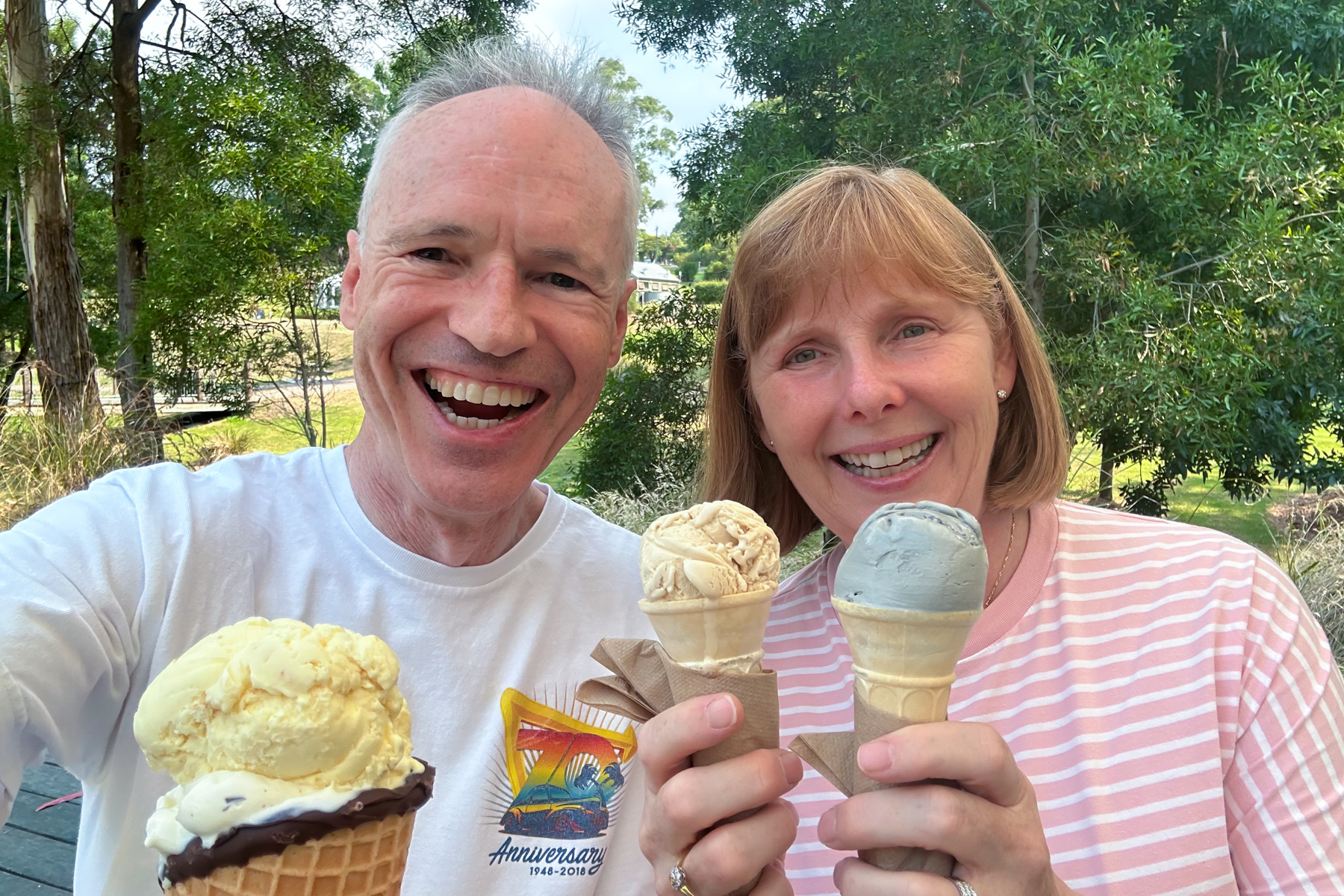
After enjoying our ice-creams, we backtracked to the Great Ocean Road to head to our next stop, London Bridge.
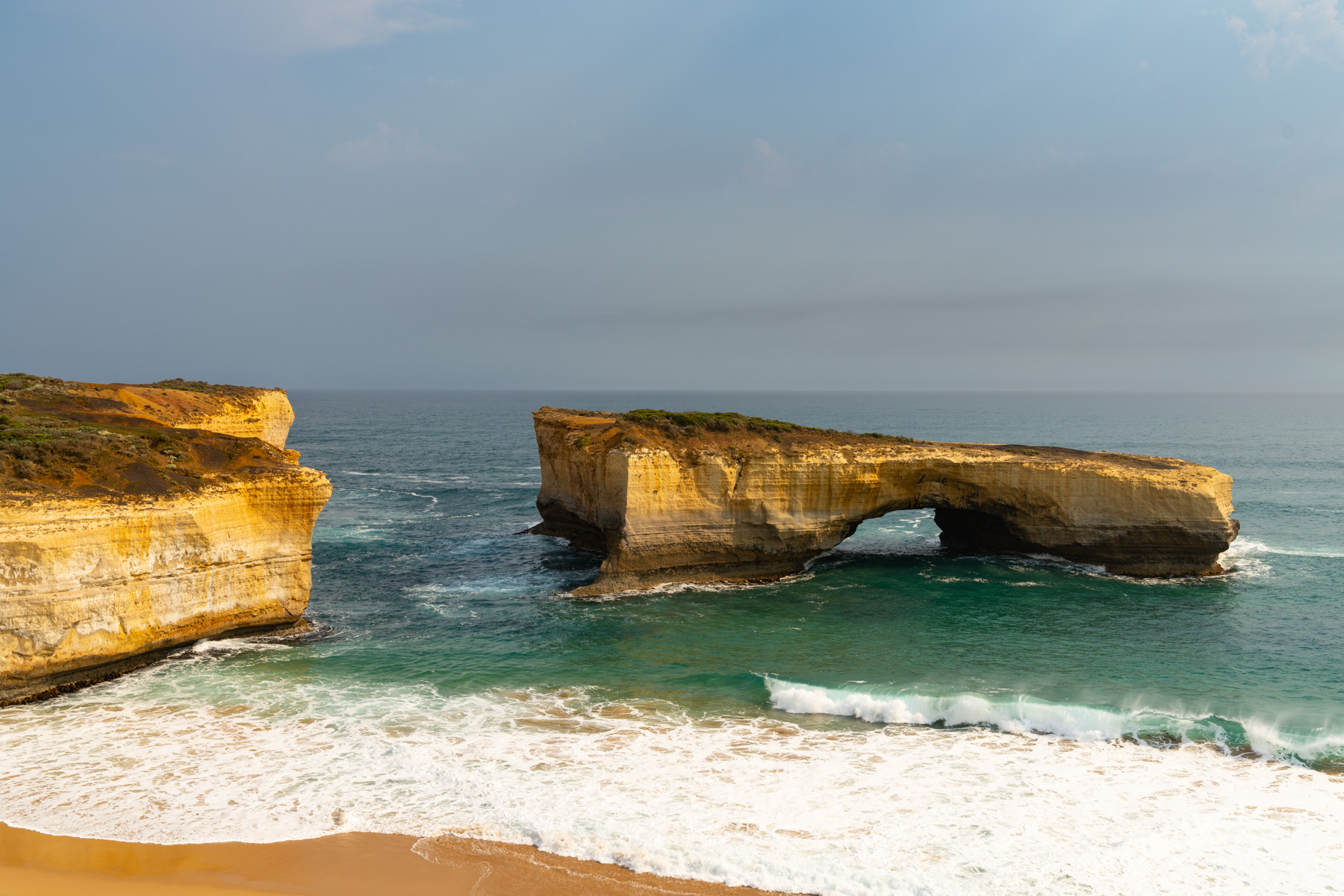
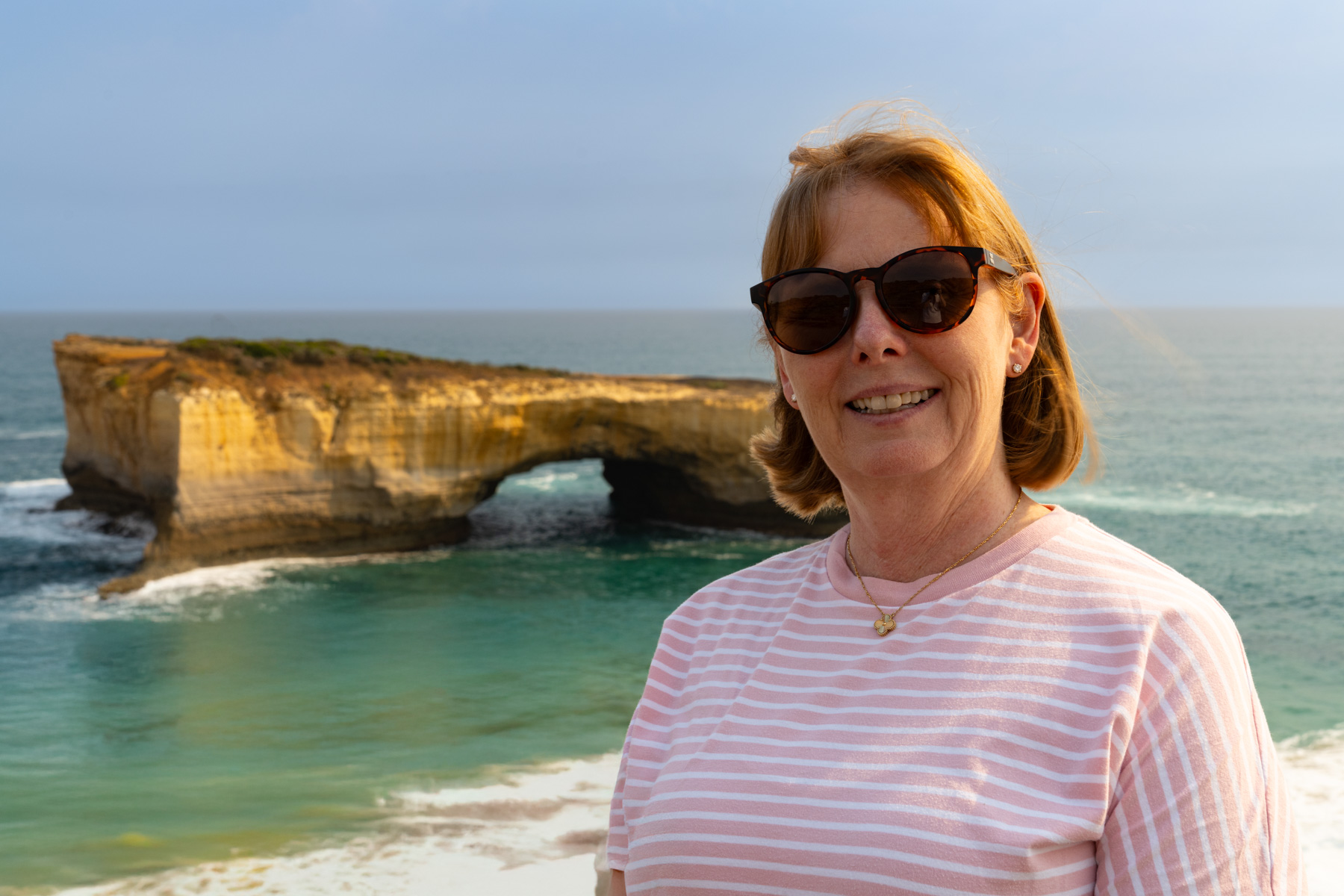
London Bridge is another coastal limestone rock formation. The soft limestone rock of the cliff area along the Great Ocean Road was formed between 10 and 25 million years ago, when the whole area was under the sea. The sea retreated, and deep vertical joints formed in the rock. Rainwater and spray percolated down the joints, dissolving the rock and widening the cracks. The sea advanced again at the end of the last Ice Age, reaching its present level about 6,000 years ago. Since then, waves have been attacking and undermining the rock, producing the cliffs and other spectacular formations we see today. Until it partly collapsed in 1990, this formation was literally a bridge from the mainland. In time the arch will also collapse, leaving two rock stacks like the apostles. Eventually these too will erode away.
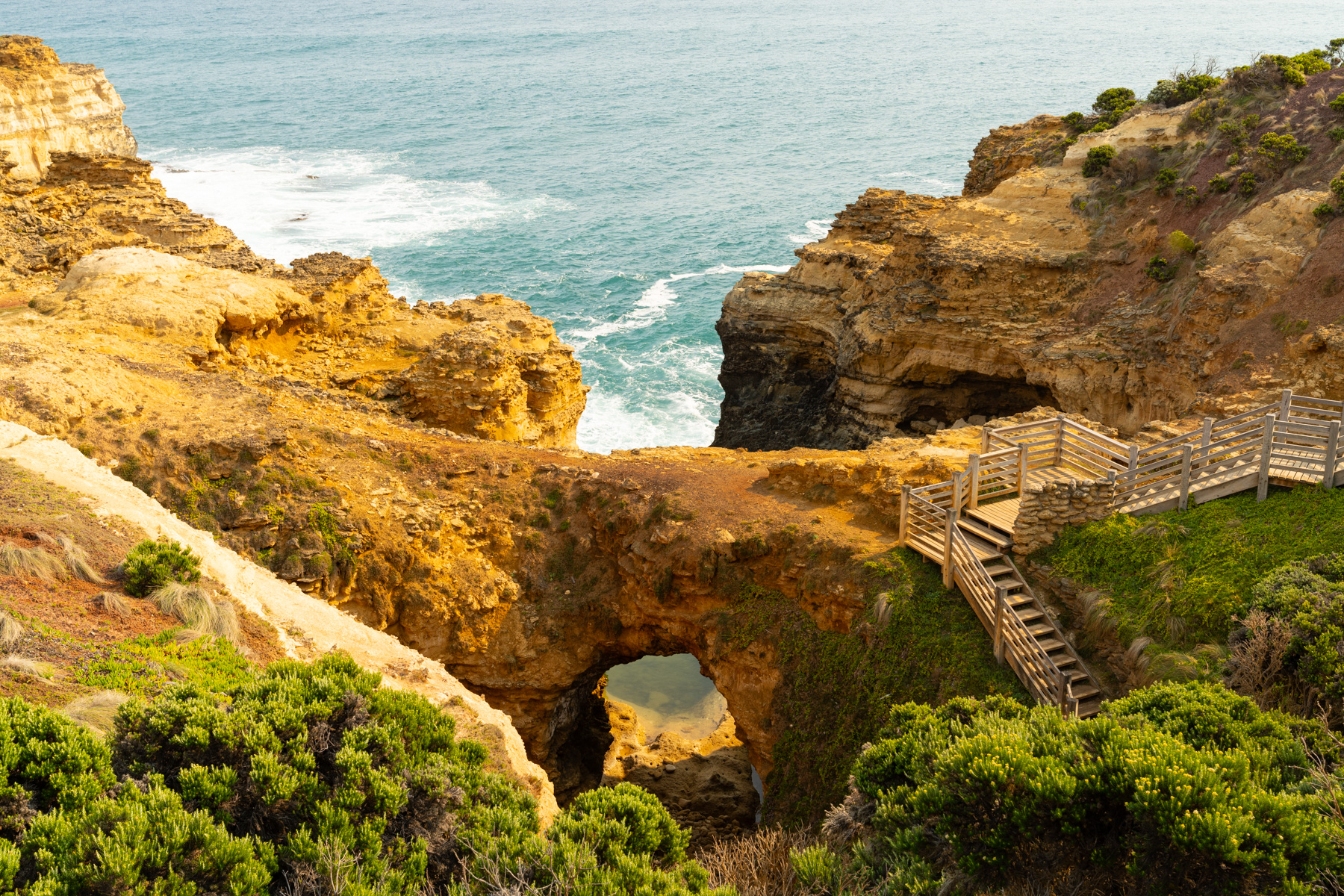
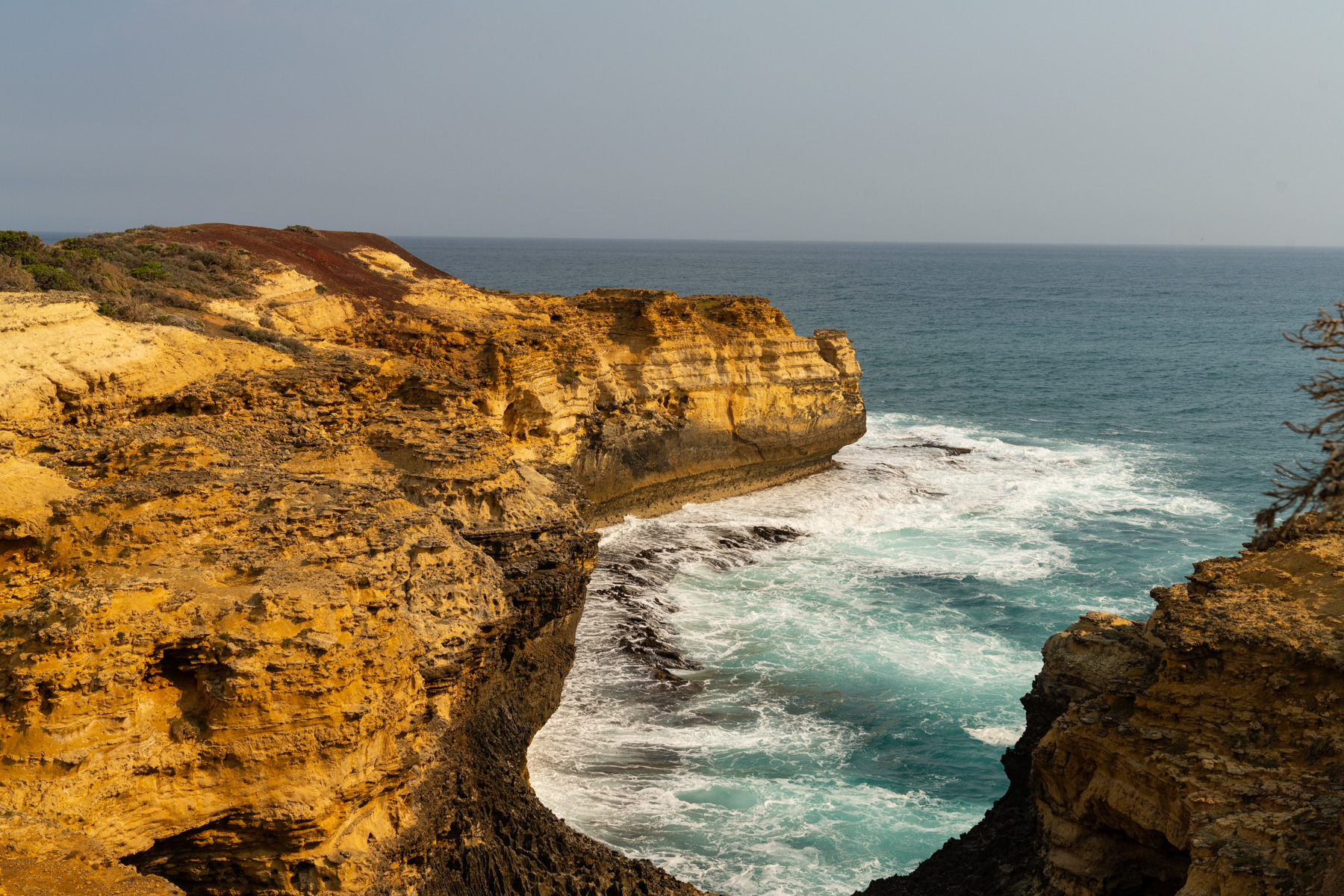
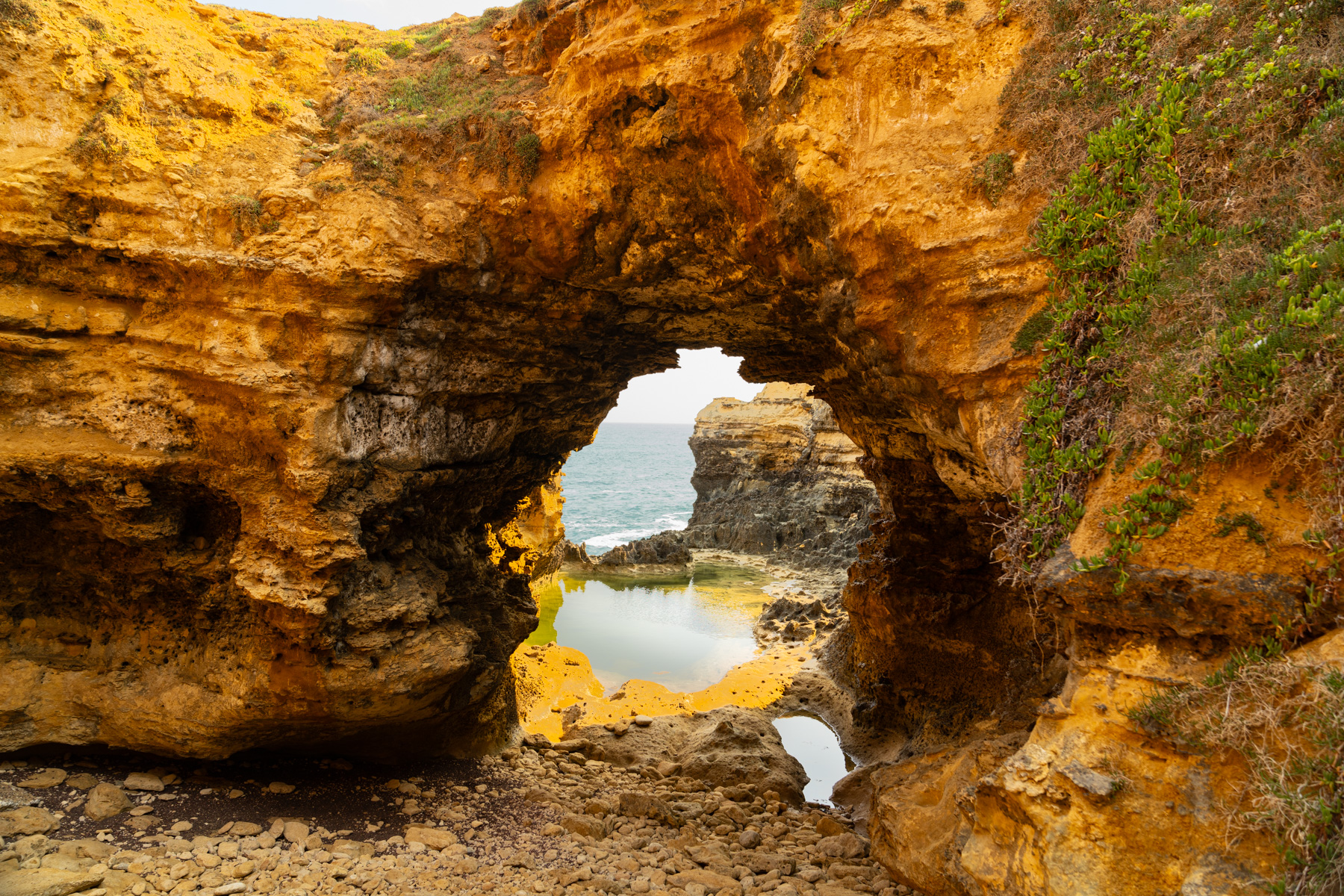
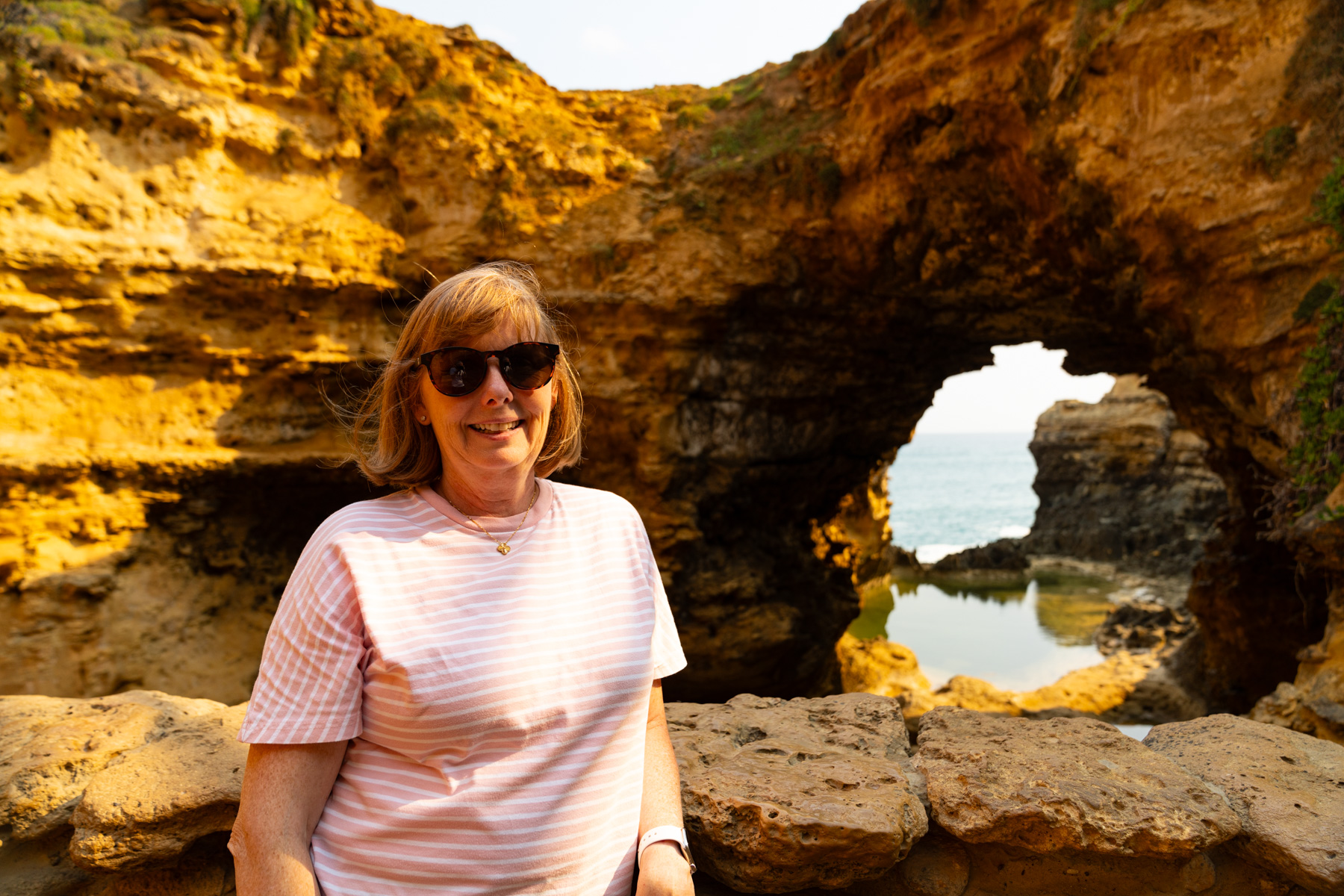
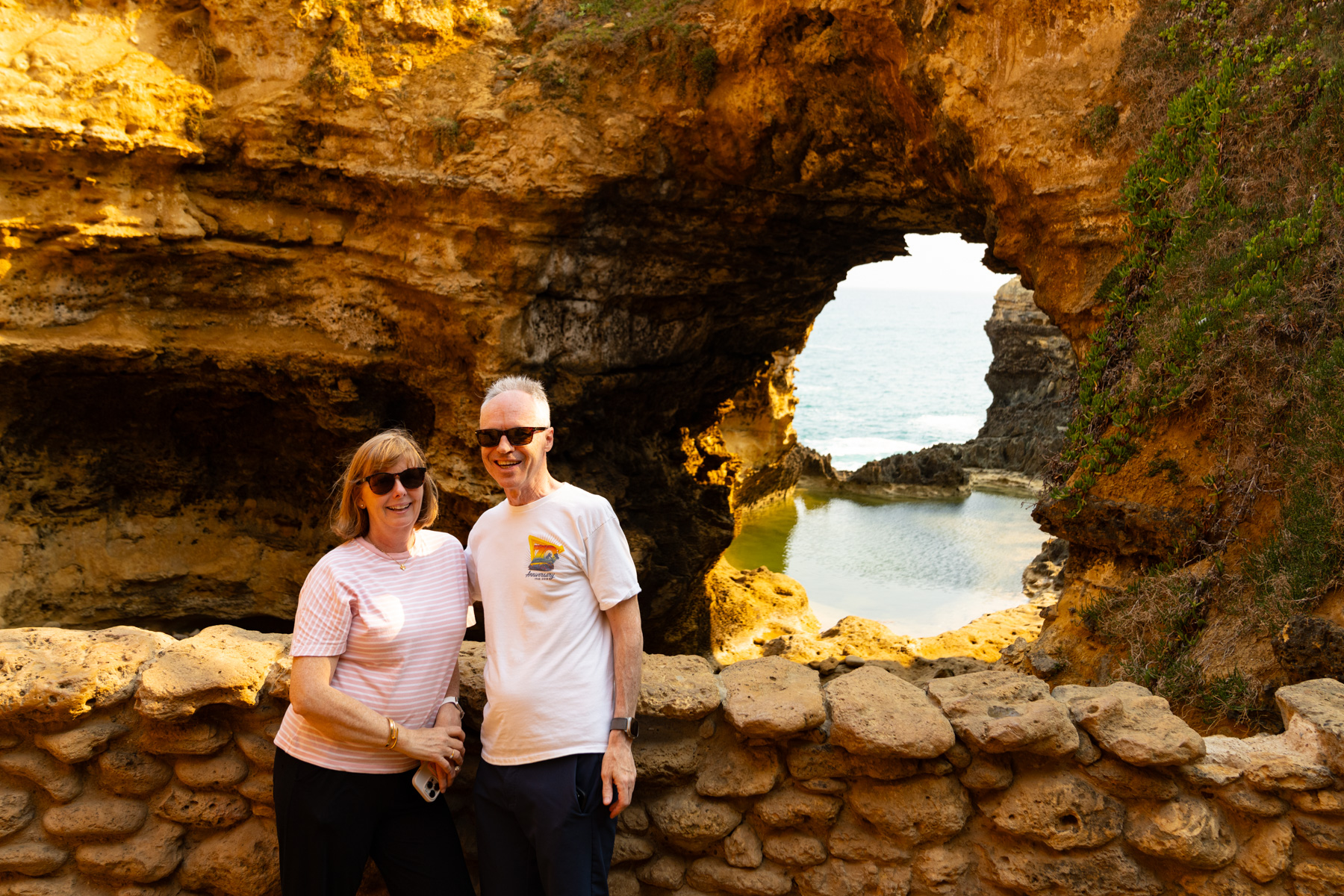
Not far up the road from London Bridge is The Grotto, where we also stopped. The walk down was pretty steep but worth the effort.
We left The Grotto a little after 5:30 pm and headed for Port Fairy, our resting place for the night. We stopped for a quick dinner of fish and chips, before heading to the beautiful Drift House in the heart of the town. We unloaded our bags and settled into our room.
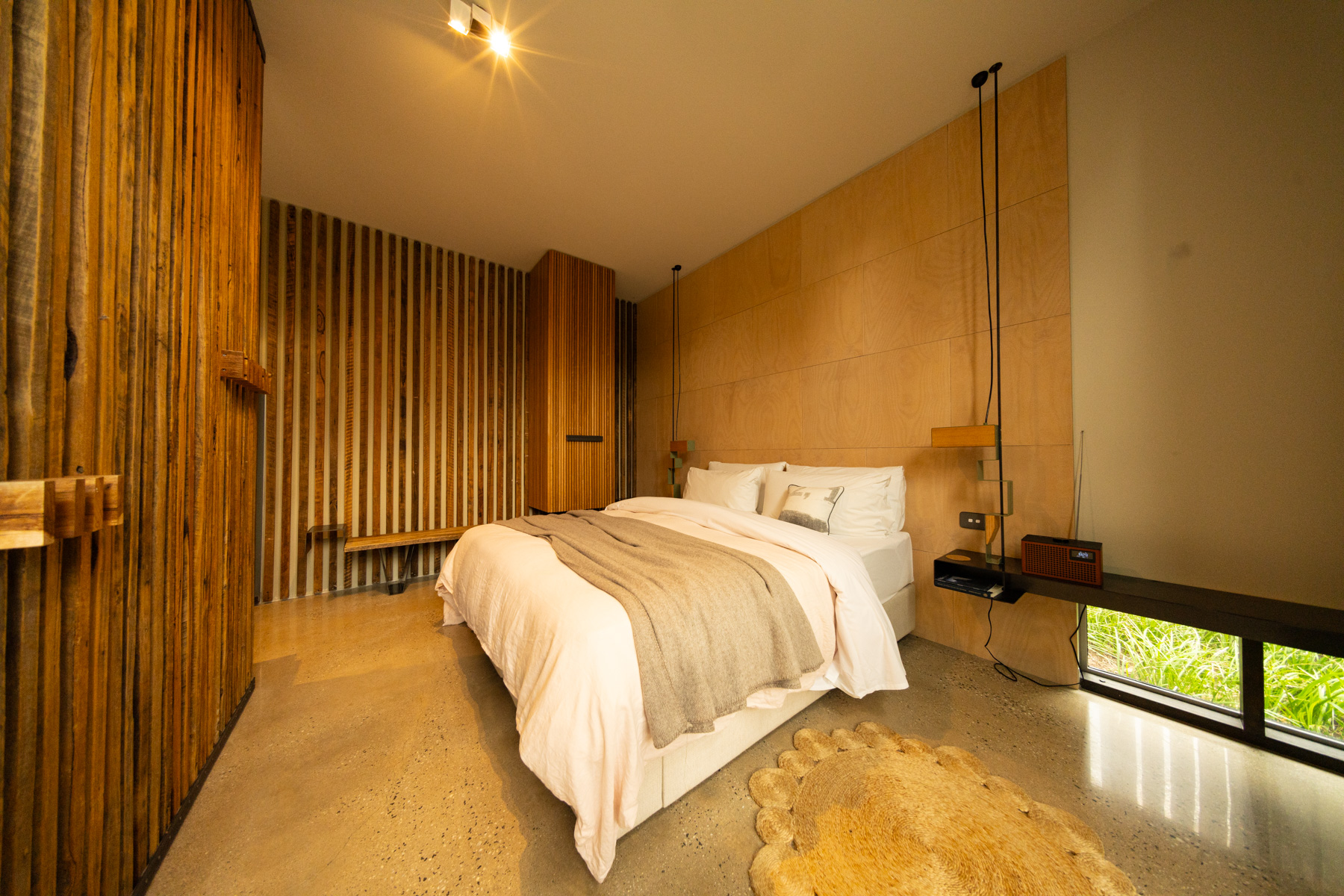
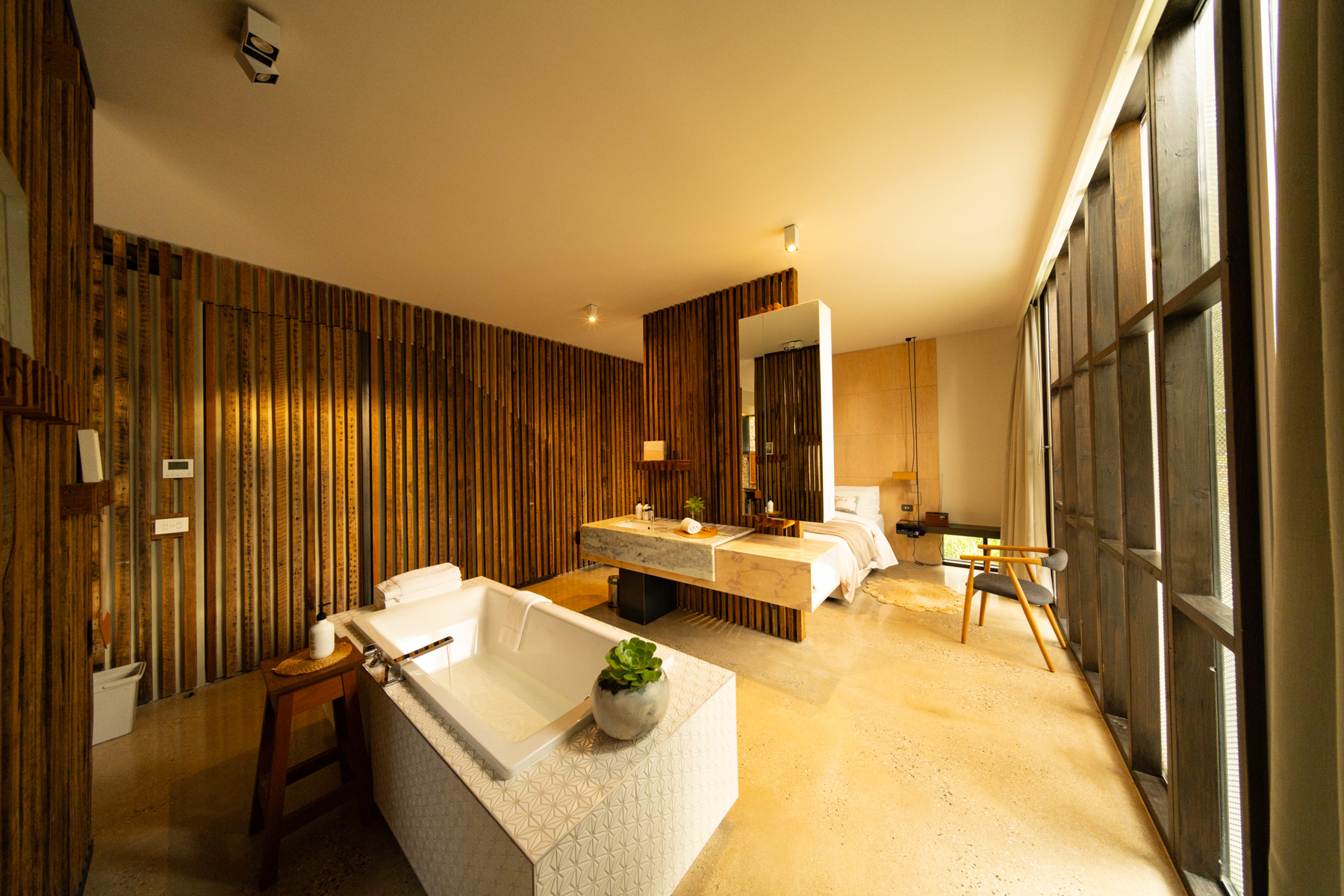
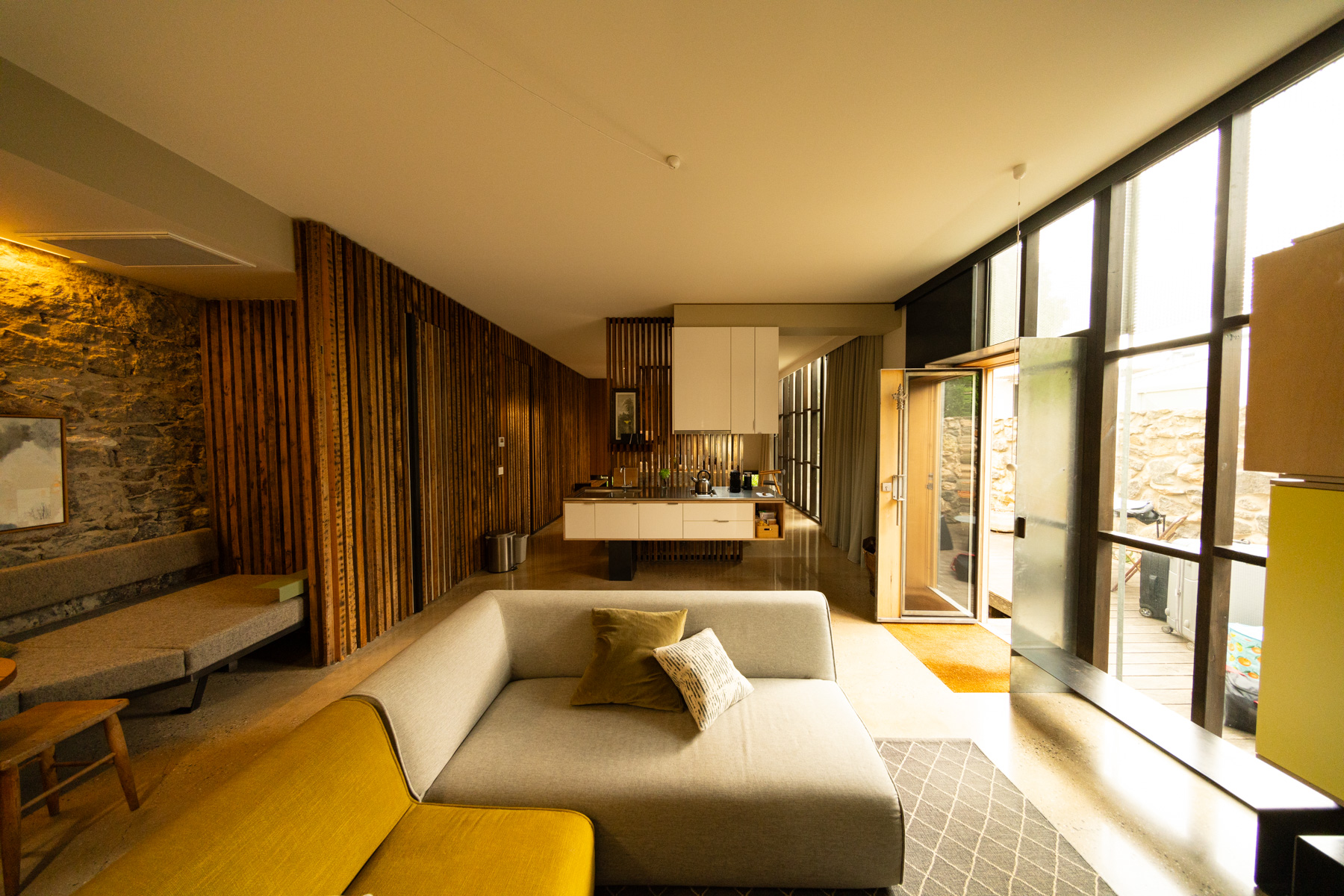
After having been on the road for nine hours, we decided to head to bed early.
Tomorrow we will explore a little of Port Fairy, before heading to Robe in South Australia.