
Europe
Milan
We slept pretty well on the flight overnight (although Keith may have slept better had he not consumed two Lobster Thermidors for dinner not long after take-off!) so we felt reasonably good when we landed just before 6:00 am.
We were met at the airport by the concierge service, so we were ushered through the diplomat line and cleared immigration in about two minutes, which was nice. Our bags appeared quite quickly on the baggage carousel, and we headed out to meet our driver to take us to the hotel.
We arrived at the beautiful Casa Baglioni Hotel, in the beautiful Brera district of Milan, around 7:30 am. We were immediately offered an espresso, which was gratefully consumed (by Keith only, since Andrea has still not taken up drinking coffee!). Within minutes, we were in our room, keenly anticipating a hot shower before getting organised to go out and explore Milan.
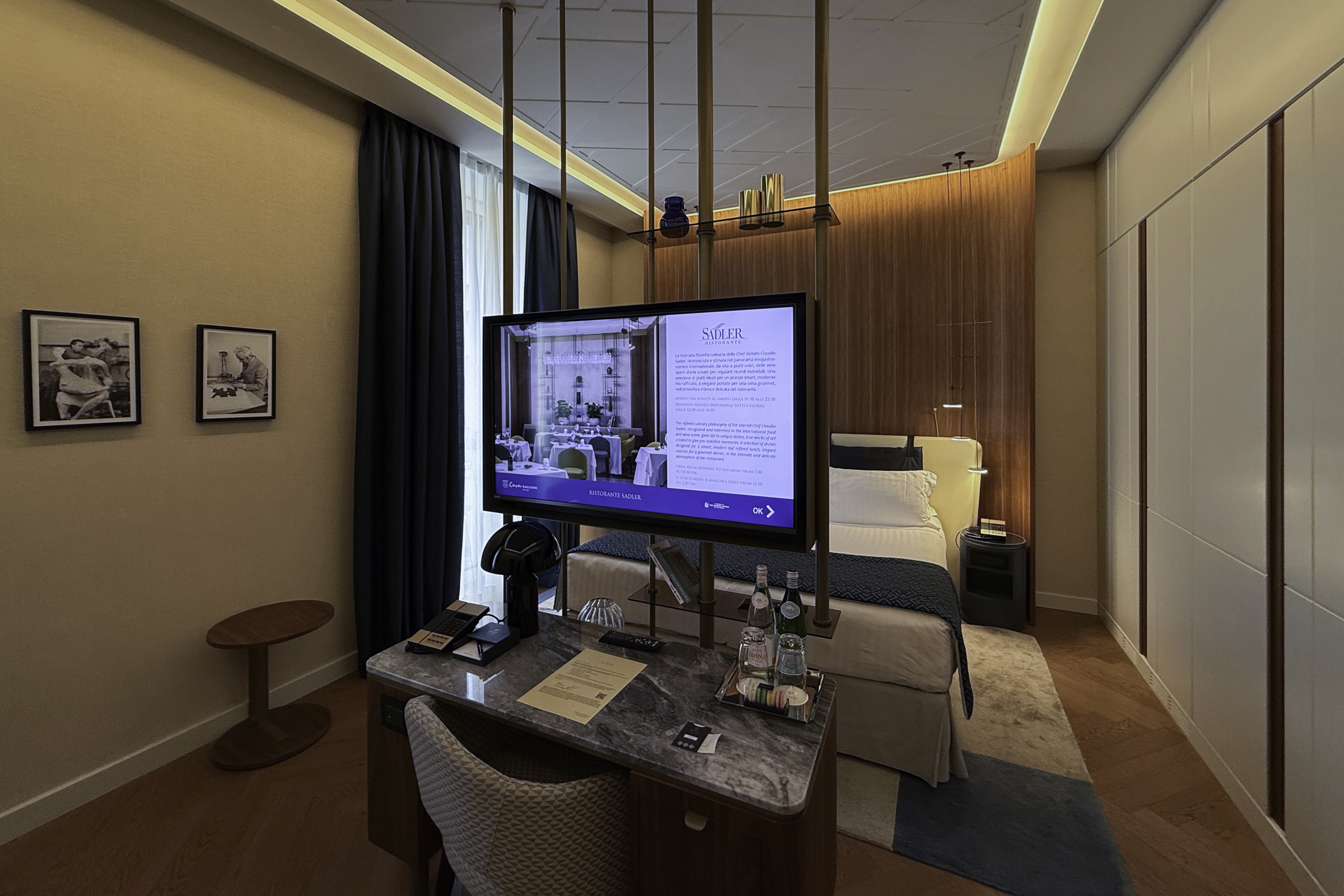
It took us a little bit longer than originally anticipated to get going but, by mid-morning, we were out exploring Milan.
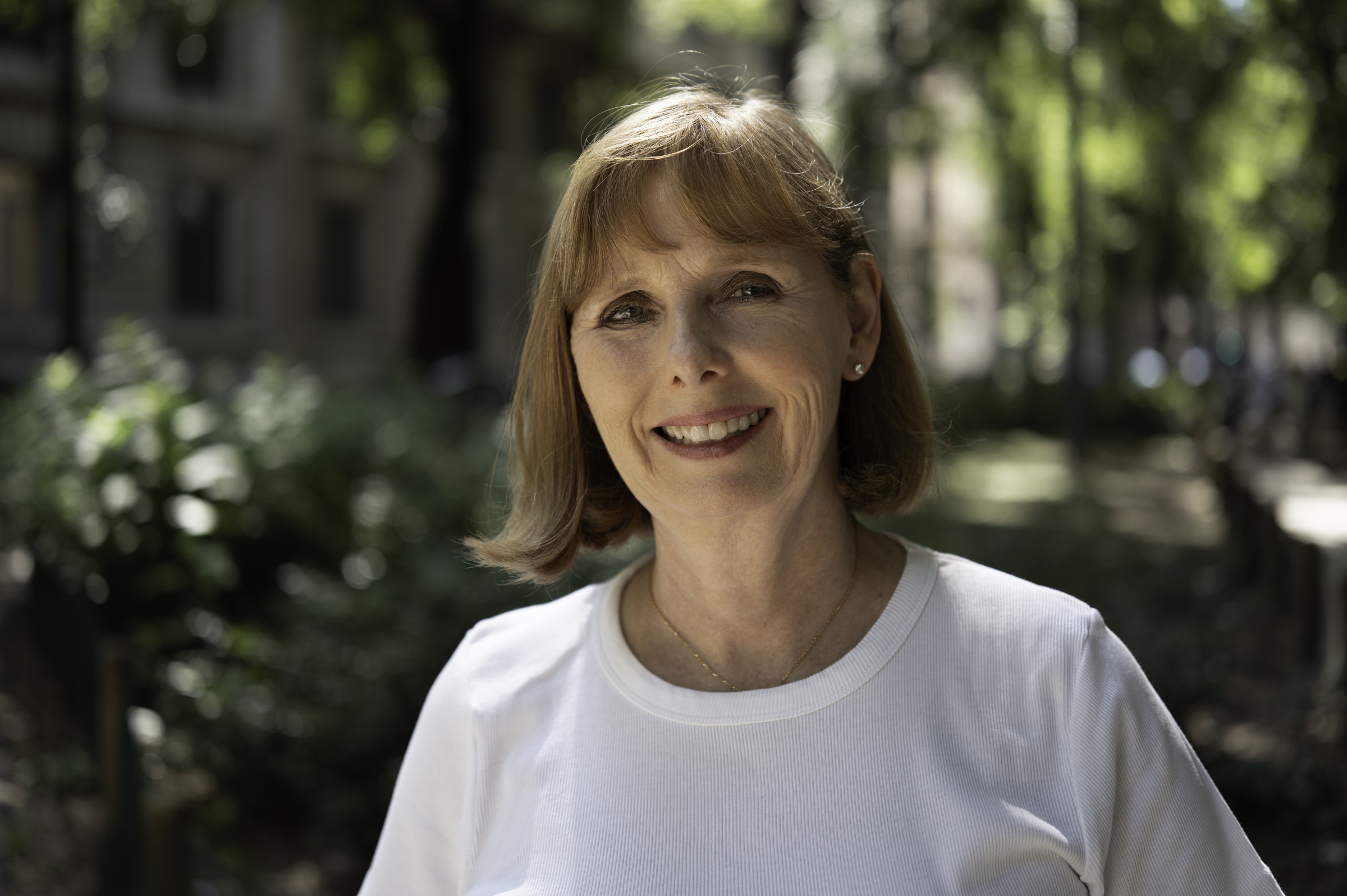
We did a loop around the very pretty streets in the area before walking to Sforzesco Castle. The castle is a medieval fortification located in Milan, northern Italy. It was built in the 15th century by Francesco Sforza, Duke of Milan, on the remnants of a 14th-century fort. Later renovated and enlarged, in the 16th and 17th centuries it was one of the largest citadels in Europe. We spent some time strolling around the grounds of the very impressive castle.
After we’d been walking for an hour or so, we both decided that walking in new shoes could be a mistake, so we decided to head back to the hotel to change shoes. On the way, we stopped in a nice little cafe to get some lunch.
Around 1:15 pm we called an Uber to take us to Piazza di Santa Maria delle Grazie, where we were meeting a guide to take us in to see Leonardo da Vinci’s “The Last Supper”. The painting is located in its original place, on the wall of the dining room of the former Dominican convent of Santa Maria delle Grazie, in the refectory of the convent.
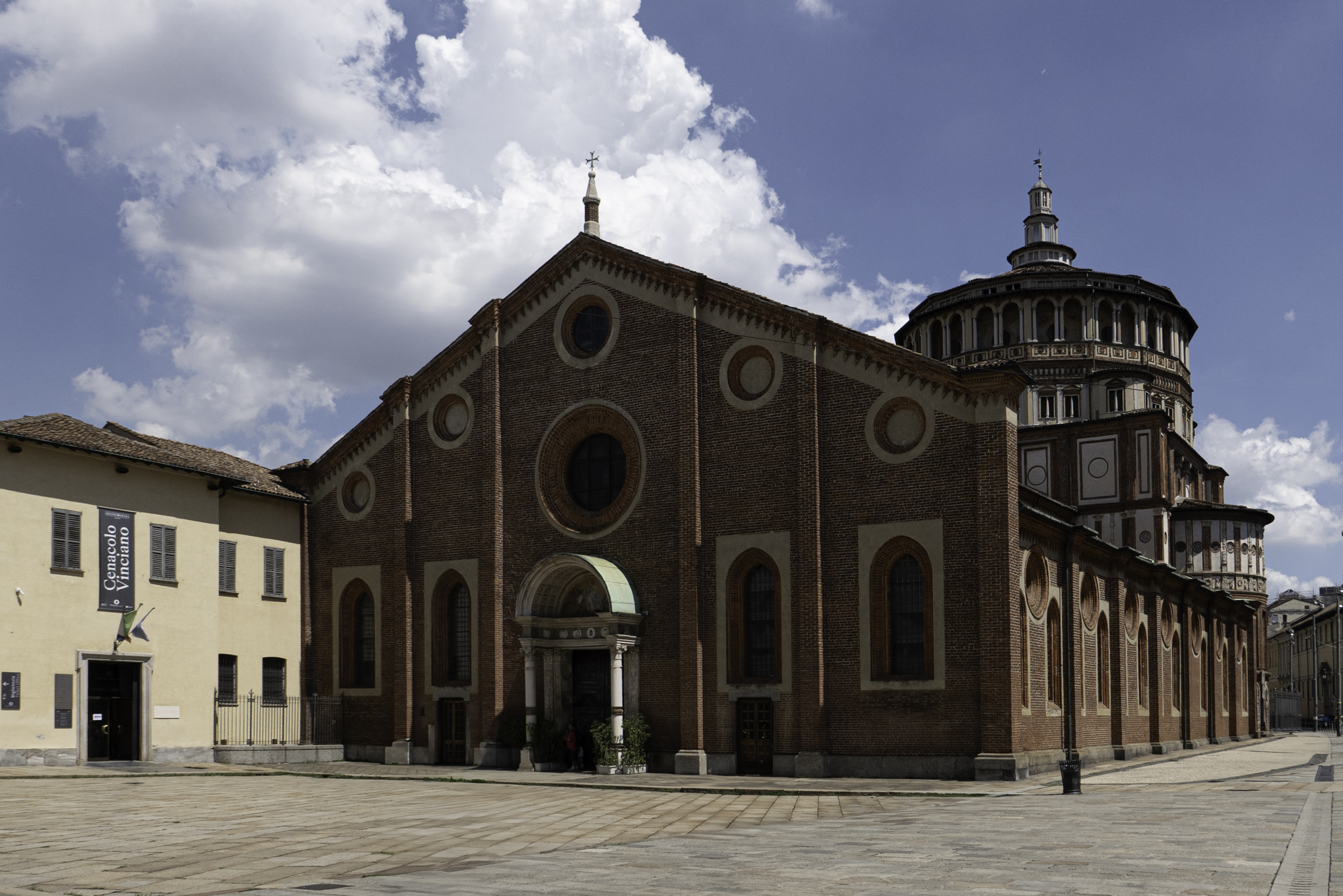
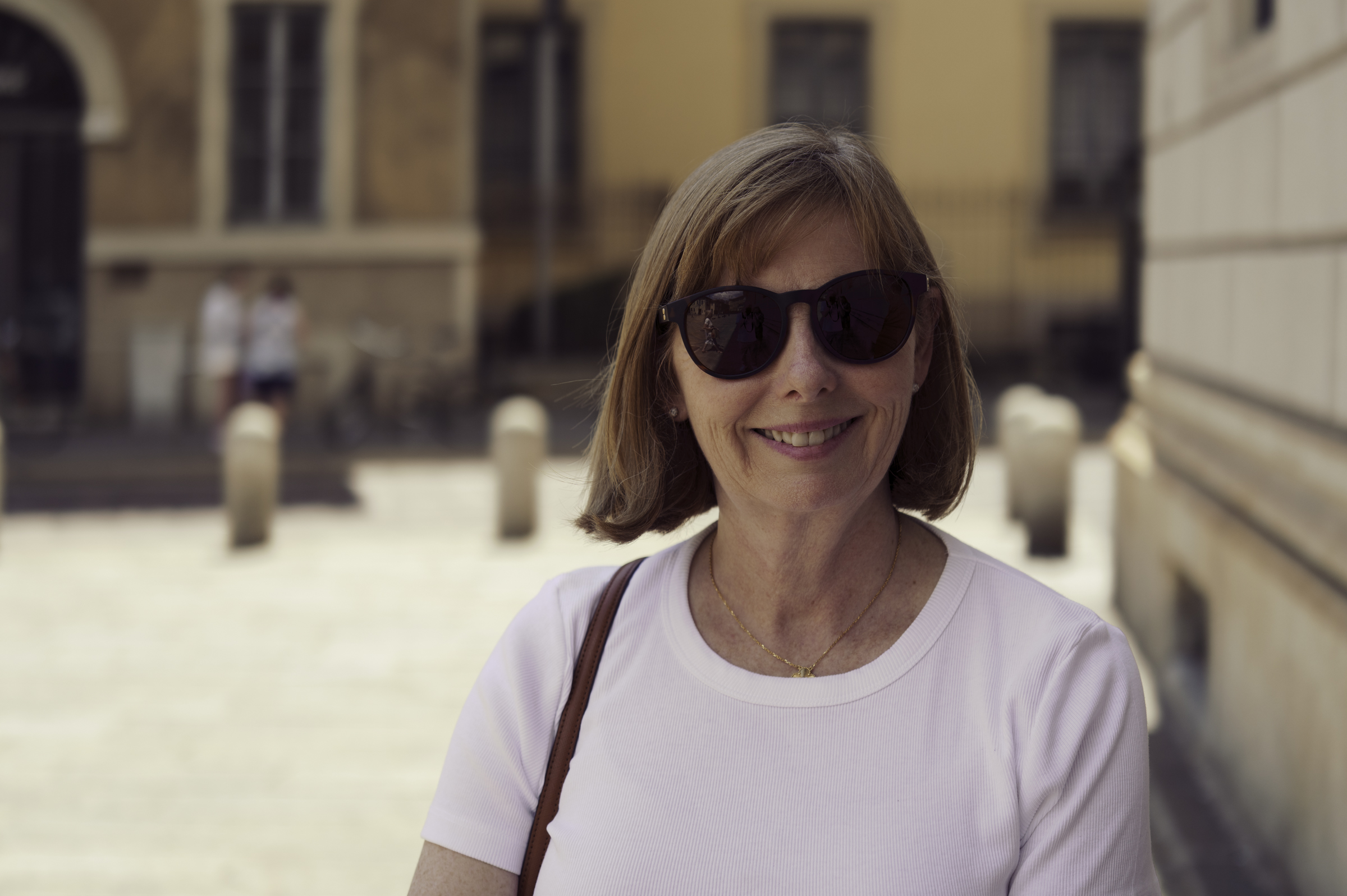
“The Last Supper” was painted using a tempera and oil mixture on a dry plaster wall, a method known as “a secco,” rather than the traditional fresco technique of painting on wet plaster. This unconventional approach allowed da Vinci more time to work on details and subtle effects of light and shadow, but it also led to the painting’s rapid deterioration due to poor adhesion of the paint to the wall. The unstable bond between the paint and the wall resulted in the painting’s flaking and deterioration that started soon after its completion. Throughout history, the “The Last Supper” has been subjected to various forms of damage. During the Napoleonic Wars, French troops used the wall for target practice. In 1943, a bombing raid damaged the refectory, leaving the painting exposed to the elements for several years. In 1999, a twenty-year restoration process was begun, to remove the copious overpainting and layers of grime. Today, access to the painting is strictly limited to minimise further deterioration, which explains why it was so hard to for us to get tickets. But the effort was well worthwhile. It is a truly a masterpiece, and we are very lucky to have been able to view it.
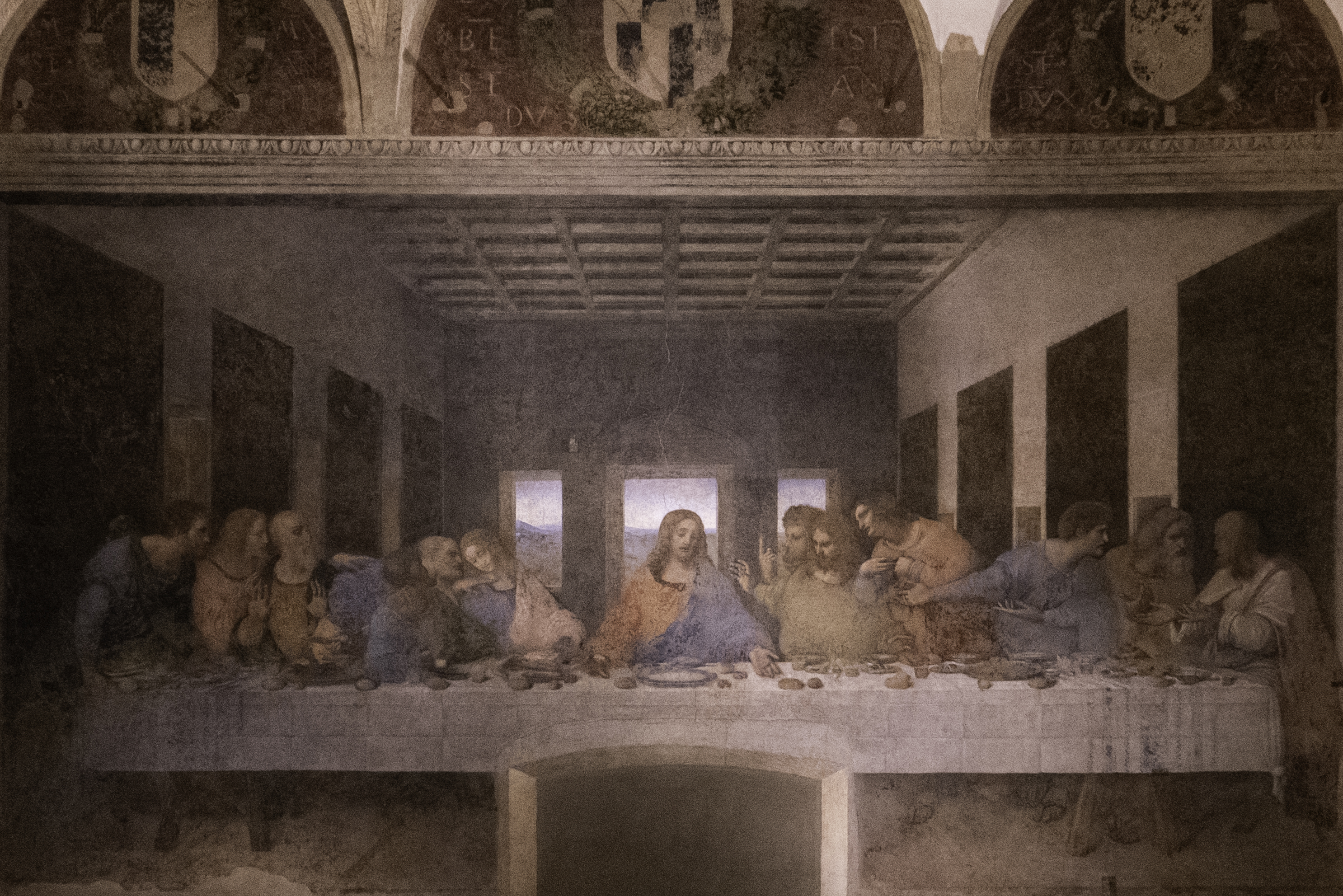
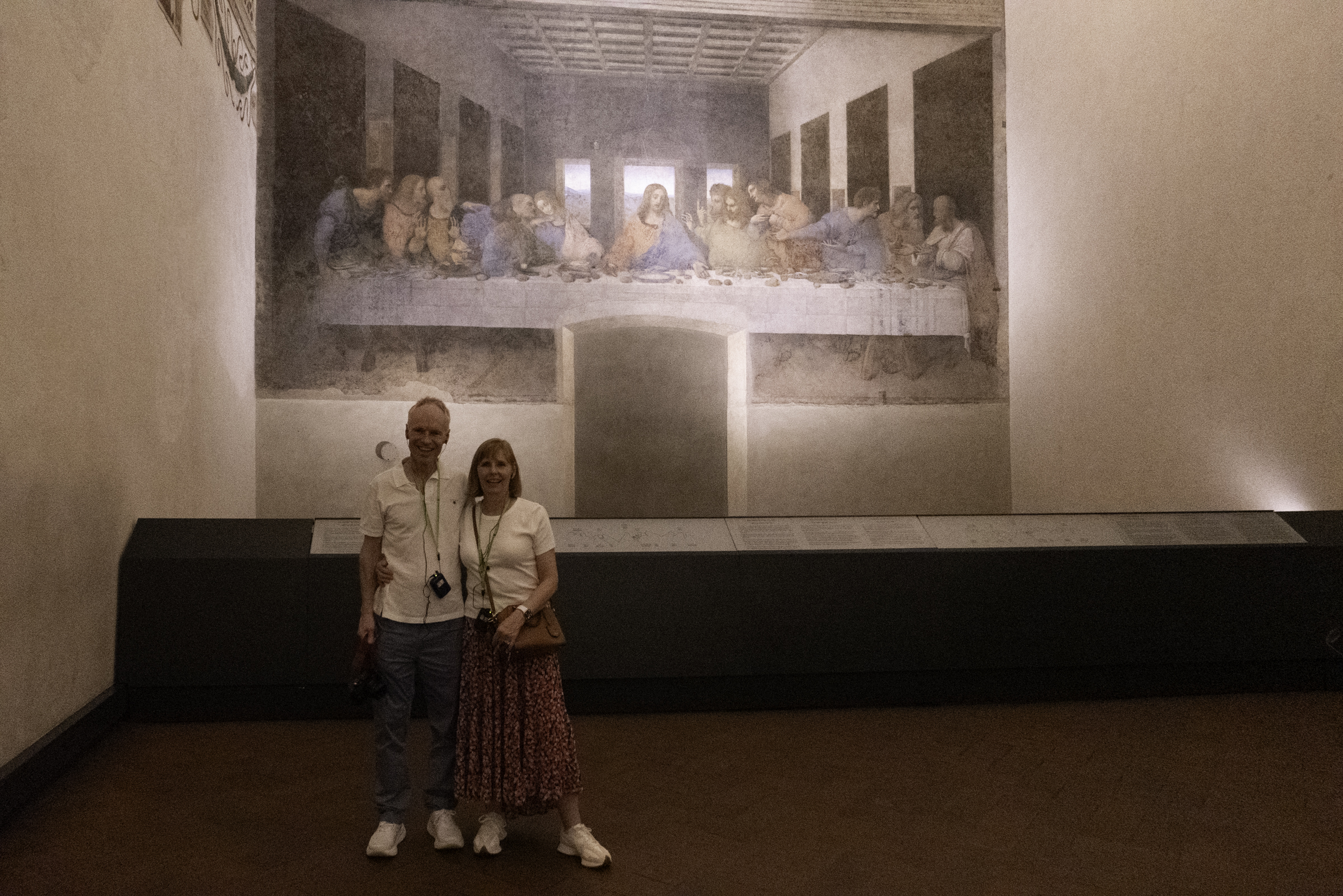
It was around 3:00 pm when we exited the church, having thoroughly enjoyed seeing “The Last Supper” and learning a little about its history.
Our next stop was the Galleria Vittorio Emanuele II, the beautiful four-story double arcade in the centre of town. Even though it was hot, we opted to walk there and take in the city.
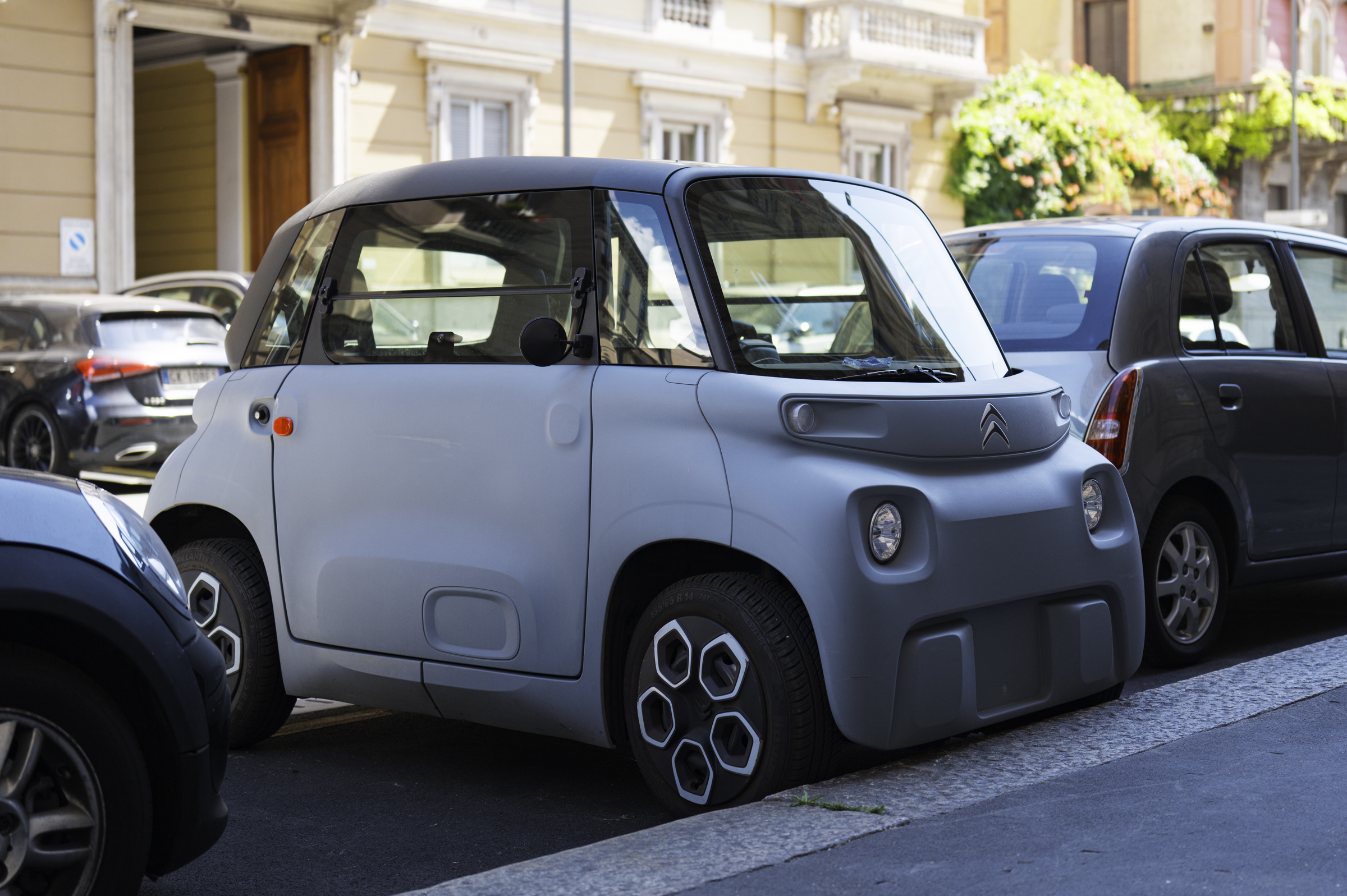
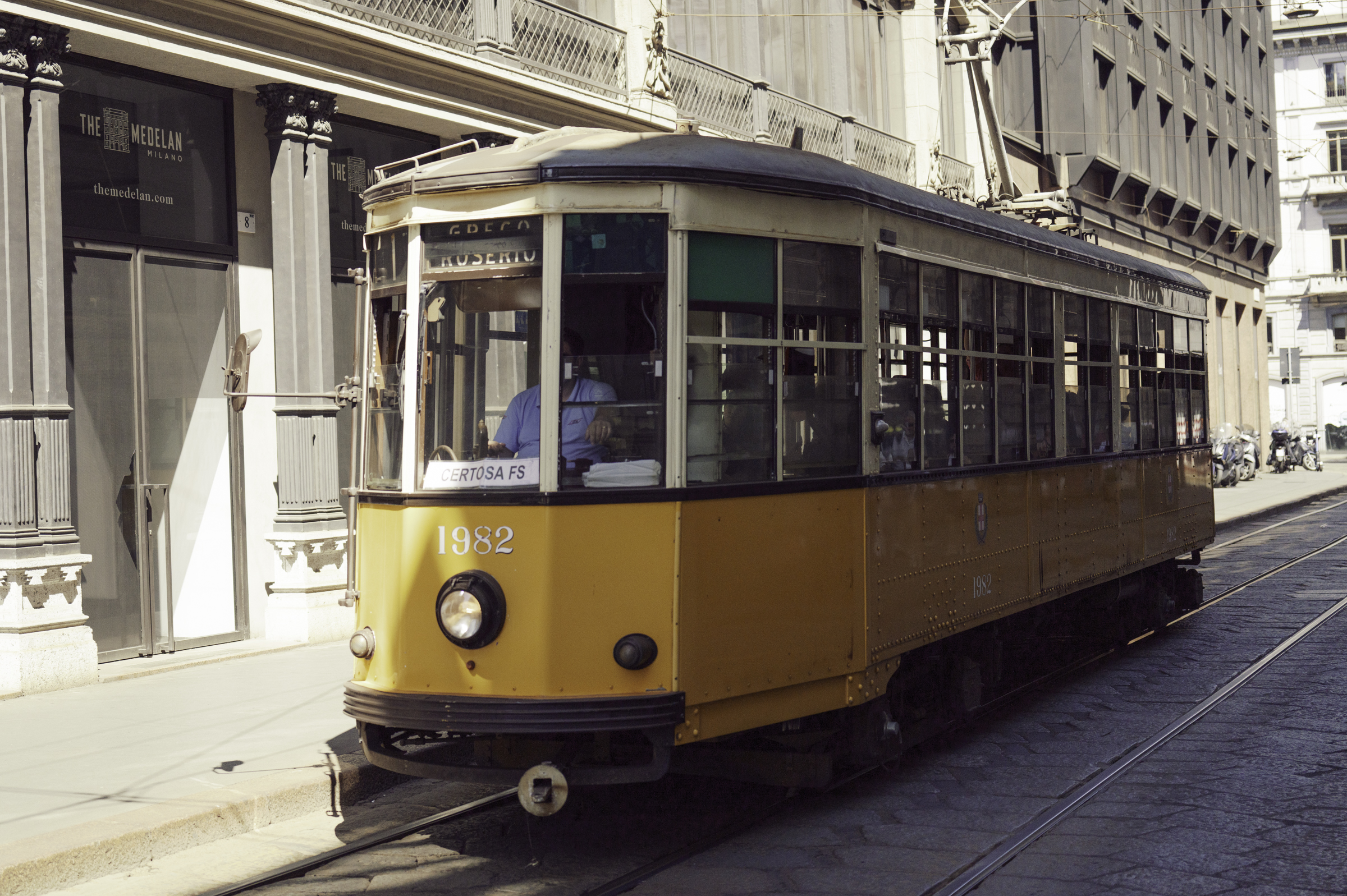
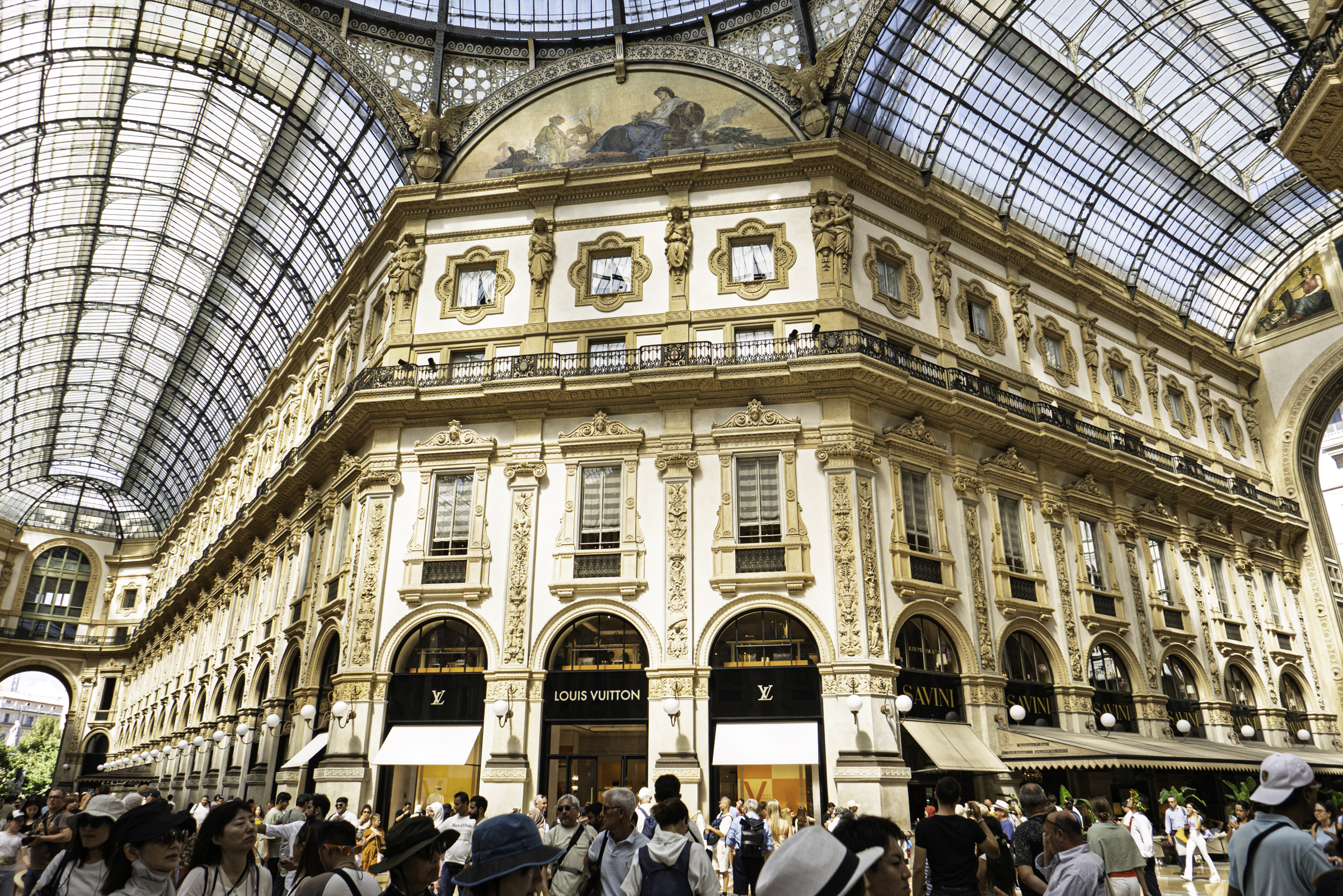
The Galleria is named after Victor Emmanuel II, the first king of the Kingdom of Italy. It is considered to be the oldest shopping centre in the world. It is a beautiful building and, judging by the number of people there, very popular!
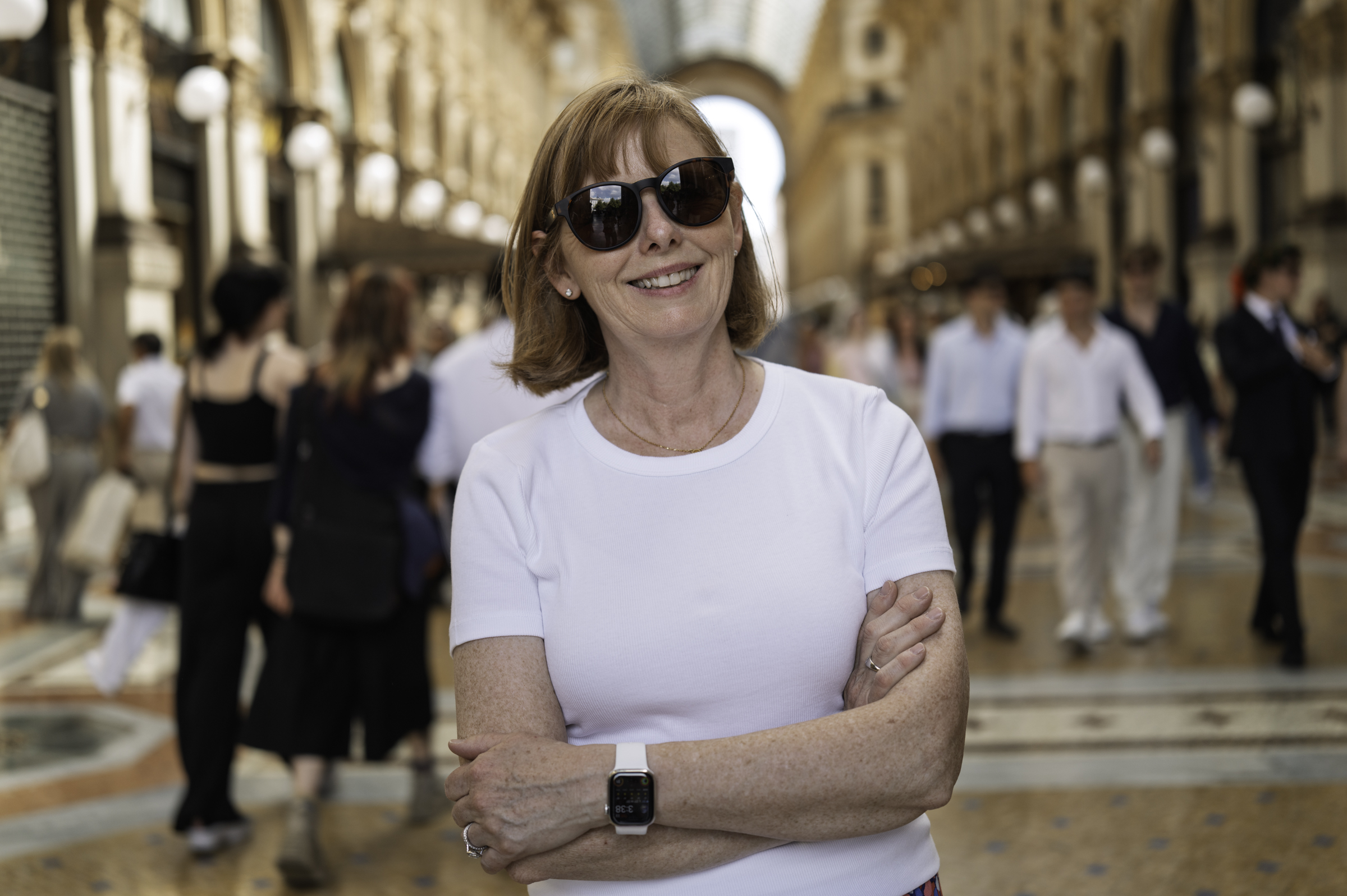
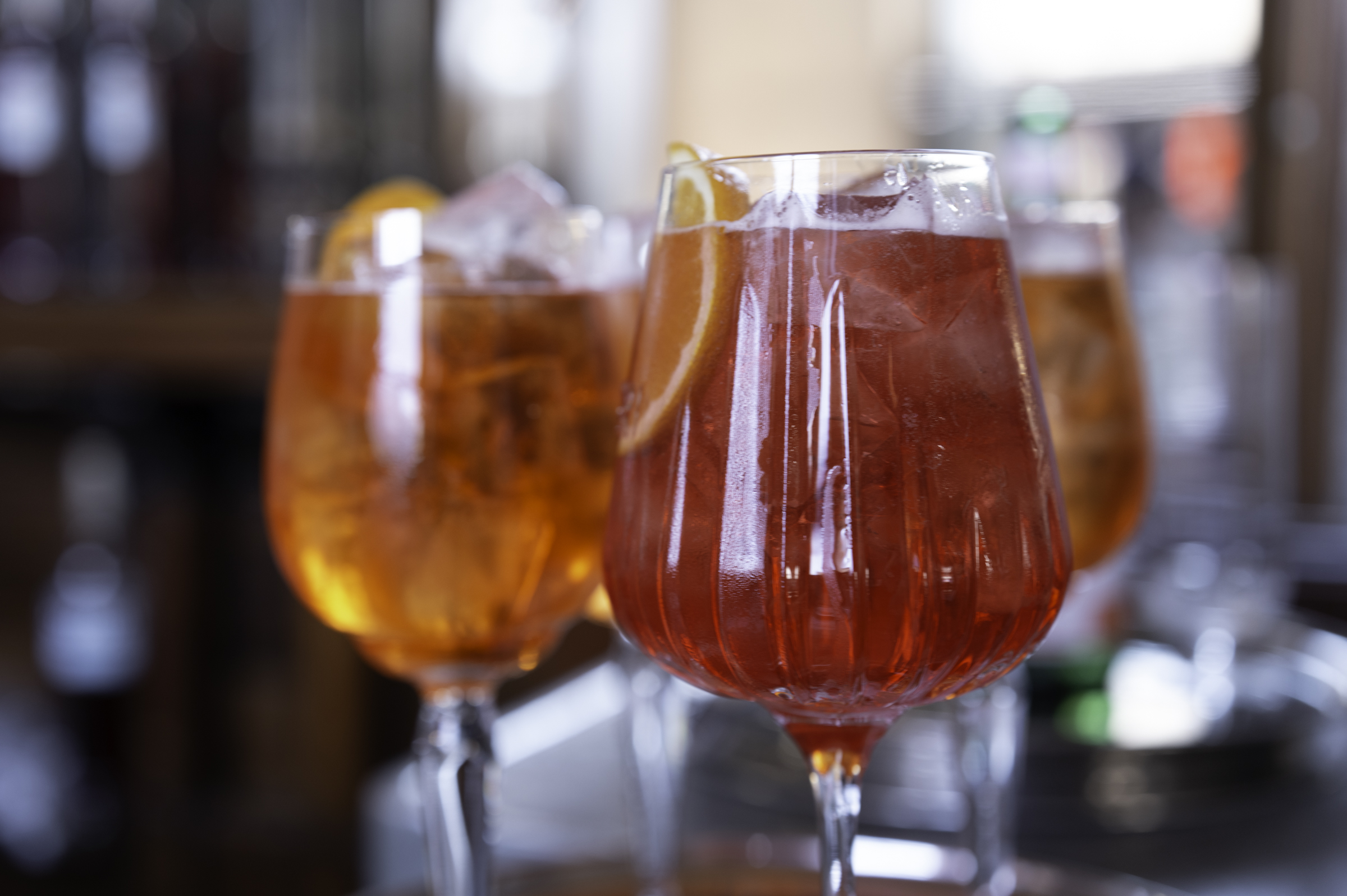
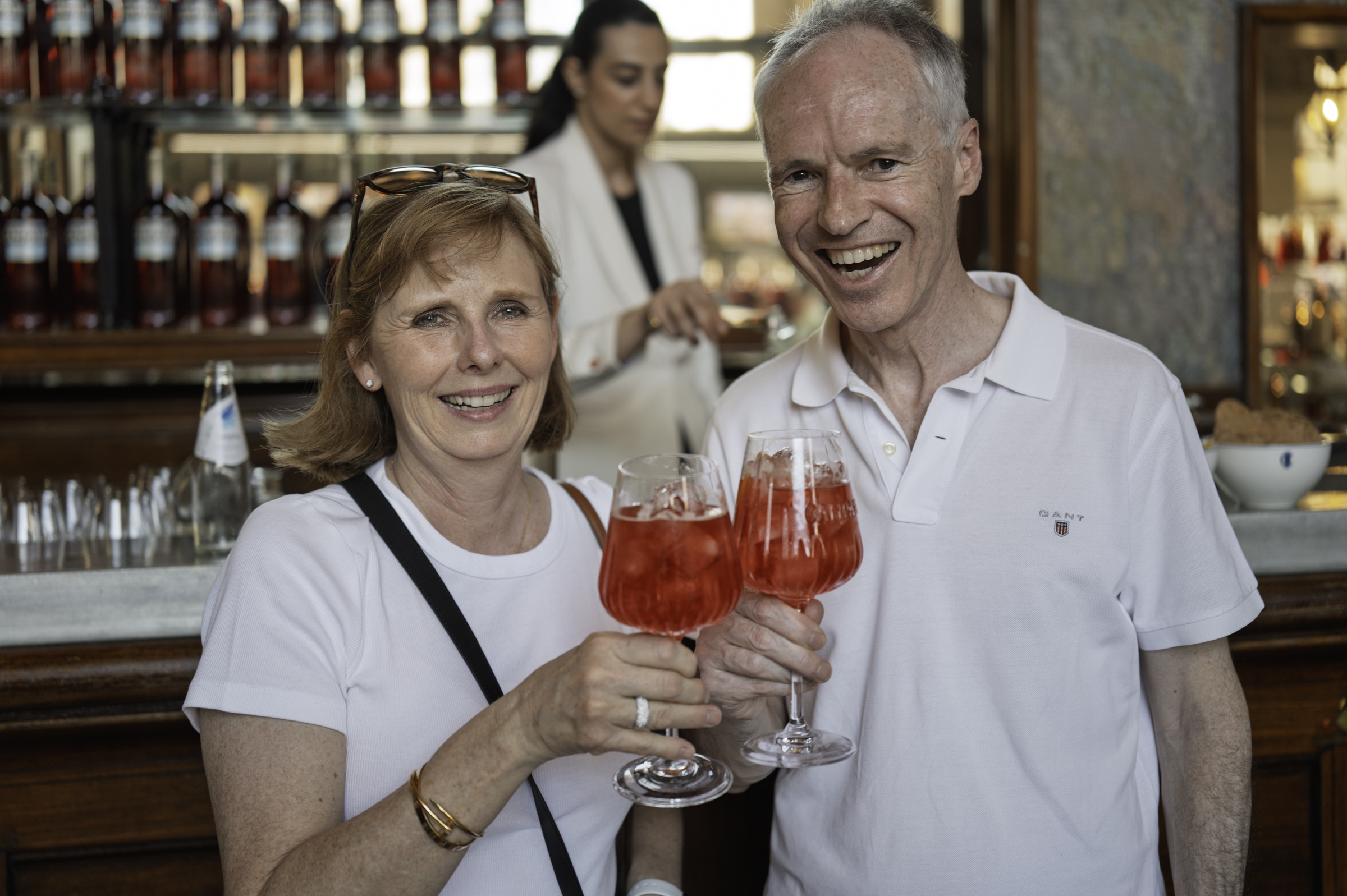
Given that we’d been walking for quite some time in the heat, we decided to stop for a drink. And there was no better place to have a drink than at Caffé Campari, the birthplace of Campari. We stood at the bar and enjoyed a beautiful Campari Spritz.
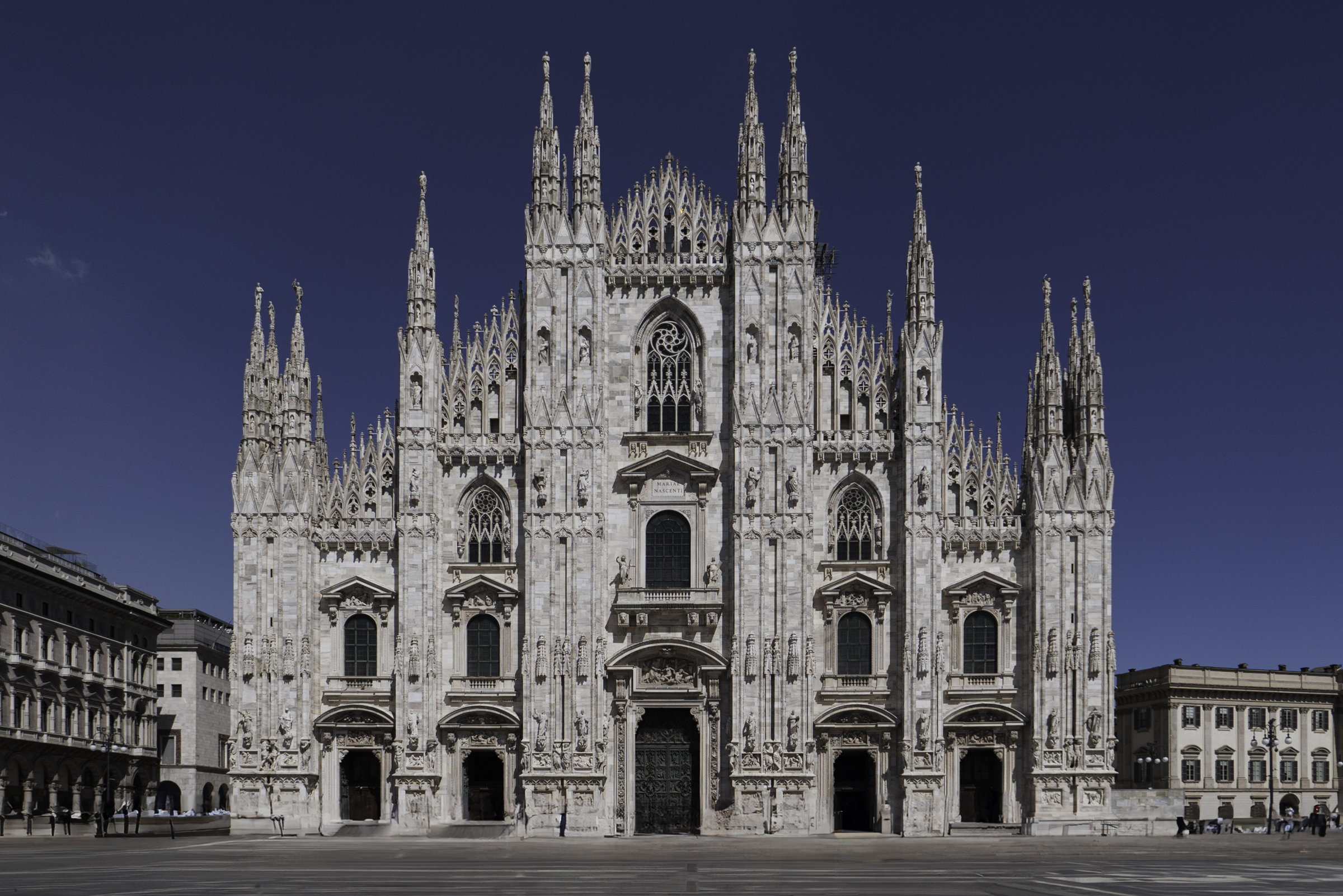
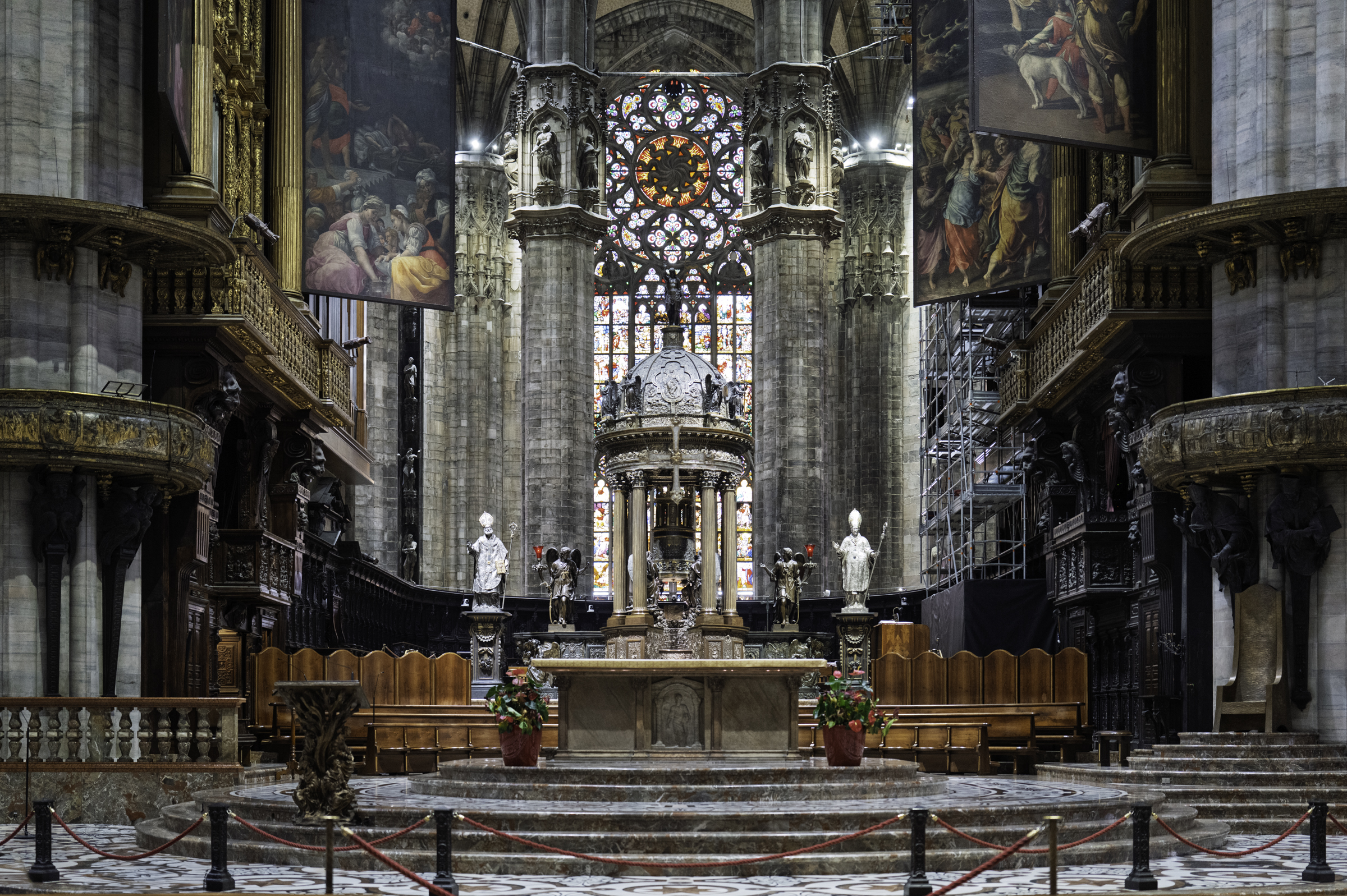
Feeling refreshed, we headed back outside to the Duomo di Milano (Milan Cathedral), a truly incredible structure and feat of engineering. After admiring the building from the outside, we headed inside. Despite having seen a lot of churches on our travels, we were incredibly impressed by this one. Built over five centuries, it is nothing short of spectacular.
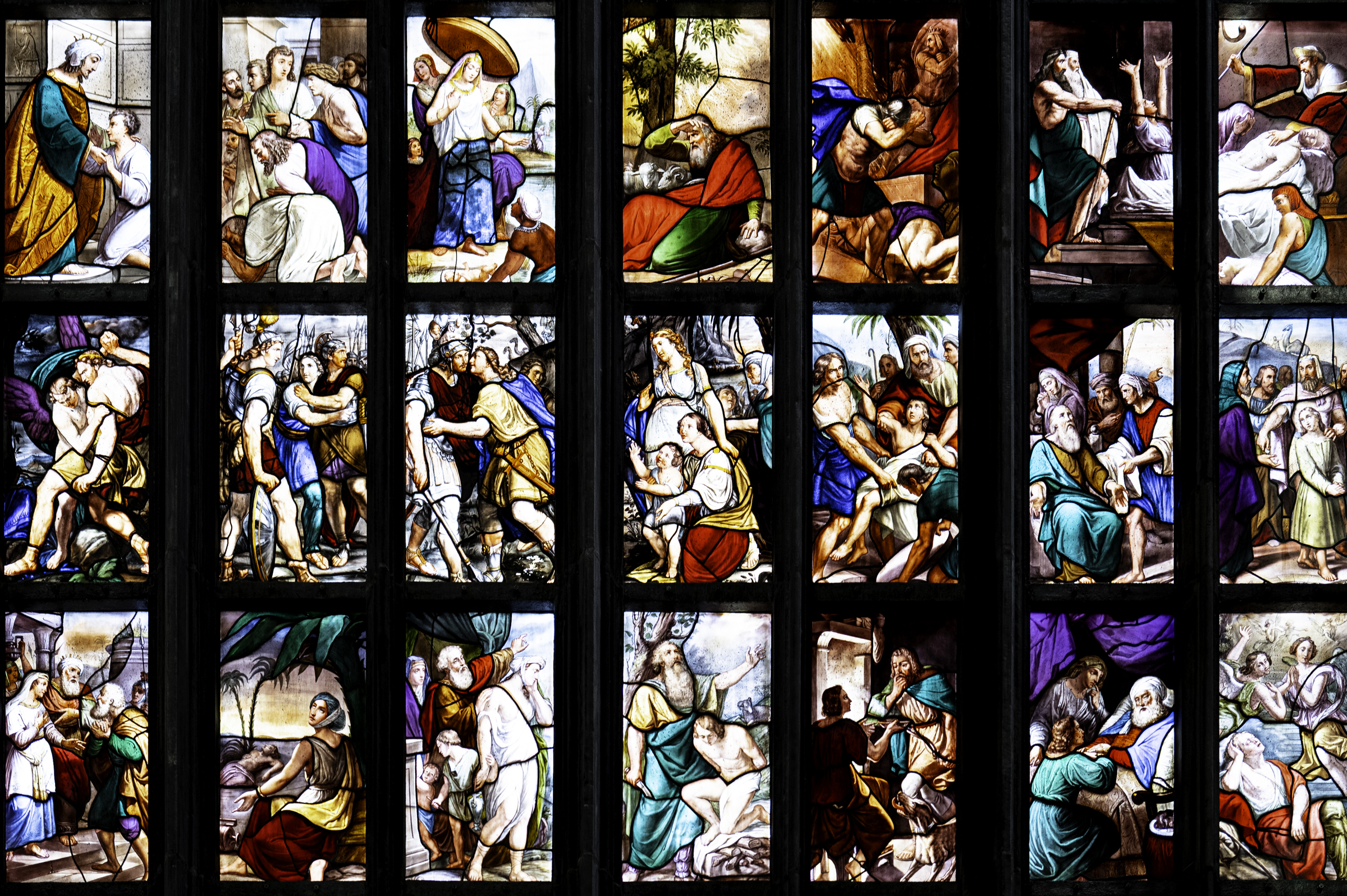
After exploring inside the church, we took the elevator to the roof to get another perspective. The walk around the roof terraces was quite long, since the church is huge.
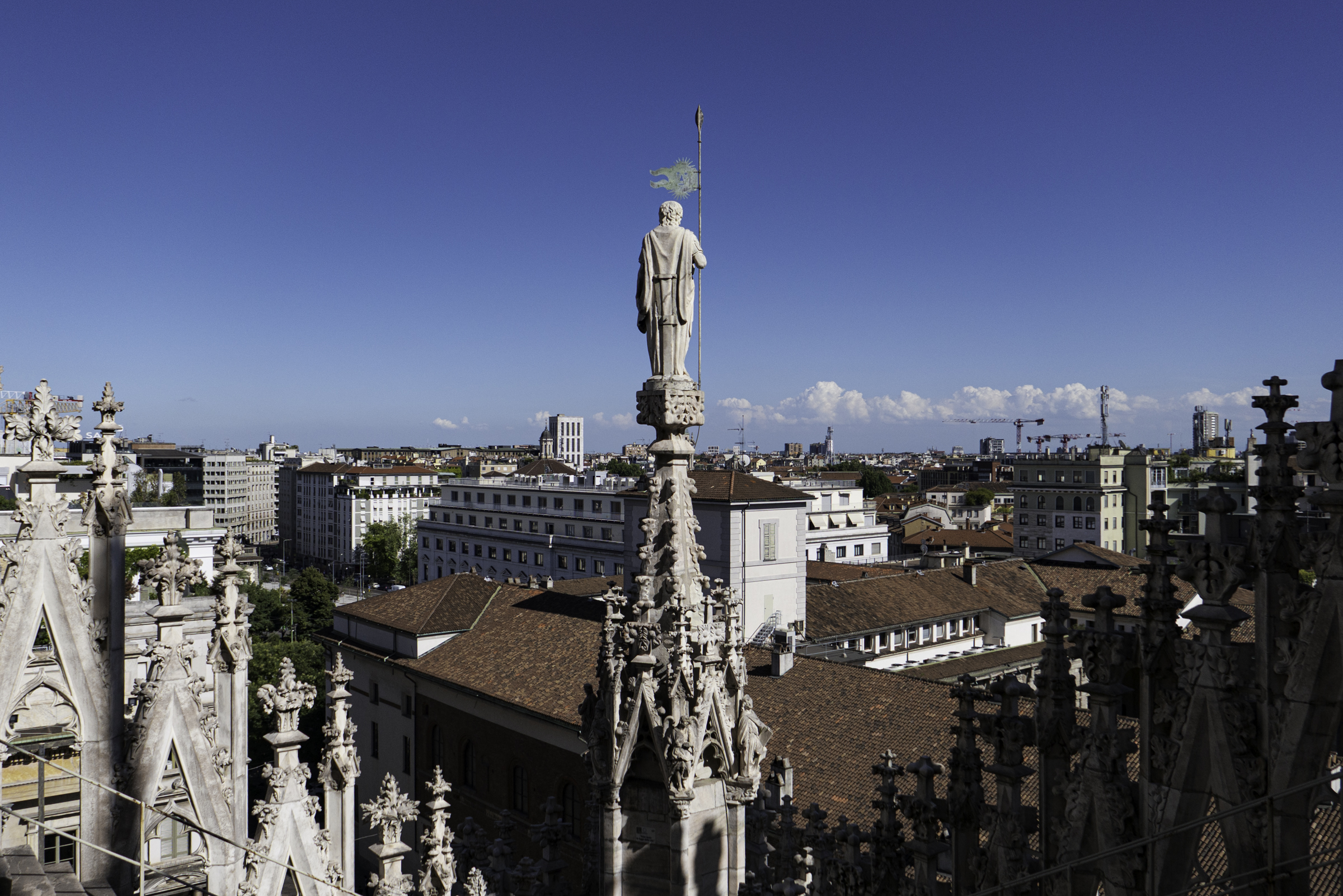
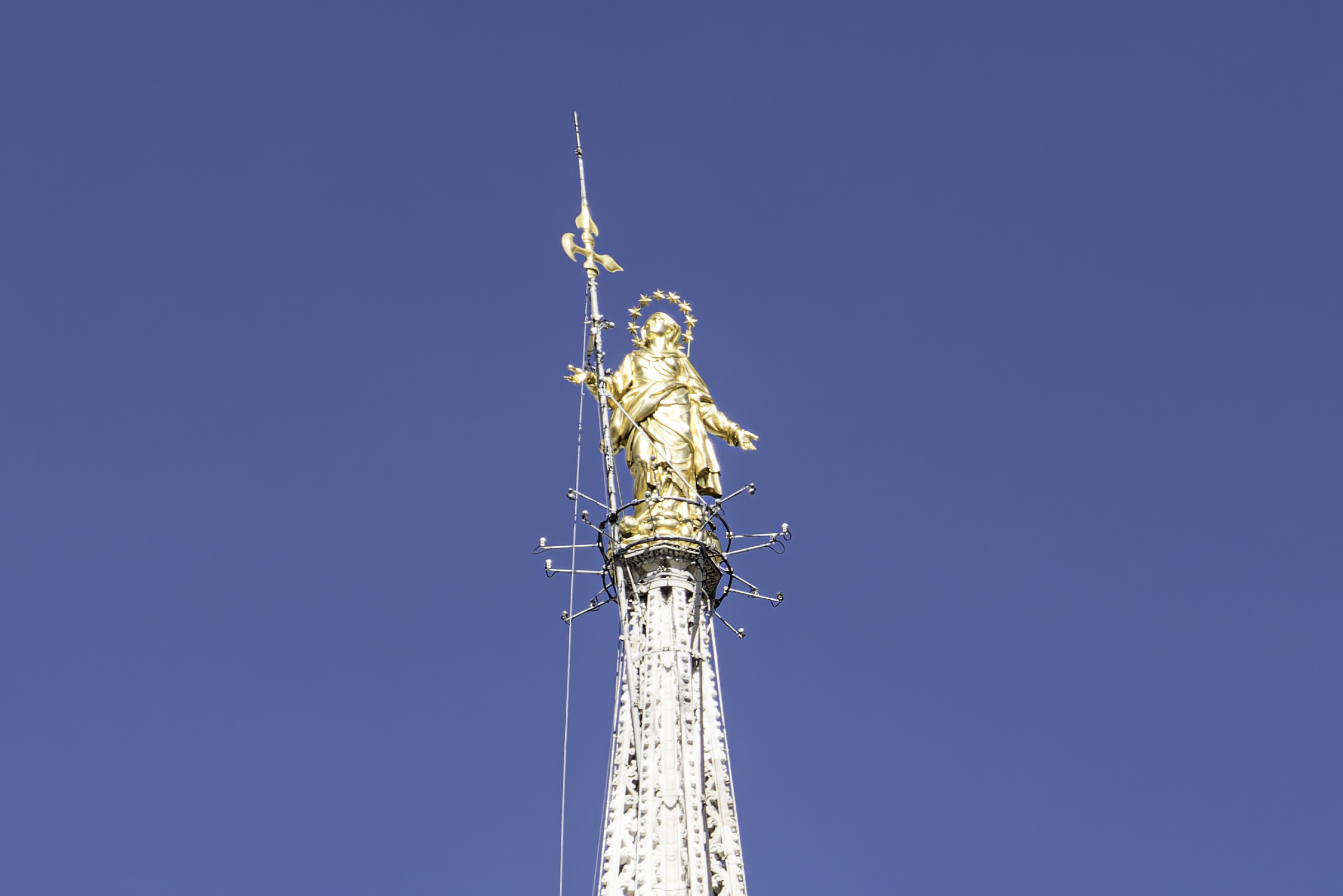
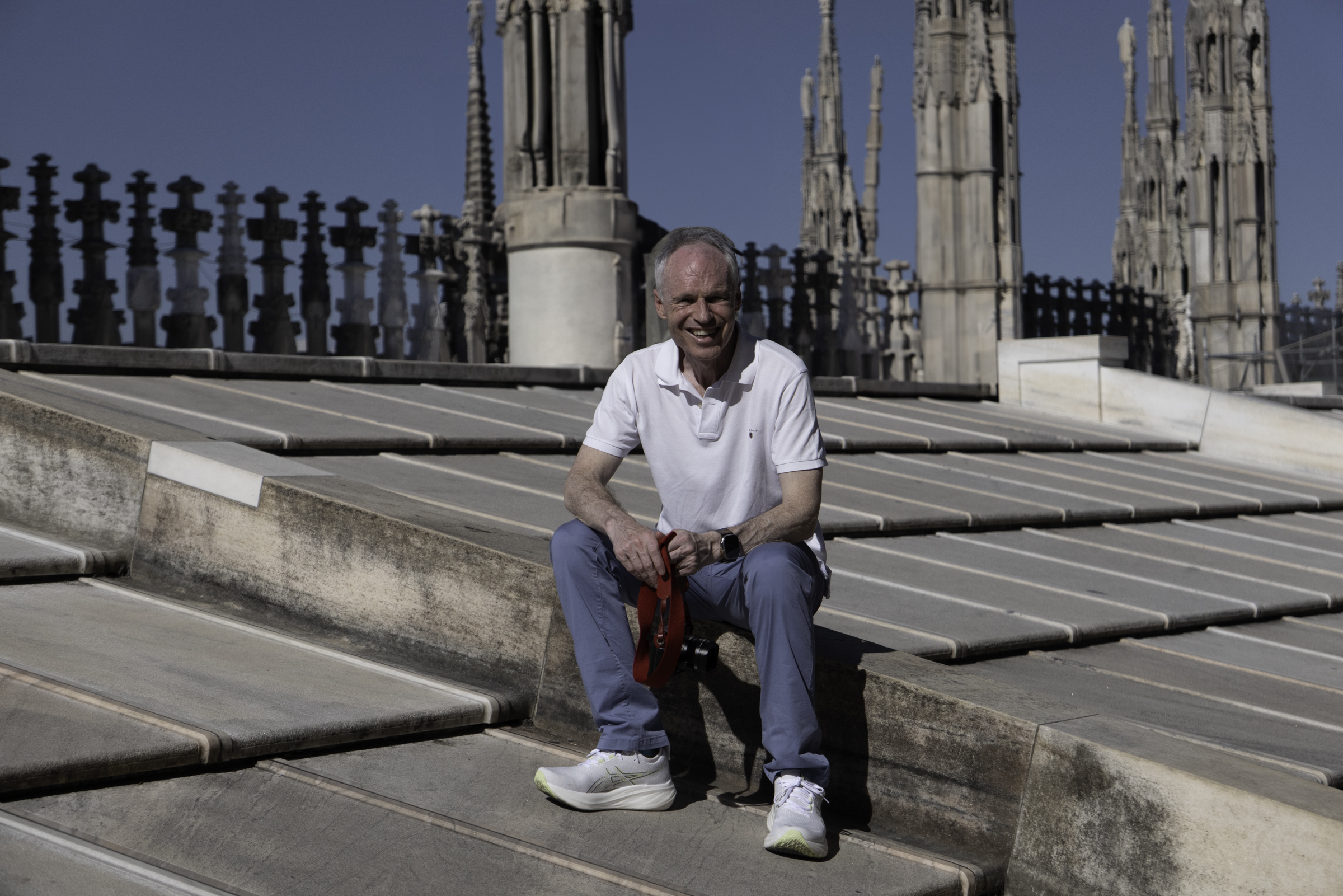
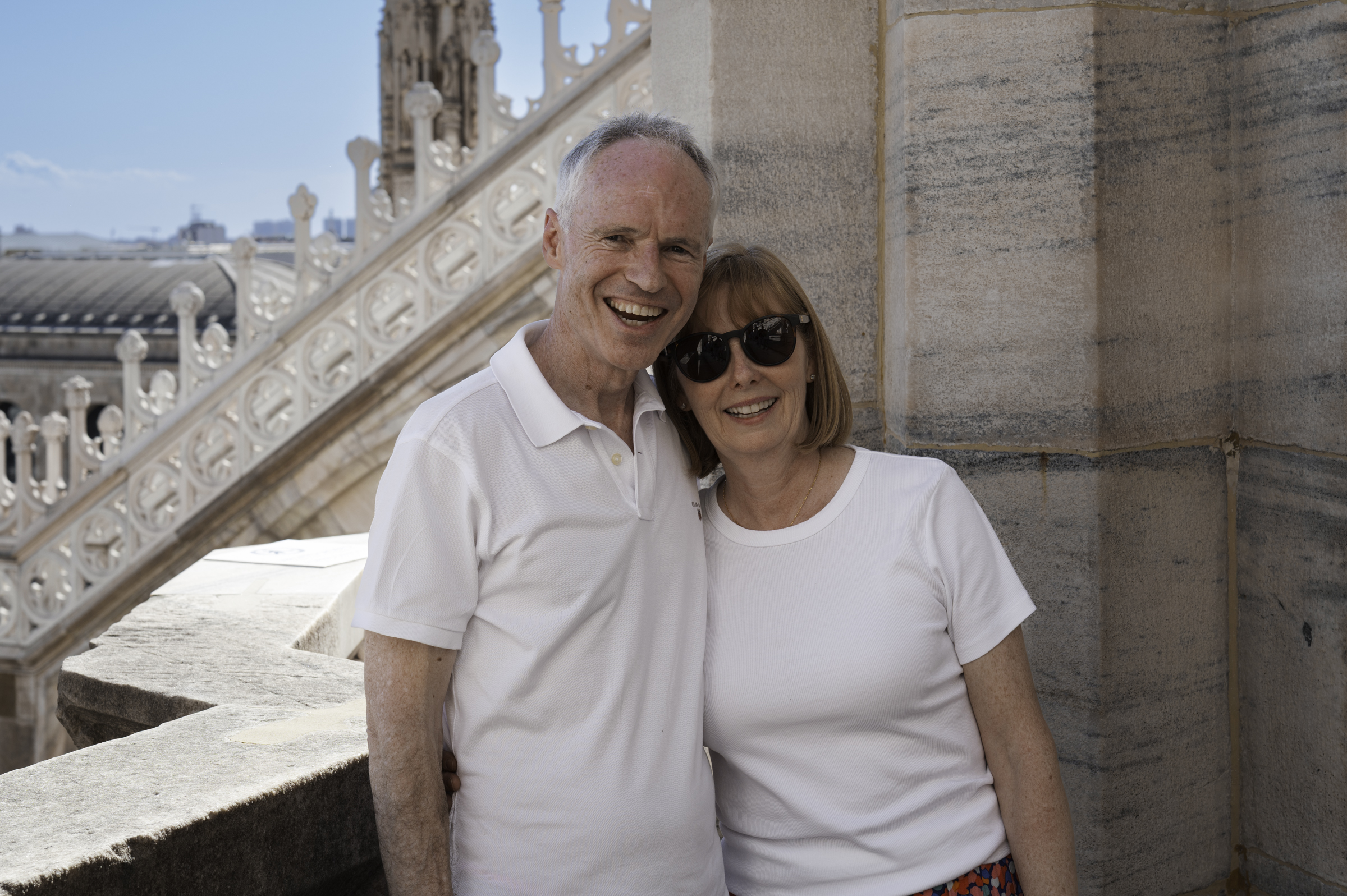
While the ascent to the duomo terrace was a quick elevator trip, the descent was a much slower affair, down a winding staircase of about 250 steps. By the time we got to the bottom, we were ready to head back to the hotel.
We stopped only briefly at the hotel before walking about ten minutes to a lovely restaurant for dinner.
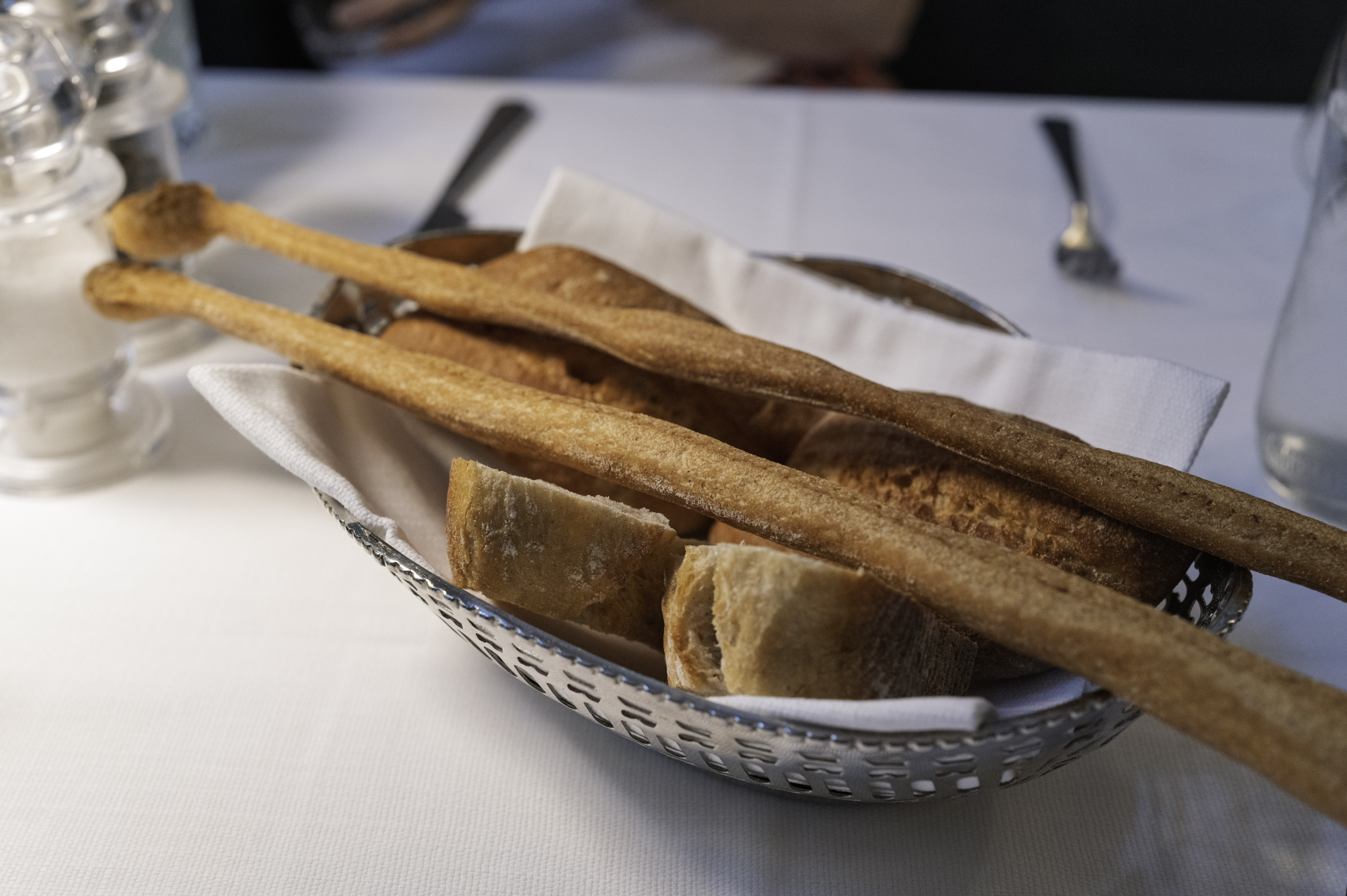
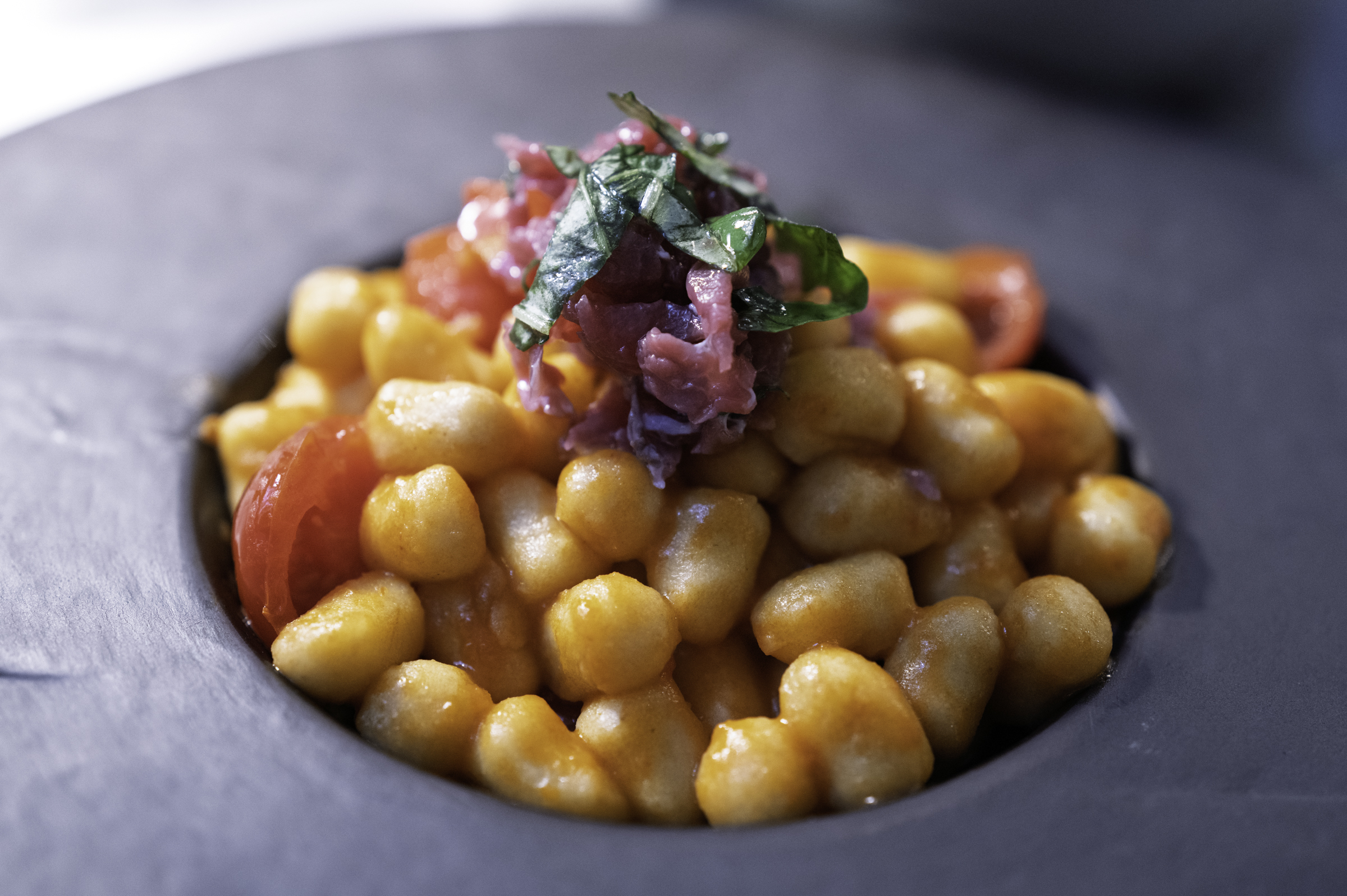
After enjoying dinner, we walked back to the hotel and crashed into bed after a big first day on what is going to be a big trip!
Tomorrow, we plan to take the train to Verona for the day.