
Europe
Palermo
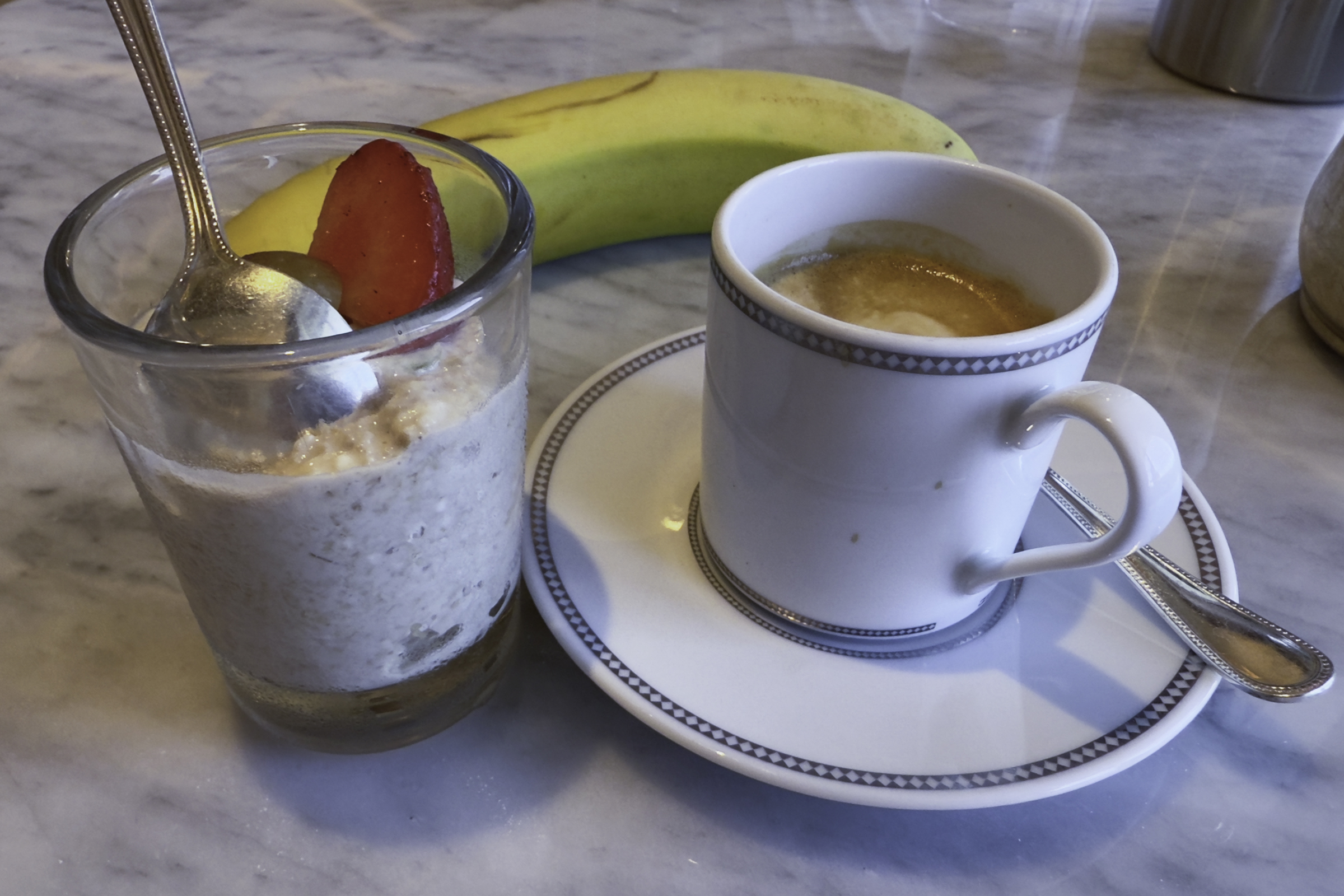
We docked in the Sicilian city of Palermo just before 7:00 am this morning. We had booked a walking tour of the city that required us to be ready by 8:00 am, so we grabbed a light breakfast in the ship’s cafe before heading to the meeting point for our walking tour.
Human settlements in Palermo date back to prehistoric times. The city’s identity has been forged by nearly every major Mediterranean empire. The Phoenicians founded the city as Ziz (“flower”) in the 8th century BC. The Greeks traded, and sometimes clashed, with both the Phoenicians and Carthaginians, calling the city Panormos (“all port”). The Carthaginians turned Palermo into a key stronghold, but Romans took control during the Punic Wars (254 BCE), after which the city slowly decayed under Roman rule.
The Byzantines ruled briefly (535 AD), followed by Arab conquest in 831. Under Arab rule, Palermo became the Sicilian capital, a cosmopolitan city with more than 300 mosques, but tolerant of Christians and Jews. The Normans captured Palermo in 1072, preserving much of the Arab infrastructure but bringing their own architecture, which was a unique fusion of Arab, Norman, and Byzantine styles.
From 1194, the Holy Roman Empire took over, before the city was ruled by the Aragonese from 1282. Later it became part of the Spanish Empire, which ended in political and economic decline. Palermo became part of a unified Italy in 1860, just before the official proclamation of the Kingdom of Italy on 17 March 1861.
With all of this history, we were excited to see a side of Italy that we’d not seen before, since we’ve not previously been this far south in Italy.
Our first stop on the walking tour was at the lively Mercato Ballarò, one of the oldest street markets in Palermo. It was very colourful and had a nice atmosphere.
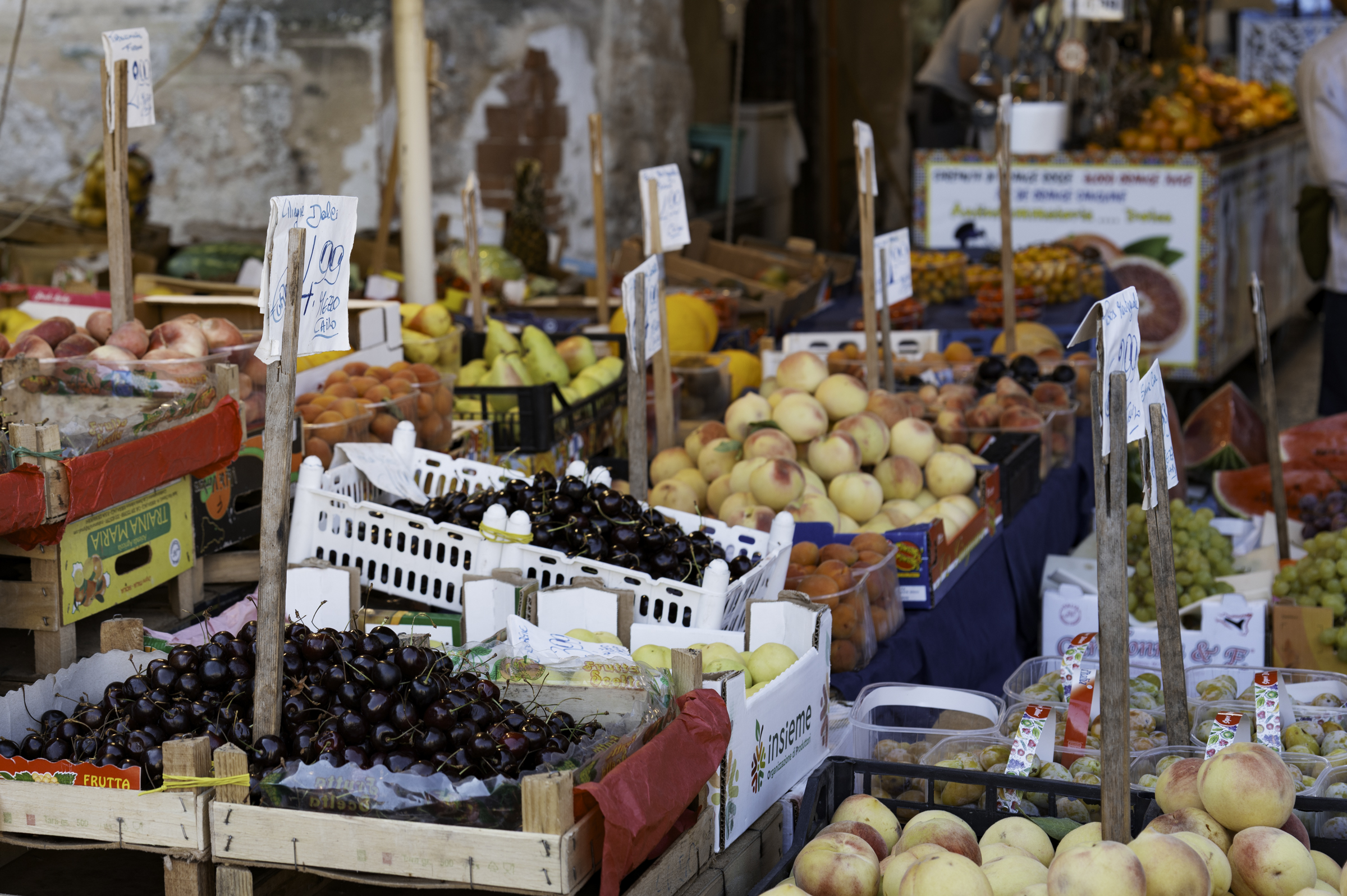
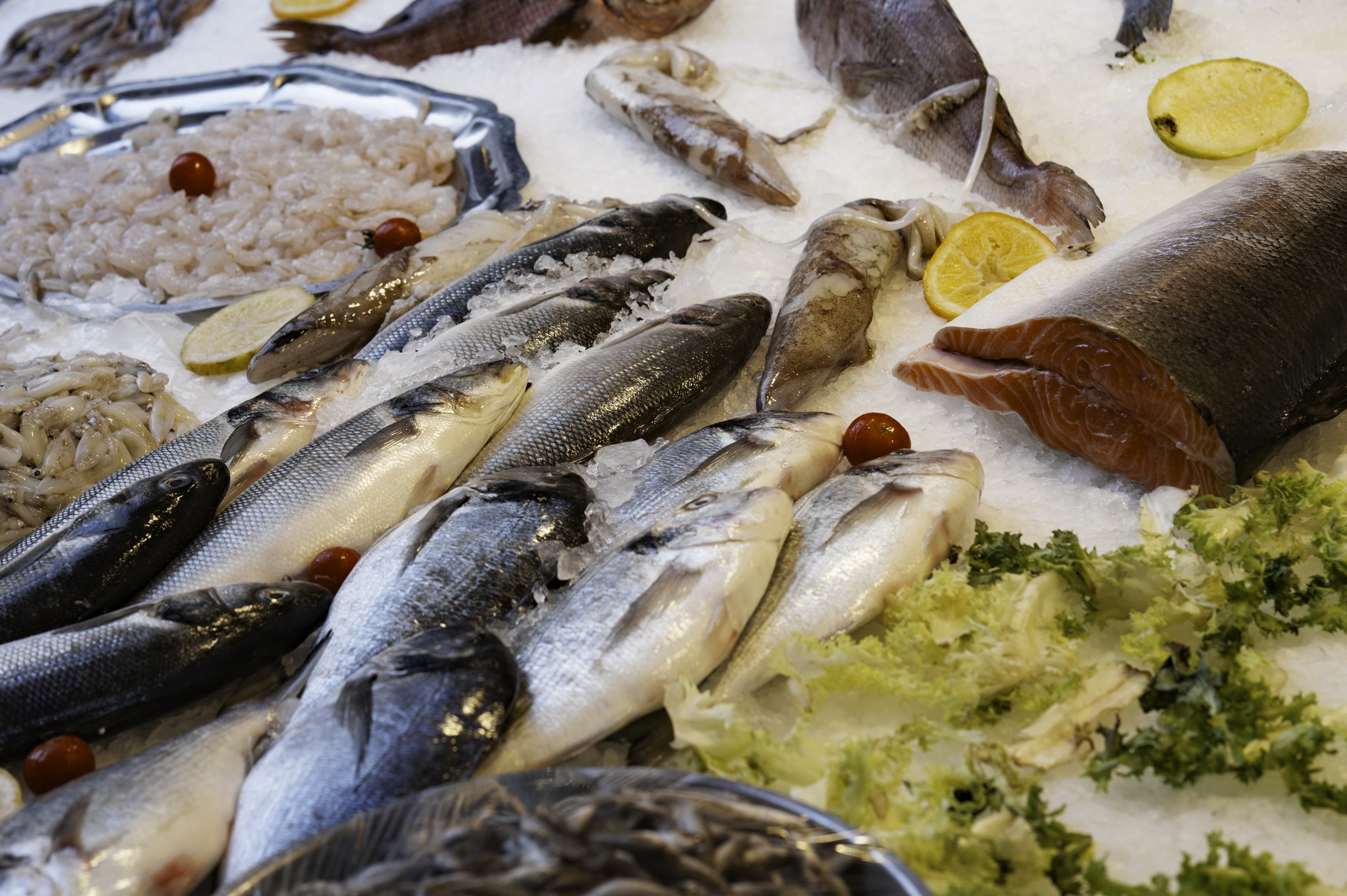
We exited the market and walked through some of the pretty backstreets of Palermo.
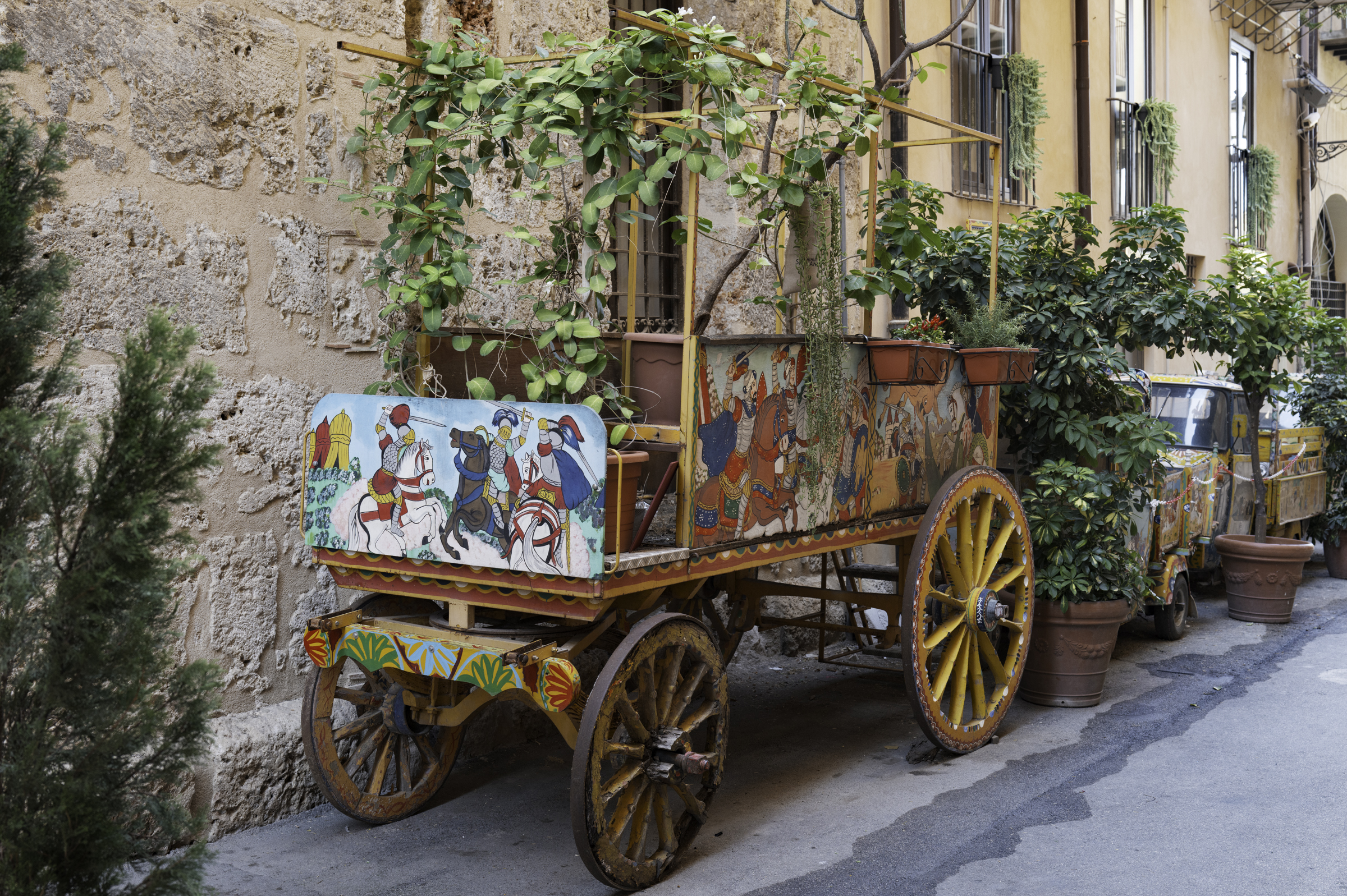
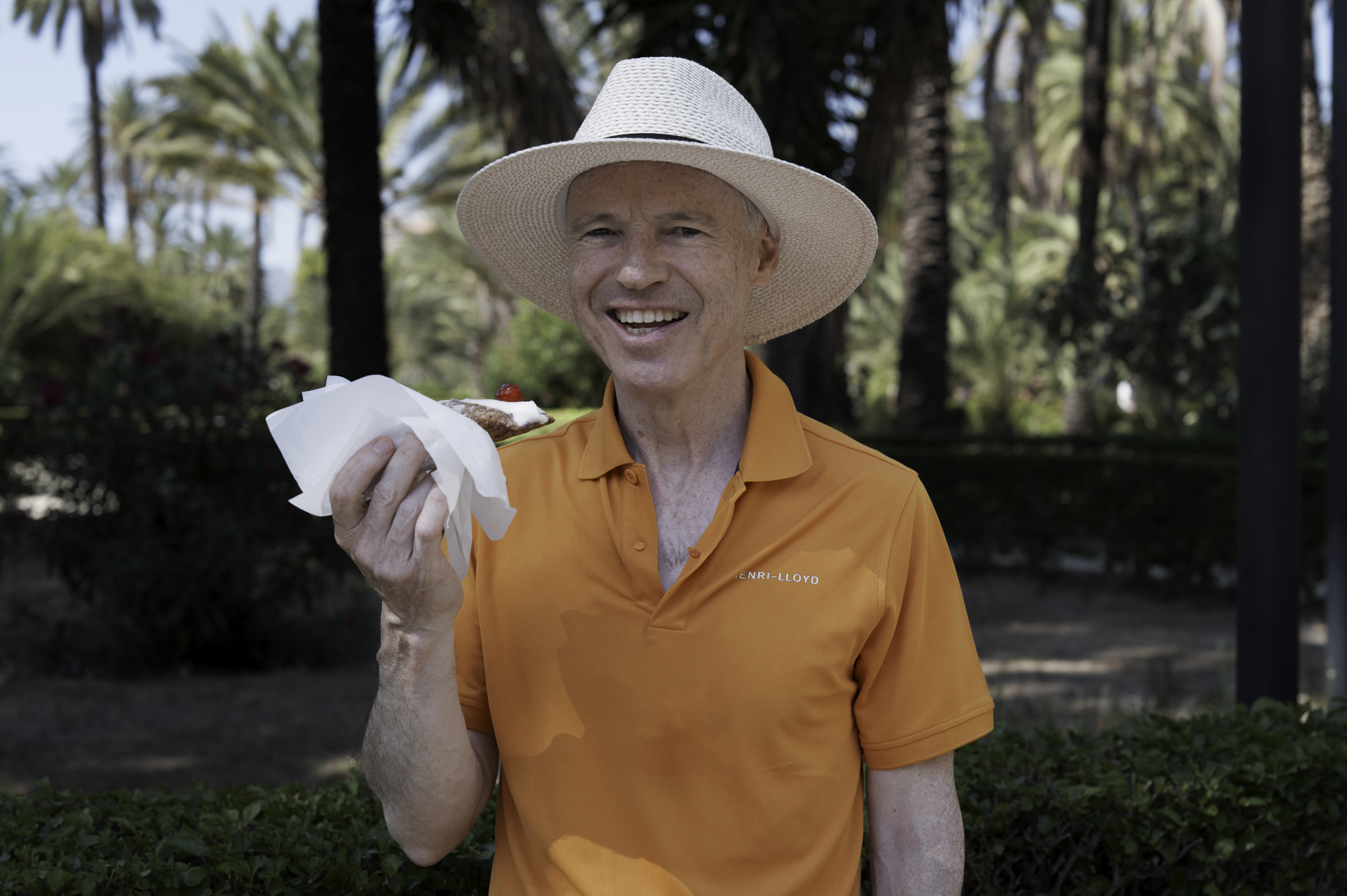
Around 10:00 am, we walked past the statue of Saint Rosalia, on our way to get a cannolo for morning tea, which we sat and enjoyed in Fossa granaia, a lovely green space in the city.
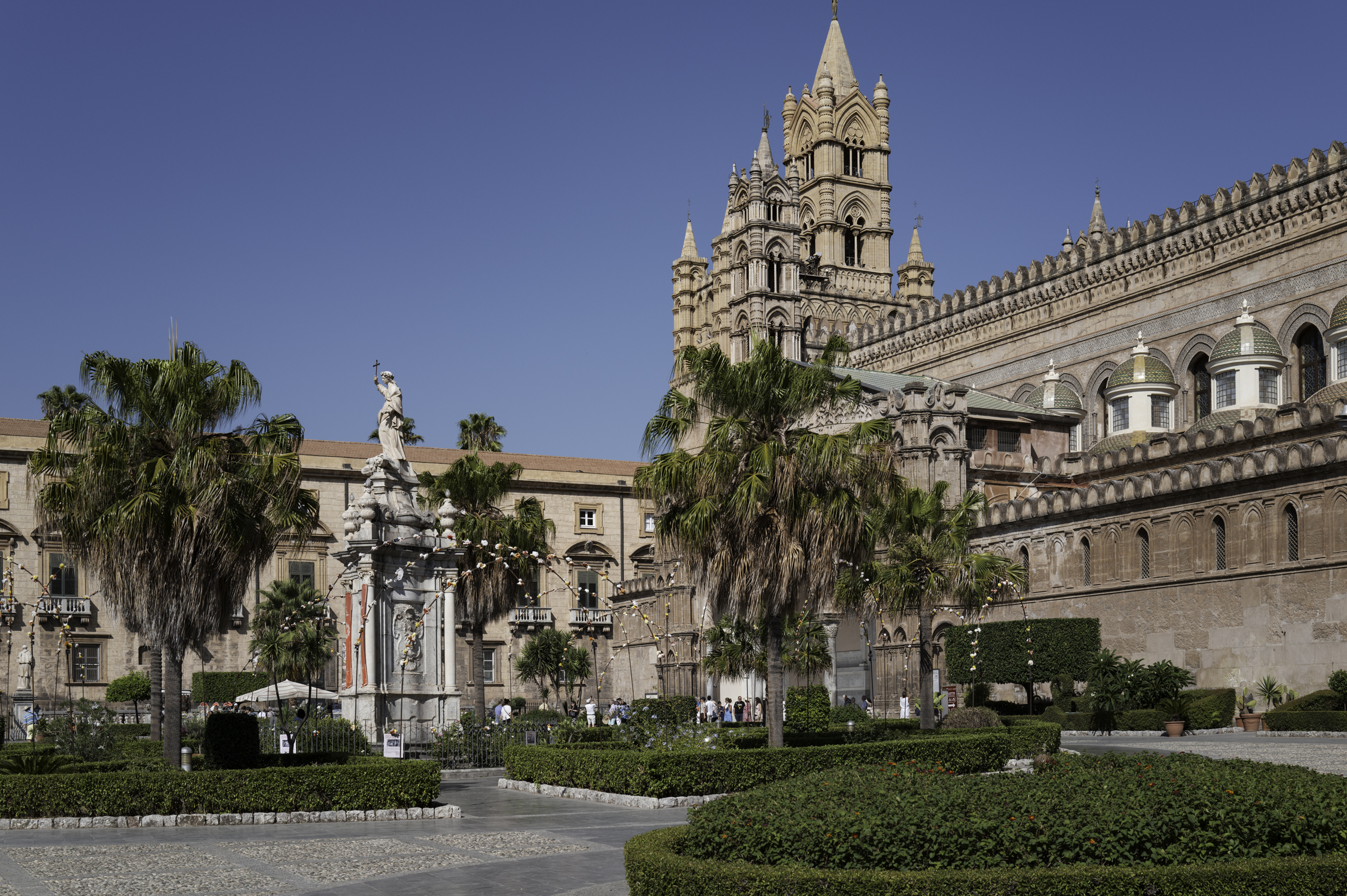
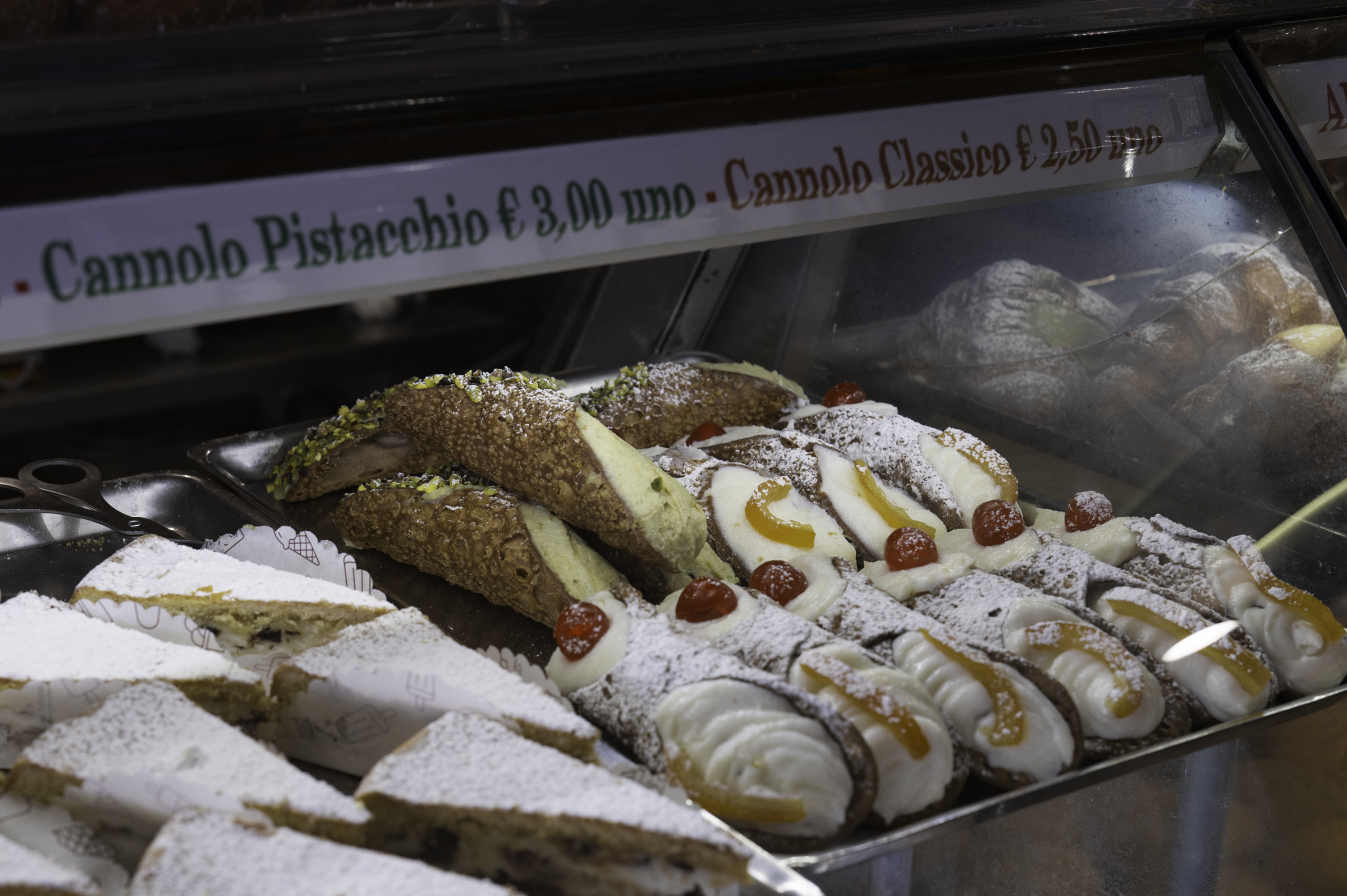
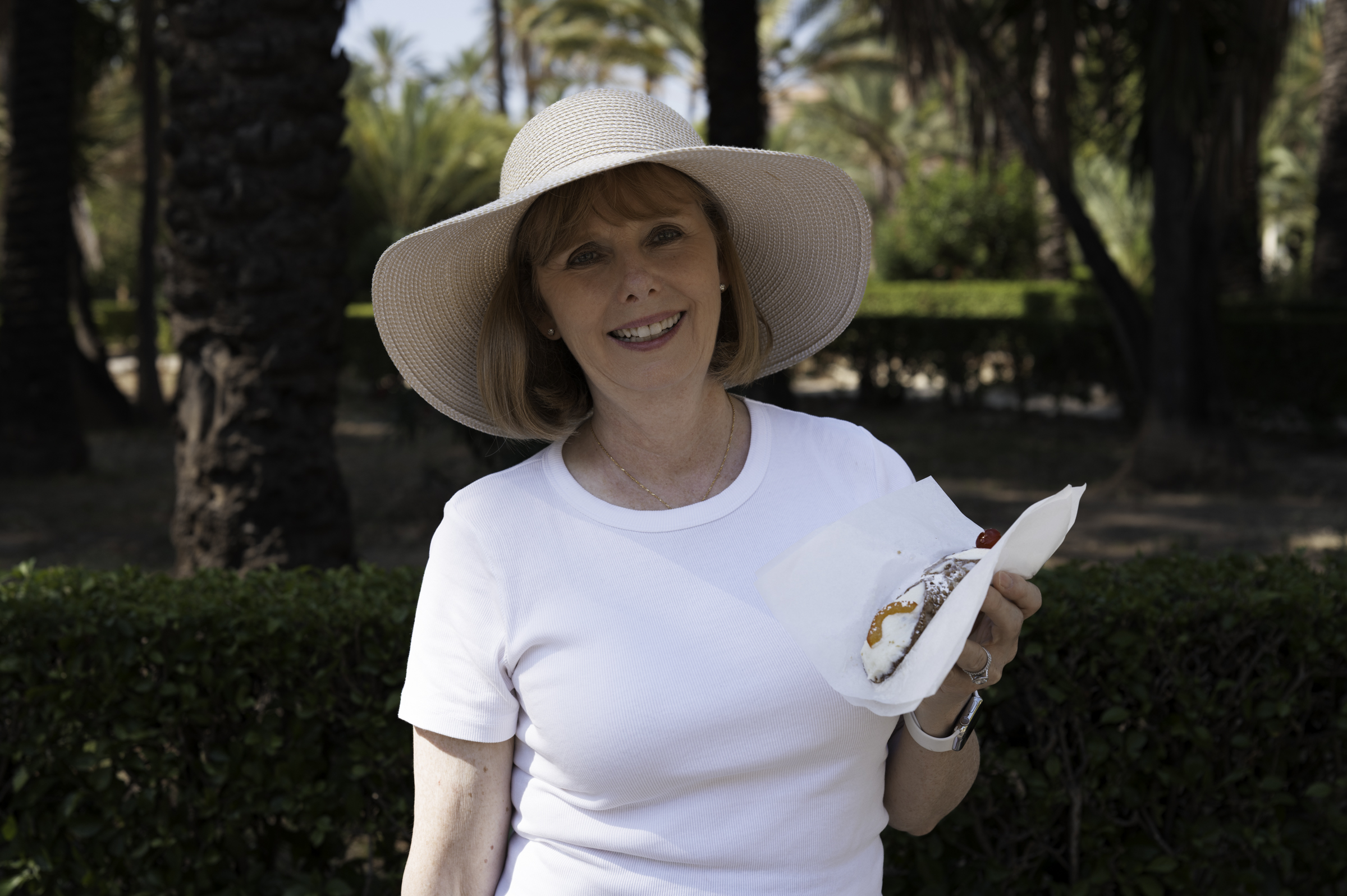
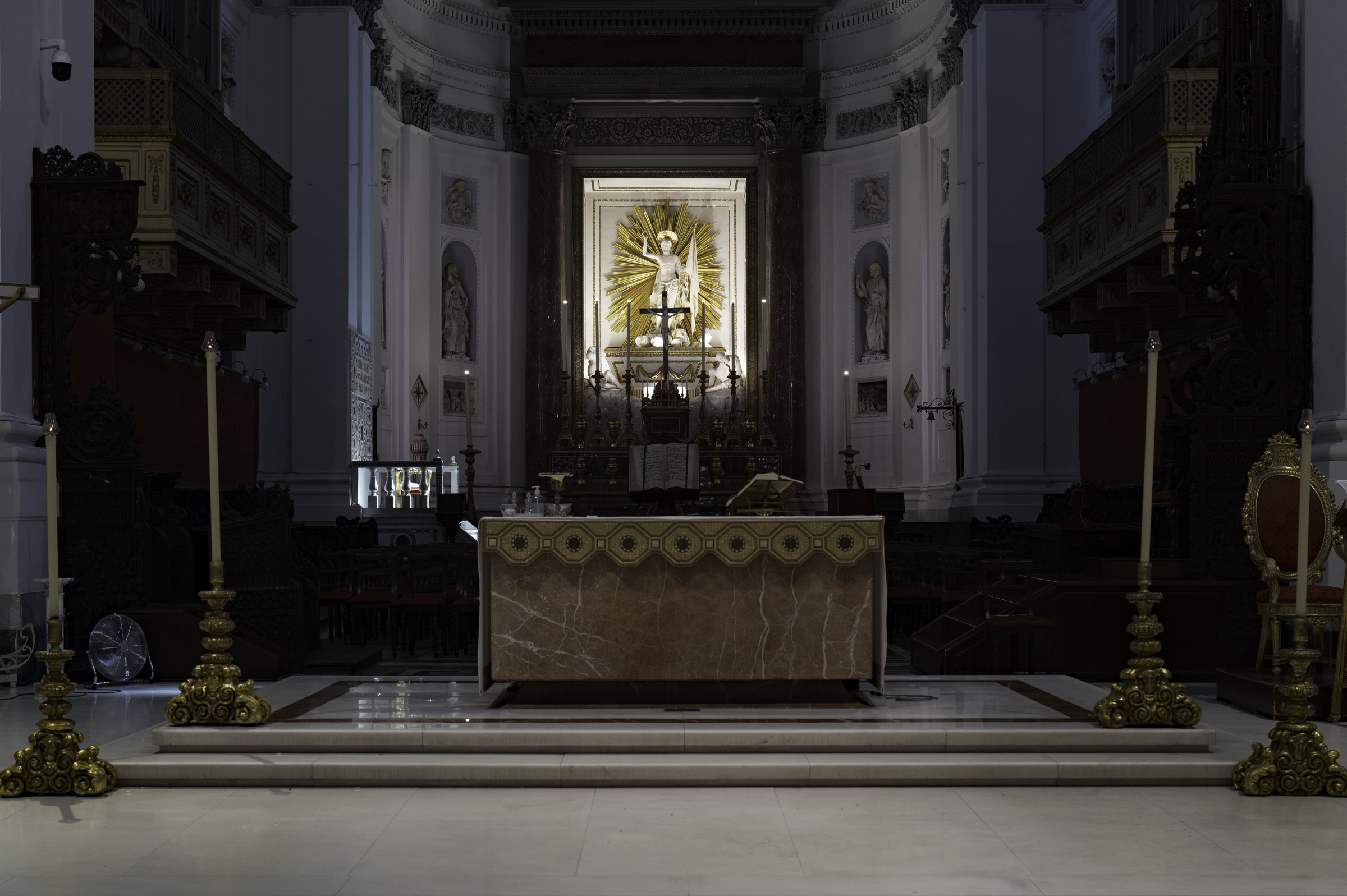
Pepped up by the sugar hit from the cannolo, we walked back to the cathedral. The cathedral, a UNESCO World Heritage site, was originally founded in 1185 in the Norman period, and underwent numerous architectural changes over the centuries.
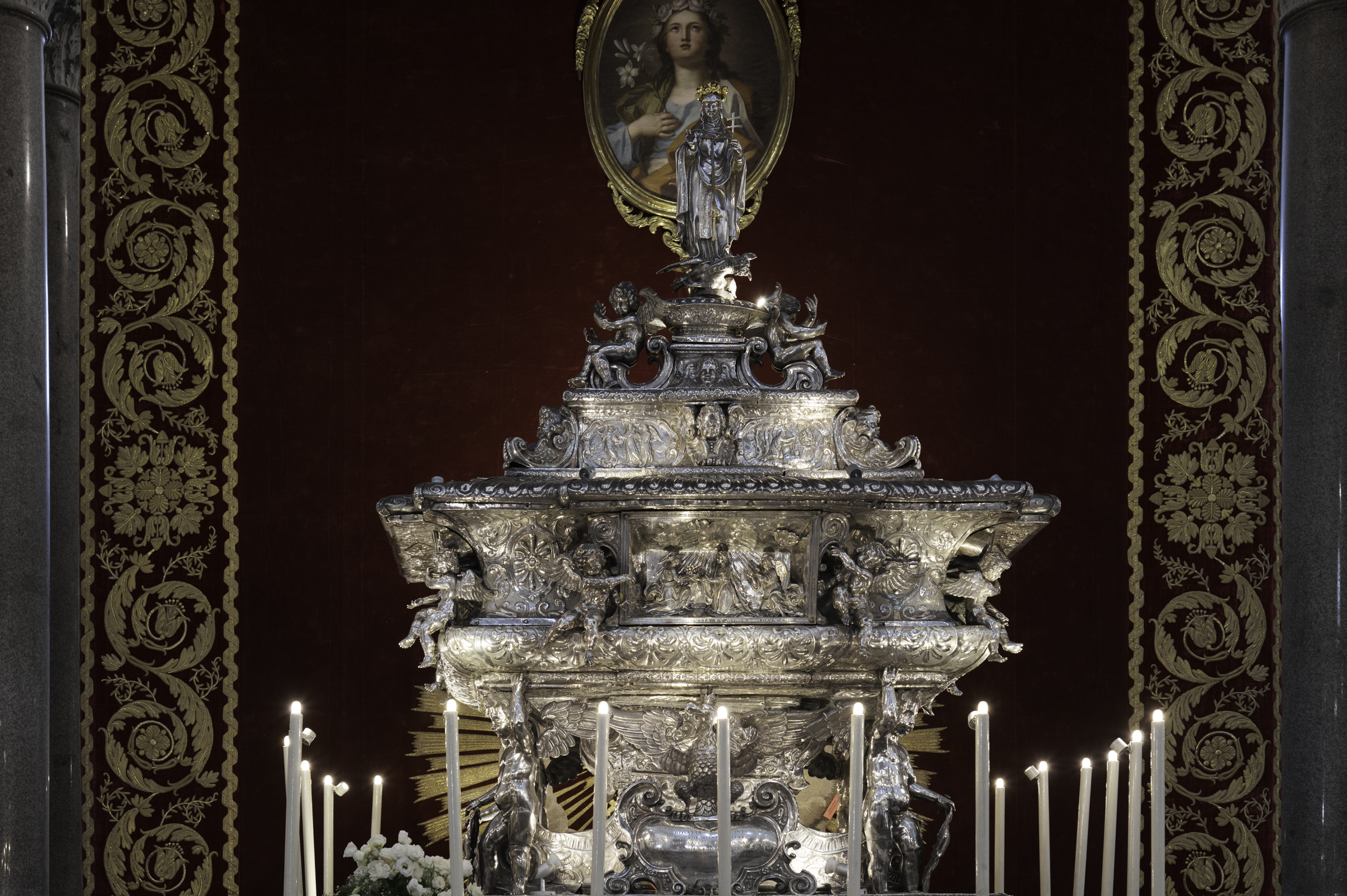
Inside the cathedral, the highlight is the Baroque silver urn dedicated to Saint Rosalia. Rosalia was a 12th-century noblewoman who chose to live as a hermit in a cave on Mount Pellegrino, where she died alone. The discovery of her bones in 1624 coincided with the end of a devastating plague in Palermo. Her bones were paraded through the city, around the time the plague subsided, leading to Rosalia being declared the city’s patron saint.
In addition to the monument to Saint Rosalia, the cathedral also houses the tombs of King Roger II of Sicily, along with his daughter Constance of Hauteville, her husband Emperor Henry VI, and their son Emperor Frederick II. Roger II was the first King of Sicily, and his reign marked a period of Norman rule and cultural exchange in Sicily.
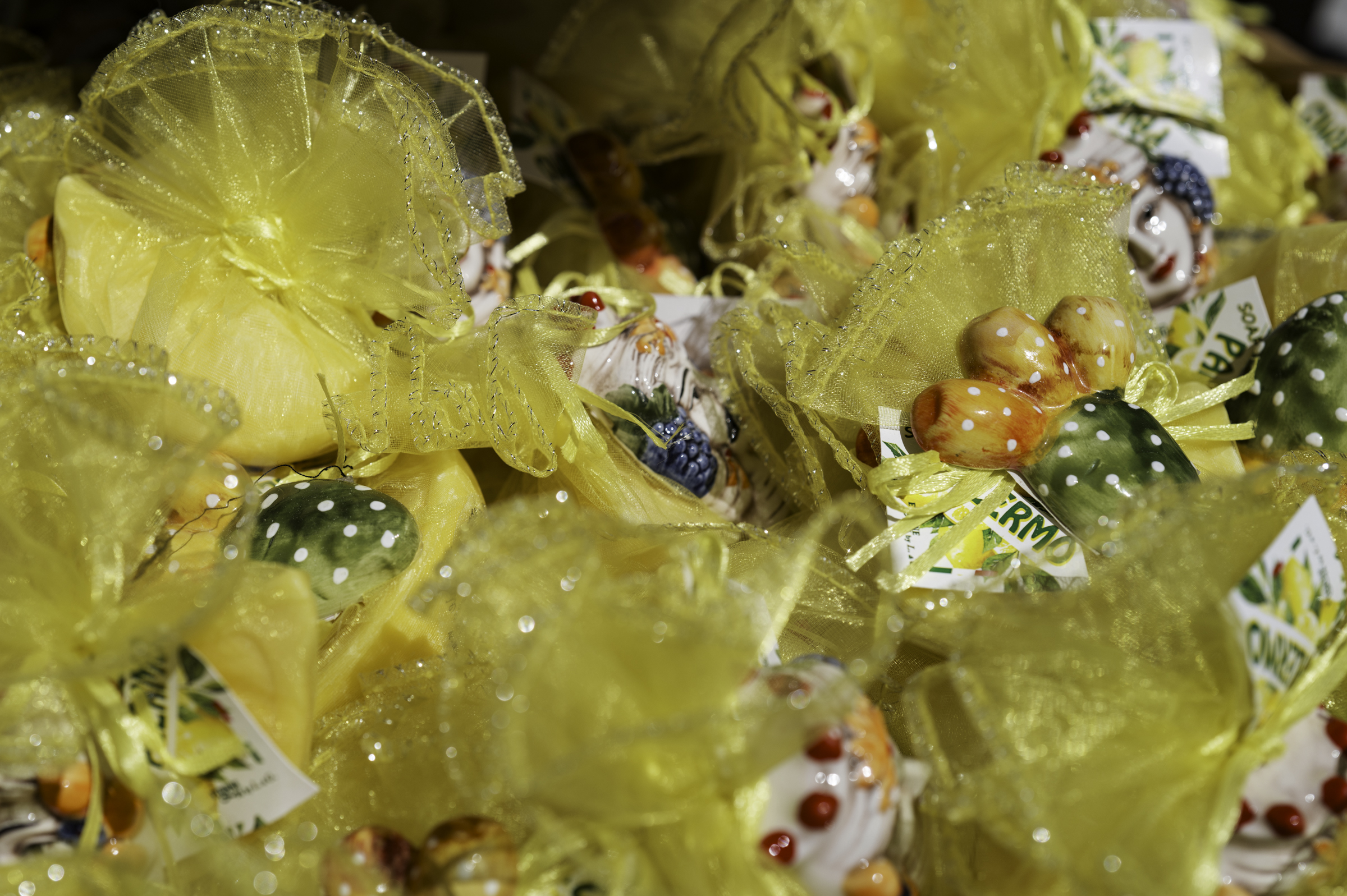
We left the cathedral and headed down Via Vittorio Emanuelle, where we stopped at Cassaro Bottega Alimentare, a lovely produce shop. We sampled some ice-cold limoncello, which was very refreshing, and did some shopping.
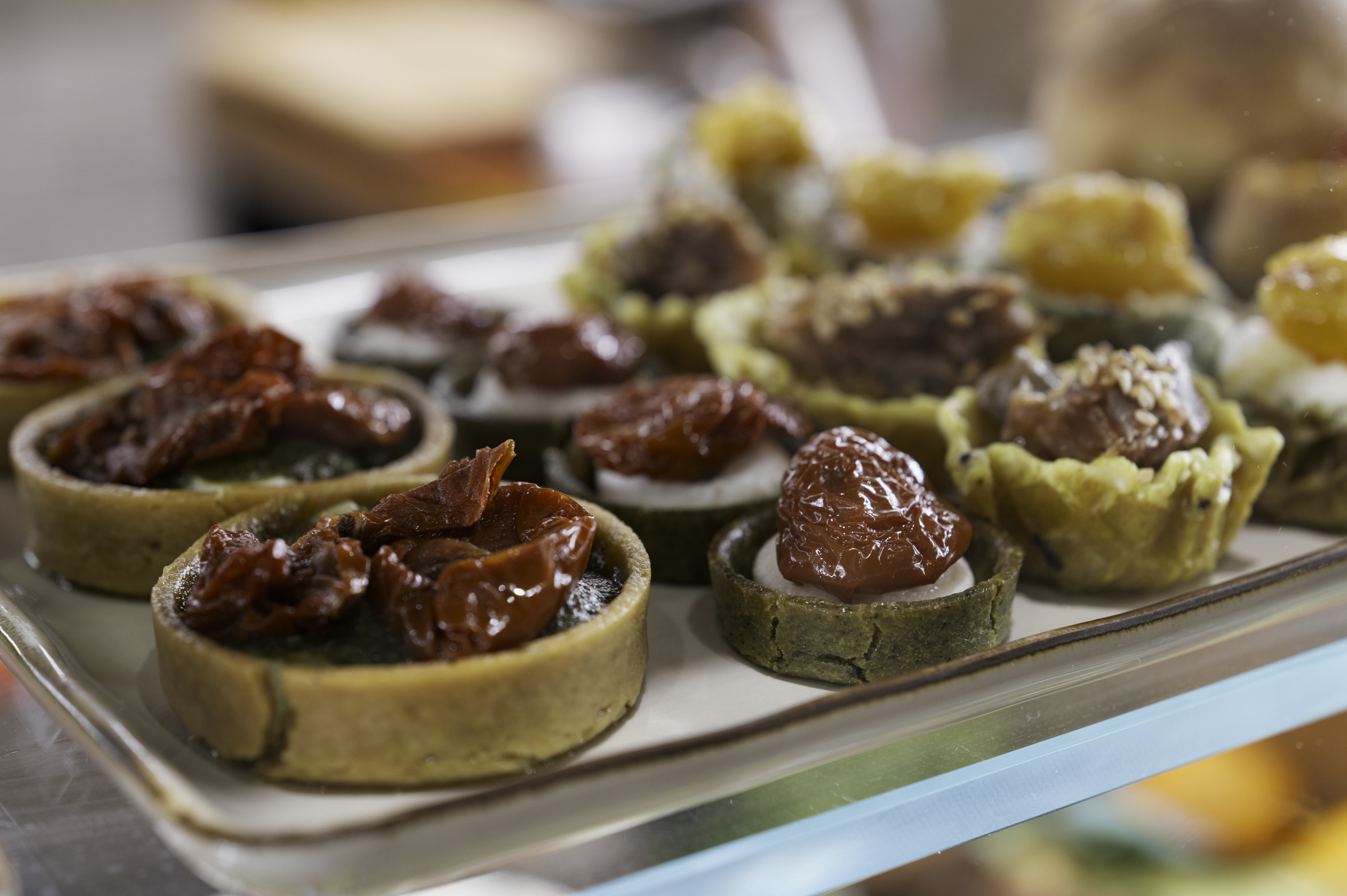
We continued to walk down Via Vittorio Emanuelle, which we were told was a dedicated pedestrian street. However, we pretty quickly realised that this is taken only as a suggestion by the locals, so we were constantly jumping out of the way of all manner of vehicles that zoomed down the street!
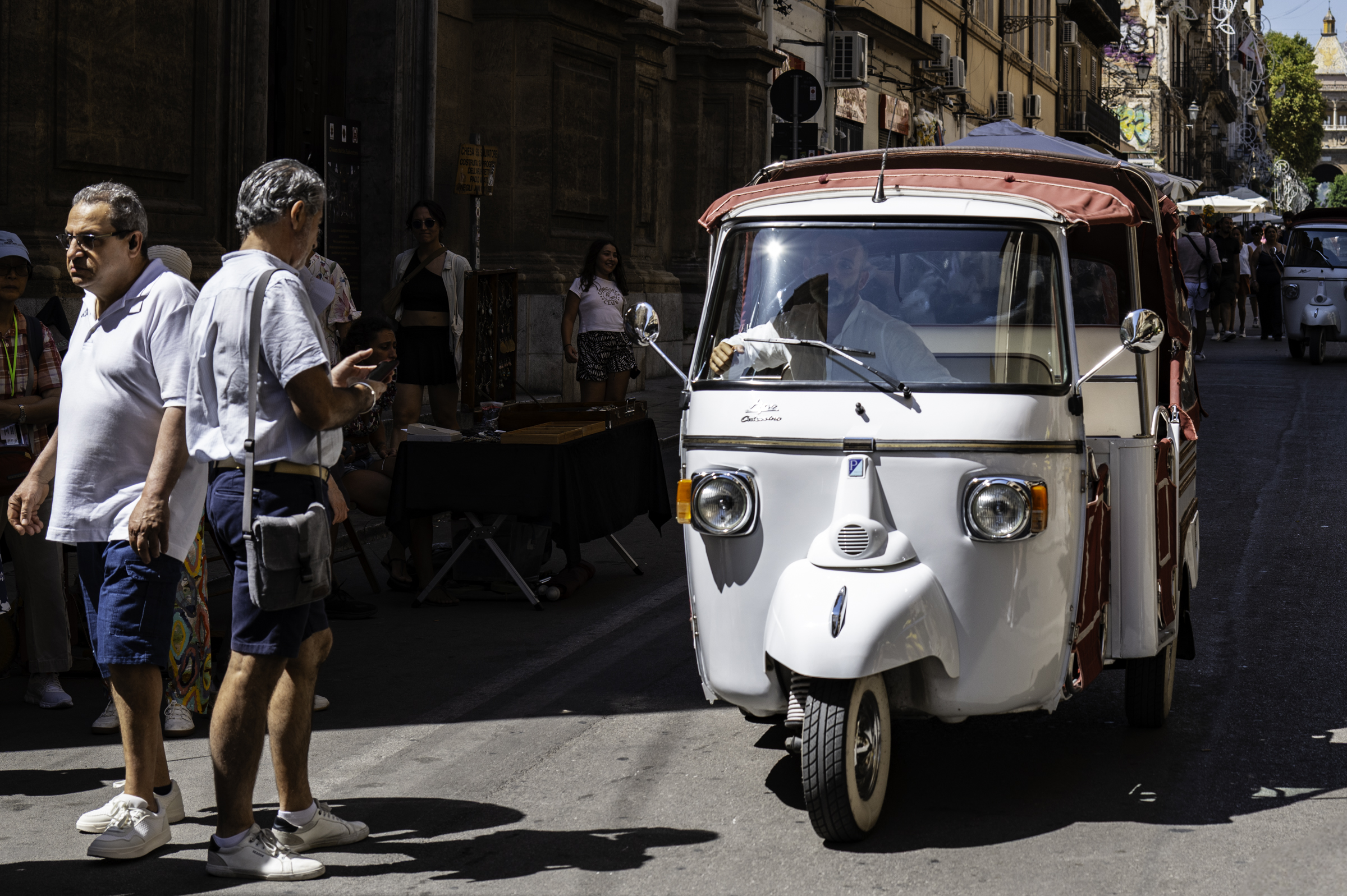
Continuing down Via Vittorio Emanuelle, we arrived at Quattro Canti, officially known as Piazza Vigliena. Quattro Canti is considered to be the centre of the historic quarters of the city. The piazza layout is octagonal: four sides comprise the streets, while the remaining four sides are Baroque facades that represent the four seasons, four of the Spanish rulers of Palermo, and four female patron saints of Palermo.
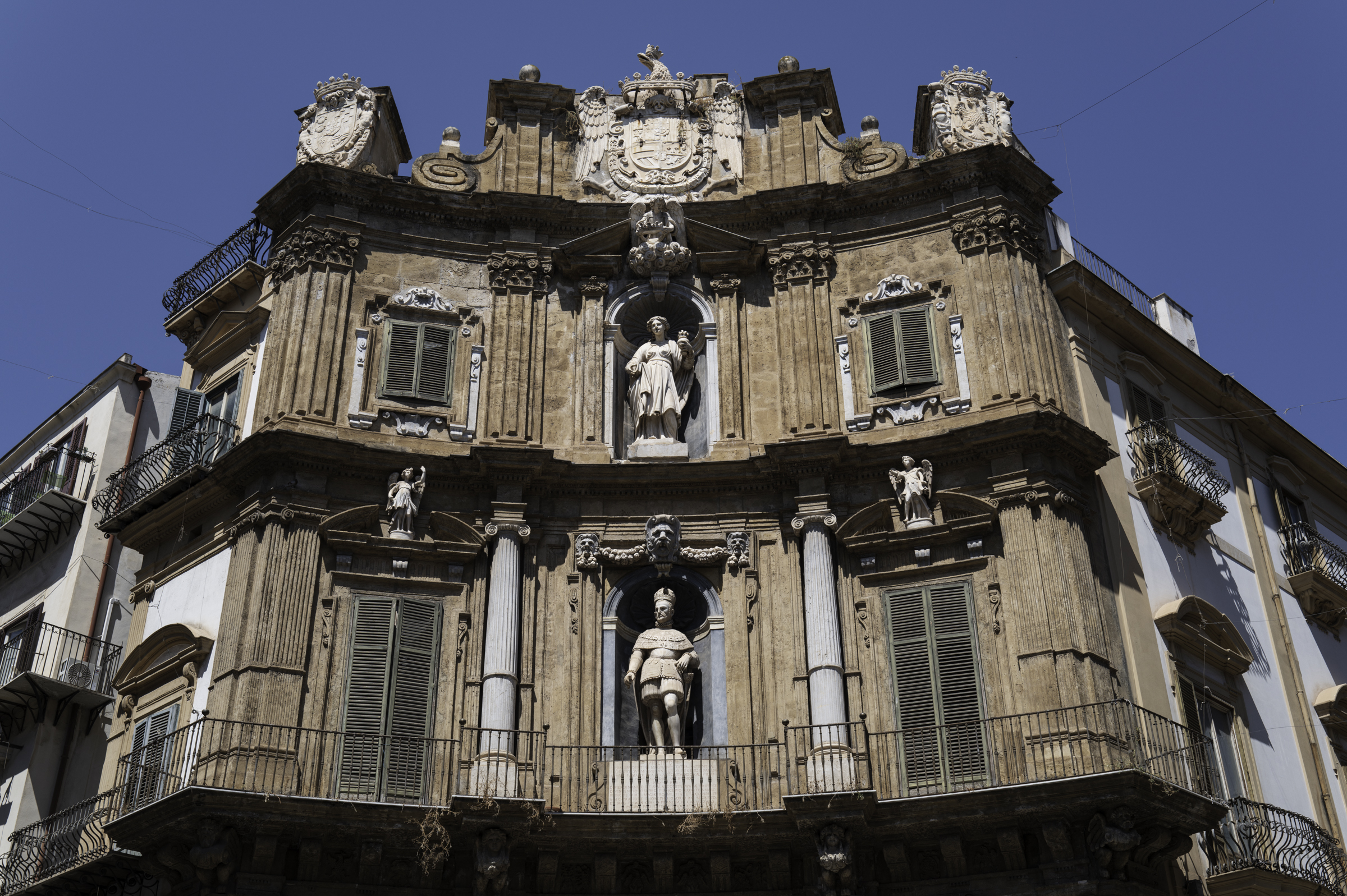
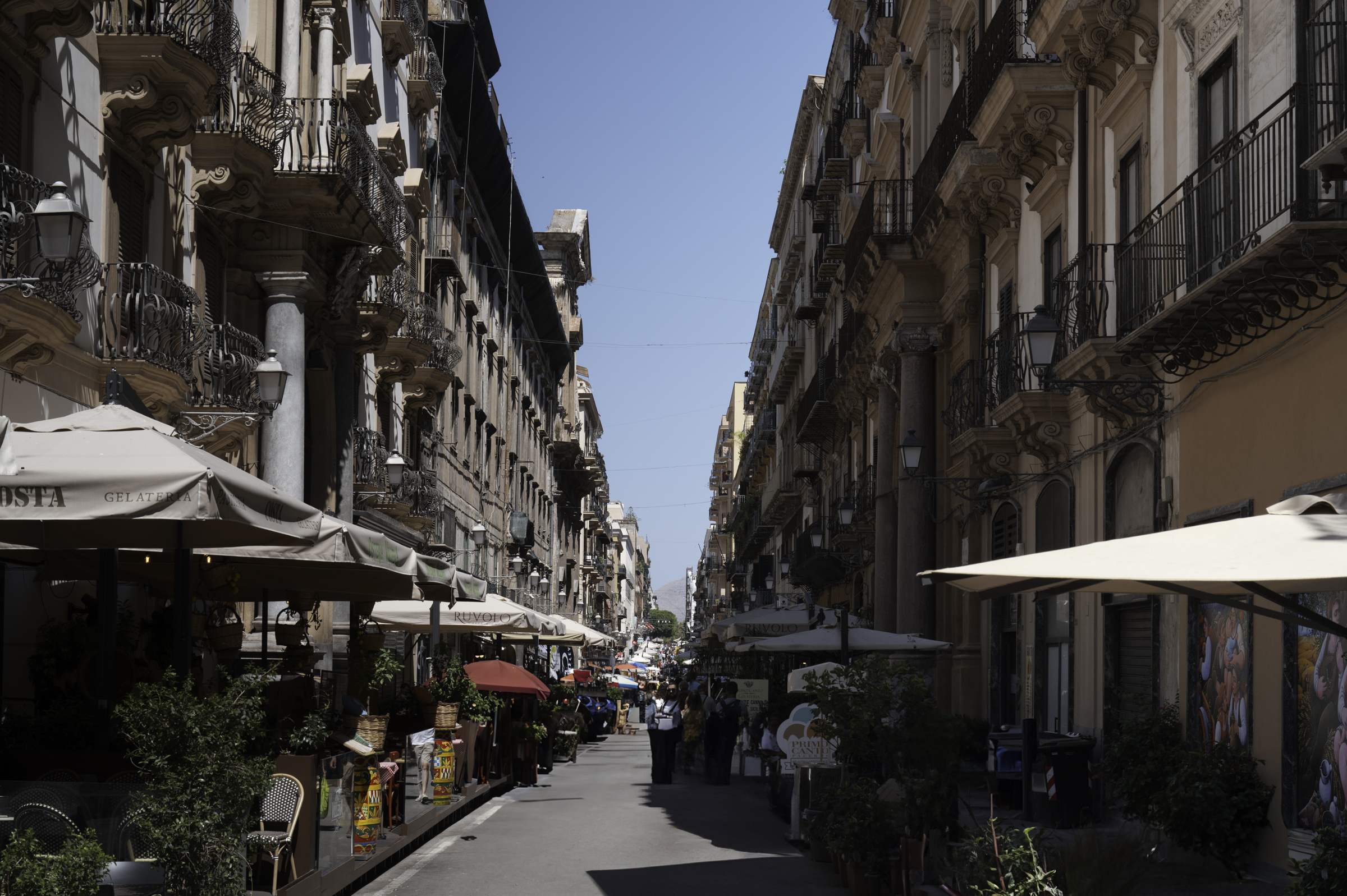
We left Piazza Vigliena and walked around the corner to Piazza Pretoria, home of Fontana Pretoria (the Paraetorian Fountain). The fountain was originally built in 1544 in Florence by Francesco Camilliani, but was sold, transferred, and reassembled in Palermo in 1574 (with various adjustments to cater for damaged pieces and those that went missing along the way).
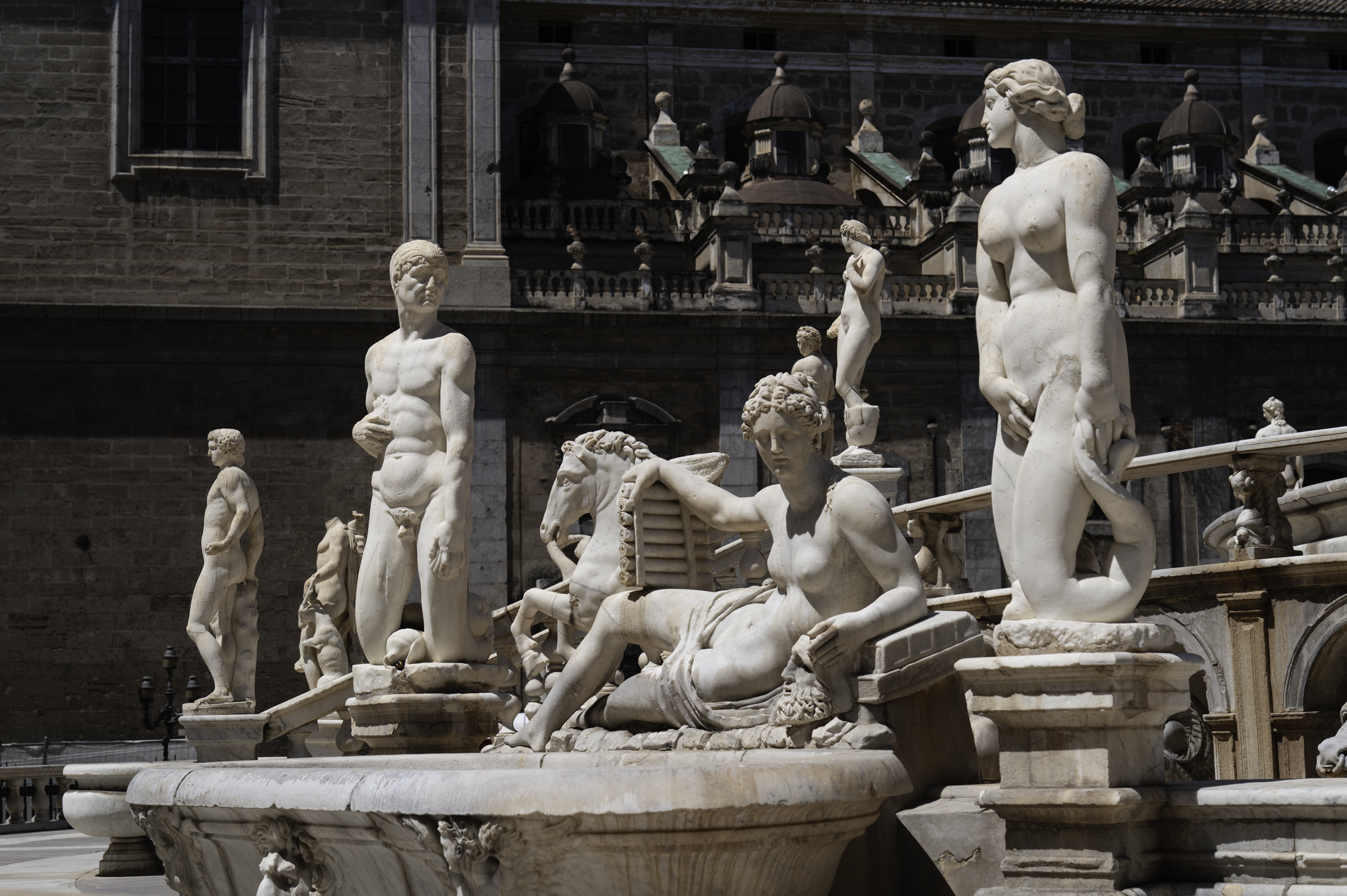
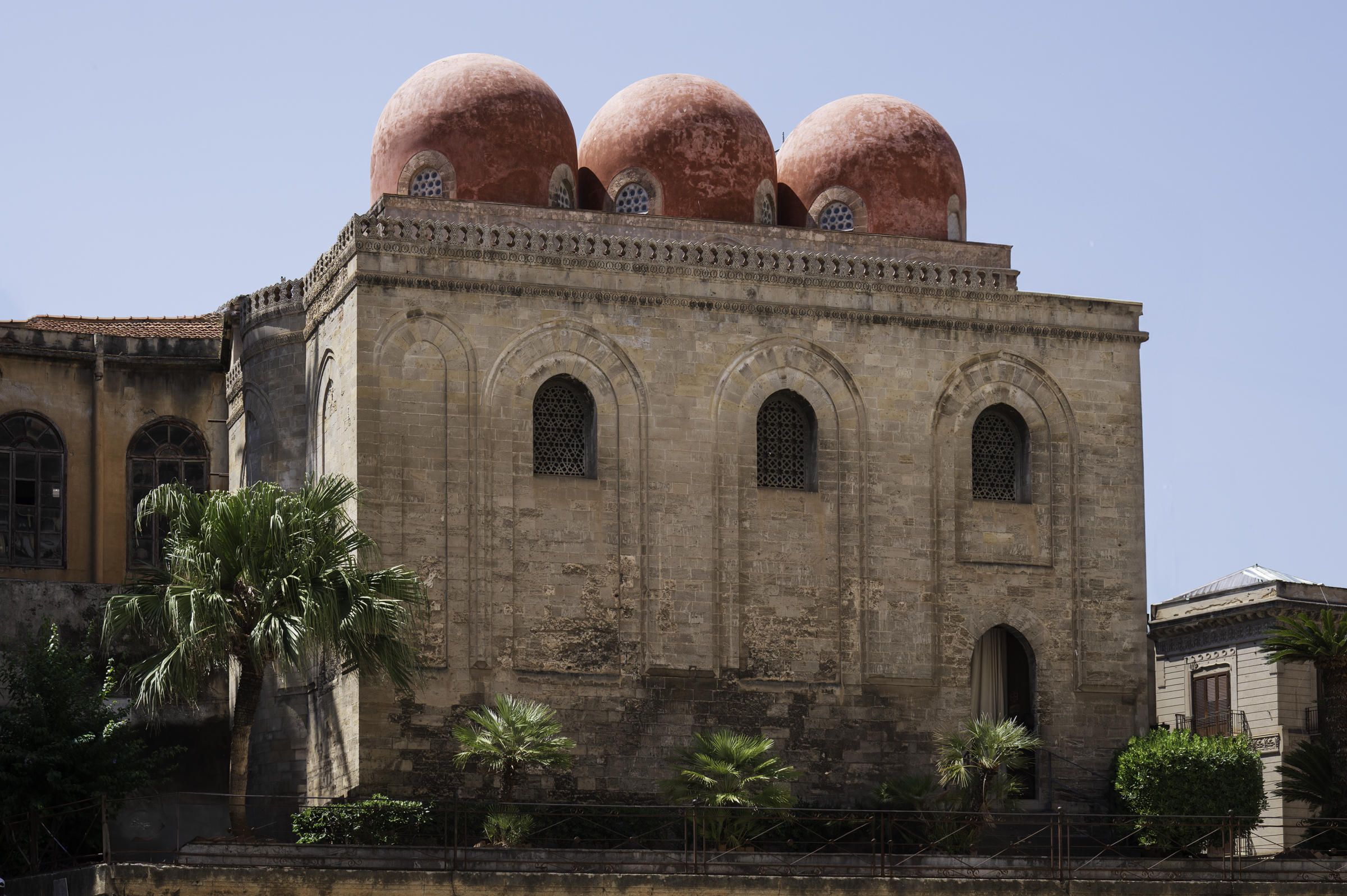
The fountain sits in an open area, flanked by three churches. The most interesting church (in our view, at least) was the Catholic Church of San Cataldo. Built in 1154, this church exemplifies the Arab-Norman architecture that flourished in Sicily under Norman rule on the island of Sicily.
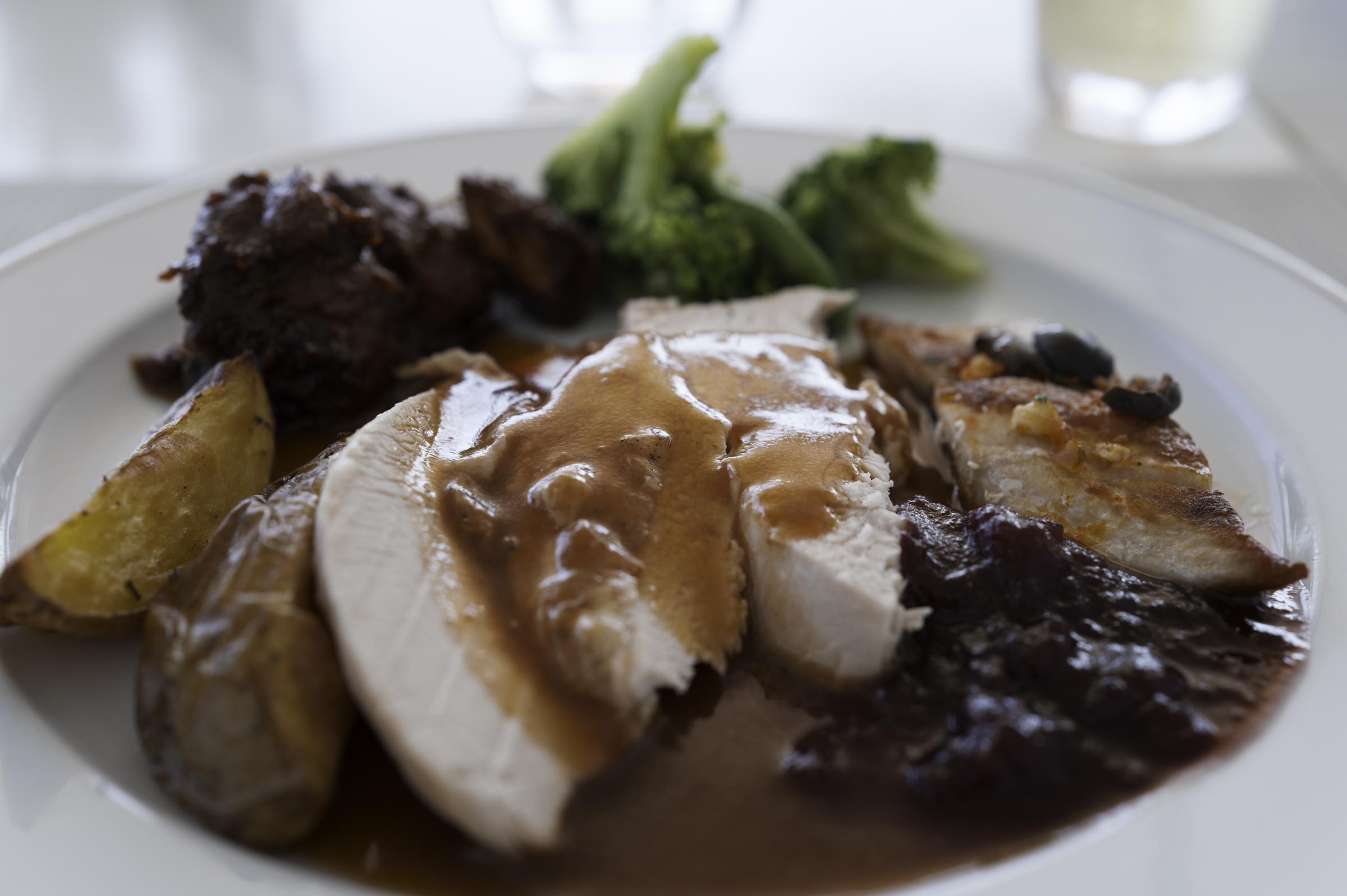
By now it was early afternoon and, succumbing to the Sicilian summer heat, we headed back to the ship. We had a nice lunch on our return to the ship.
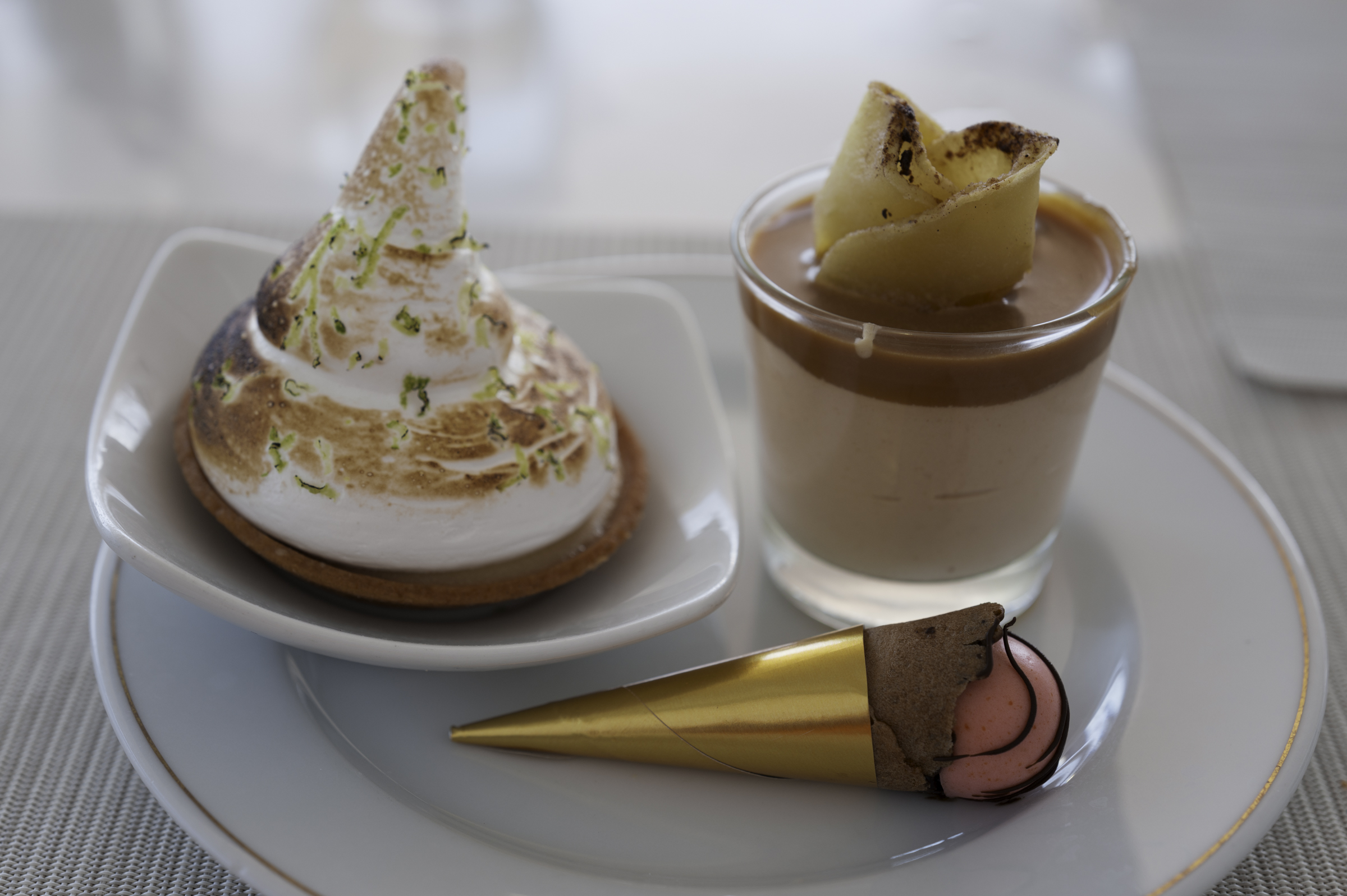
we had short stroll on the ship after lunch, before heading back to our suite to relax for the afternoon.
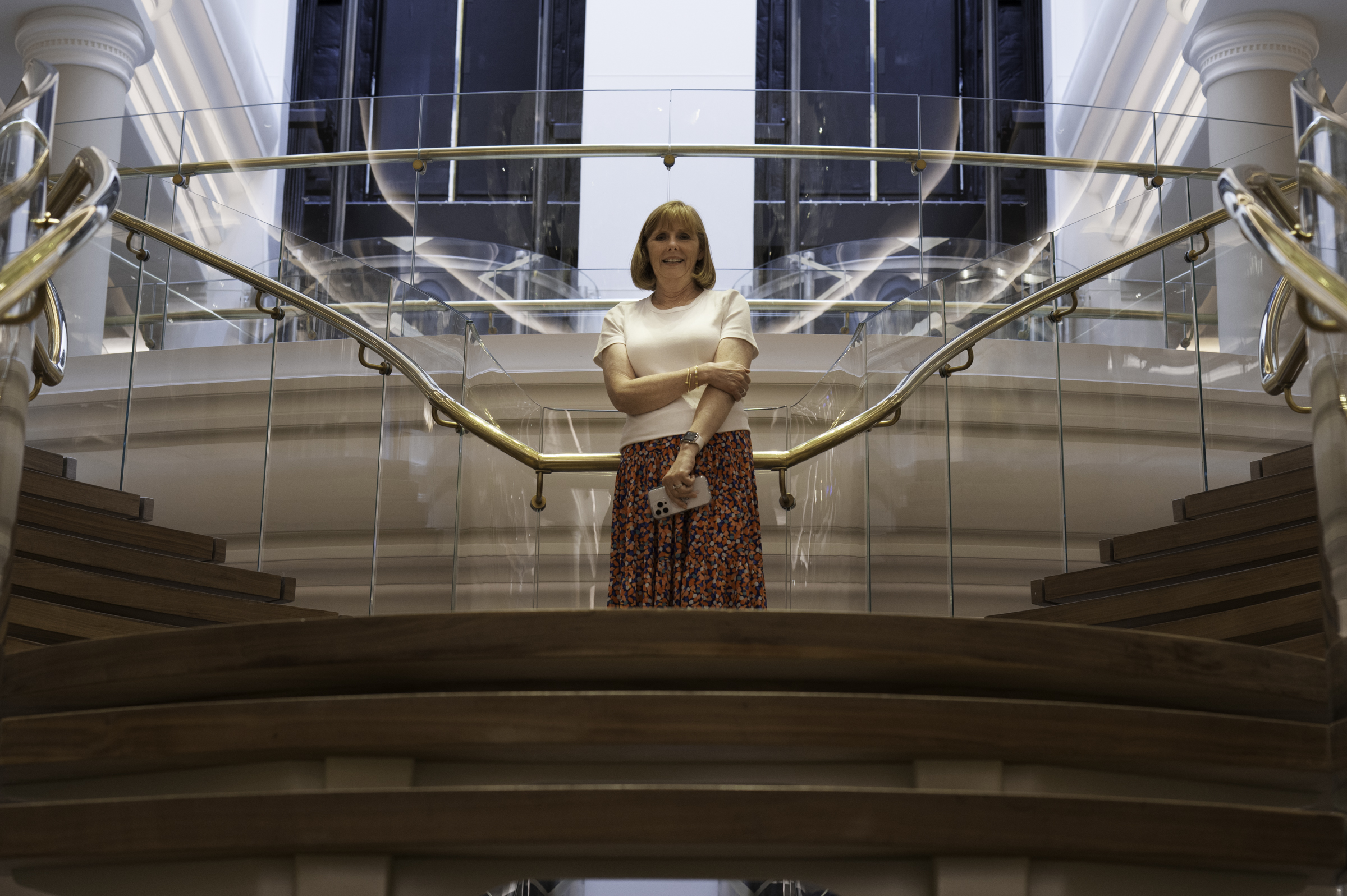
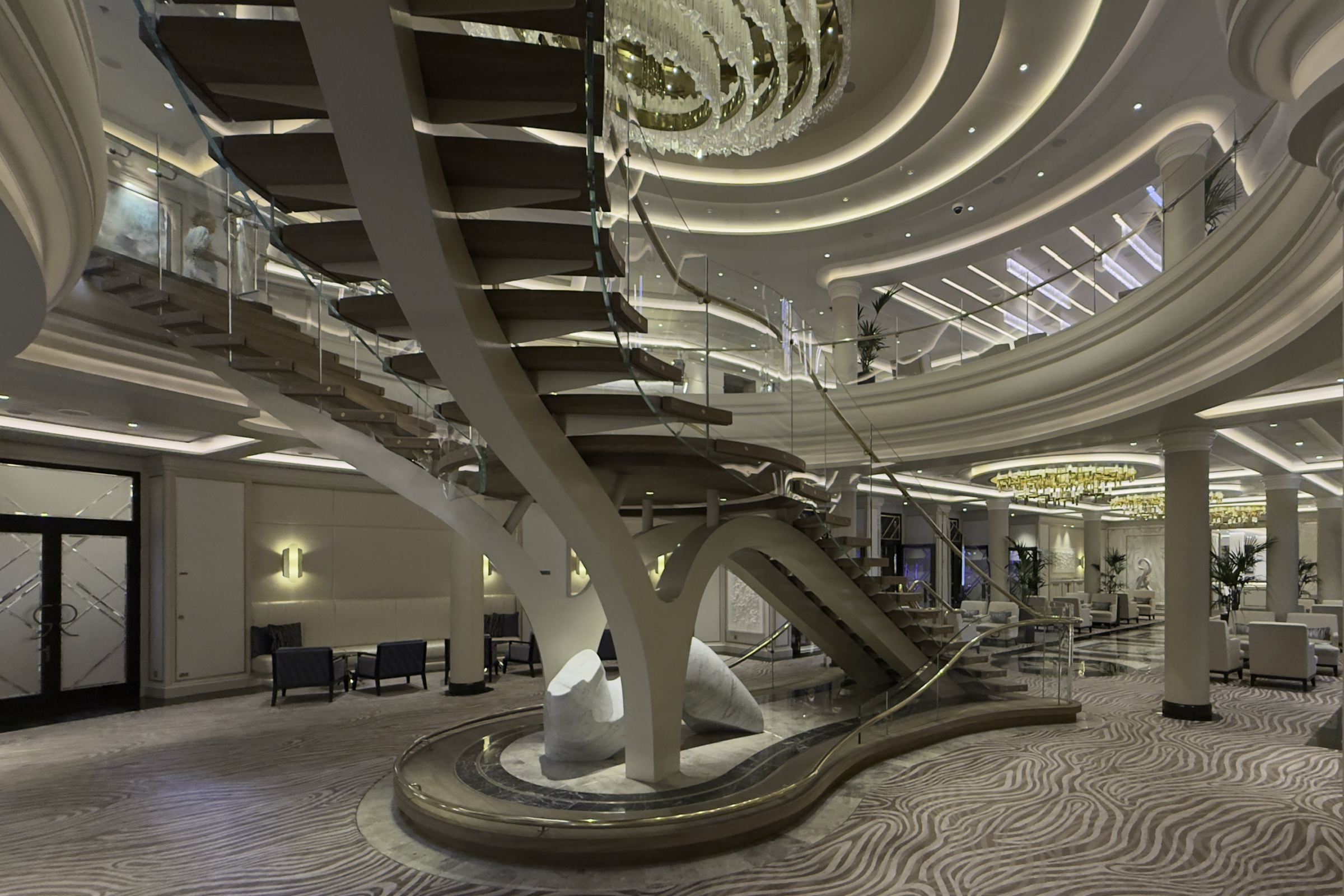
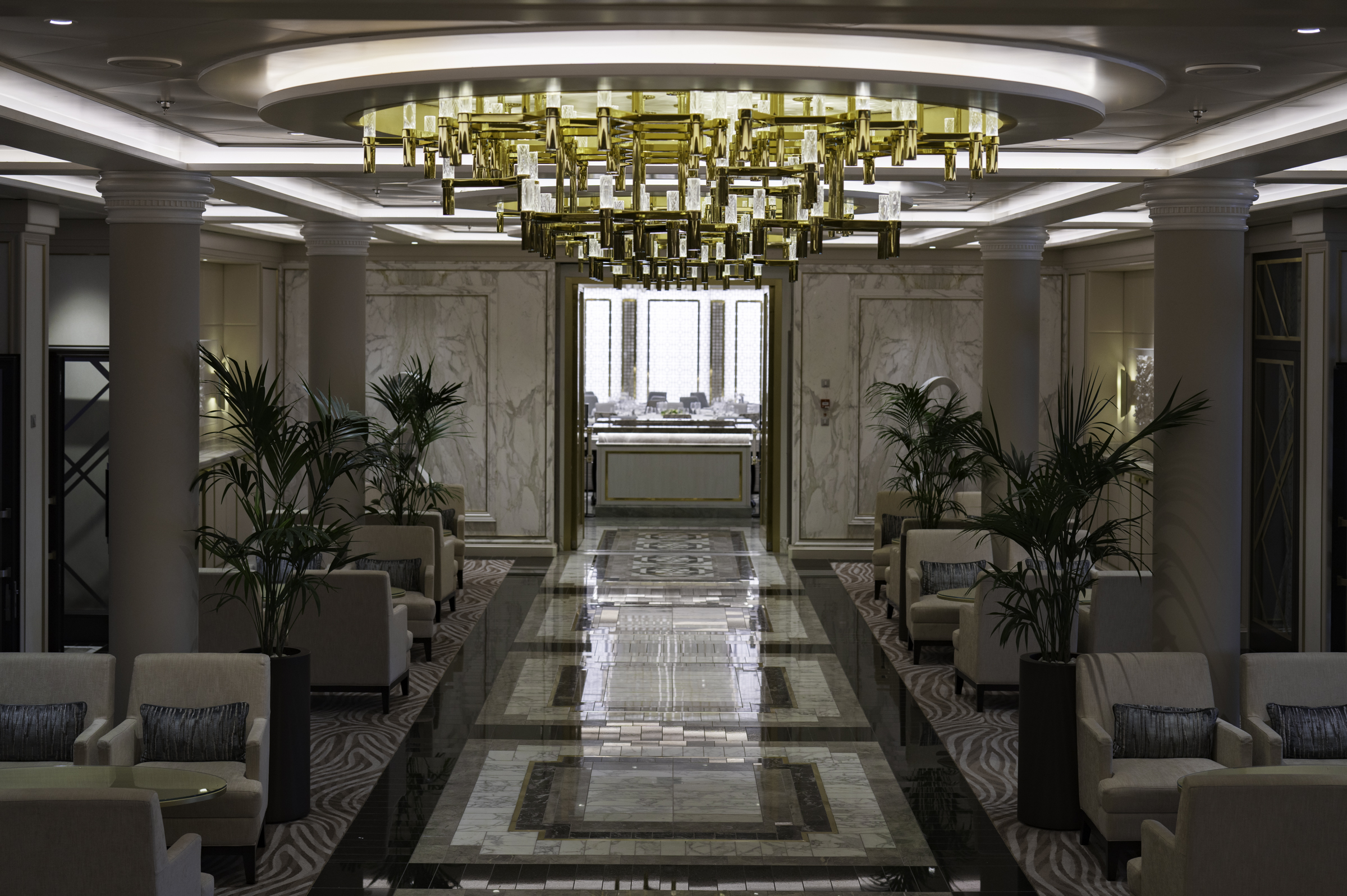
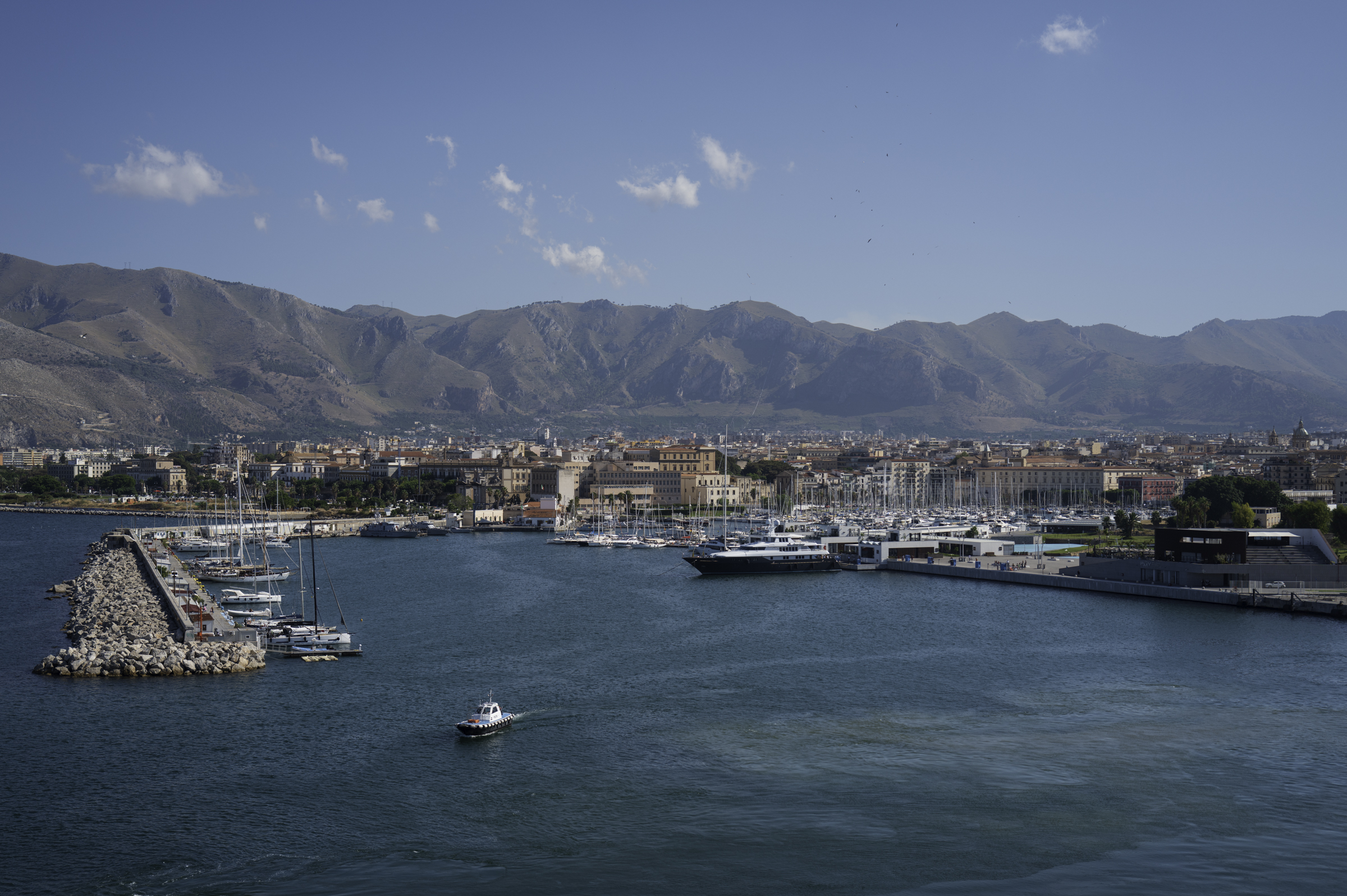
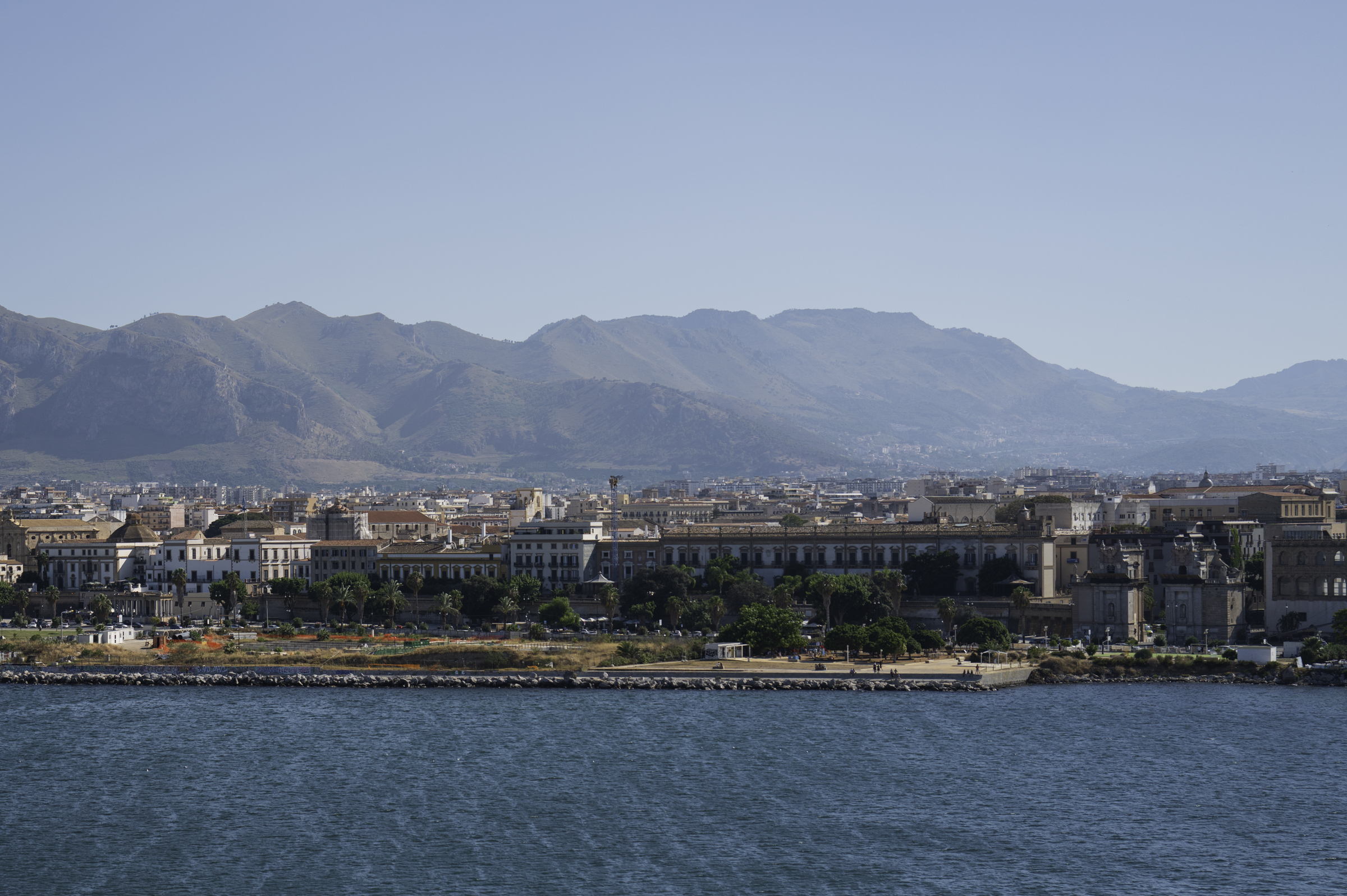
Just before 5:00 pm, the ship pulled out of Palermo. We had a lovely view of the city from our veranda.
By 6:00 pm, we were dressed for the “block party” in the hallway, to meet our neighbours in the suites either side us on deck 9. We met a lovely group of people (including a couple from Geelong, Ian and Robin). As part of the celebration, the captain rapidly worked his way from the top deck to the bottom deck, meeting everyone and clinking glasses on the way through. It was surprisingly fun!
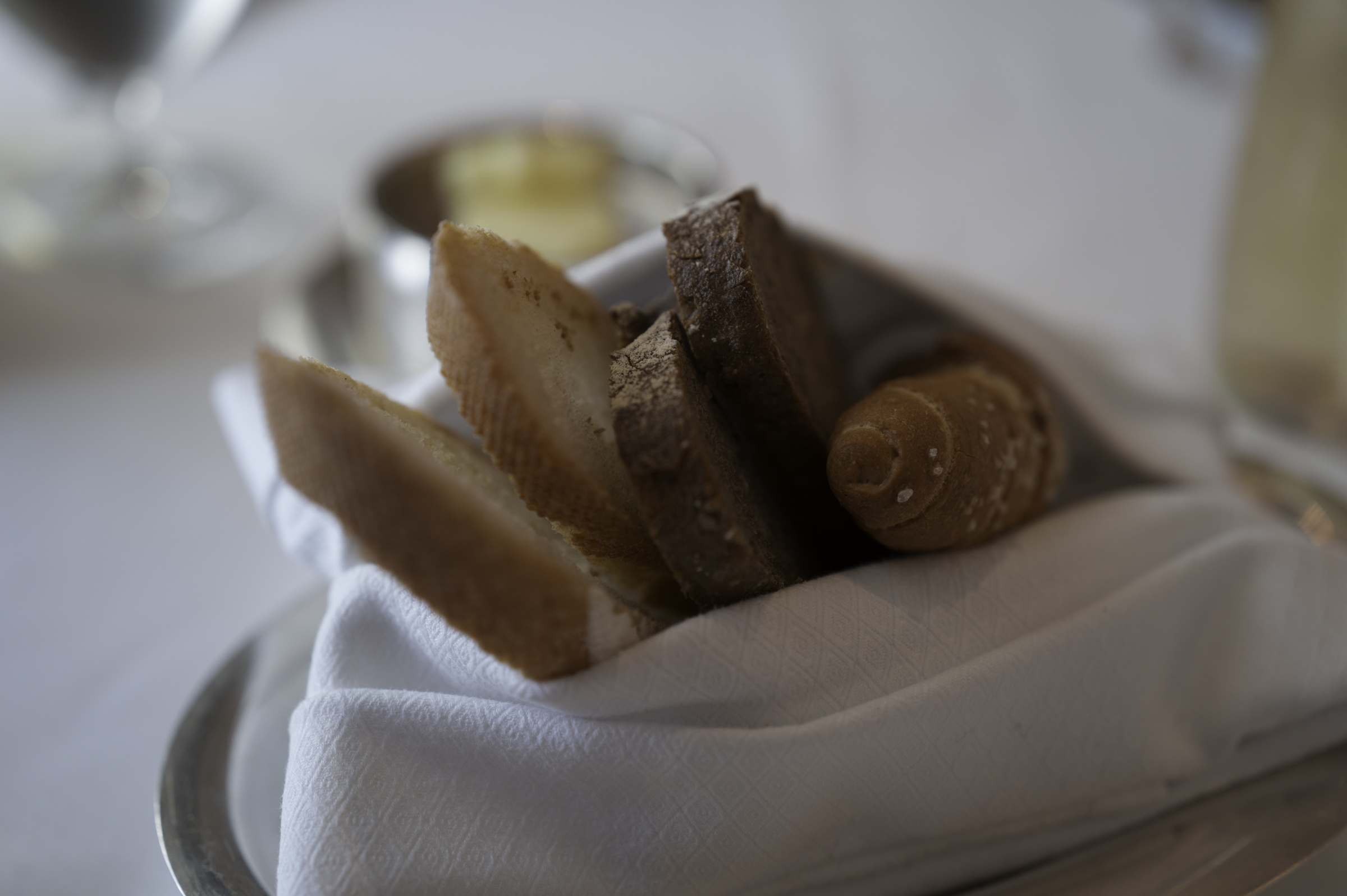
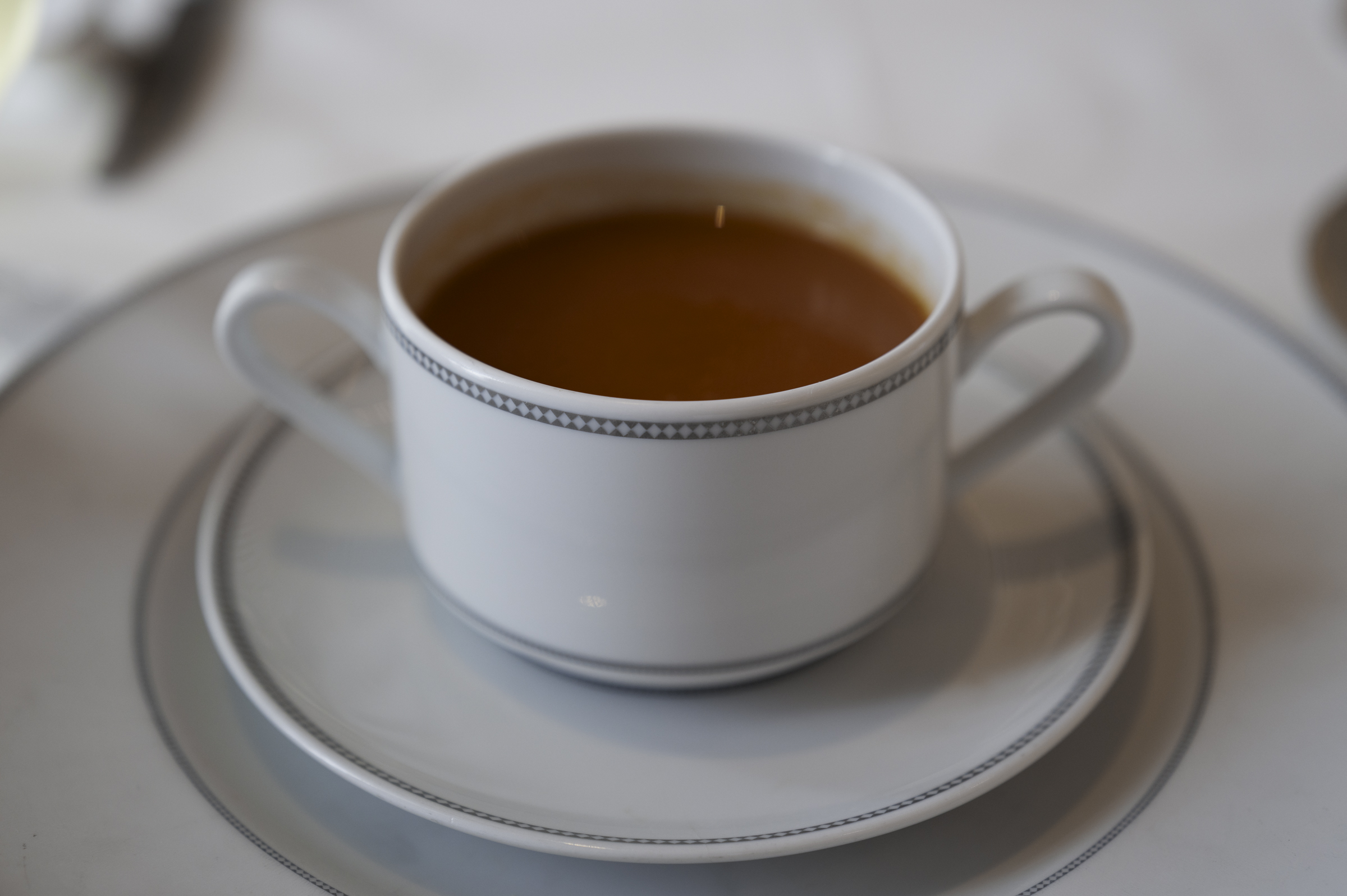
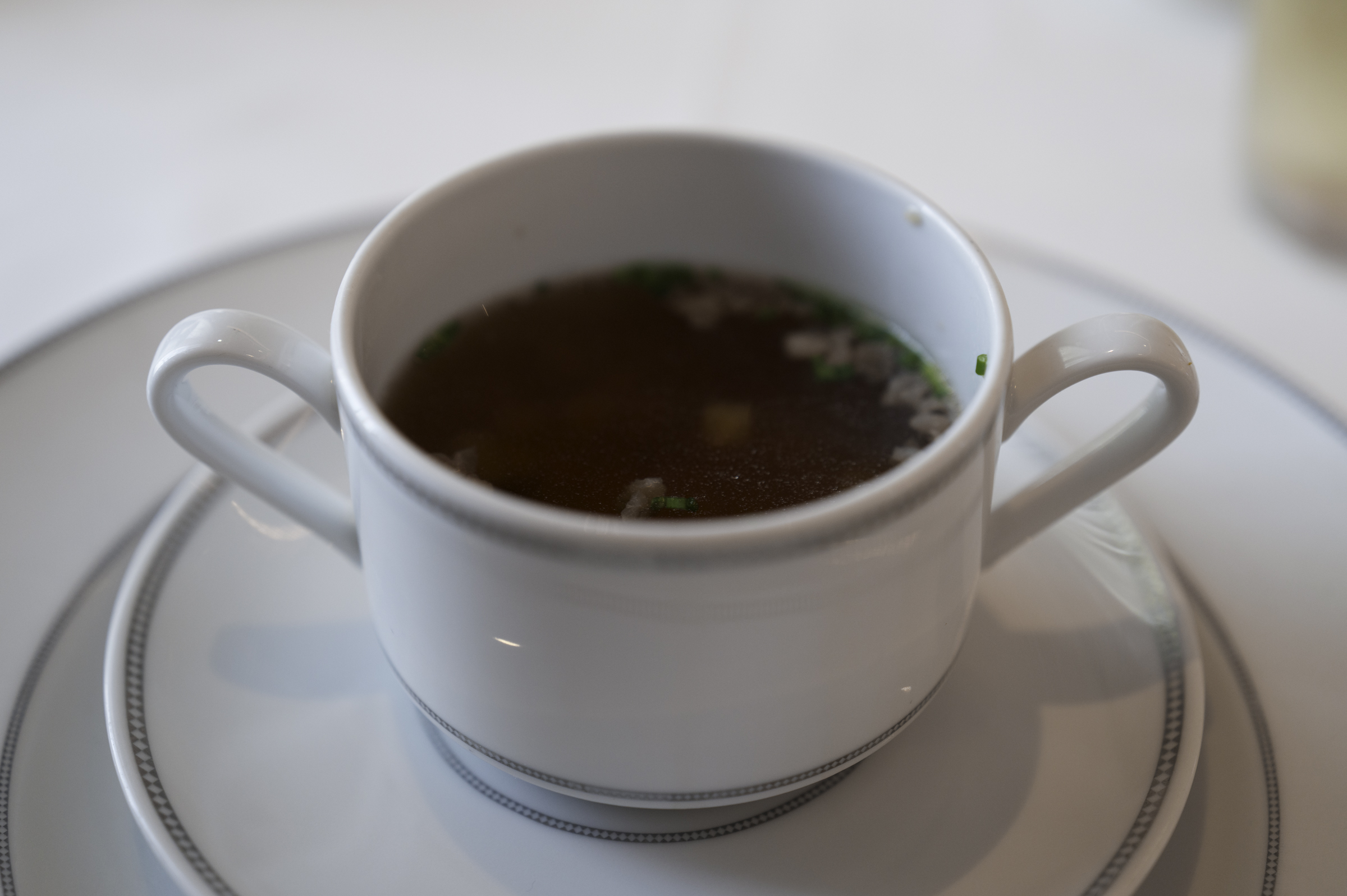
After the block party, we headed to Compass Rose restaurant, where we had a beautiful meal.
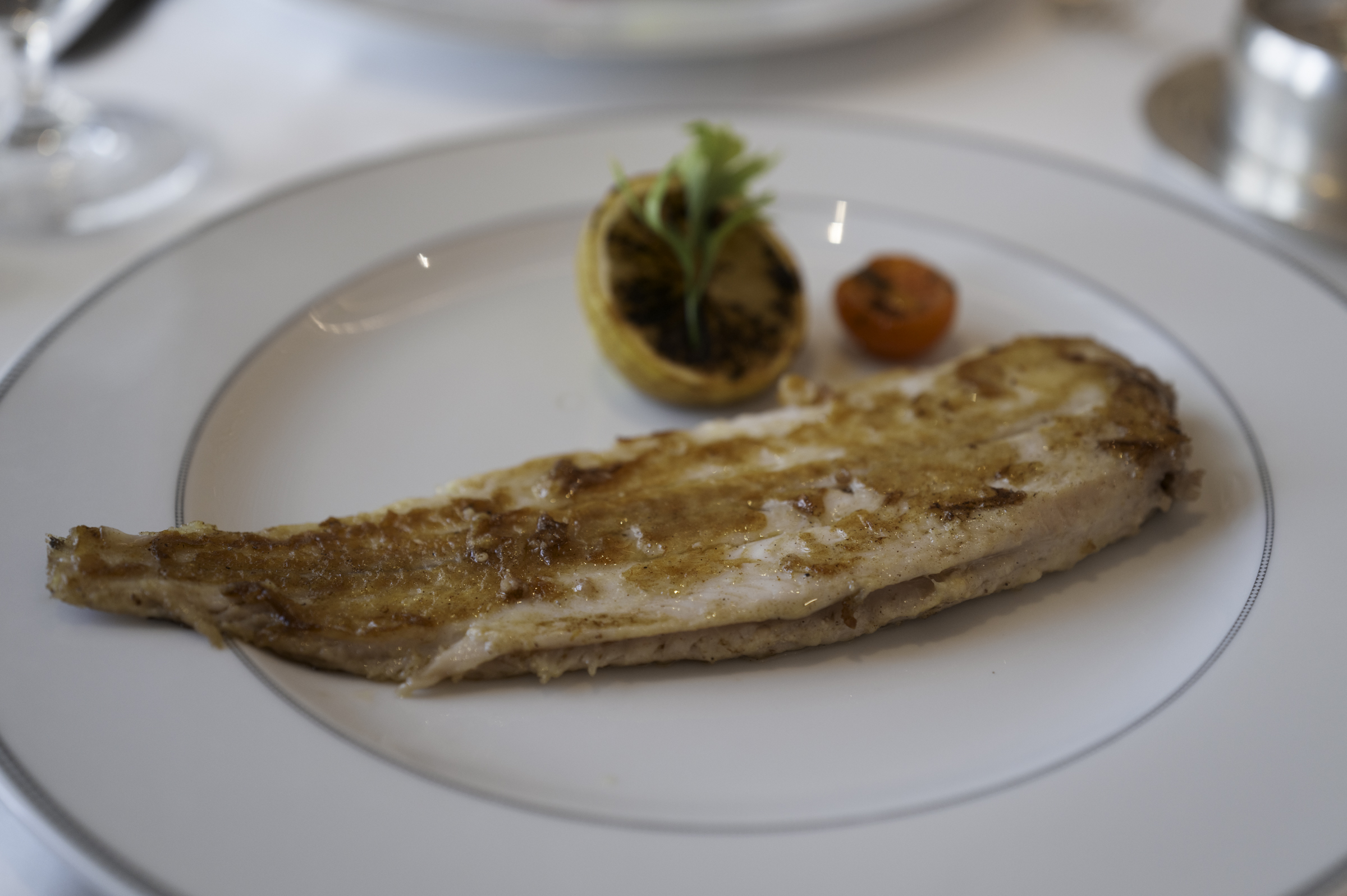
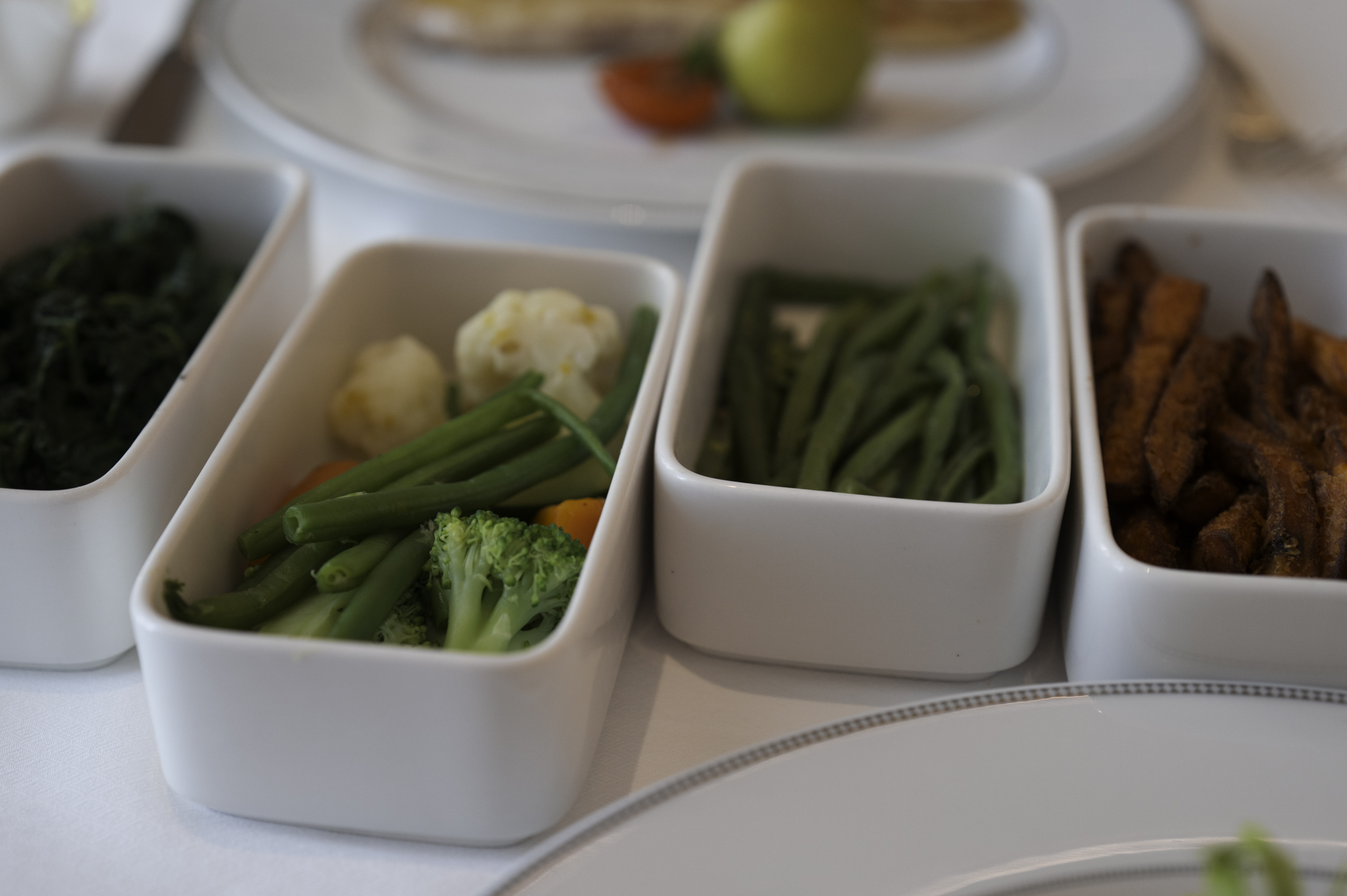
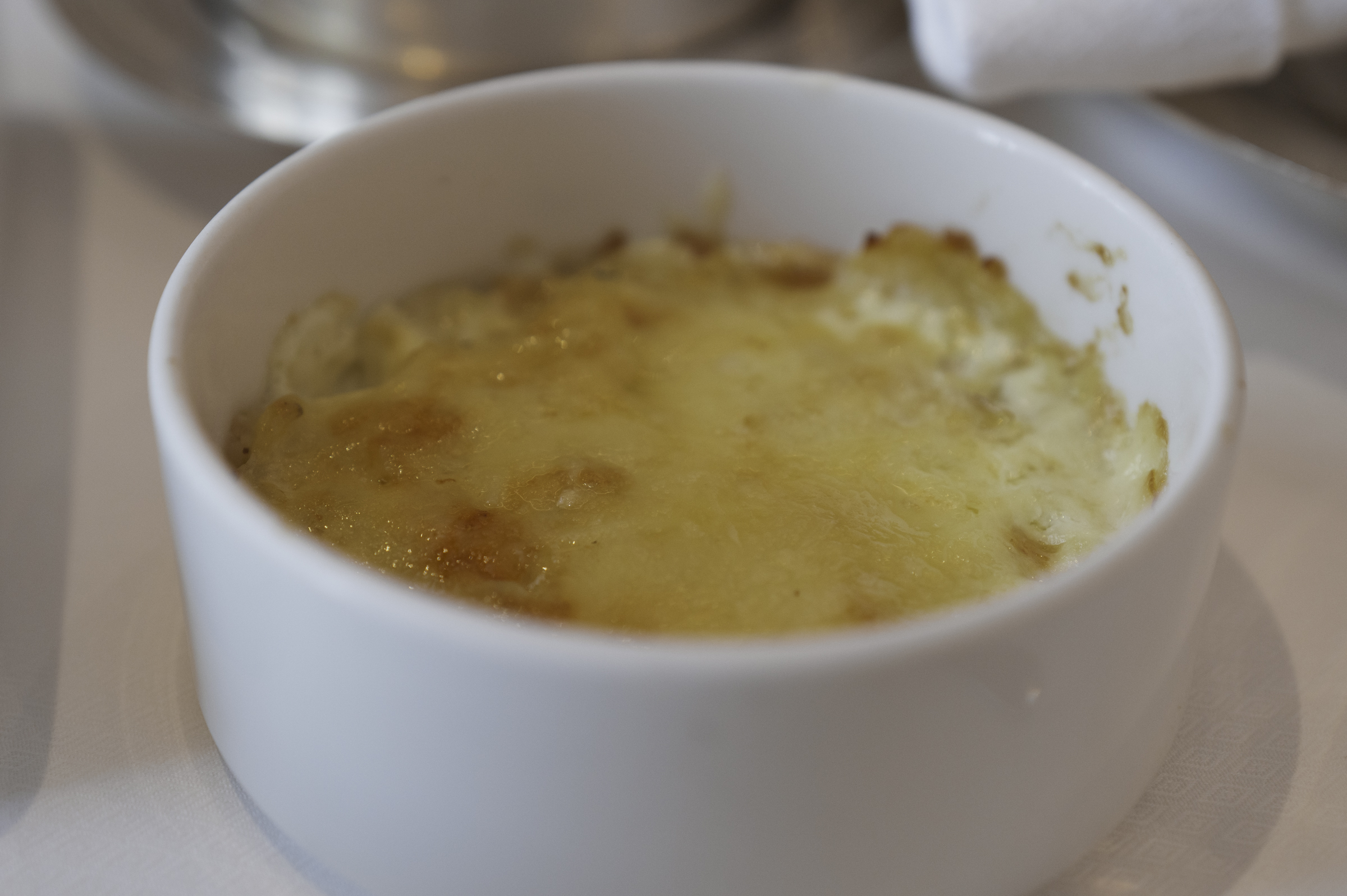
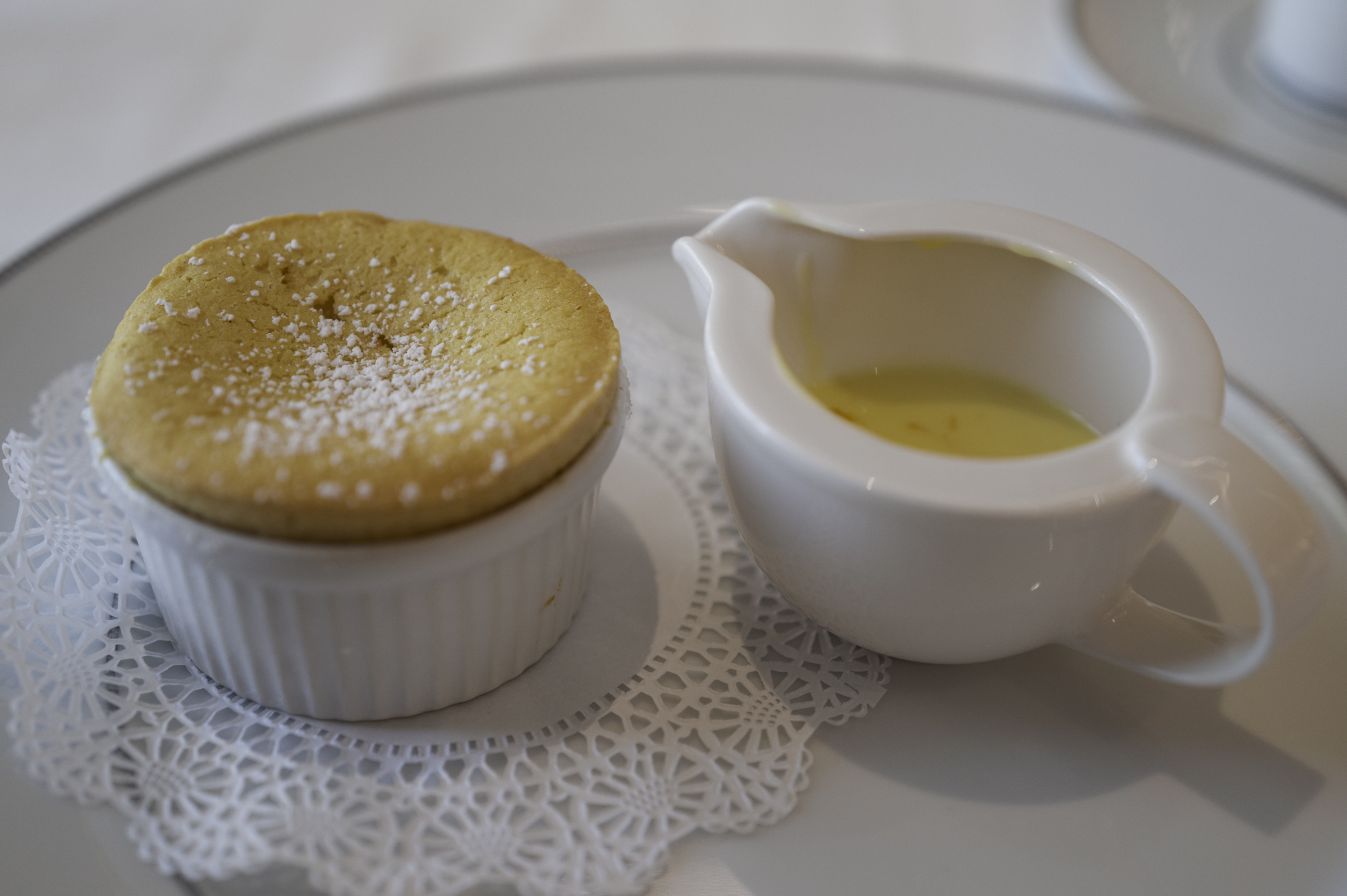
We finished dinner around 8:00 pm, and returned to our suite briefly, before heading to the theatre to enjoy a performance by the wonderful Irish singer, Stephen Barry. Shipboard entertainment can be a bit hit-and-miss, but Stephen Barry was absolutely sensational. He is performing again in two nights, and we will definitely be going to his second show.
After the show we got chatting to a lovely couple from Sussex, Peter and Pam. They are a bit older than we are and are incredibly well-travelled. They were a lot of fun to talk to and, hopefully, we’ll catch up with them again before the cruise is over.
After the show, we retired to bed. We’re sailing west overnight to Valletta, in Malta, and we are very much looking forward to exploring the incredible history of Malta.