
Europe
Valletta
We slept in a little this morning, since the ship was not due into the Maltese capital, Valletta, until 10:00 am. We got a beautiful view of the city coming into port.
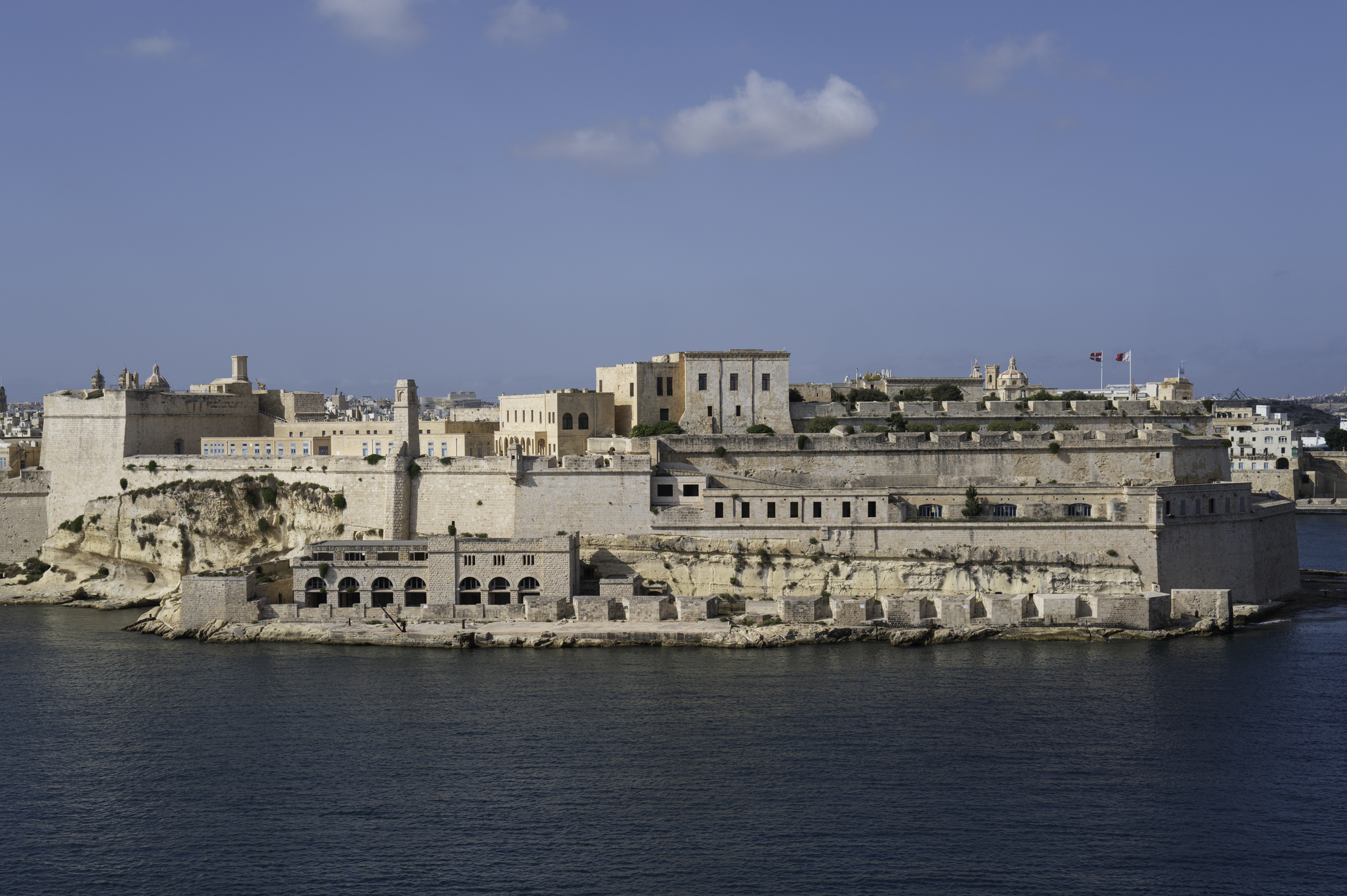
With colonisation dating back to about 700 BC, Malta has been ruled by a diverse range of empires, including the Phoenicians, Carthaginians, Romans, Byzantines, Arabs, Normans, Swabians, Angevins, Aragonese, and from 1530 to 1798, by The Knights of St. John.
In 1798, Napoleon Bonaparte seized Valletta en route to Egypt, but the French rule lasted only two years before British forces took over in 1800. Under British rule, Valletta became a strategic naval base in the Mediterranean, and Malta remained under British control until its independence in 1964.
Valletta was founded in 1566 by the Knights of St. John after their victory over the Ottoman Empire in the Great Siege of 1565. The city was named after Jean Parisot de la Valette, the Grand Master who led the military campaign. It became the capital of Malta in 1571.
Valletta was one of the first planned cities in Europe. It was designed as a fortified city to prevent future invasions. Its layout was innovative for the time, built on a grid with straight, wide streets that were ideal for both defence and healthy city living.
Valletta suffered heavy damage during World War II, sustaining the heaviest bombing of the war, with more than 6,000 tonnes of bombs dropped in 154 days. Despite being on the brink of starvation and destruction, Malta’s strategic defence enabled the disruption of enemy supply lines to North Africa, which was a crucial factor in the eventual Allied victory there. There is still some evidence of WWII bombing in Valletta, with some buildings deliberately left damaged as a reminder of the war.
On April 15, 1942, King George VI of Britain awarded the entire population of Malta the George Cross, the highest British non-military honor for heroism. The George Cross is usually reserved for individuals, making this collective award historically unique. The citation praised the bravery, sacrifice, and endurance of the Maltese people under intense enemy bombing and siege: “To honour her brave people I award the George Cross to the Island Fortress of Malta to bear witness to a heroism and devotion that will long be famous in history”.
Our plan for today is a walking tour of Valletta to soak up some of the history (an admittedly difficult task in a city that has such an incredible story). At 10:30 am, we were at the meeting point for the tour and, shortly after that, we were on our way into the historical city of Valletta.
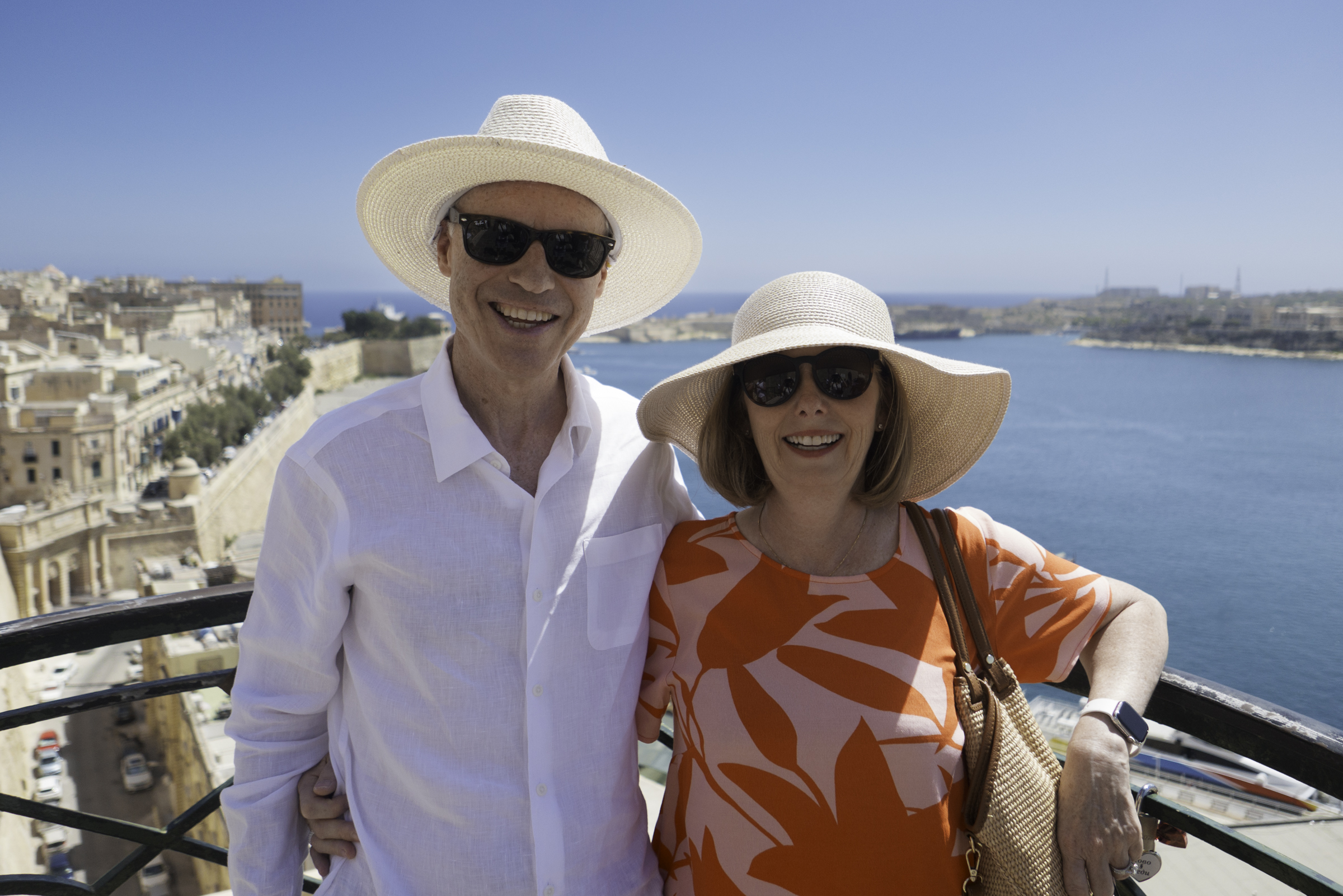
Our first stop was at Upper Barrakka, a very scenic garden from which we got a lovely view of the city. On the way there, we passed the Tritons’ Fountain and the Church of St Catherine of Alexandria.
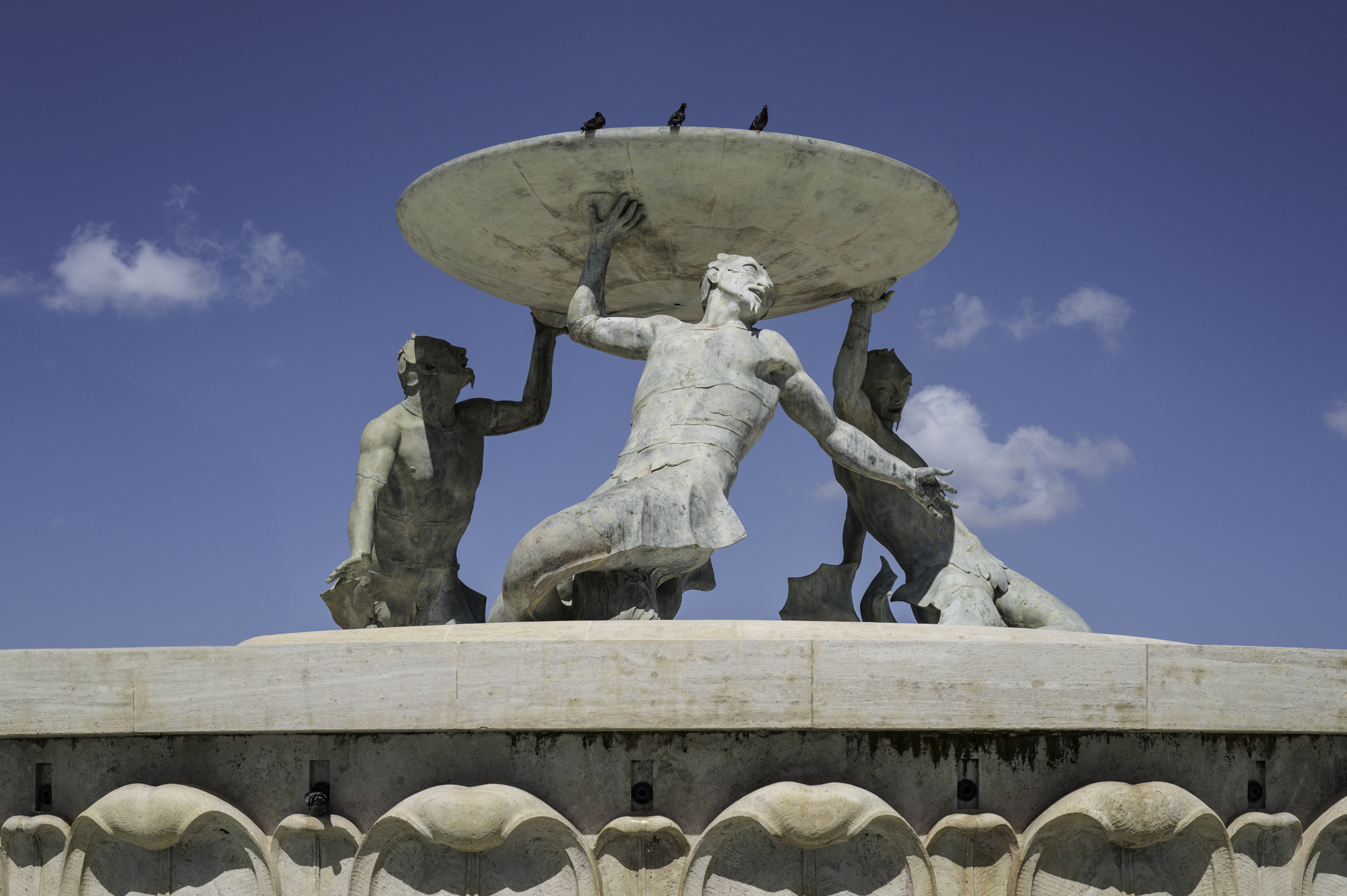
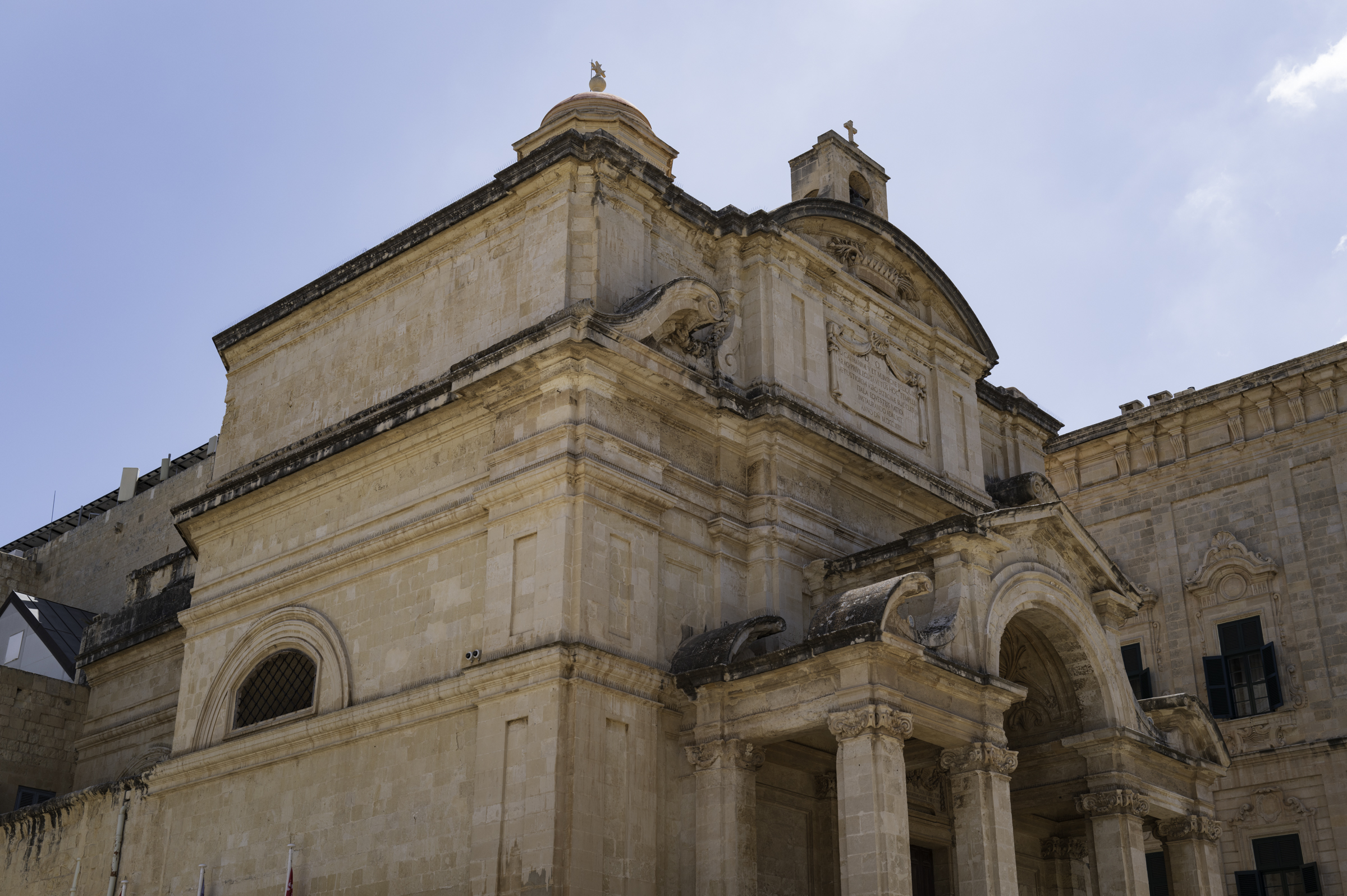
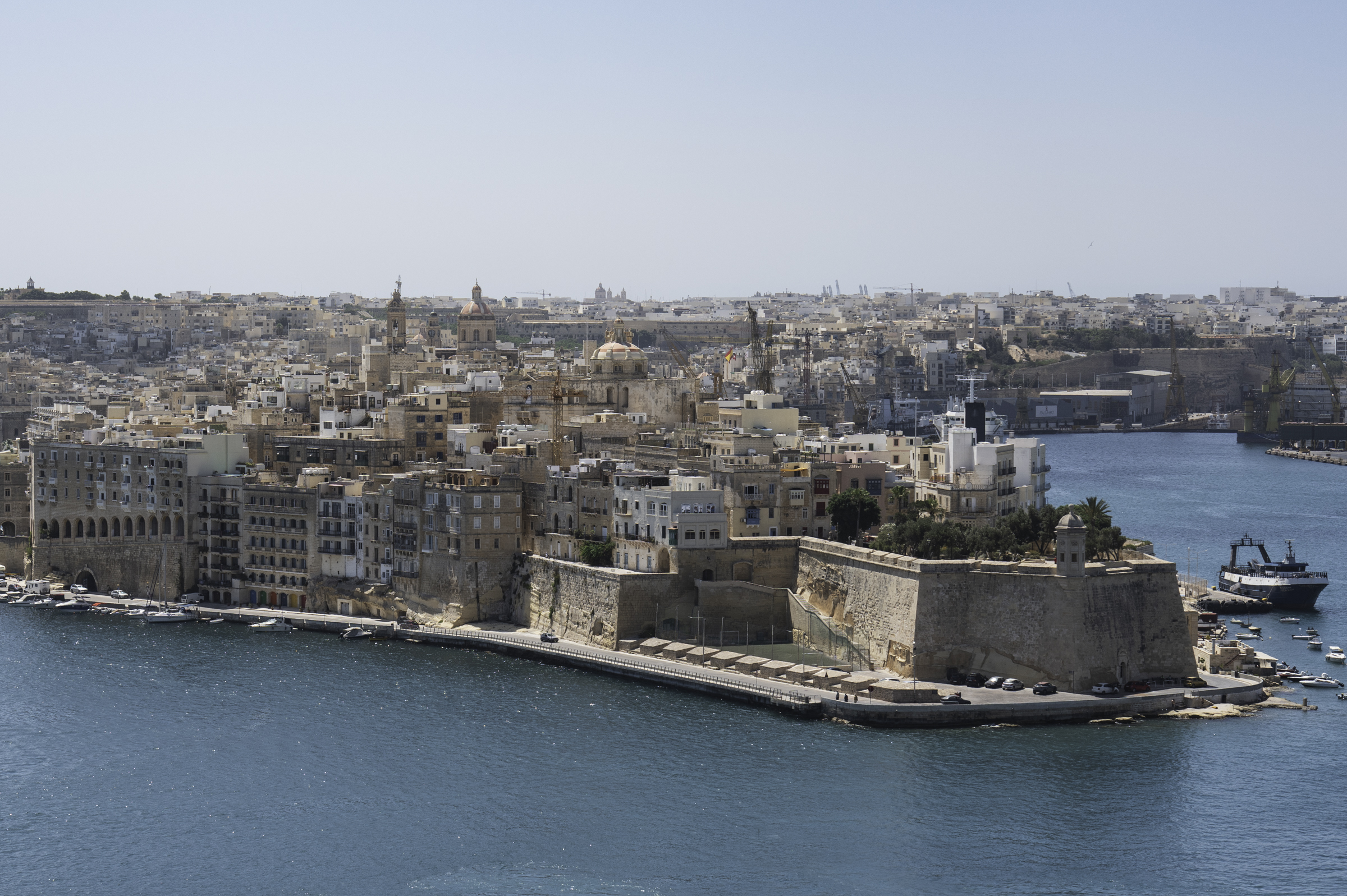
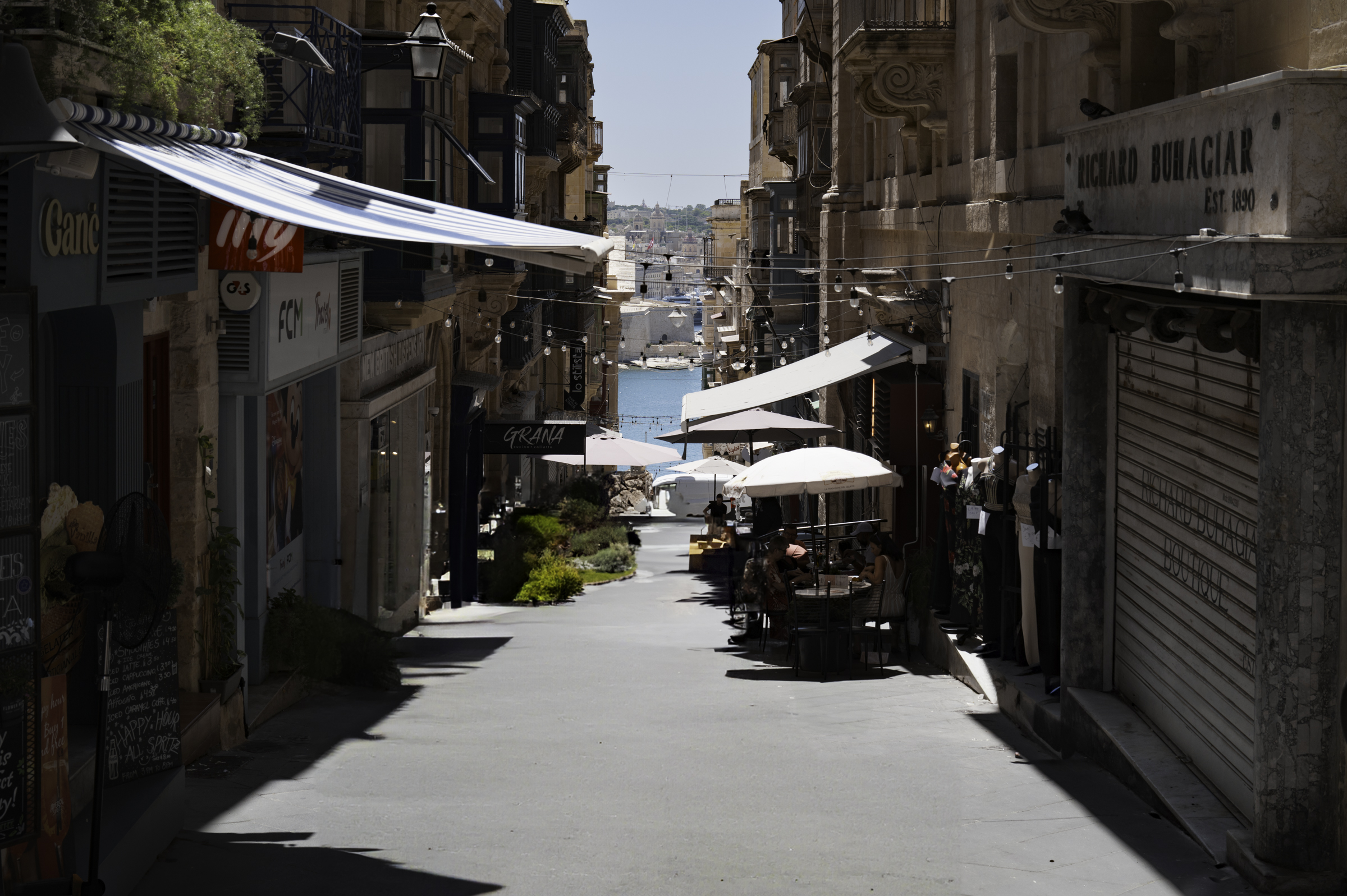
We then spent a little time meandering through the pretty Valletta streets.
Our next stop was St. John’s Co-Cathedral. St. John’s Co-Cathedral was built between 1572 and 1577 for the Knights of St John. The exterior is quite plain, but the interior is an incredible masterpiece of Baroque art and architecture. It features elaborate gilded stonework, more than 400 marble-inlaid tombs of knights, and chapels for the Order’s different national divisions.
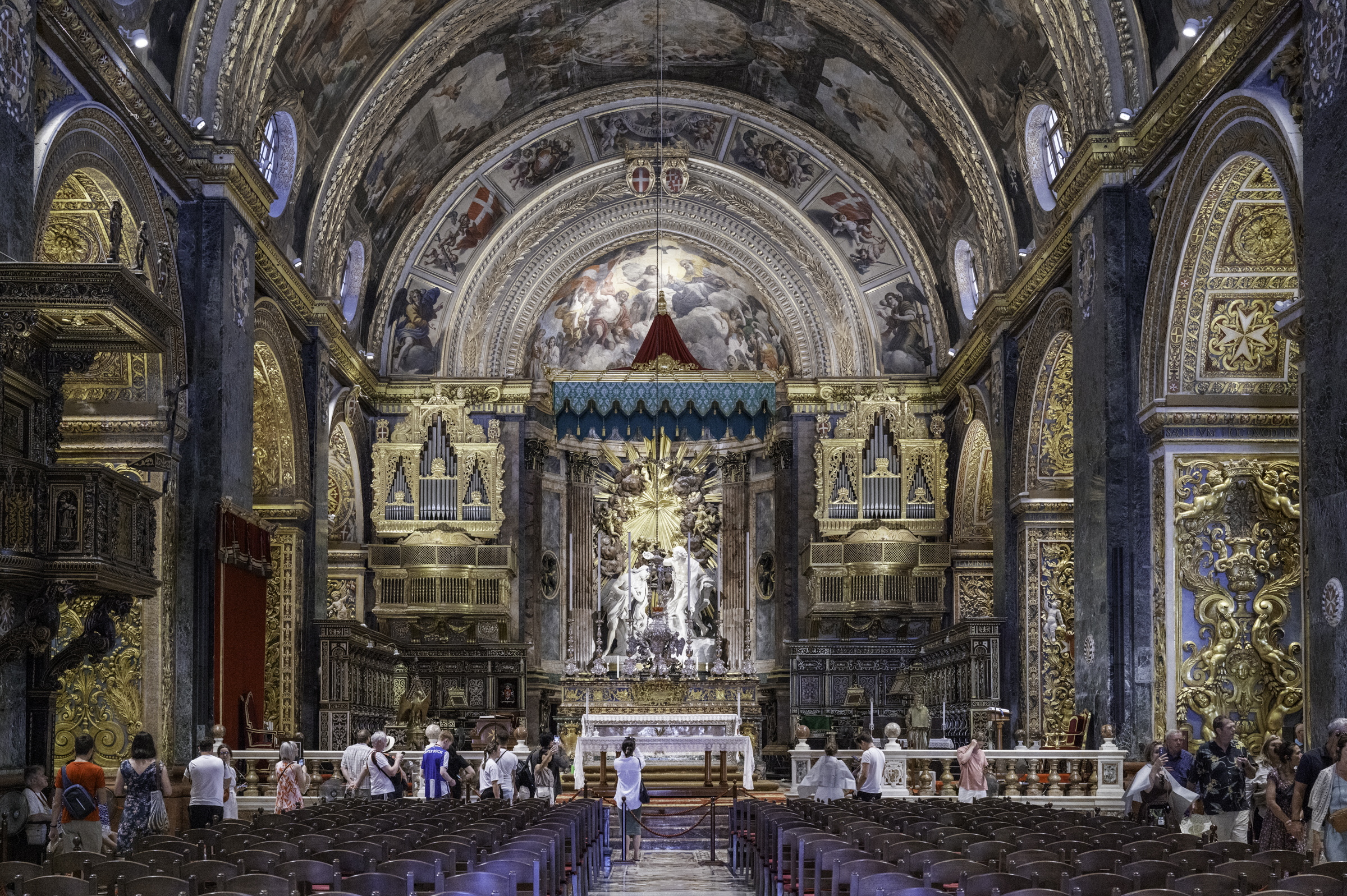
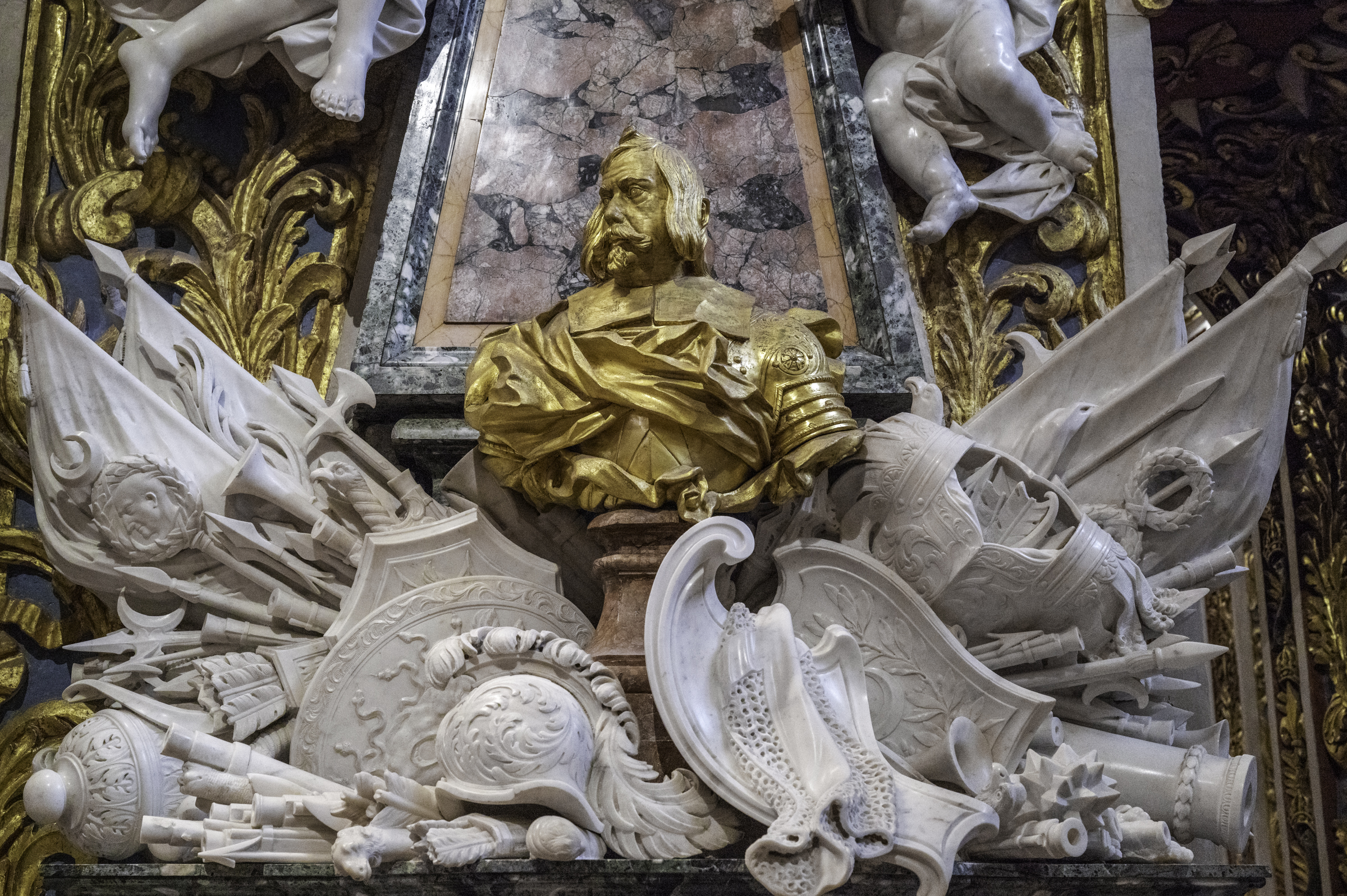
In addition to the stunning interior, the other big attraction at St. John’s Co-Cathedral is Caravaggio’s graphic masterpiece, “The Beheading of Saint John the Baptist”. This is Caravaggio’s only signed painting (with his signature in red within the pool of blood spurting from John’s neck), and was painted during his turbulent, fugitive period in Malta, as a commission for the Knights of St. John. The painting is displayed in the oratory and is of such scale and power, that it commands the room.
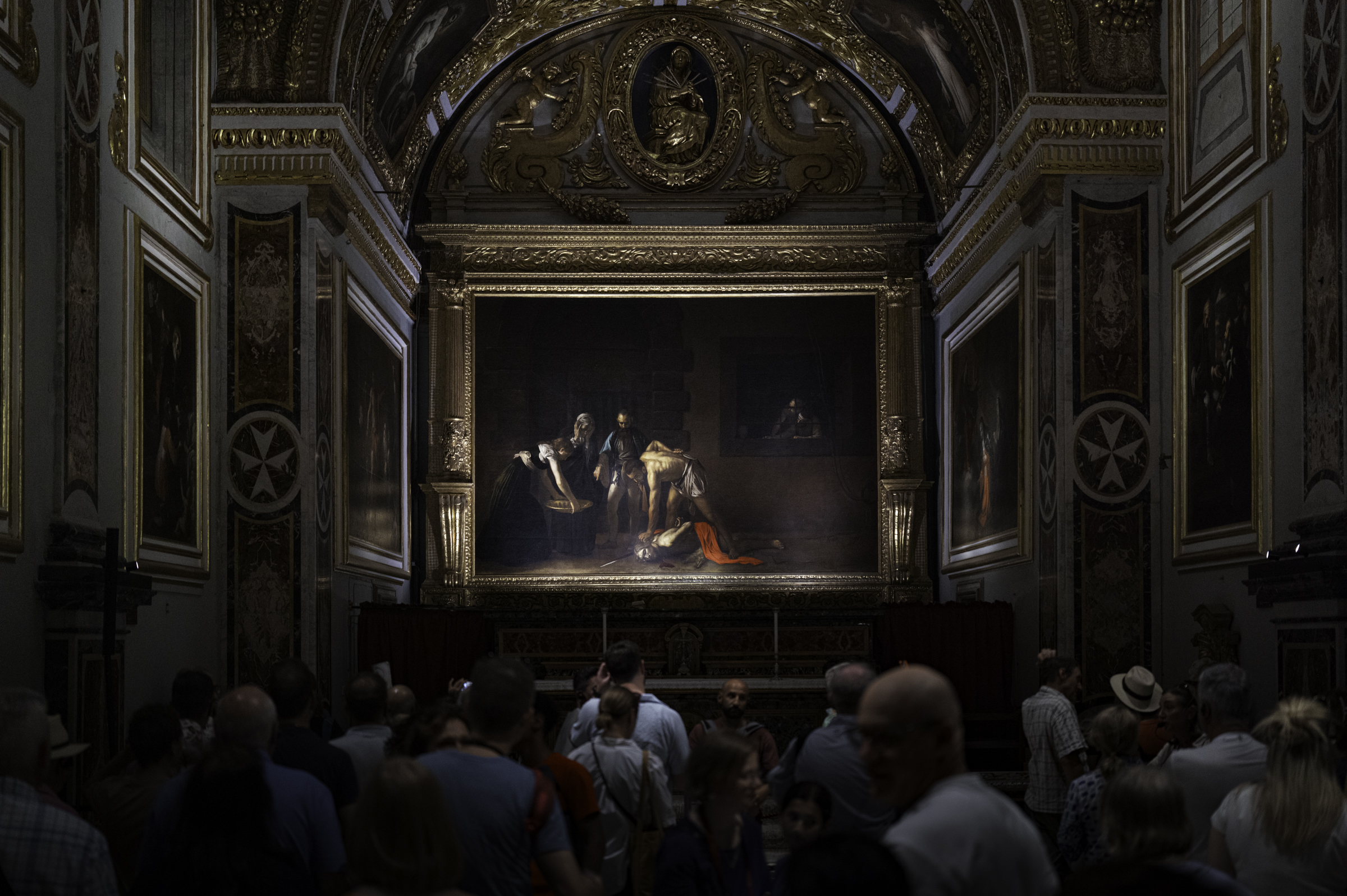
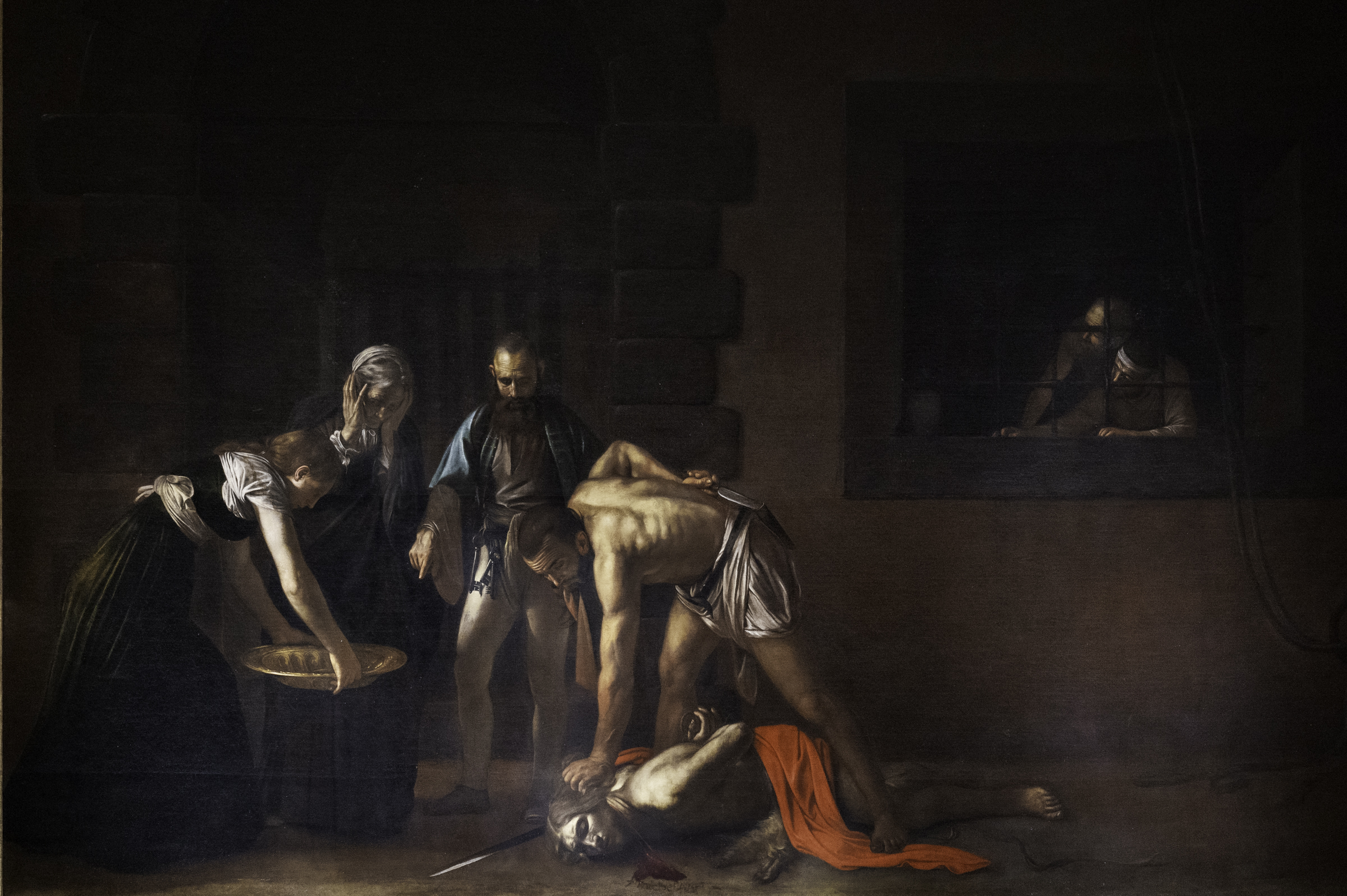
We thought of Uncle John as we viewed Caravaggio’s masterpiece. Uncle John had told us that he had missed seeing it when he visited Valletta, and we promised him that we would see it and think of him when we did. As powerful as the painting is, this made it even more emotional for us.
From St. John’s Co-Cathedral, we headed to the Grand Master’s Palace, passing by the Great Siege Monument along the way. This monument commemorates Malta’s defence during the Great Siege of 1565.
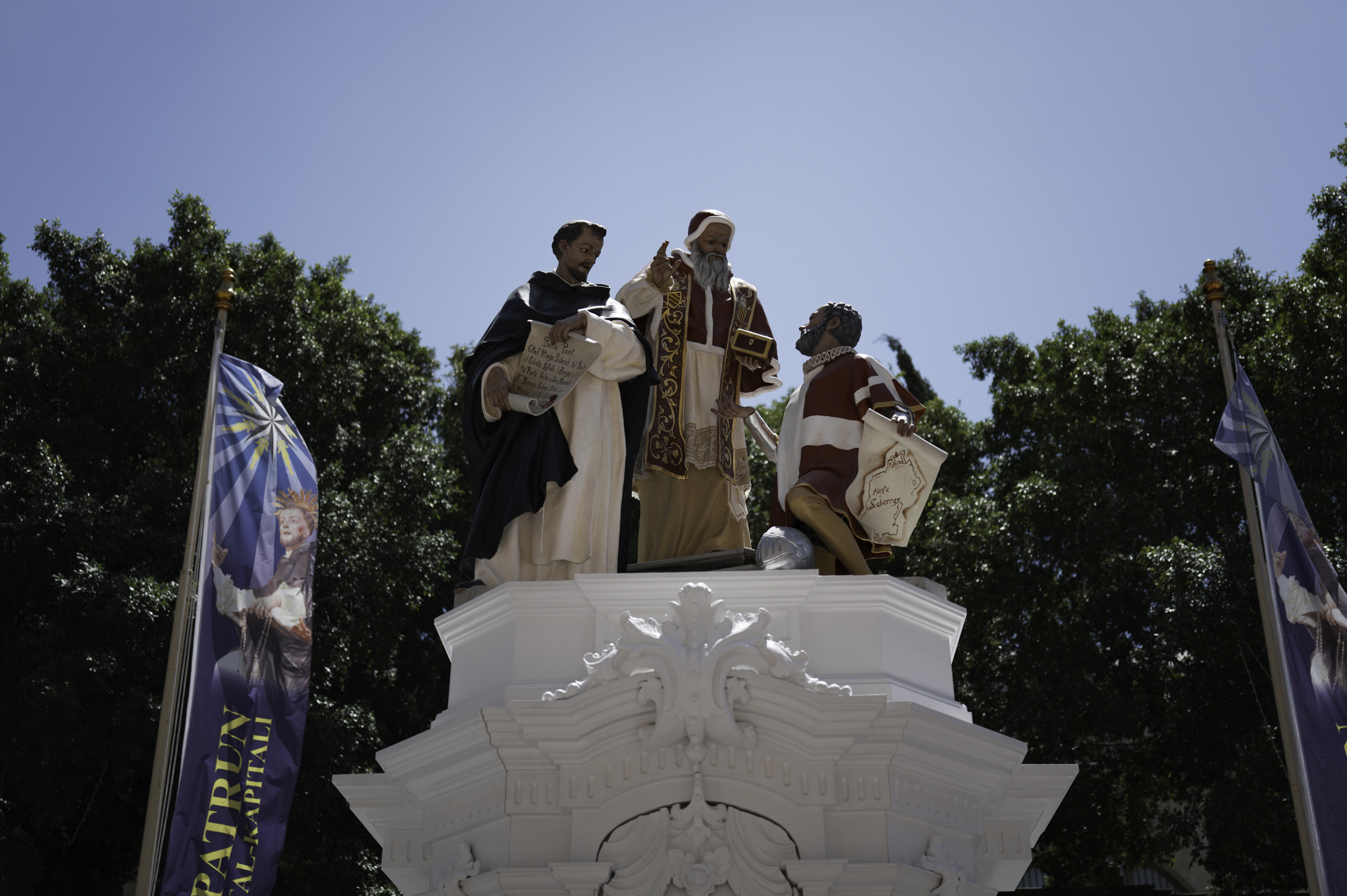
We got to the Grand Master’s Palace around 12:45 pm. We decided to go in and enjoy not only the historical artefacts, but also the air conditioning! It gets hot in Malta!
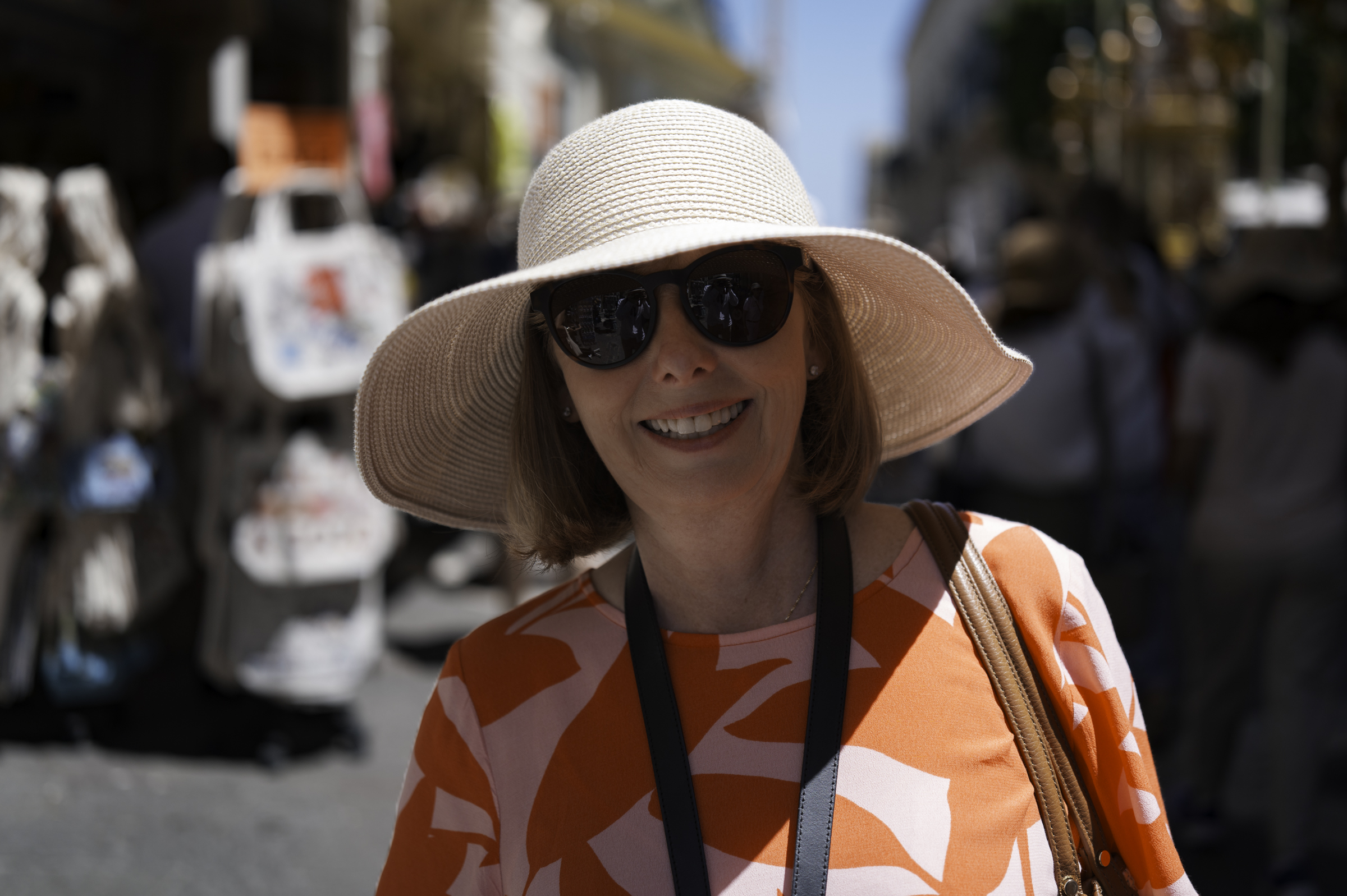
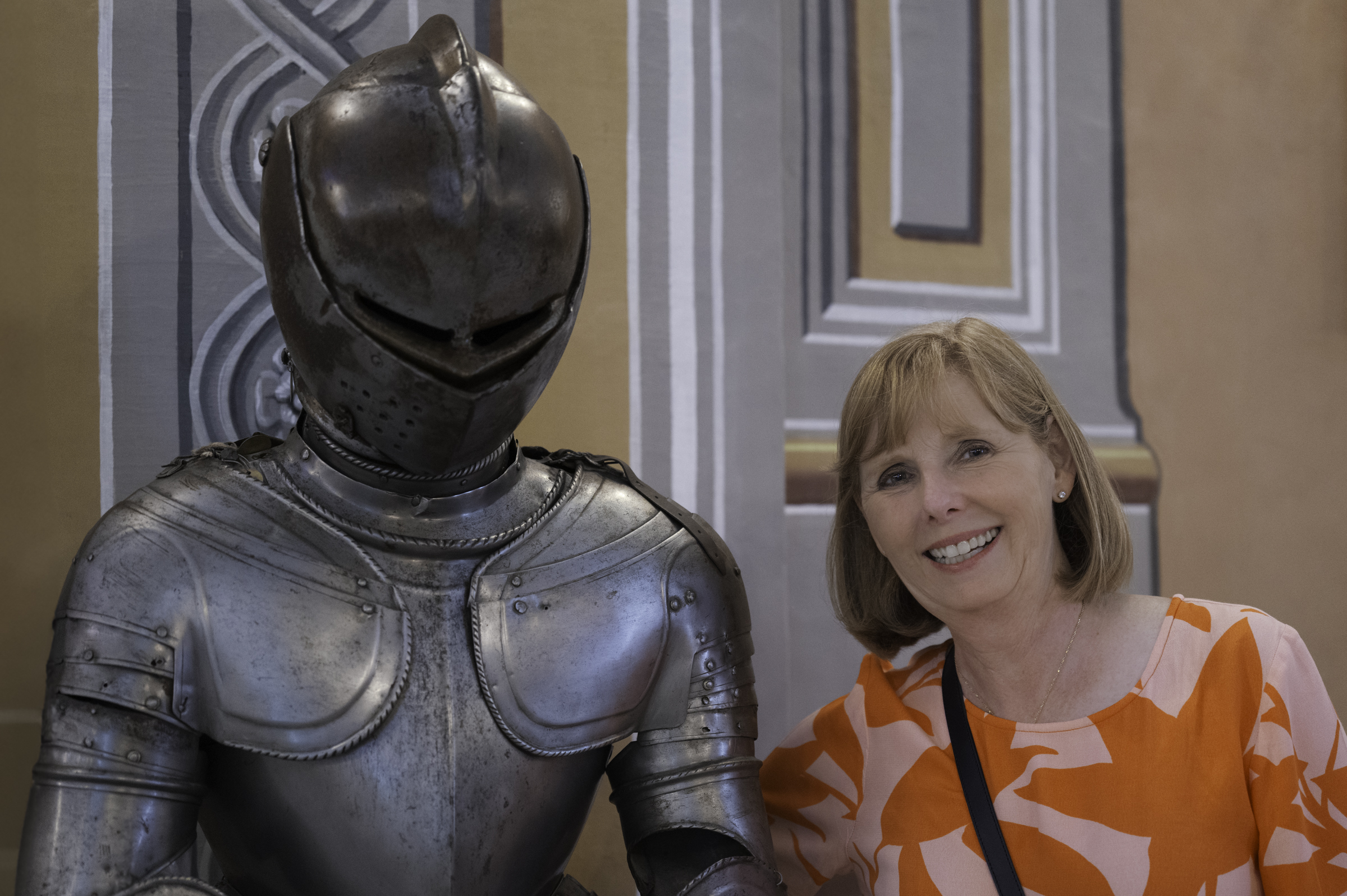
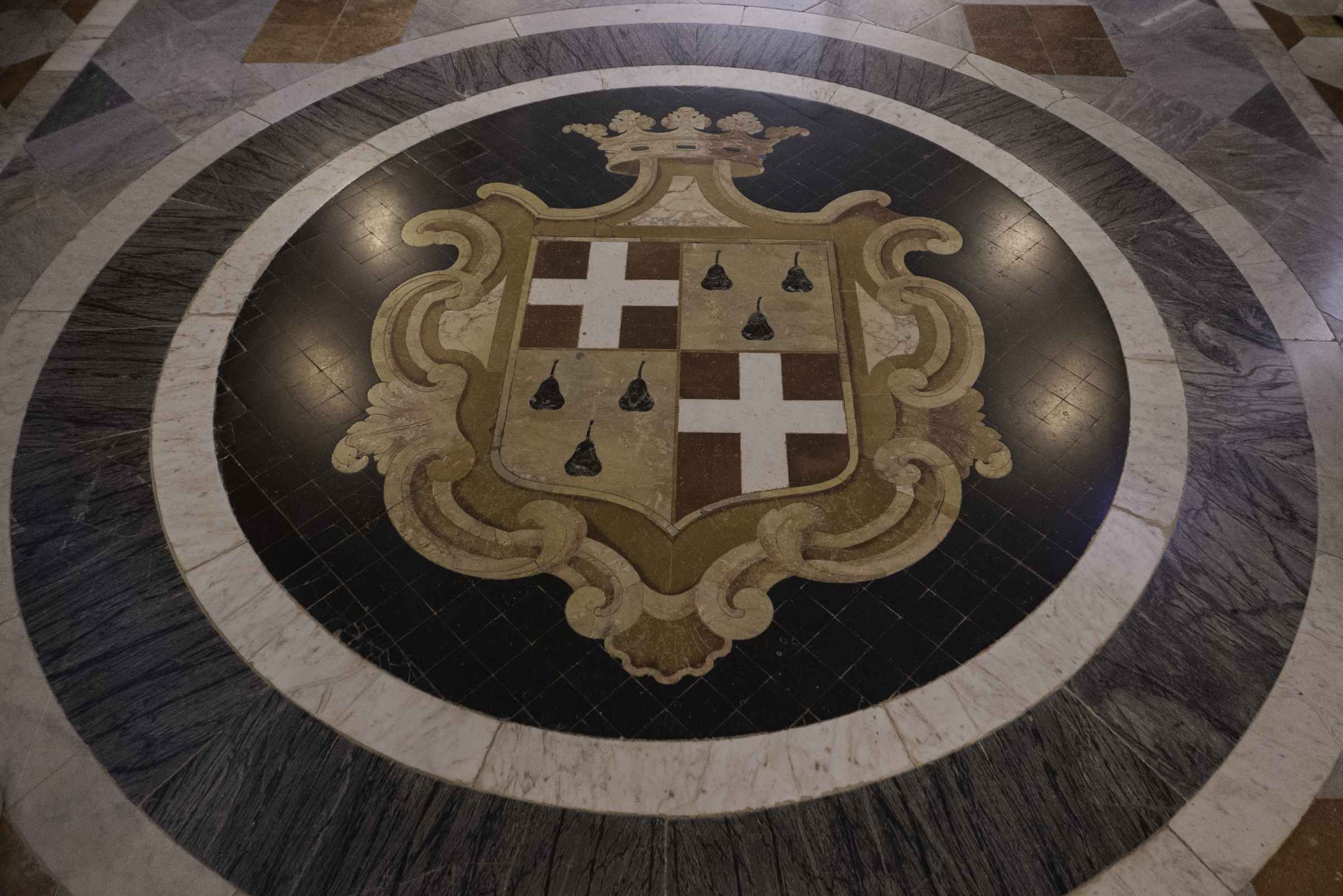
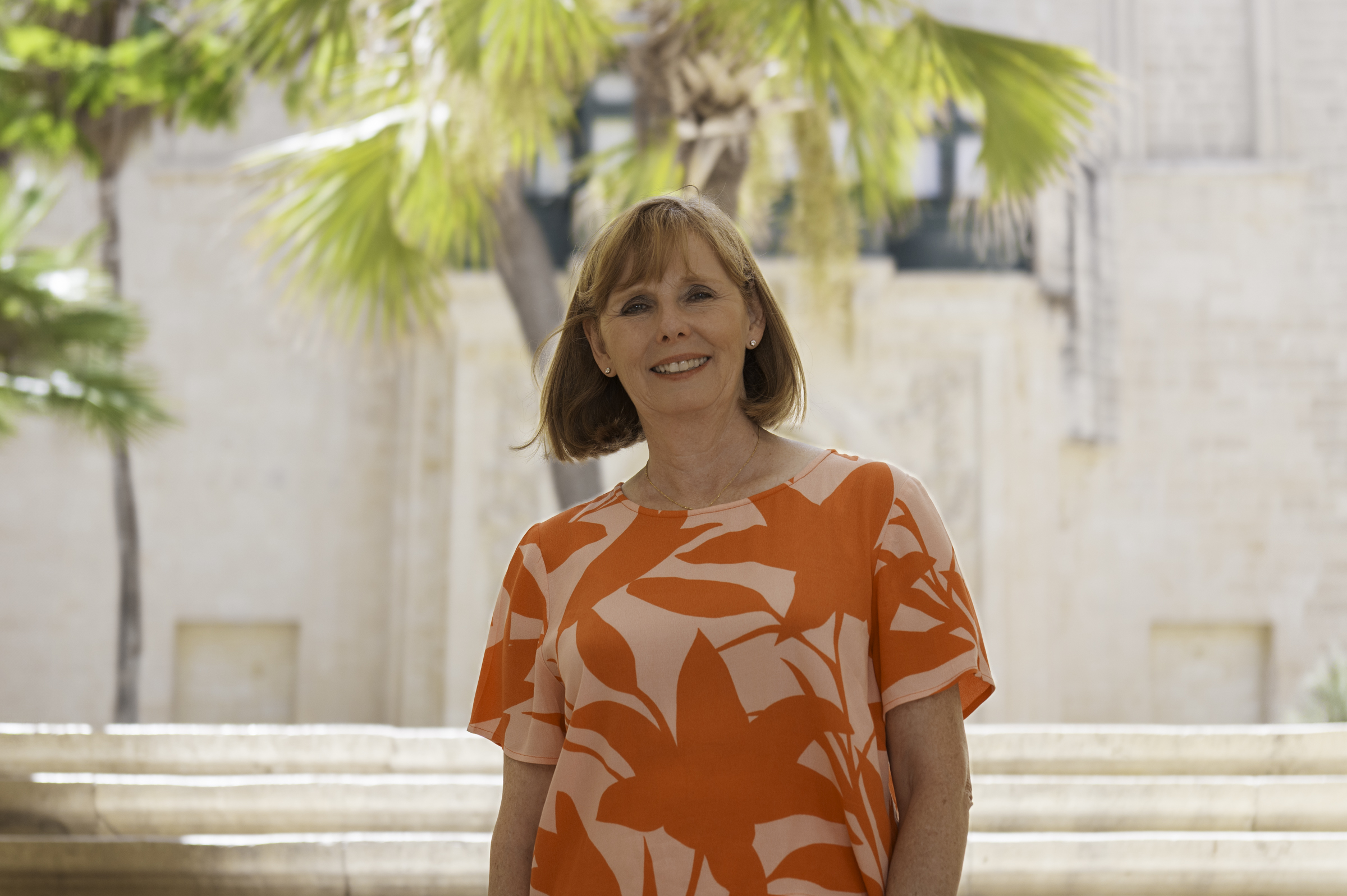
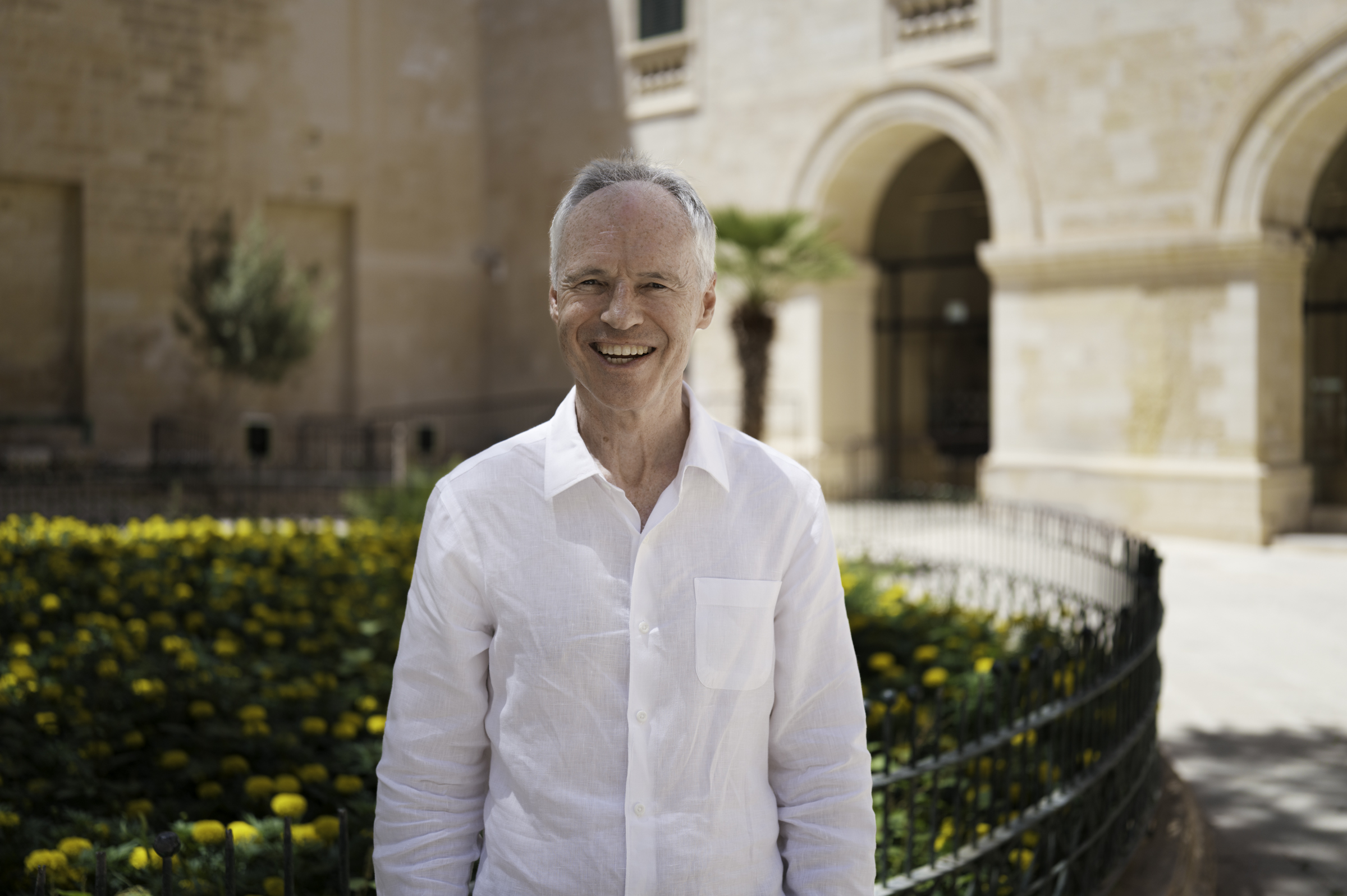
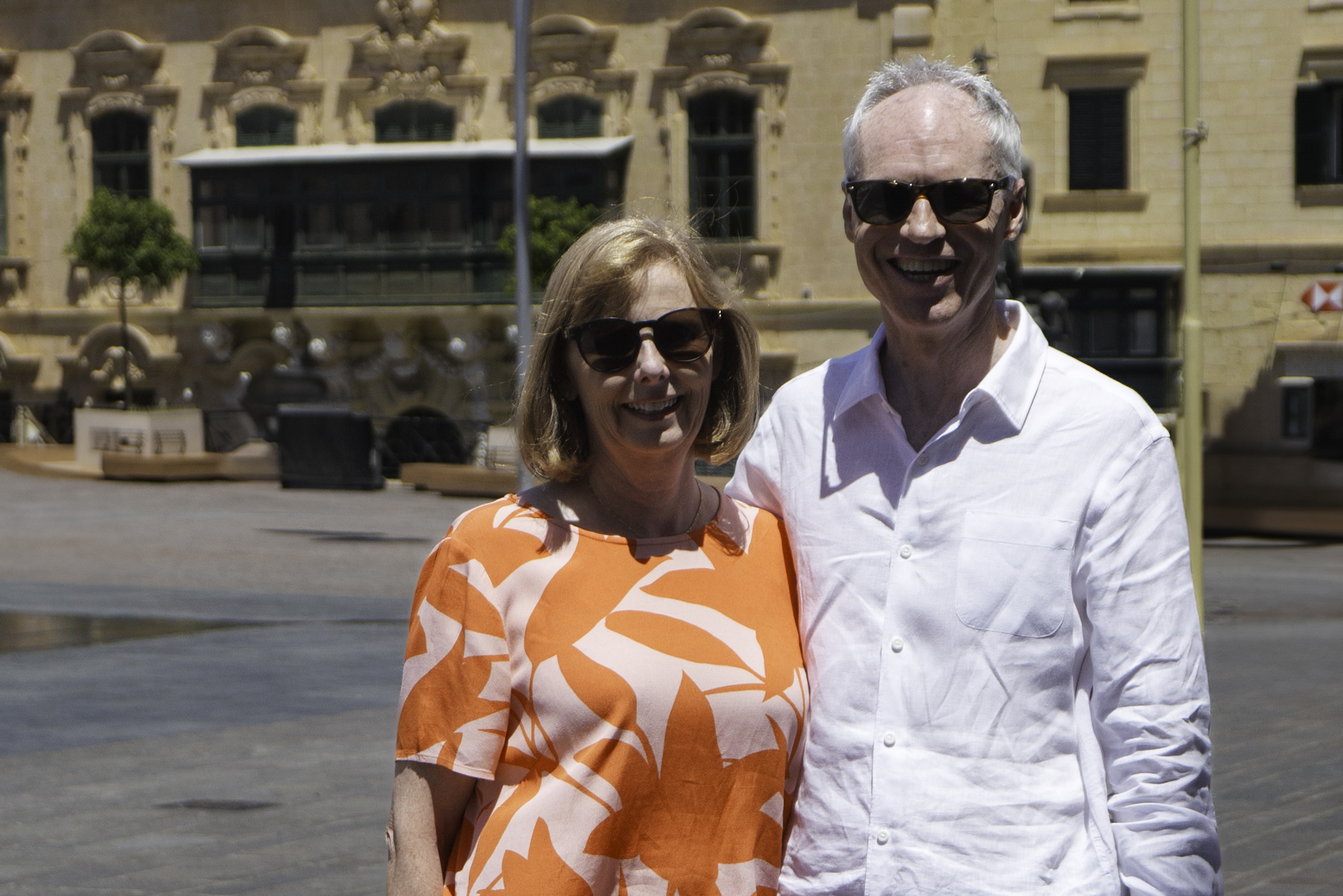
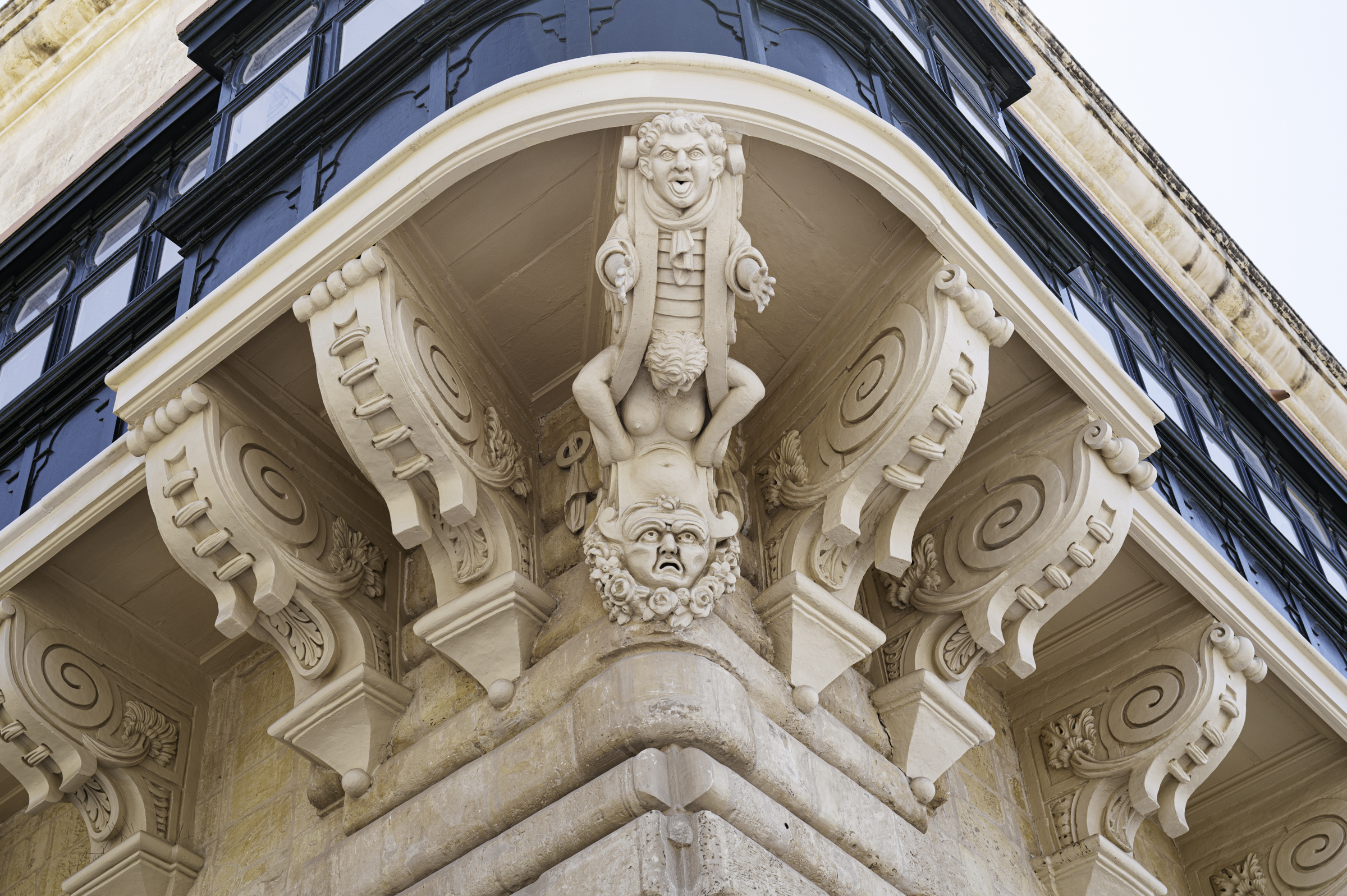
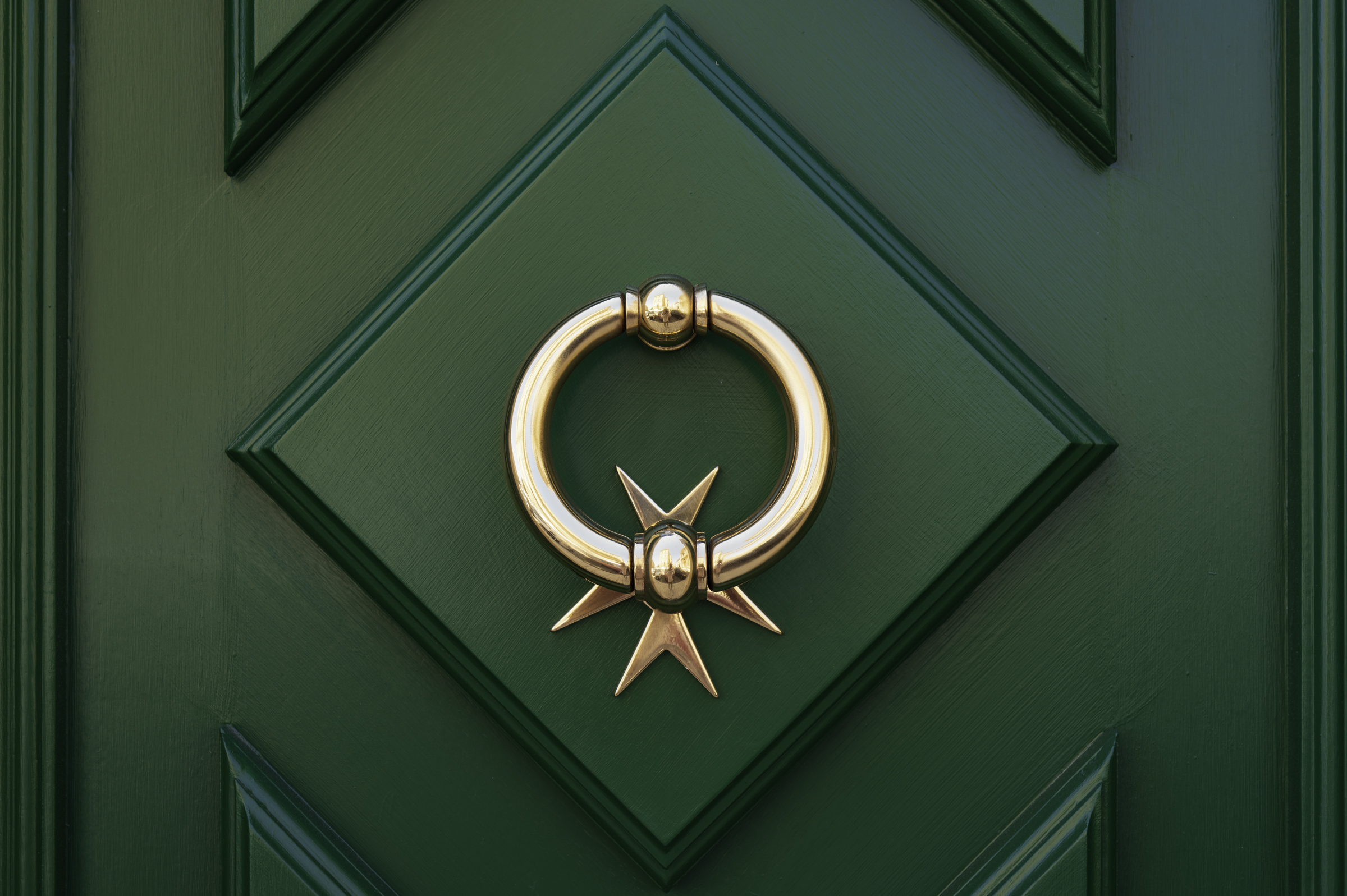
We left the Grand Master’s Palace and walked to “The Malta Experience”, a theatre that plays a very interesting documentary on the history of Malta. On the way, we passed some nice houses with decorative door knockers. In Malta, decorative door knockers were historically status symbols. The more elaborate and shiny the knocker, the higher the likely status and wealth of the homeowner.
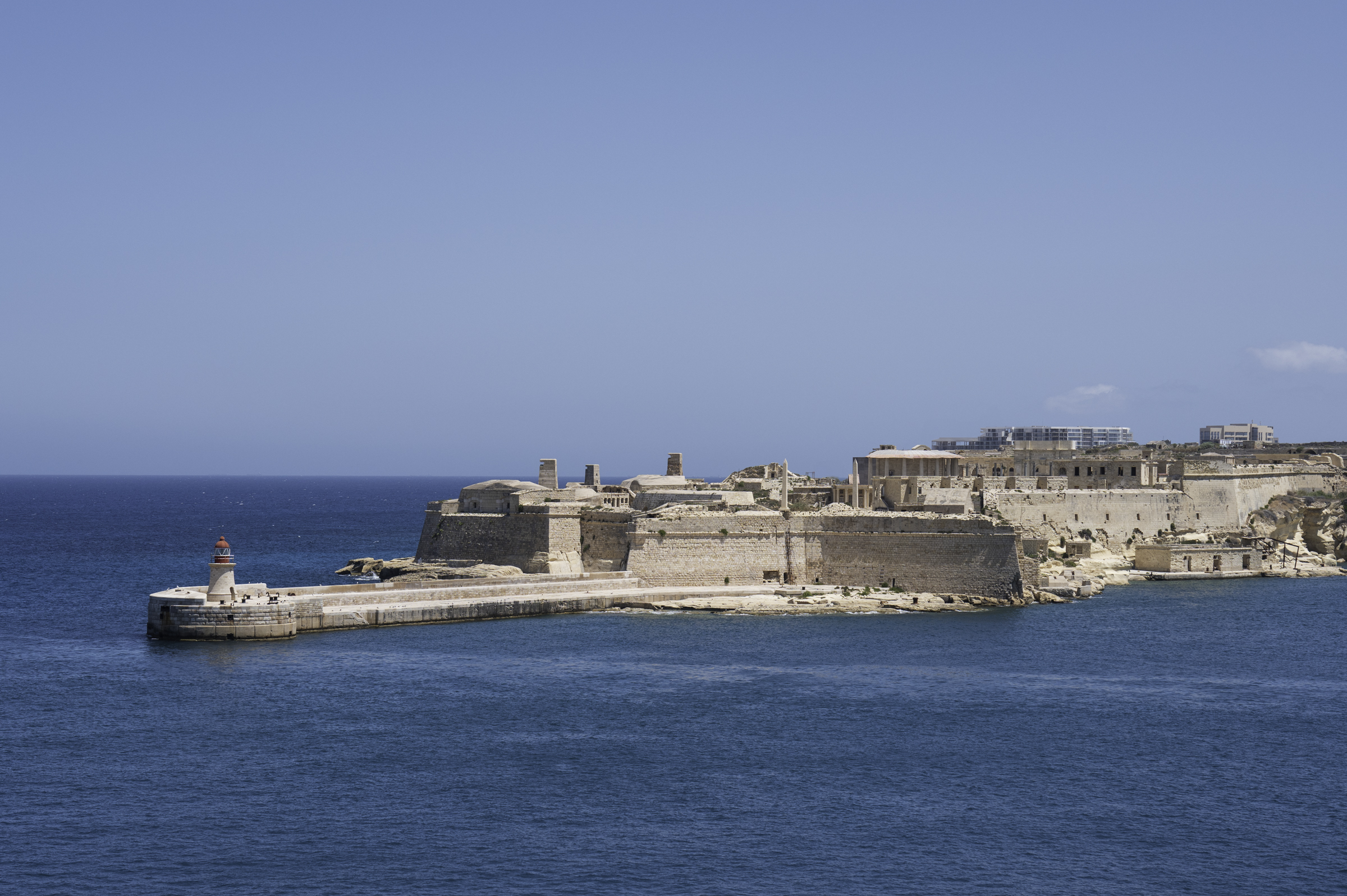
There are a number of forts in Malta. Fort Ricasoli is a bastion fort in Kalkara, which was built by the Order of Saint John between 1670 and 1698. We got a nice view of this fort from a vantage point near the theatre.
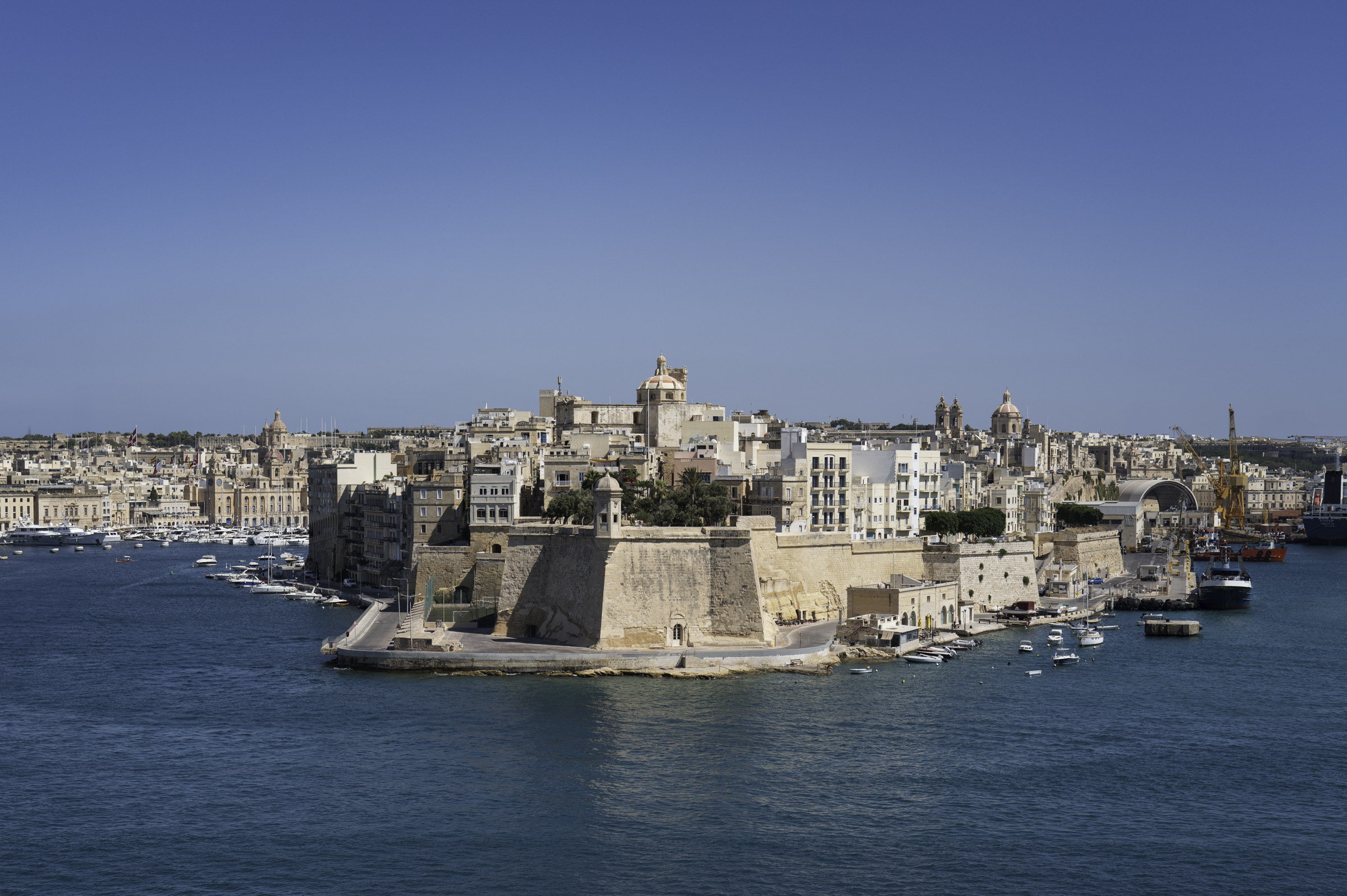
We got back to the ship late in the afternoon, and headed to the Pool Grill to get a bite to eat. From our table, we had a fantastic view of the Grand Harbour in Valletta.
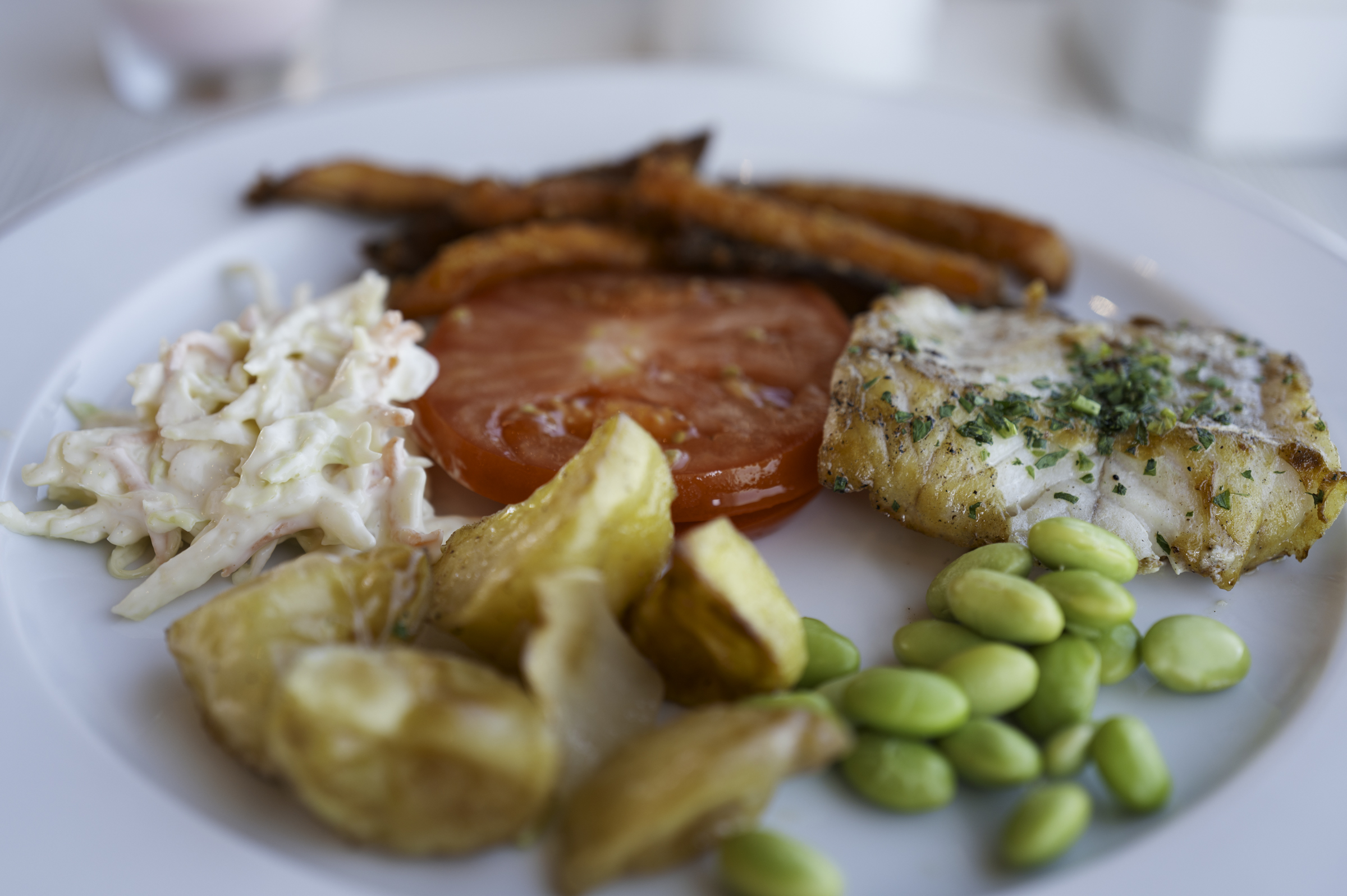
We enjoyed a nice lunch, after what was a thoroughly enjoyable day of walking around the incredibly beautiful and historical city of Valletta.
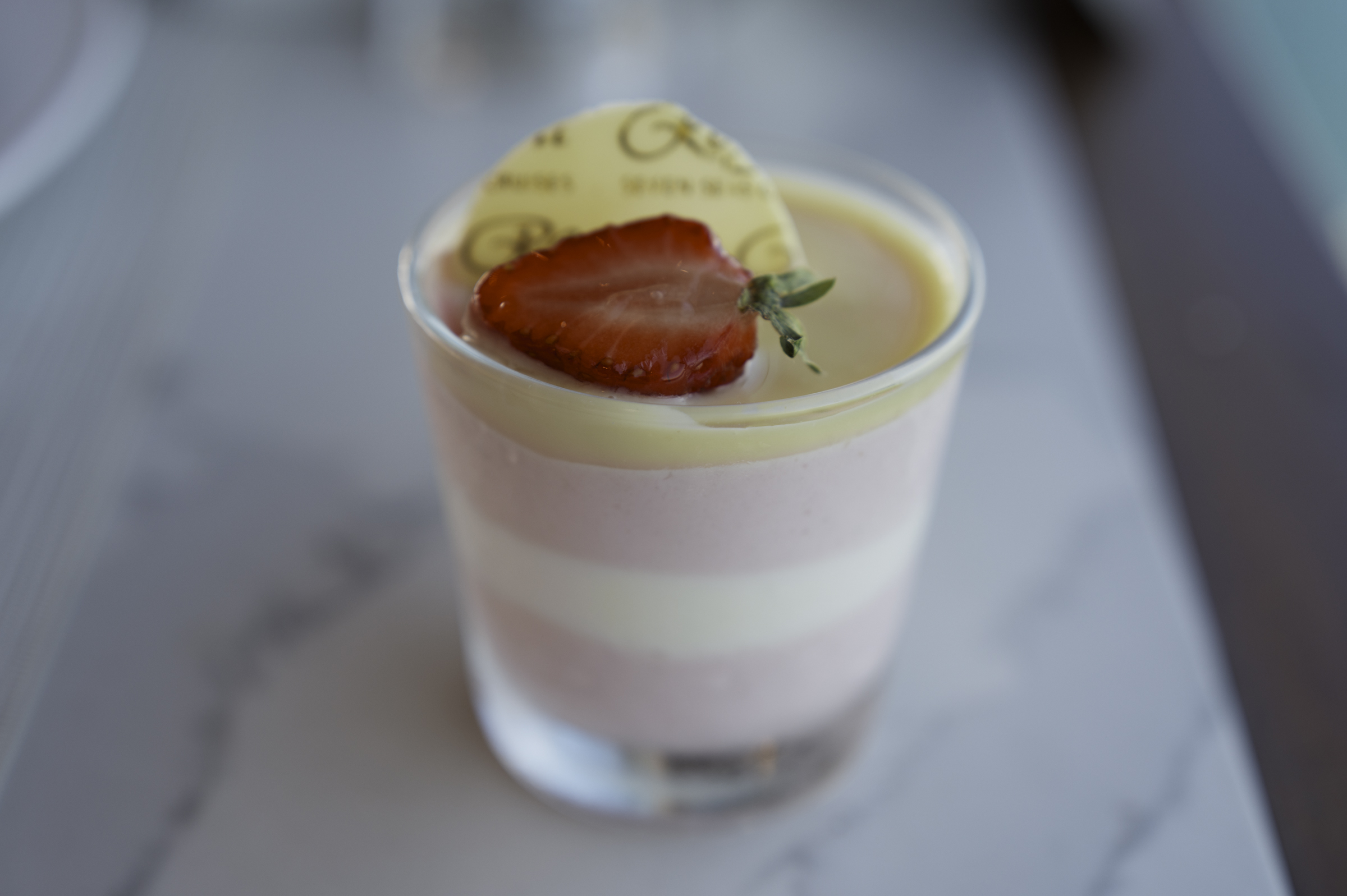
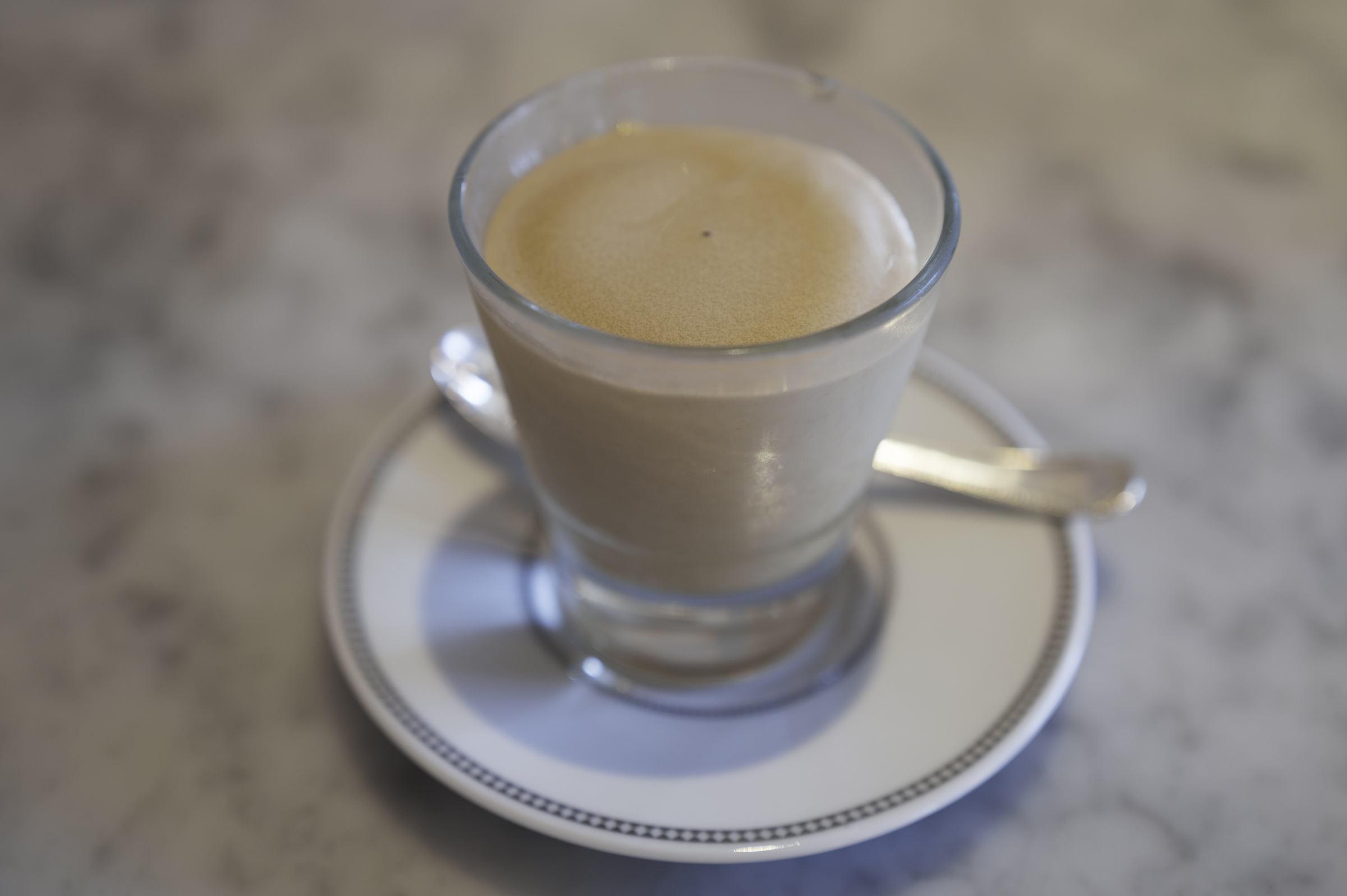
After lunch, we relaxed for while in our suite. Before we knew it, it was time for dinner! We headed to the Compass Rose restaurant and had a beautiful meal.
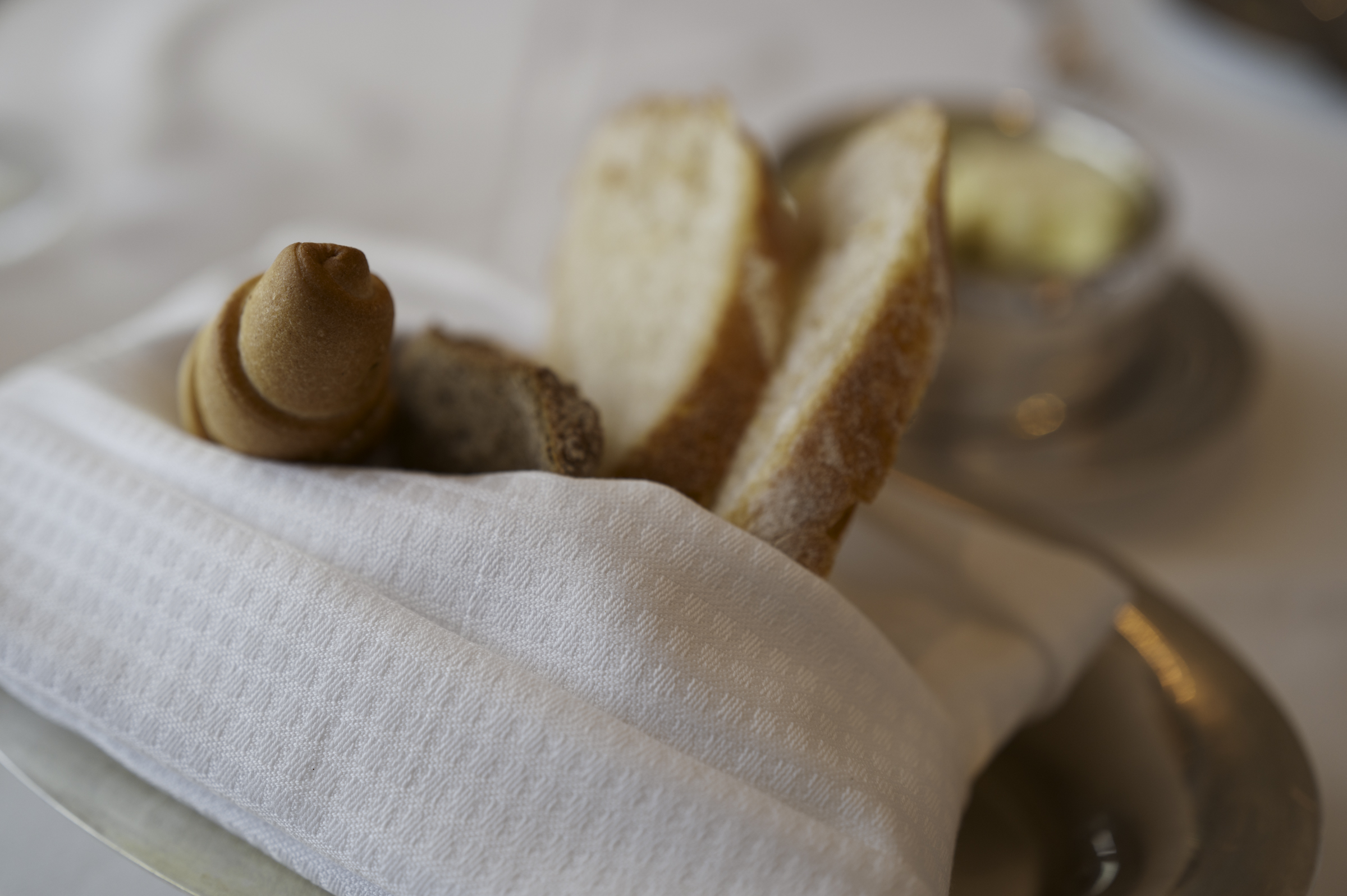
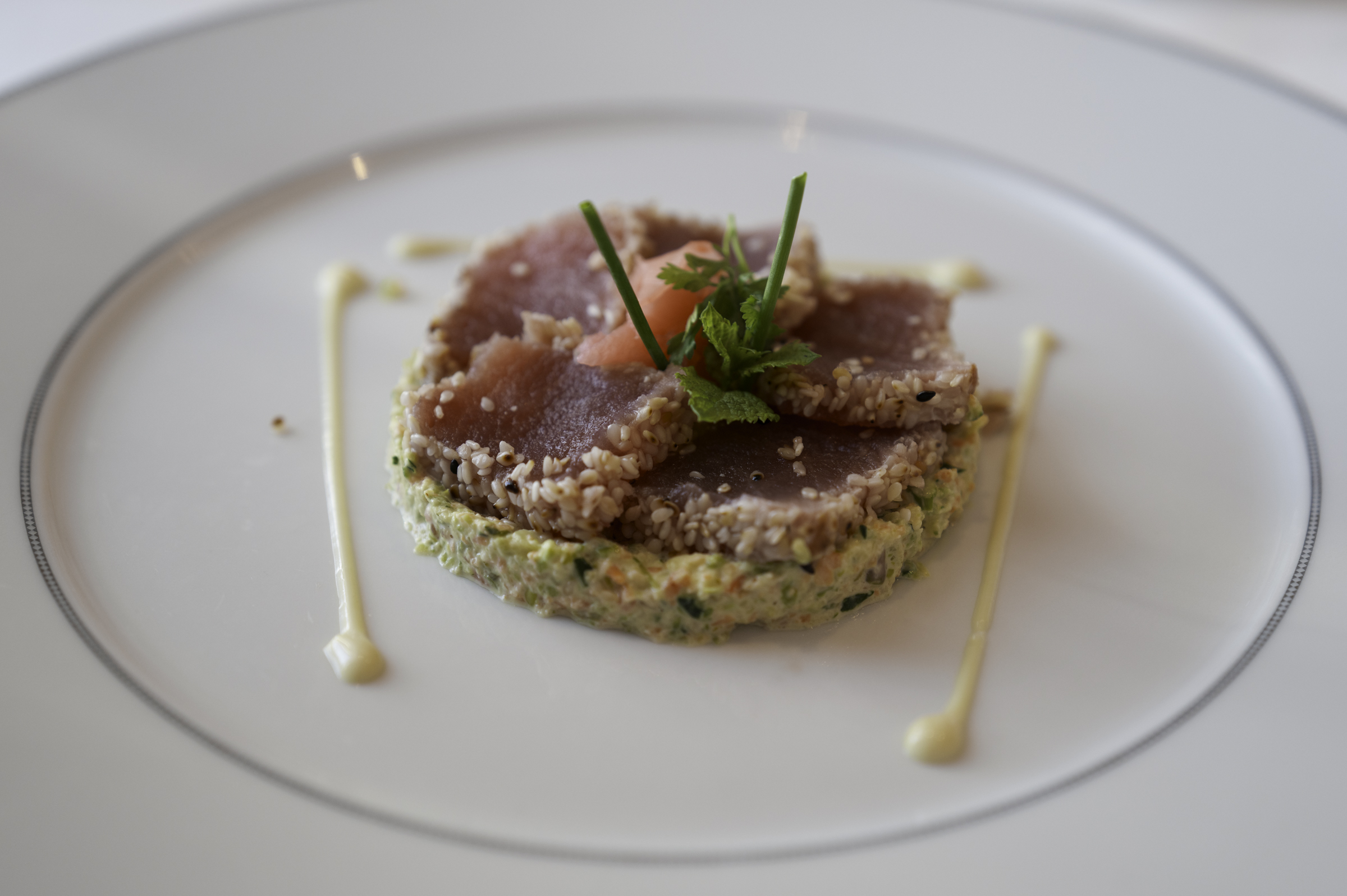
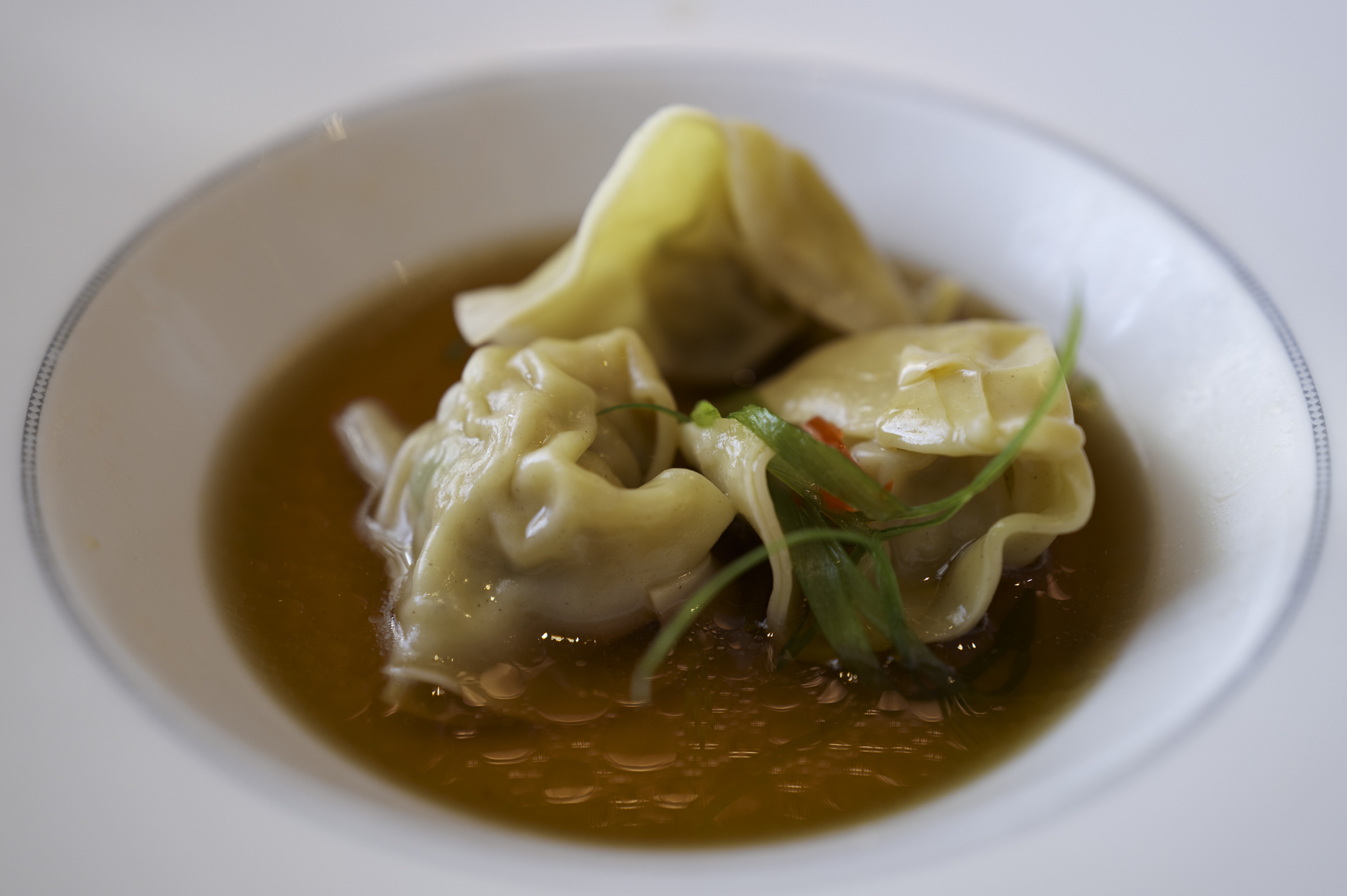
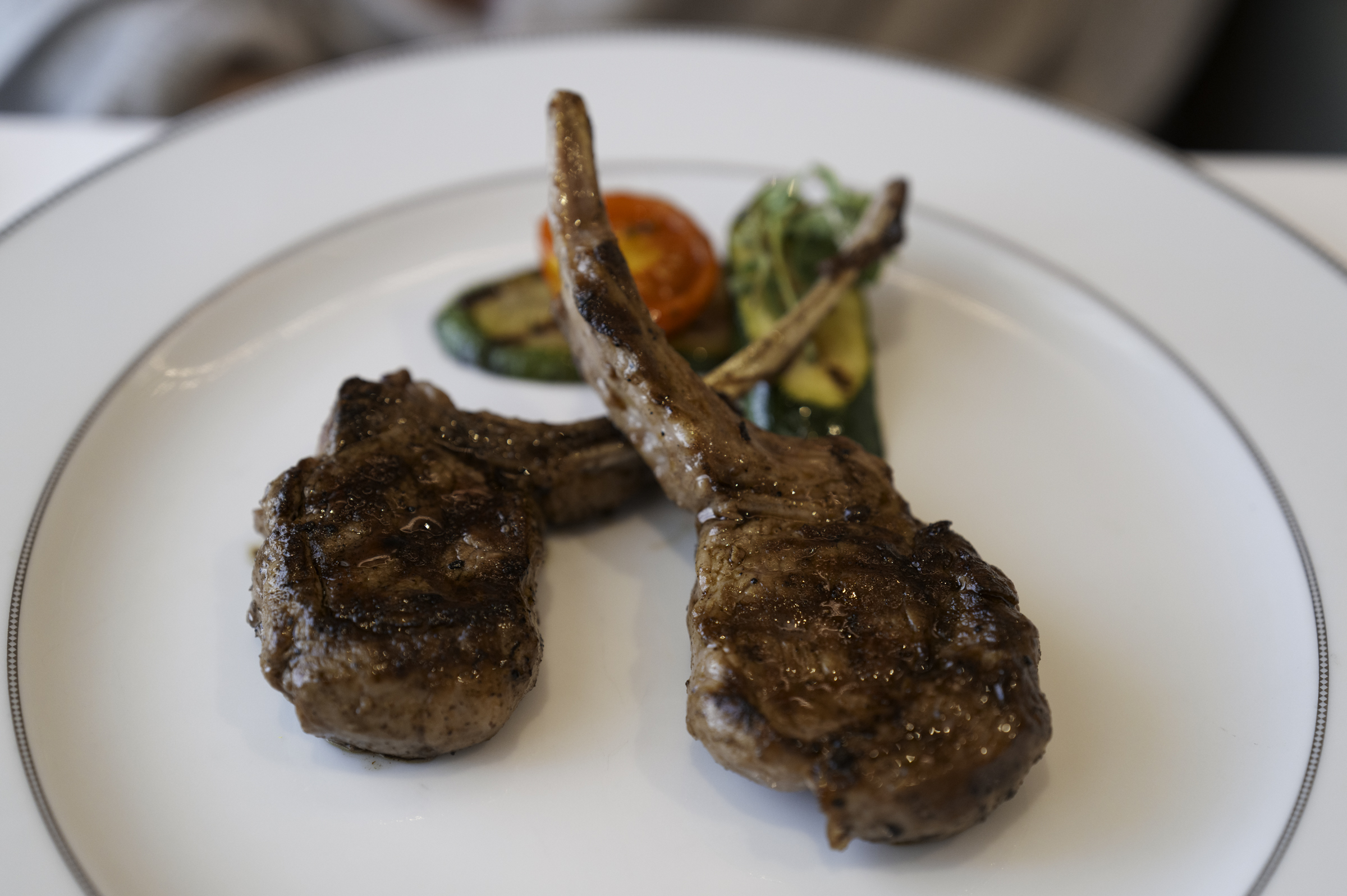
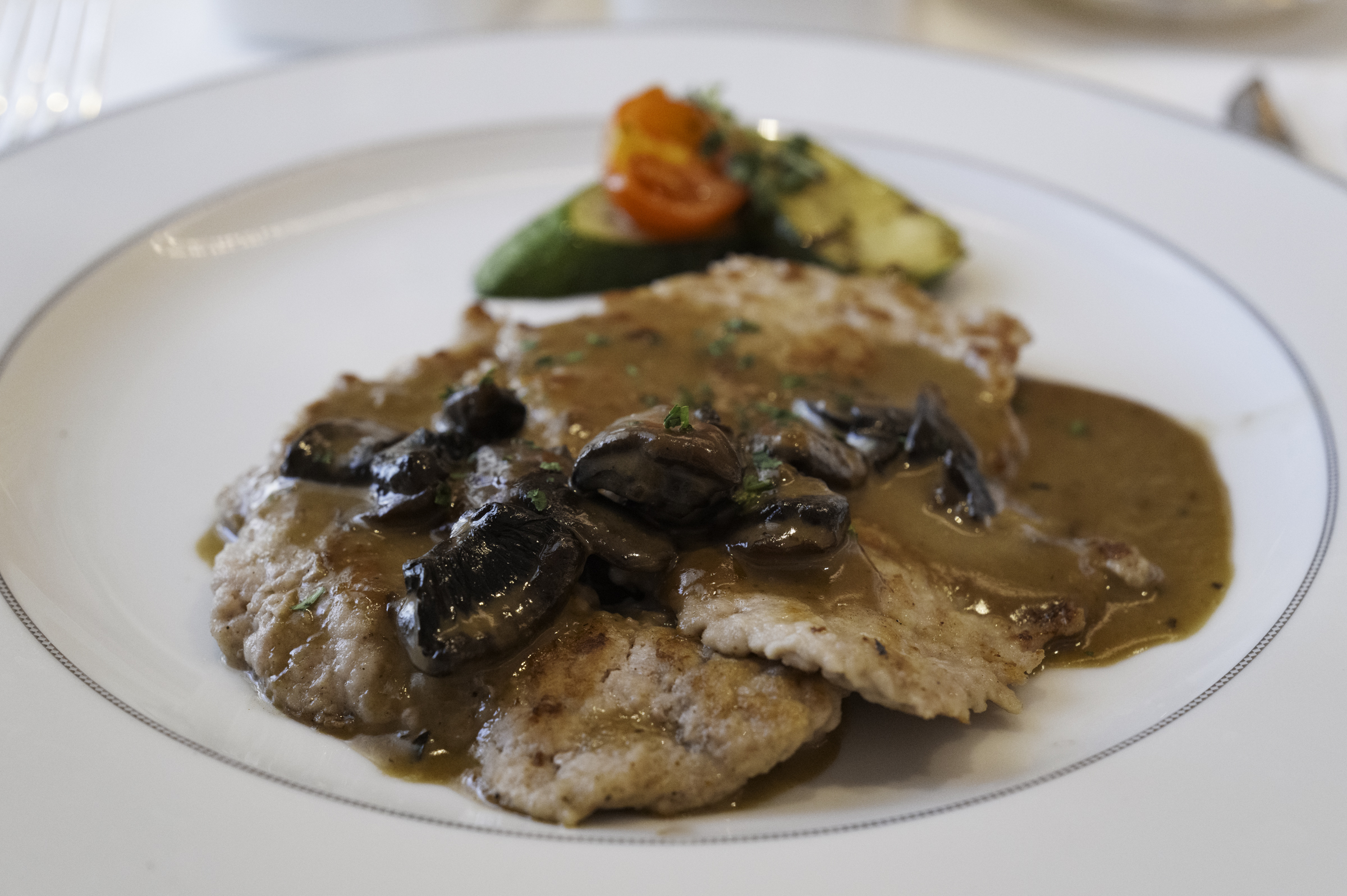

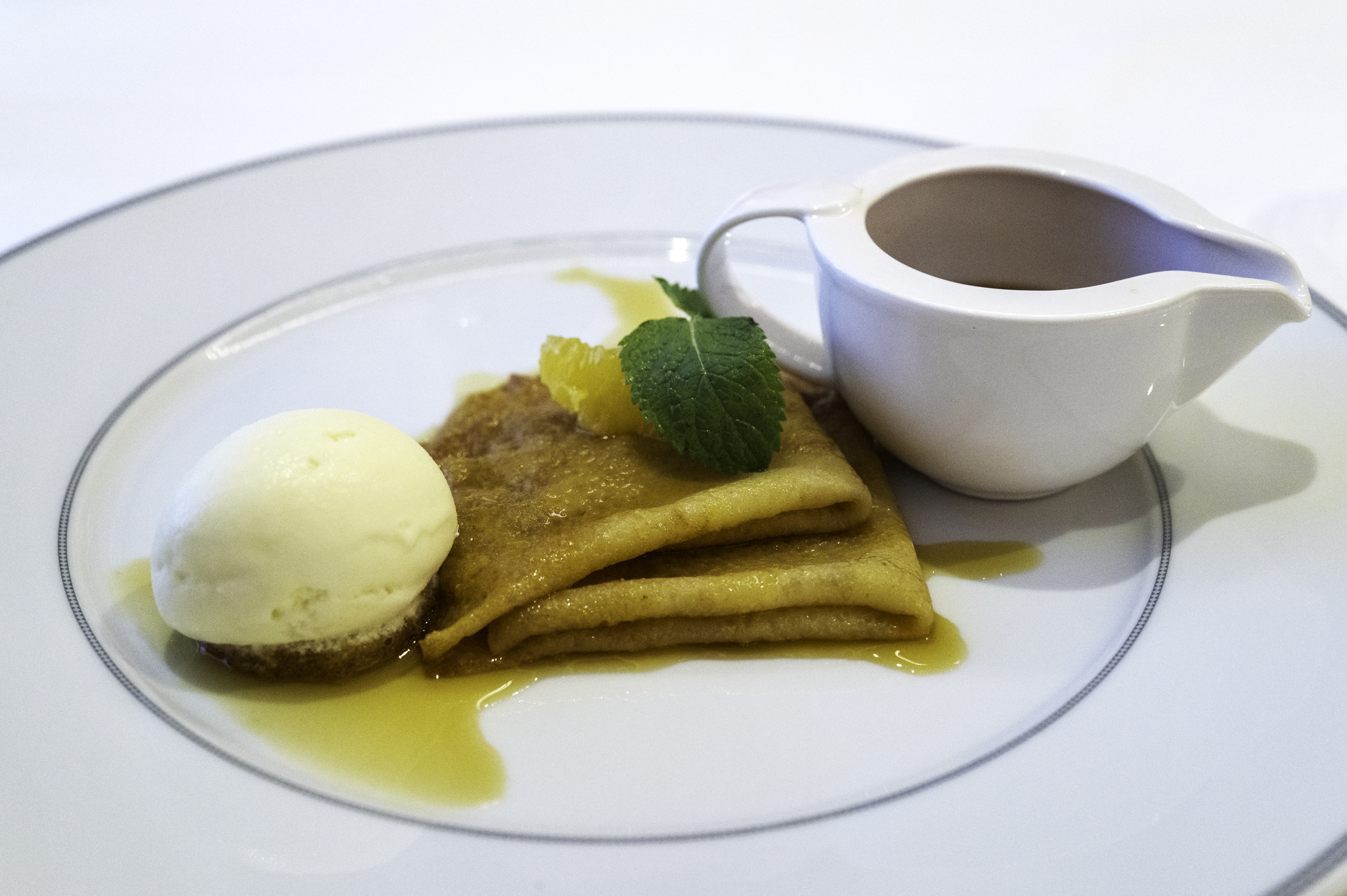
As we were finishing our dinner, we got chatting to a lovely couple, Mike (Irish, originally from Belfast) and Philippa, who live in Cardiff. We talked with them all the way through their three-course meal, and after that we all headed to the lounge for an after-dinner drink.
We eventually returned to our suite and collapsed into bed after what has been a wonderful day. Tomorrow, we’ll be cruising the Mediterranean Sea, on our way to Bozcaada in Turkey.