
Europe
Not in Bozcaada
We slept reasonably well last night, but we certainly noticed the ship moving around a little in rougher seas than we have encountered so far on this cruise.
We expected to arrive this morning at the Turkish island of Bozcaada, at 11:00 am. However, as we approached the island, the captain declared that the seas were too choppy to use the tenders to go ashore (since Bozcaada has no dock big enough to accommodate our ship), so we had to sail past and continue on to Istanbul.
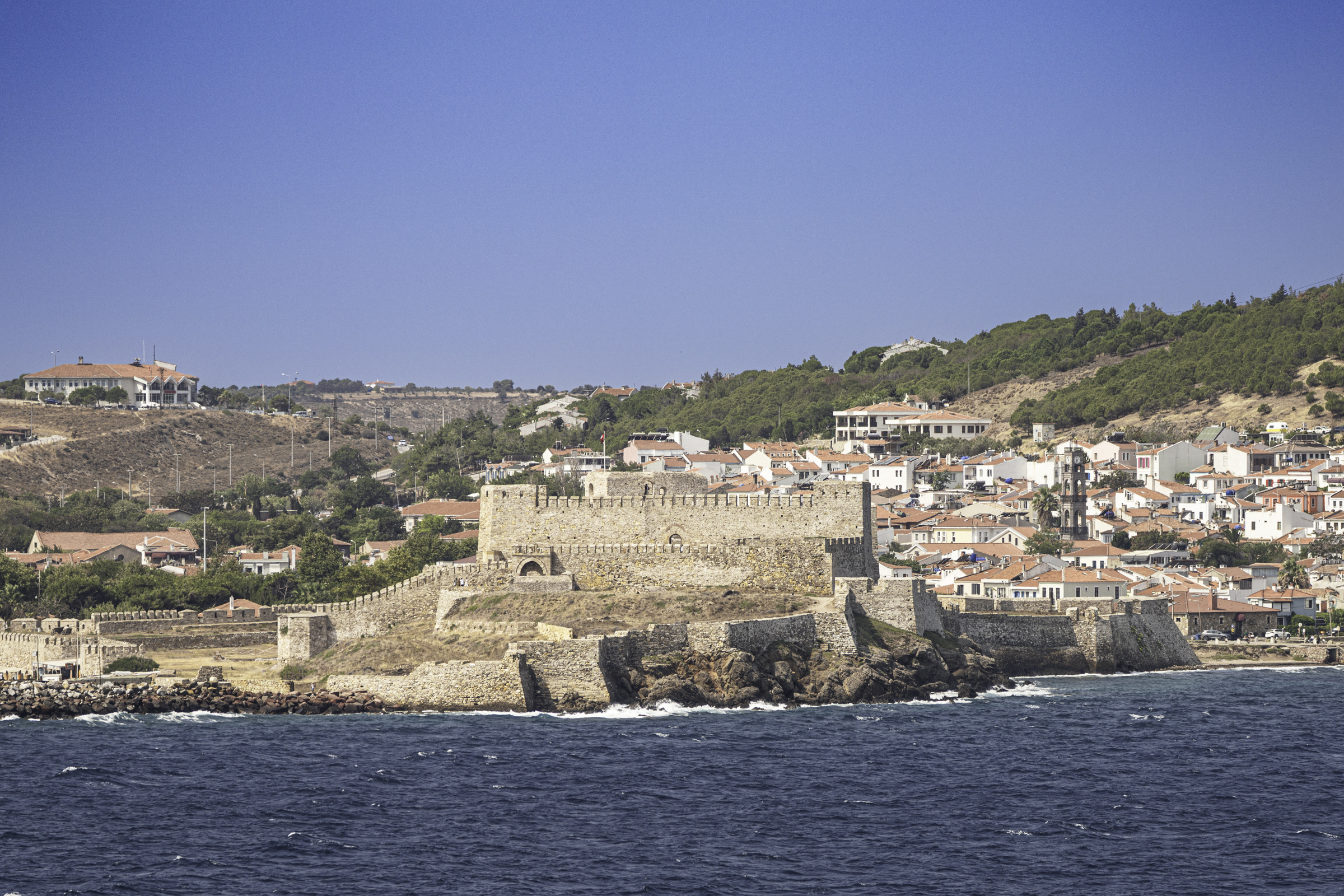
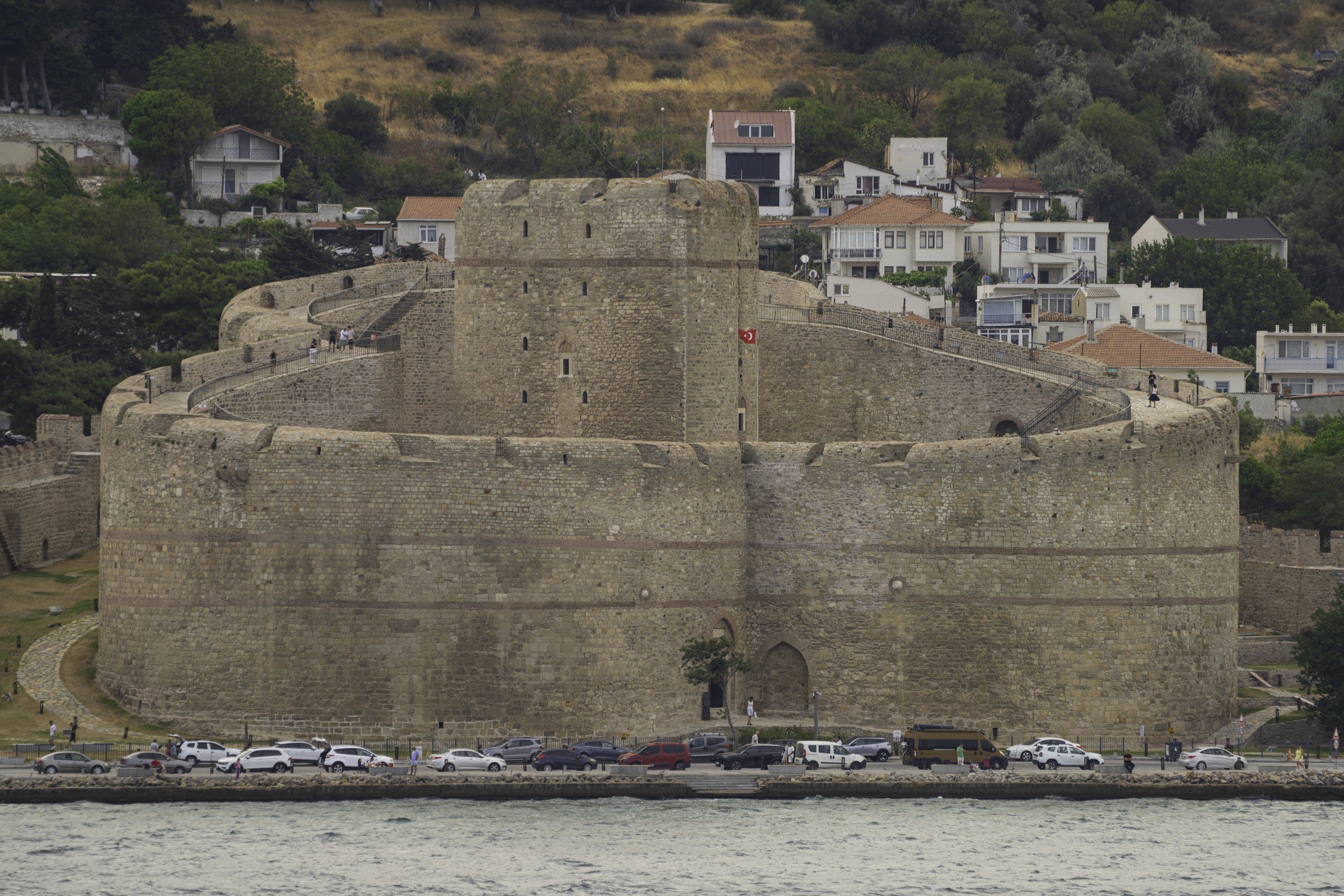
We did get a nice view of Bozcaada Castle, however, as we sailed past the island.
Since we had not had breakfast, and we now had plenty of time since we weren’t getting off the ship, we headed to the Prime 7 restaurant to enjoy some lunch.
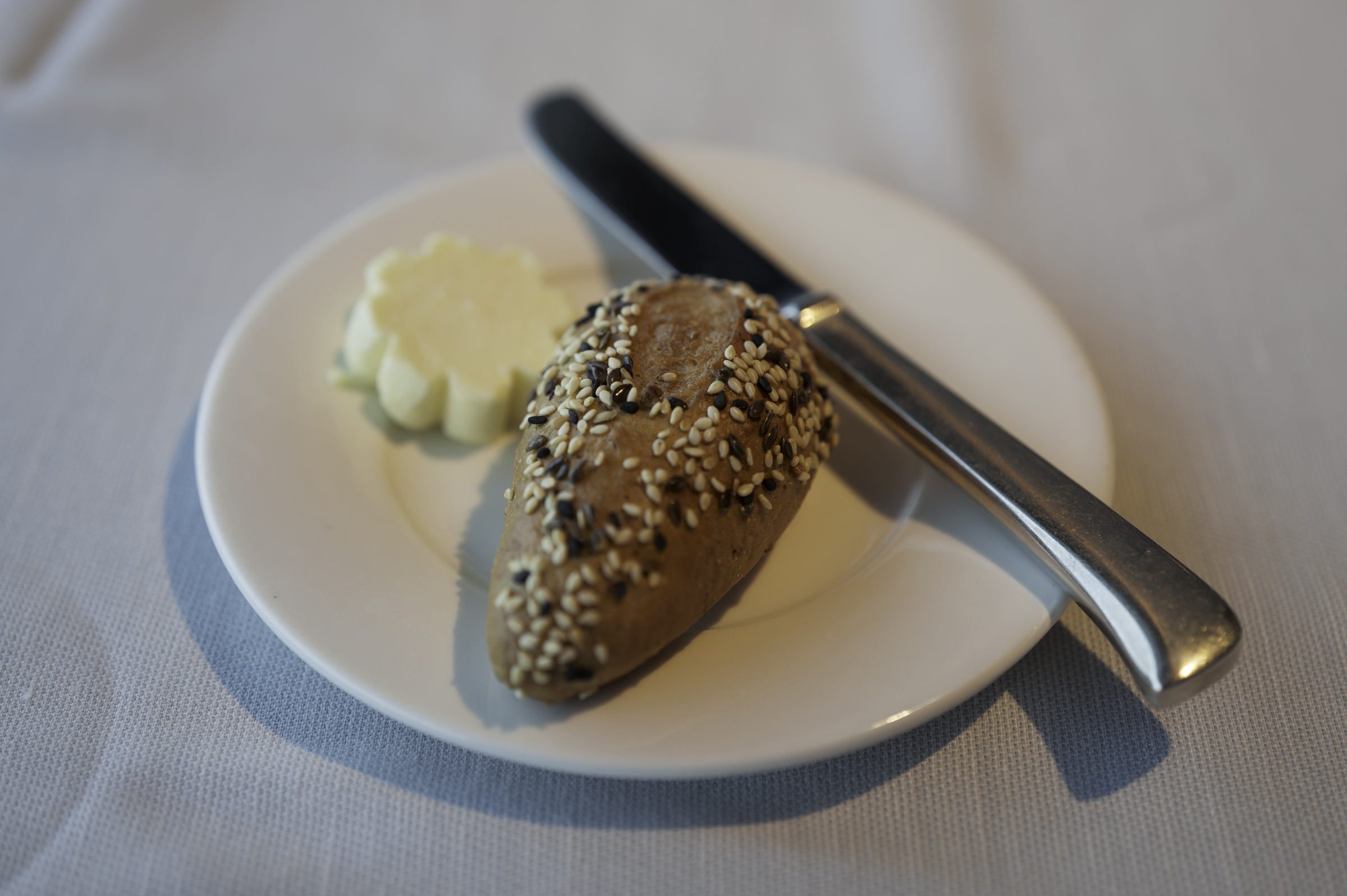
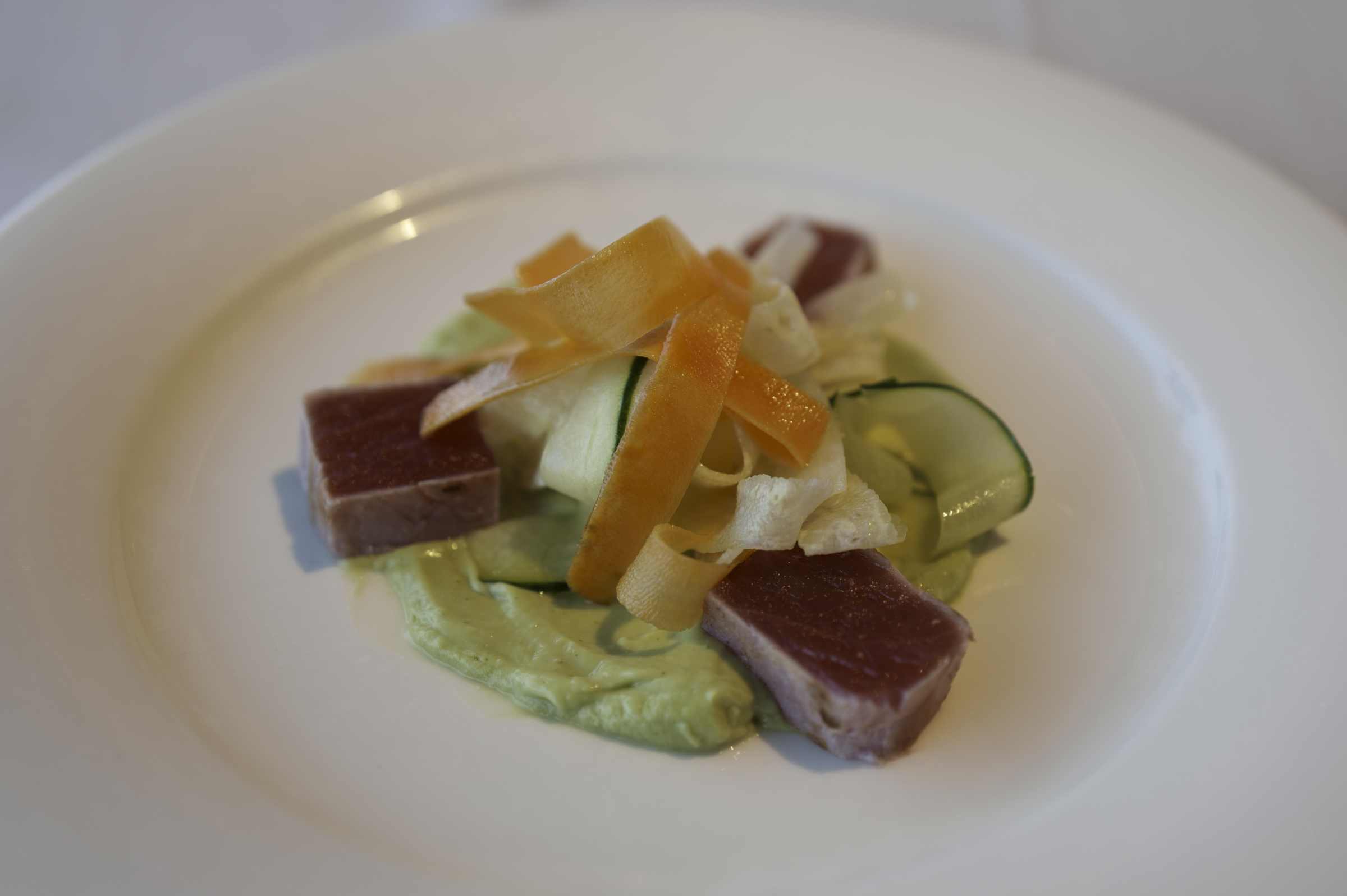
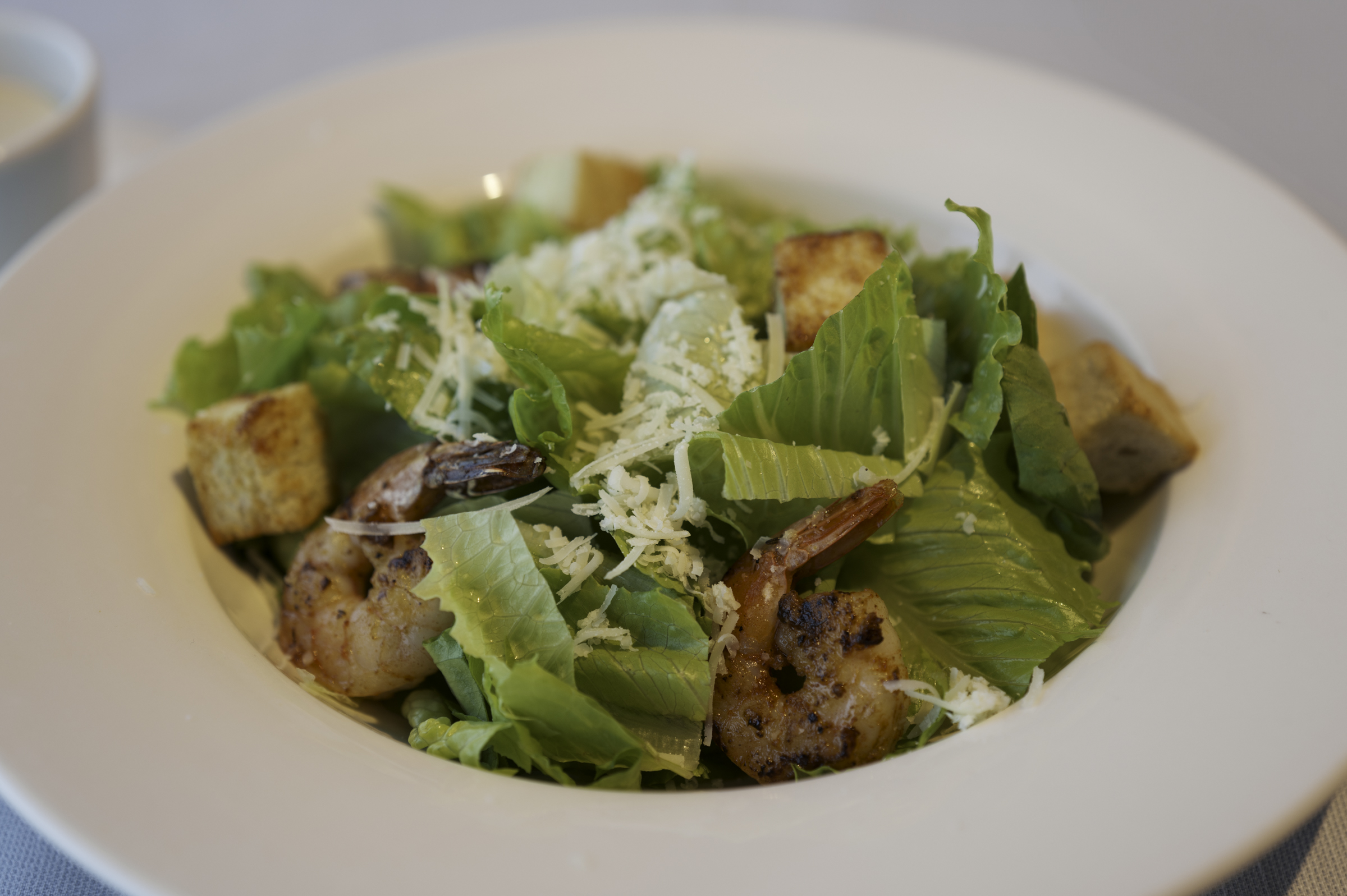
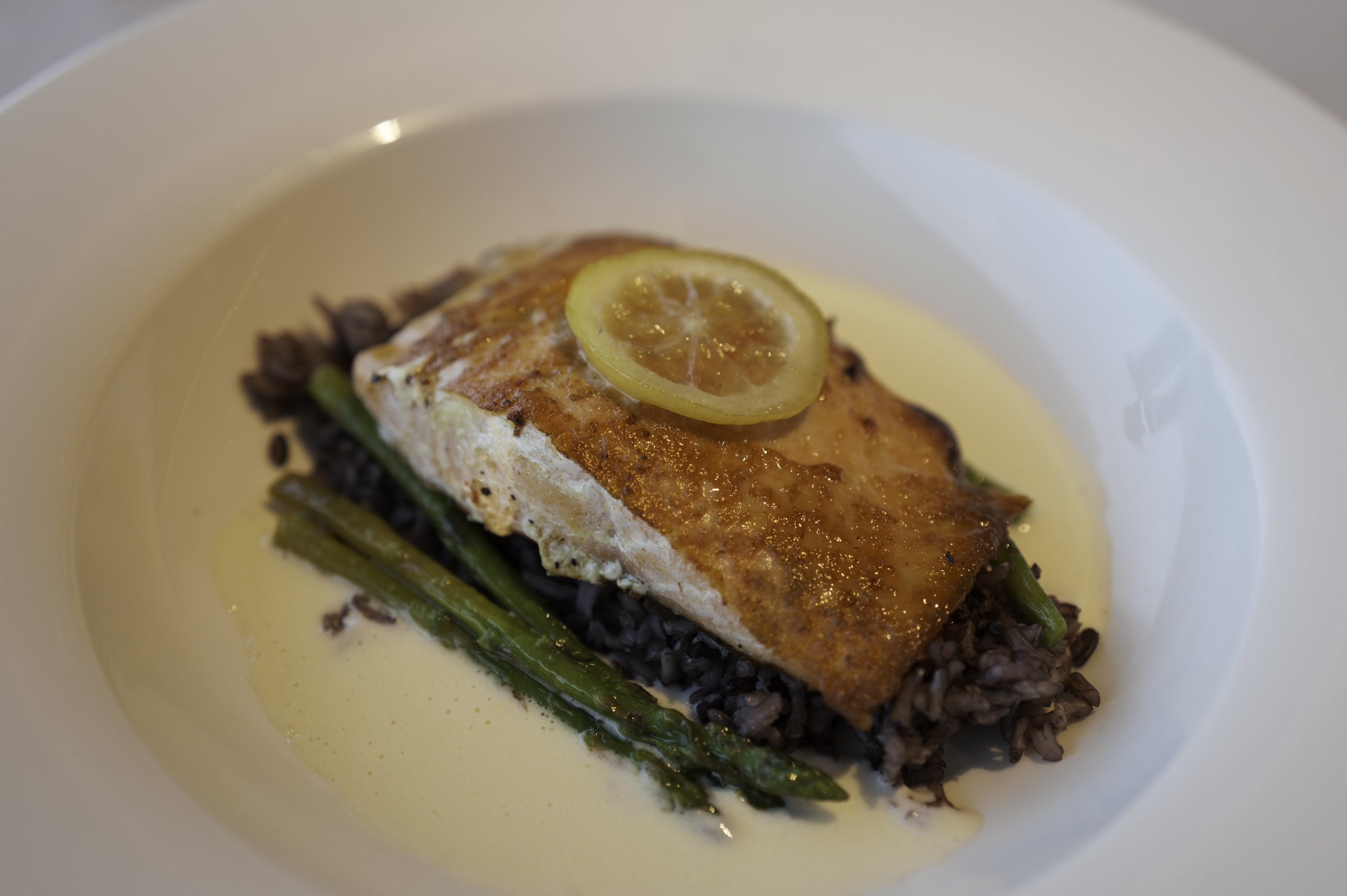
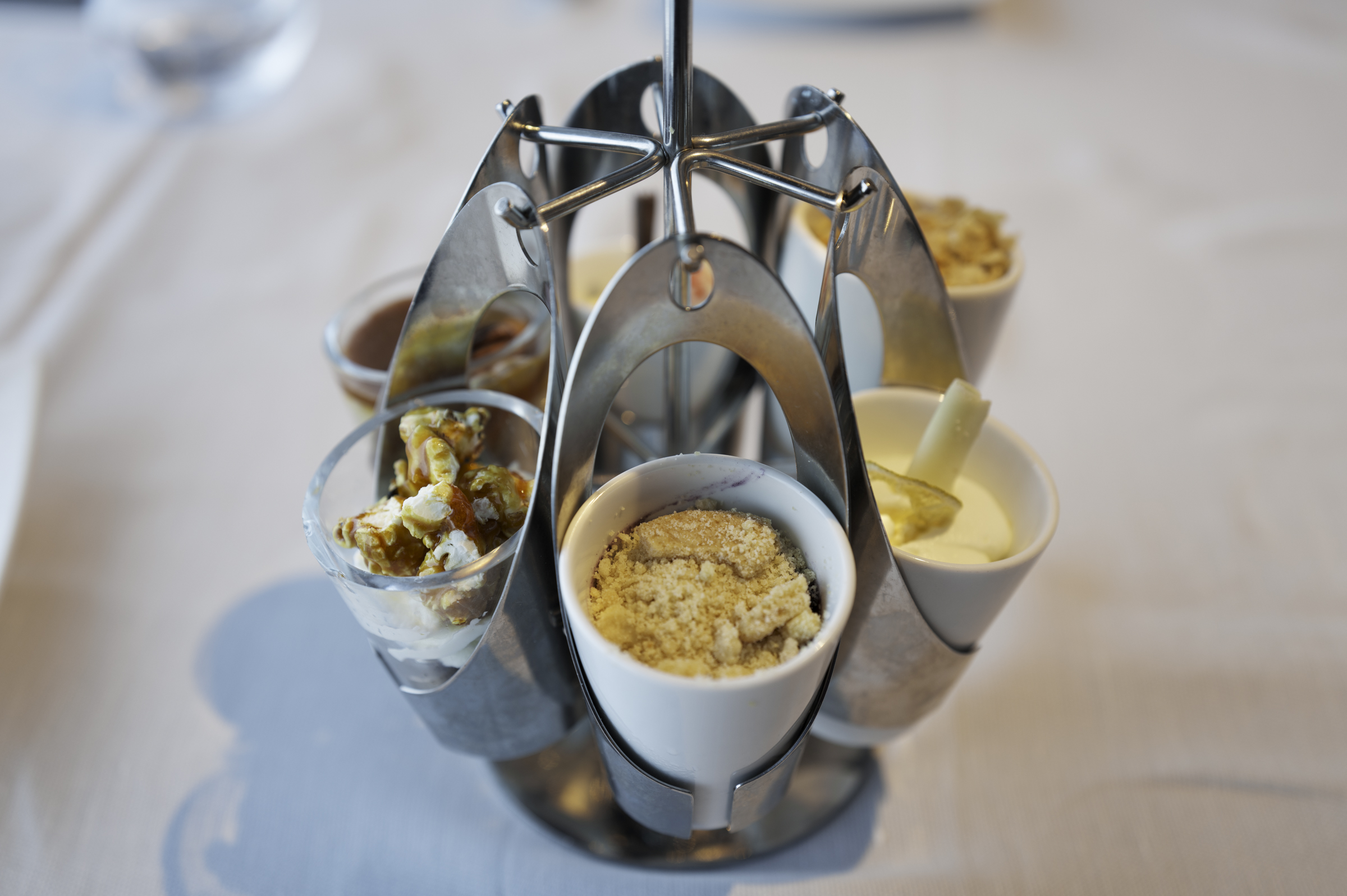
After lunch, we took advantage of the unplanned sea day to just relax in the afternoon.
Late in the afternoon, we entered the Dardanelles Strait. The Dardanelles Strait is a strategically important strait, connecting the Black Sea to the Mediterranean and forming a natural boundary between Europe and Asia.
The Dardanelles has played a crucial role in history. It was a vital route for Greek colonists and has been a point of contention for empires throughout history. It was particularly significant during the first World War, when it was heavily fortified by the Ottoman Empire, leading to the Gallipoli Campaign. The Allies landed on the Gallipoli Peninsula in 1915, with the aim of taking control of The Dardanelles. When a sea-based attack failed to force a passage through the strait, an amphibious landing on the Gallipoli peninsula began on April 25, 1915. The campaign resulted in huge losses for both sides, with the Allies retreating in January 1916.
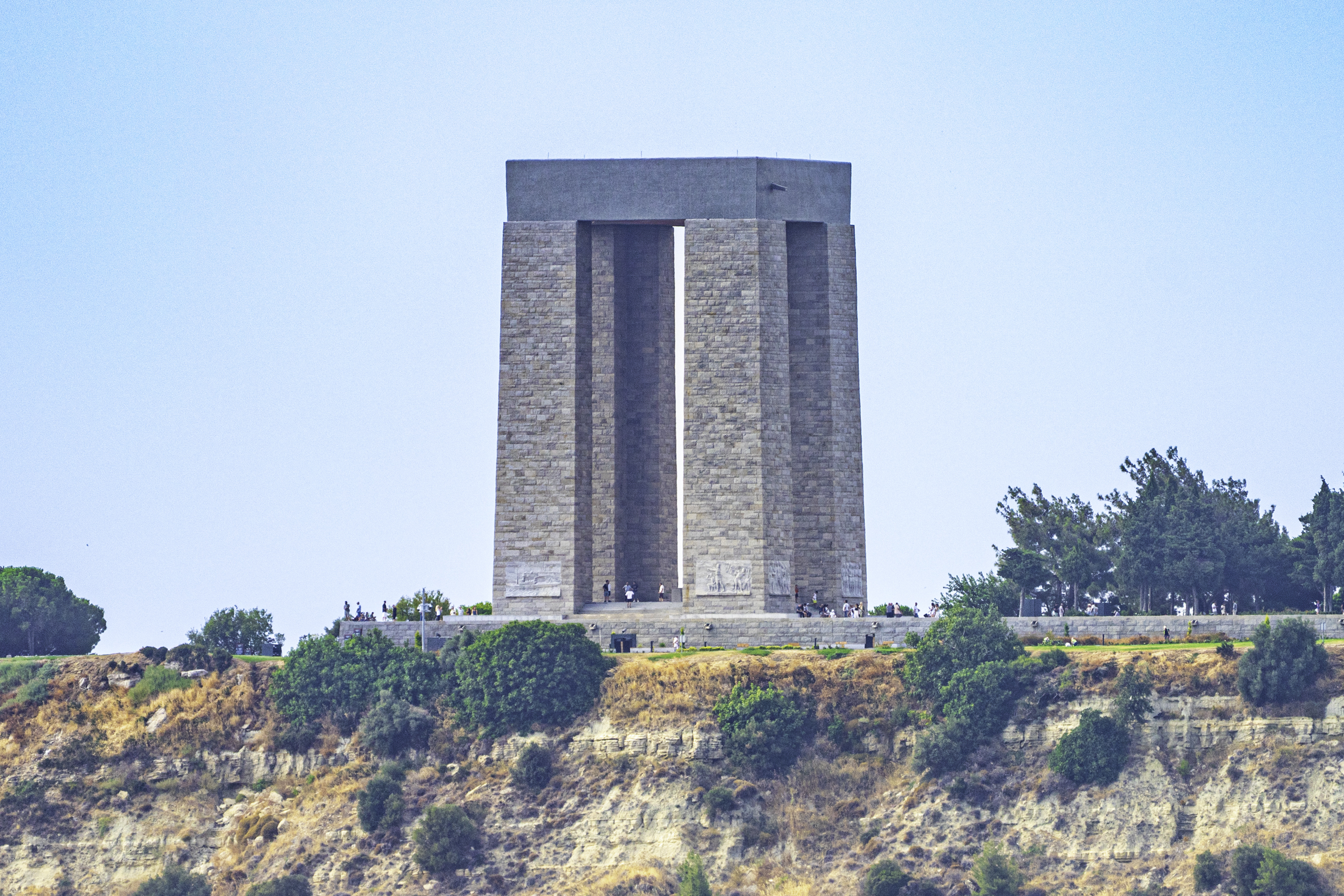
As we entered The Dardanelles, we sailed past the imposing Çanakkale Martyrs’ Memorial, one of Turkey’s most significant national monuments, which honours the soldiers who died during the Gallipoli Campaign.
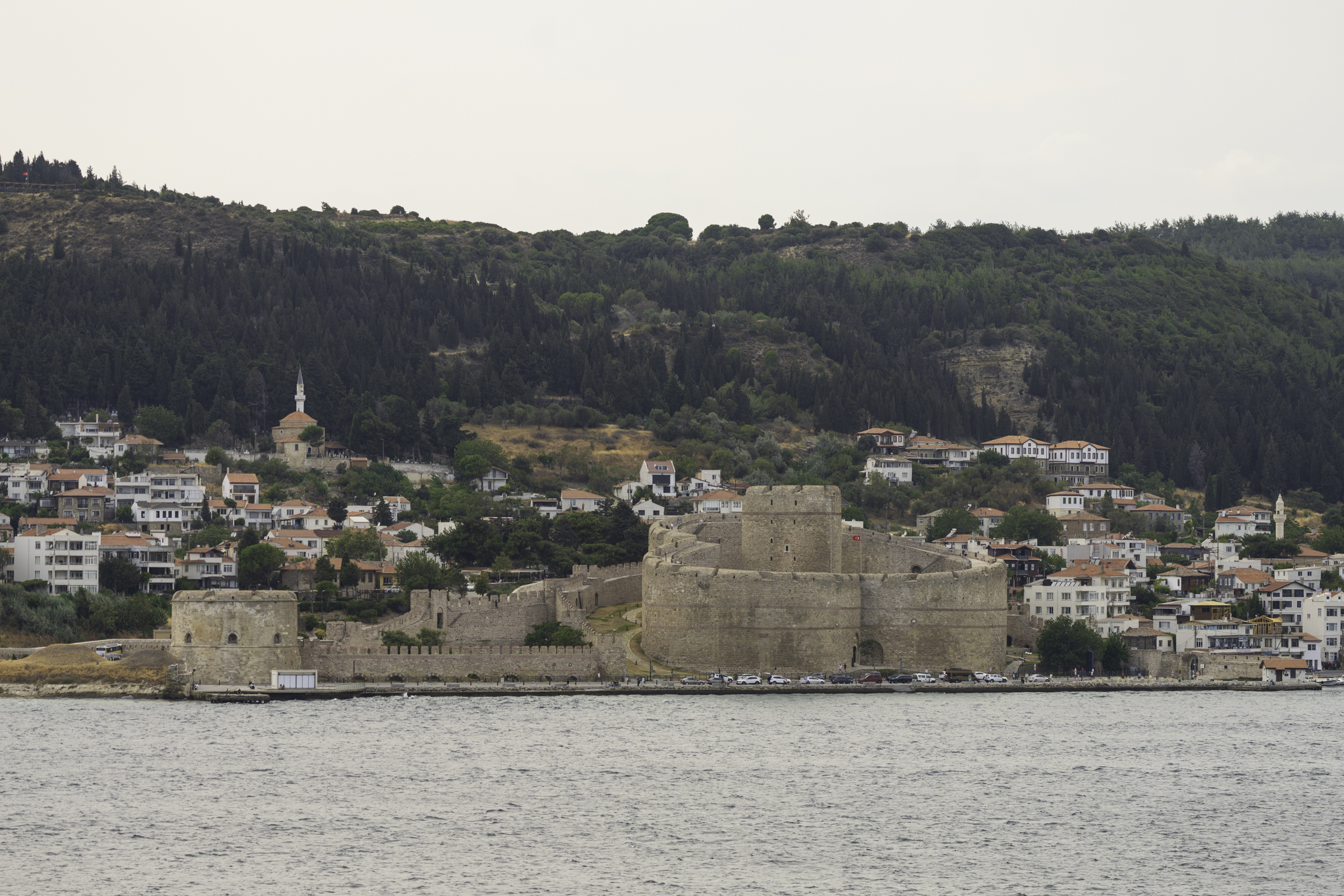
Around 23 kilometres into The Dardannelles, we sailed past Kilitbahir Castle. Commissioned by Sultan Mehmed II “the Conqueror” after the conquest of Istanbul, the castle was built from 1462 to 1463 to prevent foreign fleets, from sailing up the strait. The castle sits opposite the city of Çanakkale, where there is a corresponding fortress. Together, the two fortresses provided protection from enemies at the narrowest point in the strait.
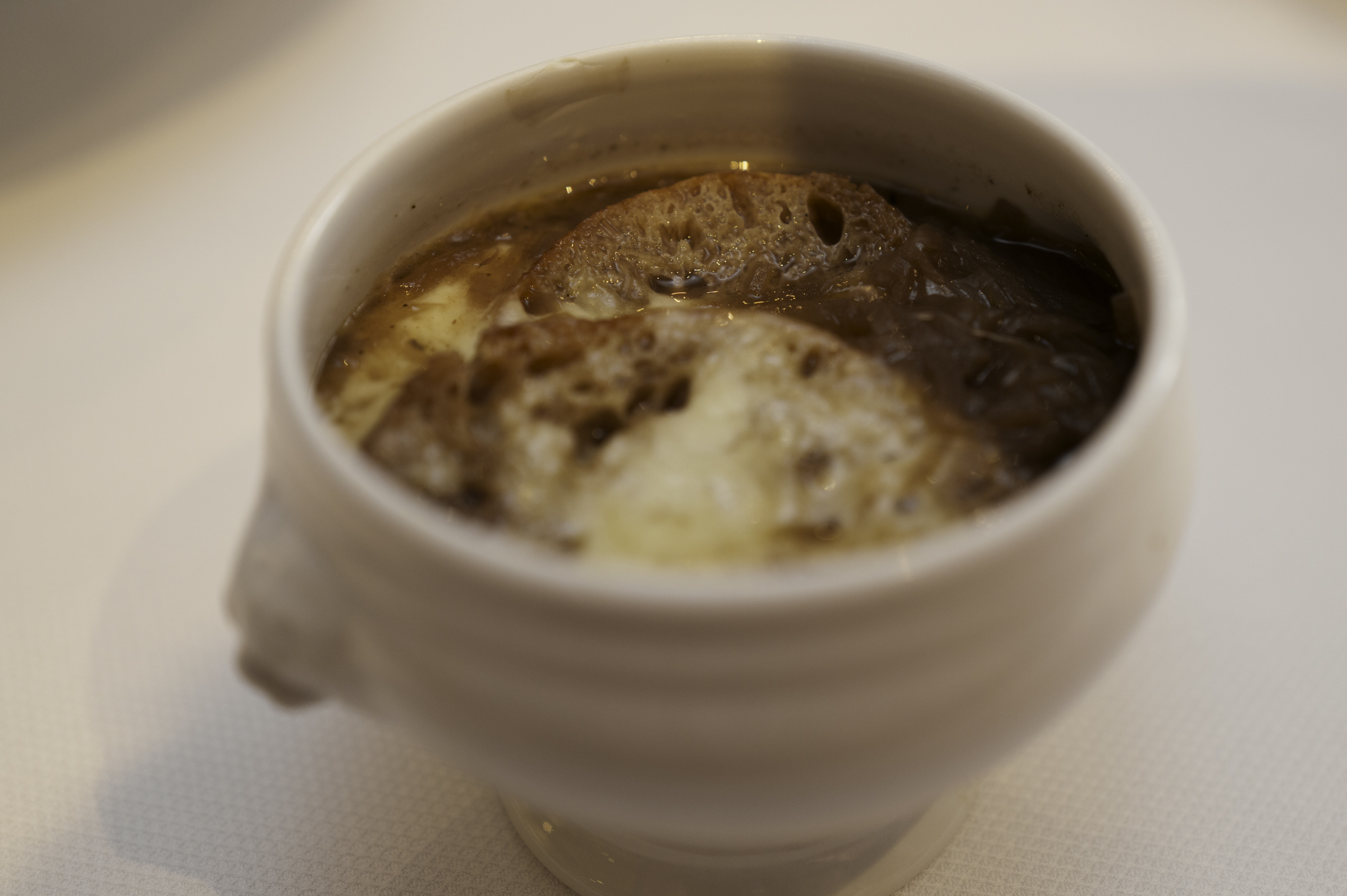
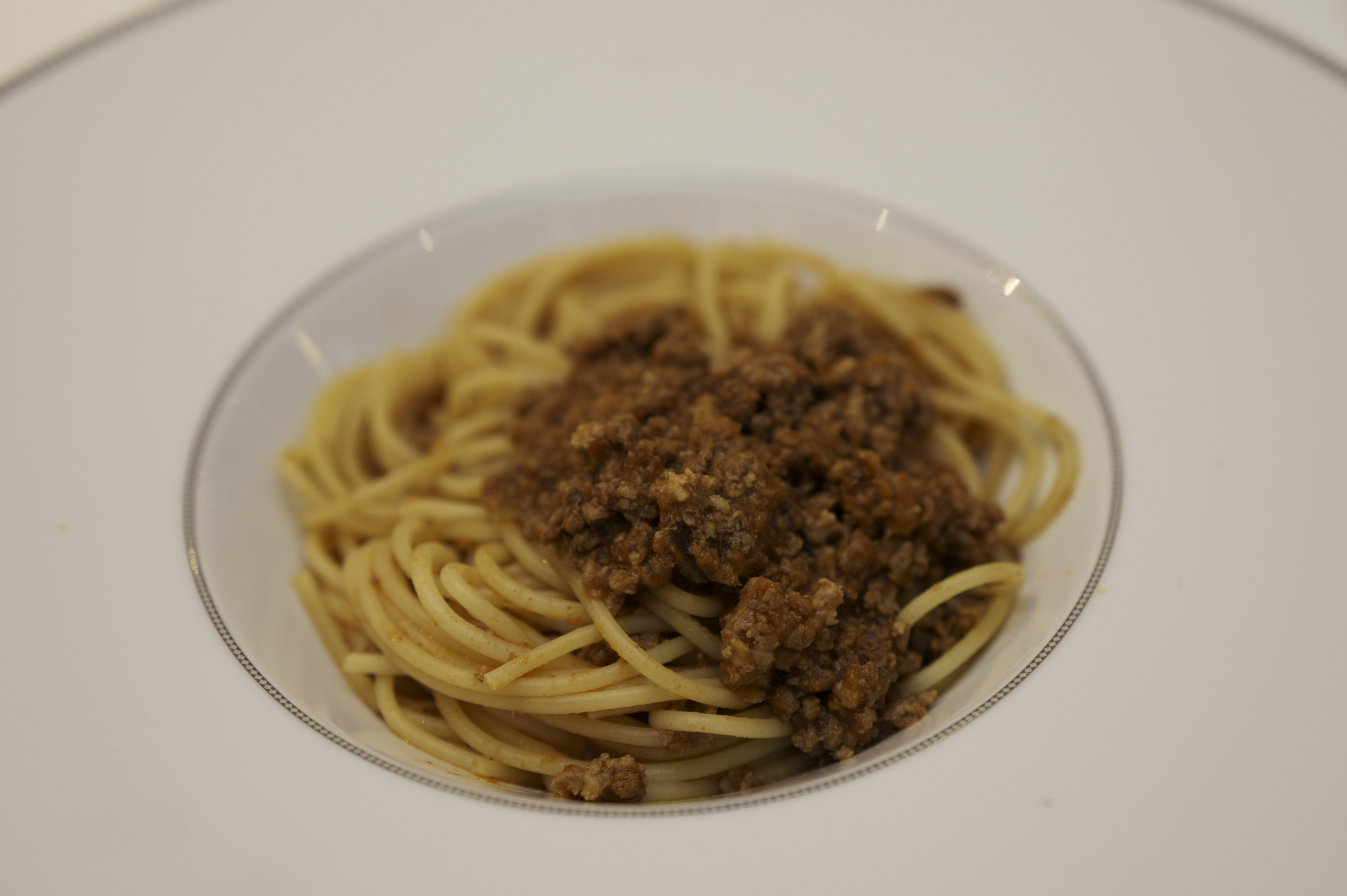
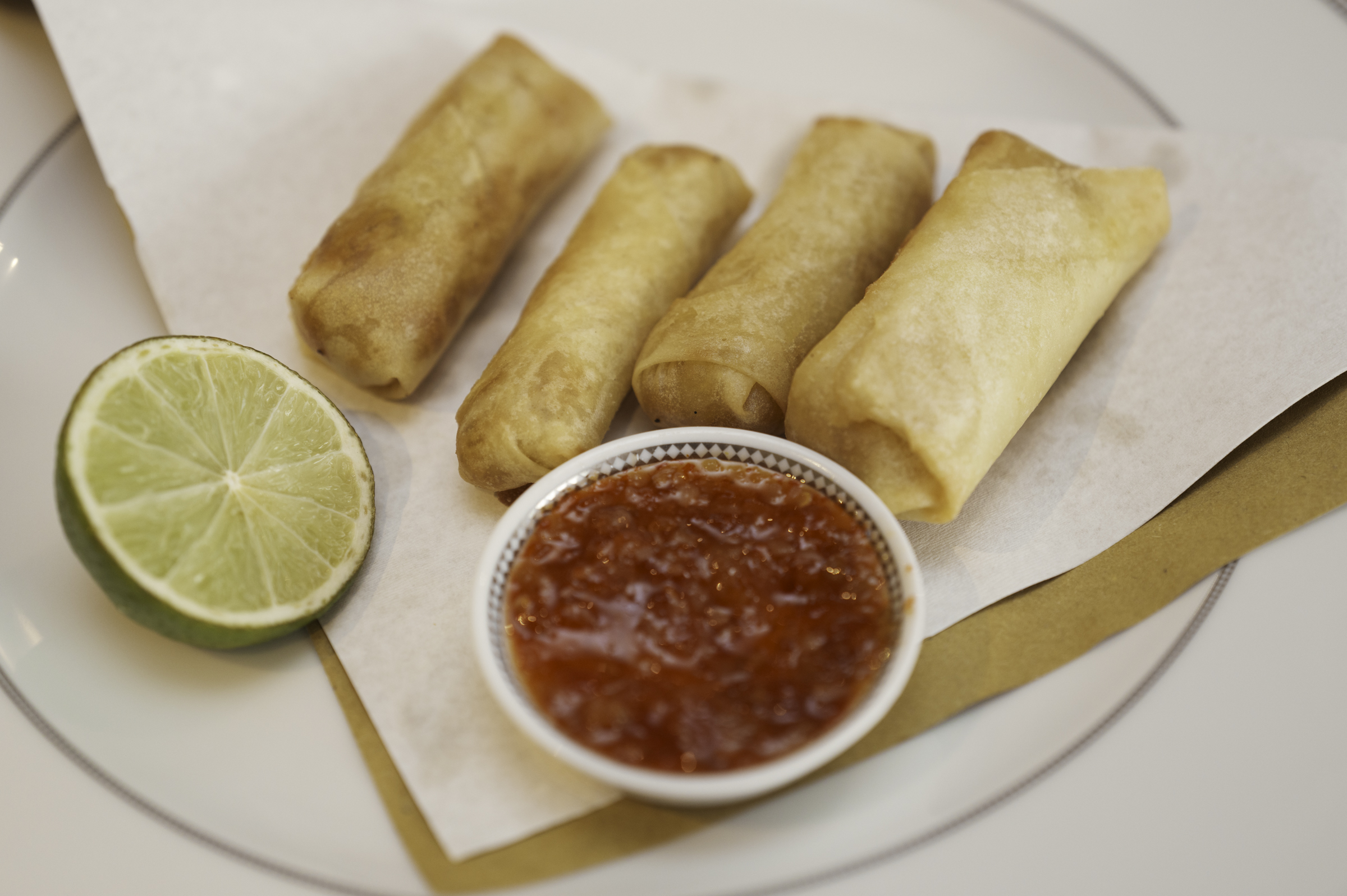
Around 6:00 pm, we decided to order room service for dinner.

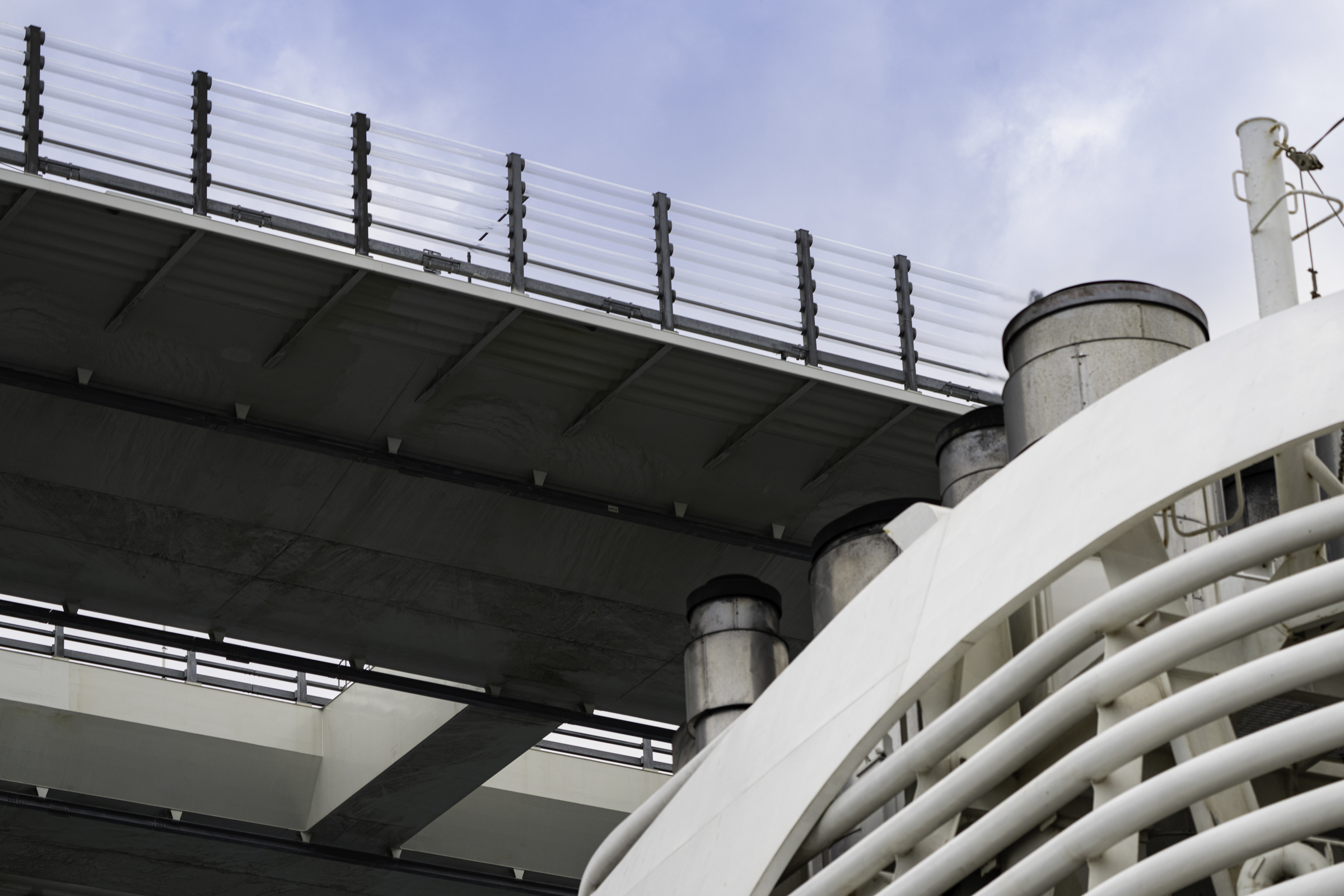
At 7:12 pm, we sailed under the 1915 Çanakkale Bridge, the longest suspension bridge in the world with a main span of 2,023 meters.
We briefly discussed going to the theatre show at 9:30 pm, but we ended up staying in our suite for the rest of the evening, before heading off to bed at a pretty reasonable time in anticipation of a big day tomorrow when we dock in Istanbul.