
Europe
Istanbul
We had a pretty good night’s sleep last night and were up at 6:45 am, a little over an hour before we were due to dock in Istanbul. We skipped breakfast and headed to the meeting point for our tour for the day.
We disembarked just after 8:30 am. Istanbul has a huge, modern port terminal, and it was a quite a walk to get out of the terminal to meet our guide for the day.
Our first stop for the day was at the site of the Istanbul Hippodrome (former Hippodrome of Constantinople) in the historic public square in the Sultanahmet area. First built by Roman emperor Septimius Severus in 203 AD, the hippodrome was expanded by Constantine the Great in the early 4th century, seating up to 100,000 people. In 532 AD, rival chariot-racing factions rioted in the hippodrome, resulting in 30,000 deaths.
After the Ottoman conquest in 1453, the Hippodrome became a public square known as Atmeydanı (Horse Square). Its stones were re-purposed for other grand buildings in Istanbul.
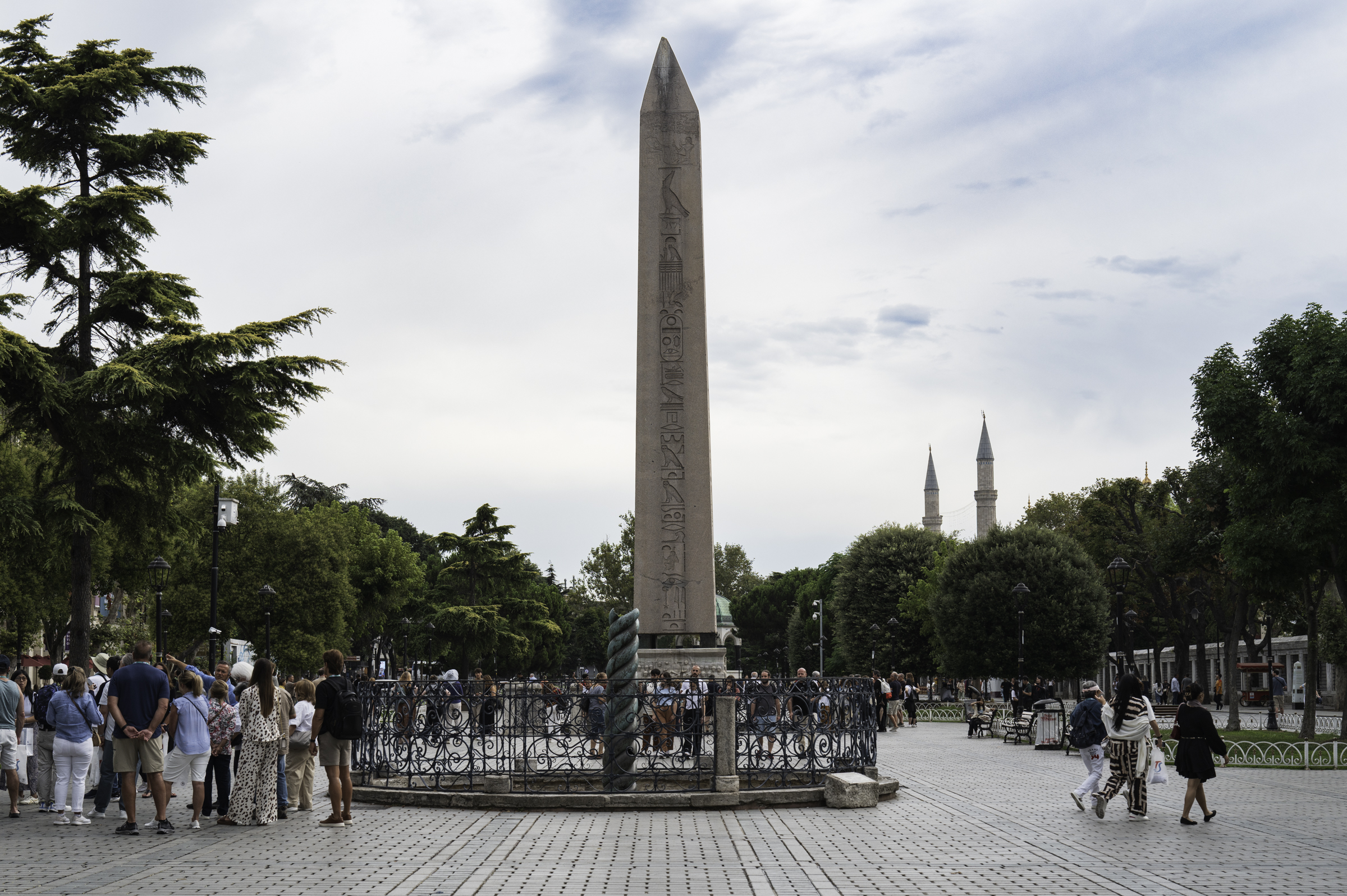
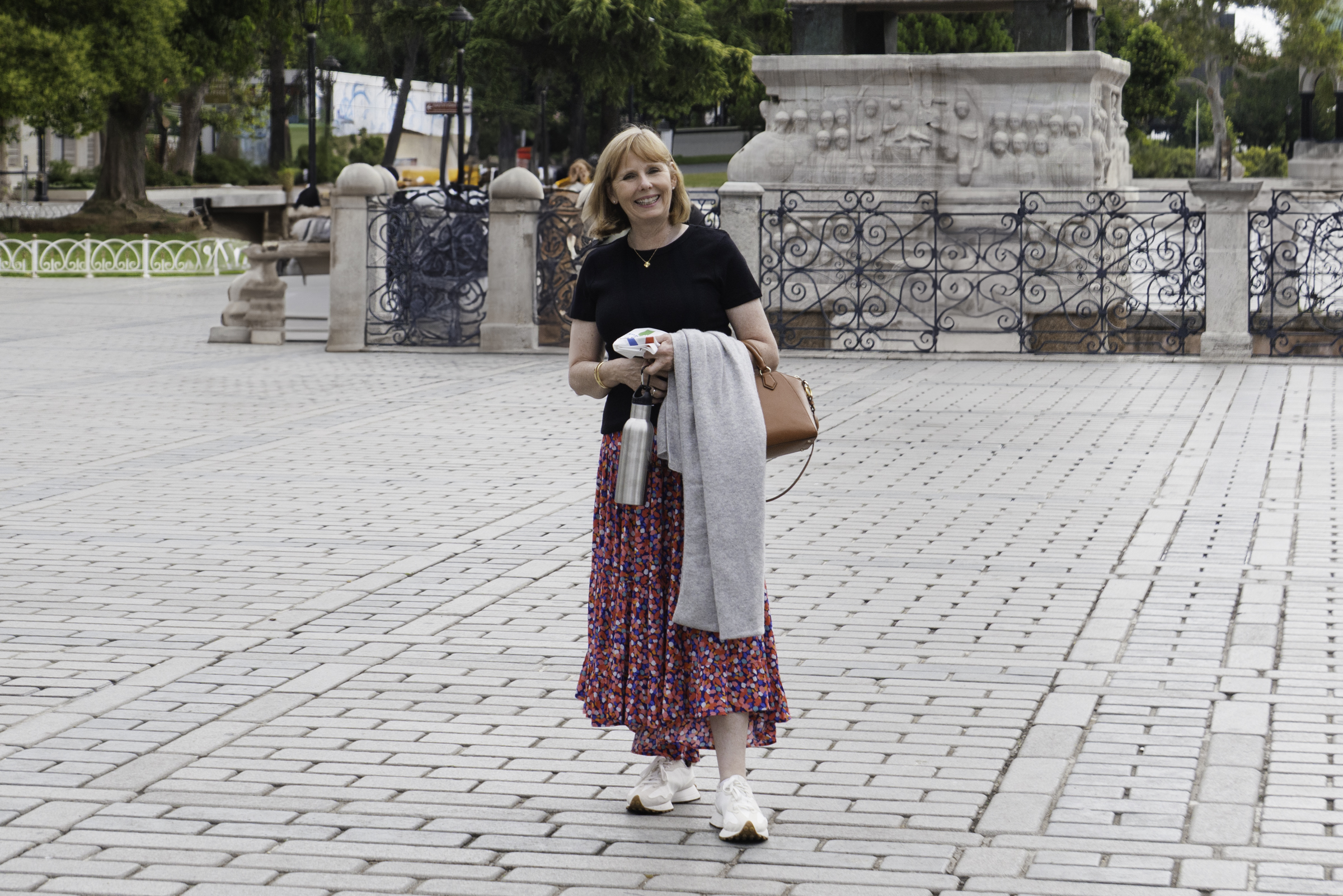
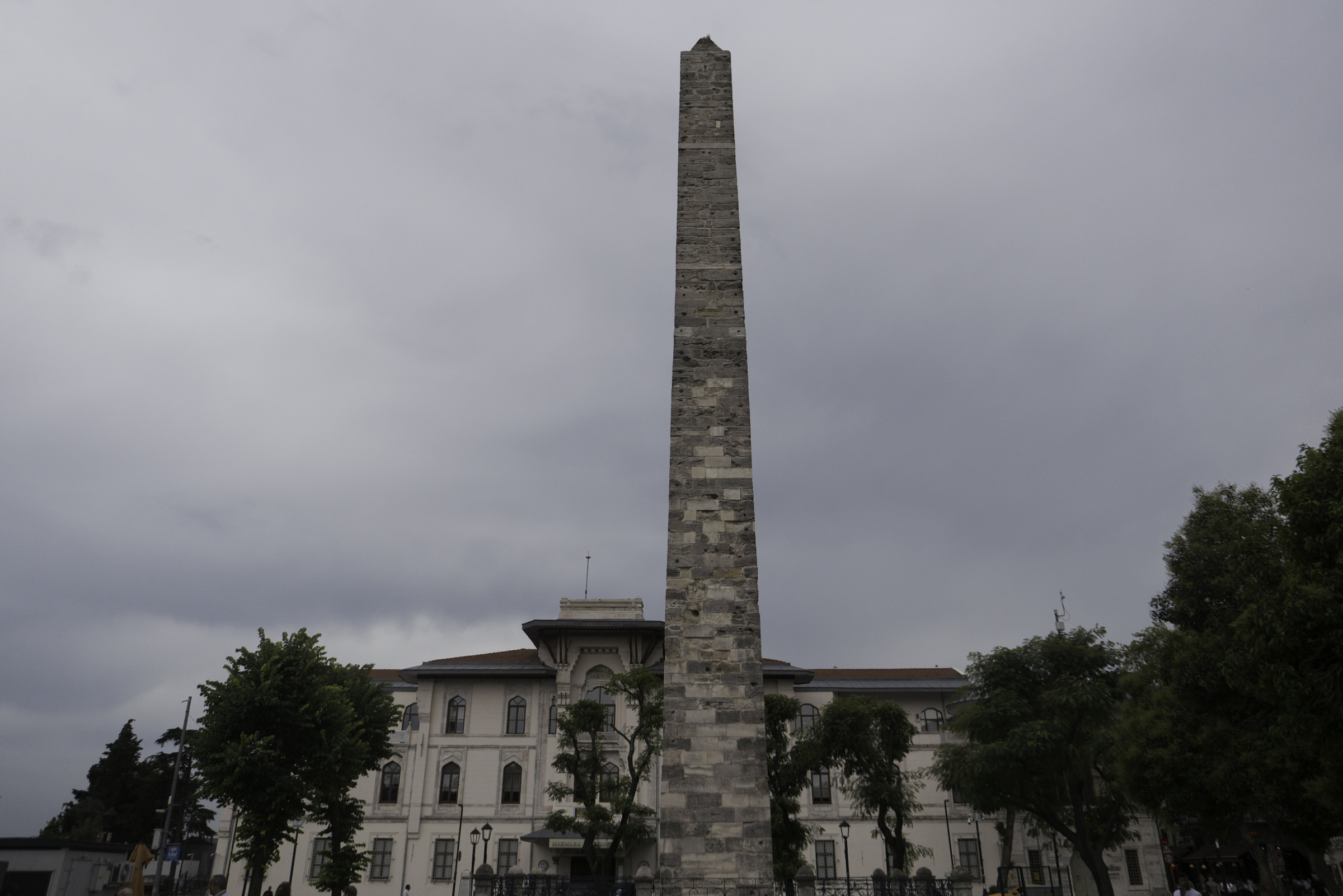
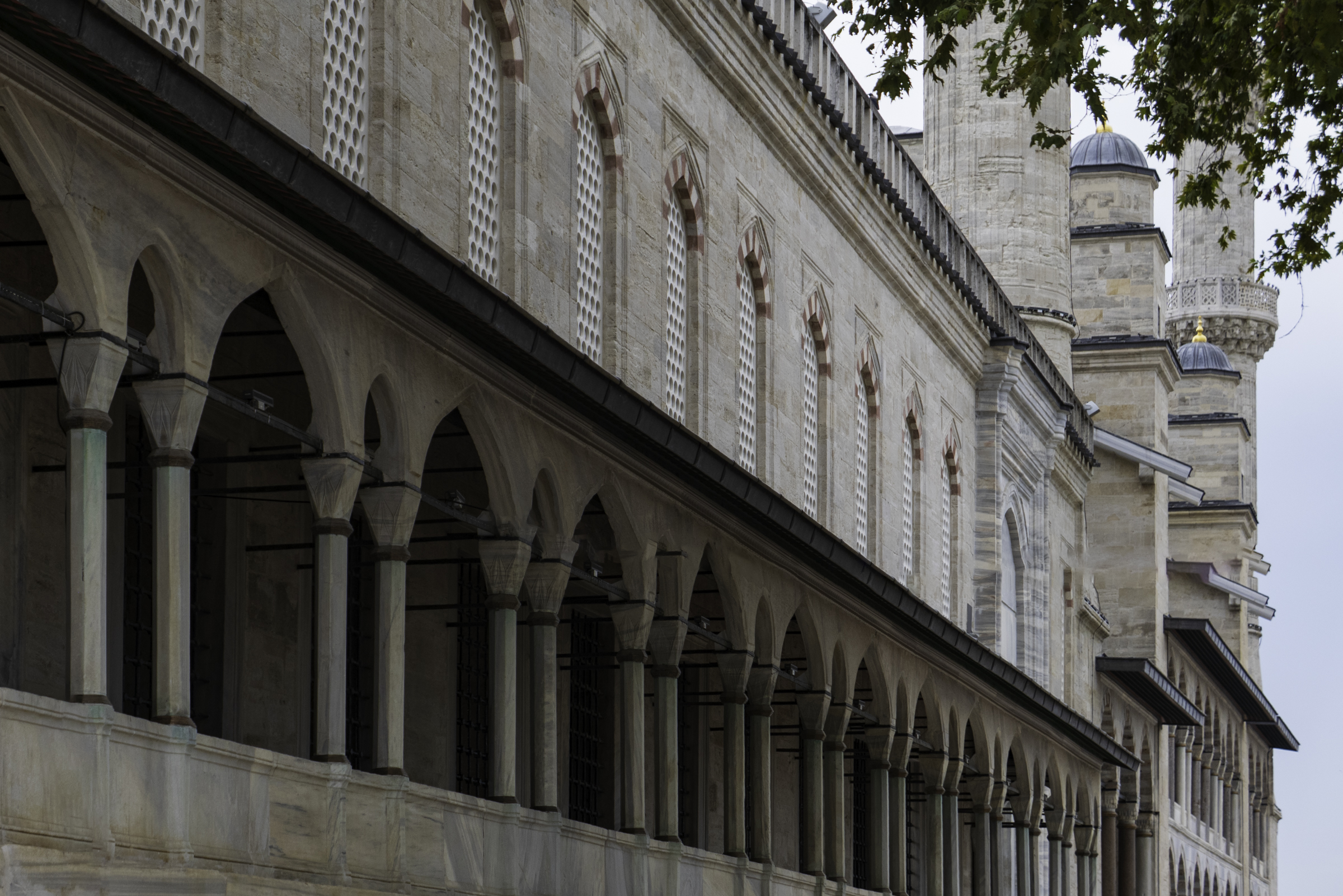
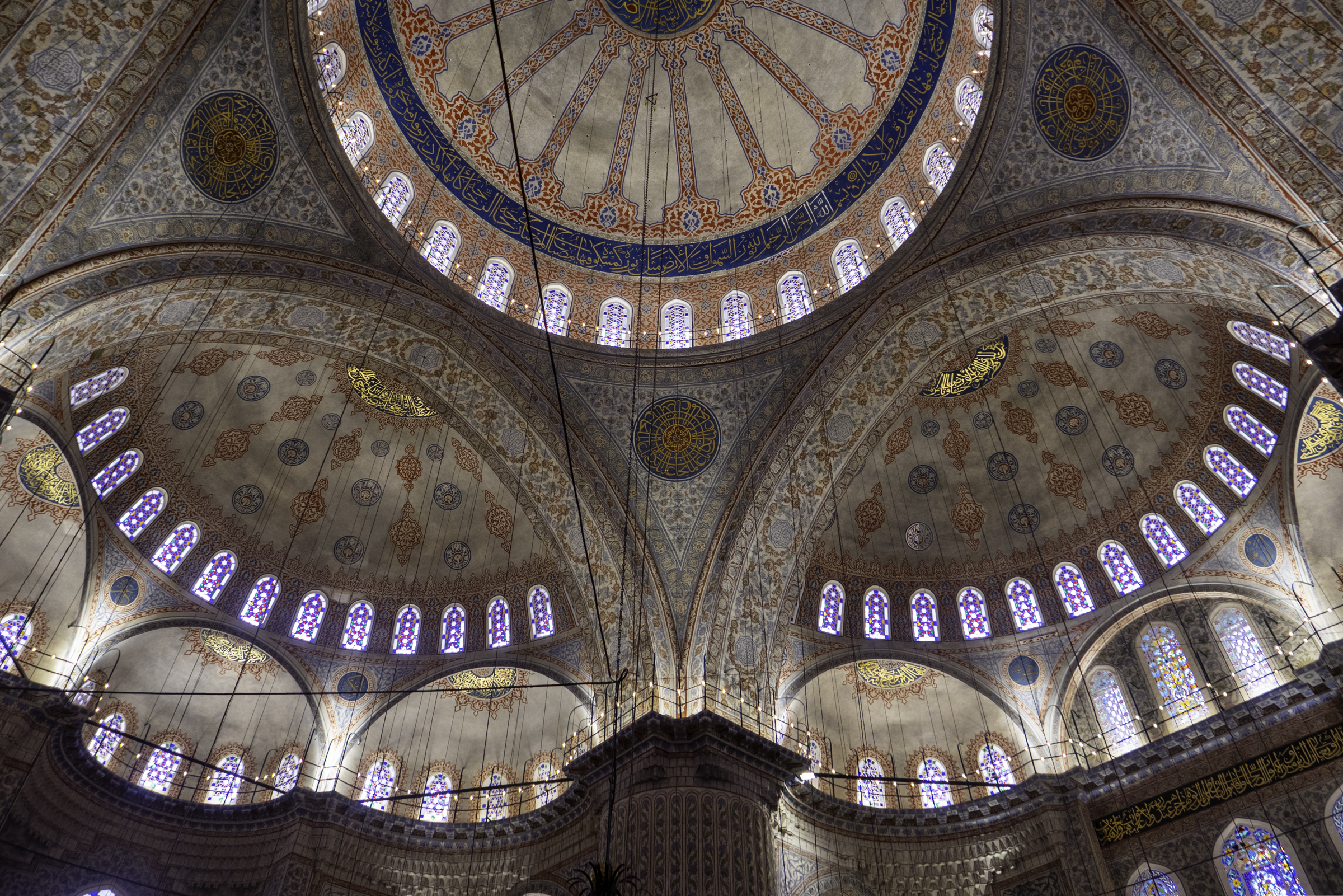
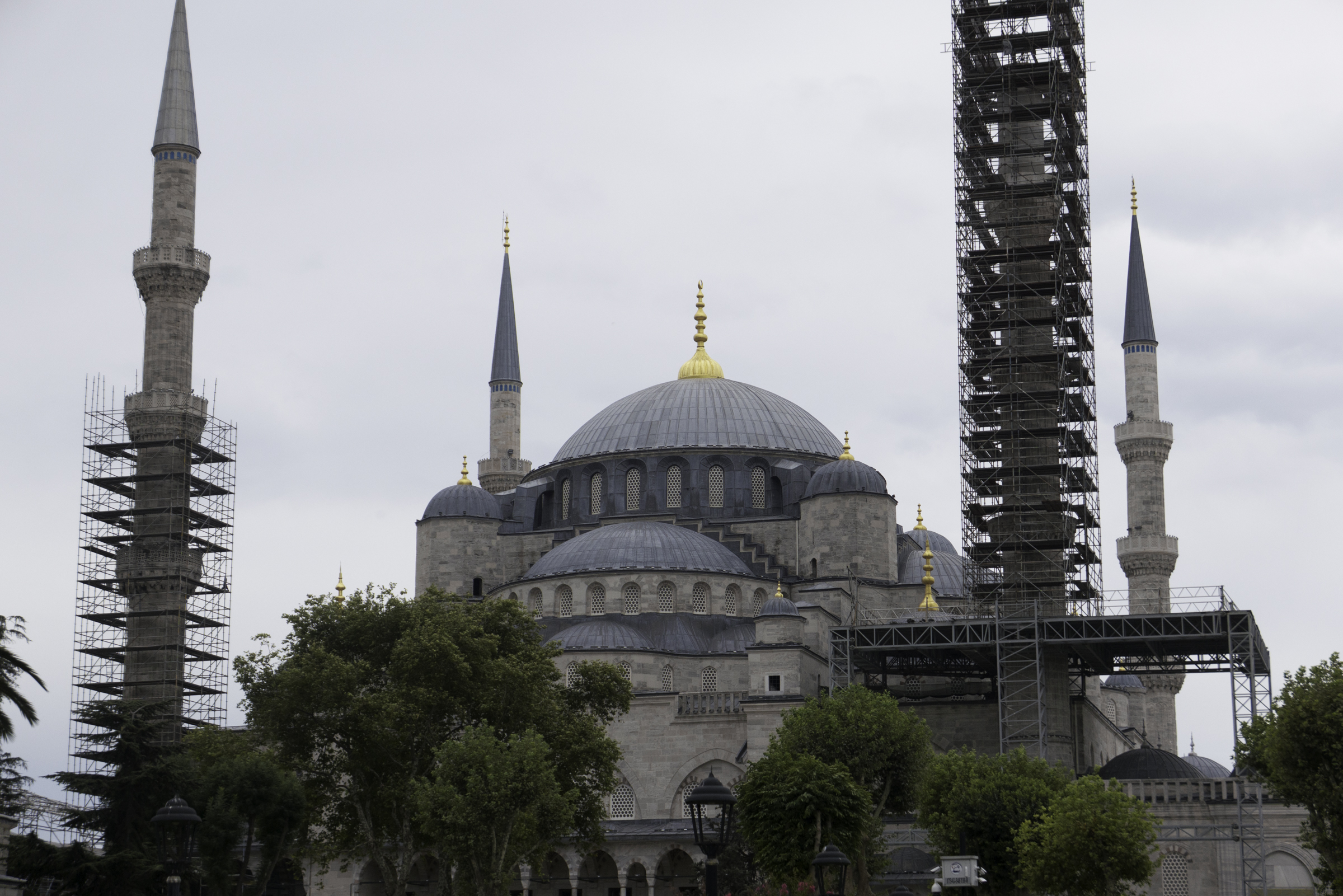
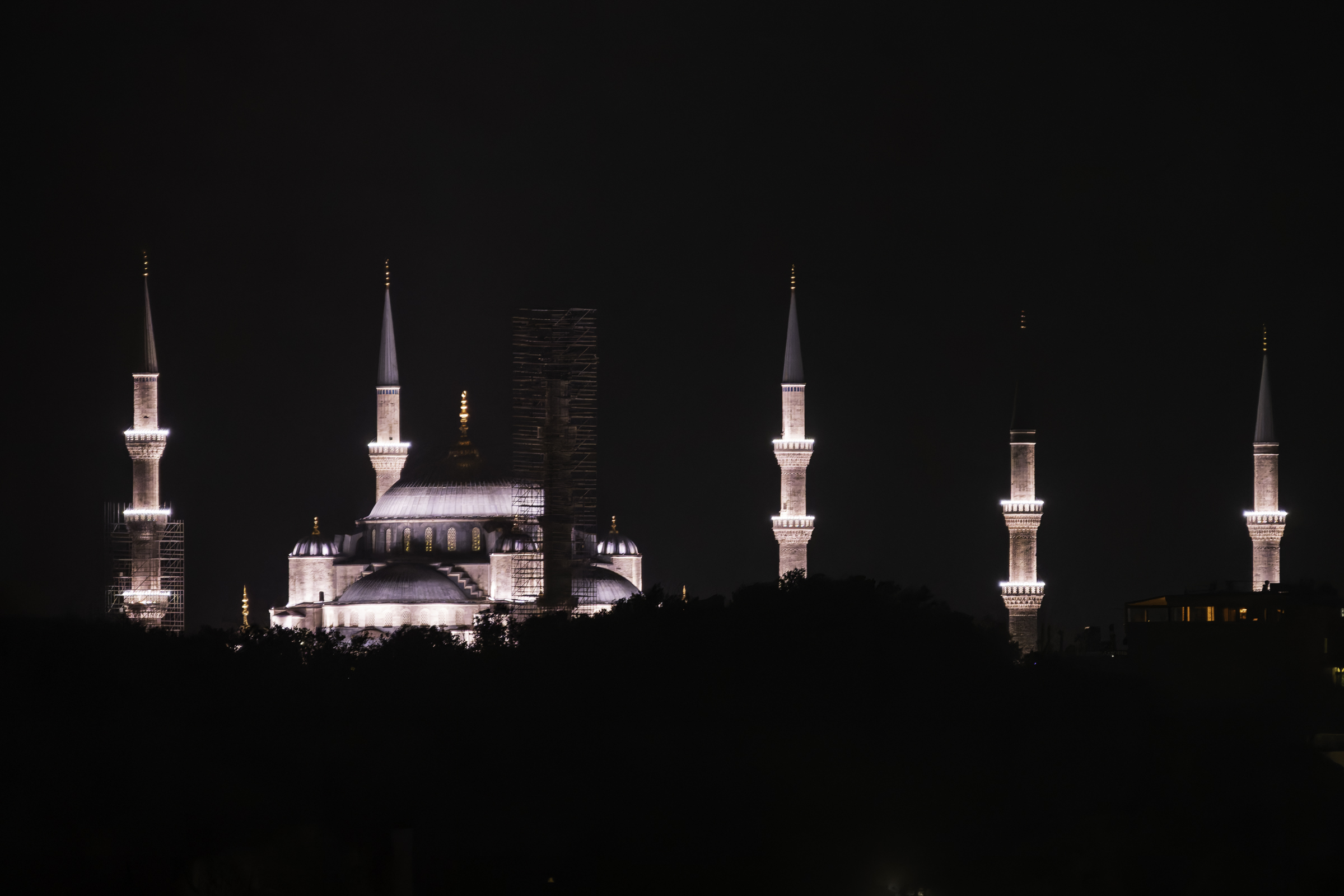
From the old hippodrome, we walked a short distance to the Blue Mosque. The Blue Mosque, officially known as the Sultan Ahmed Mosque, is a stunning 17th-century Ottoman building, famed for its six slender minarets, a huge central dome, and an interior decorated with over 20,000 hand-painted blue tiles. It is still an active mosque today.
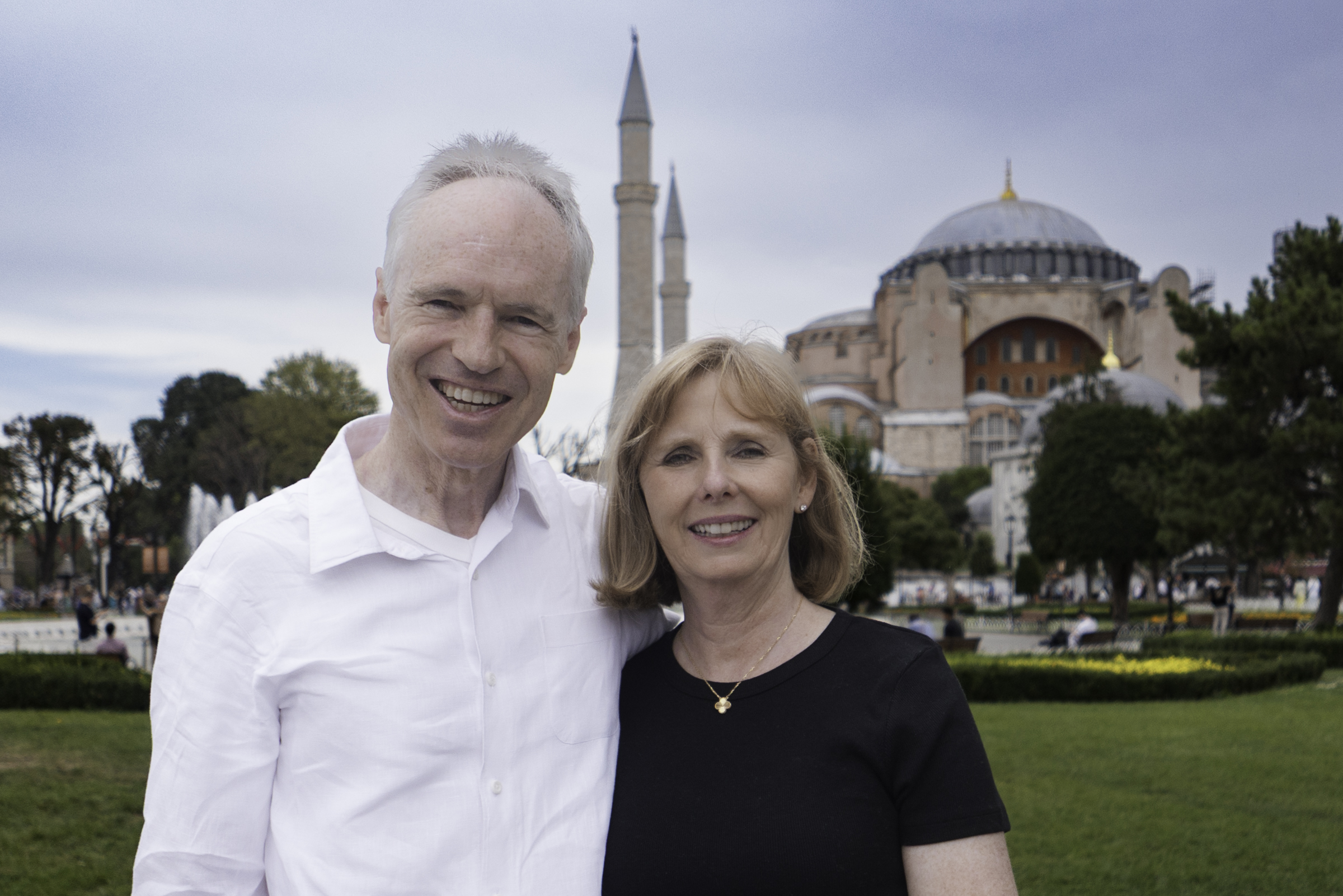
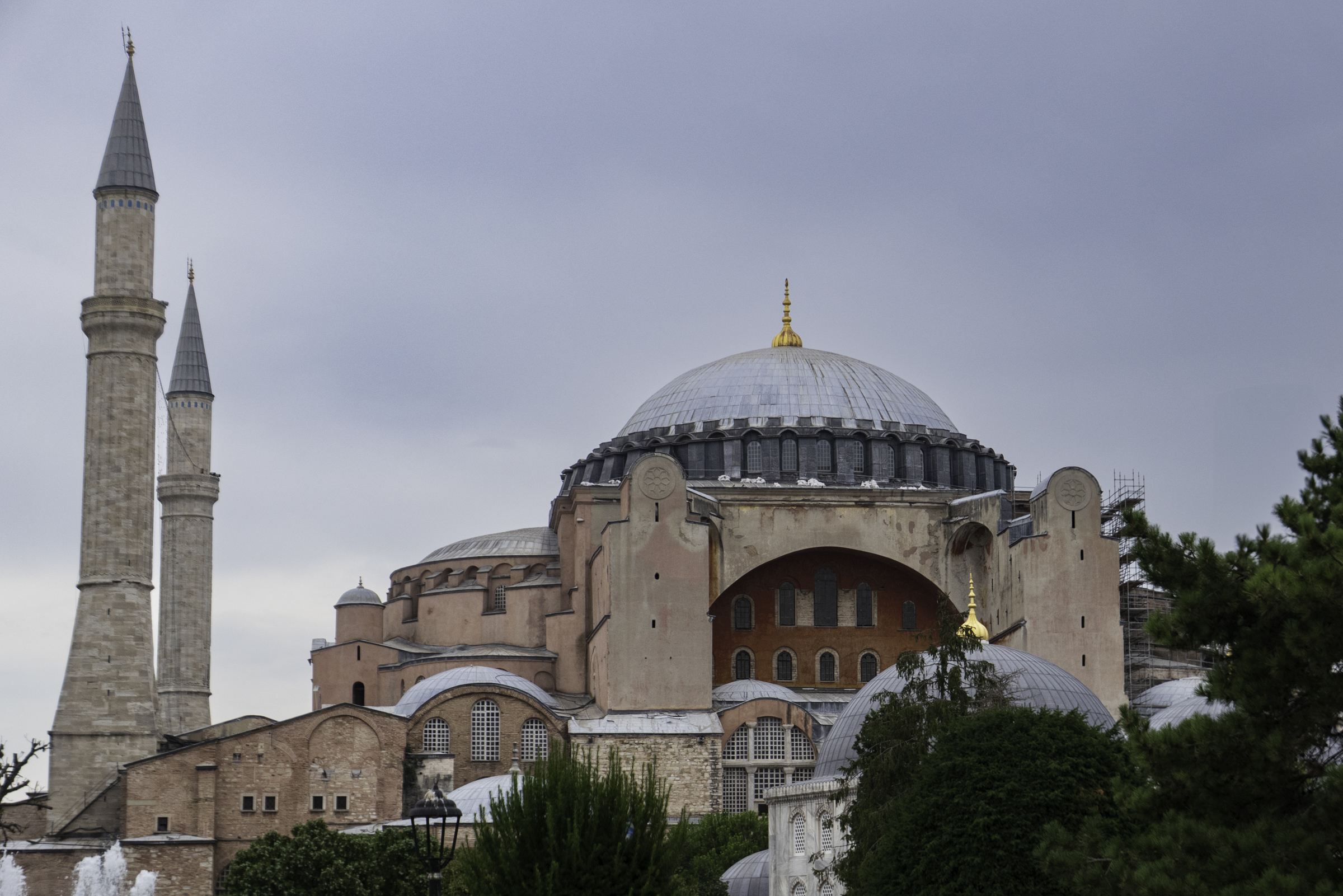
Only a few minutes’ walk from the Blue Mosque, is Hagia Sophia, which was our next destination. Commissioned by Byzantine Emperor Justinian I, Hagia Sophia was built between 532 and 537 AD as a Christian cathedral. For nearly 1,000 years, it was the world’s largest cathedral. The building is somewhat of an architectural marvel, with a dome that is 31m wide and 55m high. To put this into perspective, the Statue of Liberty would comfortably fit under the dome, with about 10m of headroom.
Hagia Sophia served as a Greek Orthodox cathedral, a Roman Catholic church, a mosque, a museum, and then a mosque again (from 2020). On its conversion to a mosque after the Ottoman conquest in 1453, Islamic elements (such as minarets and calligraphy) were added, but some Christian mosaics survived (often hidden under plaster).
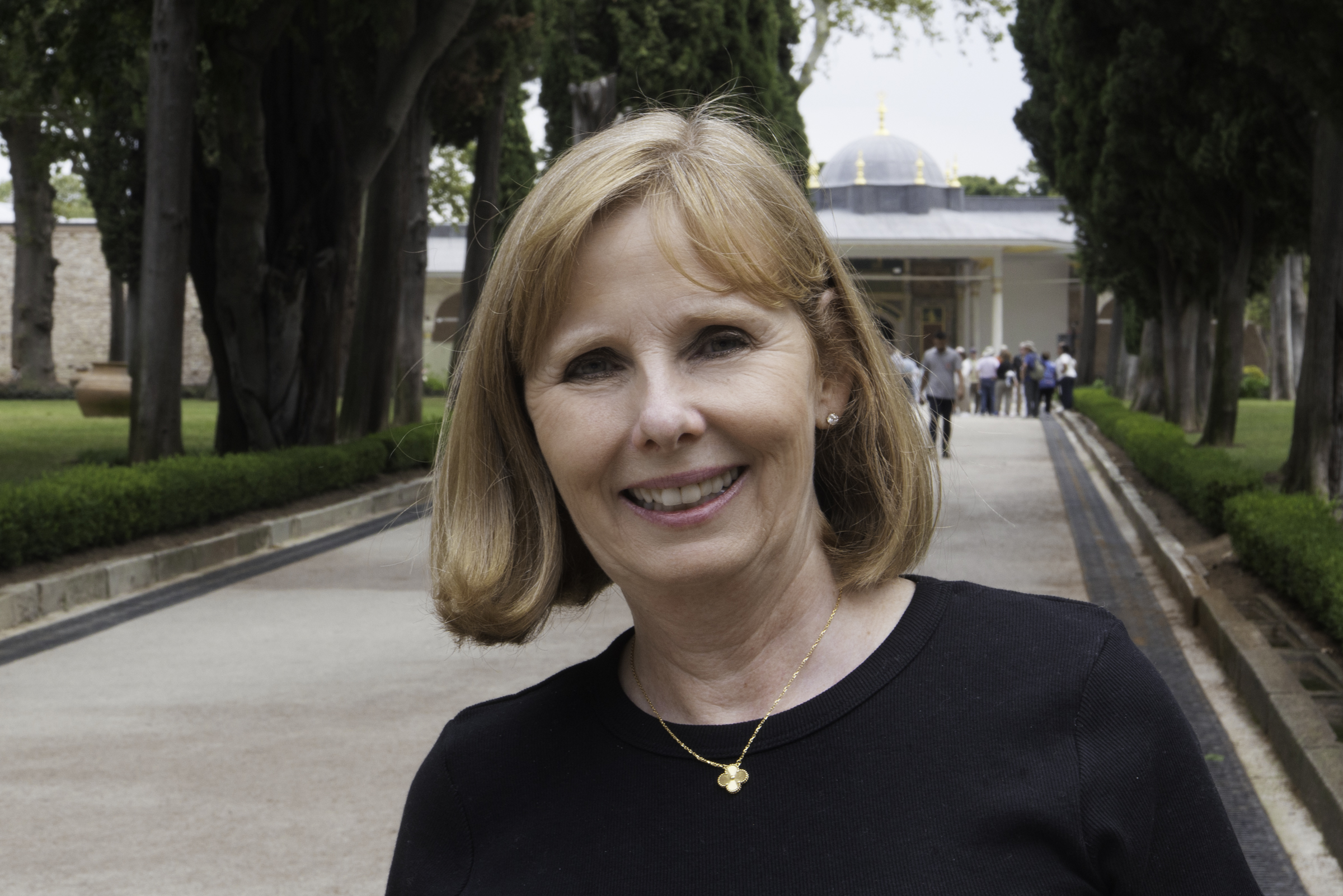
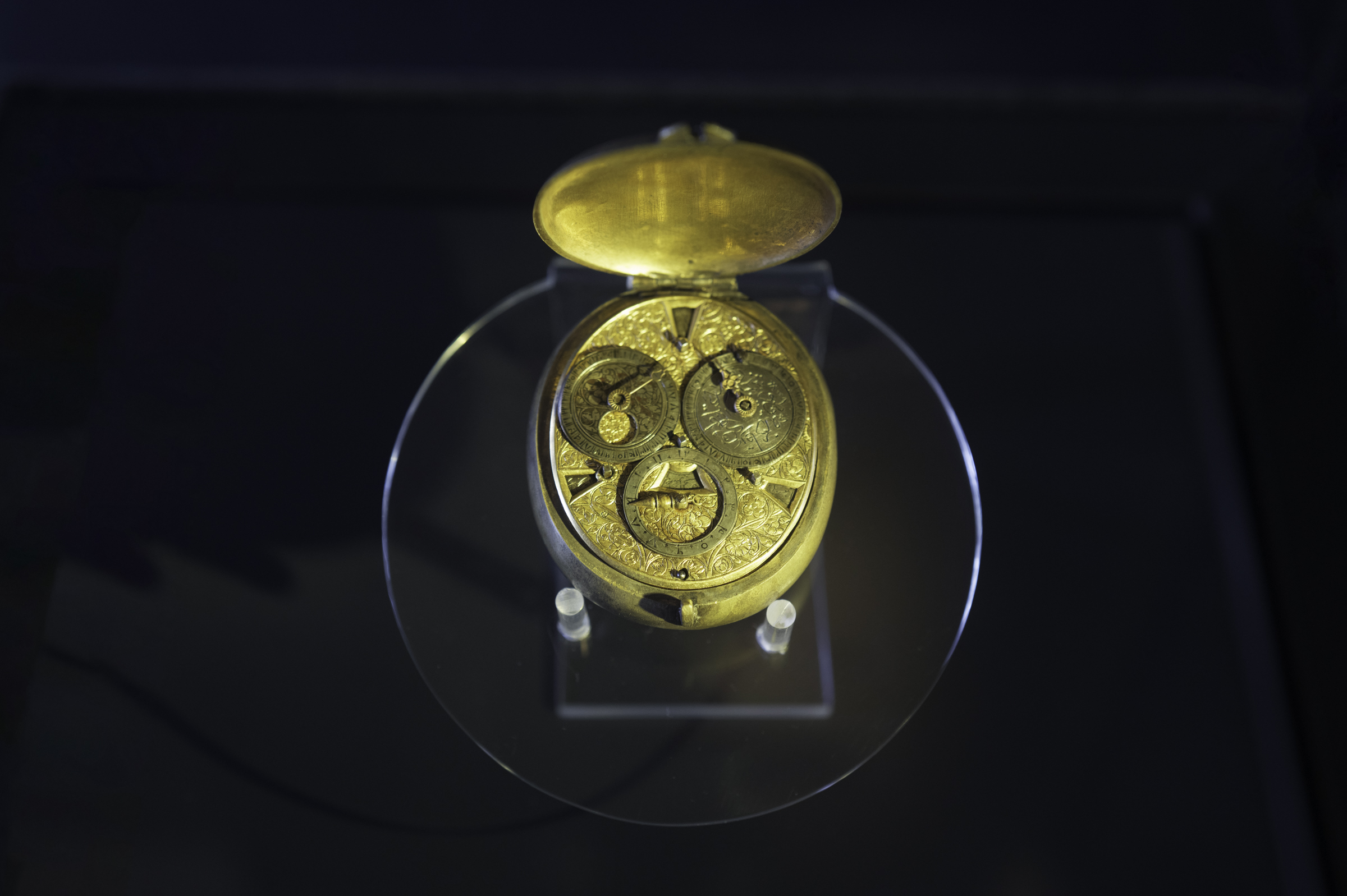
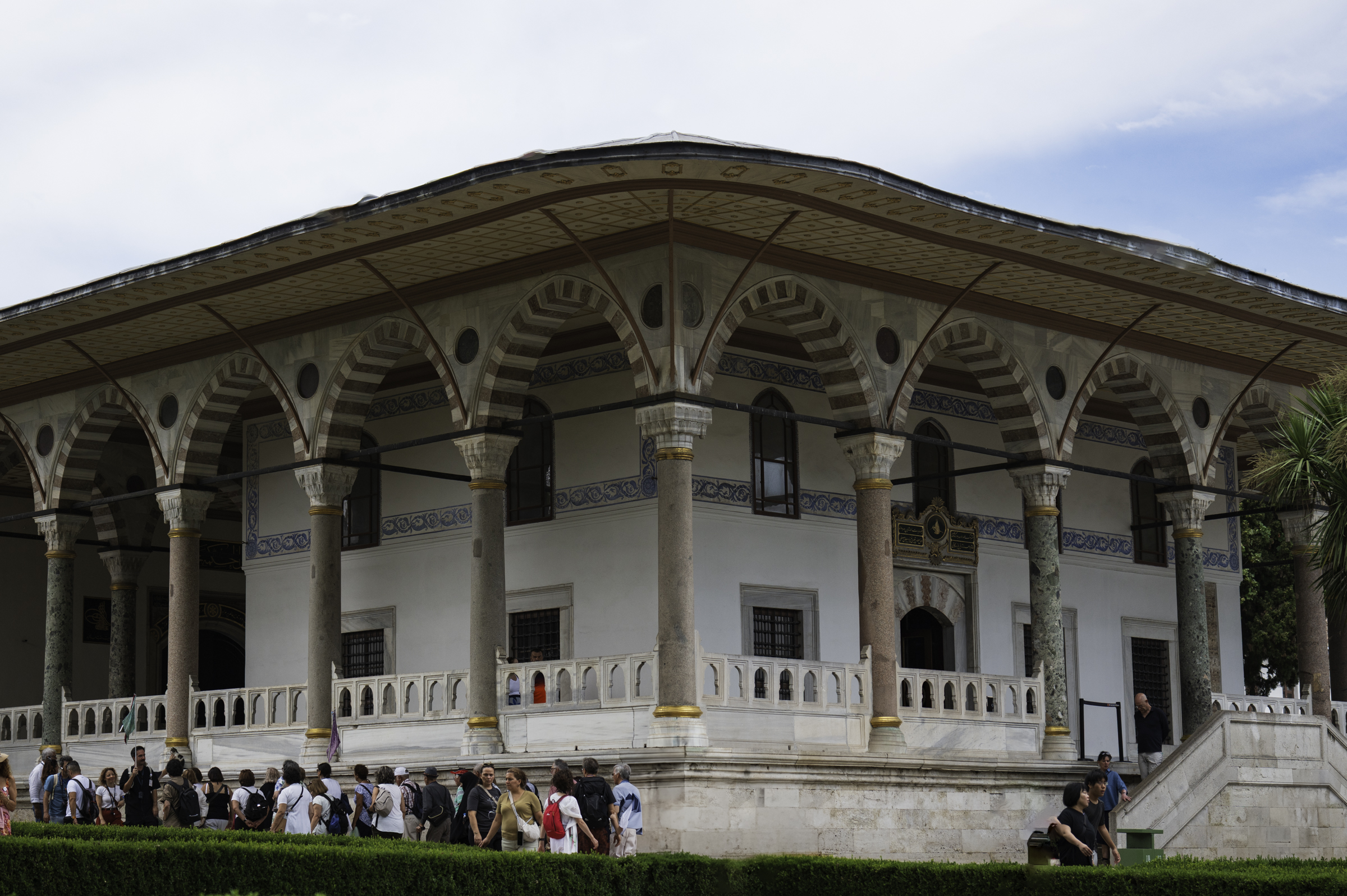
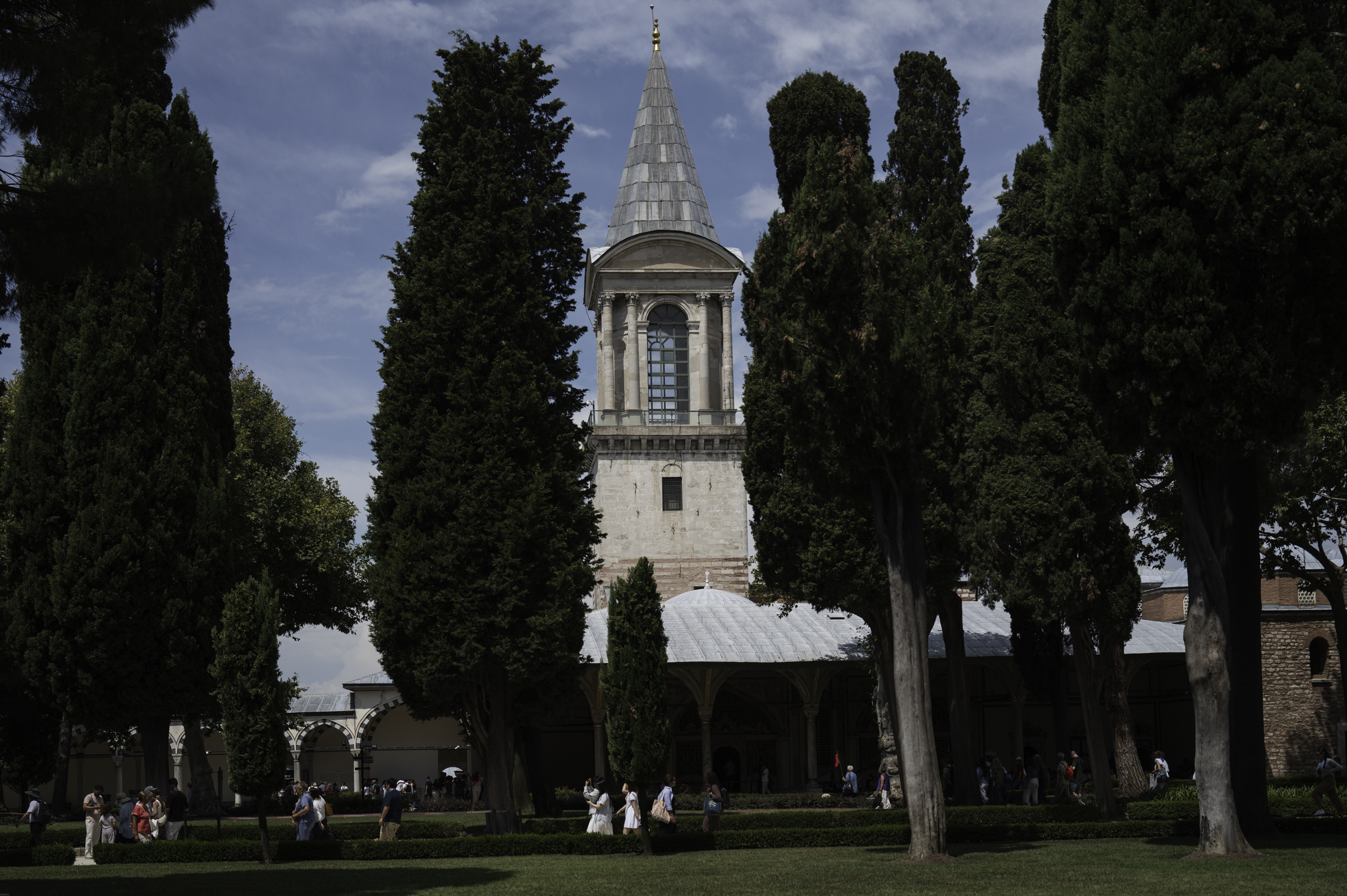
Our next stop was Topkapi Palace. Topkapi Palace, built by Sultan Mehmed II after the 1453 conquest of Constantinople, served as the Ottoman Empire’s main residence, government centre, and ceremonial hub for nearly 400 years. Sprawling across four courtyards with gardens, pavilions, and a harem, it blended Islamic, Turkish, and some European design into a layout that prioritised hierarchy and privacy. Housing up to 4,000 people, it hosted everything from state ceremonies to military planning until the sultans moved to Dolmabahçe in 1856. It was converted into a museum in 1924, and is a very impressive complex that we spent a couple of hours exploring.
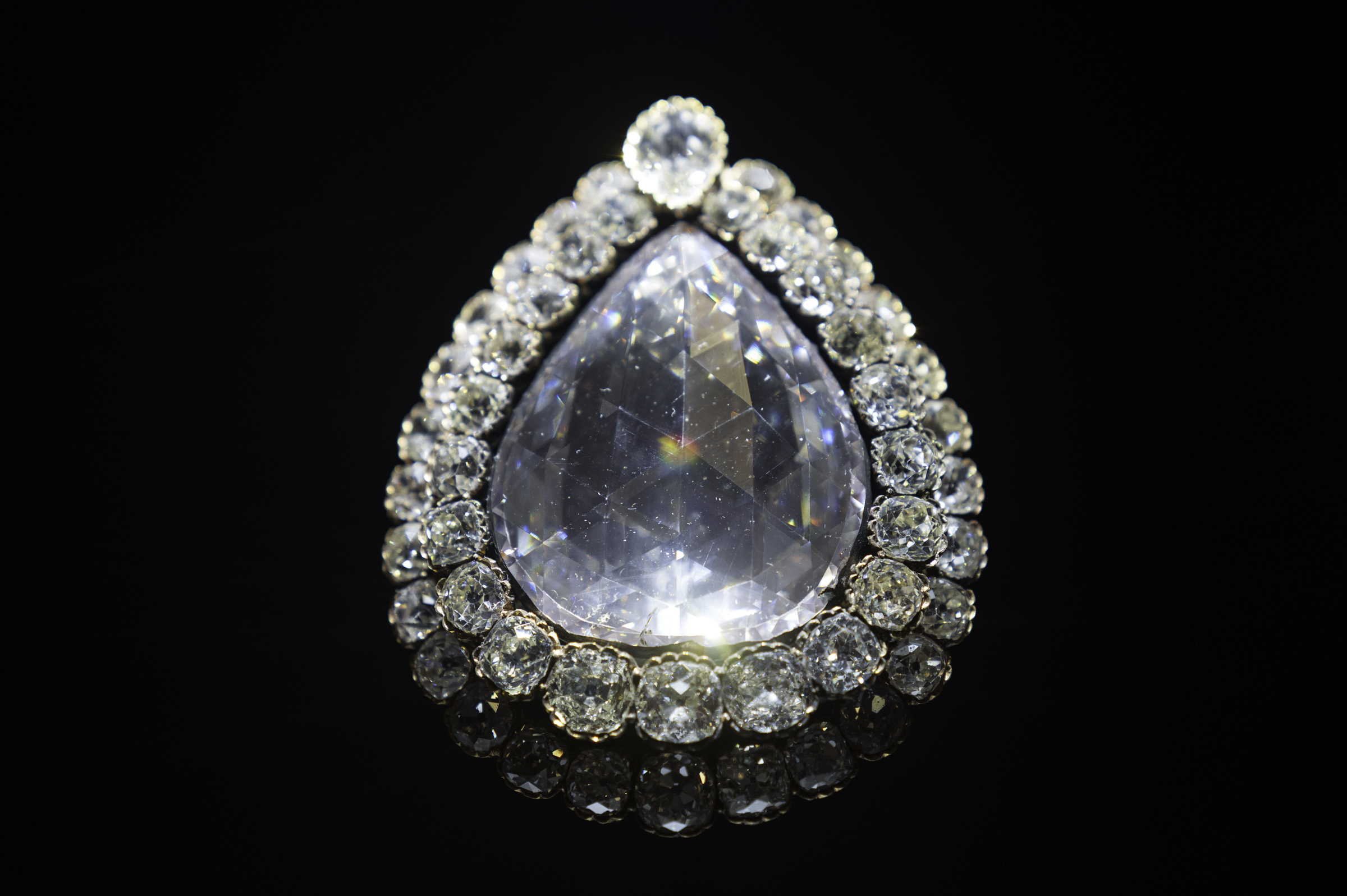
On display in the treasury is the famous Spoonmaker’s Diamond. There are competing versions of how the 86-carat diamond ended up in the Ottoman treasury but the most famous story is that a poor fisherman, or junk collector, found the diamond in Istanbul, and thinking it was a piece of glass, traded it to a jeweller for three spoons, hence its name.
In addition to the Spoonmaker’s Diamond, there was a fabulous display of jewellery.
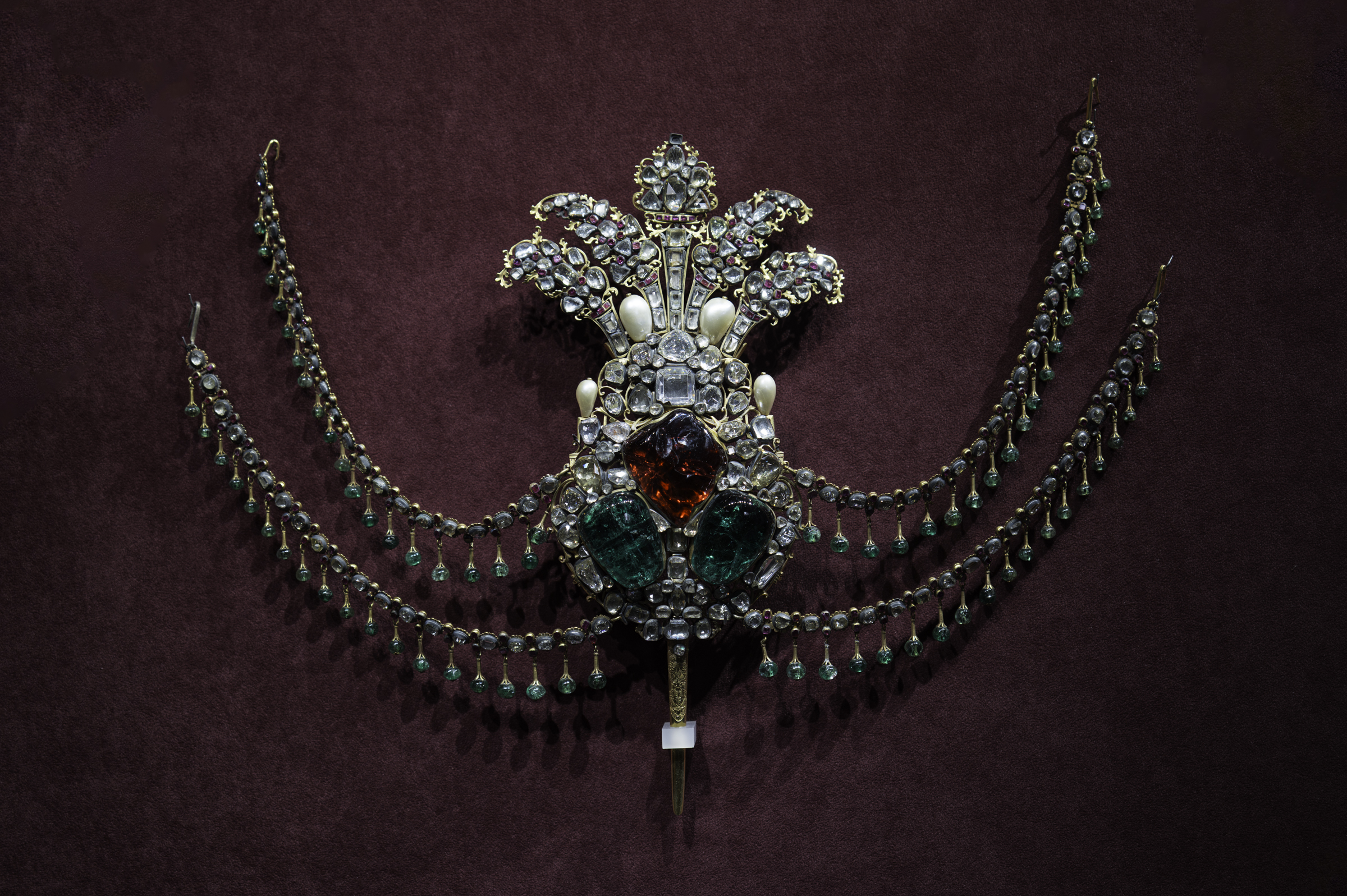
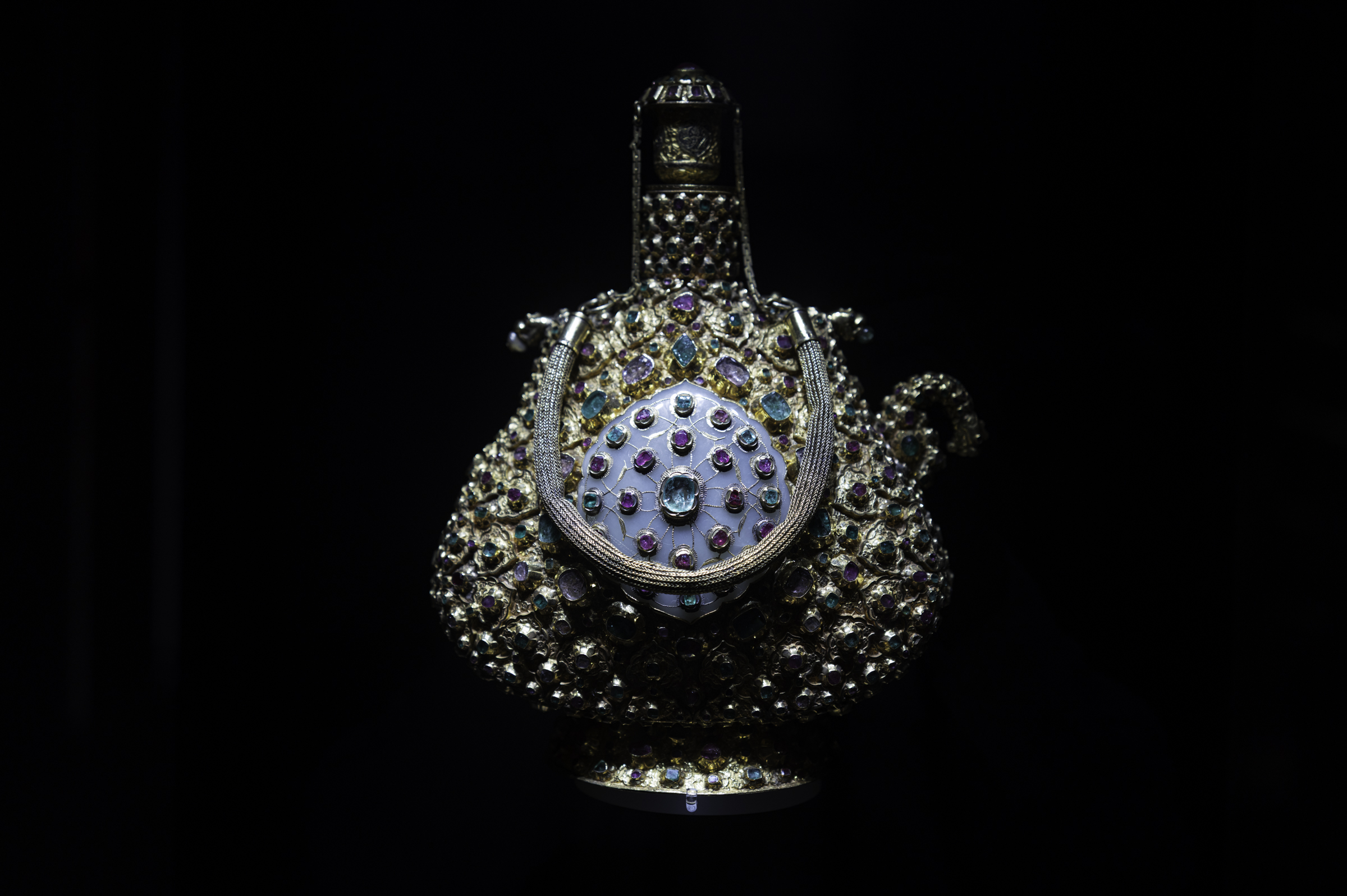
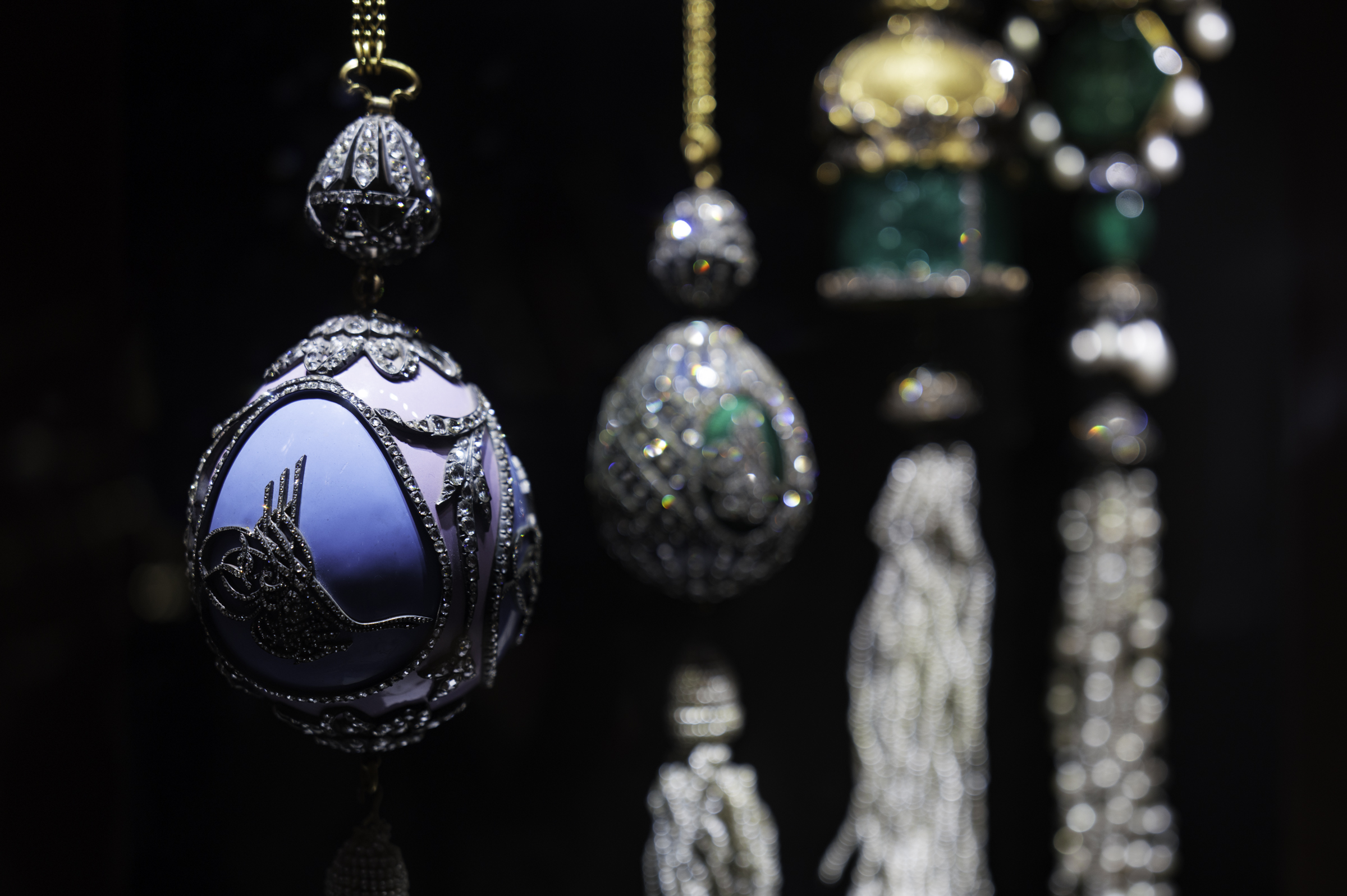
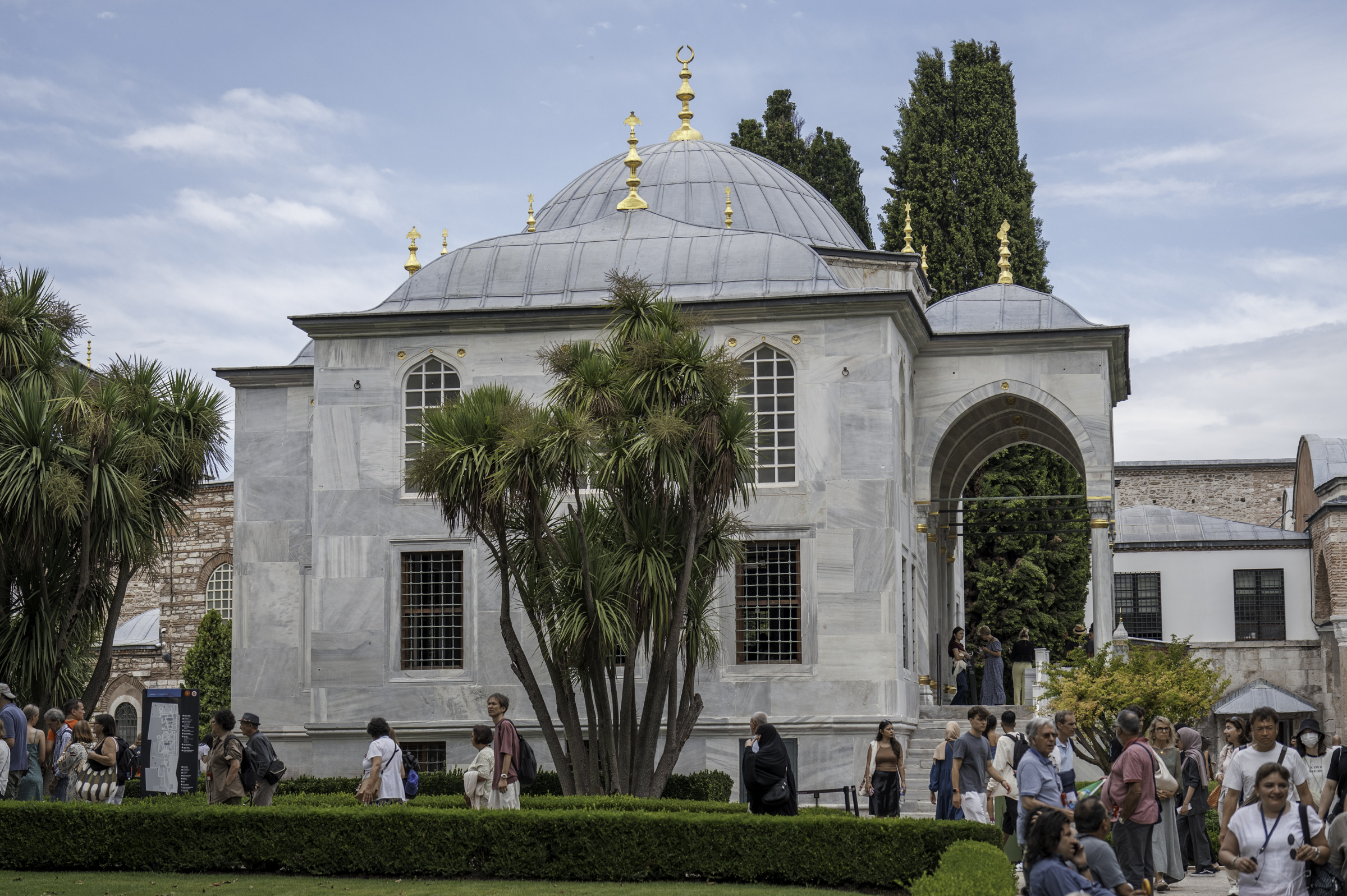
We enjoyed walking around the huge palace grounds, looking at the very interesting architecture.
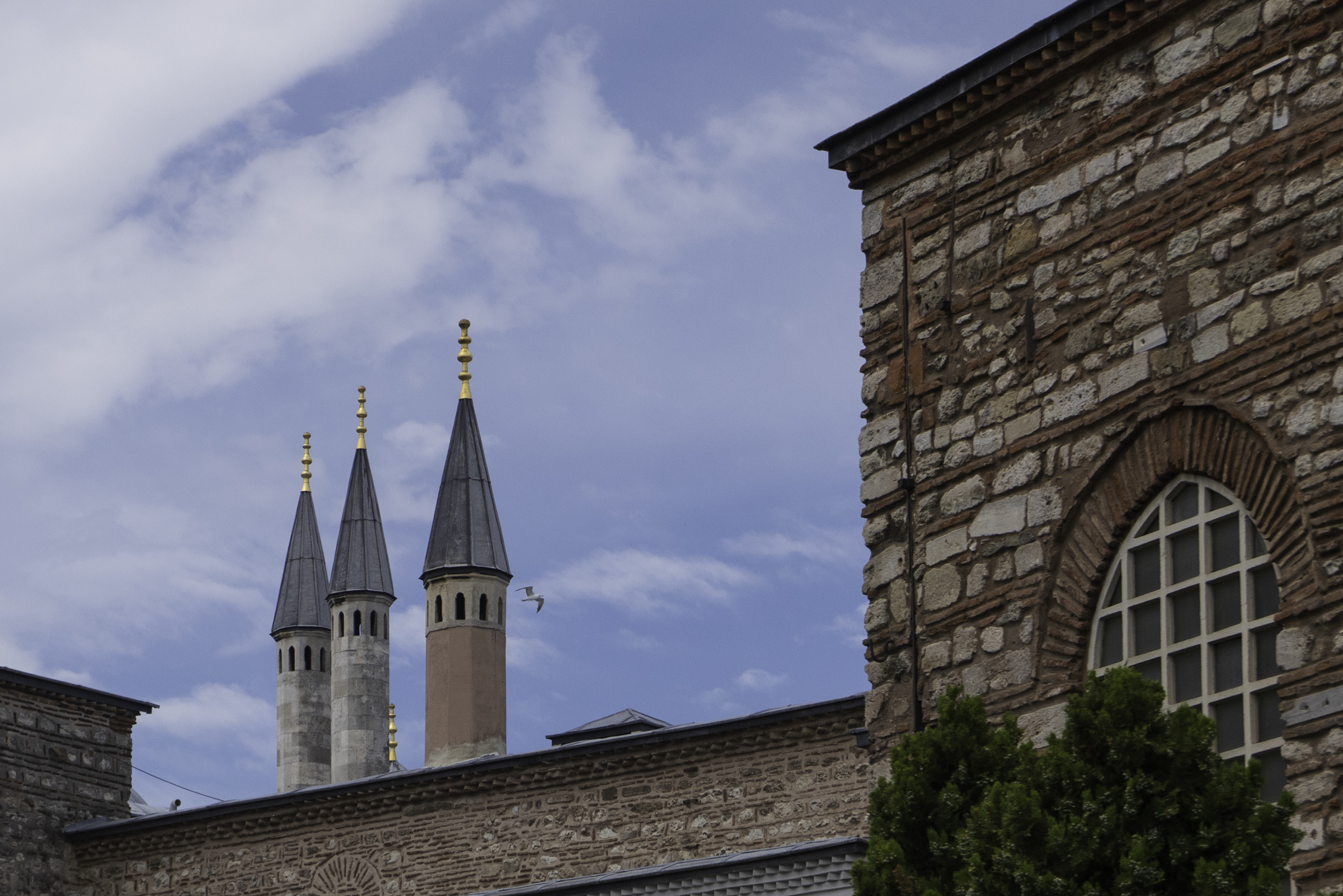
We were especially impressed by the scale of the kitchens. Topkapi Palace’s kitchens are a vast complex along the palace’s Second Court, rebuilt after a huge fire in 1574. The kitchens are built in a long row, with huge conical chimneys. The kitchens were staffed by 800 people, whose job it was to feed the 4,000 palace residents. They are quite incredible.
We left the palace around 12:30 pm, and drove to the Pera Palace Hotel, where we had a very nice lunch.
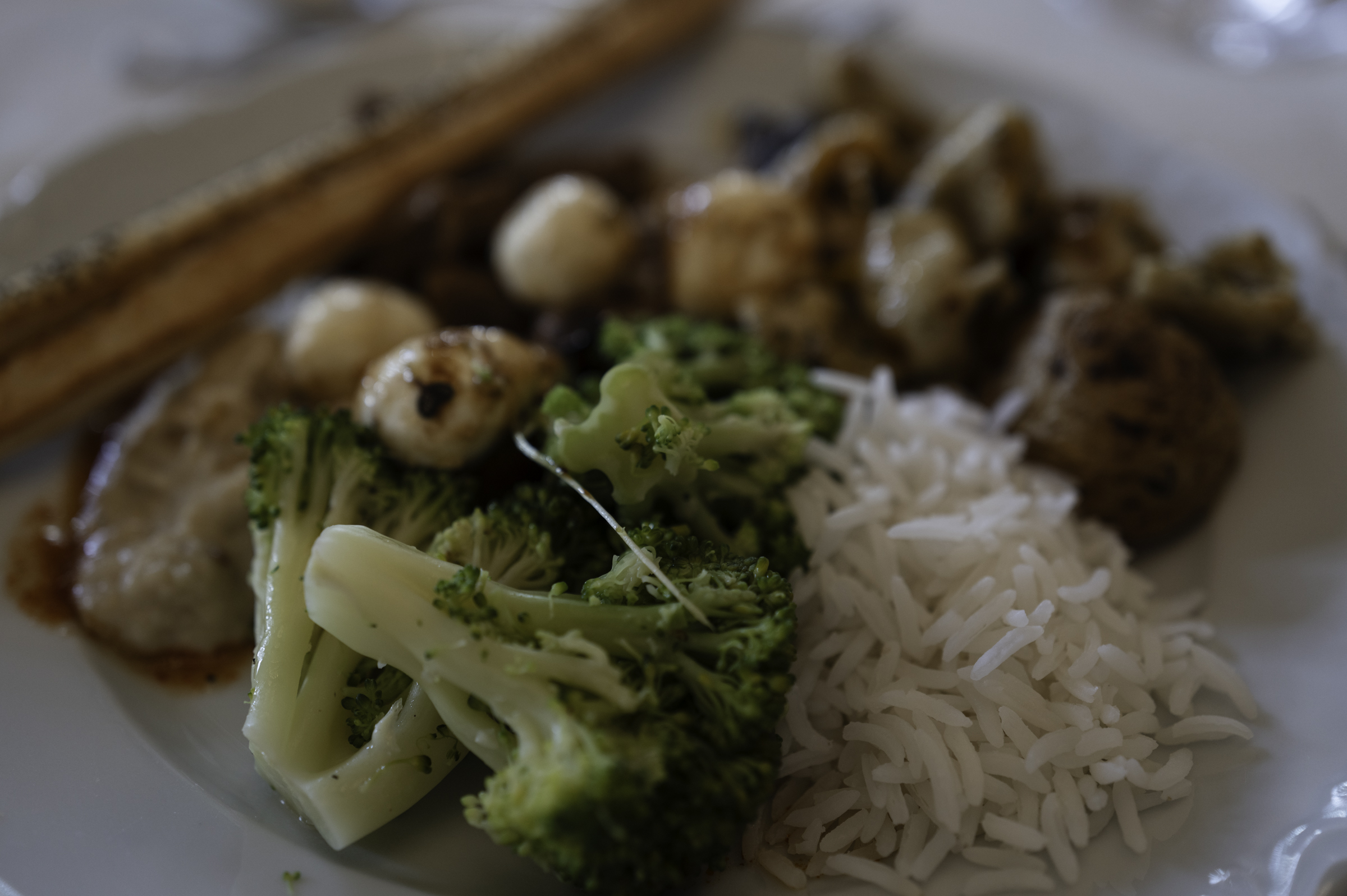
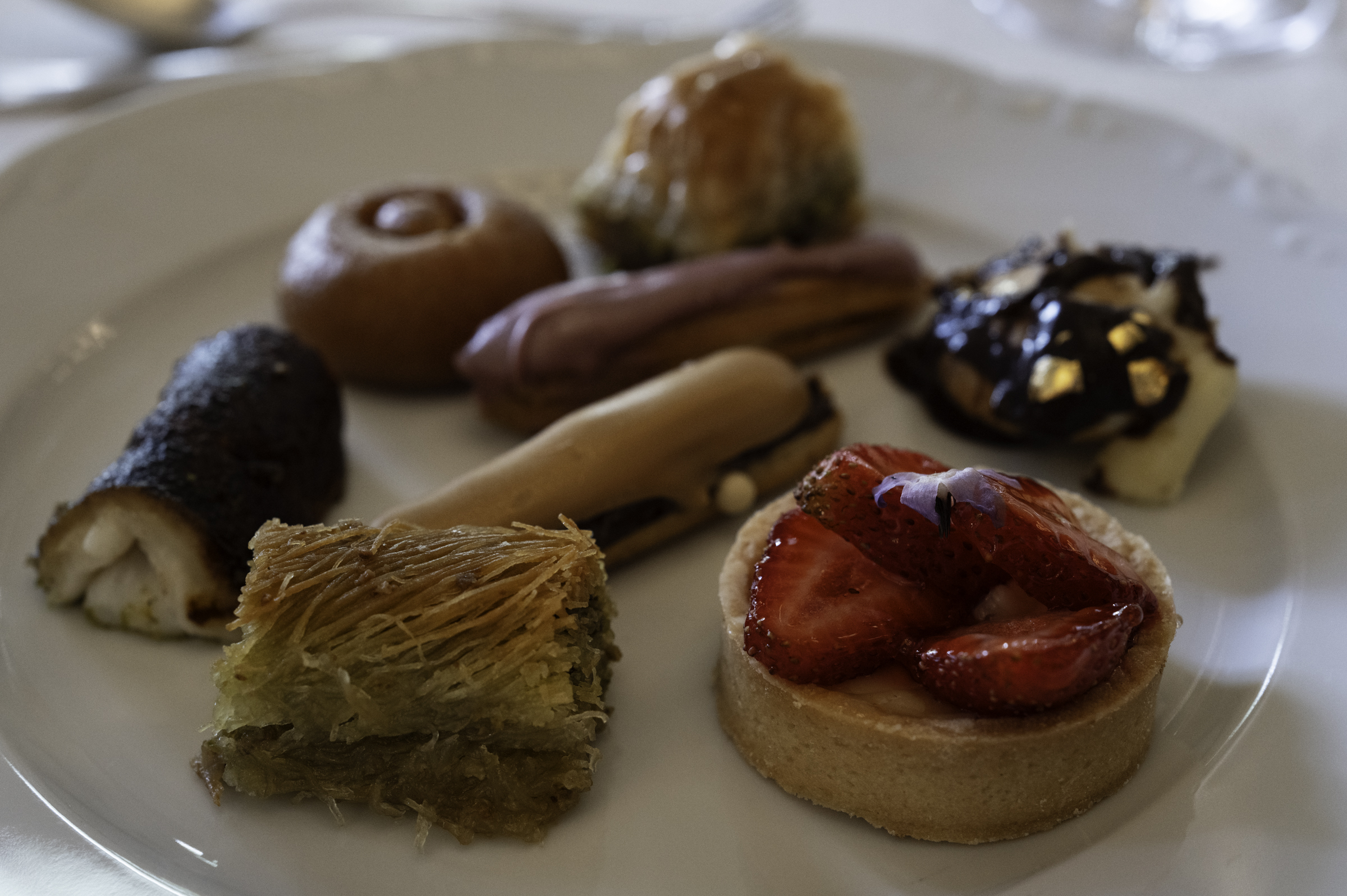
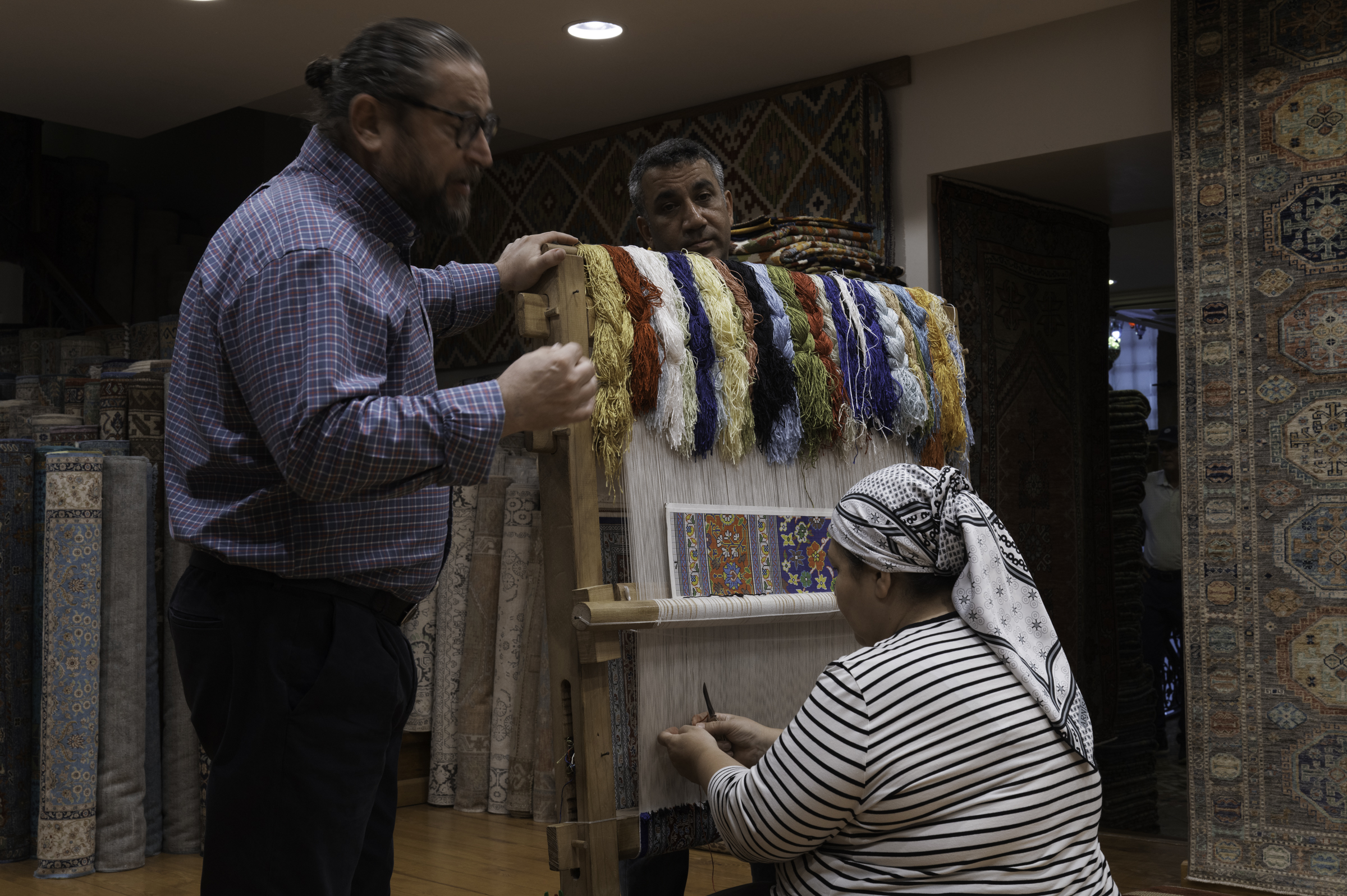
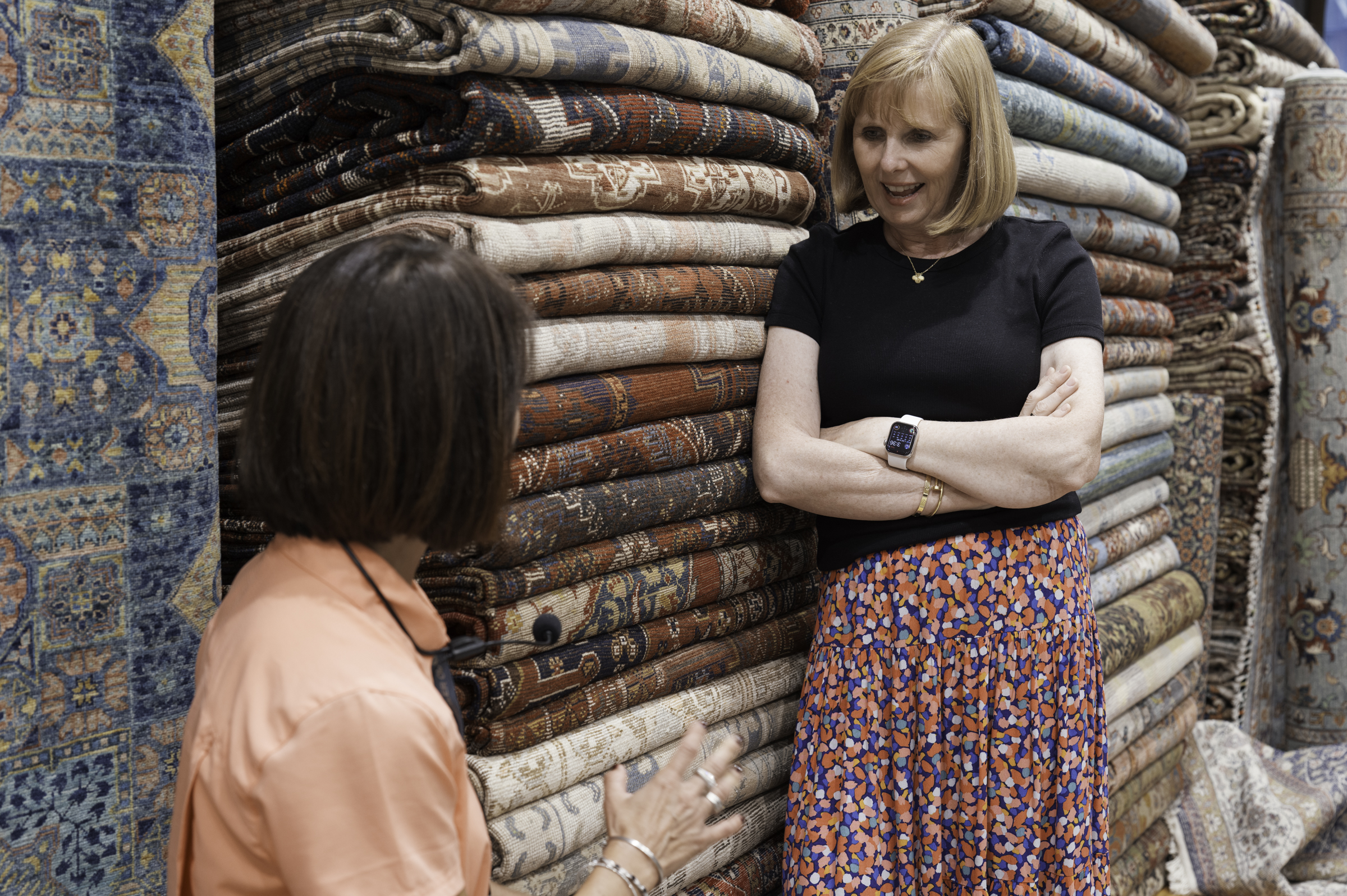
After lunch, we headed to a local rug store, where we relaxed with refreshments and learned about rug-making in Turkey.
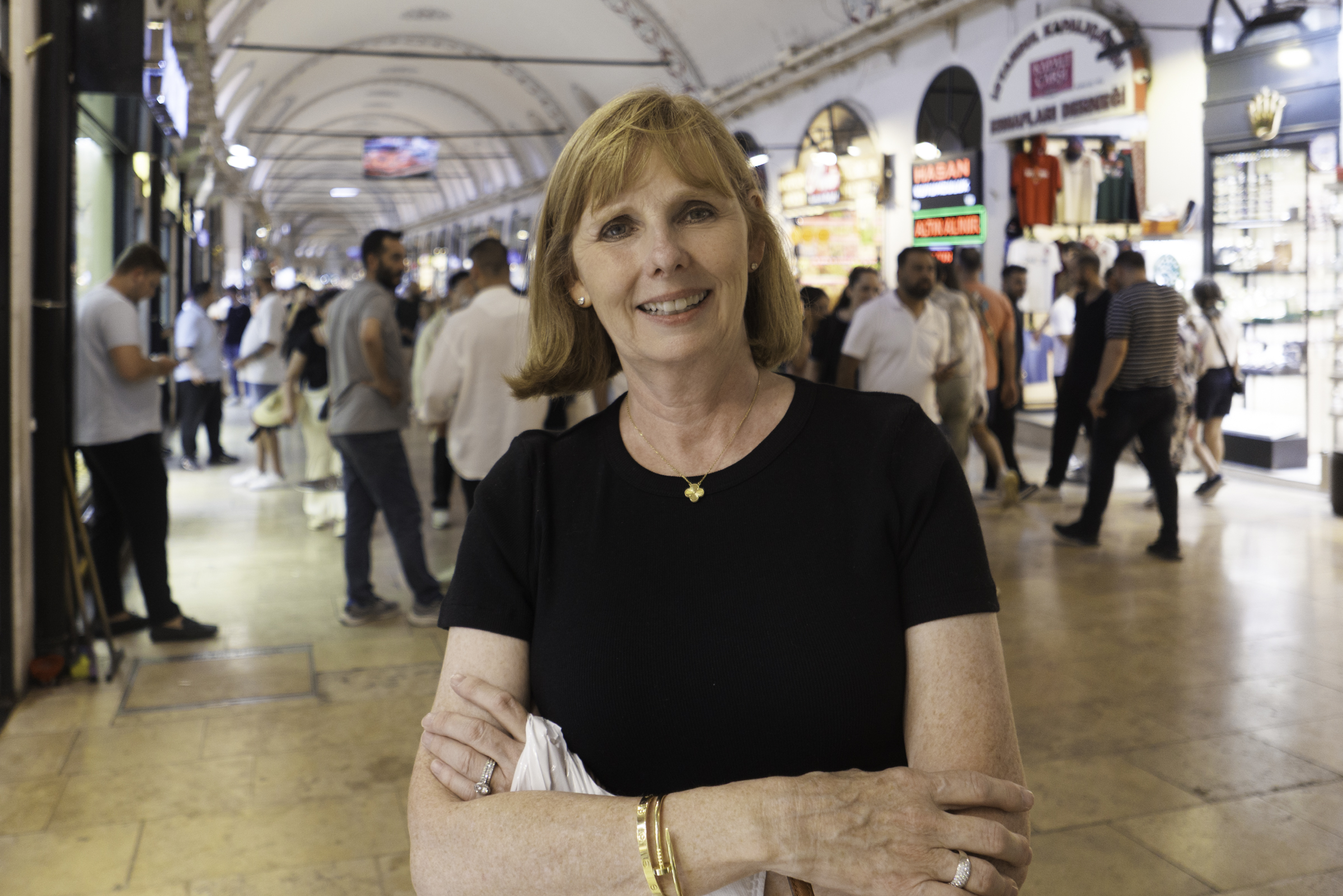
After resisting the temptation to buy a rug, we walked to the Grand Bazaar. The Grand Bazaar is Istanbul’s vast, centuries-old covered market, begun soon after the 1453 conquest and expanded through the 16th century into a labyrinth of domed halls and alleys, containing thousands of stores.
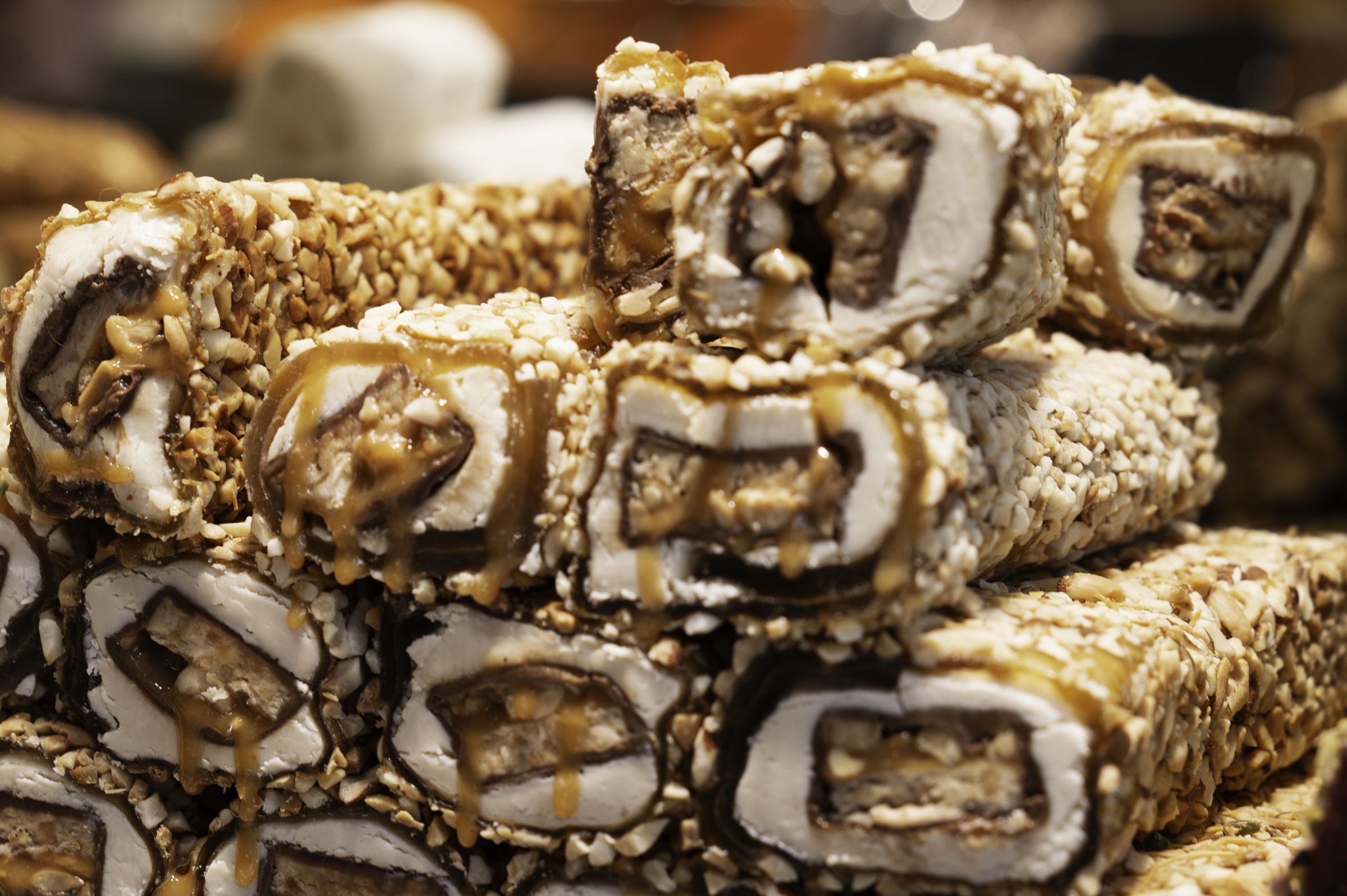
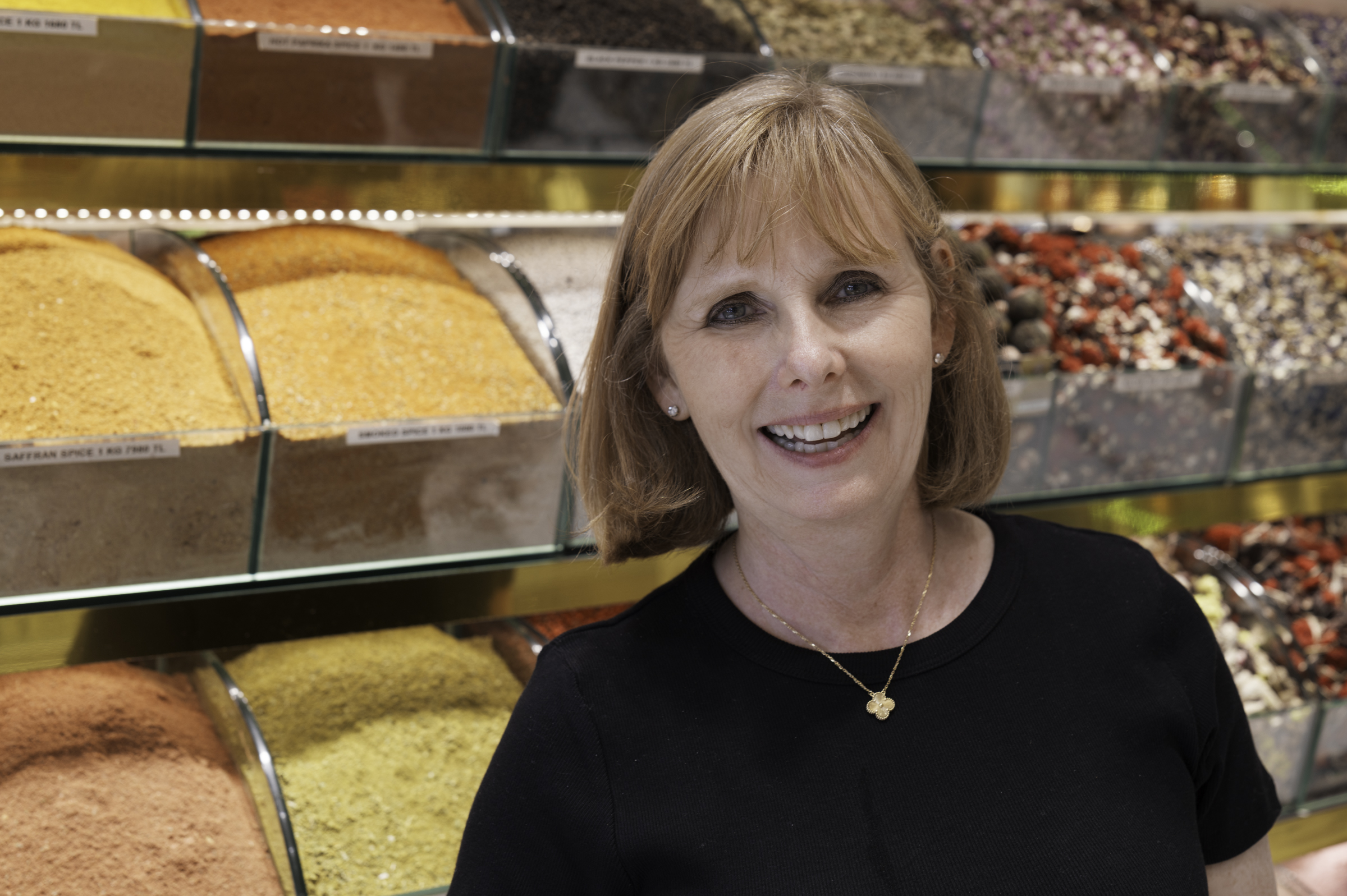
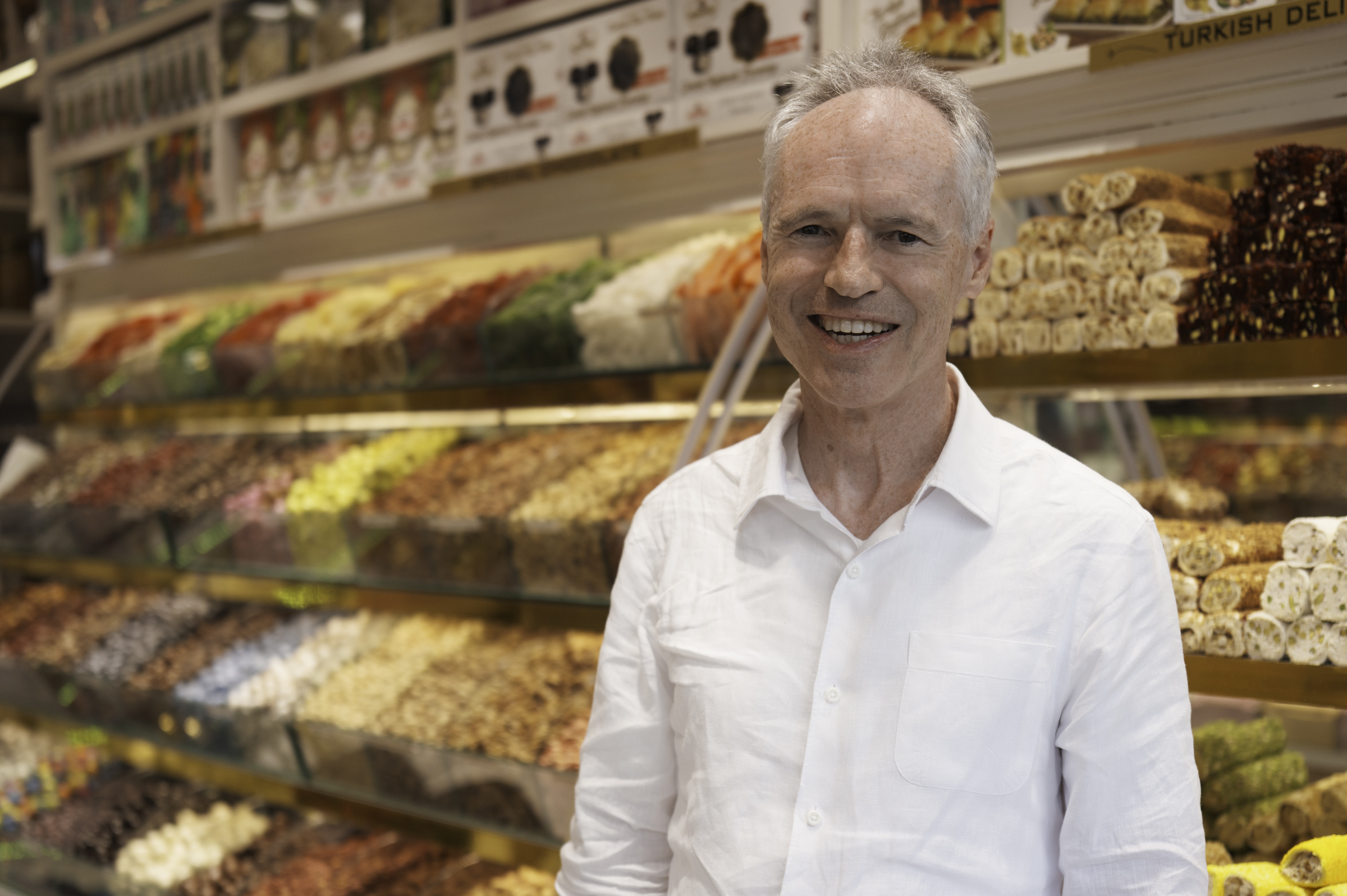
Our first stop inside the bazaar was a confectionery and spice store, where we sampled a number of sweet treats and washed them down with a variety of teas. We ended up buying some very nice Turkish Delight.
After walking around the Grand Bazaar, we exited just next to the Beyazit Mosque.
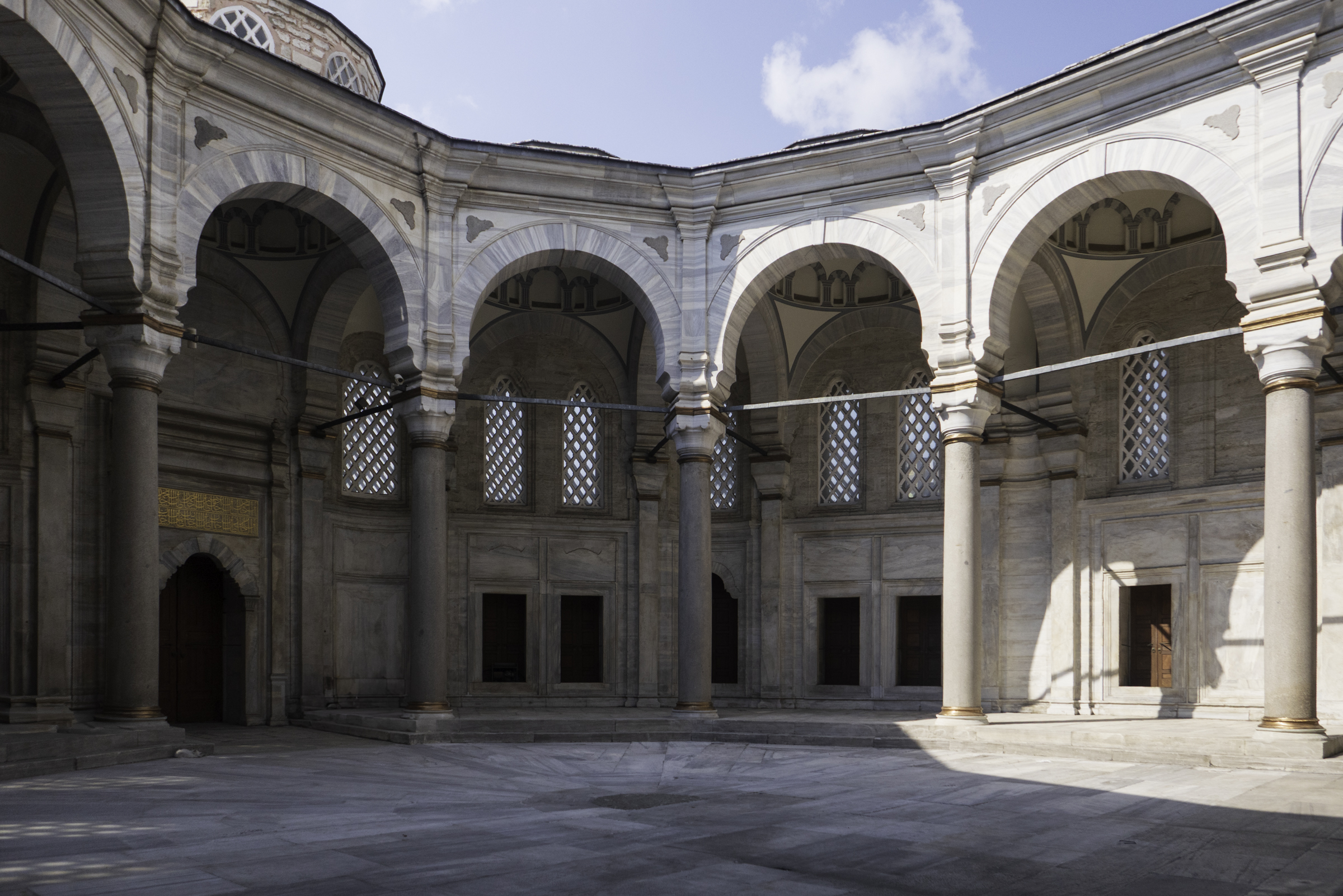
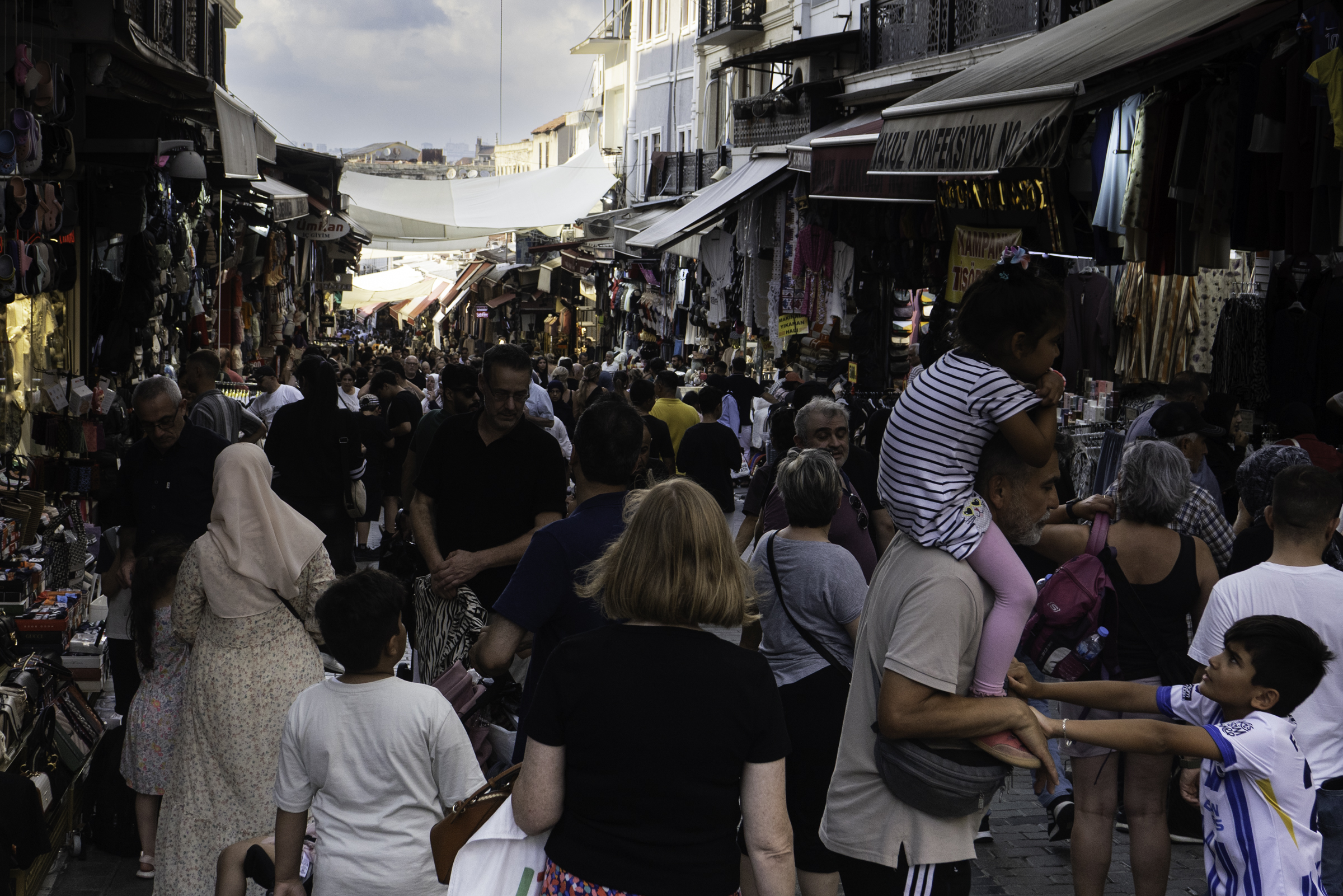
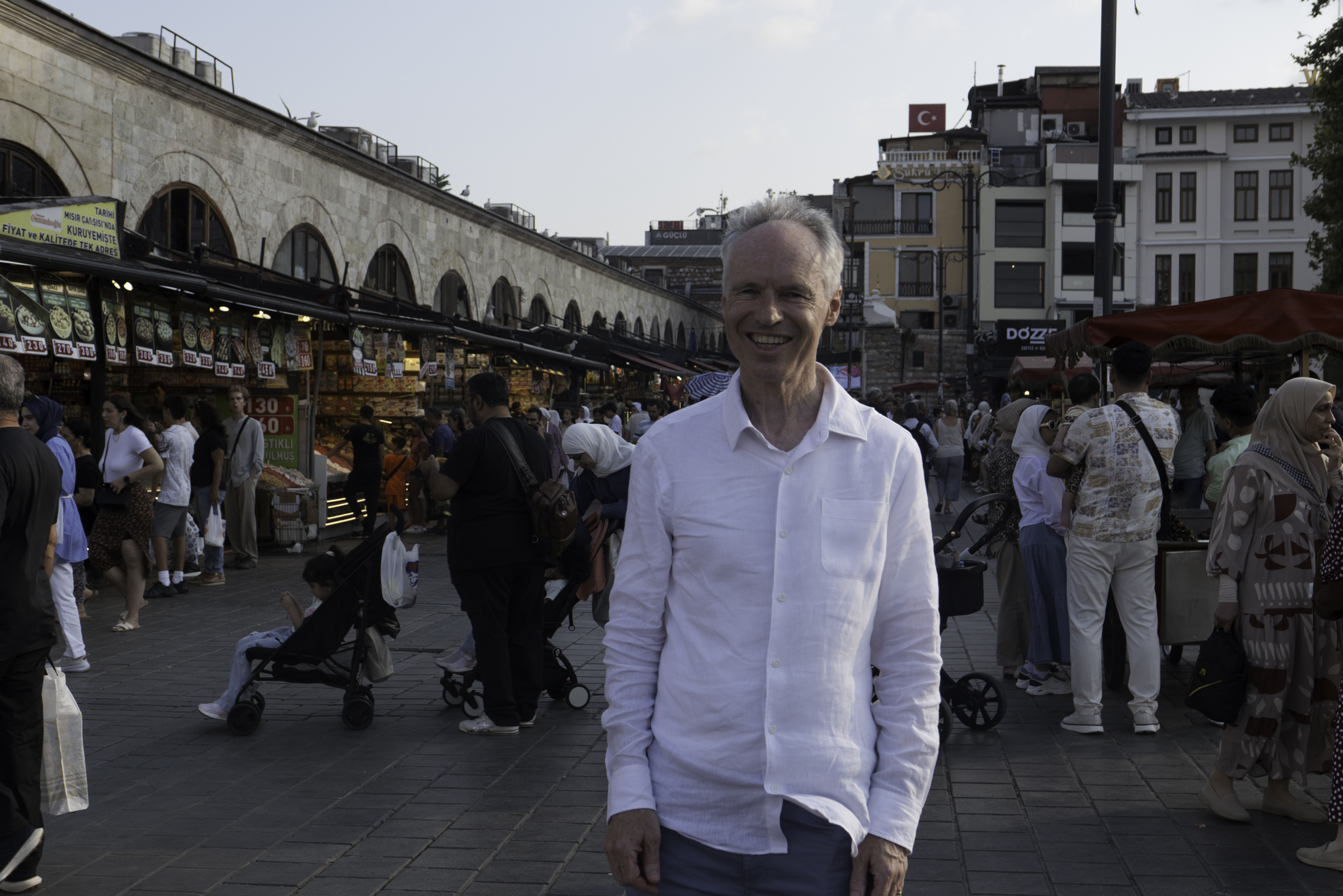
At around 4:00 pm, we said goodbye to our tour guide, and debated what to do next. We decide that, rather than head back to the ship, we’d walk to the Basilica Cistern. Along the way, we passed plenty of lively restaurants and street vendors.
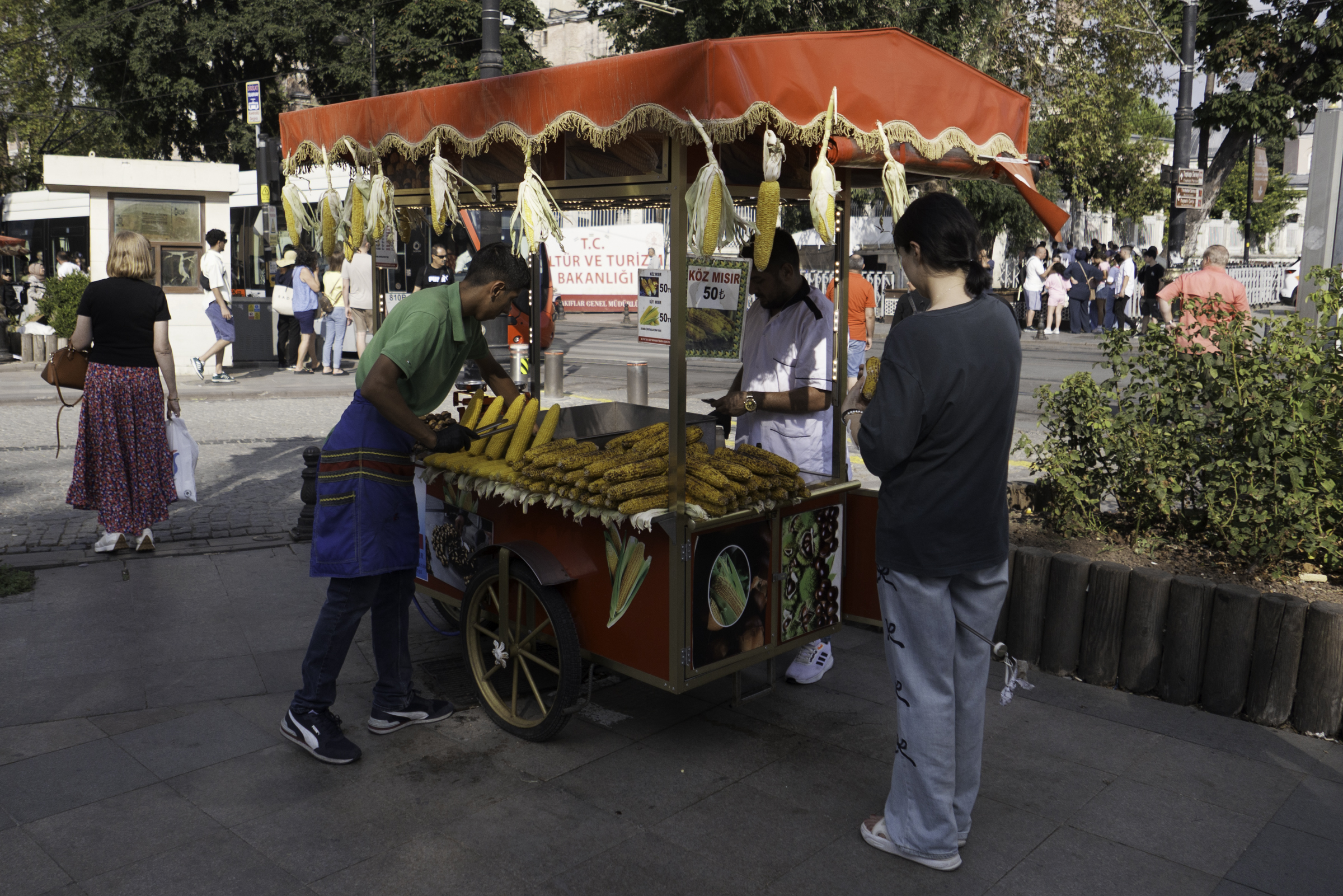
We got to the Basilica Cistern just before 5:00 pm, having taken a bit of extra time to locate the not-very-obvious (to us, anyway) entrance. The Basilica Cistern is a vast sixth‑century underground water reservoir built by Emperor Justinian I to supply the Great Palace and, later, Topkapi Palace. Hidden beneath today’s Sultanahmet streets, it spans roughly 140 by 70 metres, with a capacity around 80 million litres. The ceiling is supported by 336 marble columns, arranged in 12 rows, giving it a cathedral-like feeling. It is a stunning work of engineering and design, made even more incredible given its relatively mundane function.
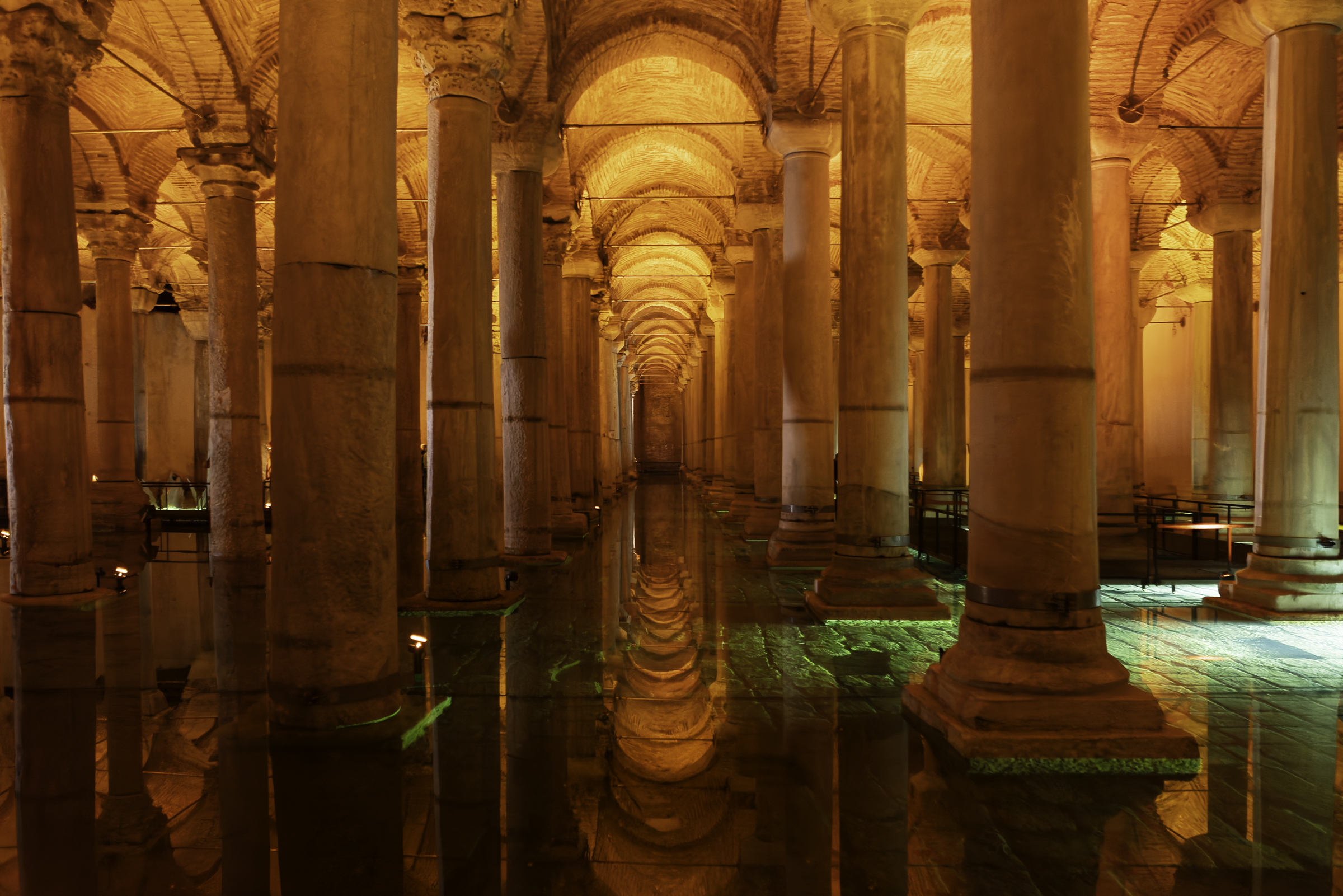
After we left the Basilica Cistern, we decided to walk back to the ship, a trek of around an hour, which was somewhat of a commitment in the oppressive Istanbul heat.
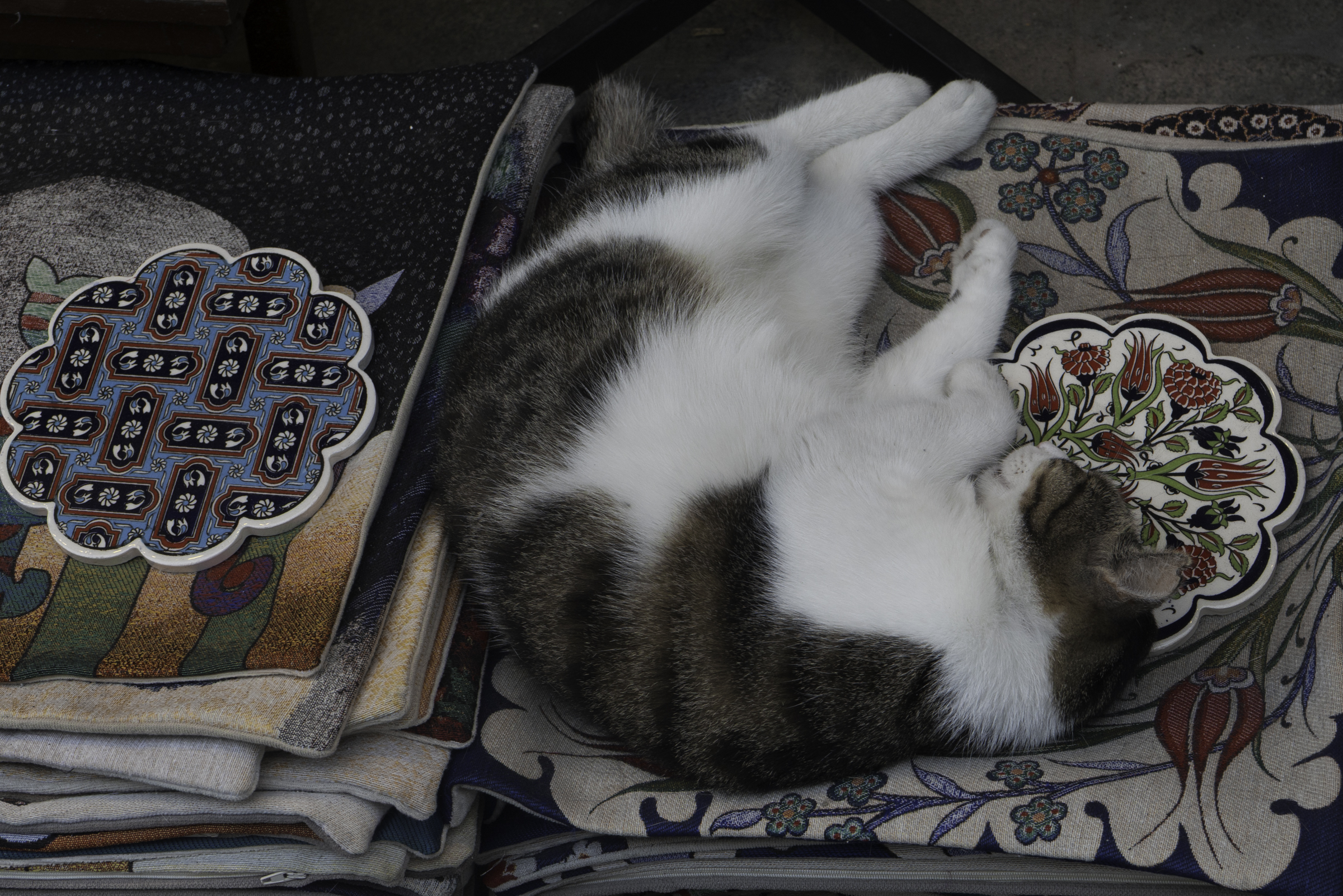
On the way back, we noticed a lot of contented cats. We were told that, for centuries, Ottomans valued cats for pest control in markets, mosques, and homes. Today, they are quite well cared for in the city. Residents, shopkeepers, and mosque caretakers routinely feed, shelter, and treat street cats. As a result of this constant human contact, these cats are very relaxed, confident, and quite social.
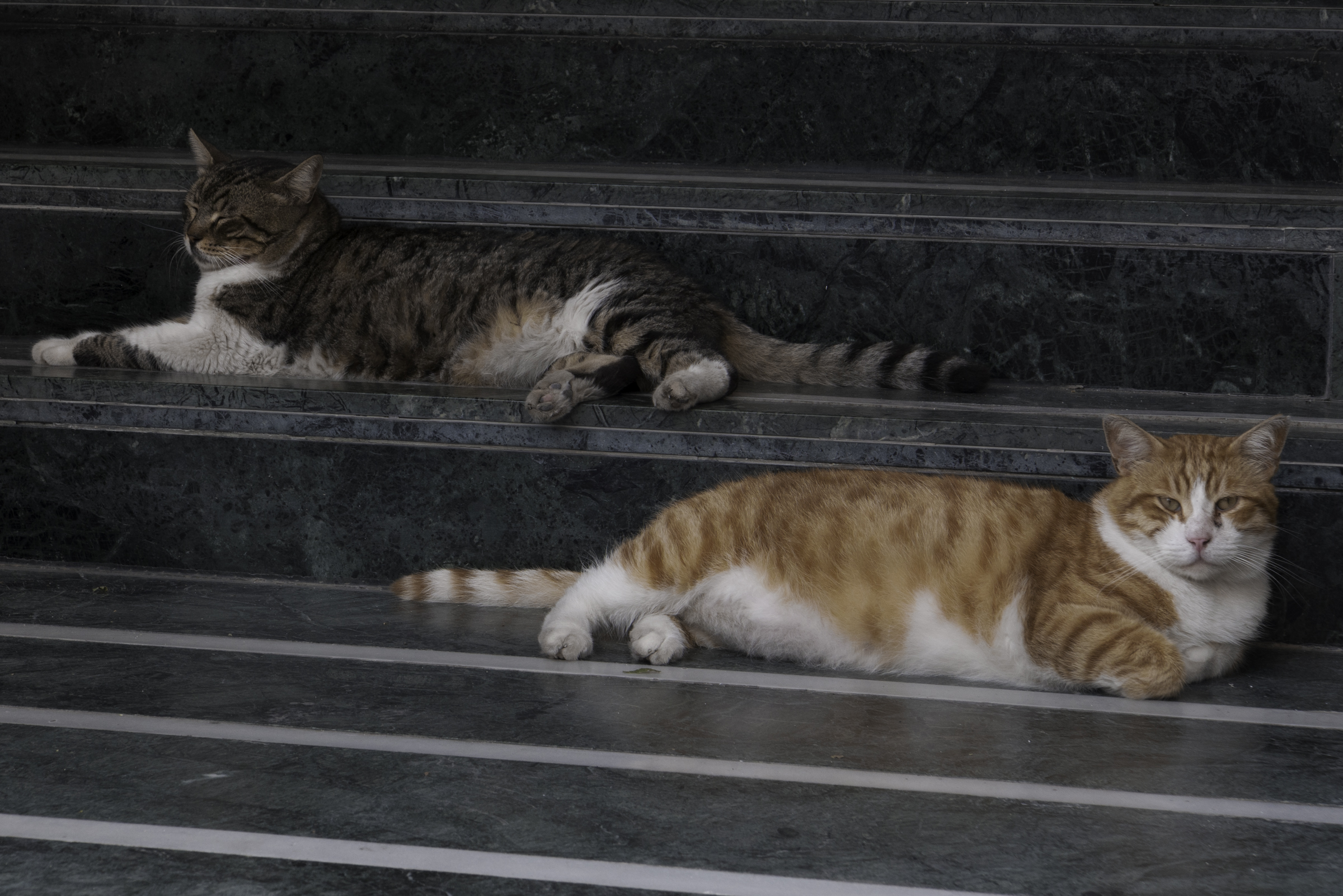
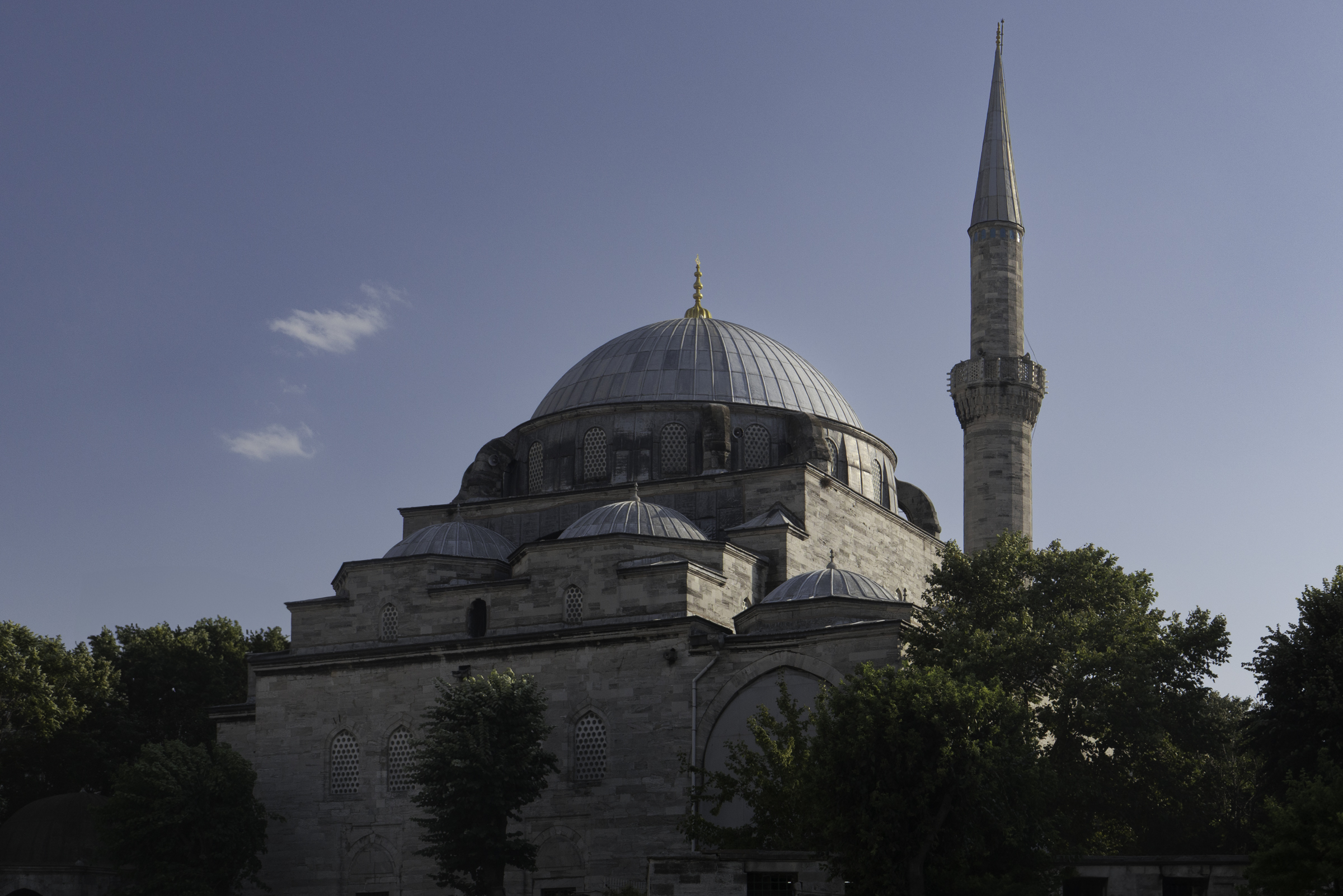
As we approached the Galata Bridge, we got a nice view of the Süleymaniye Mosque. This mosque sits on the Third Hill of Istanbul, overlooking the Golden Horn and the Bosphorus.
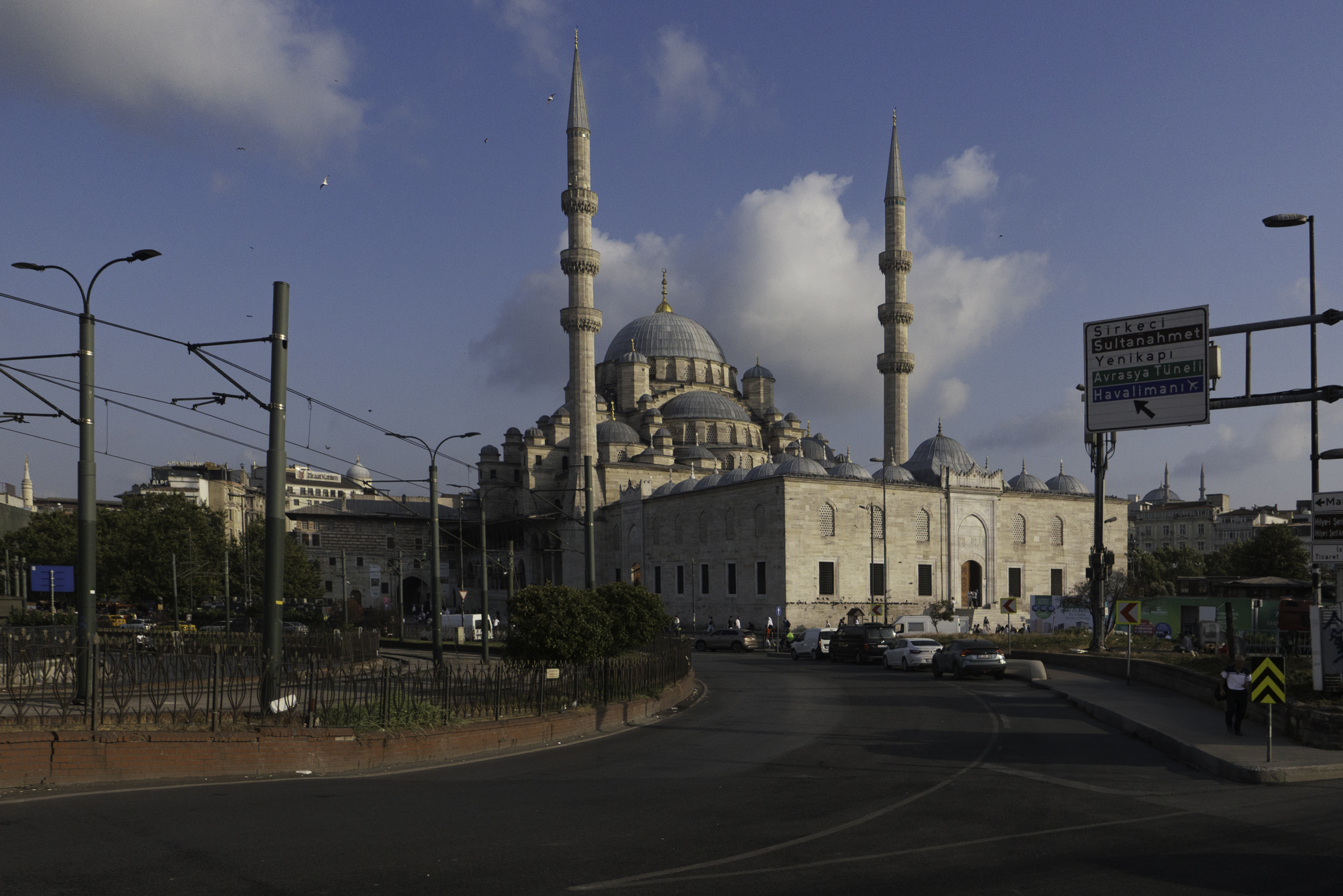
We continued walking to the Galata Bridge, past the New Mosque.
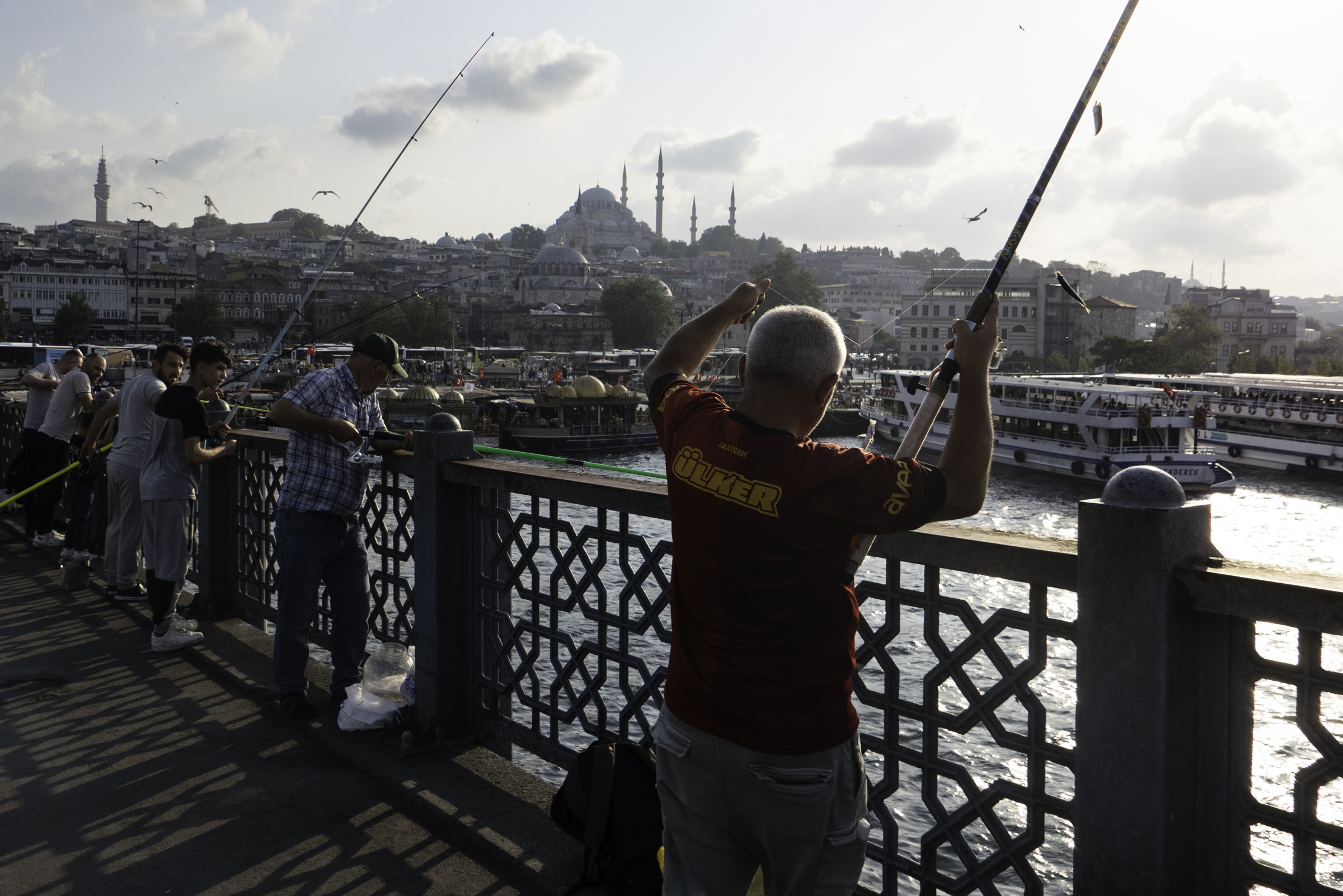
As we crossed the Galata Bridge, we saw plenty of fishermen braving the hot afternoon sun on the Galata Bridge, in the hop of catching dinner.
We eventually got back to the cruise terminal, and found our way to the ship, which was a bit of a challenge in the huge cruise port complex.
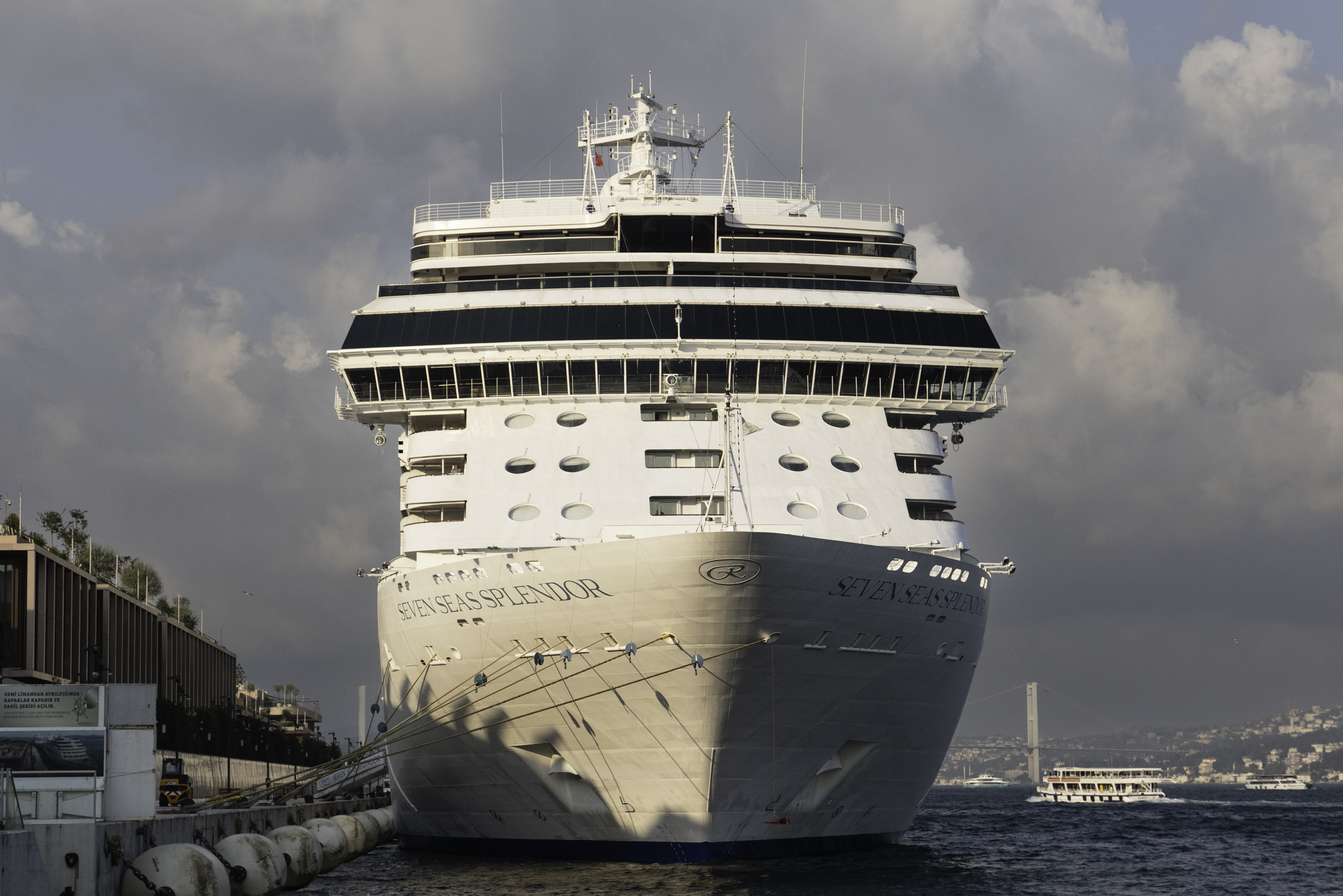
By the time we got back on the ship, it was around 7:30 pm. We were pretty hot and sweaty after a huge day of walking in Istanbul, so we enjoyed a nice hot bath before getting dressed for dinner.
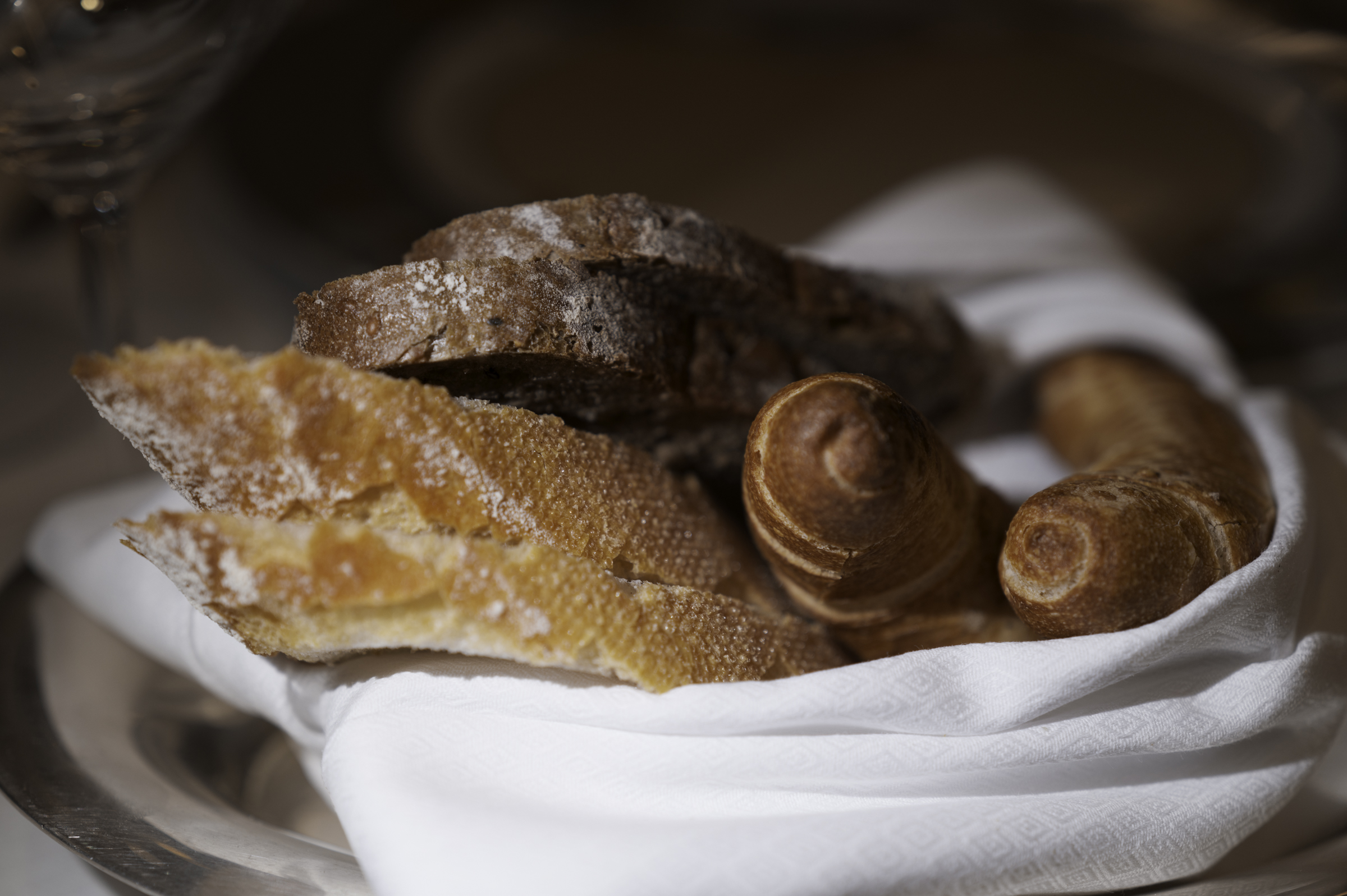
We got to the Compass Rose restaurant around 8:15 pm and, over a very nice dinner, reflected on a wonderful day.
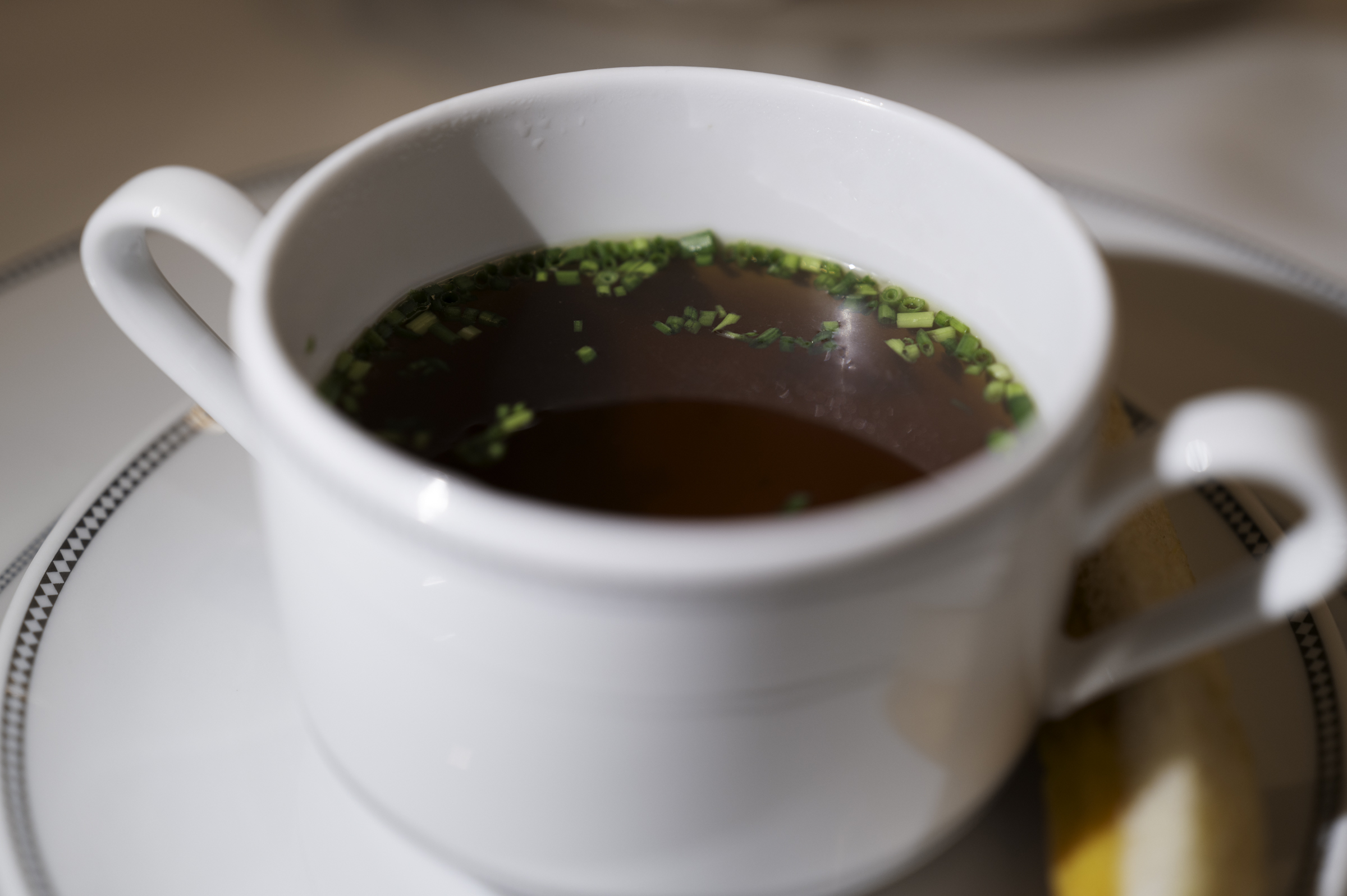
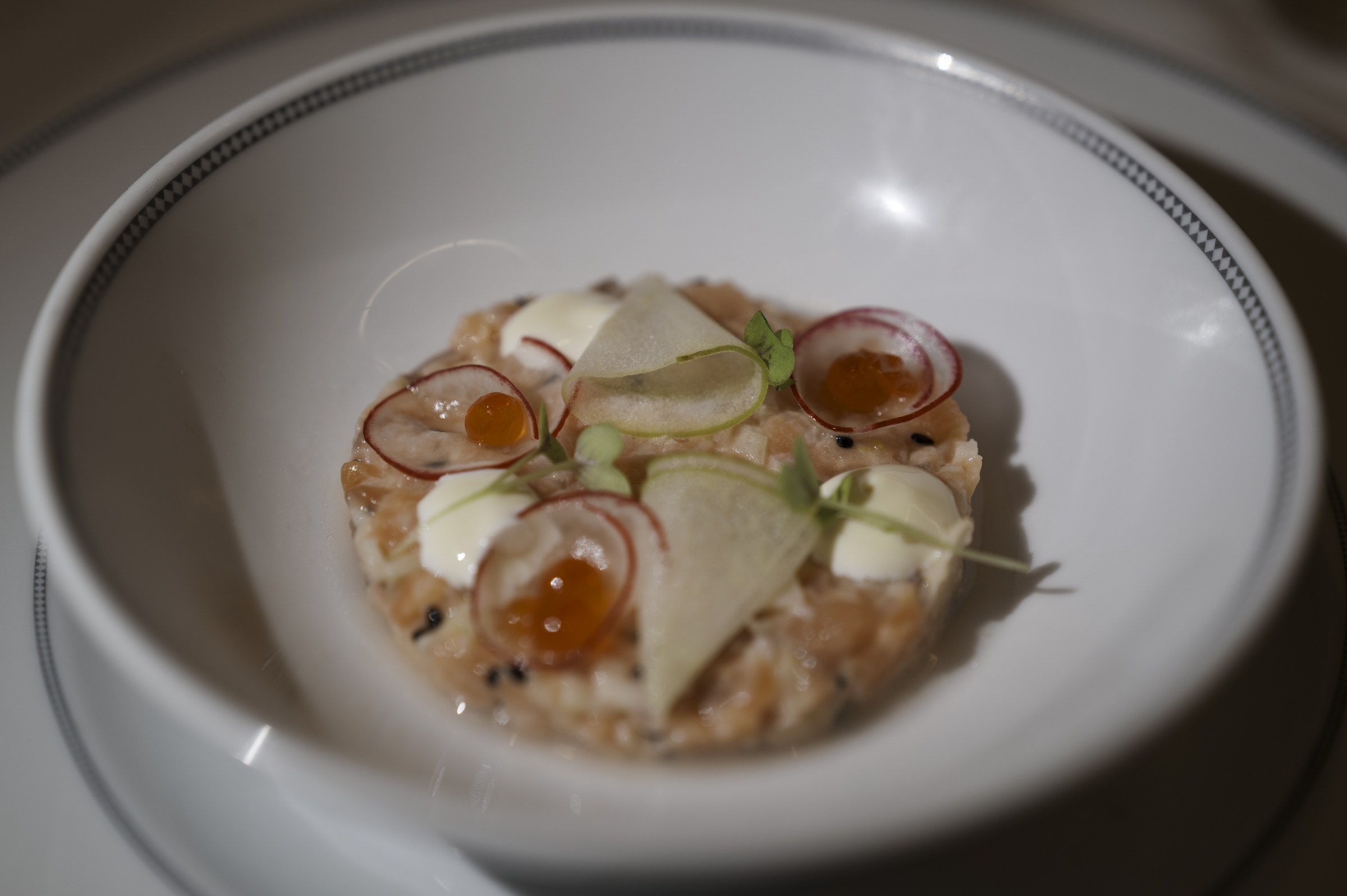
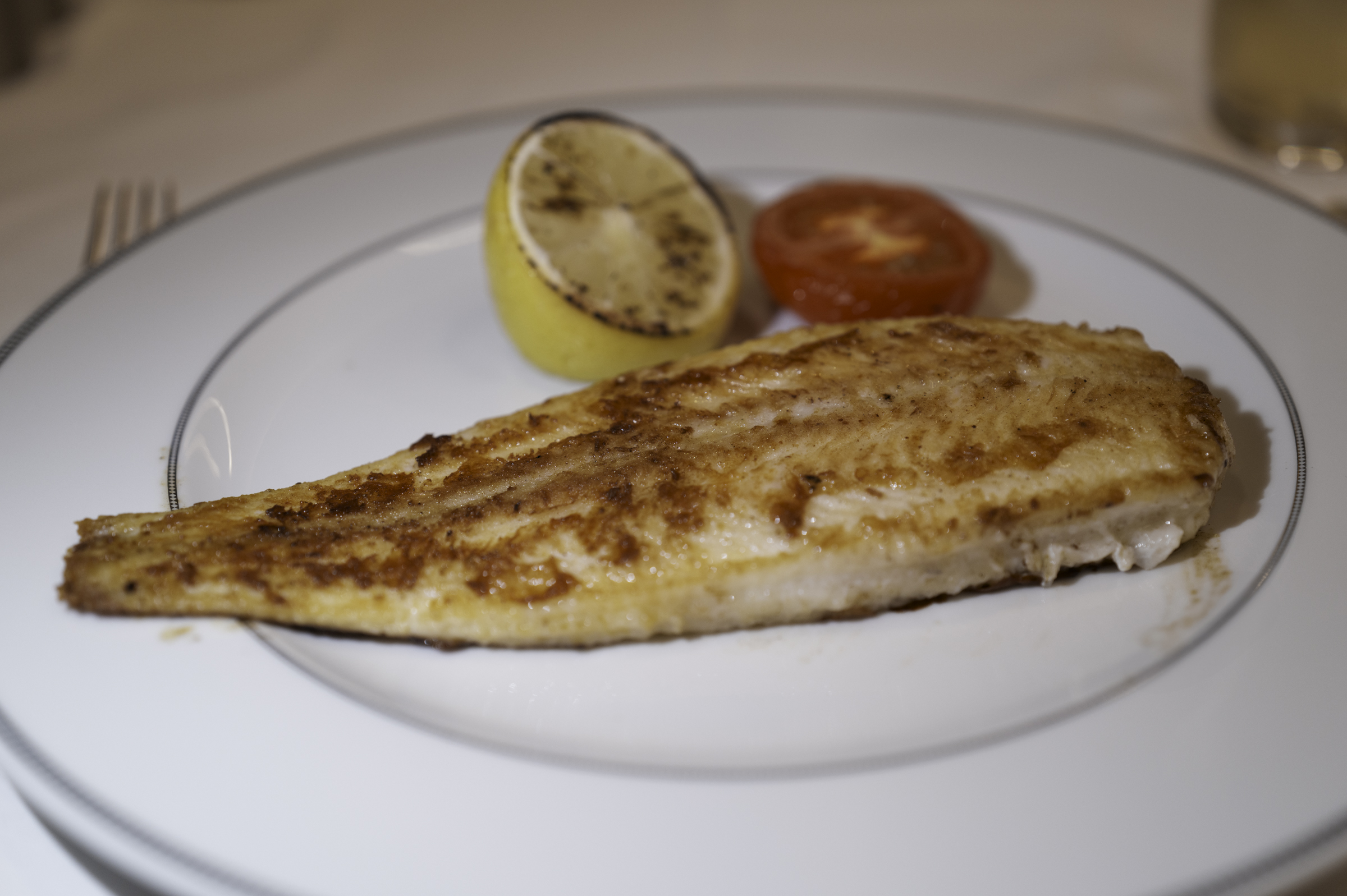
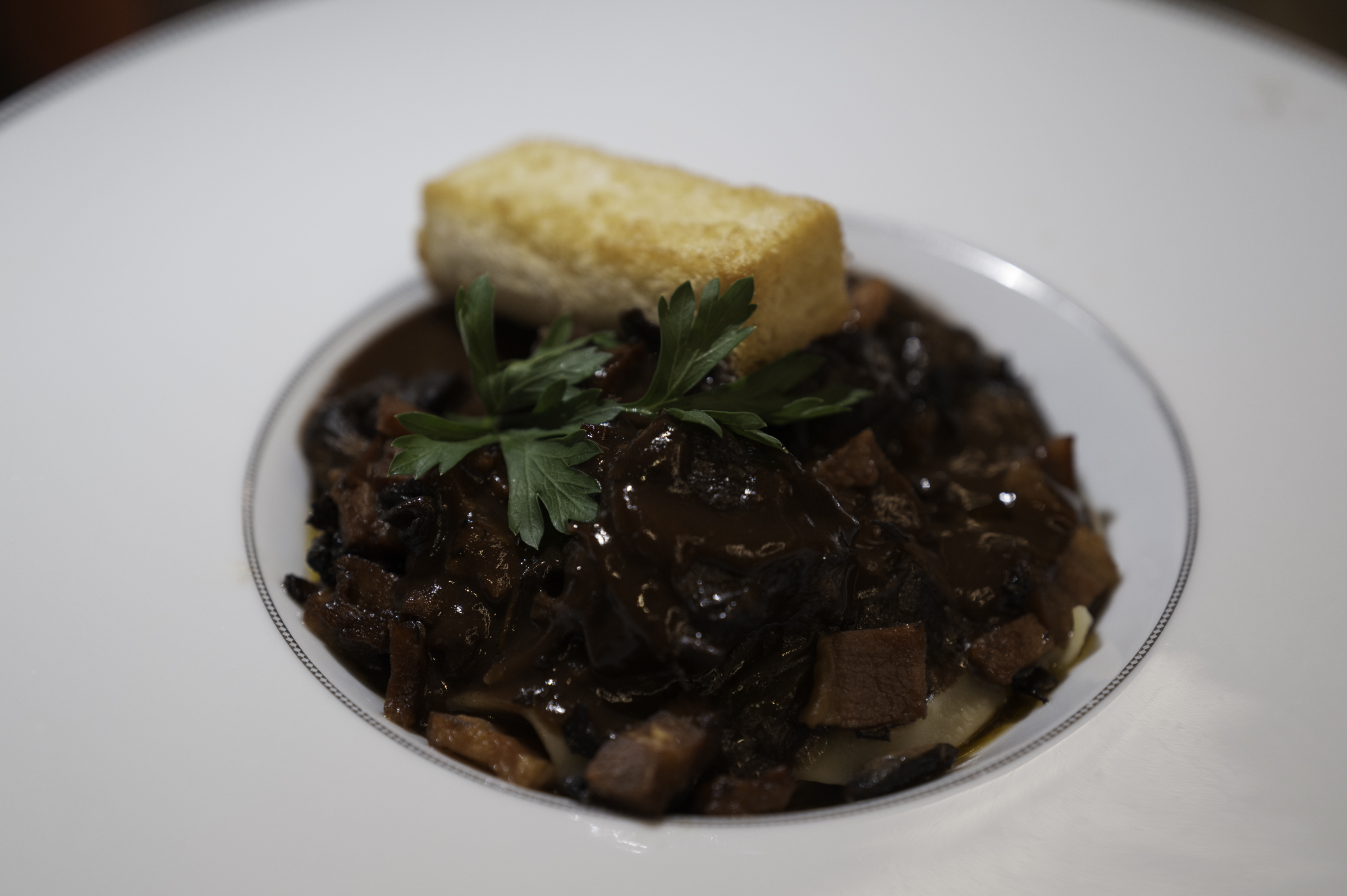
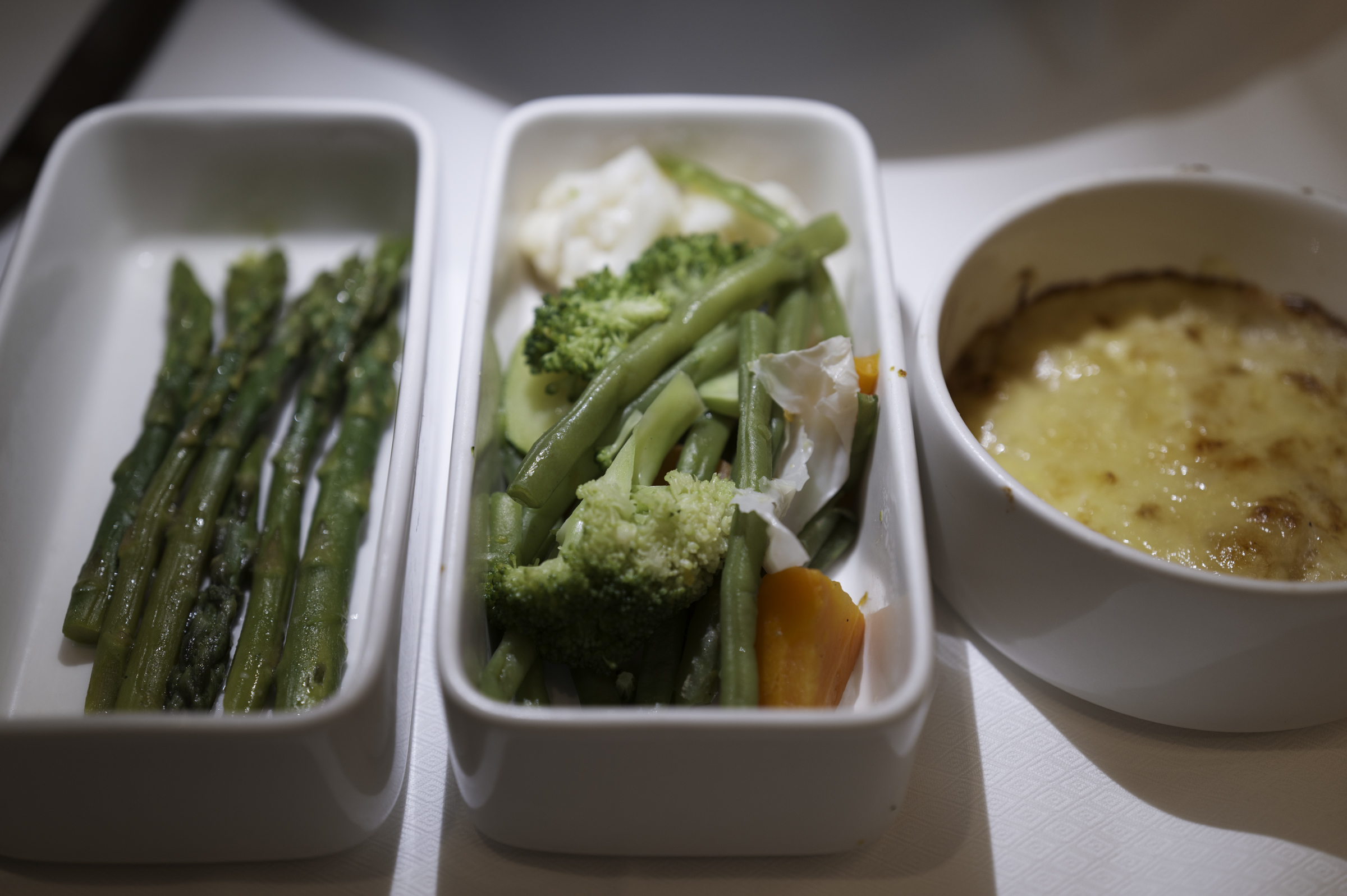
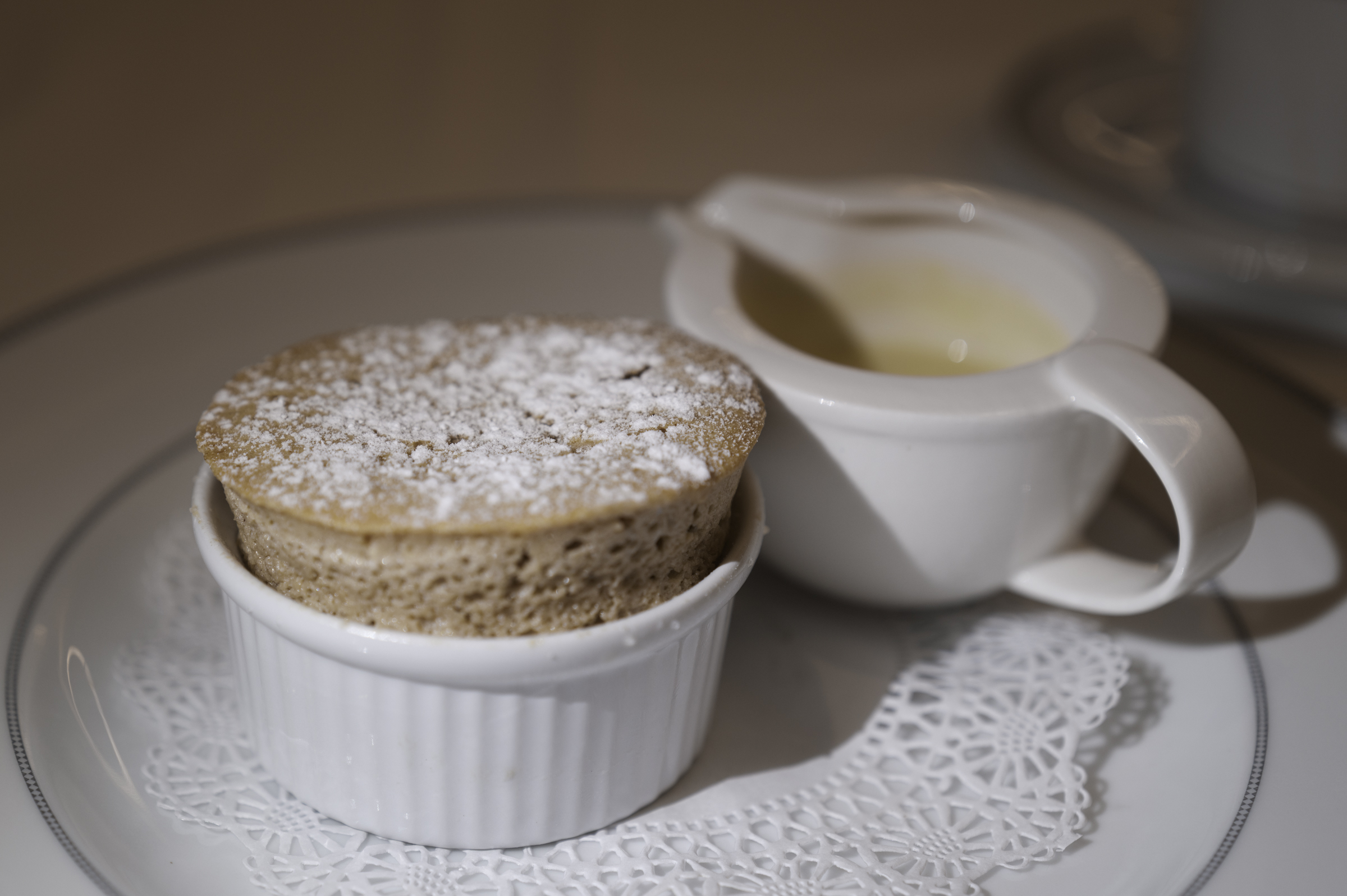
We finished dinner just before 9:30 pm and headed off to the theatre for the night’s performance, a magic show by a performer that the ship’s entertainment team had flown in. It’s fair to say that the performance didn’t quite hit the mark, but we stayed until the end anyway.
After the show, we caught up with another six passengers that we’ve gotten to know over the last few days and sat around enjoying a drink and a laugh.
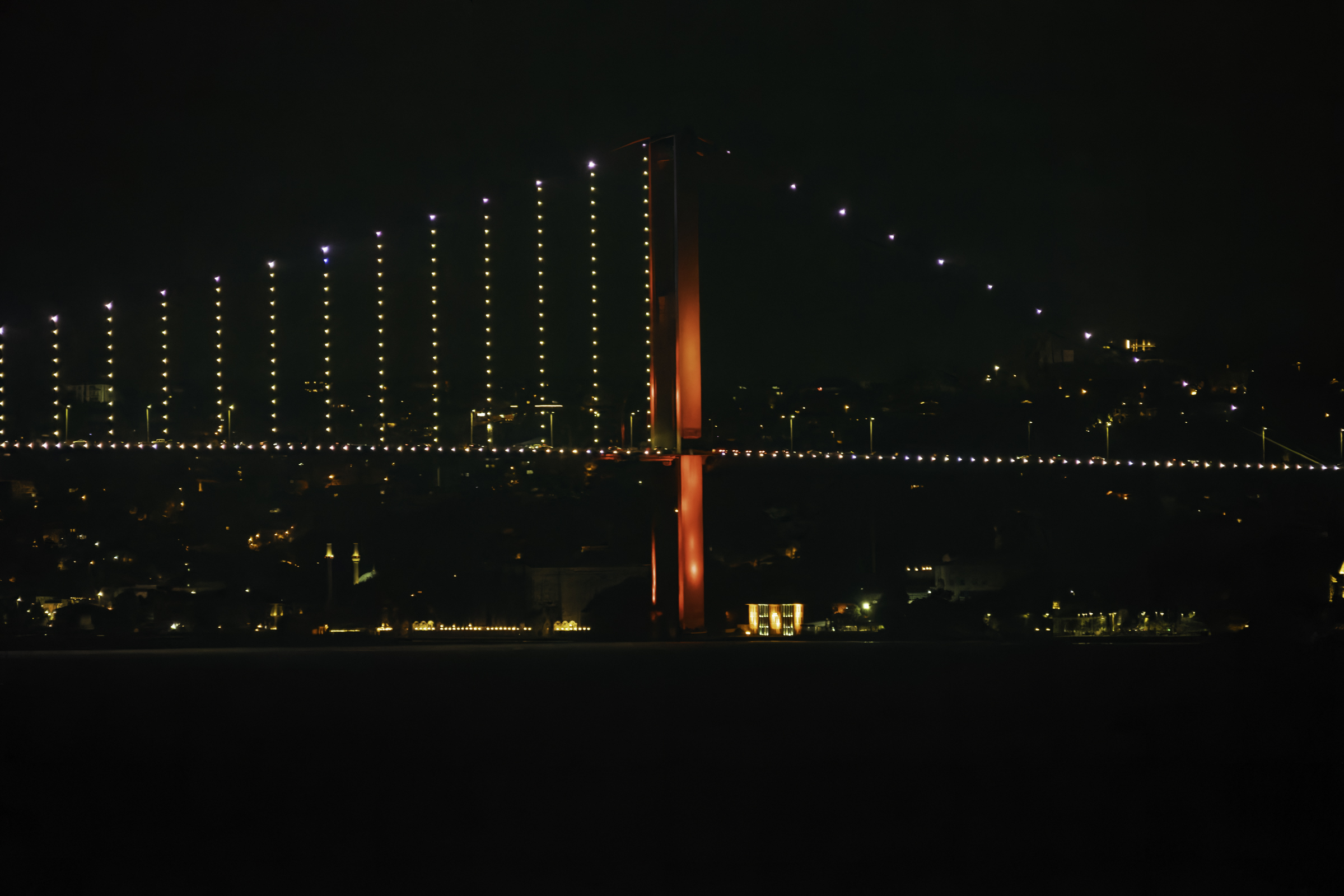
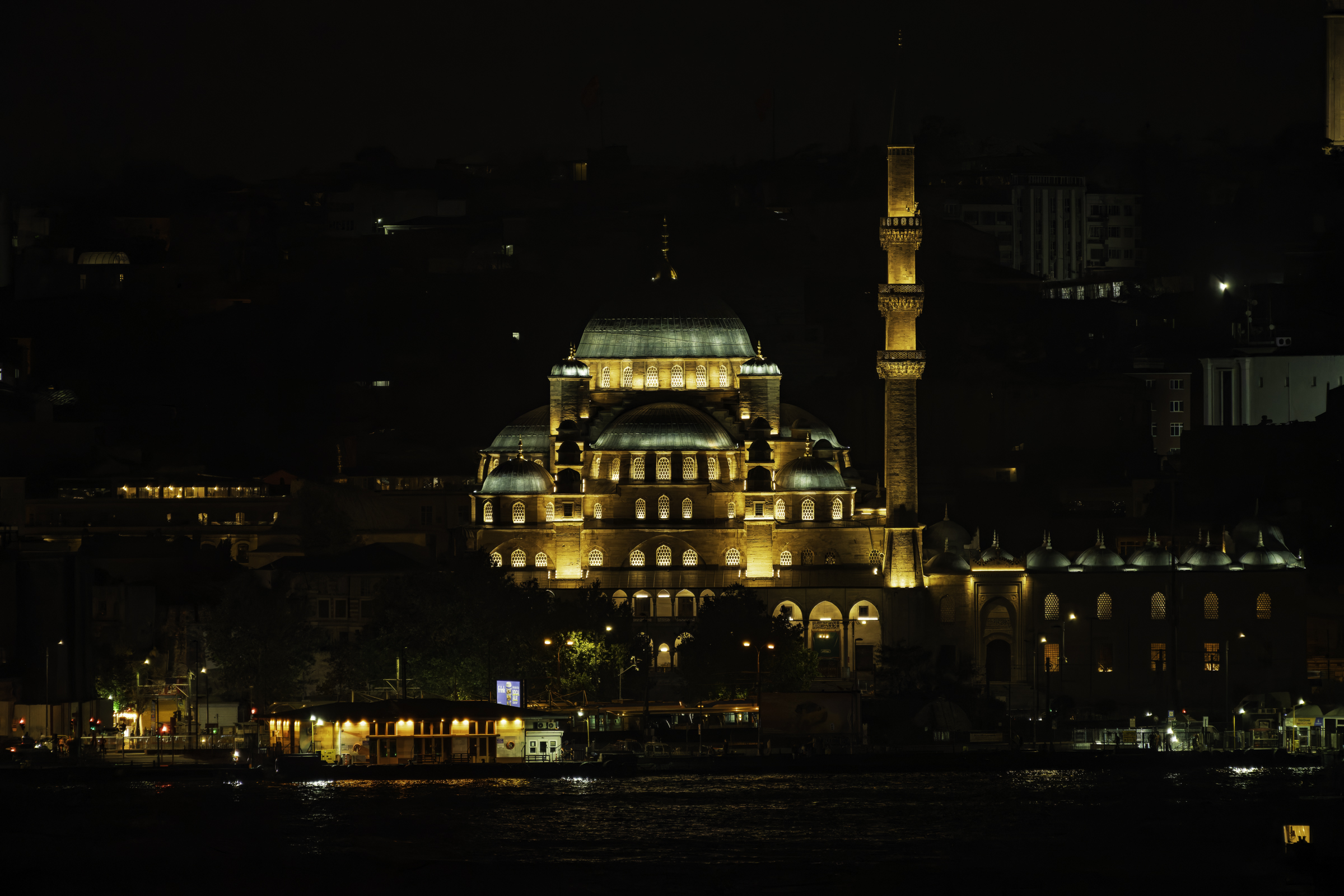
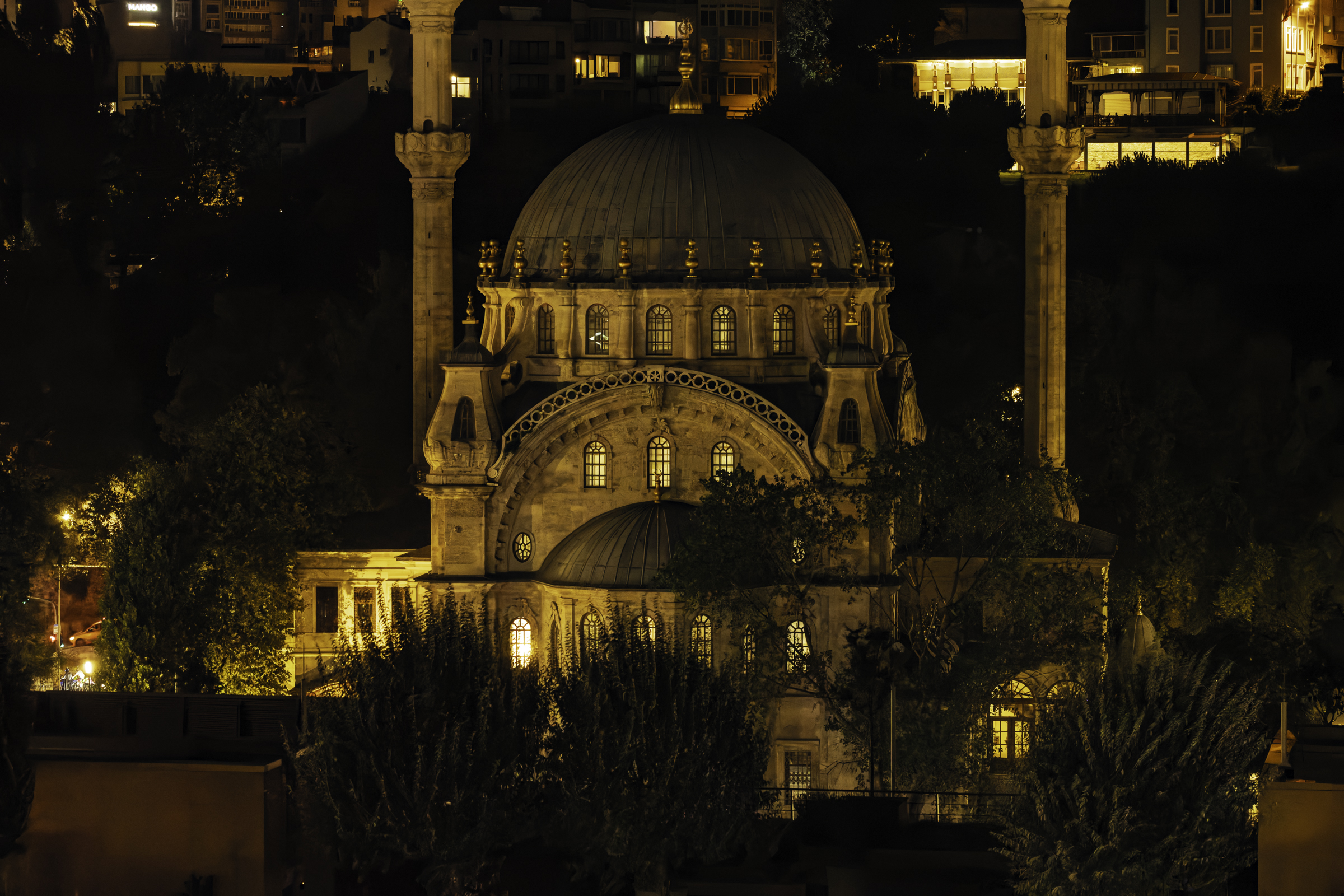
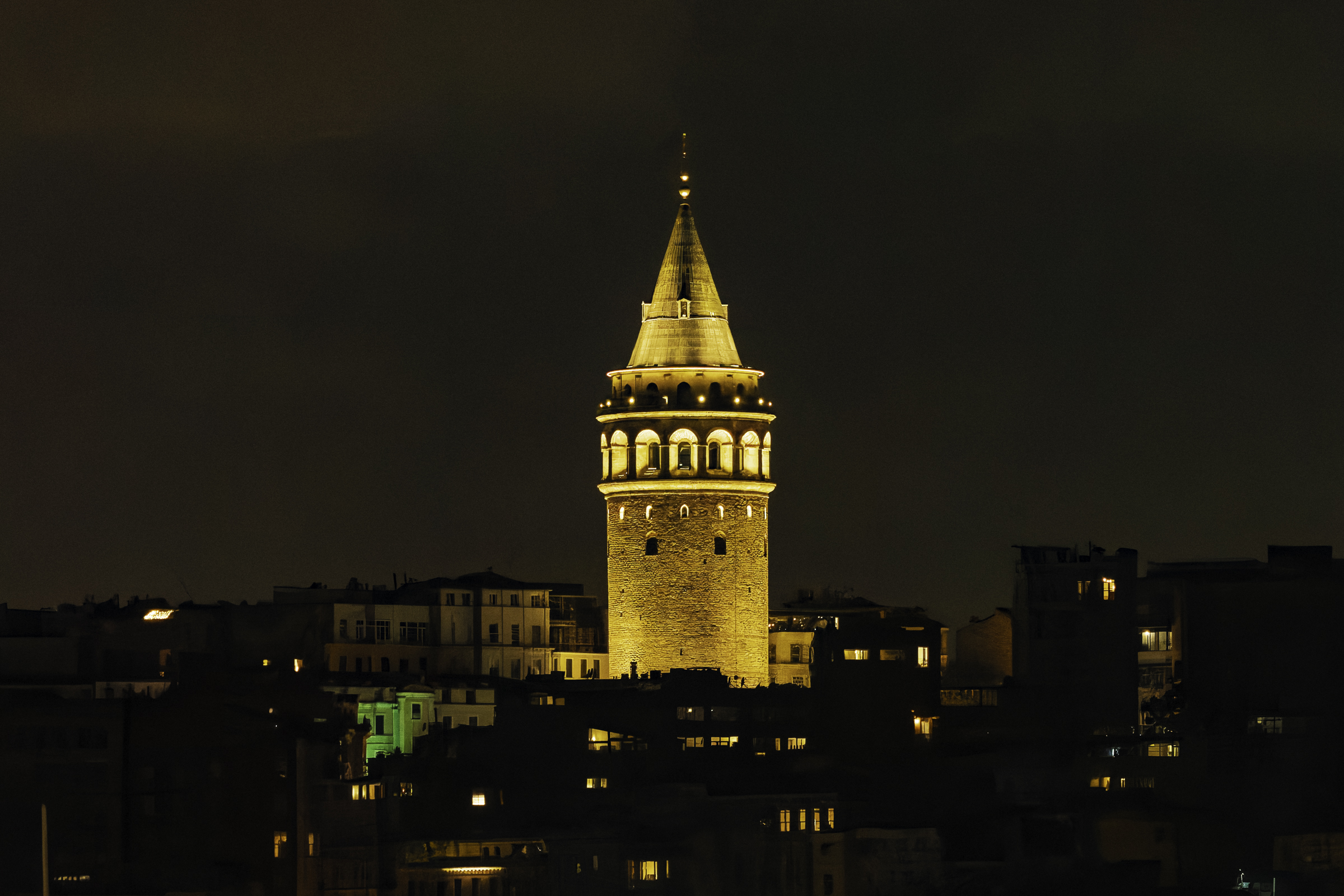
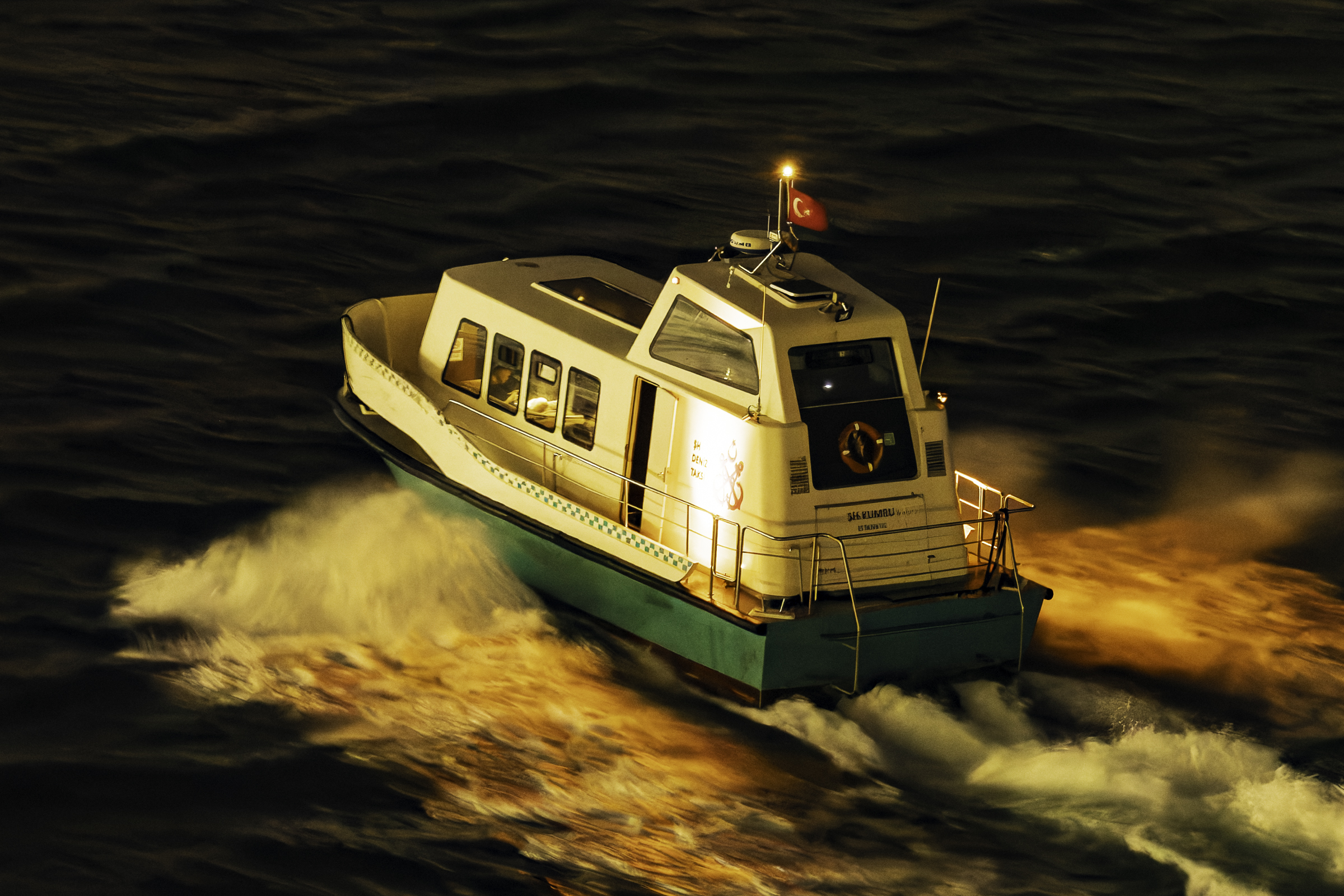
Exhausted after an exhilarating day, it was well after 1:00 am when we finally got to back to our suite. We had a beautiful view from the ship of Istanbul at night.
The ship is staying in Istanbul tonight. We’re thinking we might opt for a sleep-in in the morning and then see what the day brings.