
Europe
Now in Athens
The ship arrived in Athens this morning at about 5:30 am. We were still asleep then but were up not long after that, to get organised to disembark and meet our driver to take us to our hotel in Athens, where we’ll be spending the next two nights.
We had a light breakfast before getting off the ship just before 8:00 am. Our driver was waiting for us, and it wasn’t long before we were on the way to the hotel. The traffic was surprisingly light, and we were at the hotel within about 20 minutes.
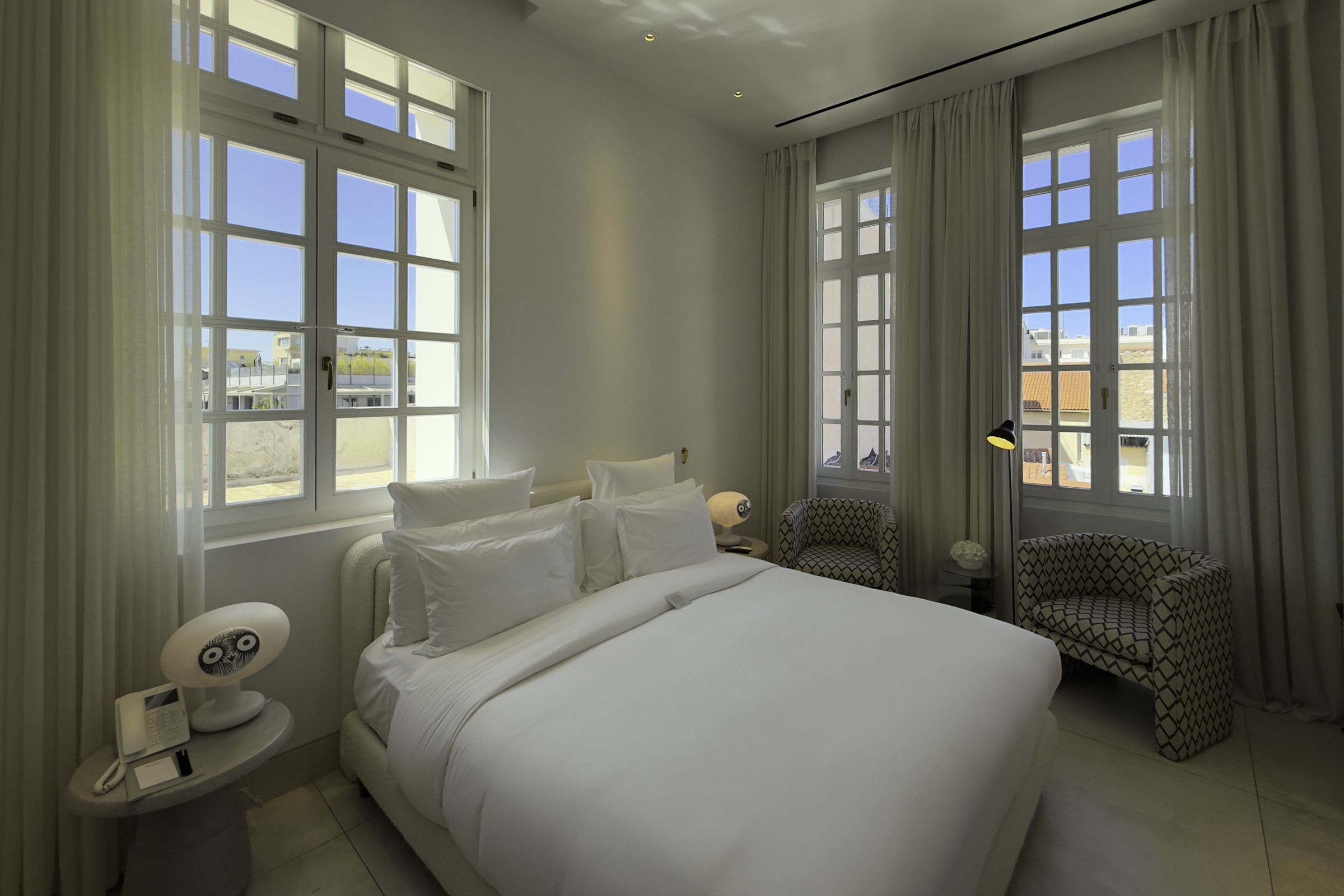
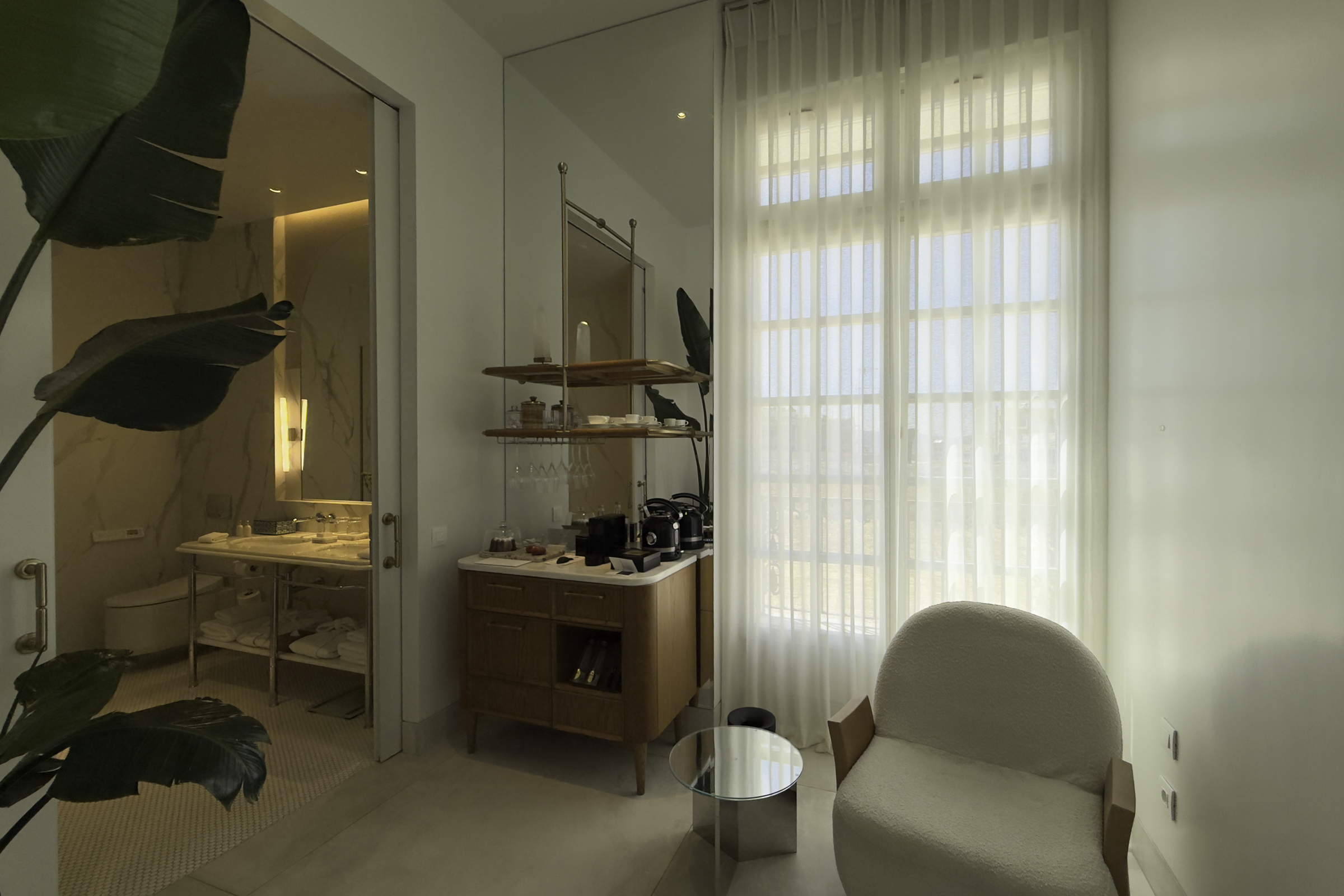
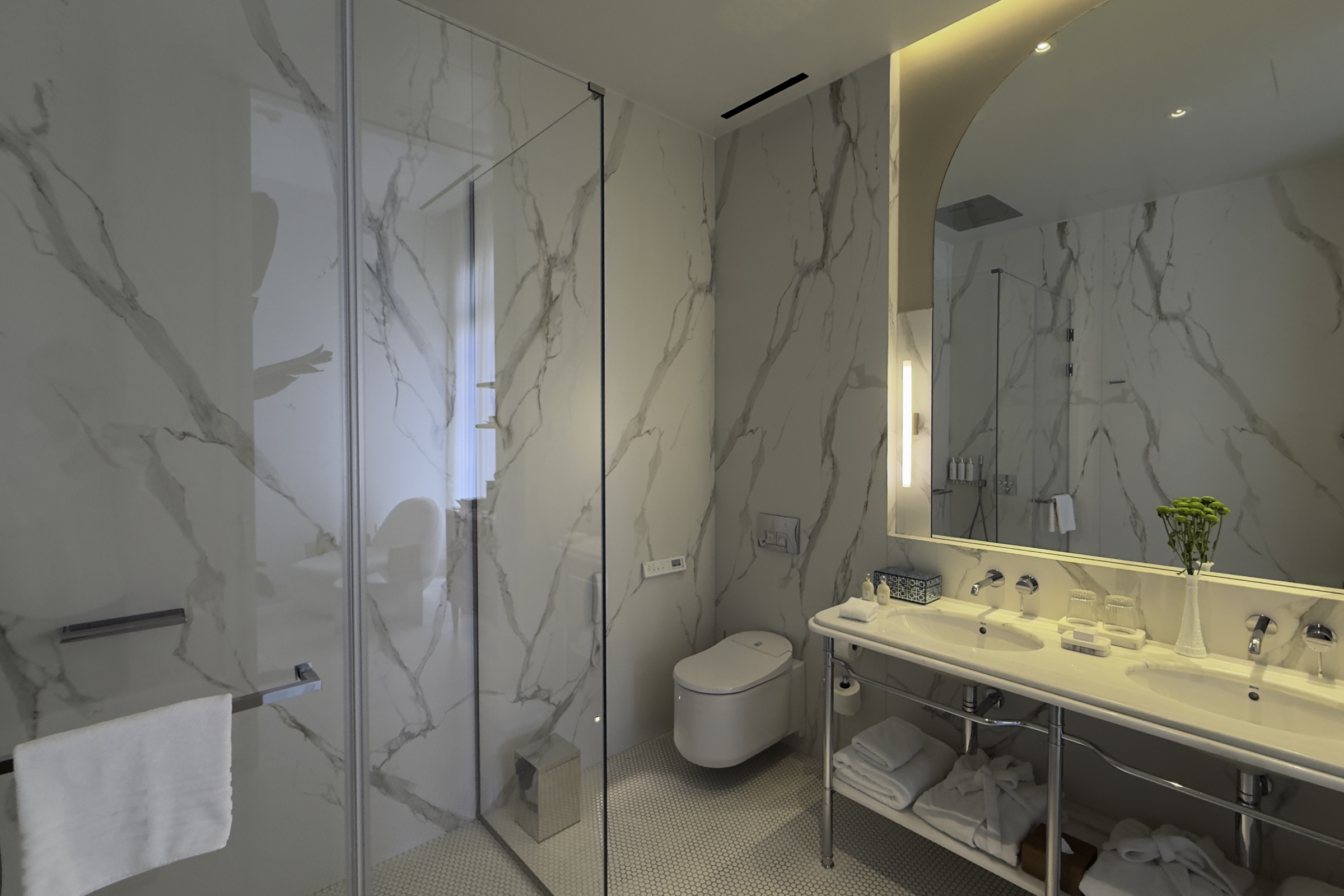
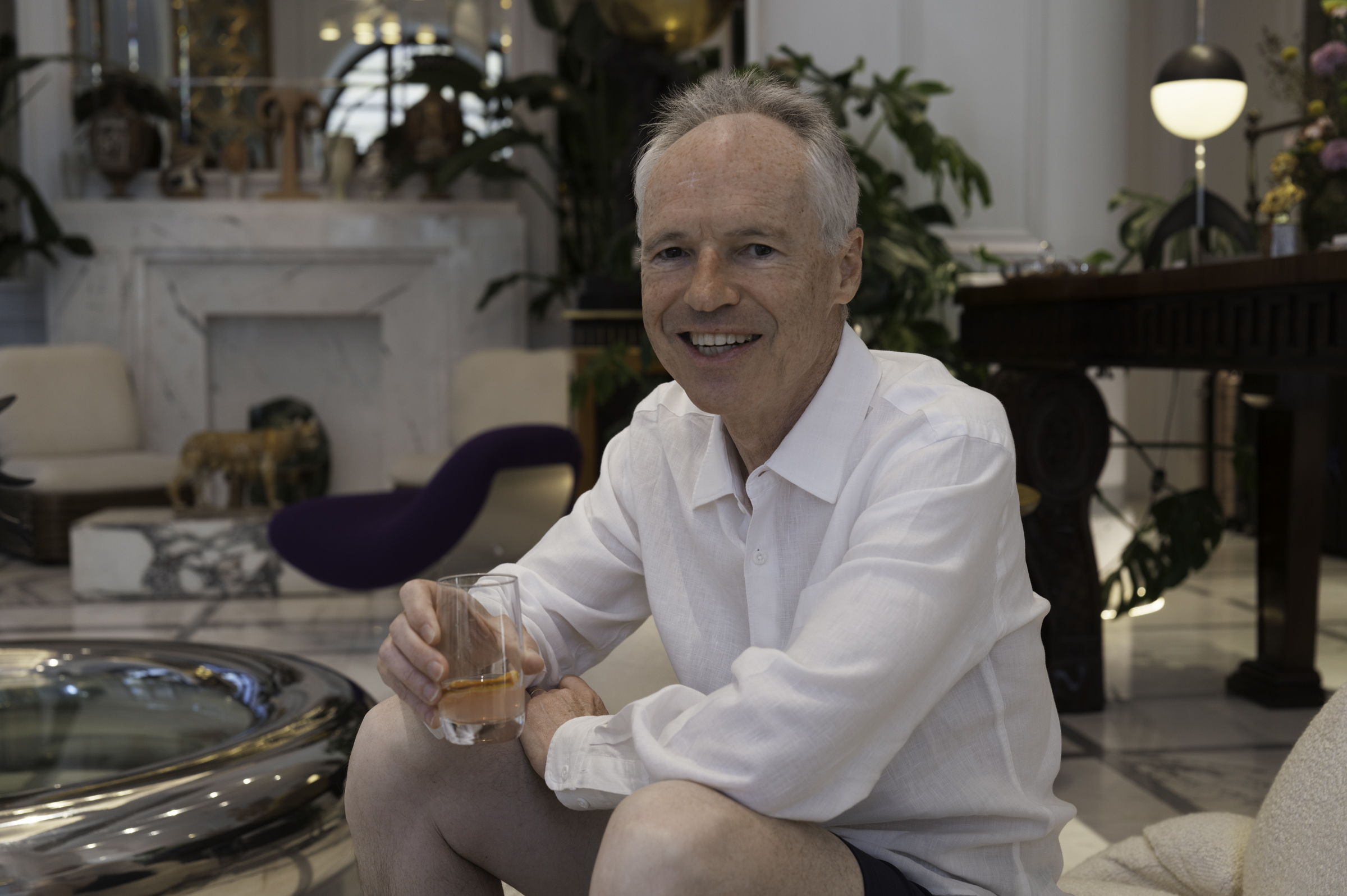
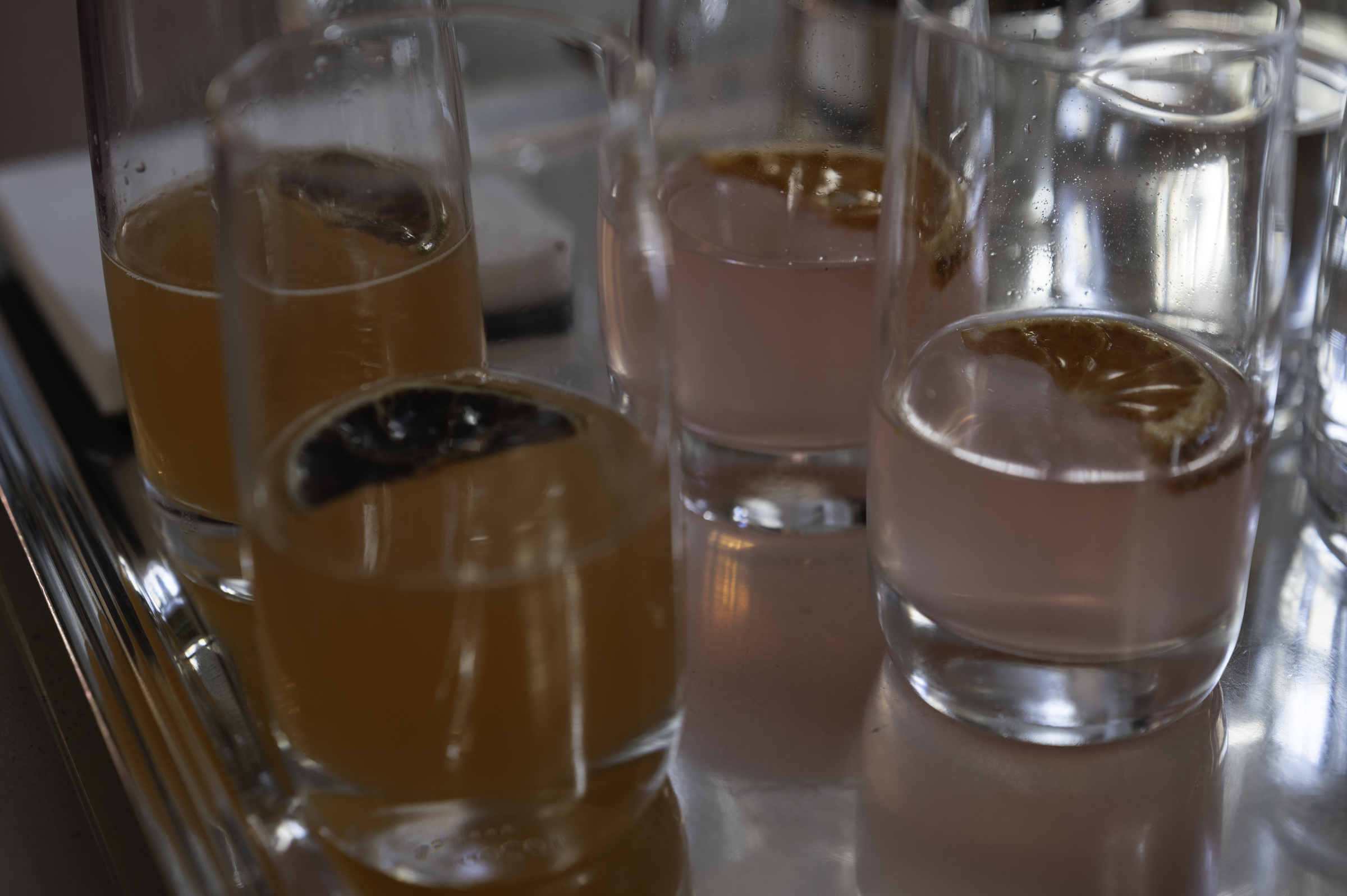
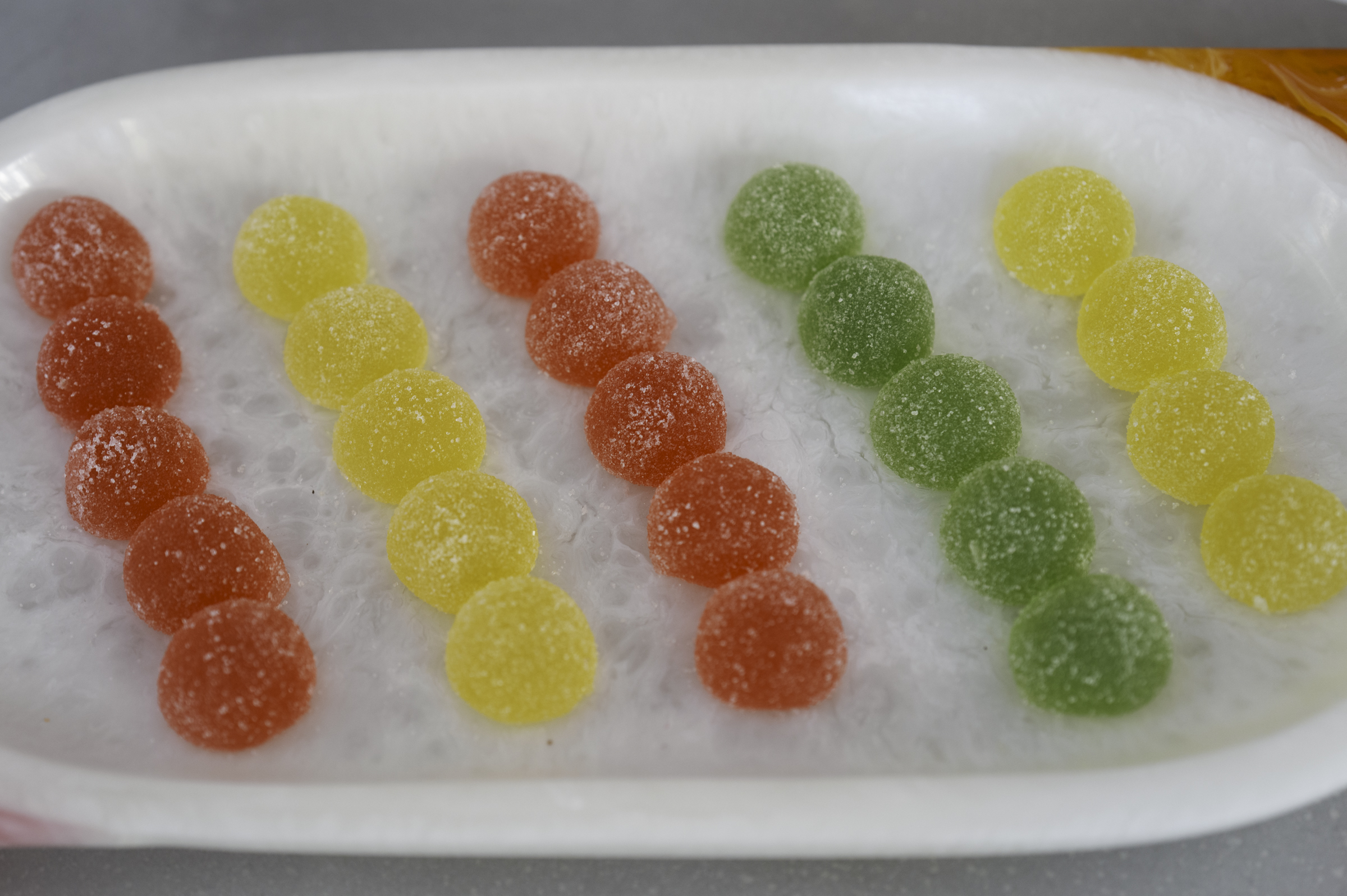
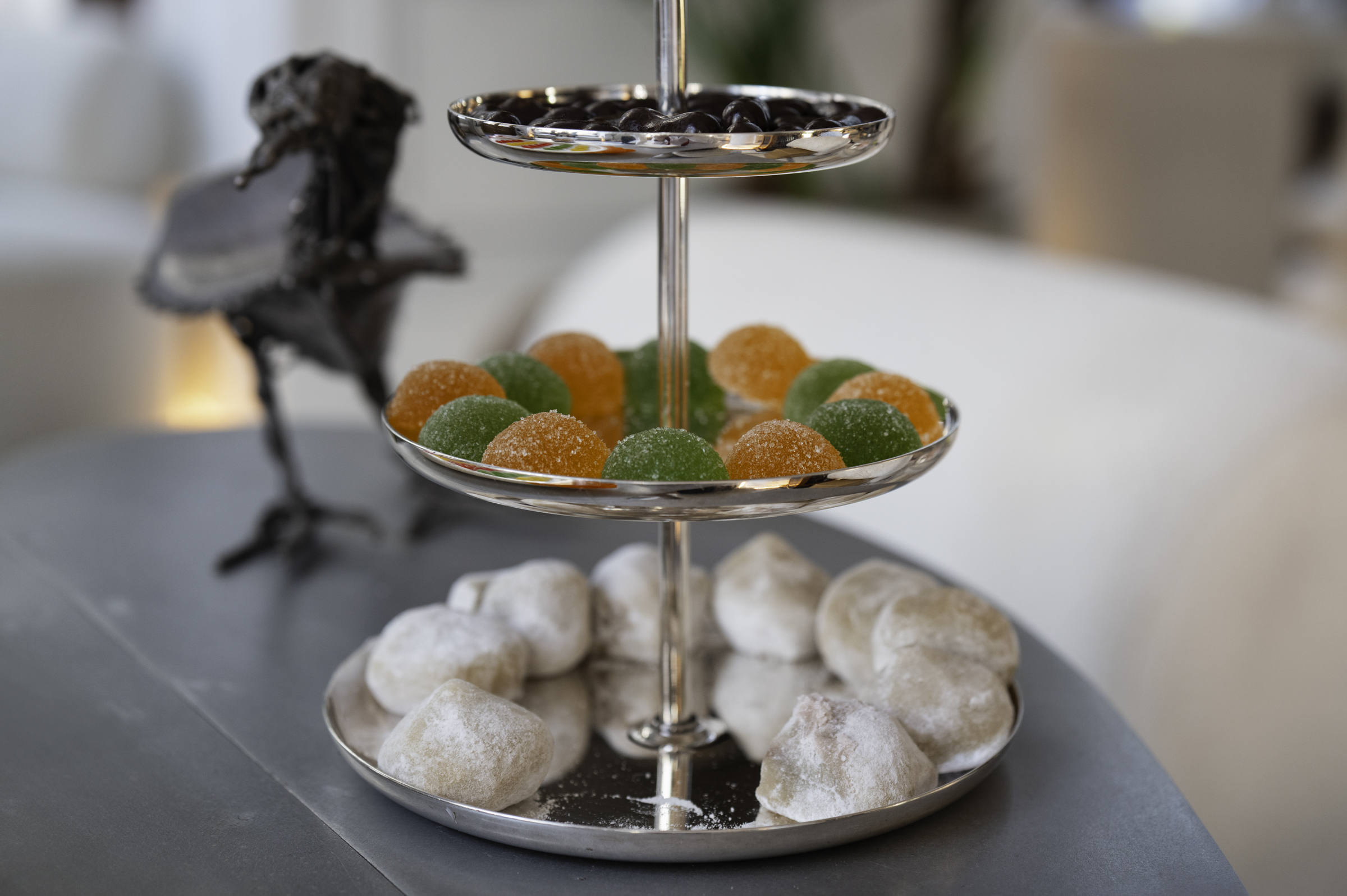
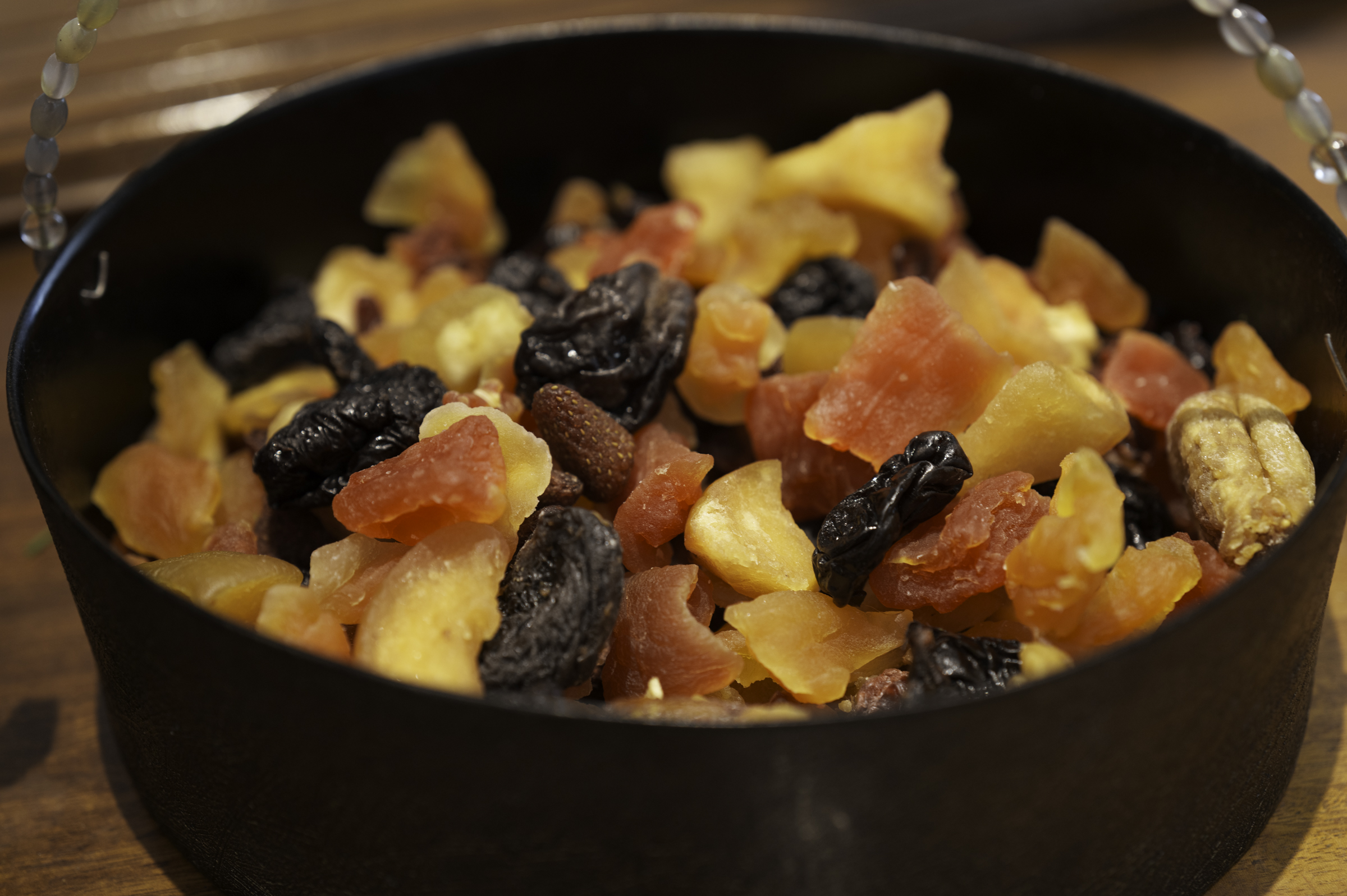
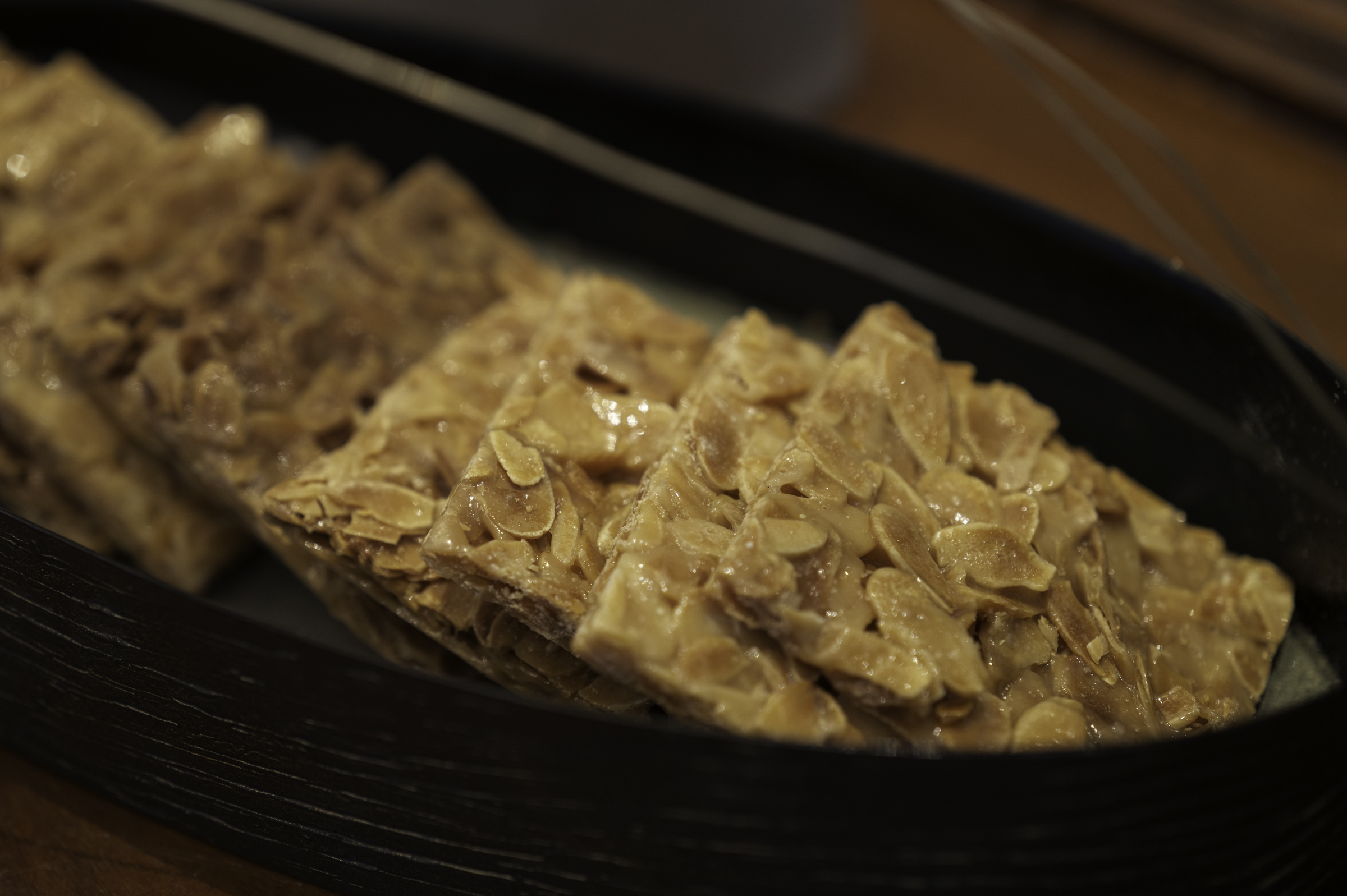
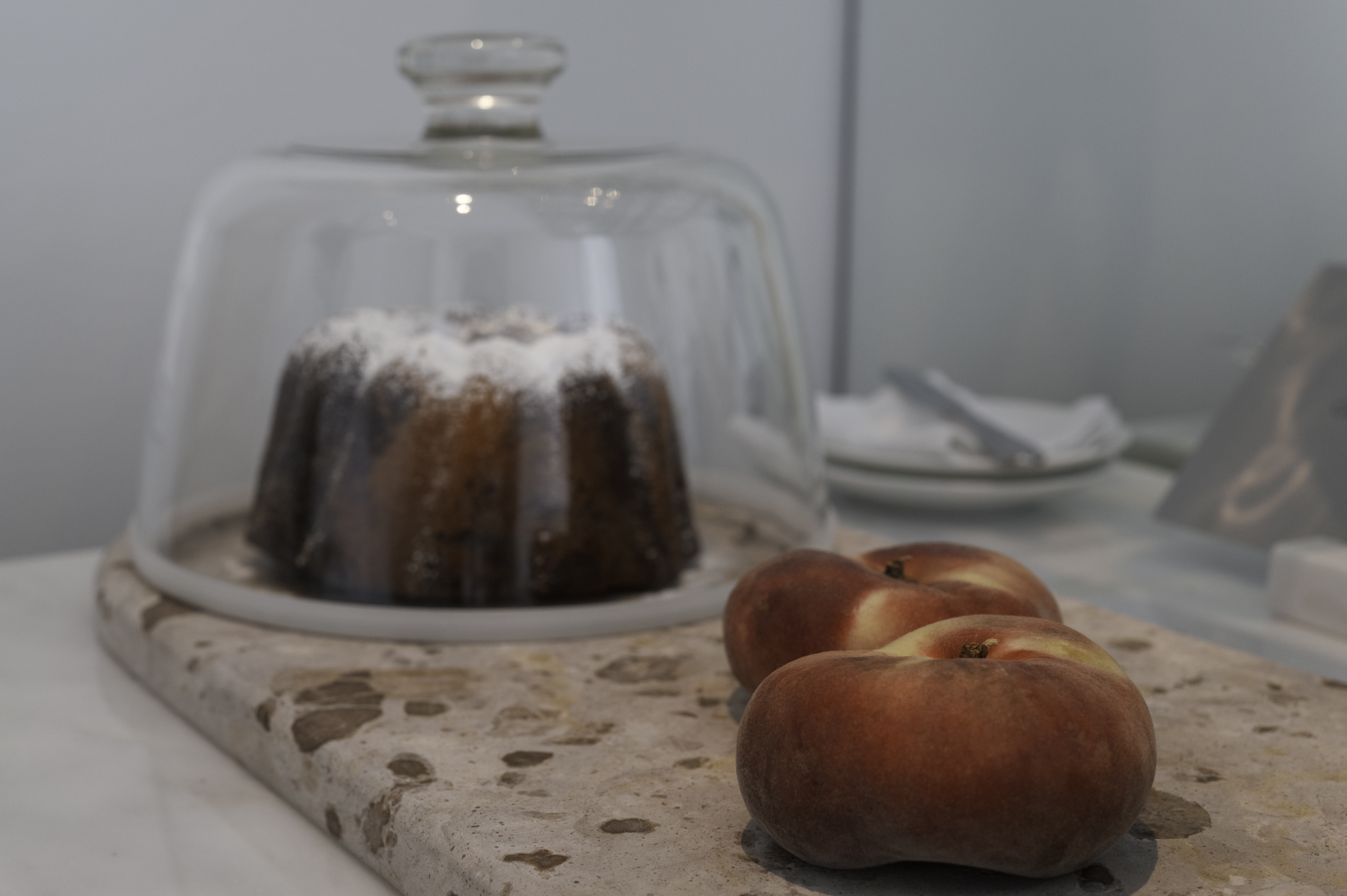
After checking in, we went upstairs to the rooftop restaurant to enjoy a coffee and to take in the incredible view.
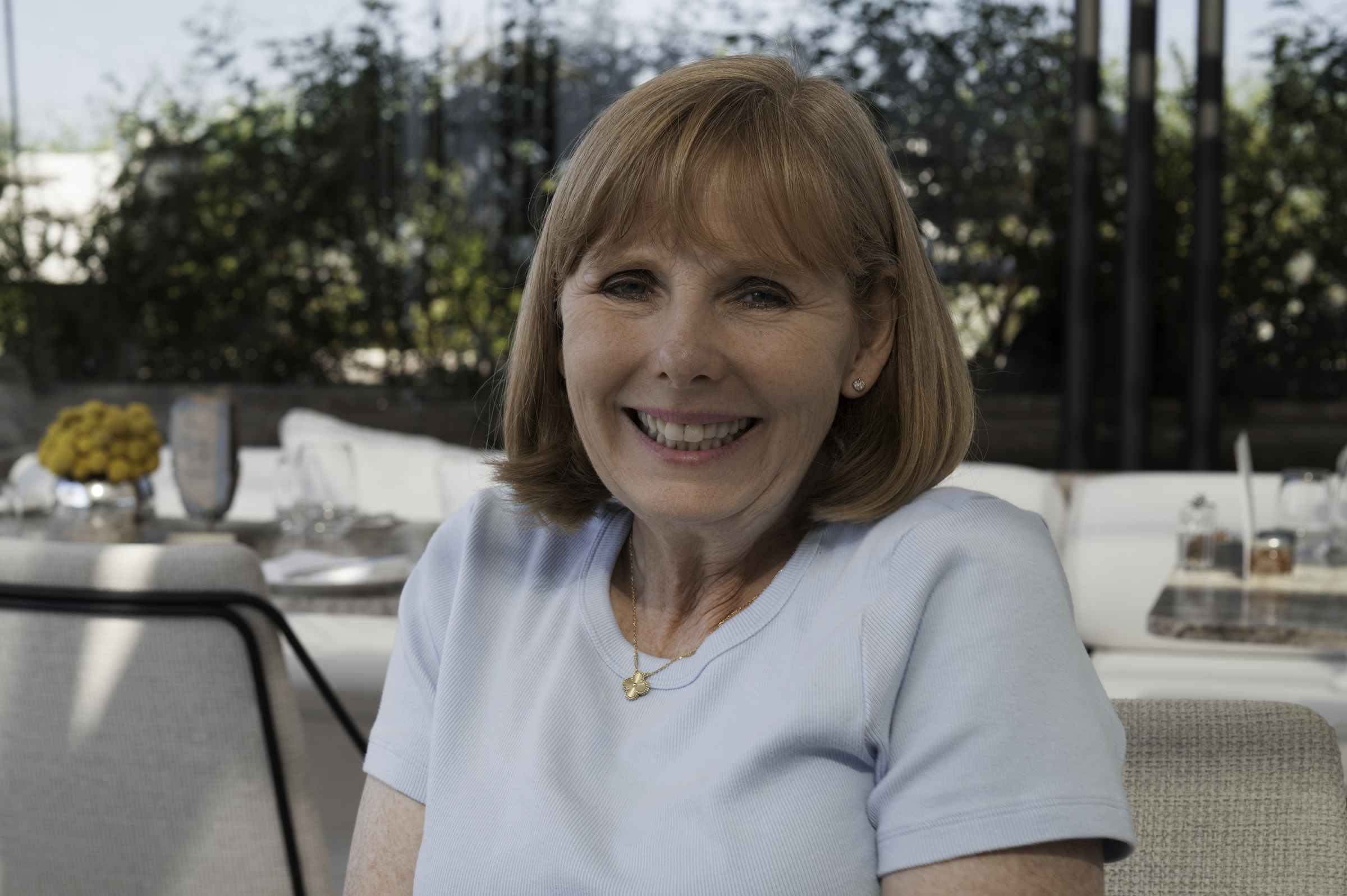
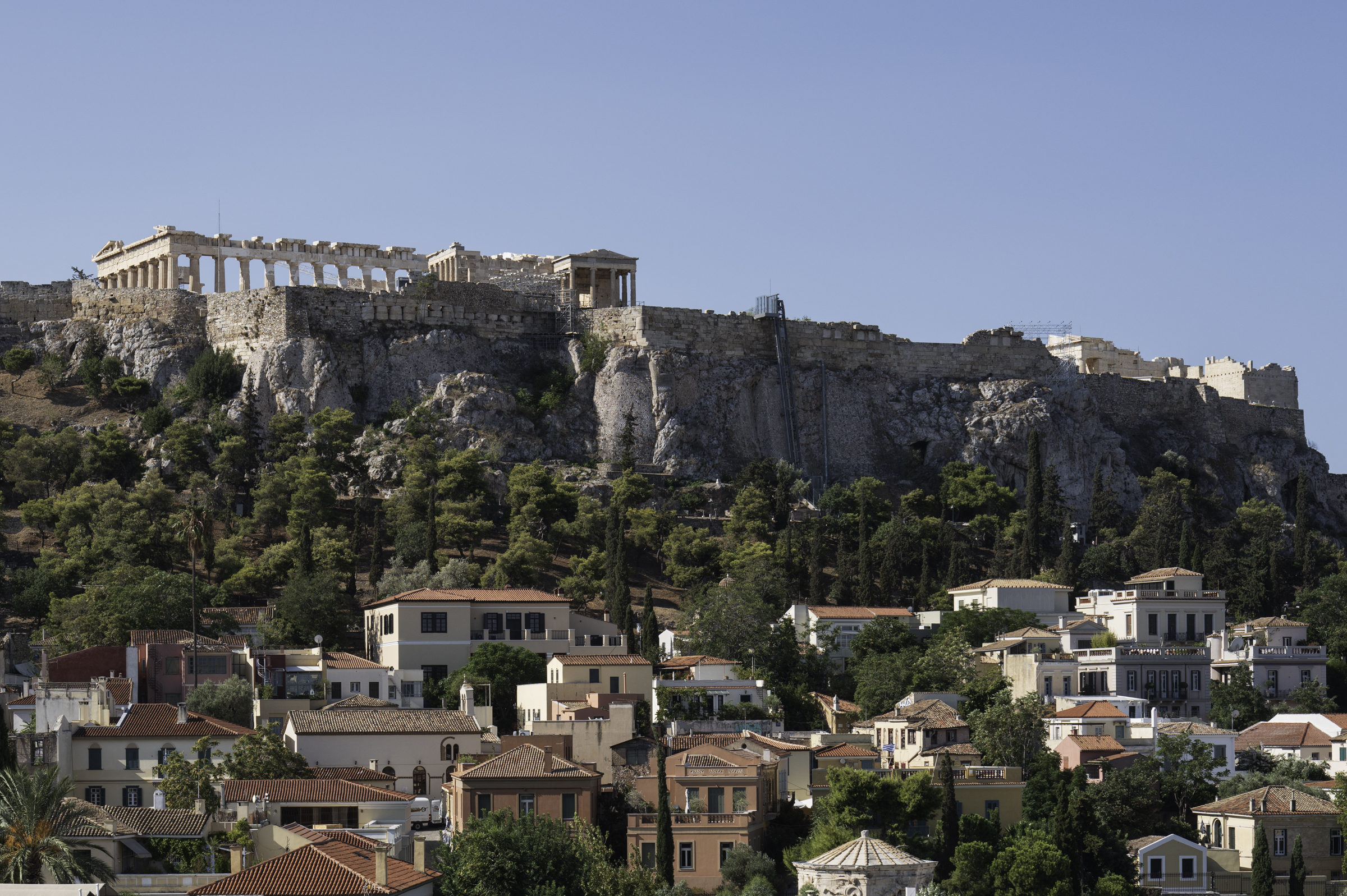
At 10:00 am, we went downstairs to meet Vicky, our guide for the day. We set off on foot for the short walk to the Acropolis, stopping along the way to get some historical context from Vicky.
The word “Acropolis” comes from the Greek words “akron” meaning “highest point”, and “polis” meaning “city”, so its literal translation is “high city” or “city at the top”. The major buildings of the Athenian Acropolis, including the Parthenon, were mostly built during the mid-5th century BC. Construction began around 447 BCE during the leadership of Pericles and the work continued through the next several decades, with the Parthenon opening in 438 BC. There were earlier temples and fortifications on the site from the Mycenaean period and the 6th century BCE, but the iconic marble structures we see today are products of this “Golden Age” rebuild.
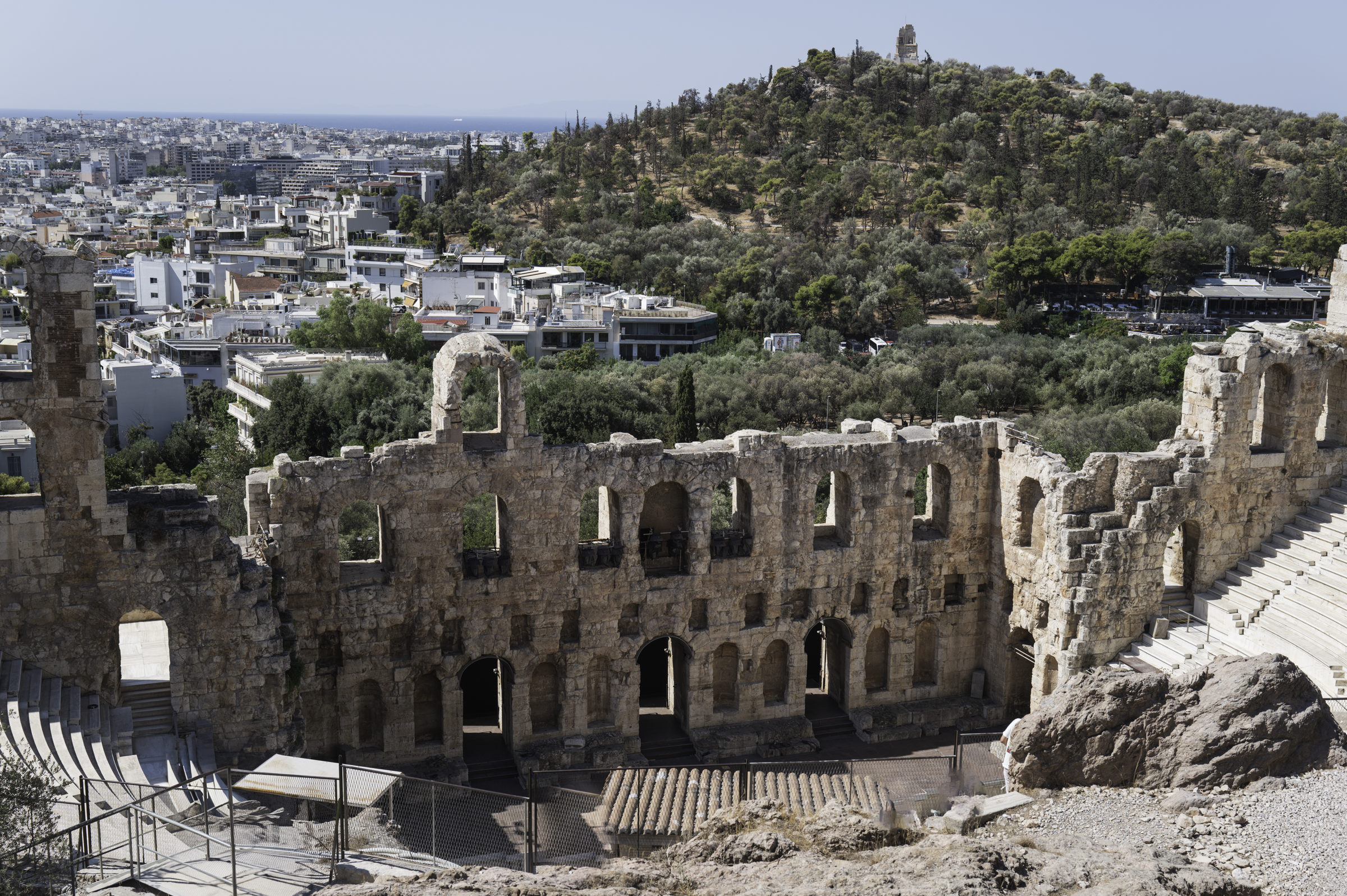
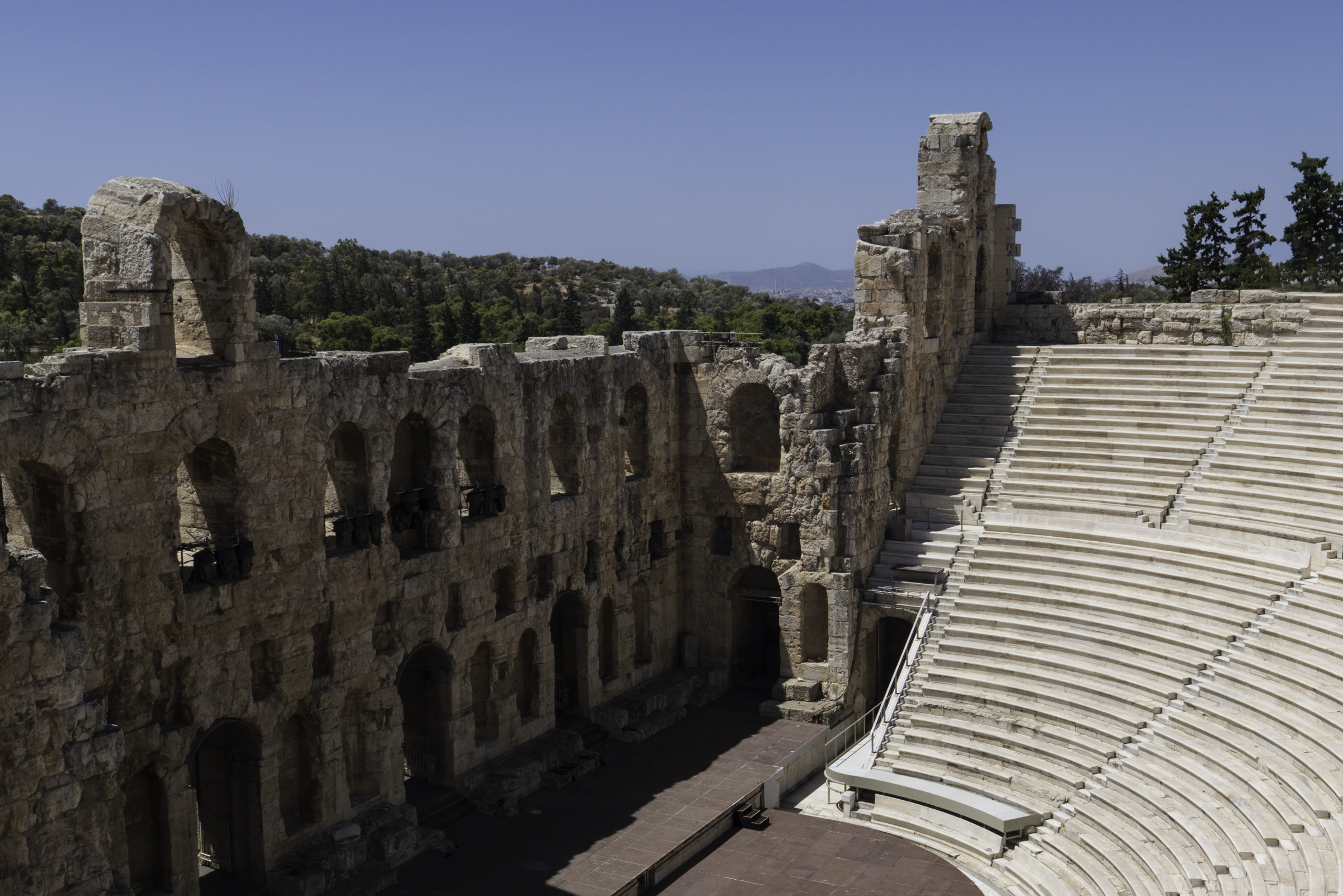
As we walked up the path to the top, we passed the Odeon of Herodes Atticus. This ancient stone theatre was built in 161 AD by the wealthy Roman, Herodes Atticus, in memory of his wife. It originally had a wooden roof and seated around 5,000 people. Today, it is still used for concerts and performances, especially during the Athens Festival. Artists who have performed at this theatre include the likes of Frank Sinatra, Luciano Pavarotti, Elton John, Sting, Andrea Bocelli, and Coldplay.
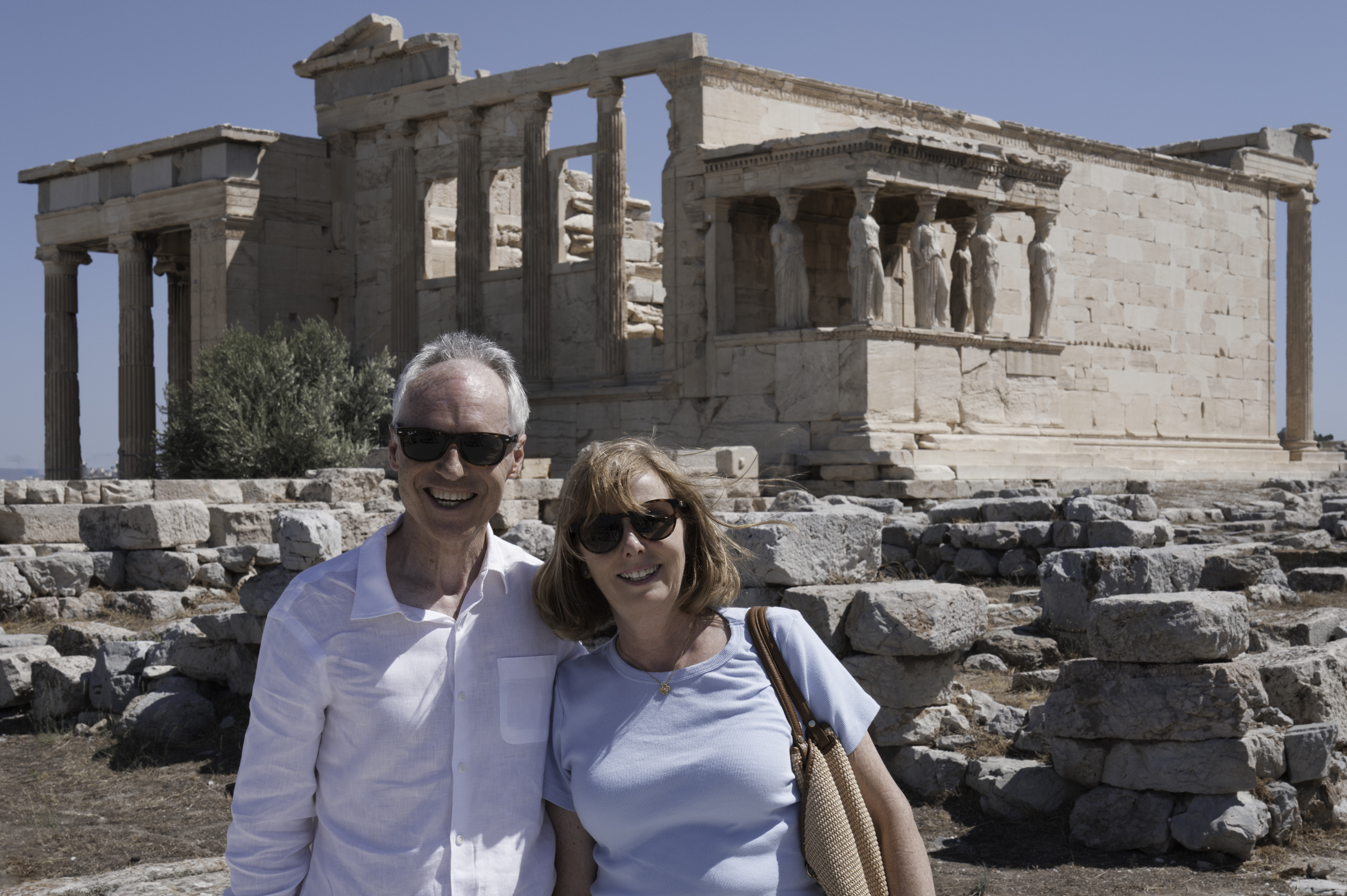
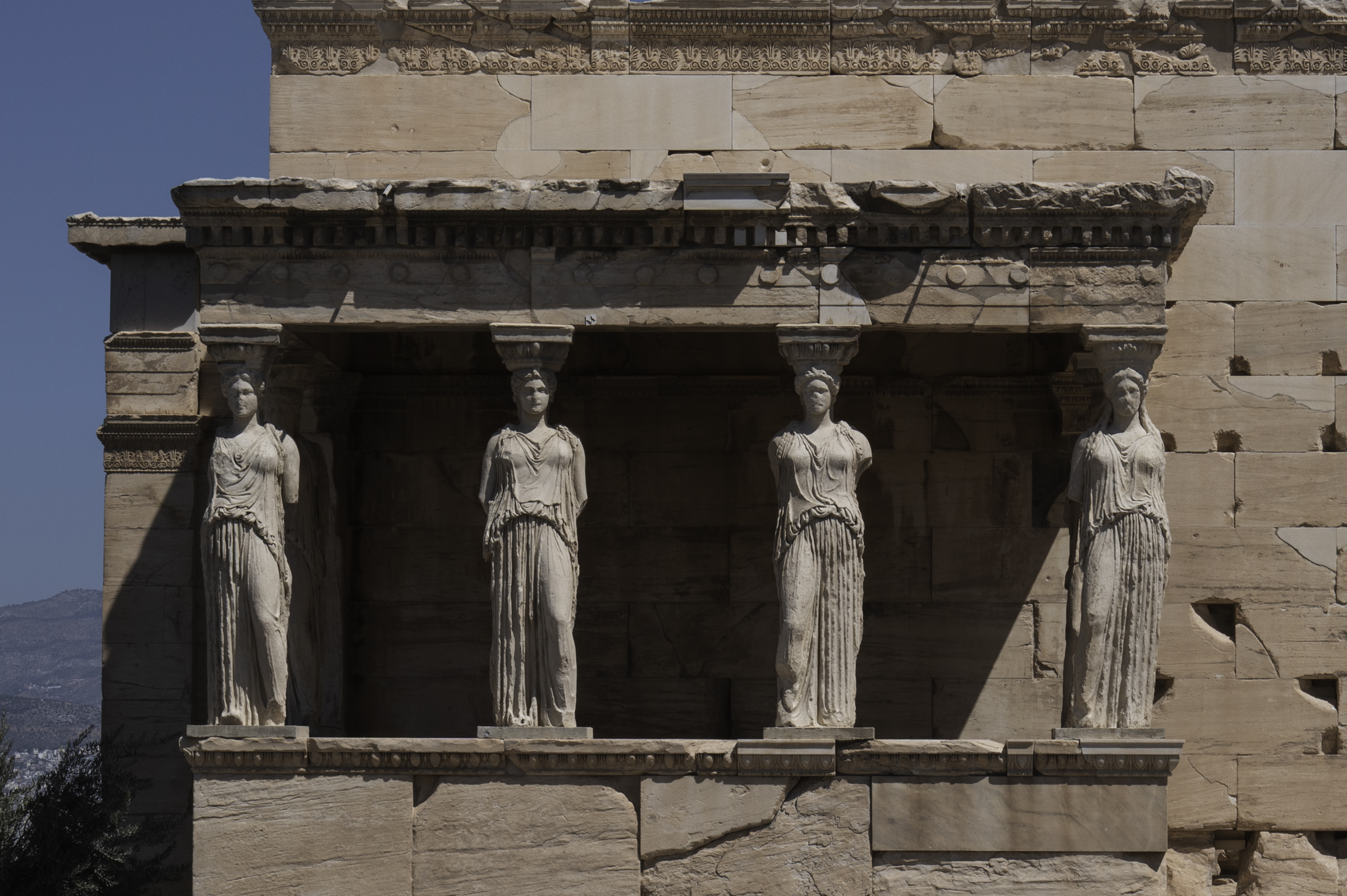
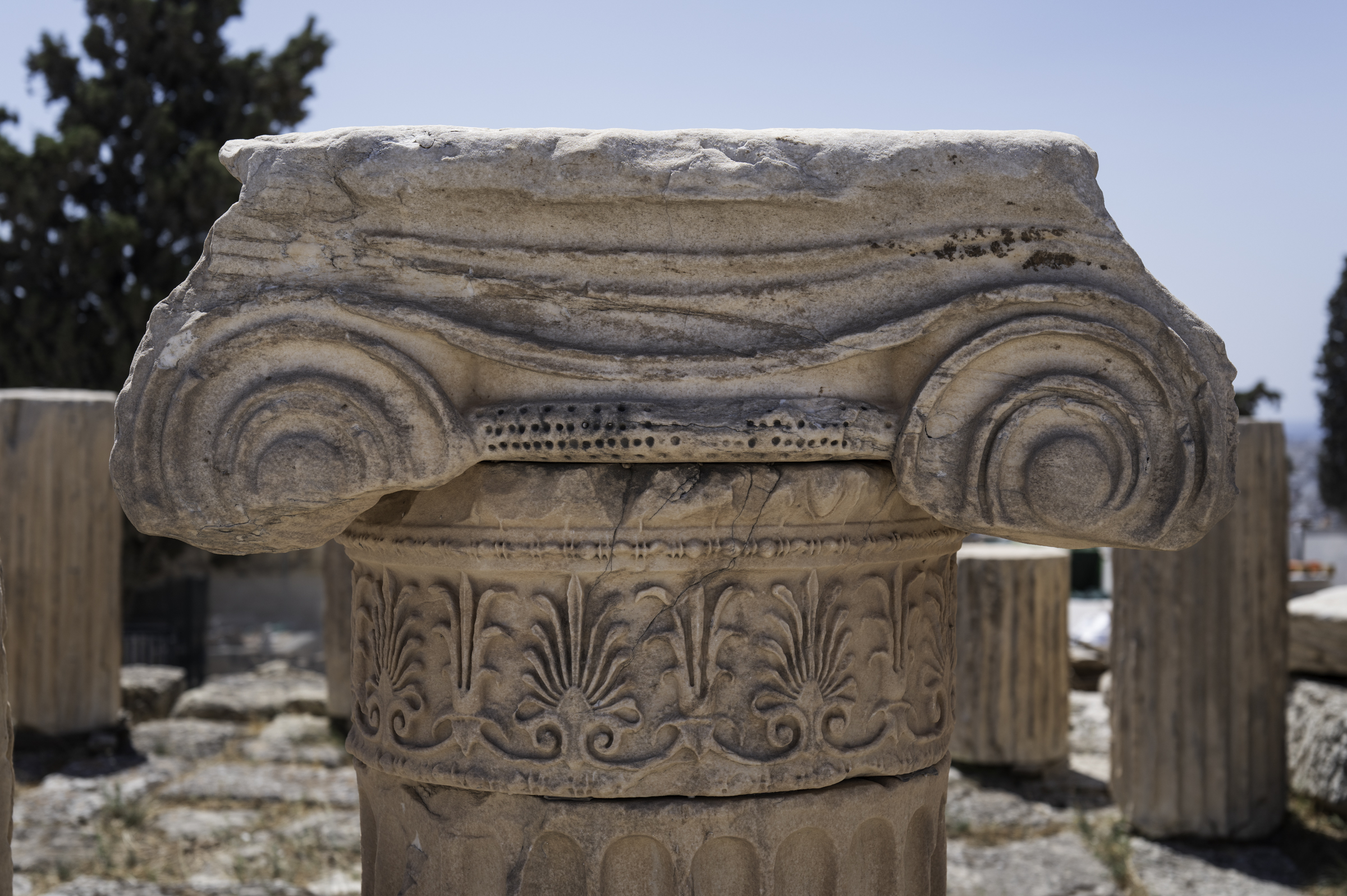
We moved on from the theatre to the Erechtheion, a unique ancient Greek temple. The Erechtheion was built between 421 and 406 BCE and is known for its asymmetrical design, reflecting the uneven ground and multiple ancient shrines it was built to accommodate.
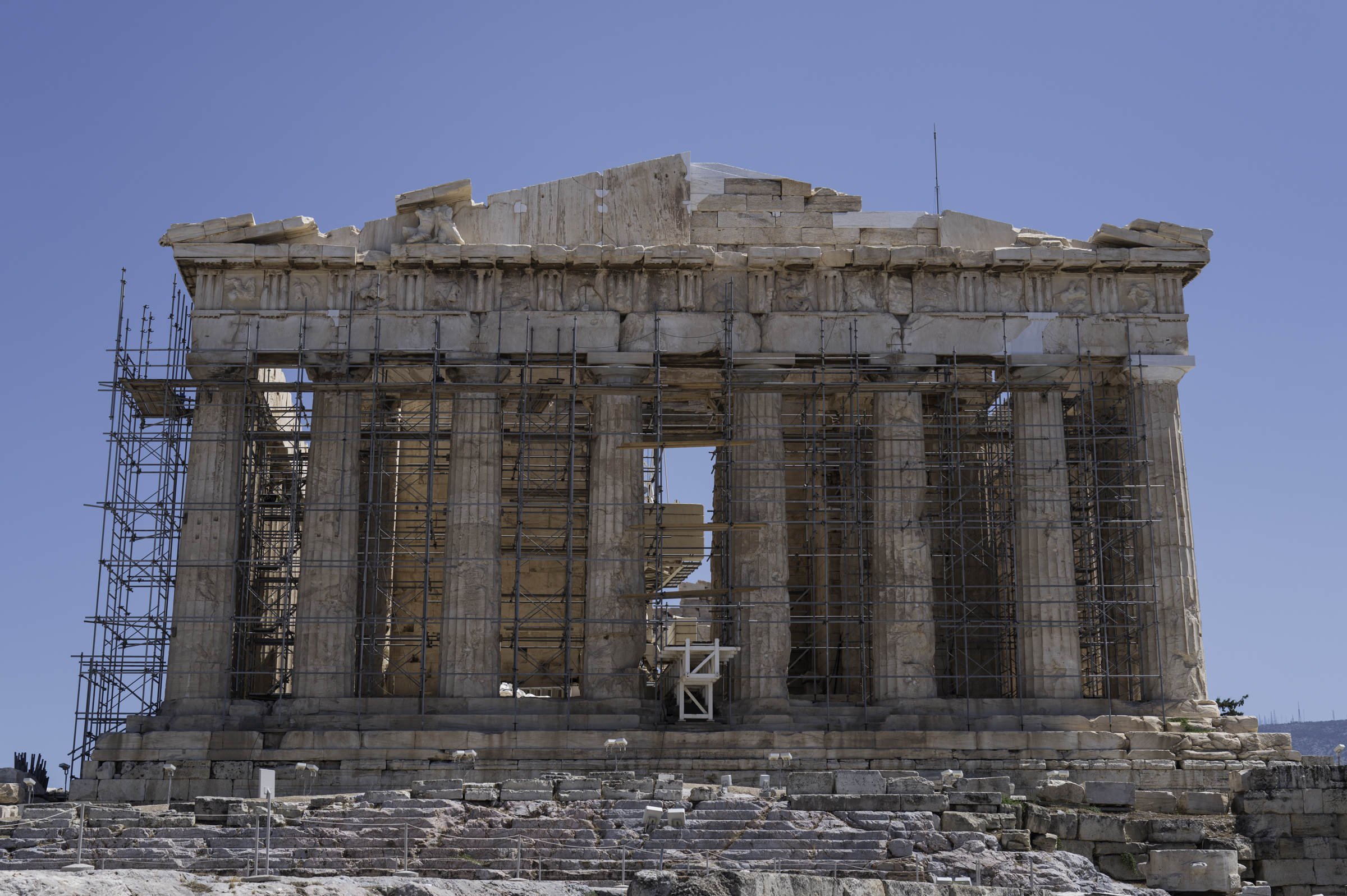
We stopped outside the Parthenon for a while, where Vicky explained some of the history and design of this incredible building. The Parthenon originally served as both a temple and a state treasury. Over centuries, it was transformed into a Christian church, a mosque, and suffered major damage from wars and looting. The most significant damage to the structure occurred in 1687, during the Venetian siege of Athens, when a Venetian mortar shell struck the building, igniting the stored gunpowder and causing a massive explosion that destroyed much of the Parthenon’s central structure, toppled numerous columns, and killed around 300 people.
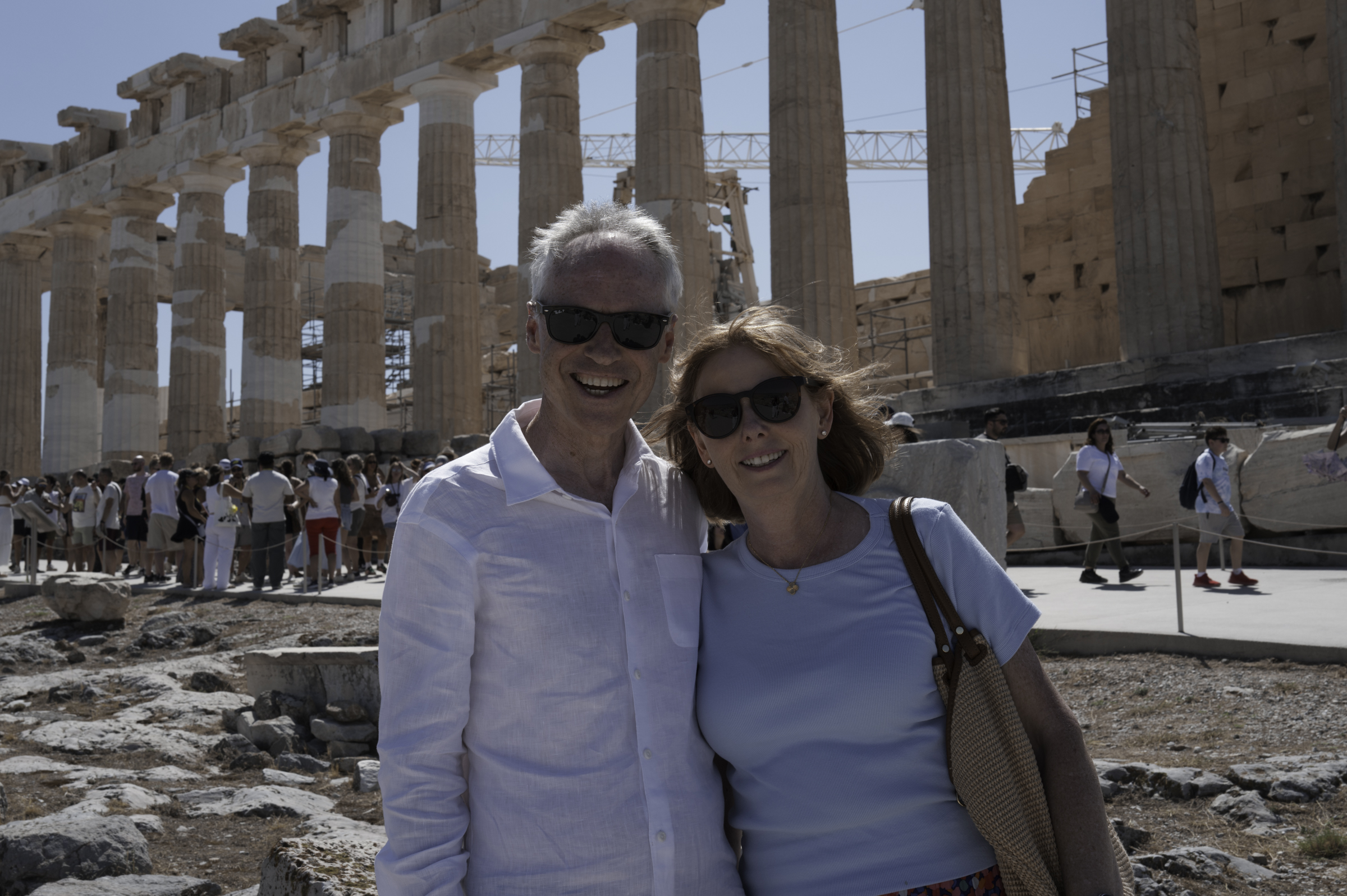
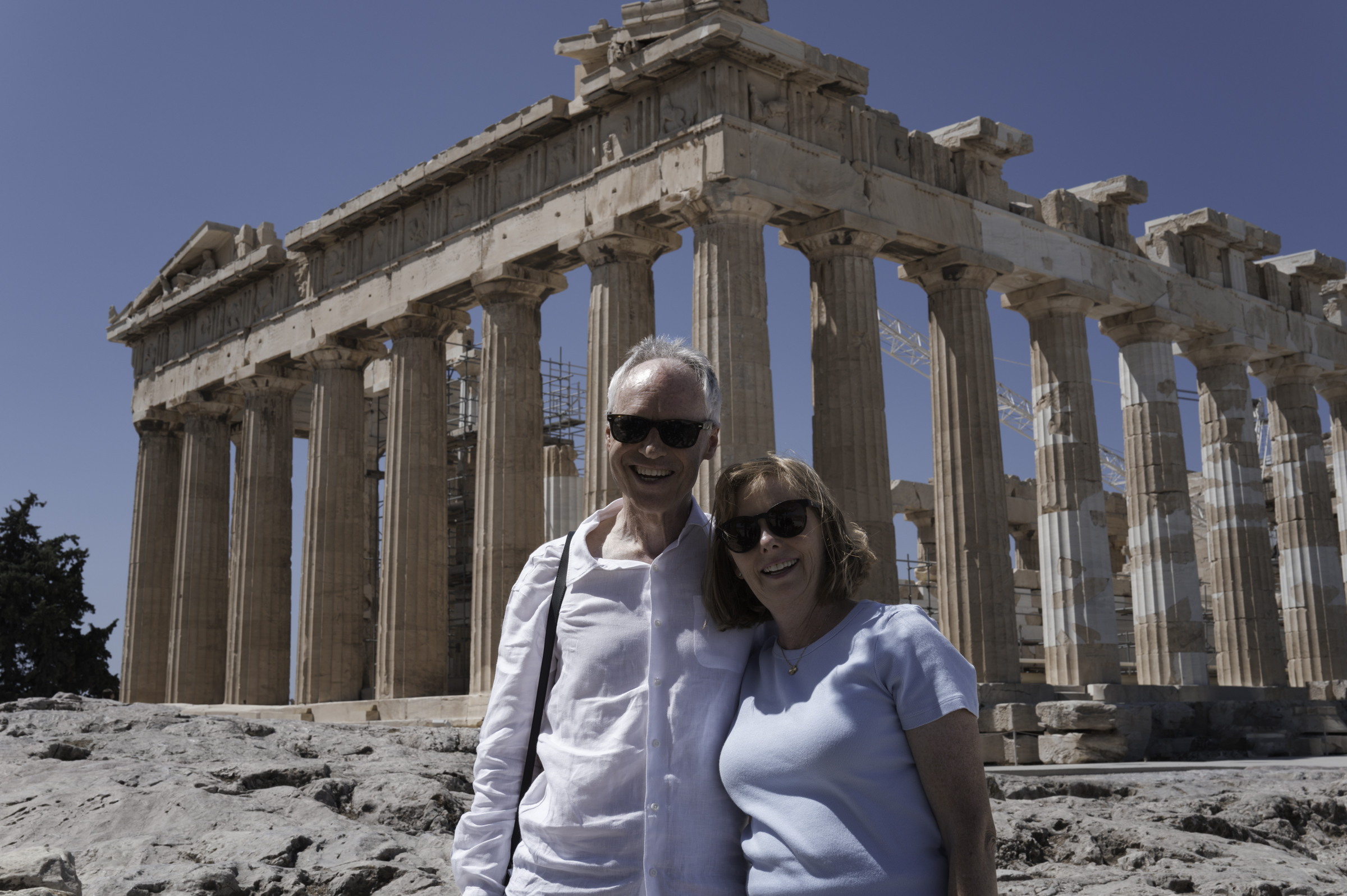
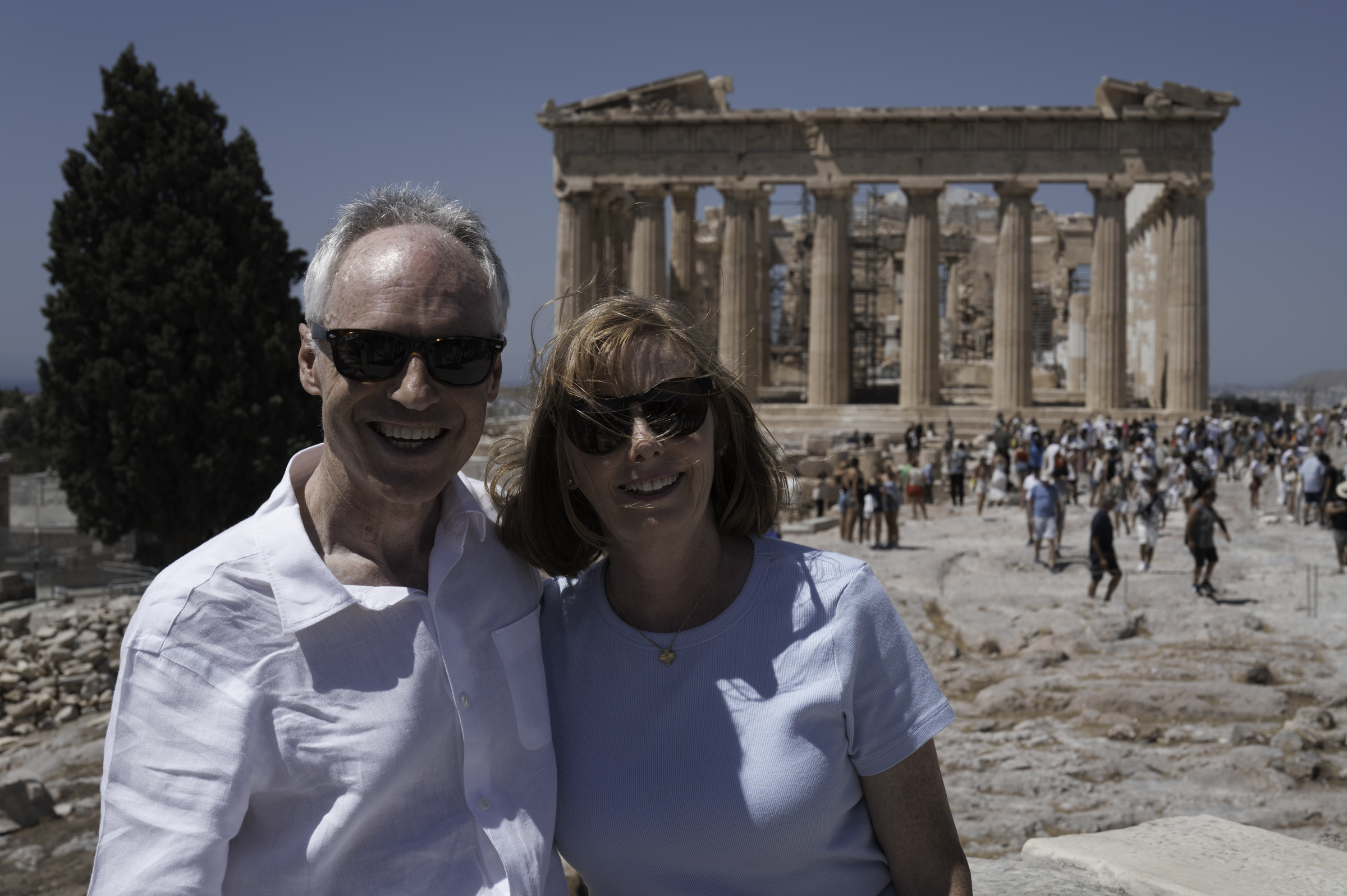
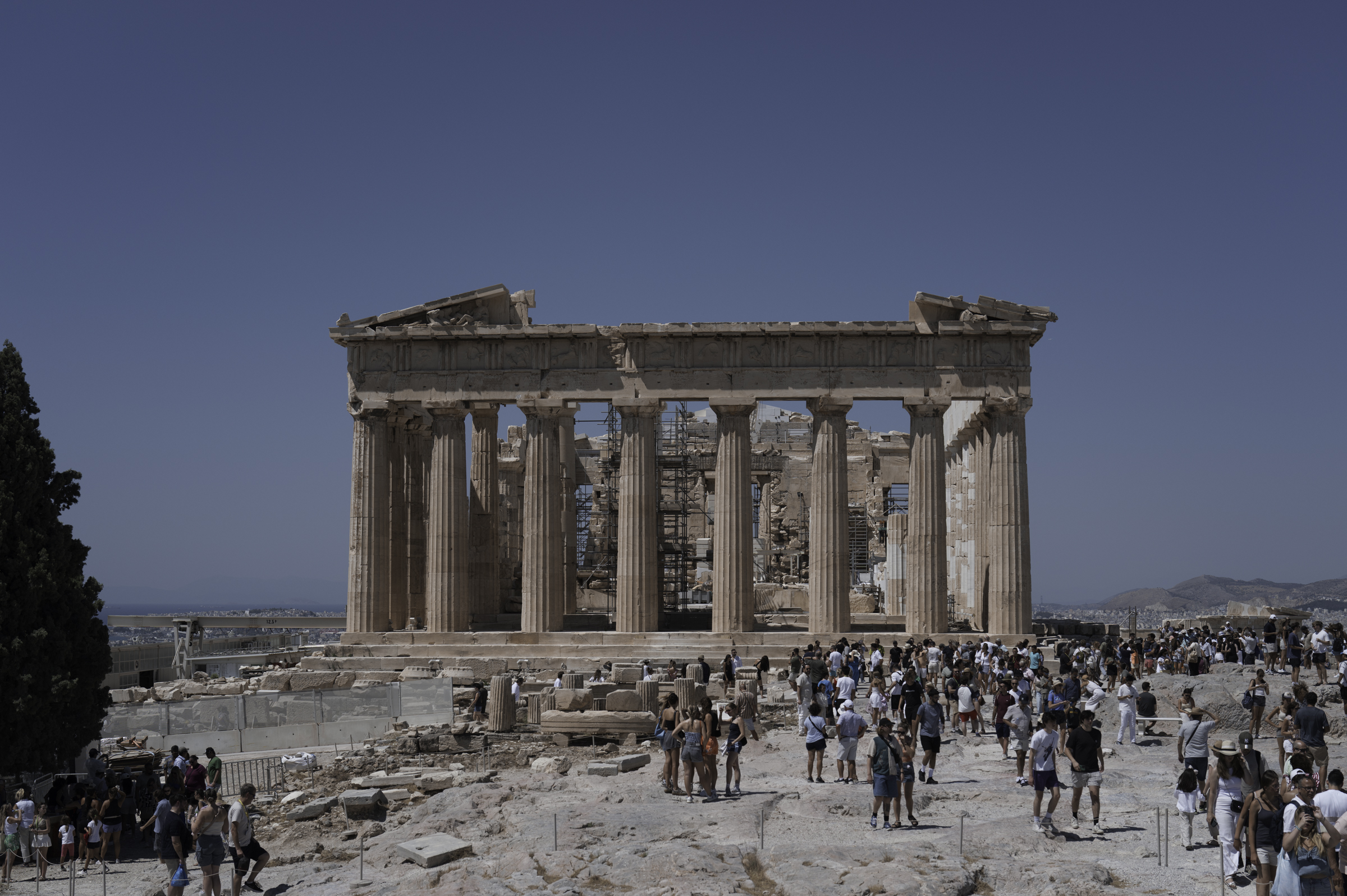
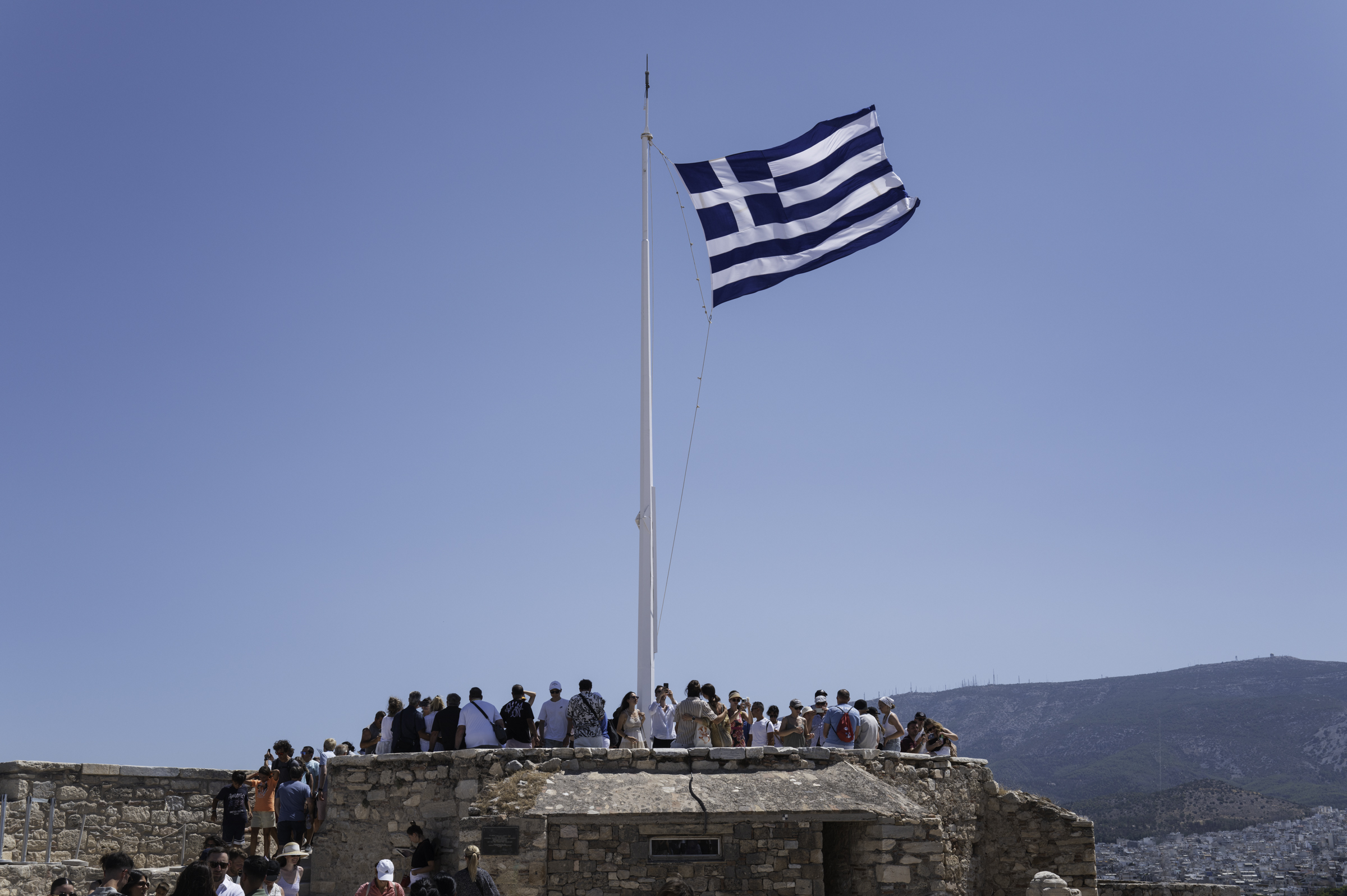
A short walk from the Parthenon is the most significant flagpole in Greece. The flagpole is a modern addition that commemorates Greece’s struggle for independence and its resilience. During WWII, this spot became famous when two young Greeks, Manolis Glezos and Apostolos Santas, removed the Nazi flag from the Acropolis in 1941, raising Greek spirits nationwide.
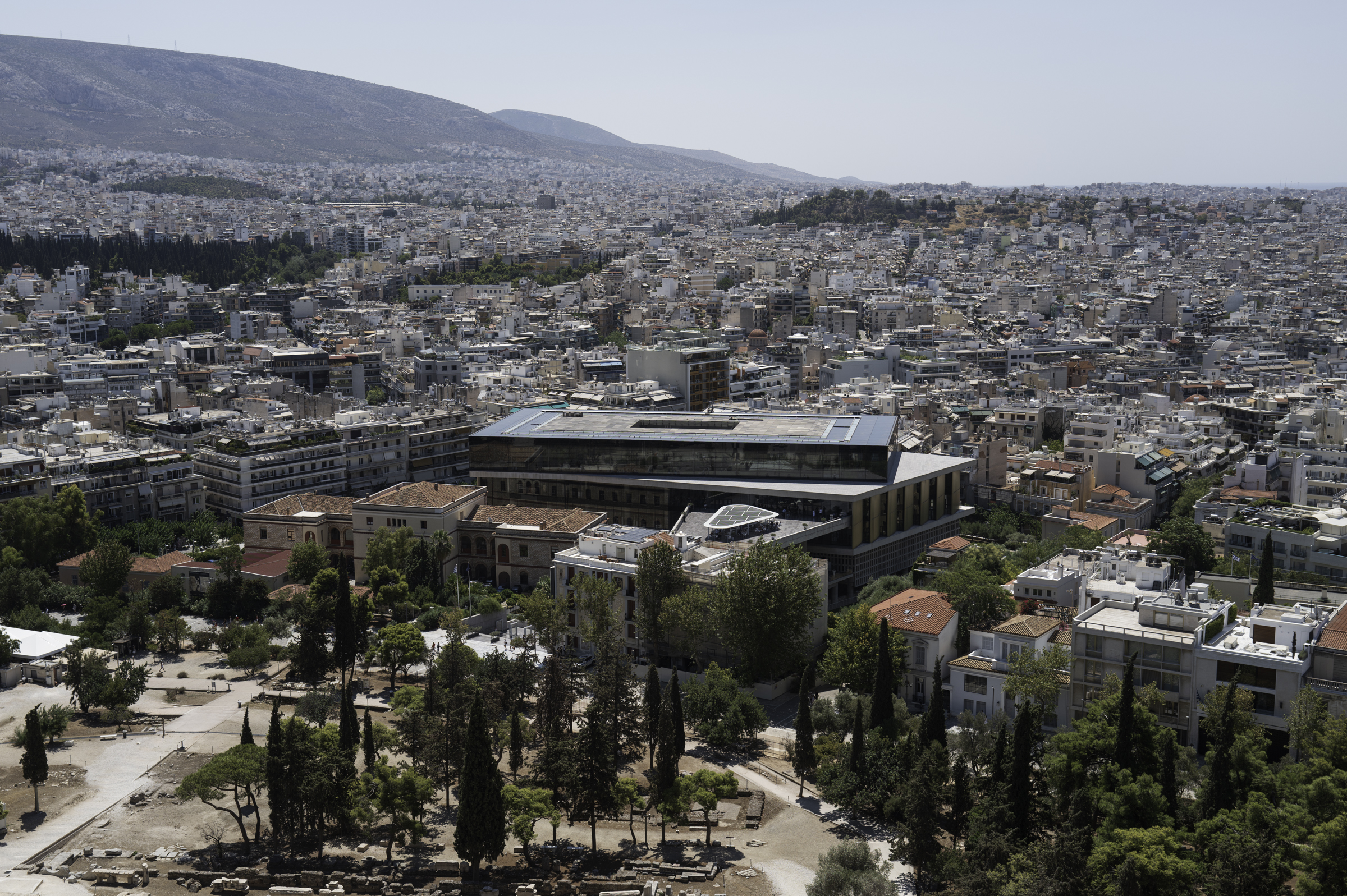
We continued walking around the perimeter of the Acropolis, occasionally pausing for some respite from the sun, with the temperature now about 34C. We got a great view of the new Acropolis Museum, which we plan to visit later in the day. In general, the views from the top were pretty fantastic.
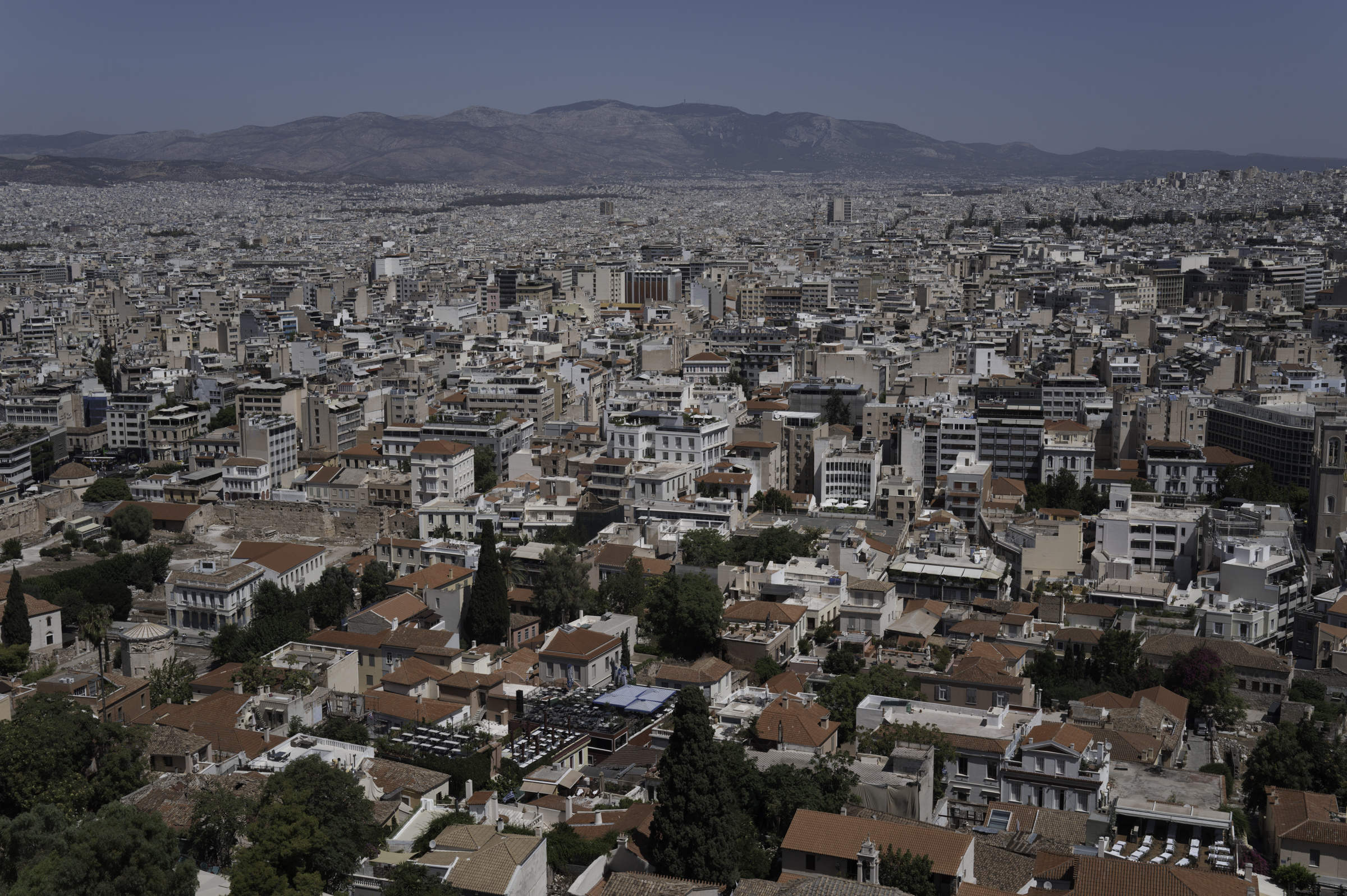
As we walked further around, we could also look down on the ancient Theatre of Dionysus. This semicircular stone structure, now dilapidated and still partially buried, was the world’s first theatre and the birthplace of Greek drama. Built in the 5th century BC, it held up to 17,000 spectators.
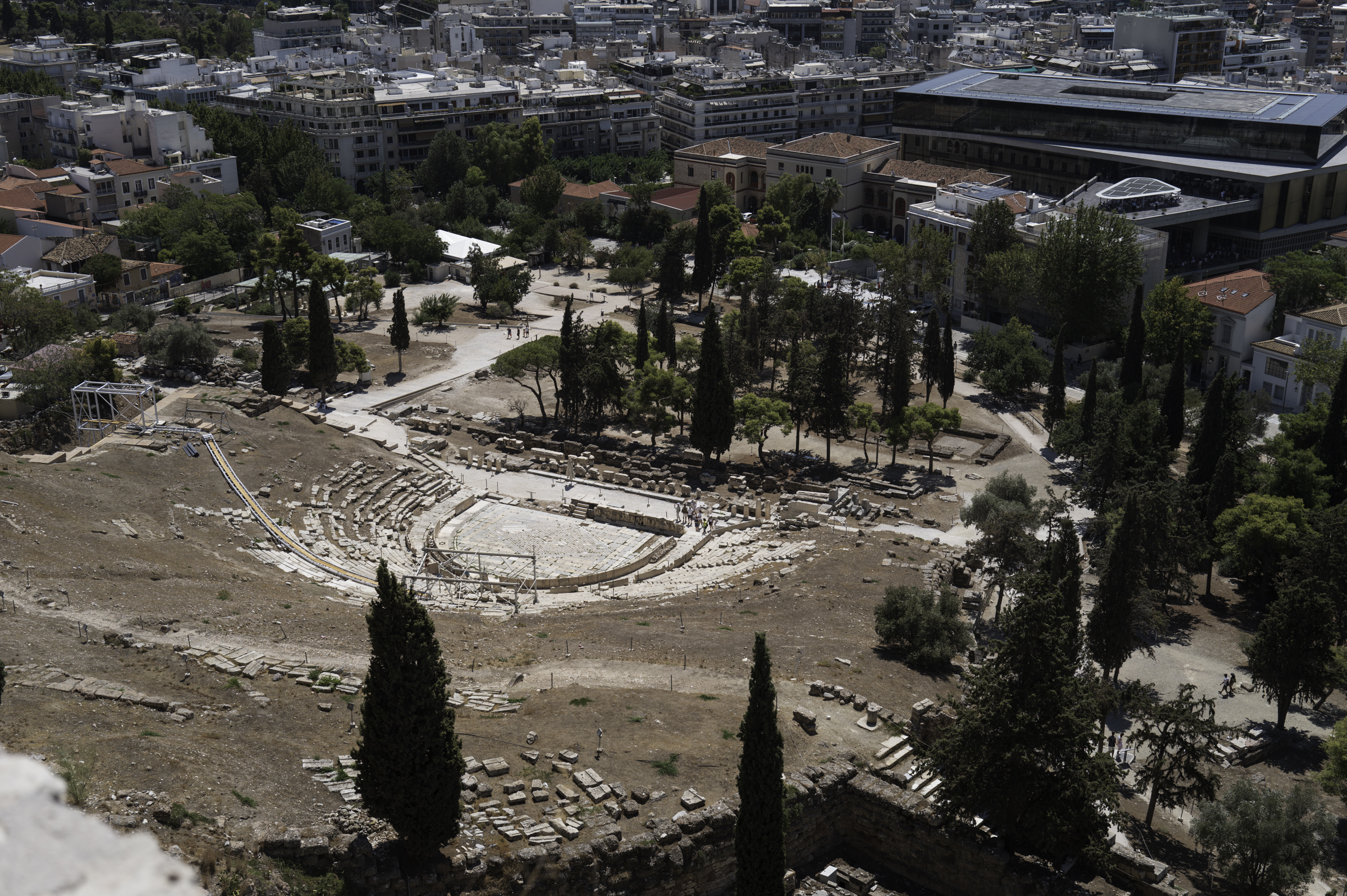
Our next stop was the Temple of Athena Nike, a small but elegant ancient Greek temple. Dedicated to Athena as the goddess of victory (“Nike”), it was built around 427–424 BCE.
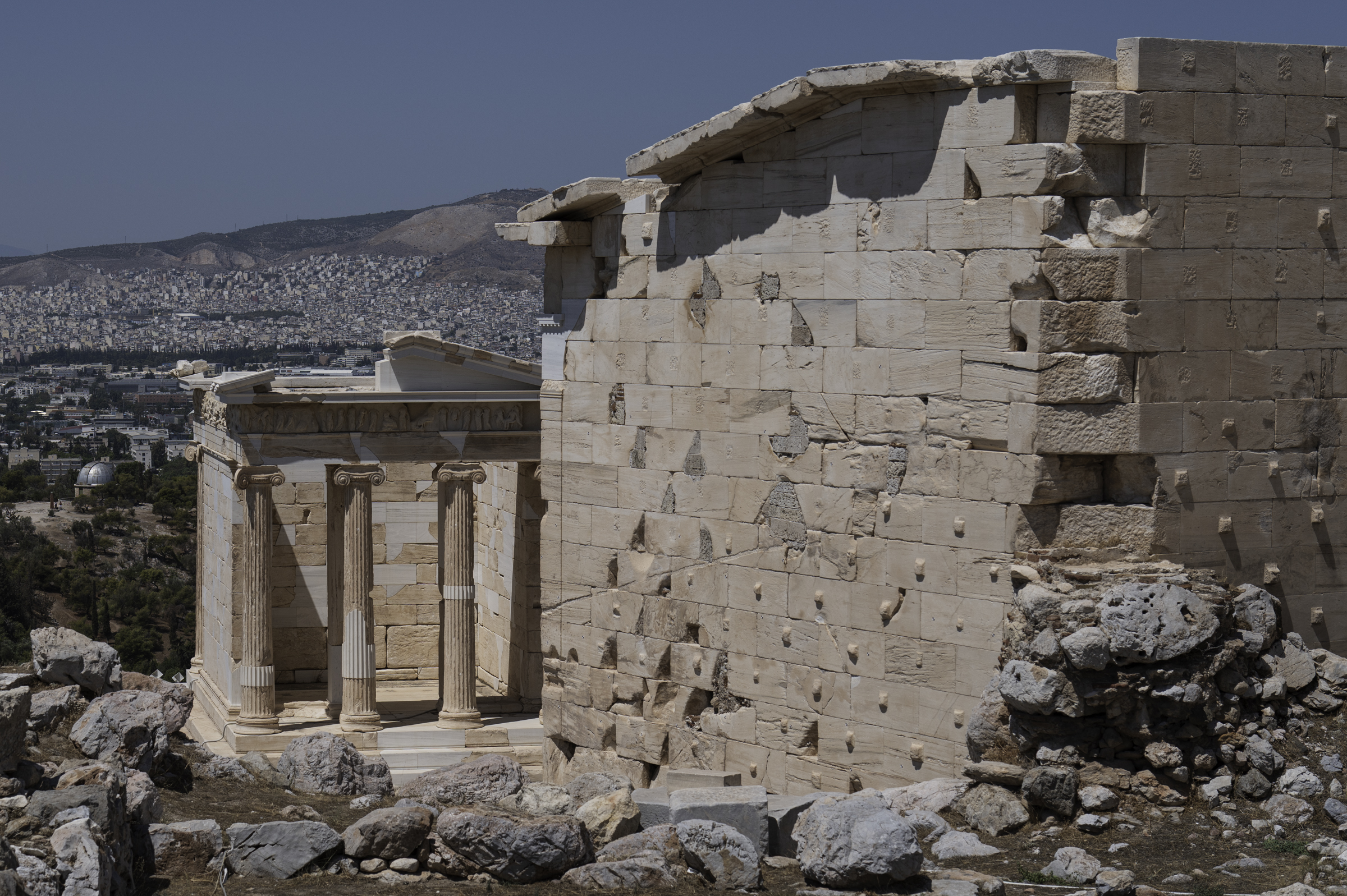
We then descended from the top of the Acropolis, pausing for a short rest, on our way to the museum.
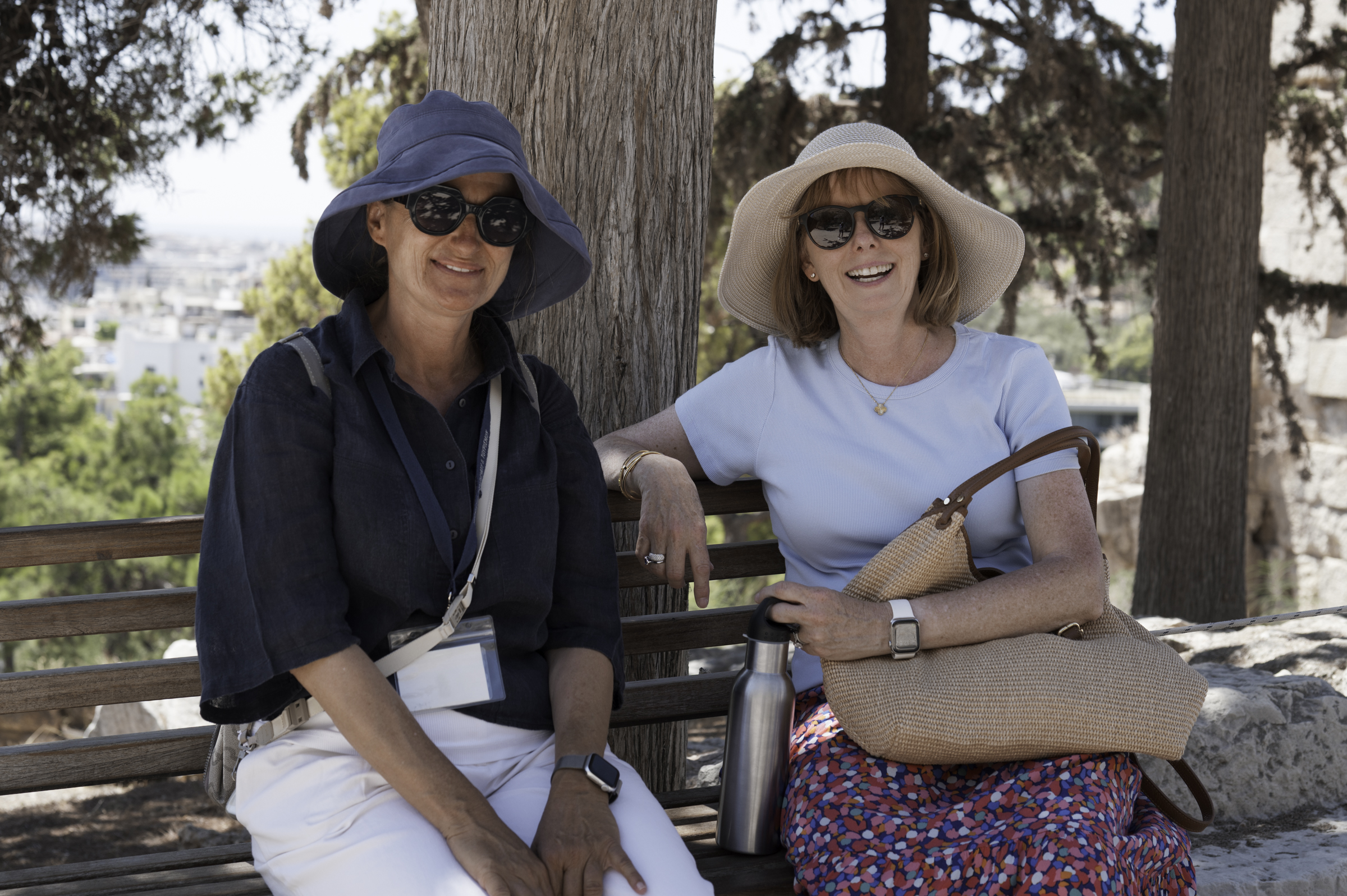
We got to the Acropolis Museum at about 1:15 pm. The Acropolis Museum is a modern archaeological museum dedicated to preserving and displaying artifacts from the Acropolis. Opened in 2009, the museum is a stunning building that was designed by the renowned French-Swiss architect, Bernard Tschumi. It has many subtle nods to the proportions and design aspects of the Acropolis buildings, and its amazing use of natural light makes it a joy to walk around.
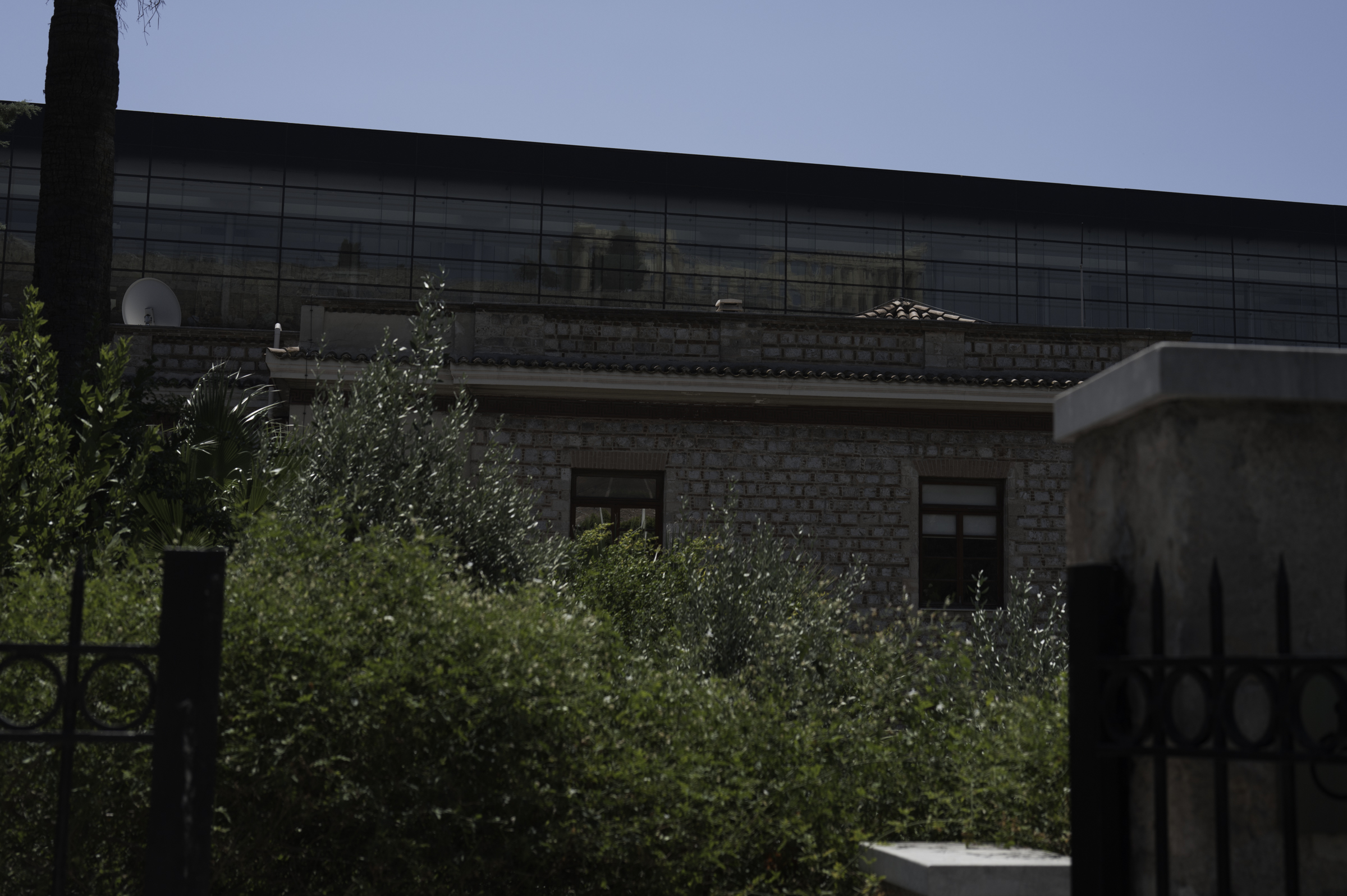
While the museum has some of the original marble statues and friezes from the Parthenon, much of the Parthenon marbles now reside in the British Museum, as a result of their removal in the early 1800s by Lord Elgin, who later sold them to the British Museum. Lord Elgin claimed that he was entitled to remove the marbles under permission granted by the reigning Ottoman Empire. The battle over rightful ownership has raged for some time, with Greece insisting that these national treasures should be returned.
In the late 19th and early 20th centuries, the British Museum sent plaster casts of the Parthenon marbles to Greece. The plaster casts are used to fill in the gaps in the Acropolis Museum, in between the original marbles that remained in Greece, The bright white plasters deliver a forceful message to museum visitors about just how much of the priceless Greek marbles are still retained by the British Museum, forcing viewers to confront the question of who should really own them.
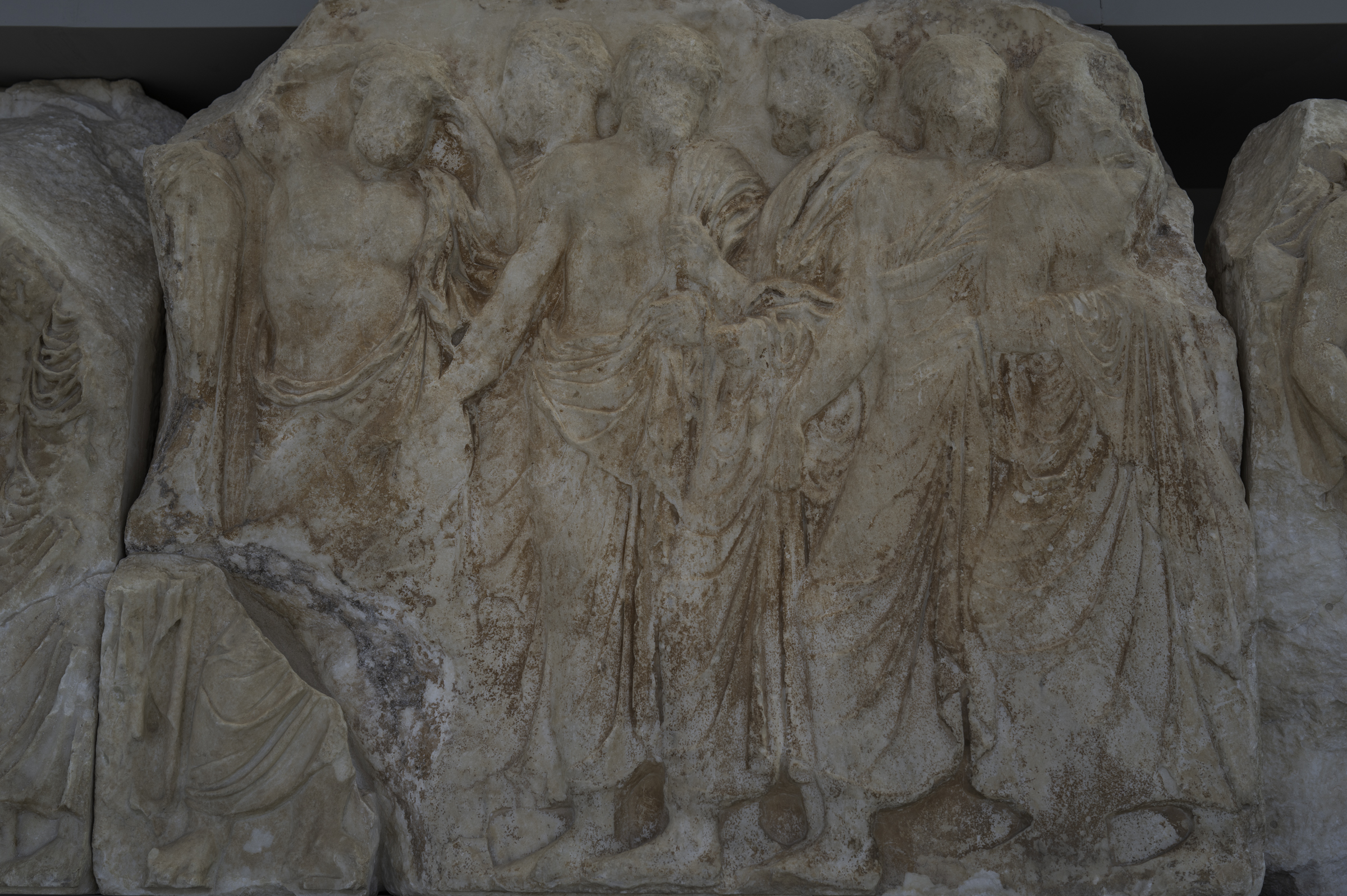
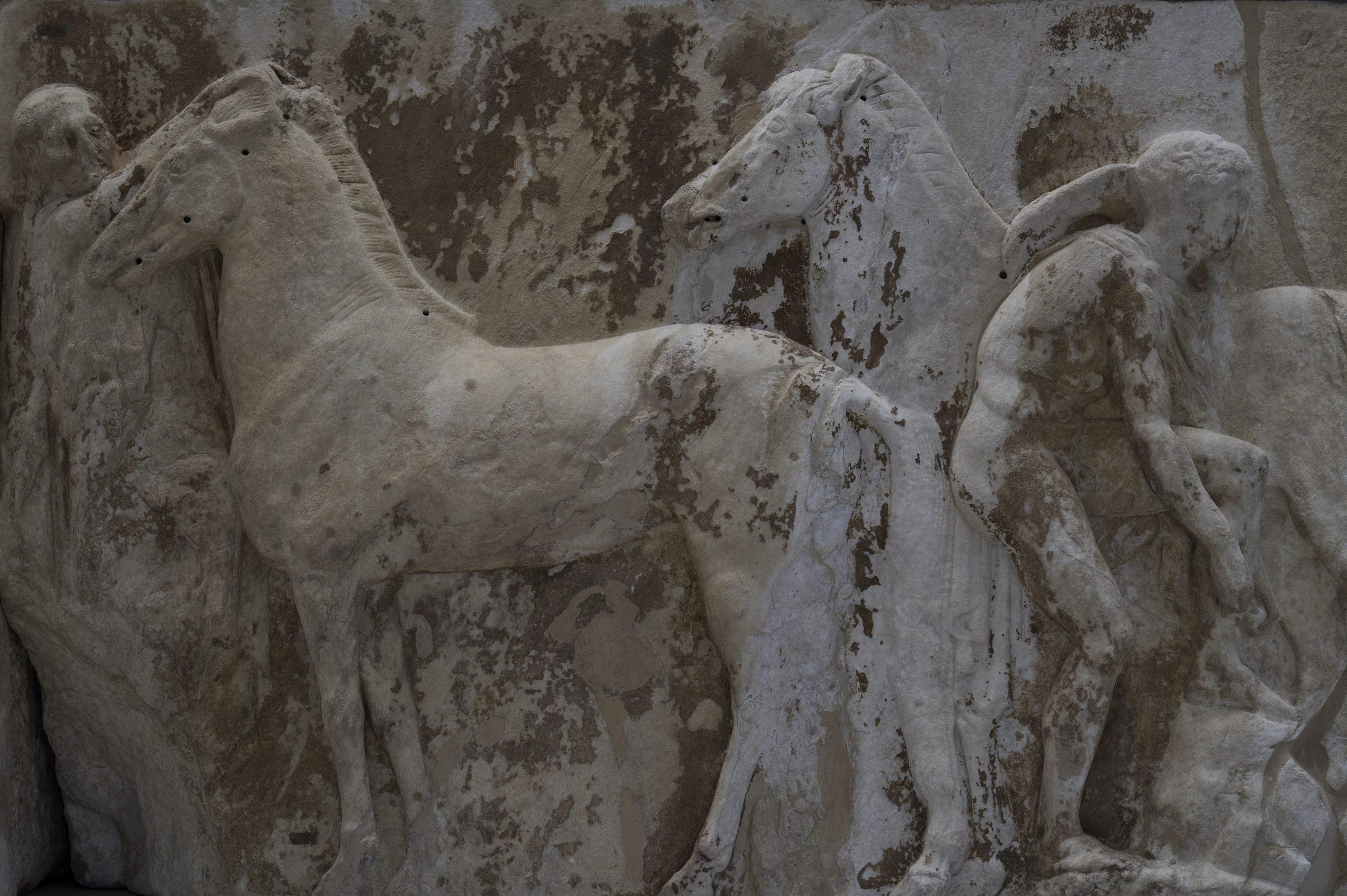
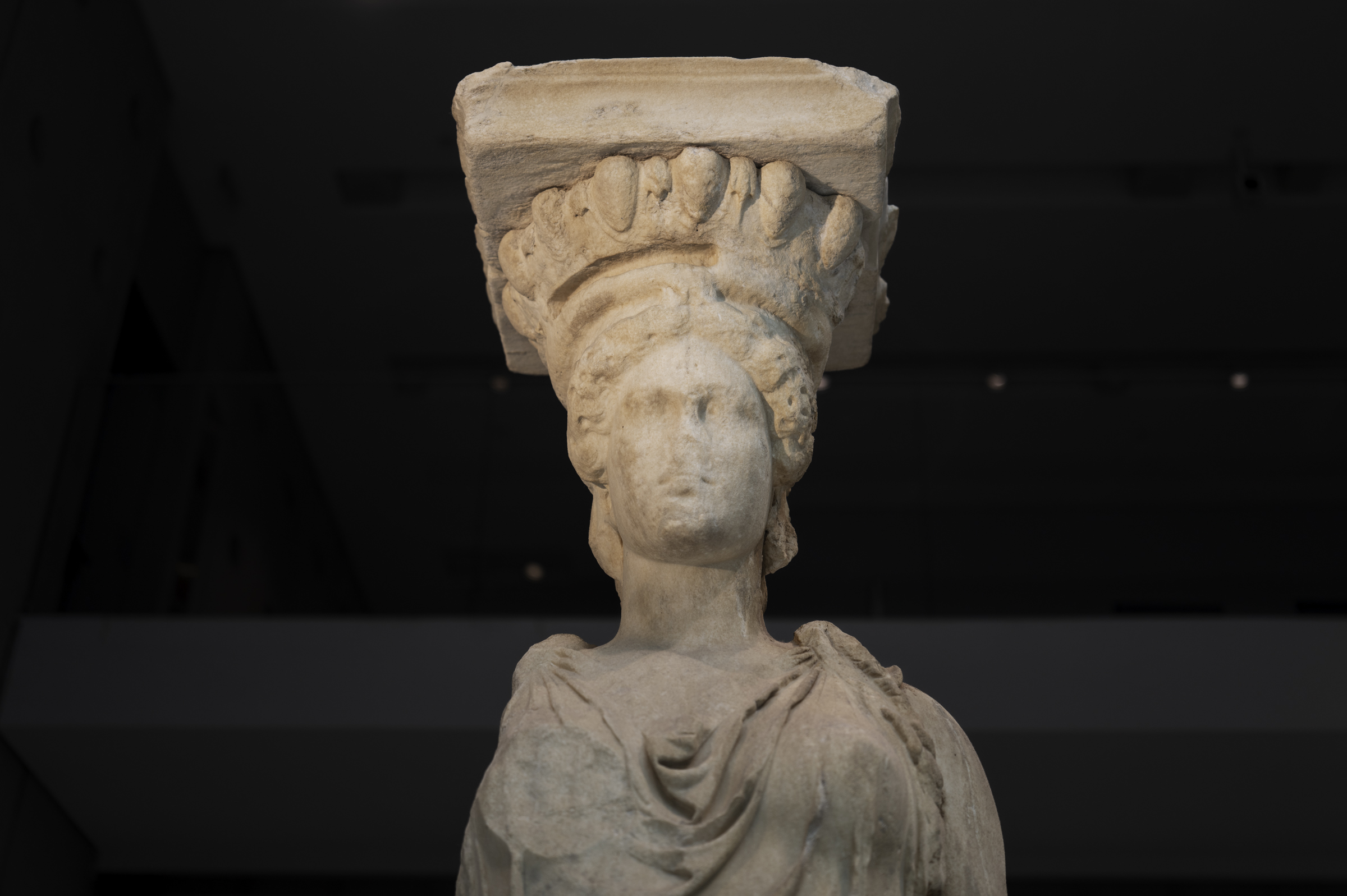
The museum is spread over a few levels and, with more than 4,000 artefacts, we were not going to be able to see everything. But we got a wonderful overview from Vicky, who was a fabulous guide (and also great company throughout the day).
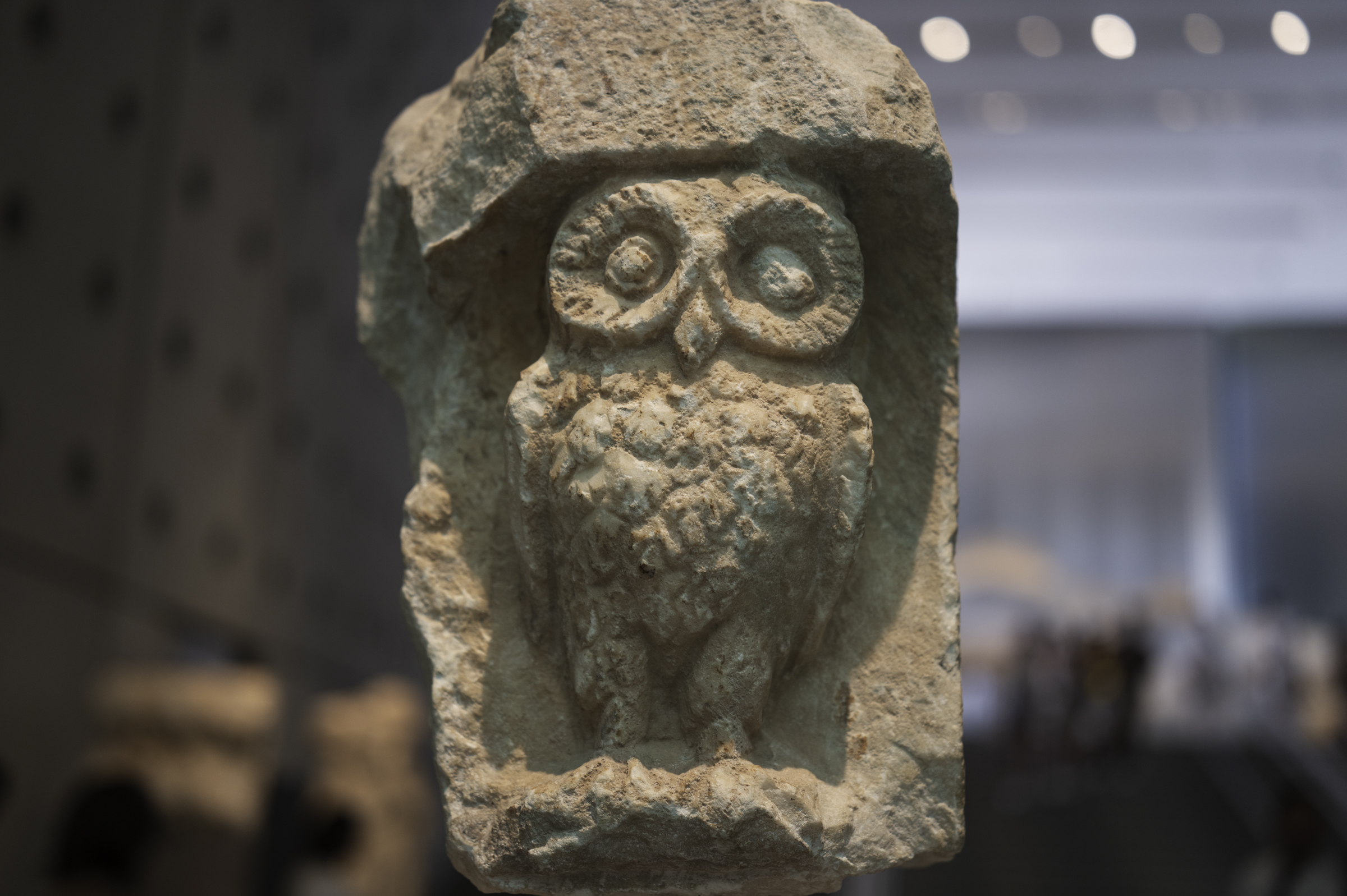
After a big day of exploring (a fair bit of which was outdoors in the Athenian summer heat), we said goodbye to Vicky and walked back to the hotel.
We decided that we’d have an early room-service dinner and, of course, we opted for our defacto room service choice of spaghetti Bolognese (which was excellent!).
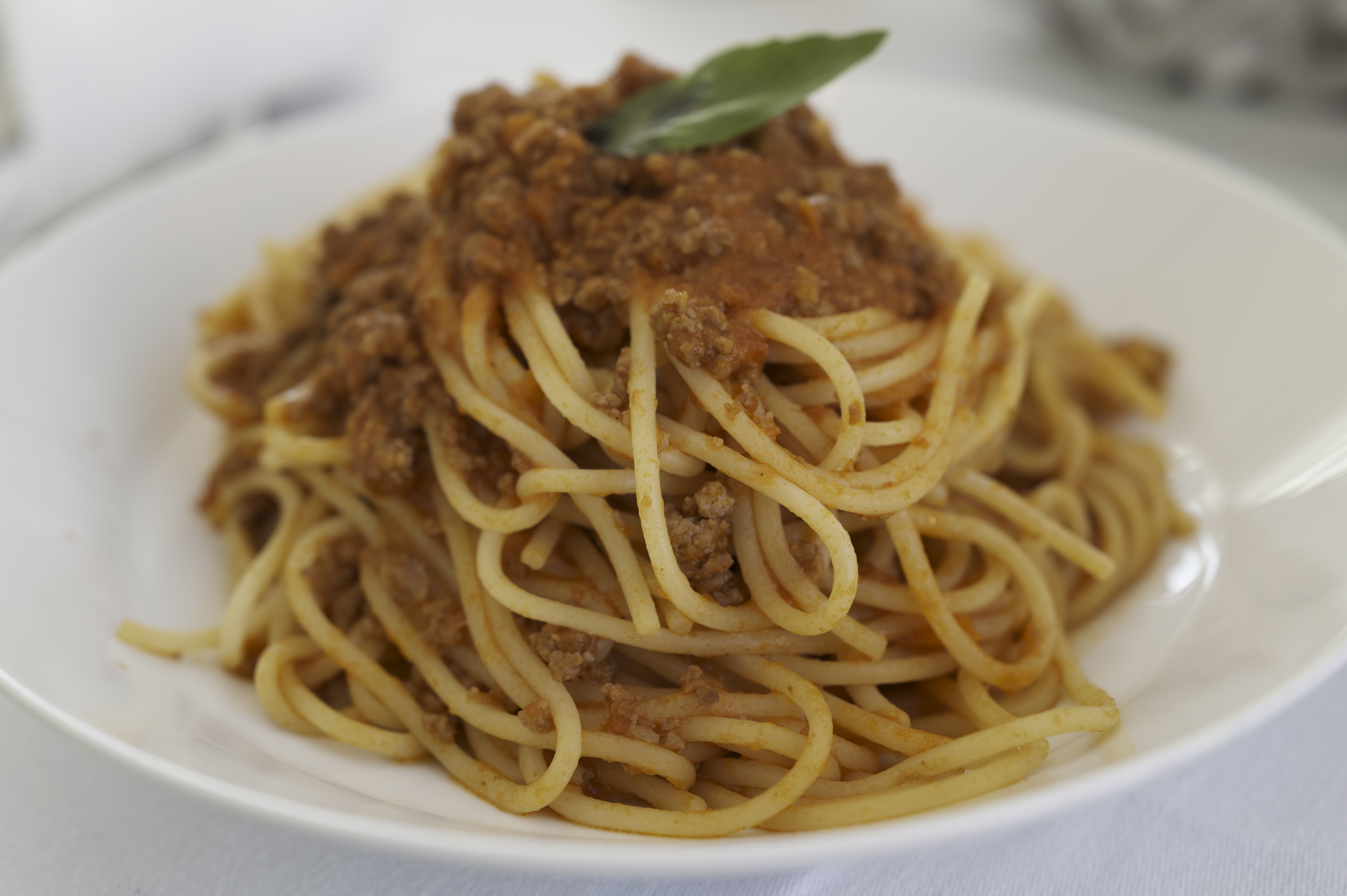
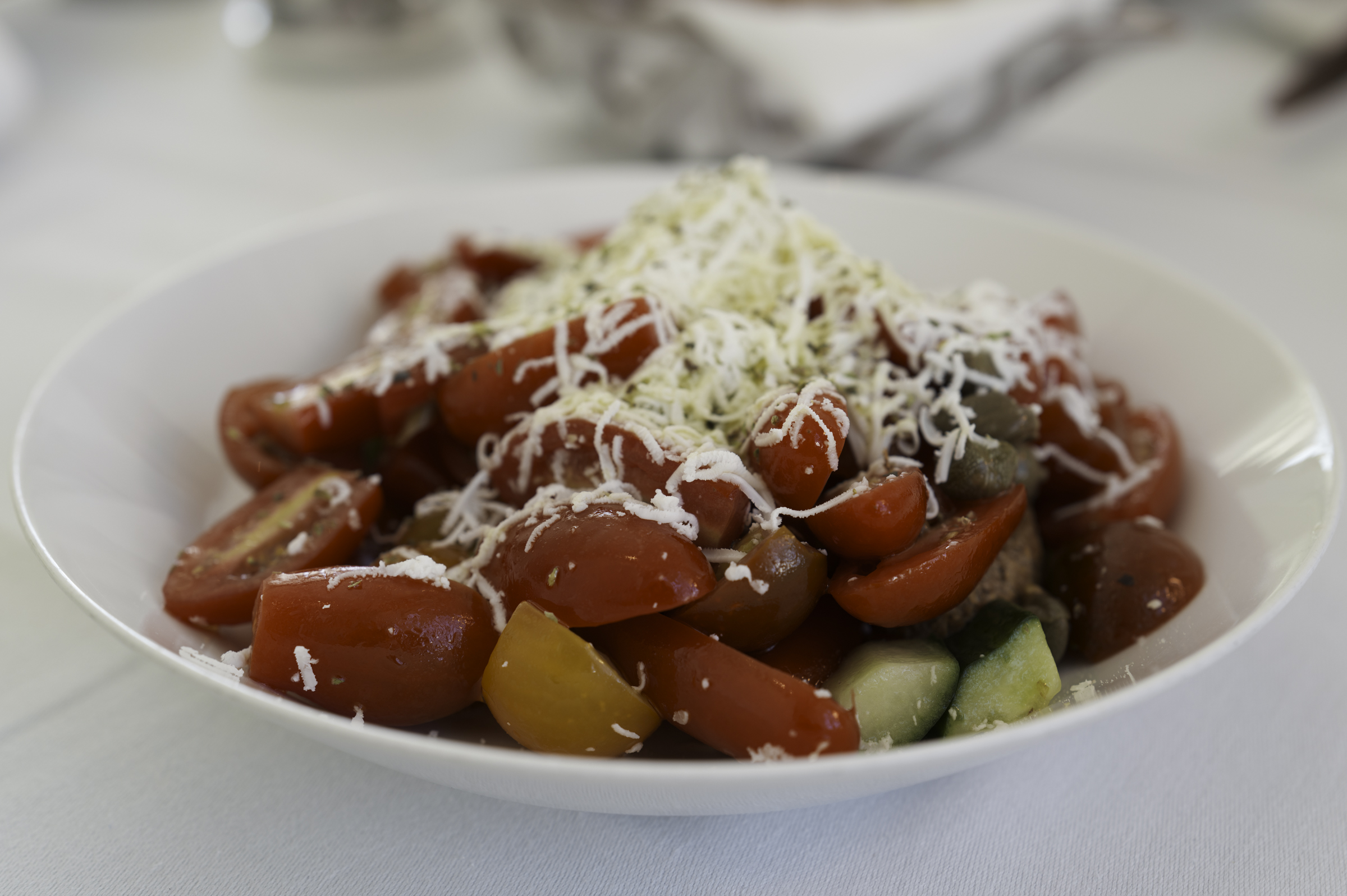
We finished dinner before 6:00 pm and were in bed not long after that, hoping to catch up on a bit of sleep. Tomorrow, we don’t have any firm plans, so we’ll see how we feel when we get up tomorrow and decide from there.