
Europe
Shetland Islands
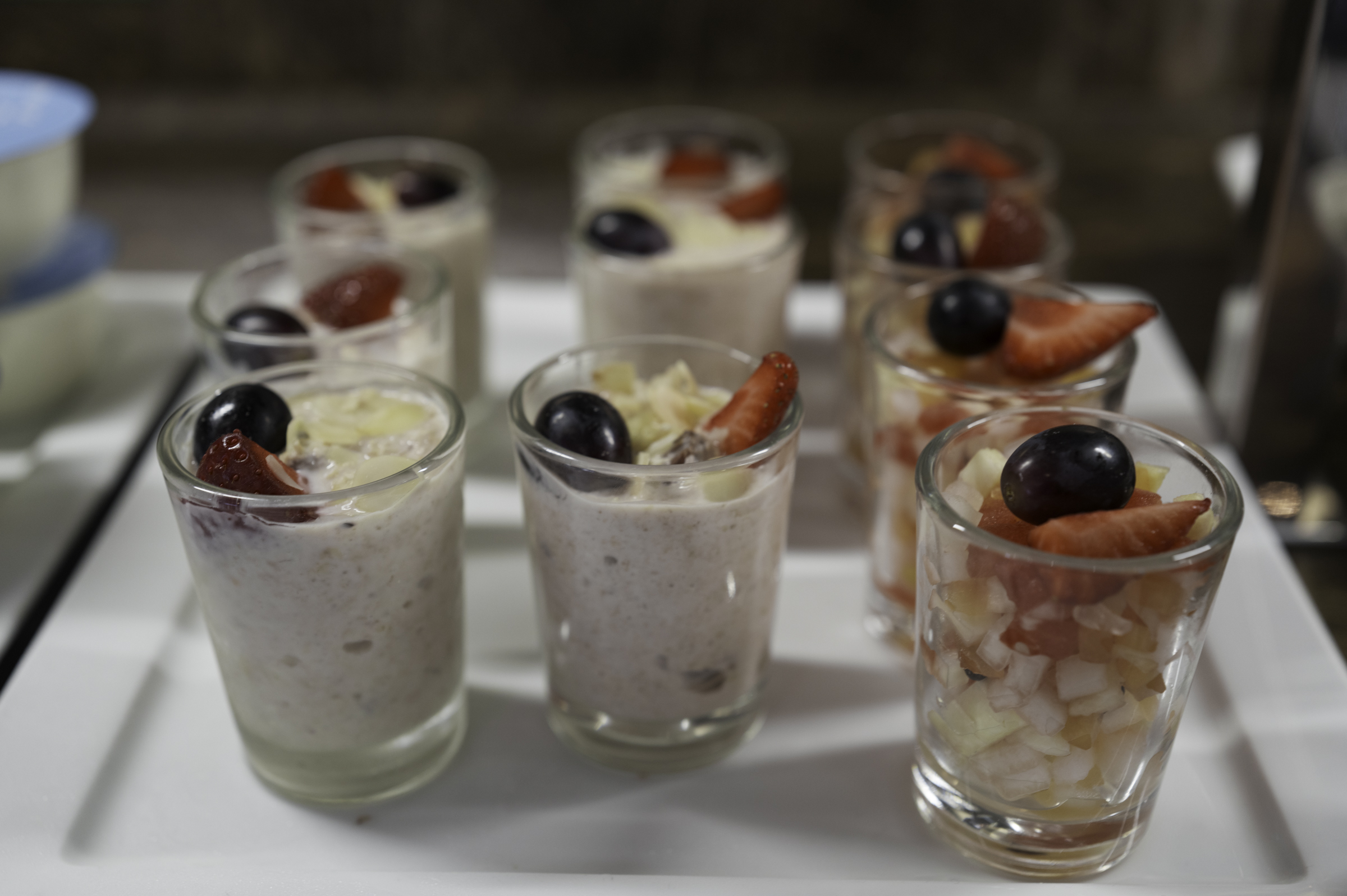
We woke this morning around 8:00 am as the ship pulled into Lerwick, the main town and port of the Shetland Islands. We had time for a quick muesli before going ashore.
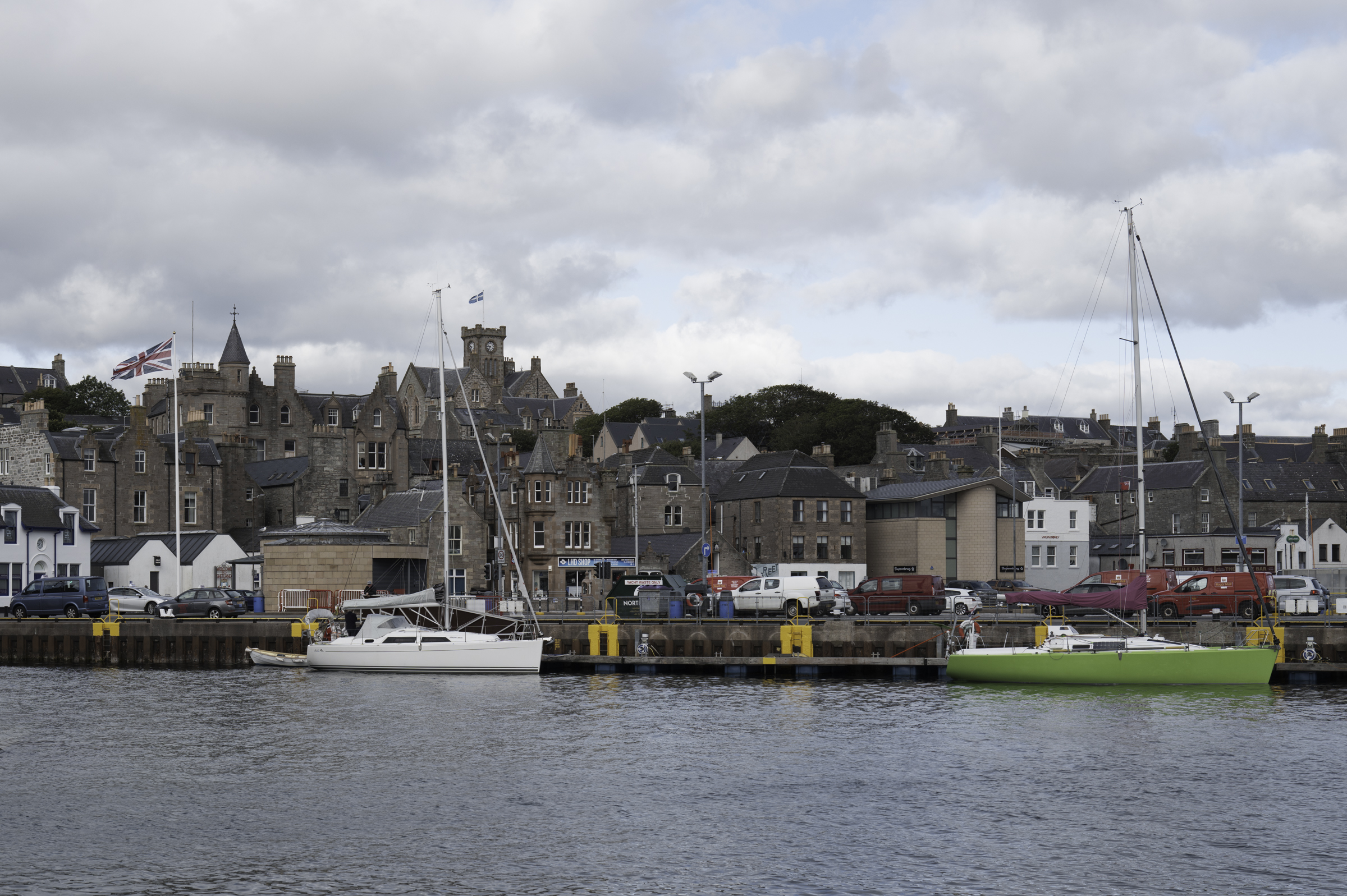
We got off the ship at about 9:15 am to join our walking tour of Lerwick. Lerwick has a population of around 7,500, making up roughly a third of Shetland’s population. The town originated as a 17th-century fishing port serving Dutch herring fleets and became capital of the Shetland Islands in the 1830s.
The Shetland Islands lie about 150 kilometres off northeast Scotland and consist of over 100 islands, about 15 of which are inhabited. Shetland became part of Scotland in the late 15th century, primarily due to a royal marriage arrangement between Denmark-Norway and Scotland. King Christian I of Denmark and Norway pawned the Shetland Islands to King James III of Scotland in 1469 as security for his daughter Margaret’s dowry. However, the dowry was not fully paid, and by 1472 Shetland was officially annexed into the Kingdom of Scotland by an act of the Scottish Parliament.
Lerwick certainly feels Scottish but there is still evidence of Shetland’s Norse culture, including annual celebrations of their Scandinavian past.
Our walk started on The Esplanade, where it quickly became clear how important the fishing industry is to the Shetland Islands. More than 250 fishing boats operate out of the Shetland Islands, and it is the second-largest port in Scotland by tonnage of fish landed.
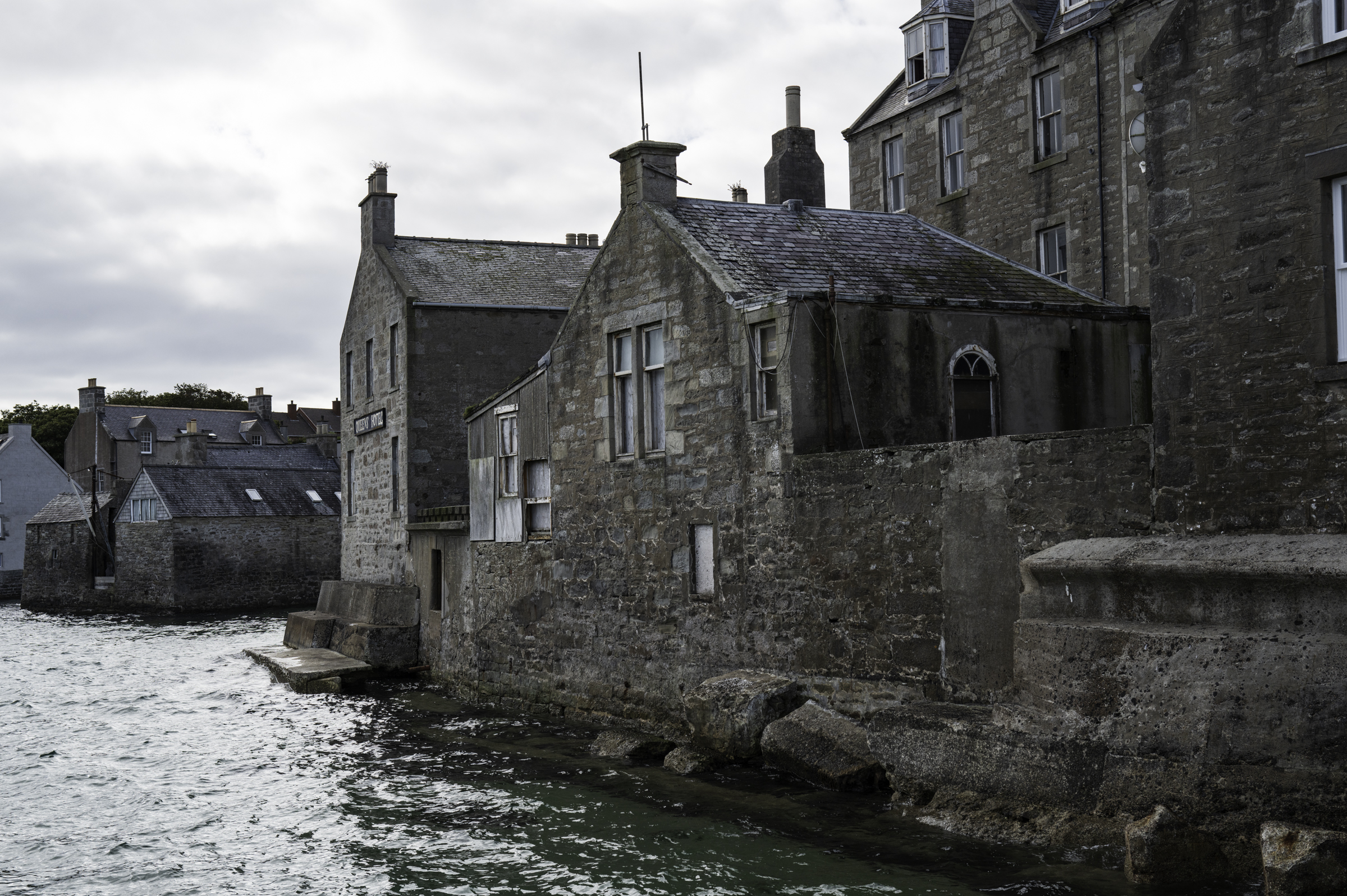
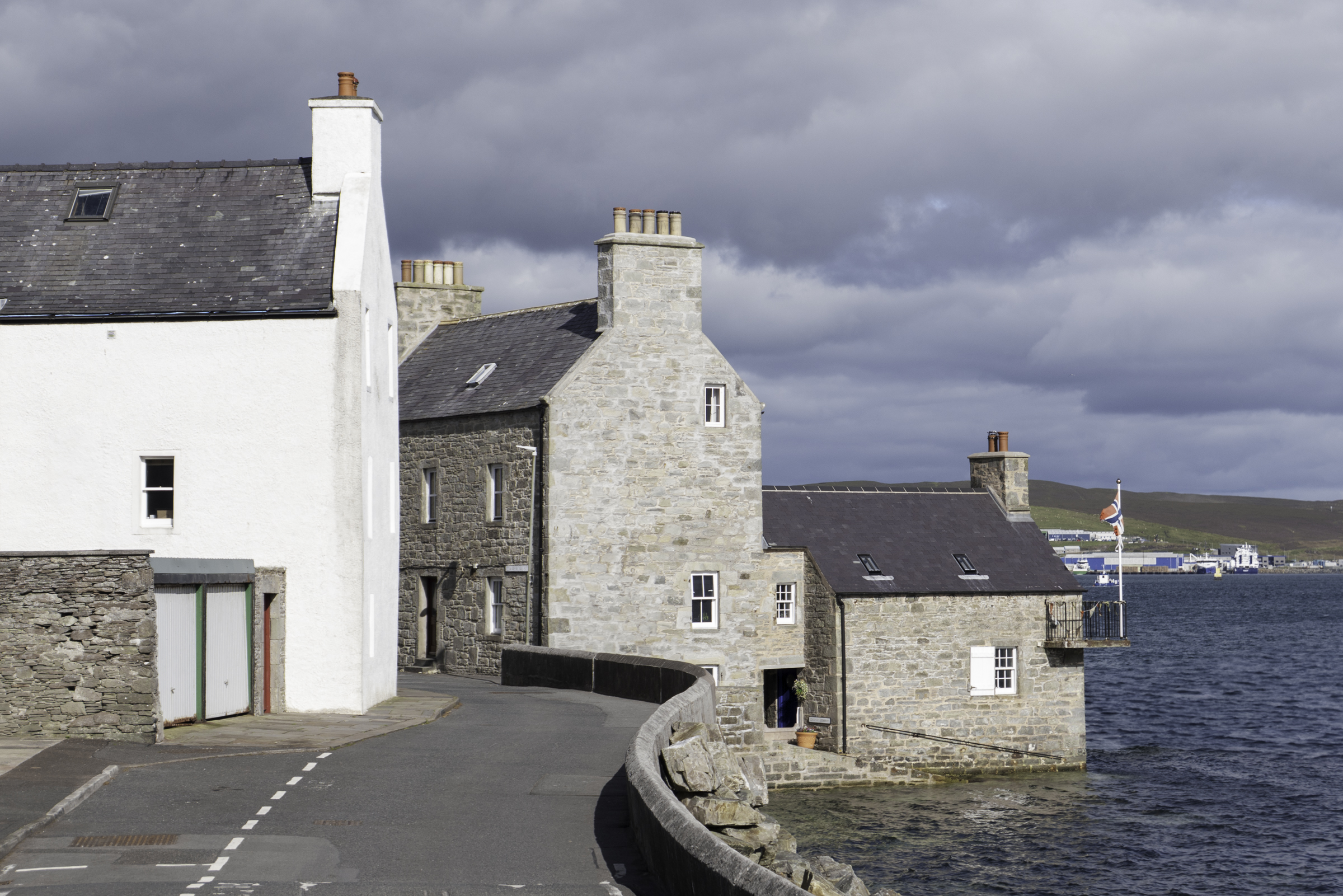
We continued walking along the shoreline, where we learned about the “lodberries”, the iconic stone houses partially in the sea on the coast of the Shetland Islands. Lodberries are thick-walled stone houses, with some sections built on foundations that extend into the water. Their ground floors often have slipways or storage areas for easy transport of cargo from boats.
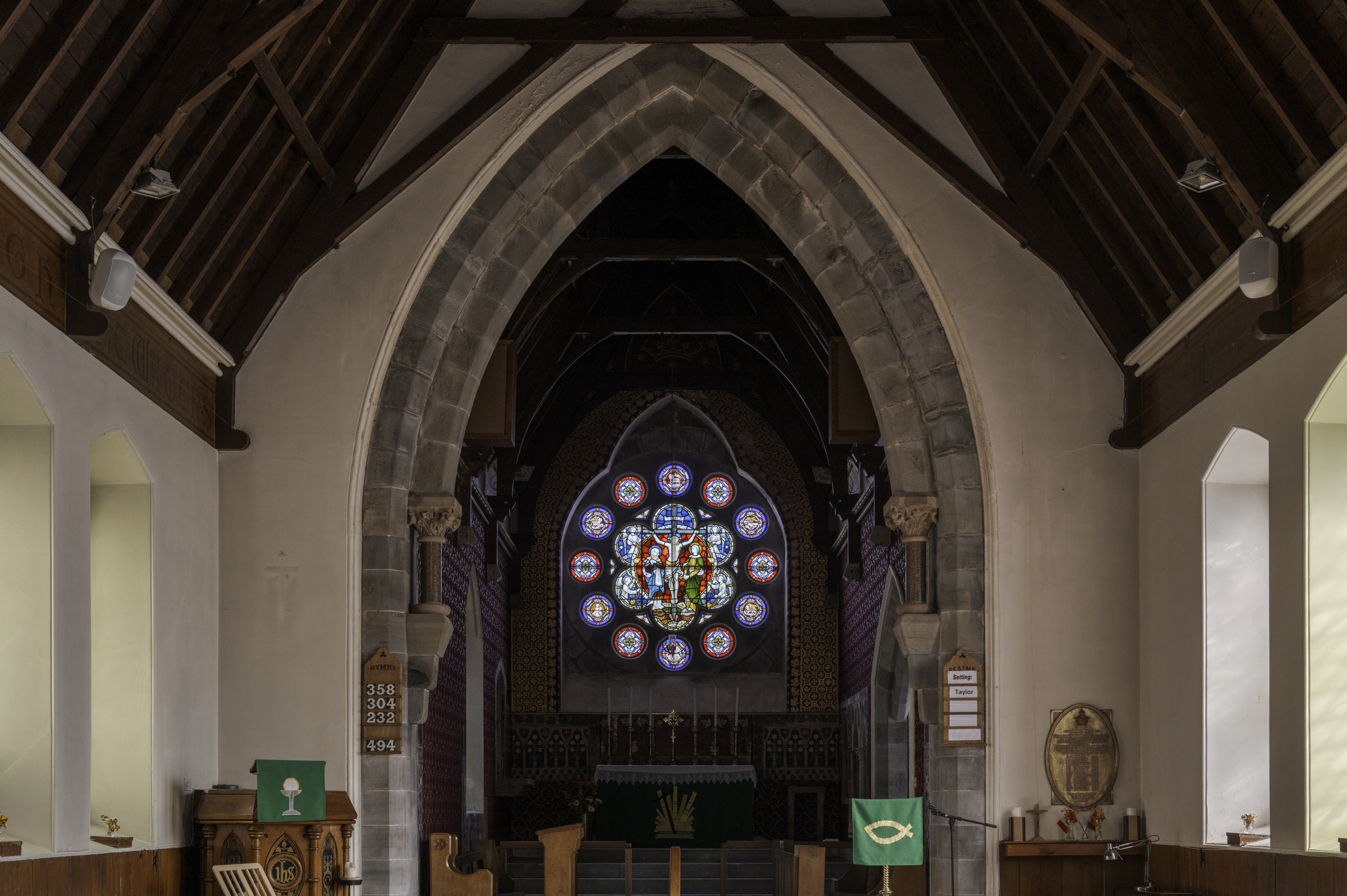
Next, we walked up the hill to St. Magnus’ Church, which has a history dating back to the mid-19th century.
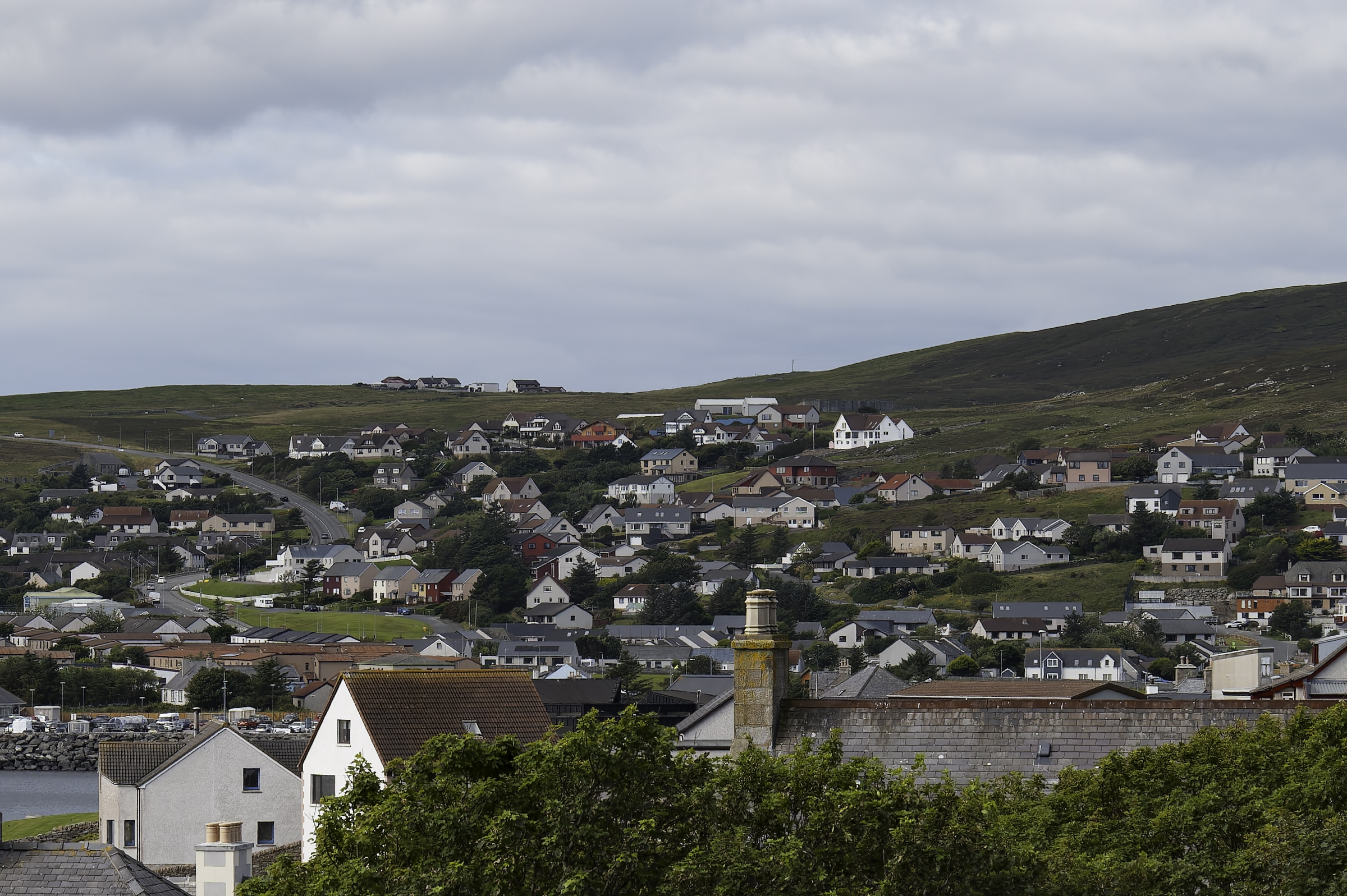
As we continued walking, we got a nice view of the newer part of the town.
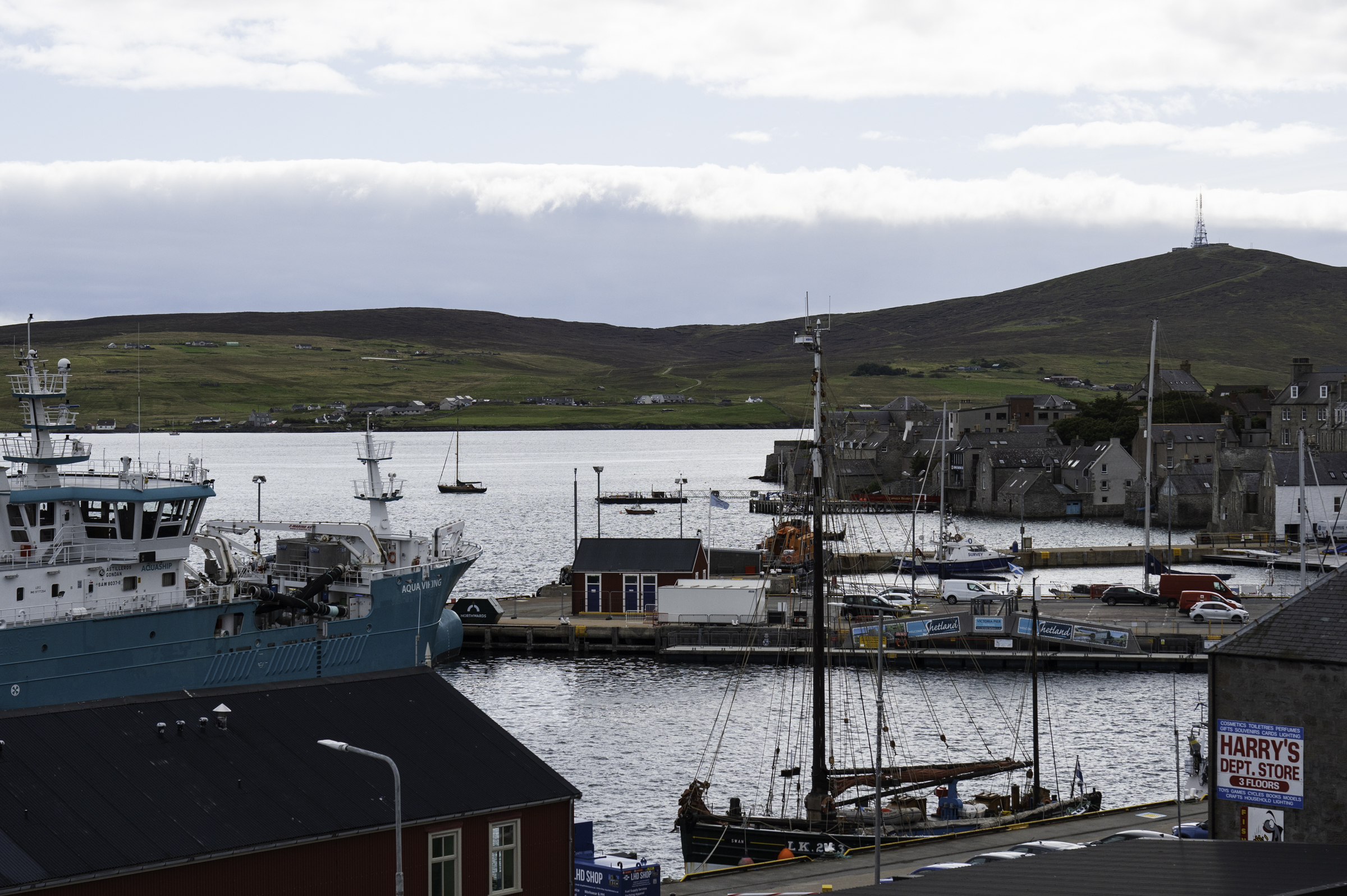
Our next stop was the ruins of Fort Charlotte, which gave us a nice view over the harbour.
The walking tour finished back in the main street of Lerwick, so we decided to walk around the town’s main streets and explore a bit.

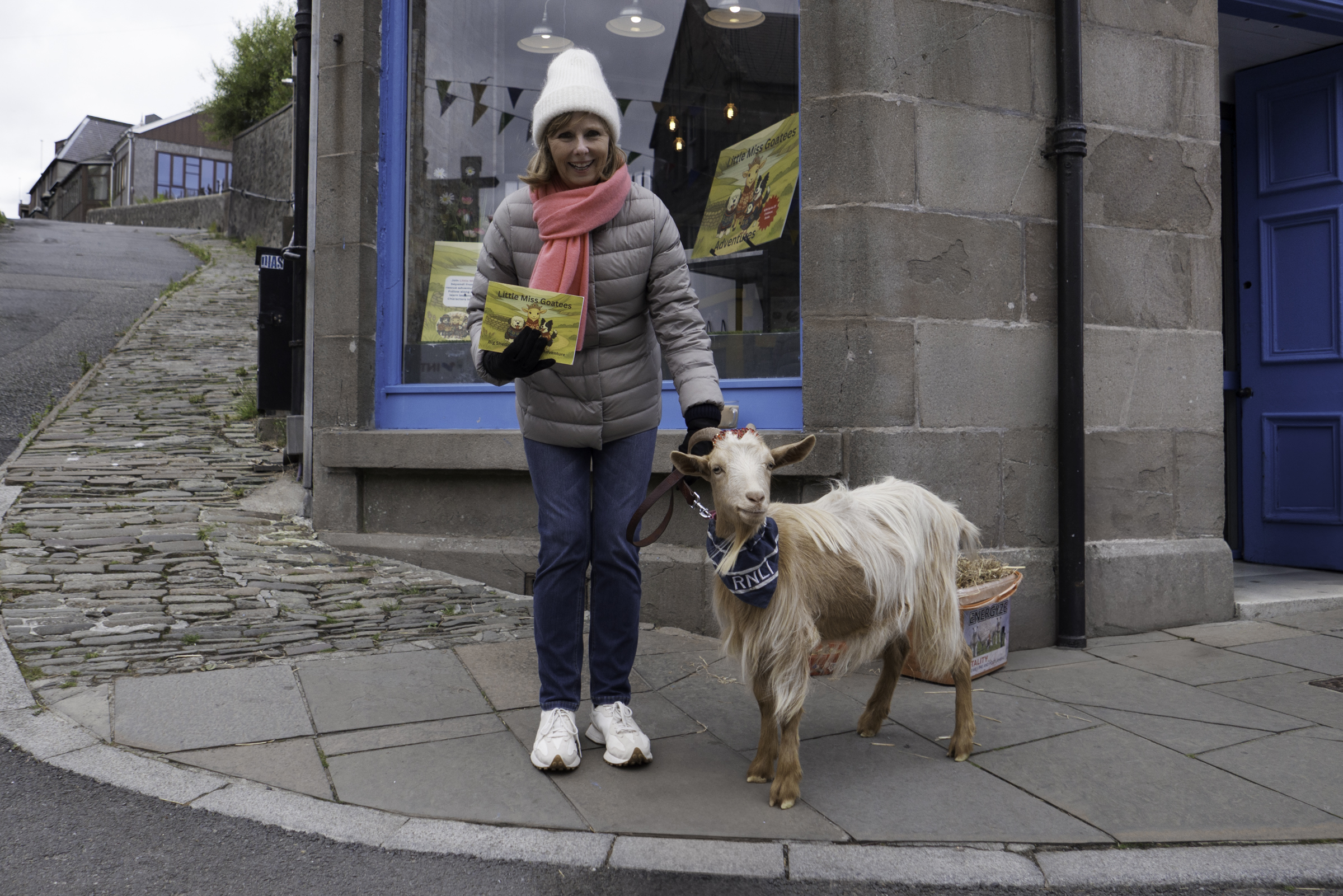
Along the way, we met a goat that was the subject of a locally-written children’s book called “Little Miss Goatees”. Of course, we had to buy a copy!
Around 1:00 pm, we walked back to the ship, and headed to the Pool Grill for some lunch.
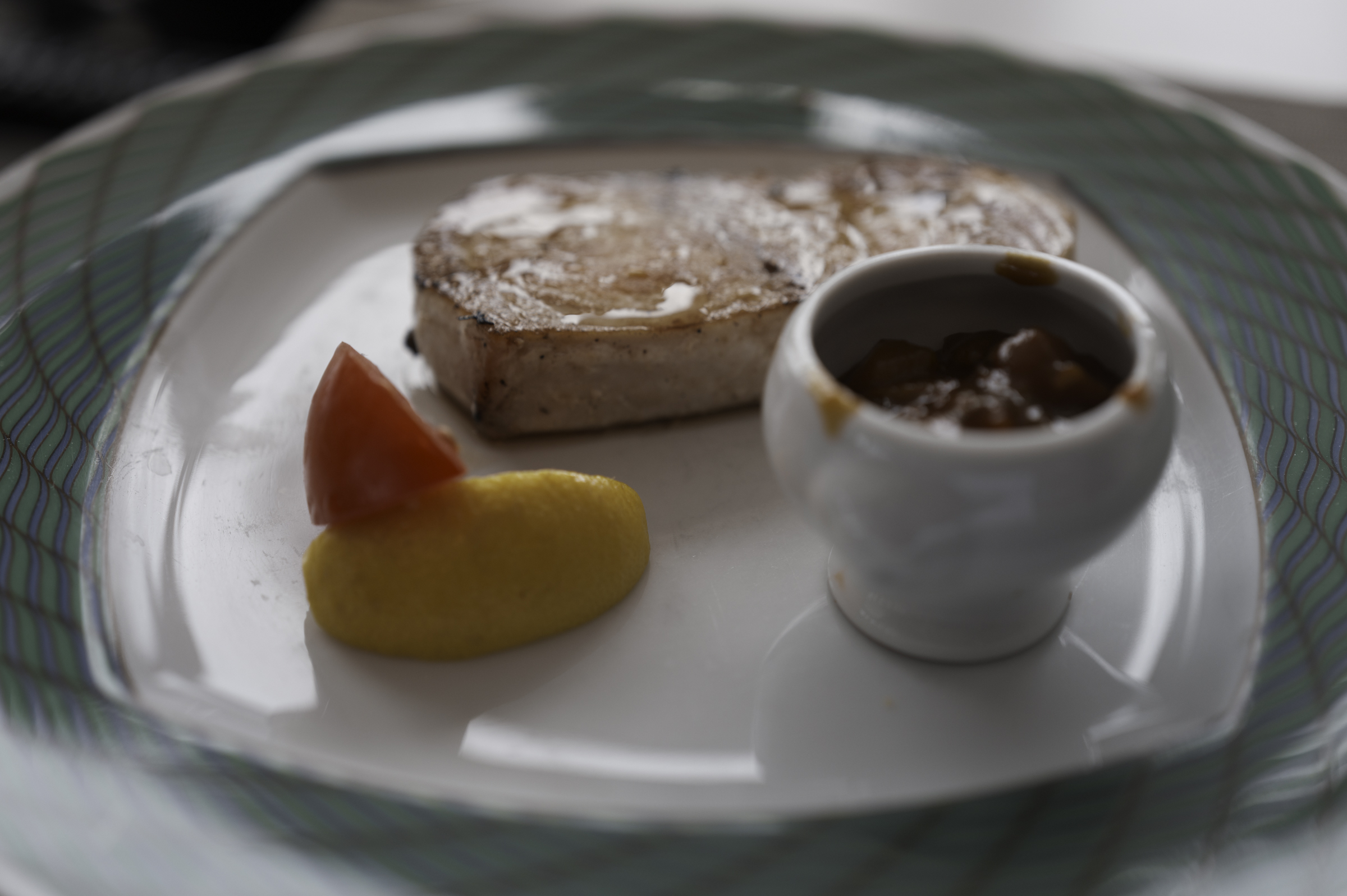
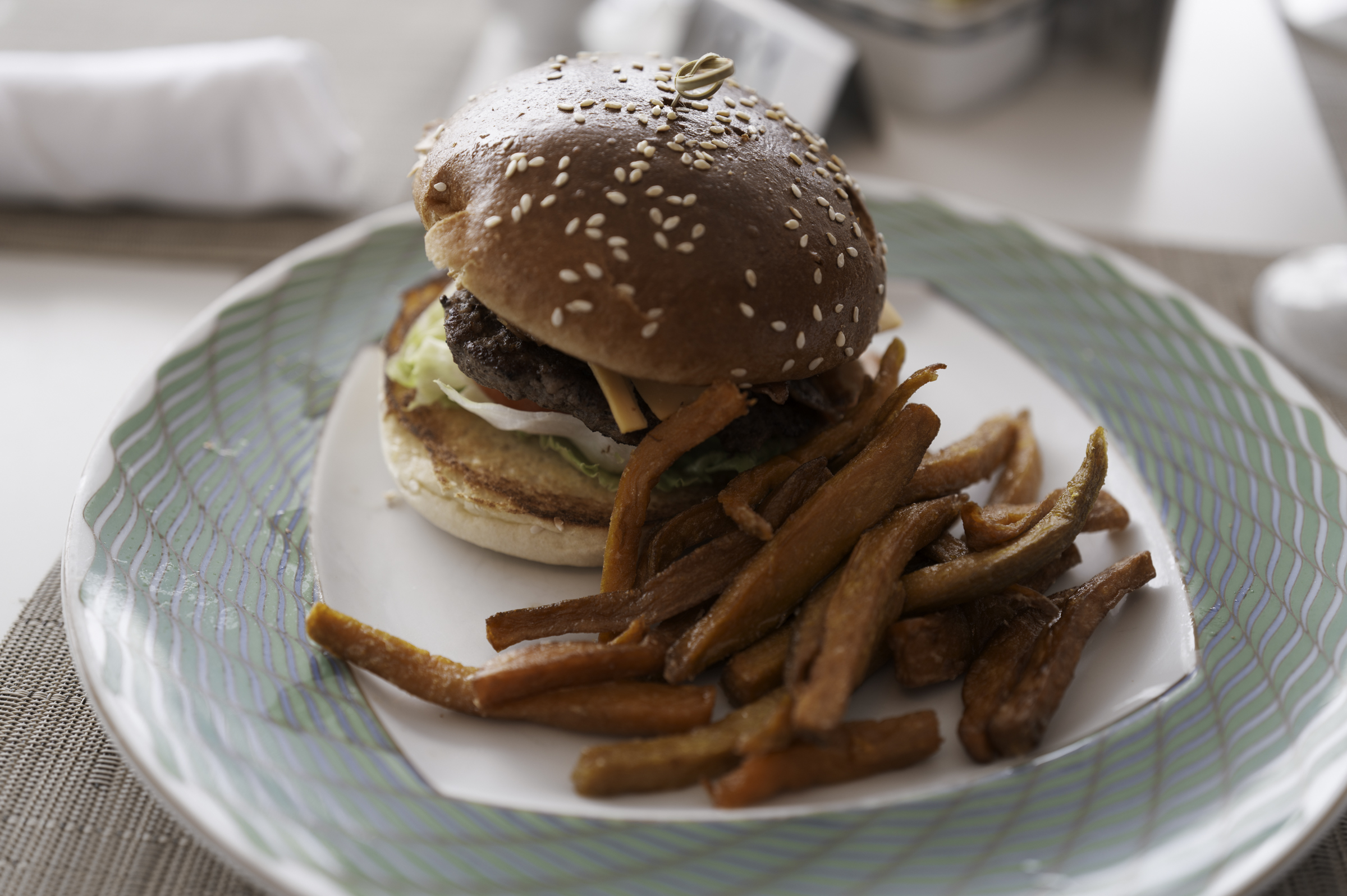
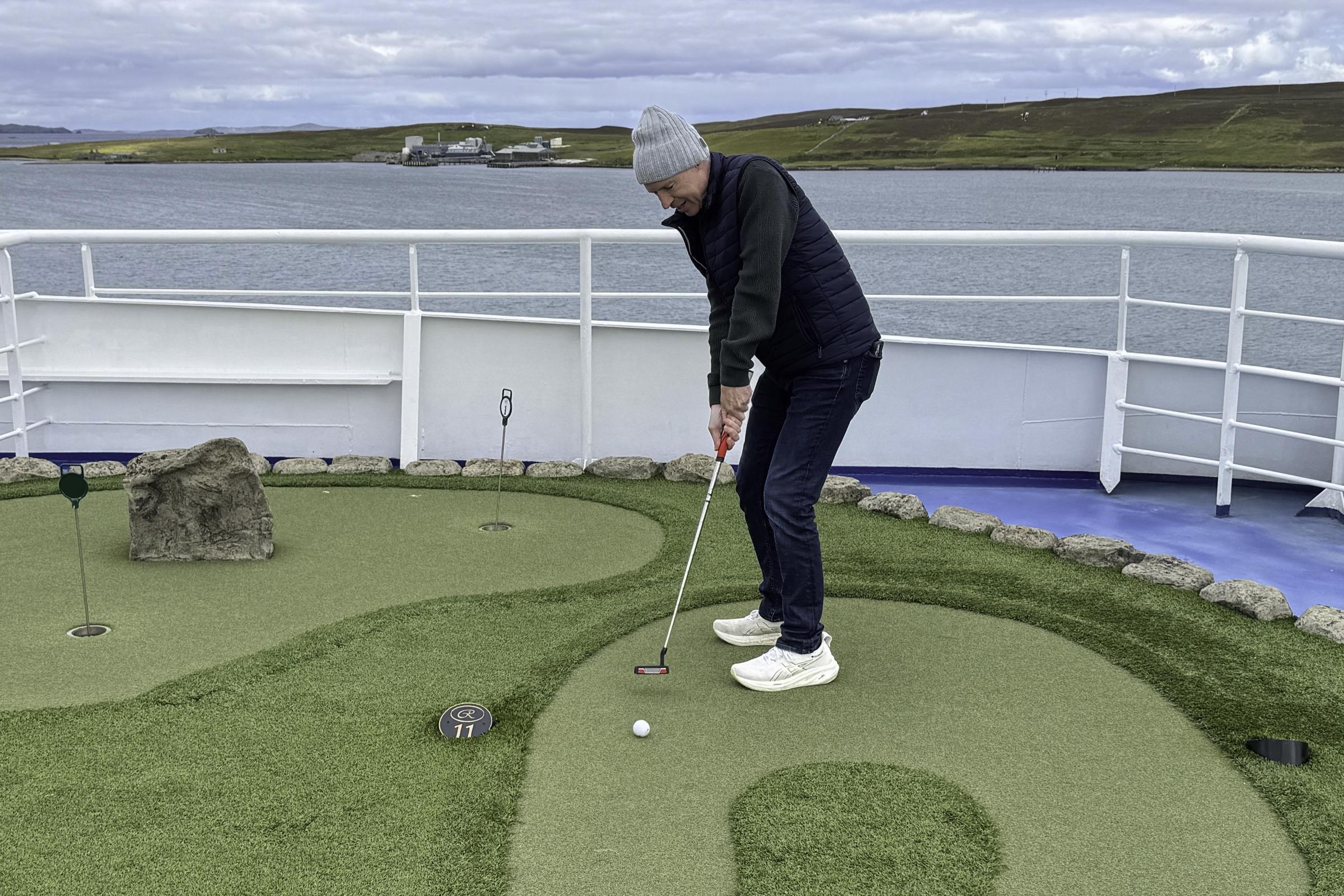
After lunch, we decided to relax for the afternoon. Keith and Peter very briefly tried out the mini-golf on the way back to our suites.
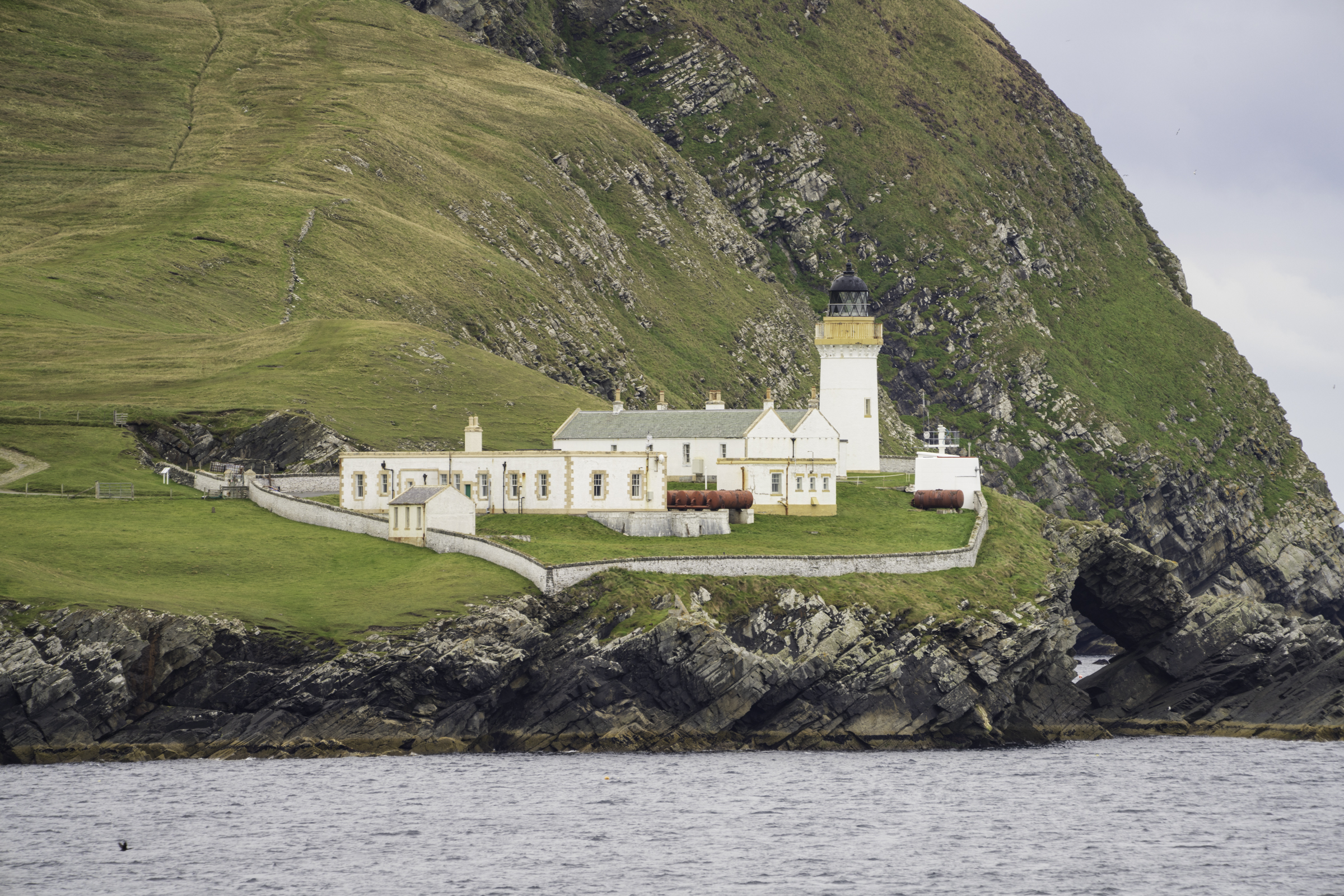
The ship departed Lerwick late afternnon. On the way out, we got a nice view of the Sumburgh Head Lighthouse. This is the oldest lighthouse in the Shetland Islands, built in 1821 by engineer Robert Stevenson at the southern tip of the mainland.
We met up with Peter and Joy for dinner at 7:15 pm at the Compass Rose restaurant, where we enjoyed a very nice dinner.
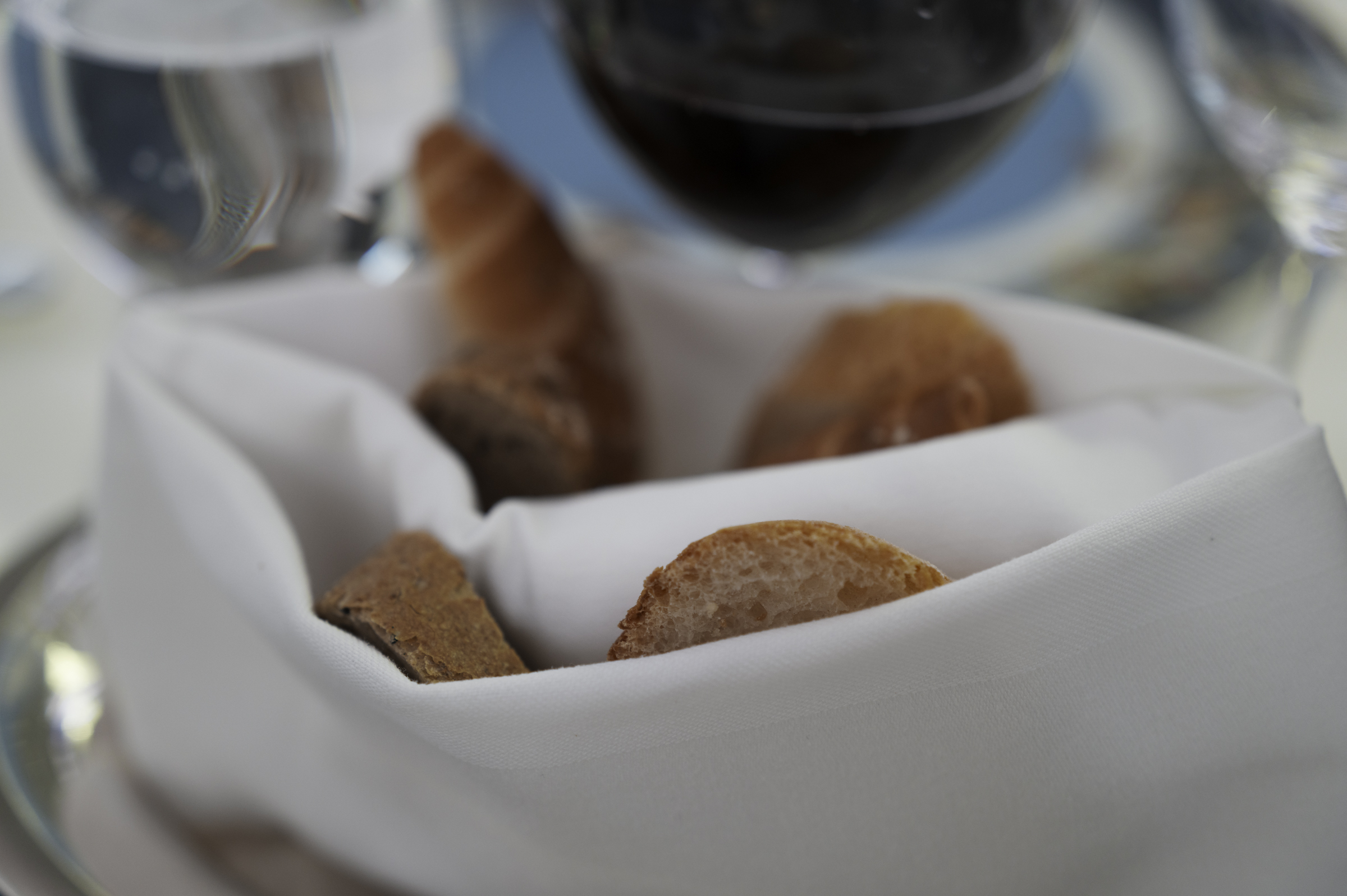
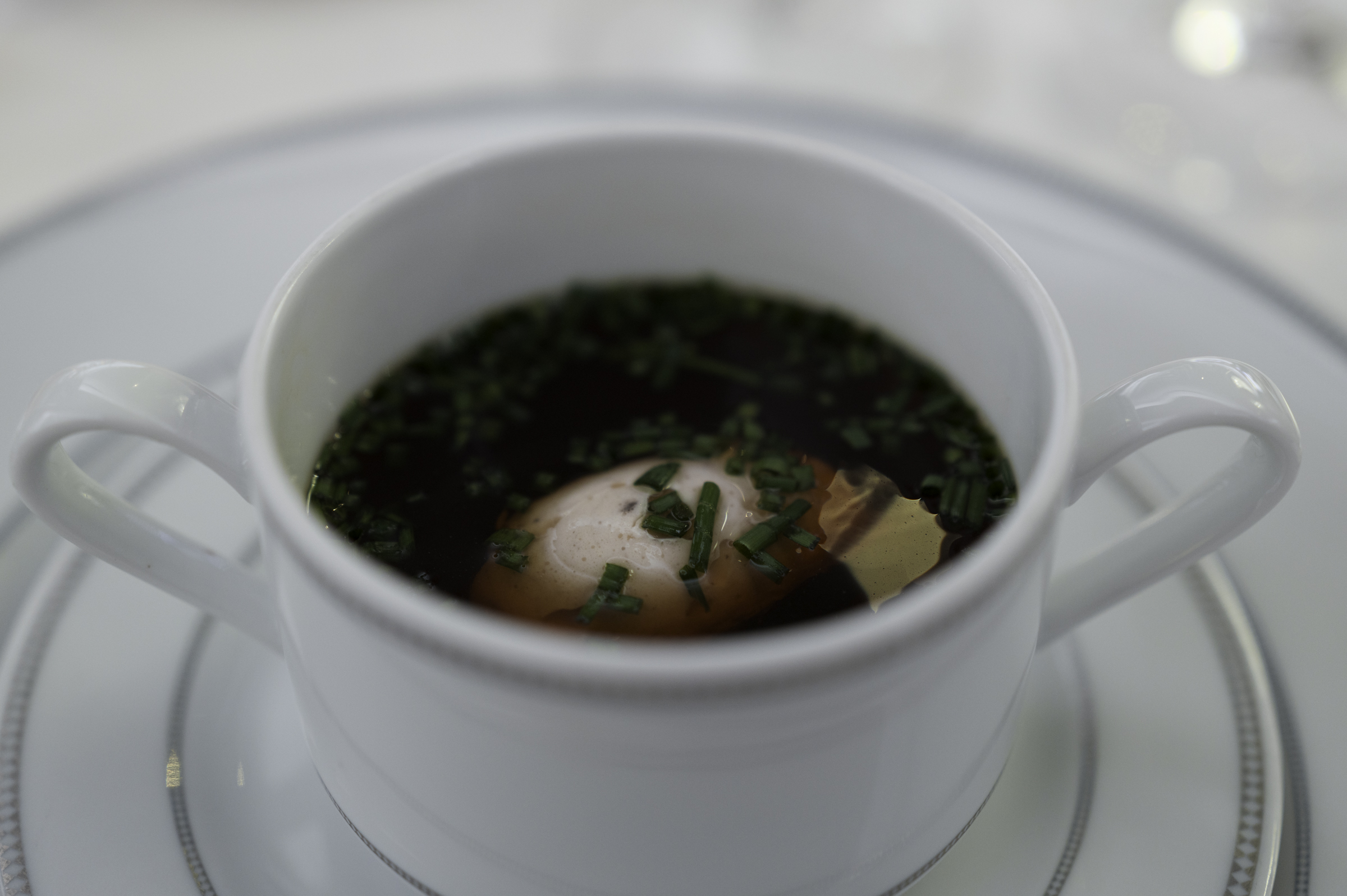
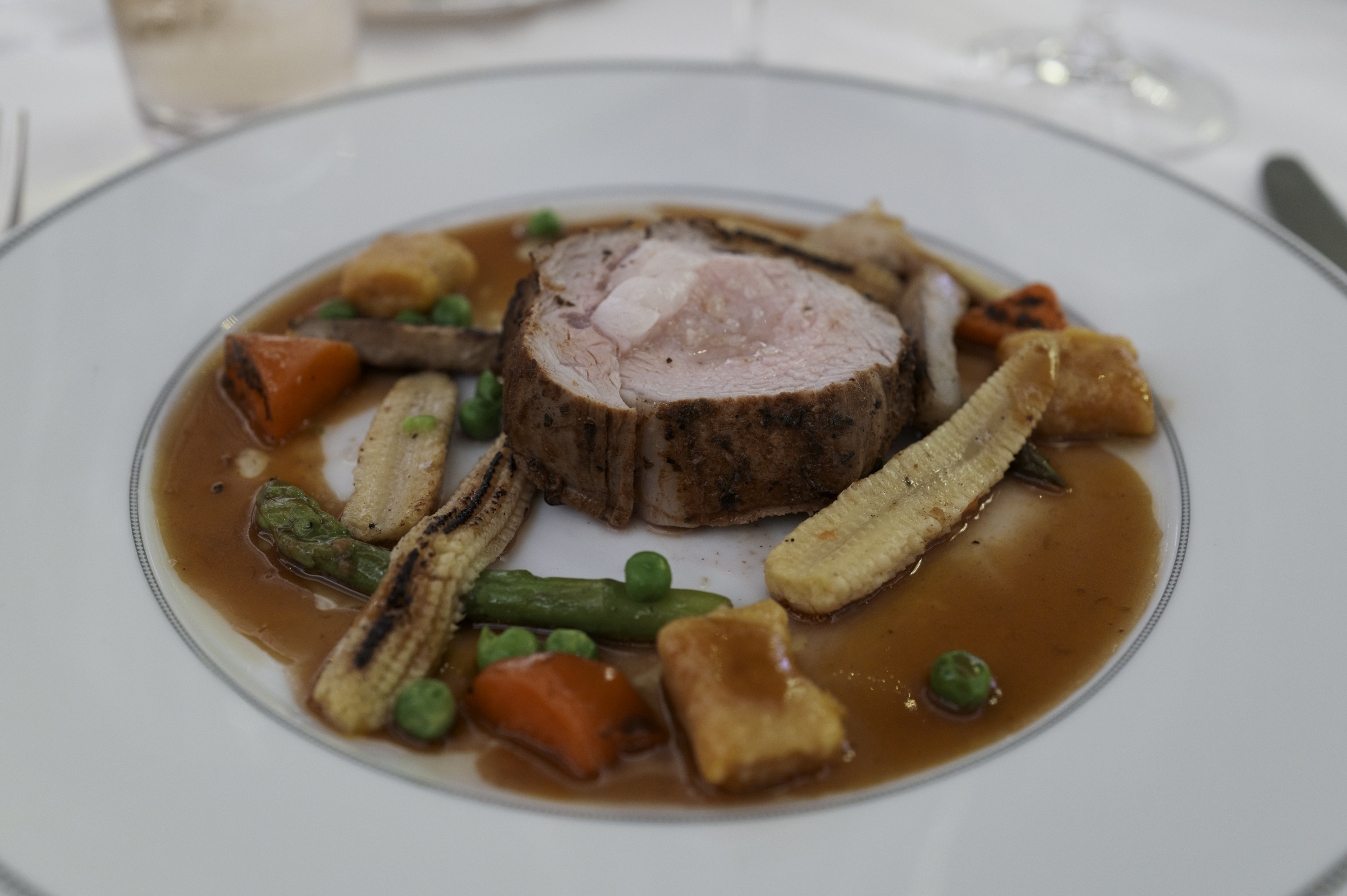
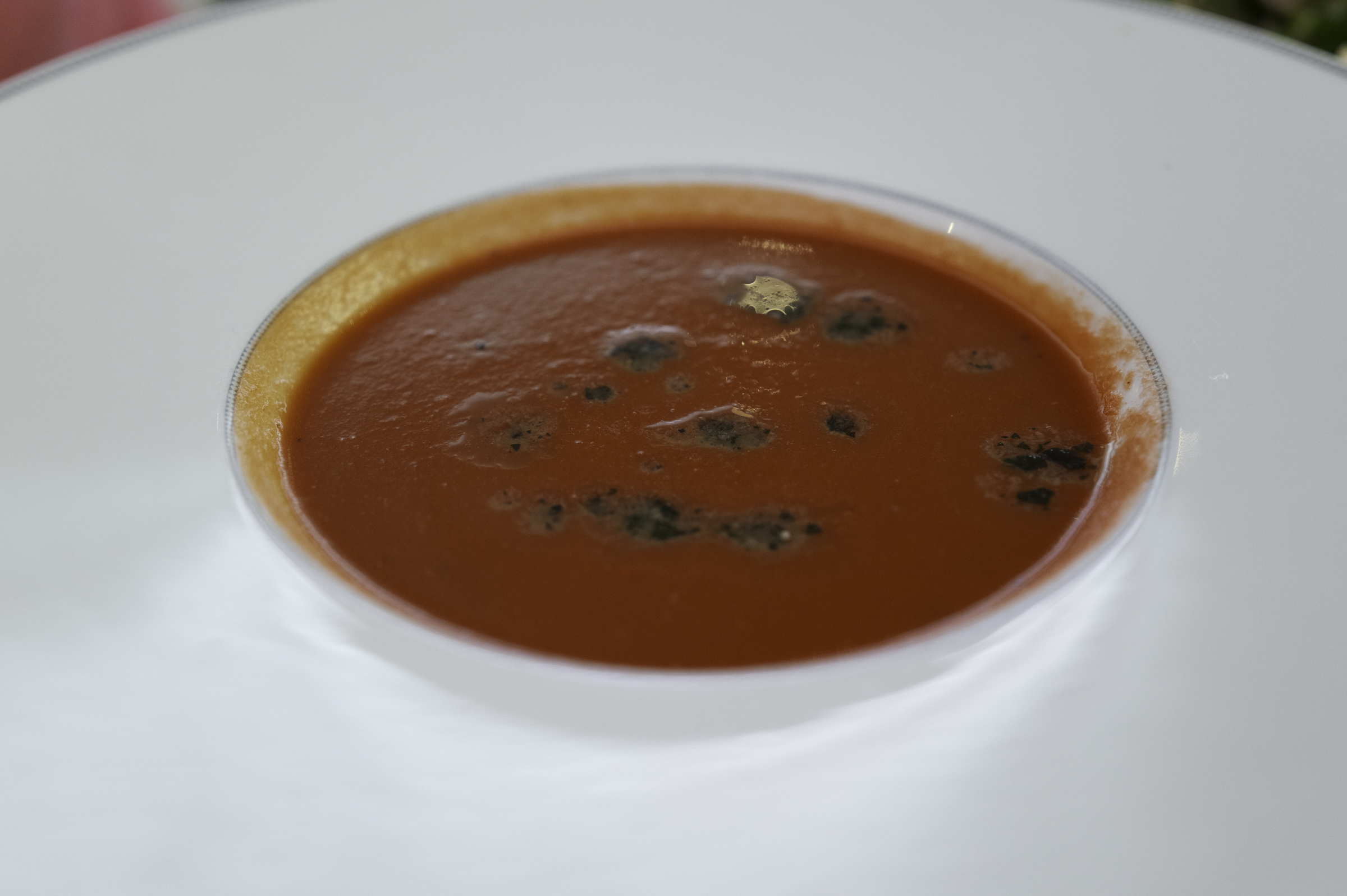
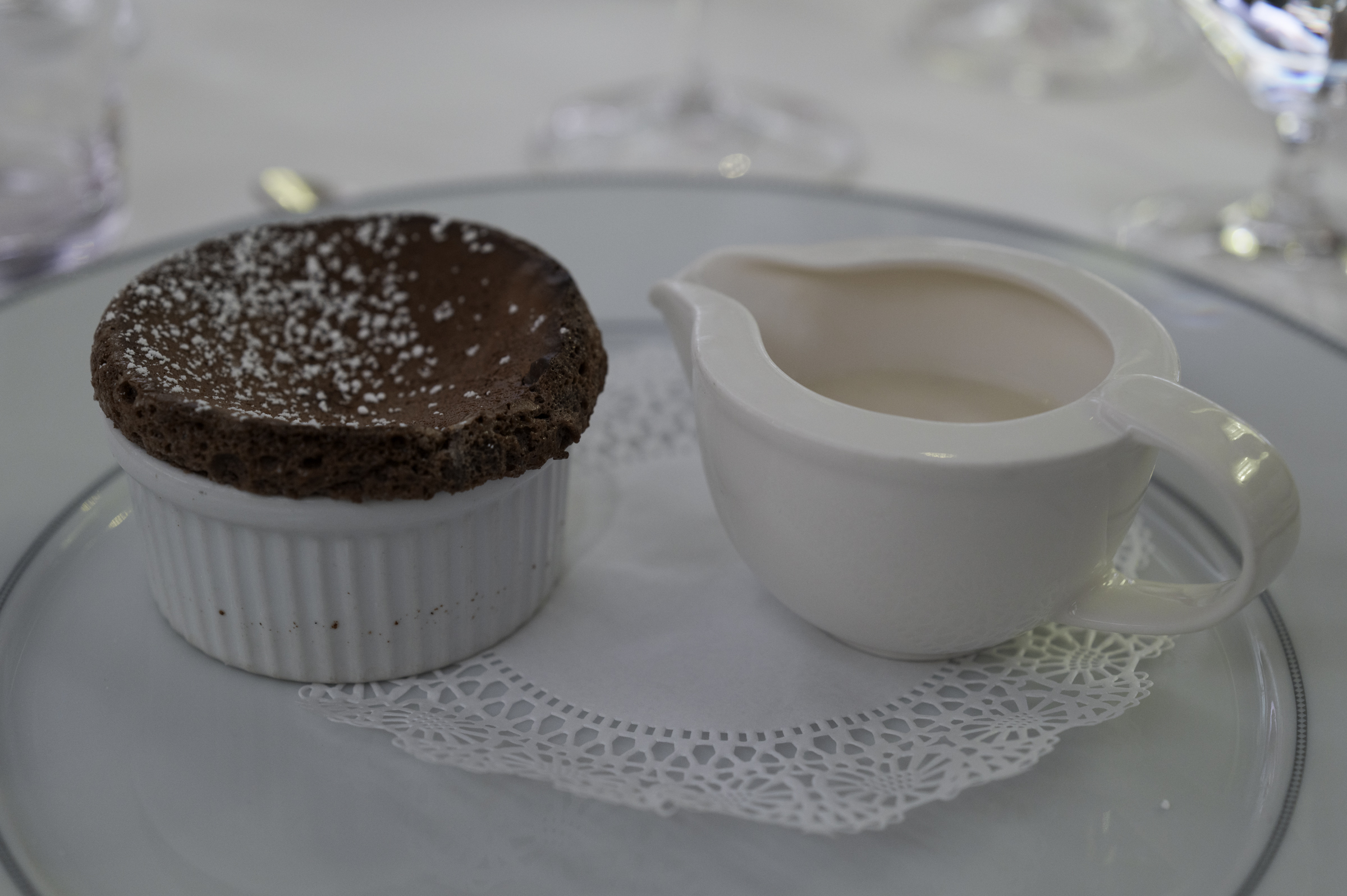
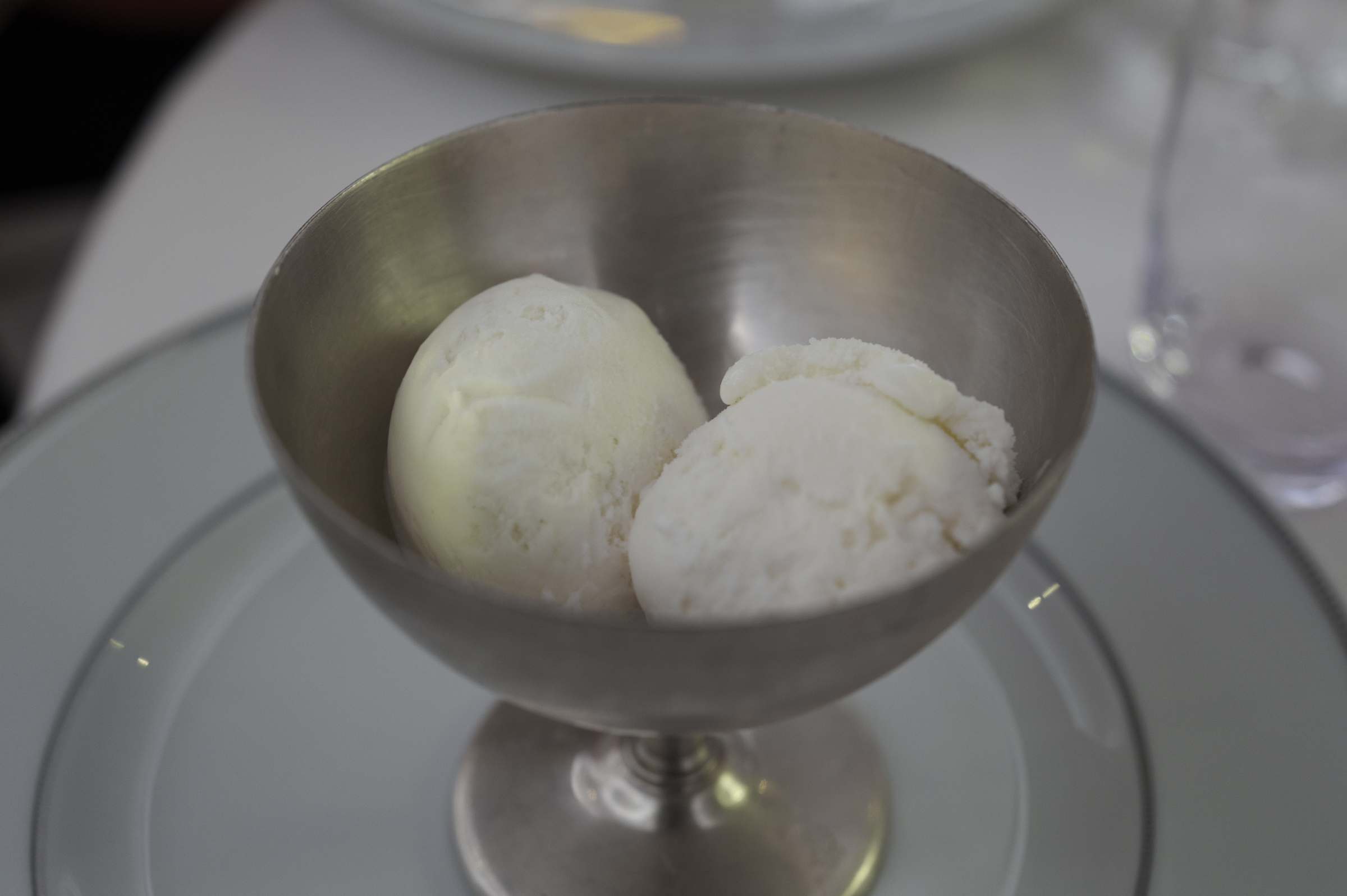
After dinner, we went to the theatre to watch the evening’s entertainment.
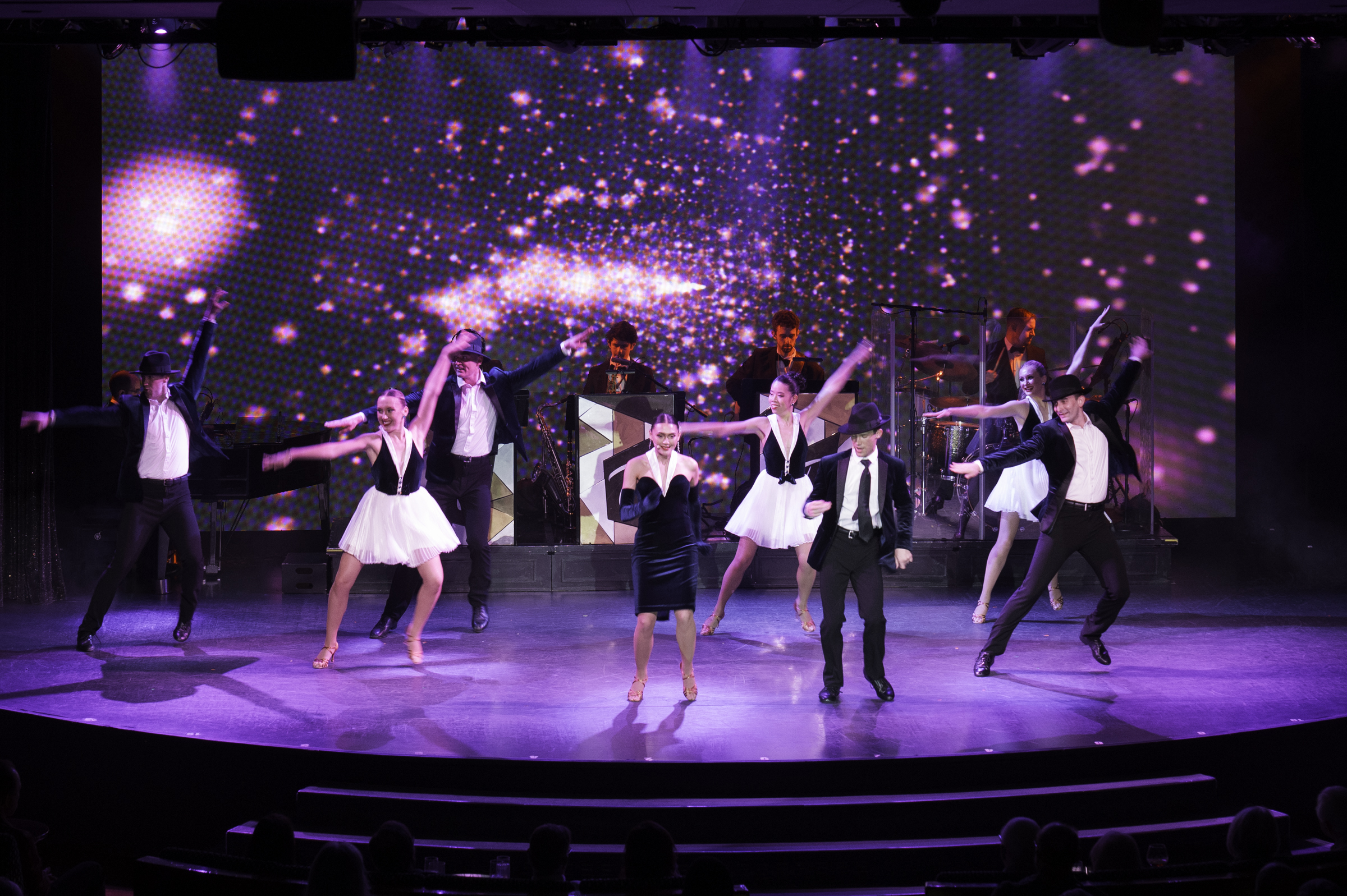
Around 10:30 pm, we said goodnight. Overnight, we’re cruising to the Faroe Islands, where we’ll be spending the day.