
Europe
Stavanger
The ship arrived this morning at about 10:00 am in the city of Stavanger, on Norway’s southwestern coast. With nothing planned for the morning, we took advantage of the opportunity to have a sleep-in and a leisurely start to the day.
Around midday, we headed to Coffee Connection to grab a quick bite to eat before going ashore.

While we were having breakfast, we met a lovely lady named Turid, who was a local Stavanger resident who had come aboard to provide local knowledge of the city. Turid was just delightful, and we really enjoyed chatting with her (about Stavanger and all manner of other things!).

After exchanging contact details with Turid, we left the ship to explore the town, whose history dates back to the Middle Ages.
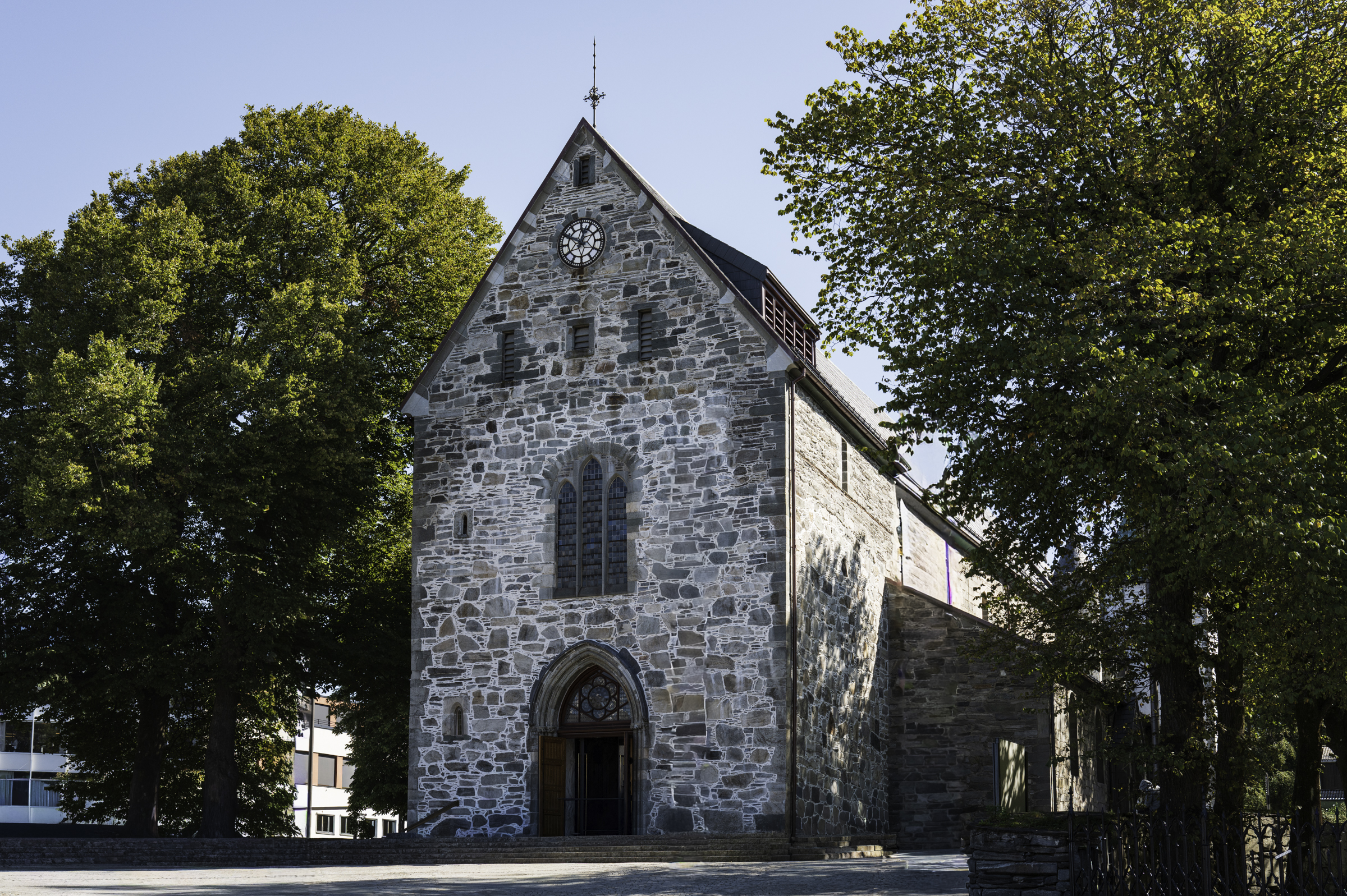
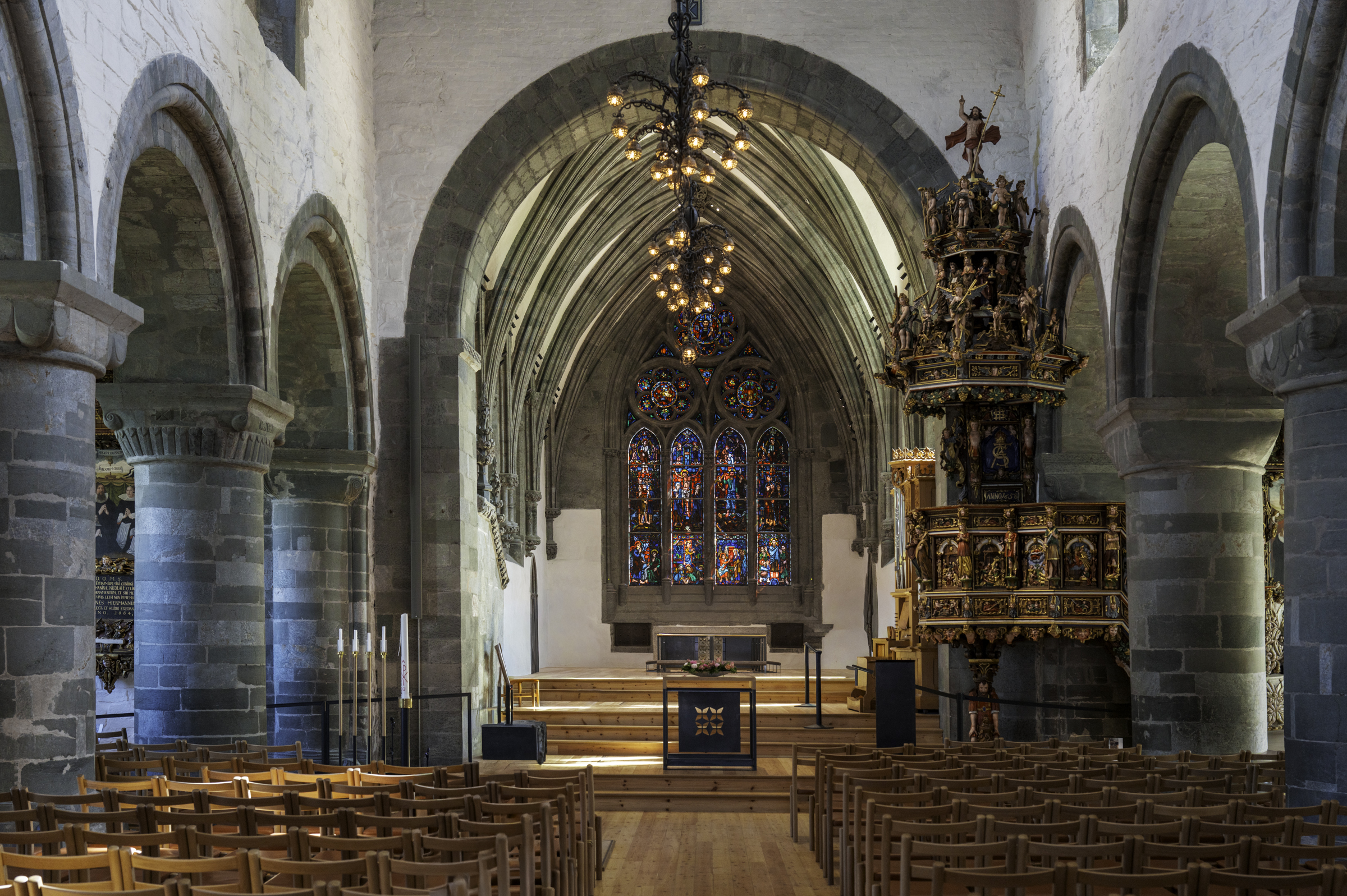
Our first stop was the beautiful Stavanger Cathedral. Built atop remnants of an older Viking-age settlement, it was founded around 1125 by Bishop Reinald of Winchester and dedicated to St. Swithun. It was constructed in the Anglo-Norman style before Gothic elements we added after a city-wide fire in 1272.
In the cathedral, we lit a candle for our dear neighbour, Fred, who passed away yesterday. We paused to reflect on the good times we had with Fred, and think of Denise and family back home.

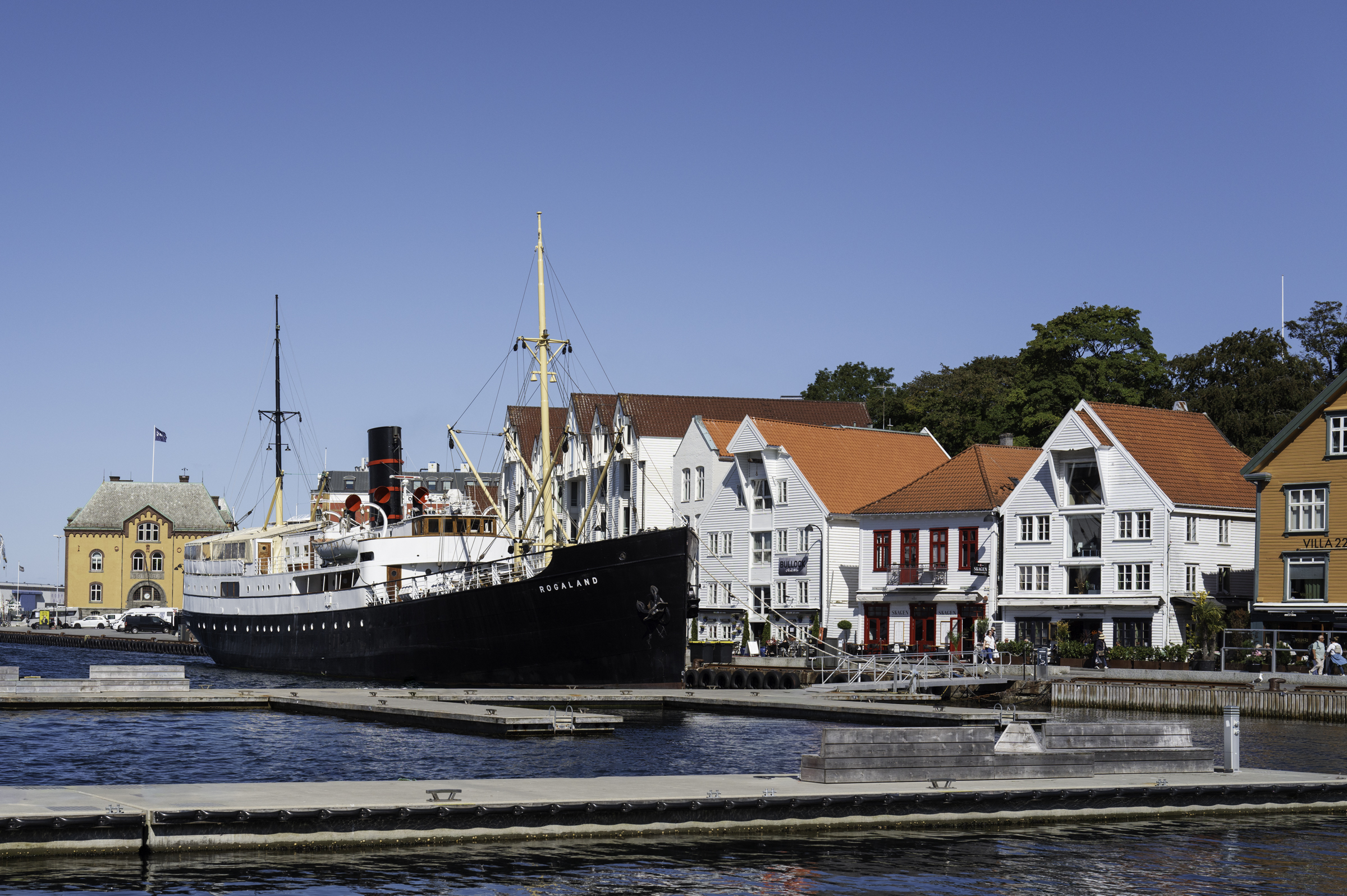
After visiting the cathedral, we wandered through the beautiful streets of the eastern side of Vågen, the inner harbor area of Stavanger.
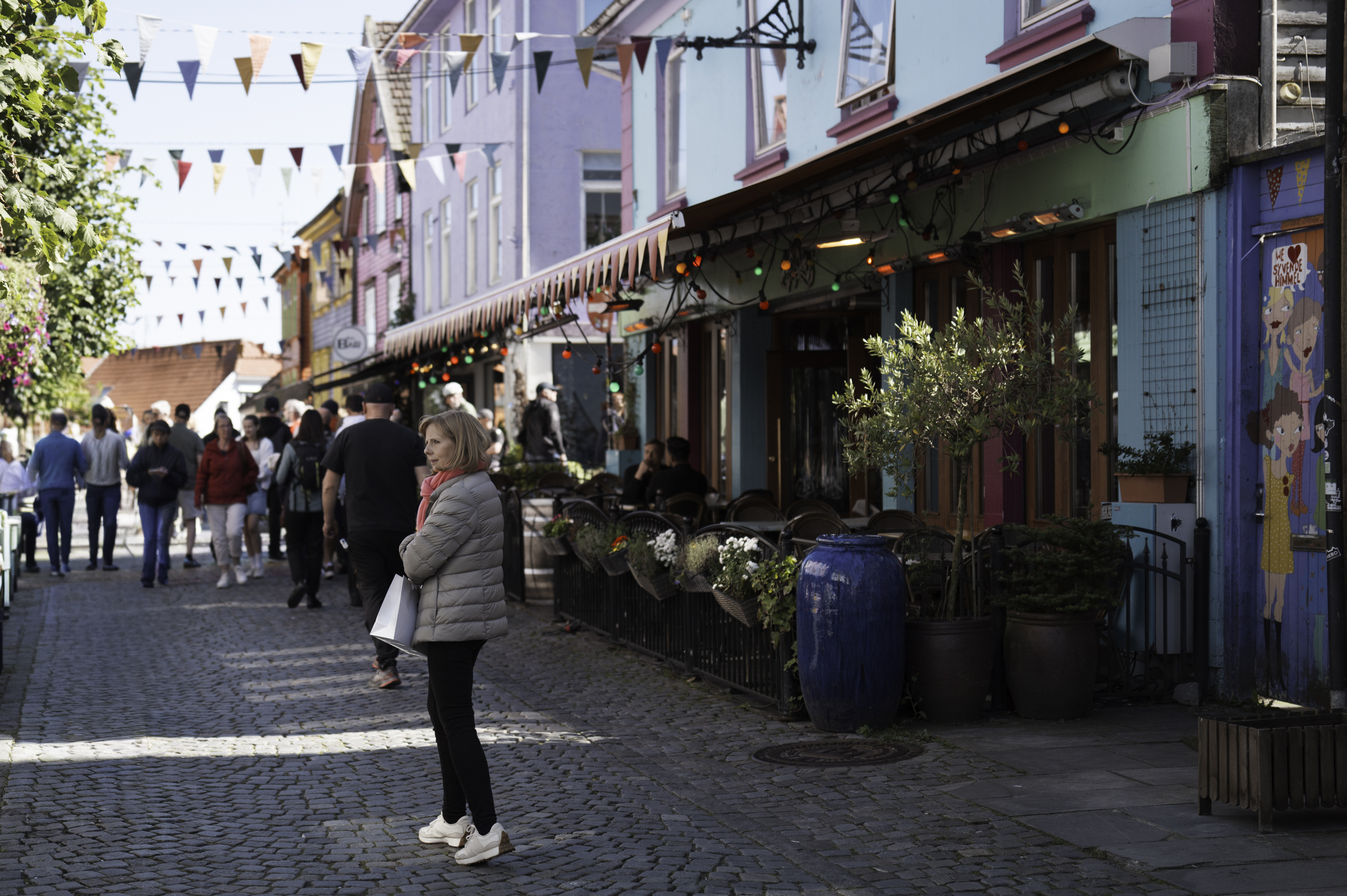
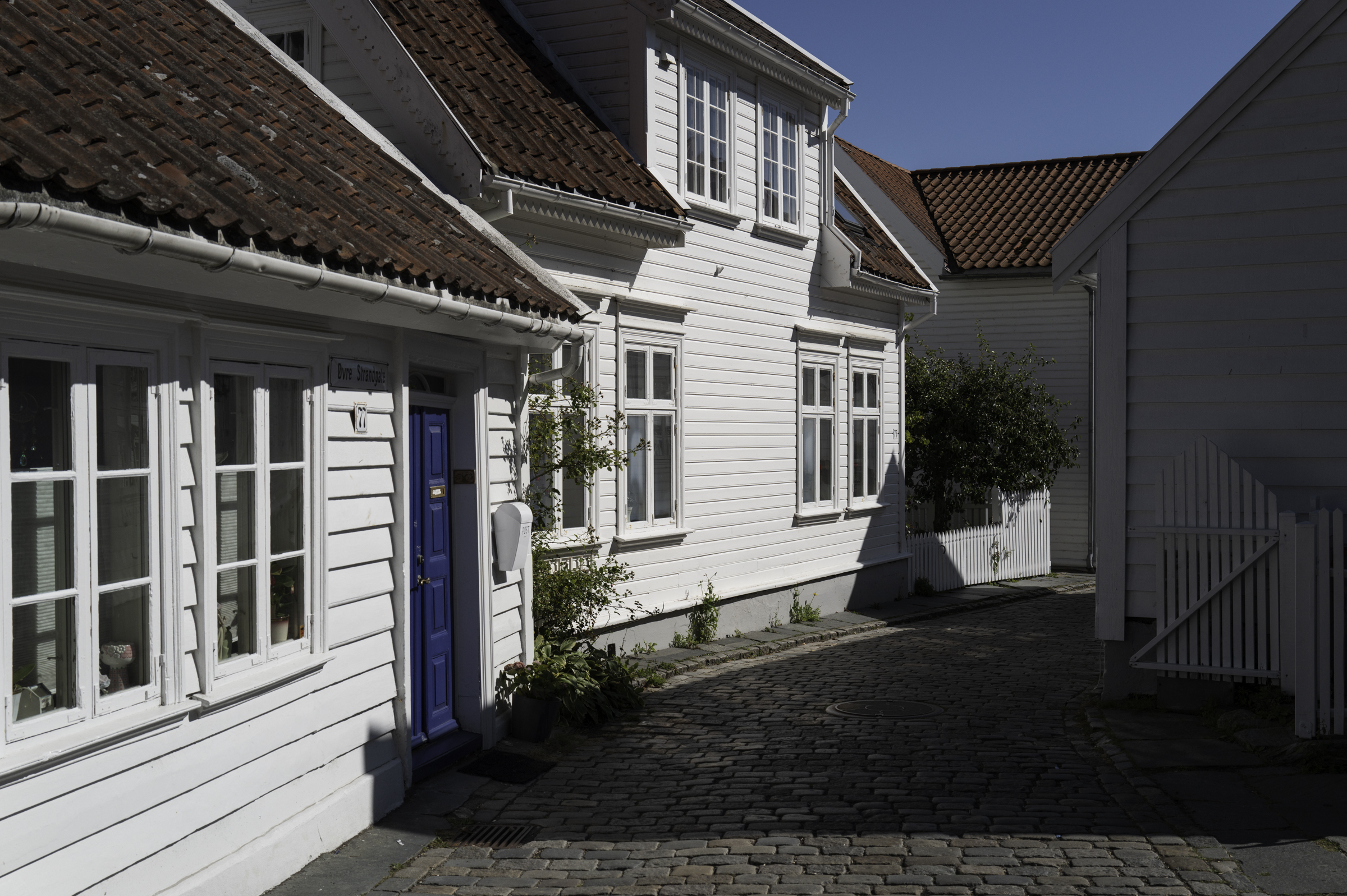
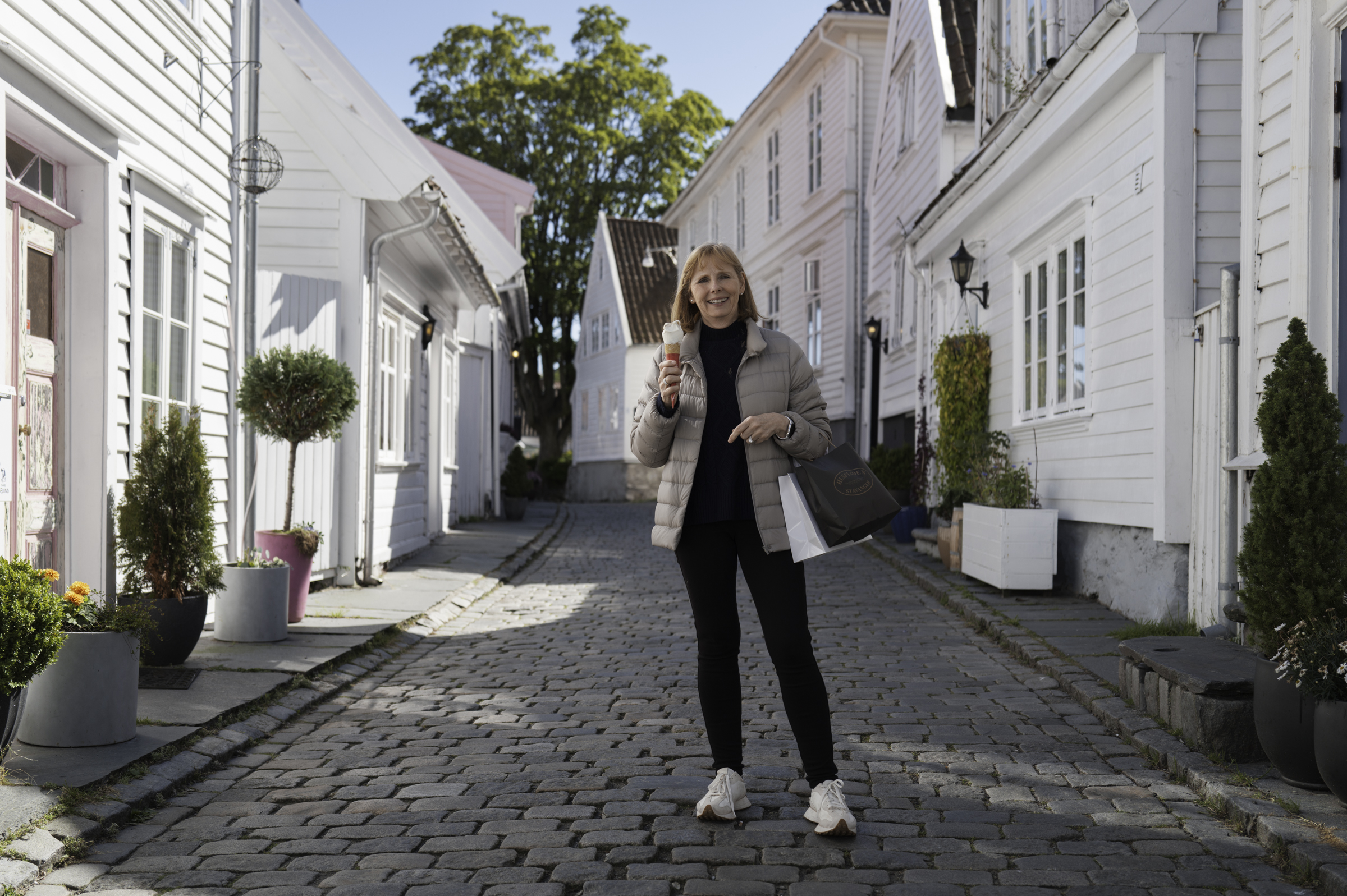
Next, we headed for Gamle Stavanger, a beautiful historic area of the city. This old town boasts Europe’s largest collection of protected white wooden houses. These houses were built in the 18th century and at the beginning of the 19th century. In the aftermath of World War II, these wooden houses were slated for demolition, to be replaced with new concrete buildings. But after strong objections were raised, the municipal council voted to conserve the buildings on the western side of Vågen. Gamle Stavanger has grown to include more than 250 buildings, most of which are small, white wooden cottages.
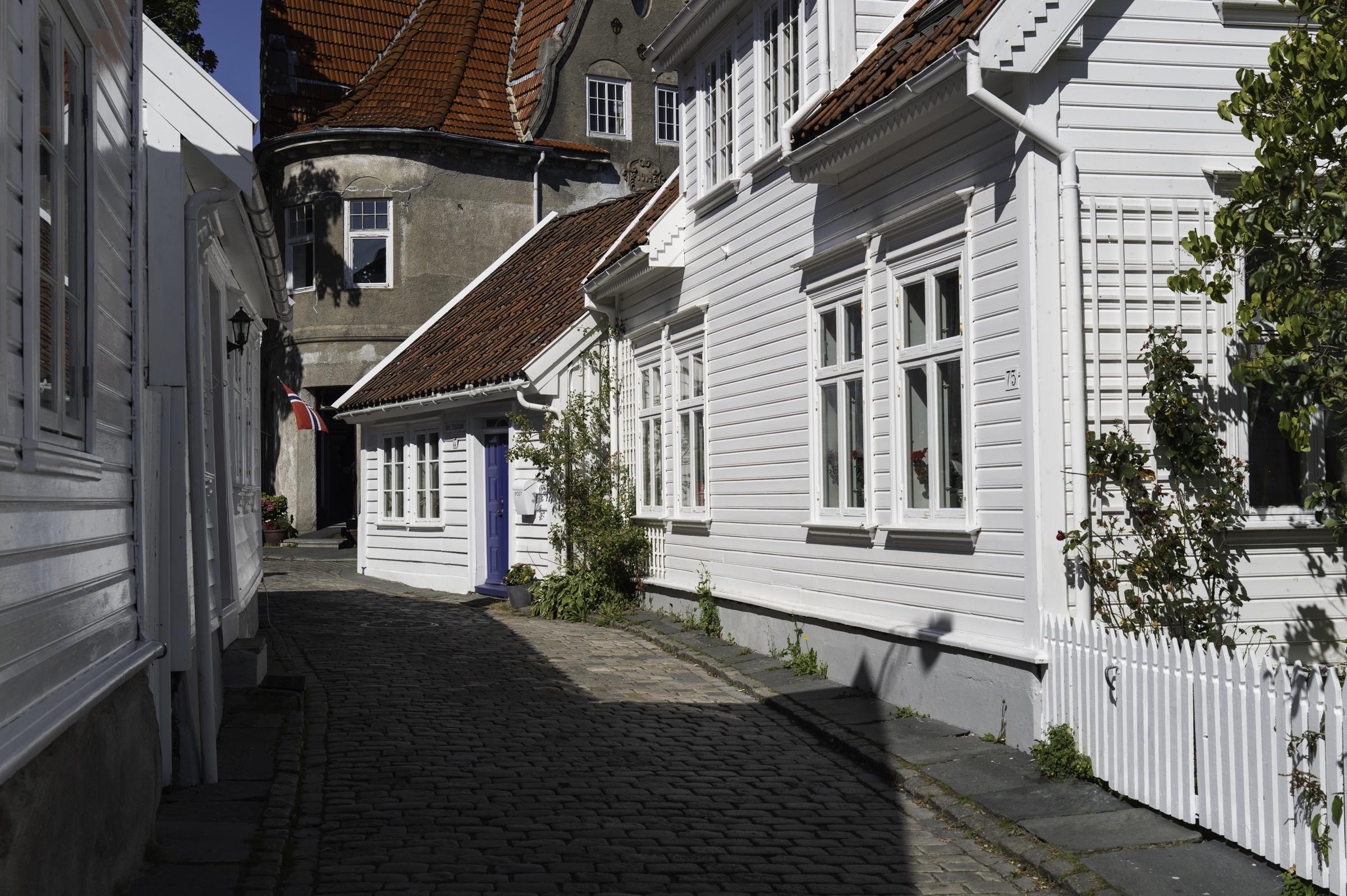
Aside from just wanting to see Gamle Stavanger, we wanted to visit IDDIS, a colocation of the Norwegian Printing Museum and the Norwegian Canning Museum. Initially, it’s not obvious why these two museums are housed together. However, there is a historical connection that makes this quite logical. The word “iddis” is the Stavanger term for labels on cans. In the local dialect, the word “label” became “iddikett”, which was later simplified to “iddis”. The two museums share a common industrial history, since the growing fish-canning industry in Stavanger drove the need for a supporting printing industry.
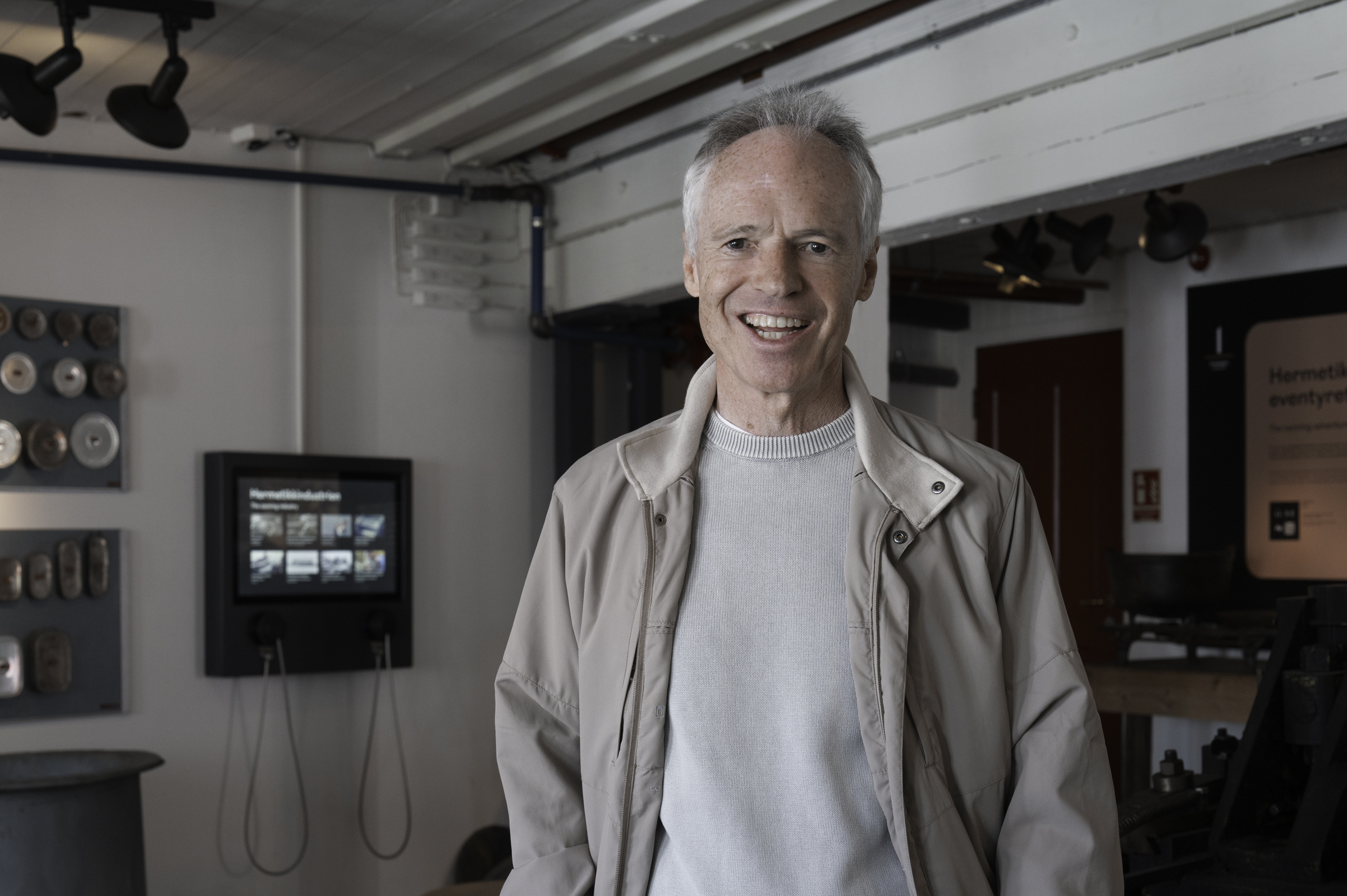
We had a lovely guided tour through the cannery, with a Stavanger local who had also lived in Melbourne!


After leaving the museums, we walked more around the beautiful houses.
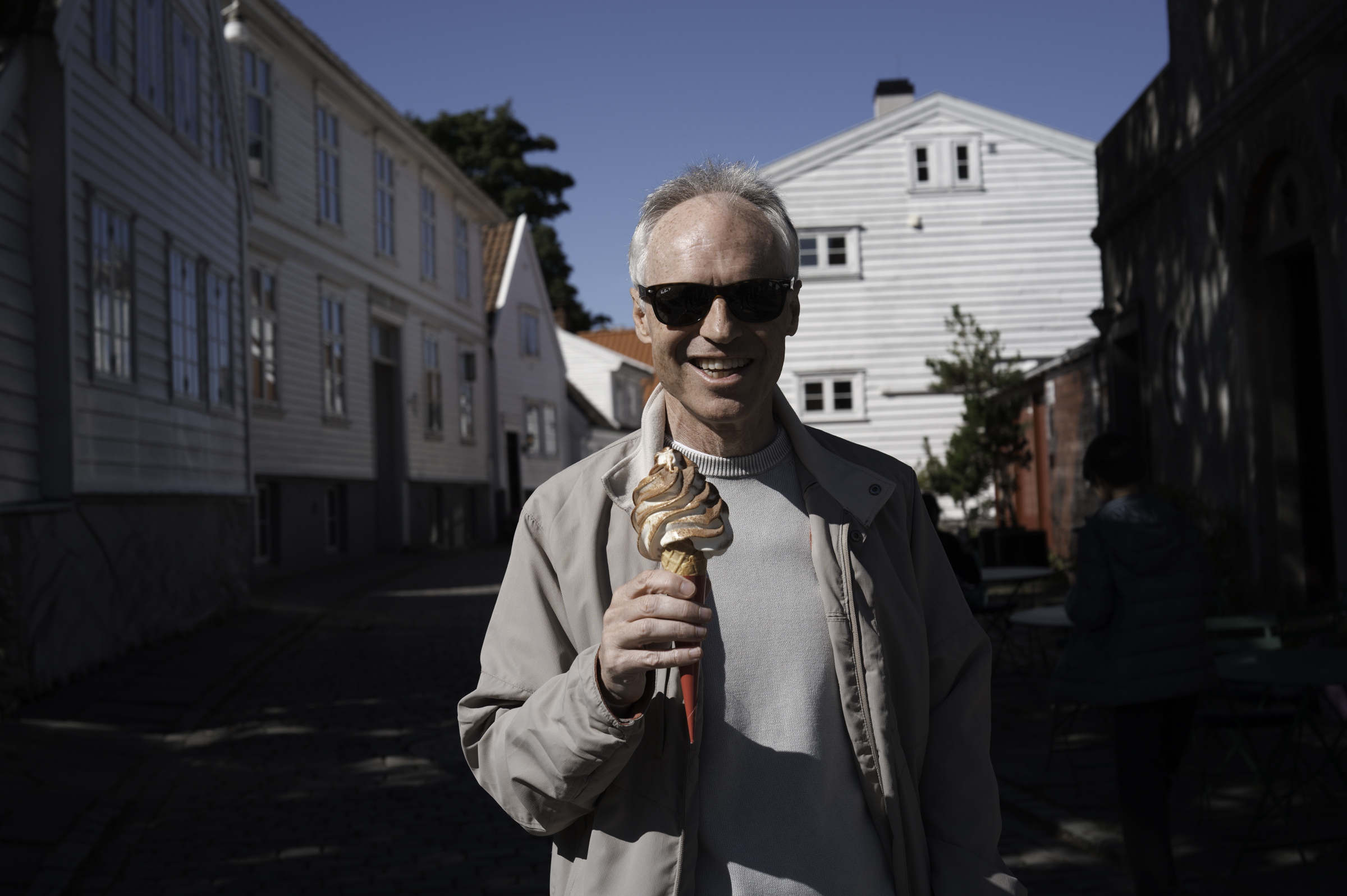
Around 3:00 pm, we stopped to get an ice-cream to eat on our walk back to the ship.
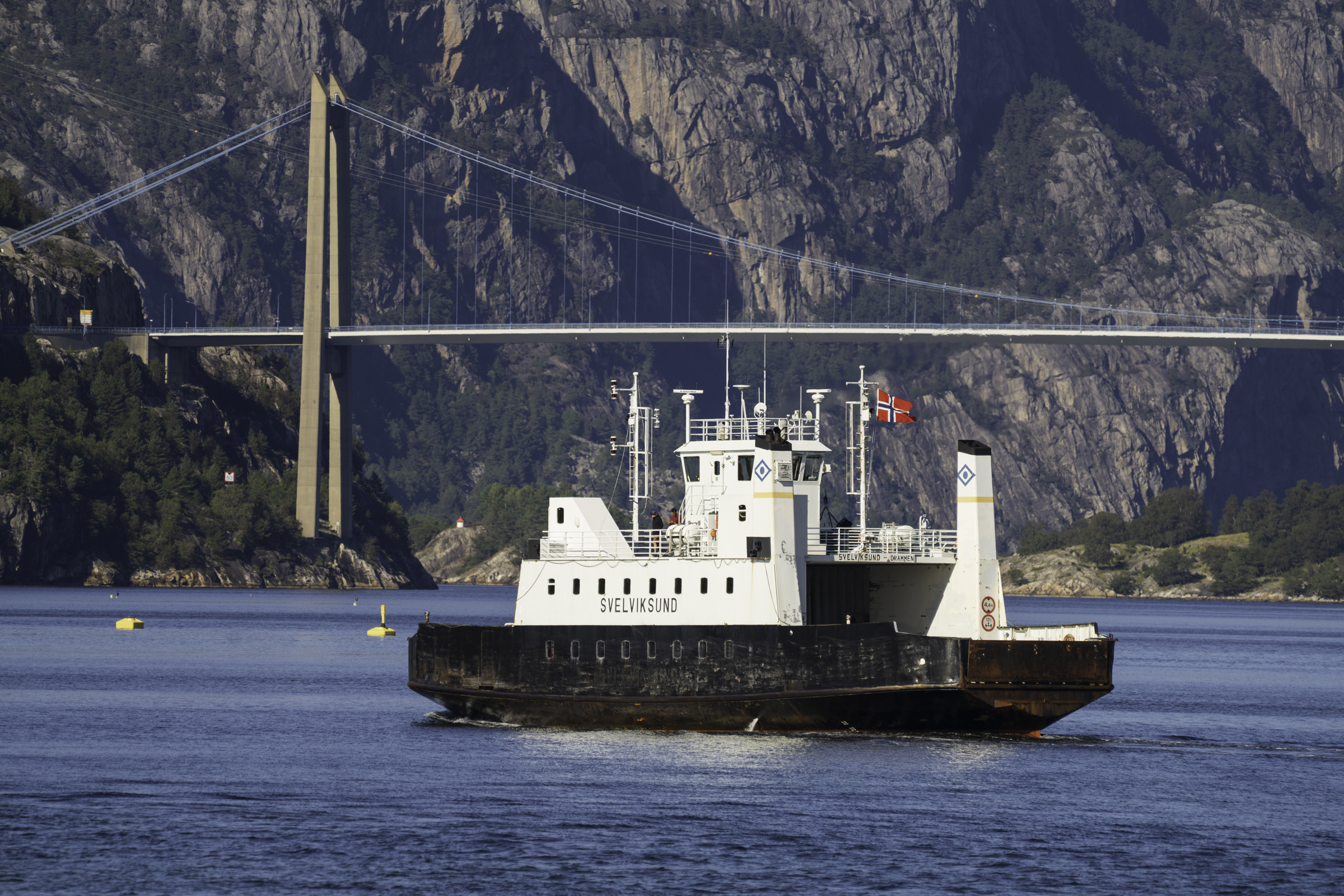
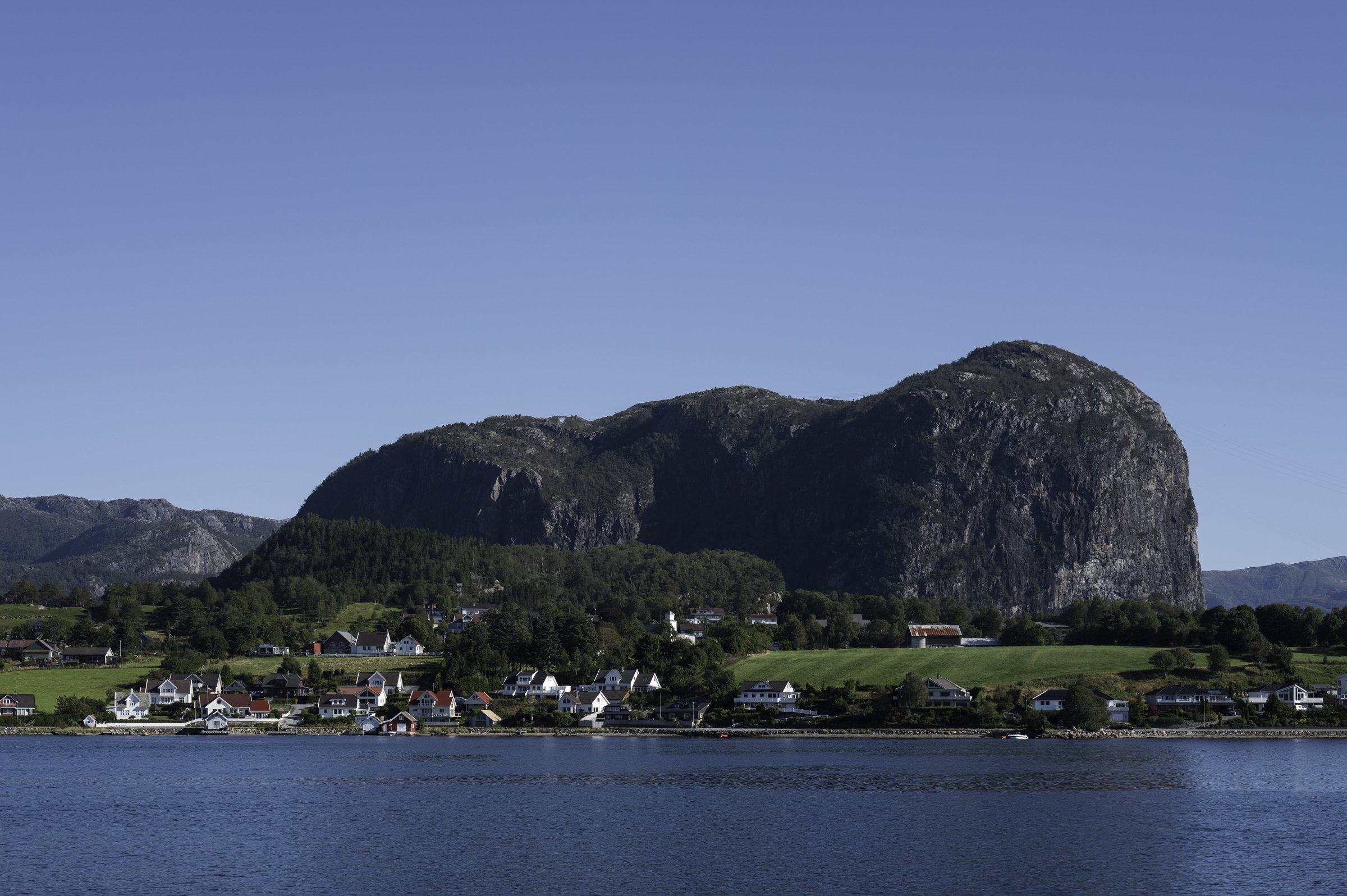
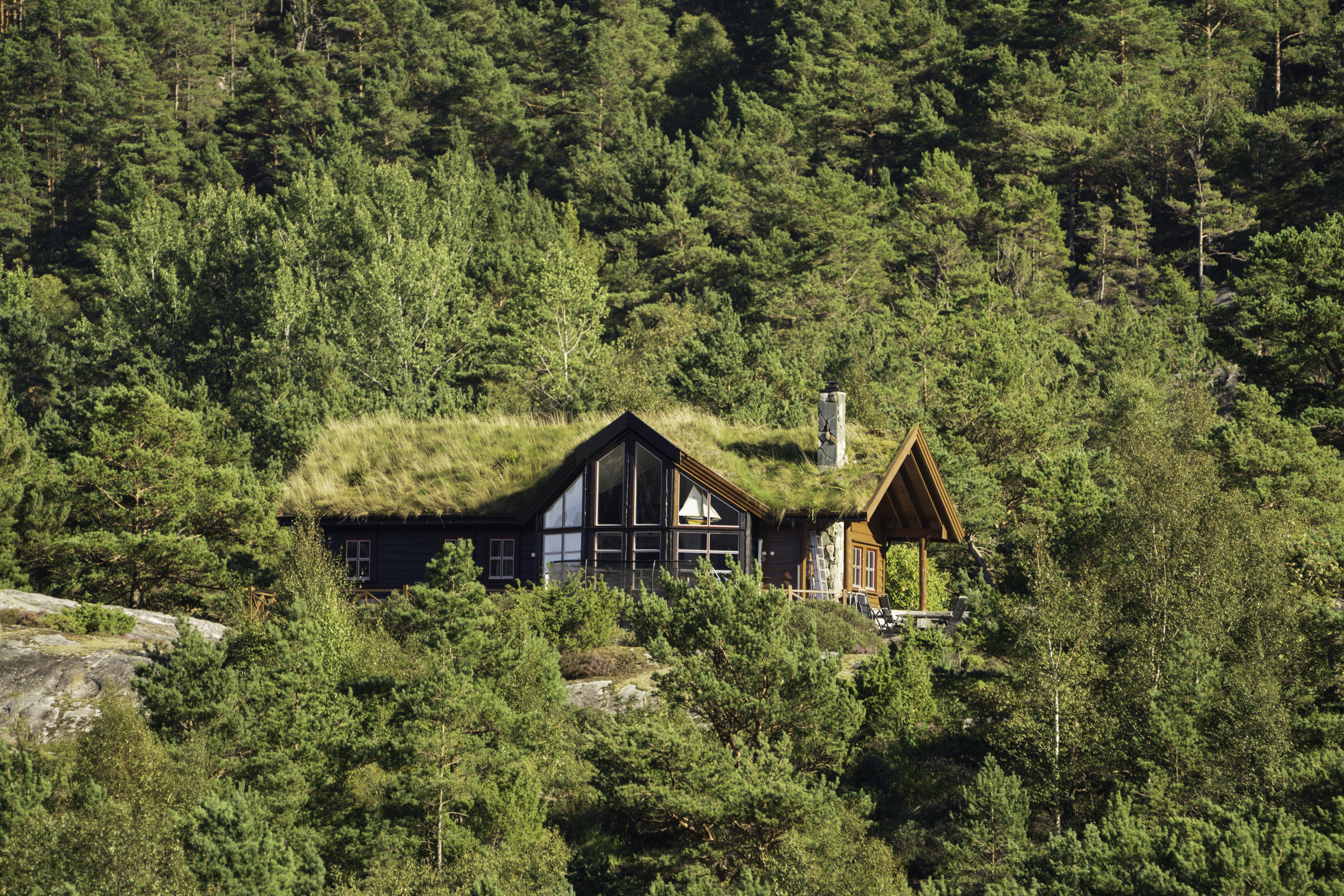
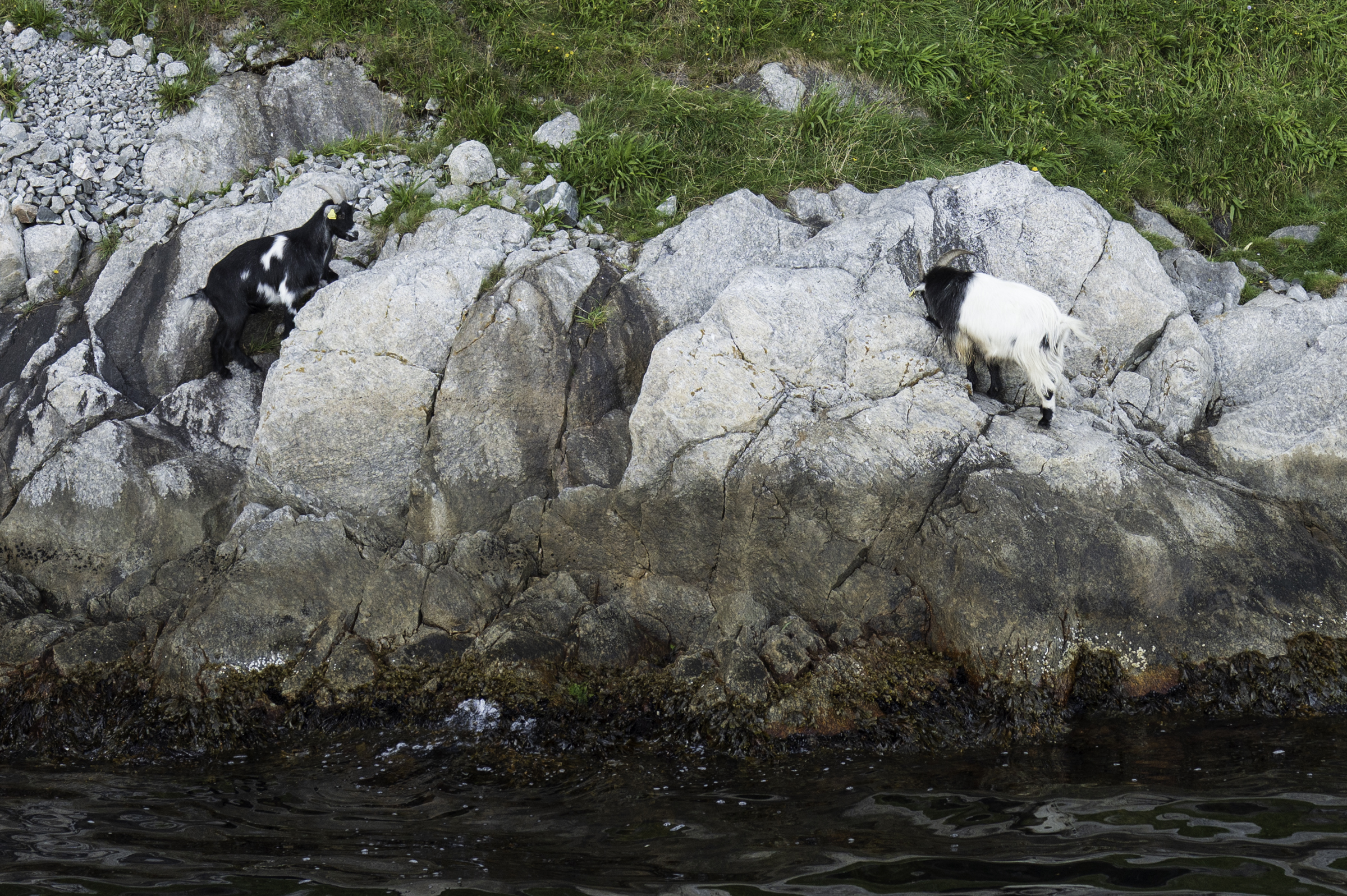
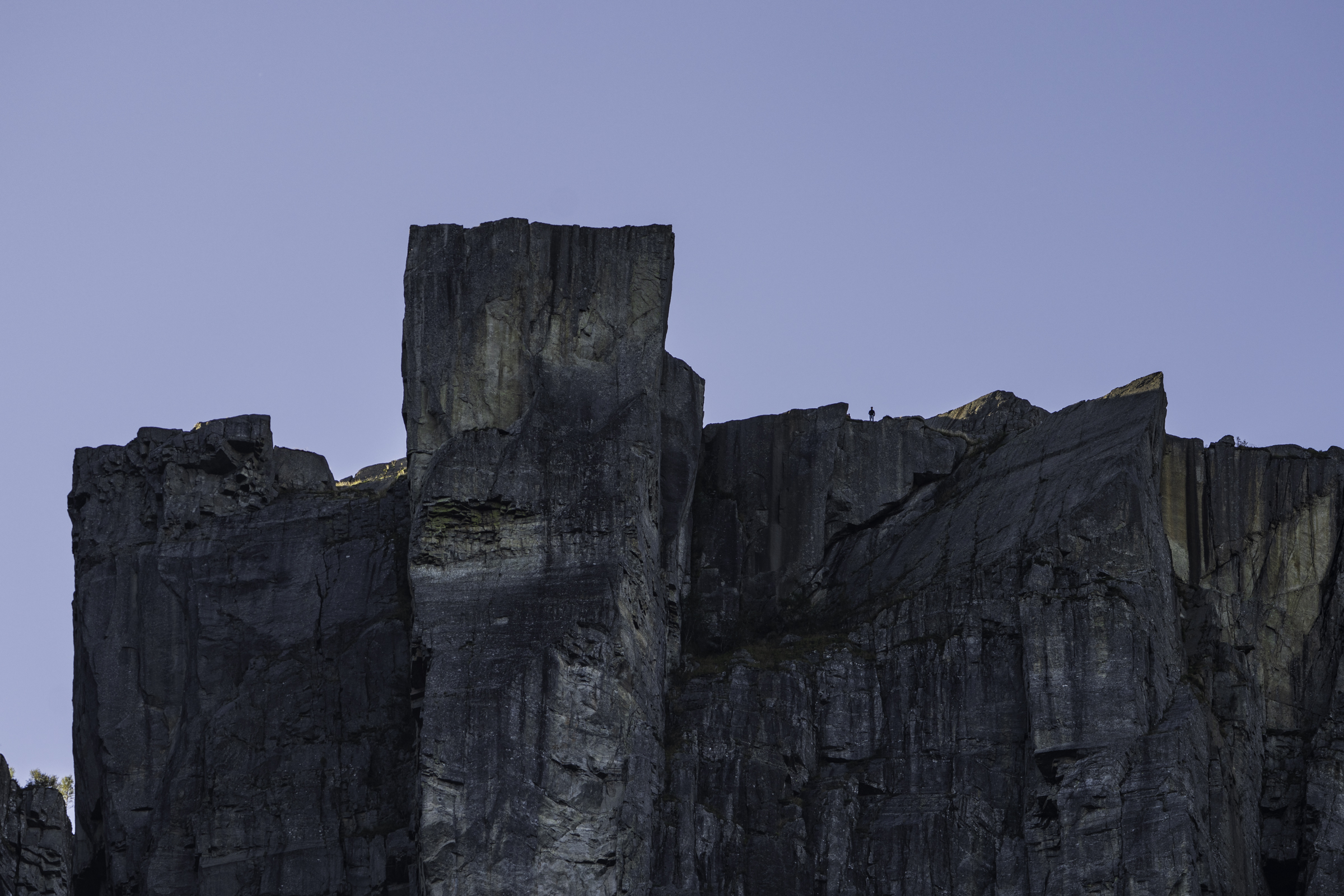
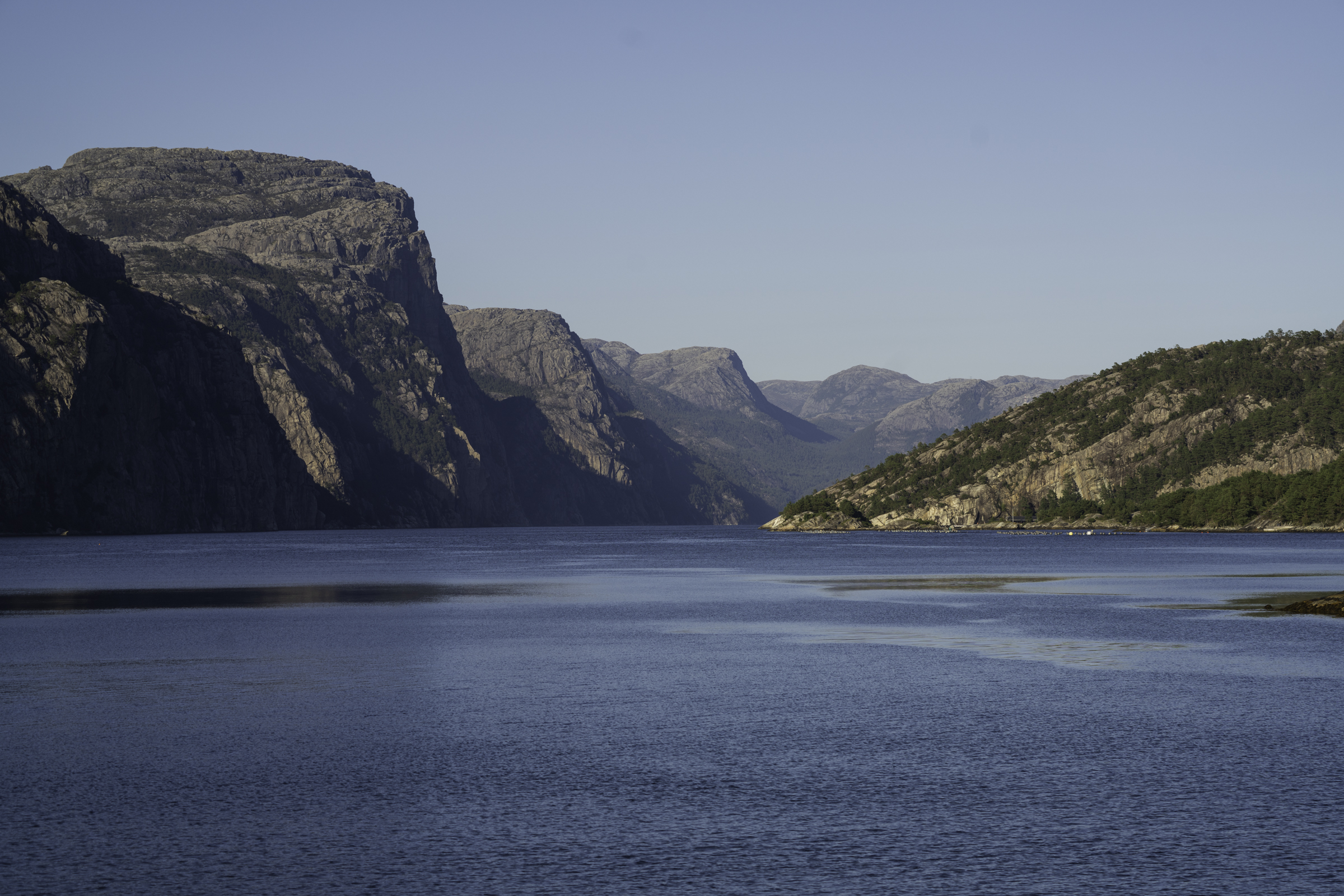
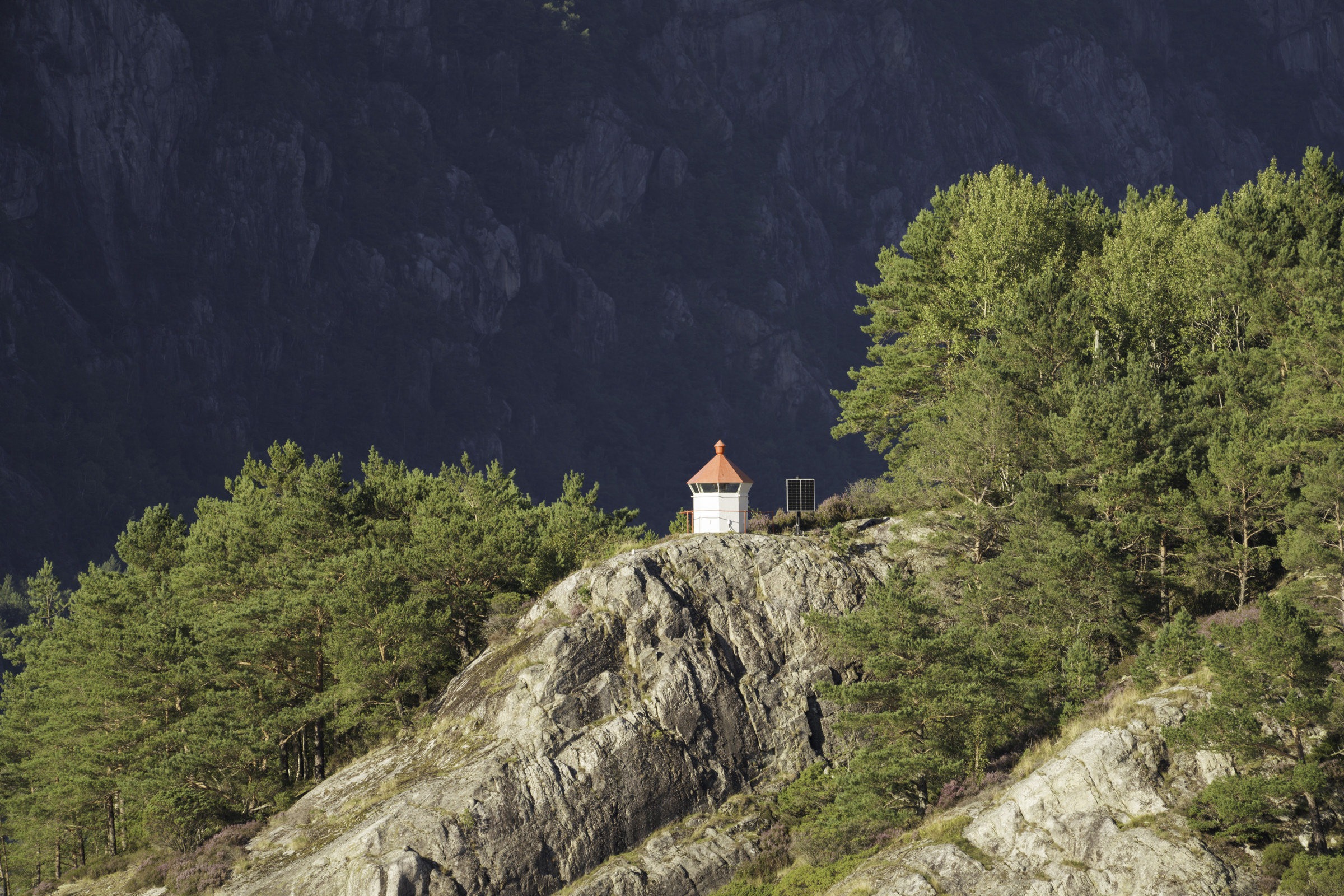
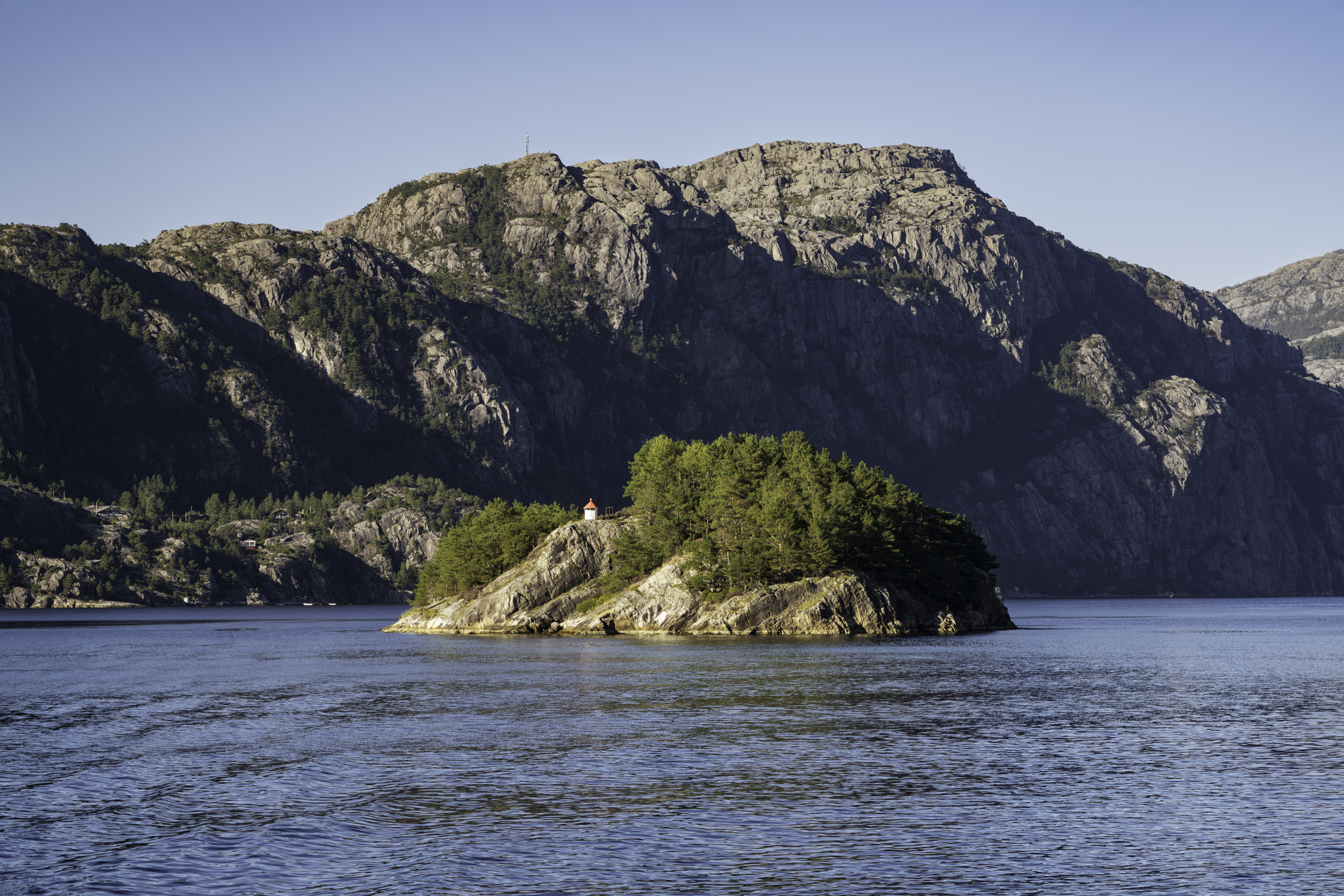
We got back to the ship just before 3:30 pm, which gave us about 15 minutes to get ready before a boat trip up the Lysefjord. Lysefjord is a stunning 42-kilometer-long fjord, known for its dramatic, steep mountain cliffs rising out of clear blue waters. Formed during the last Ice Age, the fjord is famous for numerous natural landmarks, including the famed Preikestolen (Pulpit Rock).
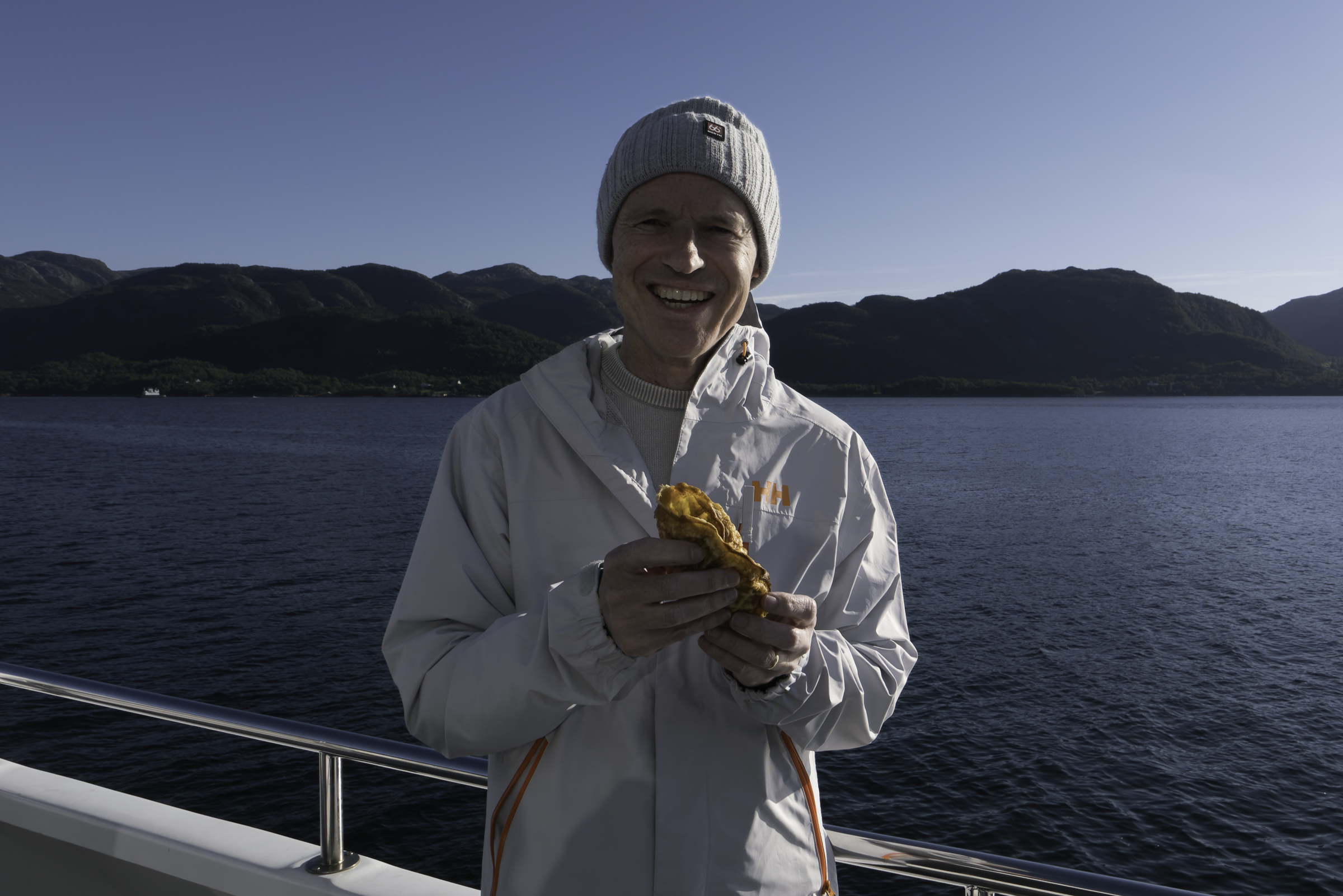
Our trip into the fjord took about three-and-a-half hours. We enjoyed the beautiful scenery on a stunning Norwegian afternoon. We also enjoyed the Norwegian waffles with jam and sour cream, which the boat stopped for along the way.




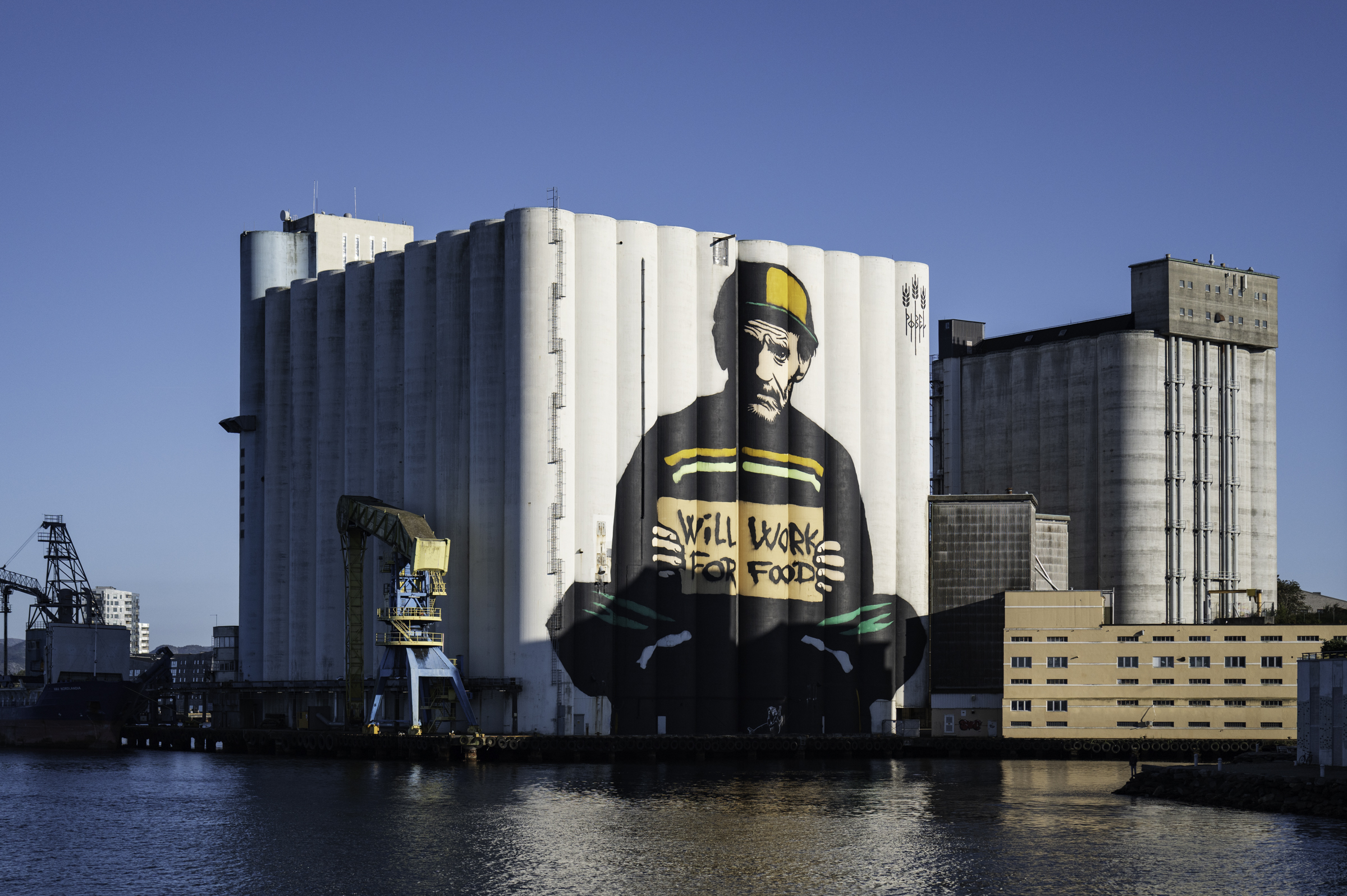
As we returned to the port of Stavanger, we got a good view of the huge mural on the Ølhallene grain silos. The mural was painted by the Norwegian street artist Pøbel, who is known for his social and political stencil art across Norway (and beyond).
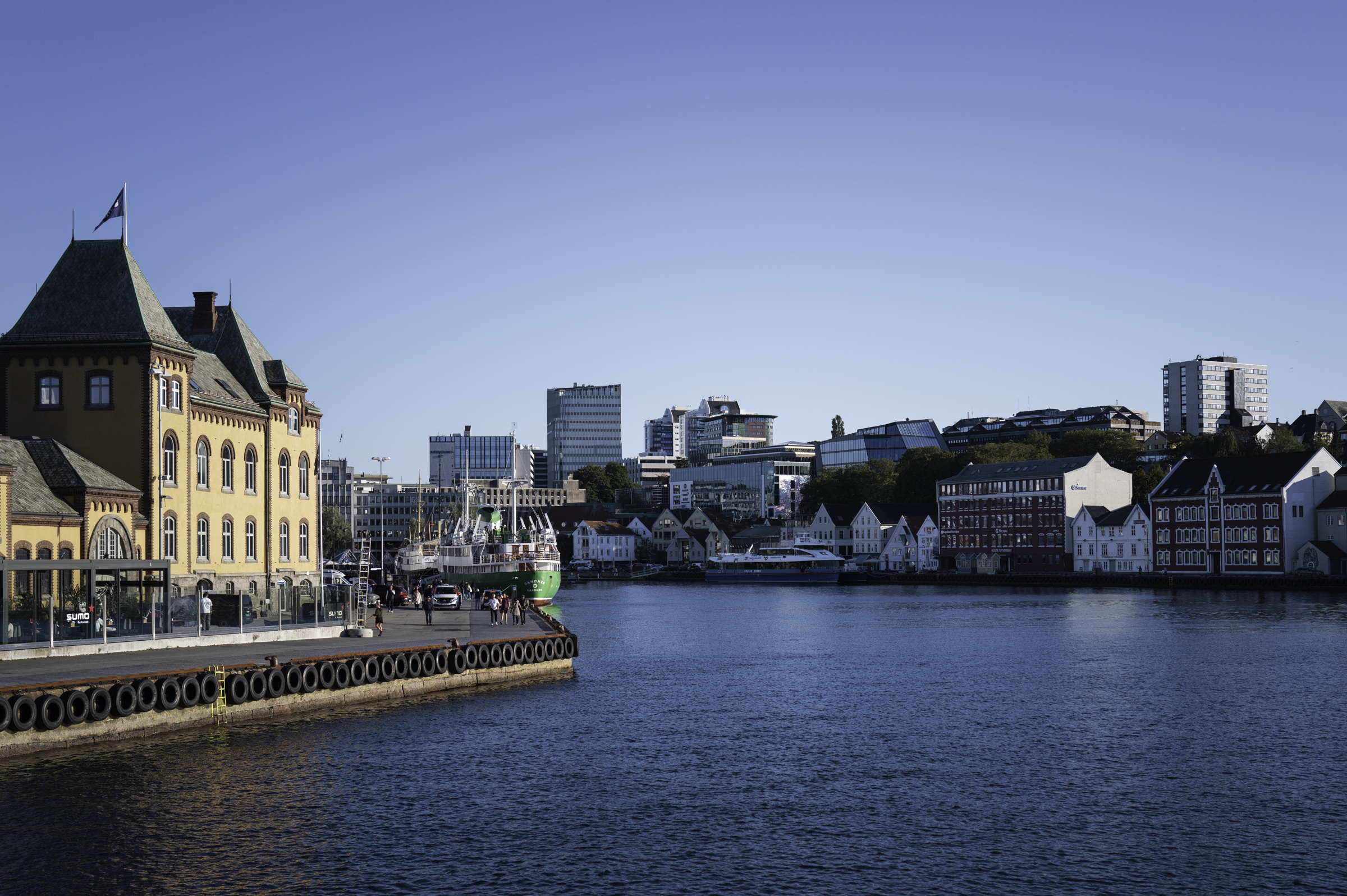
The port of Stavanger looked beautiful in the late-afternoon light.
The boat docked at 7:15 pm, and we walked back to the ship. We went straight to the Compass Rose restaurant to join Peter and Joy for dinner.
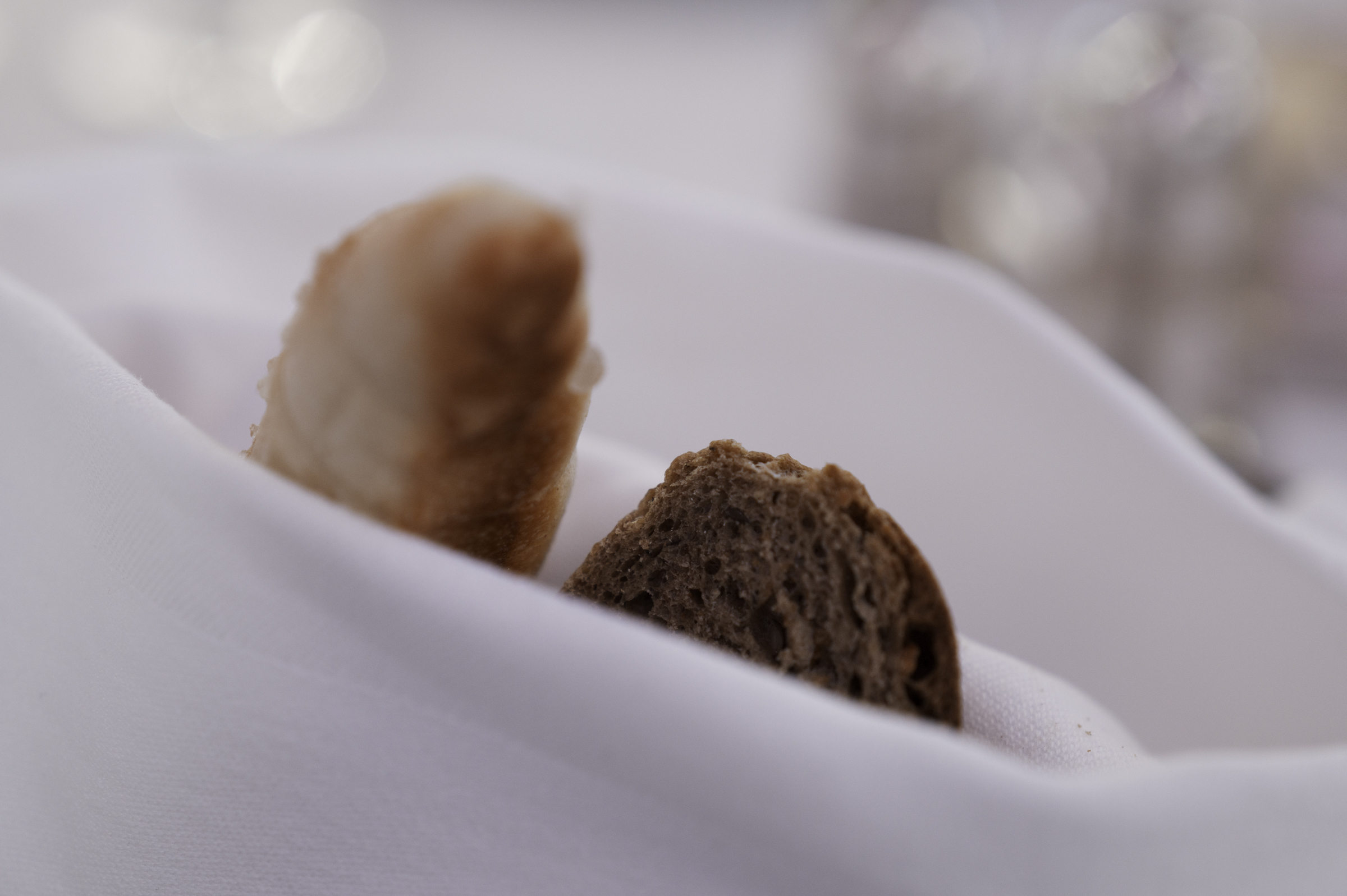


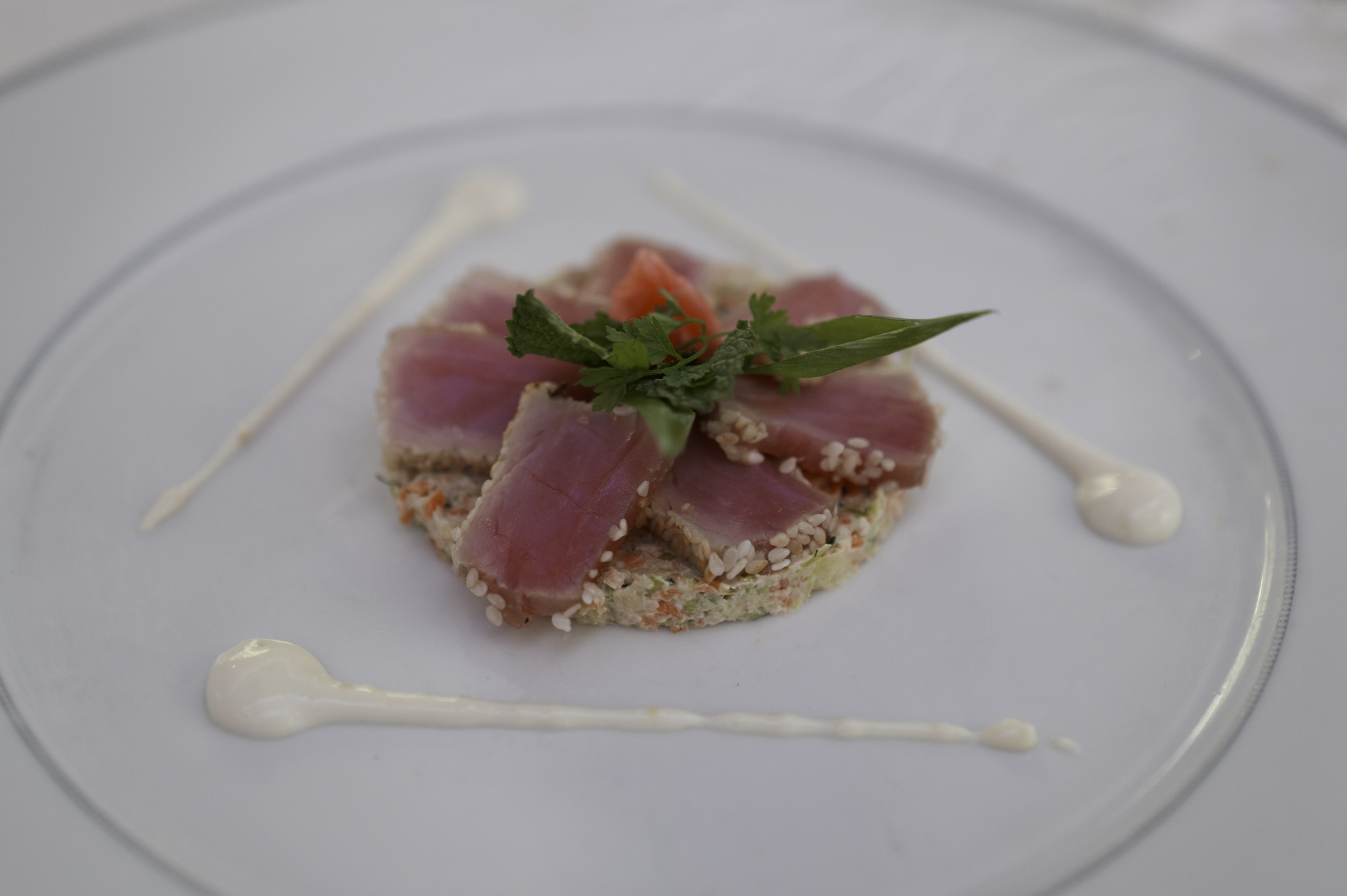






After dinner, we headed off to bed. The ship is sailing overnight to the small town of Mandal. We don’t have any specific plans for Mandal tomorrow, so we’ll probably just walk around and see what it has to offer.