
Europe
Oslo to Warsaw
We were up early this morning and downstairs for breakfast by 7:00 am.

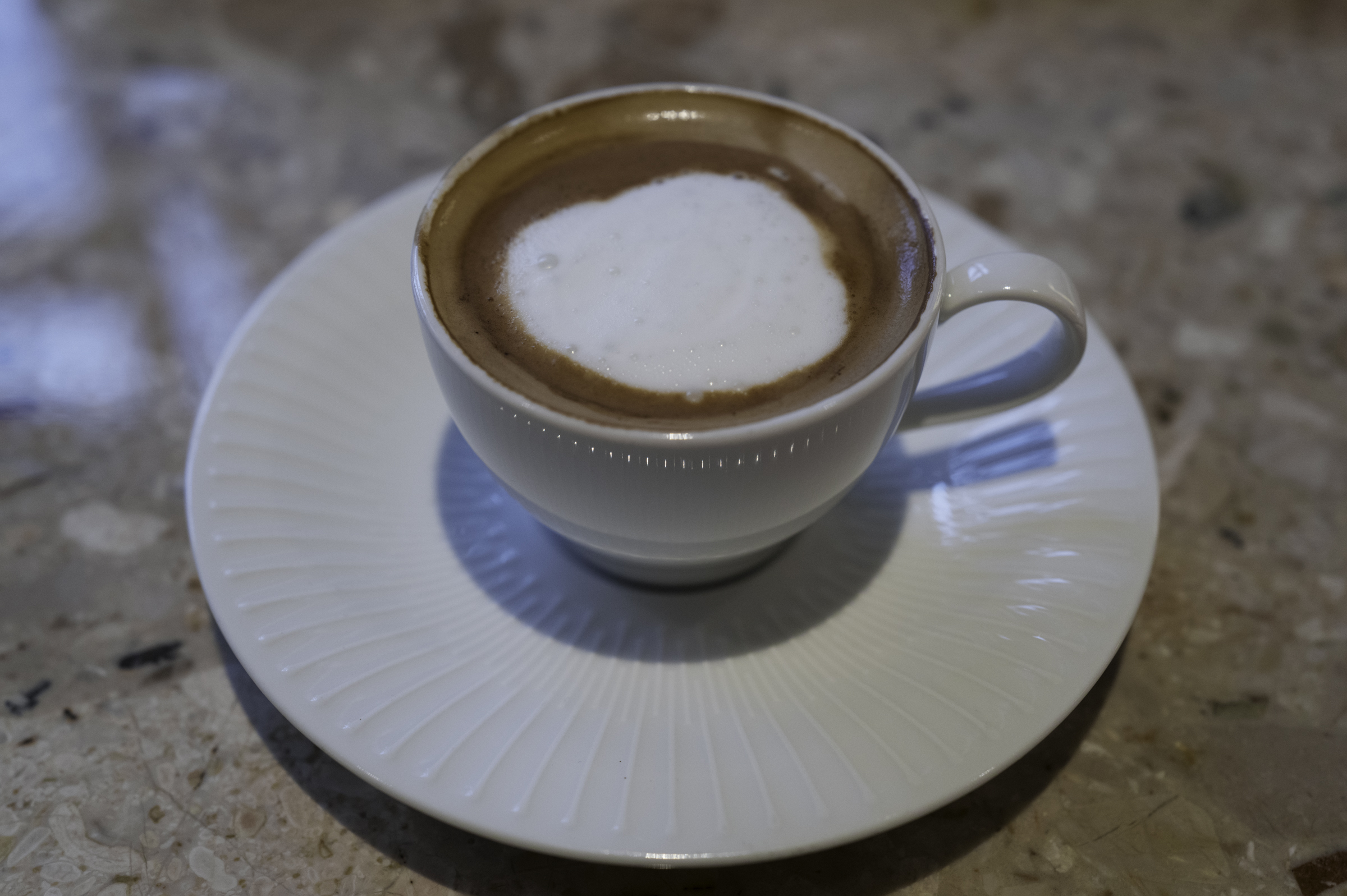
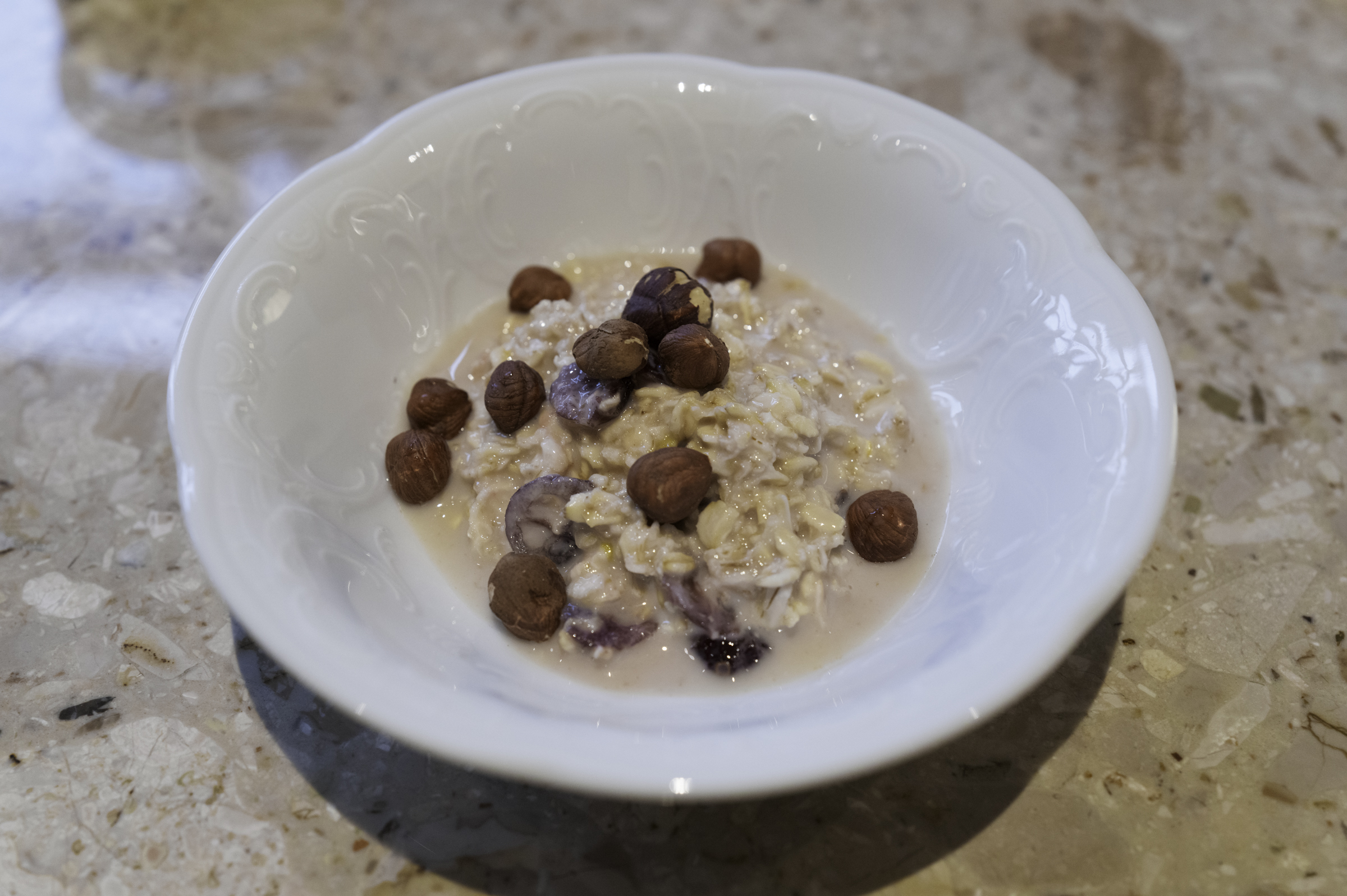


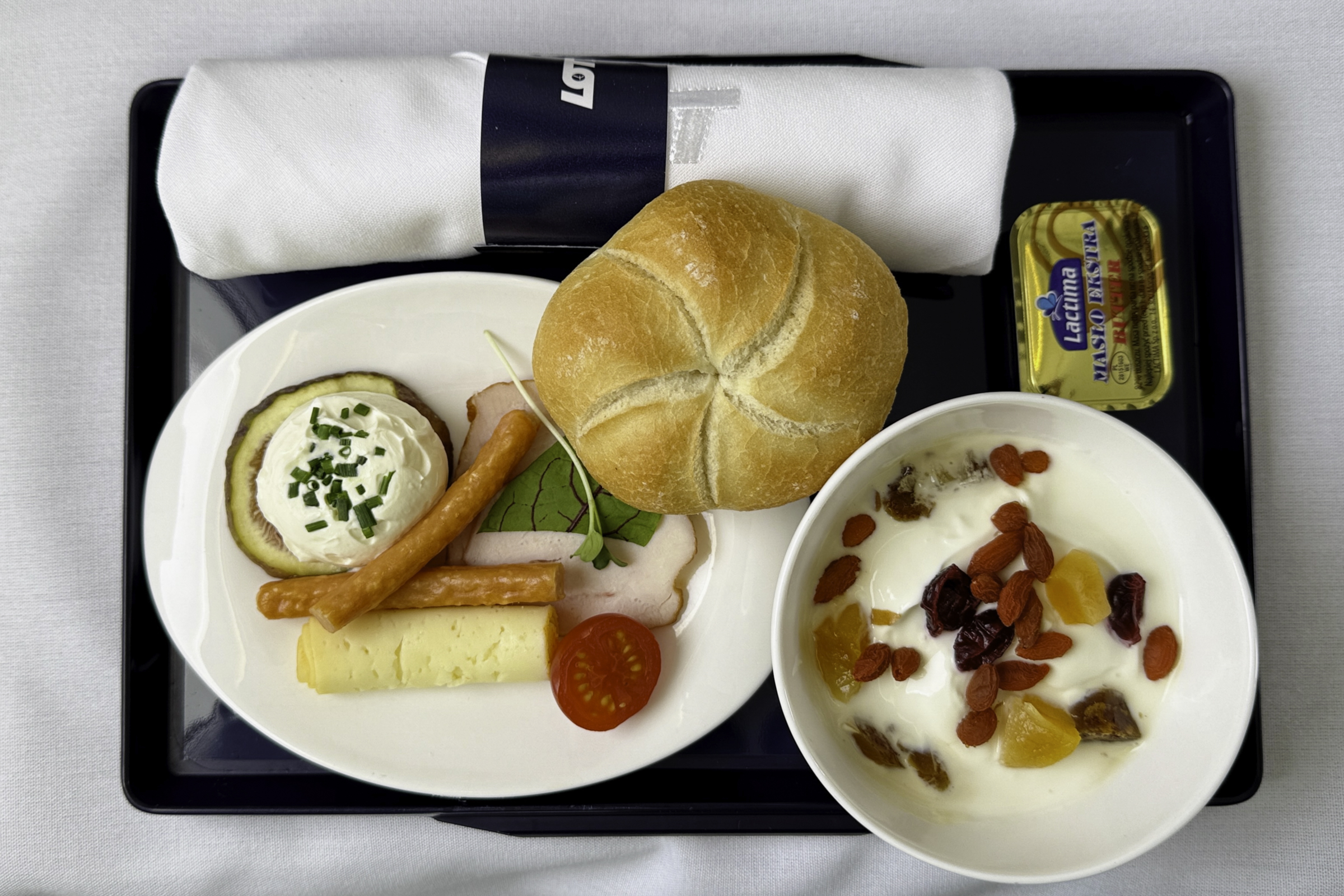
After a nice breakfast, we checked out and hopped into the car we’d booked to take us to the airport, where we checked in for our flight, and headed to the lounge to relax. We departed on schedule at 10:45 am on LOT Polish Airlines for our flight to Warsaw.
After landing, we proceeded to the baggage carousel to collect our luggage. We ended up waiting for more than 45 minutes to see our last suitcase appear. Eventually, we headed out to meet our driver for the trip to Raffles Europejski Warsaw Hotel. We checked in, and our butler escorted us to our room.
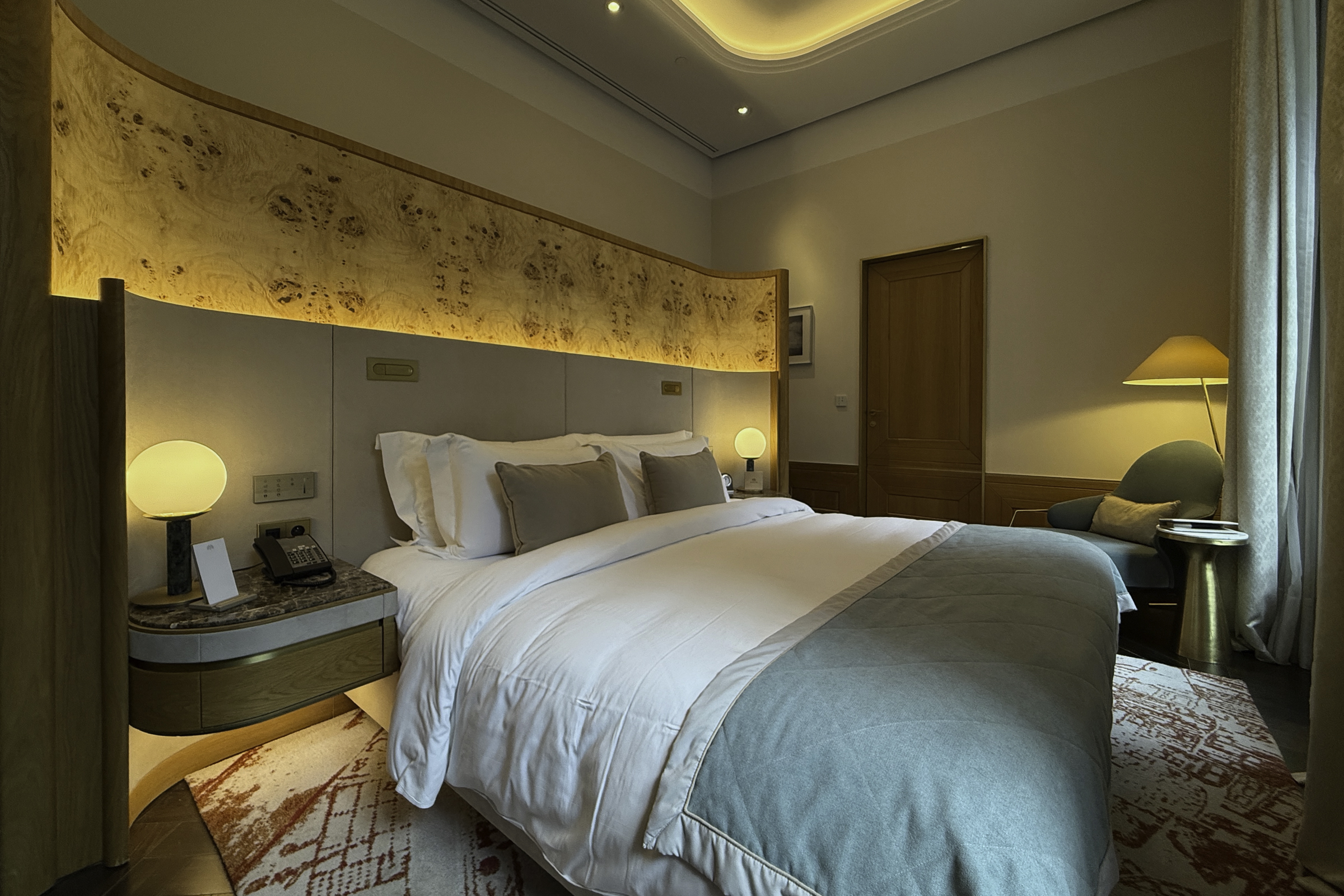
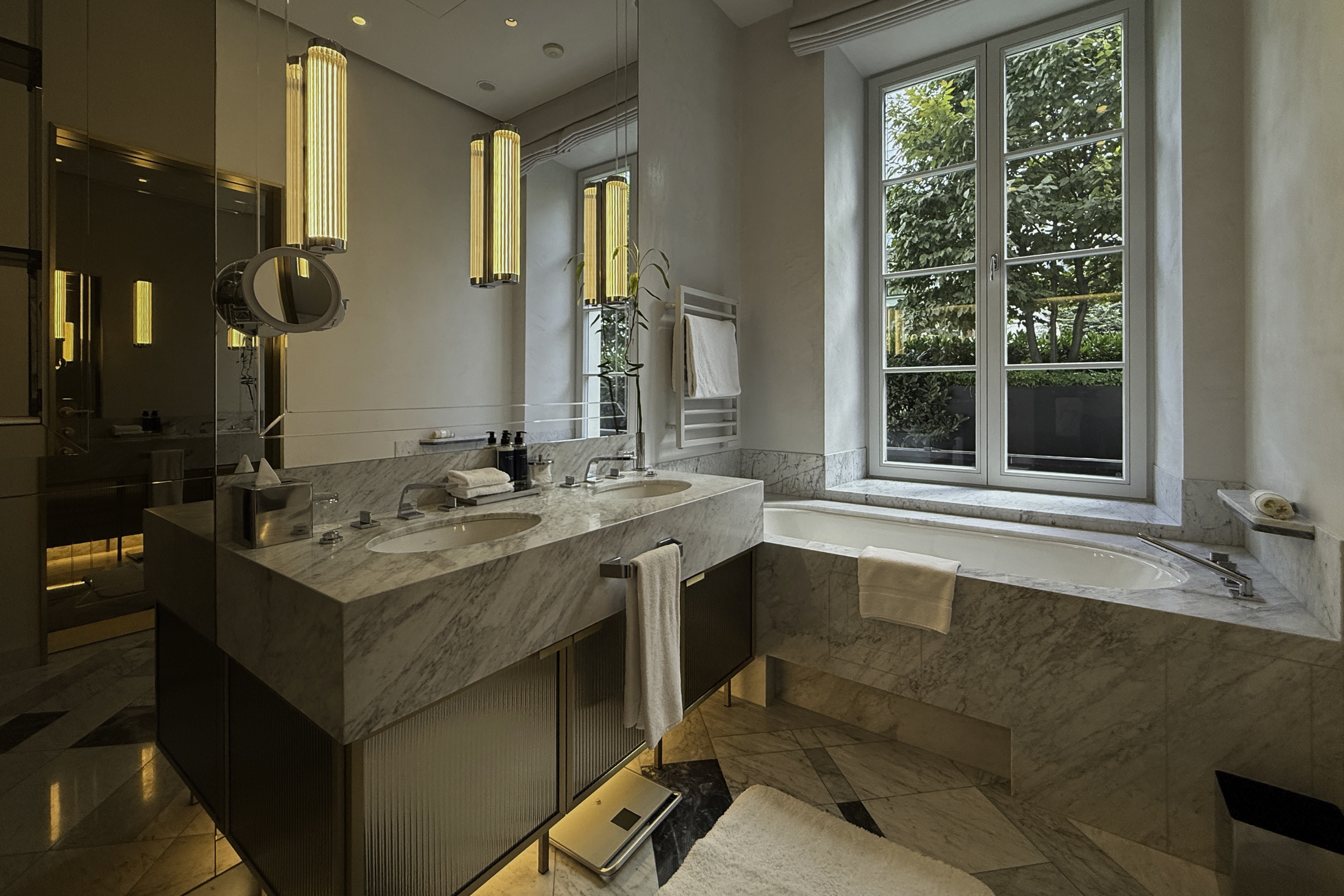
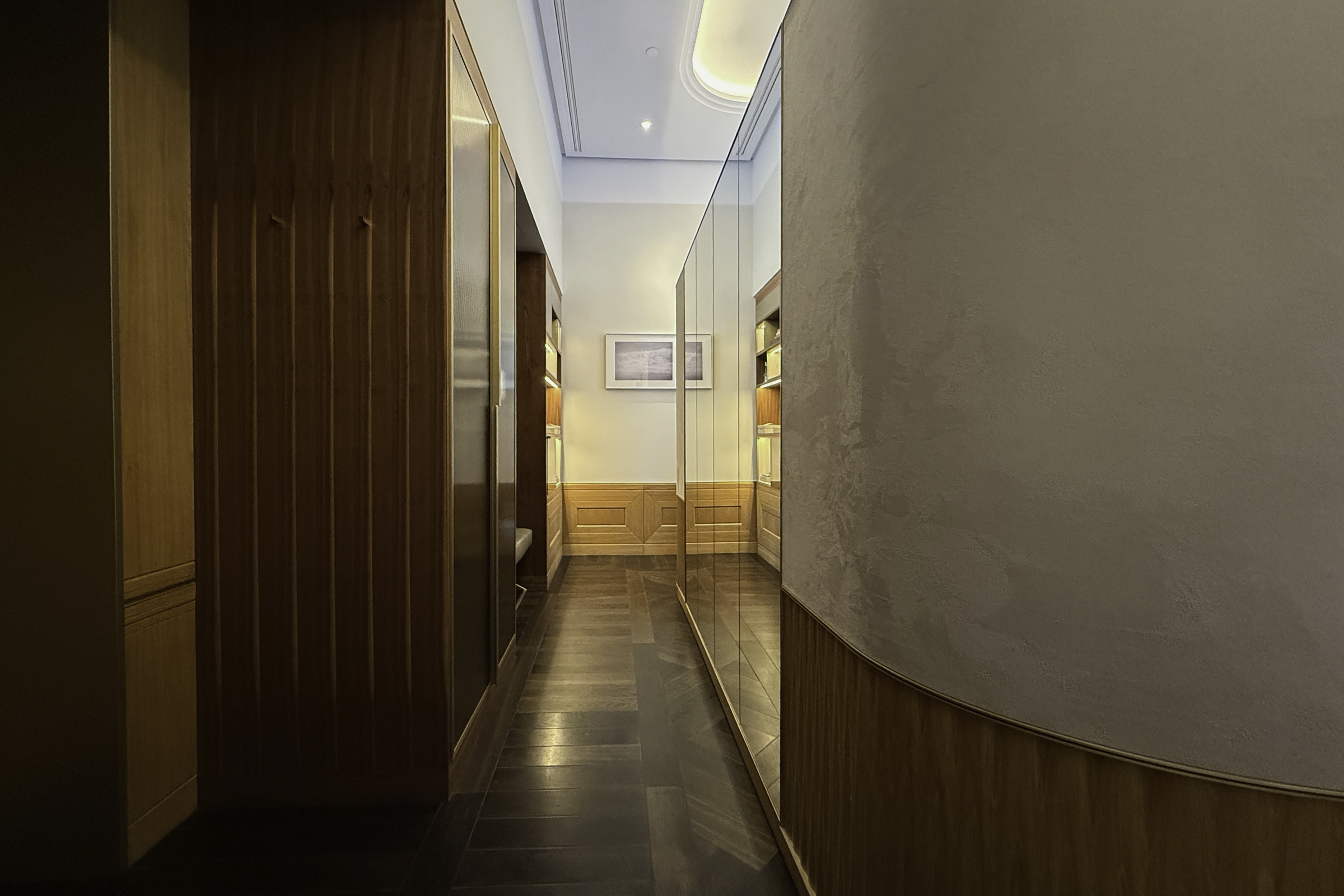
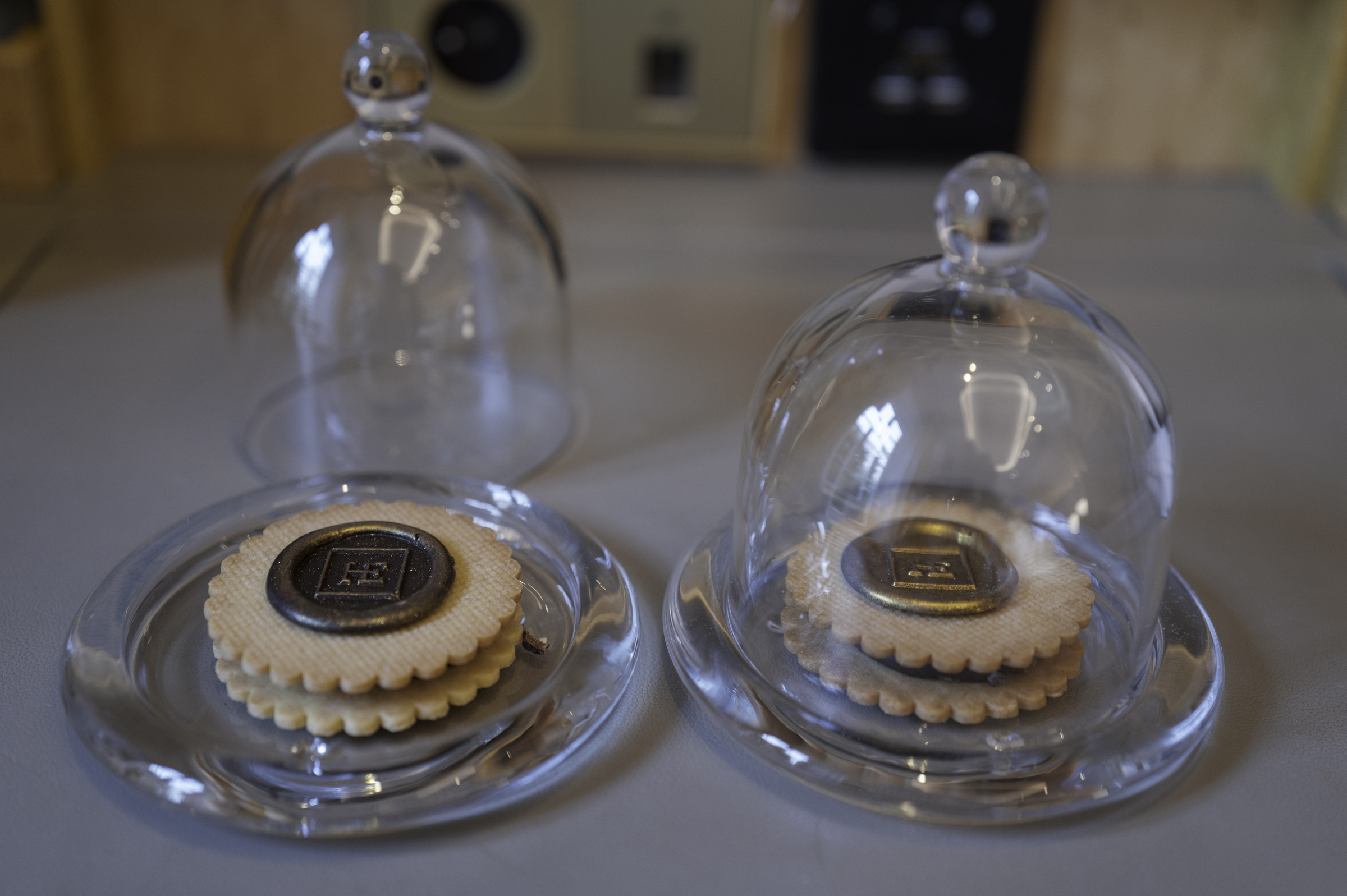
After settling into our room, we considered our options for the rest of the day. We decided that we’d relax in the room for a while, before heading out for a walk to look around Warsaw. Raffles is brilliantly positioned in Warsaw, backing on to Krakowskie Przedmieście, allowing easy walking access into Warsaw’s Old Town, which was our destination for the afternoon.
Warsaw’s Old Town was almost entirely obliterated by the Nazis in 1944, in response to the Warsaw Uprising. On 1 August 1944, around 40,000–50,000 resistance fighters initiated an uprising against the occupying German forces. They were mostly young men and women, many poorly armed, but highly motivated. At first, they achieved some success, liberating large parts of Warsaw, especially in the Old Town and the city centre. However, the Germans responded brutally, sending SS units, tanks, artillery, and aircraft to crush the uprising, after which Hitler ordered the systematic destruction of the city. Distressingly, the Soviets, just across the Vistula River, did not intervene to support the uprising, leading to the deaths of around 200,000 Poles and the obliteration of Warsaw. Some historians argue that this was intentional, so that the Soviets could later impose Communist control over a weakened Poland. The Red Army entered Poland as Nazi Germany retreated and, instead of restoring Polish independence, the Soviets installed a pro-Moscow administration and imposed Communist rule. Poland endured 45 years of Soviet brutality and control, before regaining its sovereignty in 1989, just before the collapse of the USSR (Union of Soviet Socialist Republics) in 1991.
The Soviet control of Poland left deep social, political, and economic scars. It is very clear from talking to Poles that the Polish people strongly value independence, a view that is shaped by the memory of both Nazi and Soviet occupations in just the last few generations. Poland has a substantial military force now, which it continues to grow under the Homeland Defence Act of 2022, with a target of 300,000 active military personnel in the next few years.
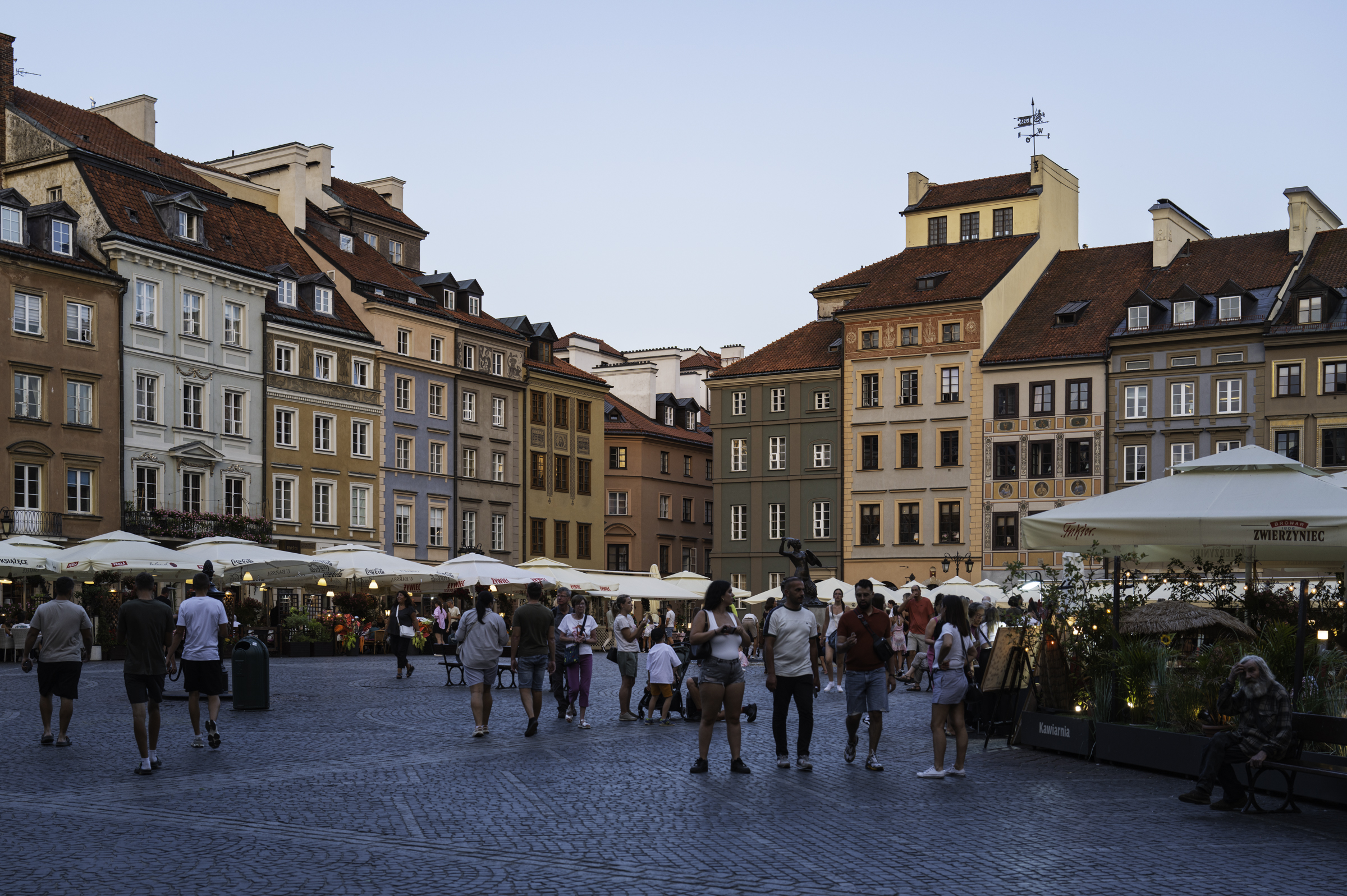
As a result of the German destruction of Warsaw, nearly 90% of its buildings were reduced to rubble during and after the Warsaw Uprising. The Old Town that stands today is one of the most remarkable examples of post-war reconstruction in the world. Using surviving building fragments and archival records, the facades and streetscapes of Warsaw’s Old Town were painstakingly restored in the late 1940s and the 1950s to their former appearance.
In some ways, it feels a bit odd knowing that what appears to be authentically medieval and Baroque, was built only decades ago. But, it is inspiring to know that what we were looking at in the Warsaw Old Town was a deliberate act of national resilience and cultural recovery. Interestingly, despite being a relatively new construction, the Warsaw Old Town is still recognised as a UNESCO World Heritage Site, not for its old buildings, but as a statement about the determination of the Polish people to preserve their heritage in the face of evil and adversity.
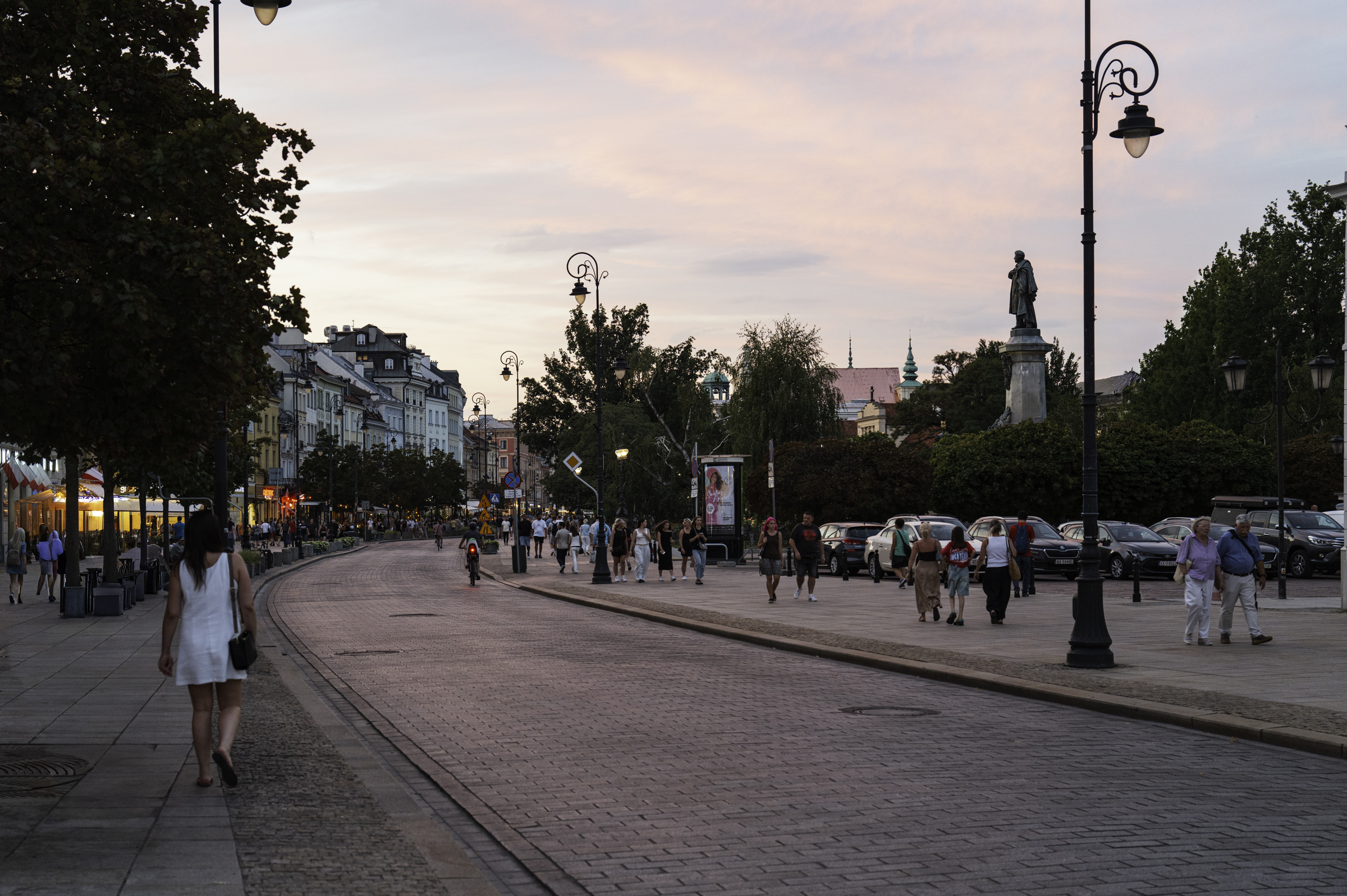
From the hotel, we headed down Krakowskie Przedmieście (the Royal Route) to explore Warsaw’s Old Town.
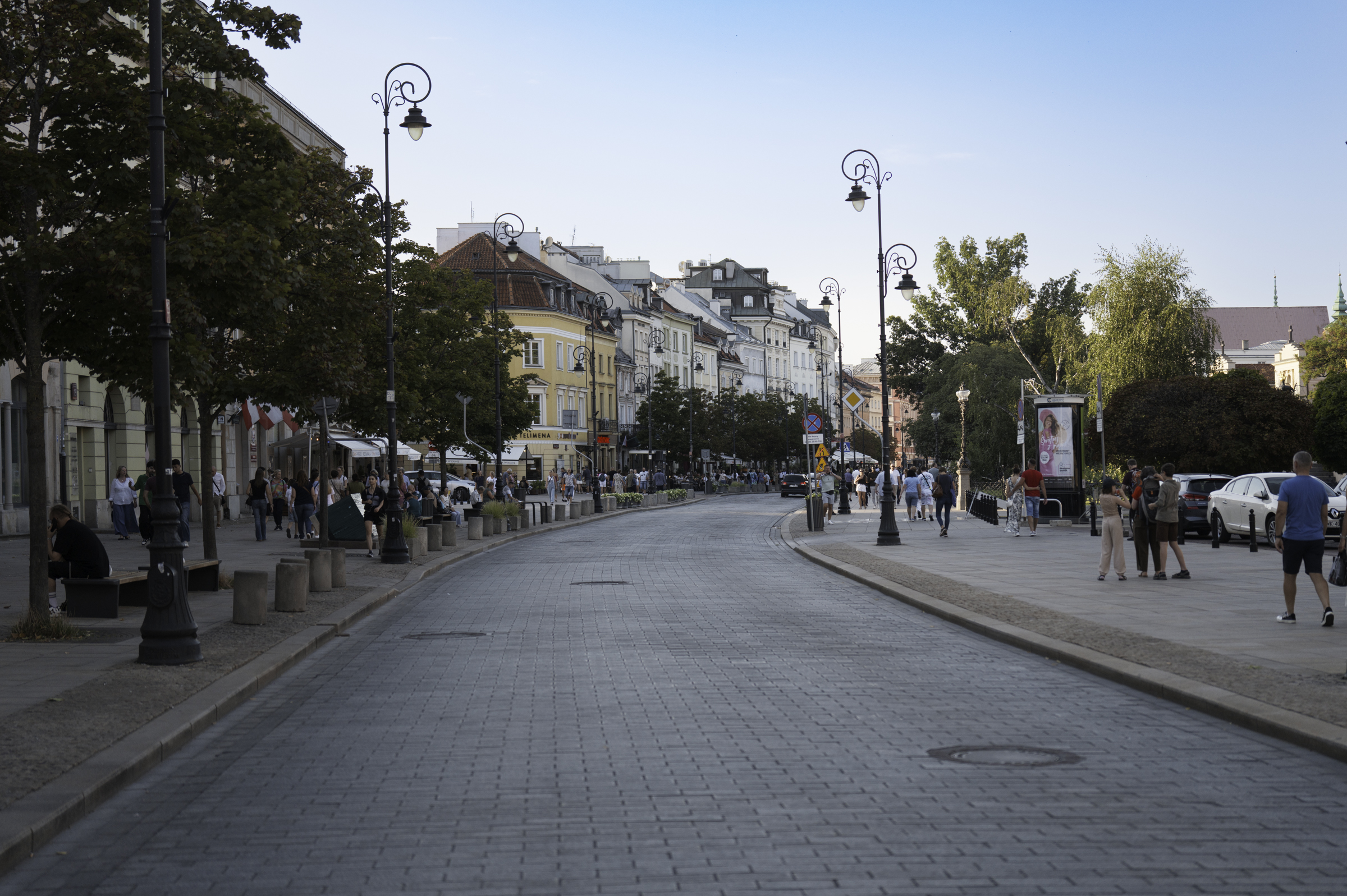
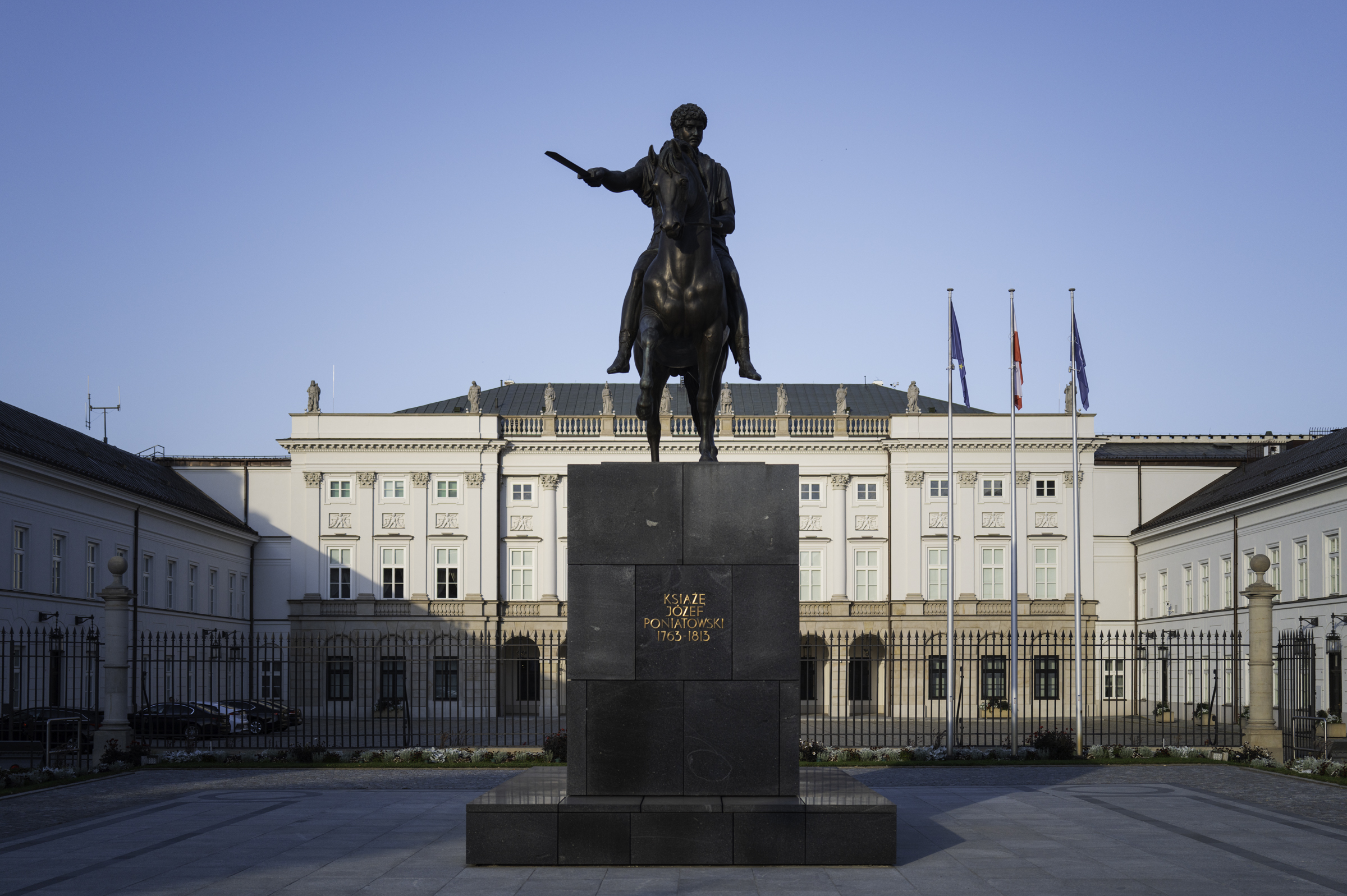
We walked past the Pałac Prezydencki (Presidential Palace), which is the official residence of the President of Poland. In front of the palace is the equestrian statue of Prince Józef Poniatowski (1763–1813), a Polish general and Marshal of France under Napoleon.
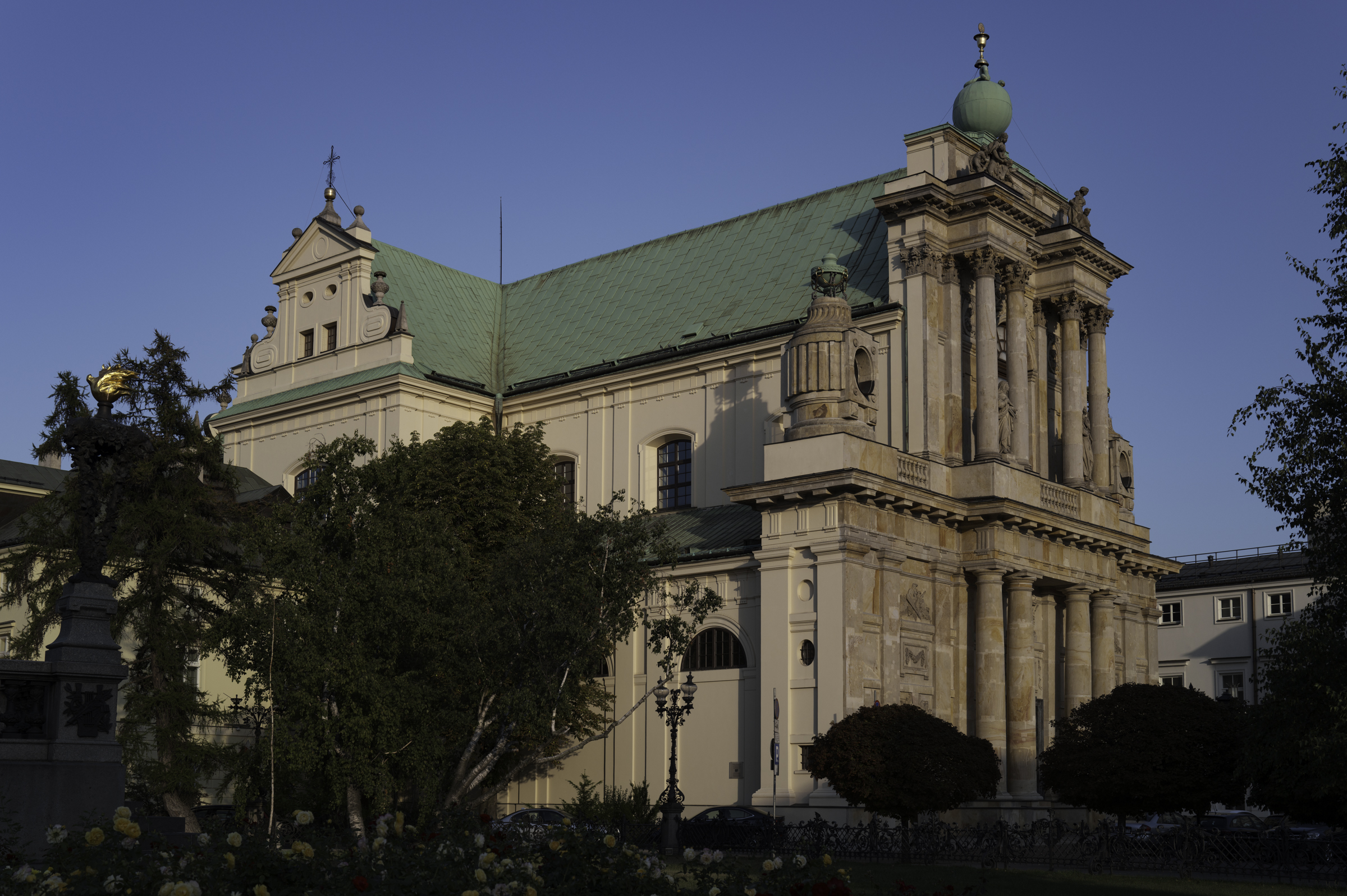
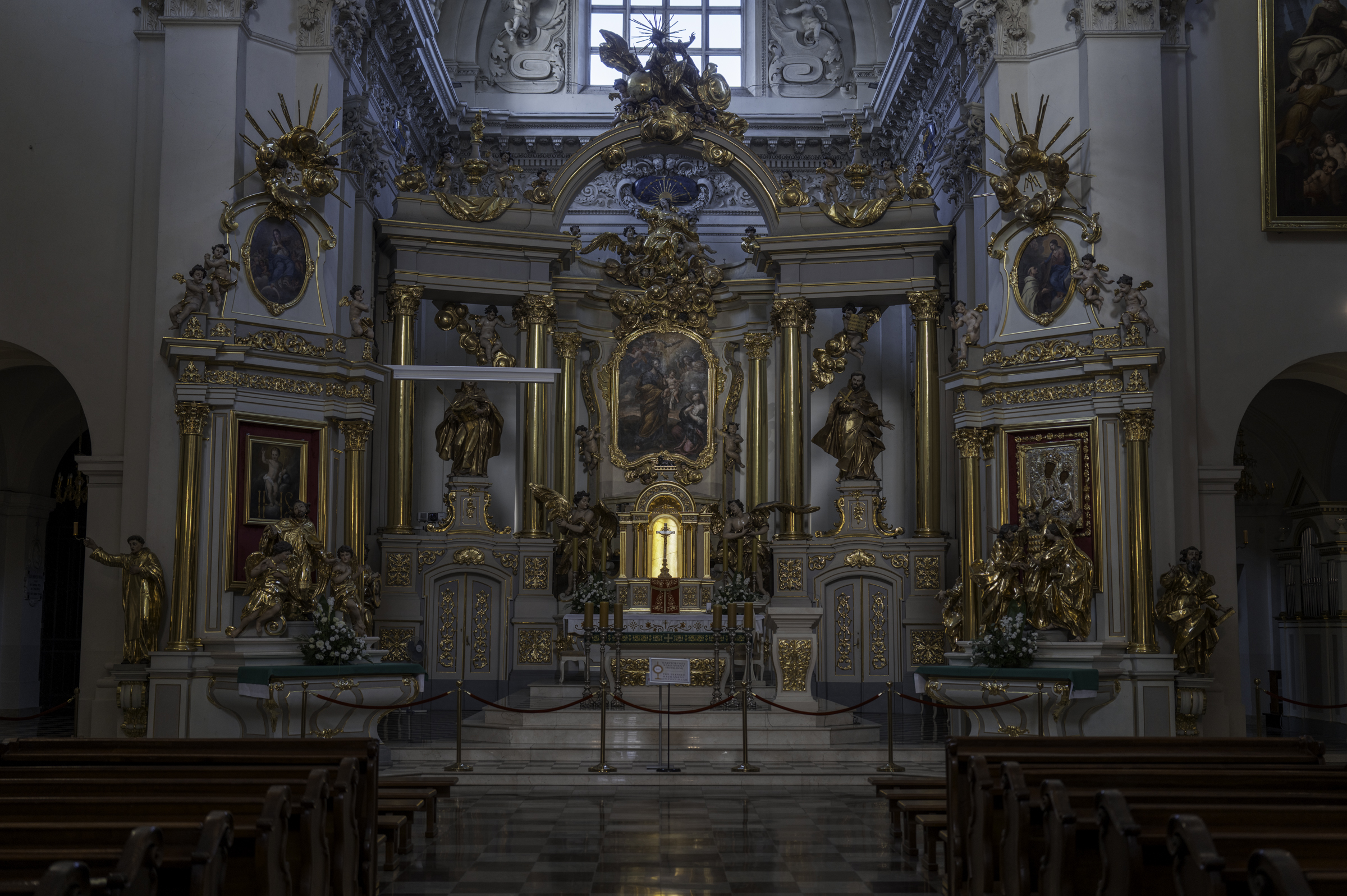
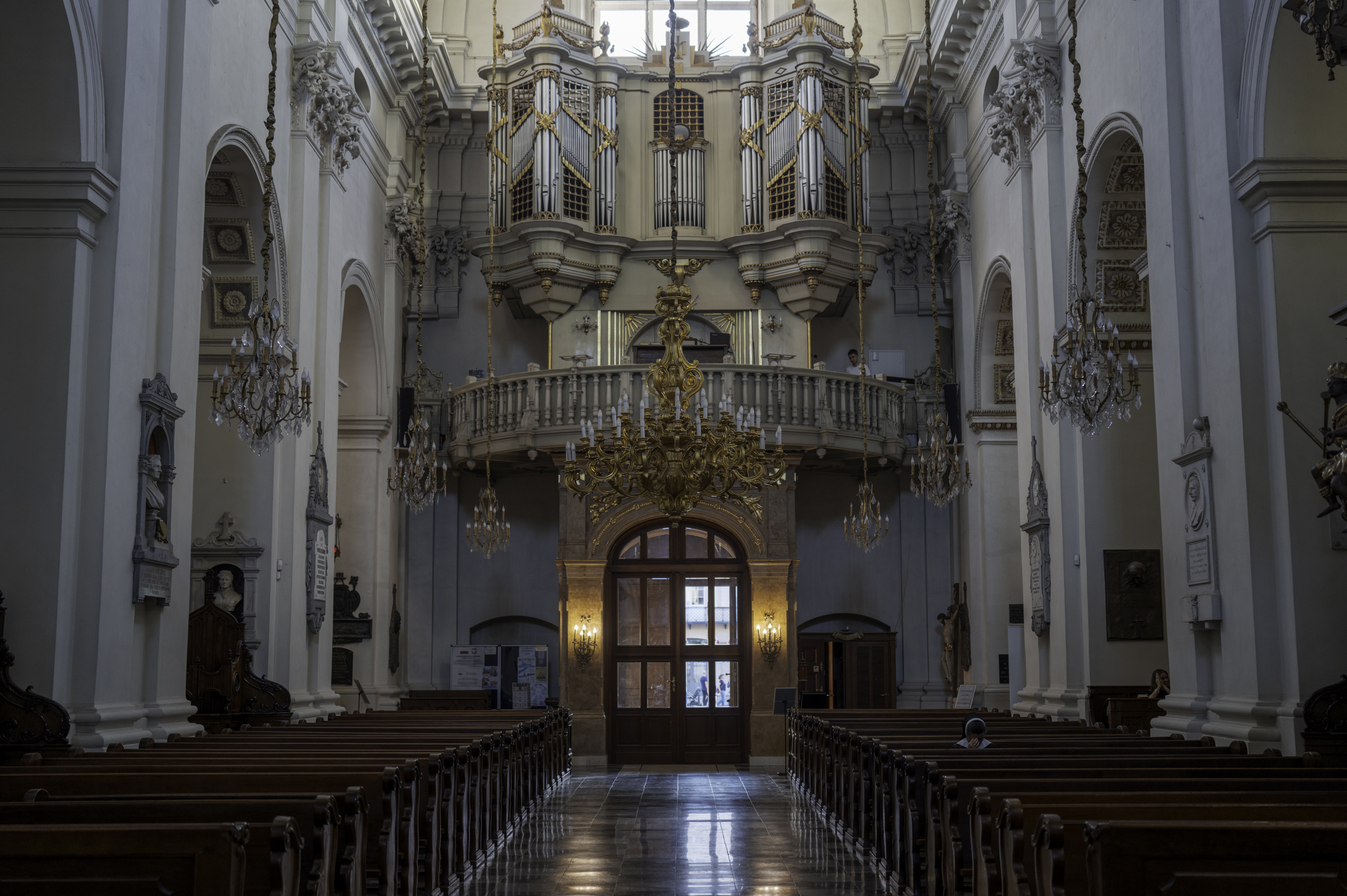
Just along from the palace is the Carmelite Church of the Assumption of the Virgin Mary and of St. Joseph, which was our next stop. The church was built in the 17th century for the Discalced Carmelites, who settled in Warsaw in 1620. Construction began around 1661, financed by Polish noble families, and continued into the 18th century.
The Carmelite Church was one of the few buildings in Warsaw that was spared from destruction by the Germans in World War II in their response to the Warsaw Uprising of 1944. Evidence suggests the Carmelite Church was temporarily used by the Germans during the occupation (for storage and administrative purposes) and this likely protected it from demolition, making it one of the few surviving original 17th-century buildings.
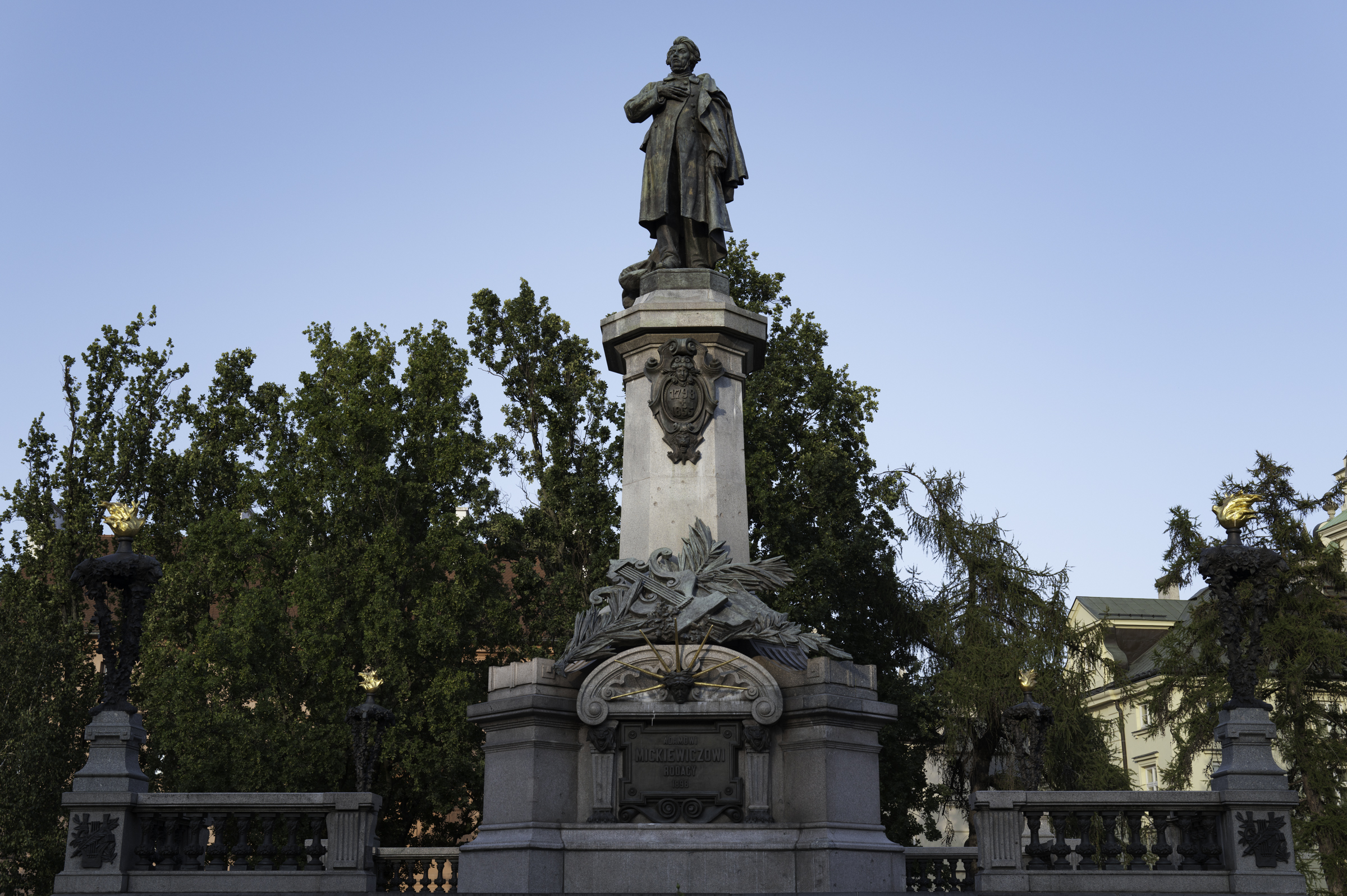
Not far from the Carmelite Church, we walked past the Adam Mickiewicz Monument. Adam Mickiewicz (1798–1855) is Poland’s national poet, considered one of the greatest figures of Romantic literature. The monument was unveiled in 1898, marking the 100th anniversary of his birth. Like many other symbols of Polish culture, the original statue was destroyed by the Germans during World War II. After the war, it was reconstructed using original fragments and unveiled again in 1950. This statue is one of Warsaw’s most famous literary monuments and a symbol of Polish cultural resilience.
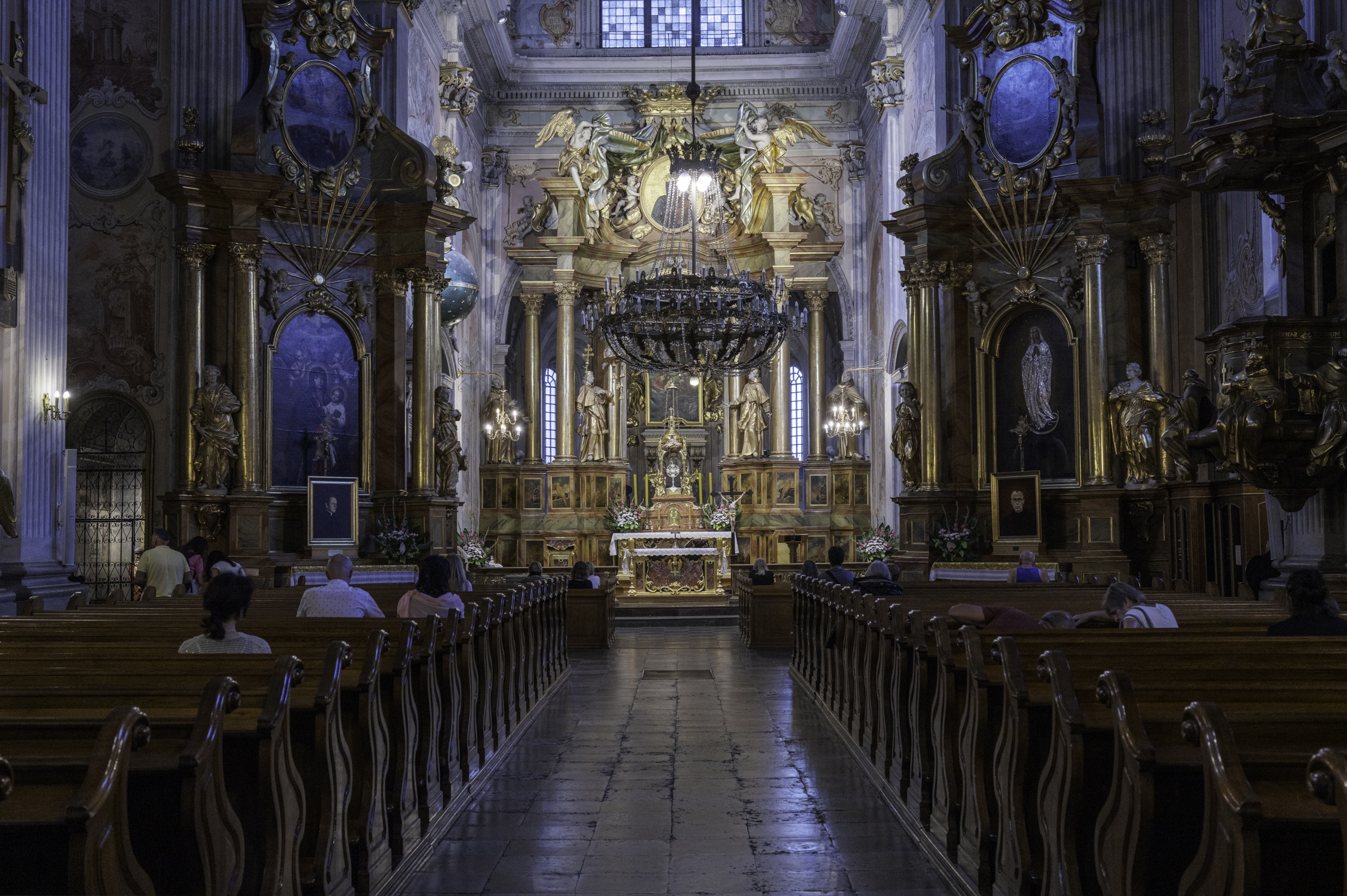
Further along the Royal Route, we stopped at the Church of St. Anne. Like the Carmelite Church, this church was not deliberately destroyed, but it did suffer heavy damage from bombing and artillery fire in WWII. However, since its foundations and structure were not blown up, restoration was achieved.
Attached to the Church of St. Anne is a bell tower, which can be climbed for a very nice view over the city.
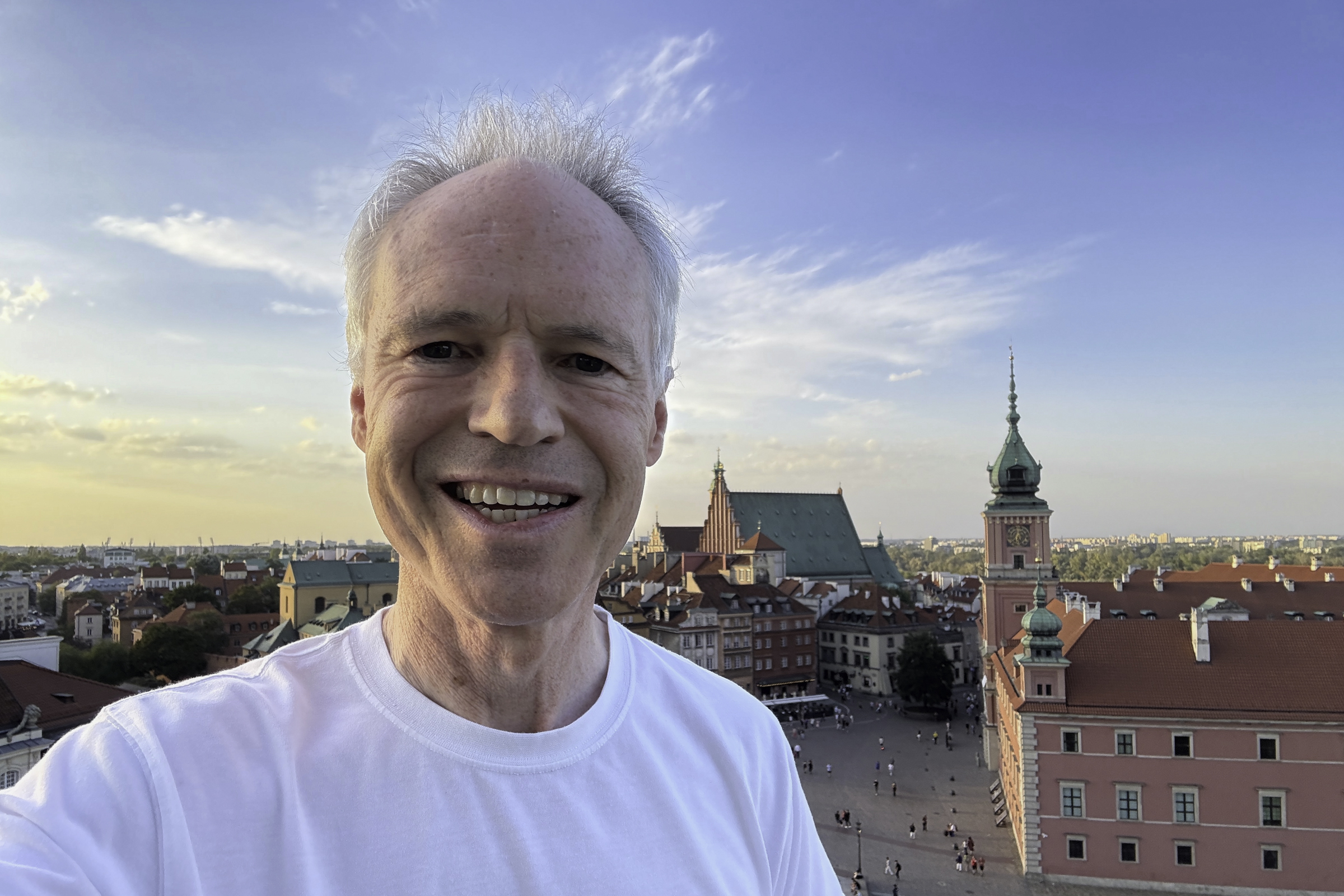
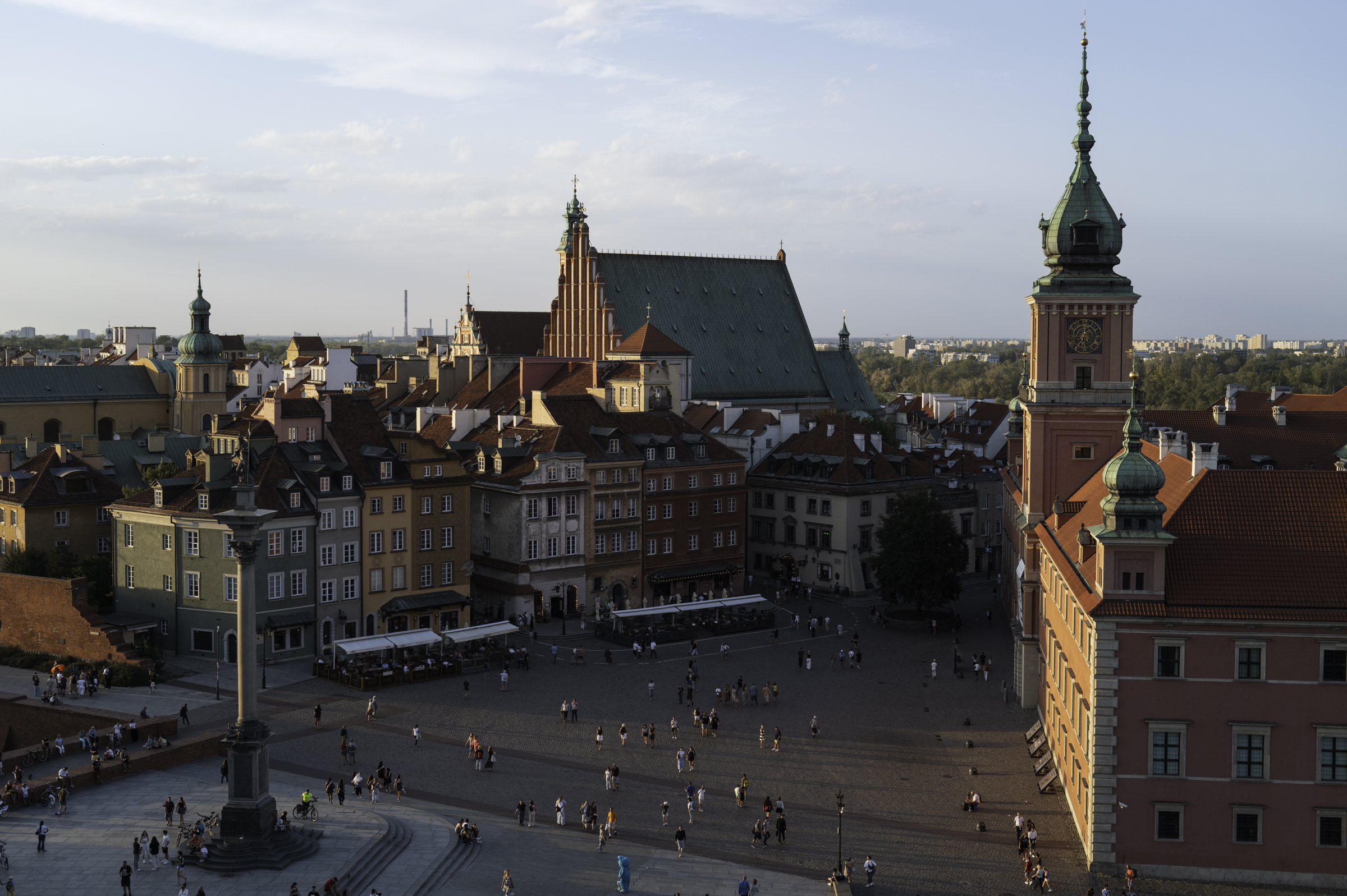
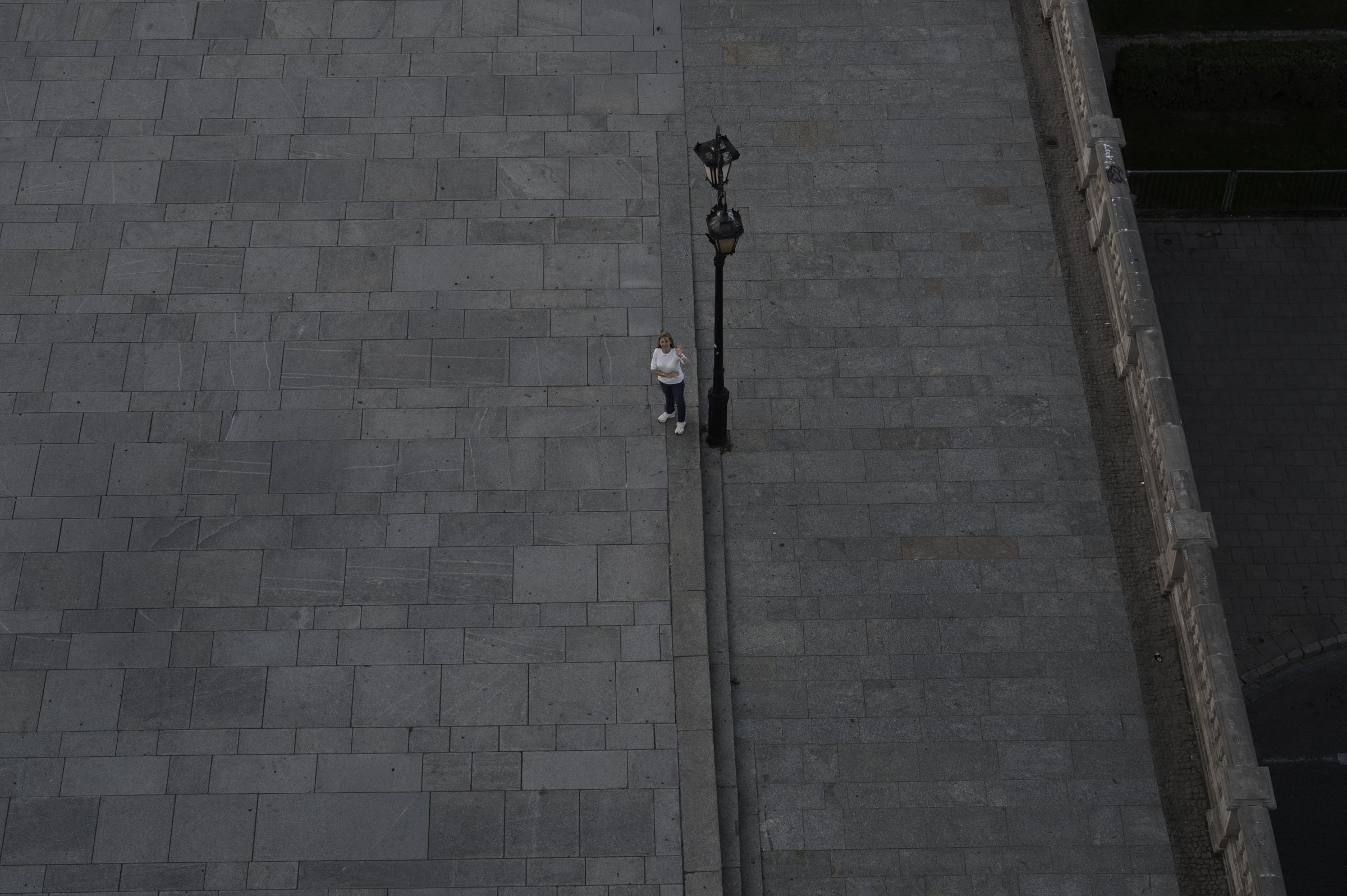
From the church, we continued walking through the Old Town.
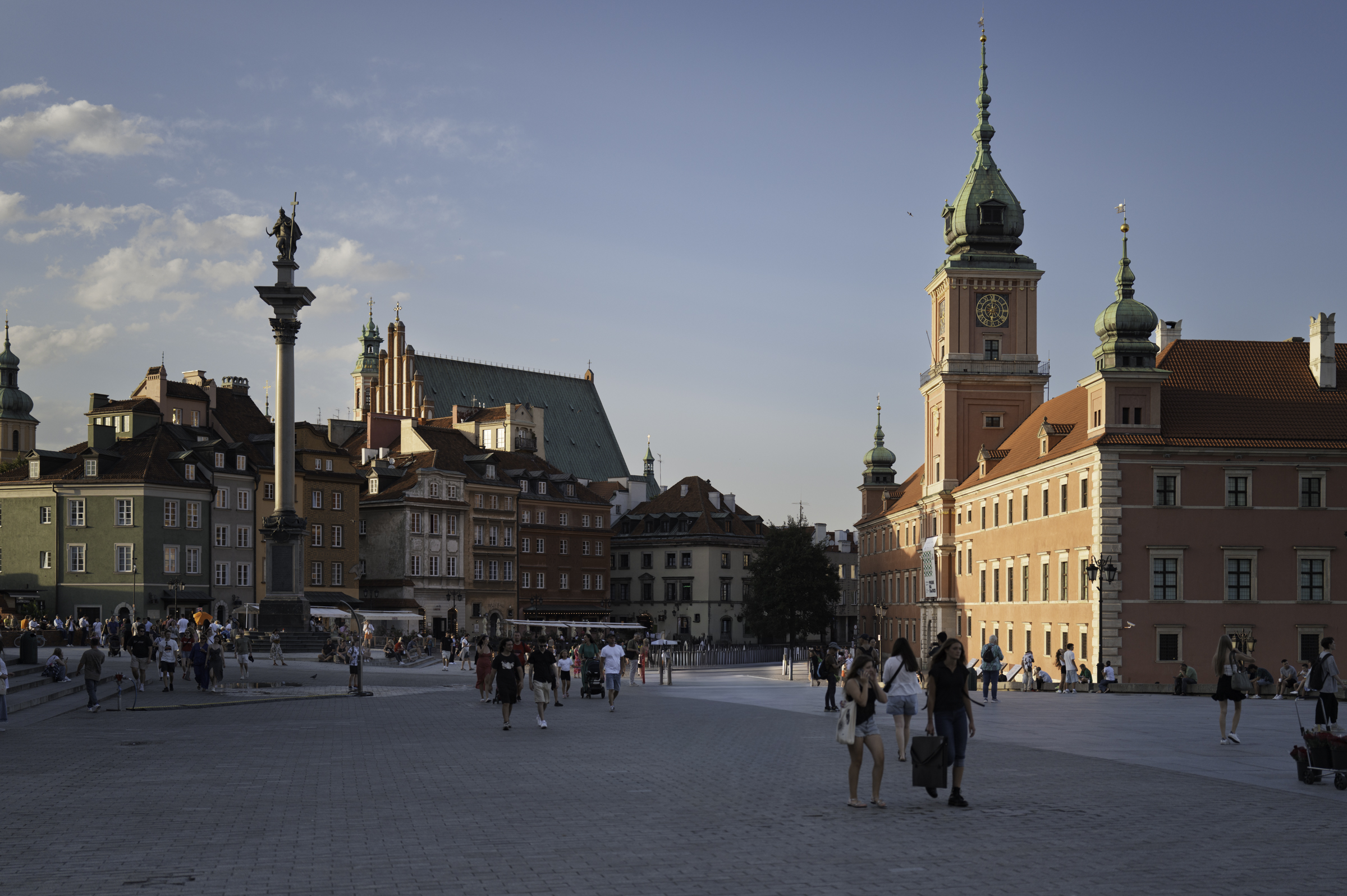
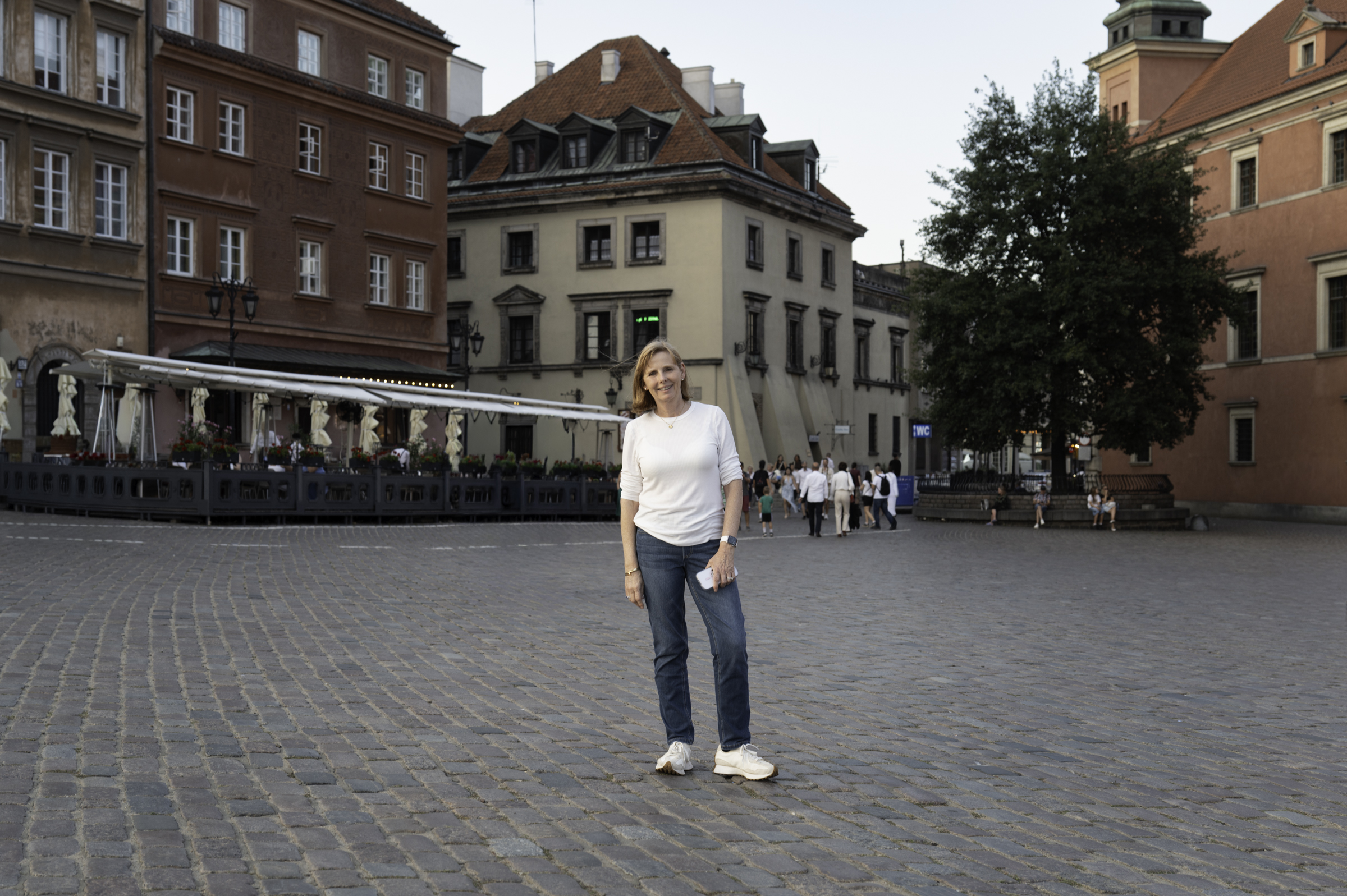
While we weren’t specifically seeking out churches to look at, it’s hard to not see them in Warsaw’s Old Town, since there are so many interesting examples. As we walked along Świętojańska Street, we found two more churches, side by side.
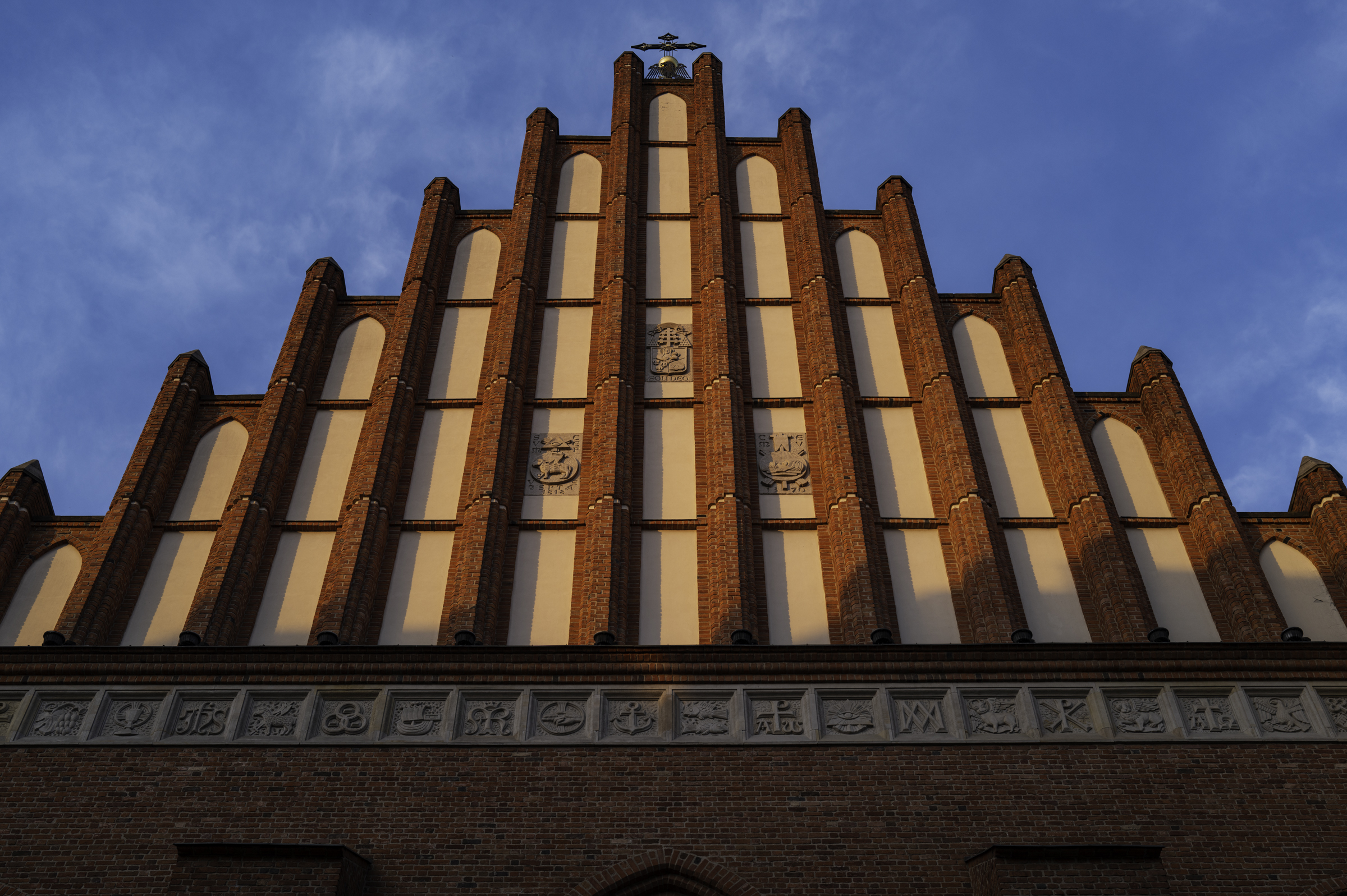
The first one we stopped at was the Archcathedral Basilica of St. John the Baptist, the main Catholic cathedral of Warsaw. Originally built in the 14th century in Gothic style by the Dukes of Mazovia, it was remodelled over centuries in the Baroque style, but after being completely destroyed by the Germans in 1944, it was rebuilt in the postwar Gothic style, a modern take on its medieval form.
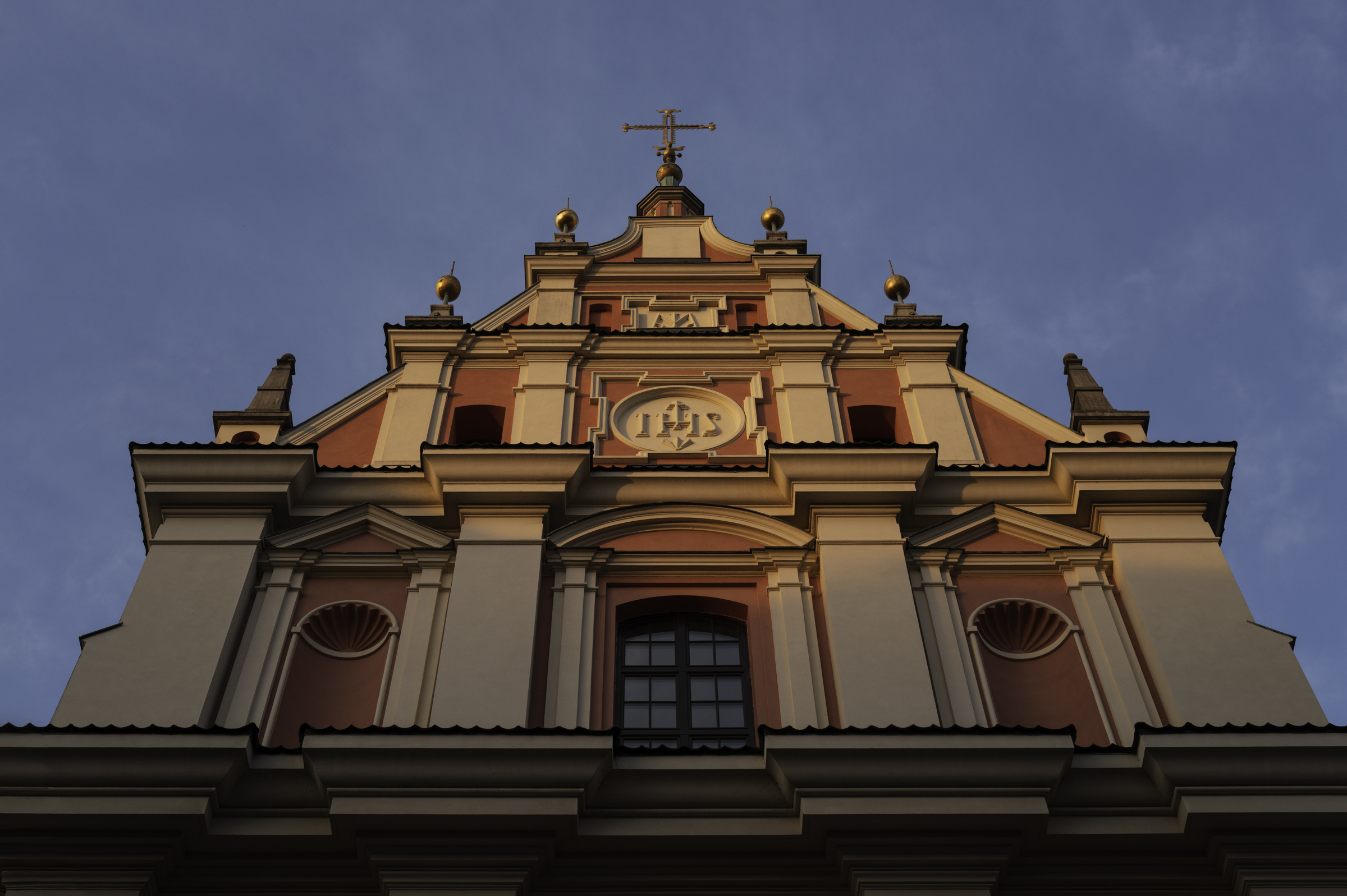
Next door to the Catholic church is the Jesuit Church of the Gracious Mother of God. It was built in the 17th century (1609–1626) by the Jesuits, making it one of the first Baroque churches in Warsaw. The church is dedicated to Our Lady of Grace, the patron saint of Warsaw. It, too, was heavily damaged by the Germans in WWII and was carefully rebuilt after the war, restoring its historic Baroque character.
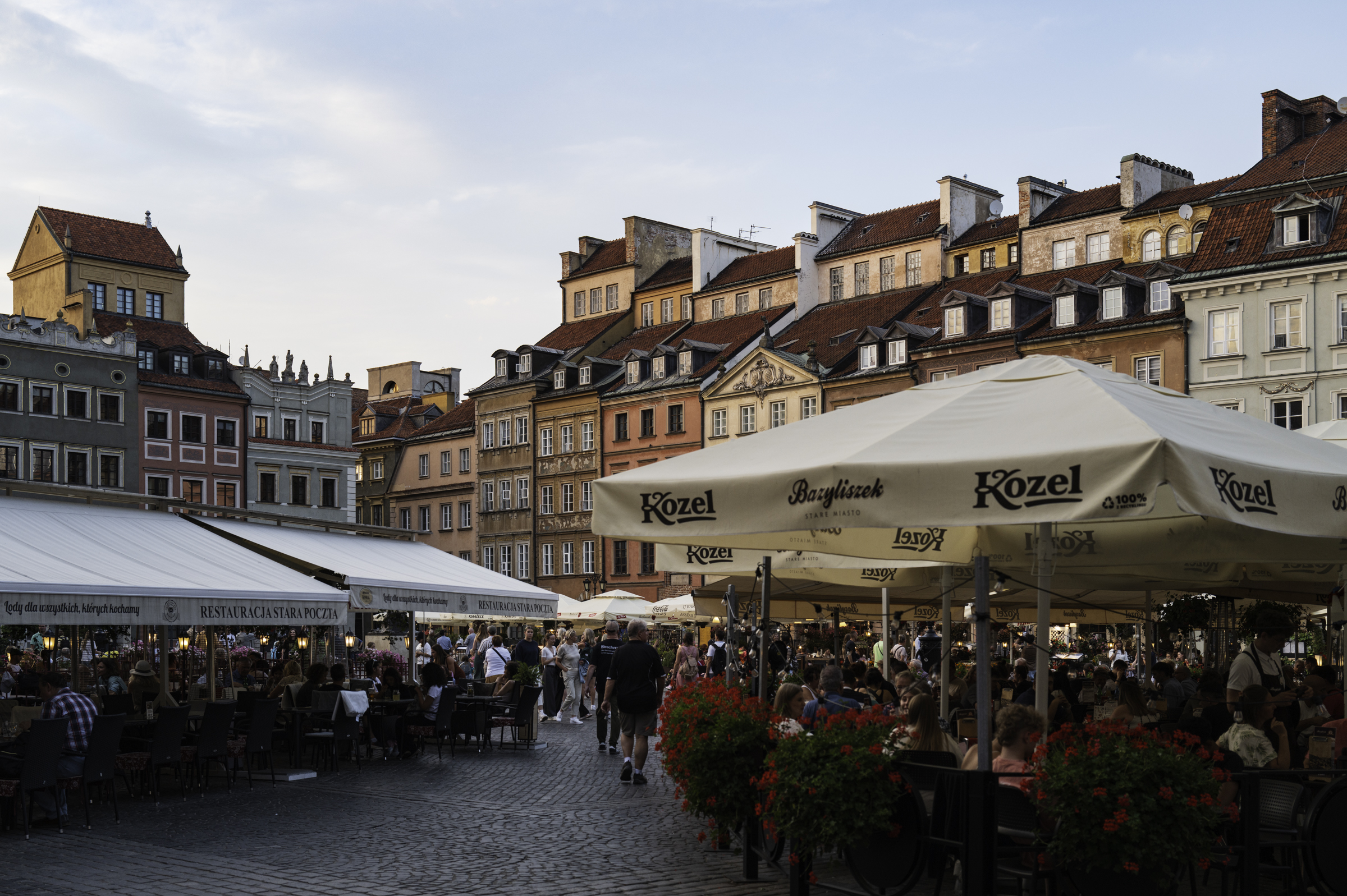
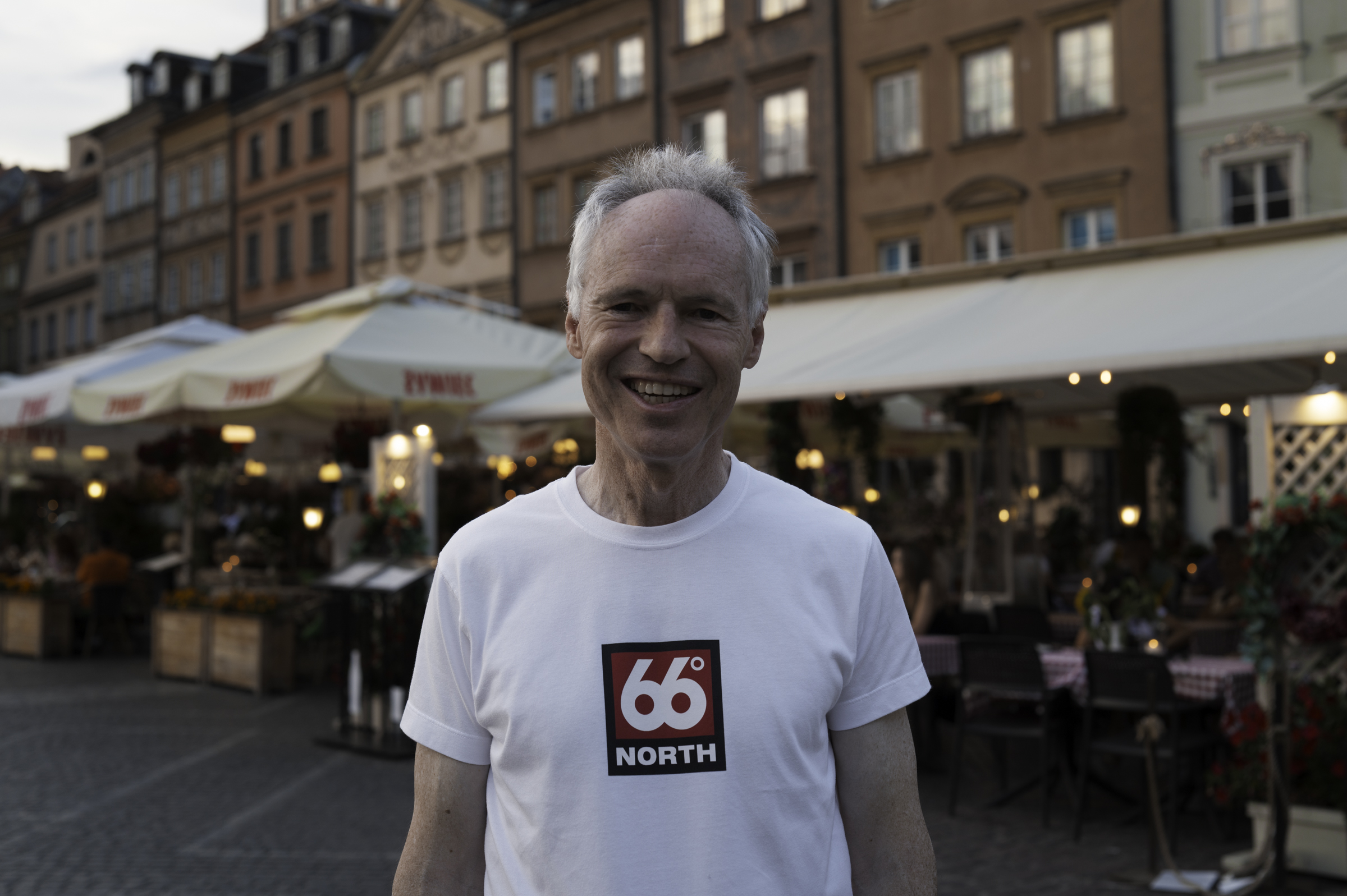
Next, we walked through Rynek Starego Miasta, Warsaw’s Old Town Market Square. This is considered to be the historic heart of the Old Town.
After a big walk around the old city walls, we headed back up Krakowskie Przedmieście to the hotel.
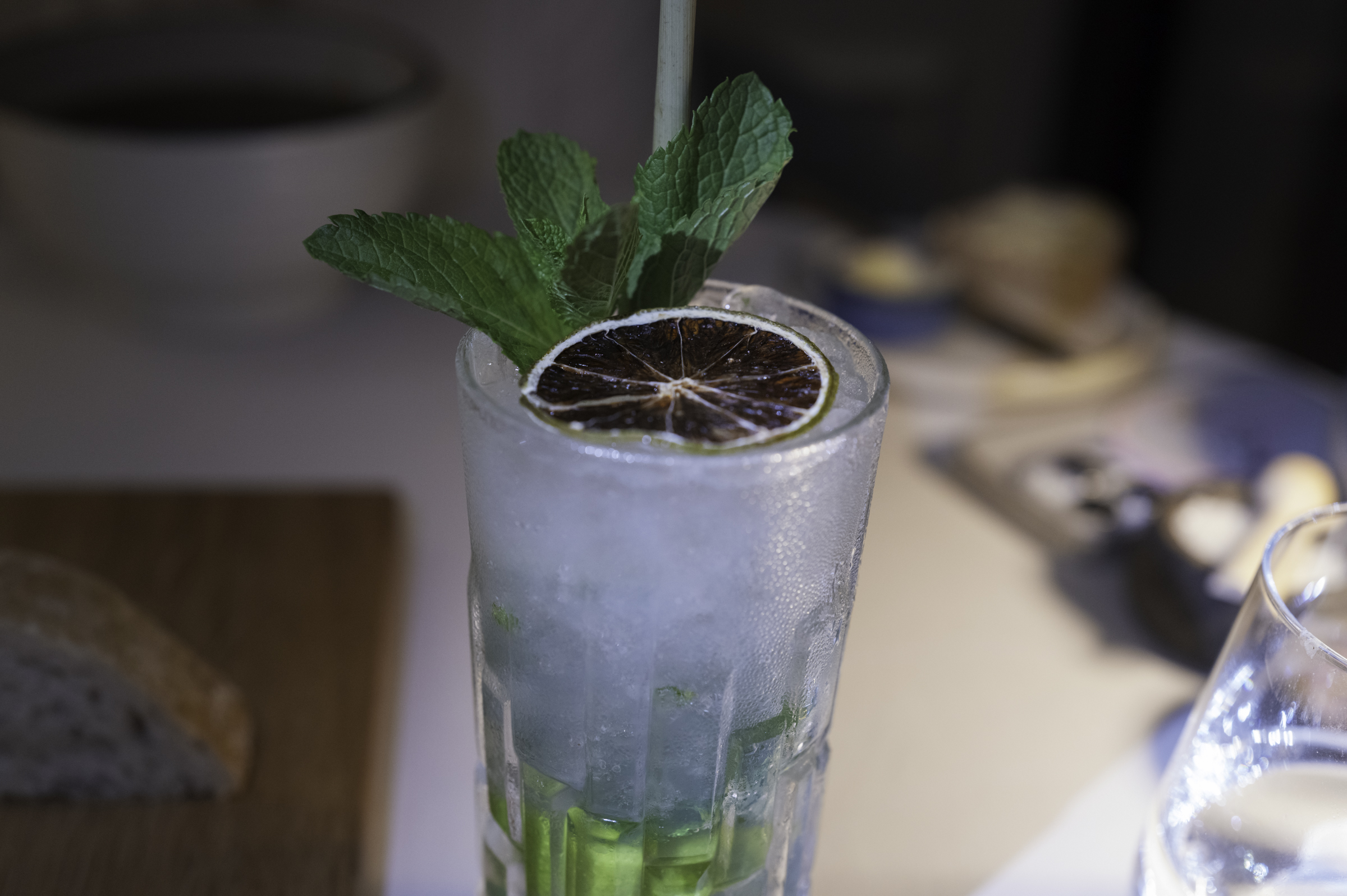
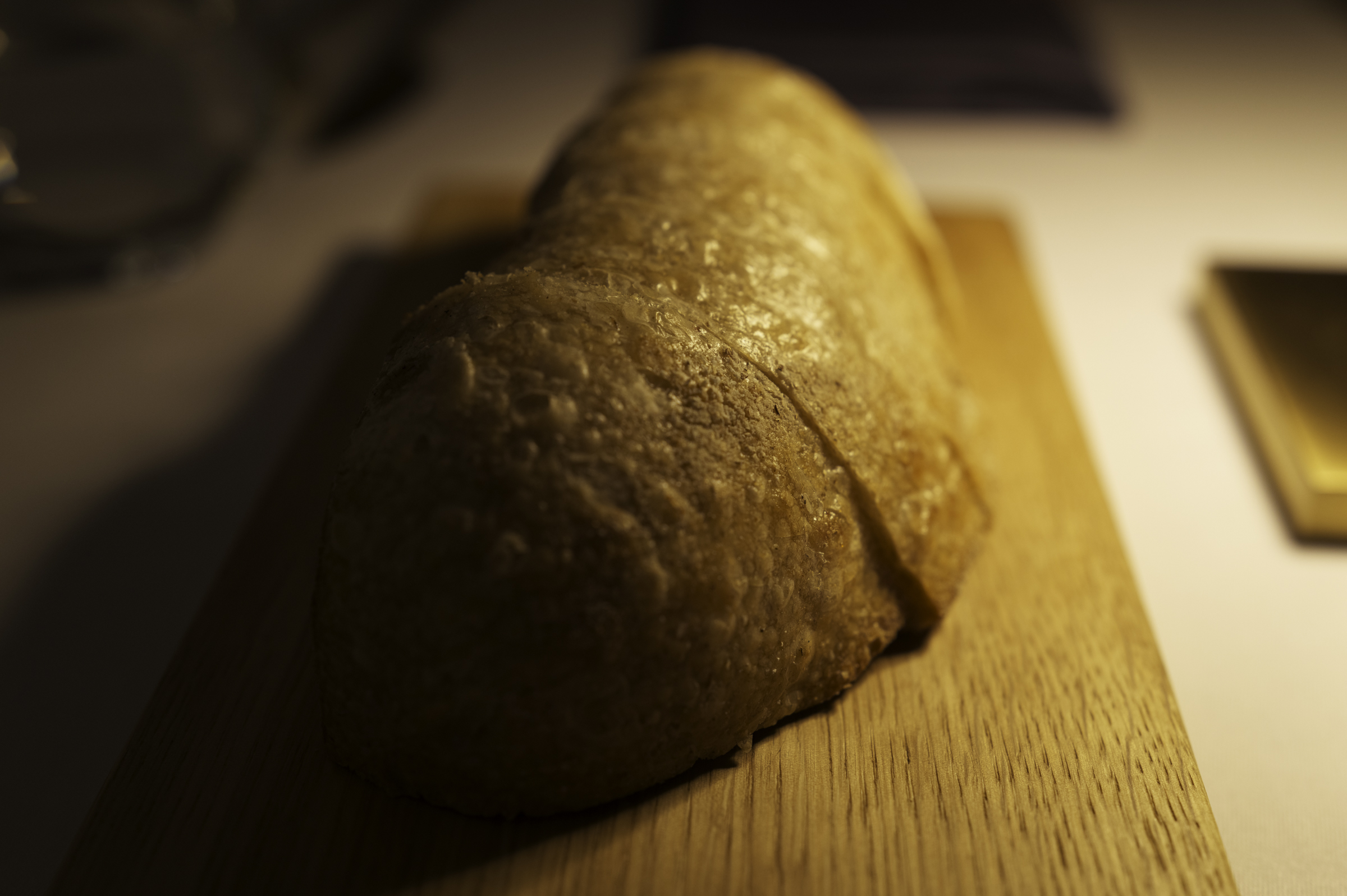
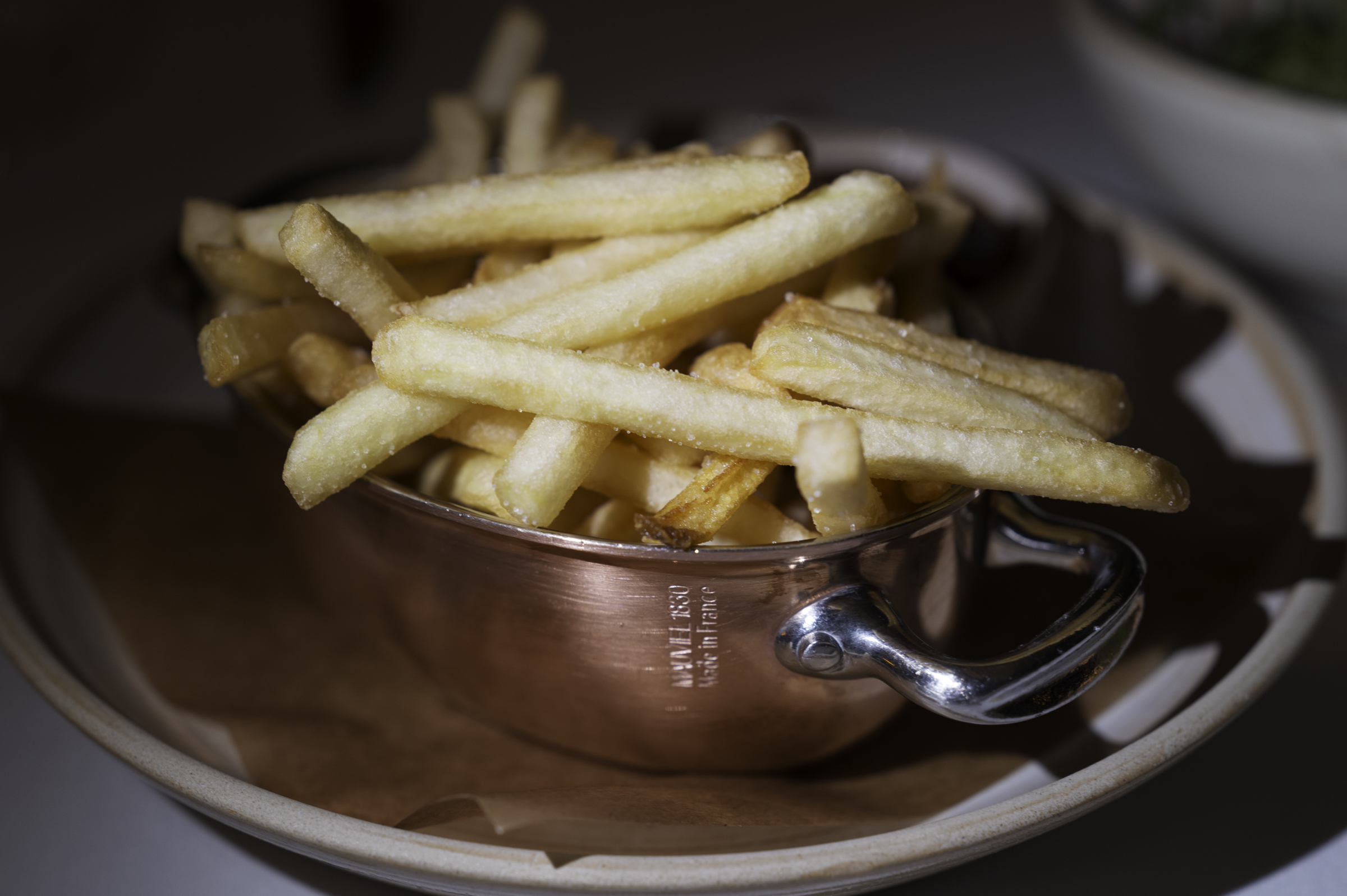
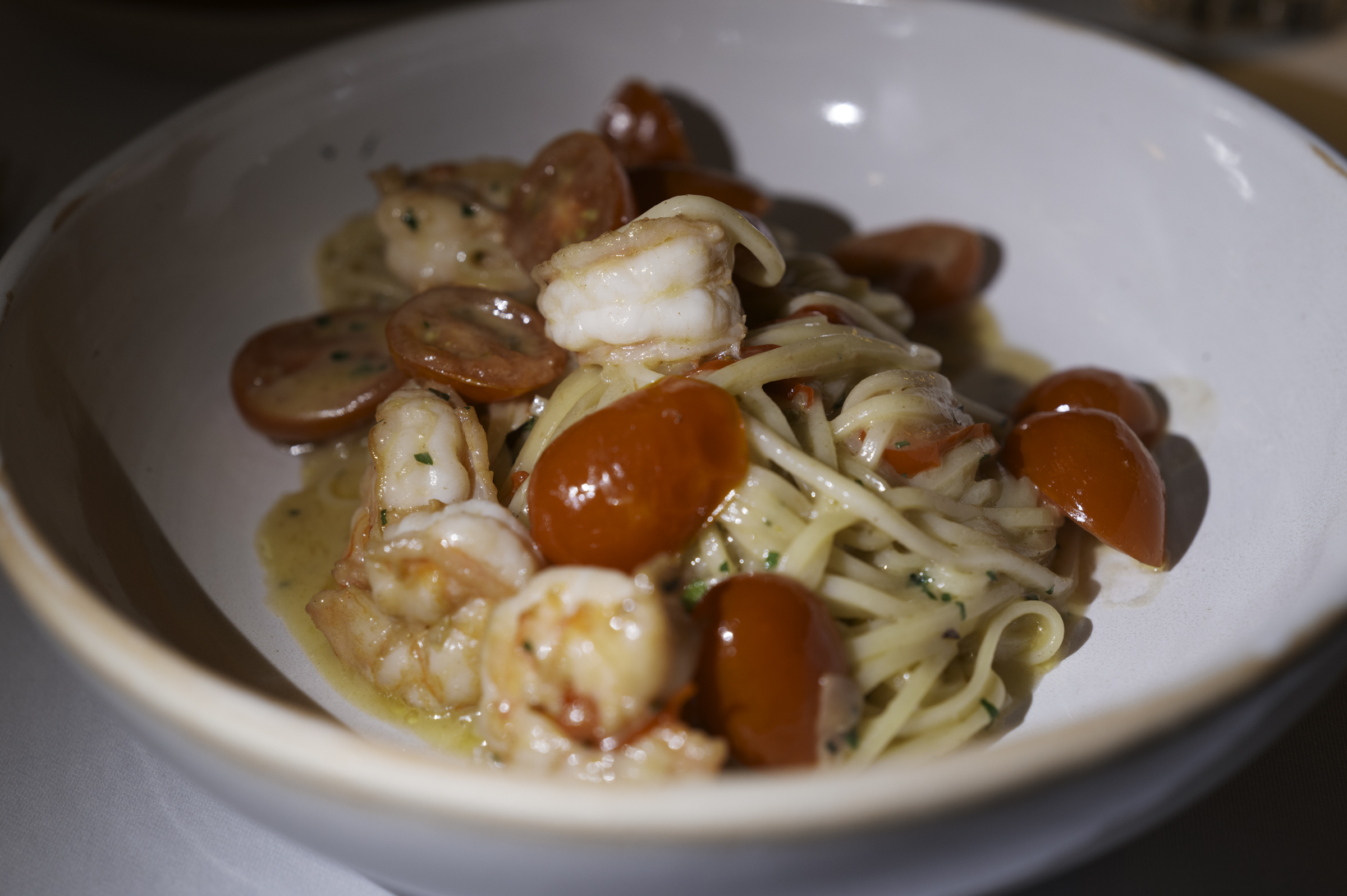
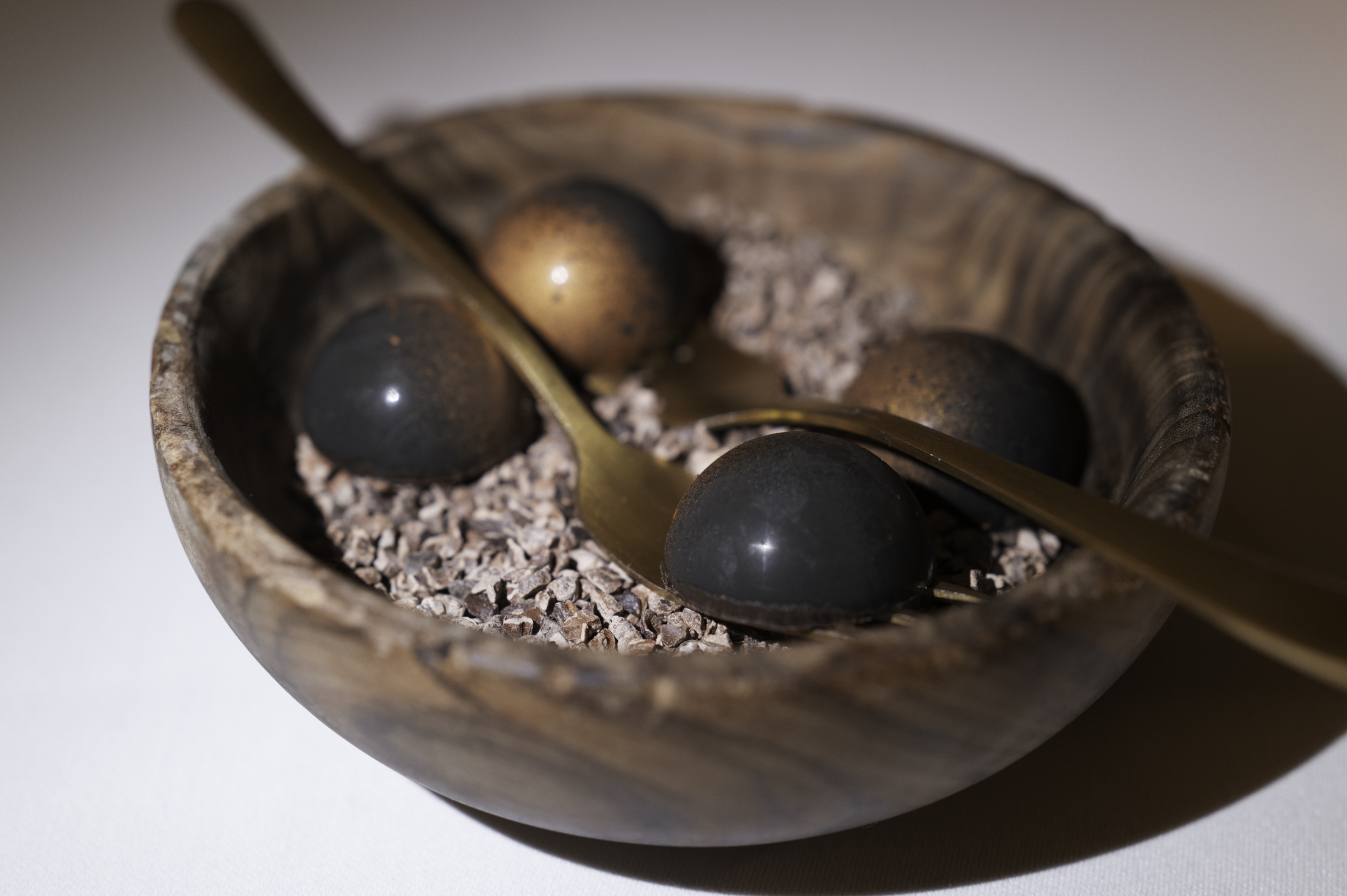
When we got back to the hotel, we headed to the Europejski Grill, the Raffles Europejski Warsaw’s restaurant, where we enjoyed a lovely dinner.


Tomorrow, we are going to spend the day exploring more of Warsaw.