
Europe
Exploring Warsaw
After a great night’s sleep, we headed downstairs at about 9:30 am and enjoyed a lovely breakfast.

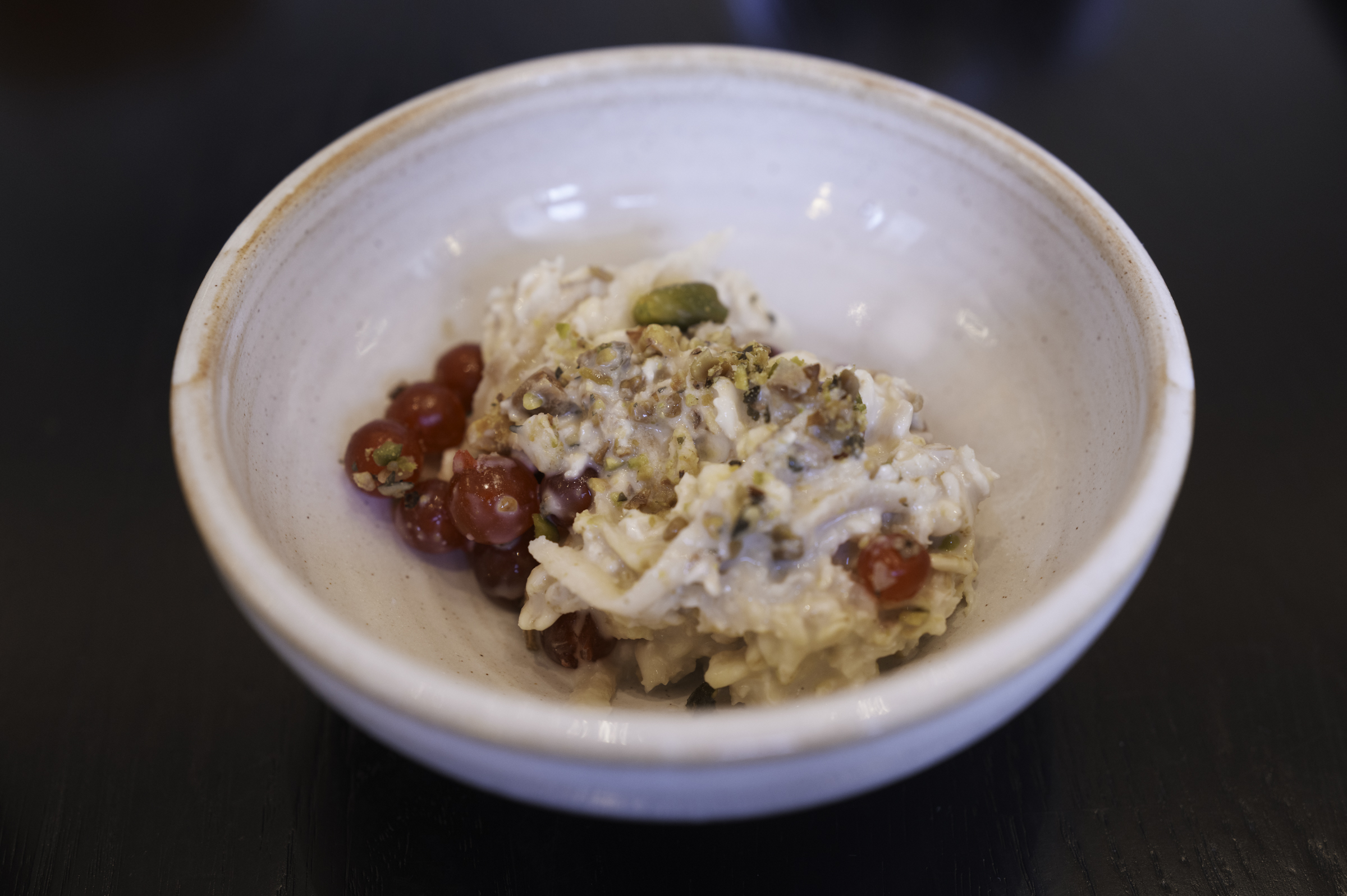


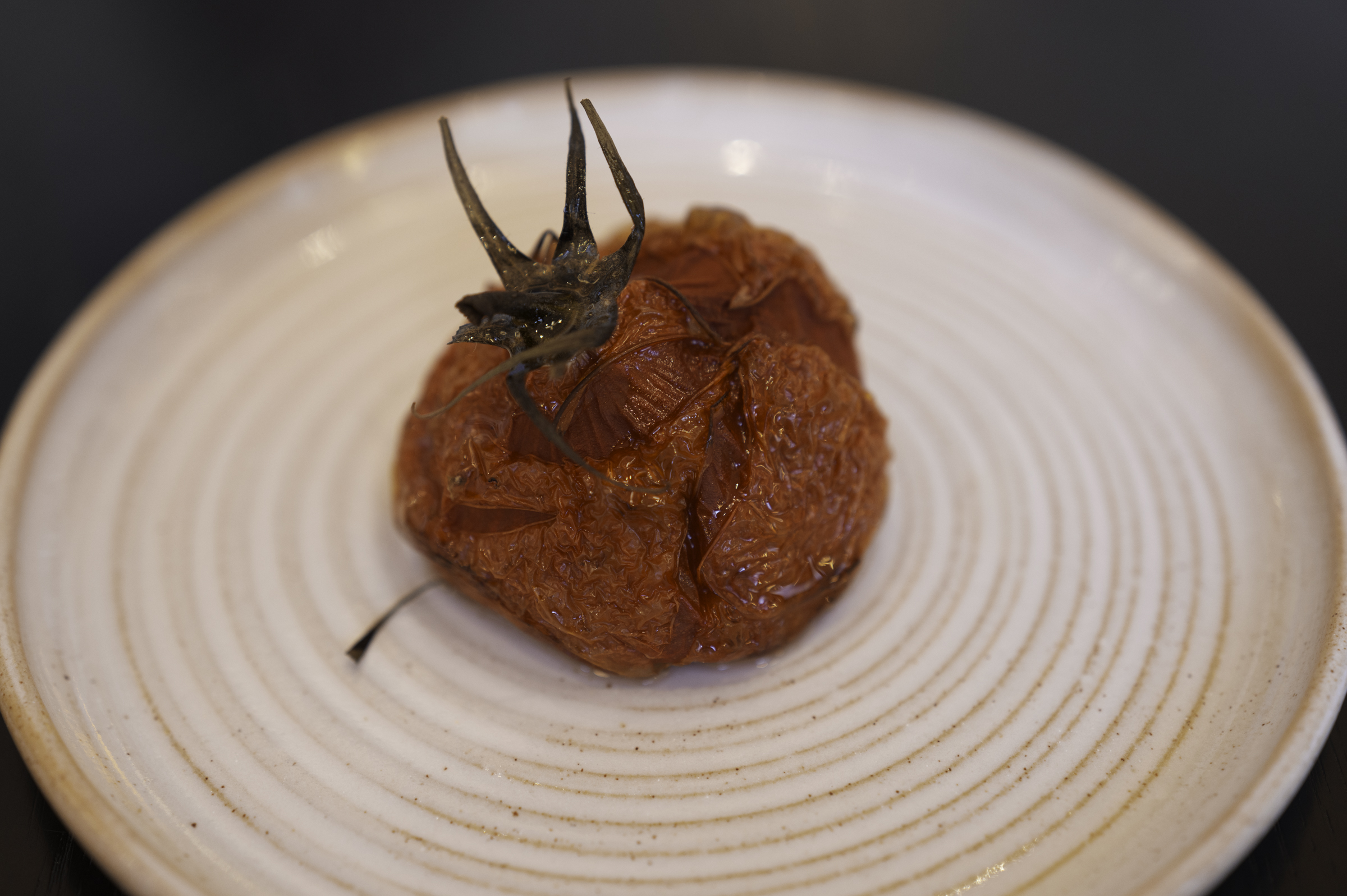



We took our time having breakfast, and it was about 11:30 am before we managed to get sufficiently organised to leave the hotel.

We decided to make our way to Łazienki Park (Royal Baths Park), to walk through the gardens and explore the beautiful buildings. In particular, we wanted to visit Pałac na Wyspie (Palace on the Isle).
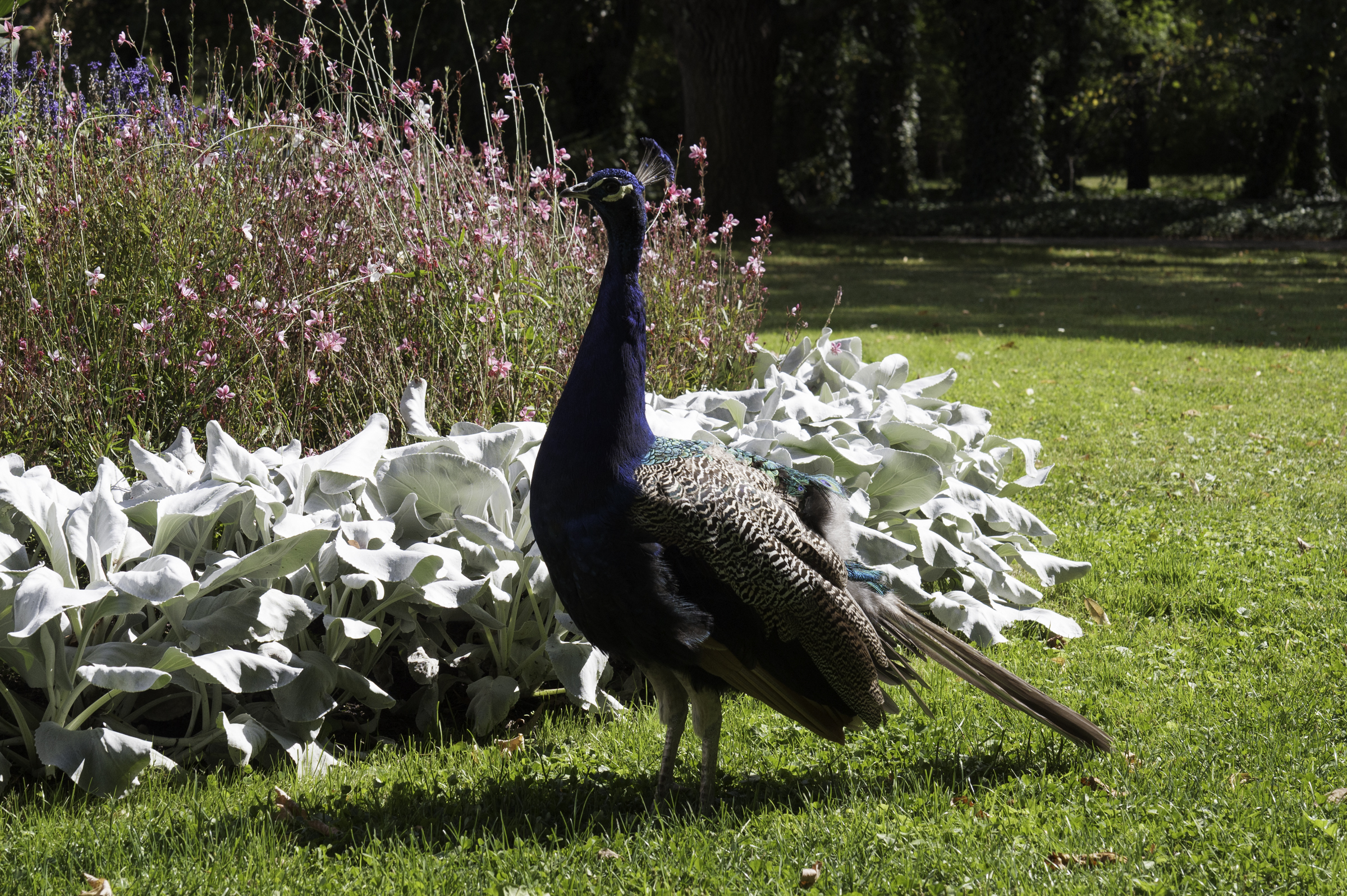
We arrived at the park just after midday, and were greeted by a peacock on the way in!
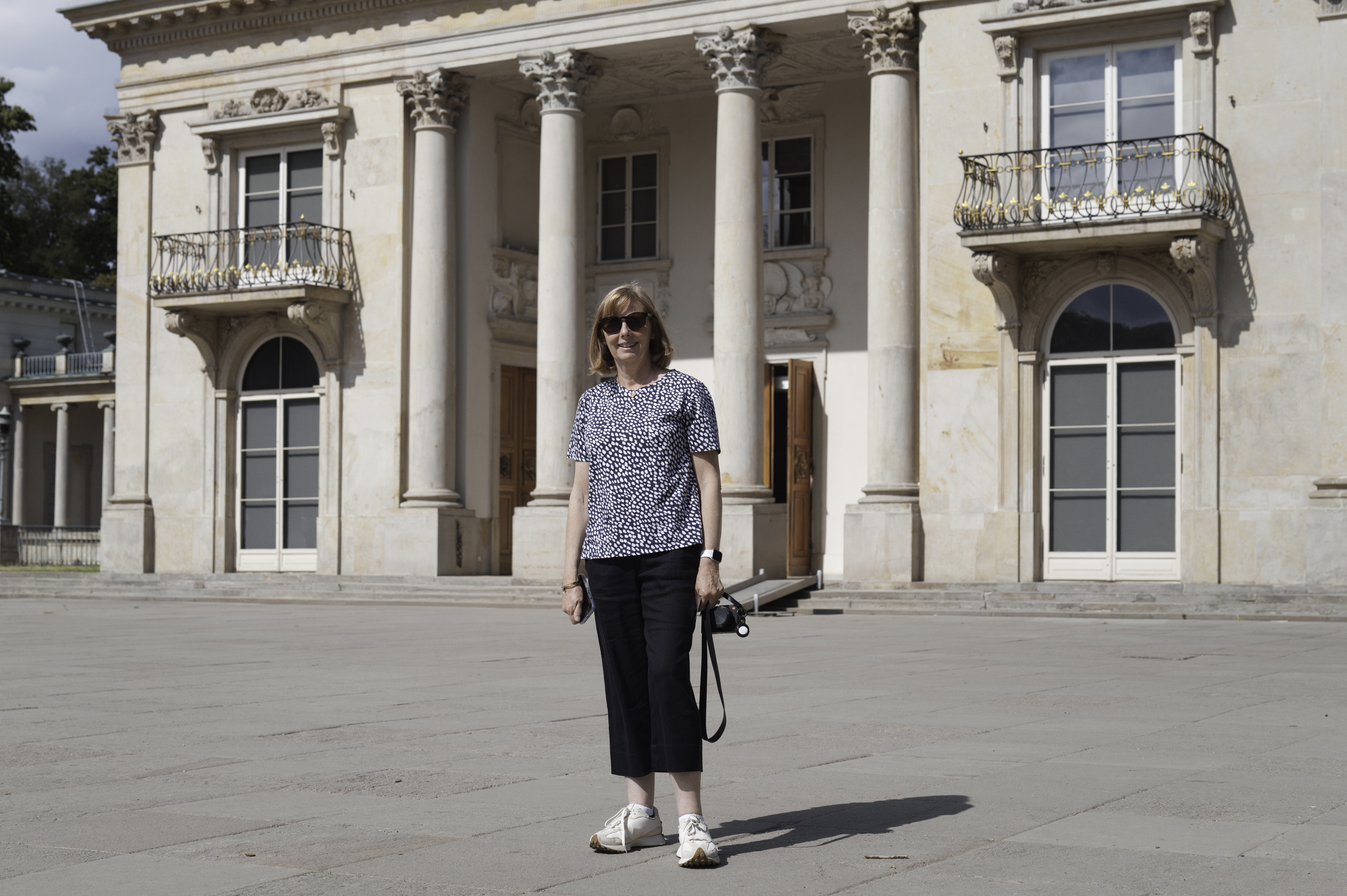
After buying tickets, we walked through the beautiful gardens to Pałac na Wyspie (Palace on the Isle). This palace is the crown jewel of Łazienki Park, and one of the best examples of Neoclassical architecture in Poland. The palace sits on an island in the middle of a lake, connected to the shore by two bridges. Originally, in the 17th century, the site was home to a bathing pavilion (hence Łazienki, meaning “baths”). In the late 18th century, King Stanisław August Poniatowski, the last King of Poland, transformed it into his royal summer residence.
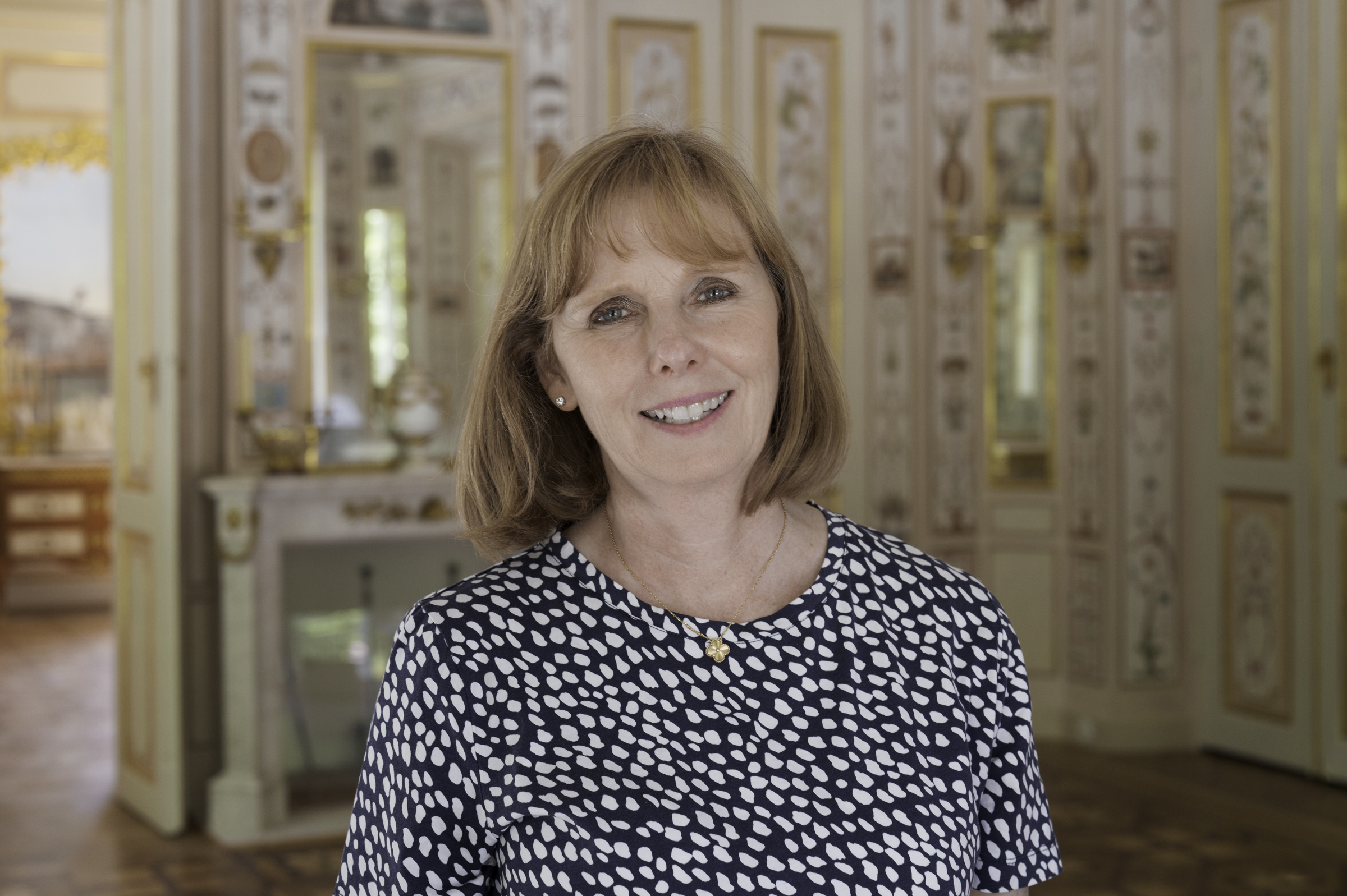
As we walked through the beautiful palace, we could hear a pianist playing Chopin in the Ballroom. When we got to the Ballroom, we sat and enjoyed the music and admired the incredible skill of the pianist.
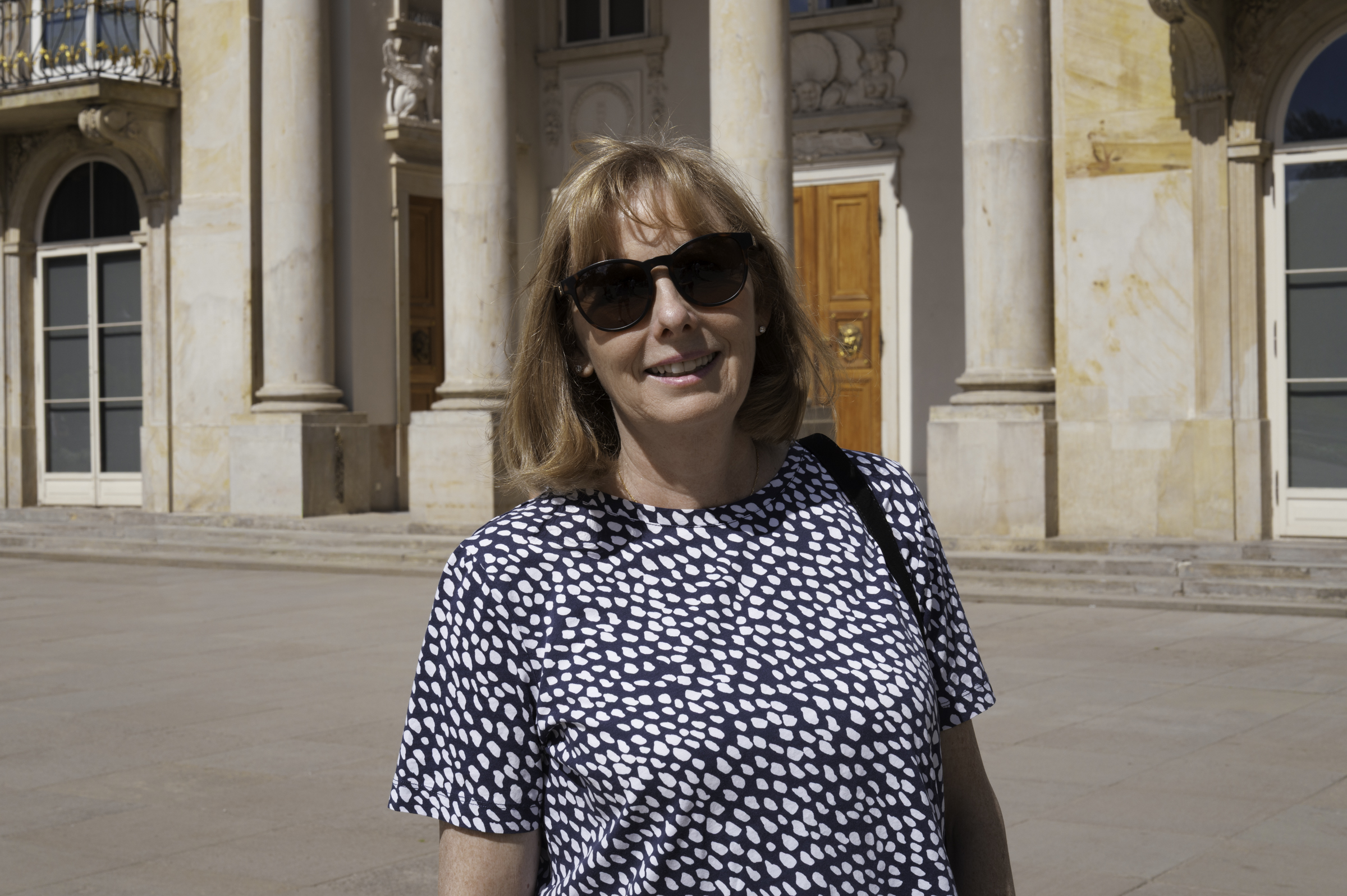
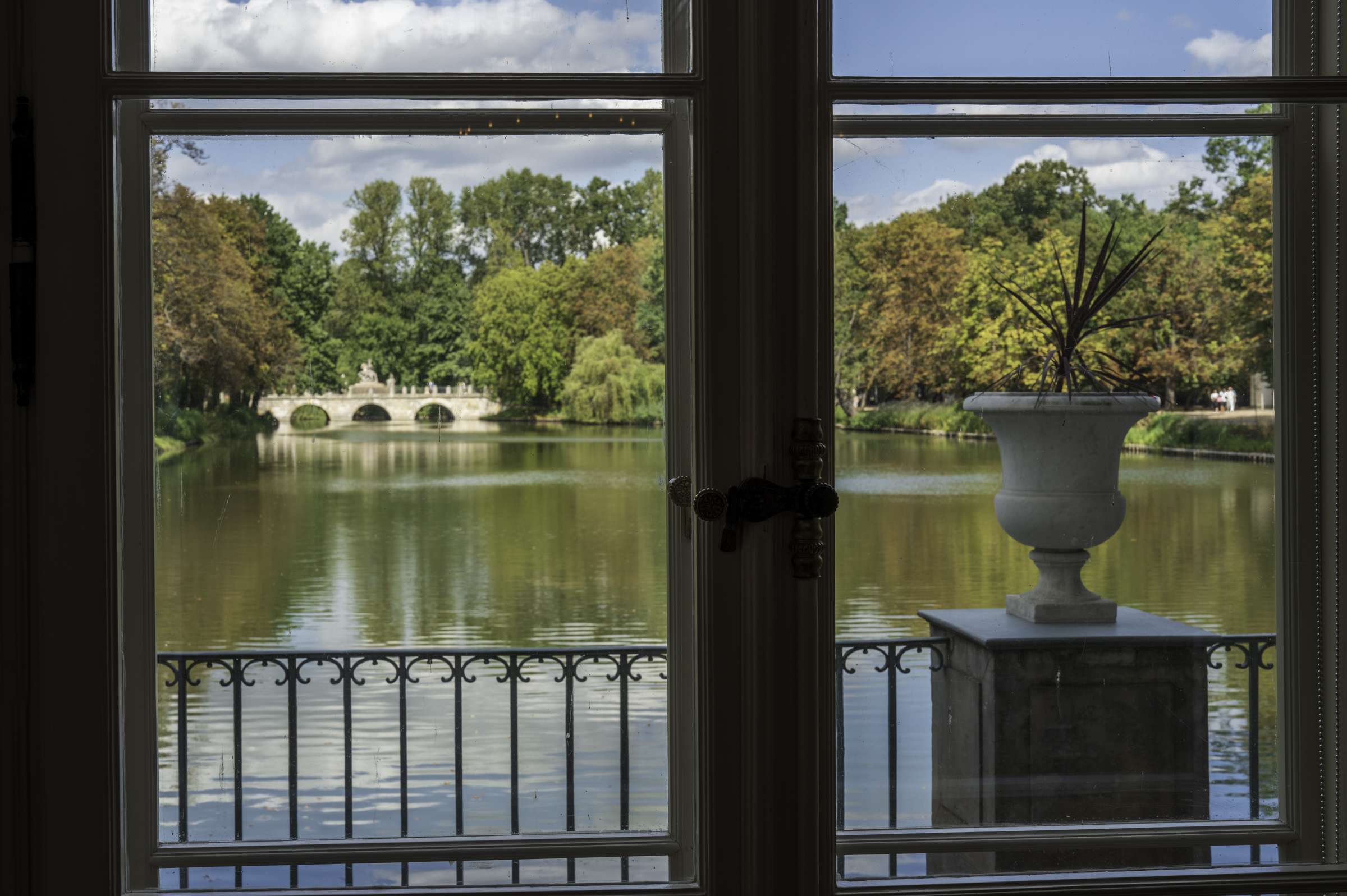
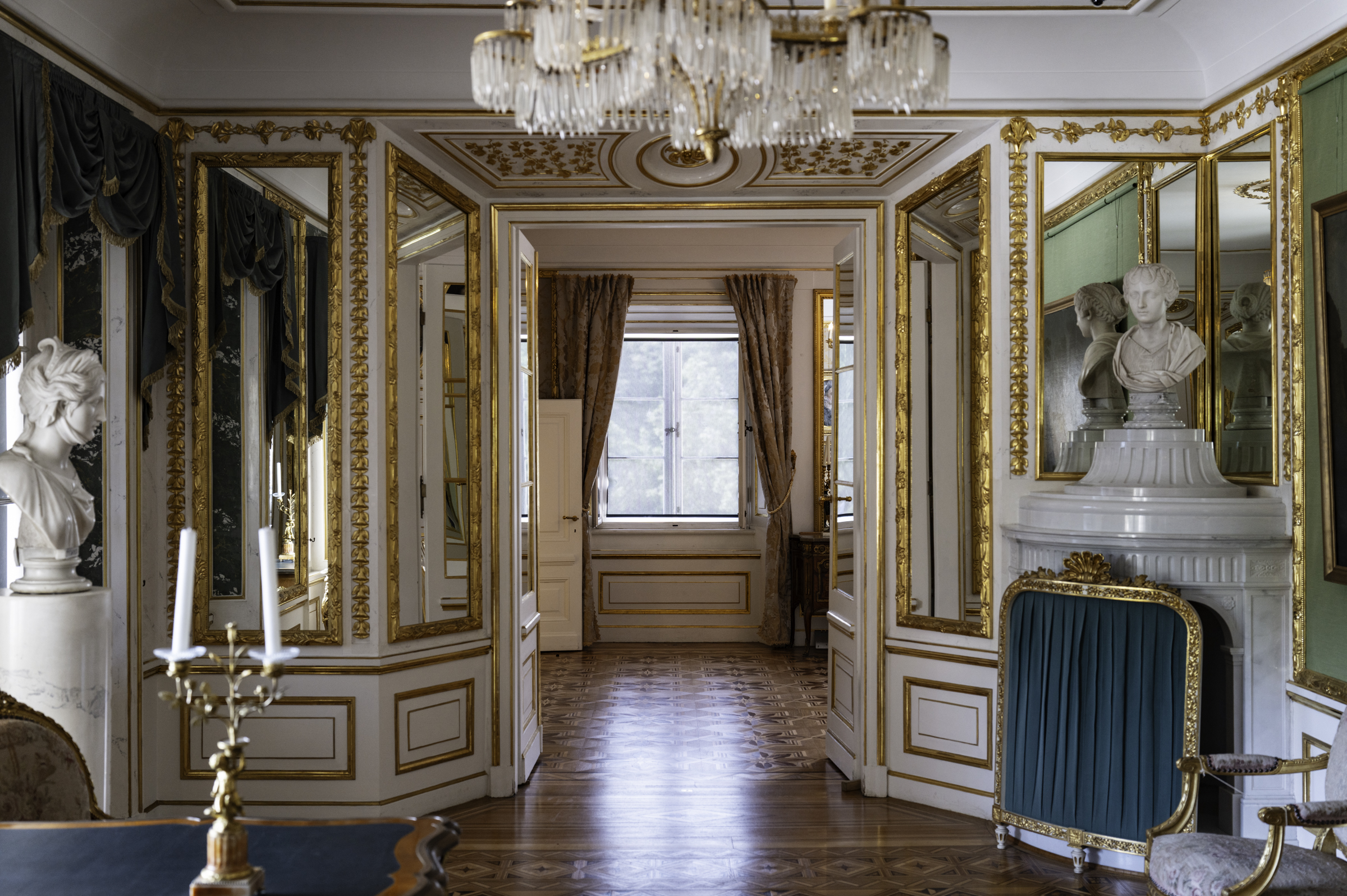
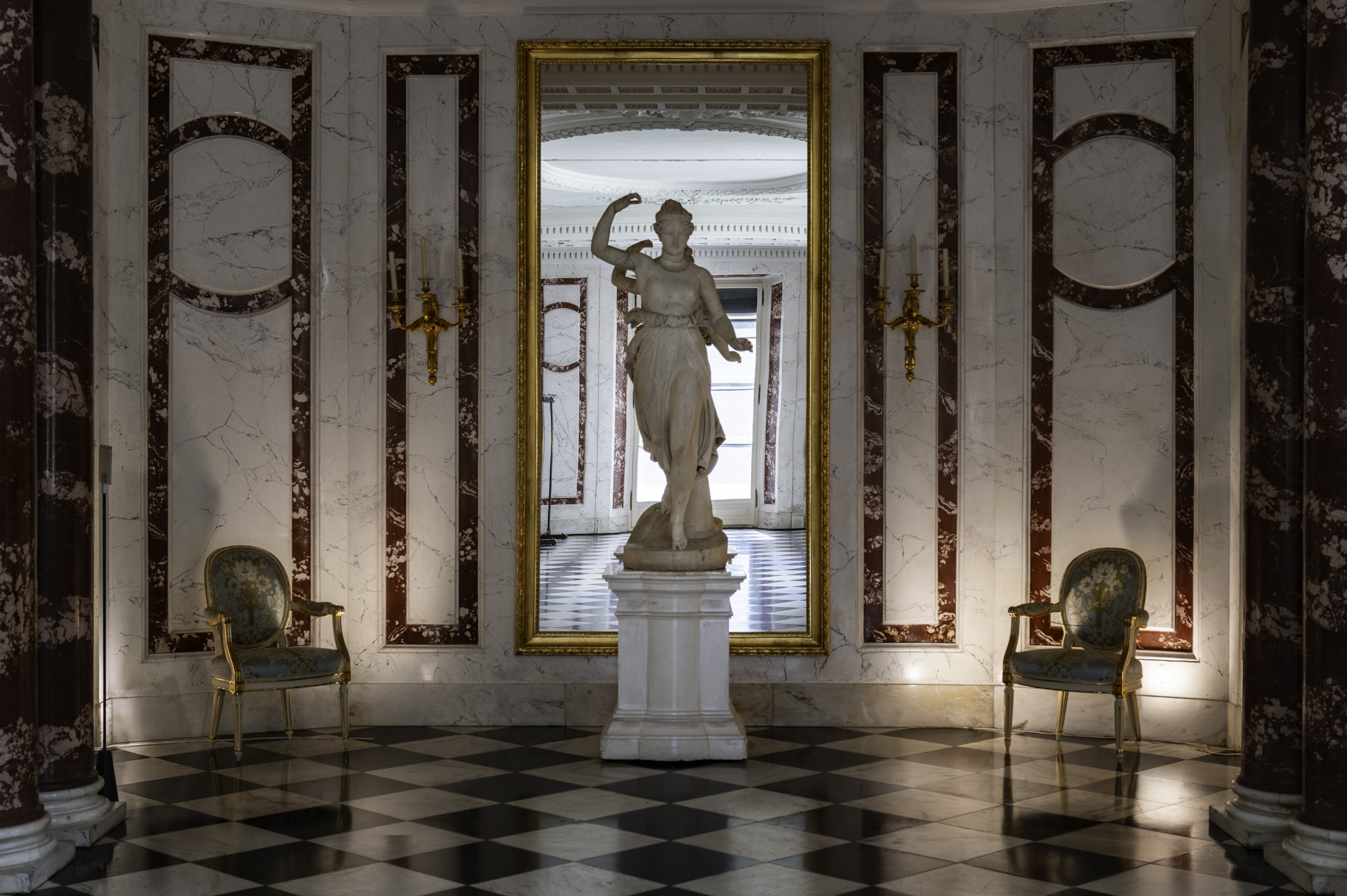
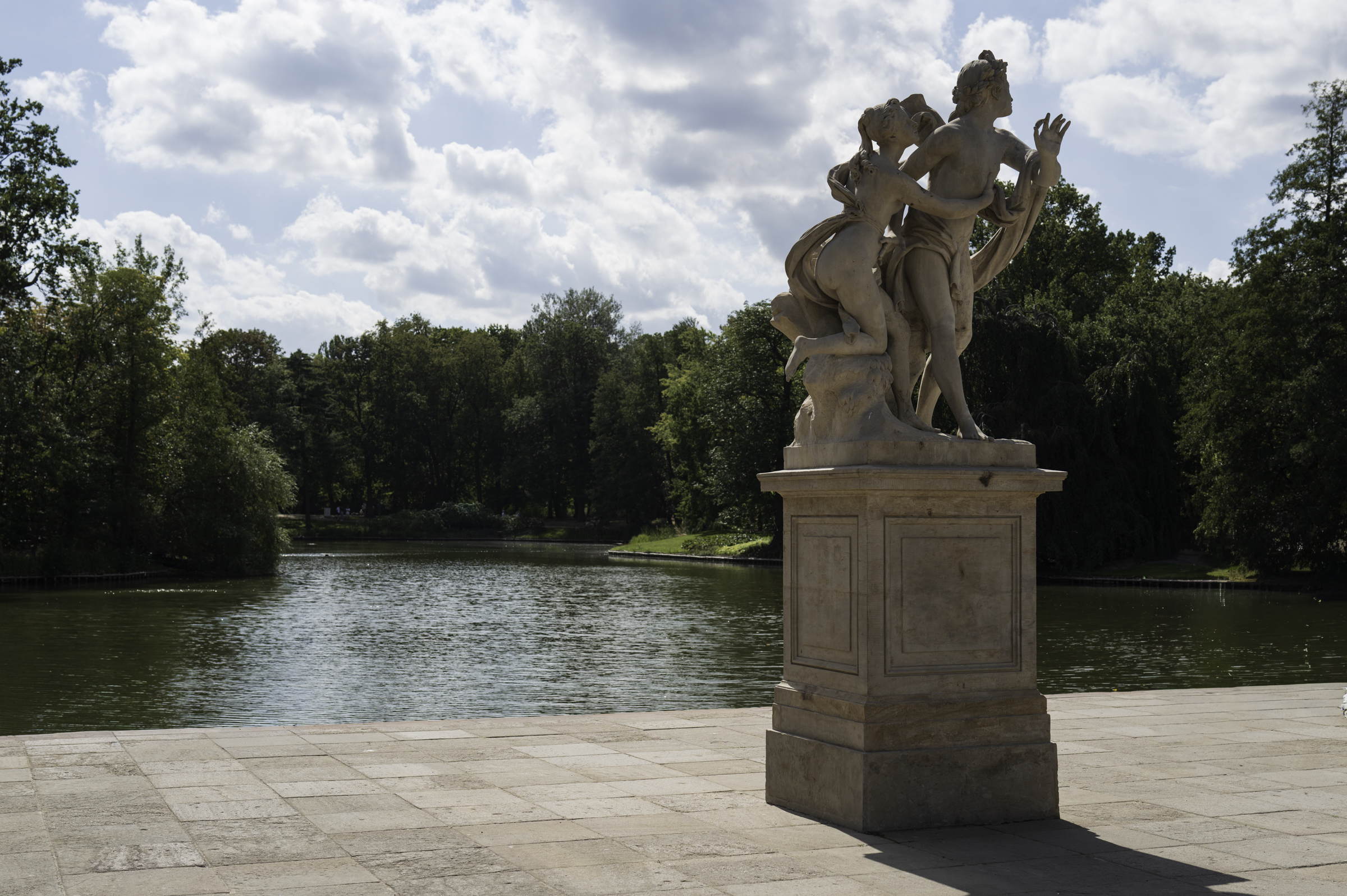
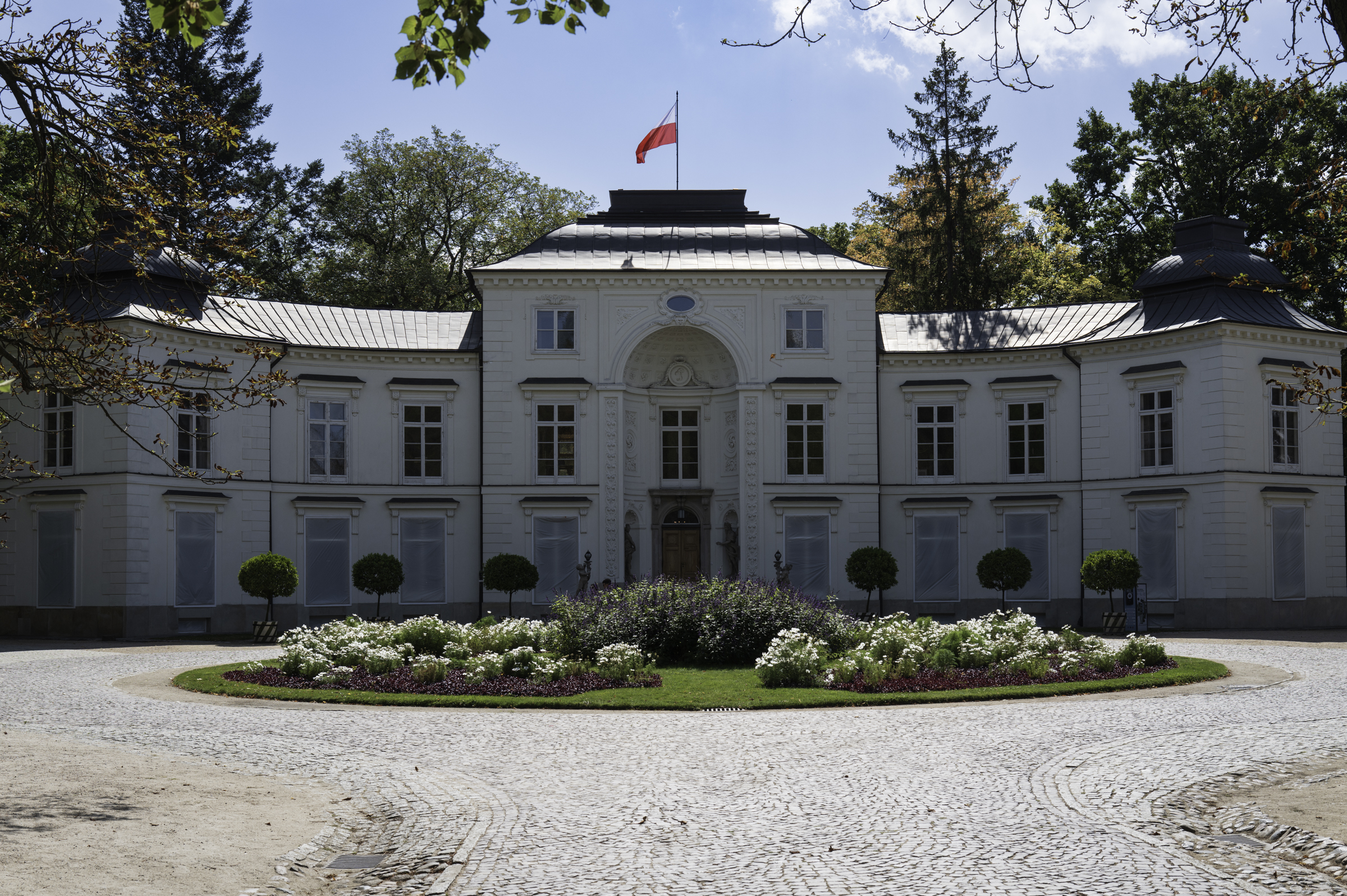
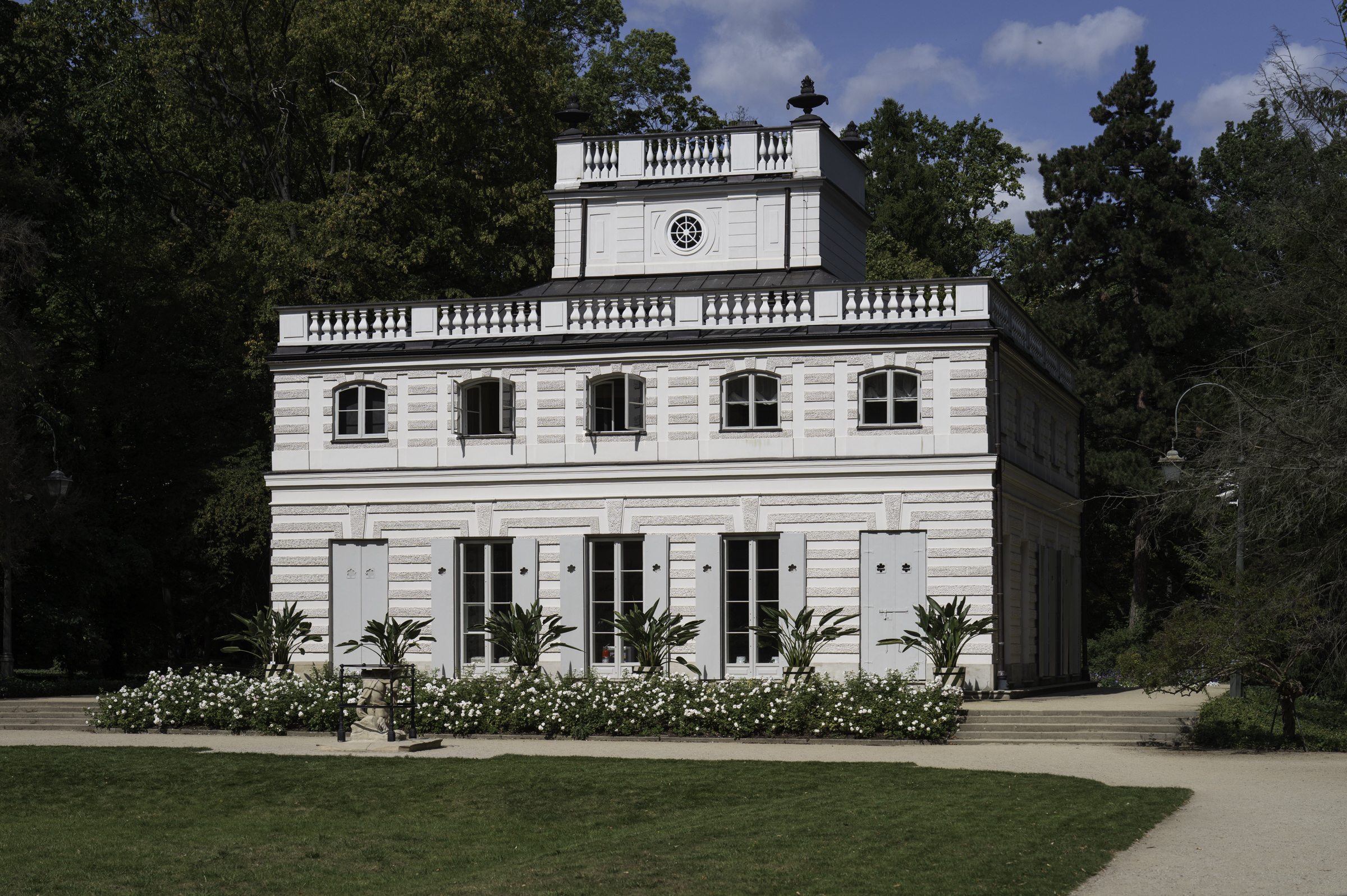
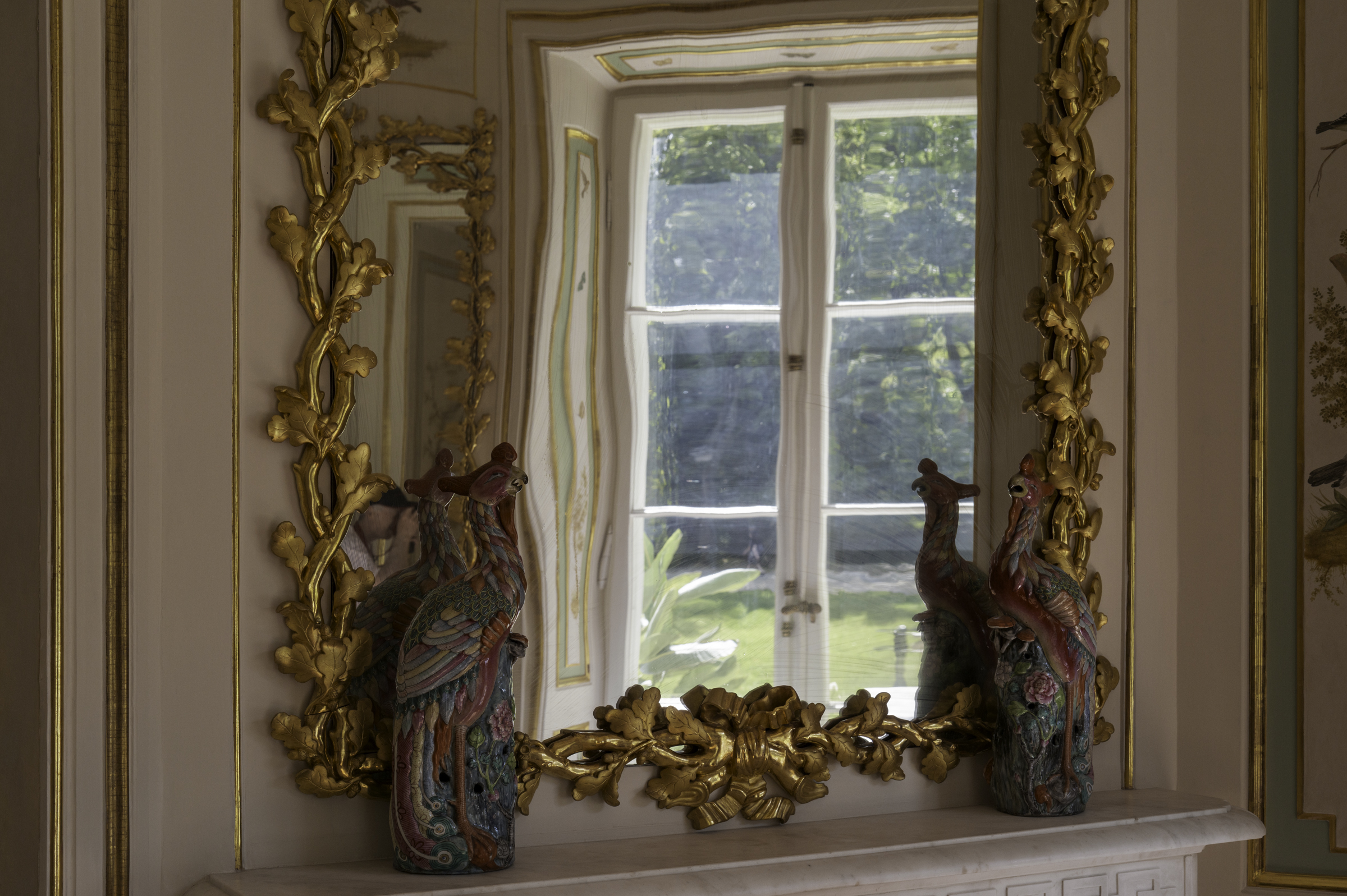
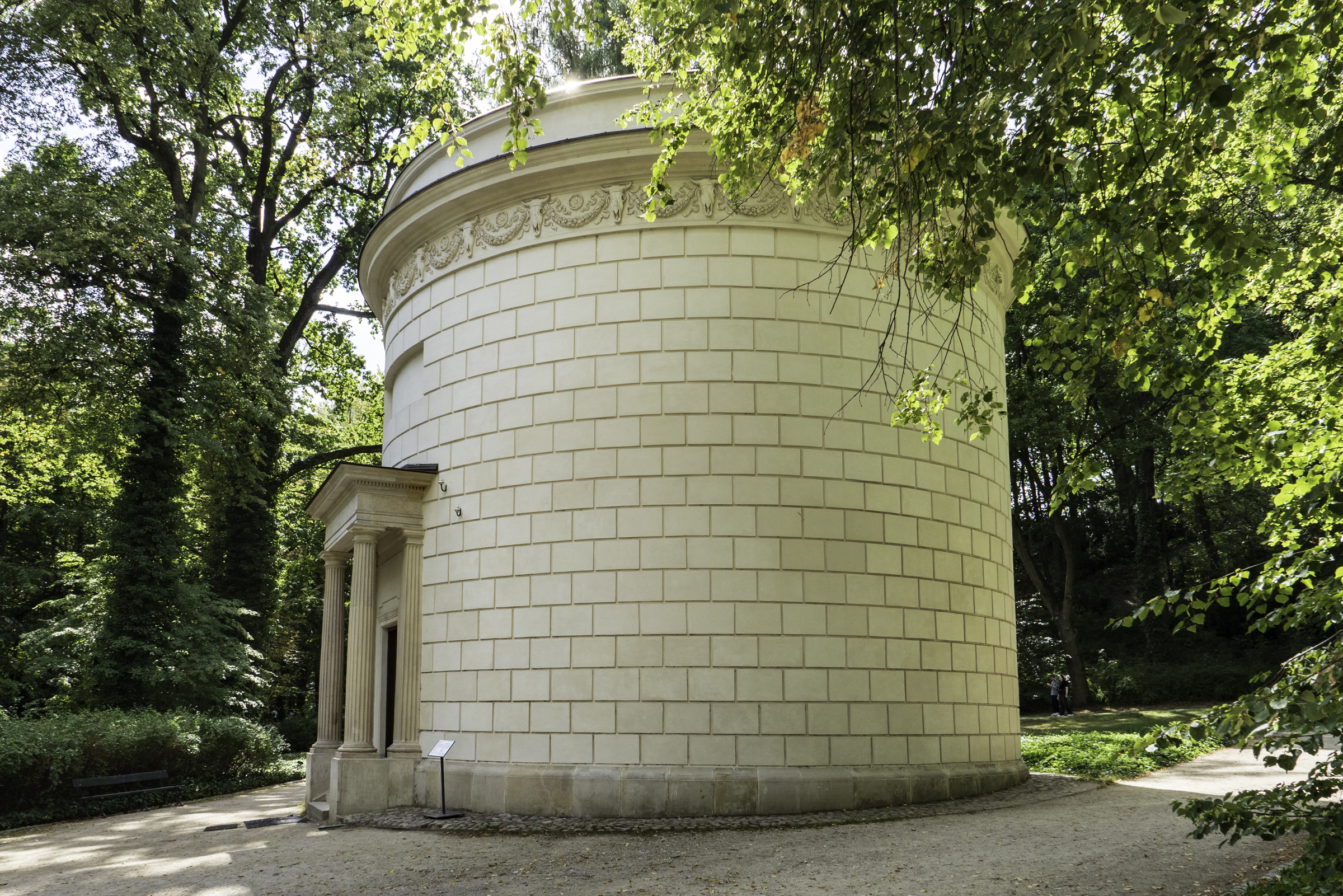
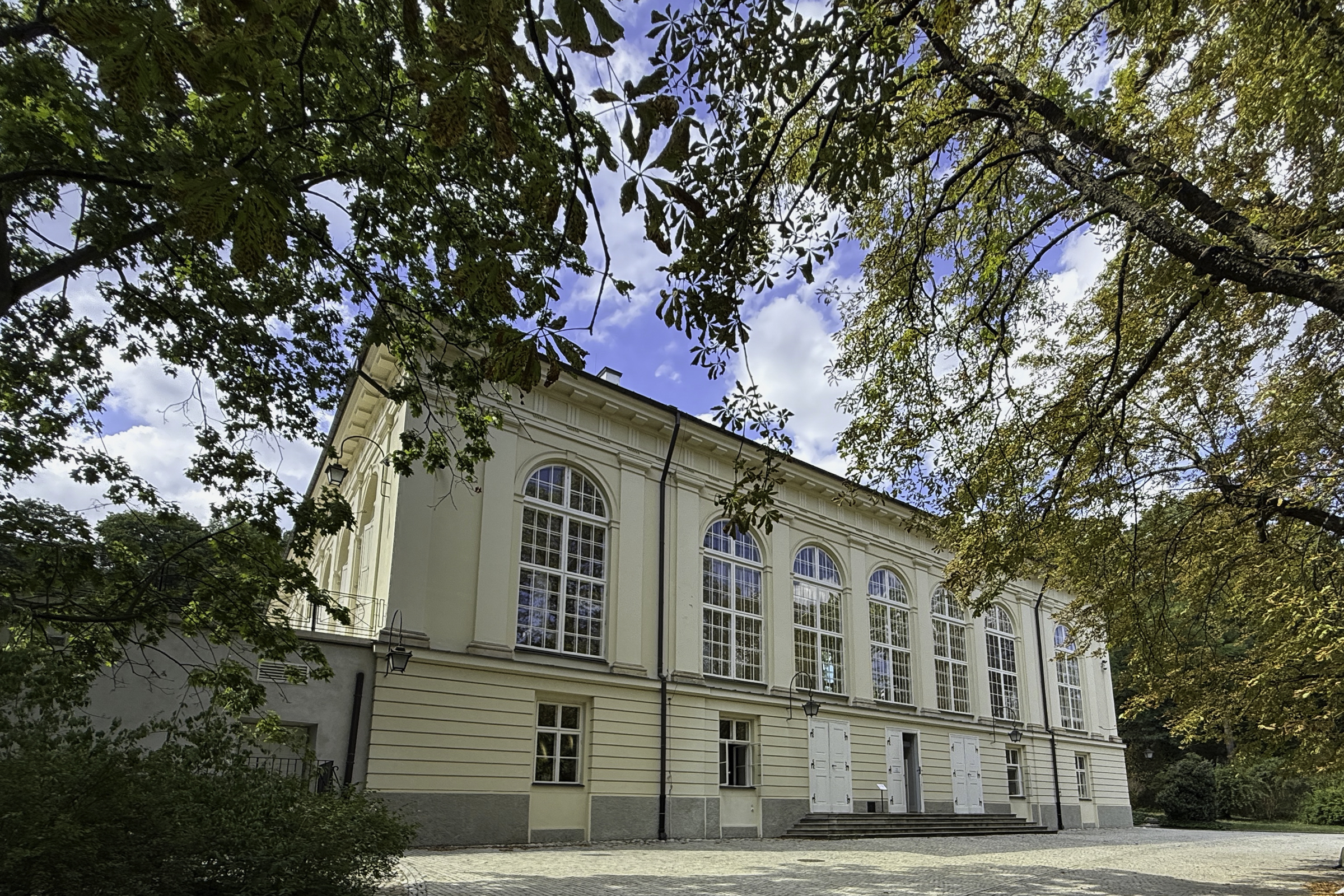
Our next stop was Myślewicki Palace, just a short walk away. This palace was built in the late 18th century, originally as a residence for the king’s courtiers. It is a beautiful building, and we were quite taken by the use of natural light, something that is often missing in other such European palaces, which seem very dim by comparison.
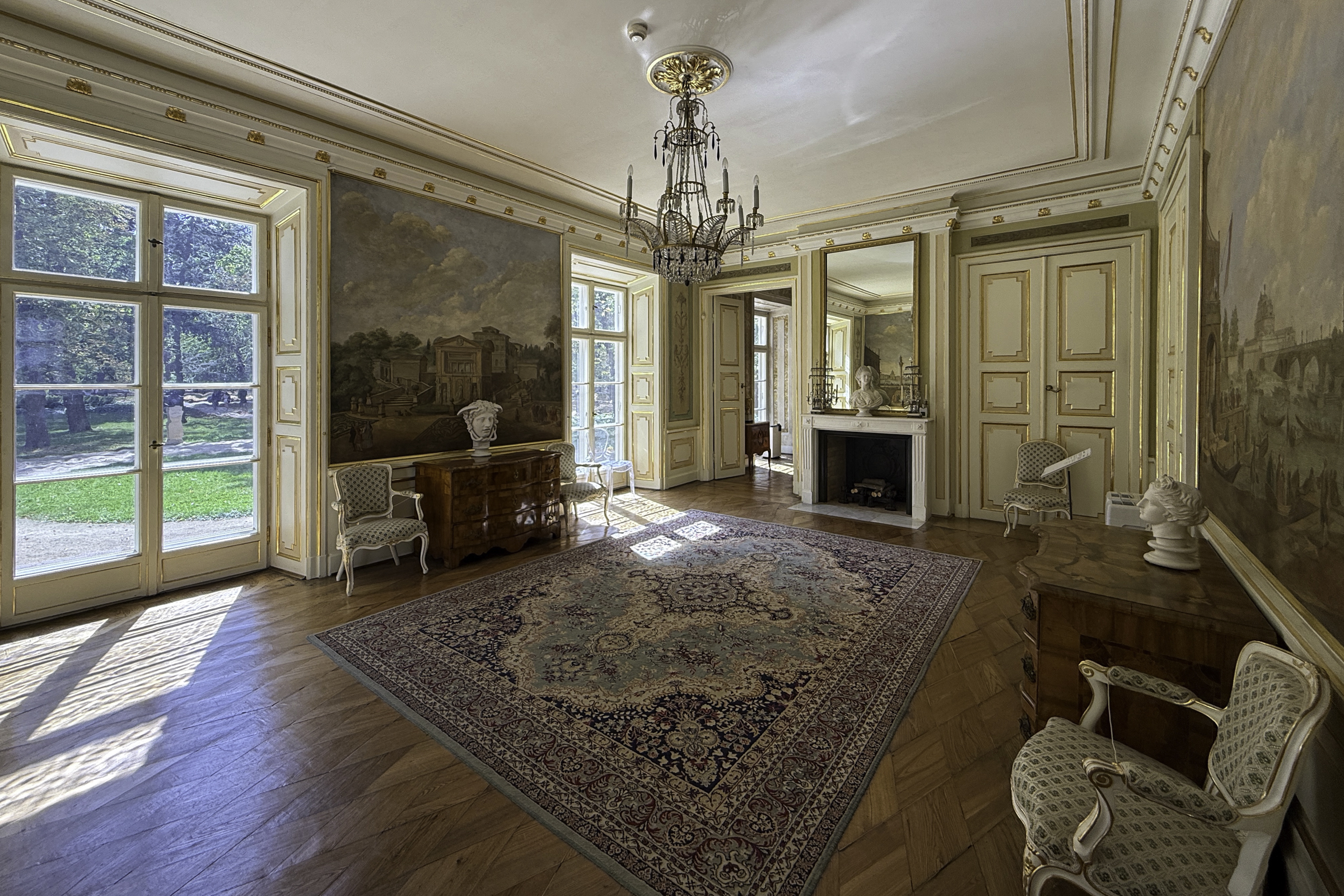
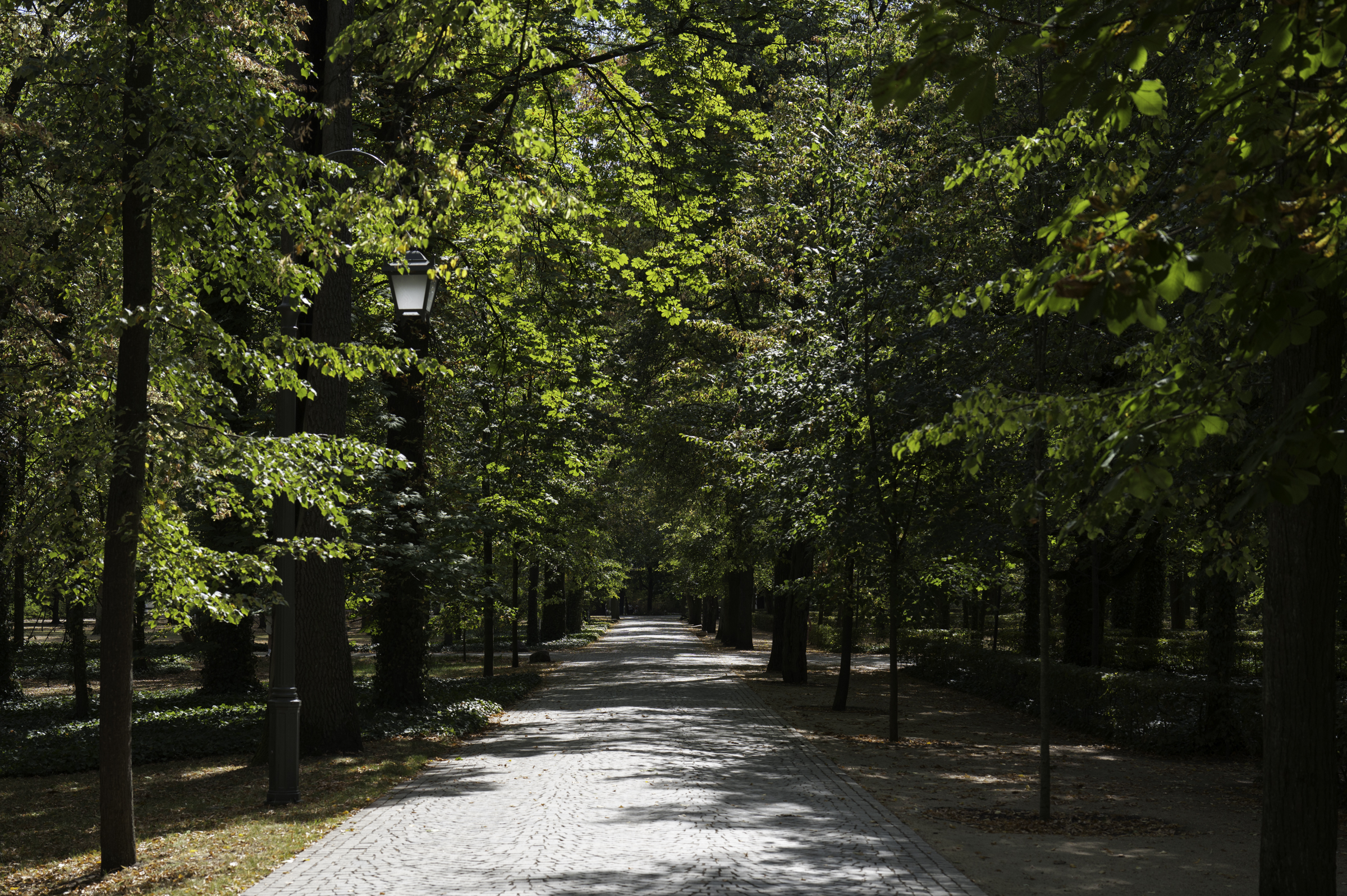
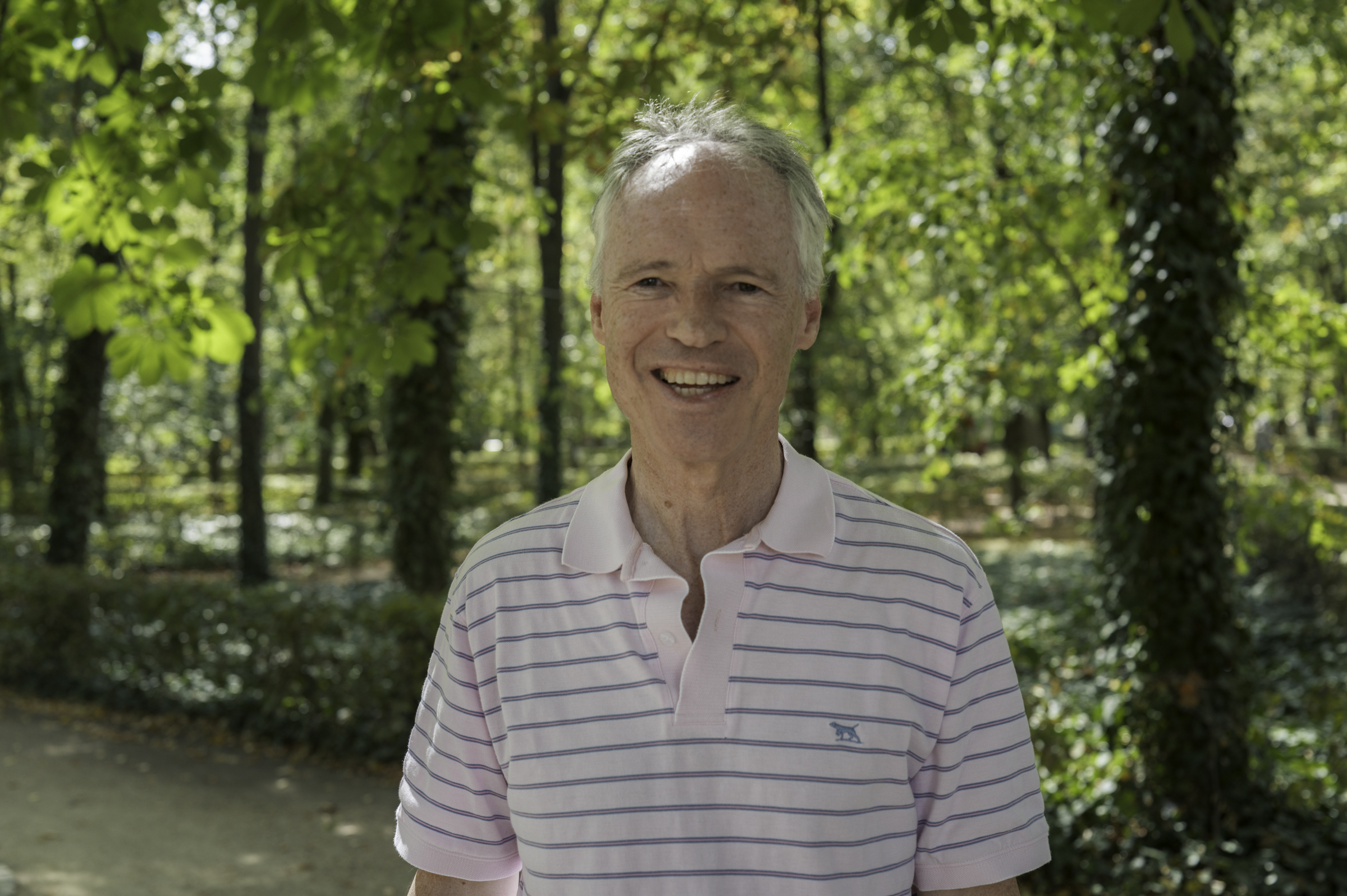
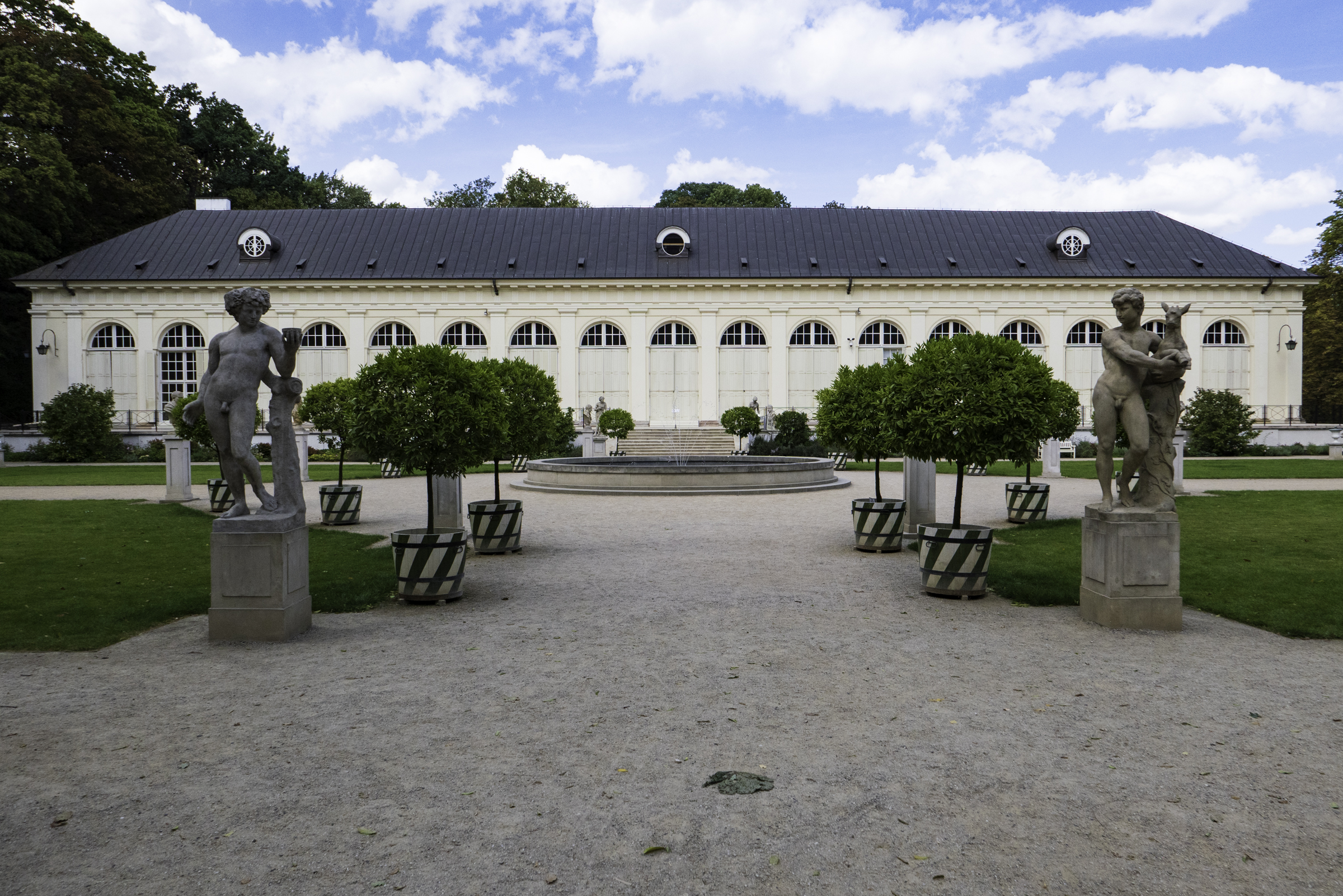
We continued wandering around the beautiful park, stopping at various buildings and gardens along the way.
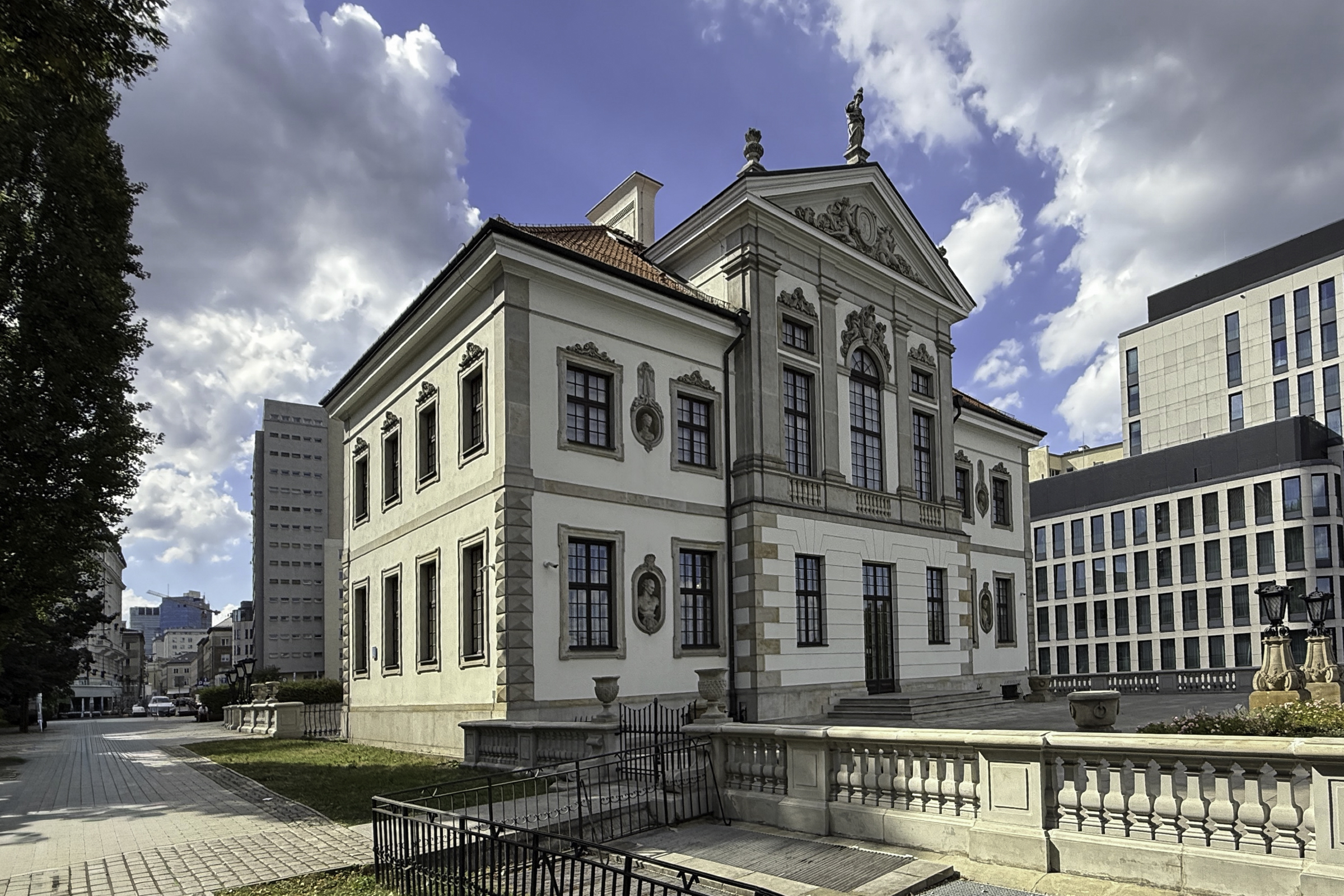
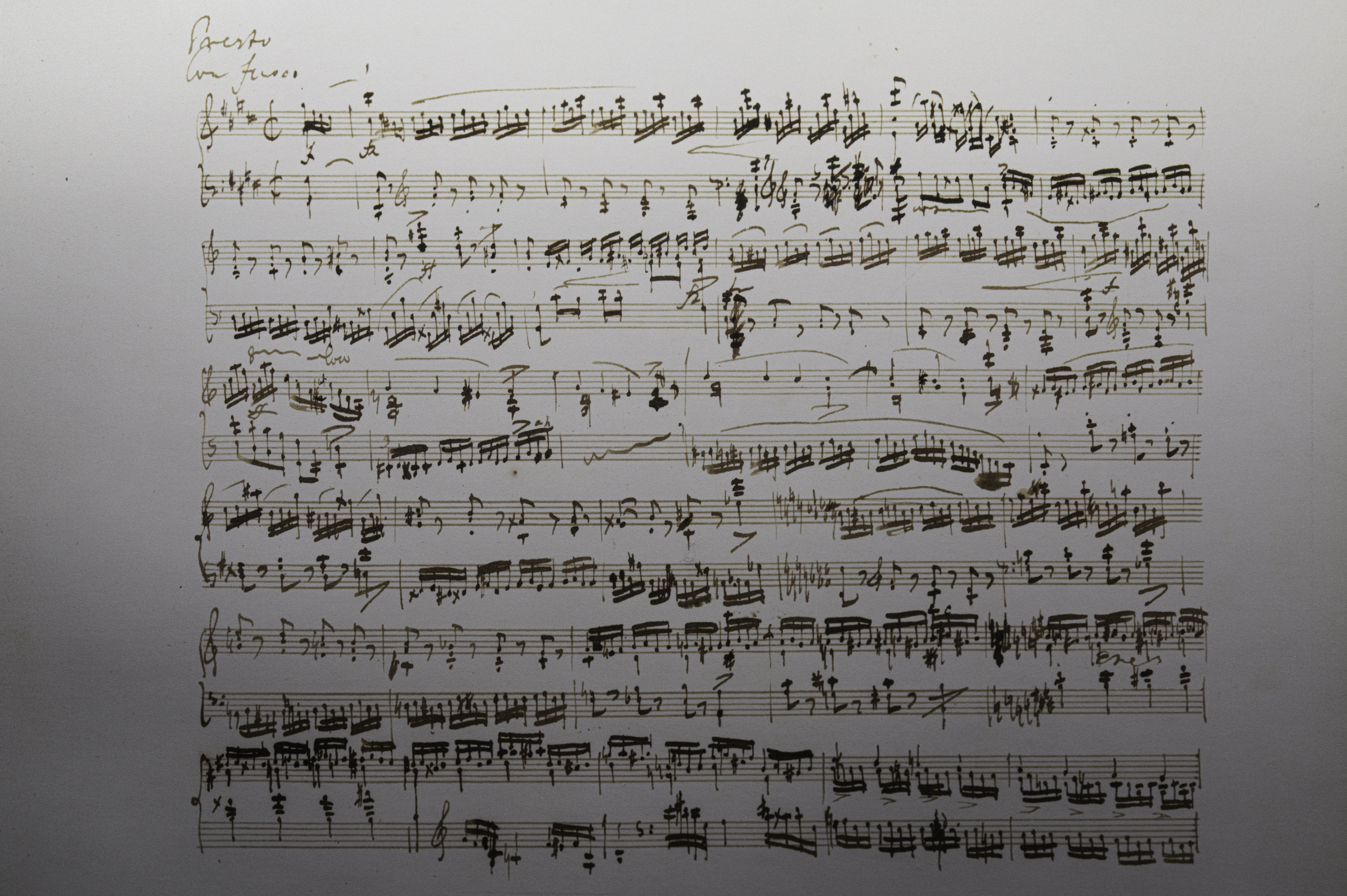
After a few hours in Łazienki Park, we called an Uber and headed to the Chopin Museum. Frédéric Chopin (1810–1849) is Poland’s most celebrated composer (and one of the greatest figures in the history of music). In addition to being revered for his technical brilliance, Chopin weaved national spirit into his compositions at a time when Poland was partitioned and erased from the political map of Europe. For Poles, Chopin is more than just a brilliant composer, he is a cultural and national icon. We certainly have felt this as we moved around the city.
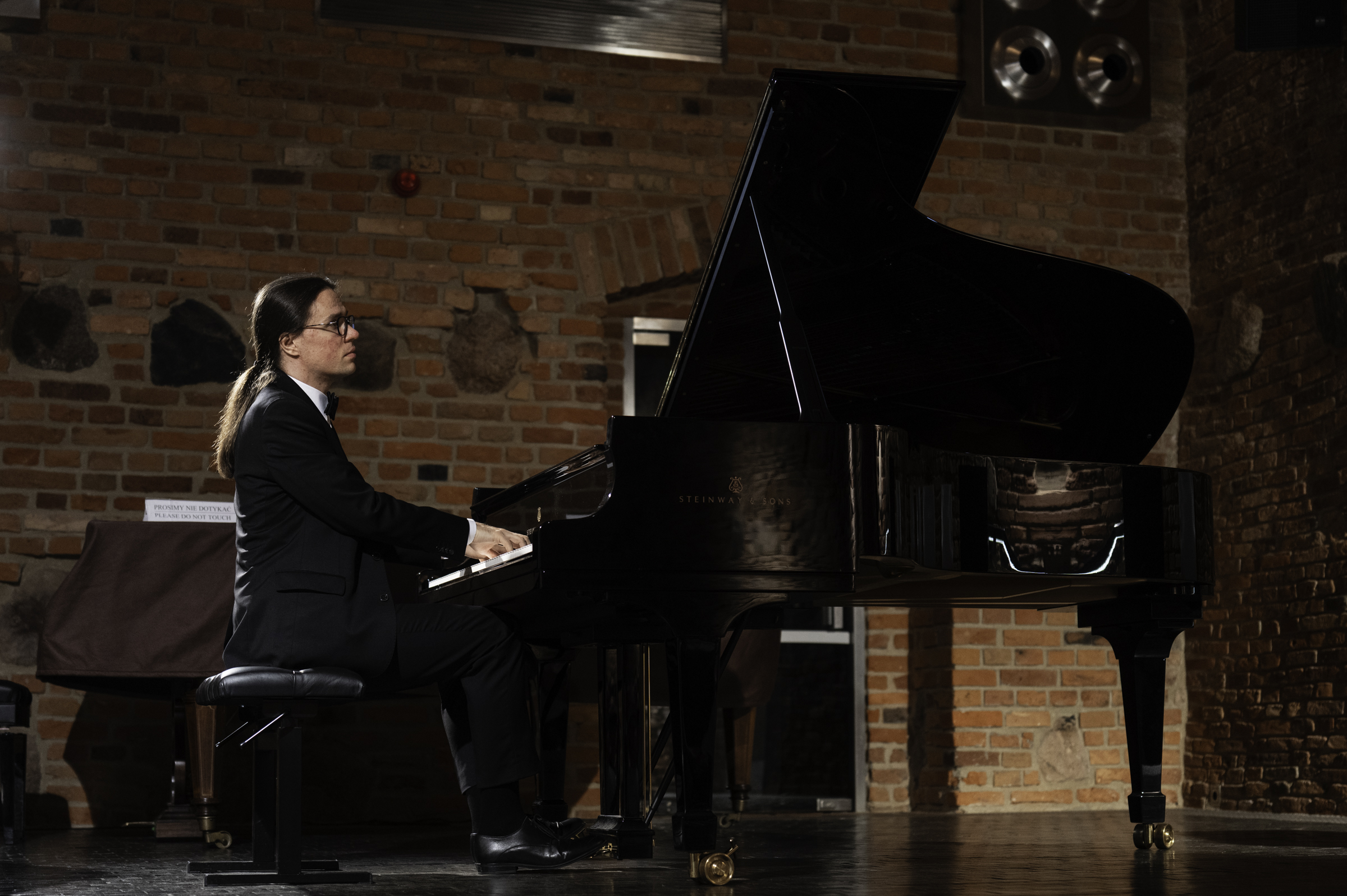
After entering the museum, we headed straight to the recital hall, where we were lucky enough to get front-row seats for a recital by Adam Kałduński (a world-renowned pianist) of four of Chopin’s works. The recital was captivating, an unexpected highlight of the trip so far.
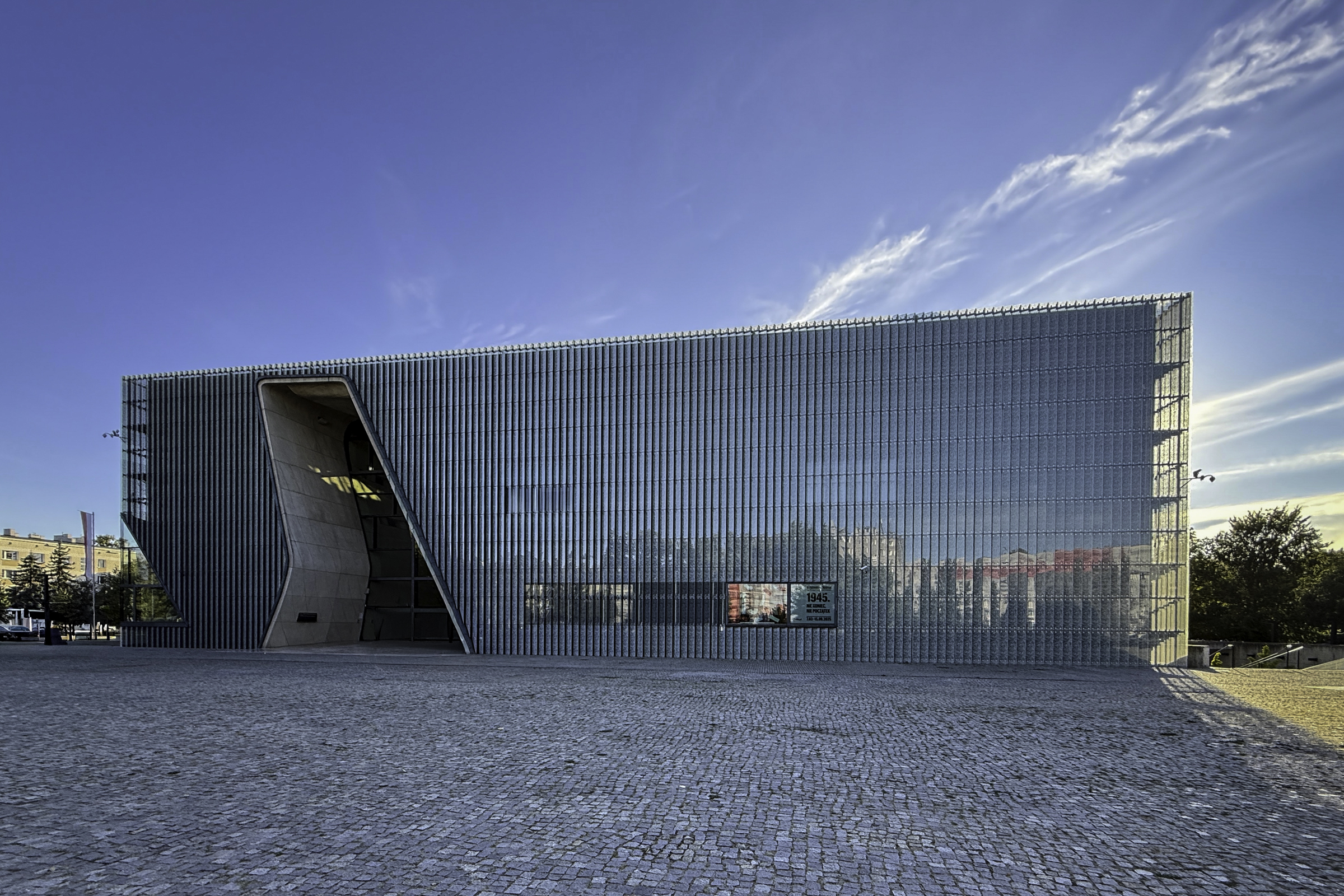
After enjoying the Chopin Museum, we caught a taxi to the POLIN Museum of the History of Polish Jews, built on the site of the former Warsaw Ghetto. This museum tells the thousand-year story of Jewish life in Poland, once home to the largest Jewish community in Europe. The history was quite fascinating, often uplifting, but also gut-wrenching. For much of the thousand years of Jews in Poland, life was relatively peaceful. However, this coexistence was marked by waves of persecution, culminating in the devastation of the Holocaust, when over 90% of Poland’s Jews were murdered under Nazi occupation. Jewish life has slowly re-emerged in Poland since the fall of Communism in 1989, but the Jewish population is still far smaller than it was prior to WWII.
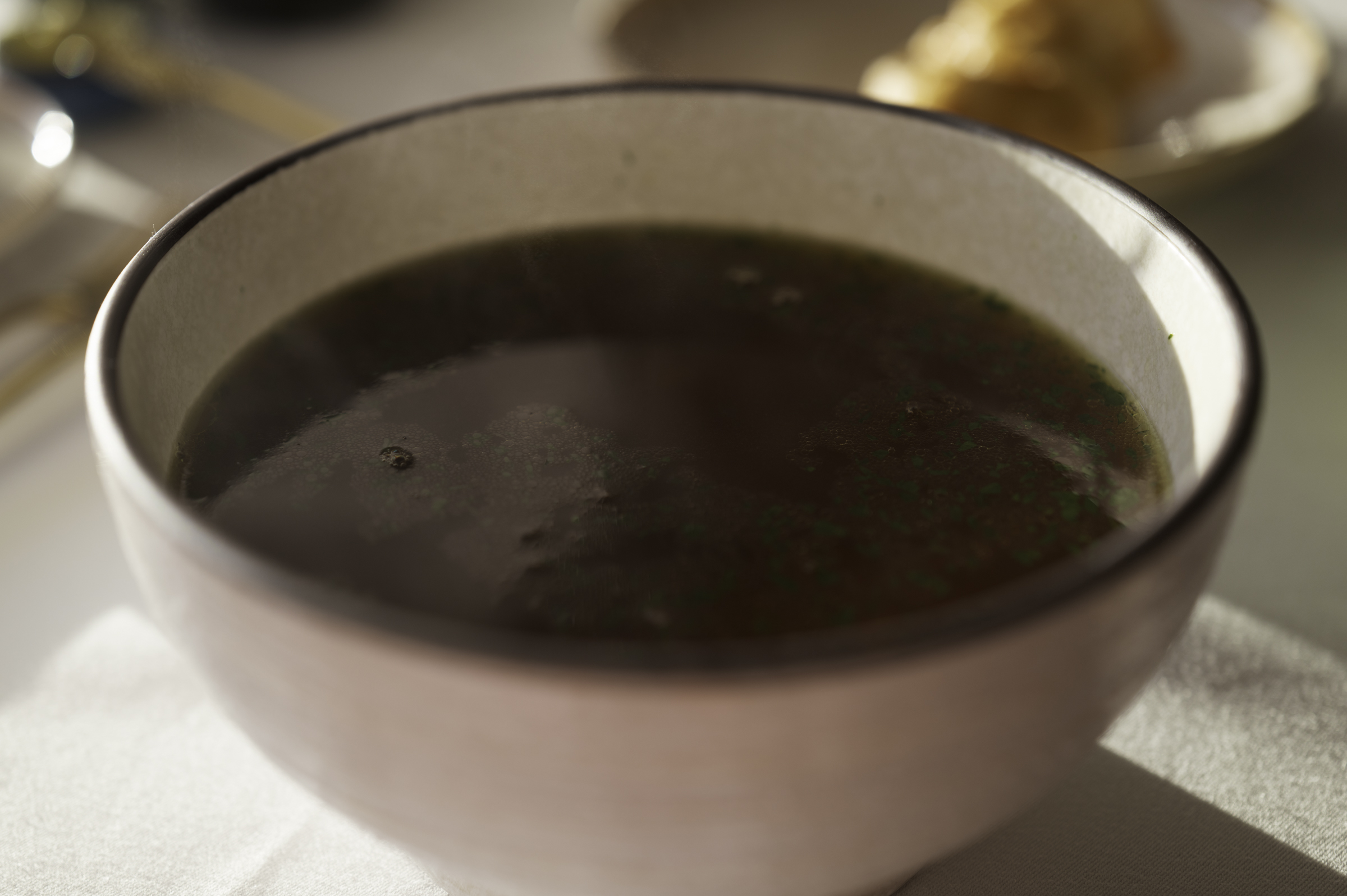
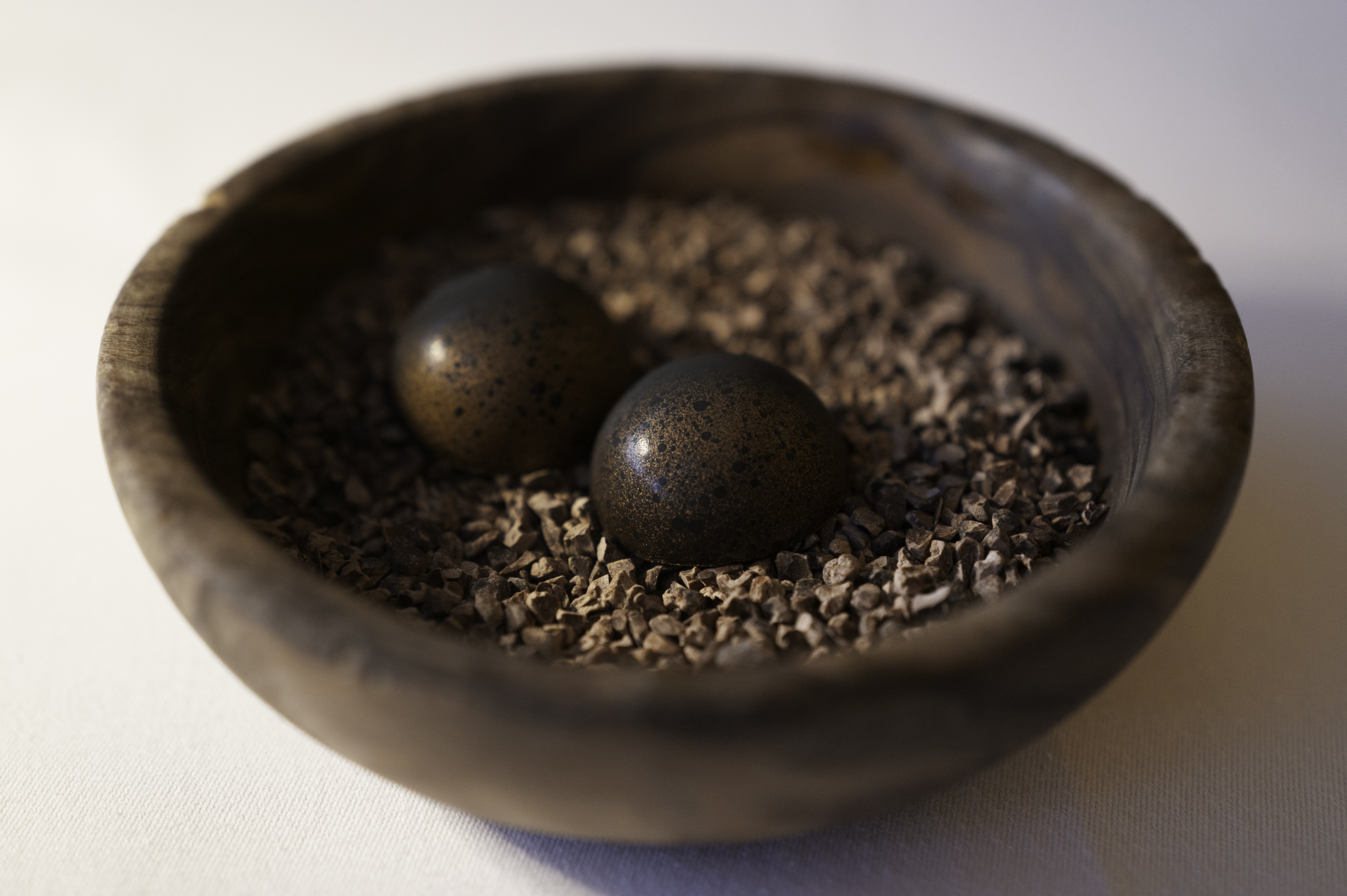
We left the museum just after 6:00 pm, and caught a taxi back to the hotel. We went straight to the hotel’s restaurant, where we enjoyed a beautiful dinner.





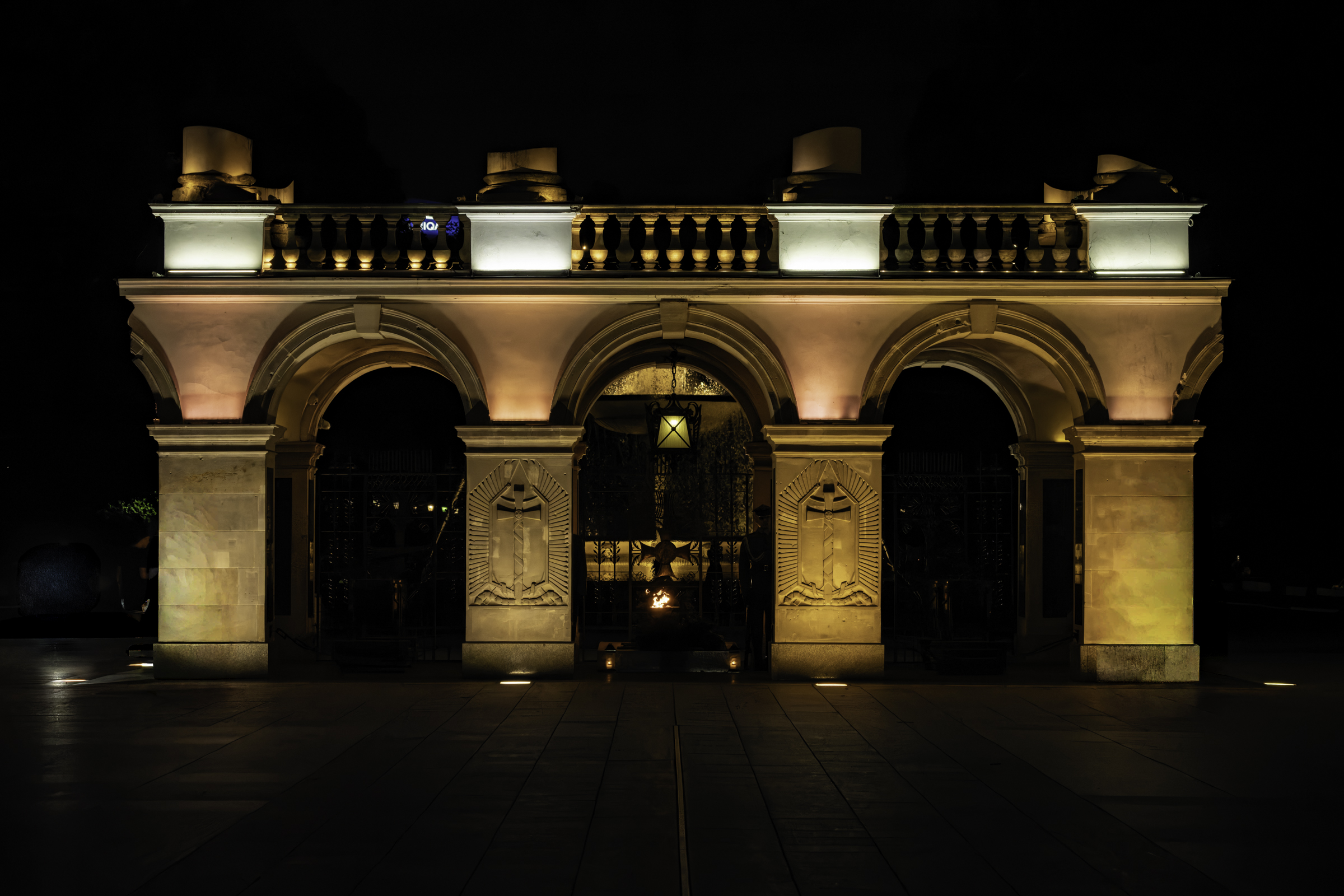
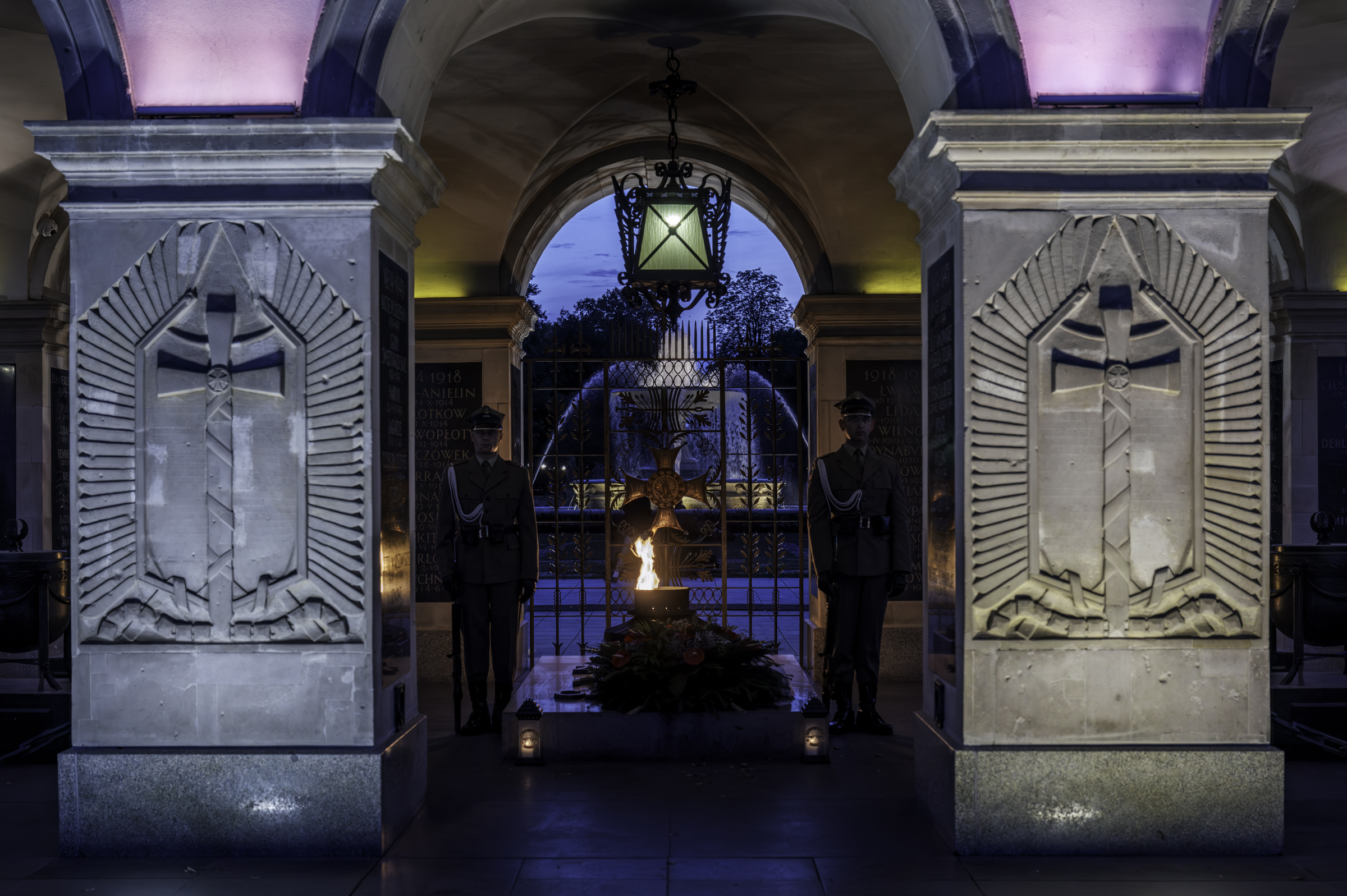
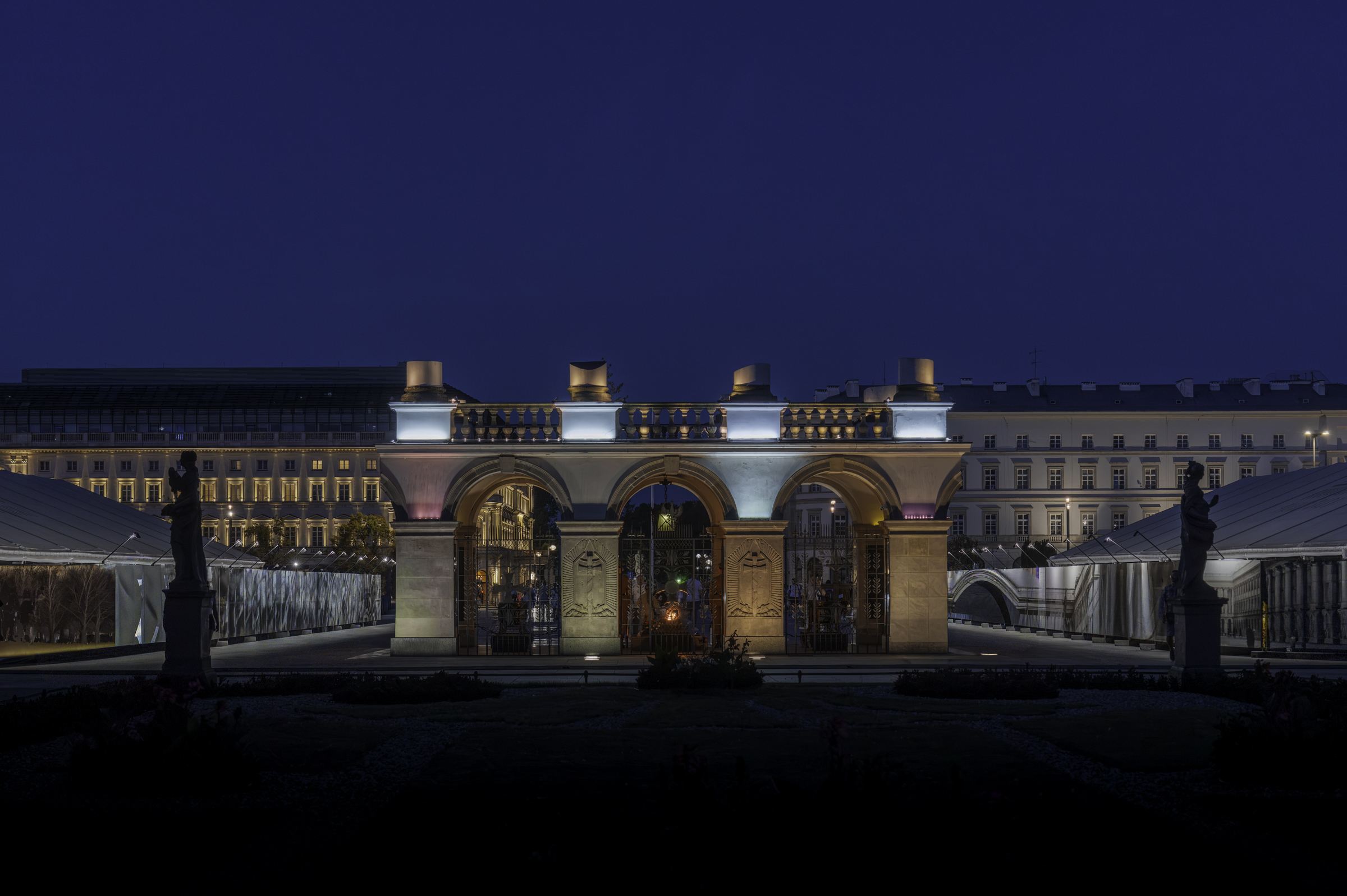
After dinner, we went for a walk across the plaza to the see the changing of the guard at the Tomb of the Unknown Soldier, the monument dedicated to the unknown soldiers who have given their lives for Poland.
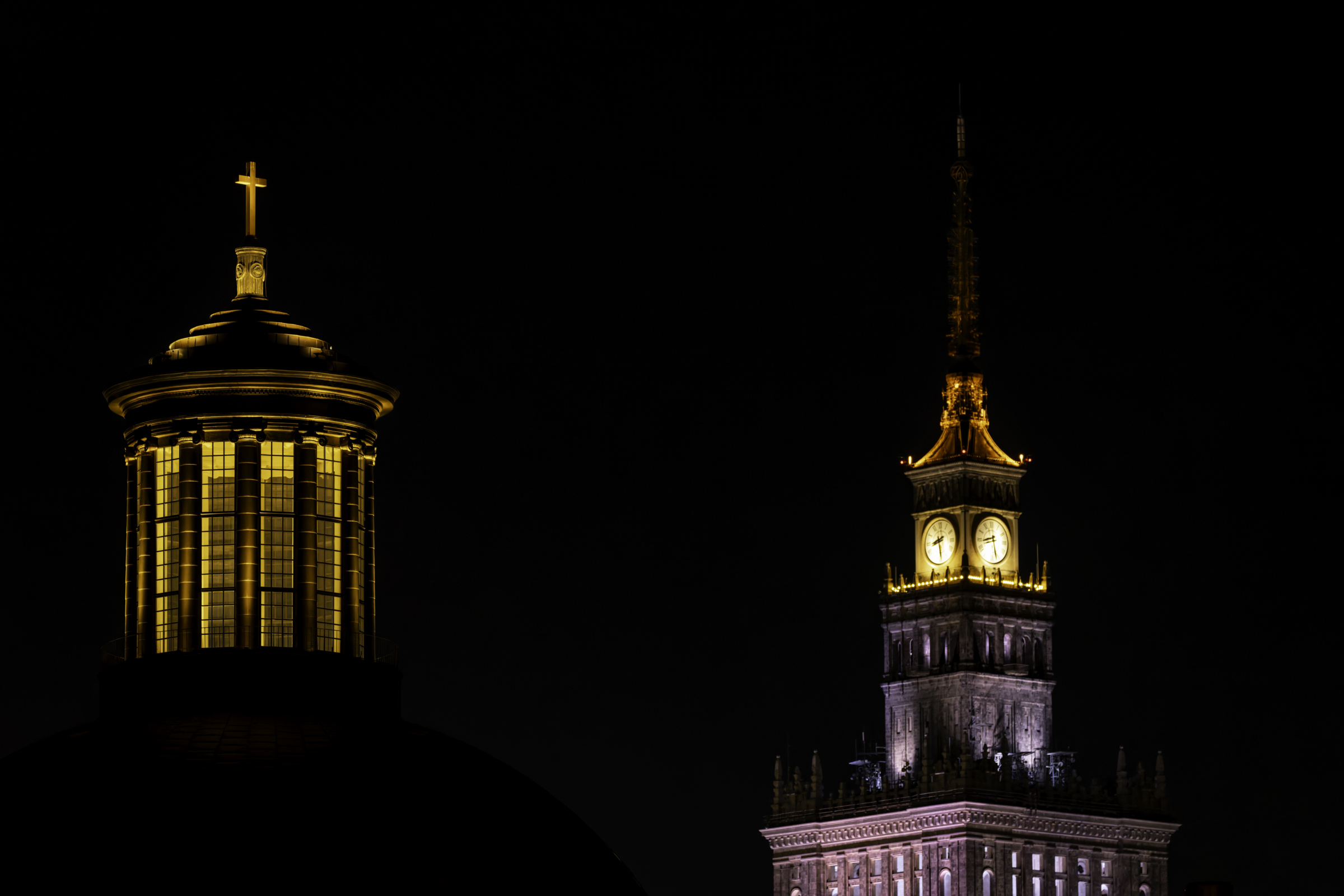
On the walk back, we got a nice view of the dome of St. Alexander’s Church (left), and spire of the Palace of Culture and Science. The juxtaposition of the historic church dome and the monumental Soviet-era skyscraper embodies Warsaw’s layered and sometimes turbulent history. The Palace of Culture and Science, the tallest building in Poland, was completed in 1955 as a “gift” from the Soviet Union. It has long been a symbol of Warsaw, controversial for its Stalinist origins but also iconic as a cultural and business hub.
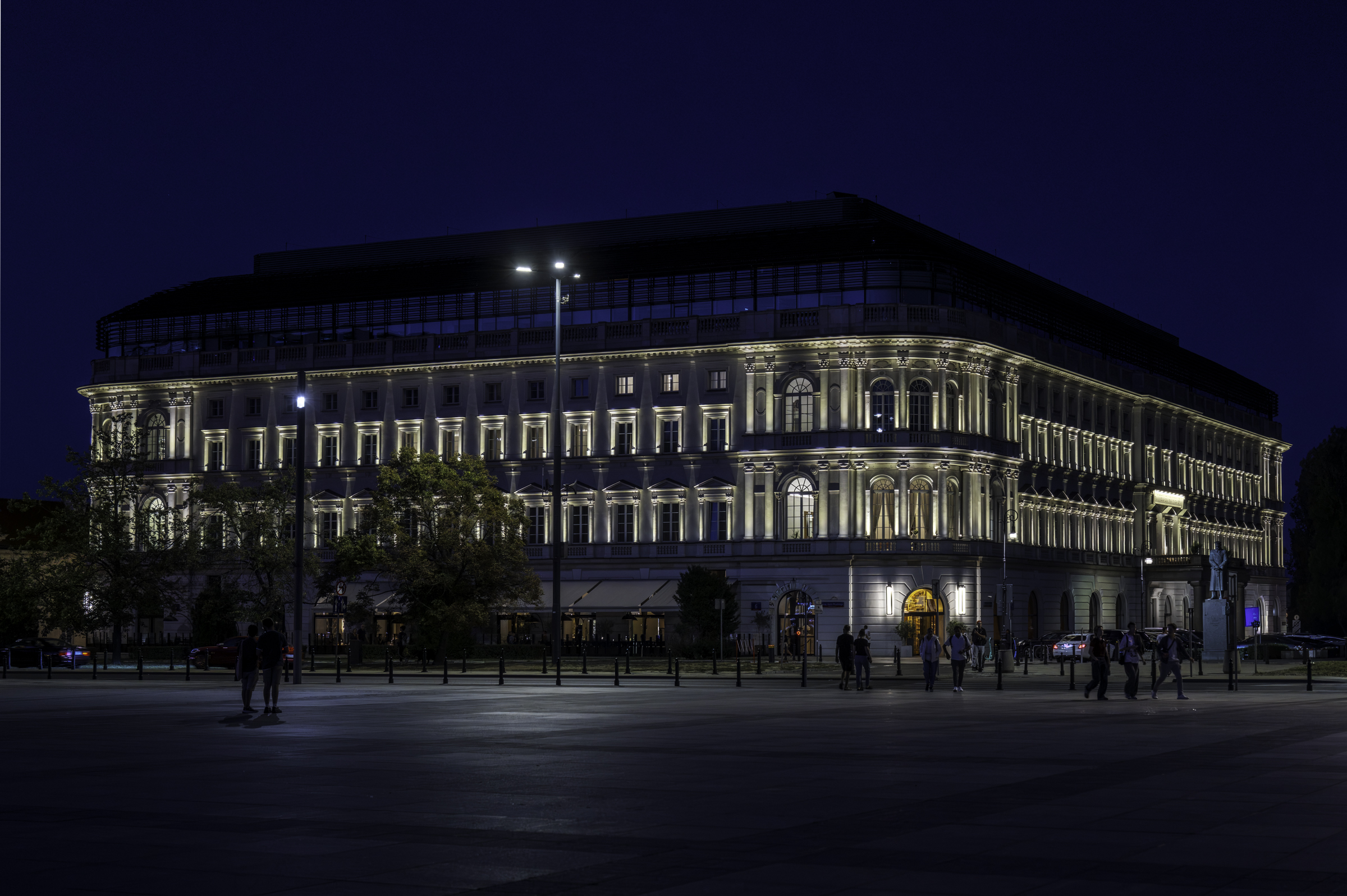
We got a lovely view of our hotel across the plaza as we walked back.
Tomorrow, we are going to visit Kraków, which is about 300 kilometres south of Warsaw.