
Europe
Exploring Budapest
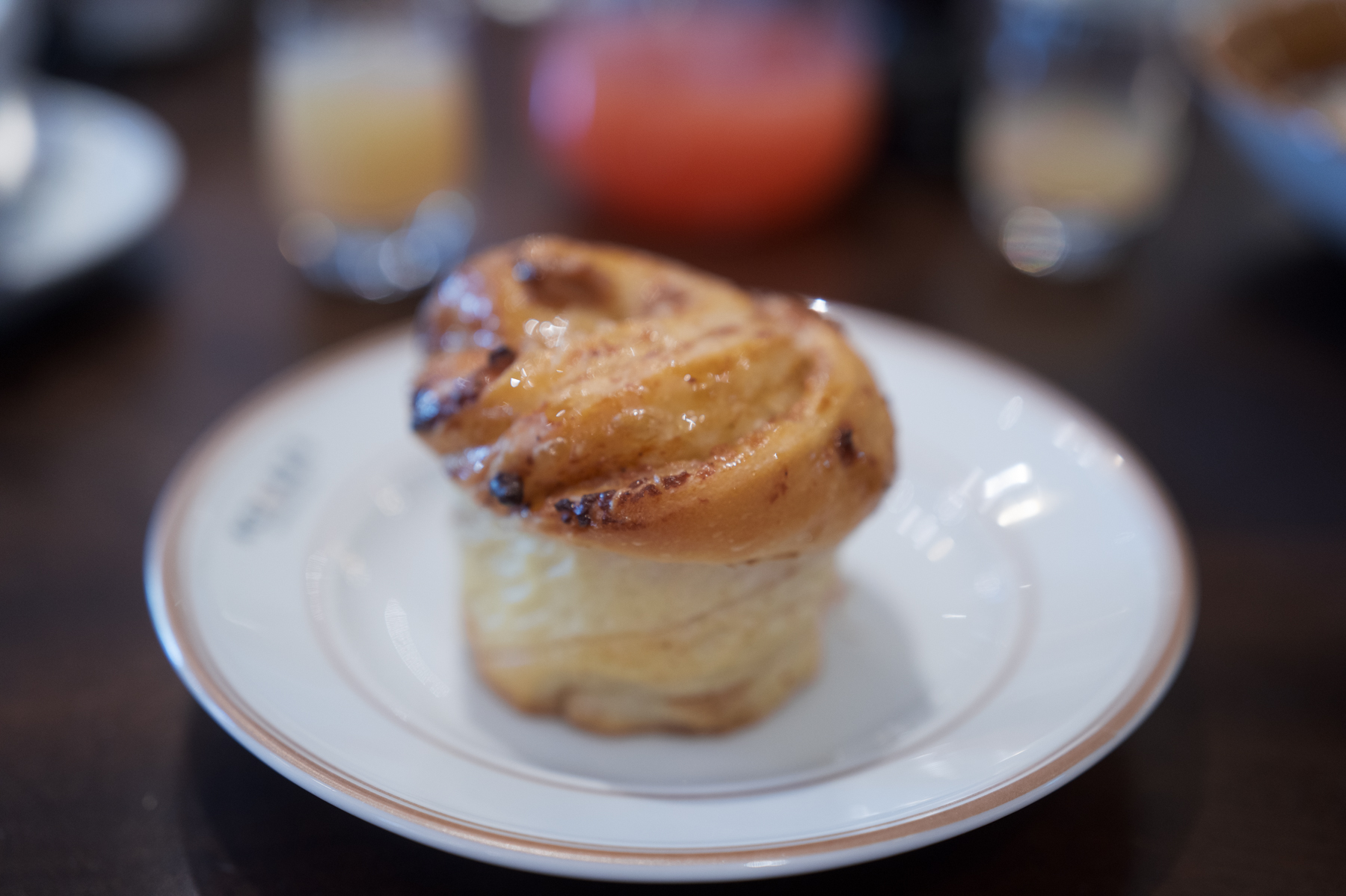
We got downstairs by about 9:00 am, and while enjoying a lovely breakfast, discussed our plans for the day.
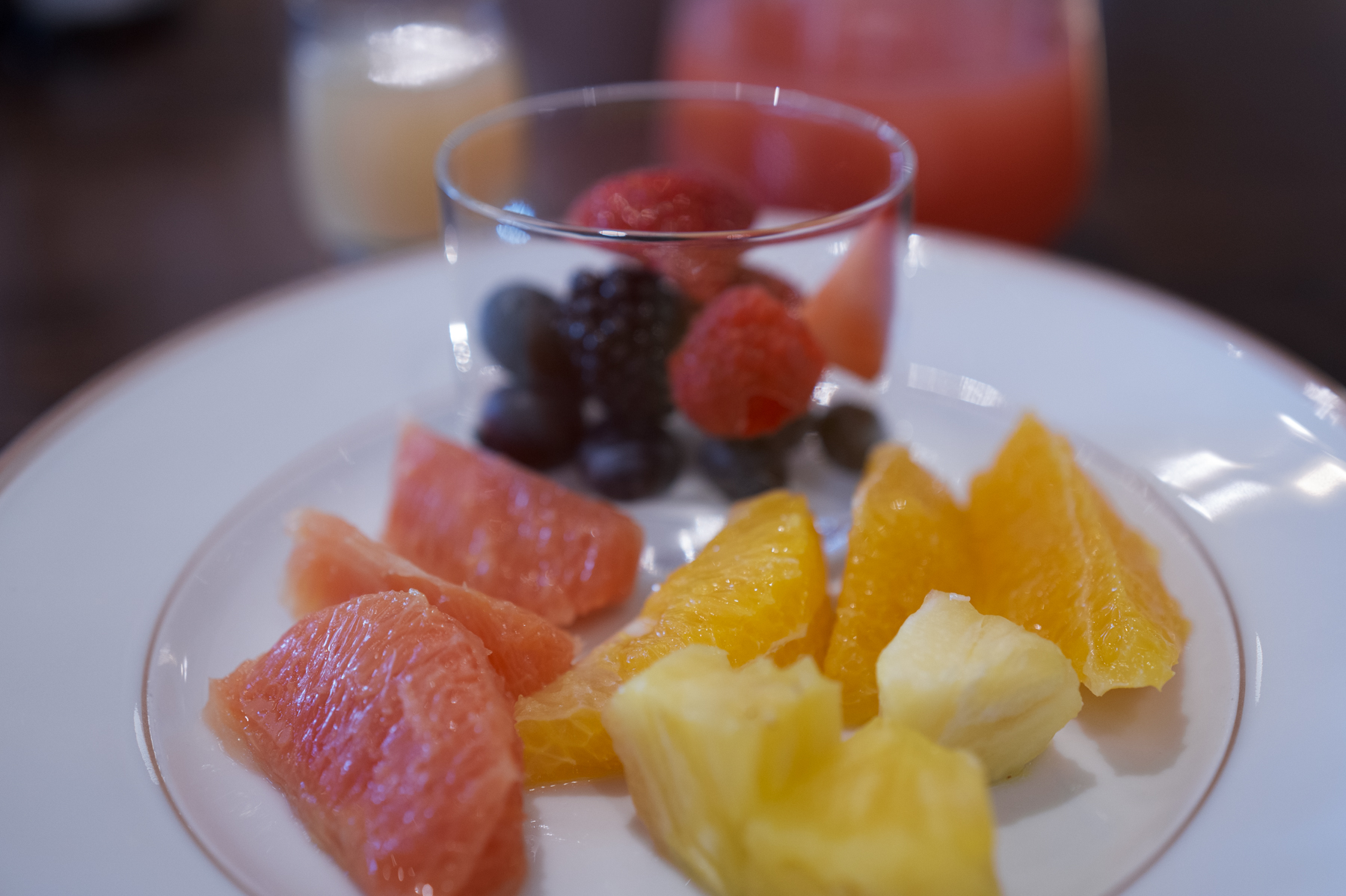
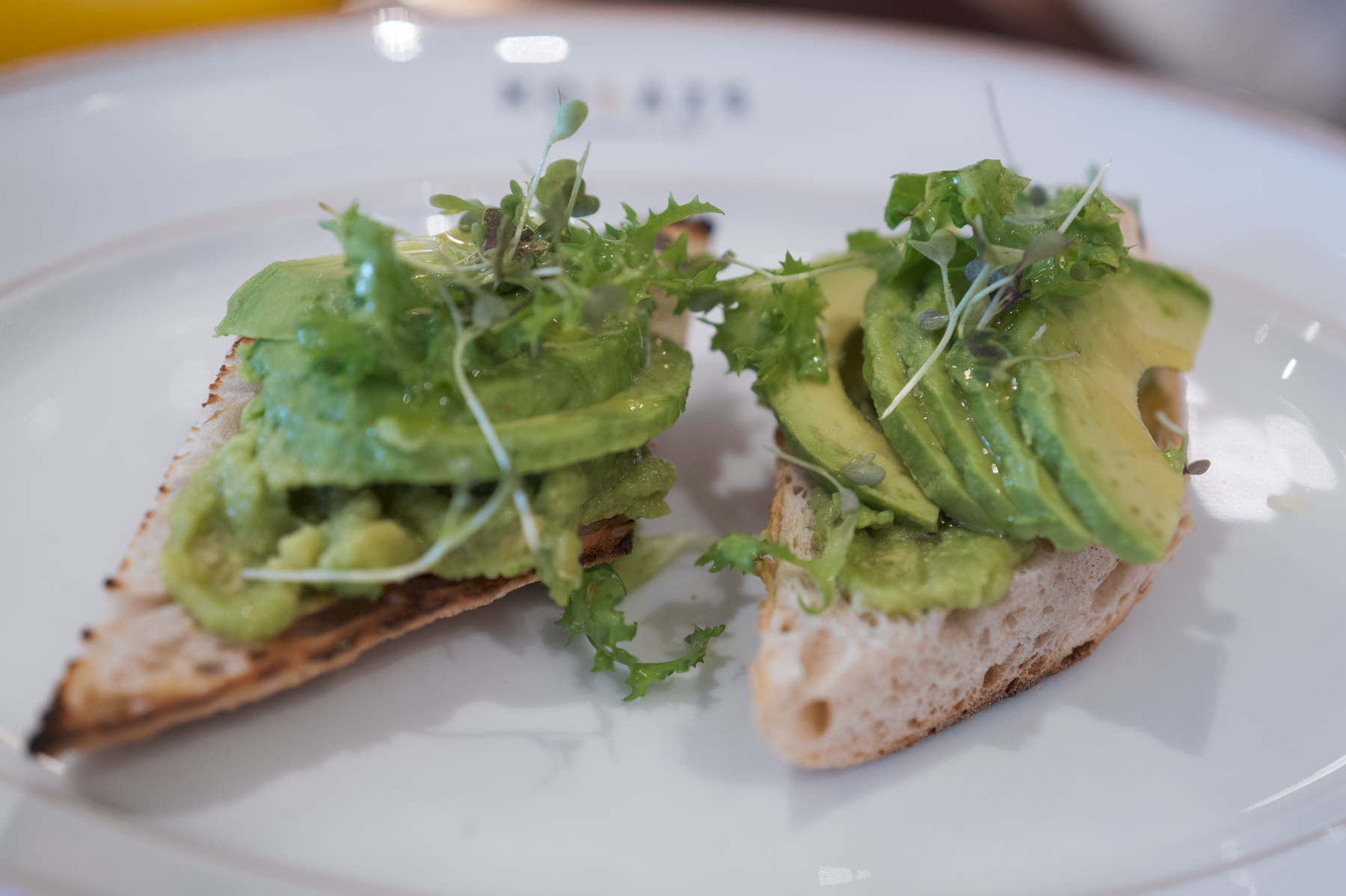
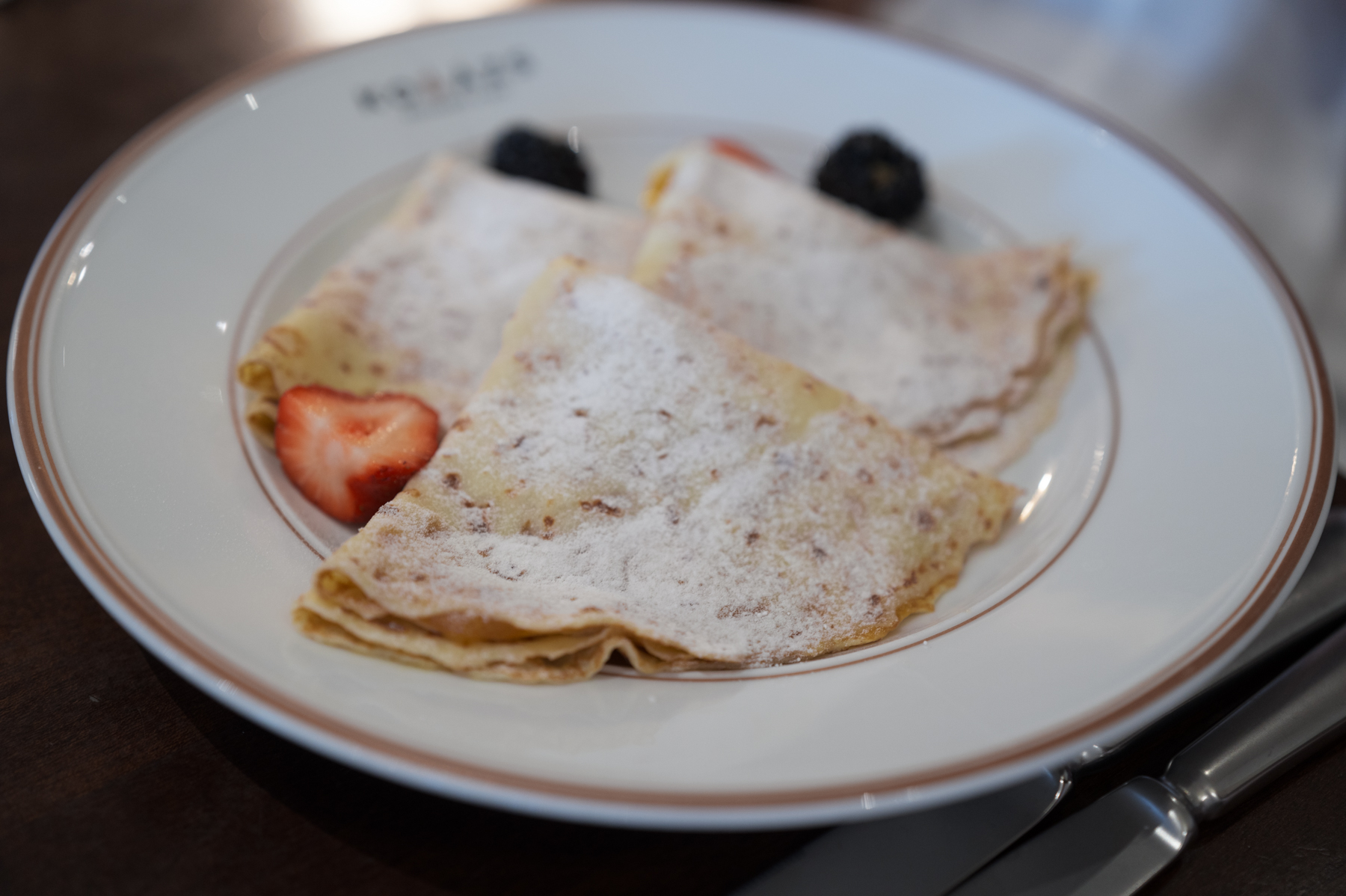
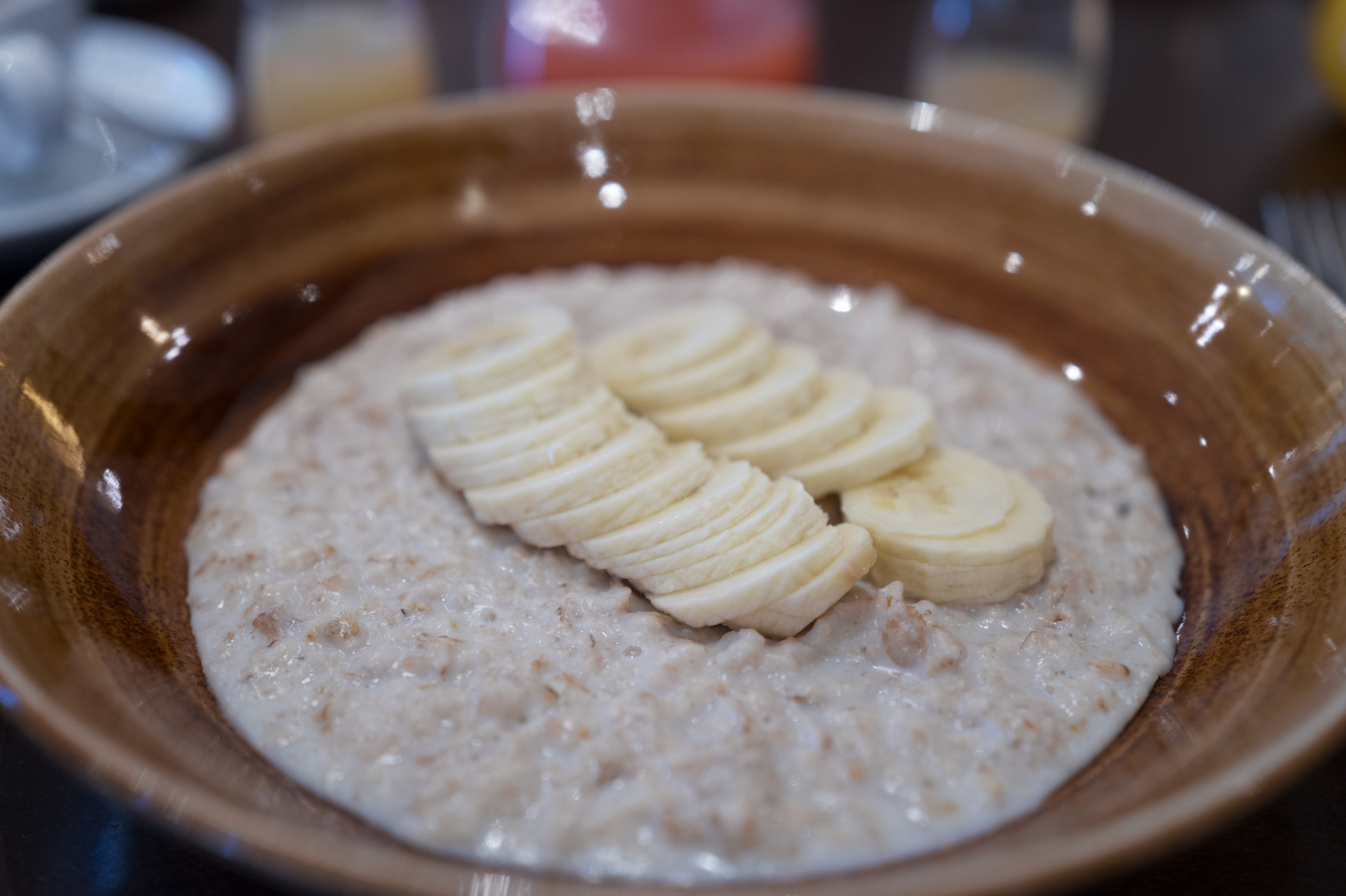
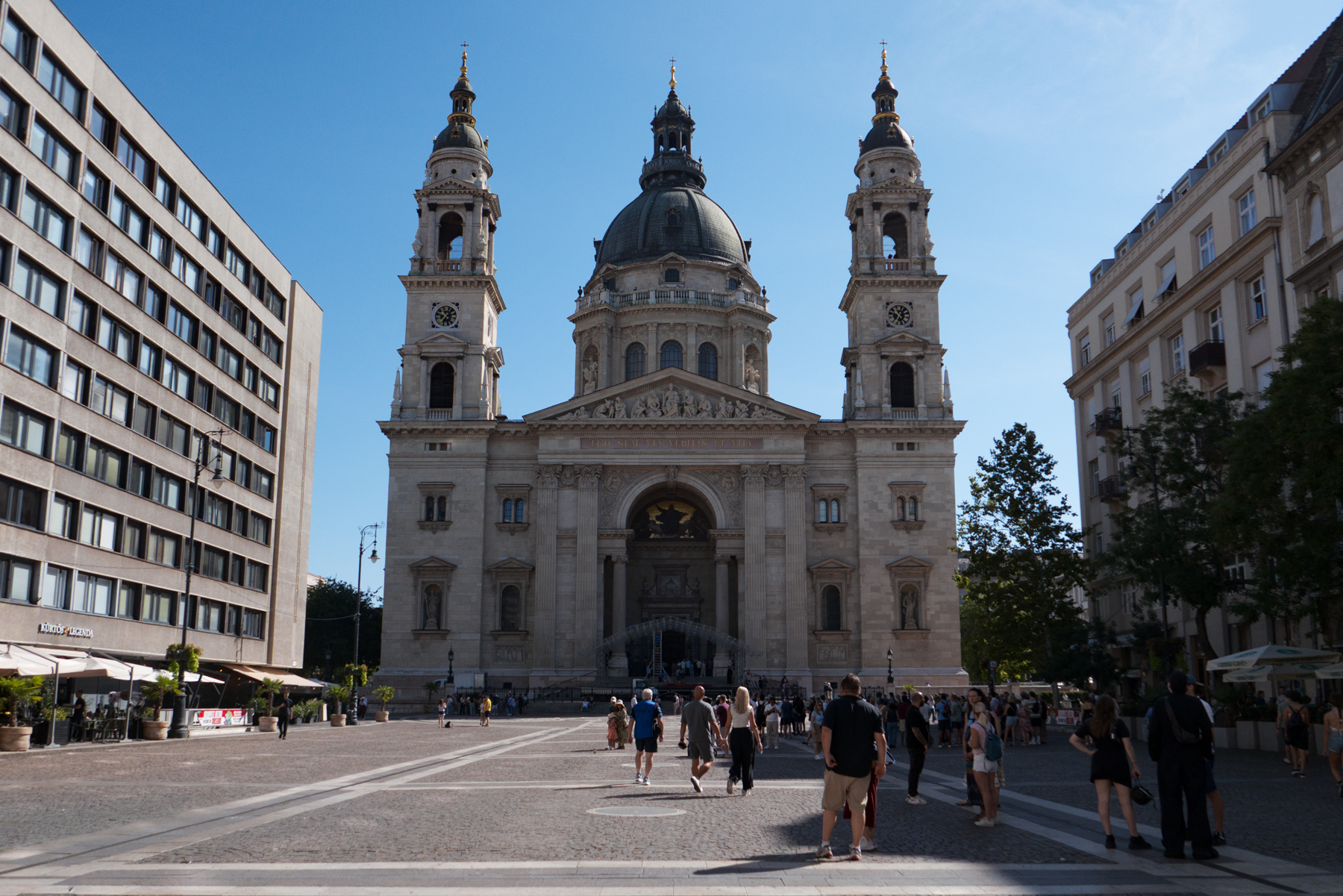
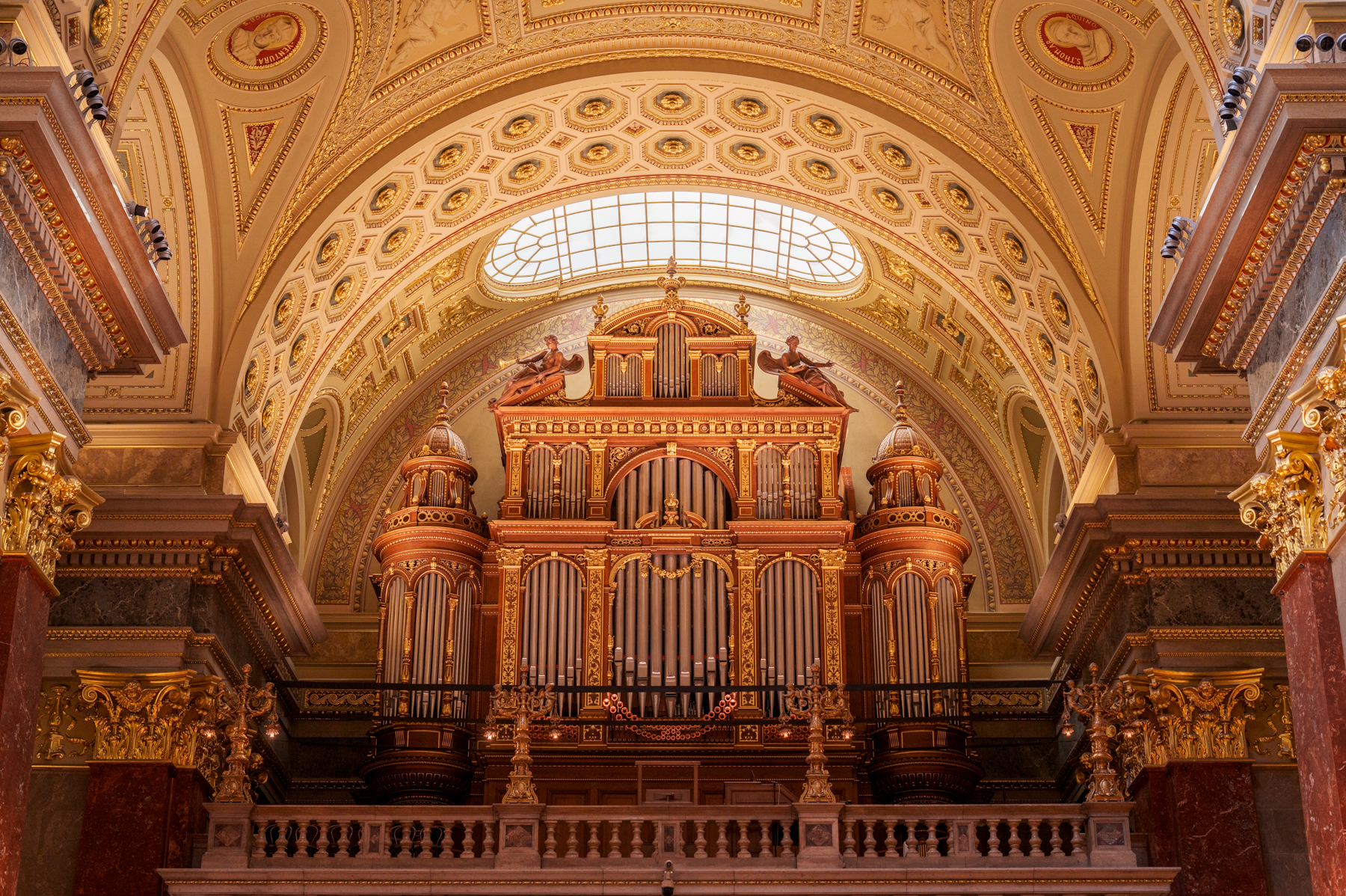
Our first stop for the day was St. Stephen’s Basilica, just a few minutes’ walk from the hotel. Getting there was far quicker than working out how to buy tickets to get in, but we eventually located the ticket office (in a very non-obvious location).
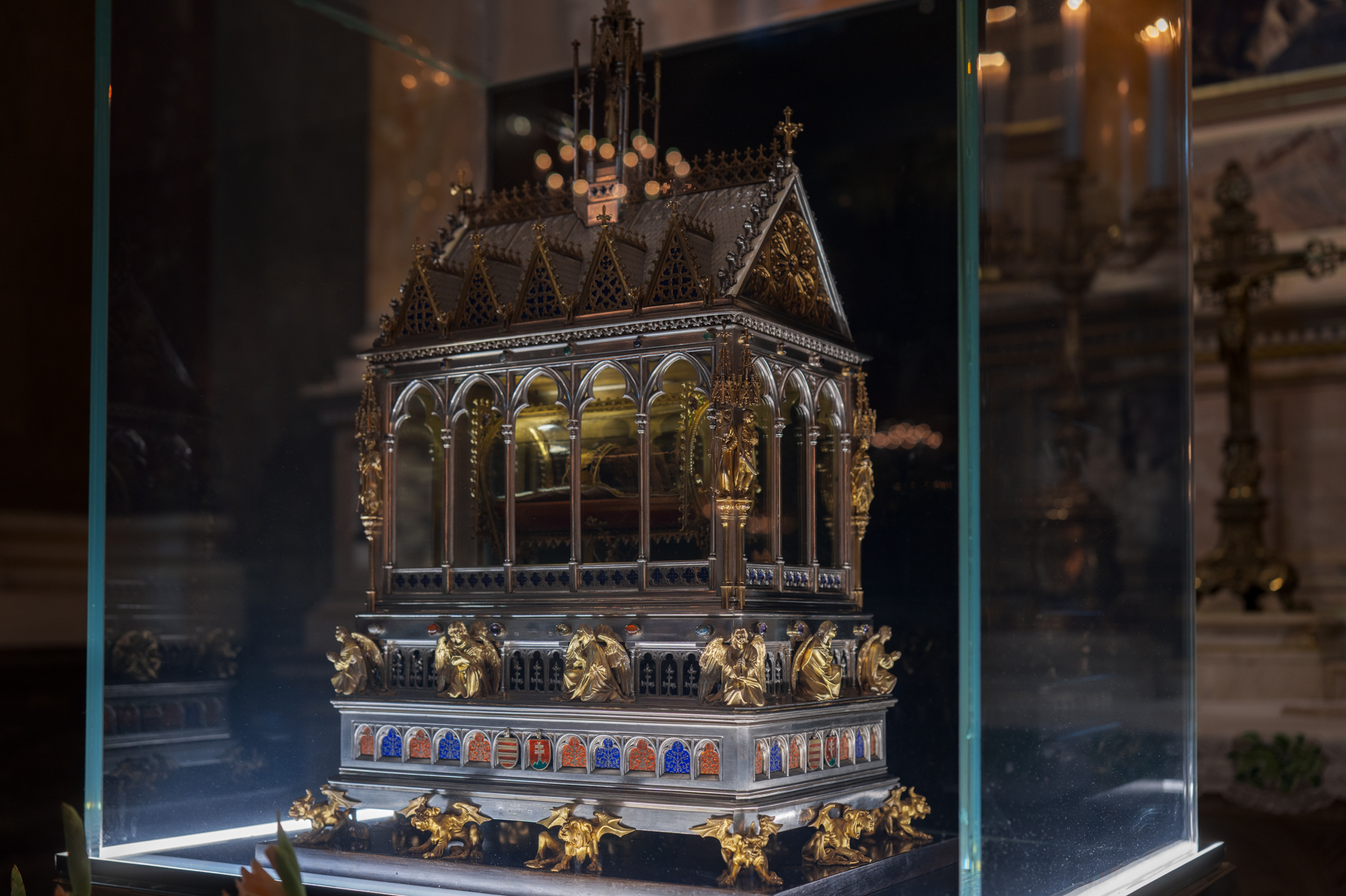
The interior of the church is quite beautiful. In addition to the architecture, the church is also famous for housing the mummified right hand (known as the “Holy Right”) of St. Stephen I, the first king of Hungary. King Stephen I died in 1038, but his body was exhumed in 1083 when he was canonised. According to legend, his right arm was found preserved, and removed to be venerated as a holy relic. Followers now believe that this hand has miraculous properties.
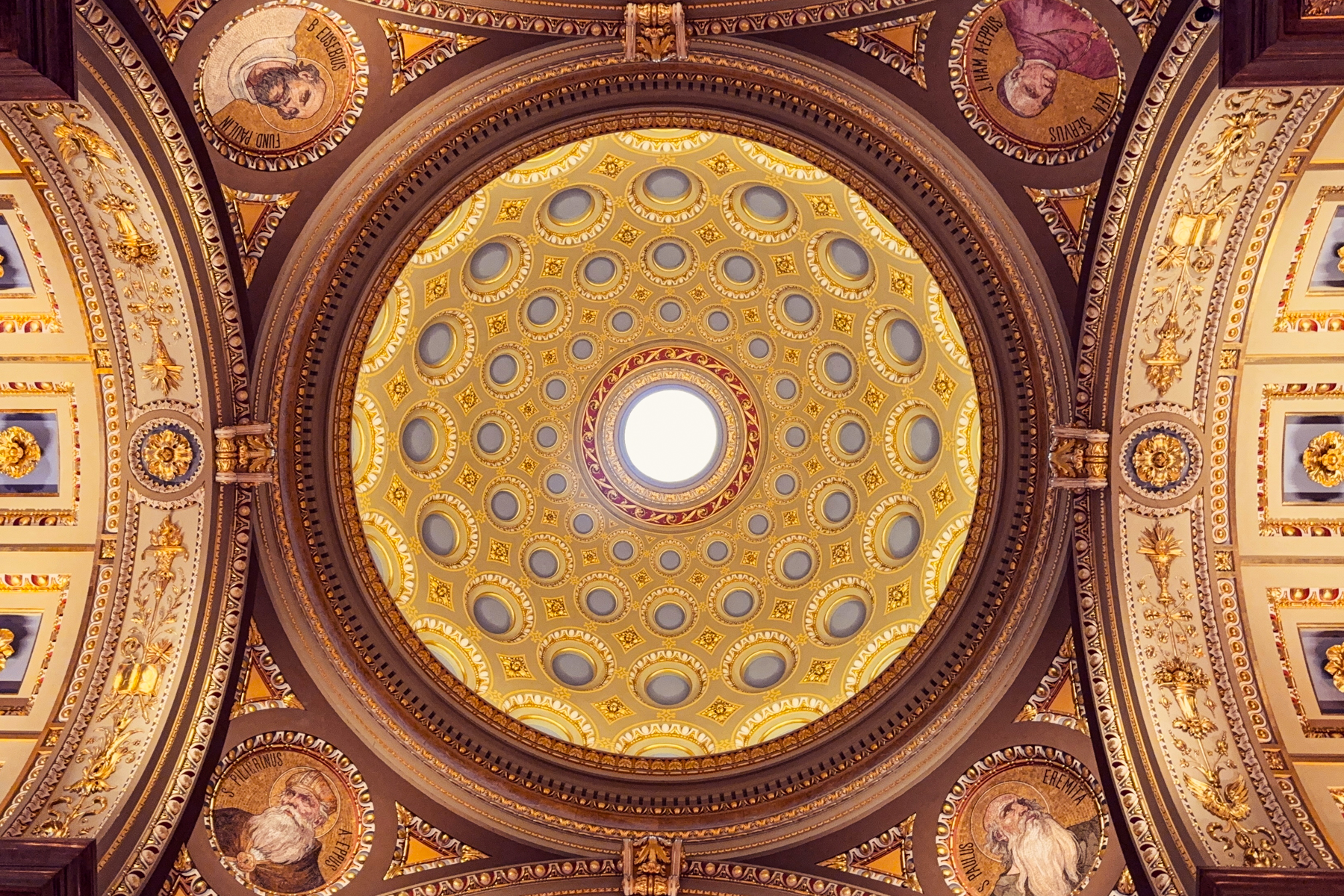
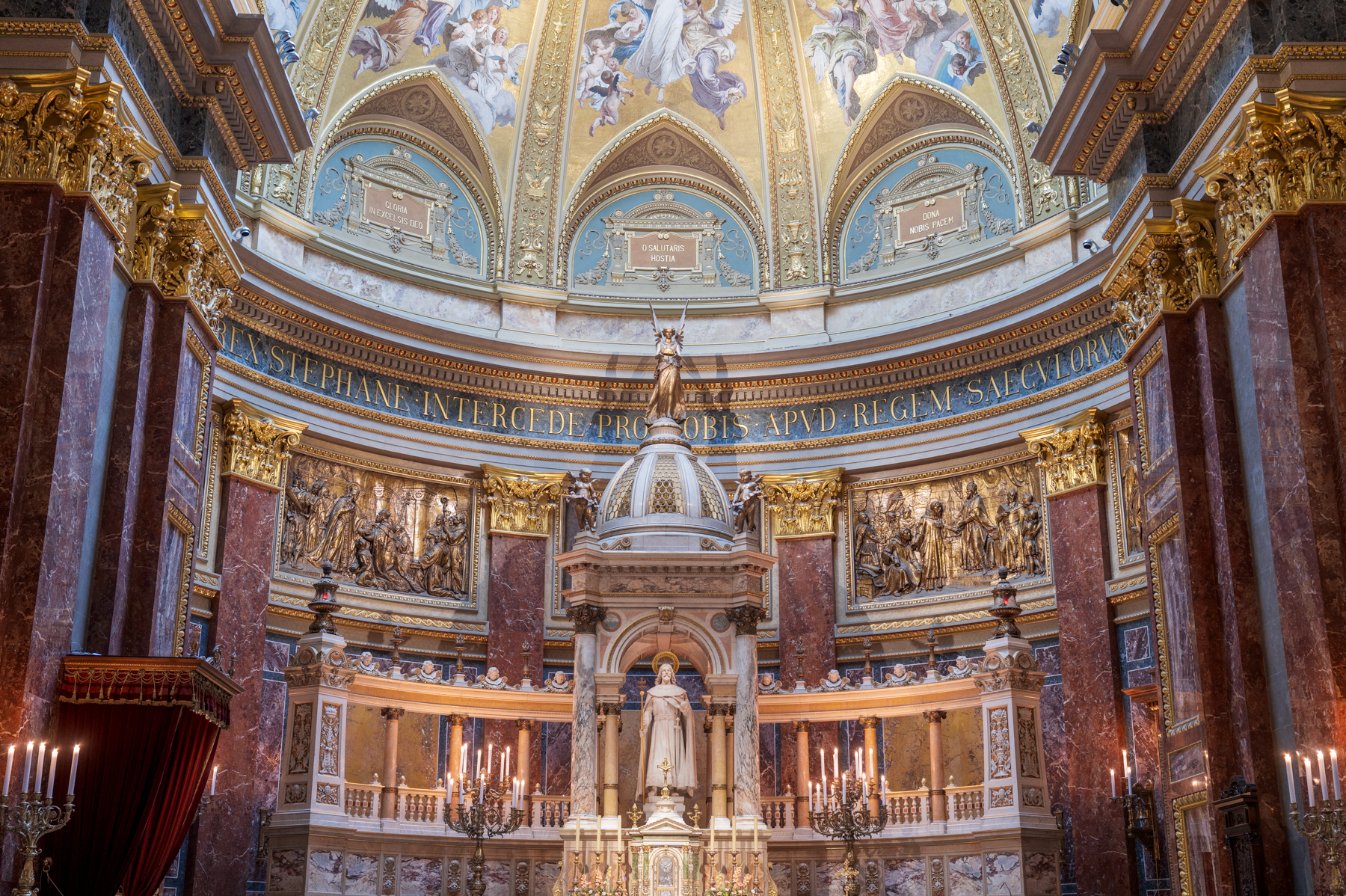
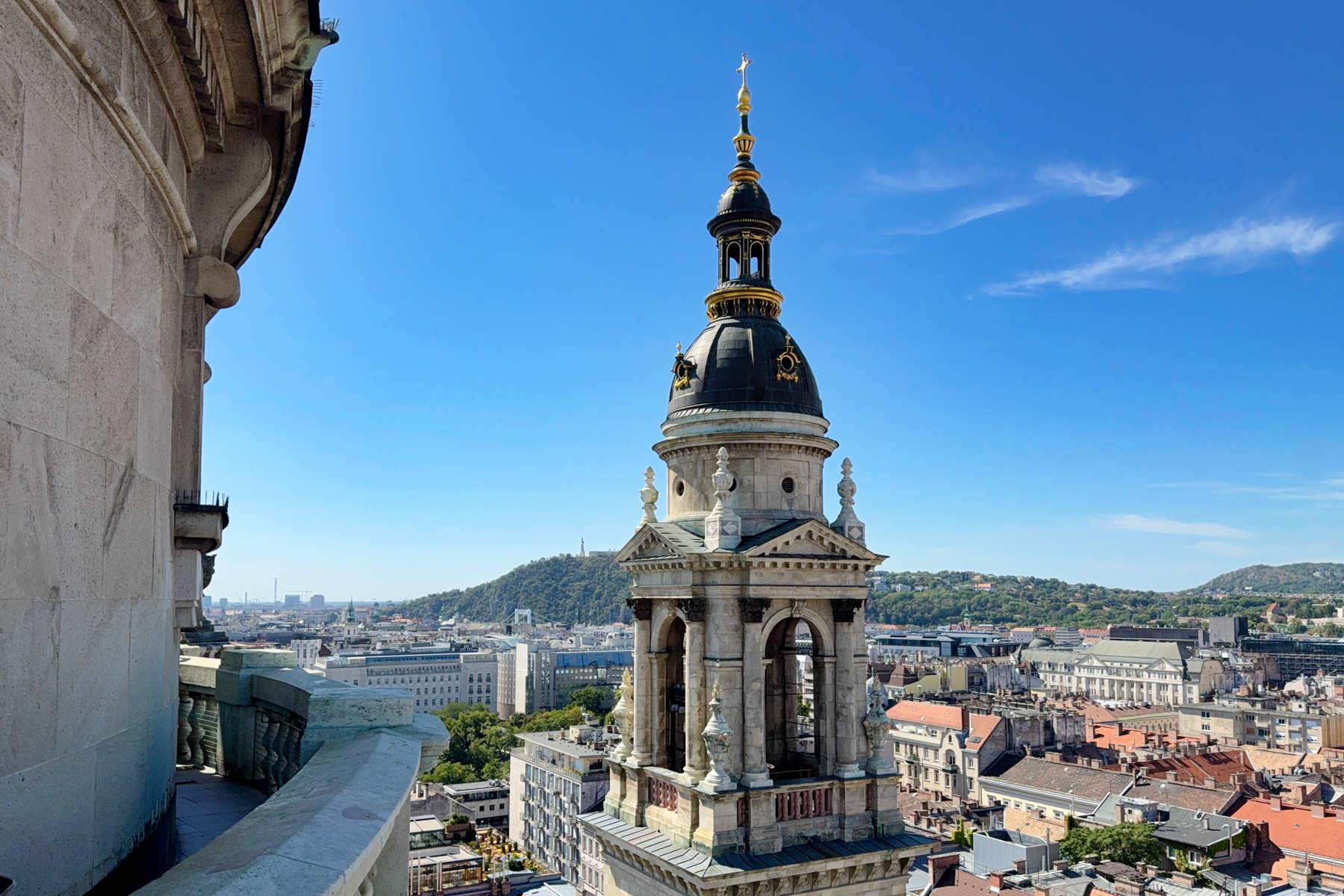
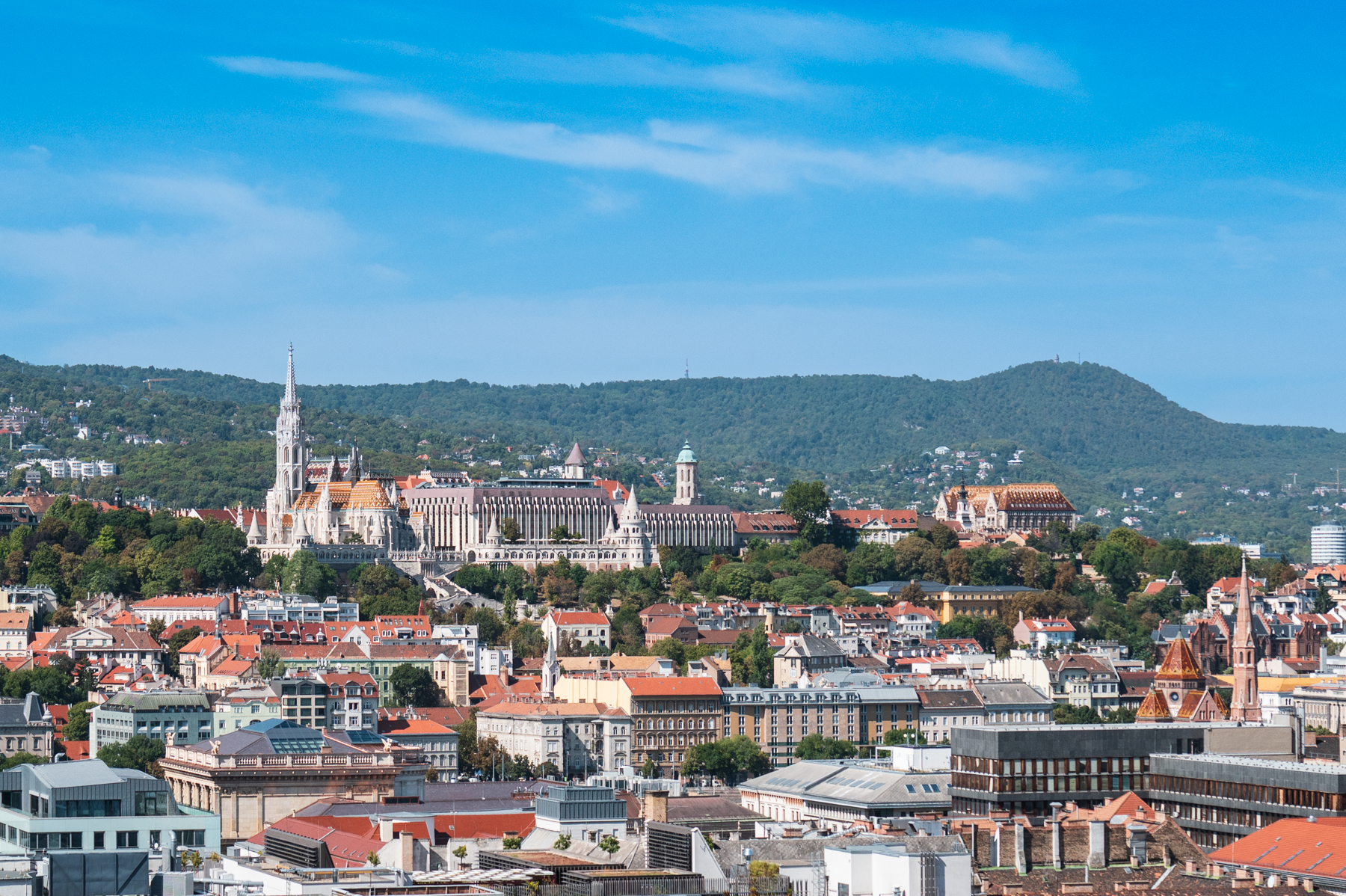
We climbed the tower of the basilica to take in wonderful views of Budapest.
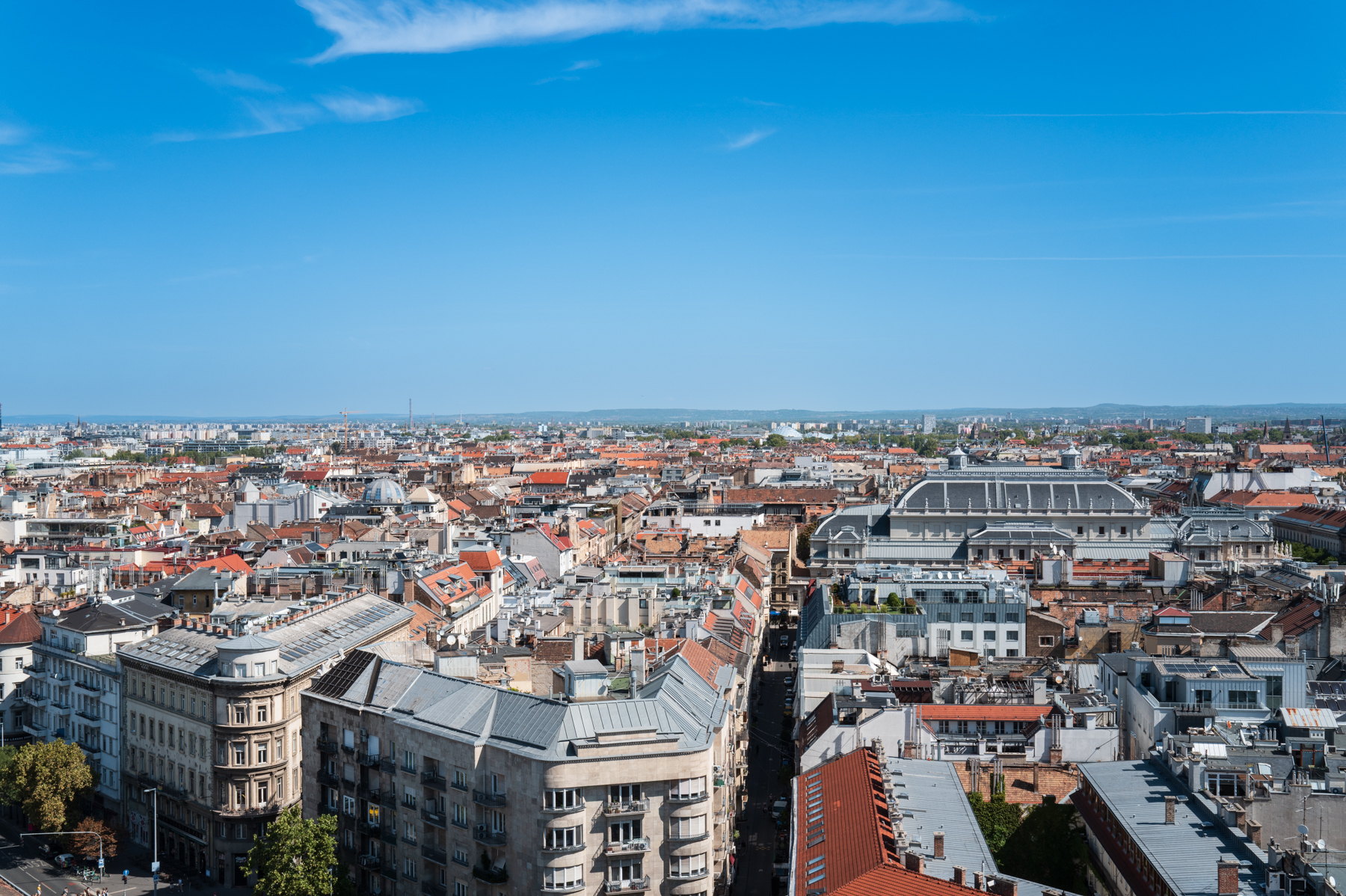
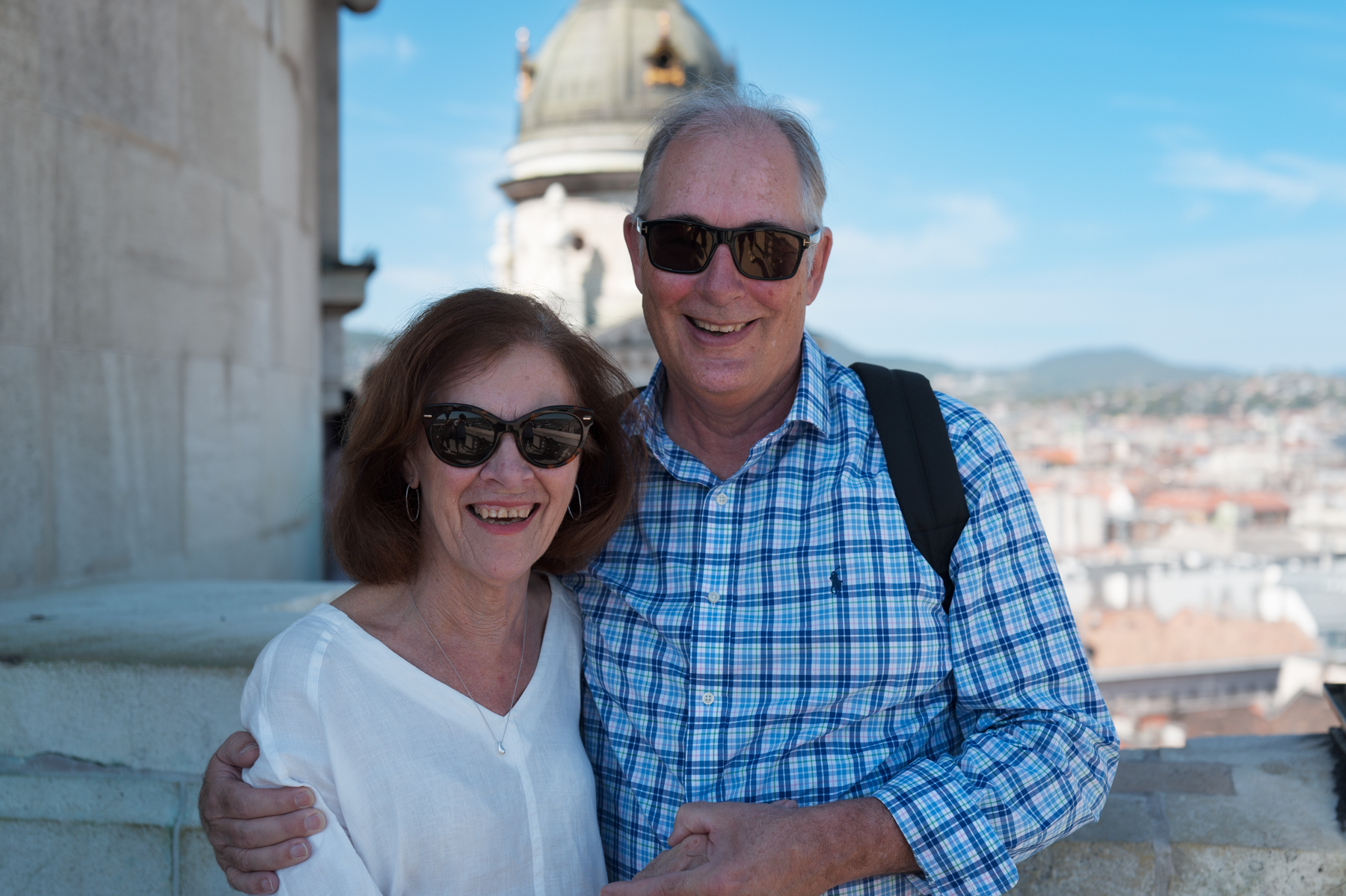
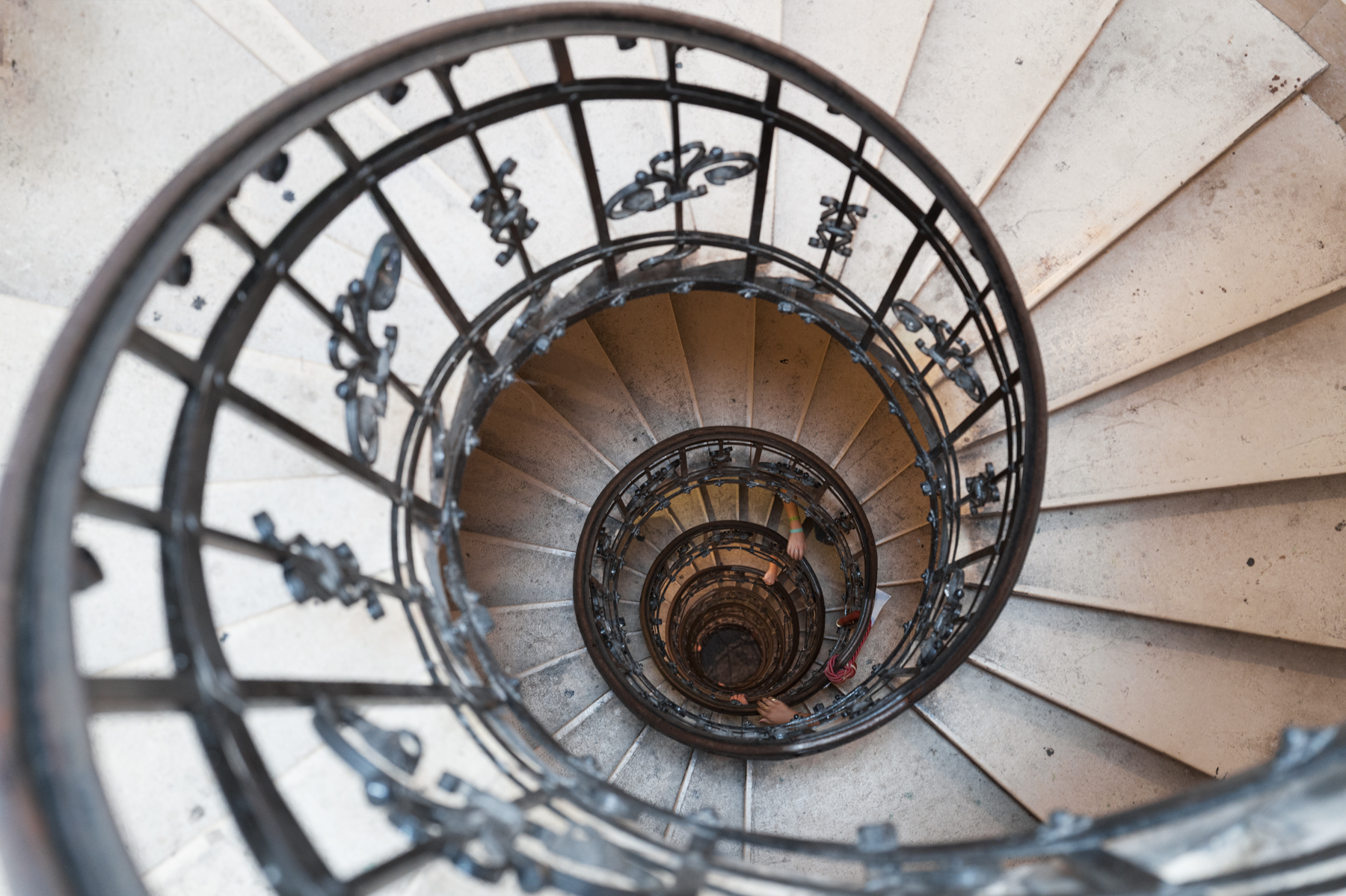
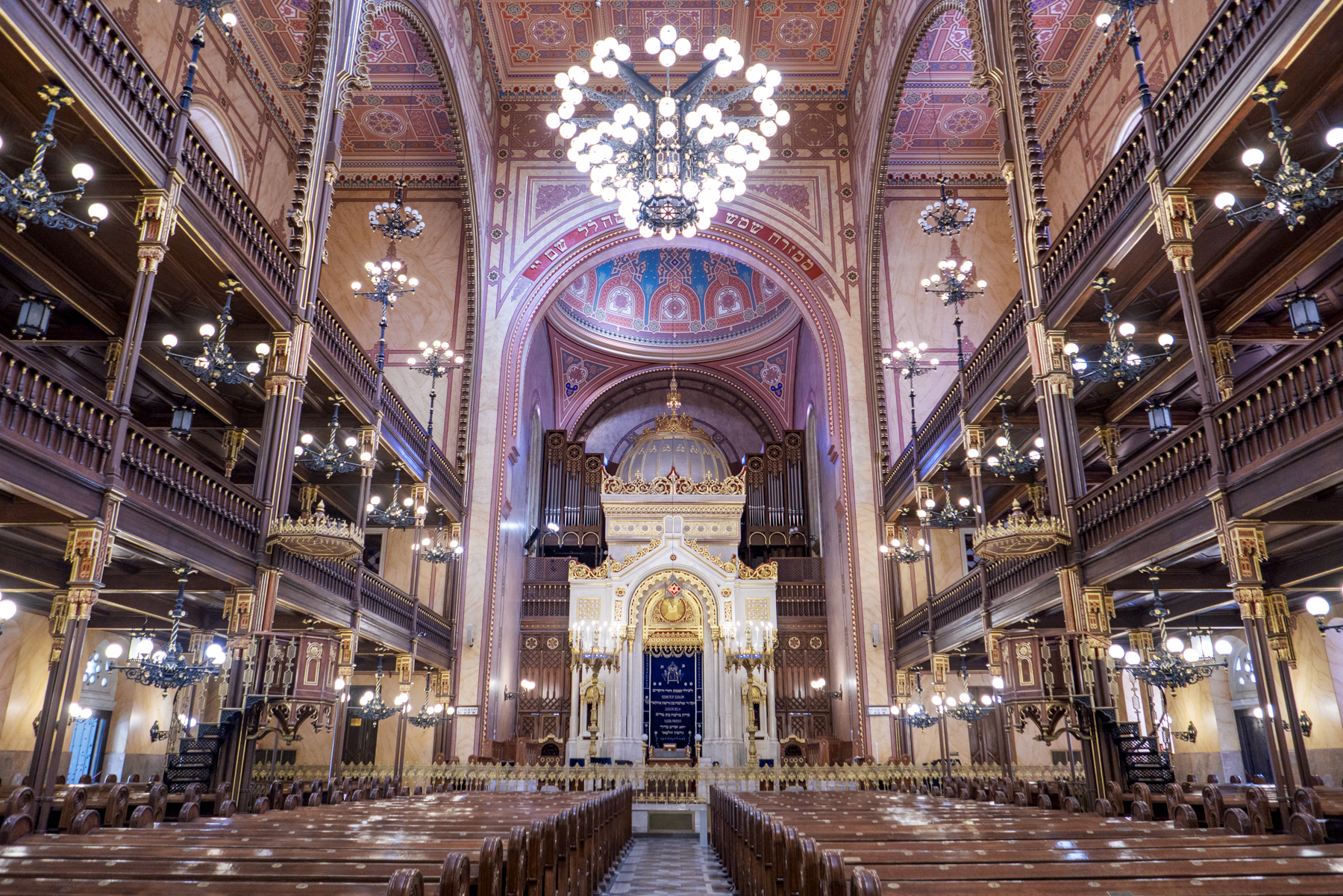
We left the basilica around midday, and walked to the Dohány Street Synagogue (also known as the Great Synagogue), the largest synagogue in Europe and the second largest in the world, able to seat about 3,000 people. Built between 1854 and 1859 in the Moorish Revival style, the synagogue is quite striking and very beautiful.
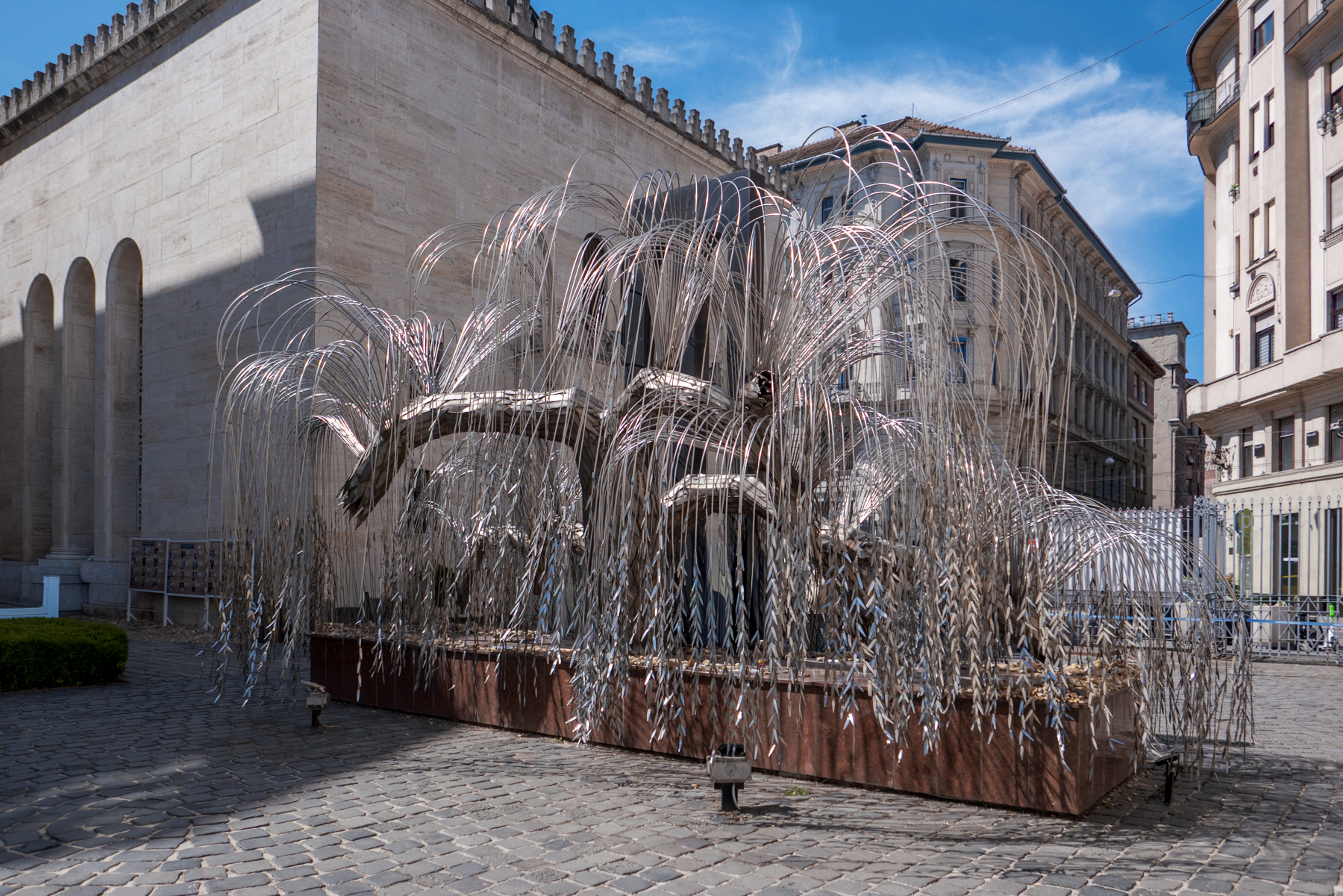
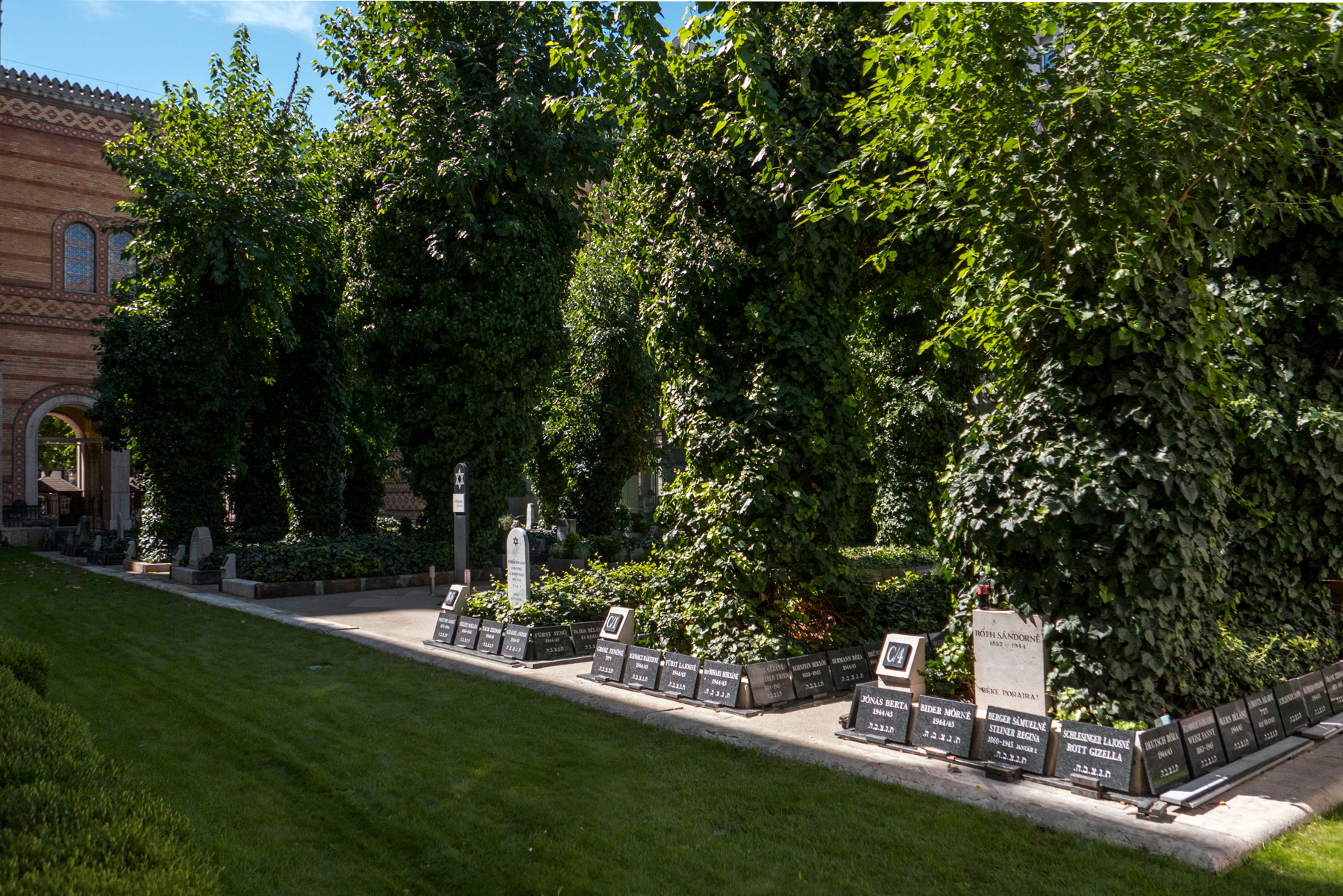
We had a wonderful guide take us around the synagogue. The synagogue is a powerful symbol of Budapest’s Jewish history and, as well as being a major cultural attraction, is still a place of worship. Adjoining the synagogue are a number of other important spaces: the Heroes’ Temple, memorial, a Jewish cemetery, a museum, and the outdoor “Tree of Life” sculpture.
The “Tree of Life” sculpture (also called the Holocaust Memorial Tree or Emanuel Tree) was created by Imre Varga in 1991. This striking metal weeping willow stands in the synagogue’s courtyard as a memorial to the more than 400,000 Hungarian Jews murdered during the Holocaust. Each leaf bears the name of a victim, making the sculpture both a work of art and a powerful symbol of mourning and loss.
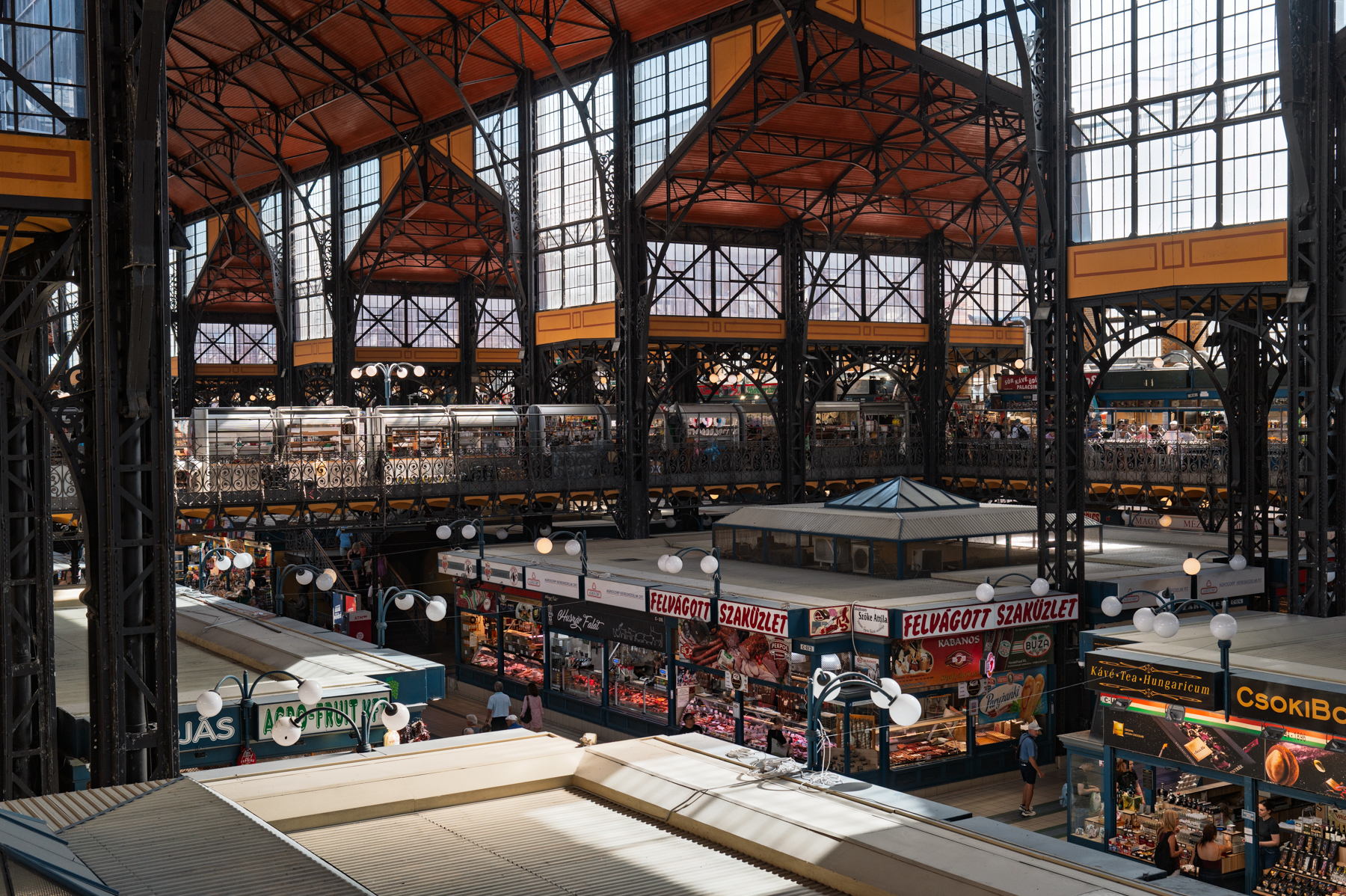
After leaving the synagogue, we walked for about 20 minutes, to the Great Market Hall. We looked around for a while, before finding a place to have lunch. We ate some traditional Hungarian fare for lunch which, while probably not the culinary highlight of the trip so far, was quite tasty.
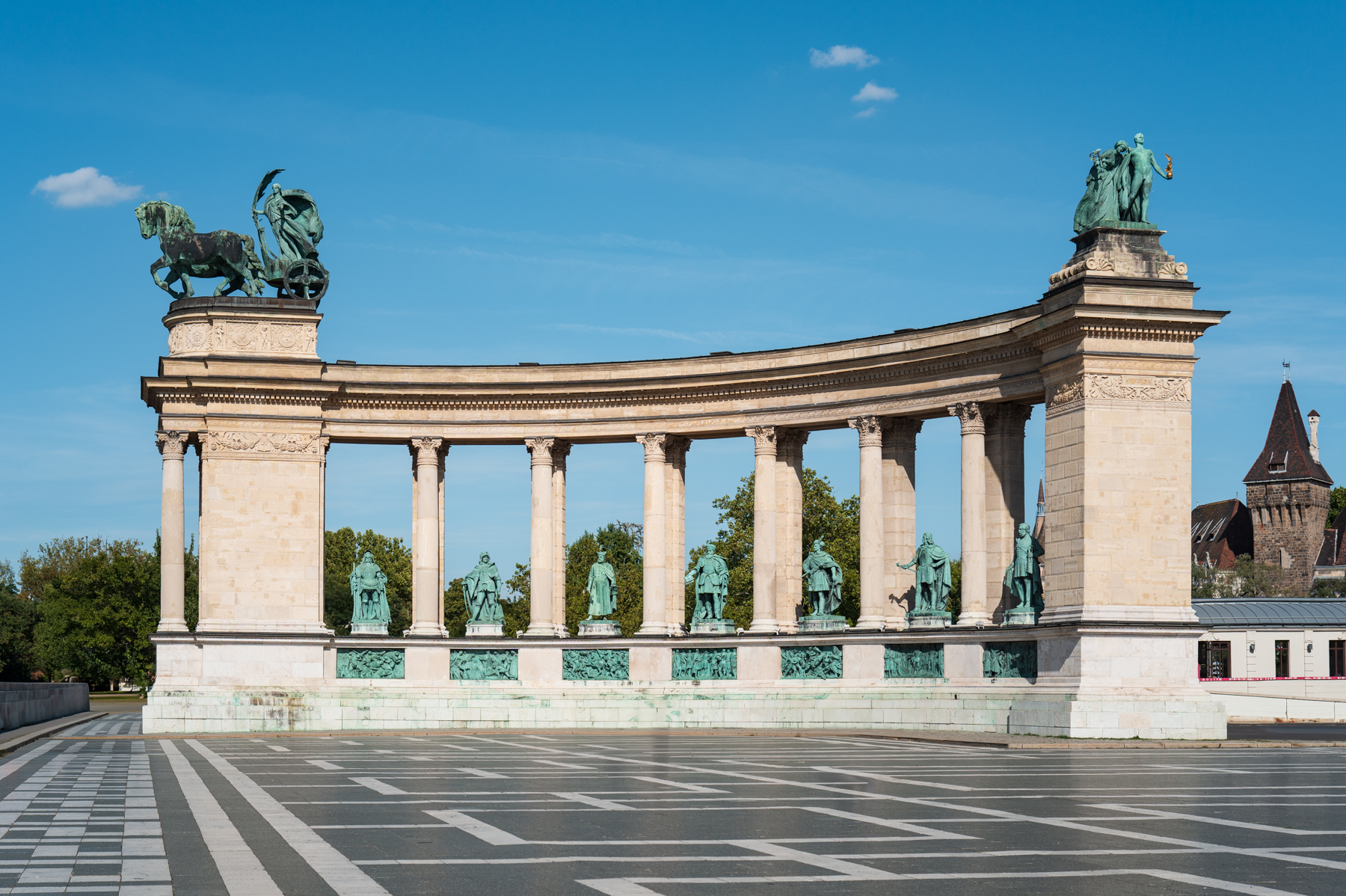
We left the Great Market Hall and caught a taxi to our next destination, City Park. We alighted from the taxi at Heroes’ Square, one of the city’s most iconic landmarks. In the square stands the Millennium Monument, which commemorates the 1,000th anniversary of the arrival of the Magyars. The Magyars are the ethnic group now known as Hungarians. They were a group of semi-nomadic tribes who migrated from the Ural region of modern-day Russia and Siberia, eventually settling in present-day Hungary in the late 9th century.
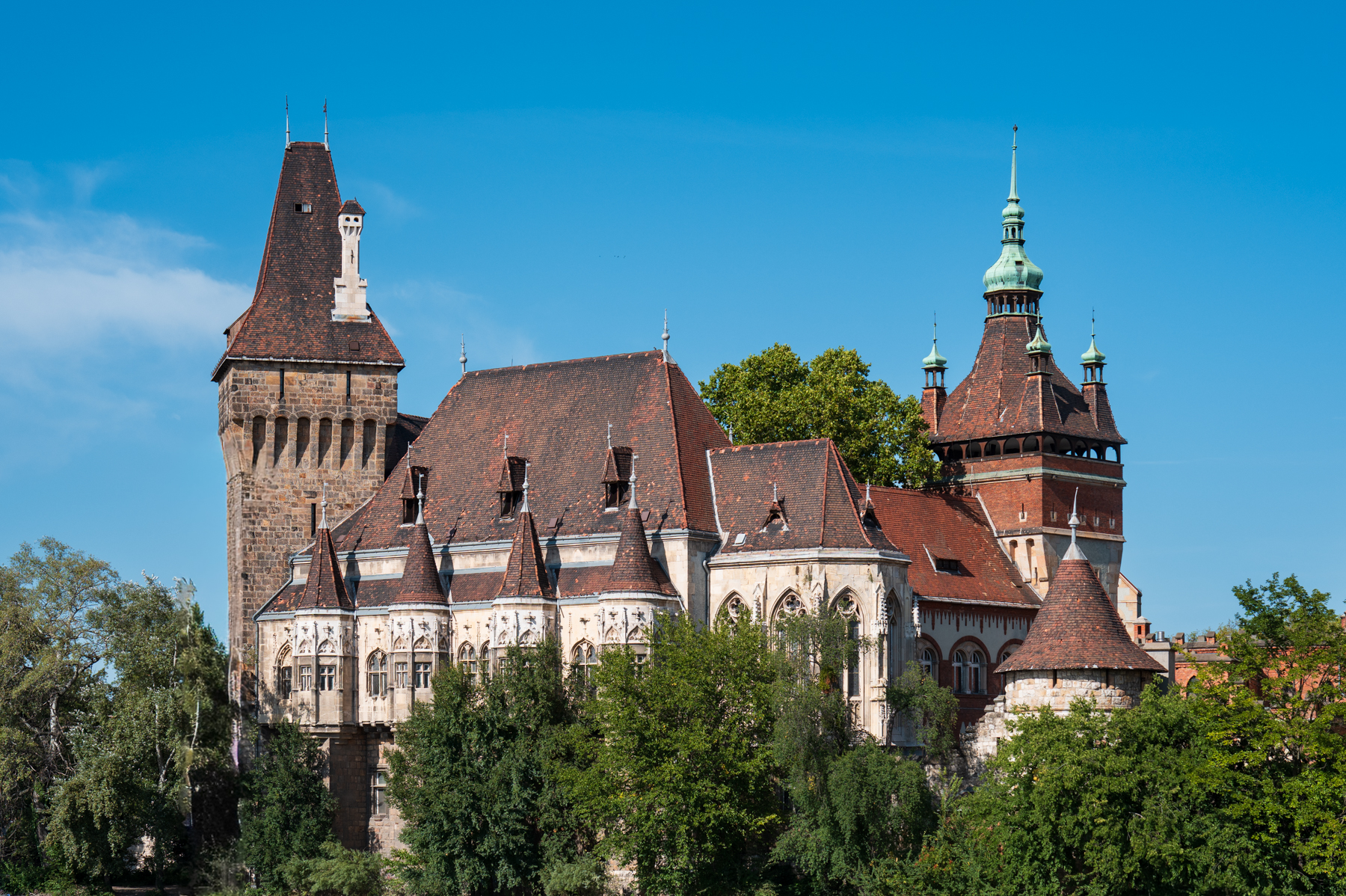
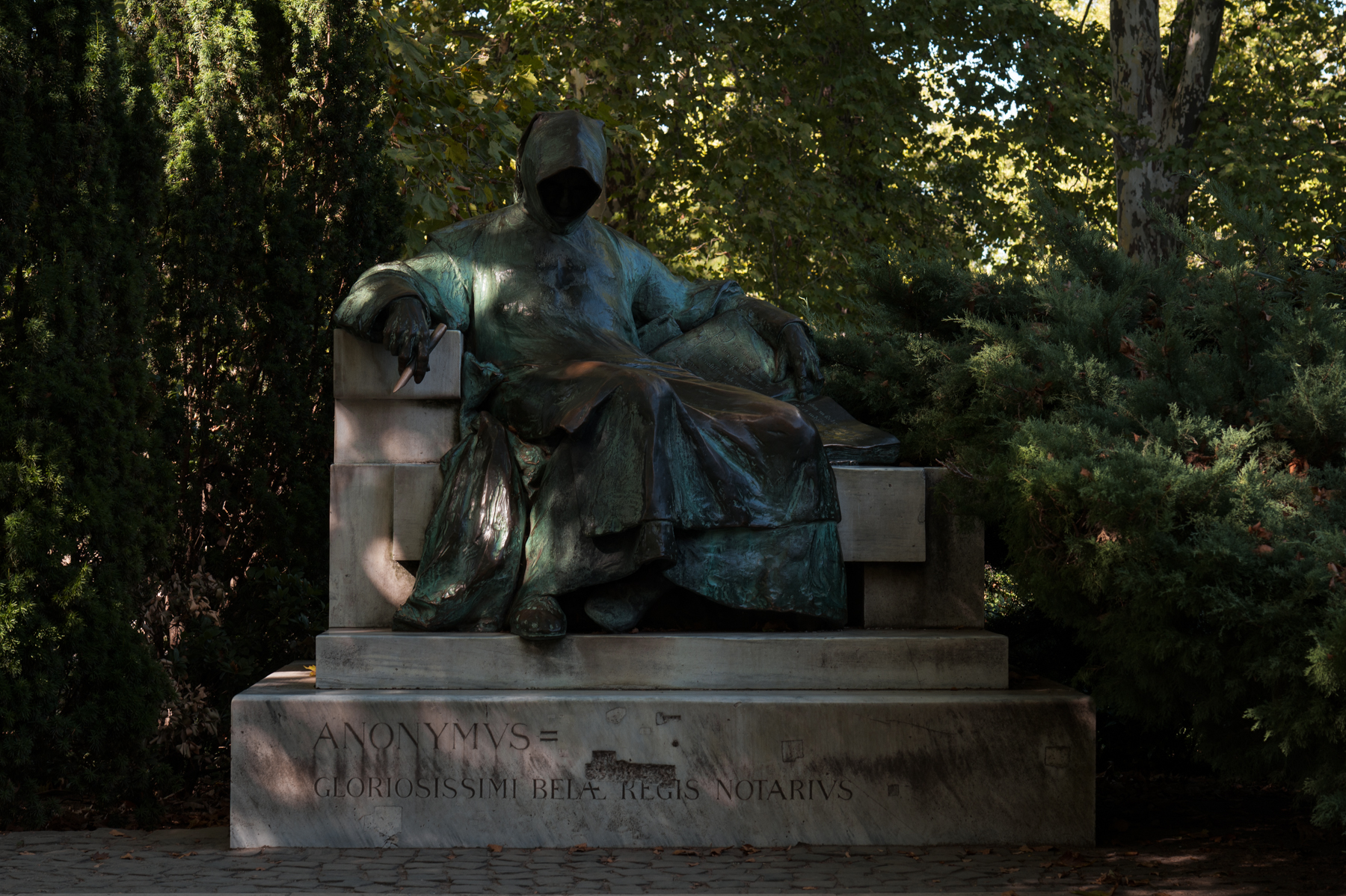
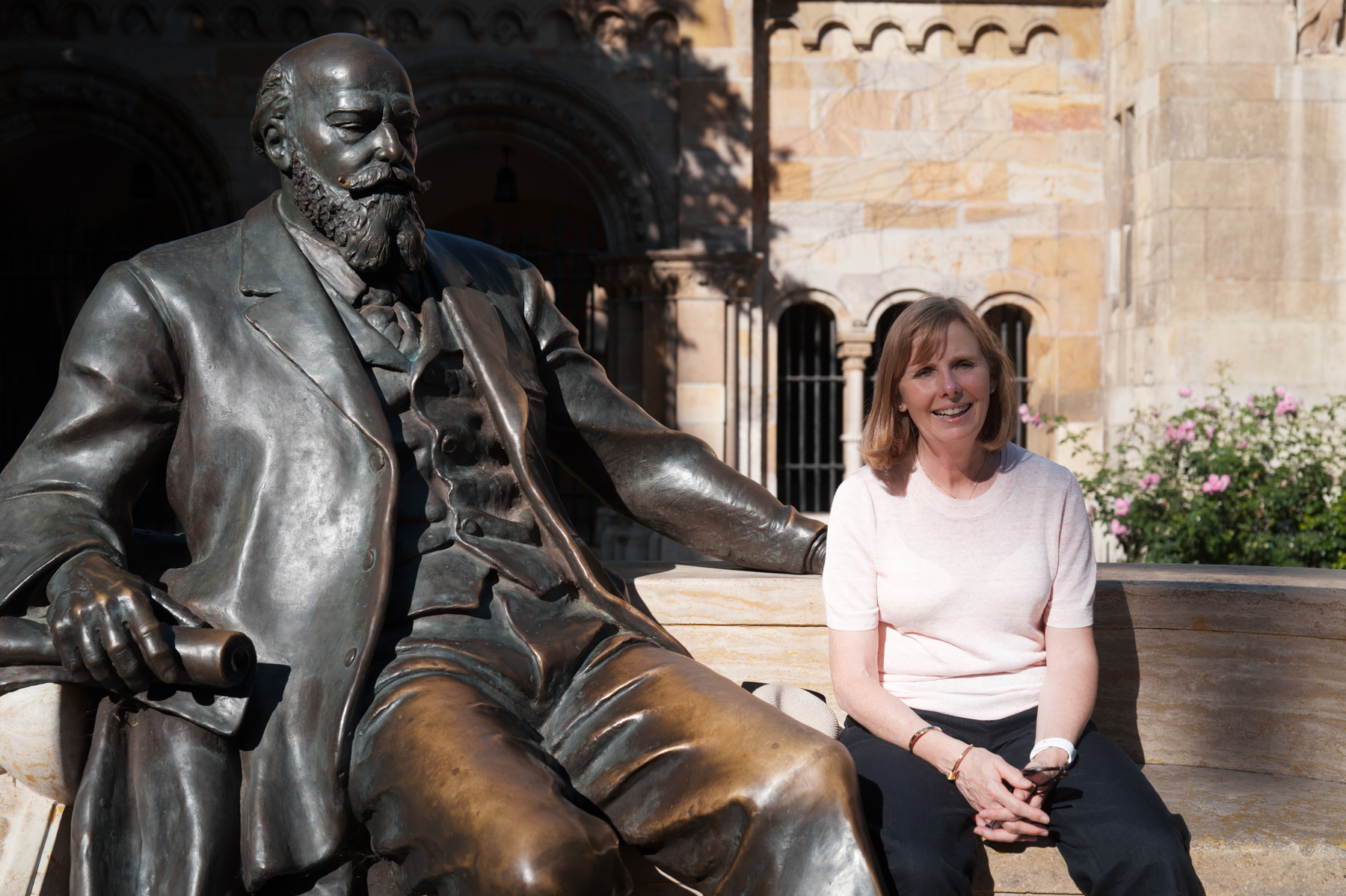
We walked across the road to enter the beautiful City Park, which we walked around in for about half an hour. The park is dominated the Vajdahunyad Castle (which despite its medieval appearance, was built in 1896 for the Millennial Exhibition celebrating 1,000 years of Hungary).
Our nest destination was the Hungarian Opera House. We decided that we’d walked a fair bit already, so we opted to catch a taxi back down the beautiful Andrássy Street to the Opera House. We peeked inside, but could only go further than the foyer if we booked a tour, which wasn’t an option at any time for the rest of the day. So, we only stayed long enough to admire the bits we could see.
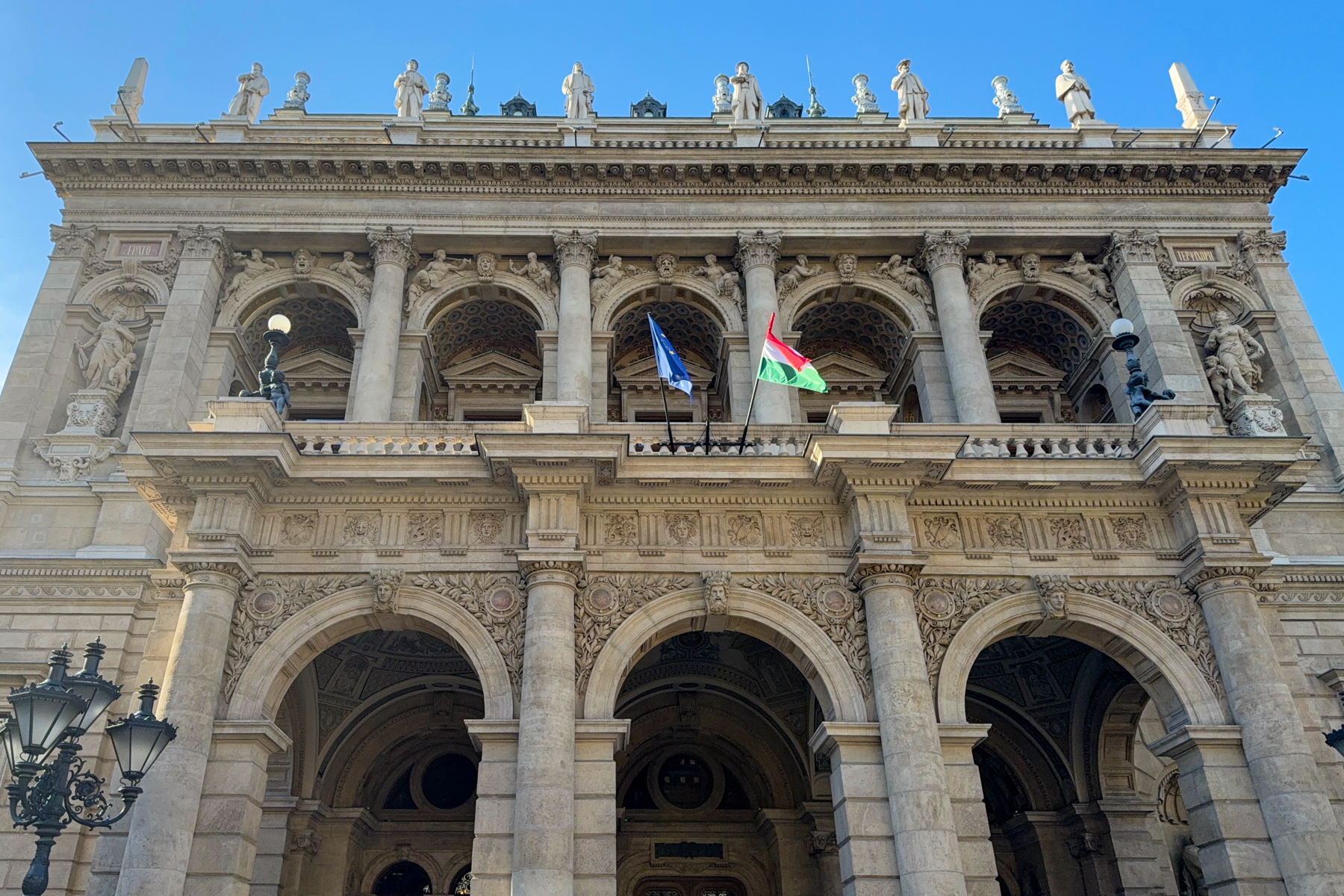
It was only a 5-minute walk back to the hotel, so we decided that we’d return to the hotel and relax with a drink before dinner.
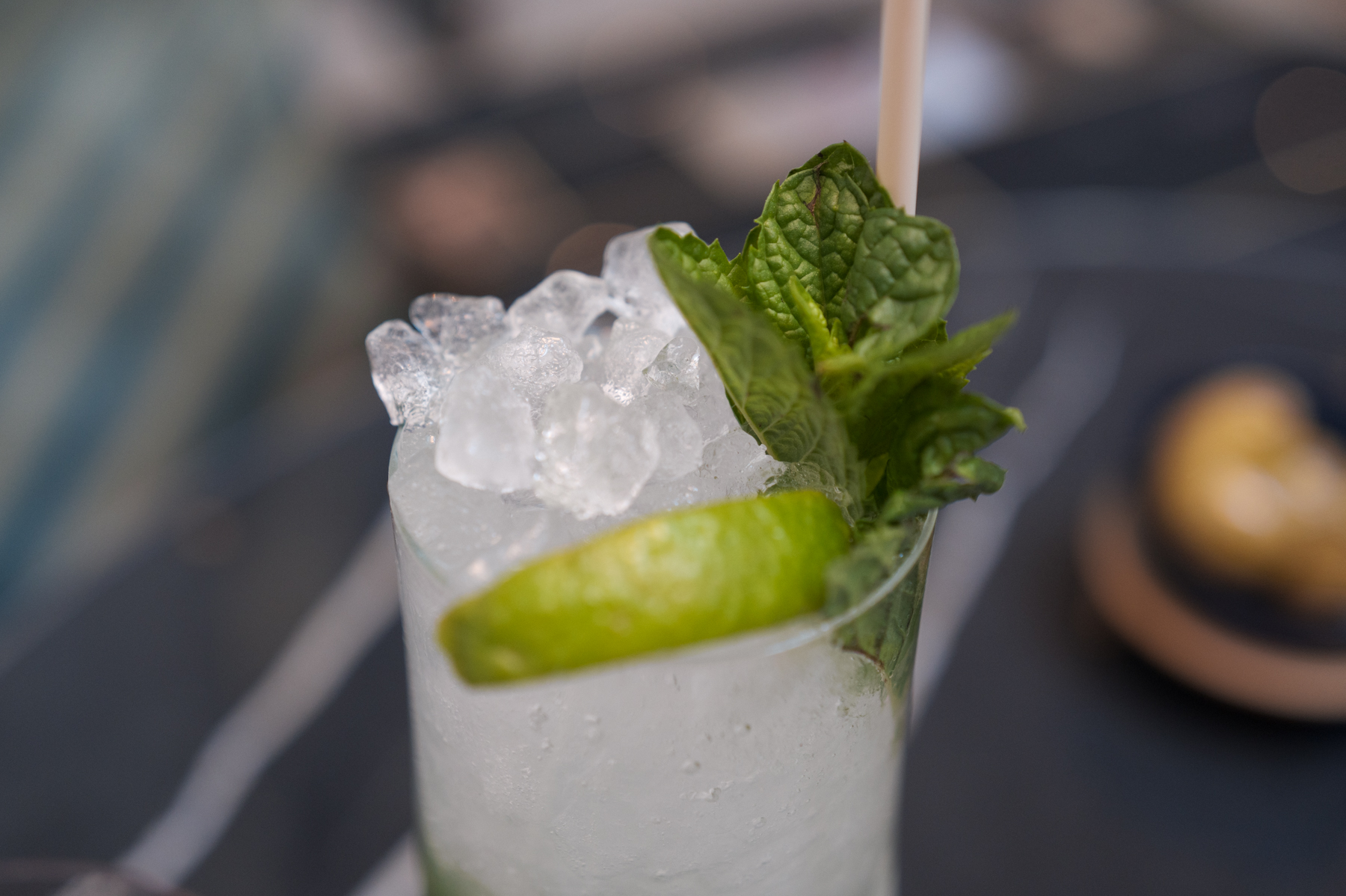
After enjoying a relaxing drink, we headed back to the room before getting ready for dinner.
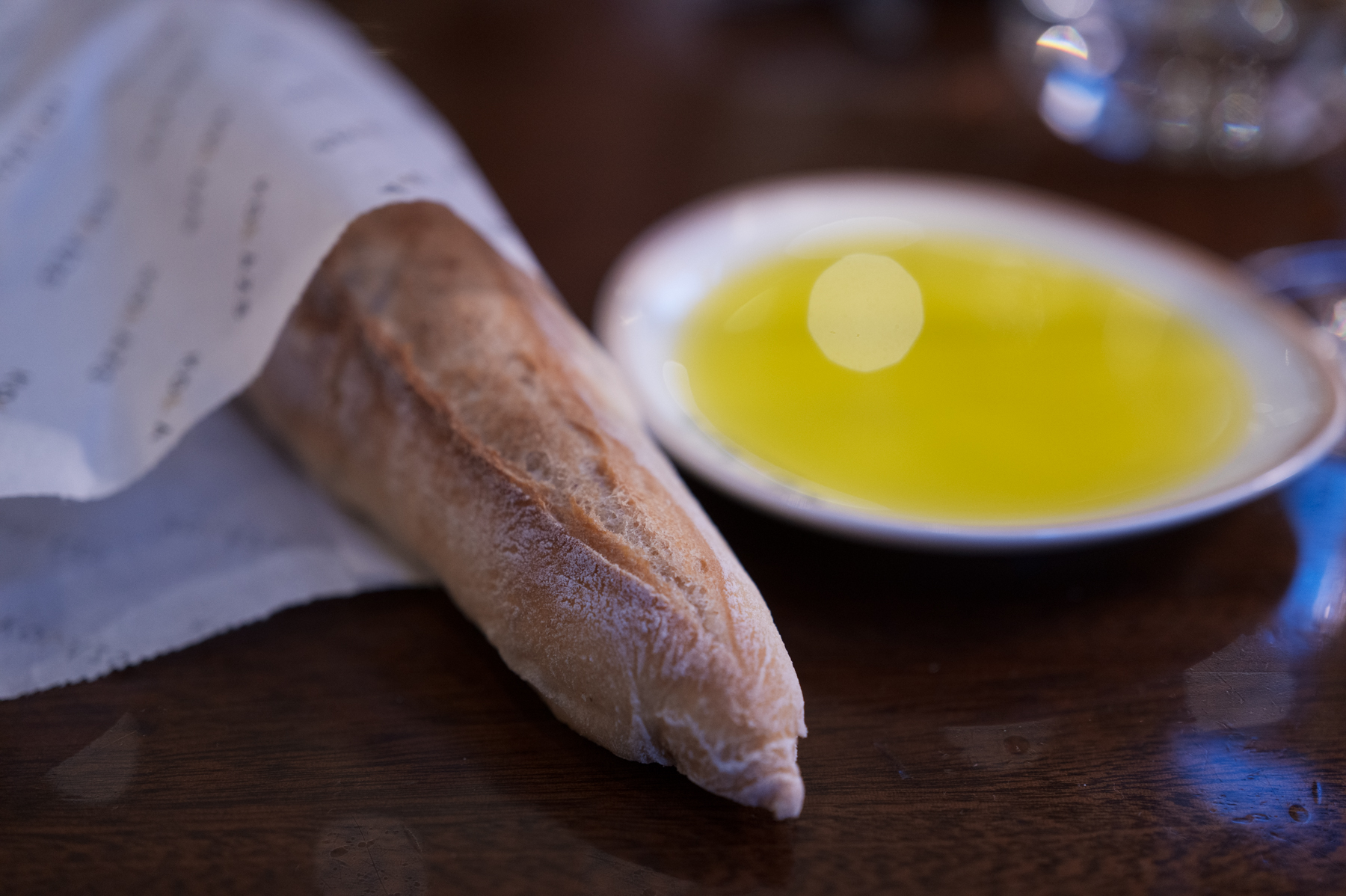
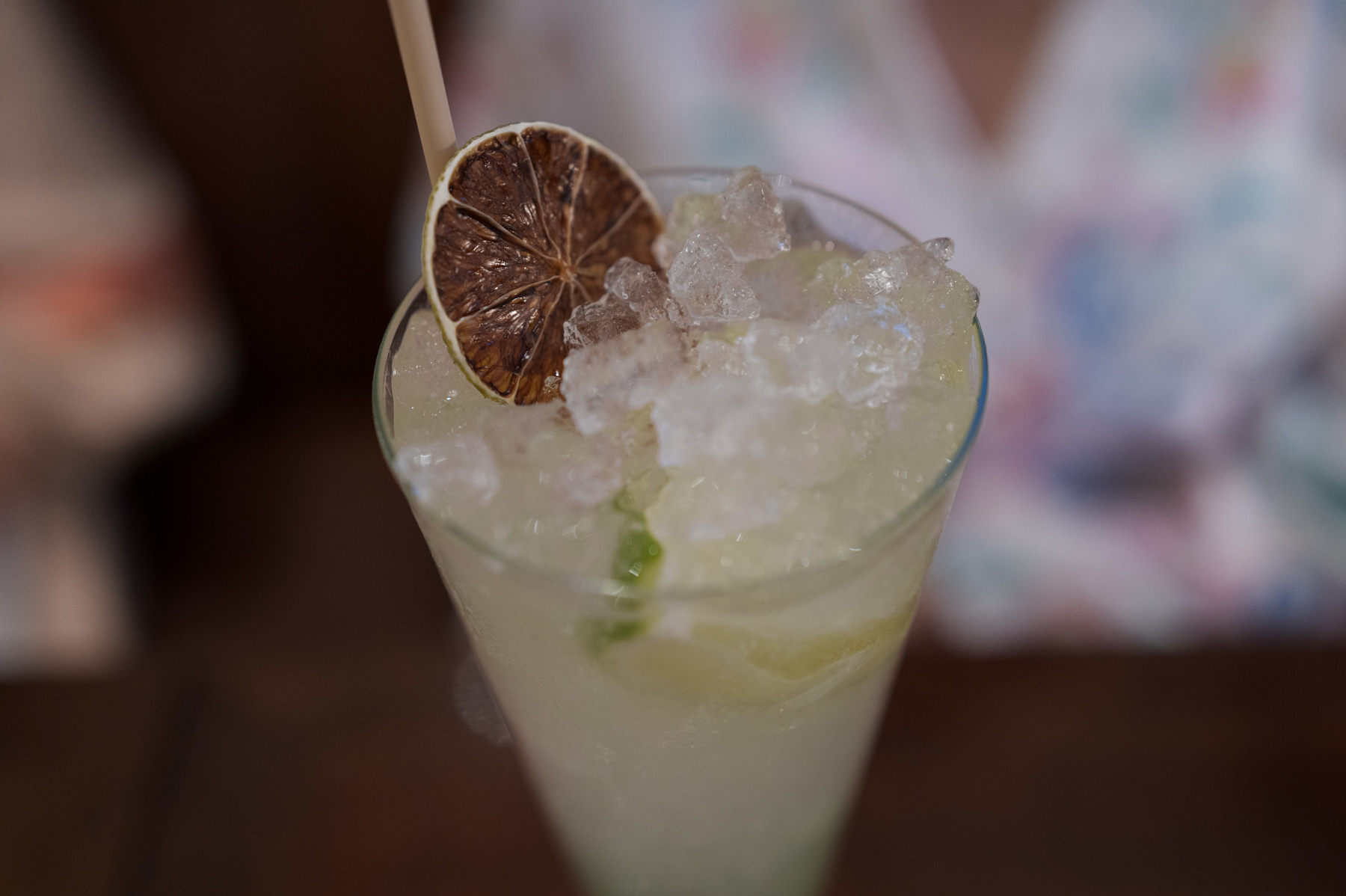
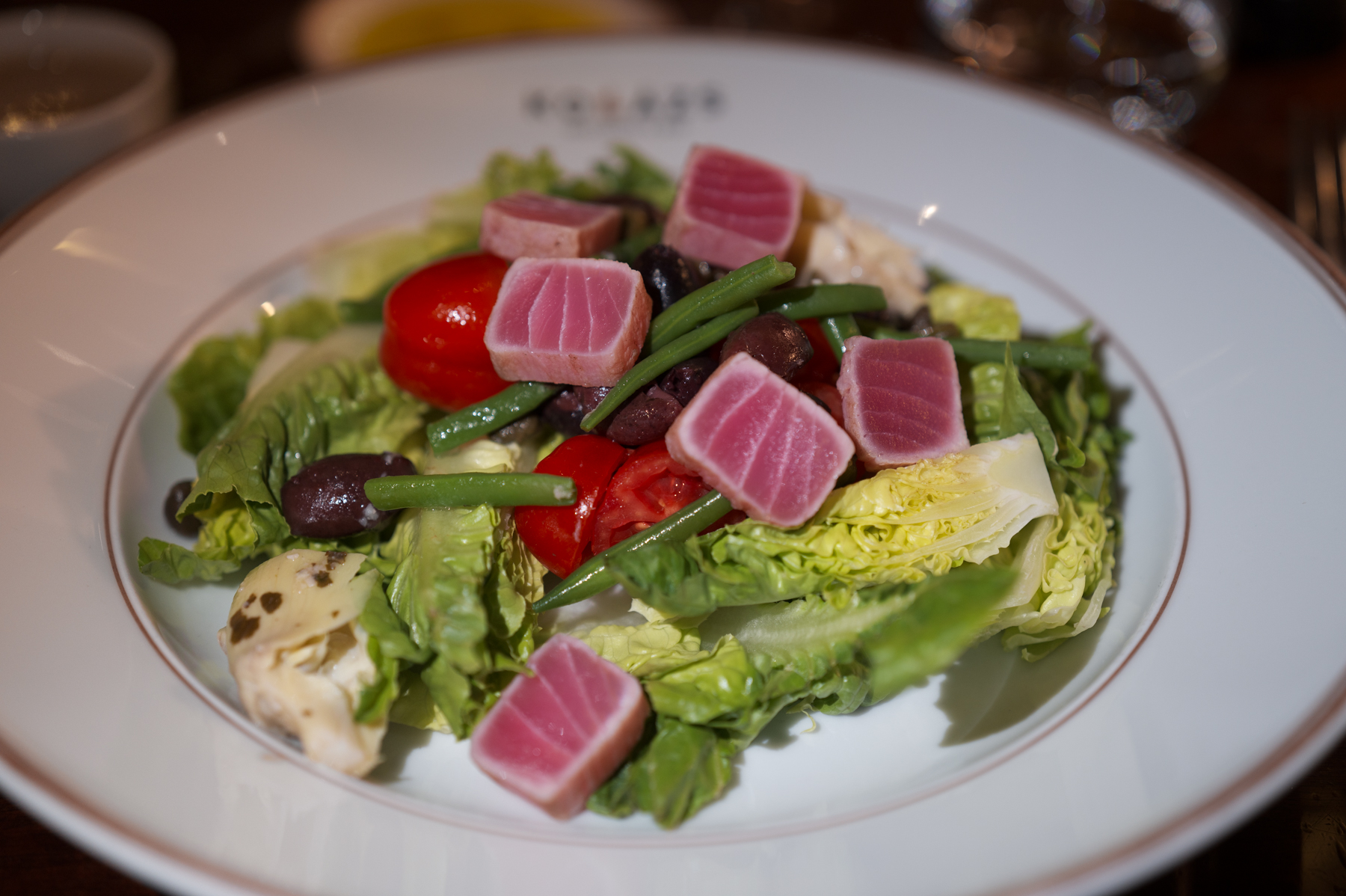
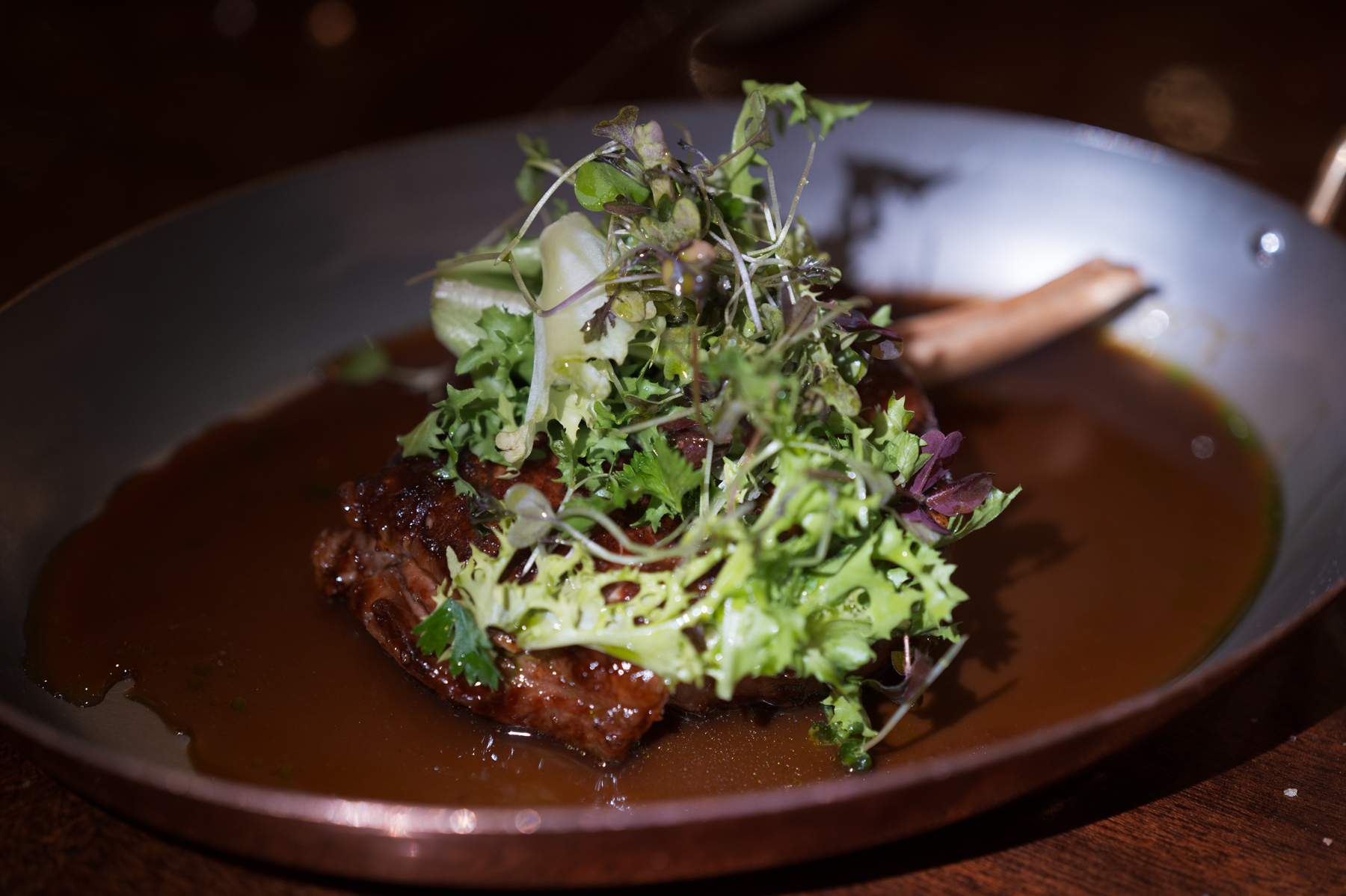
We finished dinner at about 8:30 pm, and then walked along the river to board our private boat for a post-dinner cruise on the Danube River. It was a perfect night to be out, and the cruise on the river was certainly one of the highlights of the trip so far.
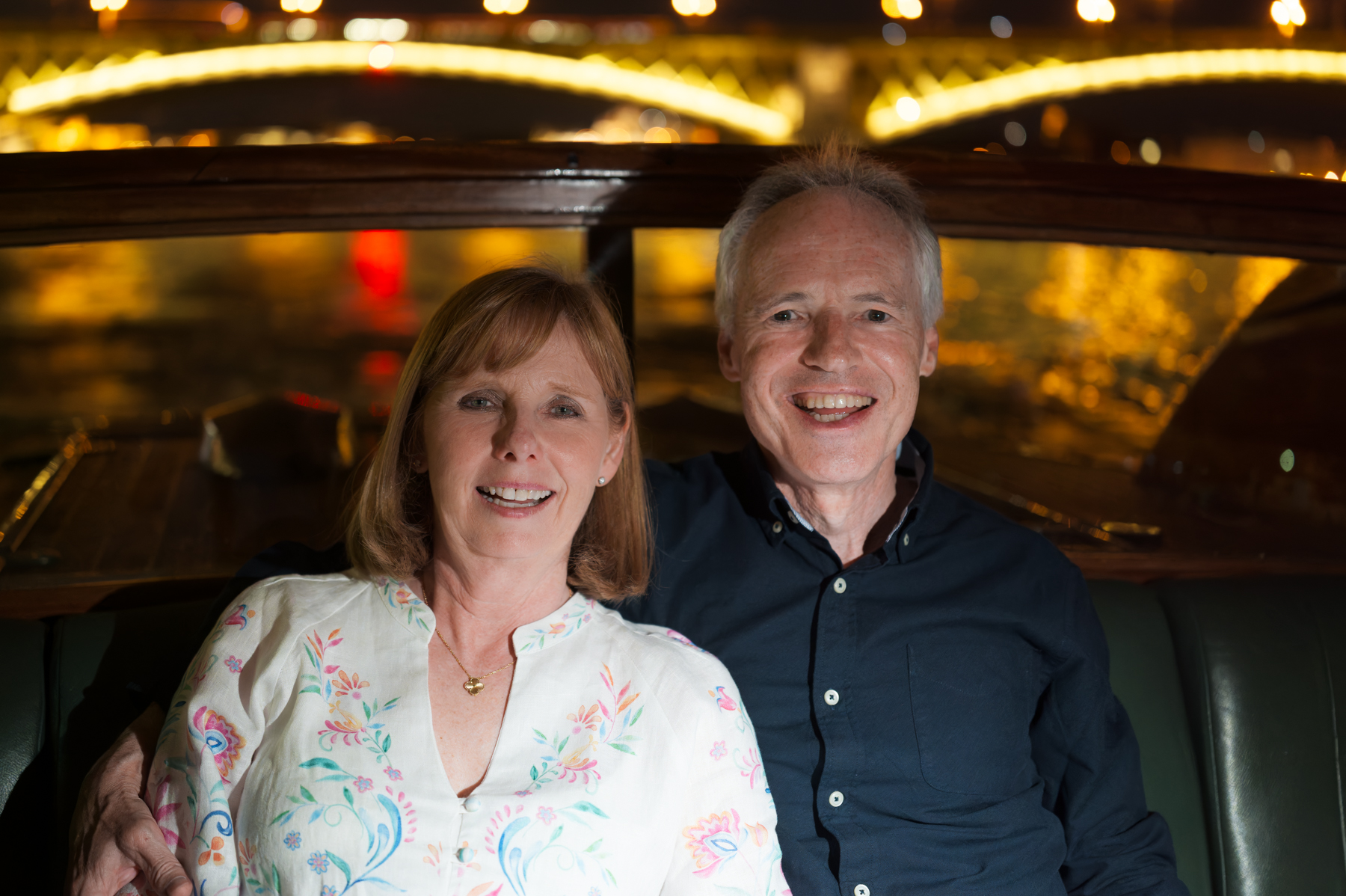
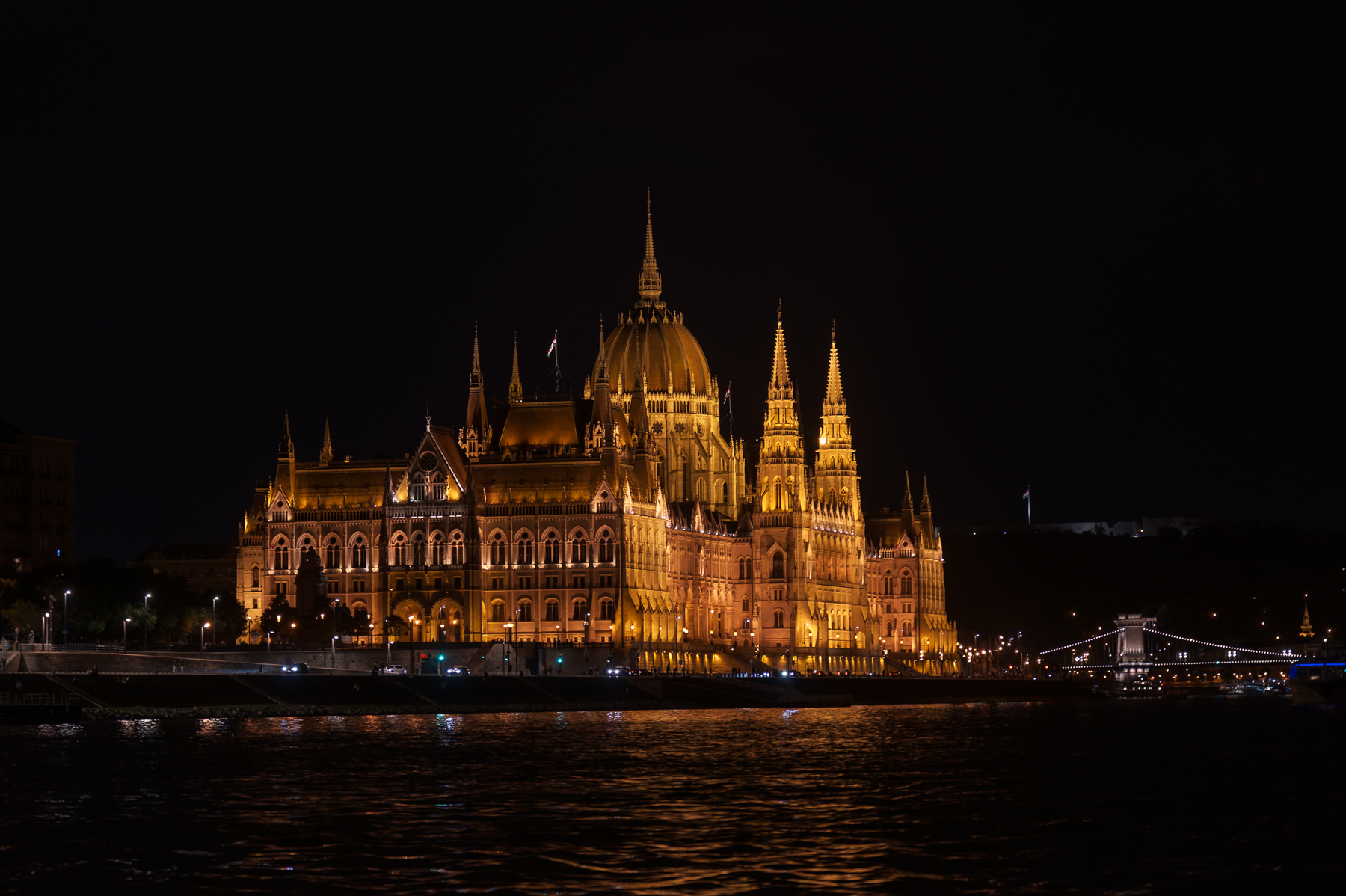
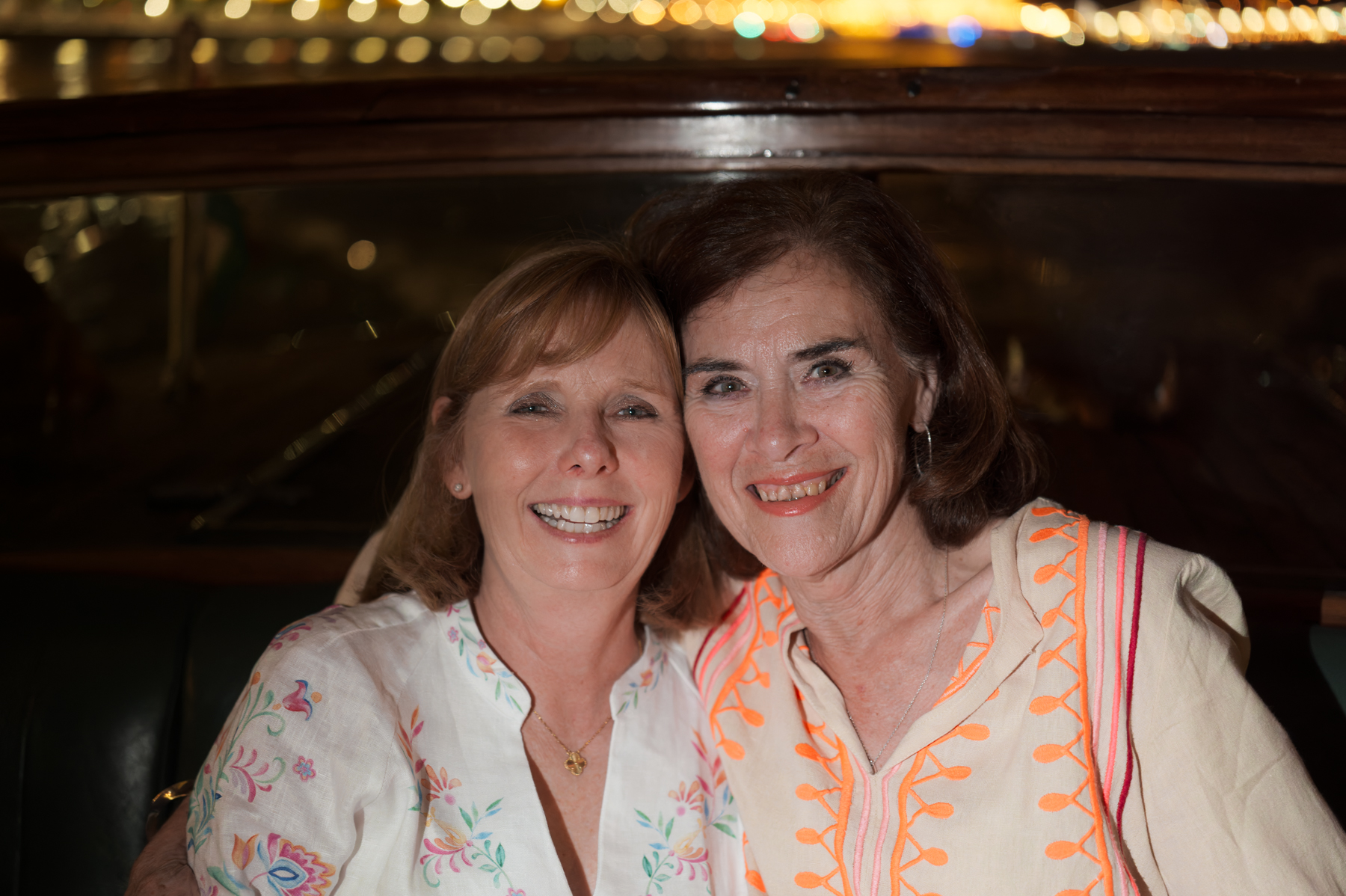
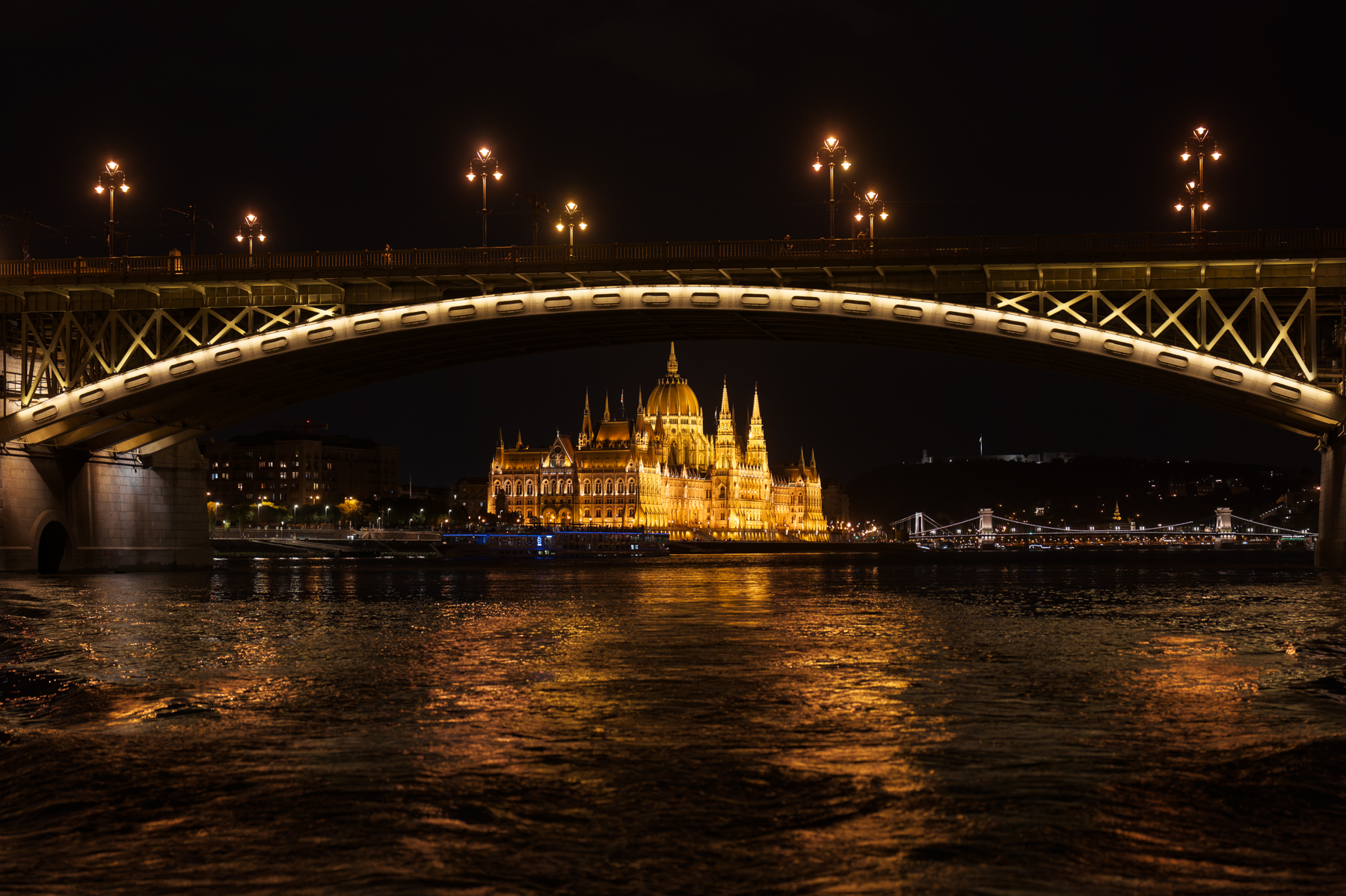
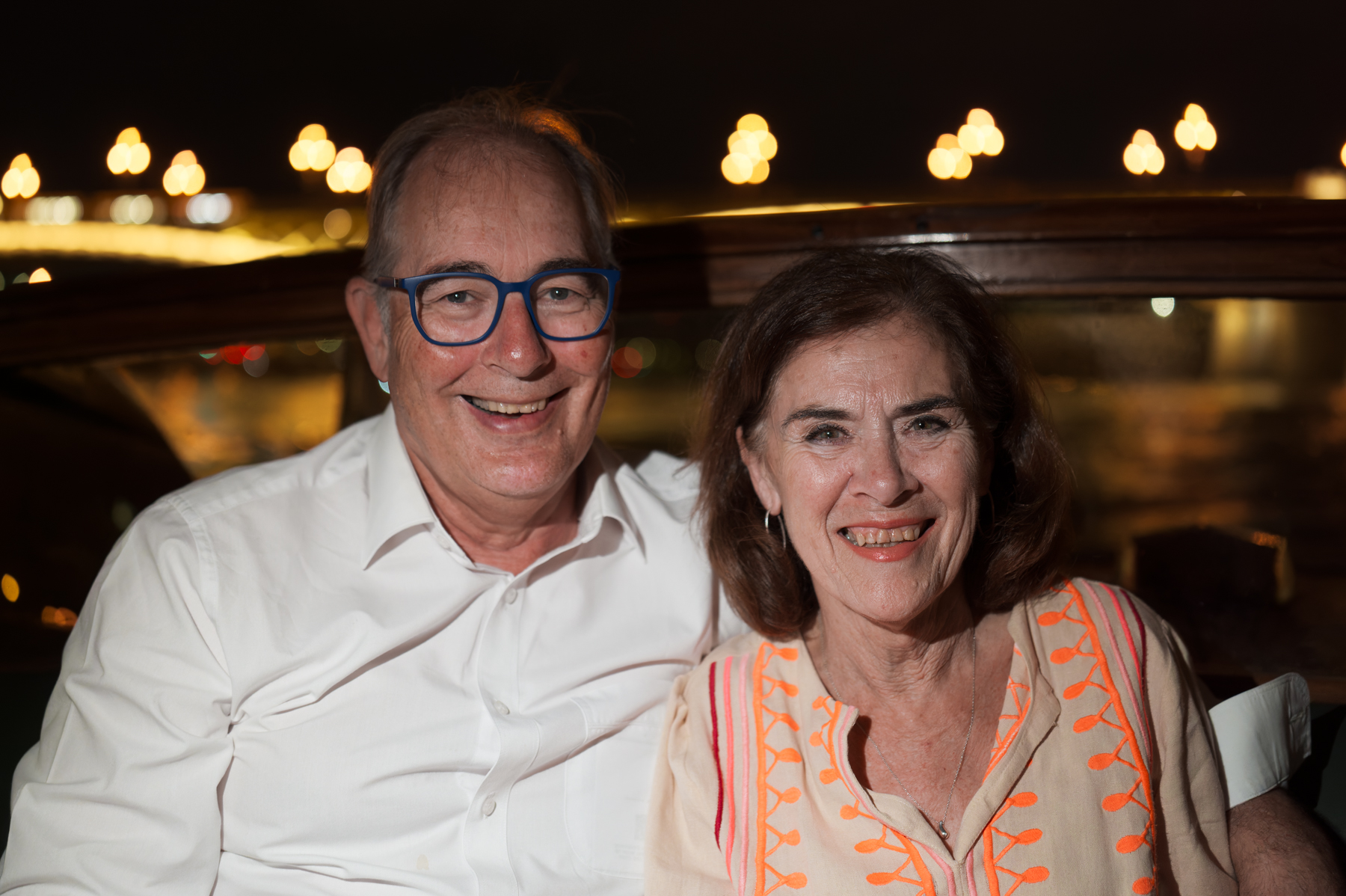
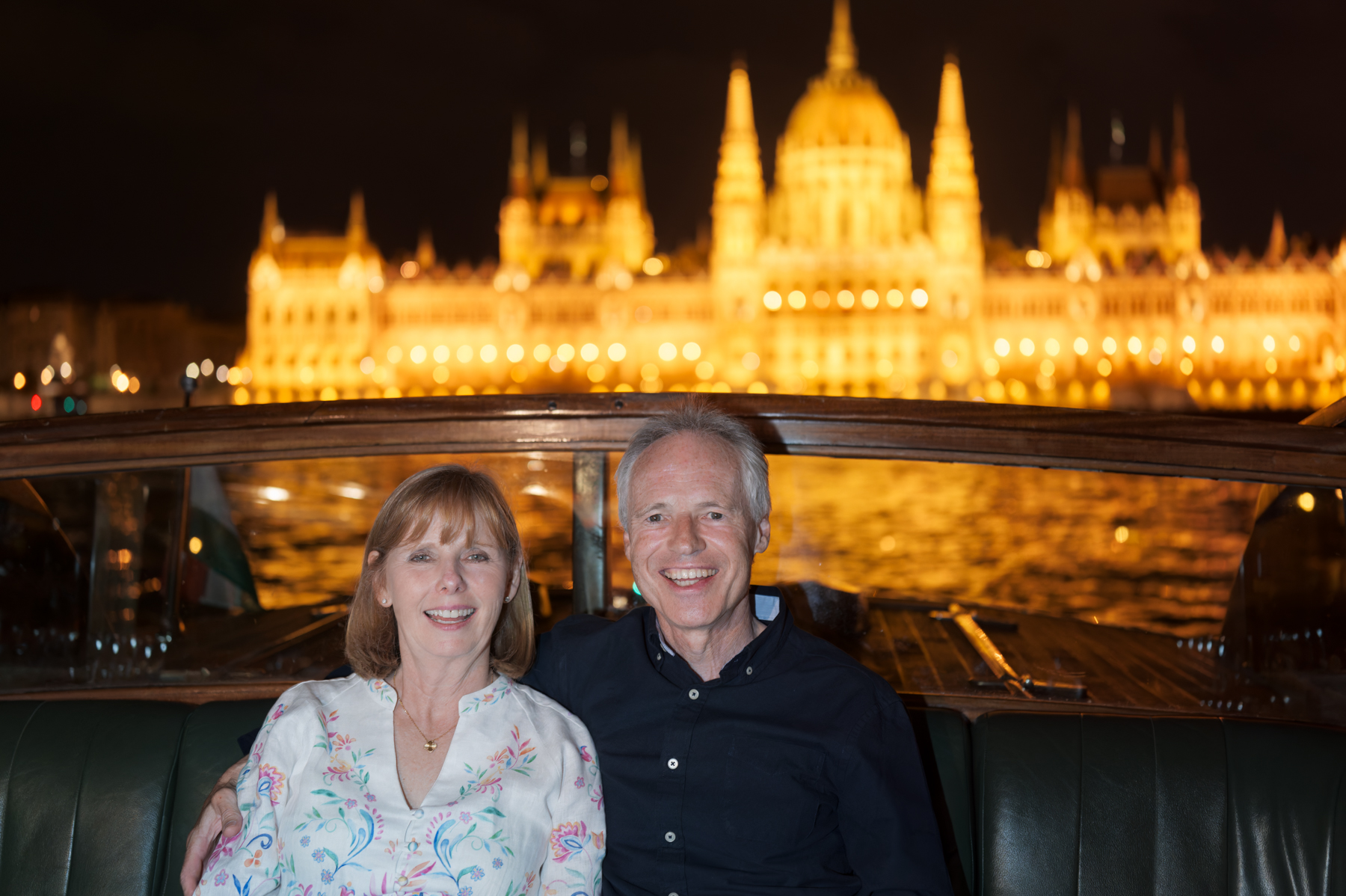
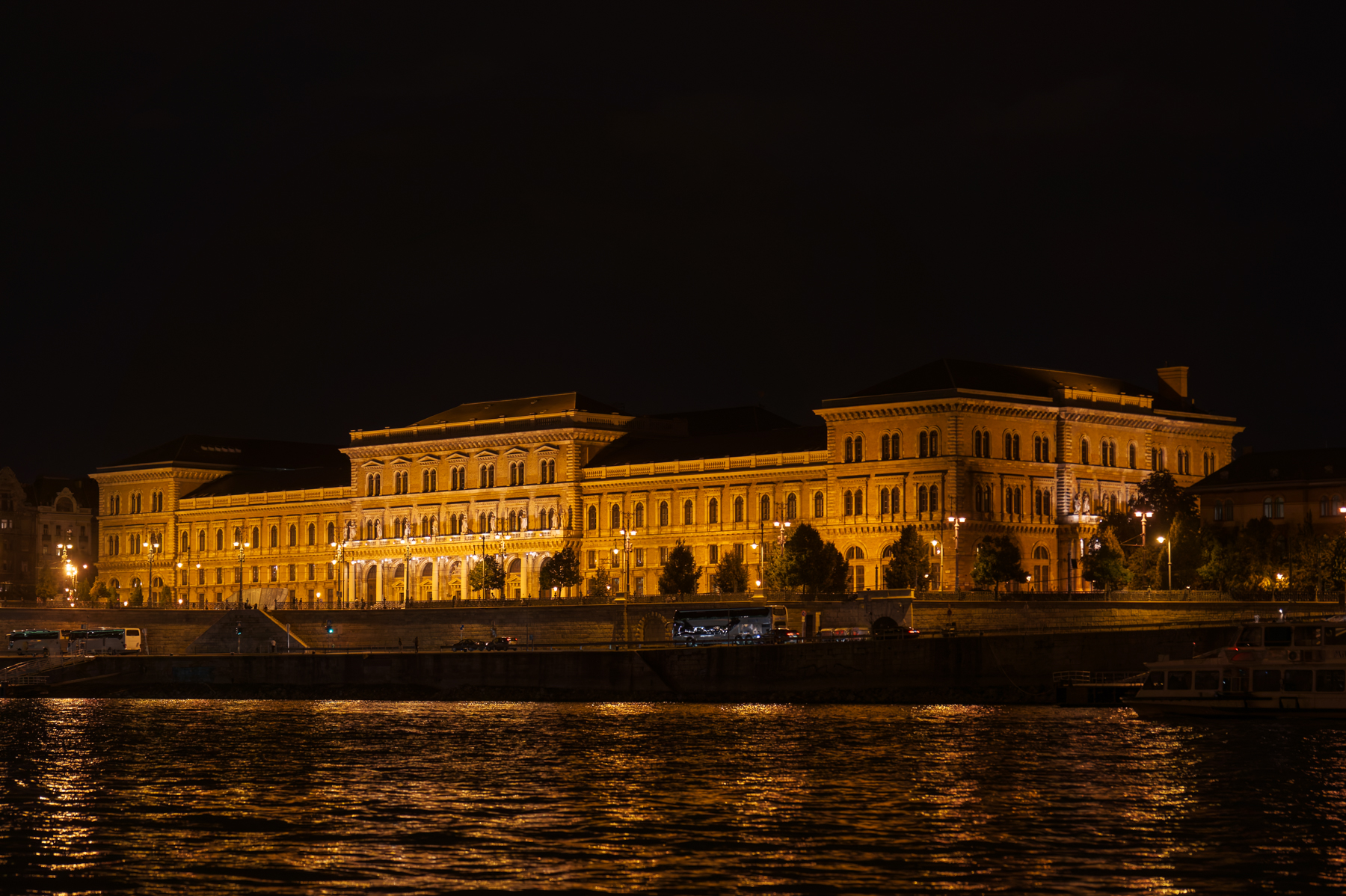
After a wonderful cruise on the Danube, we walked back to the hotel. By this time it was about 10:00 pm but there was no shortage of people out enjoying the beautiful Budapest evening.
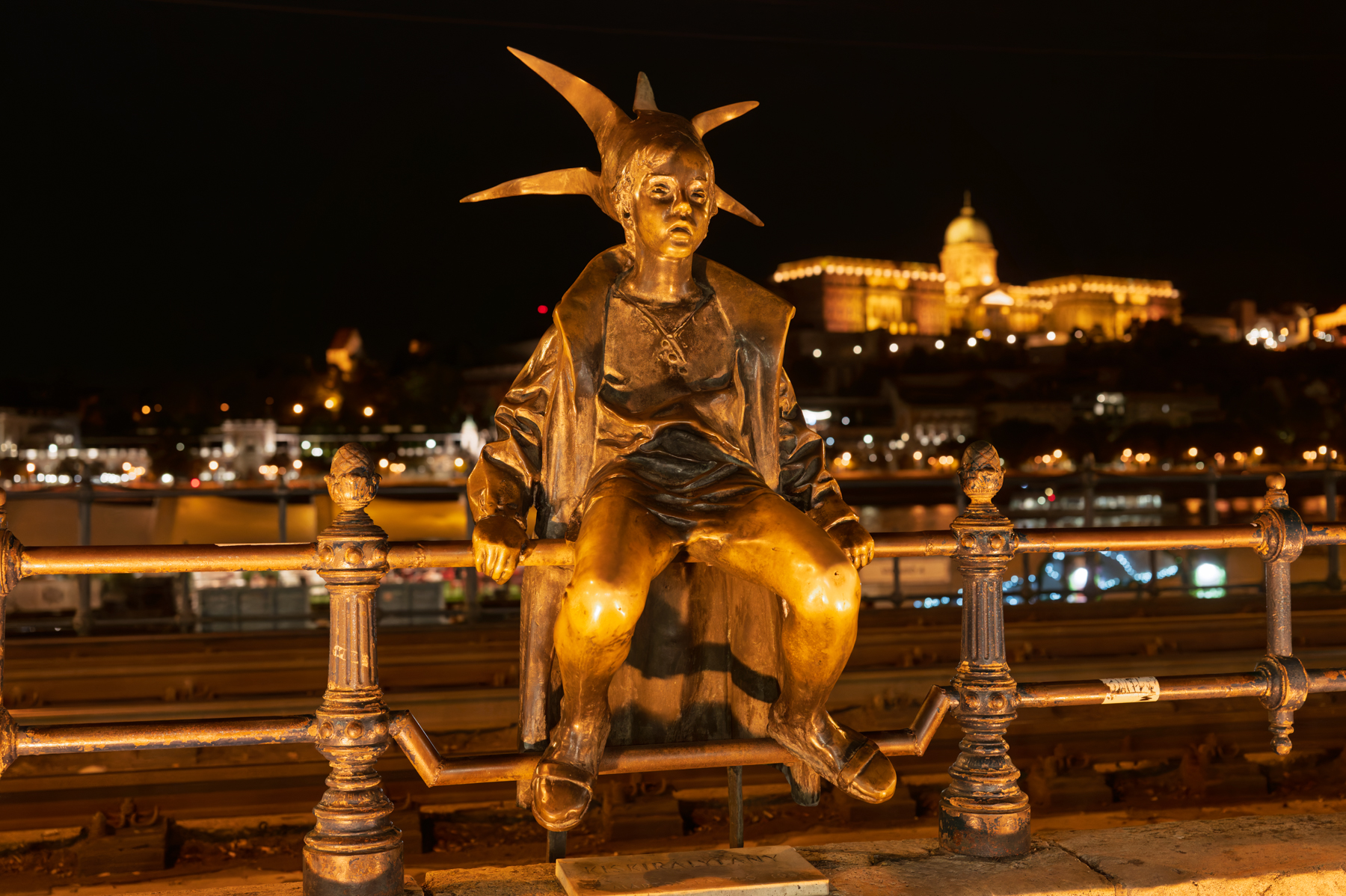
After a big day of exploring, it was nice to hit the bed. Tomorrow, we also have a big day planned, so we’re looking forward to a good night’s sleep.