
Europe
More of Budapest
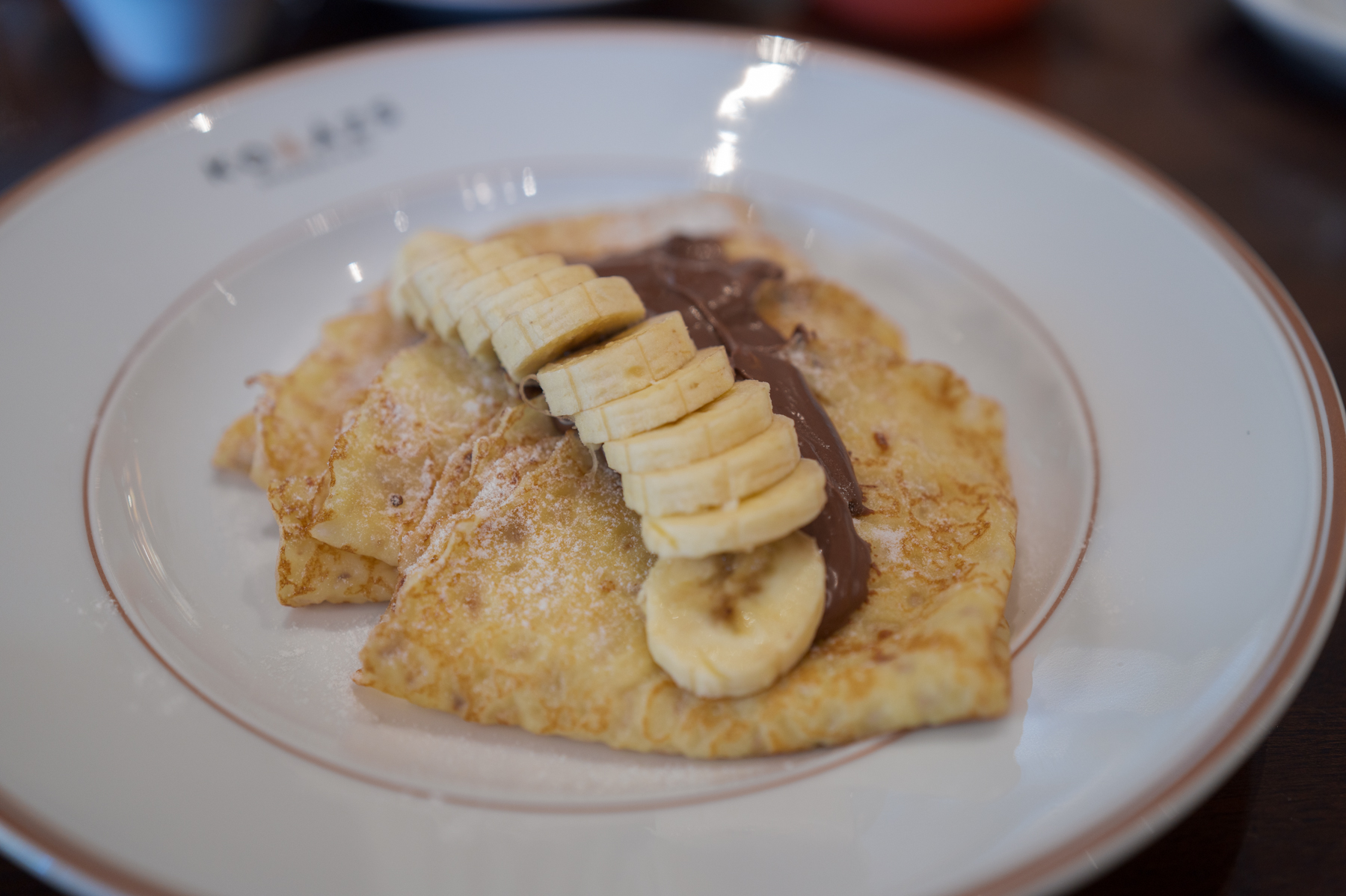
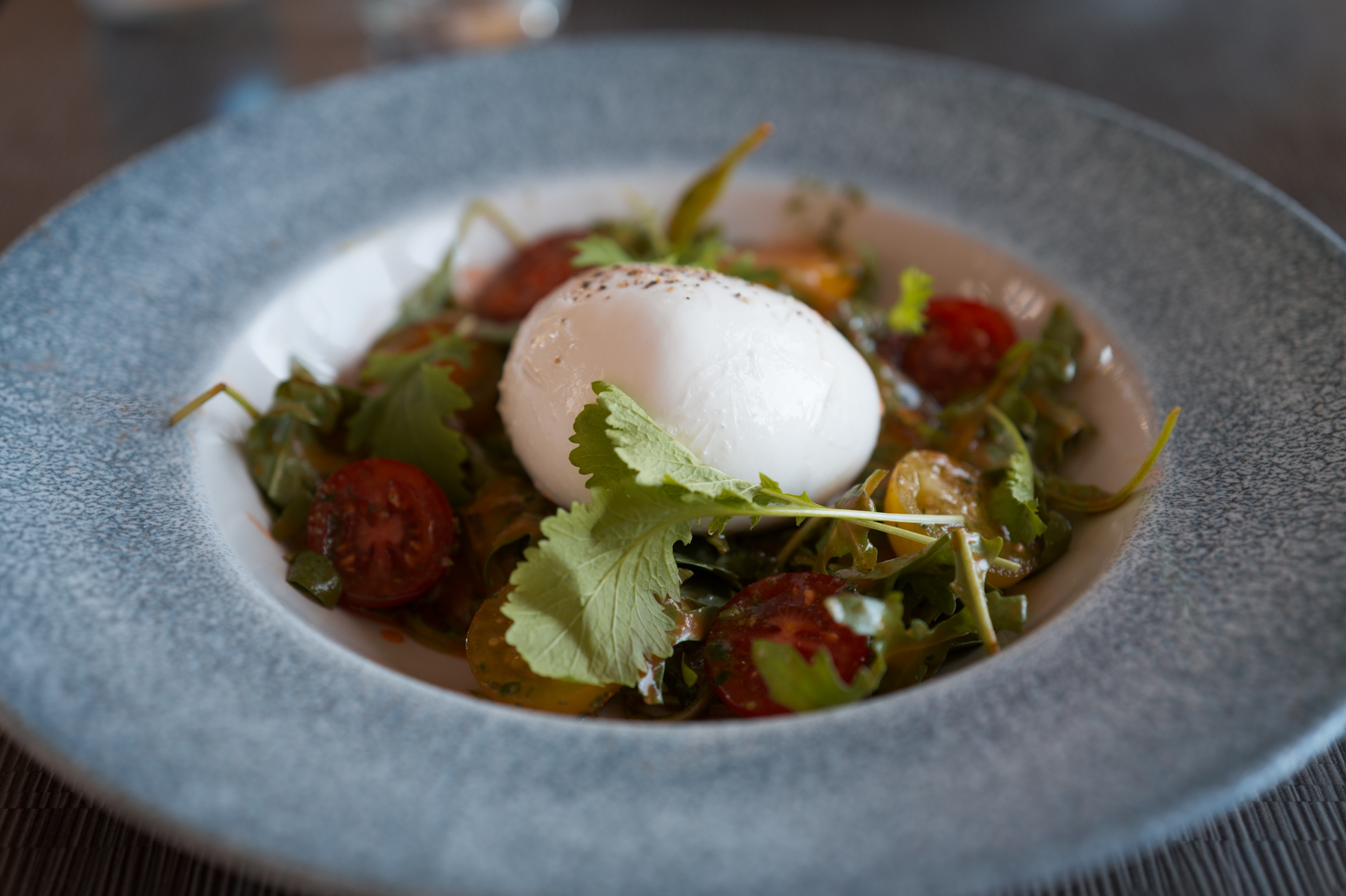
We enjoyed a nice breakfast this morning, while mapping out the activities for the day in Budapest.
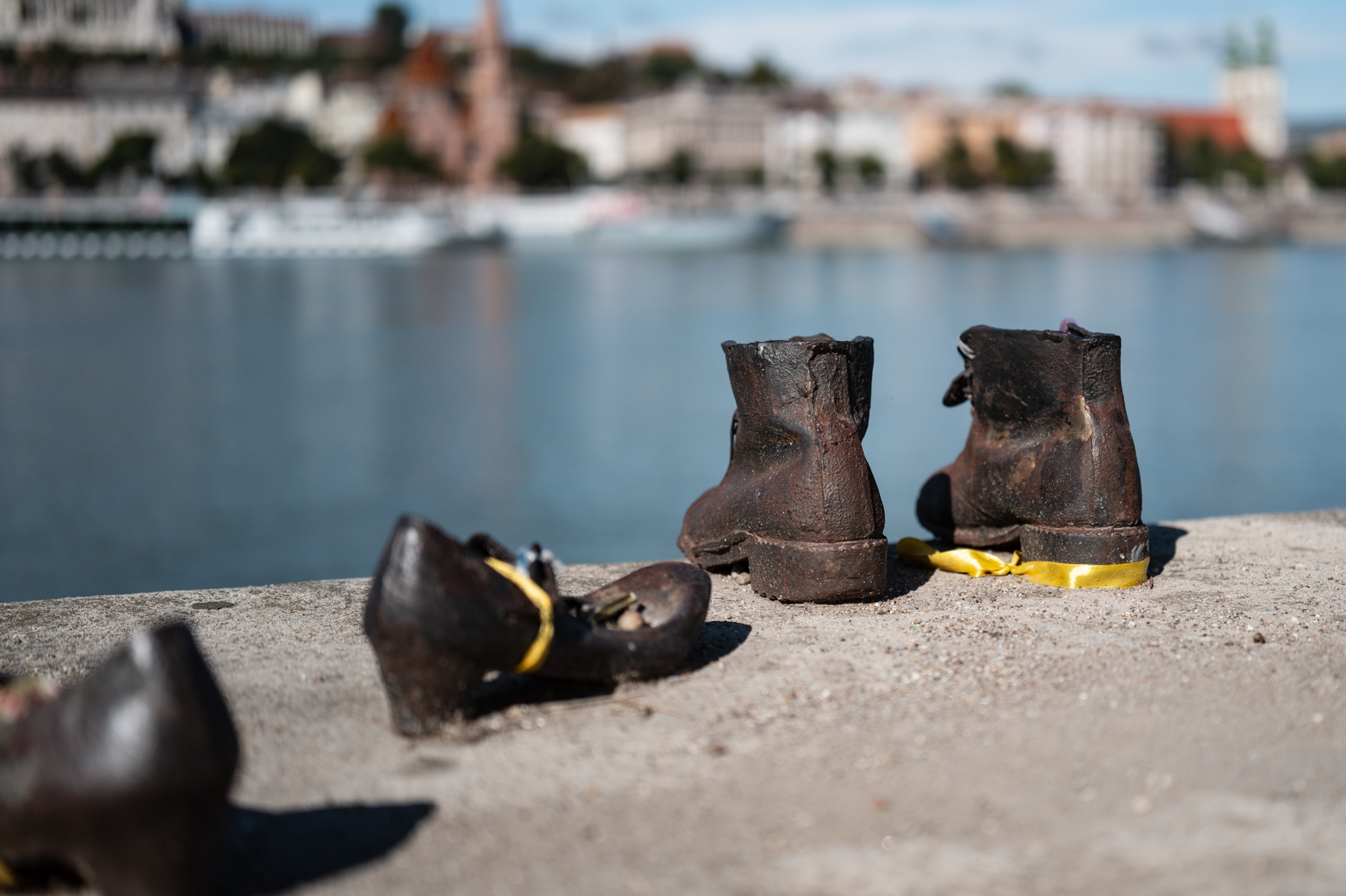
We decided that our first stop would be the “Shoes on the Danube Bank” memorial, knowing full well that this was going to be very confronting. The “Shoes on the Danube Bank” memorial was created in 2005 to commemorate the thousands of Hungarian Jews and other victims who, during the winter of 1944-45, were ordered by the fascist Arrow Cross militia to remove their shoes (since shoes were in short supply and considered a valuable commodity at the time) before being shot on the bank of the Danube River, their bodies then carried away by the current. The monument is made up of sixty pairs of iron shoes, styled as those worn in the 1940s by men, women, and children. This memorial is a sombre and deeply moving place, inviting reflection on events that are hard to fathom.
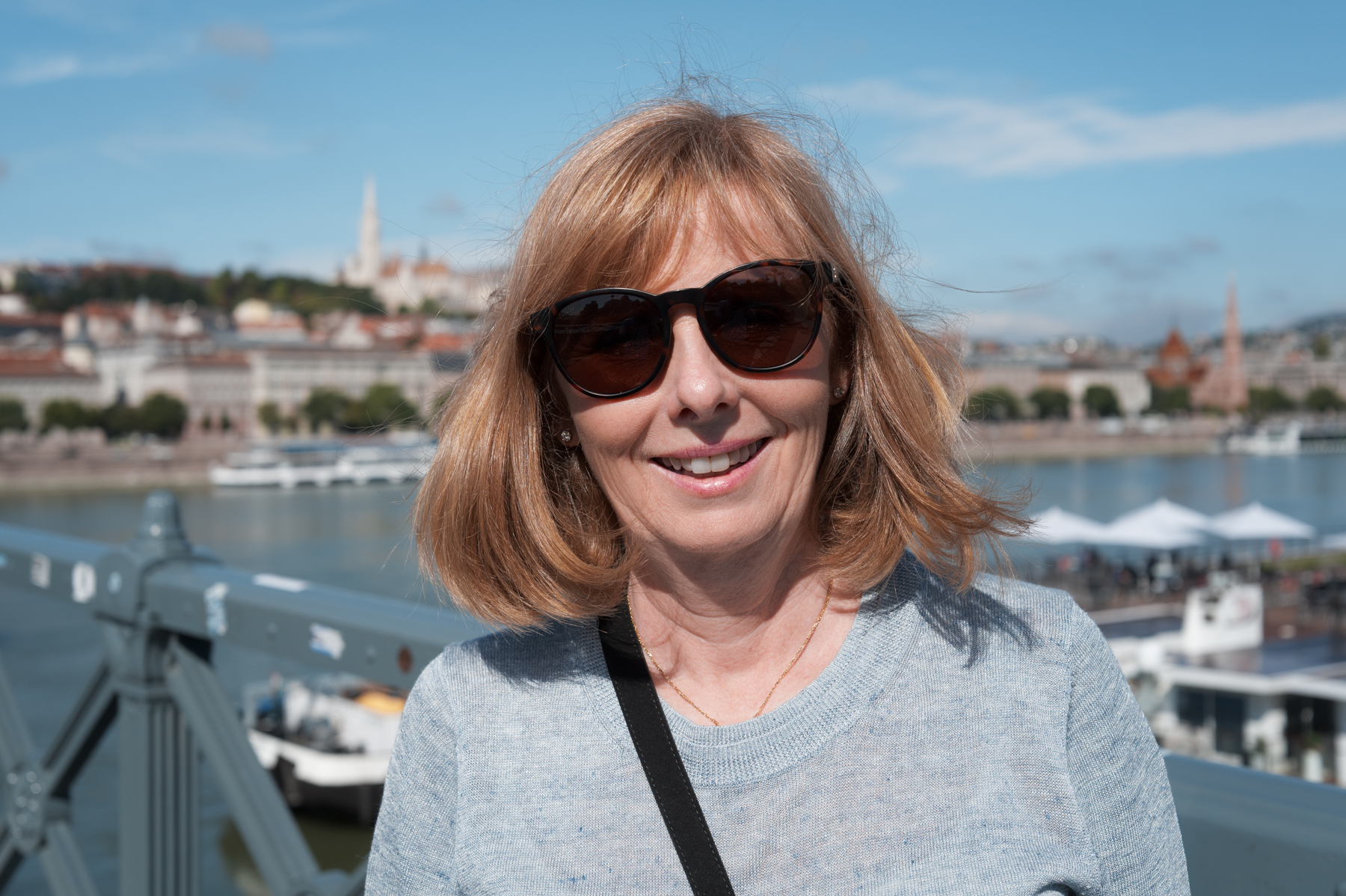
From the memorial, we walked back along the river to the Chain Bridge, which we crossed (from the Pest side to the Buda side).
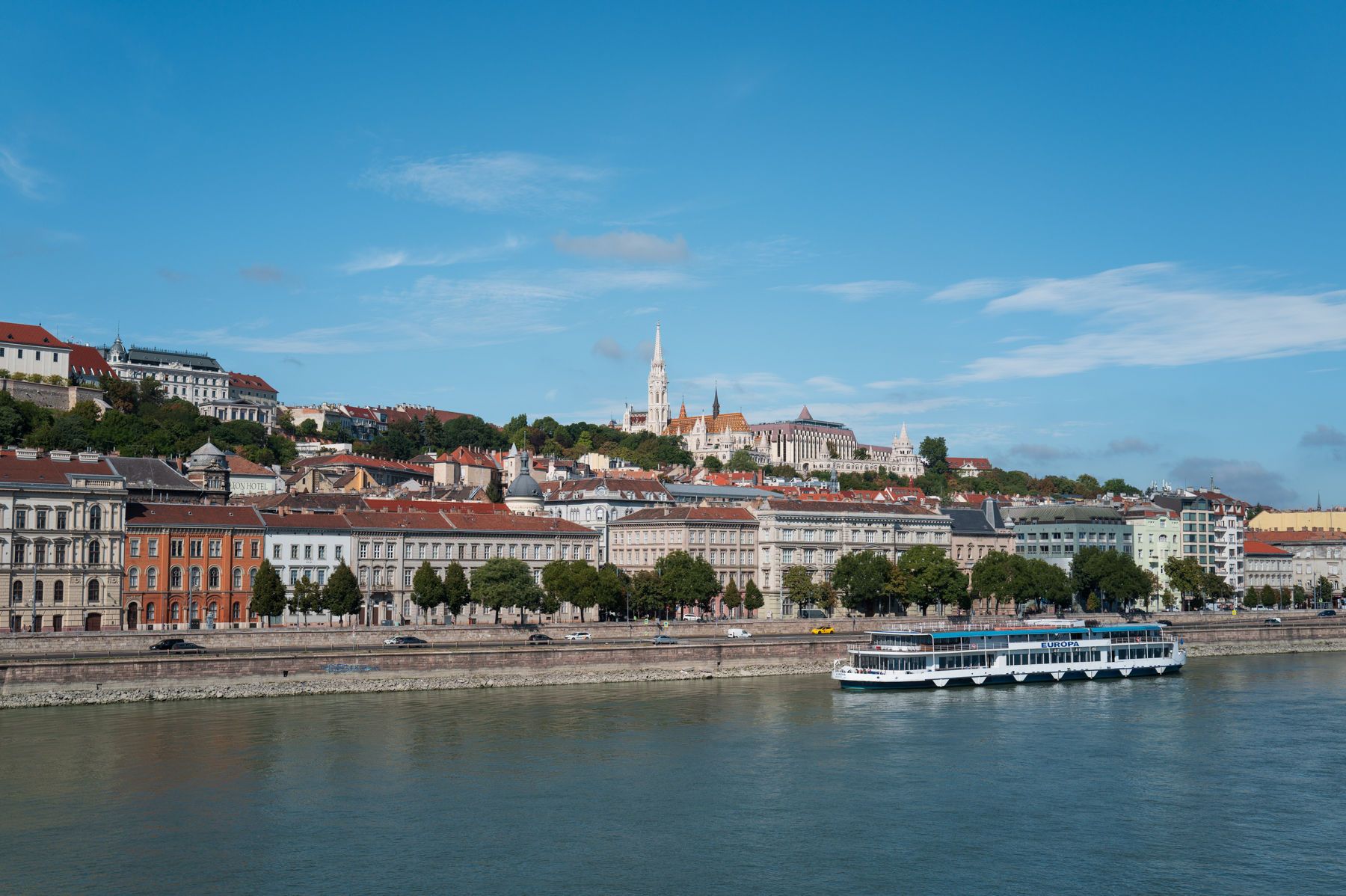
Once we reached the Buda side, we made our way to Clark Ádám Square to catch the Buda Castle Funicular up to the castle. The funicular was originally built in 1870 but was destroyed in WWII. It was rebuilt in 1986.
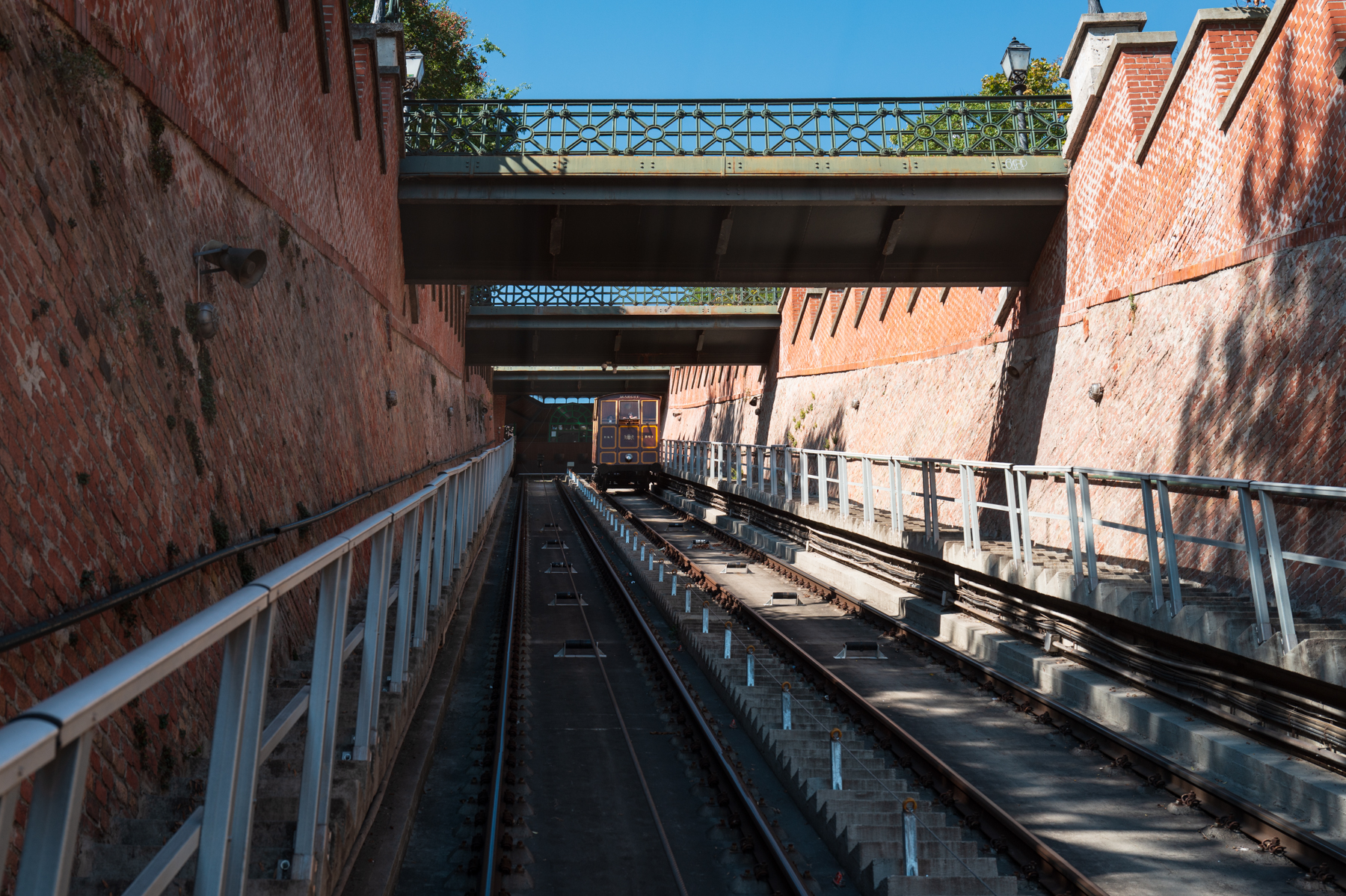
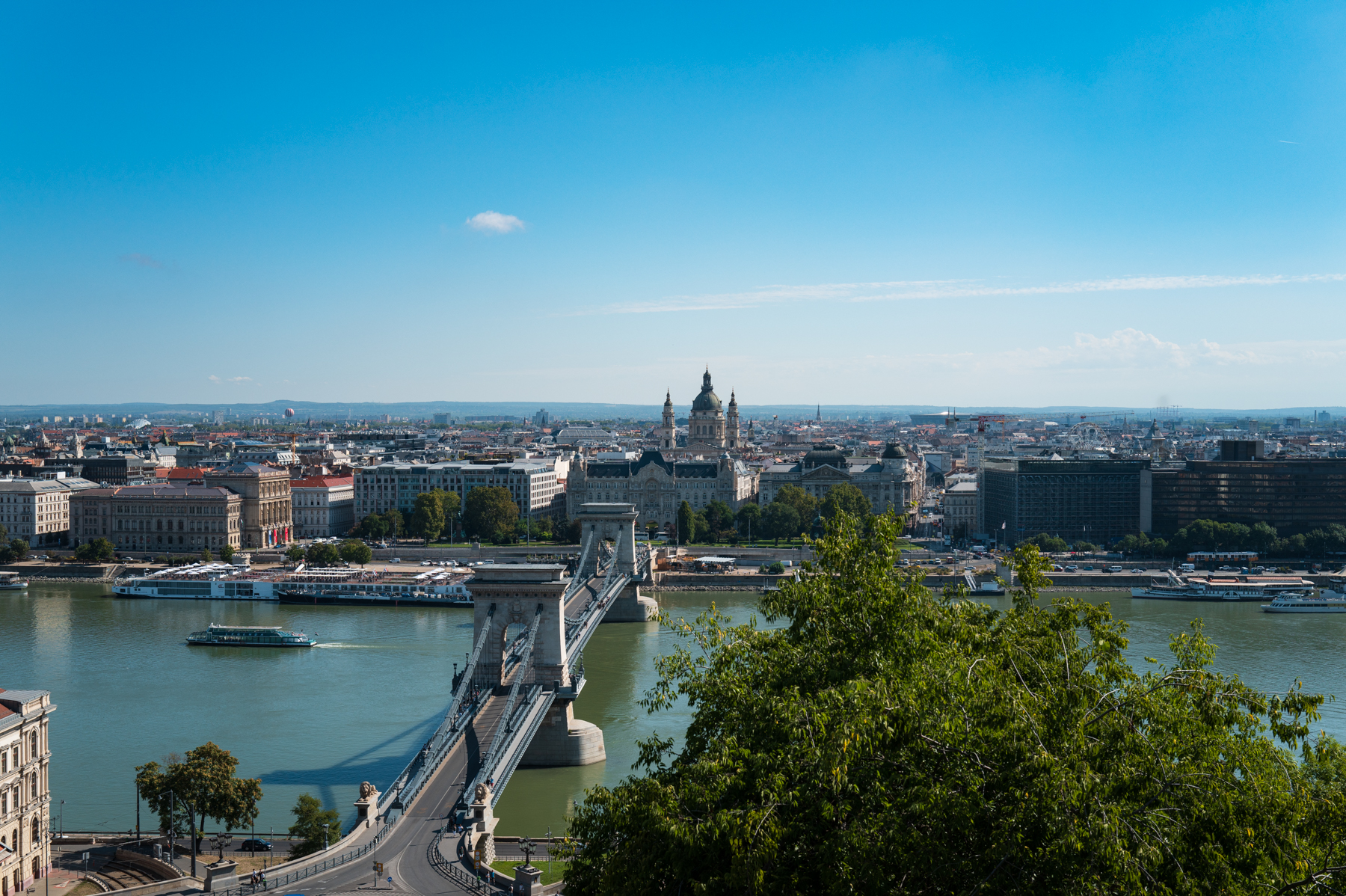
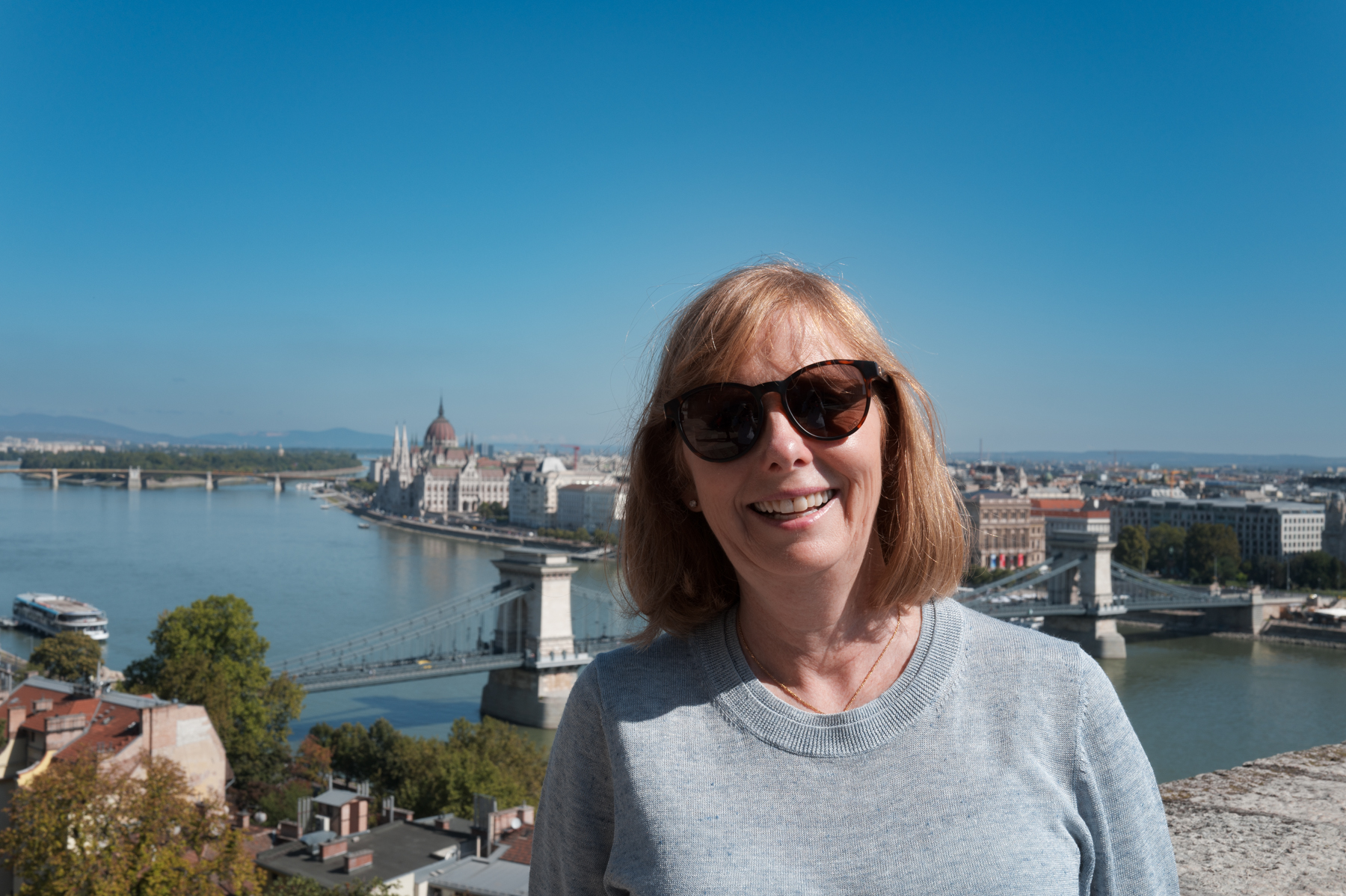
We spent some time looking around the castle on Buda Hill, before heading into the nearby Hungarian National Gallery, which contains Hungarian and international works.
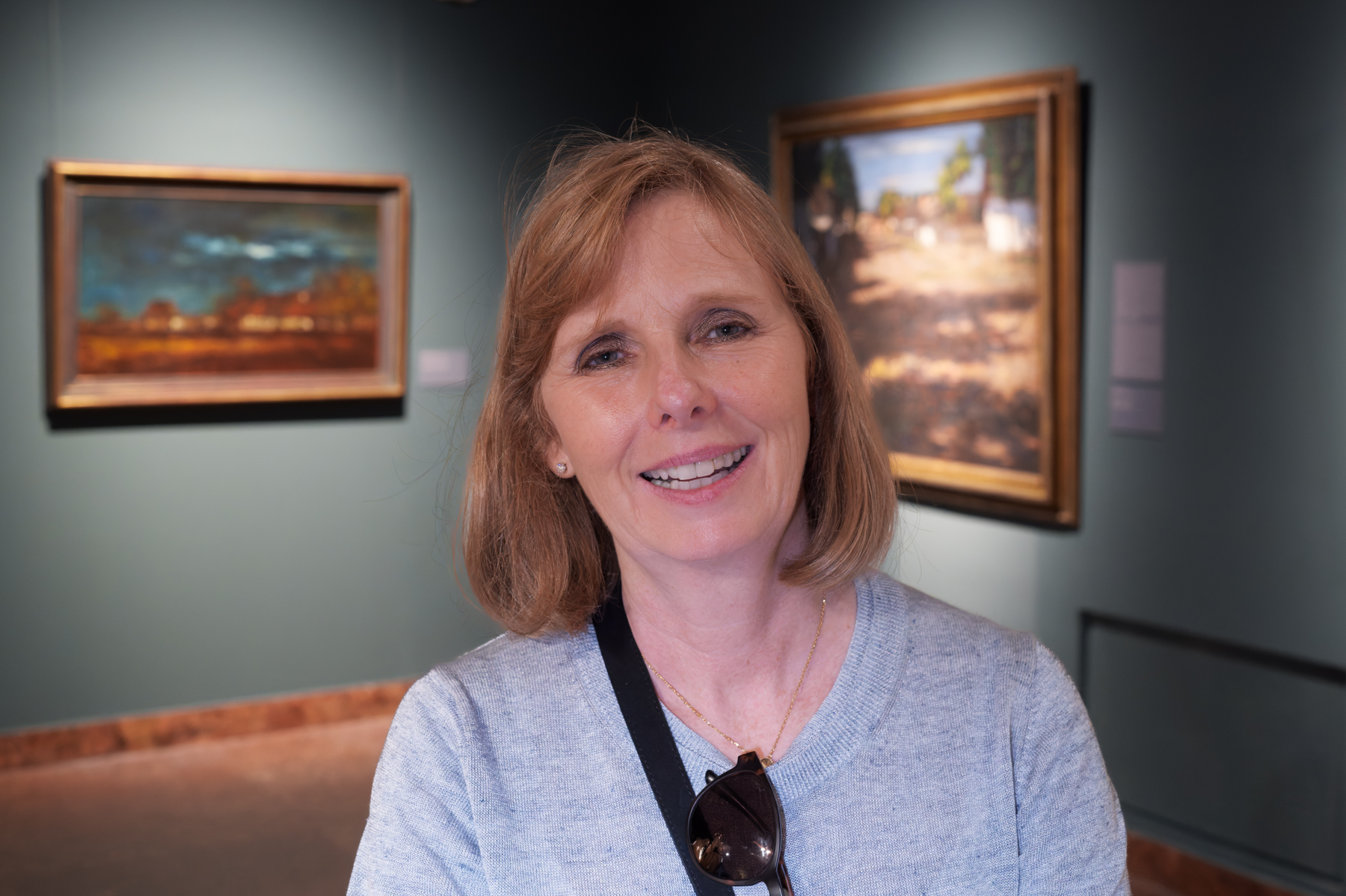
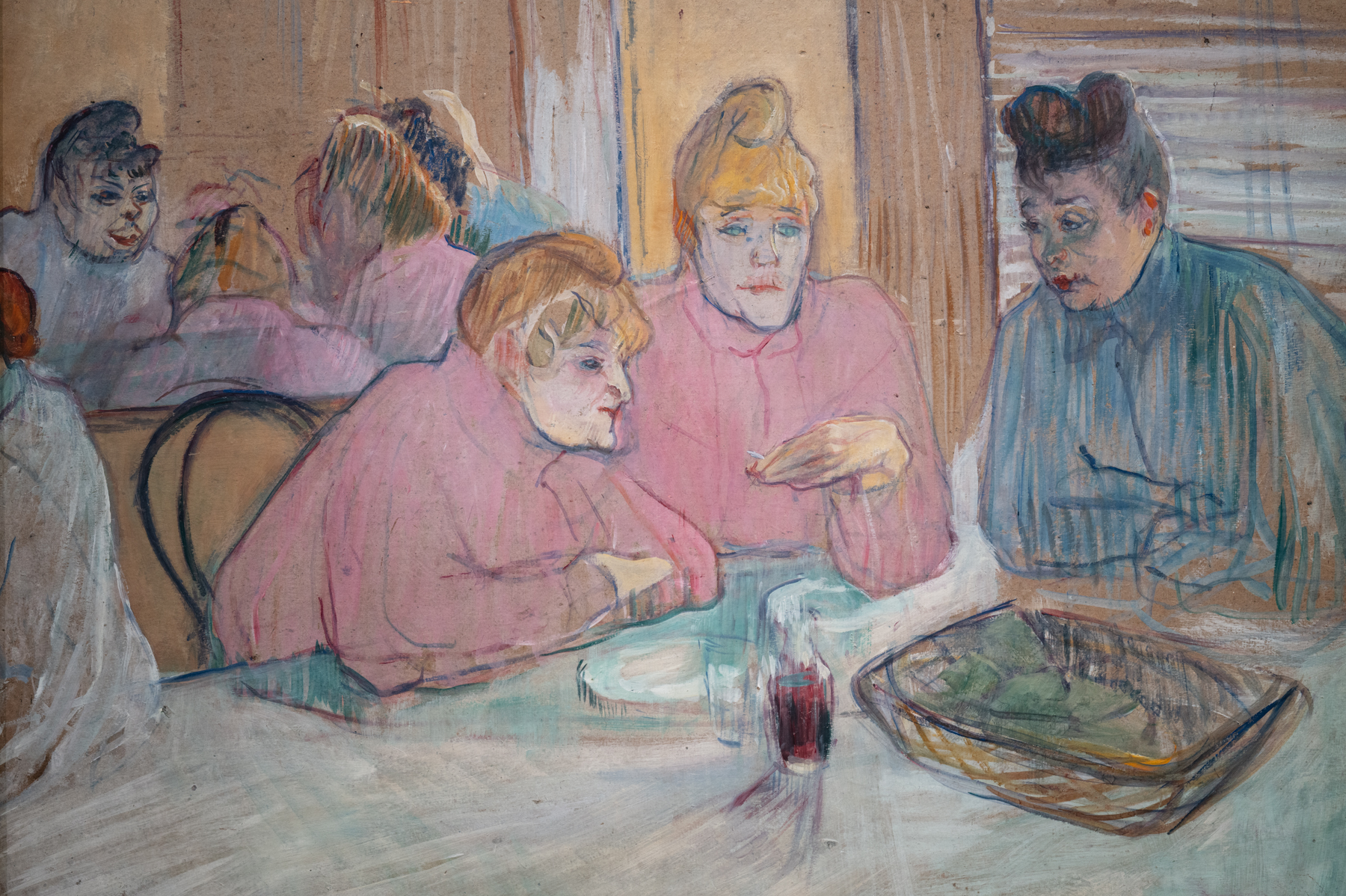
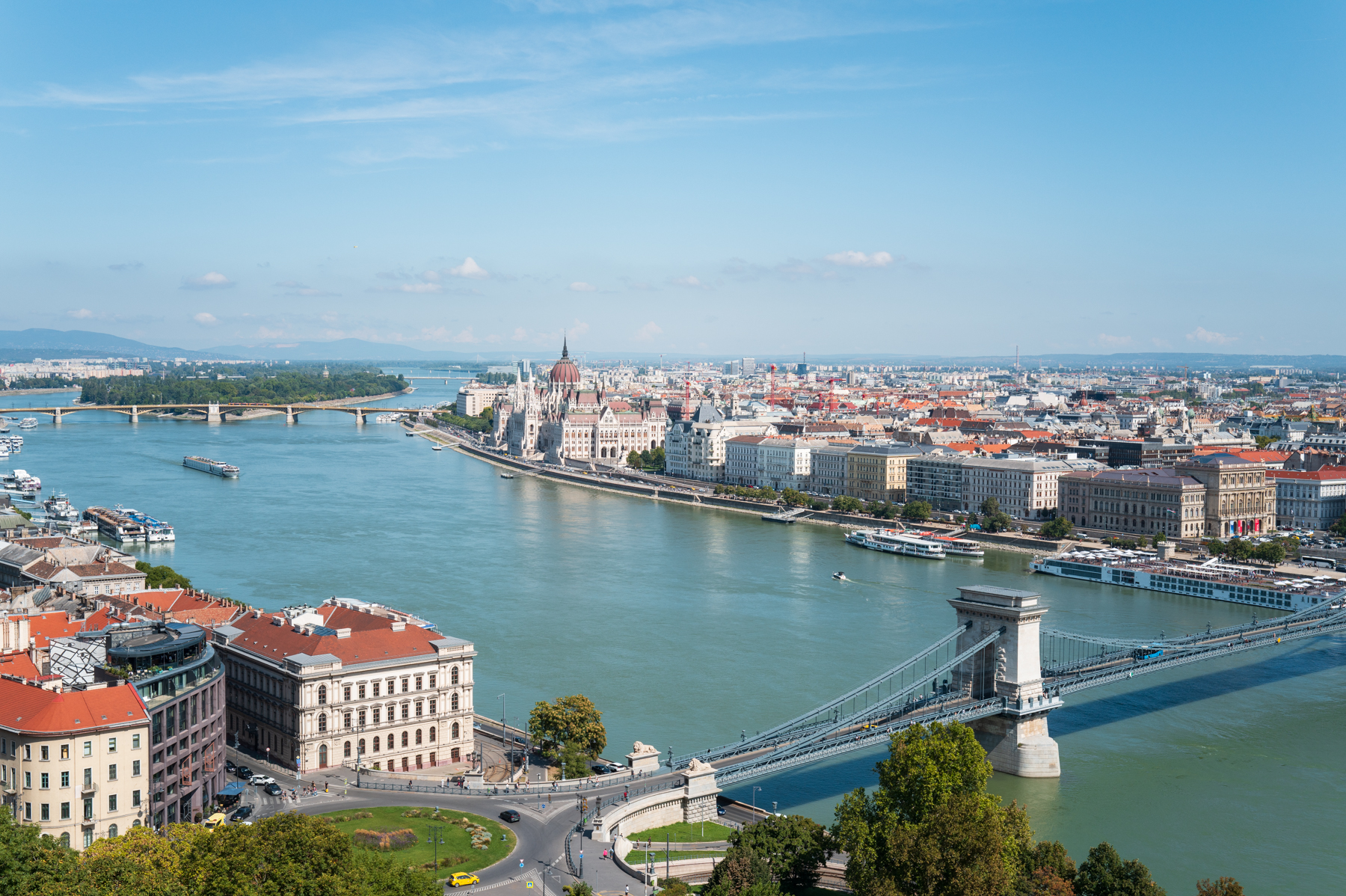
The gallery is topped with a dome that has a terrace, which provides nice view of Budapest.
We left the gallery just after midday, and walked to the Matthias Church. The Matthias Church is one of Budapest’s most iconic buildings. Originally built in Romanesque style around 1015, the church was later expanded and rebuilt in Gothic style after the Mongol invasion in the 13th century. Today it has a more Neo-Gothic appearance, as a result of an extensive restoration in the late 19th century. While it is a Catholic church today, there is still much evidence of its use as a mosque during the Ottoman occupation from 1541 to 1686, during which time Christian furnishings and artwork were removed or destroyed, and the walls were plastered over. After it was recaptured by Christian forces in 1686, it was returned to its previous role as a Catholic church.
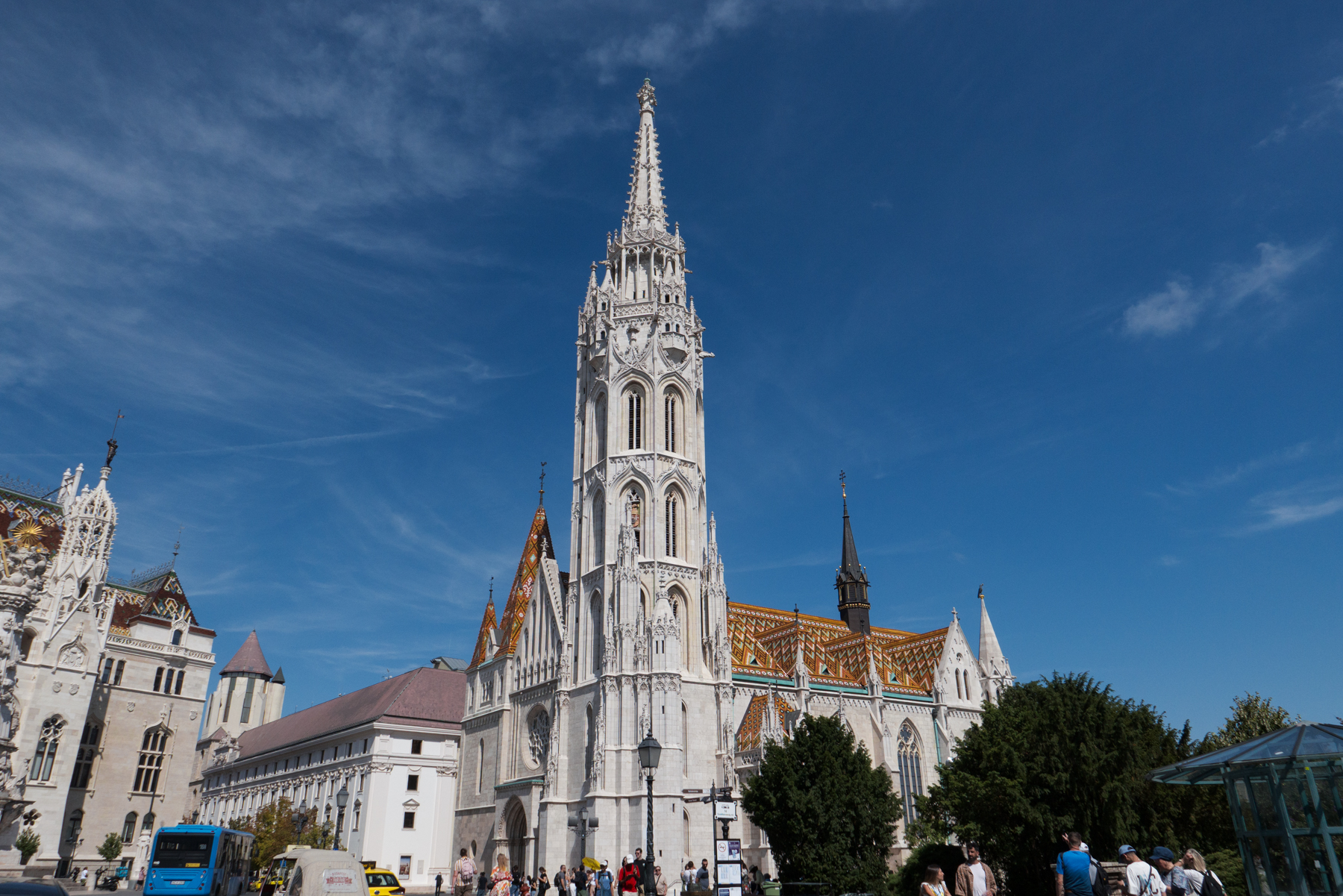
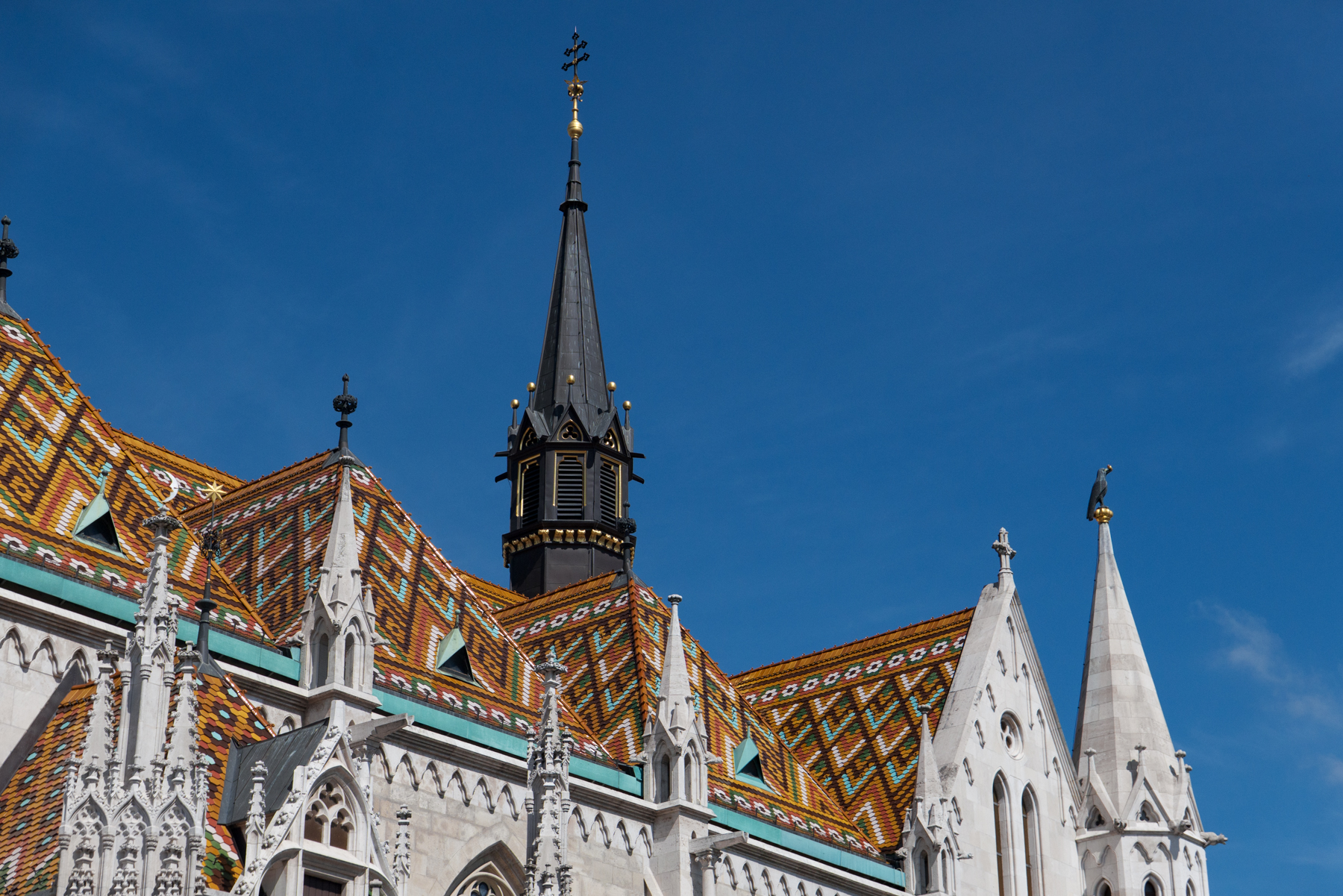
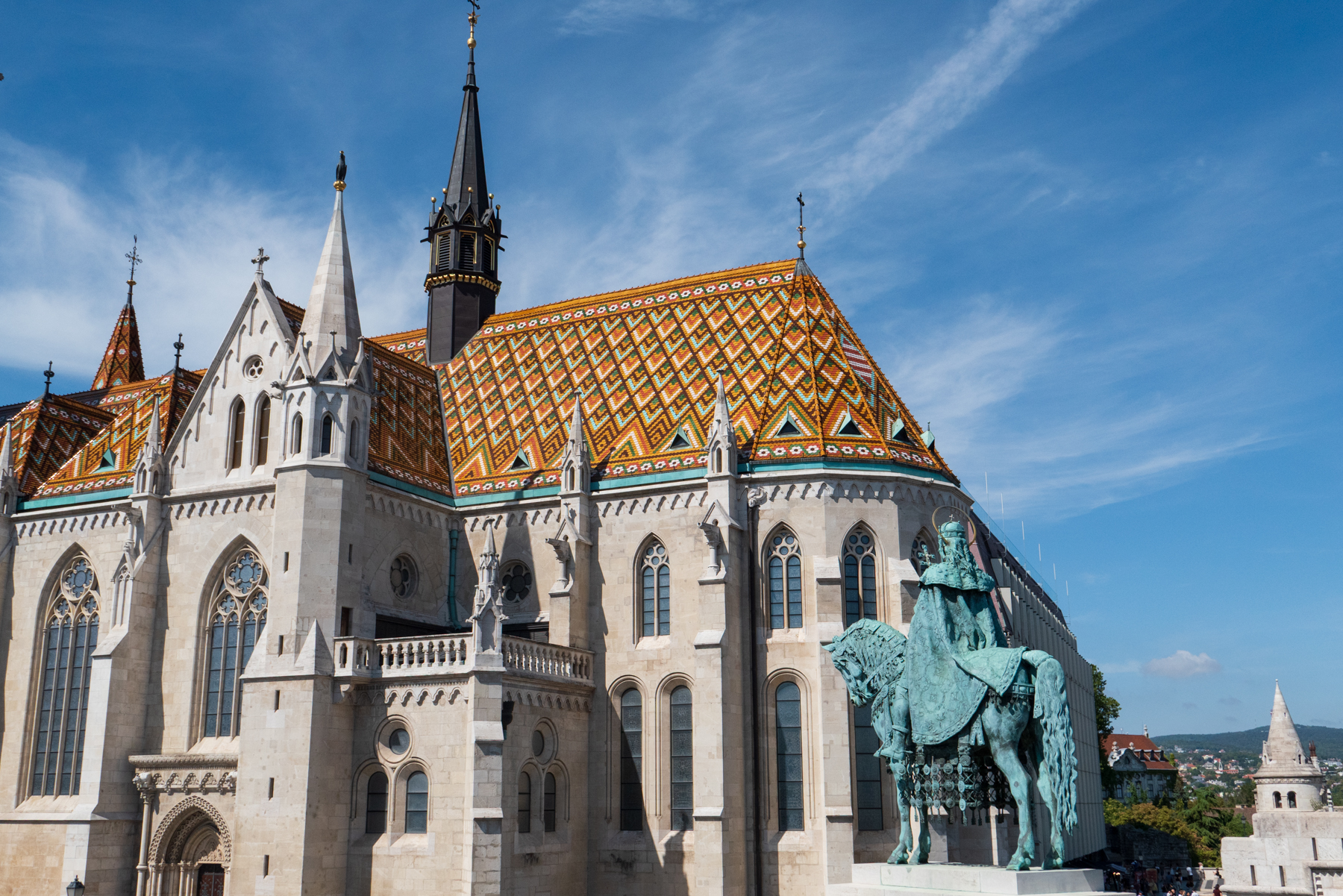
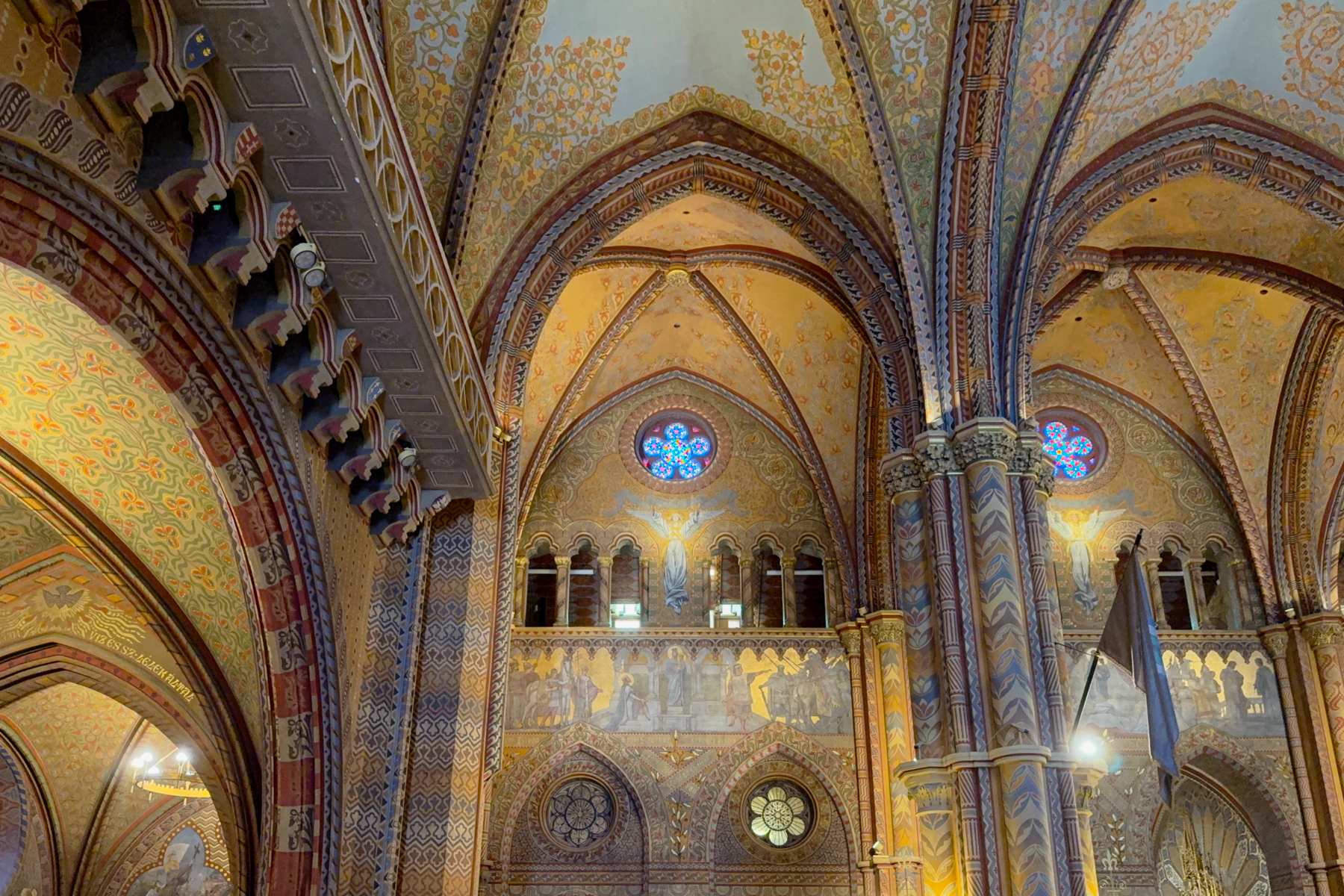
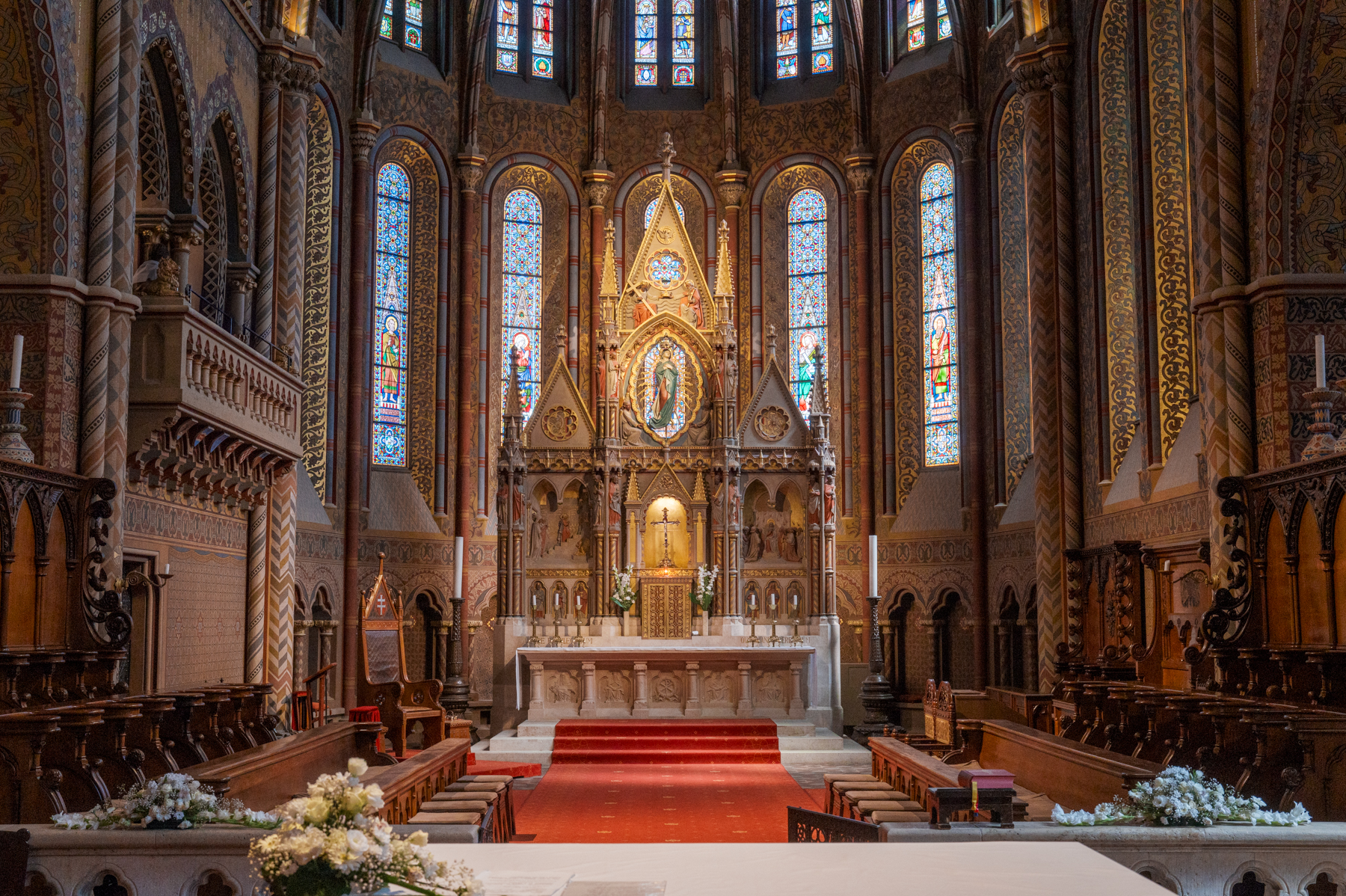
The church is located just next to Fisherman’s Bastion, which was our next stop. Fisherman’s Bastion is a terrace and lookout, built between 1895 and 1902, to celebrate the millennial anniversary of the founding of Hungary in 896. The site is named for the guild of fishermen who, in the Middle Ages, defended the castle walls in this area.
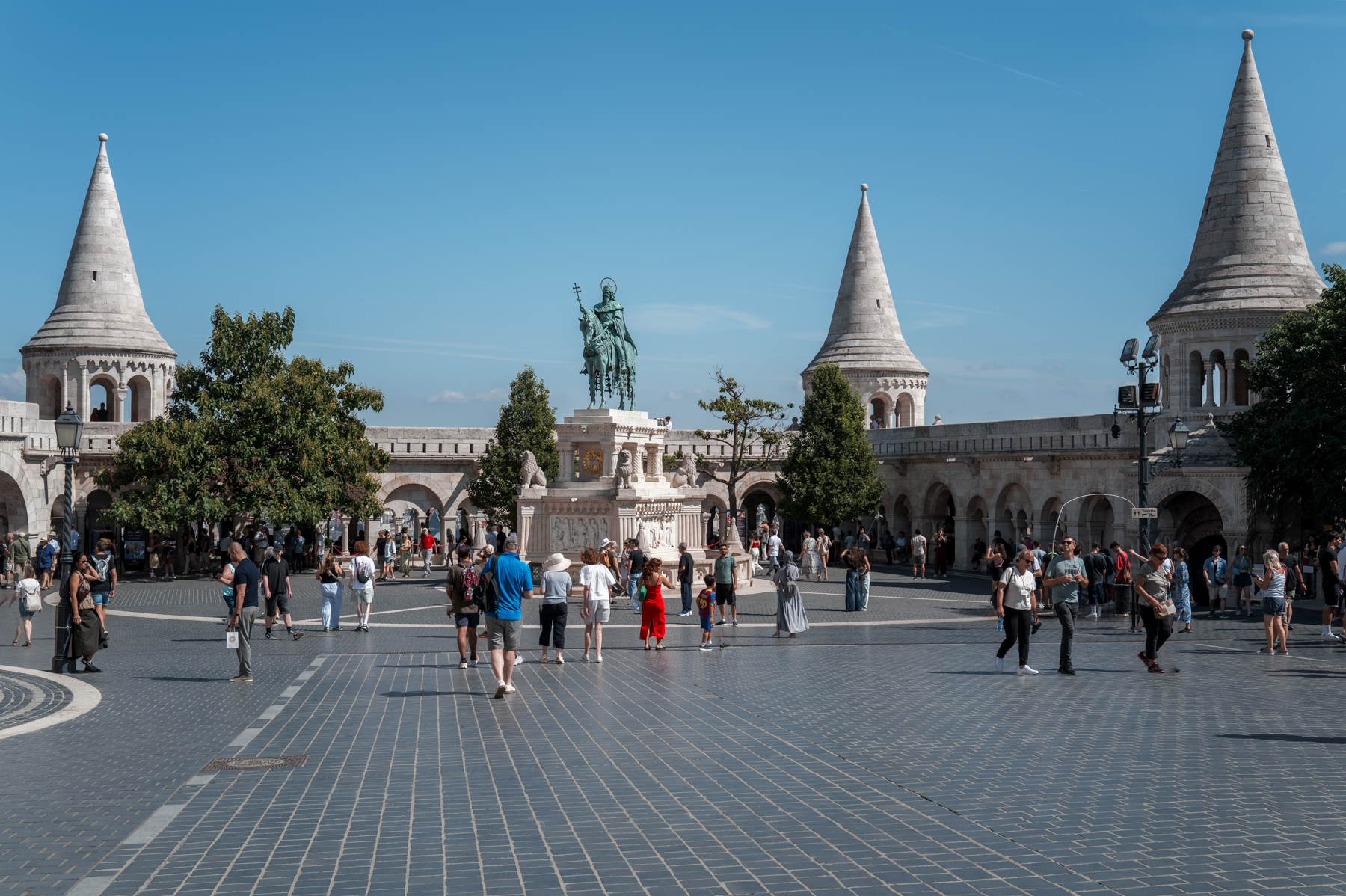
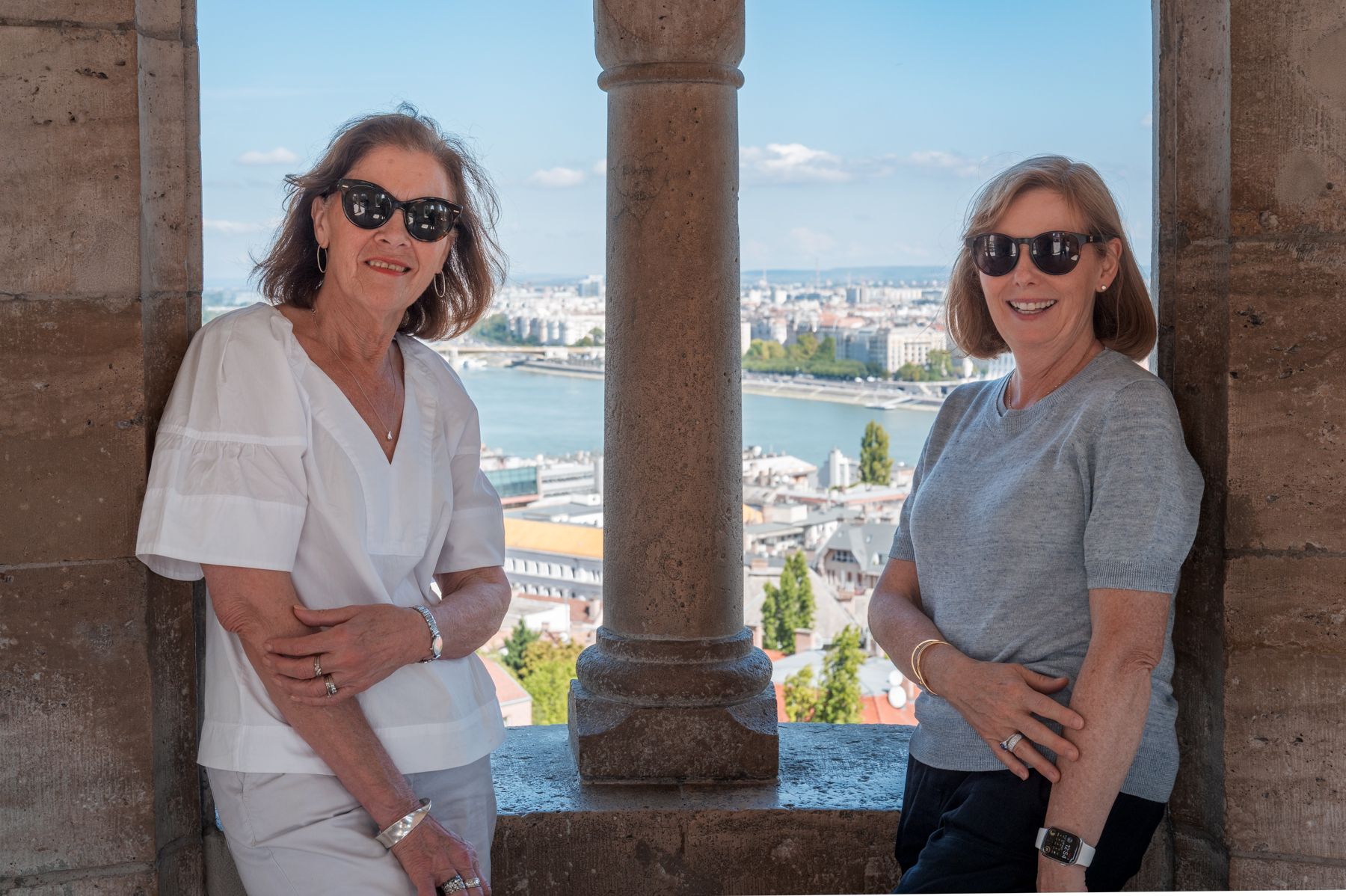
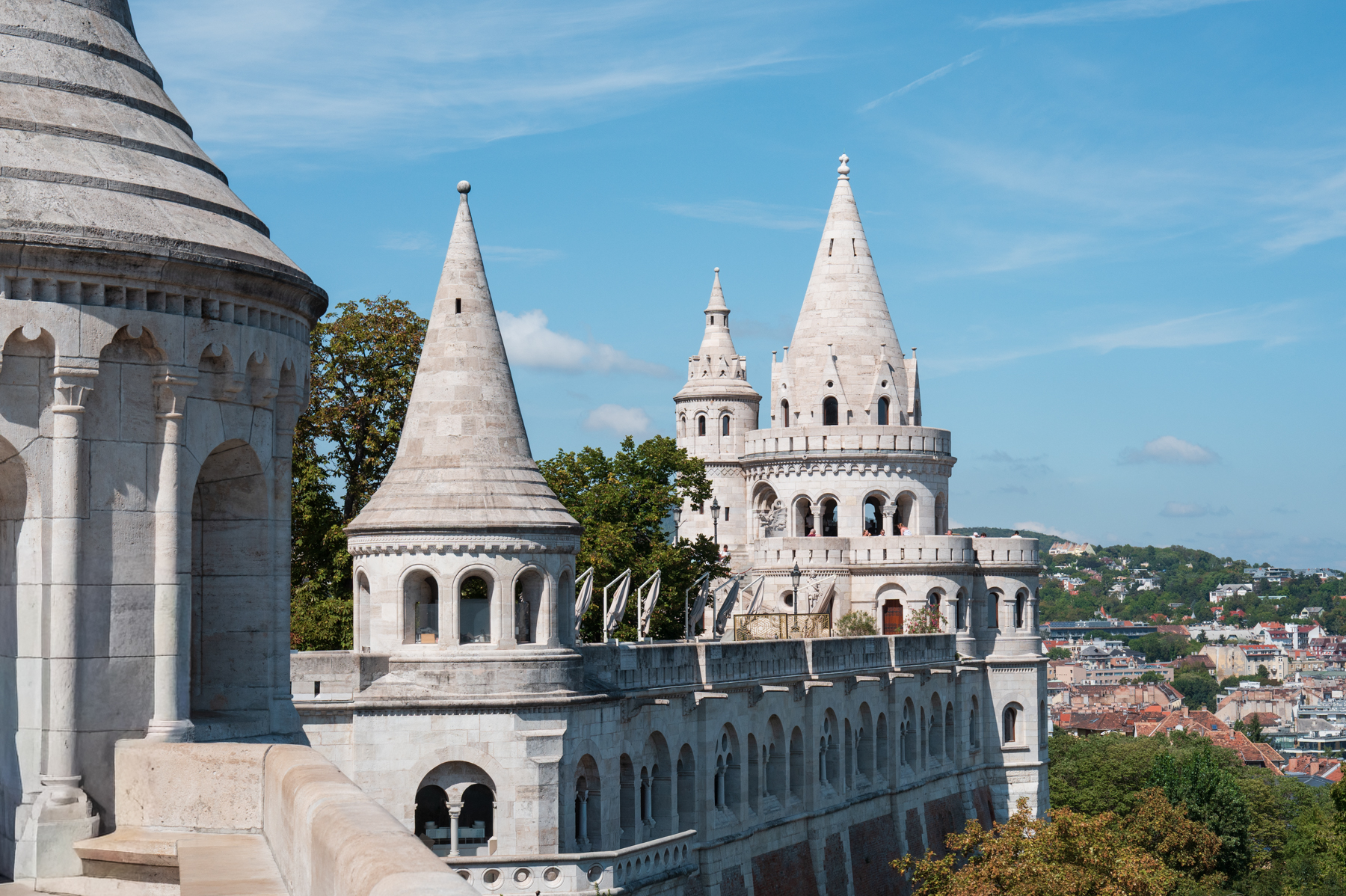
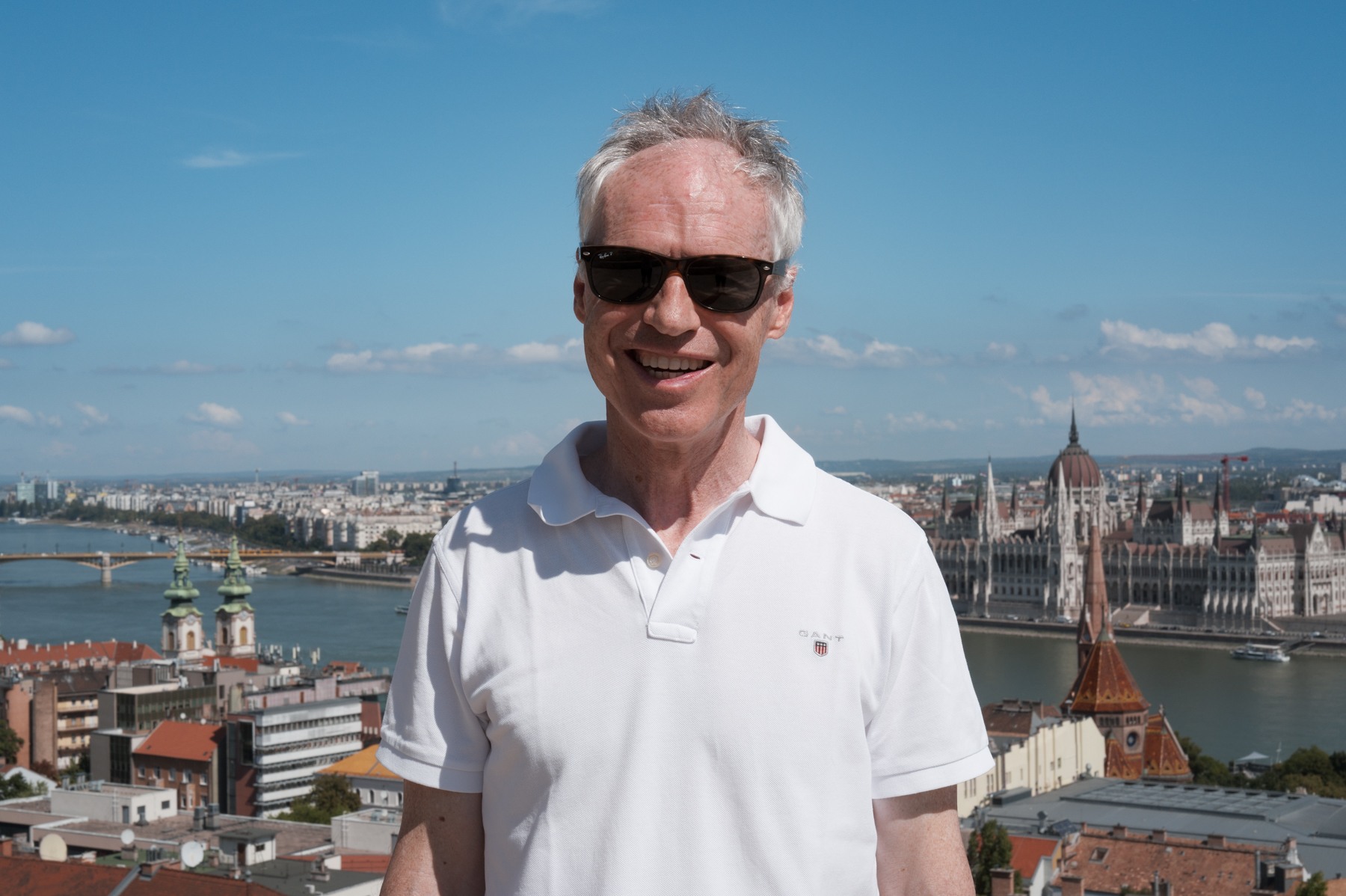
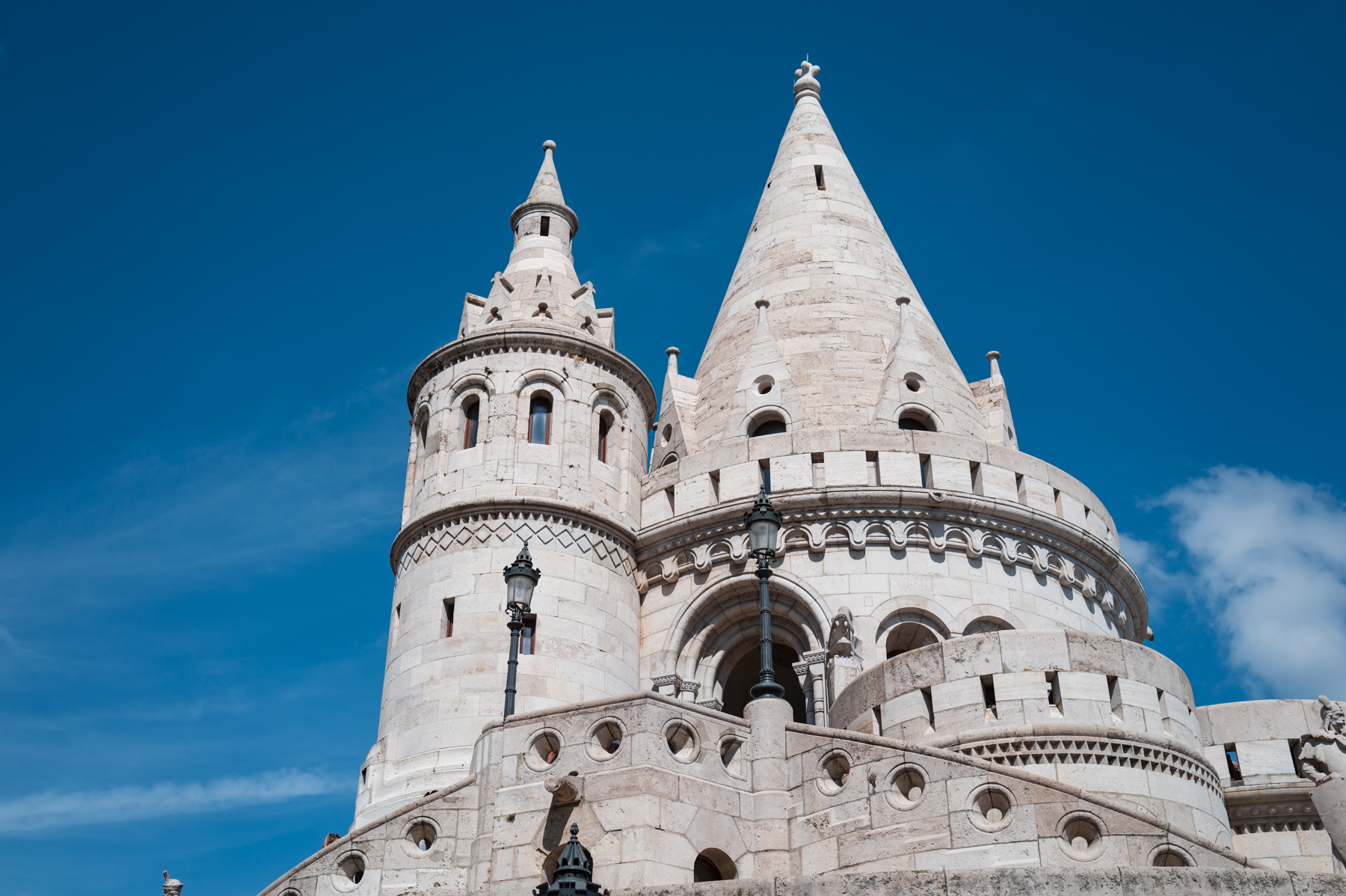
We found a restaurant at Fisherman’s Bastion, so we decided to stop there for a quick lunch.

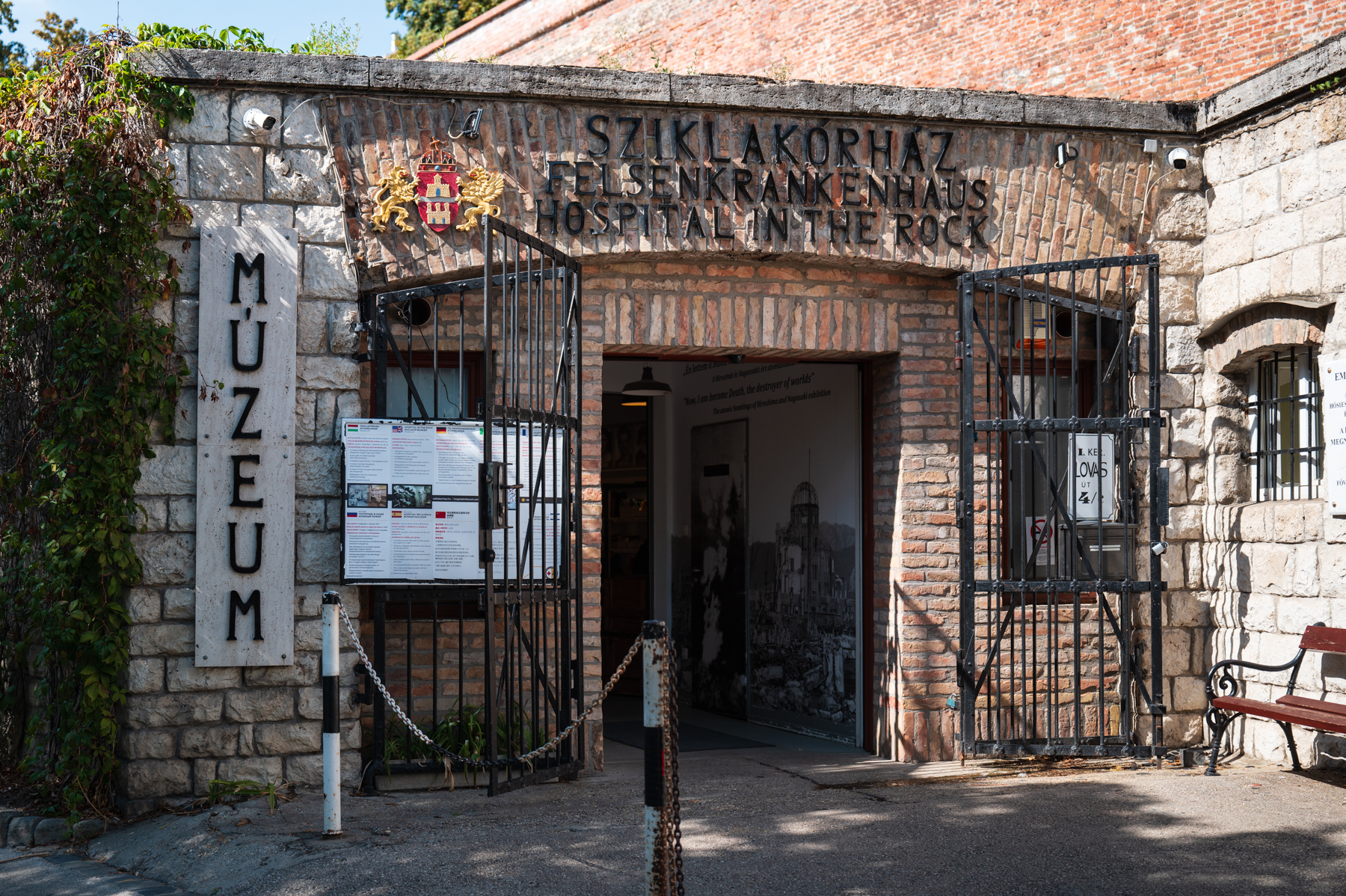
From lunch, we had a short walk to our next destination, Hospital in the Rock. This is a remarkable underground hospital and nuclear bunker in the Buda Castle Hill. It was initially constructed in the late 1930s and early 1940s as a bombproof emergency facility for civilians and soldiers. It opened in 1944, just before Budapest was besieged during WWII. It was designed with a capacity of 94 hospital beds, but sheltered up to 700 people during the war, with staff often working in dire conditions. After the war, it was developed into a top-secret nuclear bunker during the Cold War, equipped for chemical and nuclear emergencies. Today it operates as a museum only.
After a fascinating tour of Hospital in the Rock, we caught a taxi to Margaret Island, a tranquil island in the central Danube between Buda and Pest. It was once a royal hunting ground, became home to medieval monasteries and convents (including those of Princess Saint Margaret, after whom the island is named), and was later designated a public park.
We decided to explore the park in a peddle car, which proved to be more tiring than expected, but also far more hilarious than expected!
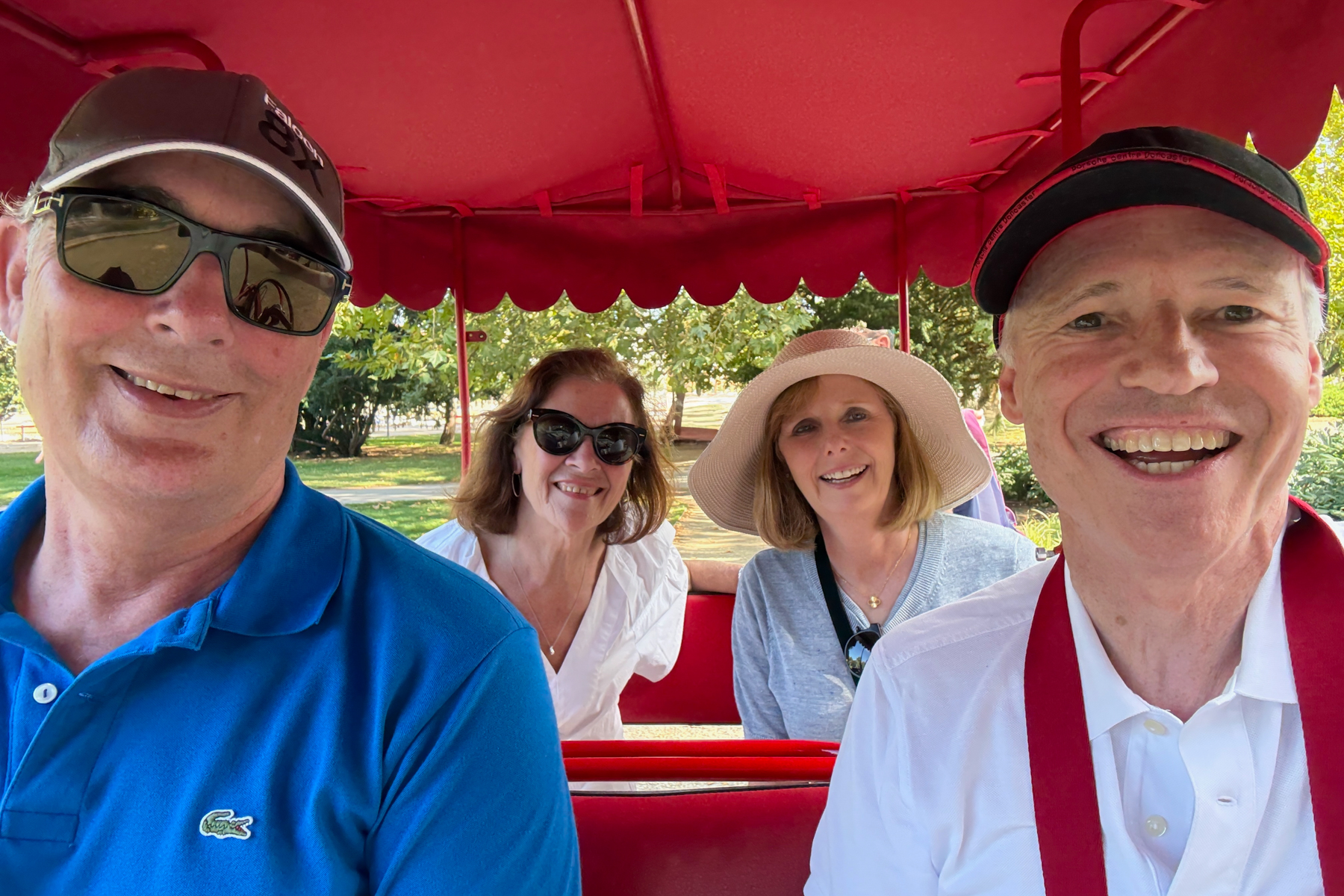
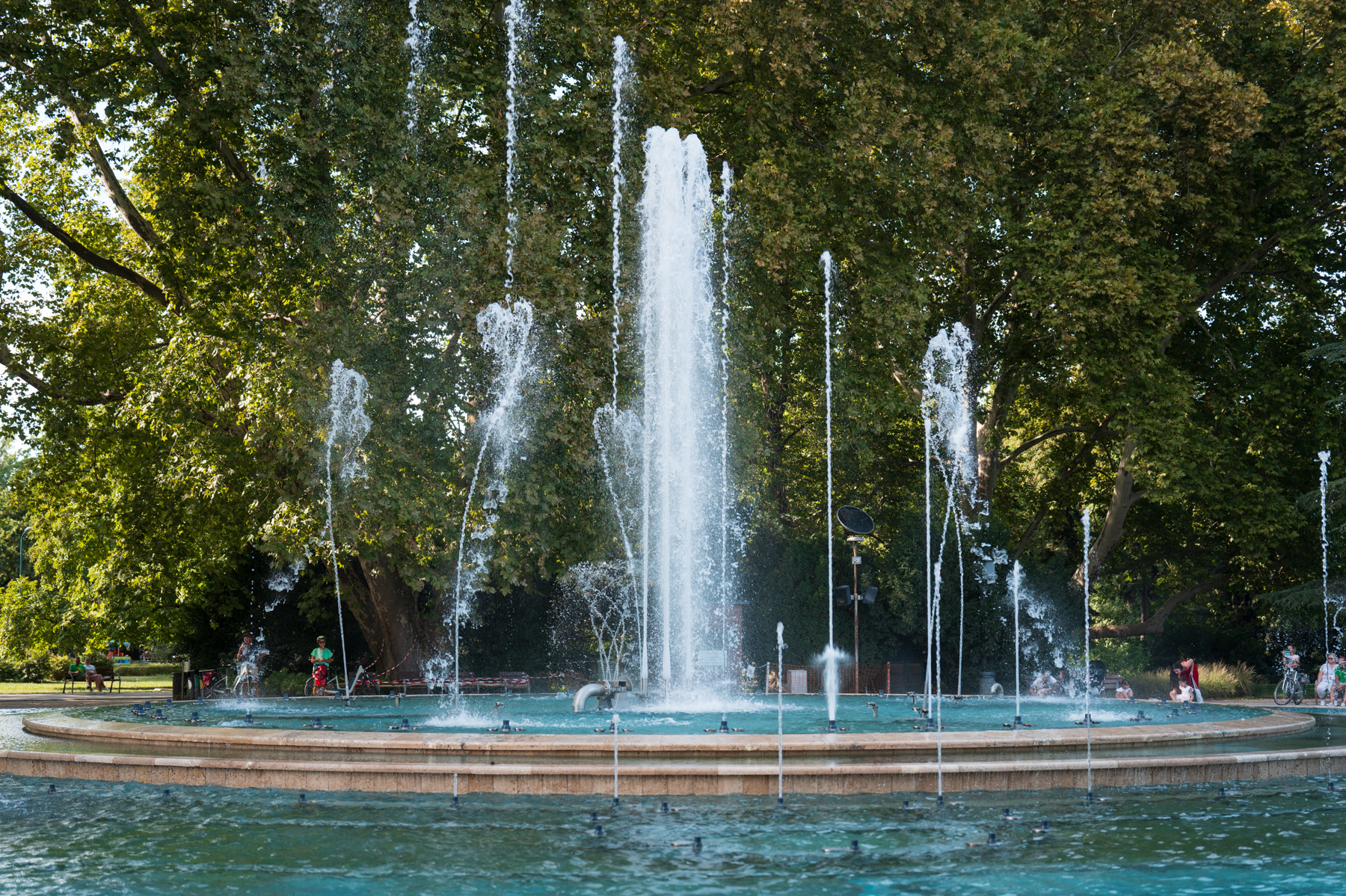
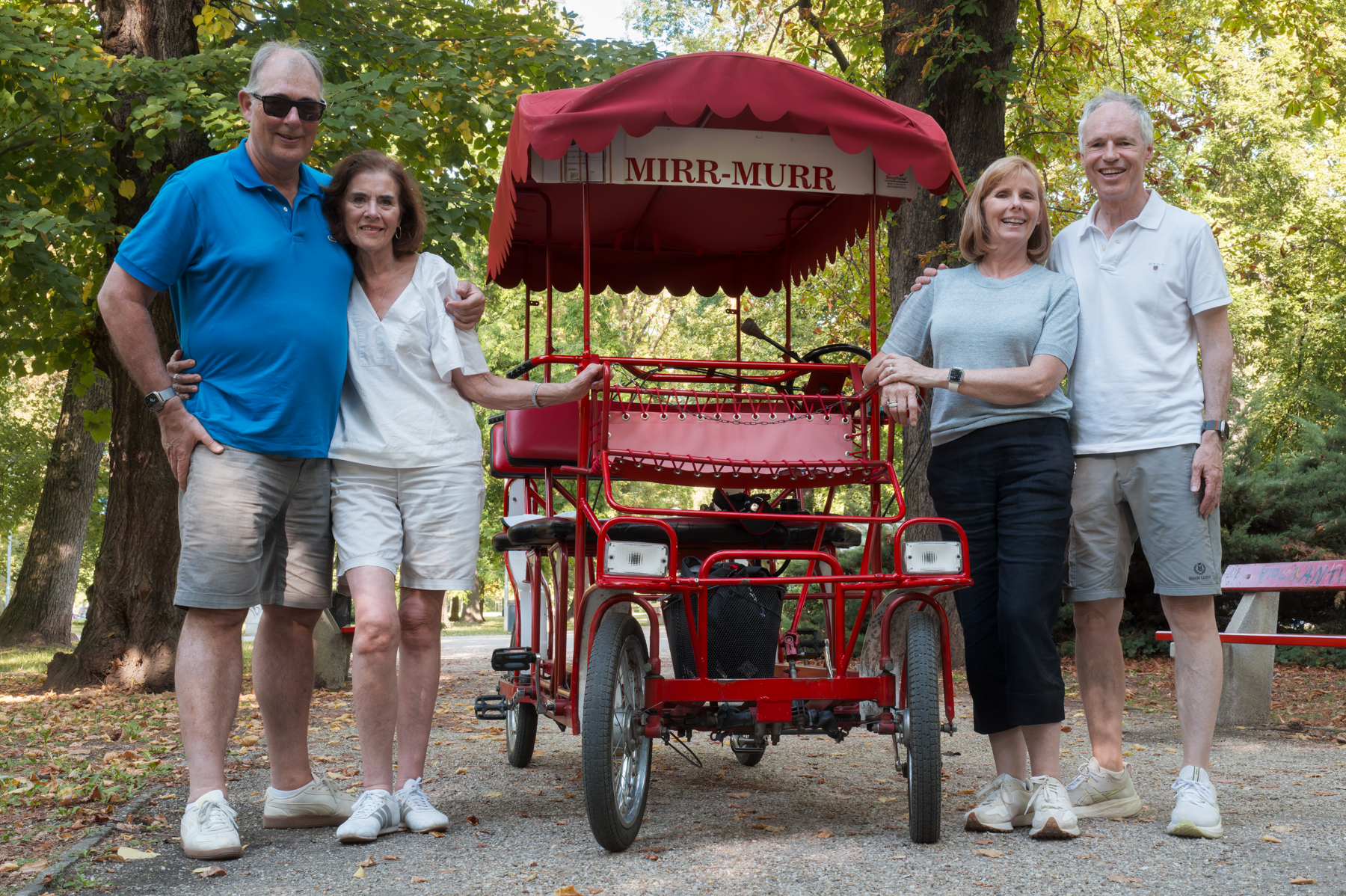
After peddling around for about an hour, we returned the peddle car and started to walk back to the hotel. We were pretty parched, so we stopped for a drink and a rest, at which point we decided that we’d walked far enough today, so we called for an Uber to take us back.
We got back to the hotel with enough time for a short rest before heading to Spago, a short walk from the hotel, for dinner. We had a nice meal (even though the restaurant seemed to be a little out of control despite not appearing to be overly busy).
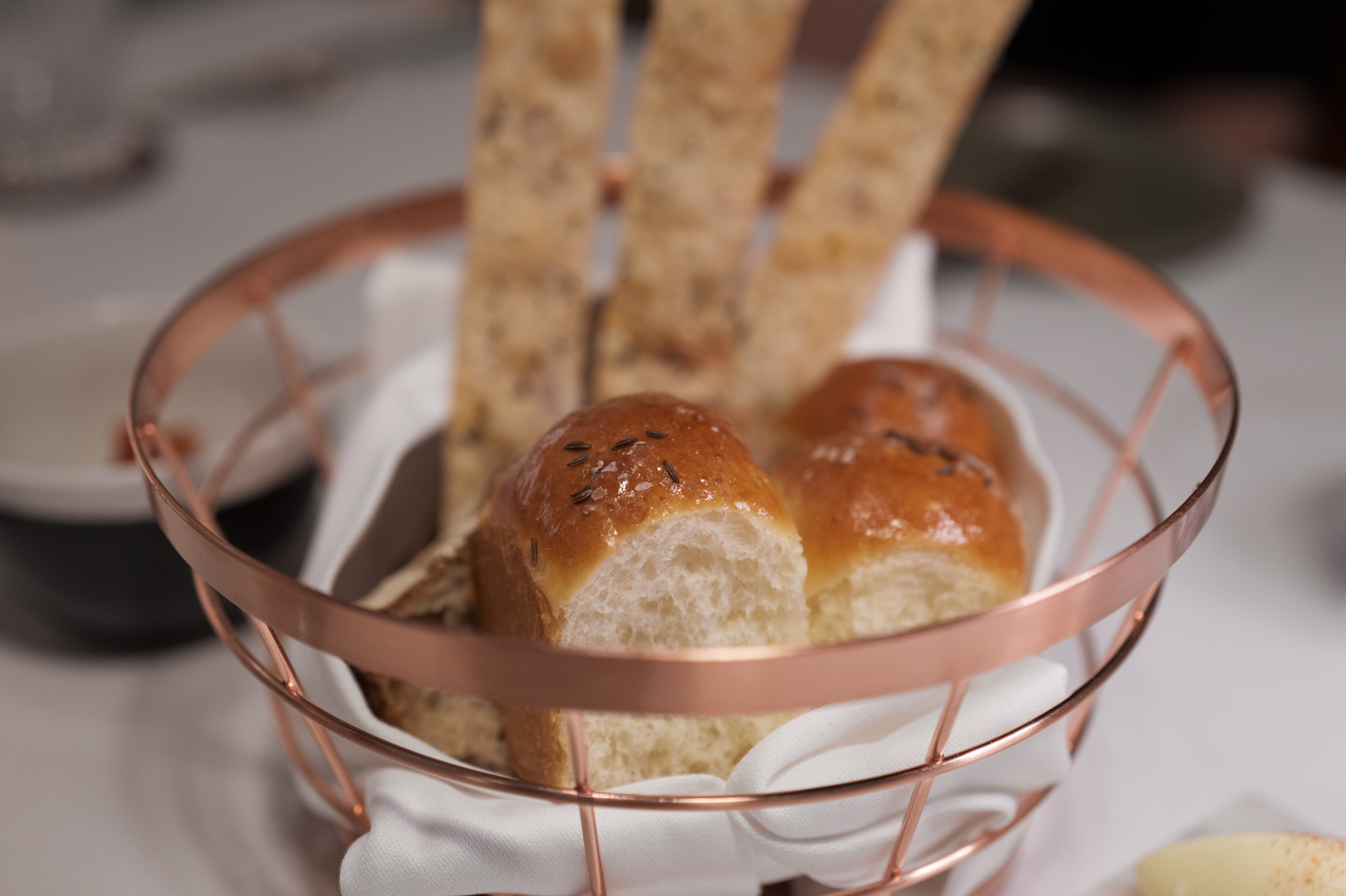
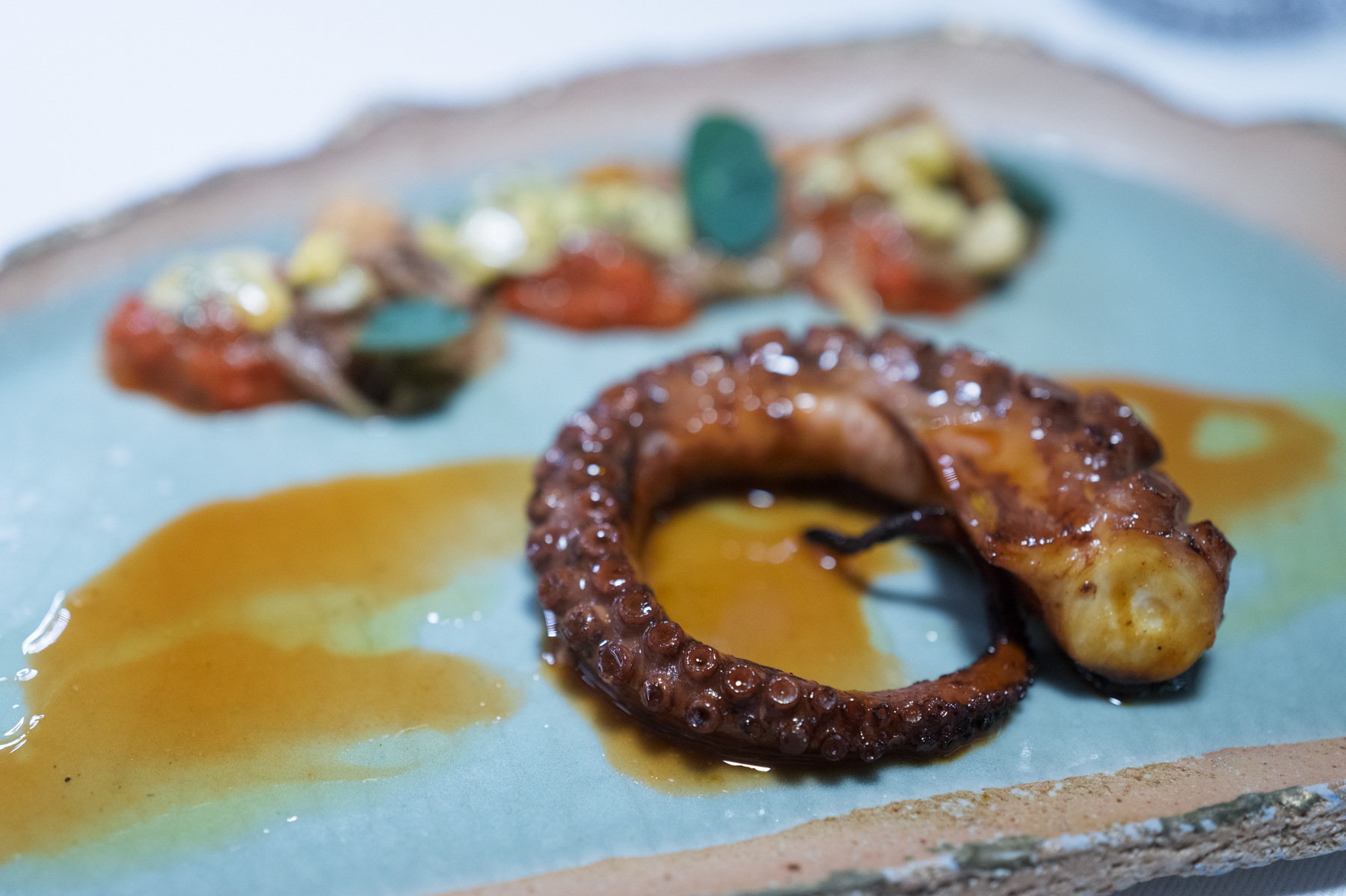
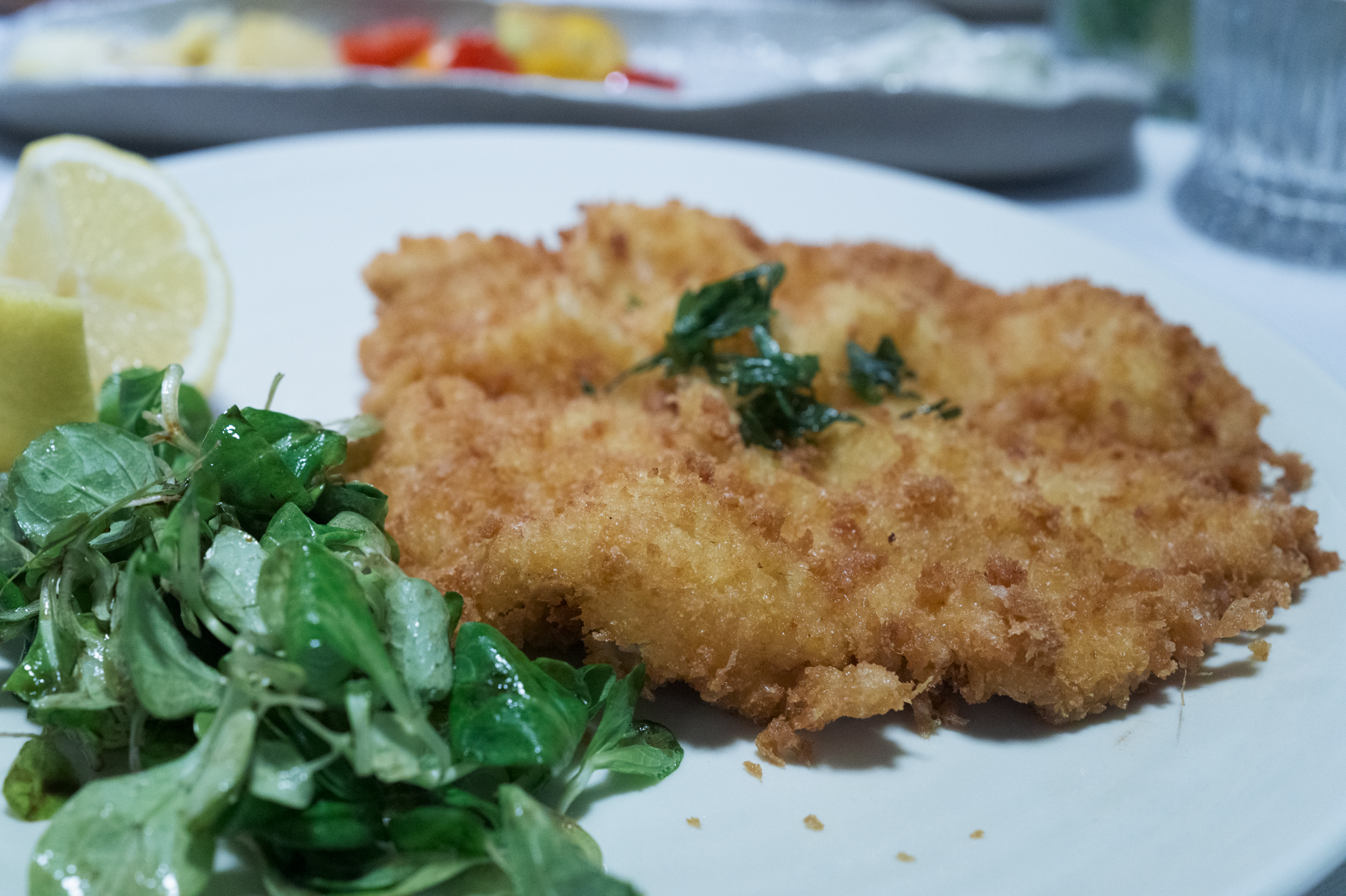
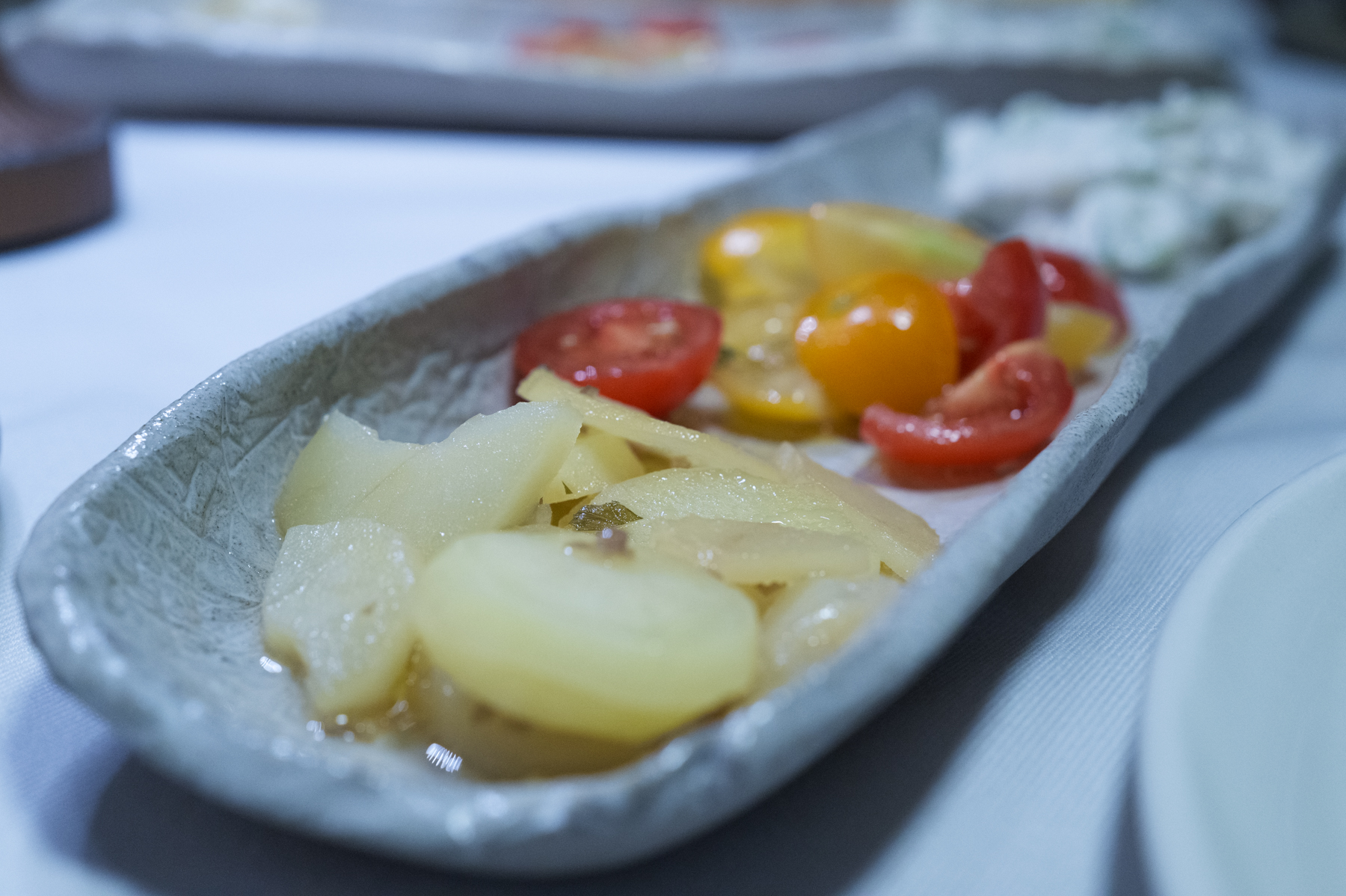
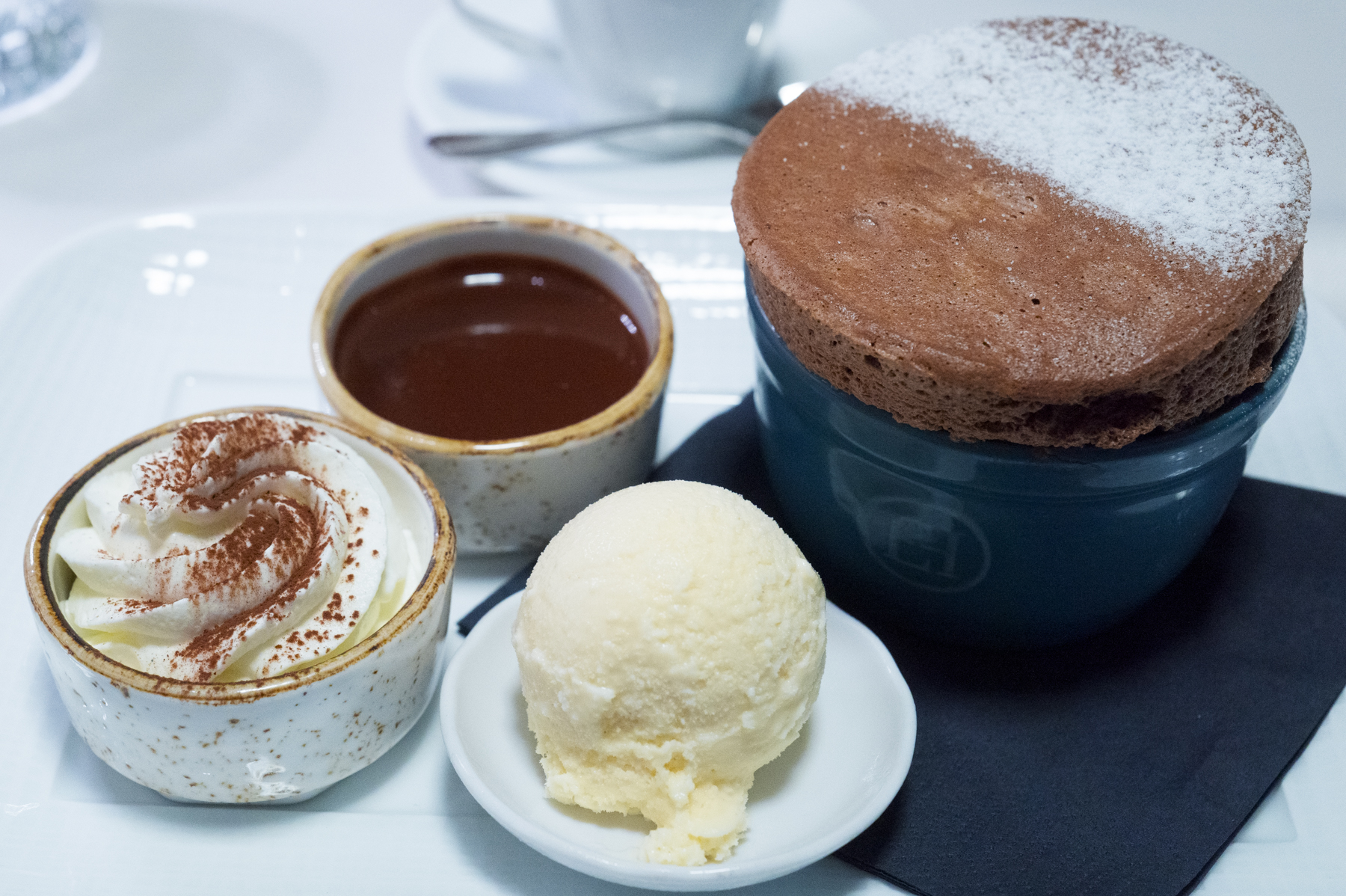
After dinner, we had a nice walk back to the hotel, where we promptly headed to bed.
Tomorrow, Peter and Joy are flying home, and we are flying to Madrid to commence a road trip around Spain and Portugal.