
Europe
Sintra
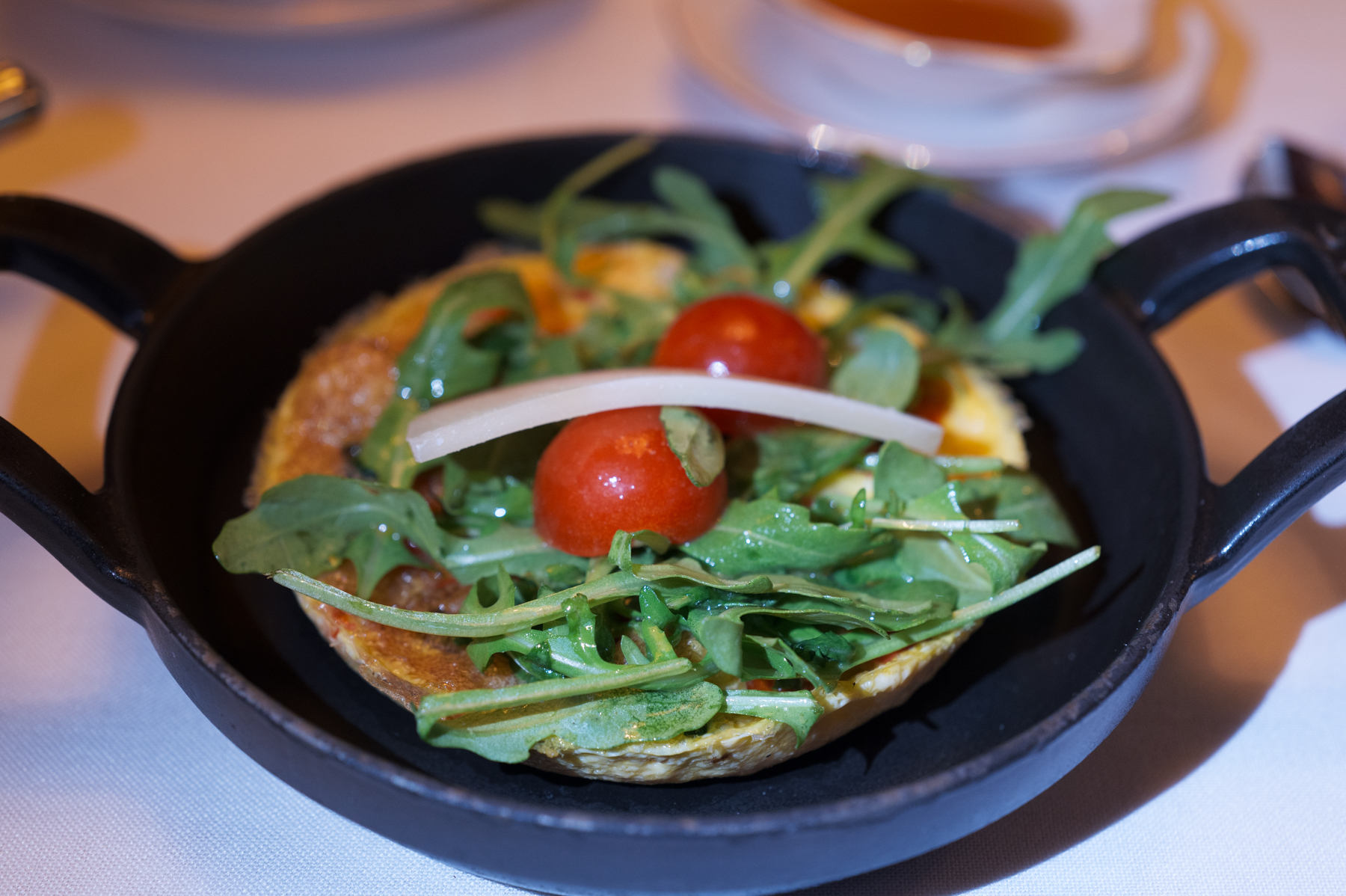
It was another slow start this morning. We got down to breakfast just after 10:00 am.

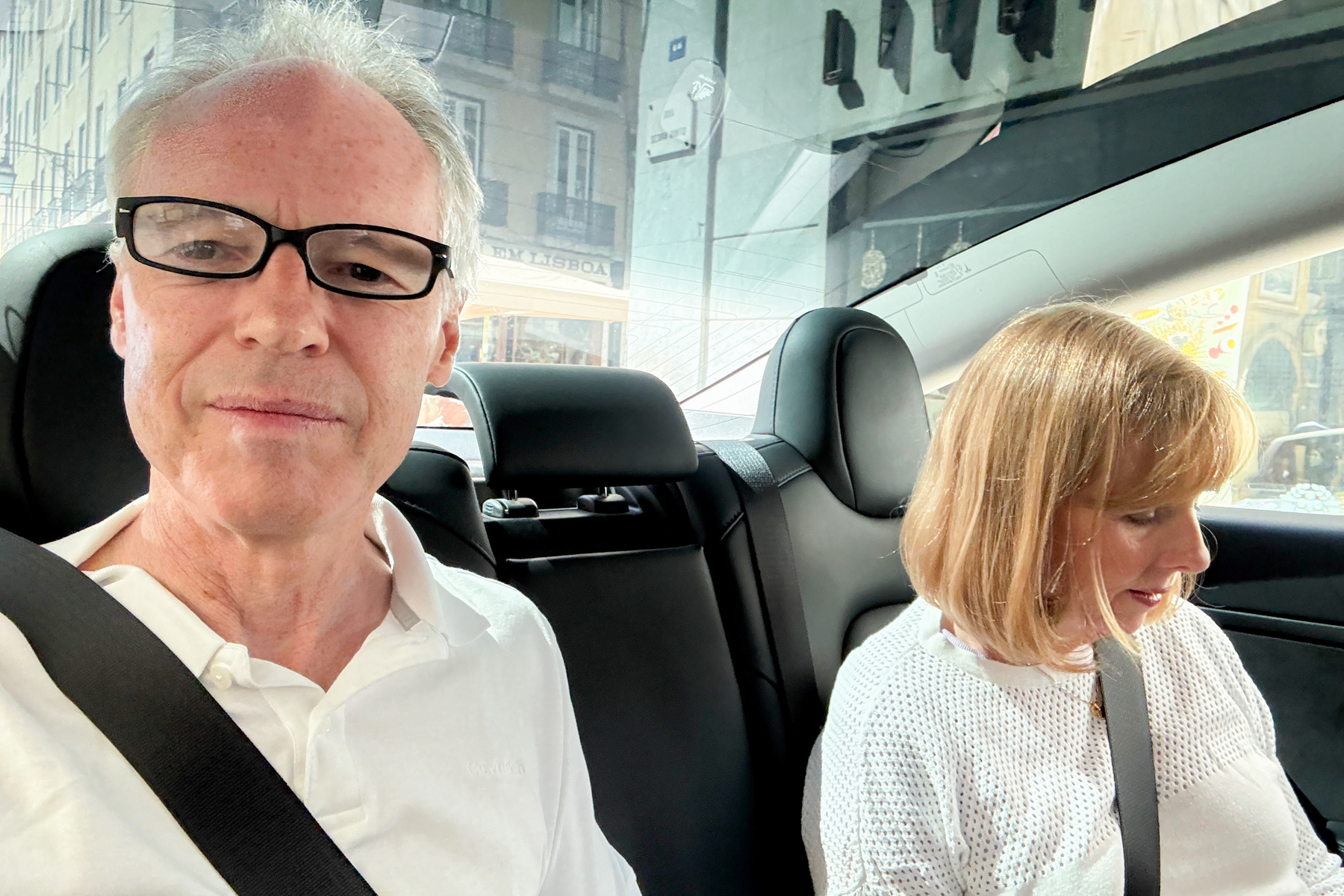
We left the hotel at 11:15 am, and headed towards the town of Sintra, about 30 kilometres west of Lisbon, to visit Pena Palace.
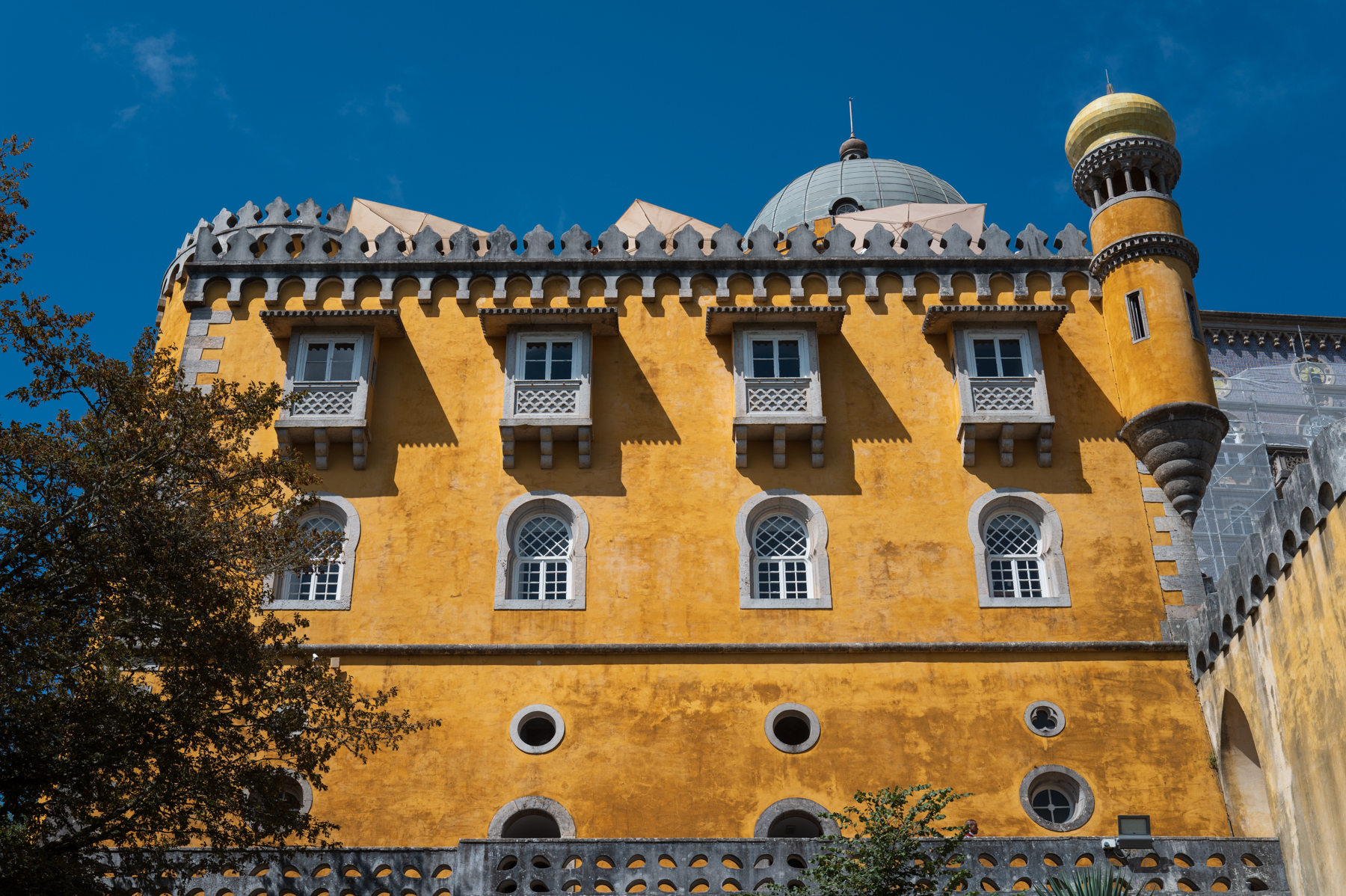
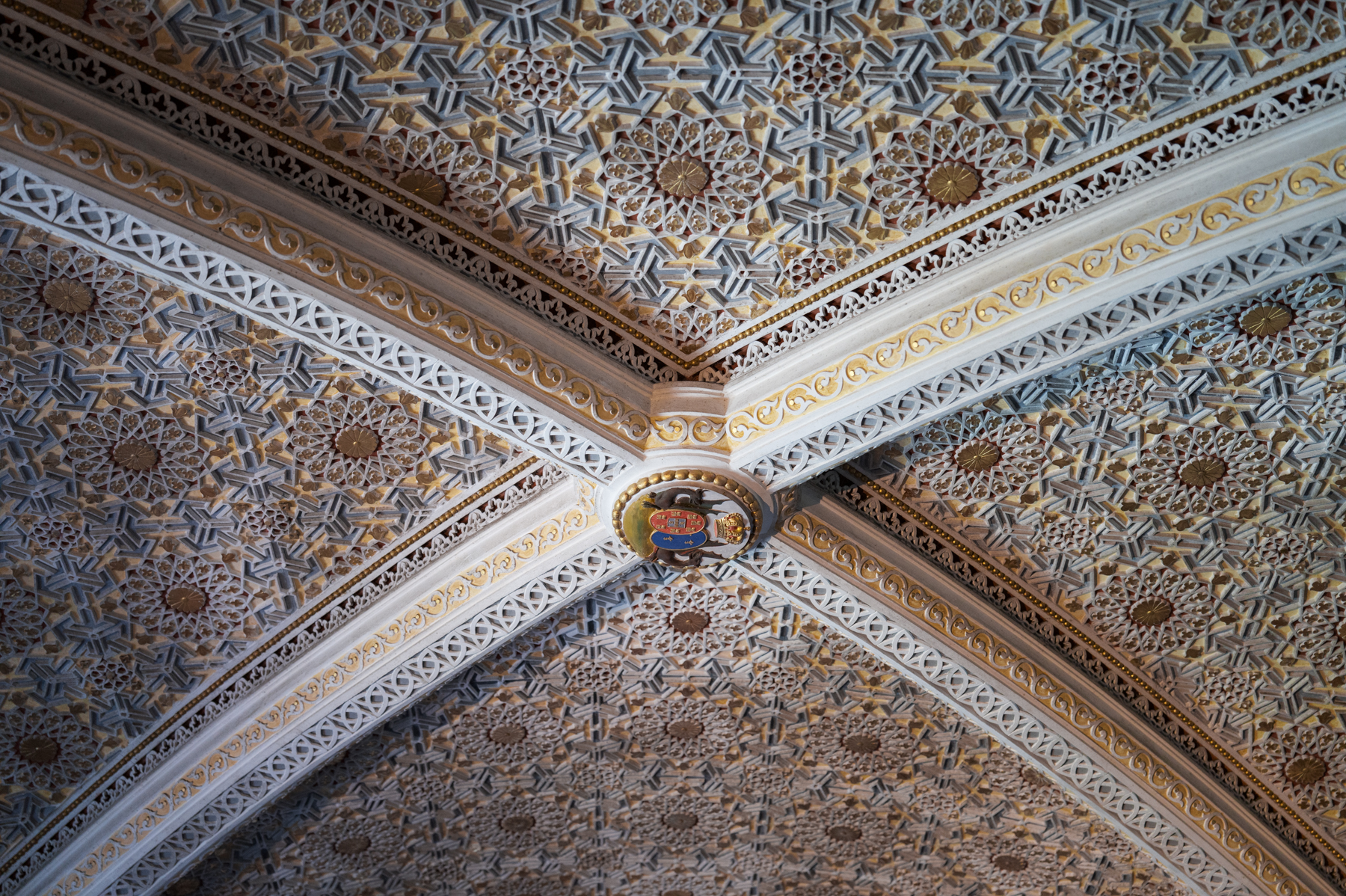
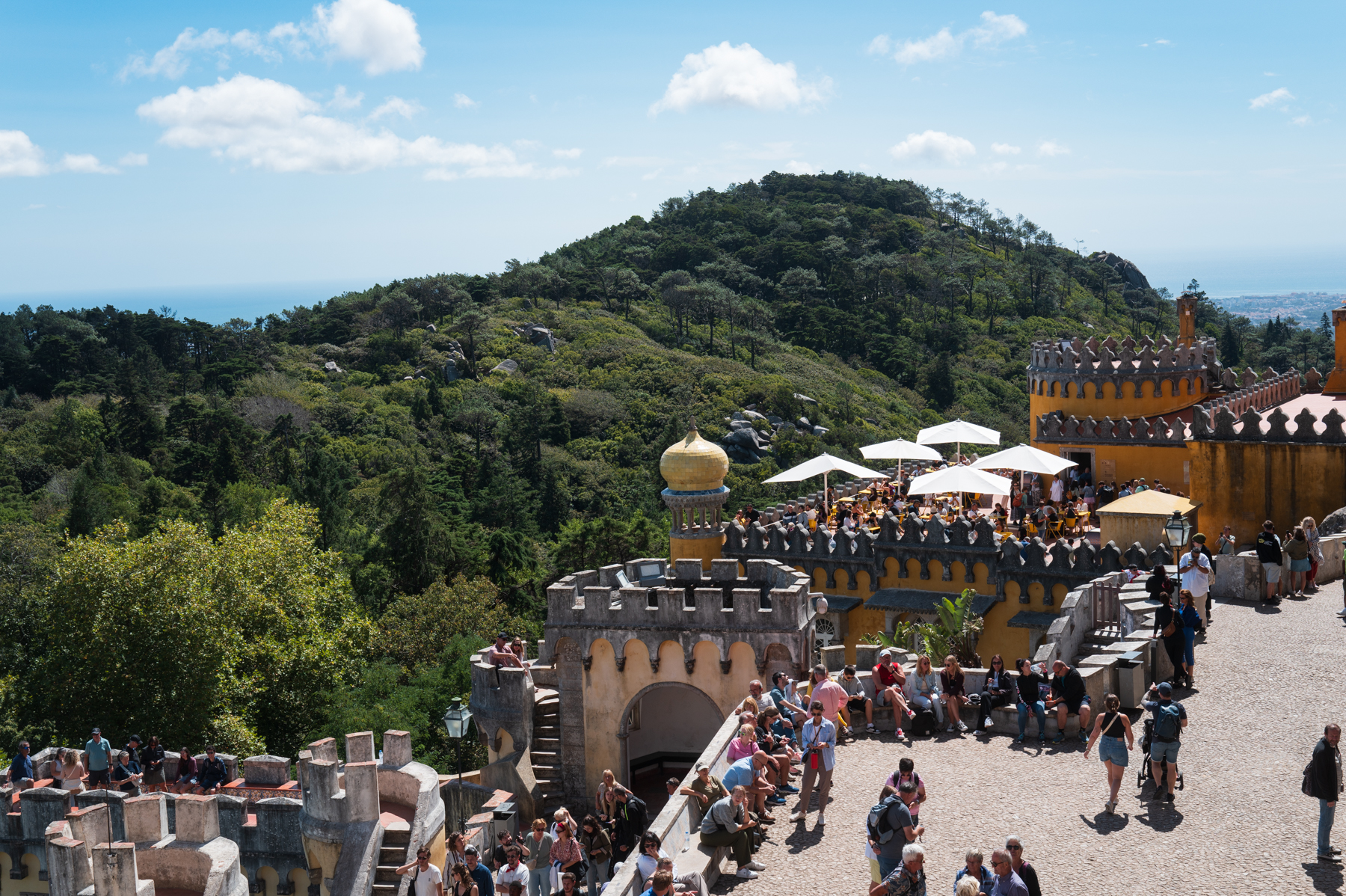
Pena Palace is a vibrant and whimsical Romanticist castle in the Sintra Mountains. The site on which the palace stands was, in the Middle Ages, a chapel dedicated to Our Lady of Pena. It was later expanded to a monastery under King Manuel I in the early 16th century. The monastery suffered severe damage in the 1755 Lisbon earthquake and was abandoned by the 1830s. In 1838, King Ferdinand II acquired the ruins and transformed them into a summer palace in the style of the Romanticism movement. Today, the palace is considered to be one of Portugal’s greatest national monuments and is a UNESCO World Heritage Site.
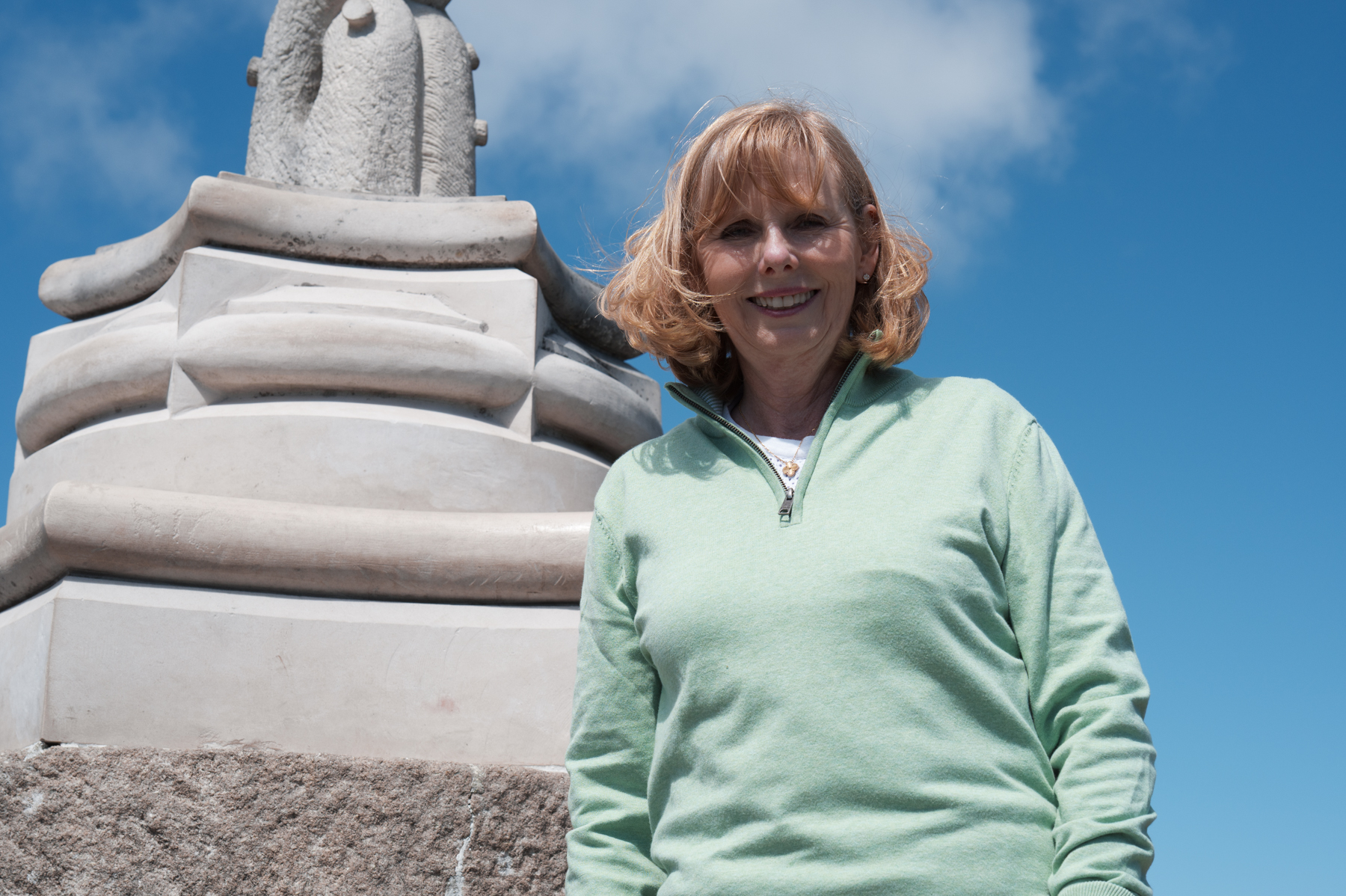
We got to the Pena Palace grounds around 12:15 pm, well before our allocated visit time inside the palace. So, we decided to hike up to the Cruz Alta (the “High Cross”), which is the highest point in Sintra, to take in the views. The hike took about 45 minutes and, while not the most challenging hike we’ve ever done, was still somewhat of a workout given the steepness of the climb.
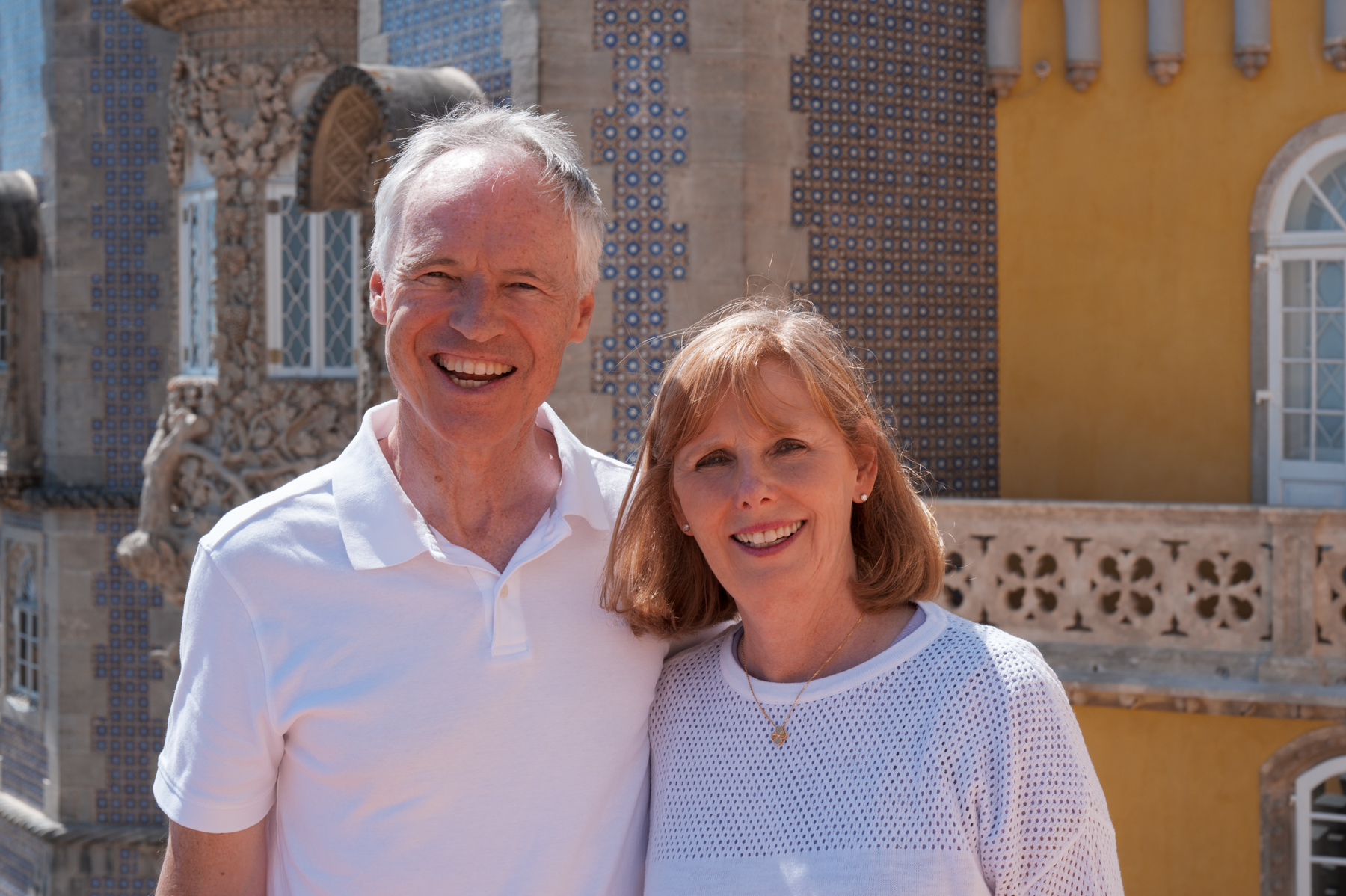
We walked back down the trail and headed to the palace to make sure we were on time to go inside. Entrance to the palace is strictly controlled, and we wanted to make sure we were there in plenty of time. We entered at our allotted time of 2:00 pm, and had a very nice walk around the very pretty palace.
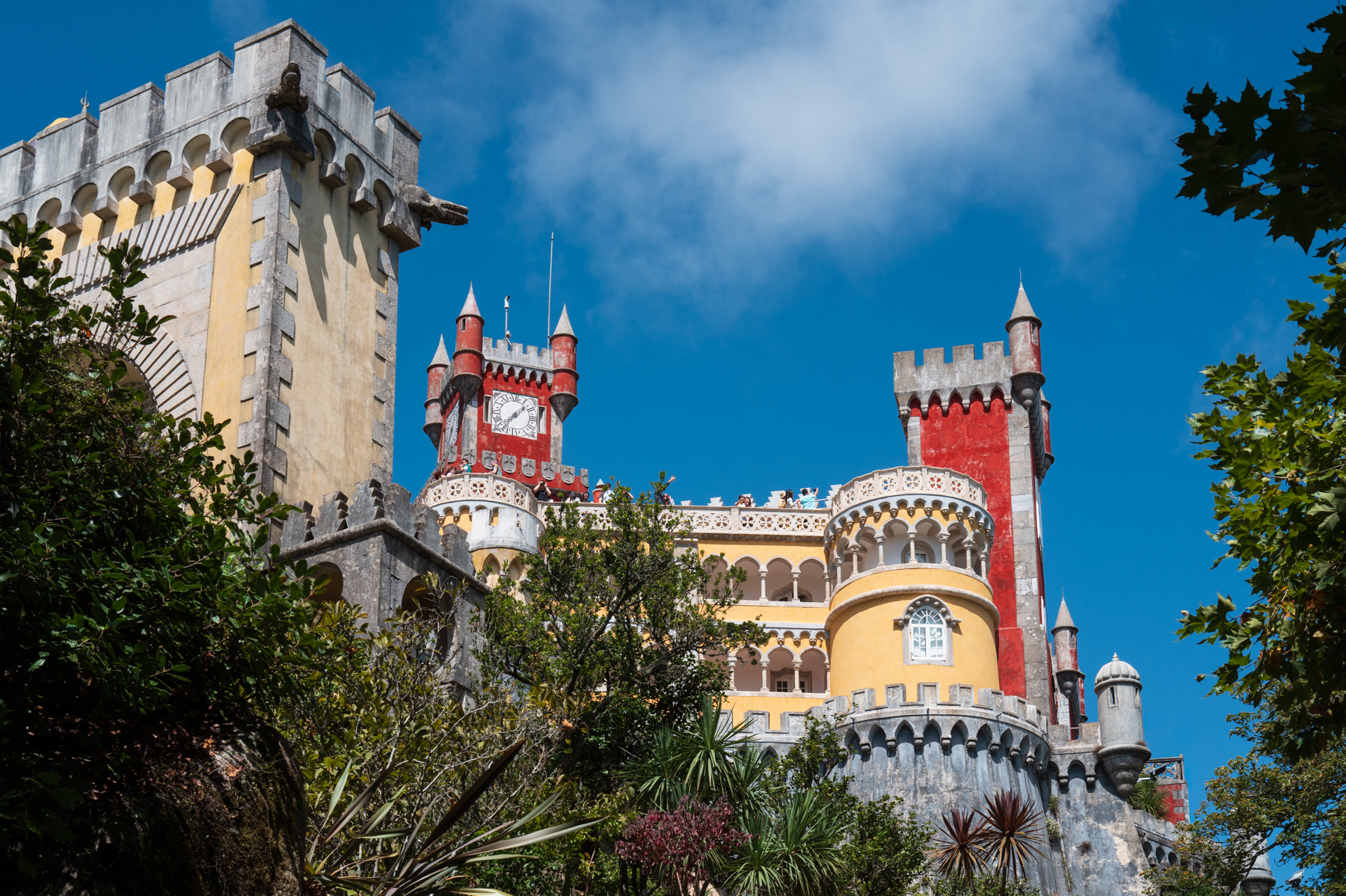
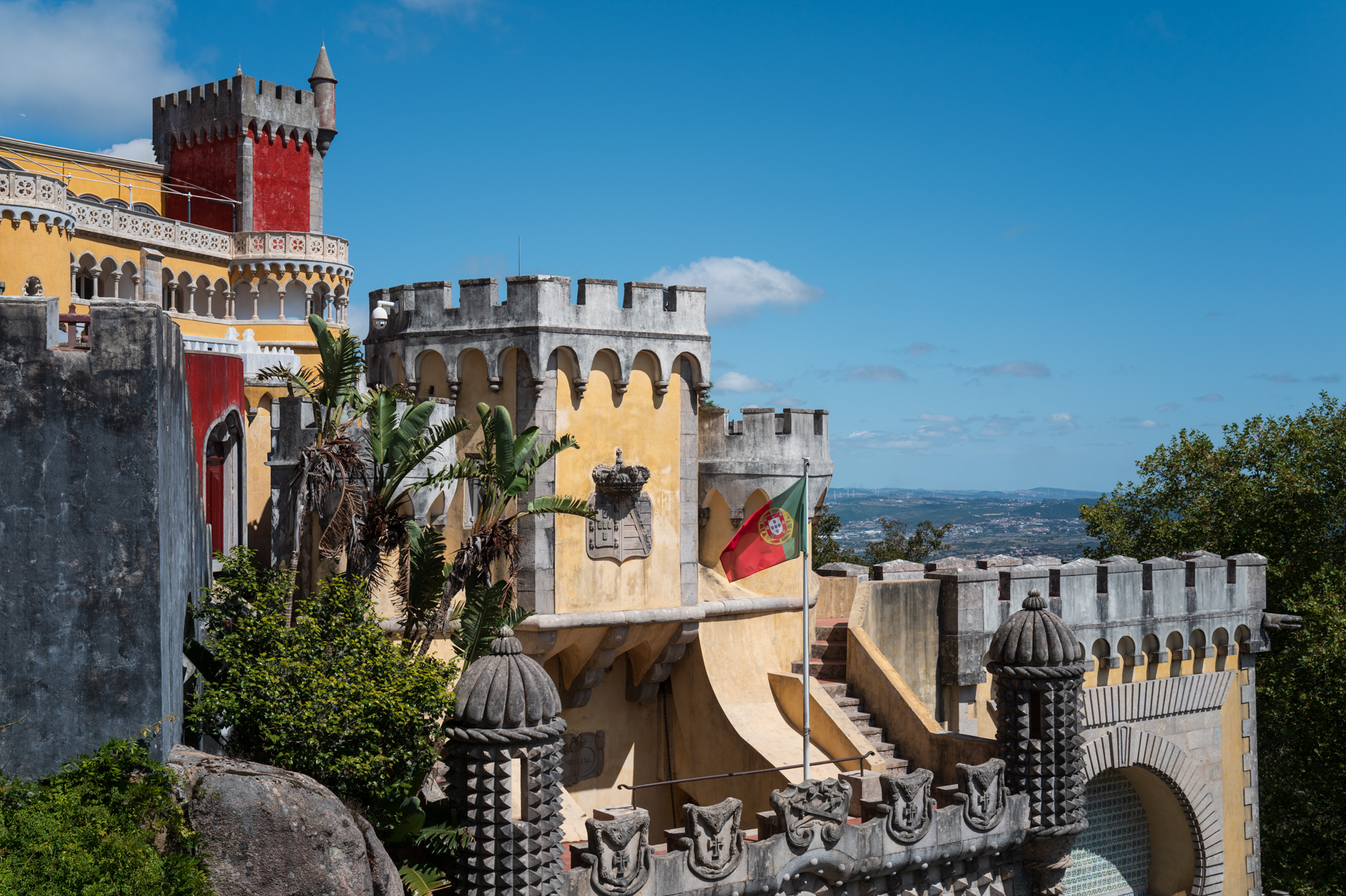
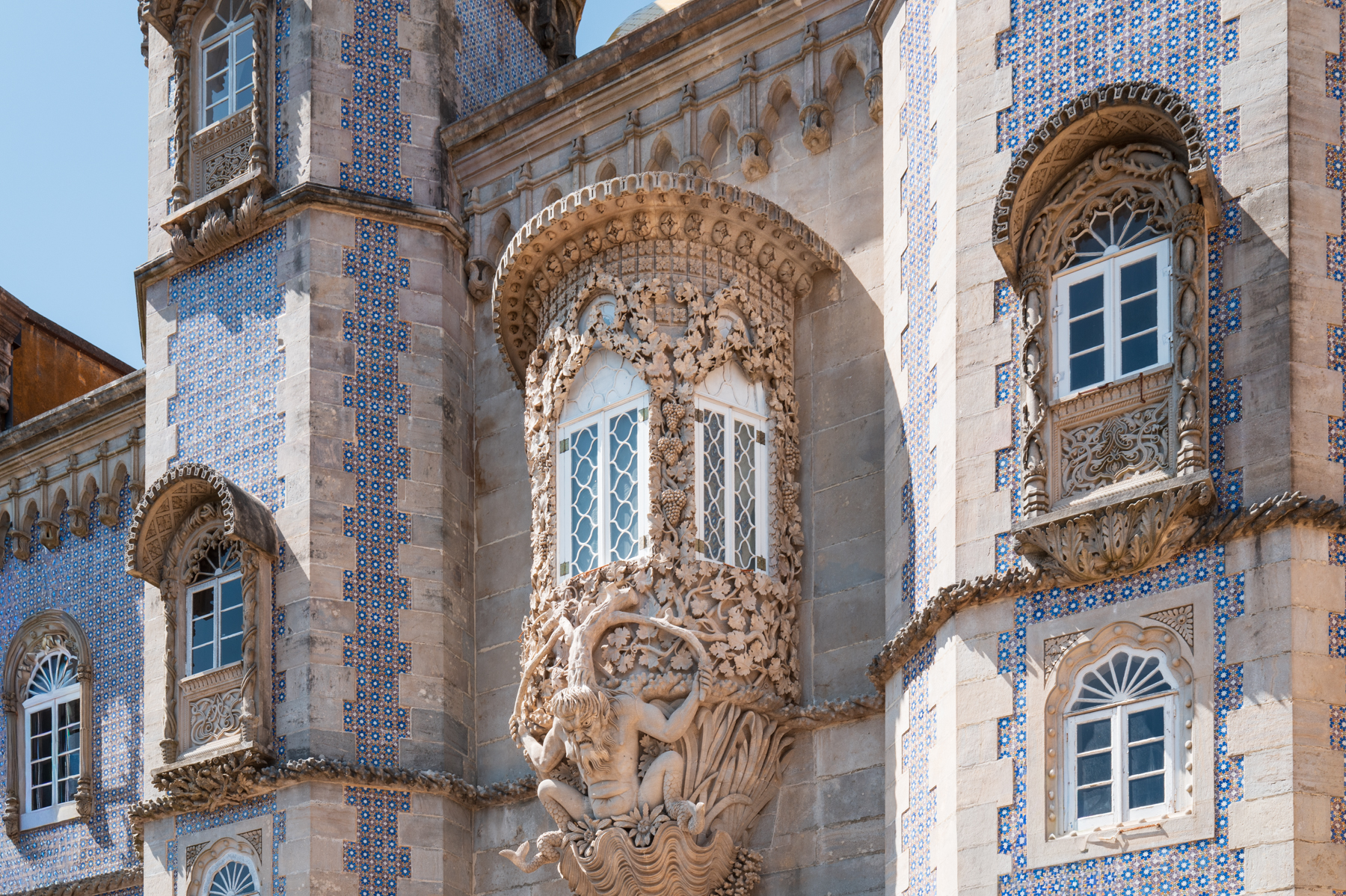
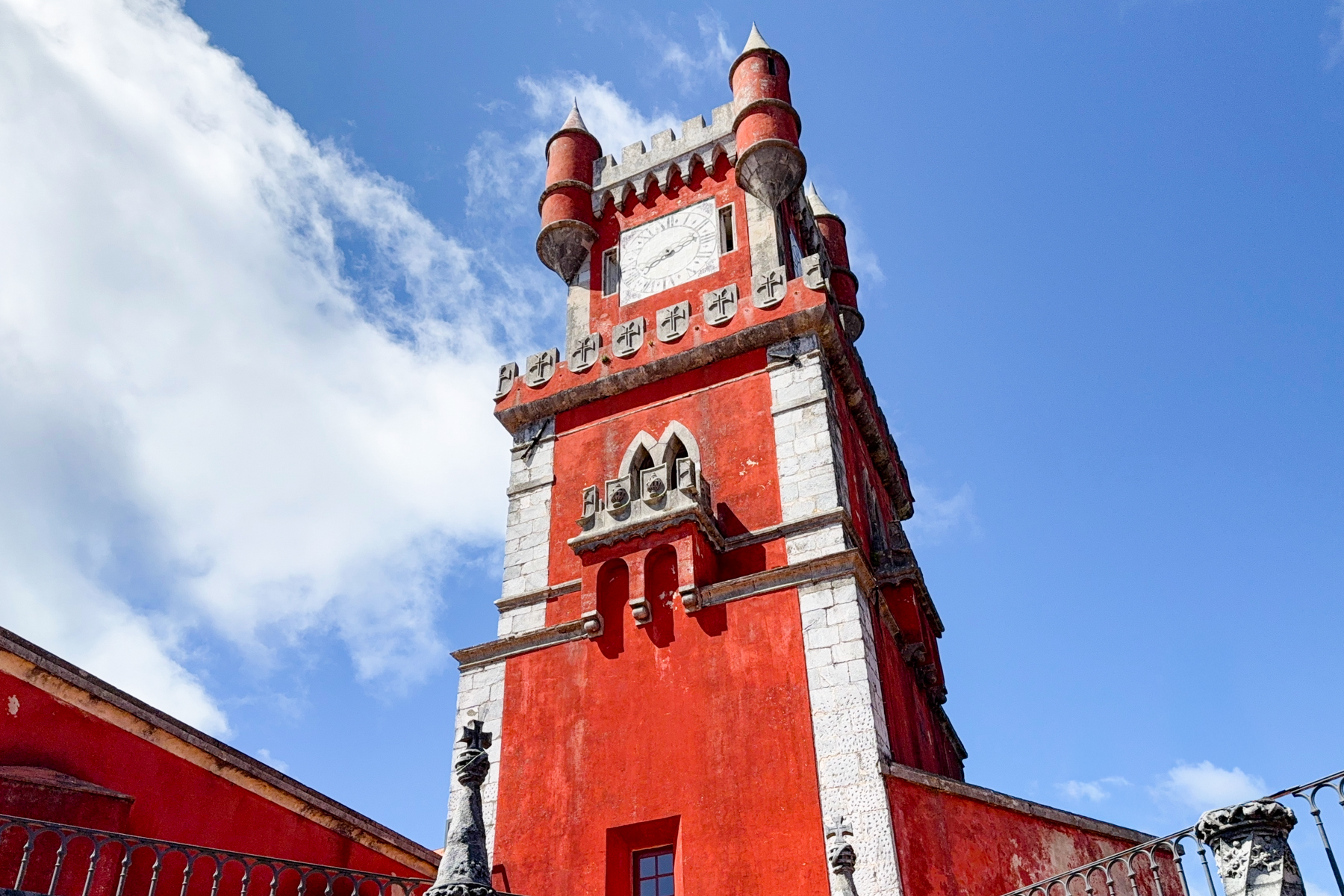
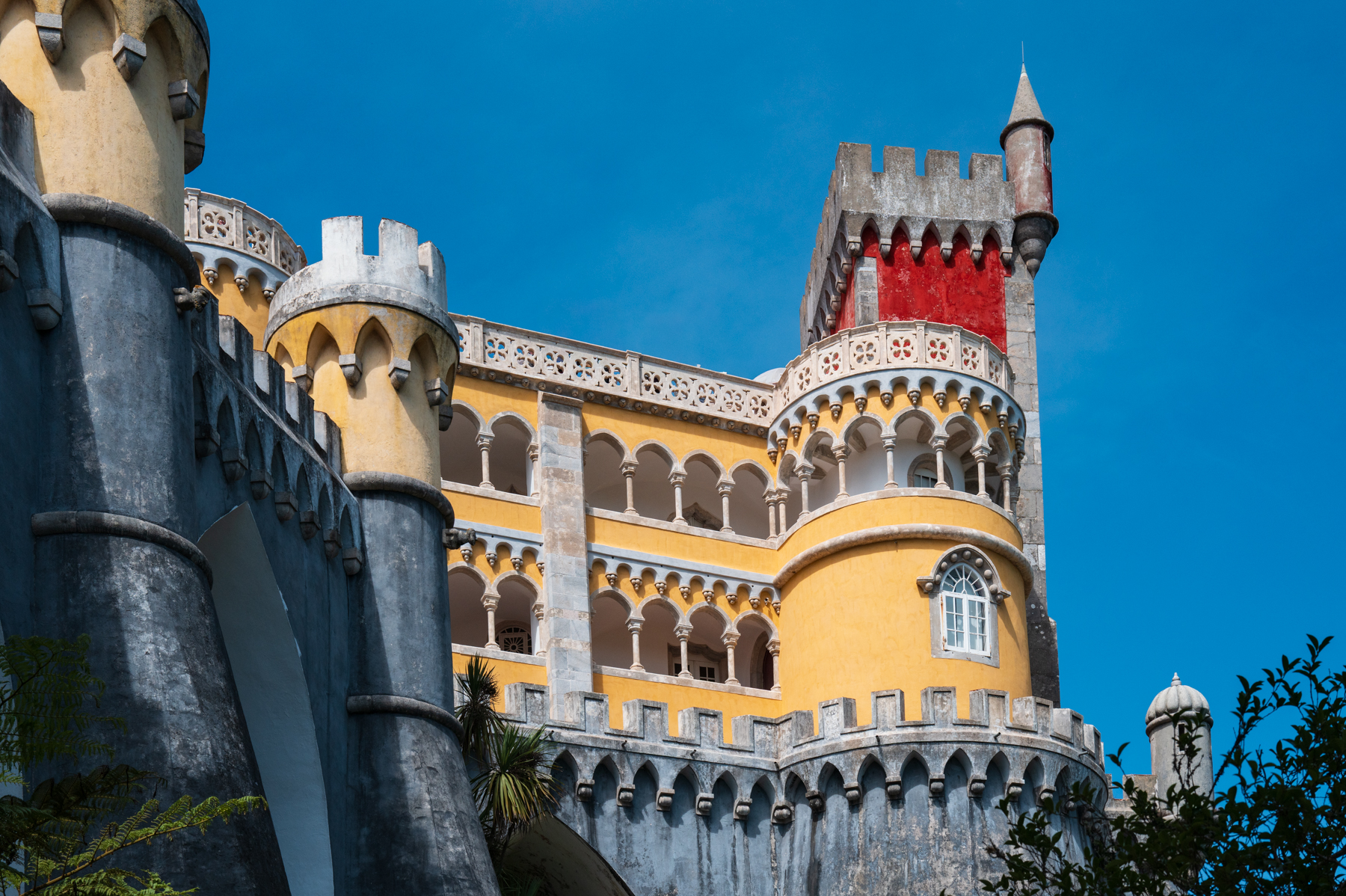
We left the palace grounds just after 3:00 pm, planning to meet our driver, who had been waiting for us near the entrance to the palace grounds. Unfortunately, as he approached, he reached for his mobile phone (not allowed in Portugal) and was immediately directed by two local policemen to pull over. We ended up waiting about 20 minutes for him to finish dealing with the police, before we could depart. Once all that was sorted, we headed back down the very steep and twisty mountain road back to the Sintra township.
Our first stop in Sintra was Piriquita, a family-run bakery that was founded in 1862, famous for its delicious traditional pastries. It was doing a thriving trade, but we happily lined up to buy some of the delicious-looking pastries.
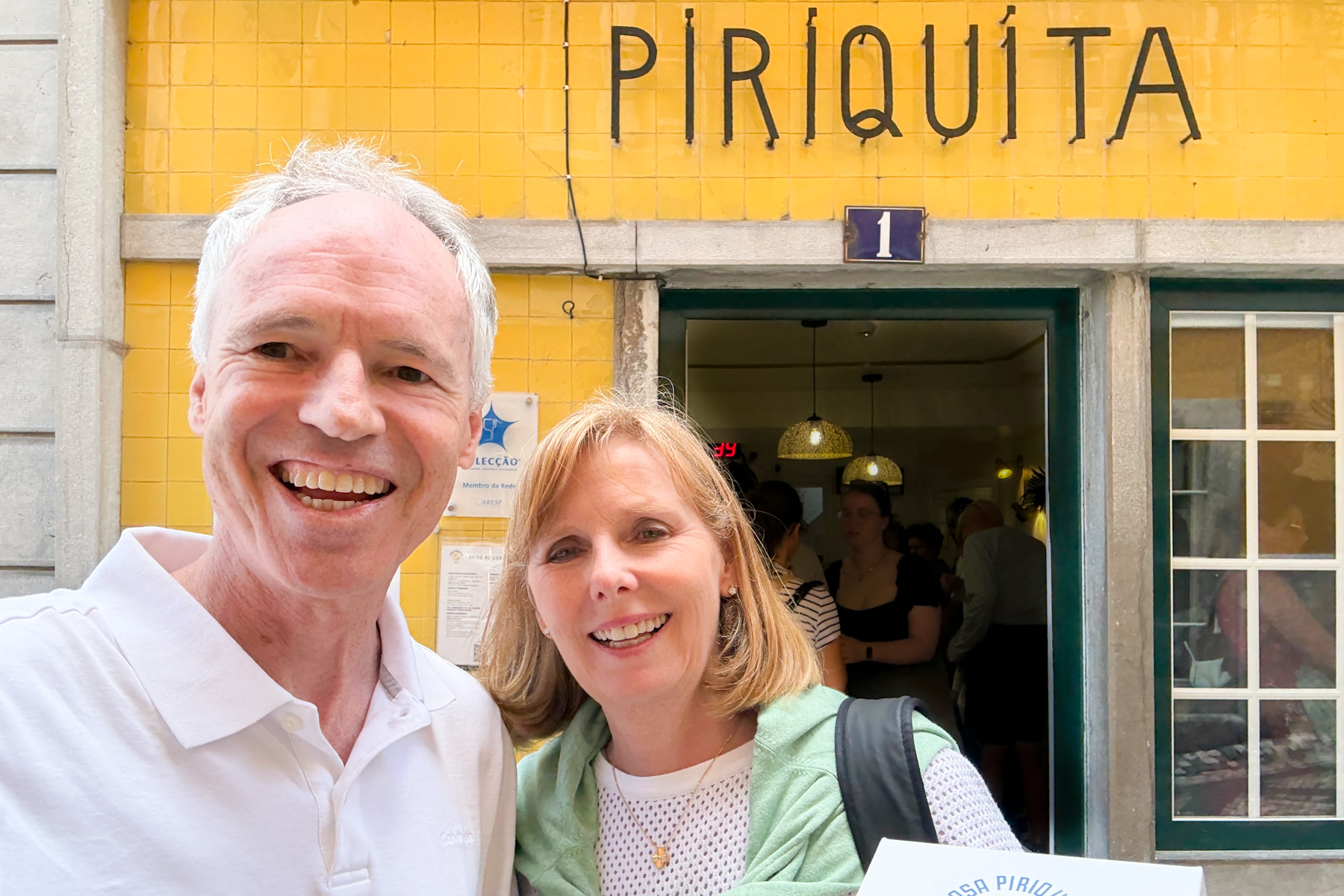
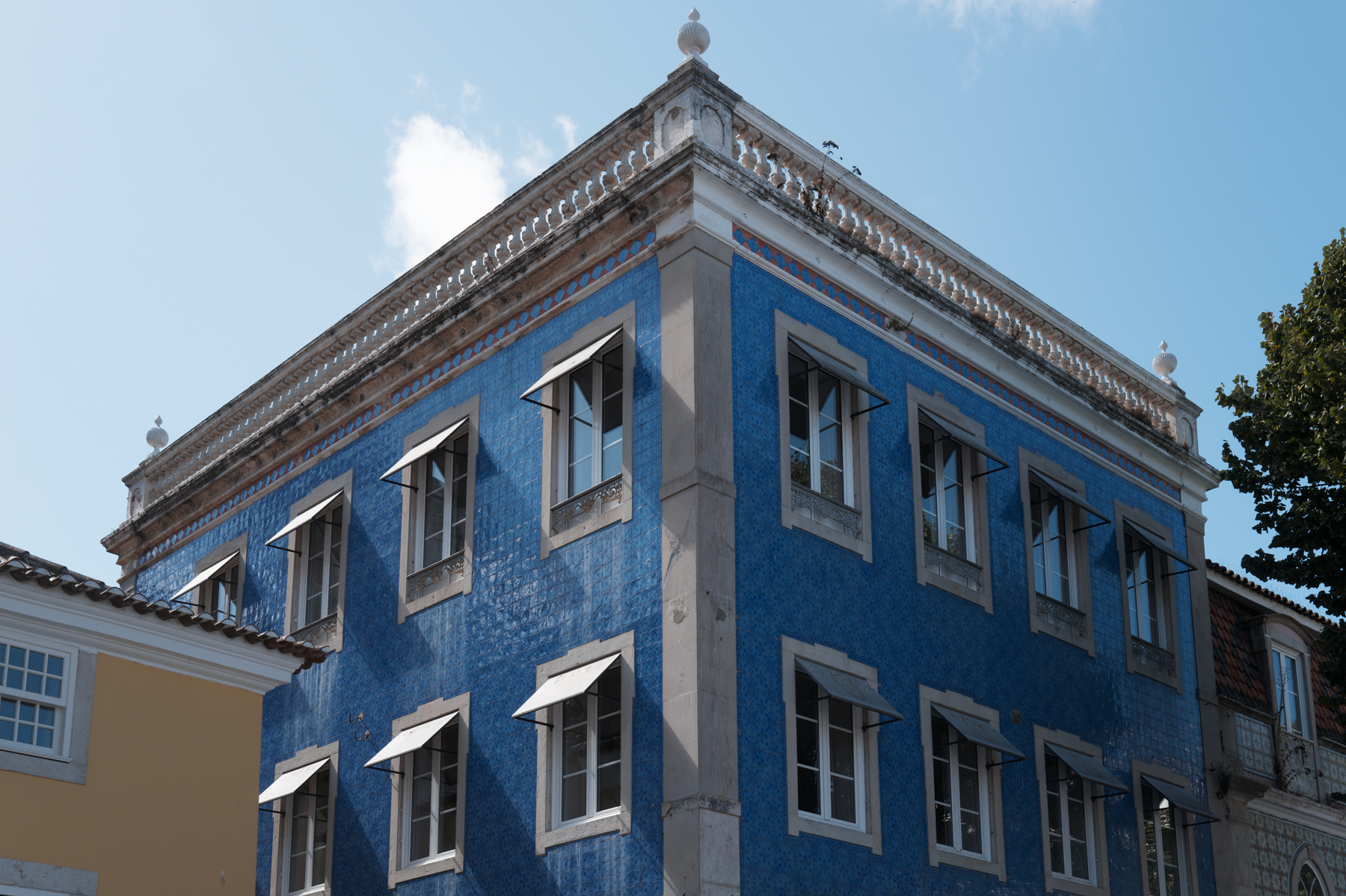
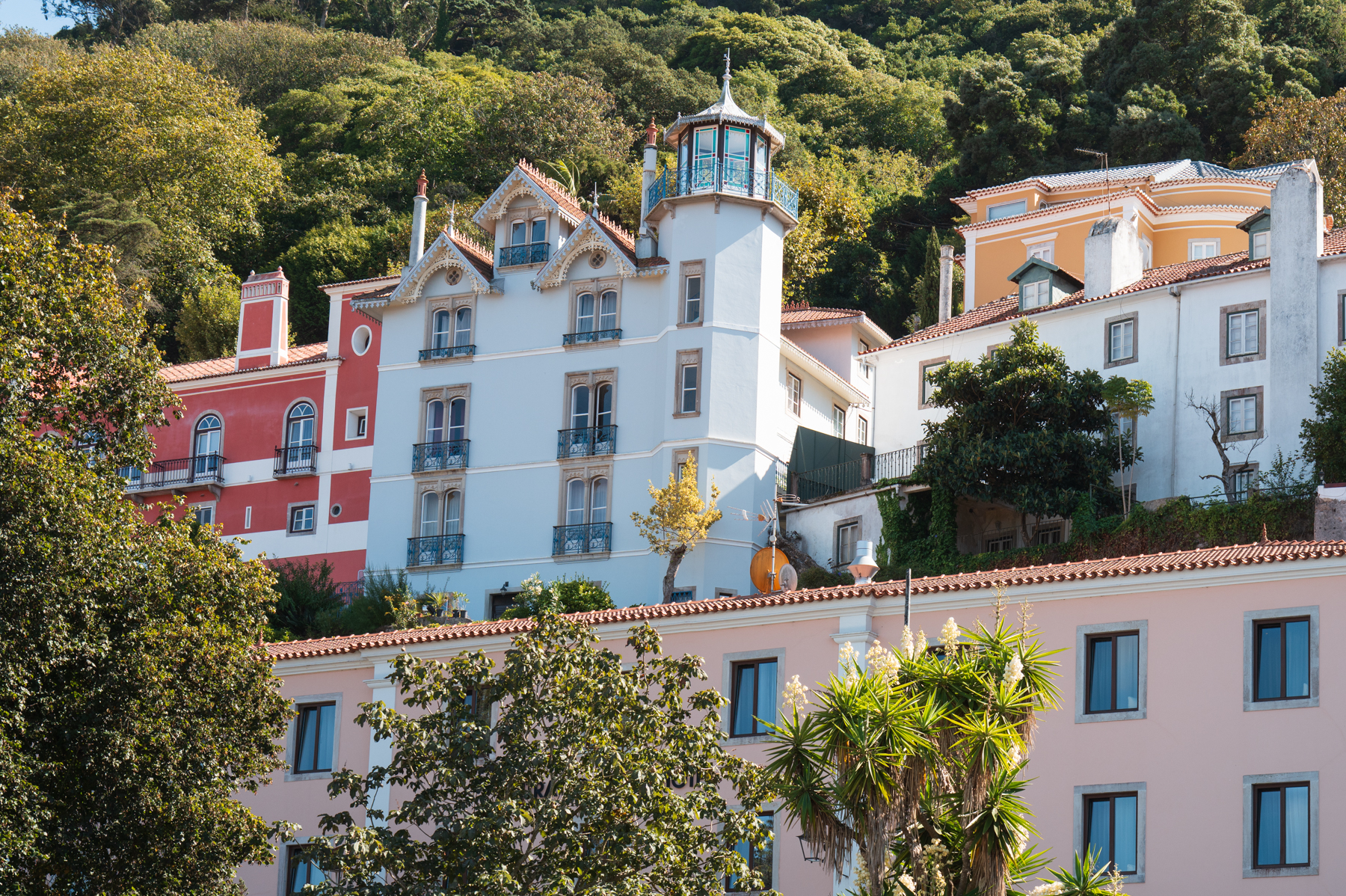
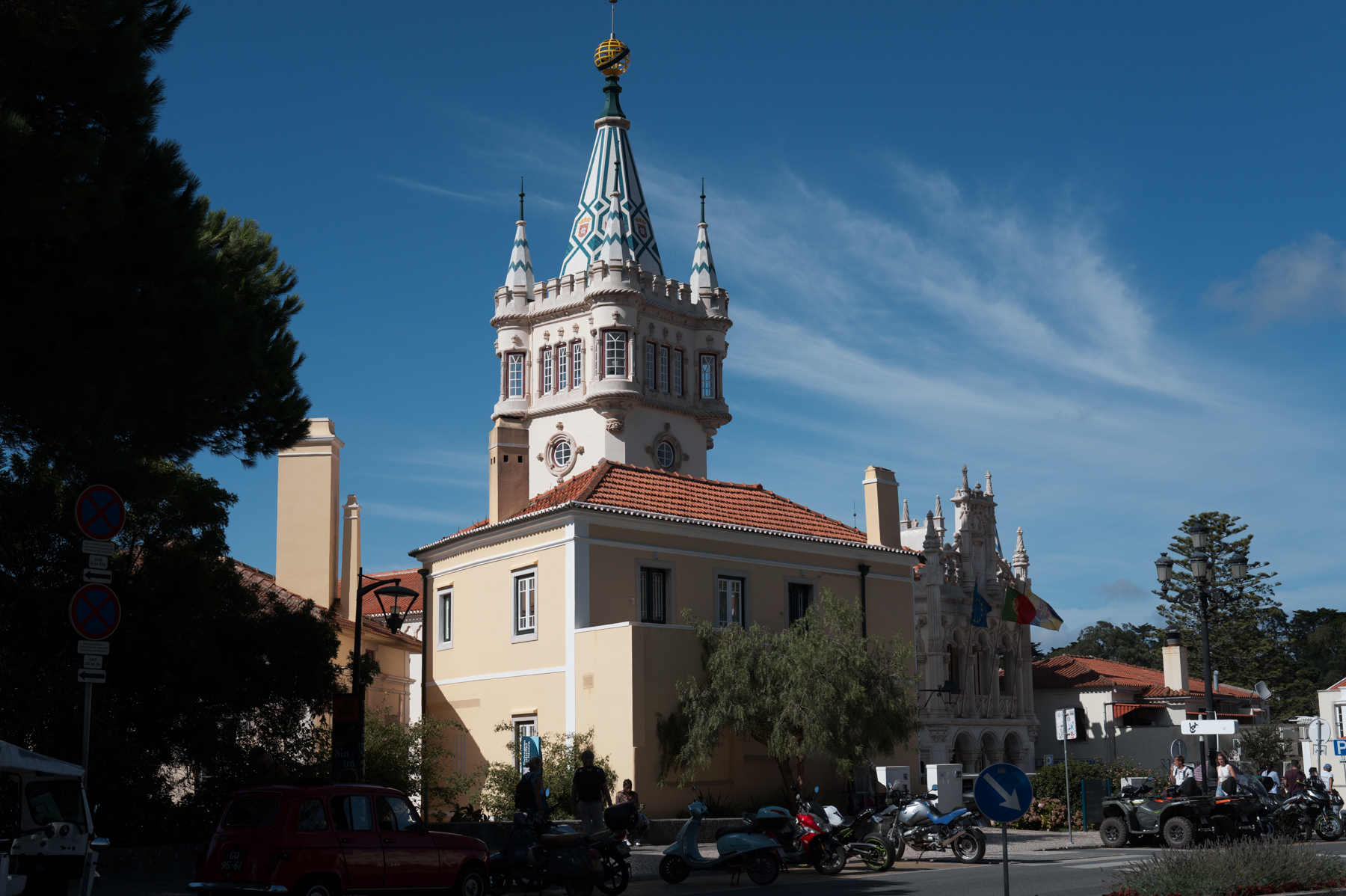
We left the bakery and went for a walk around the very beautiful town, admiring the pretty buildings.
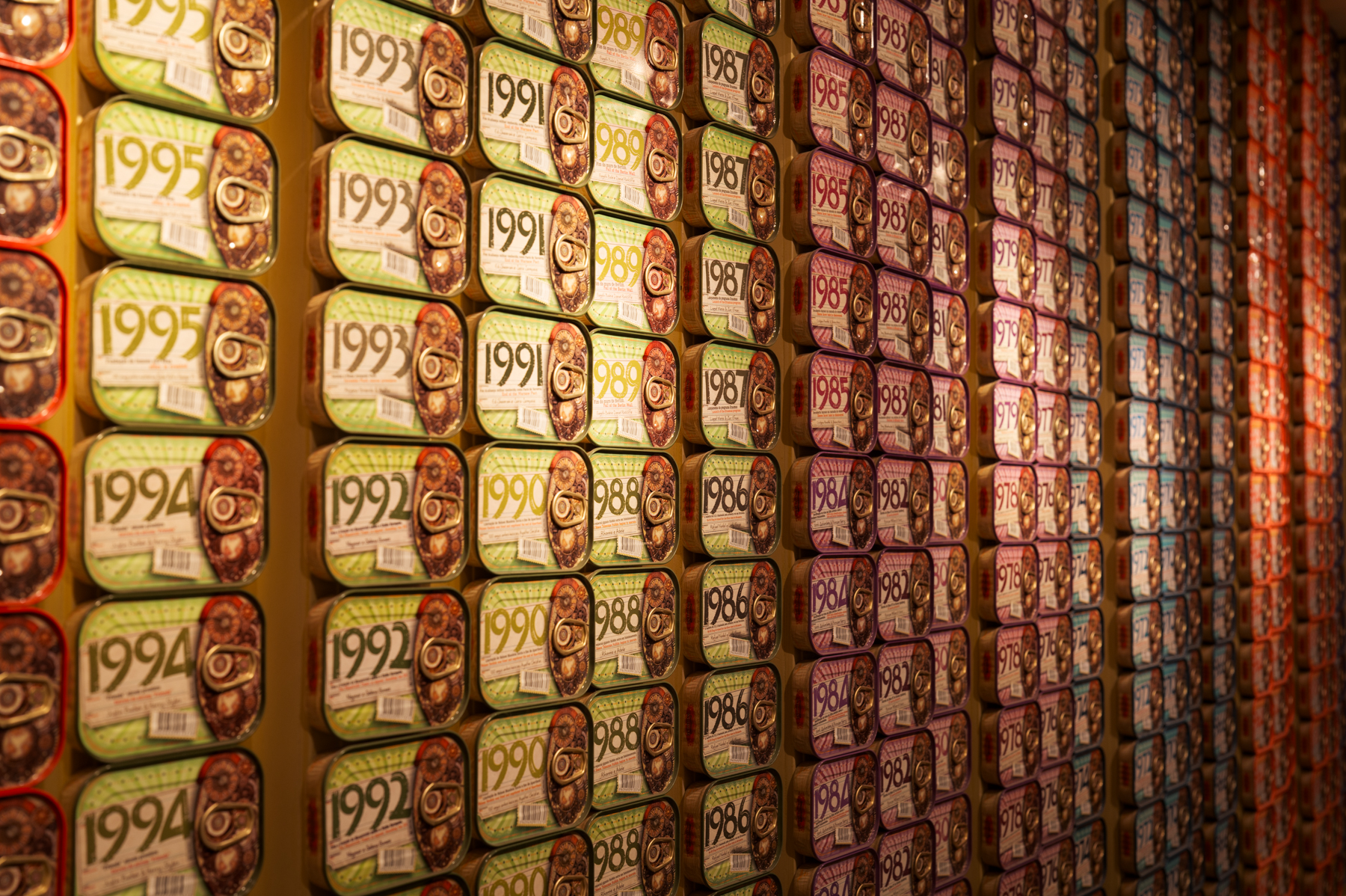
We were also quite fascinated with a shop called Mundo Fantástico da Sardinha Portuguesa, a whimsical store dedicated to Portuguese canned sardines!
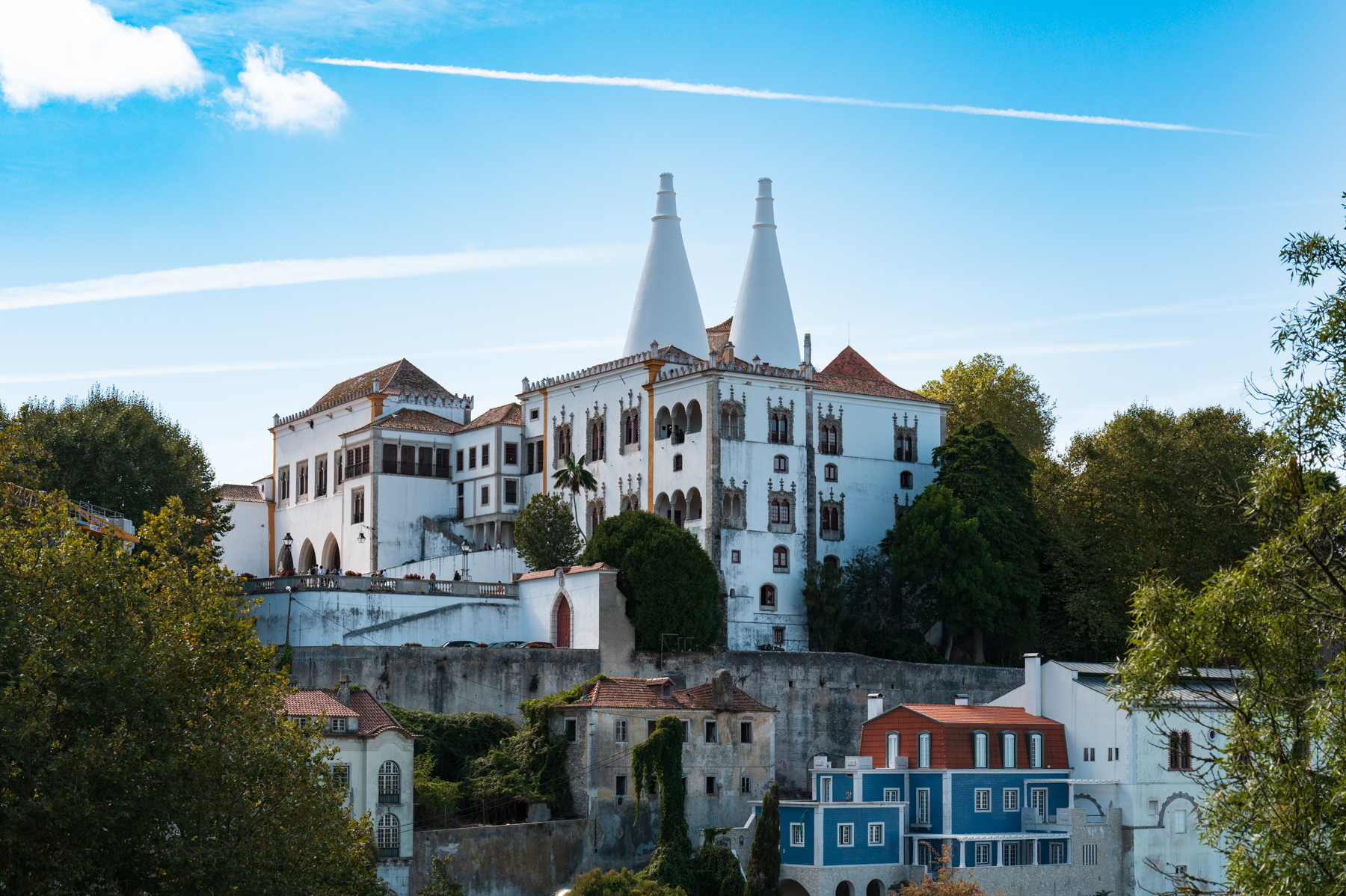
One of the most iconic buildings in Sintra is the Palácio Nacional de Sintra (Sintra National Palace). This building is a mix of Gothic, Moorish, and Manueline architecture. It is one of Portugal’s best-preserved medieval royal residences, historically used by Portuguese royalty as a summer retreat.
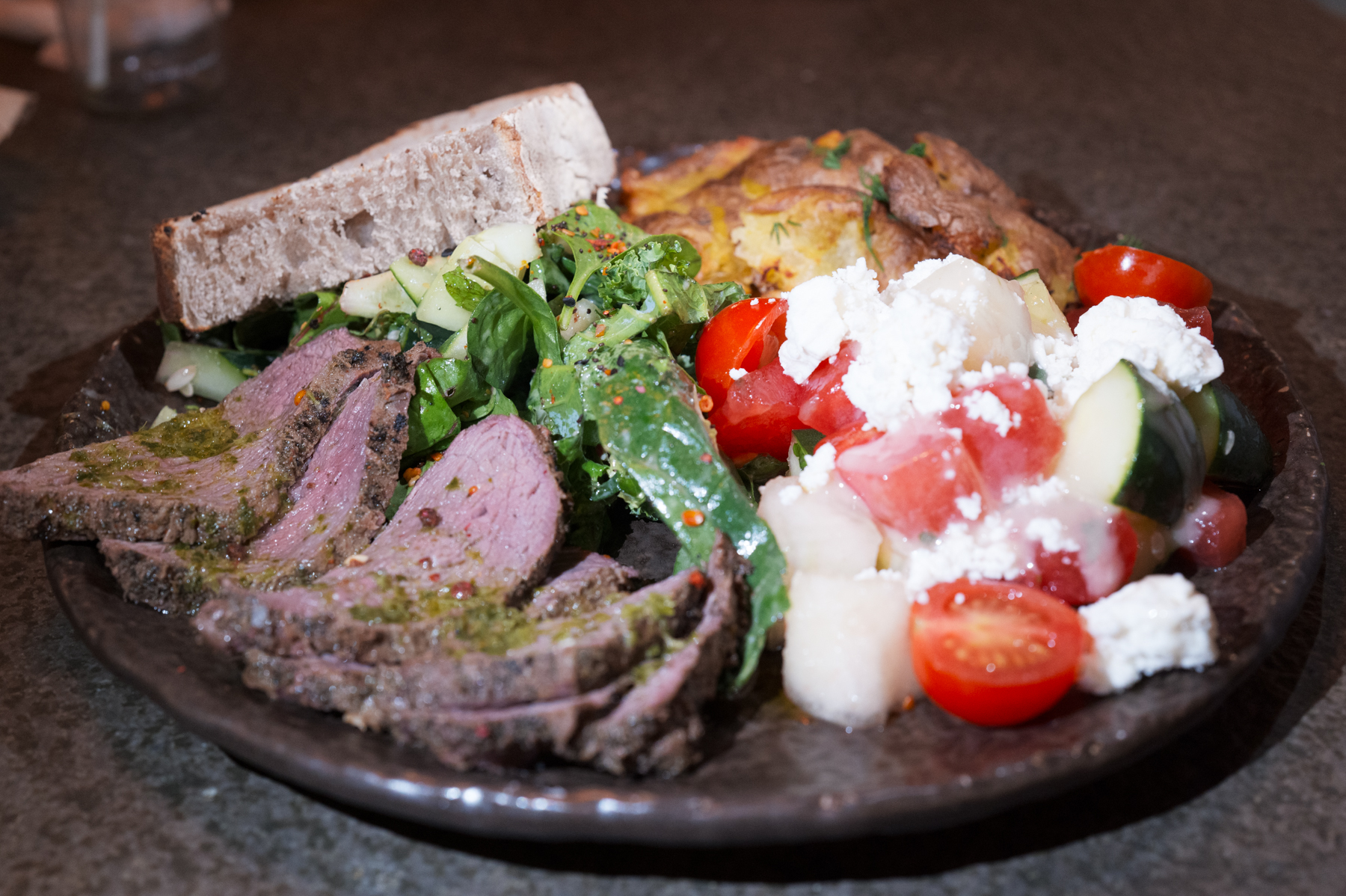
We left Sintra at about 4:30 pm, and headed back to our hotel in Lisbon. We said goodbye to our driver, and walked around the corner from the hotel to have dinner at the same restaurant at which we ate last night.
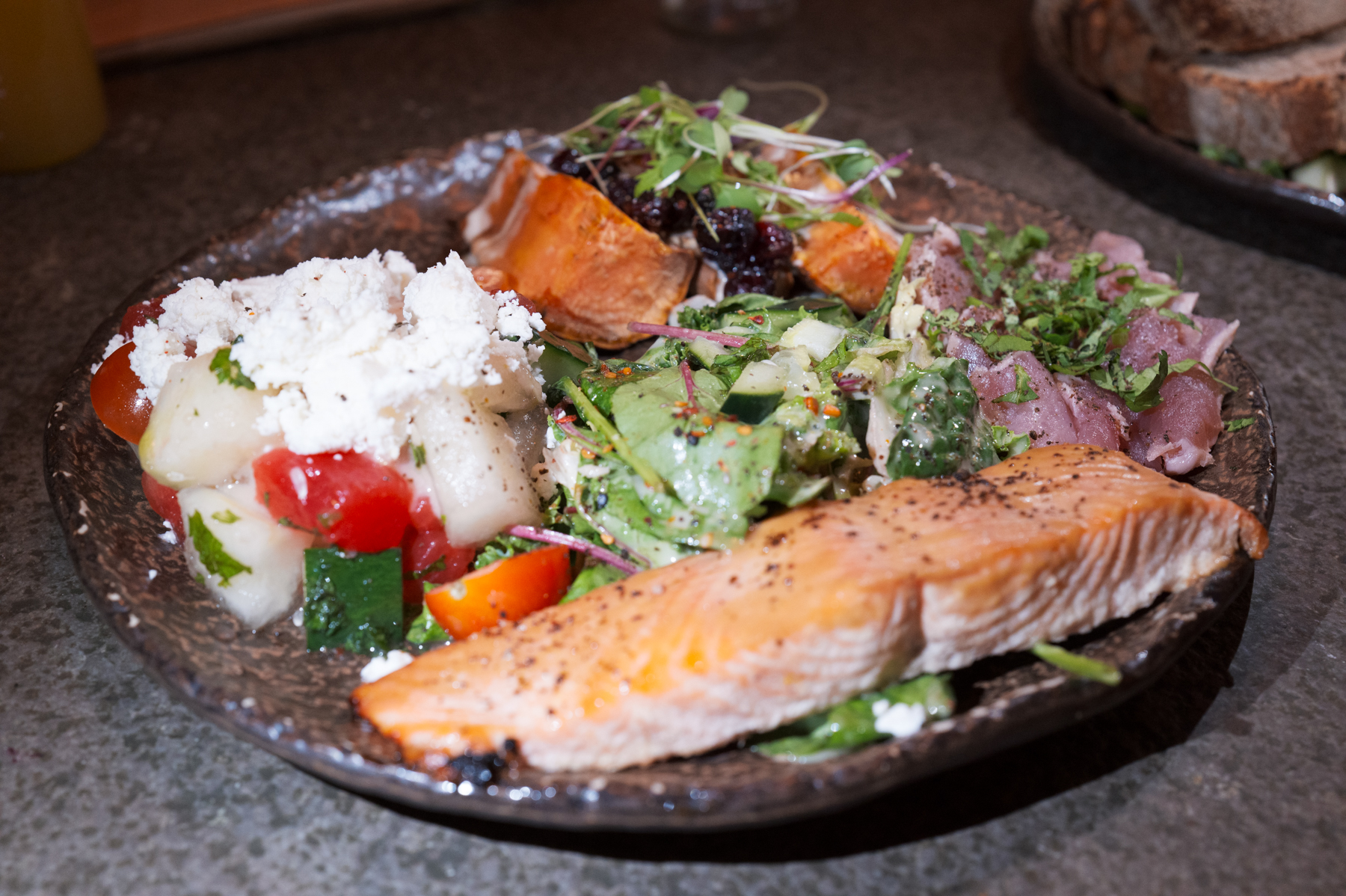
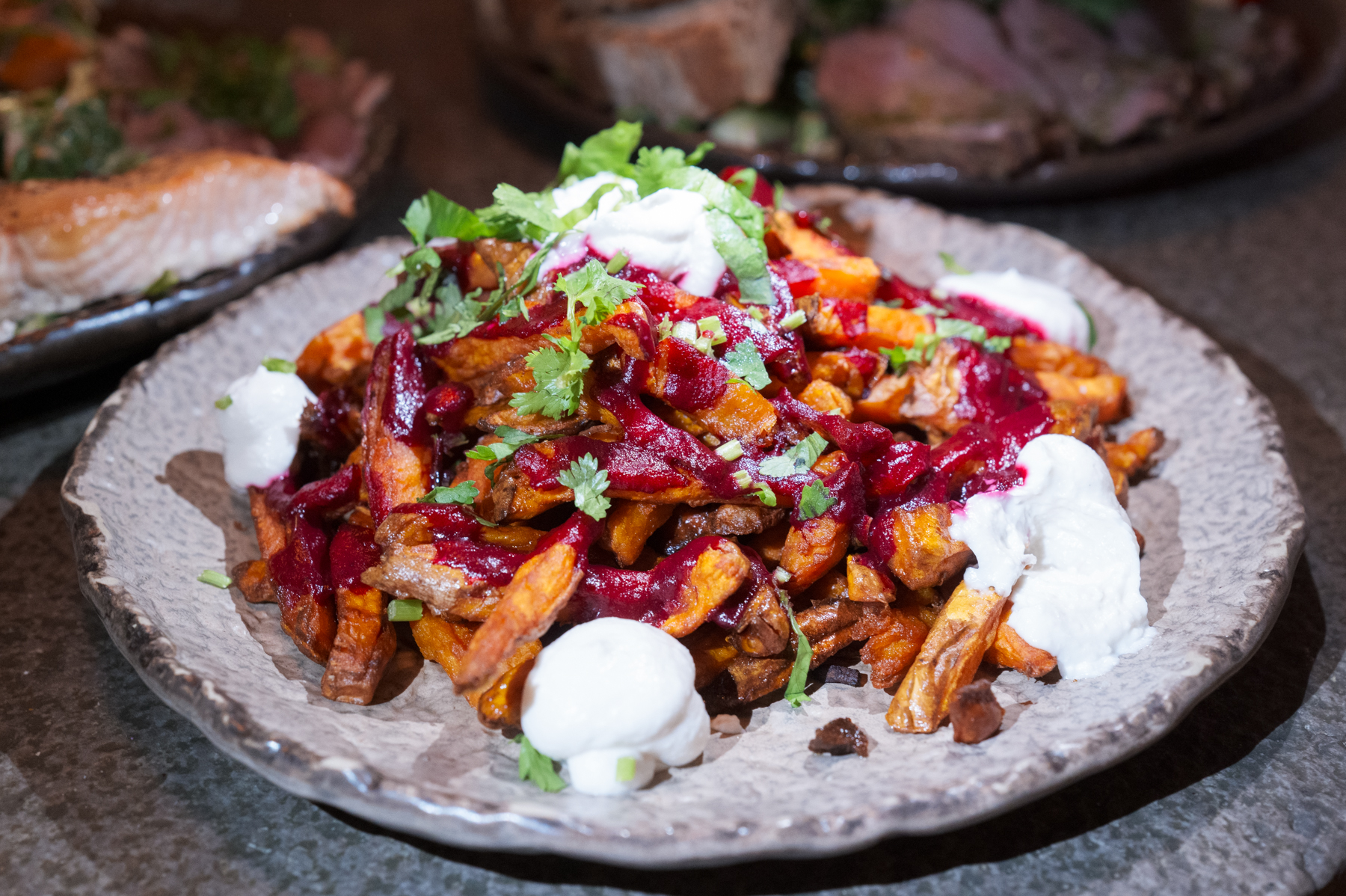
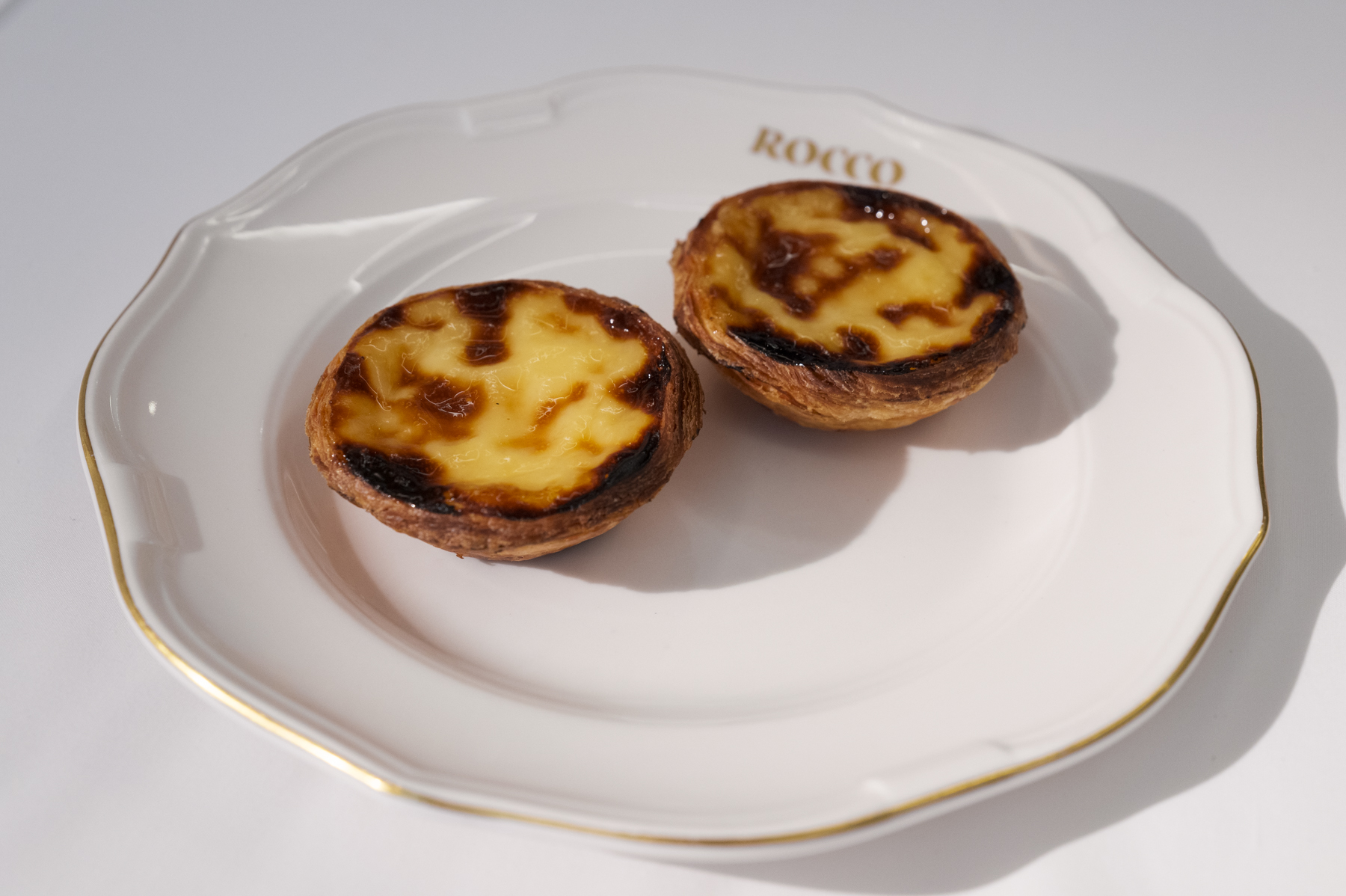
After a very nice dinner, we went back to the hotel, where we discovered that the hotel staff had left us with some Pasteis de nata (Portuguese tarts) from a renowned local bakery. We had skipped dessert earlier at the restaurant with the idea of going back to our hotel room and eating the pastries we’d bought earlier in the day in Sintra, but now we had even more pastries to deal with! Naturally, we rose to the challenge.
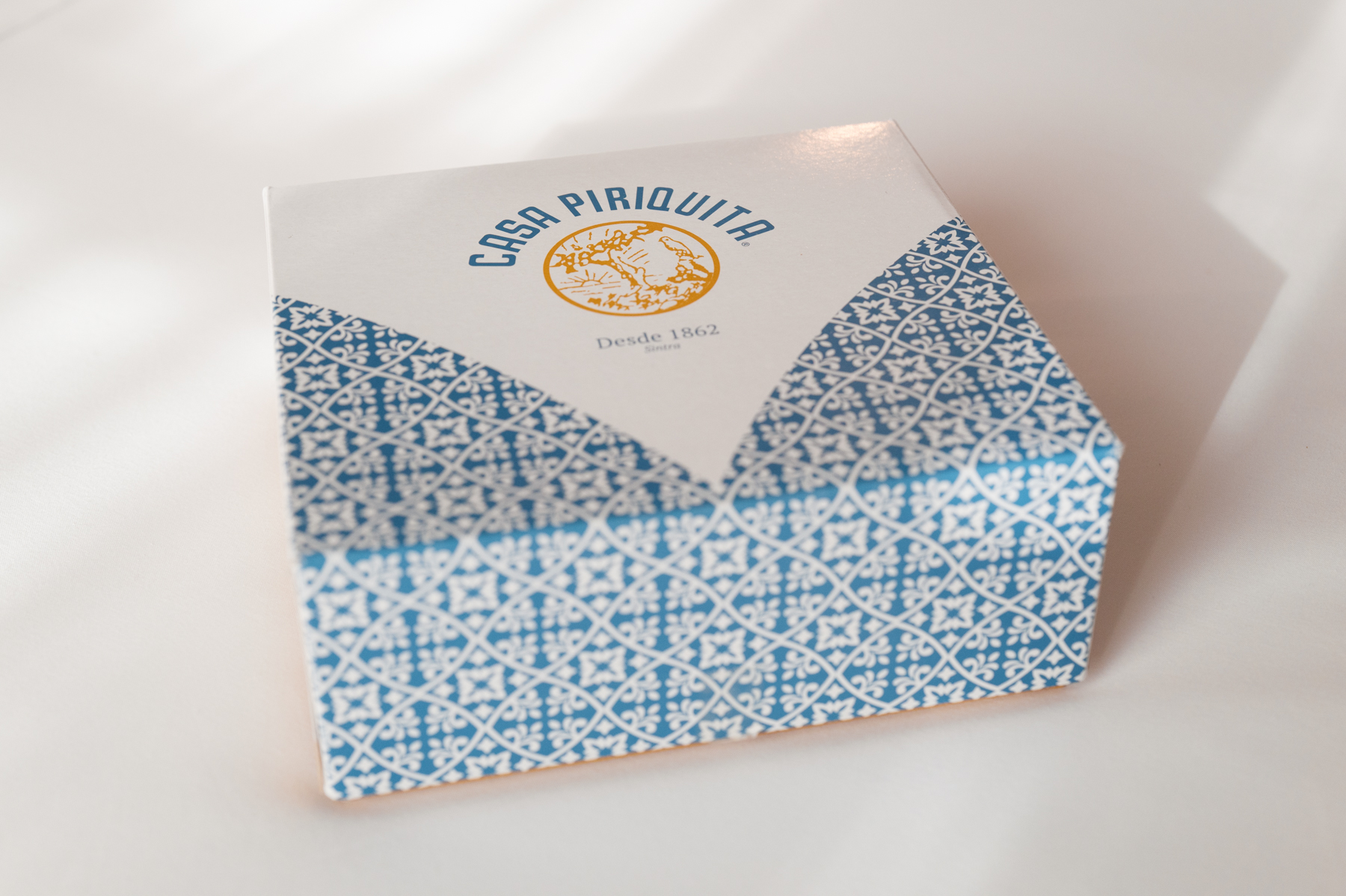

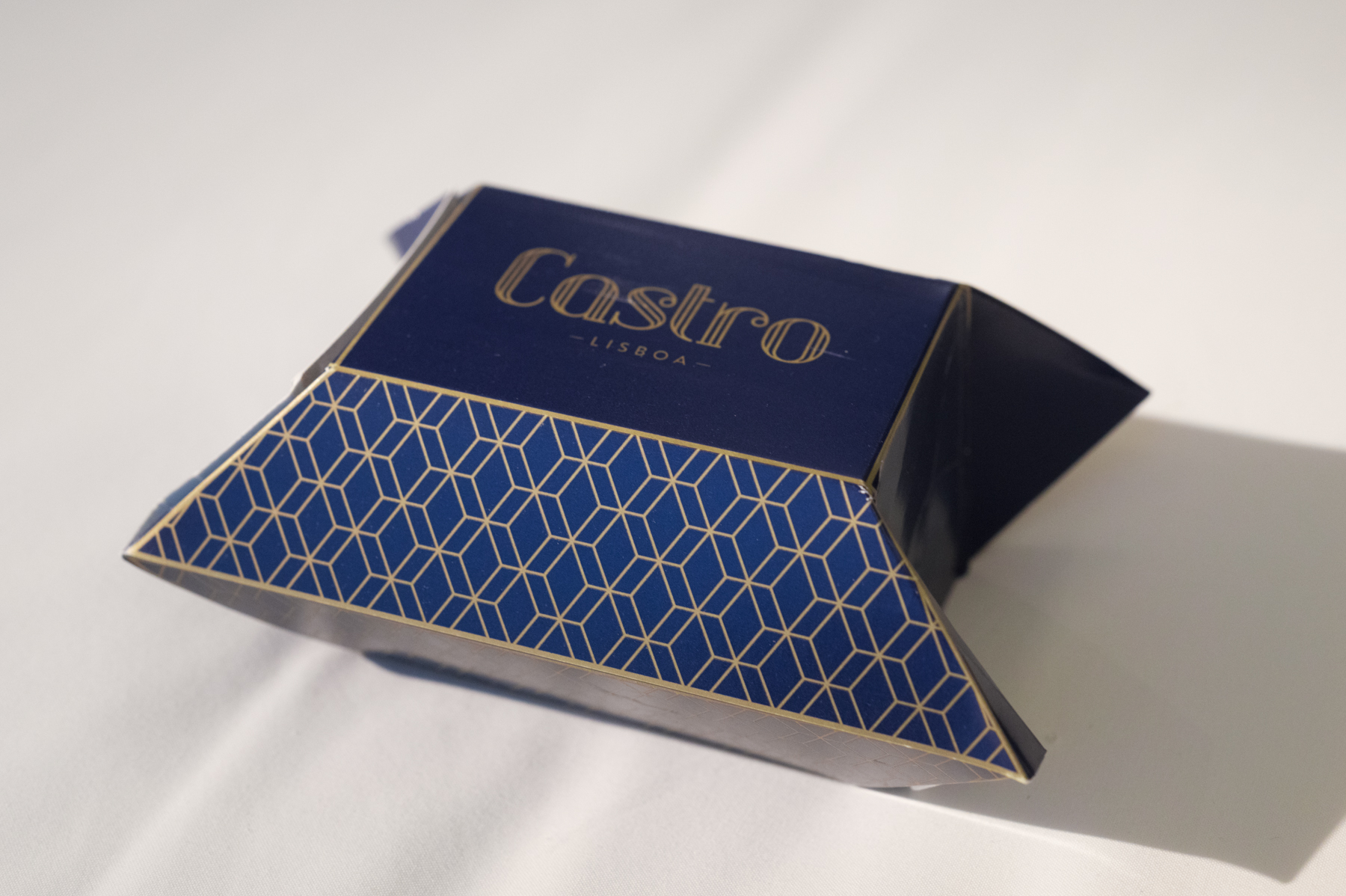
After a nice day (and too many pastries for dessert), we headed off to bed. Tomorrow, we are driving back into Spain, to Seville, where we’ll be spending the next three nights. This is a trip of nearly 500 kilometres, but should be a pretty easy drive (once we extricate our BMW X7 from the tight and hilly streets of Lisbon!).