
Europe
Seville
Over a relaxed breakfast at about 10:30 this morning, we discussed the plan for the day.
We decided that the first activity in Seville today would be a trip to a laundromat to get some washing done. We located a laundromat that was quite close to the hotel, and we headed off there just after breakfast. We weren’t exactly sure of what we were doing when we got there, but a nice local (who didn’t speak any English) assisted us to get the machines started.
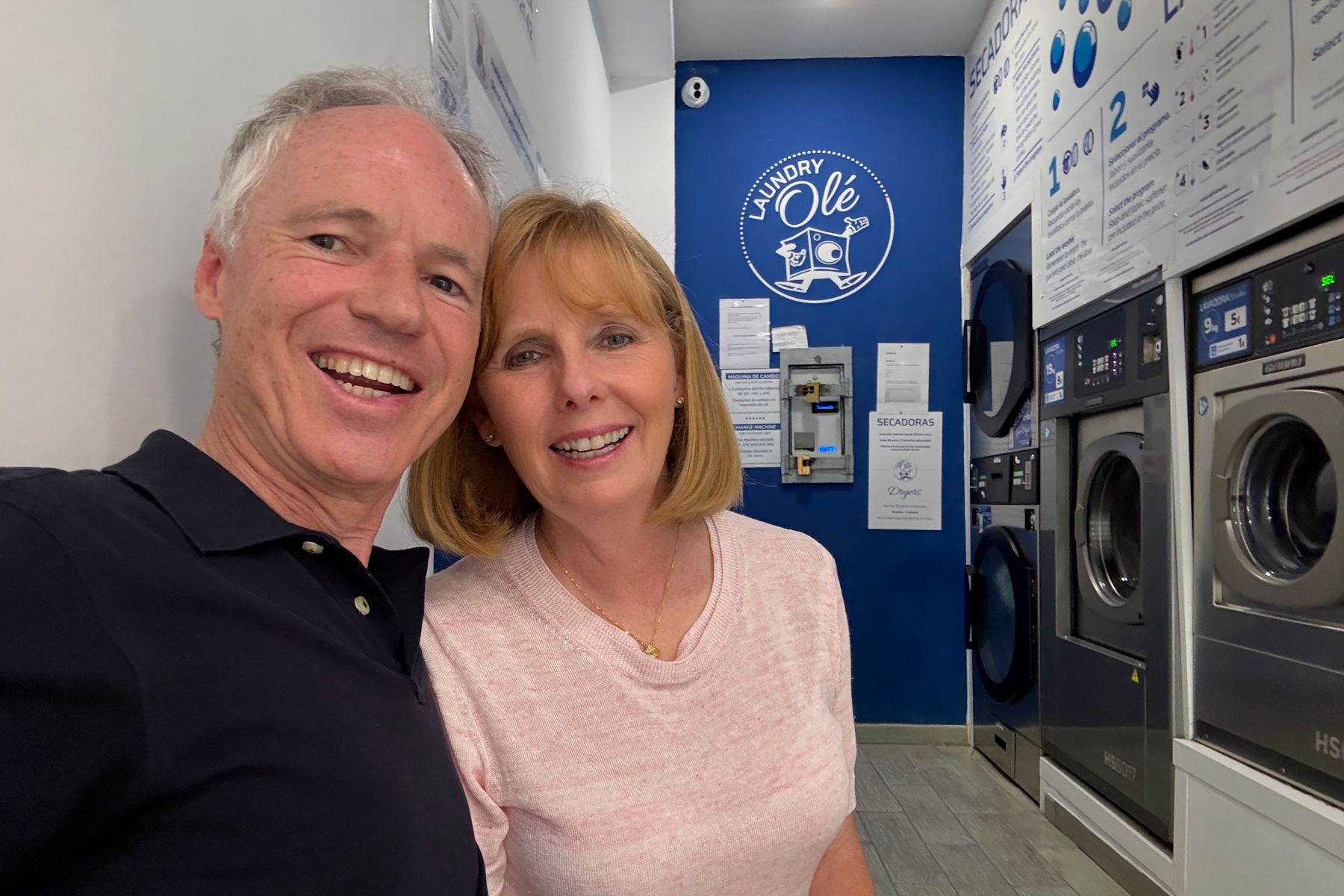
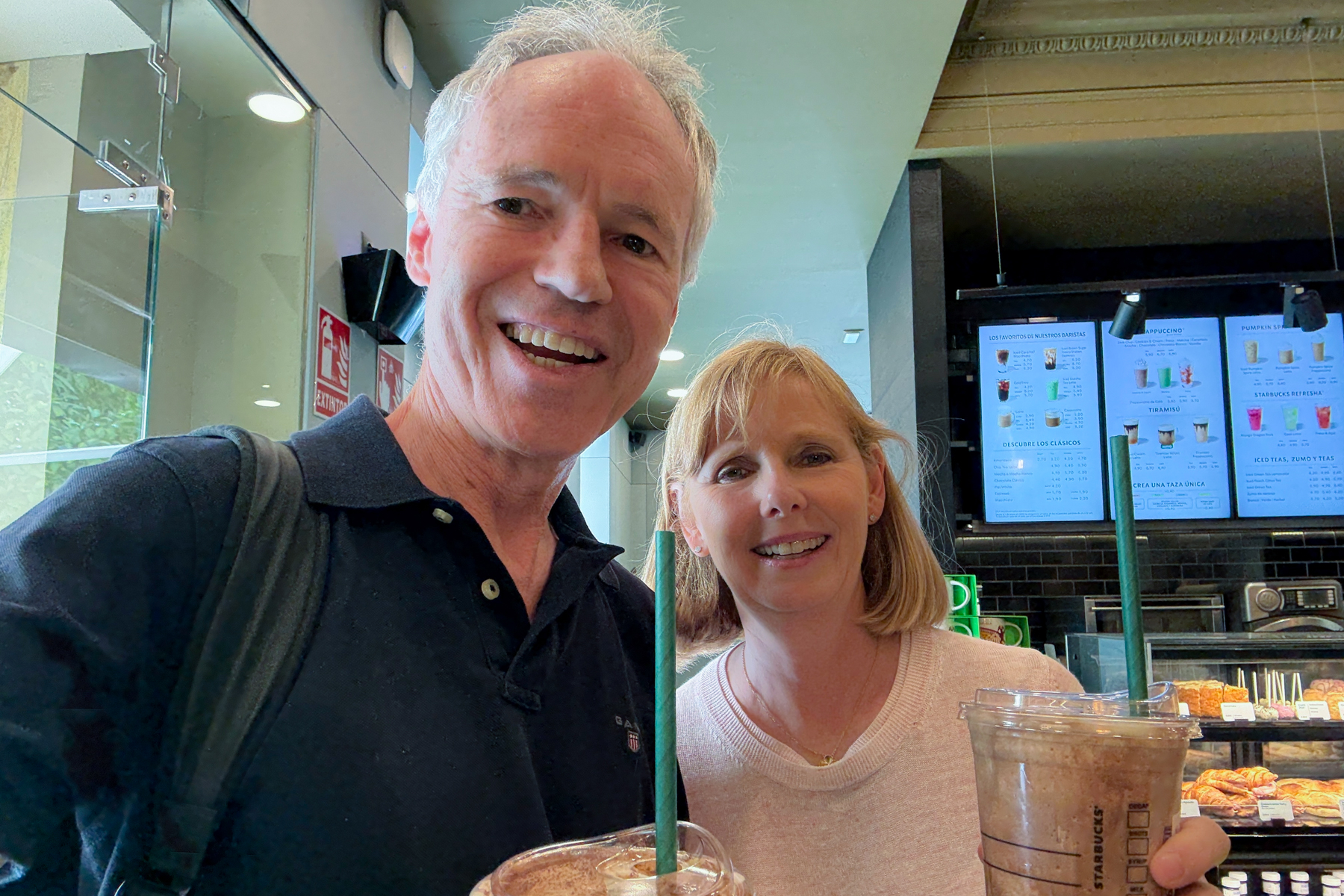
With our clothes now washed and dried, we walked back to the hotel. Across the road from our hotel is a Starbucks, which we stopped at to get a Tiramisu Iced Latte (our new addiction!).
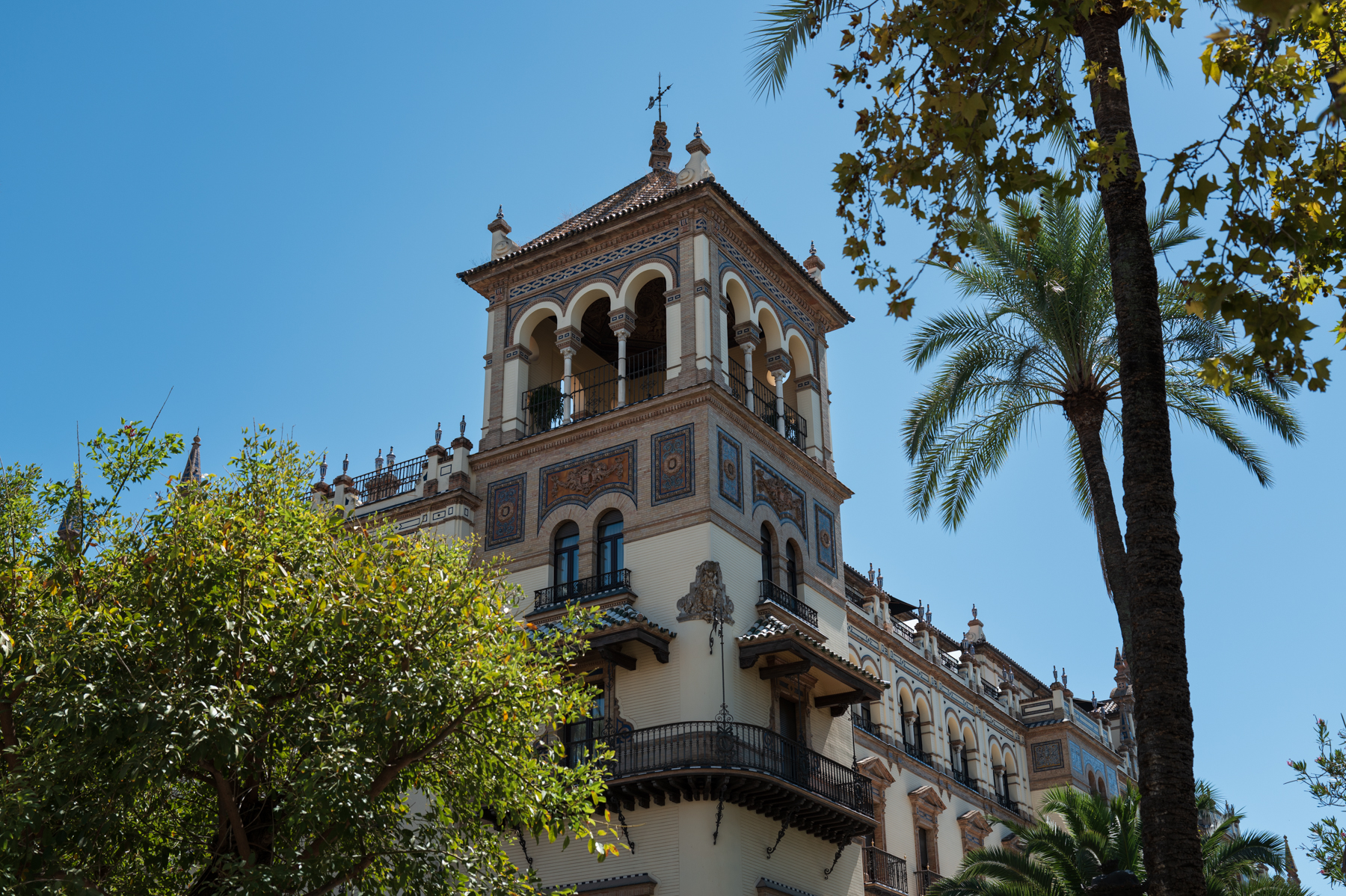
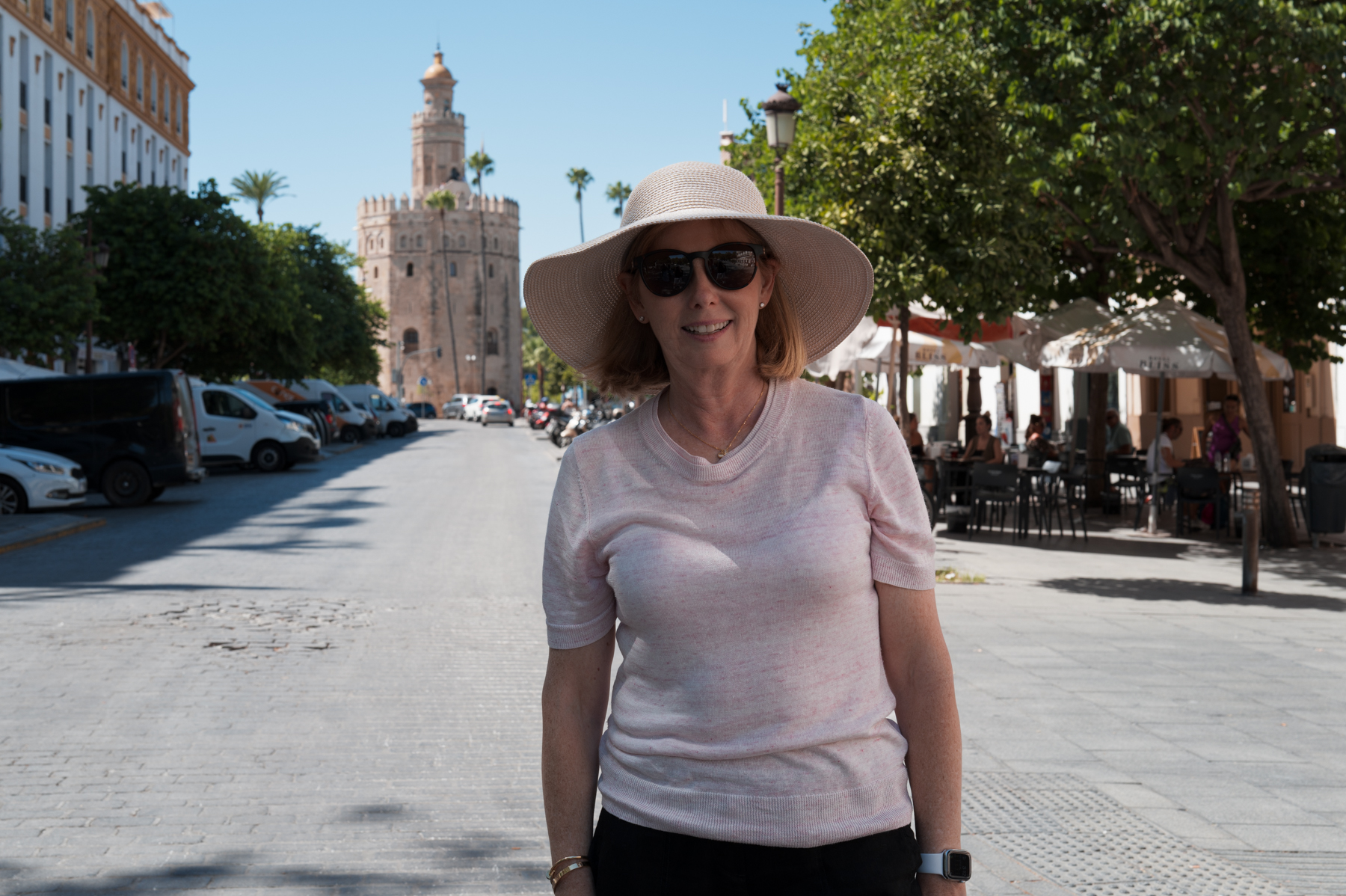
We left the hotel again mid-afternoon, and walked down Calle Almirante Lobo, toward the Canal de Alfonso XIII. At the end of this street is the Torre del Oro, a dodecagonal (12-sided) watchtower built by the Almohad Caliphate in the early 13th century to help control access to Seville via the river. The second (also dodecagonal) level was added in the 14th century by Peter of Castile. The third and uppermost, circular level was built in 1760 after damage from the 1755 Lisbon earthquake (which highlights just how powerful that earthquake was, since Seville is more than 300 kilometres from Lisbon).
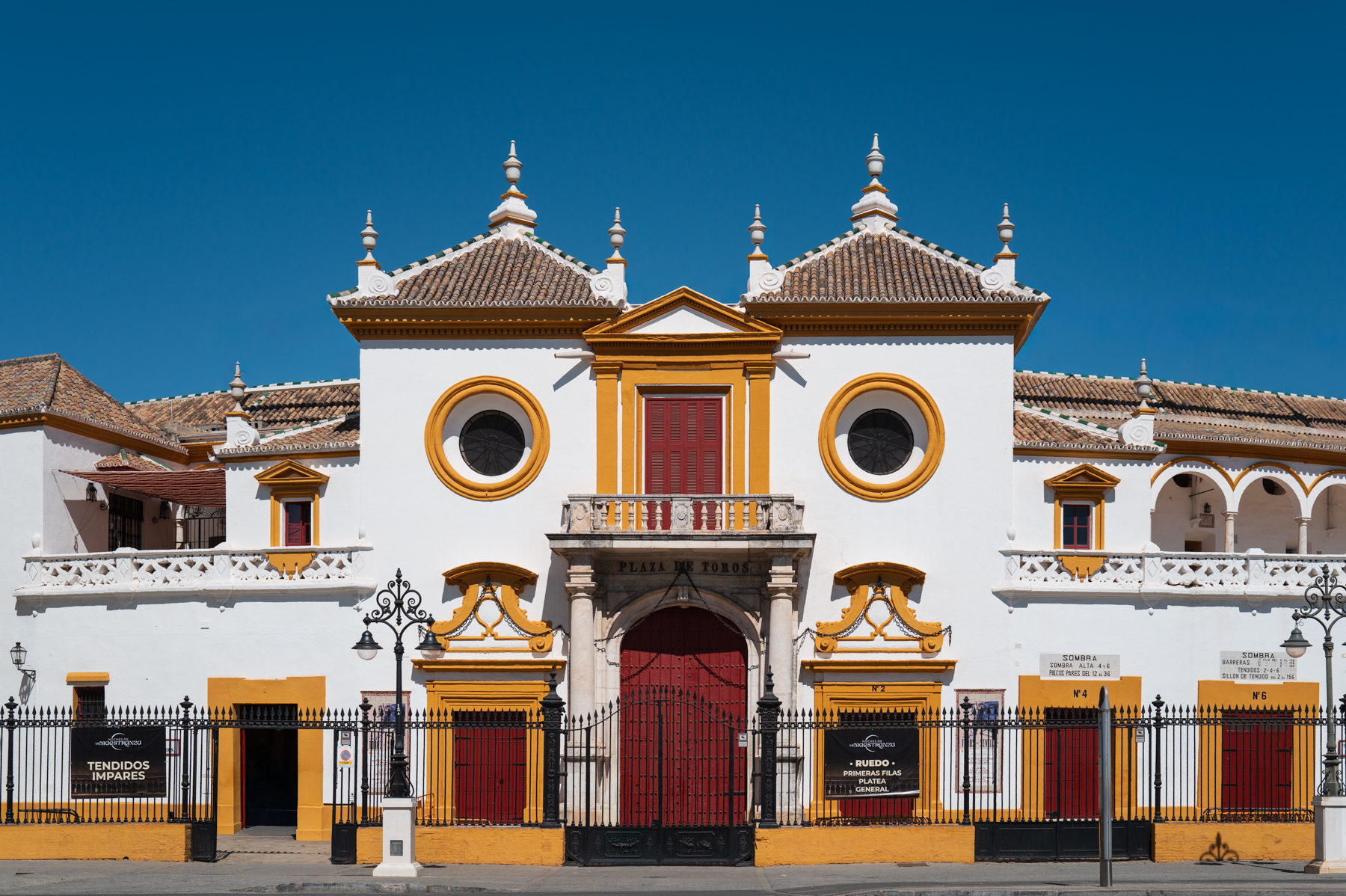
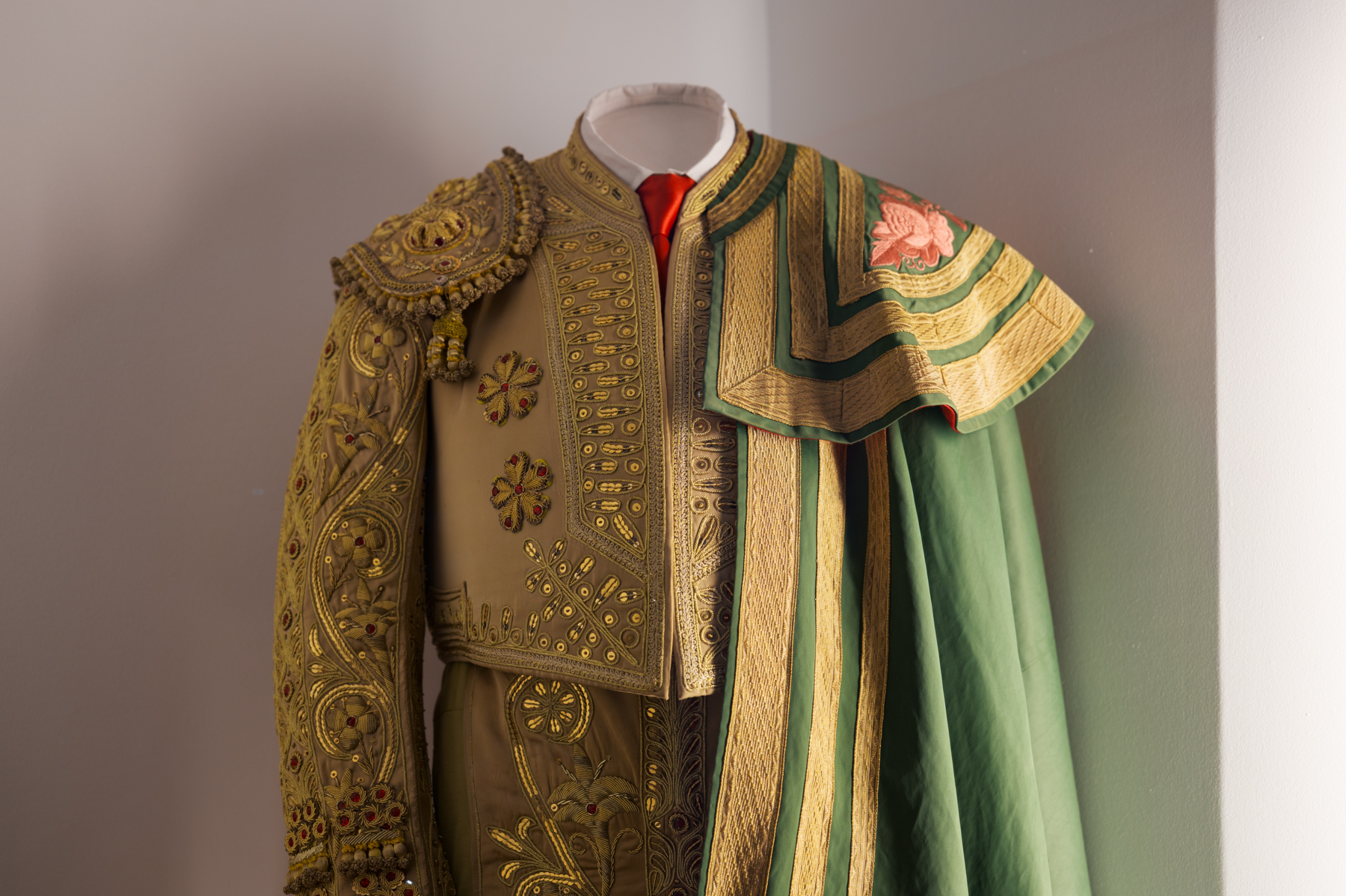
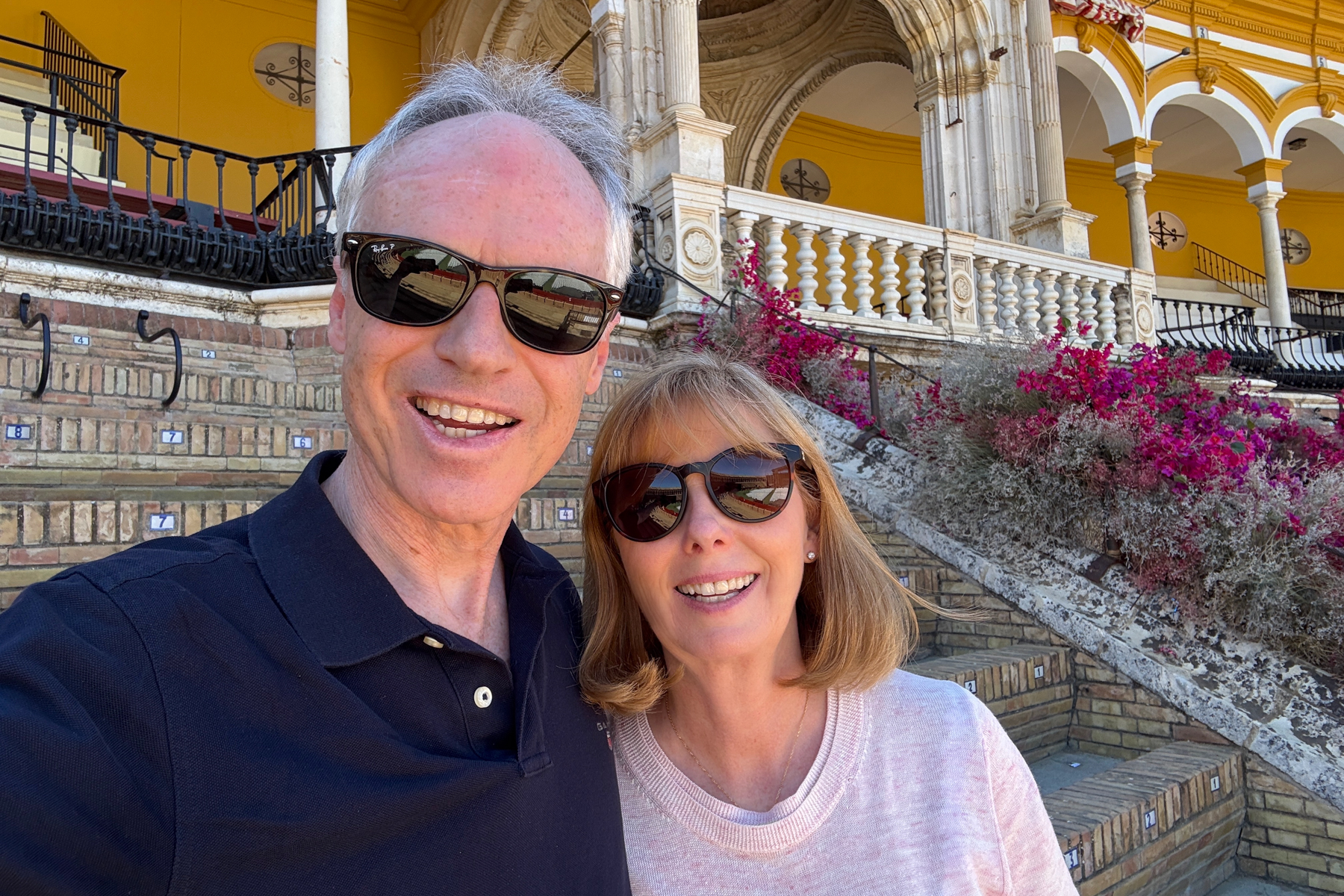
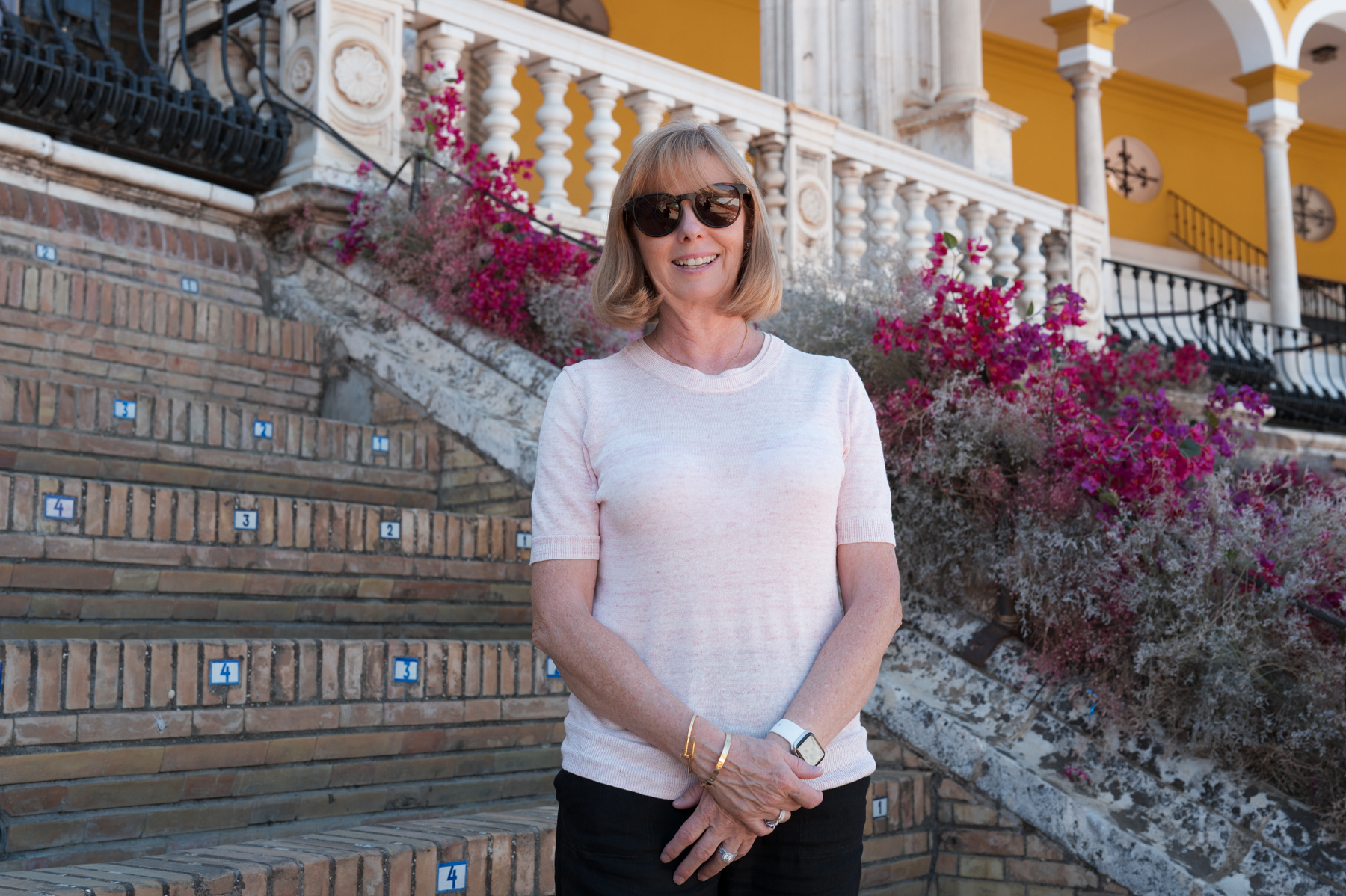
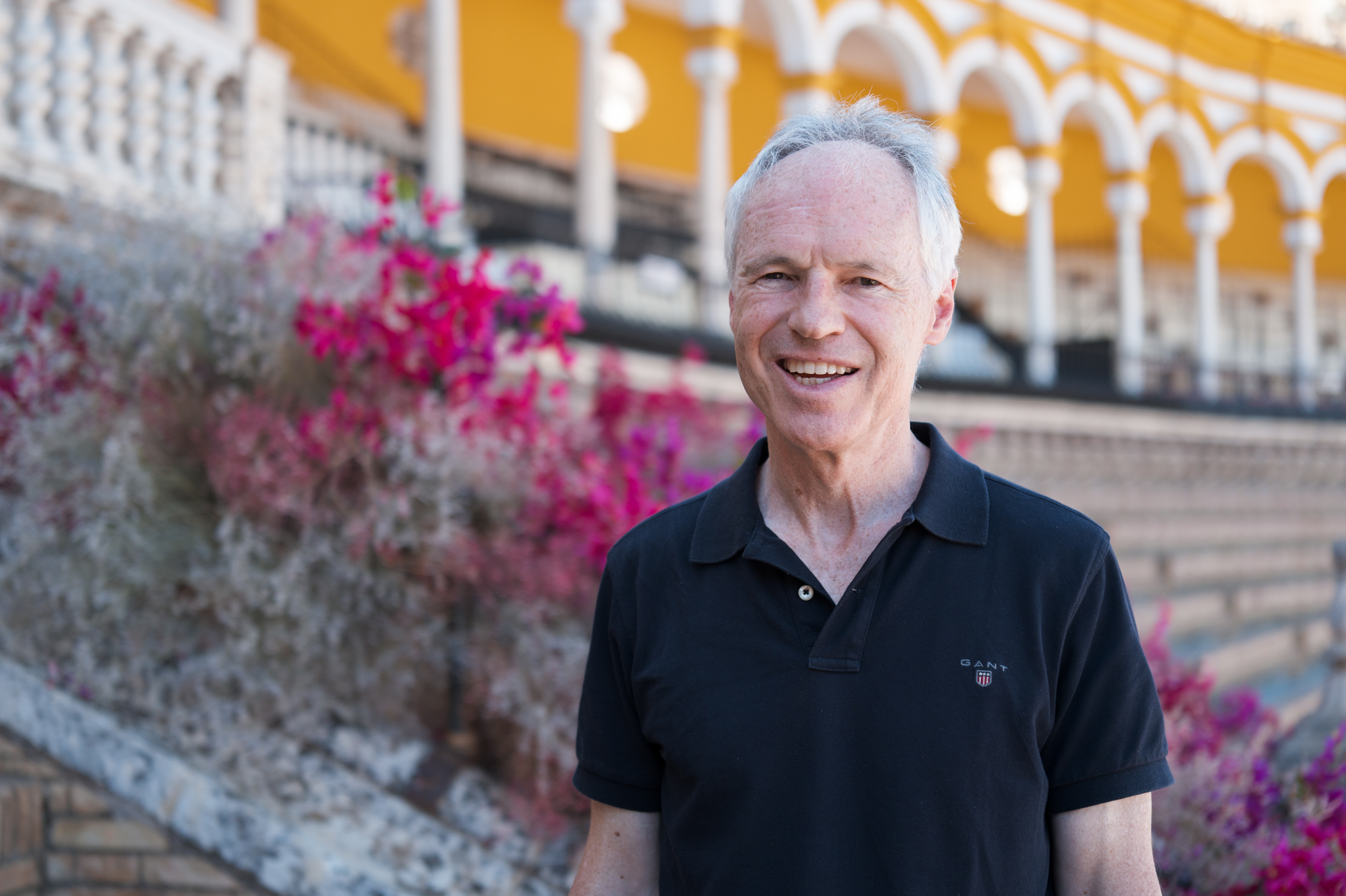
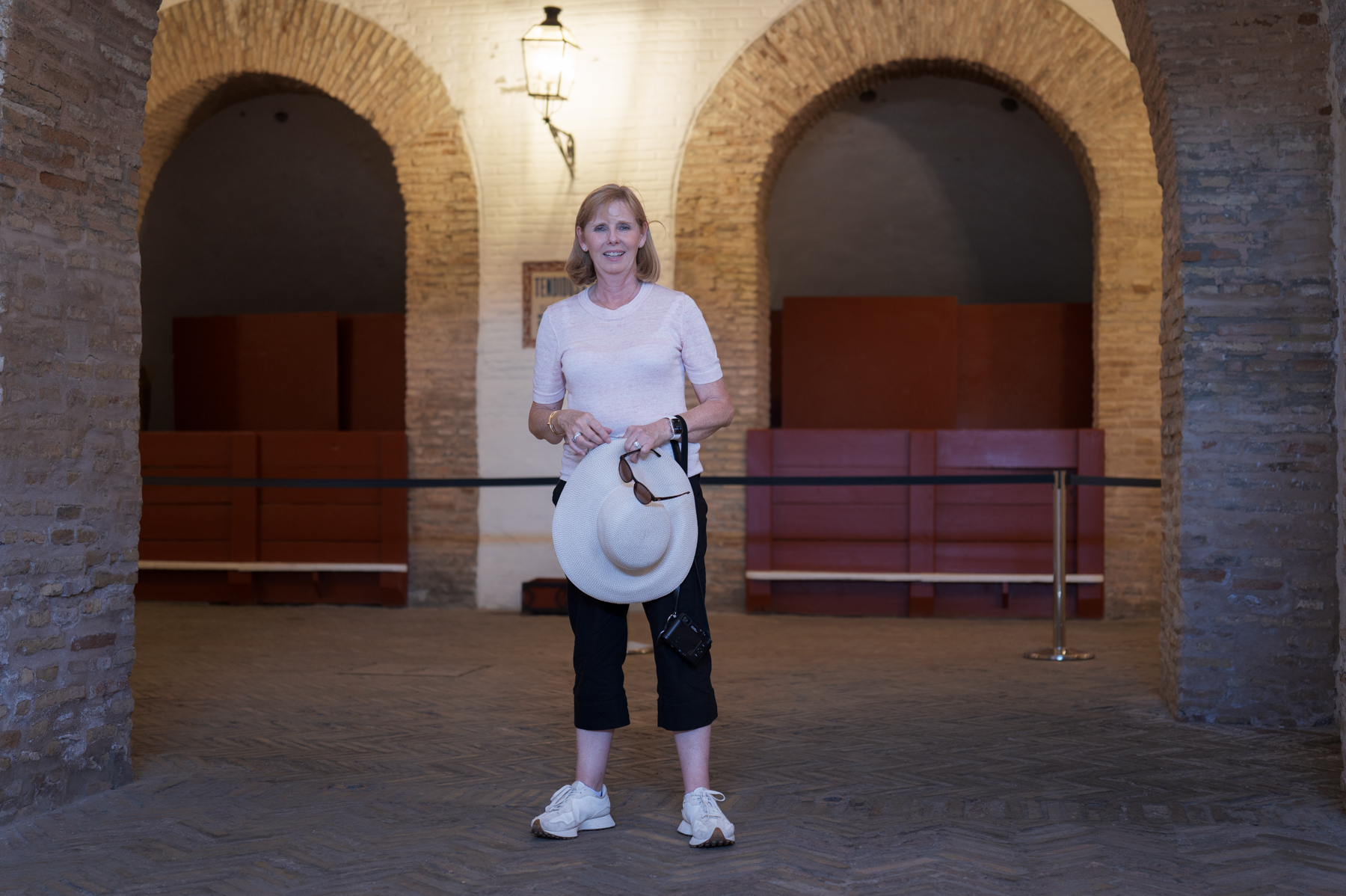
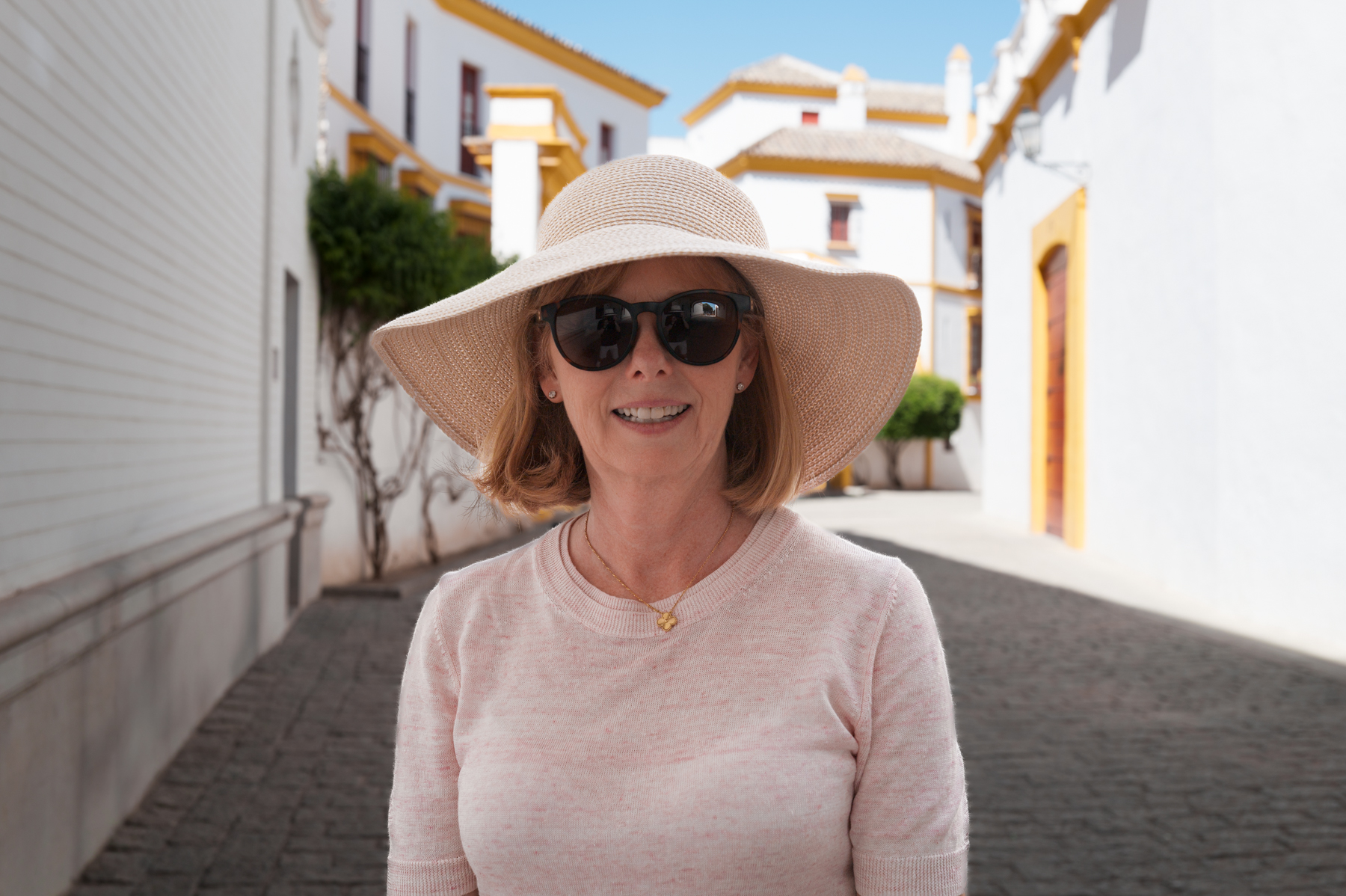
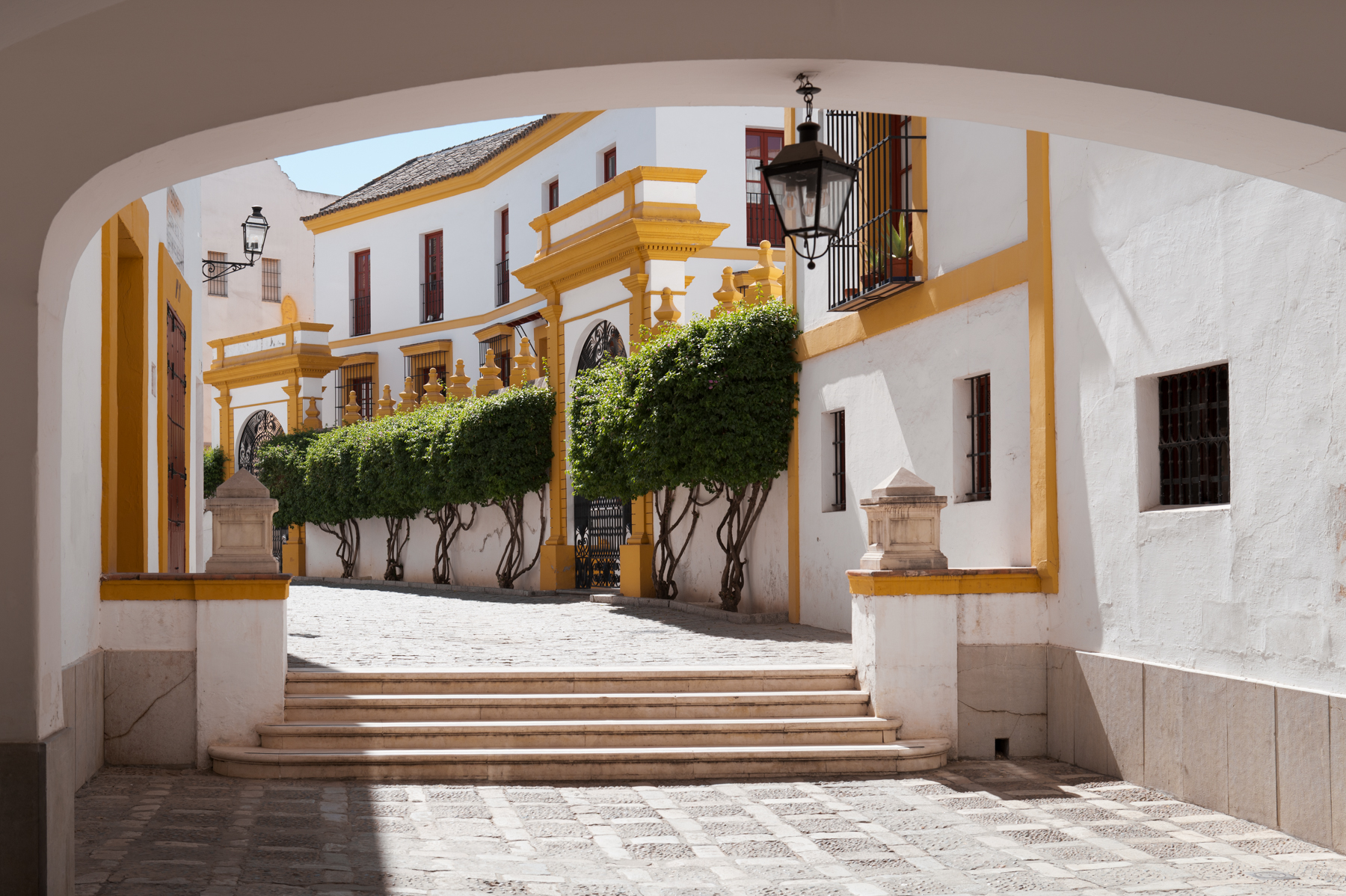
We walked down Paseo de Cristóbal Colón (anglicised to Christopher Columbus Avenue), to Seville’s bullfighting arena, the Plaza de Toros de la Real Maestranza de Caballería de Sevilla (commonly known as La Maestranza). This bullring is one of the oldest, most prestigious, and architecturally beautiful bullrings in Spain. We toured the museum and walked around the stadium, which we very much enjoyed. While bullfighting is far less popular than it used to be, it is nonetheless an integral part of the history of Spain.
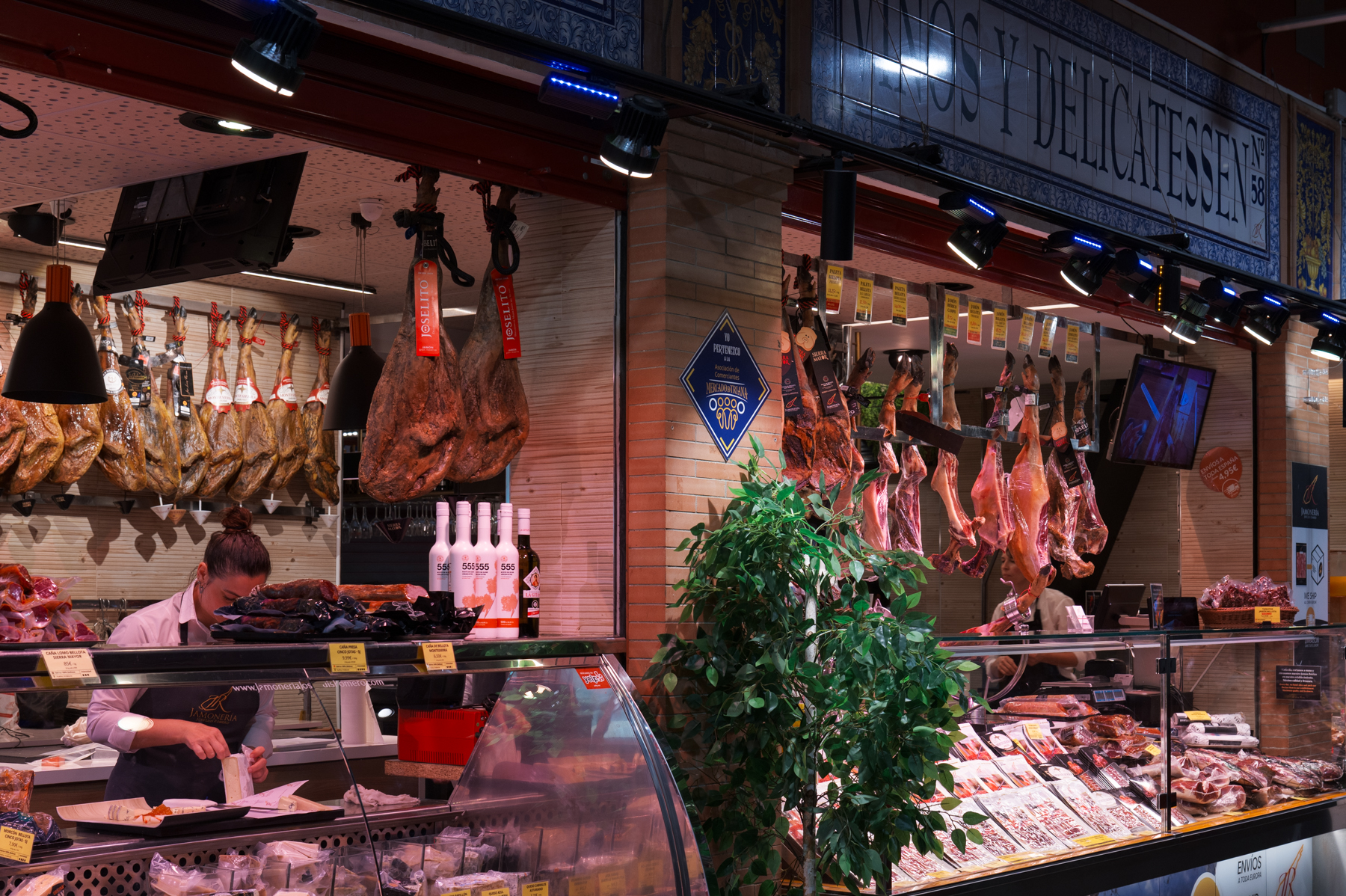
From the bullring, we walked further along the canal and crossed the Puente de Isabel II (also known as Isabel II Bridge, or Triana Bridge) to go to the Mercado de Triana, the historic market in Seville’s lively Triana neighborhood. The market dates back to the early 19th century, but is built over the ruins of the medieval Castle of San Jorge, which was a fortress used as the headquarters of the Spanish Inquisition for over 300 years. Next to the market is the pretty Capilla del Carmen (Chapel of Carmen), in honour of the patron saint of sailors and the neighborhood of Triana.
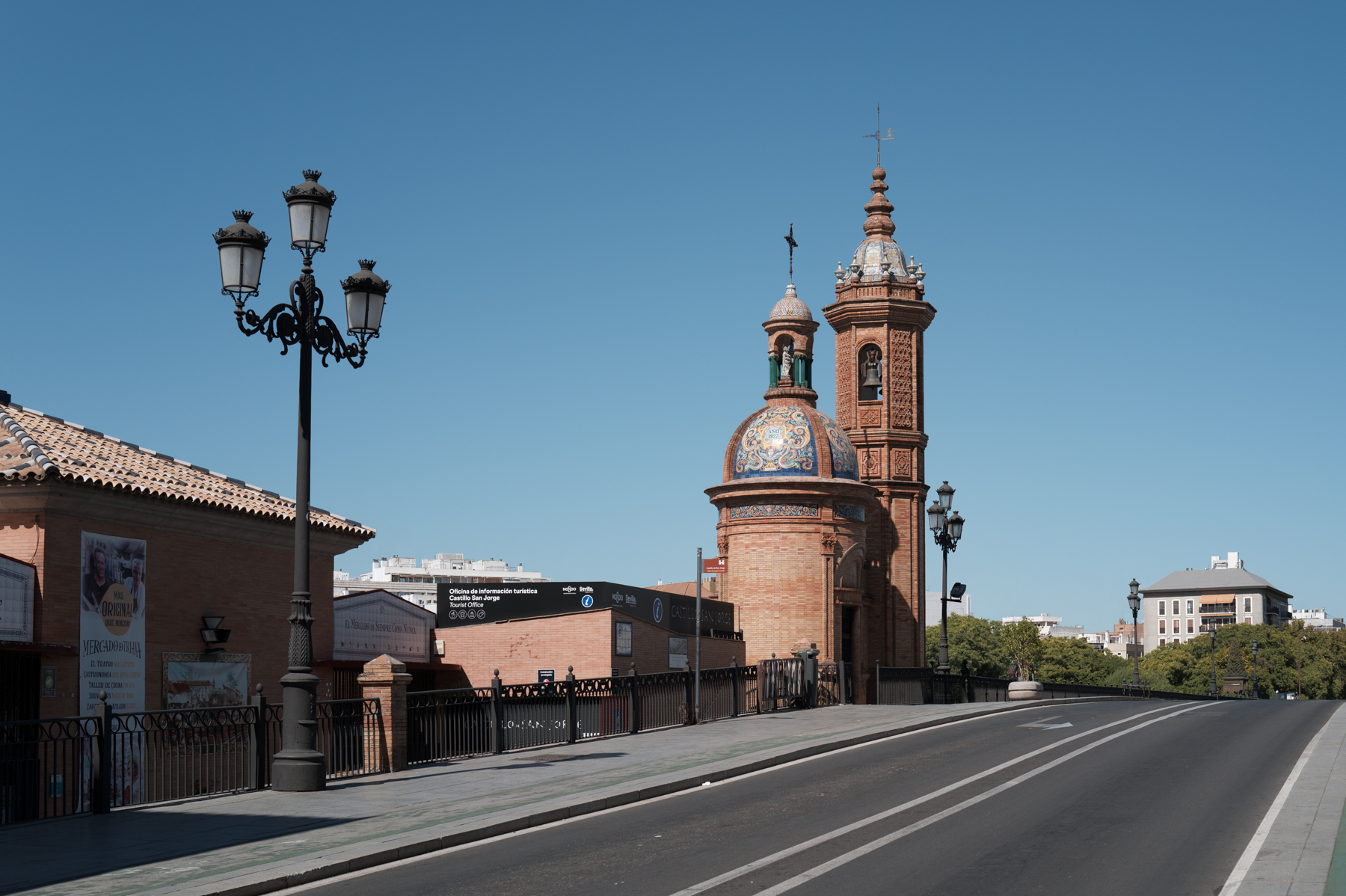
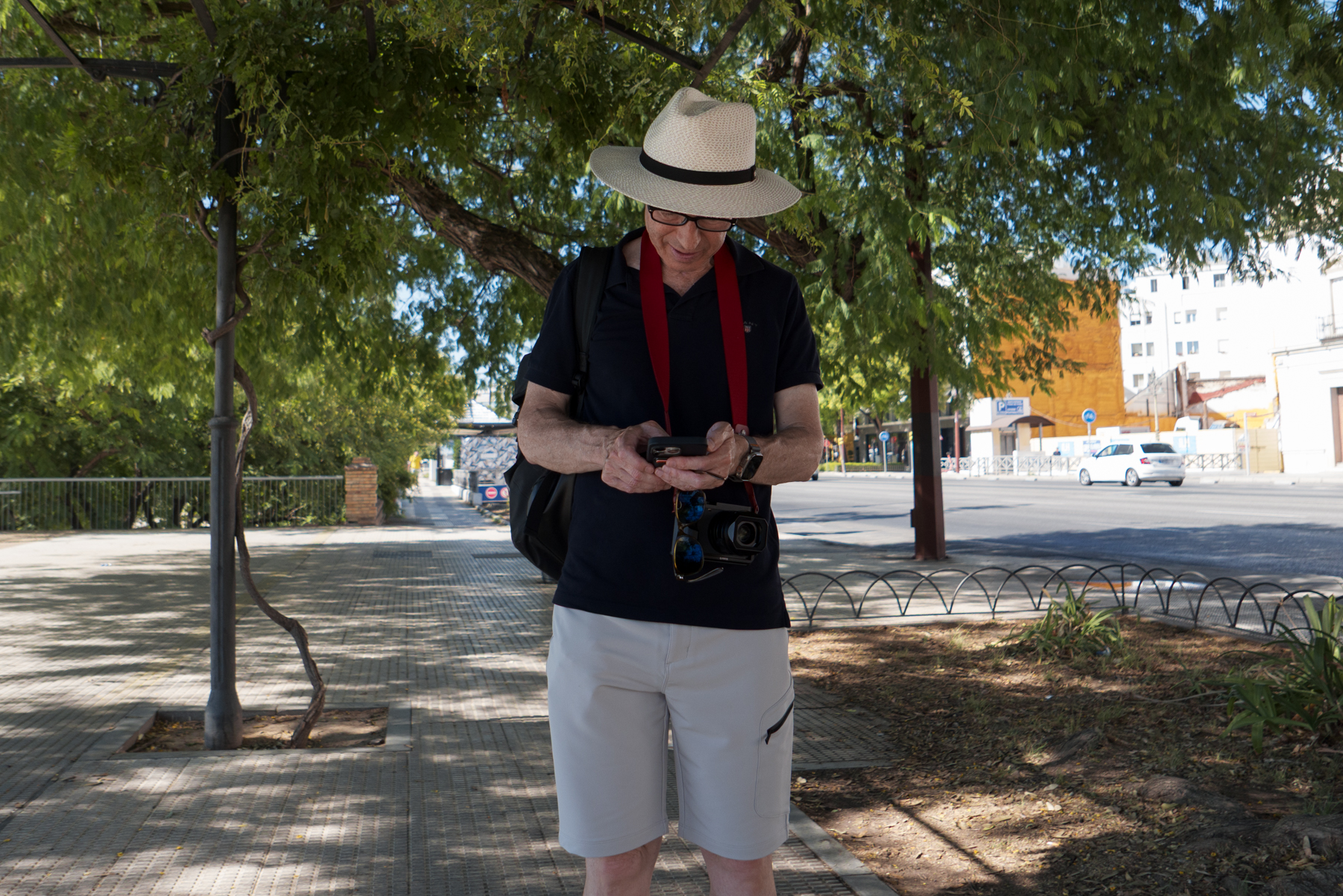
It was about 4:30 pm when we crossed back over the bridge, where we sought some shade while working out directions to our next destination, Catedral de Sevilla (Seville Cathedral).
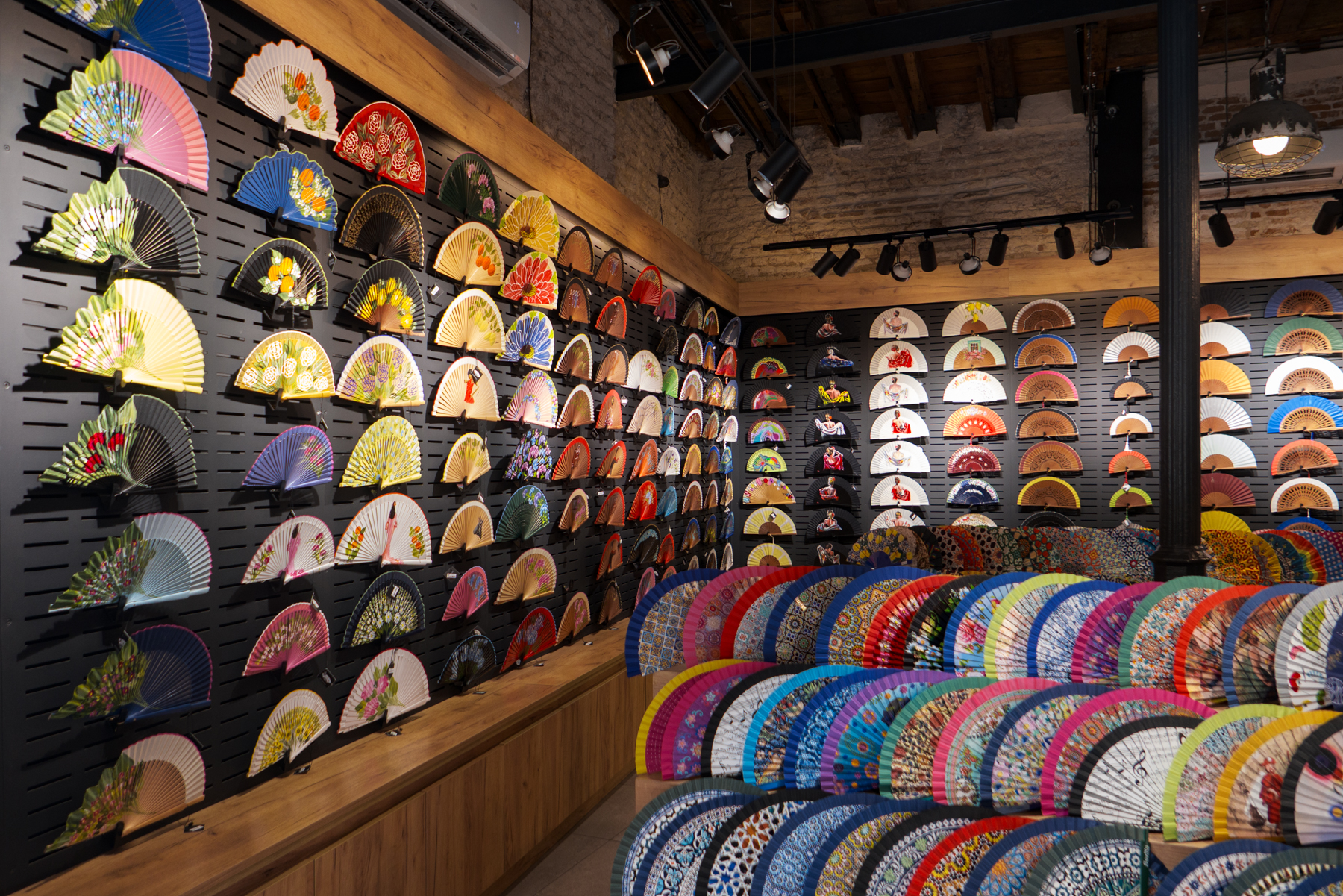
On our way to the cathedral, we stopped at a very nice shop that specialised in products made from Seville Oranges. We also passed a pretty shop selling fans which, given the heat here, seemed like a good business to be in!
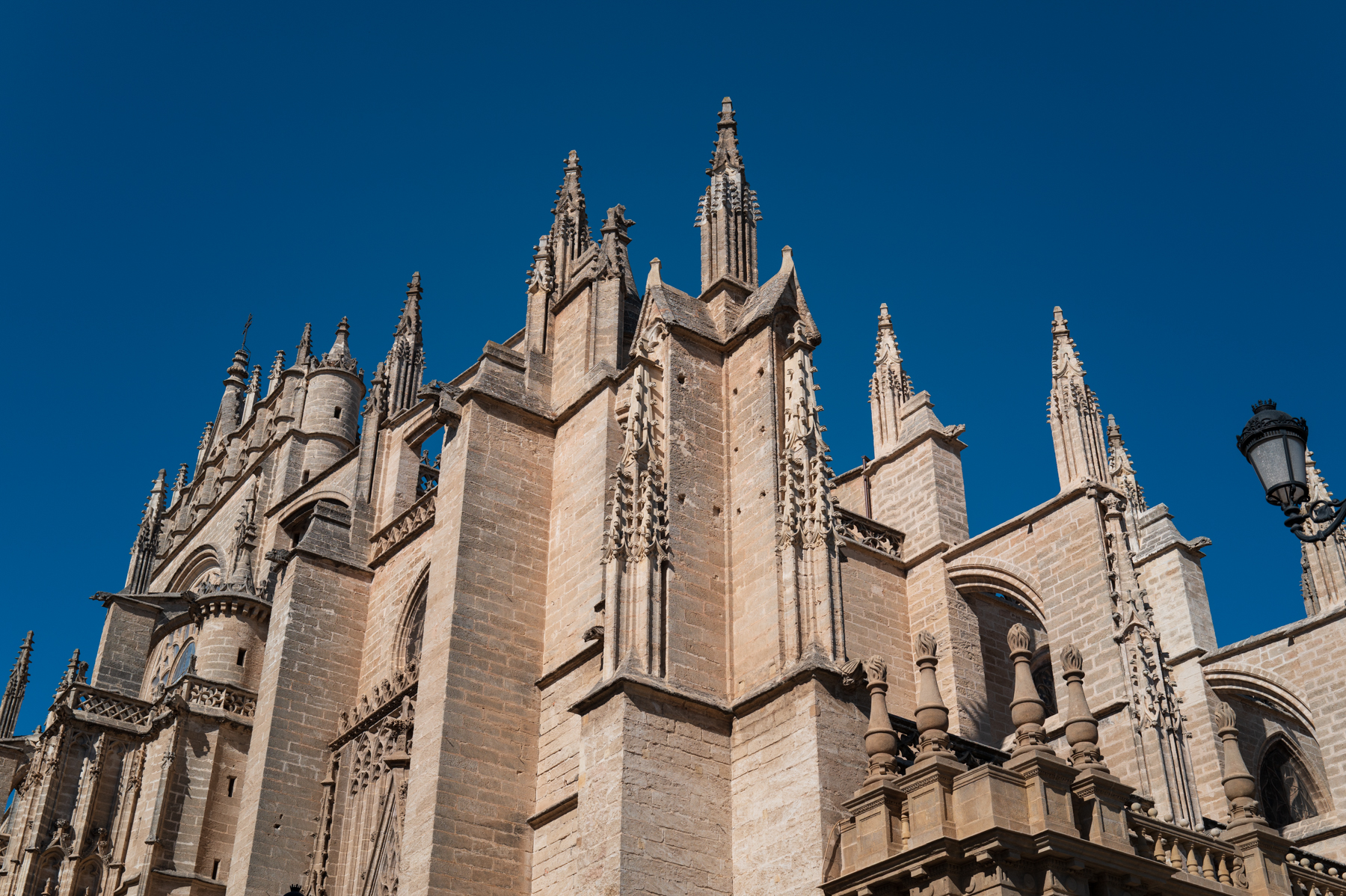
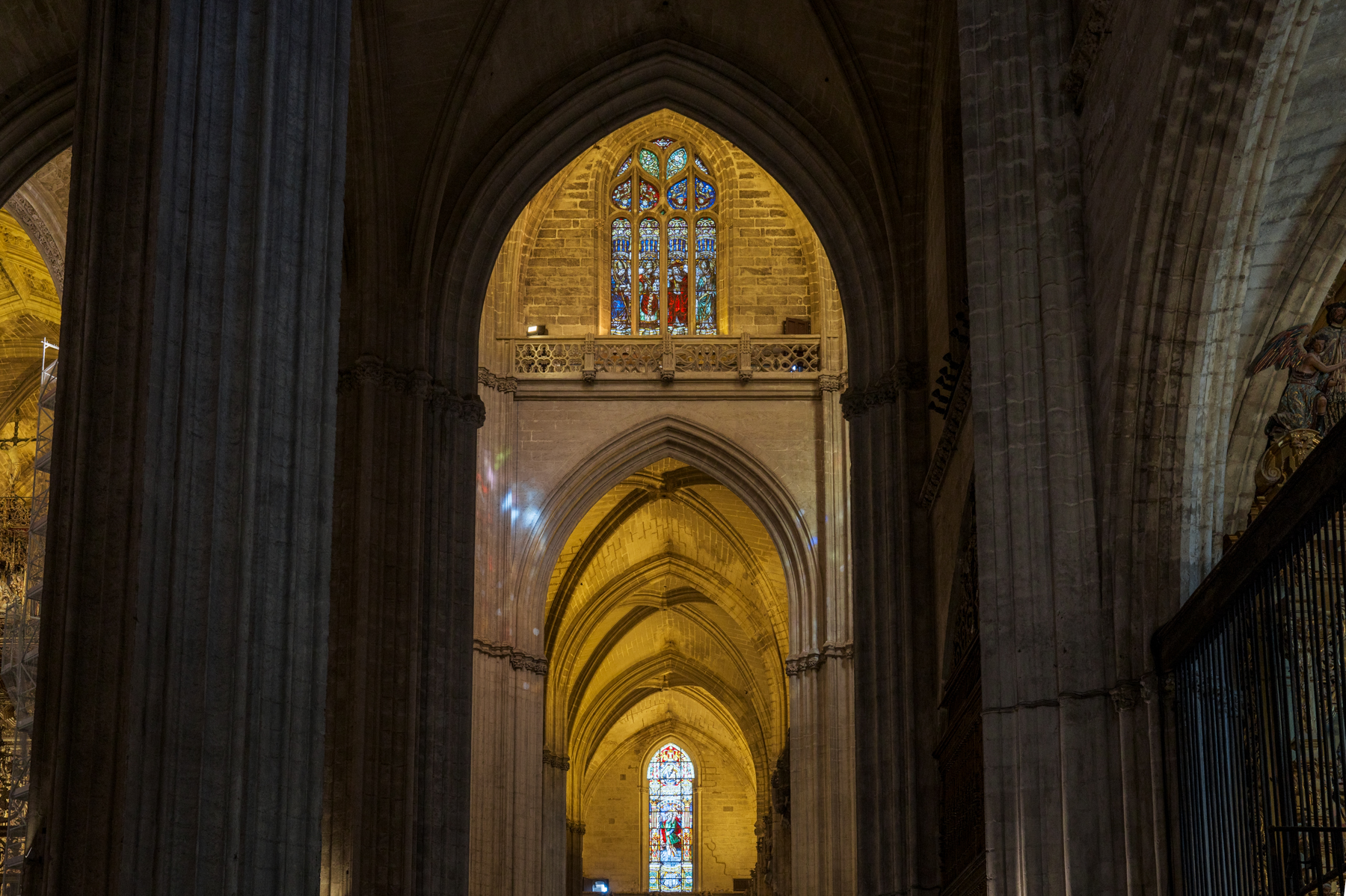
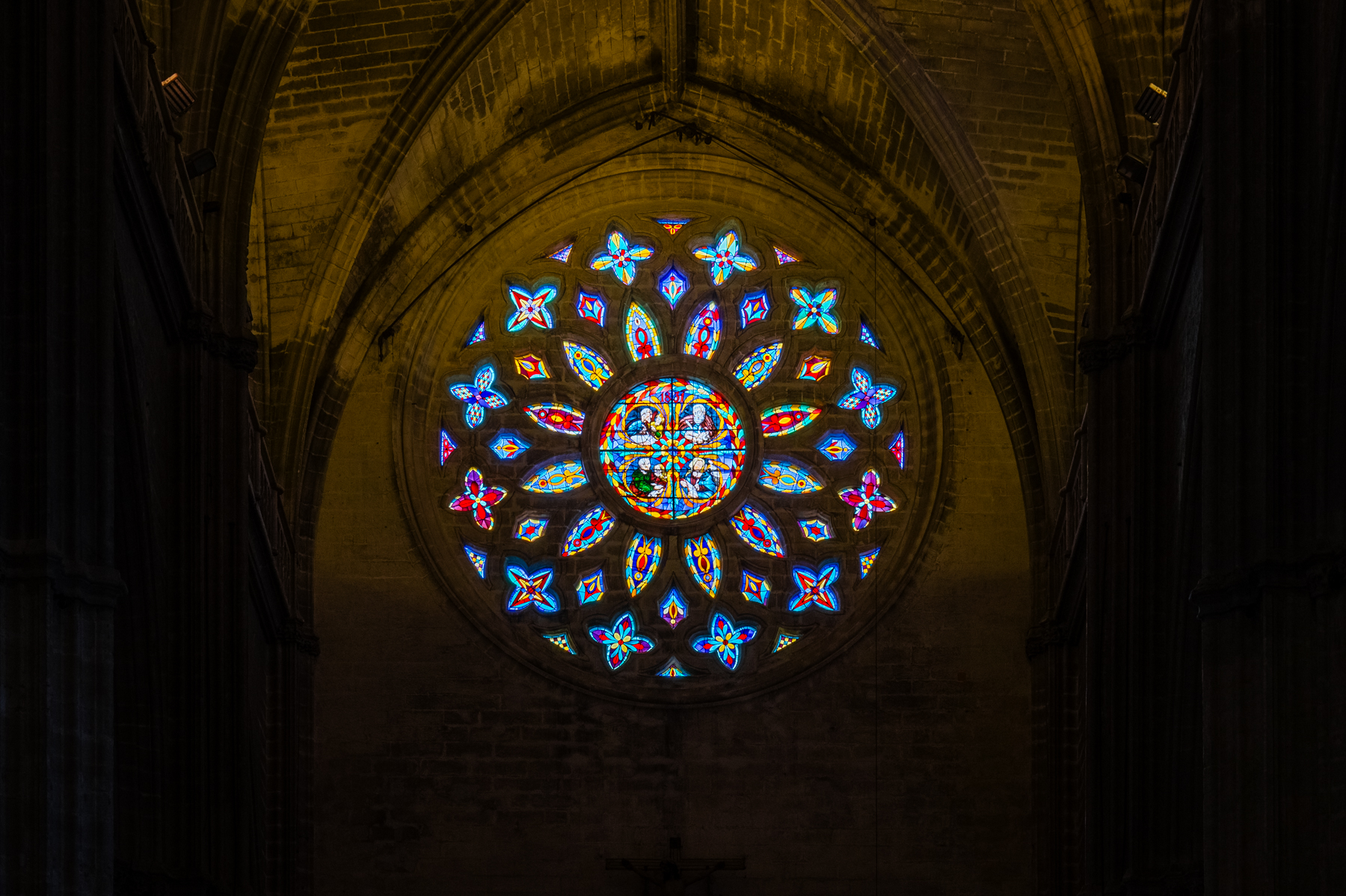
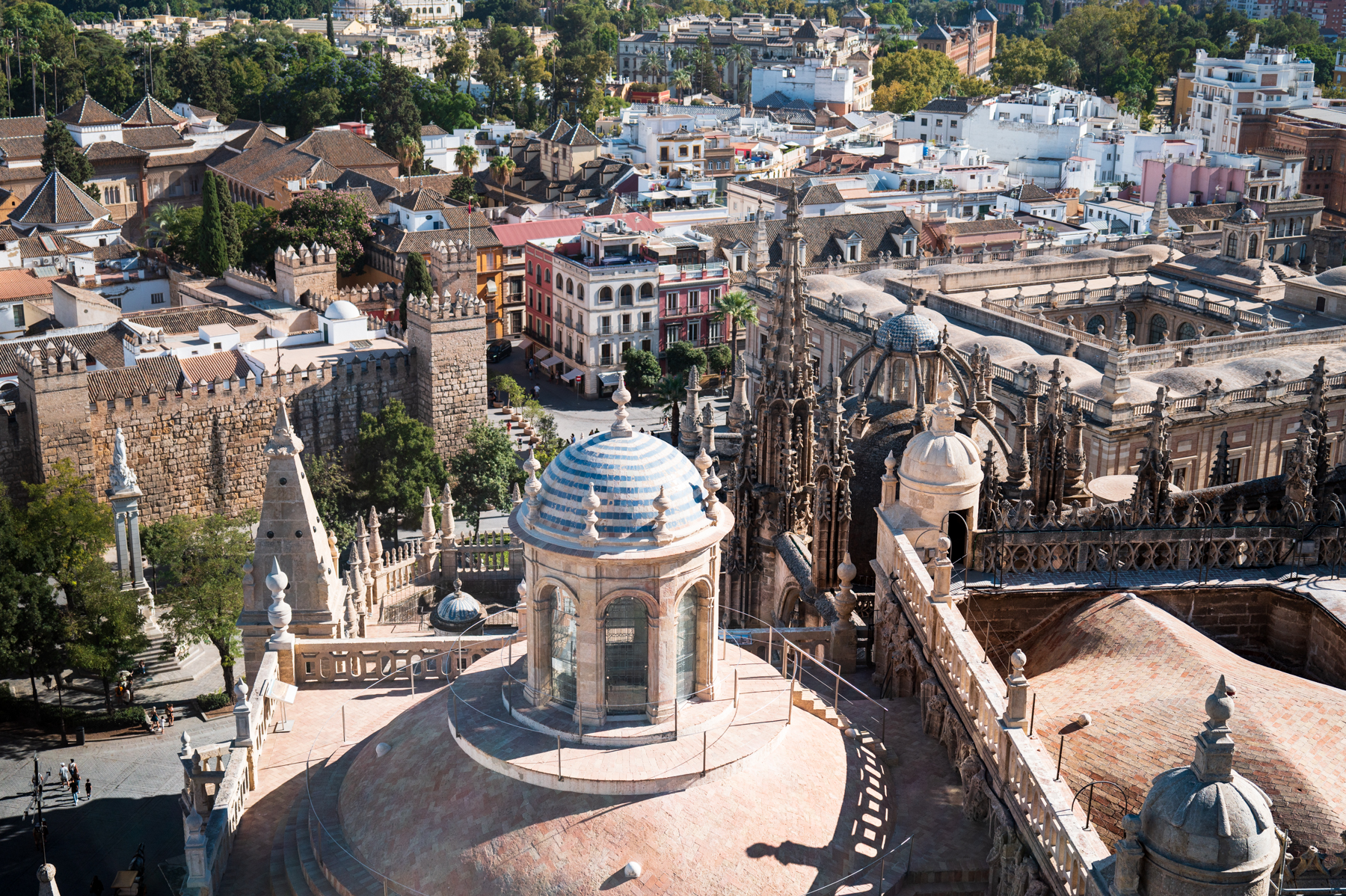
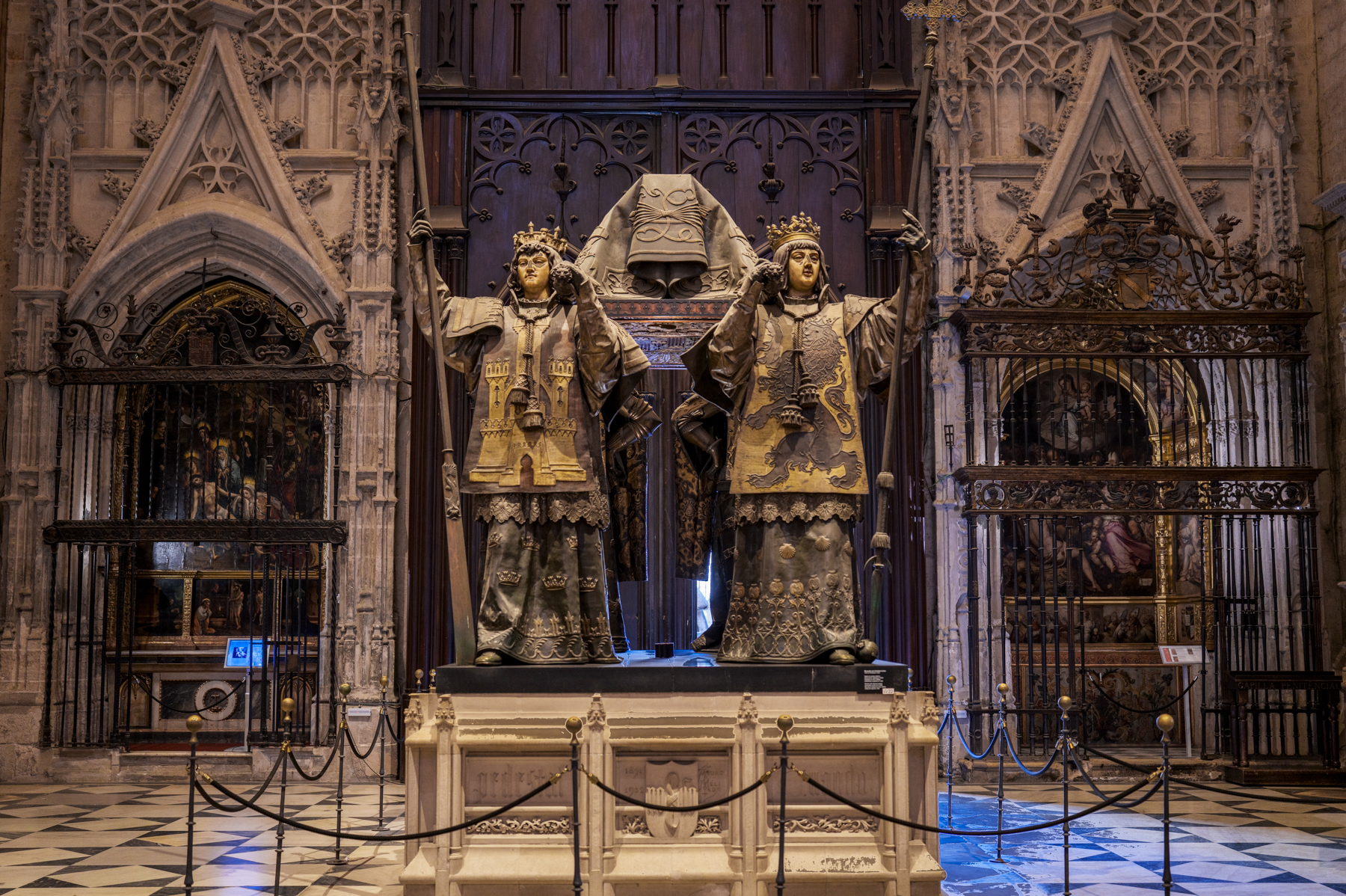
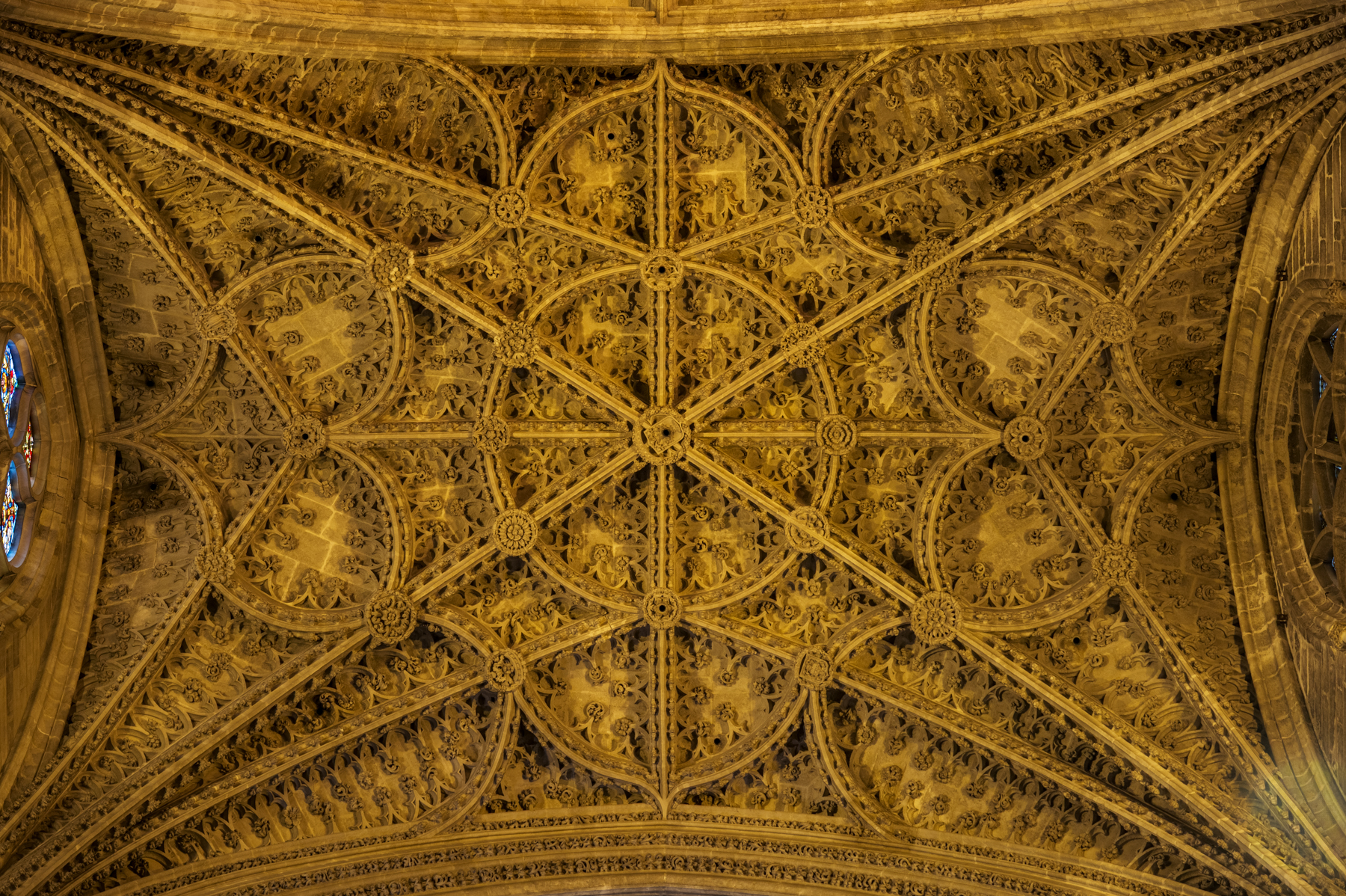
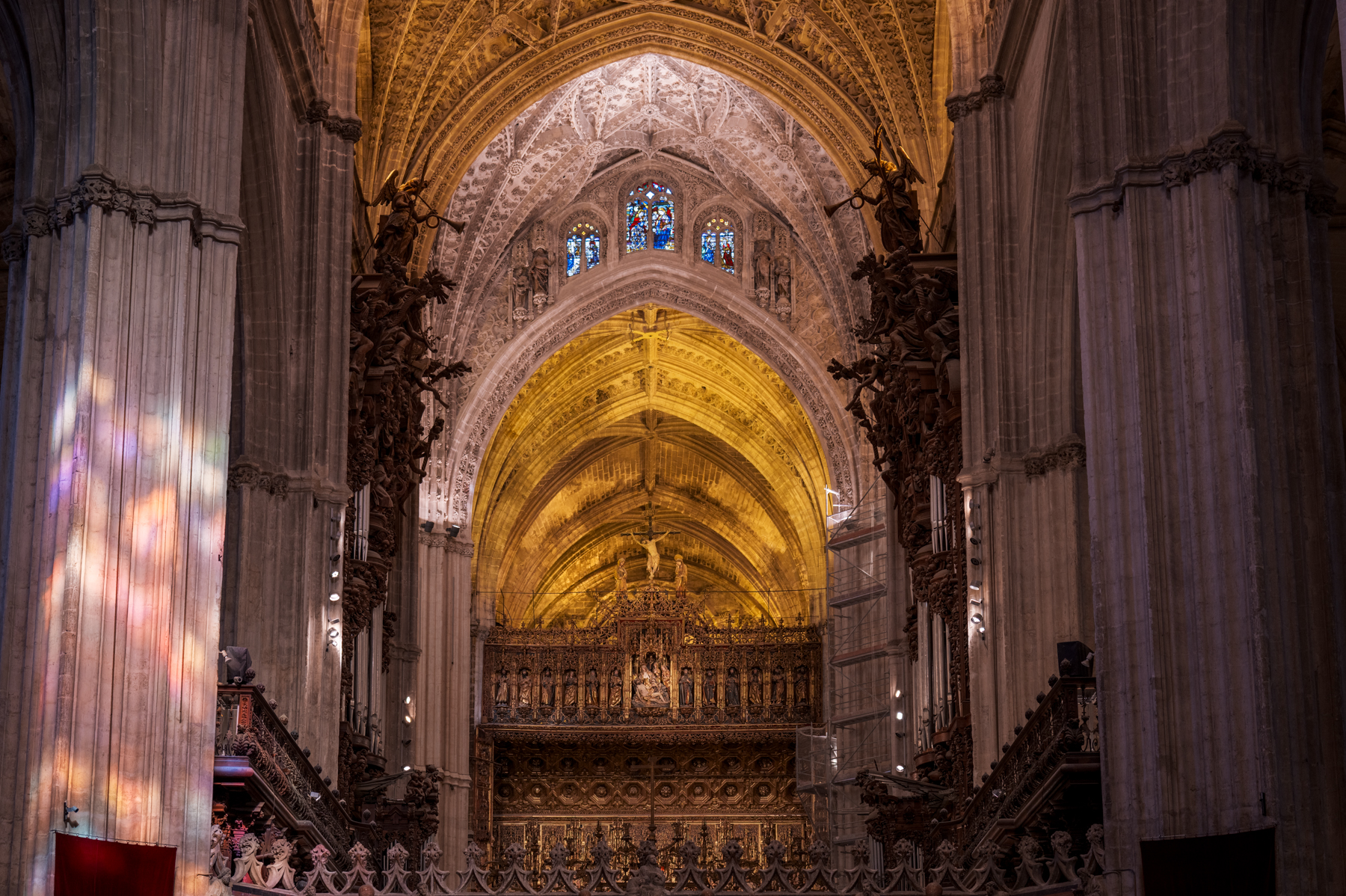
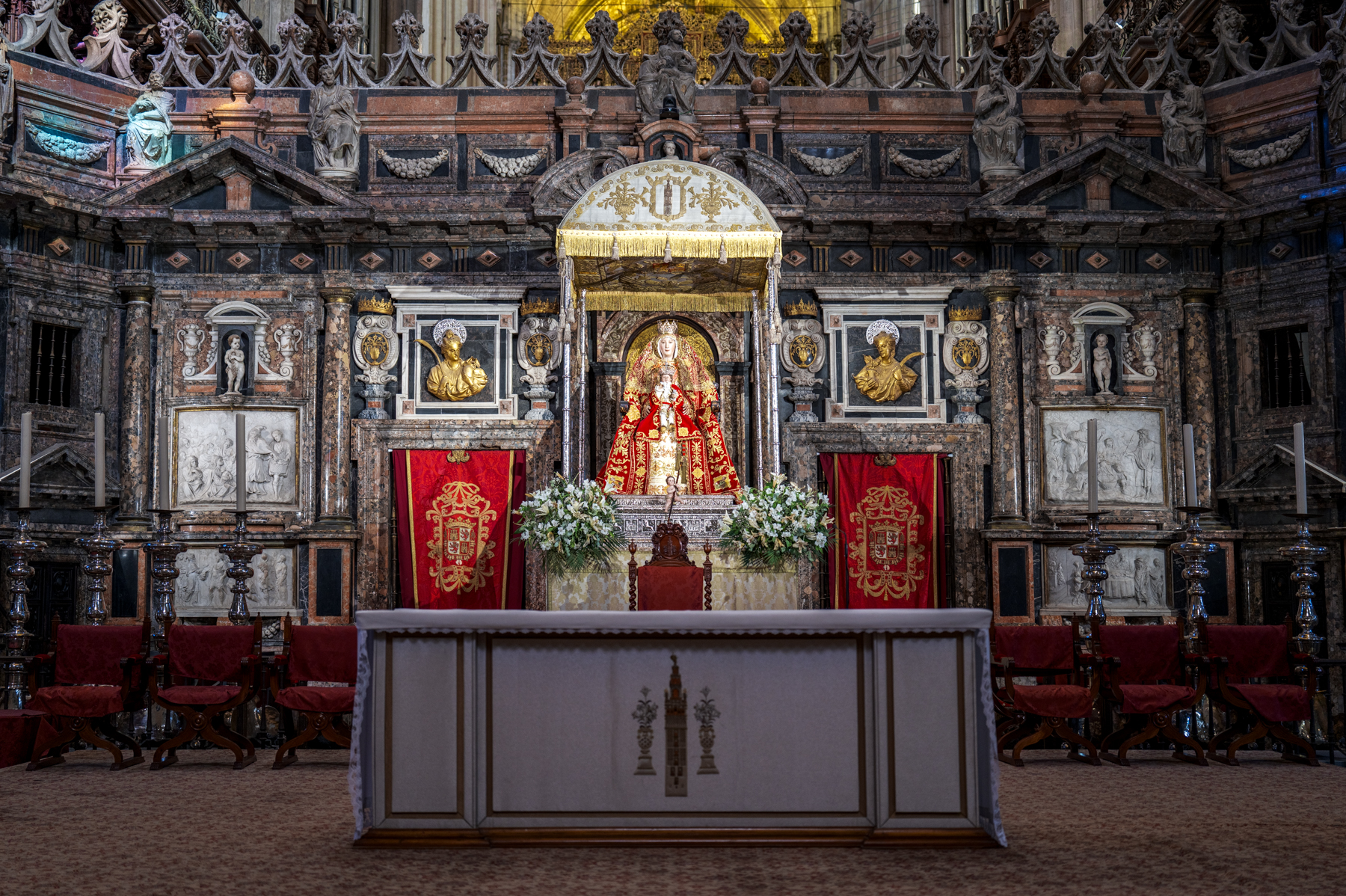
We got to the cathedral at 5:30 pm, and bought tickets to go inside. We have seen a lot of churches, but the scale and grandeur of the Seville Cathedral is on another level. The Seville Cathedral is the largest church in Spain, and the largest Gothic cathedral in the world. Construction of the church started in 1401, on the site of Seville’s Great Mosque, and was completed in the early 16th century. After its completion, it was the largest cathedral in the world, surpassing Hagia Sophia in Istanbul. It is still the third-largest church in Europe (after St. Peter’s in Rome and St. Paul’s in London).
One of the interesting things in the Seville Cathedral is the tomb of Christoper Columbus. Columbus’s remains were moved several times after his death. He died in Valladolid, Spain in 1506, and was initially buried there. His remains were transferred to Seville by his son Diego, and later moved to Santo Domingo on the island of Hispaniola in accordance with his wish to be buried in the New World. When Spain lost control of Santo Domingo, his remains were sent to Havana, Cuba. But after Spain lost Cuba in the Spanish-American War of 1898, his remains were brought back to Seville and interred in the cathedral. DNA analysis in the early 2000s confirmed that the Seville Cathedral tomb does contain Columbus’s remains, although some controversy persists, as the Dominican Republic also claims to have a portion of his bones. Regardless, the tomb is very impressive.
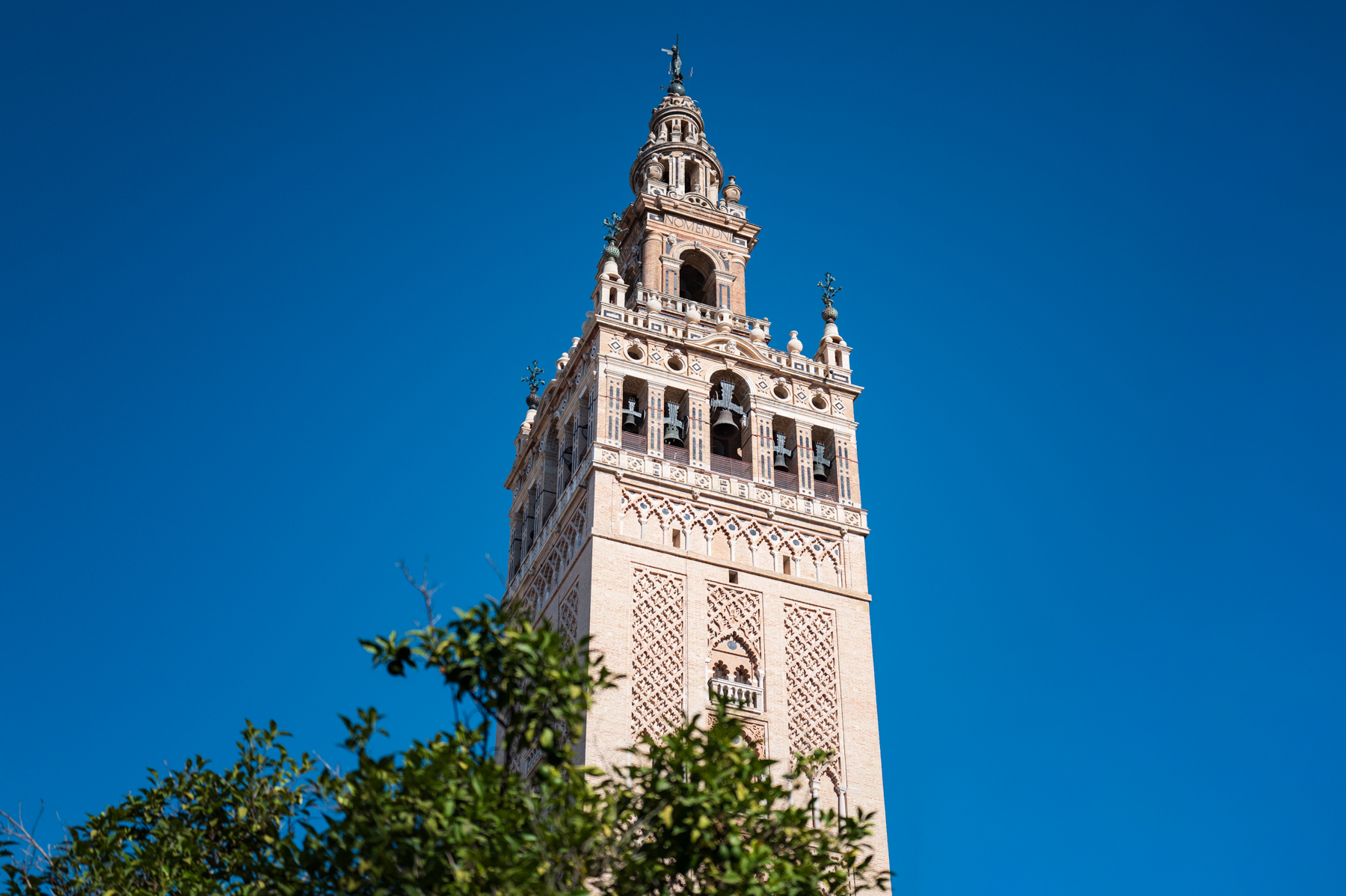
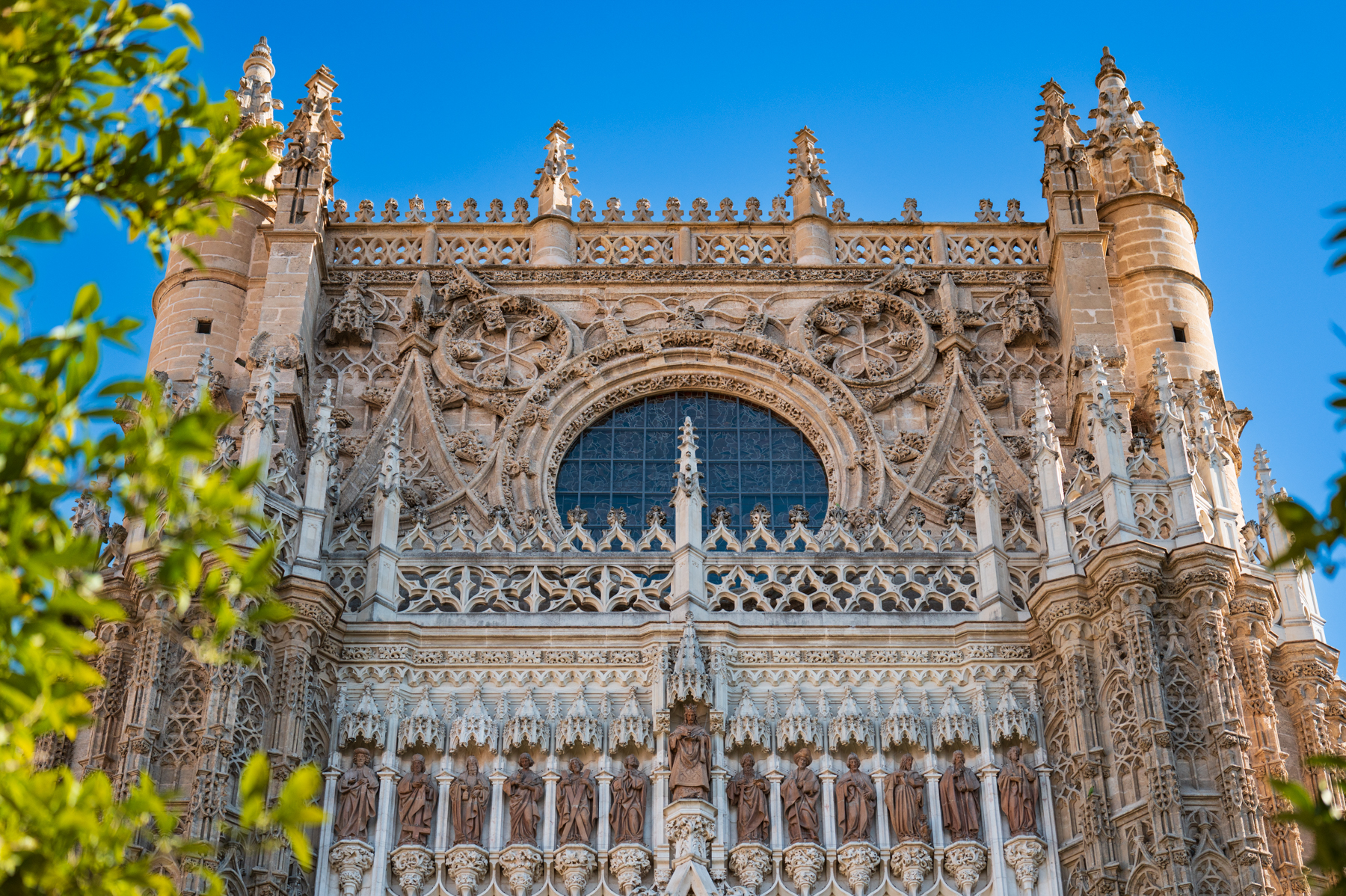
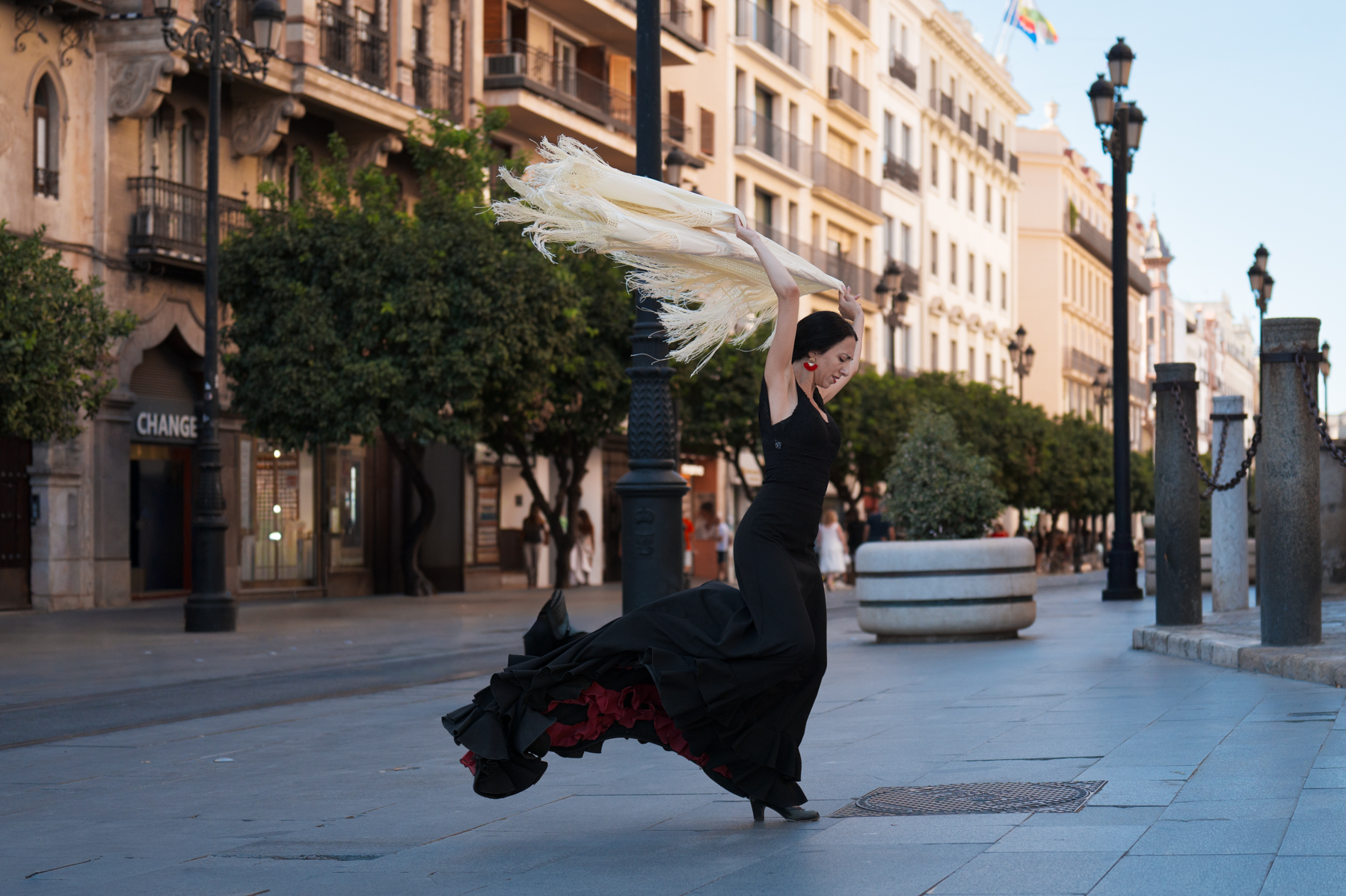
After we left the cathedral, we walked around the streets of Seville for a little while, just soaking up the fantastic atmosphere in this very lively city.
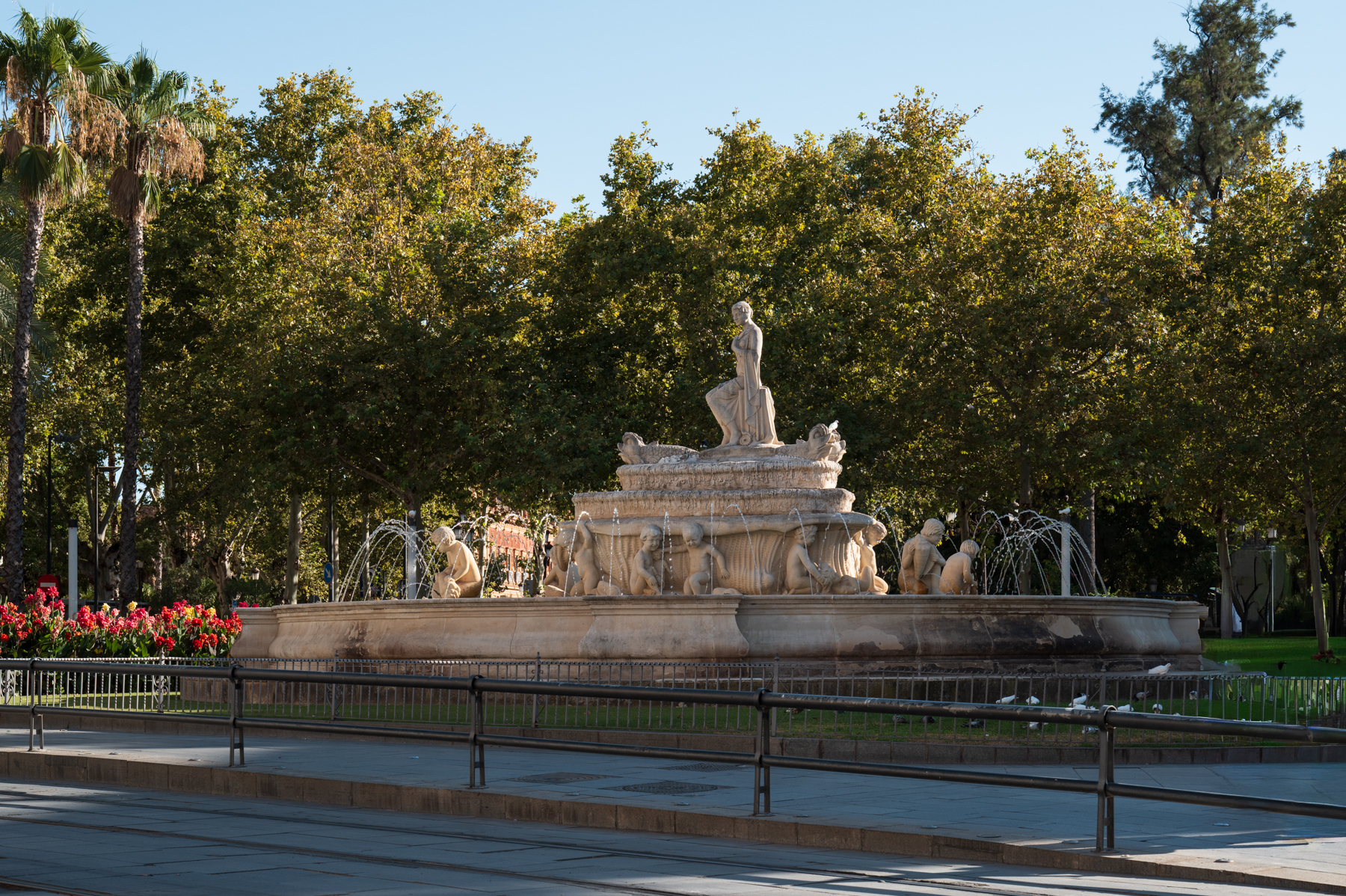
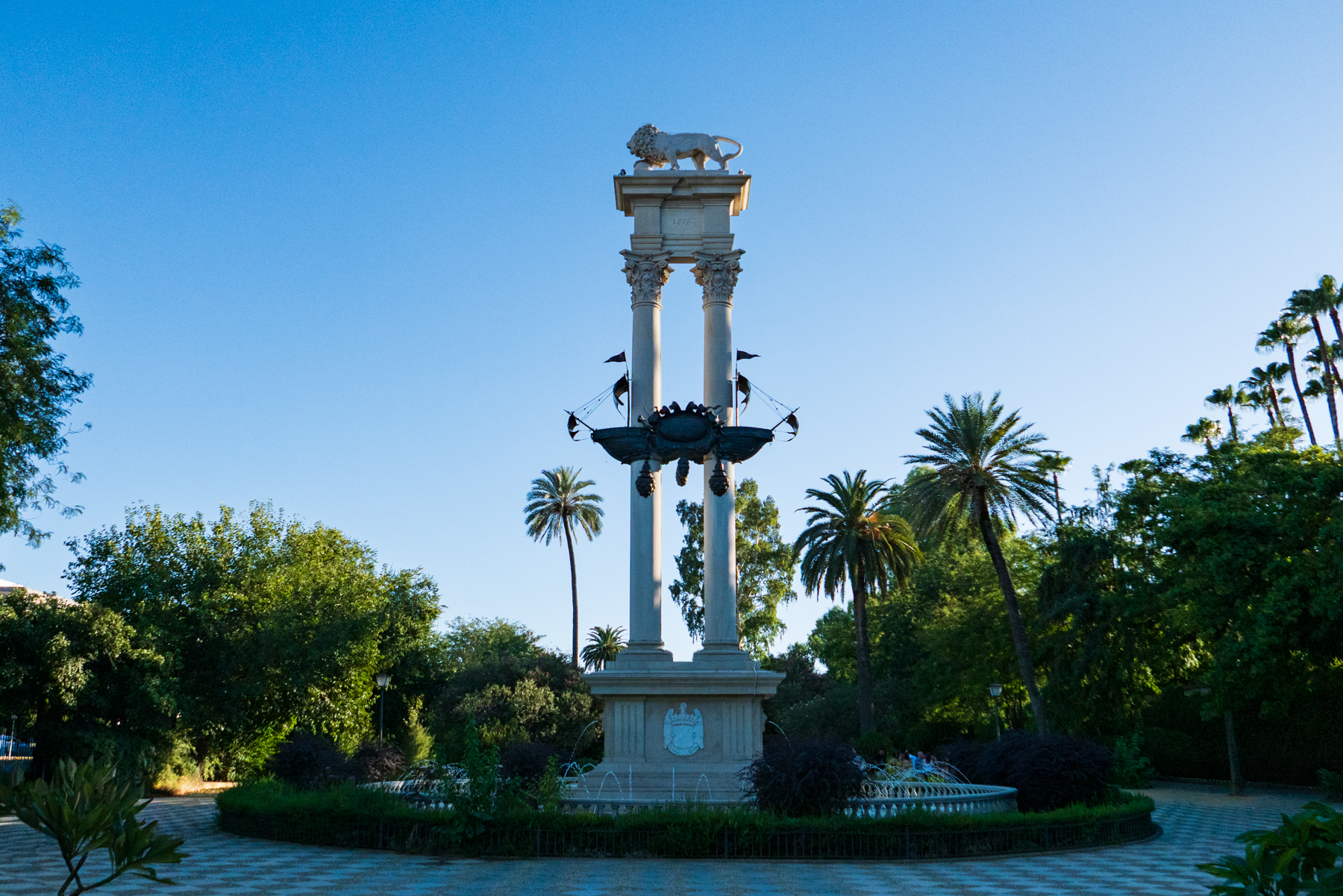
Our next destination was the Jardines de Murillo, a beautiful garden park in the city. Prominent in the gardens is Monumento a Colón (the Monument to Christopher Columbus), commemorating Columbus’s voyage to the Americas.
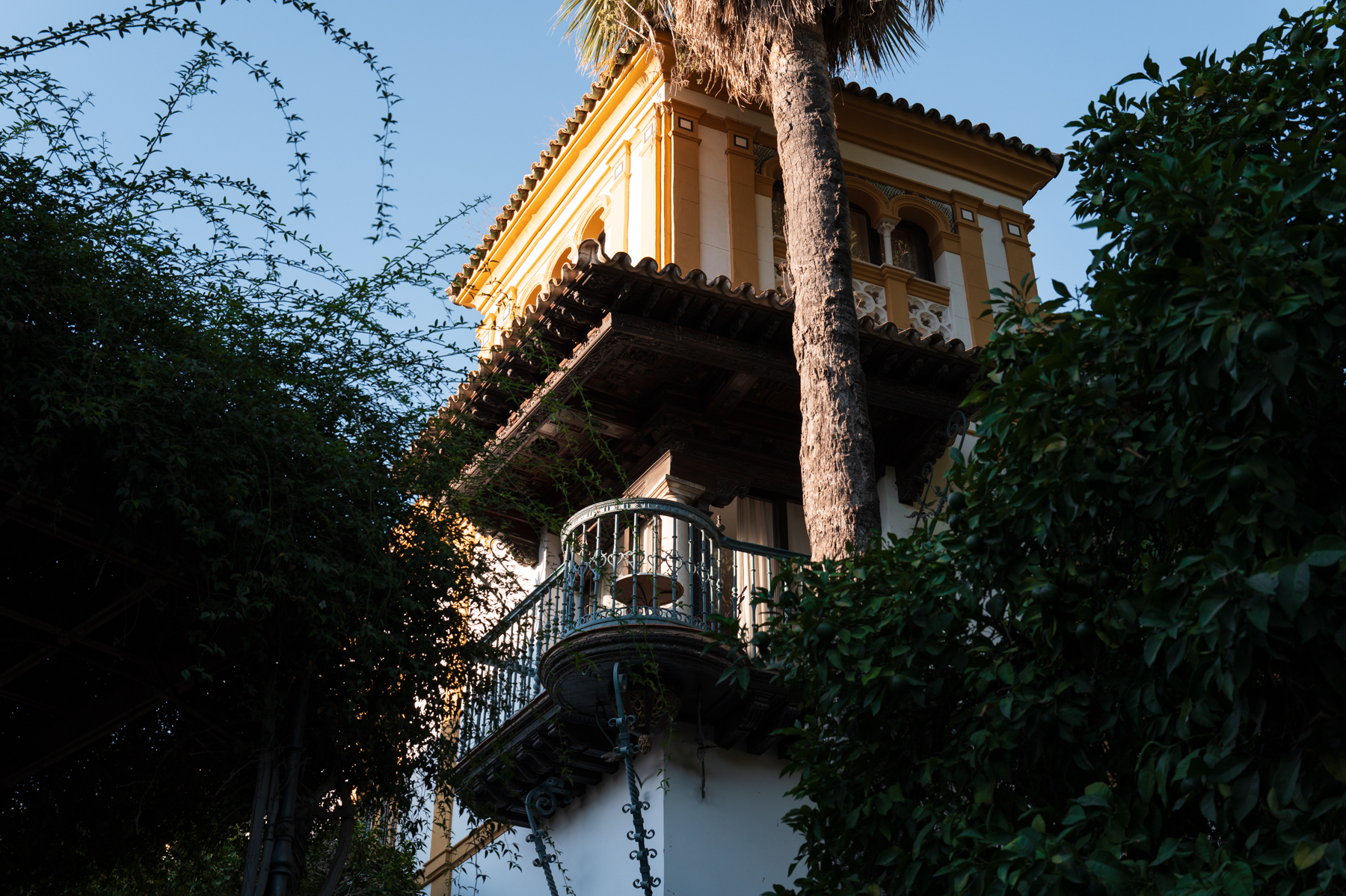
We left the gardens and walked a short distance to Plaza de Alfaro, in the Jewish Quarter (the Santa Cruz neighborhood). Just off the plaza is a small building with a balcony widely known as Balcón de Rosina (Rosina’s Balcony). This balcony is famous for its association with the opera “The Barber of Seville” by Rossini (and the earlier play by Beaumarchais), in which Rosina, the story’s heroine, appears at her window as part of the plot’s romantic intrigue.
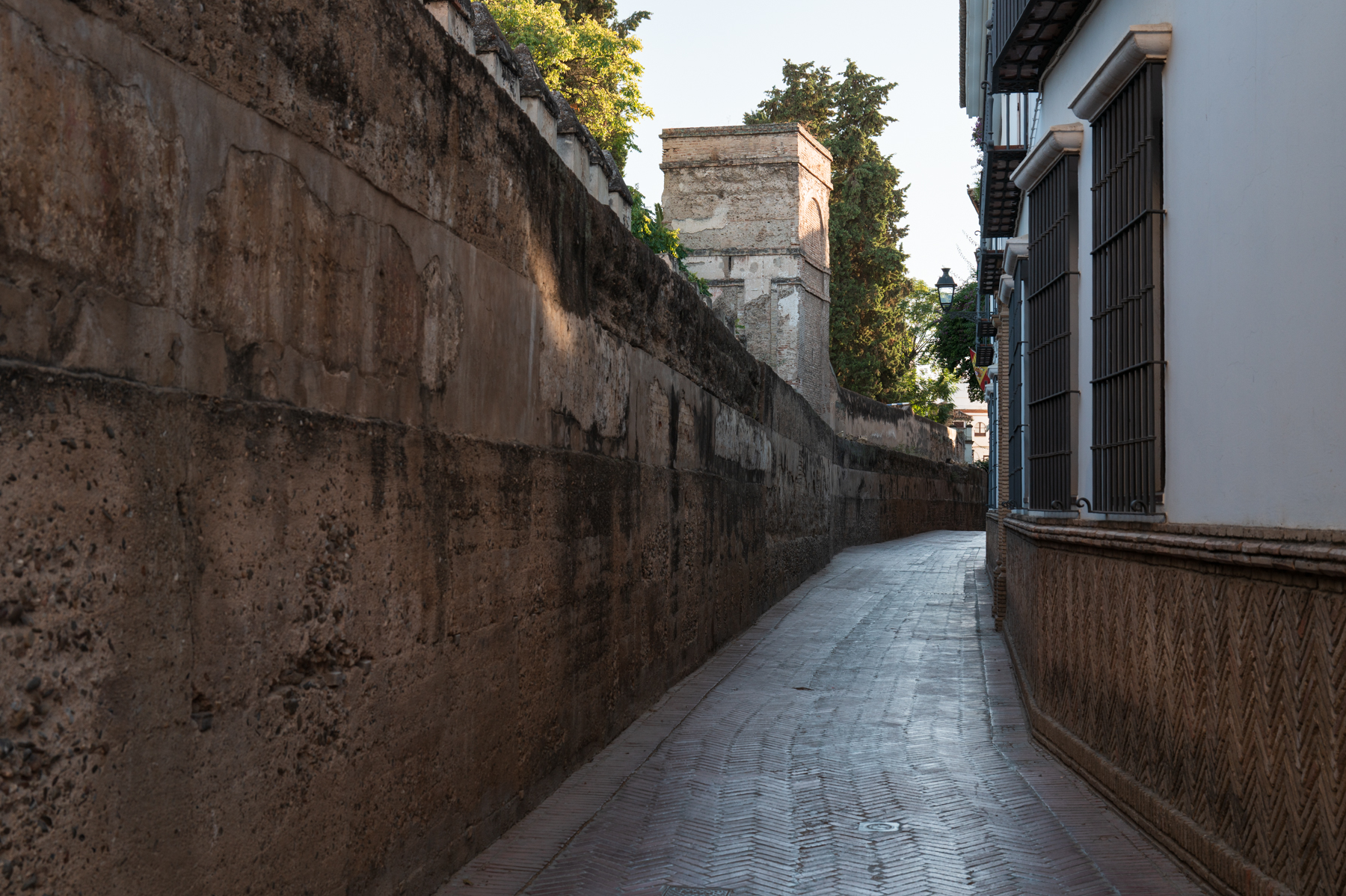
Also just off Plaza de Alfaro is a well-preserved section of the old wall that used to form part of the city fortifications.
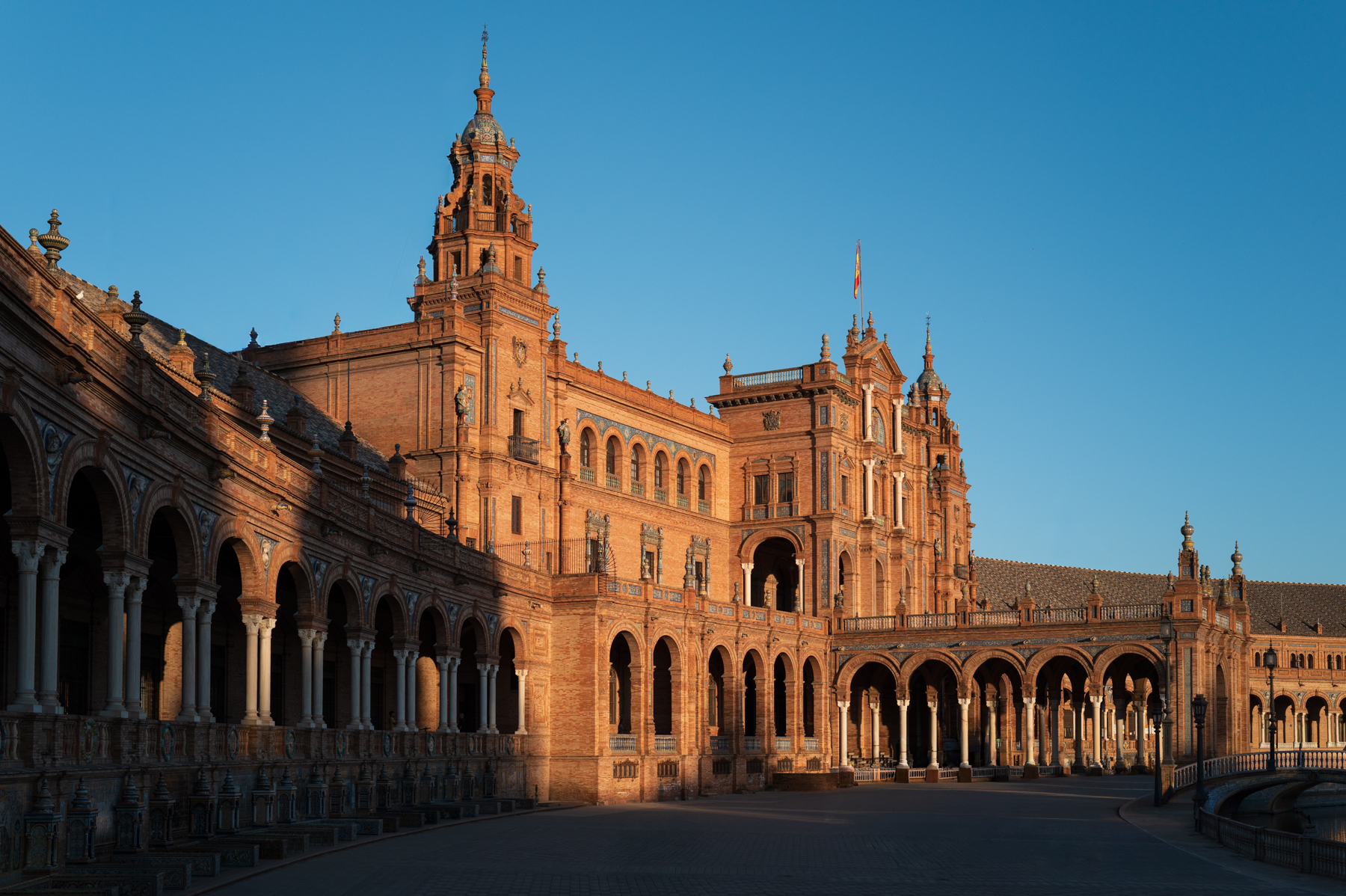
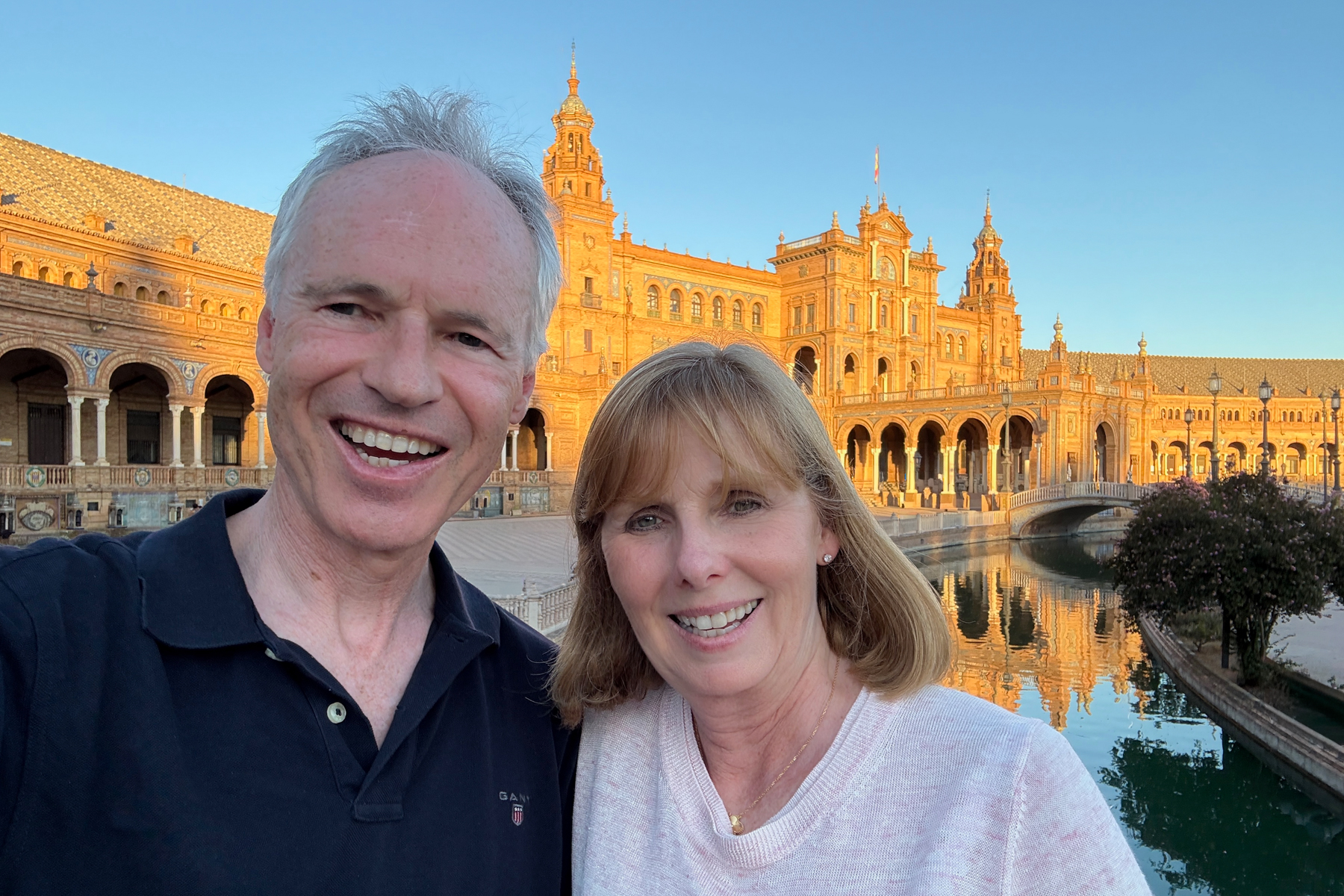
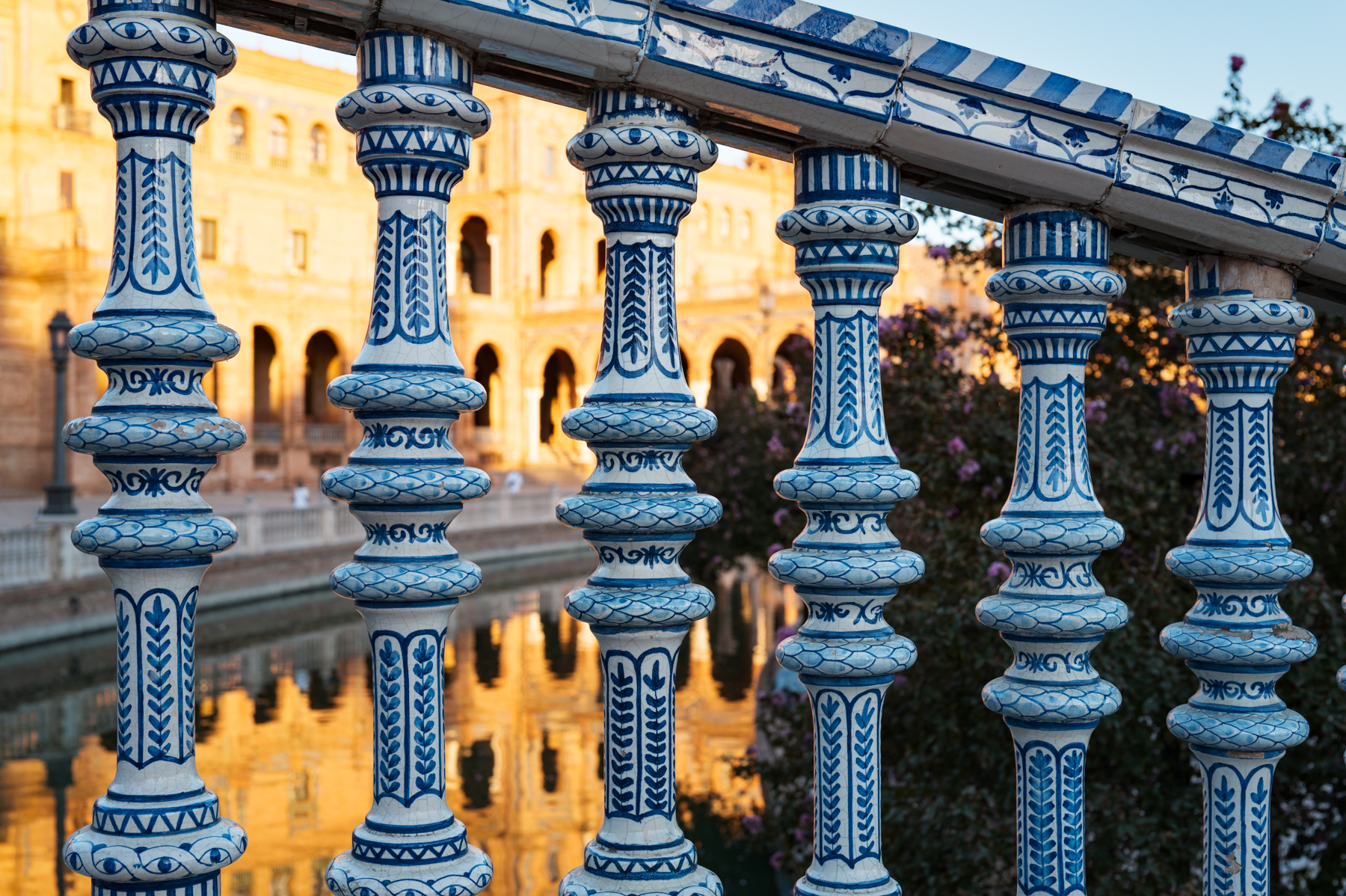
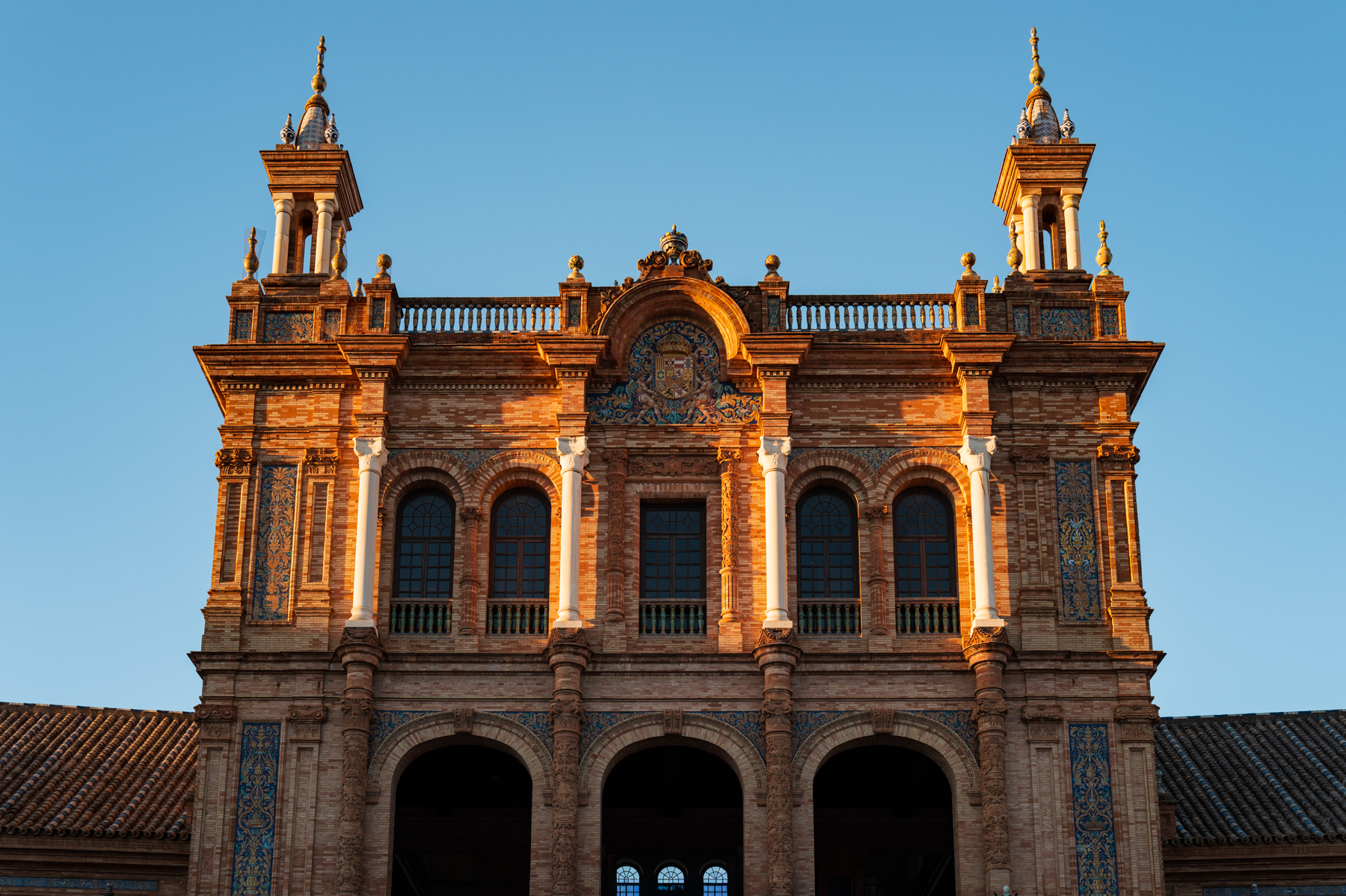
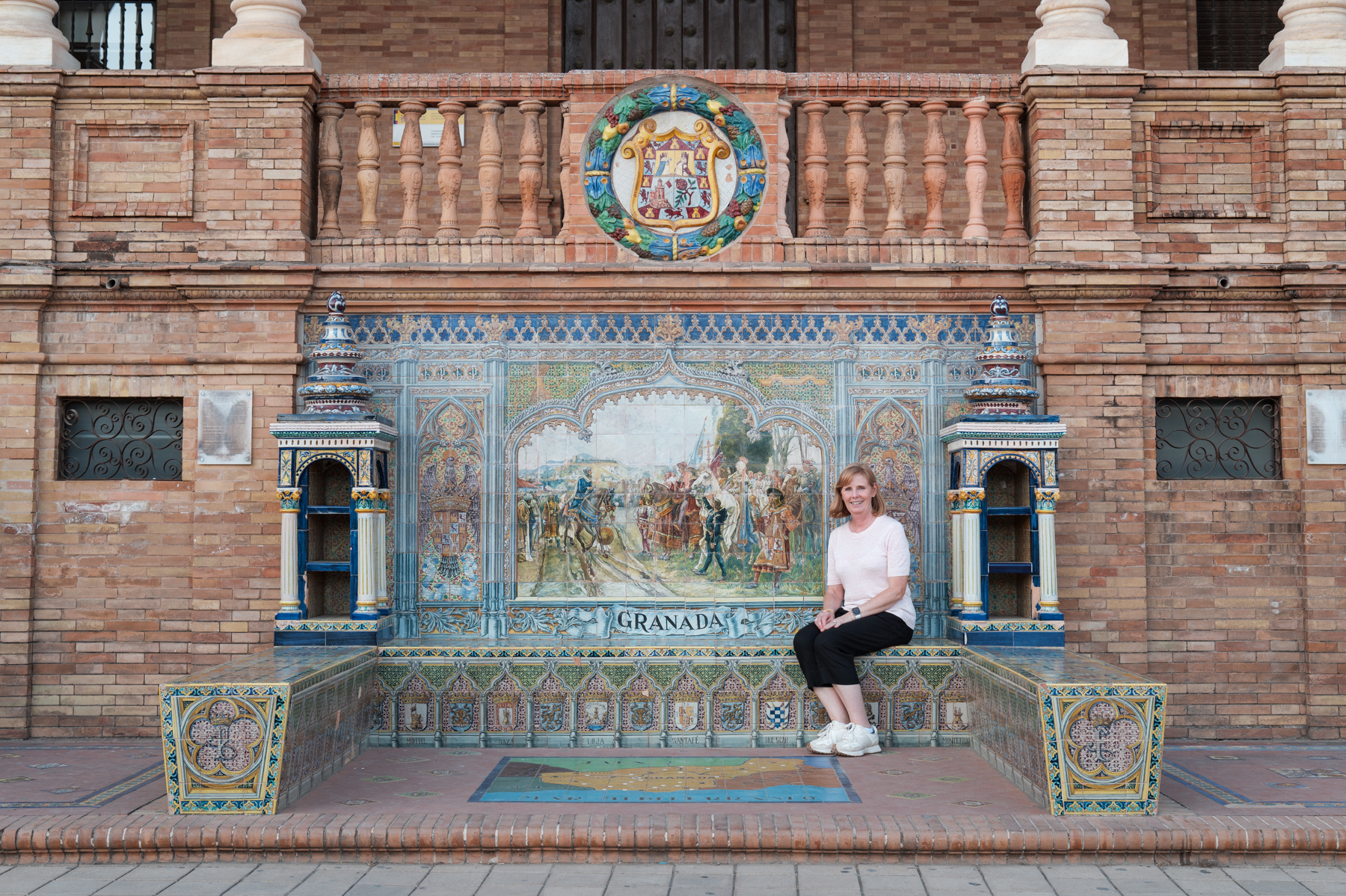
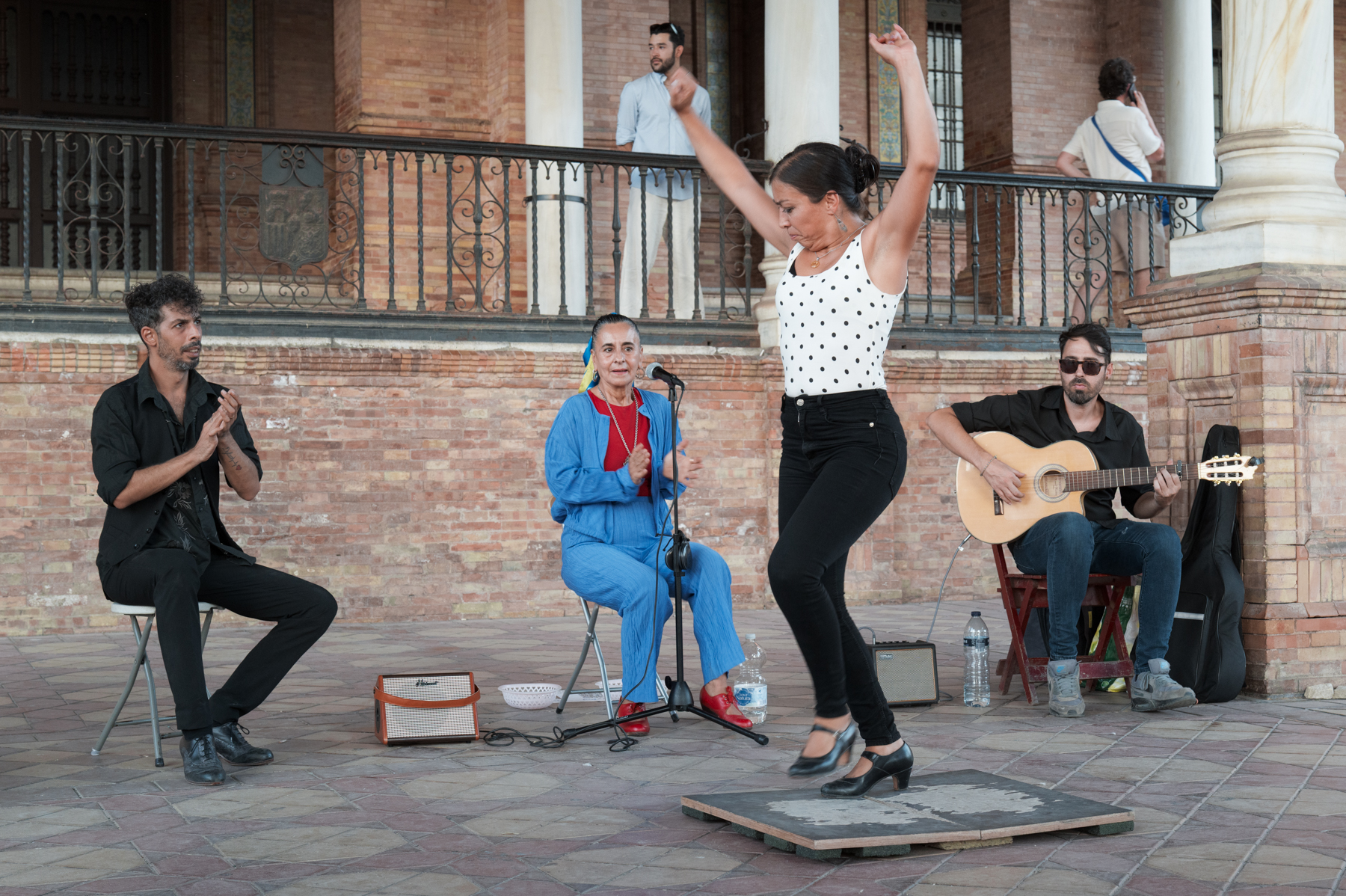
Although we were getting a little weary from having done quite a bit of walking in the heat, we decided to press on, and walk to Plaza de España, one of the city’s most iconic landmarks. Built for the Ibero-American Exposition of 1929, the plaza has a sweeping semi-circular design. It is a favourite place for locals to relax.
It was about 8:30 pm when we left Plaza de España. We walked back to the hotel, and went straight to the restaurant, which is located in the hotel’s courtyard. Since it was such a beautiful evening, enjoying a beautiful meal in the warm evening Seville air, under a clear night sky, was a lovely way to end the day.
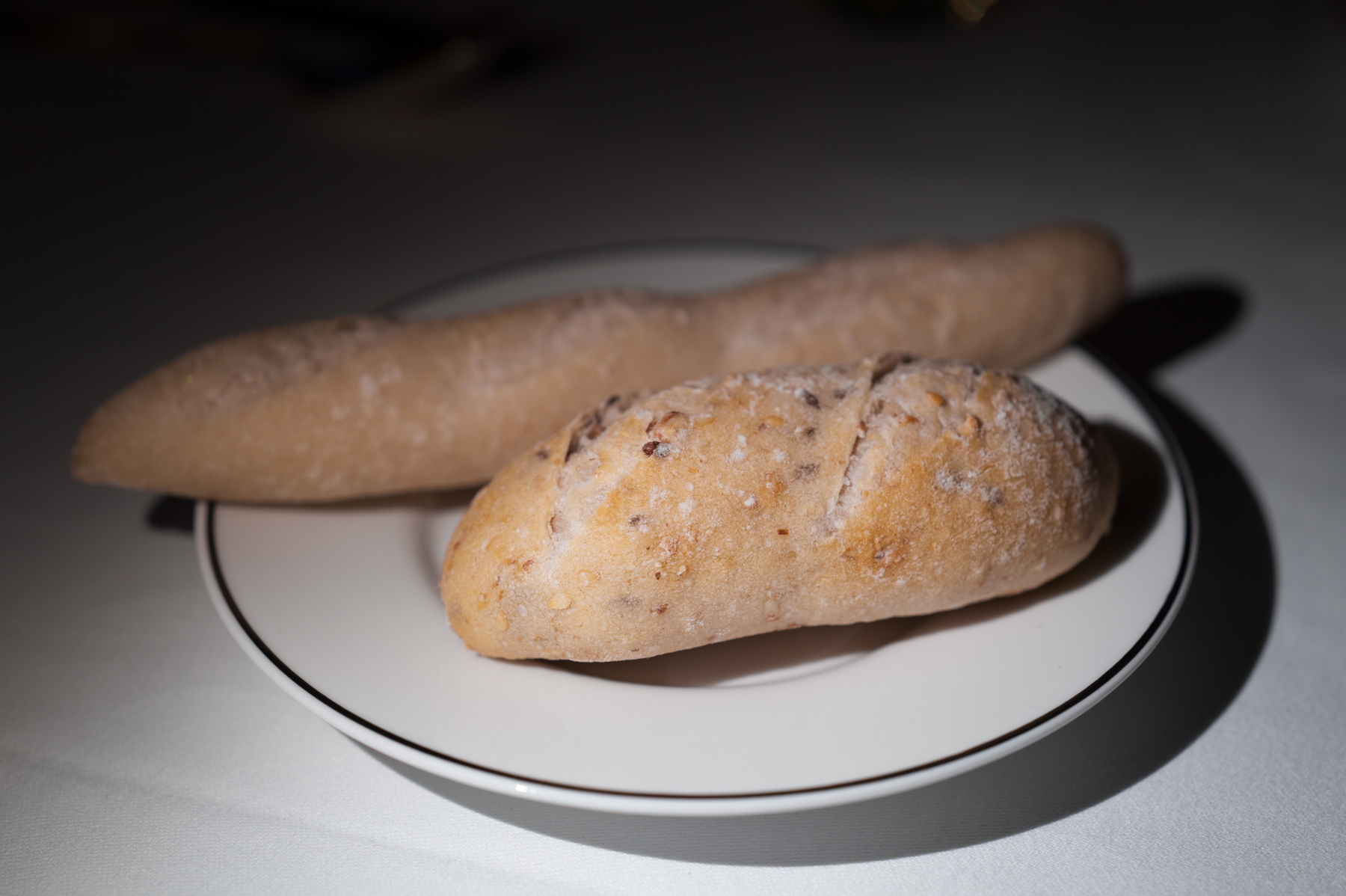
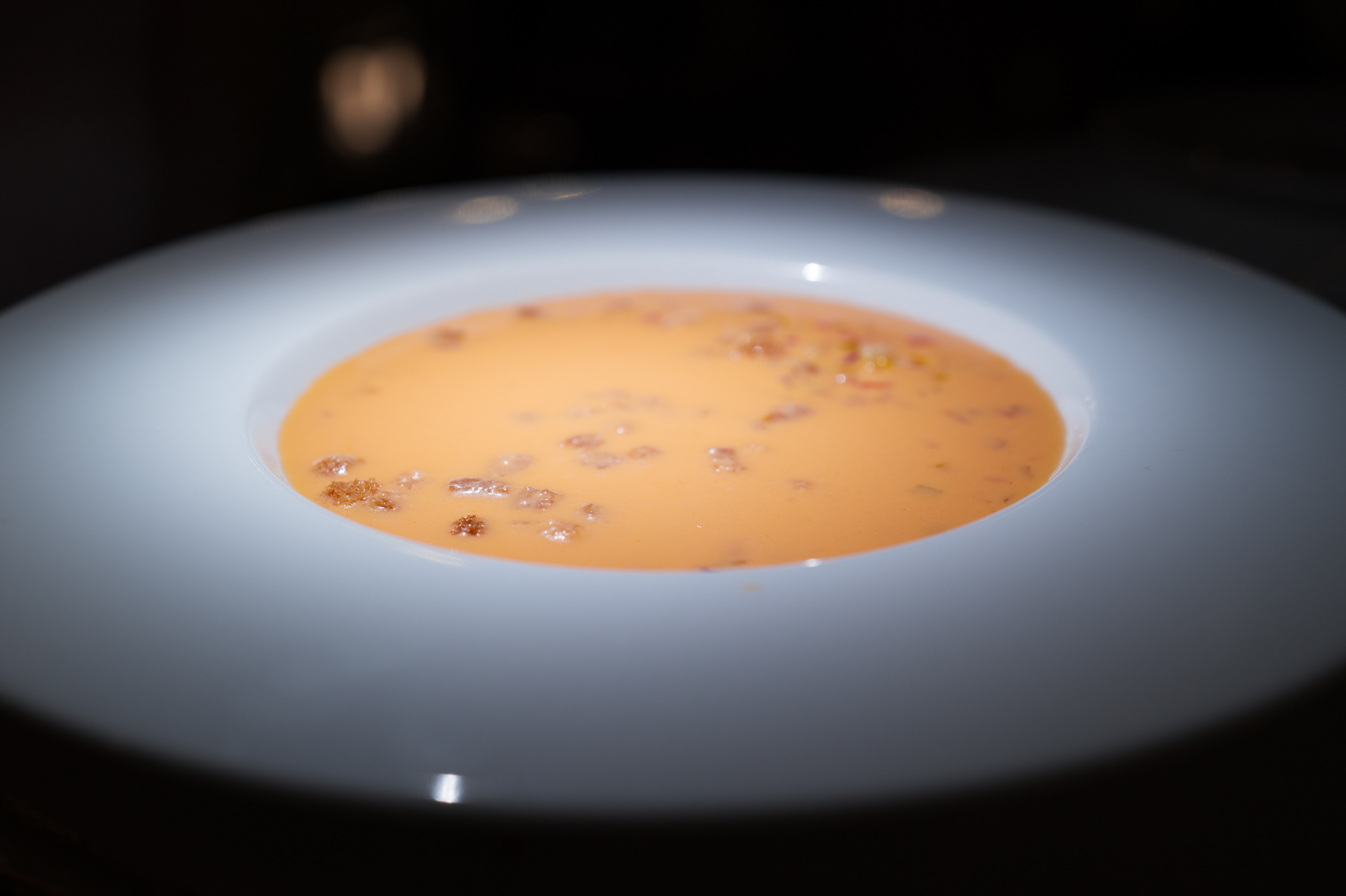
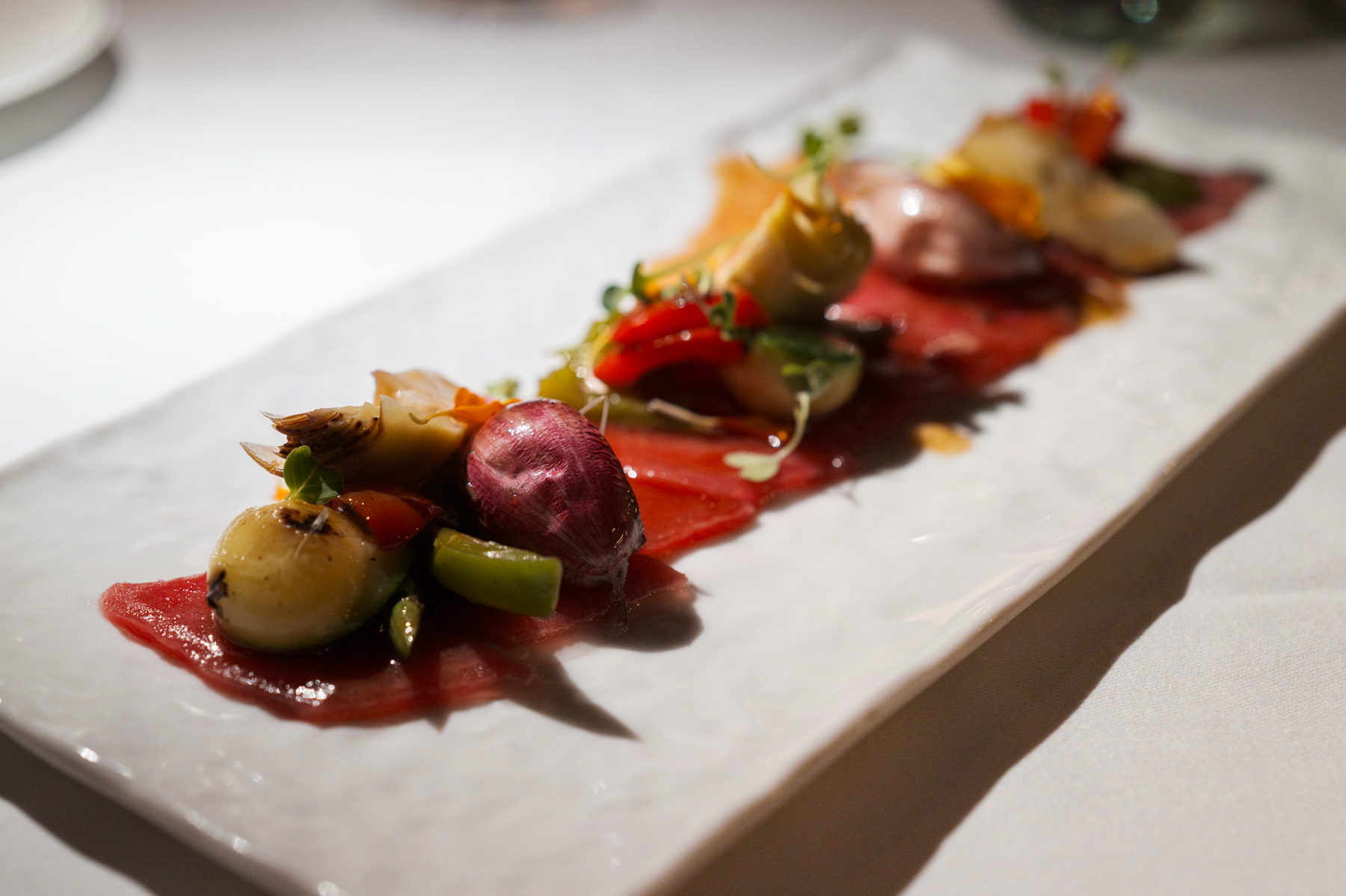
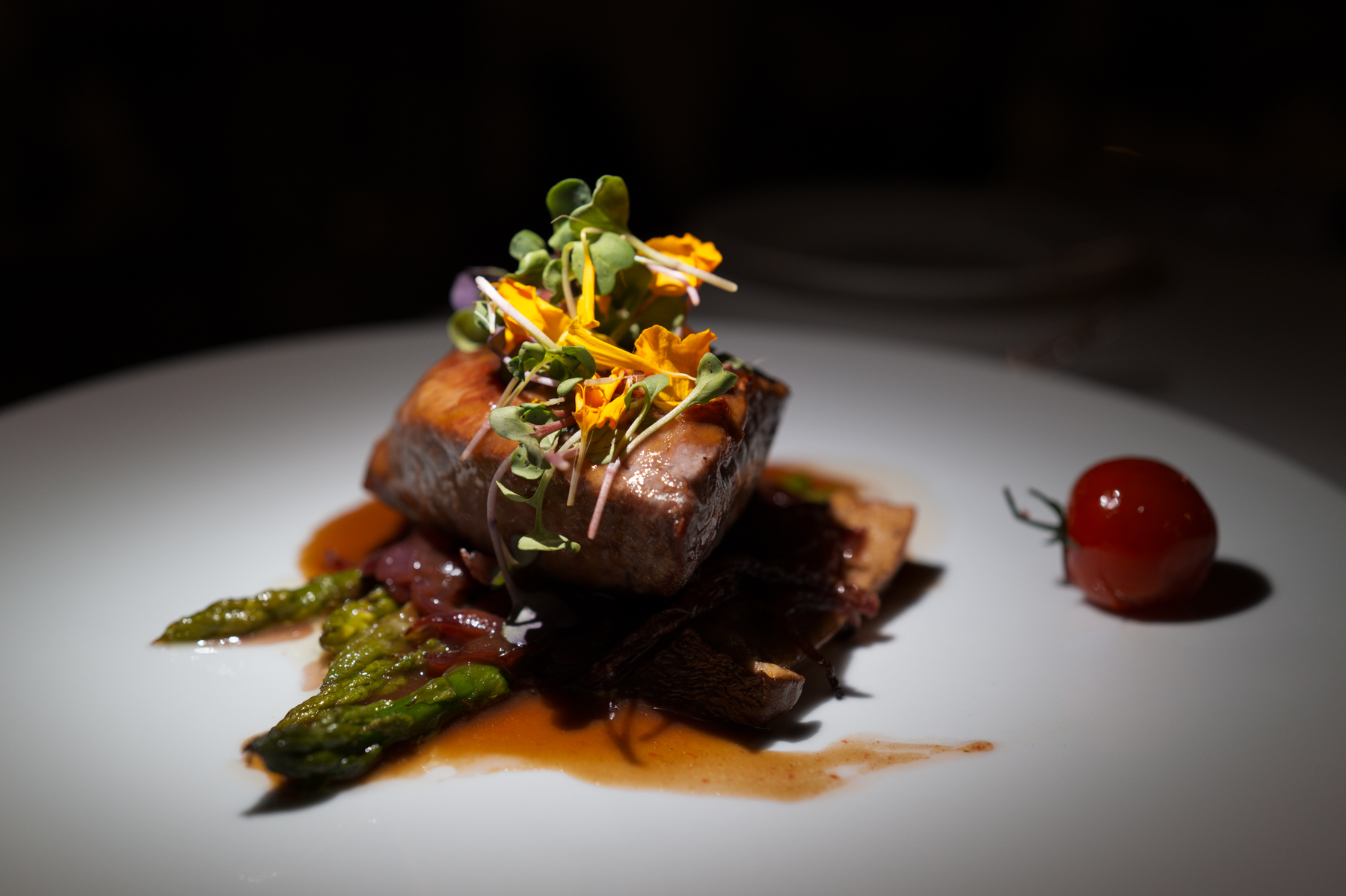
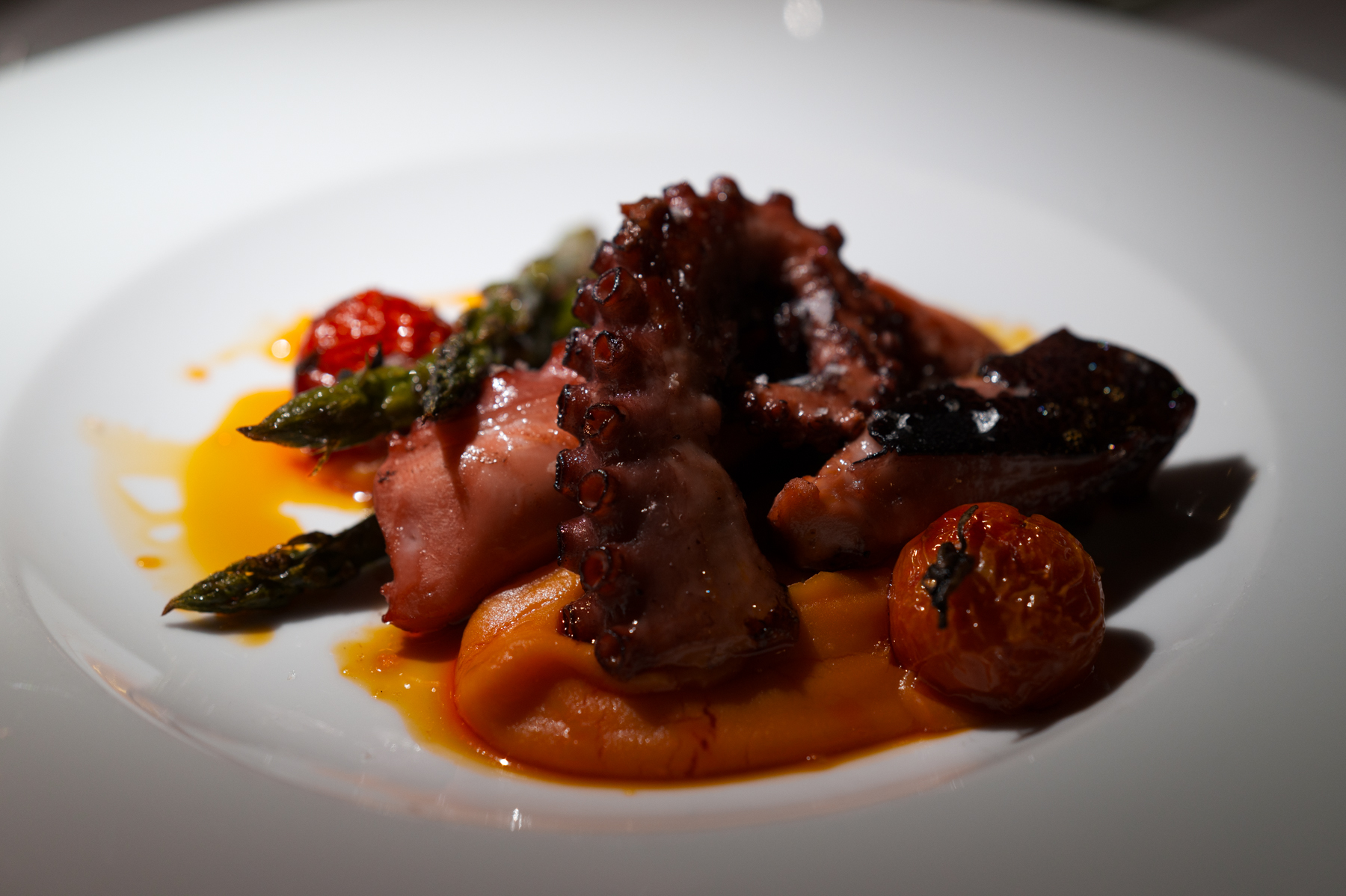
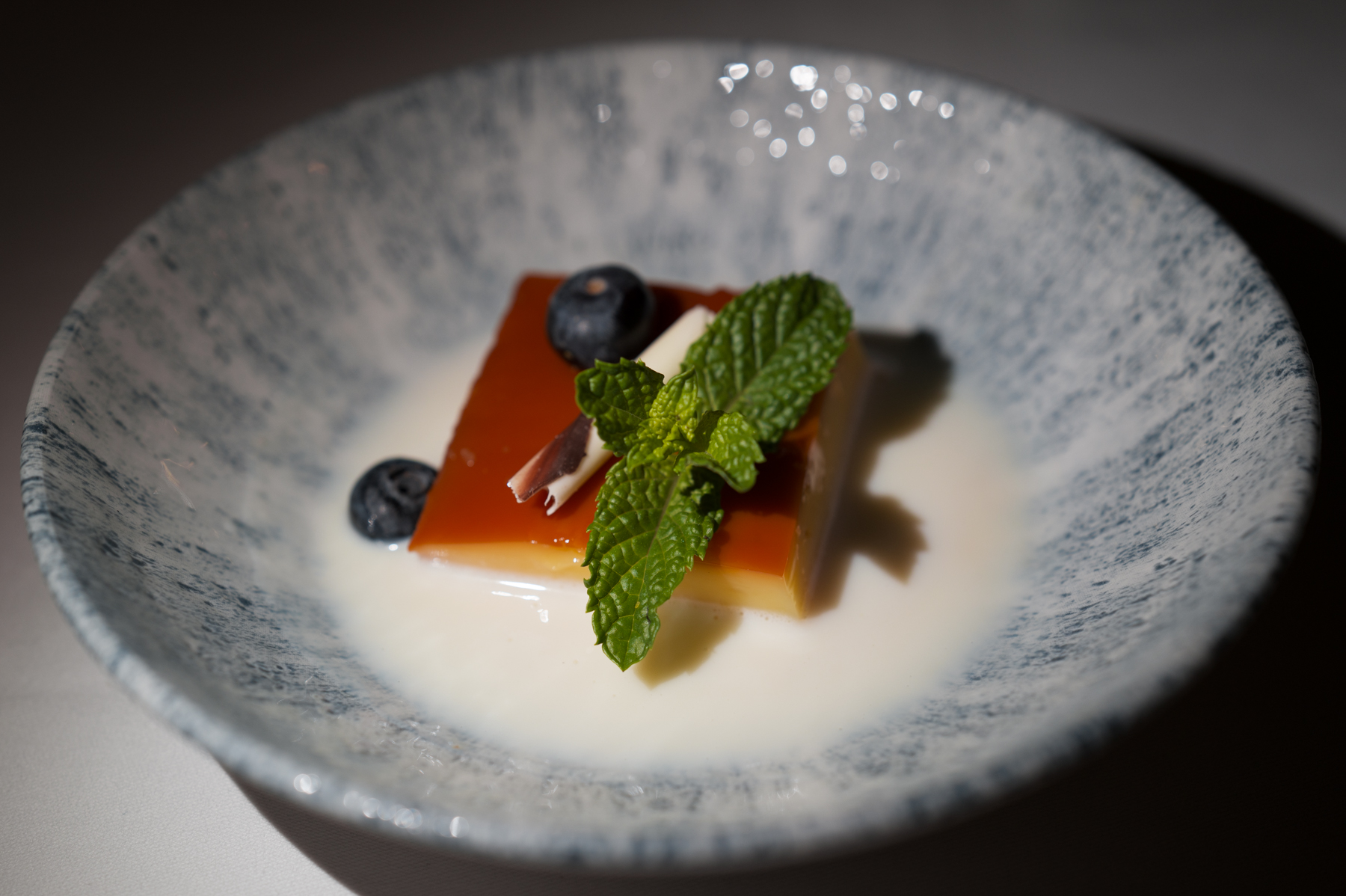
We finished dinner by 10:00 pm, and headed upstairs to bed. Tomorrow, we are planning on driving to Gibraltar for the day.