
Europe
Gibraltar and Ronda
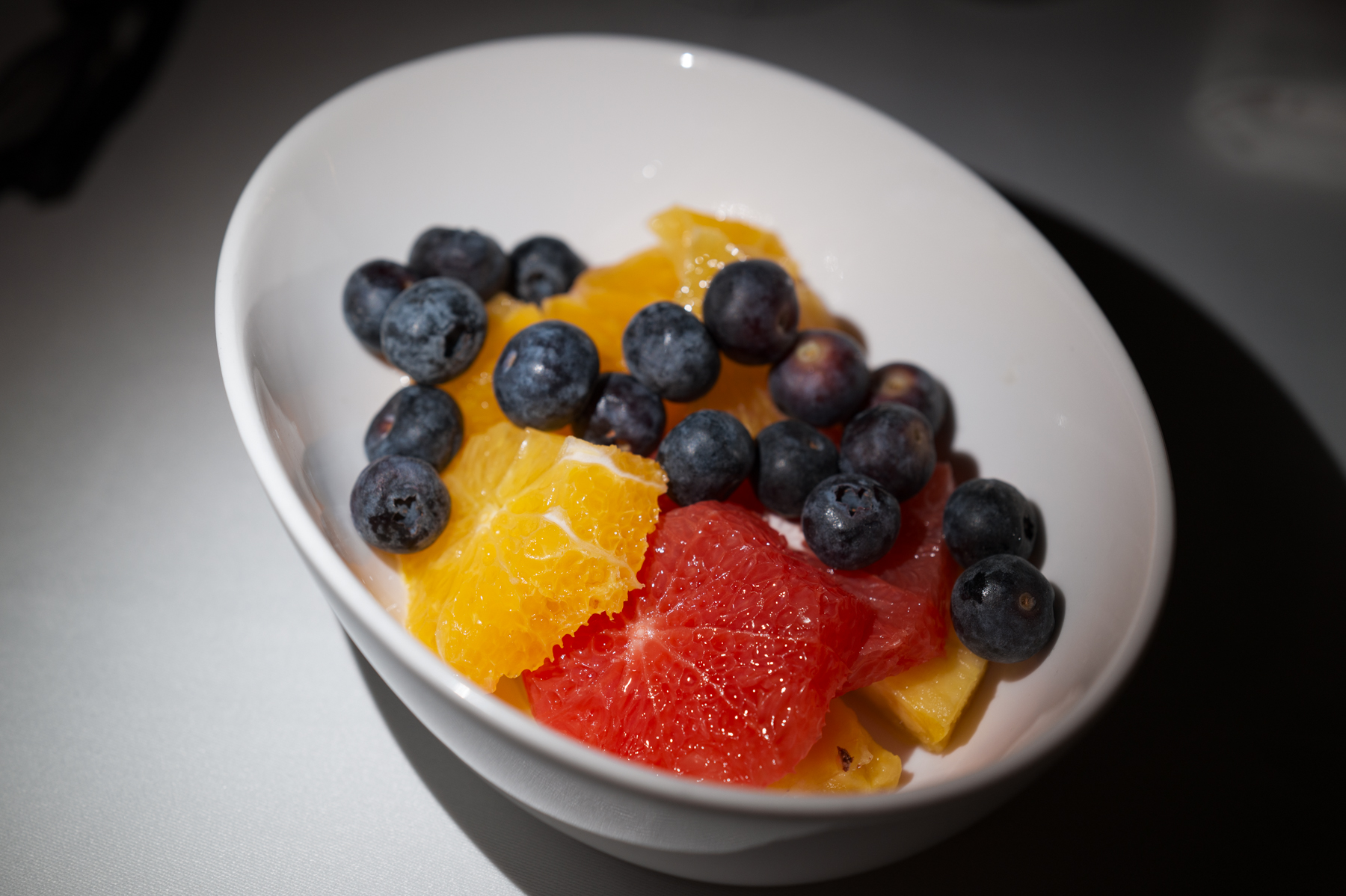
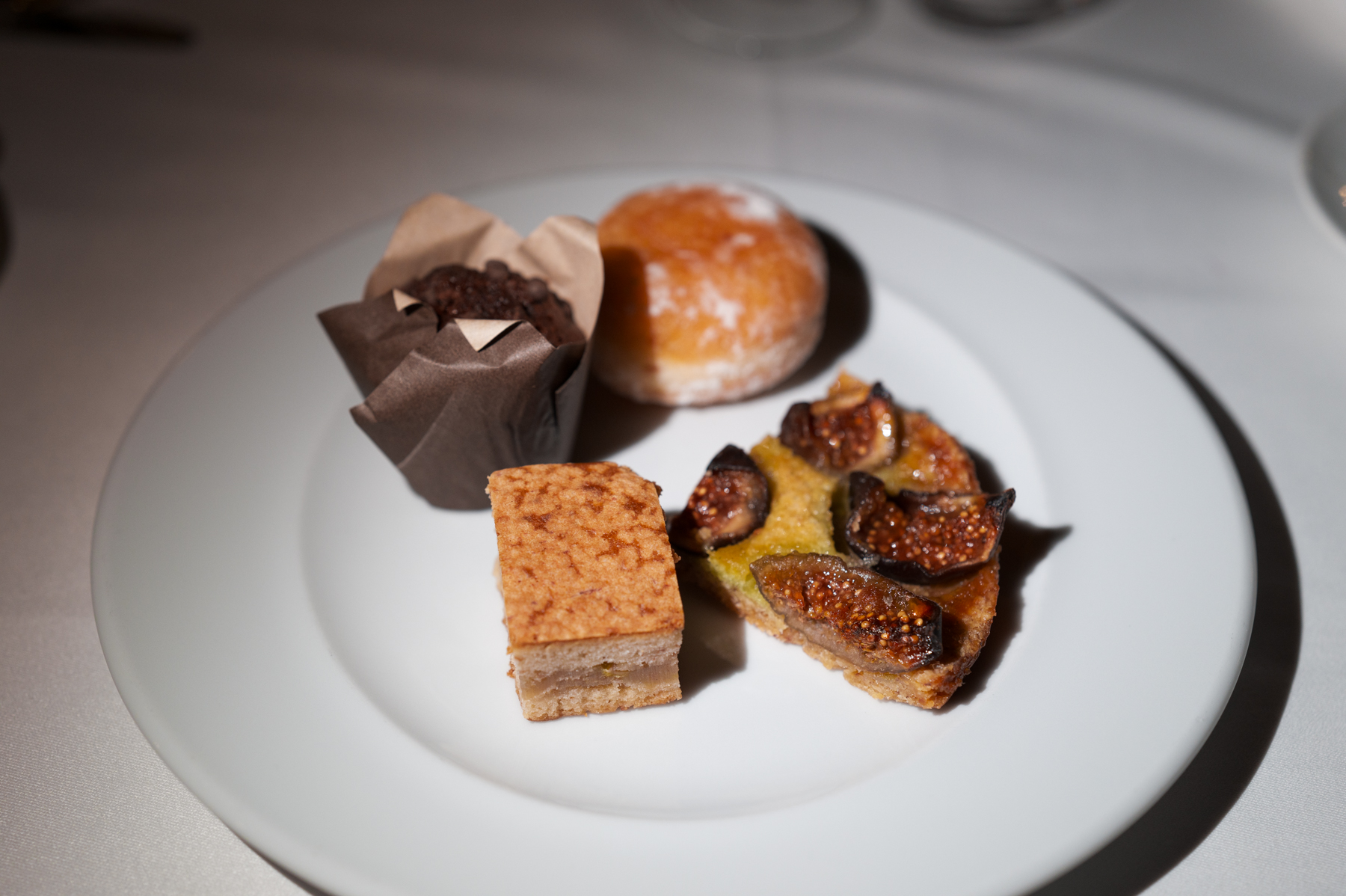
This morning we were up early and downstairs by 7:00 am for a quick breakfast before getting on the road.
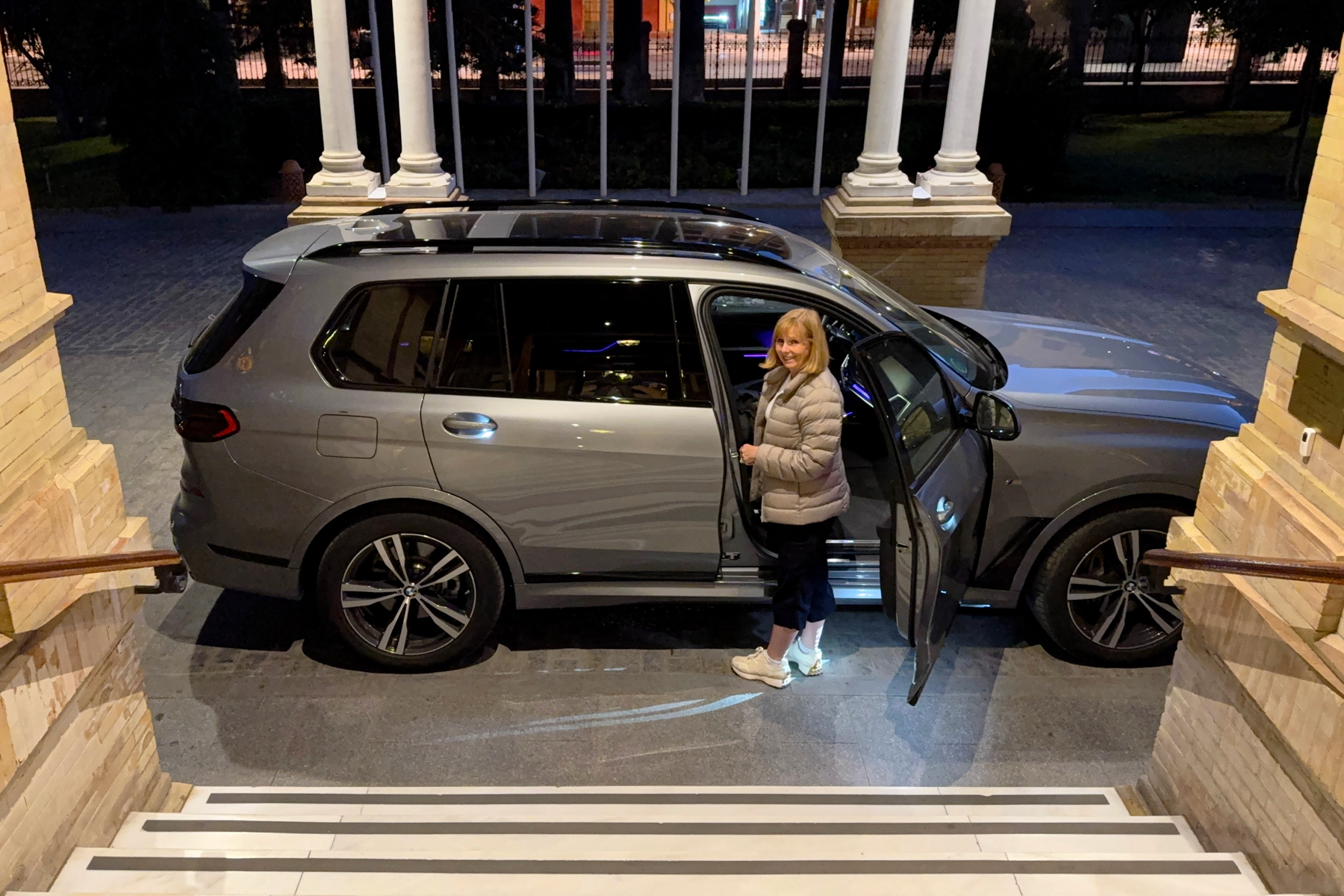
We had the car brought around and set off at about 7:30 am, for the 200-kilometre trip today to Gibraltar.
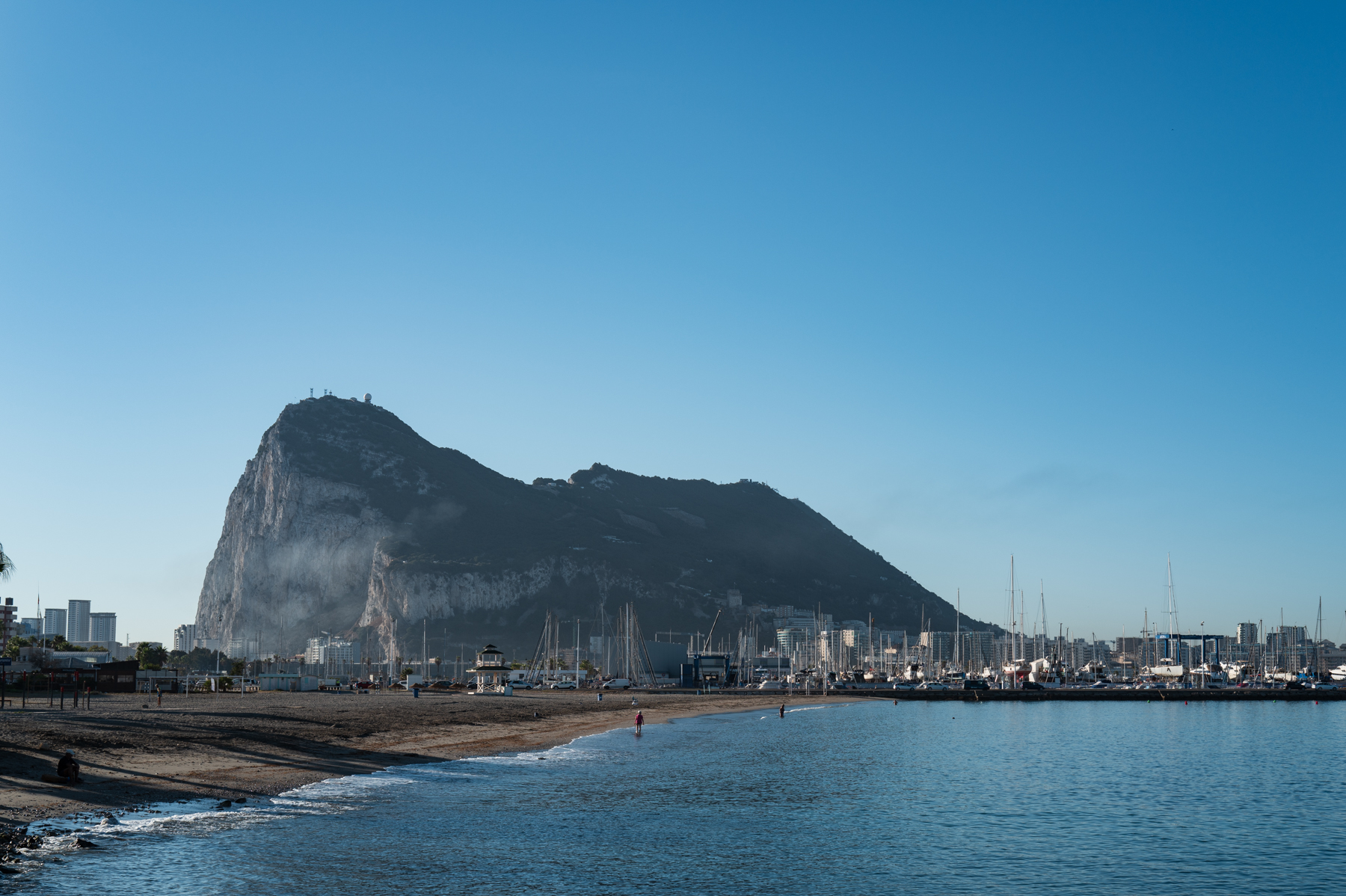
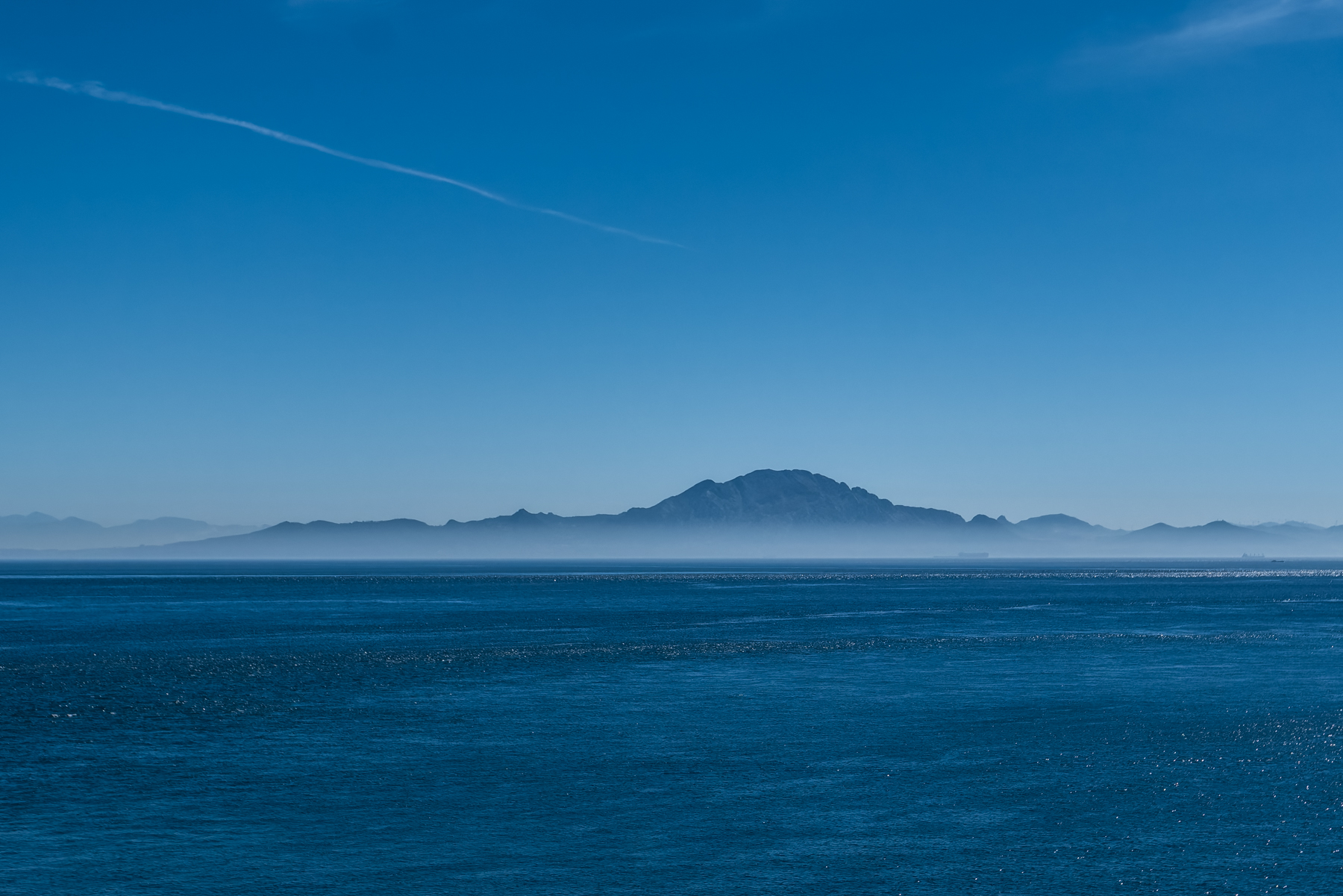
After about two hours of driving, we got a nice view of the Rock of Gibraltar from the coast of Spain.
We continued along the coast until we got to a car park, just before the border between Spain and Gibraltar. We parked the car and then walked to the border control point to leave Spain and enter Gibraltar.
Gibraltar is a British Overseas Territory, bordering Spain to the north and facing both the Bay of Gibraltar and the Mediterranean Sea. Its history spans Moorish, Spanish, and British rule. It was taken by Anglo-Dutch forces in 1704 and became officially British under the Treaty of Utrecht in 1713 (although its sovereignty remains a contentious issue because Spain disputes the ownership).
Entering Gibraltar on foot is a unique experience. The border control point is on the edge of the airport and, once cleared to enter, the airport’s runway has to be crossed on foot! Access to the runway is coordinated with incoming and outgoing flights, but it feels very odd to walk across a live runway to get into a country!
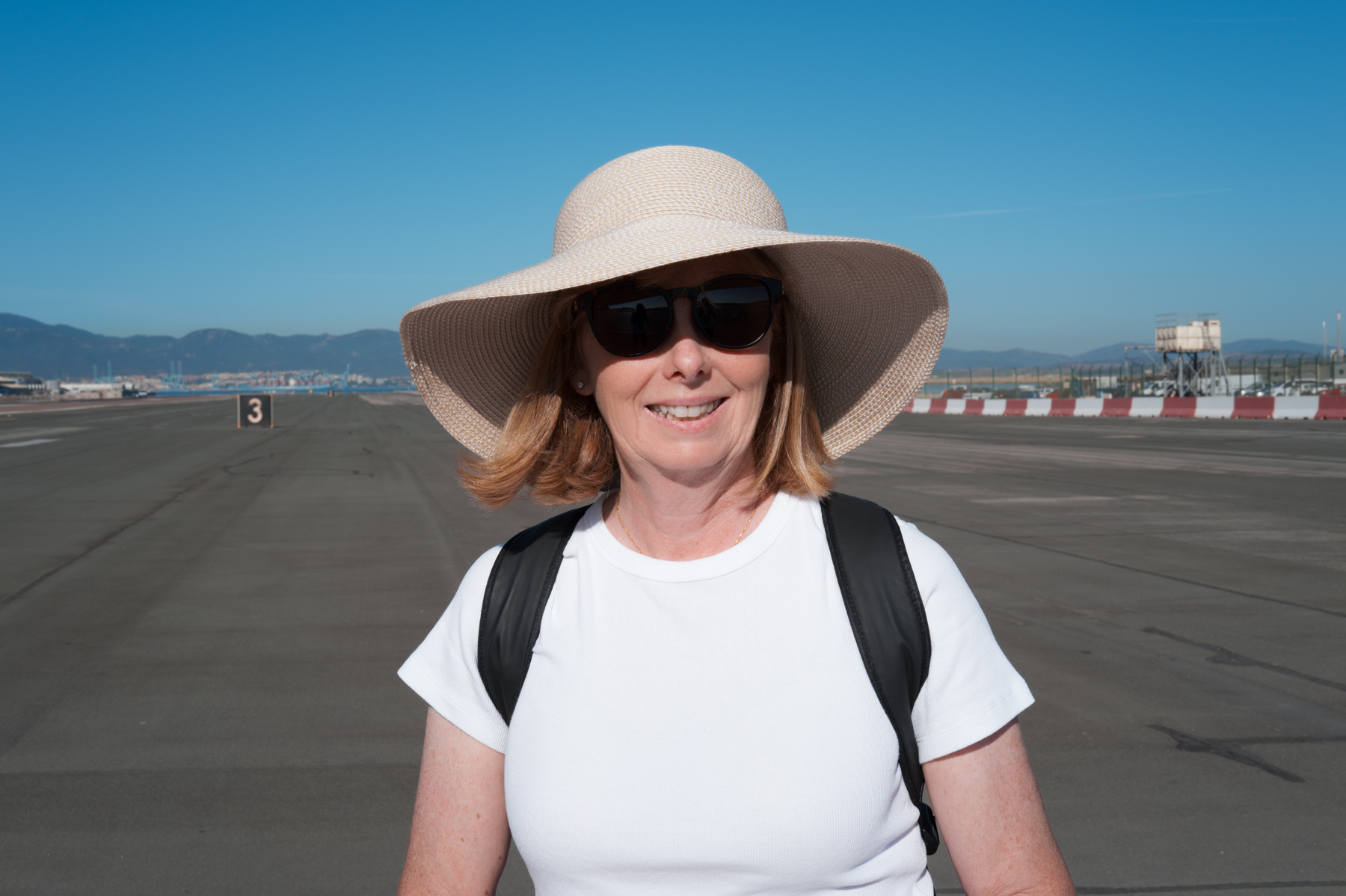
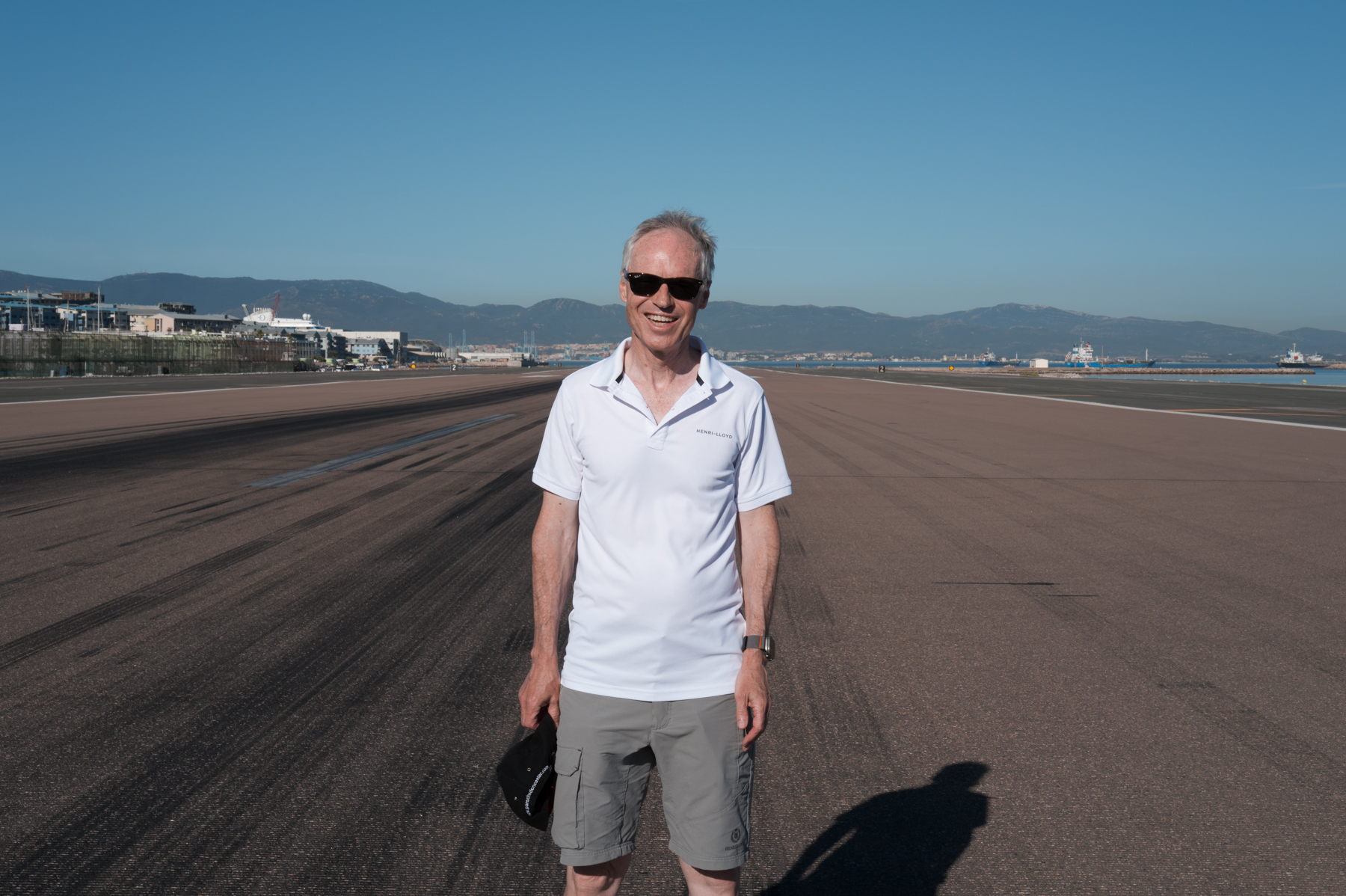
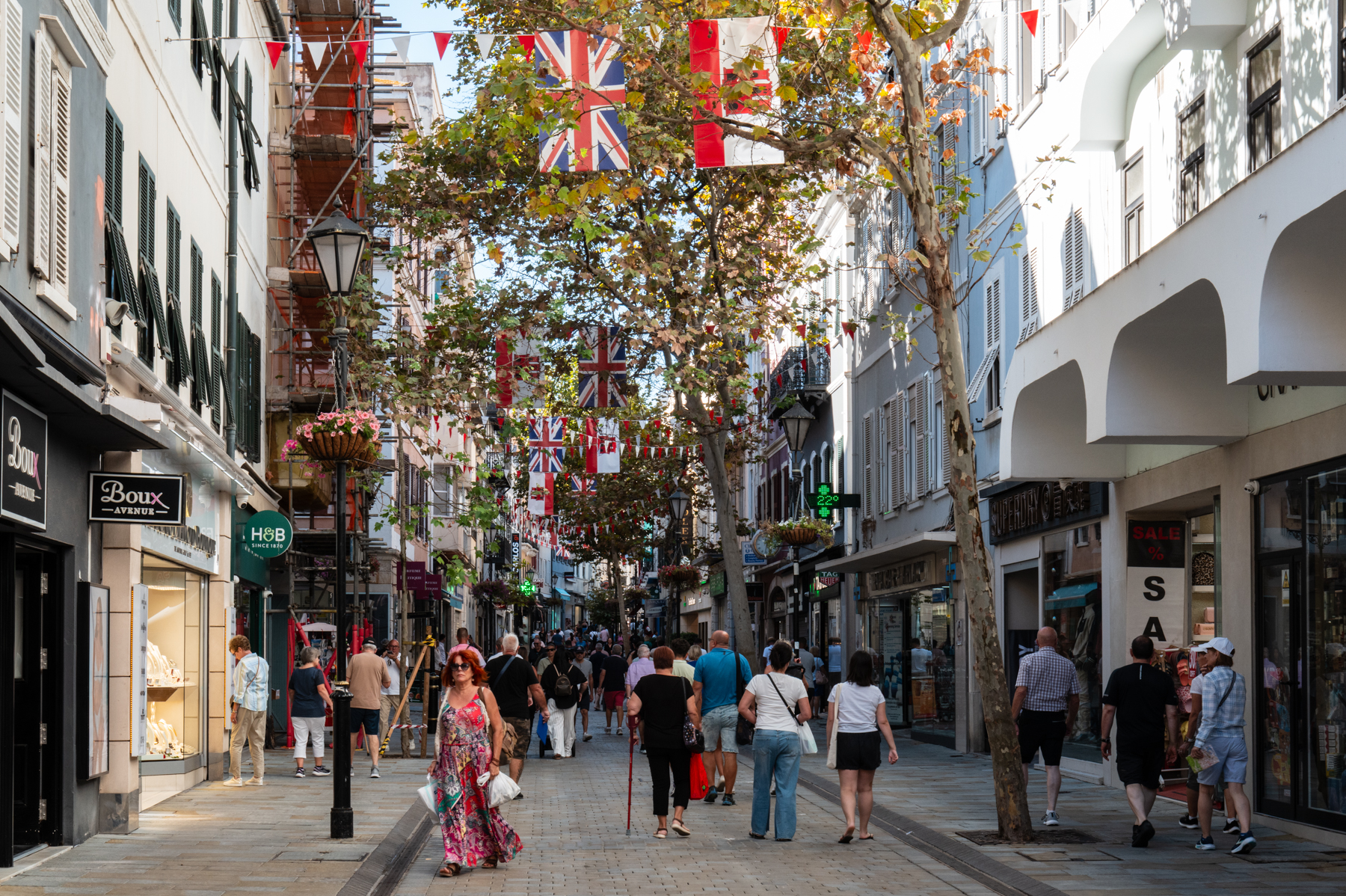
Once we got off the runway, we walked along Winston Churchill Avenue into the town proper. We headed down Calle Real (Main Street), which was very lively.
Of course, the main attraction in Gibraltar is the Rock. We decided to take the cable car up to the top of the Rock, so we walked to Alameda Gardens to the cable car base station. There was quite a queue of people waiting to go up, so we stood in line for about 45 minutes before finally boarding a car for the six-minute trip to the top of the rock, a vertical ascent of 412 metres.
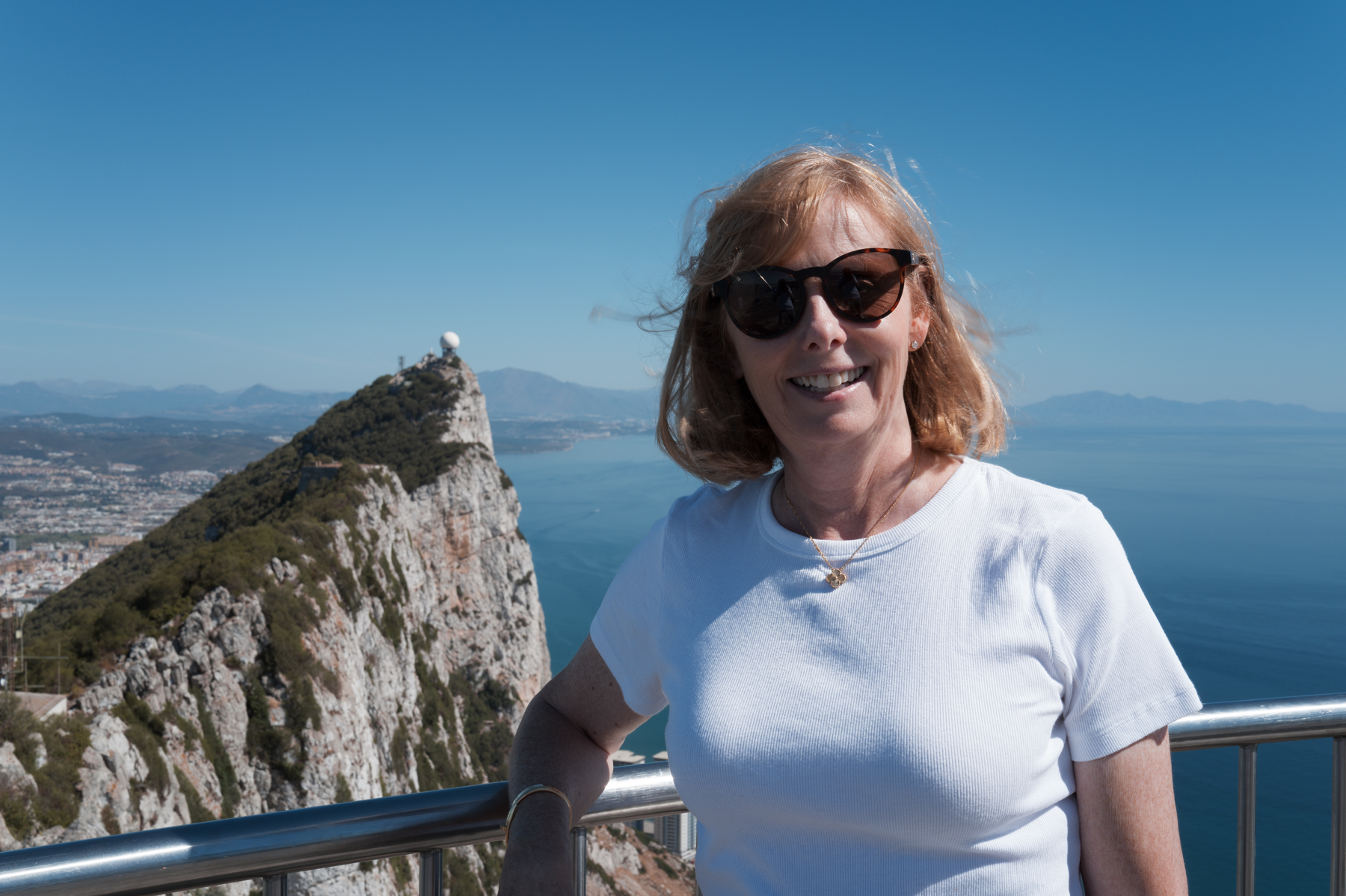
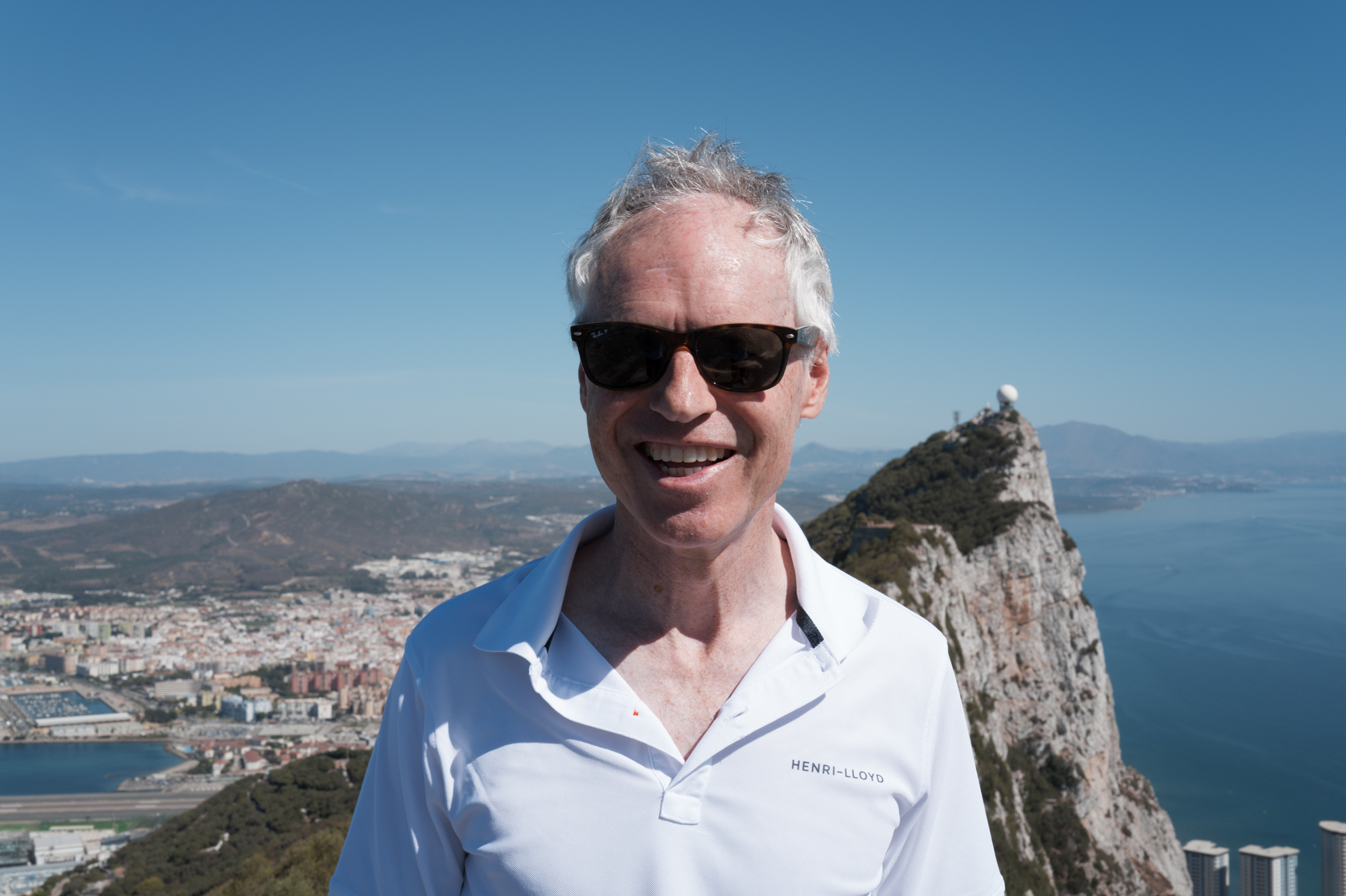
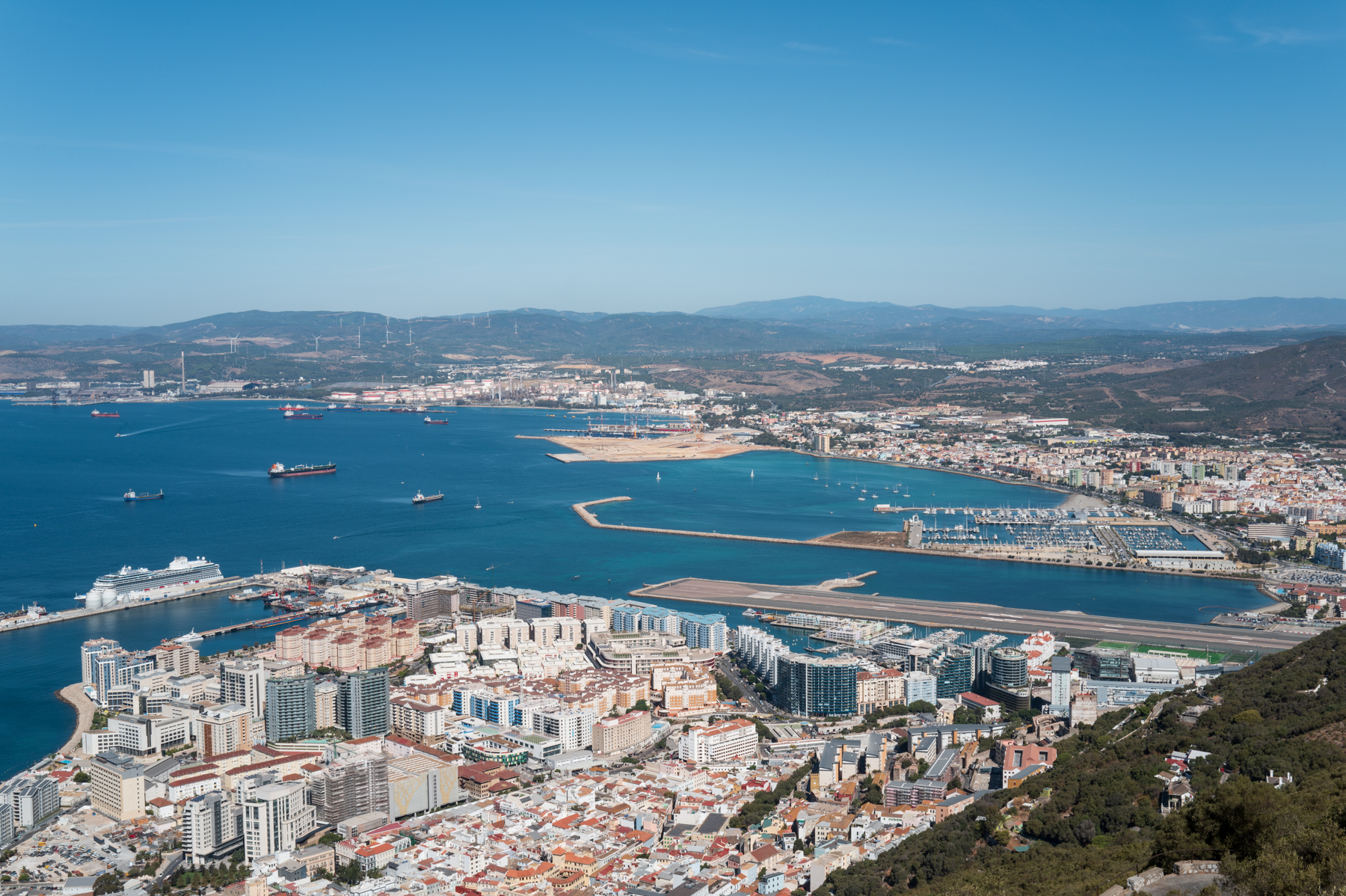
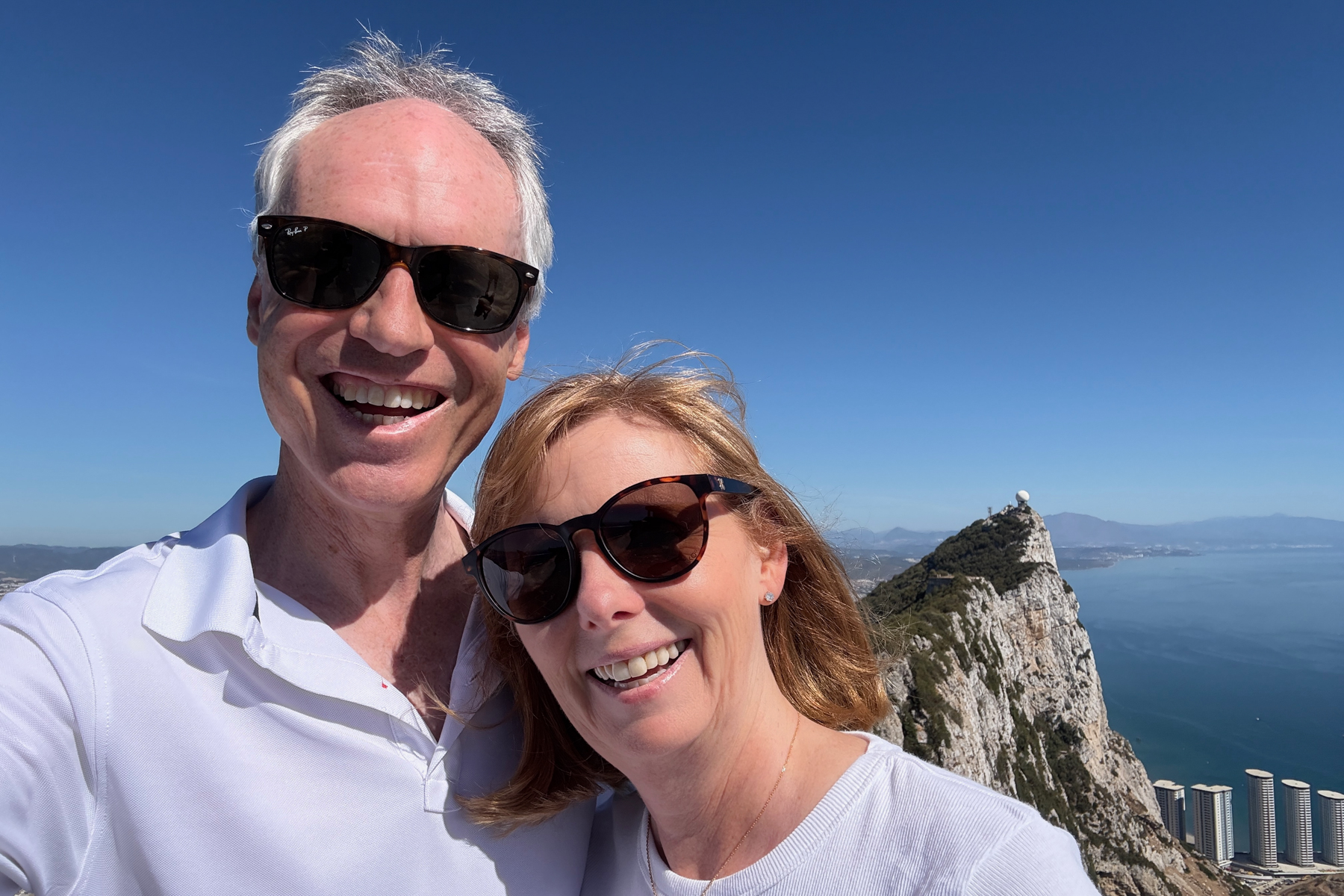
It was an extremely hot day, so we decided to take a short break in the cafe at the top of the rock, and enjoy a nice cold ice-cream.

Even though we had already paid for the return cable car trip, we decided that we’d walk back down to the town through the Gibraltar Nature Reserve. Our first stop on the way down was at the Gibraltar Skywalk, a glass platform extending out over a sheer drop.
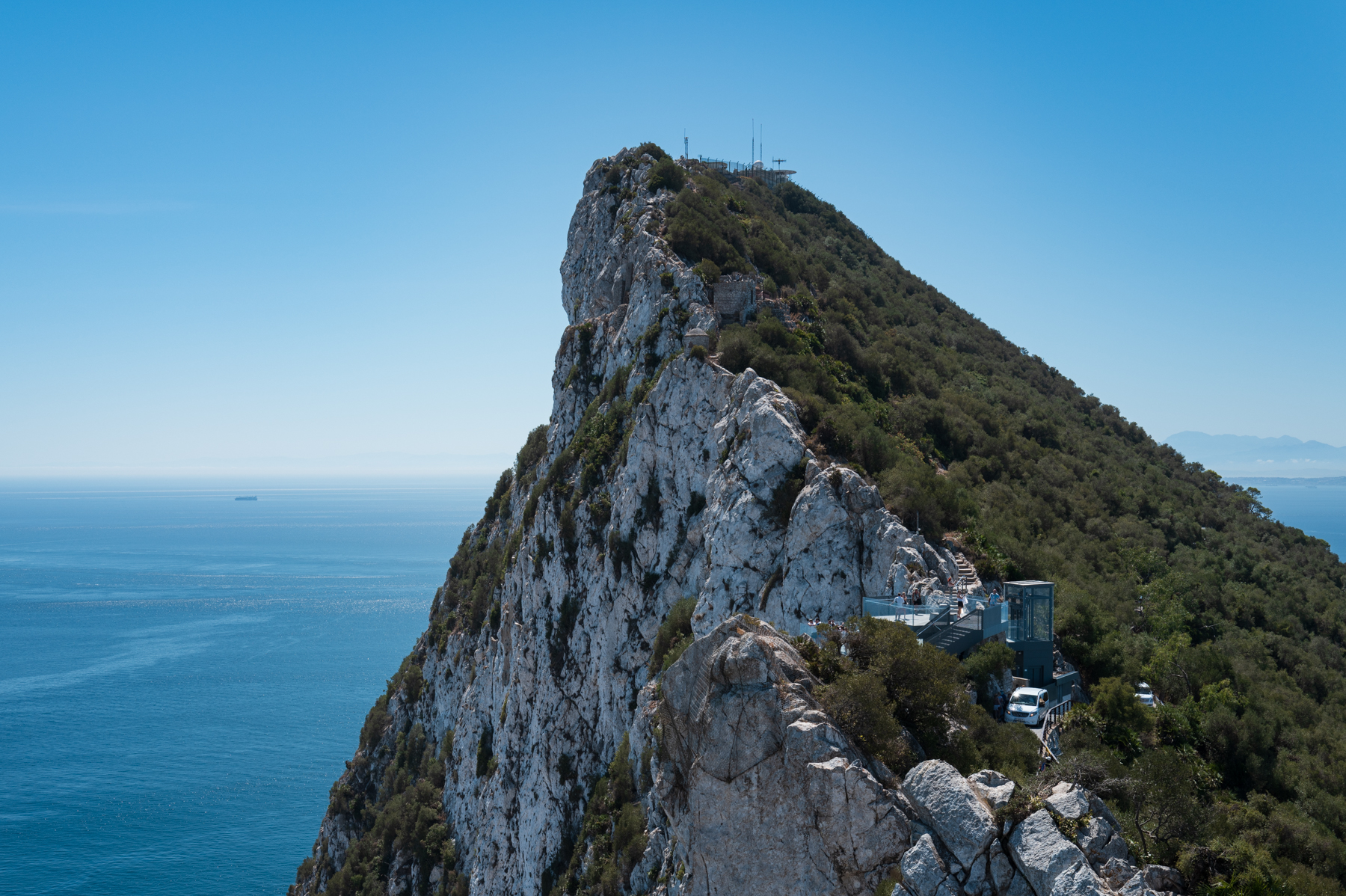
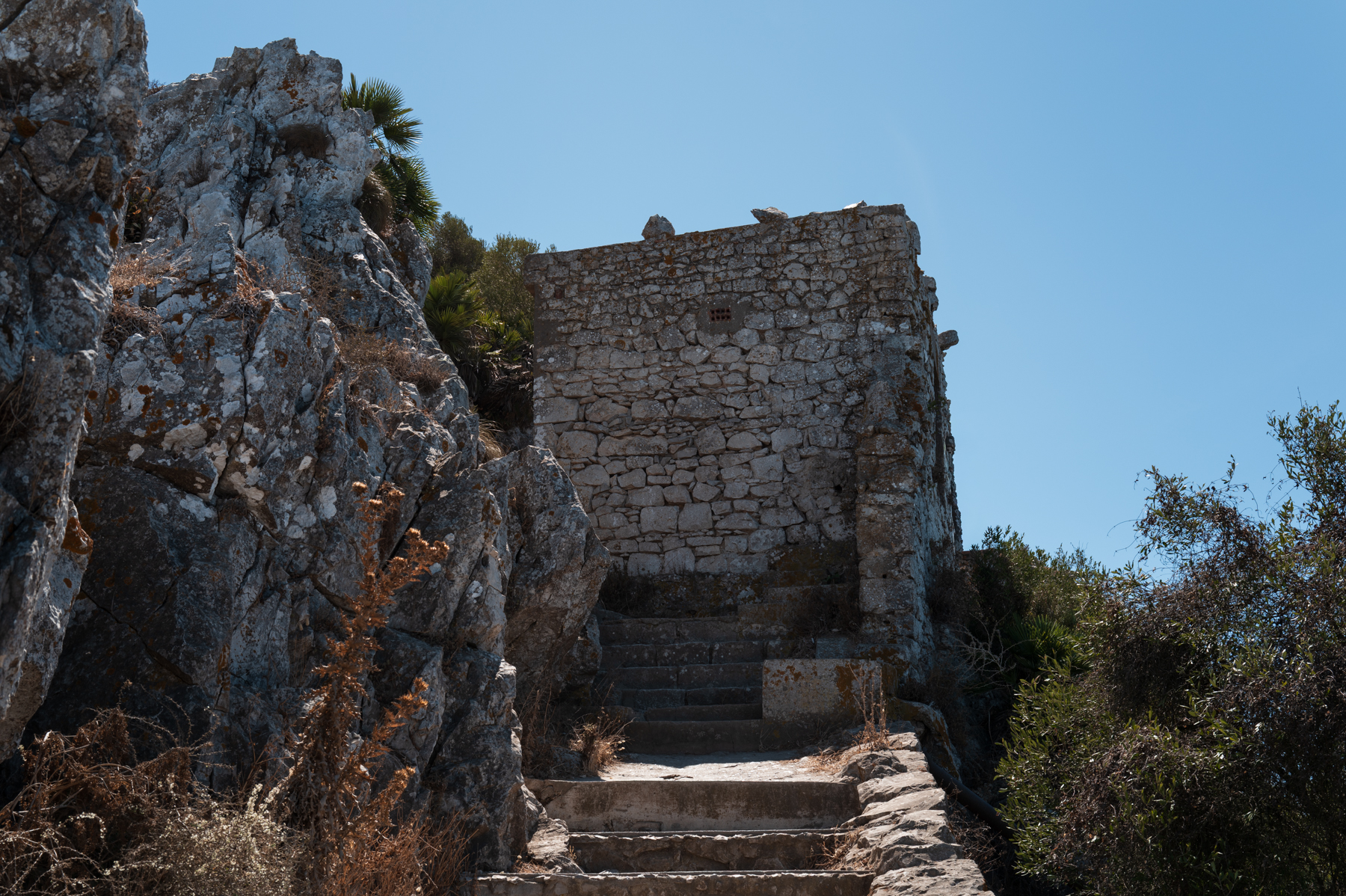
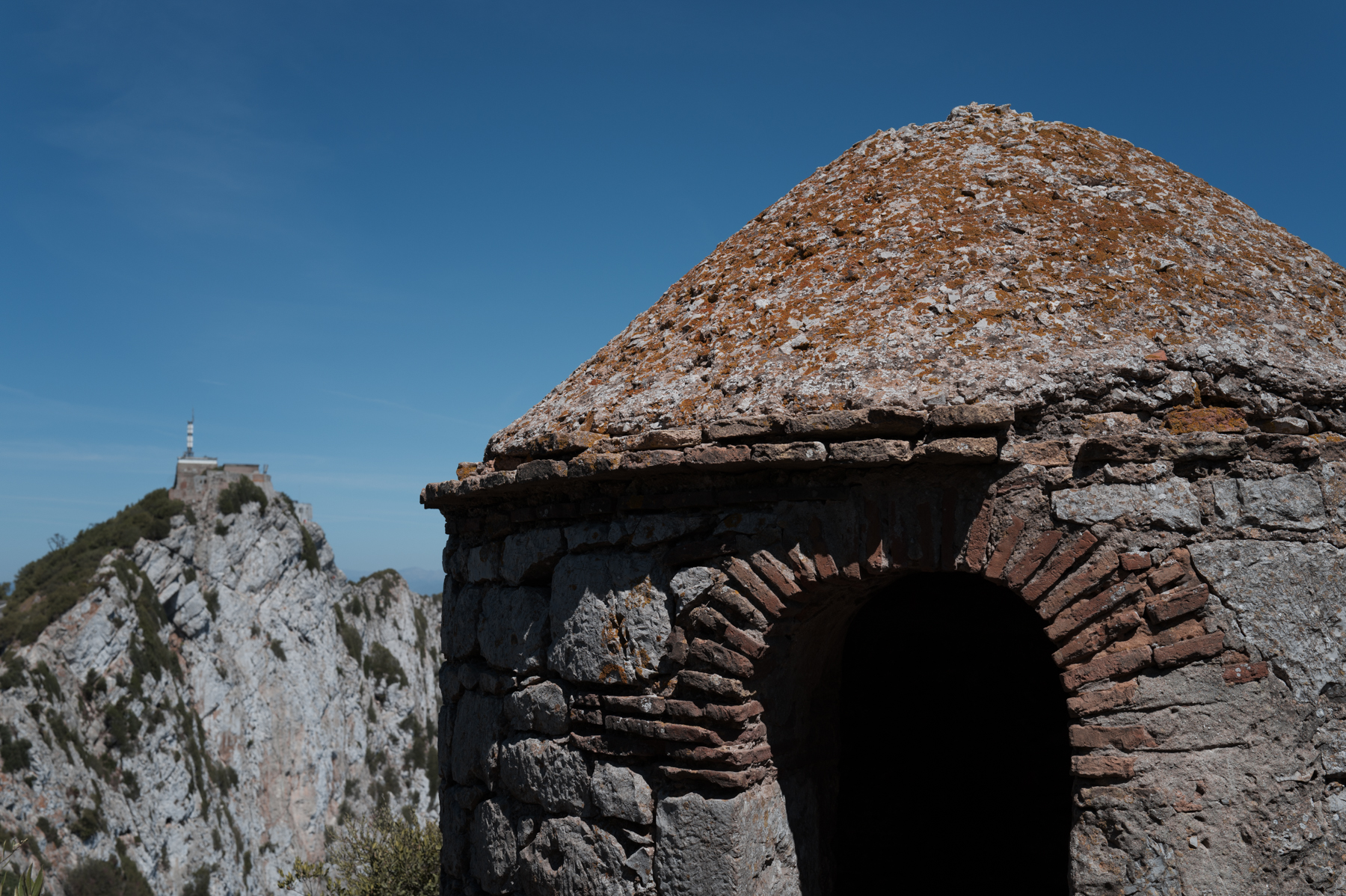
Gibraltar has been a key military stronghold for centuries, and the remnants of old lookouts, gun posts, and other fortifications, are plentiful. The steps up from the Gibraltar Skywalk lead to O’Hara’s Battery, a historical artillery site. Just near this point is an interesting lookout post with a stone conical roof, likely of Moorish origin.
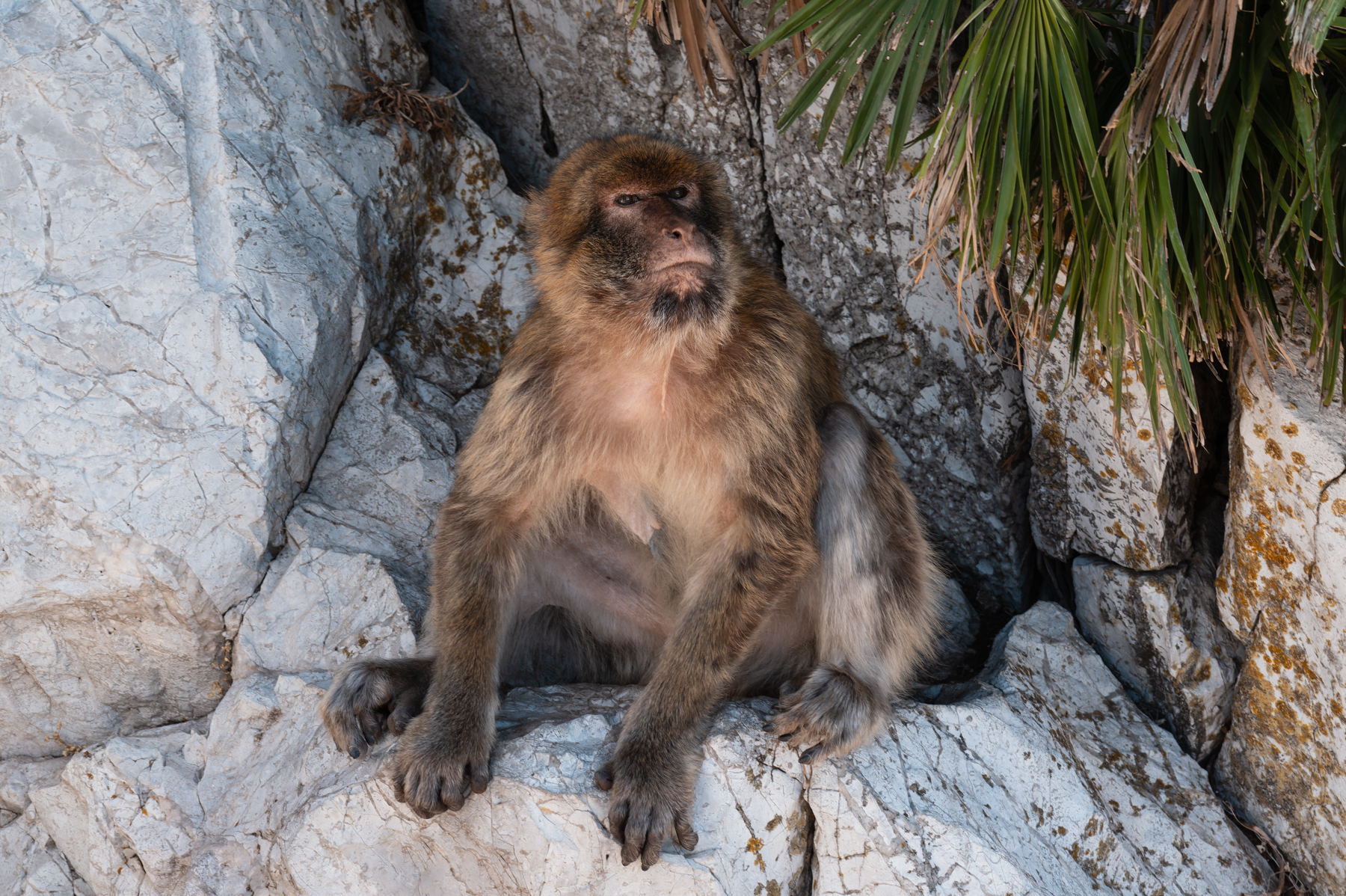
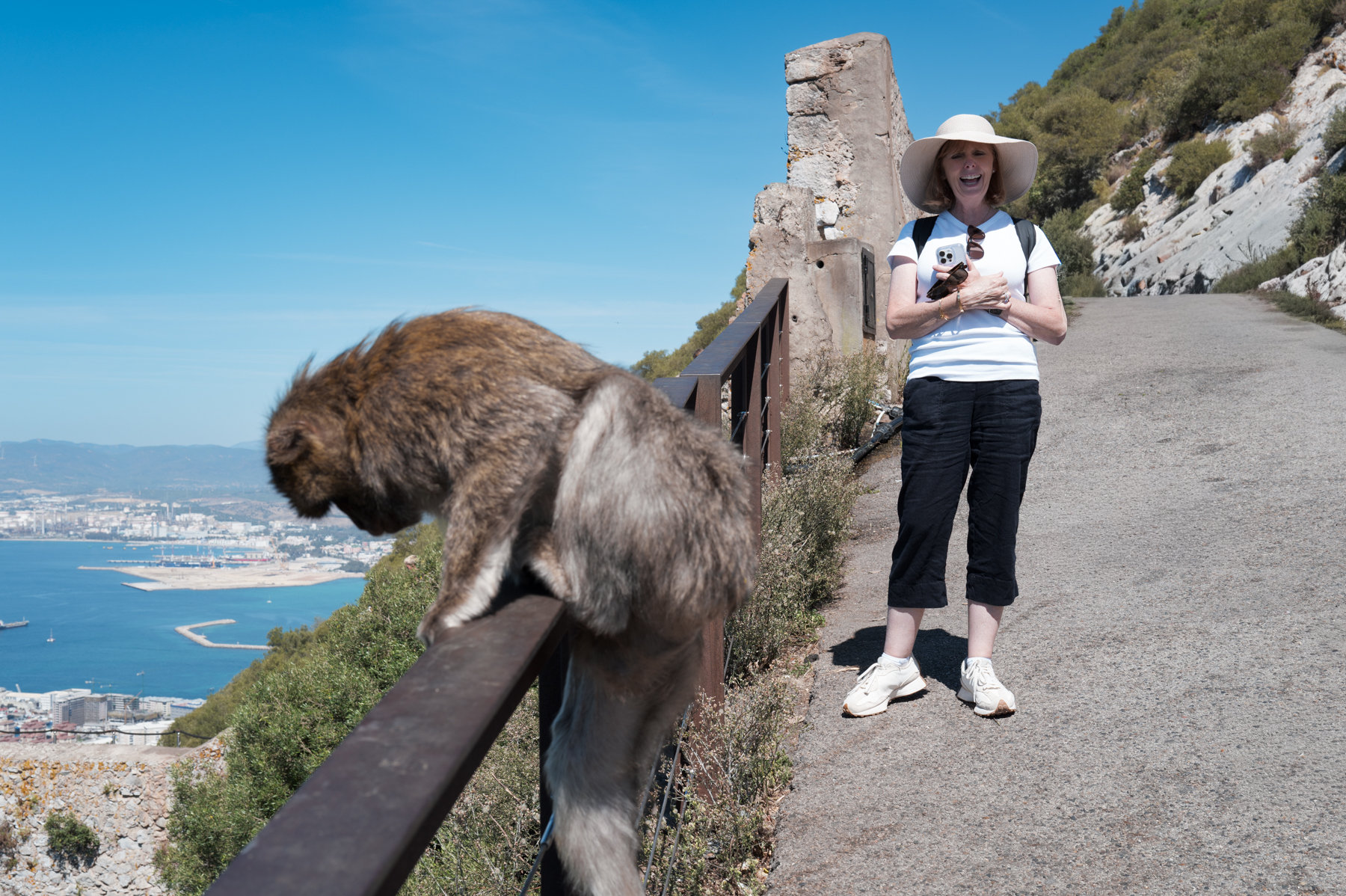
Gibraltar is home to a population of about 250 Barbary macaques, the only wild monkeys in Europe. The macaques are certainly not shy, and will readily steal food from unsuspecting tourists. They are very mischievous, but quite cute.
After about 45 minutes of walking, we came to St. Michael’s Cave, a stunning natural limestone cavern deep inside the Rock of Gibraltar. It is renowned for its dramatic stalactite and stalagmite formations, and centuries of myth and history. In ancient times, it was visited by Greeks, Romans, and Phoenicians, and archaeological evidence has confirmed prehistoric use. Local legend says the cave is bottomless, and contains a subterranean passage to Africa!
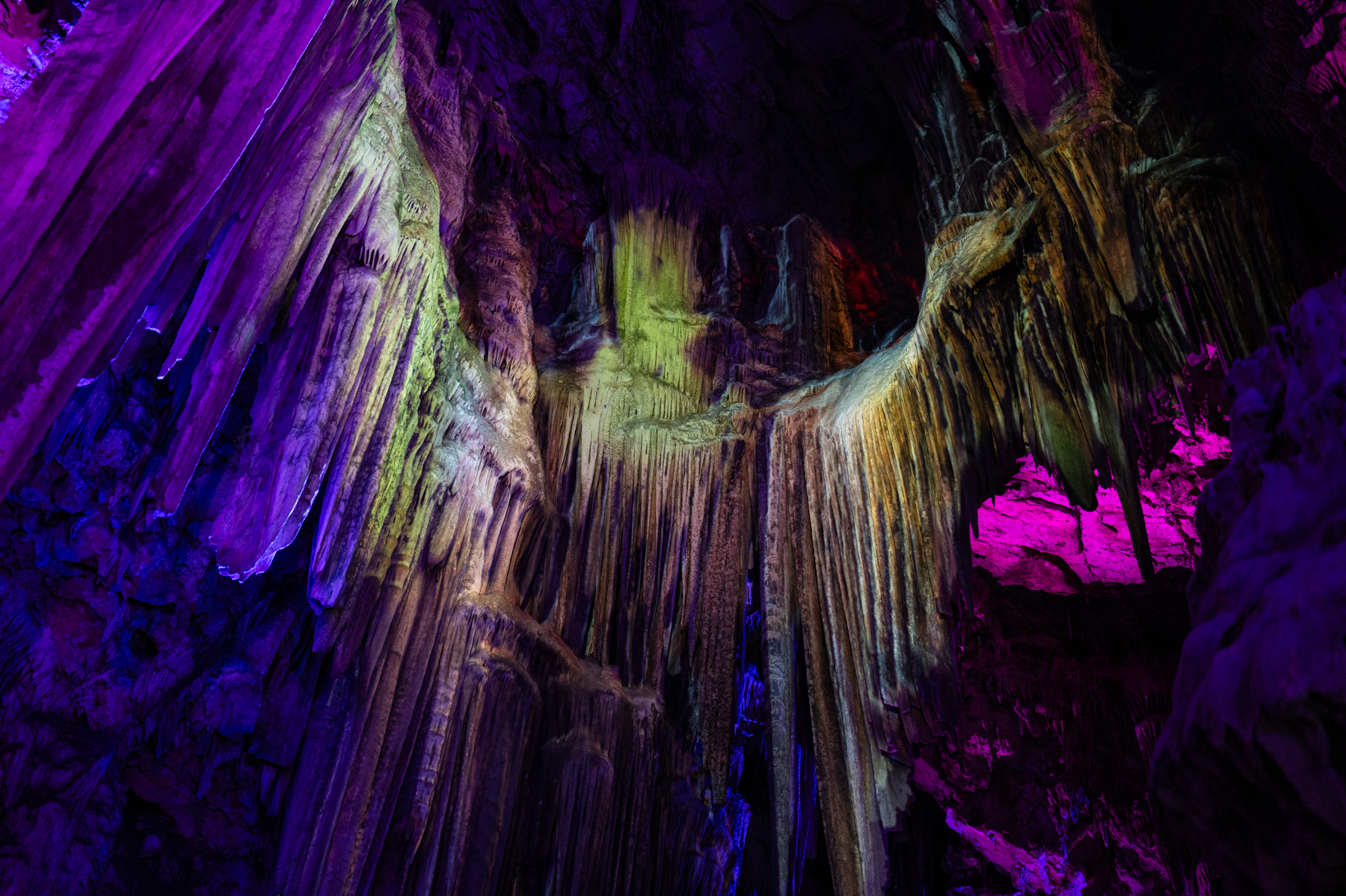
After stopping at St. Michael’s Cave for a short rest and a cold drink, we continued on our way down. We stopped at Queen’s Balcony, a scenic viewpoint on the Rock of Gibraltar, a spot where Queen Elizabeth II and the Duke of Edinburgh stood during their royal visit in 1954, to take in the views.
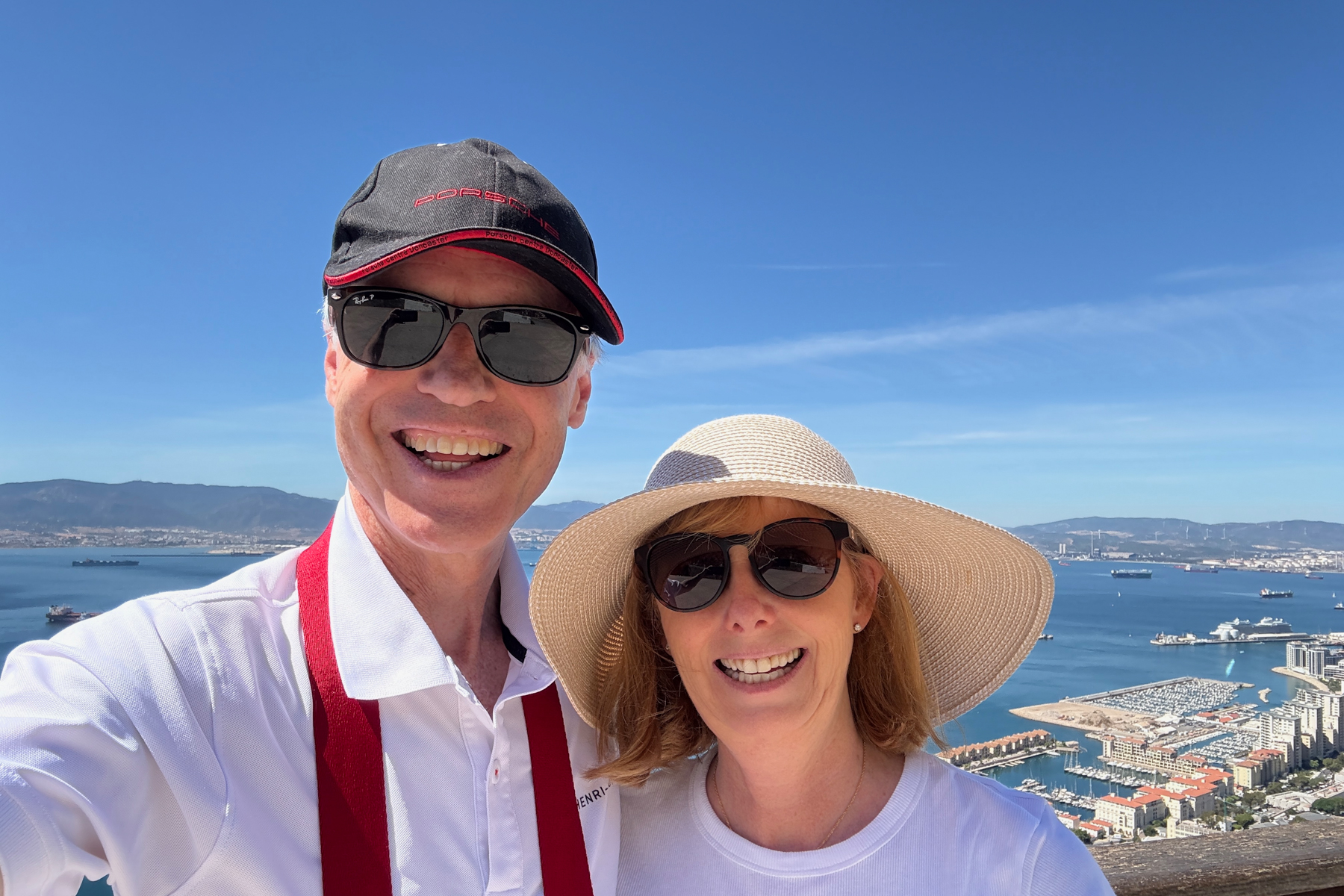
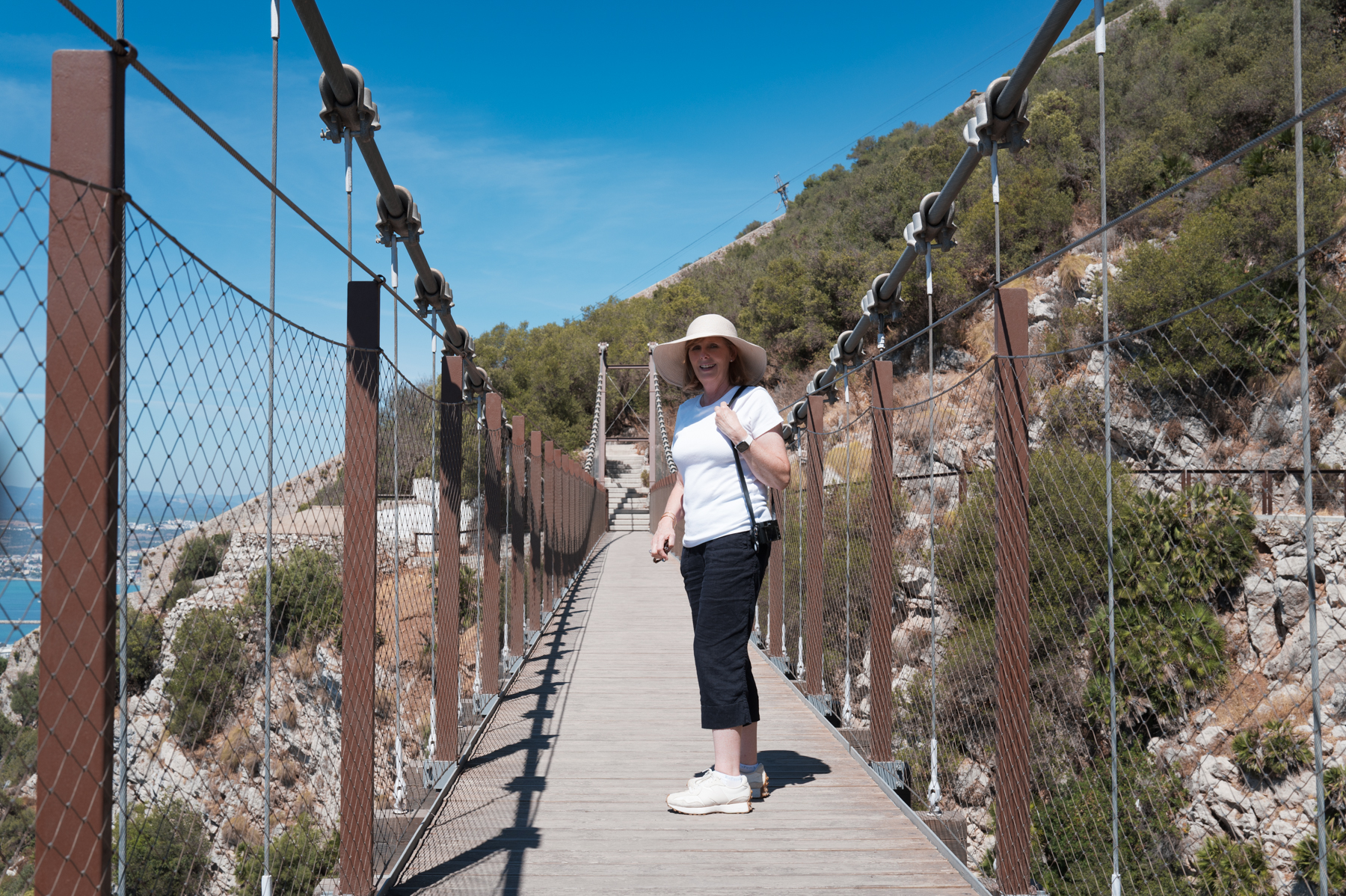
We deviated off the main road to find the Windsor Suspension Bridge. Opened in 2016, the bridge spans 71 metres across a 50-metre-deep gorge, connecting two World War II batteries.
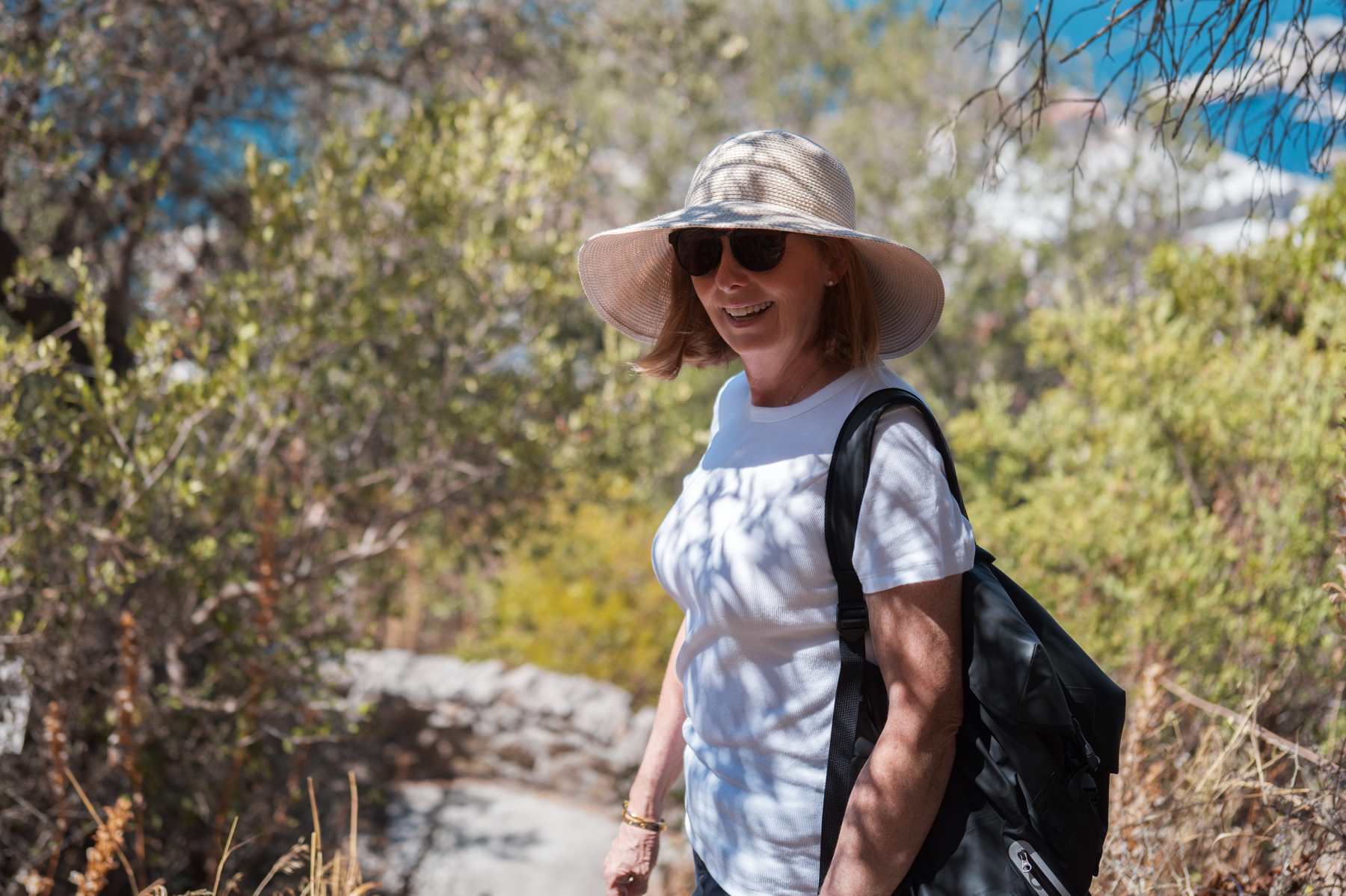
We eventually made it back into town, pretty exhausted from a tricky walk down in the extreme heat. We decided that we’d get a taxi to our next destination. We walked back down Calle Real and negotiated a fare with a taxi driver to the Europa Point Lighthouse. Our taxi driver had lived all of his life in Gibraltar, and gave us a lot of interesting local history on the way to the lighthouse.
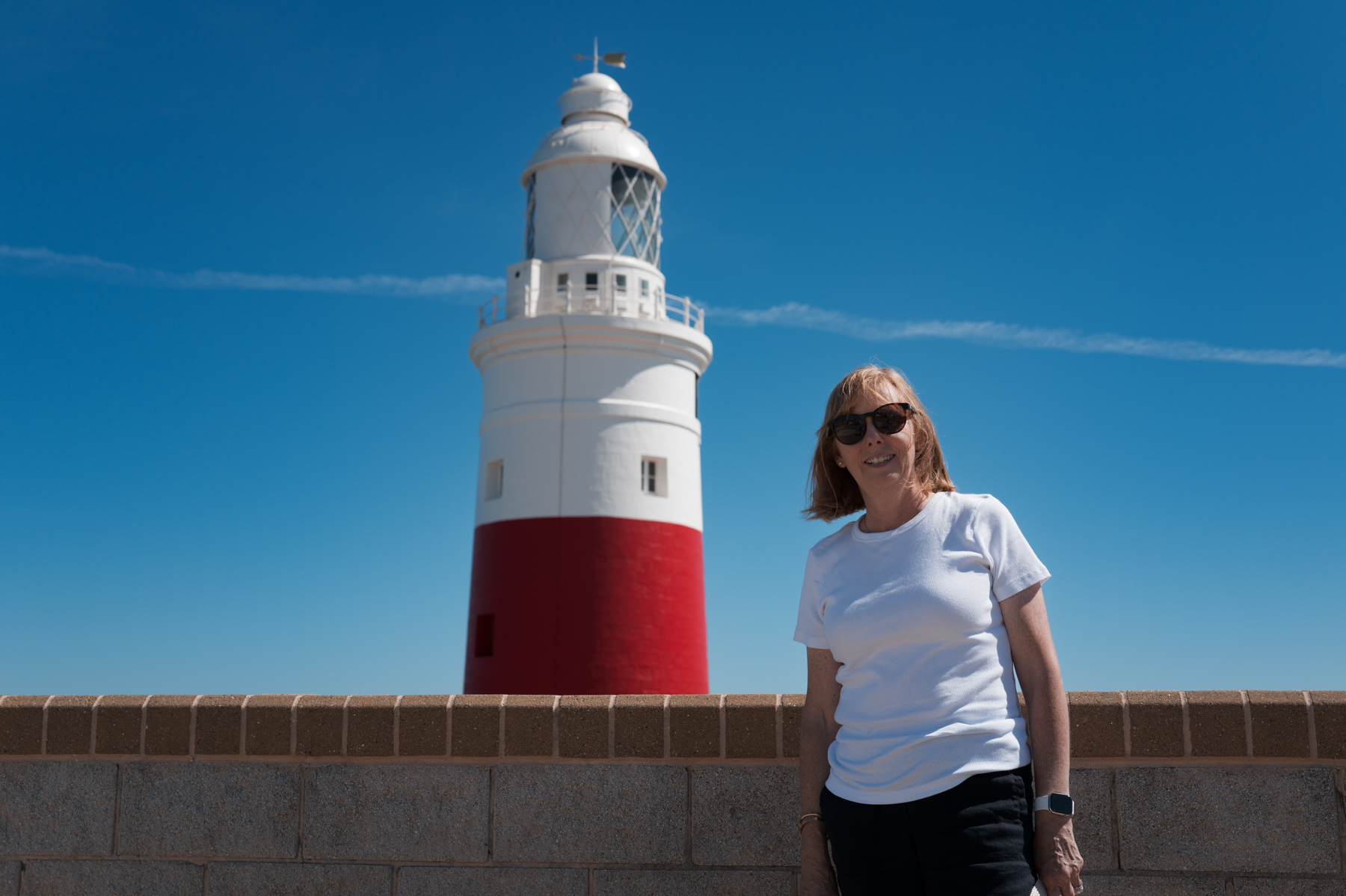
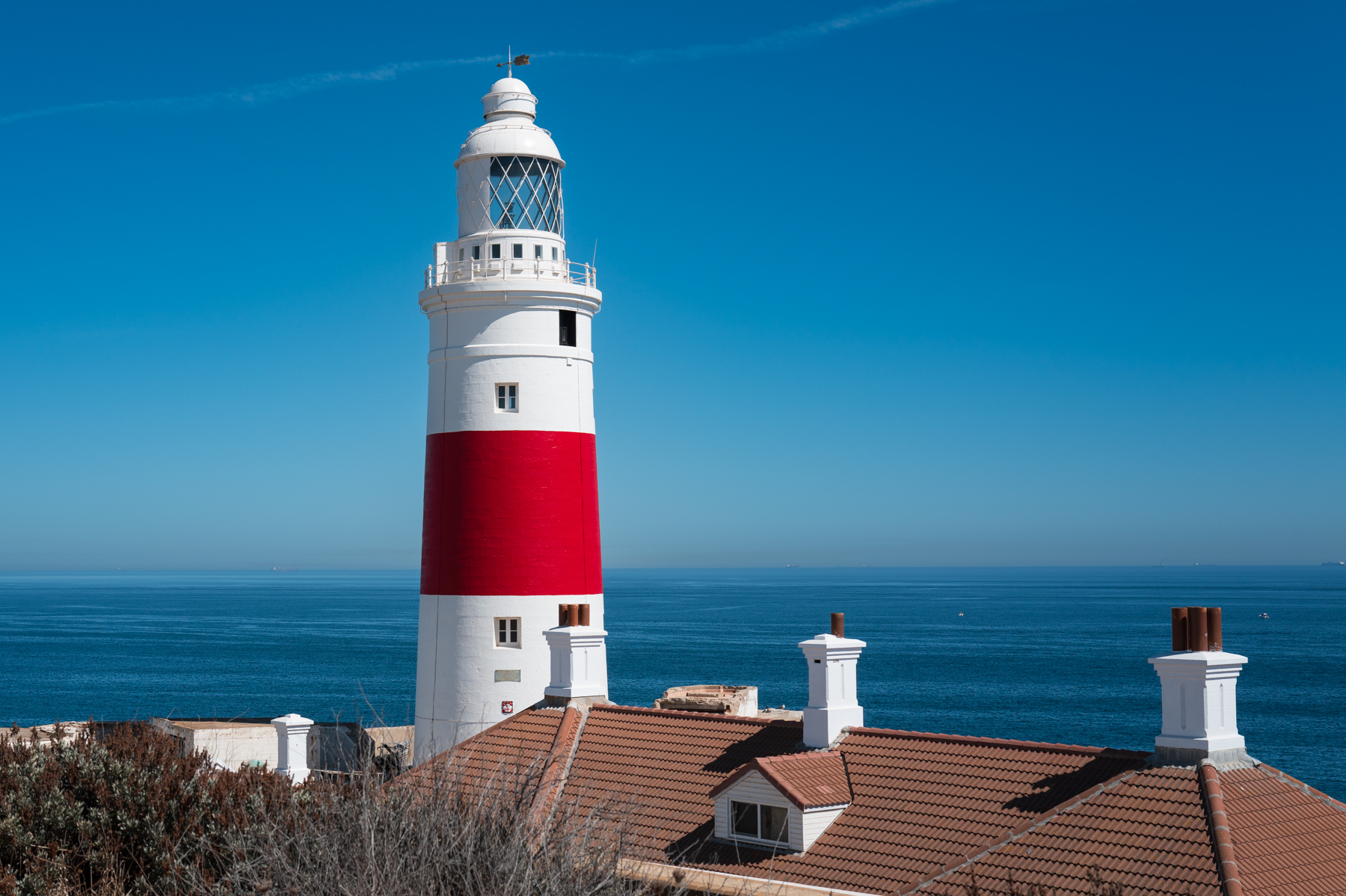
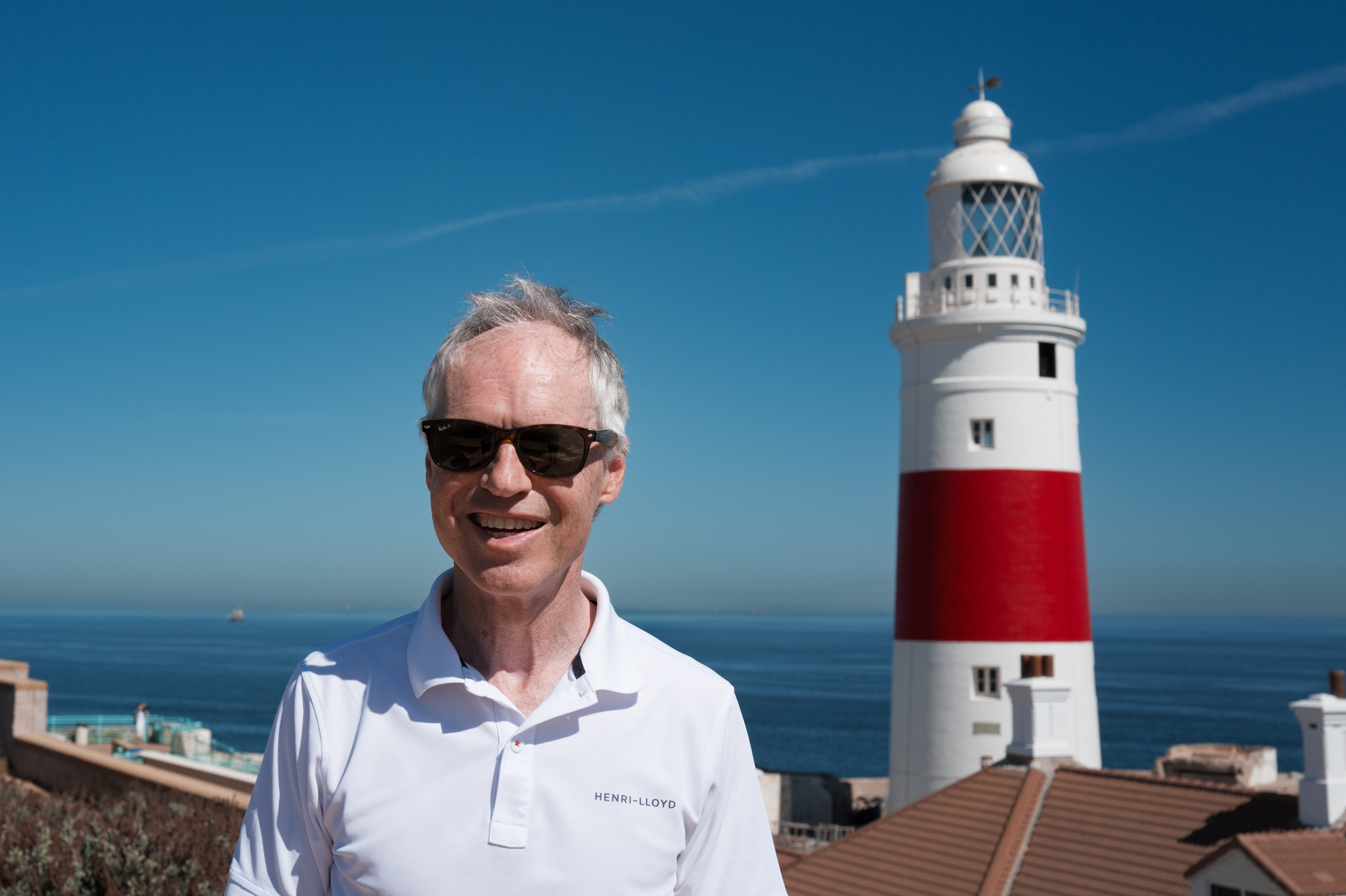
We got to the Europa Point Lighthouse just after 4:00 pm, and hopped out of the taxi to have a look around. The Europa Point Lighthouse, built between 1838 and 1841, stands at Gibraltar’s southernmost tip at Europa Point, where the Atlantic Ocean meets the Mediterranean Sea. It is still a functioning lighthouse (automated since 1994) and is considered to be an iconic symbol of the territory’s maritime history and multicultural crossroads (with Africa just 14 kilometres across the water).
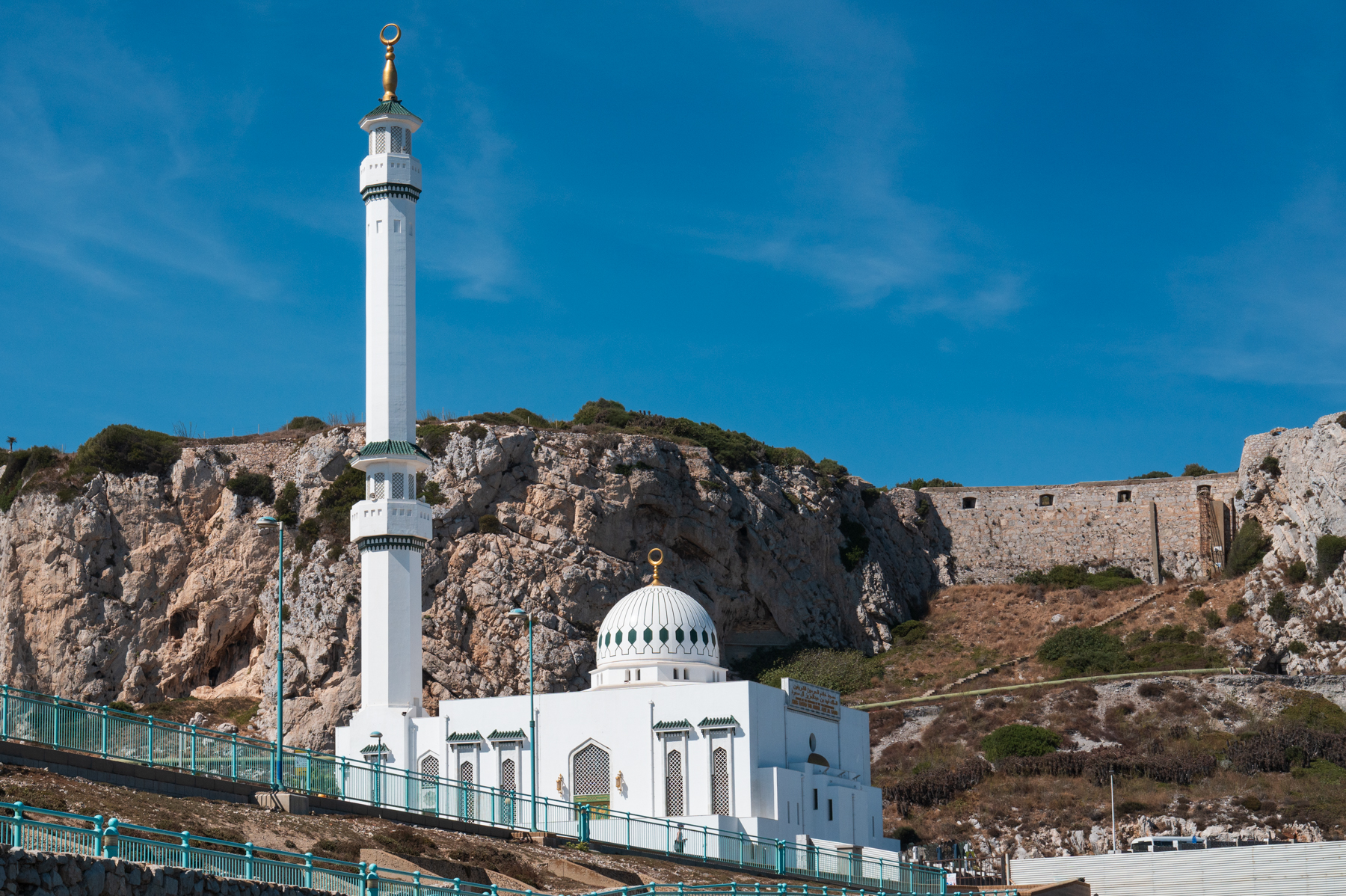
Not far from the lighthouse is the Ibrahim-al-Ibrahim Mosque, a gift from King Fahd of Saudi Arabia, built over two years and officially opened in 1997. It is one of the largest mosques in a non-Muslim country and is the southernmost mosque in continental Europe, serving Gibraltar’s Muslim community (about 4% of the population, mostly of Moroccan descent).
After leaving Europa Point, our taxi driver took us on a nice tour along the coast, before dropping us back at the border. We walked back through the border controls into Spain, and hopped in the car for the drive to our next stop, the Andalucían mountain town of Ronda, in southern Spain.
The trip from Gibraltar to Ronda was only about 100 kilometres, but the road to get there was steep (rising over 2,000 metres above sea level), winding, and often very narrow. It took us two hours to get to Ronda. We managed to find a very tight parking spot in a church car park, and we set off to have a look around.
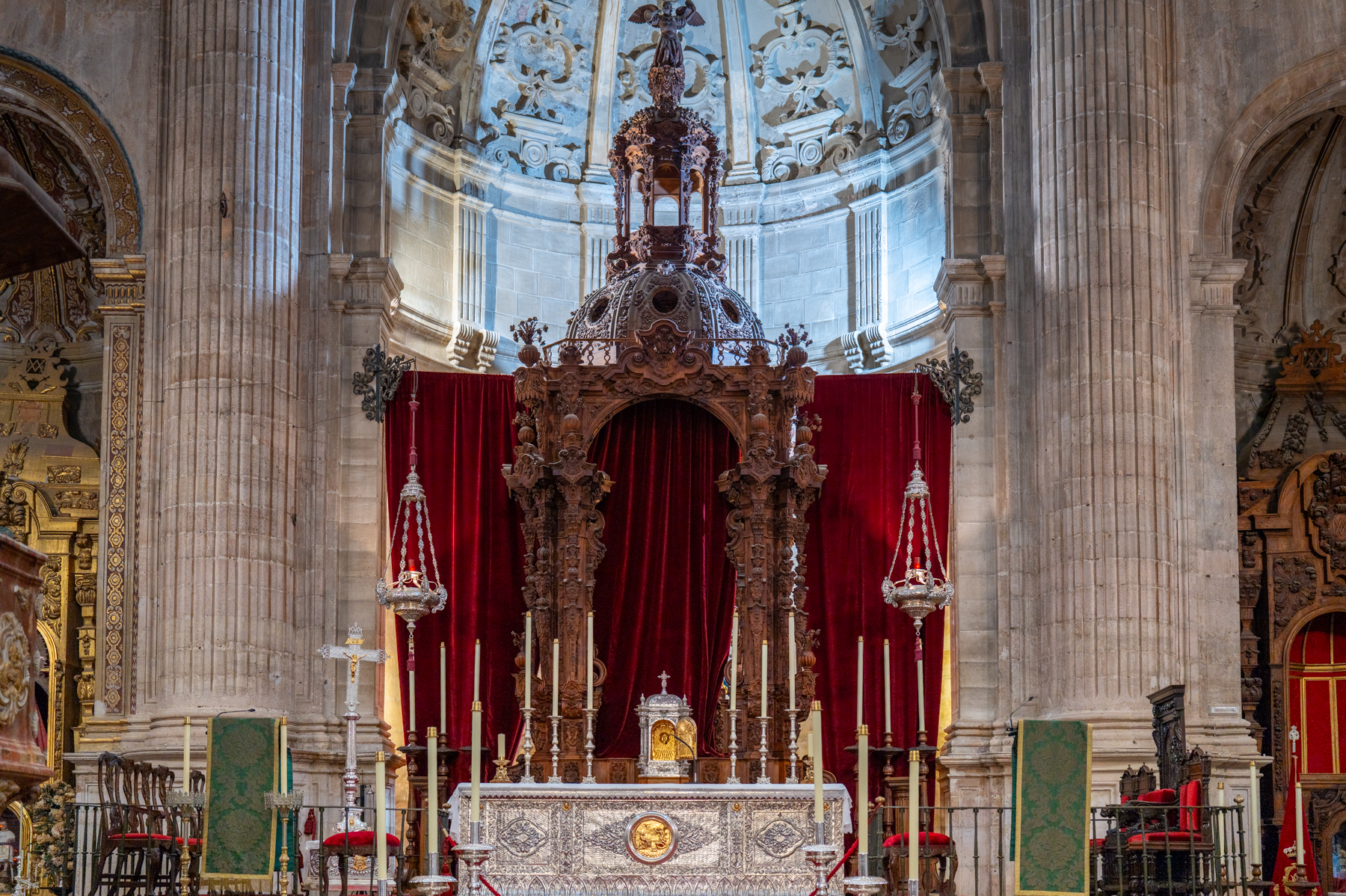
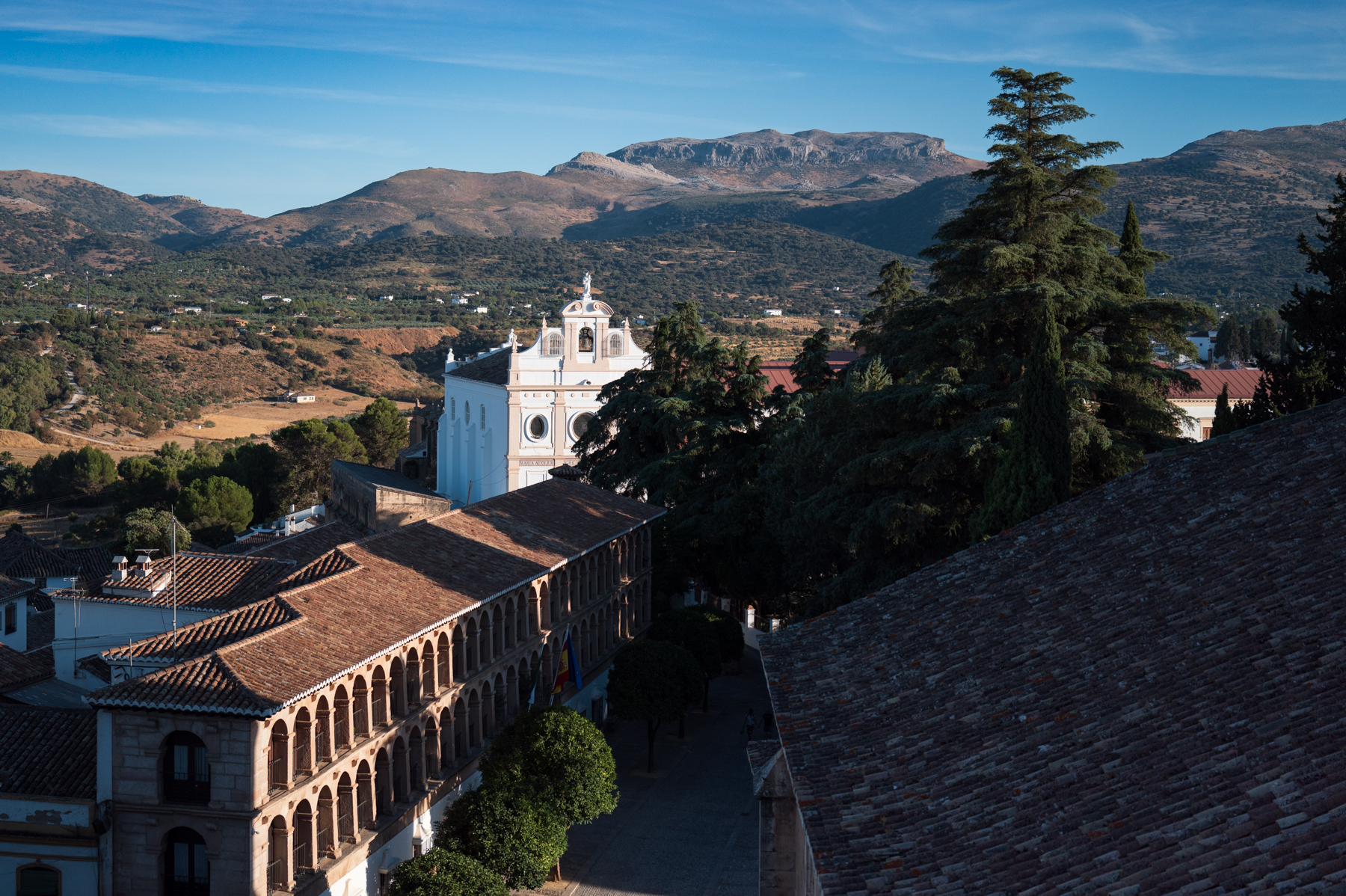
Our first stop in Ronda was the Iglesia de Santa María la Mayor, a beautiful historic church located on the site of Ronda’s former mosque, in the old town. Its origins date back to the Christian conquest of Ronda in 1485, when the Catholic Monarchs ordered the mosque’s transformation into a church, a process that took almost two centuries to complete. We looked around the inside of the church and then climbed the church’s tower to take in the views.
From the church, we walked to the Puente Nuevo (“New Bridge”), an 18th-century stone masterpiece spanning the El Tajo gorge, 100 metres above the river. The gorge splits the city into two, and the bridge connects the historic Moorish quarter (La Ciudad) with the lively new town (El Mercadillo). Just next to the bridge is the Mirador de Aldehuela, a scenic viewpoint named after José Martín de Aldehuela, the architect of the Puente Nuevo bridge.
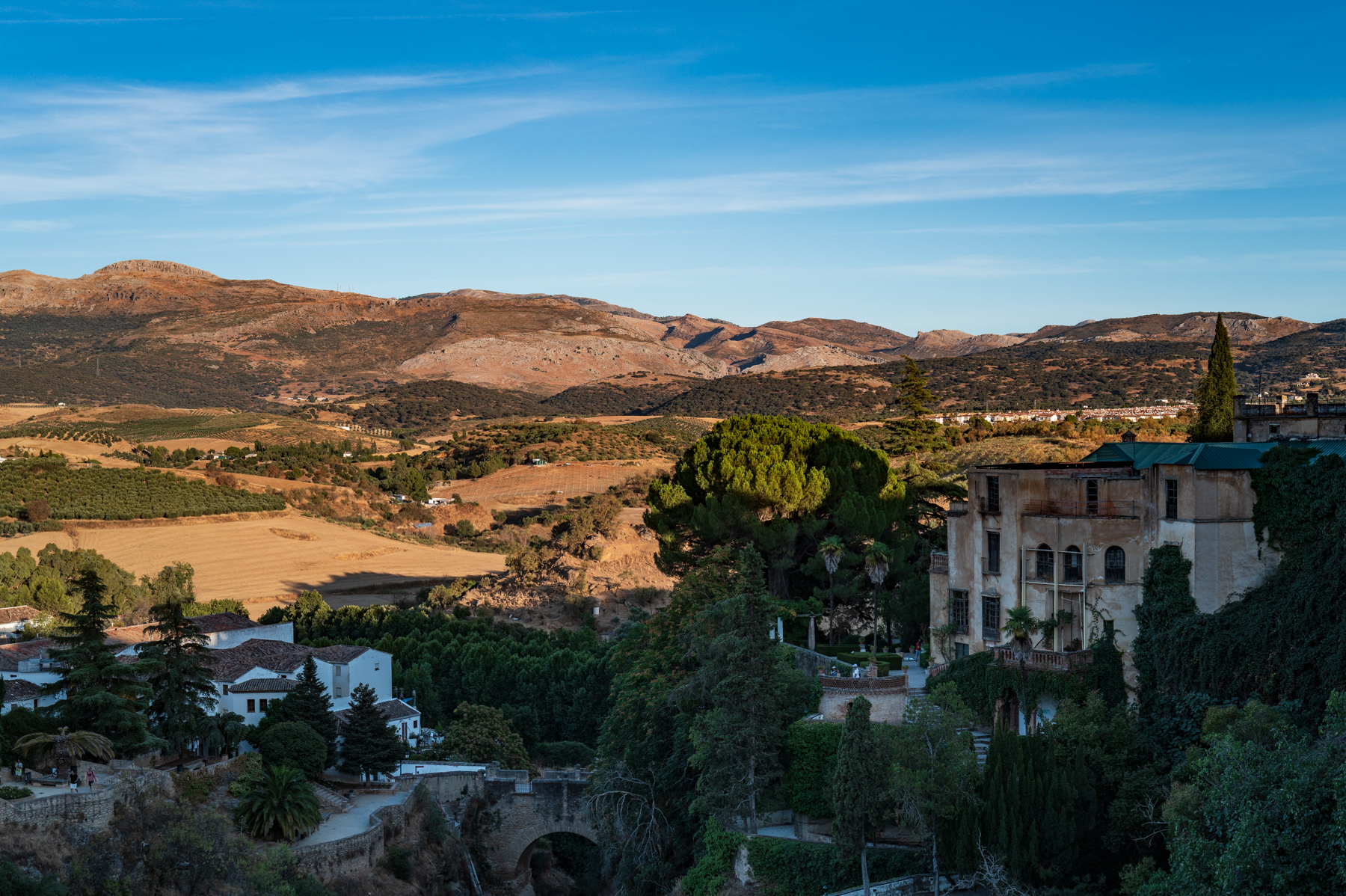
We crossed the bridge and took in the views of the town from the other side of the gorge.
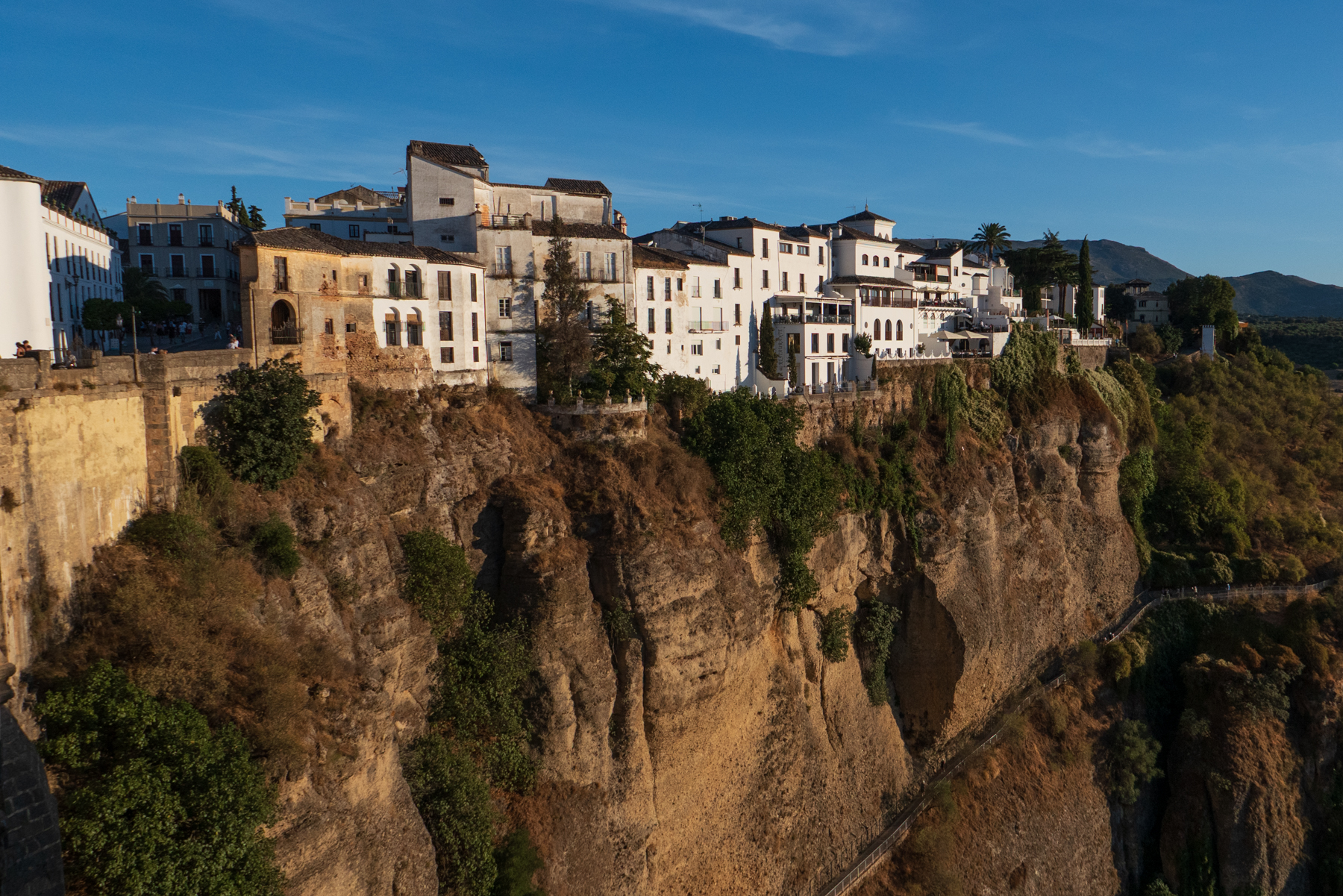
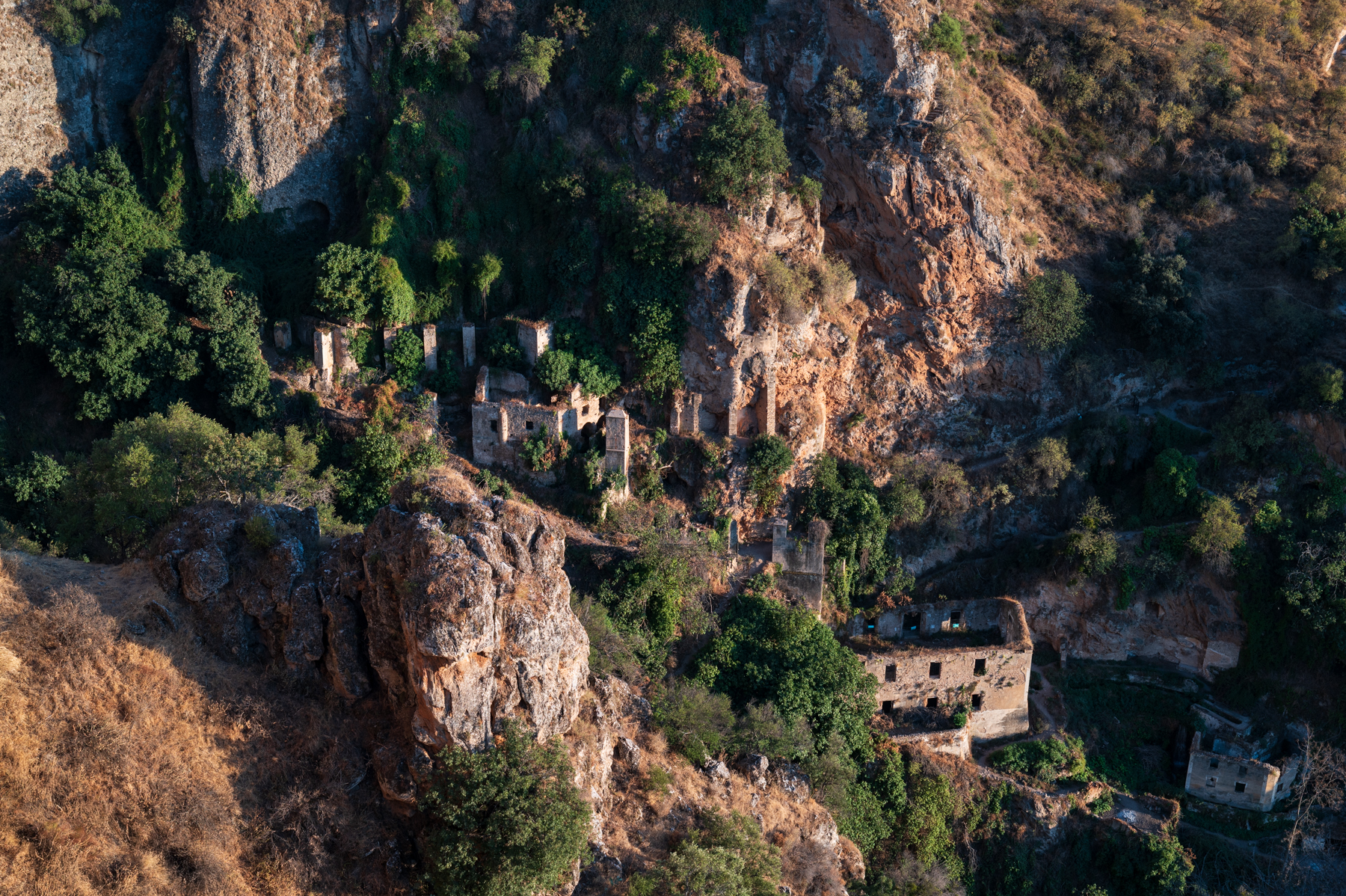
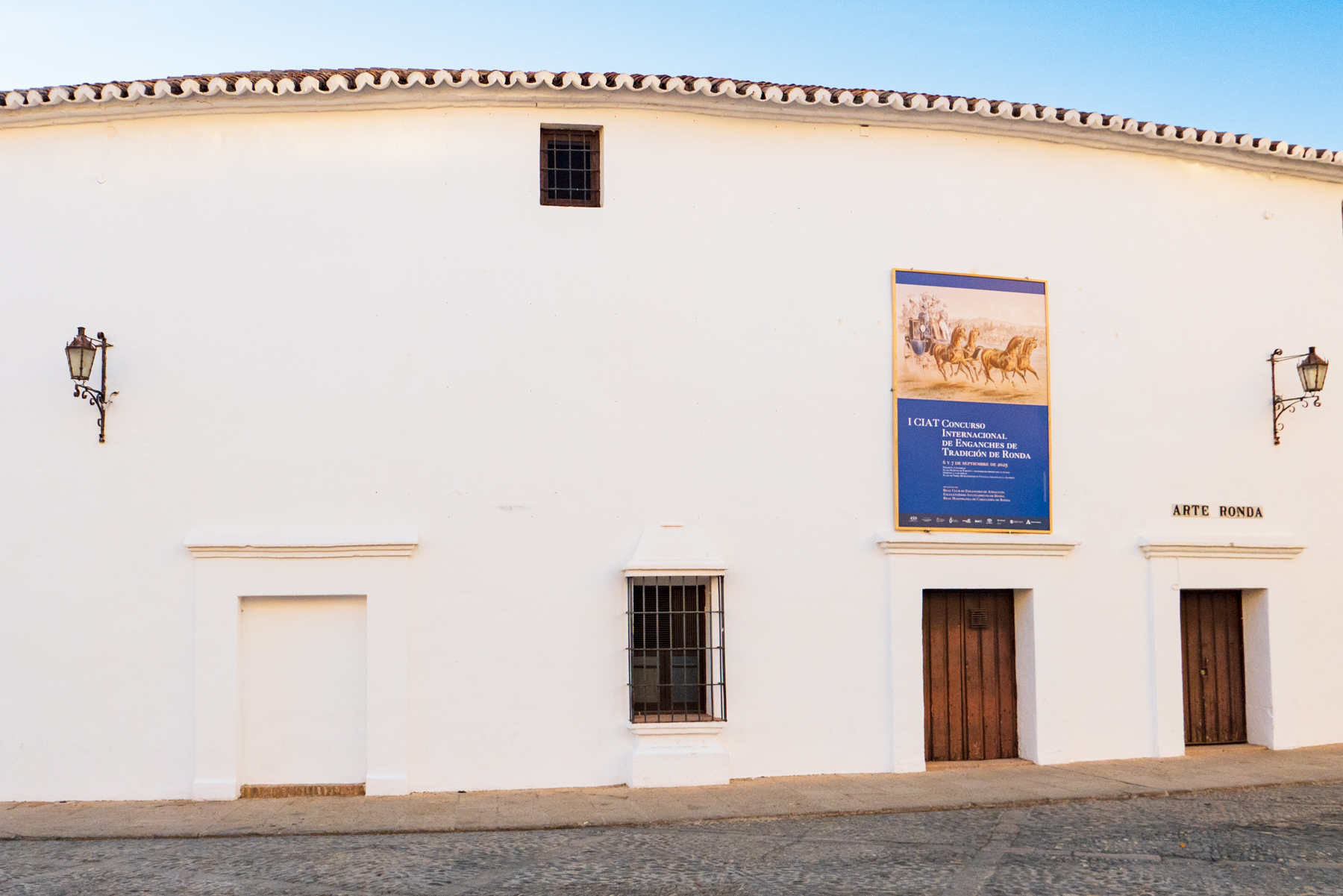
We spent some time walking around the town, which was packed with people out enjoying a beautiful evening. We passed by the Plaza de Toros de Ronda, the Ronda bullring. The Ronda bullring is especially important because Ronda is considered the birthplace of modern, on-foot Spanish bullfighting. Unfortunately, it wasn’t open while we were there, so we didn’t get to see inside the arena or the museum.
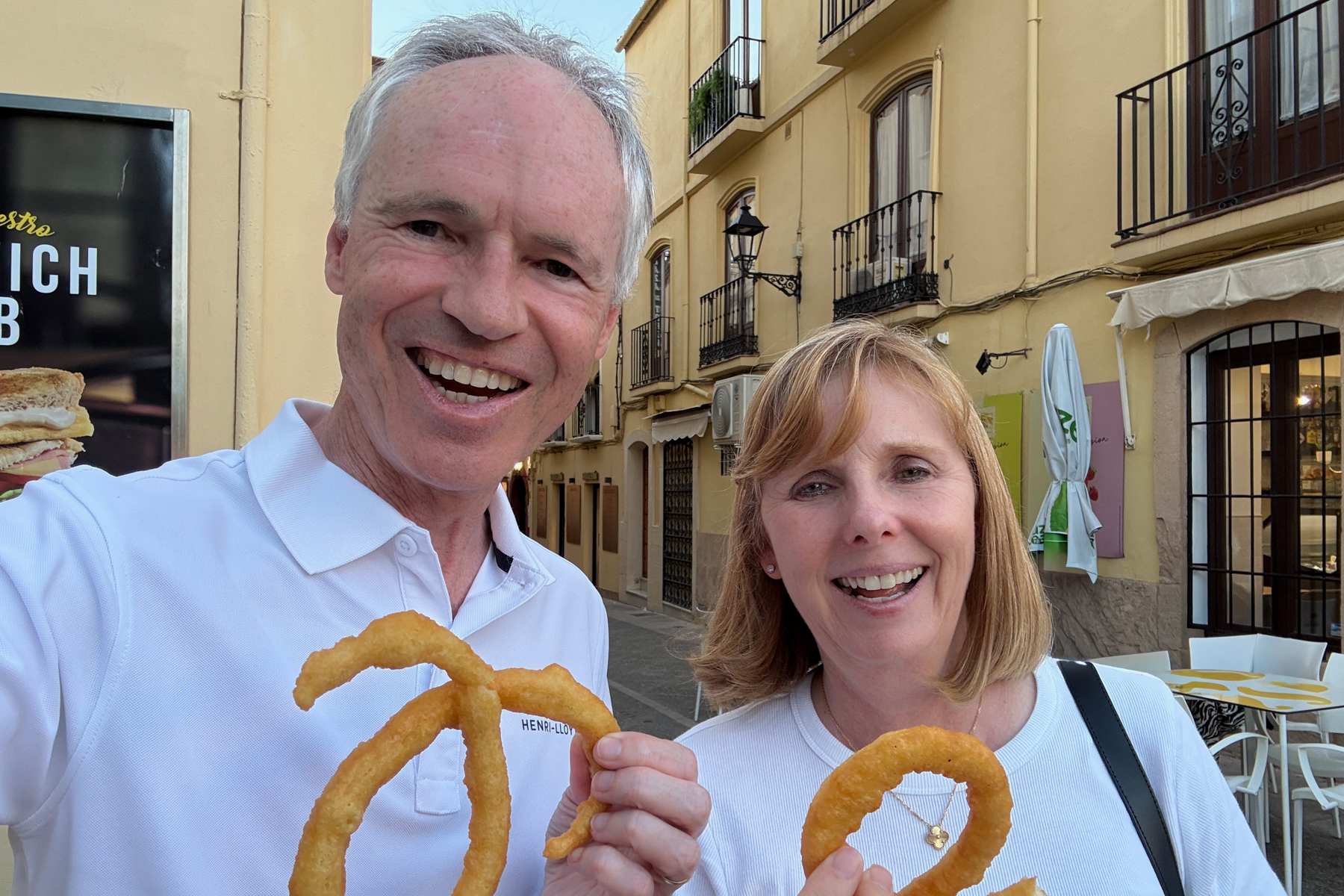
We were starting to get a bit hungry, so we stopped for a quick snack. We were hoping to get a churro, but we ended up with something else entirely!
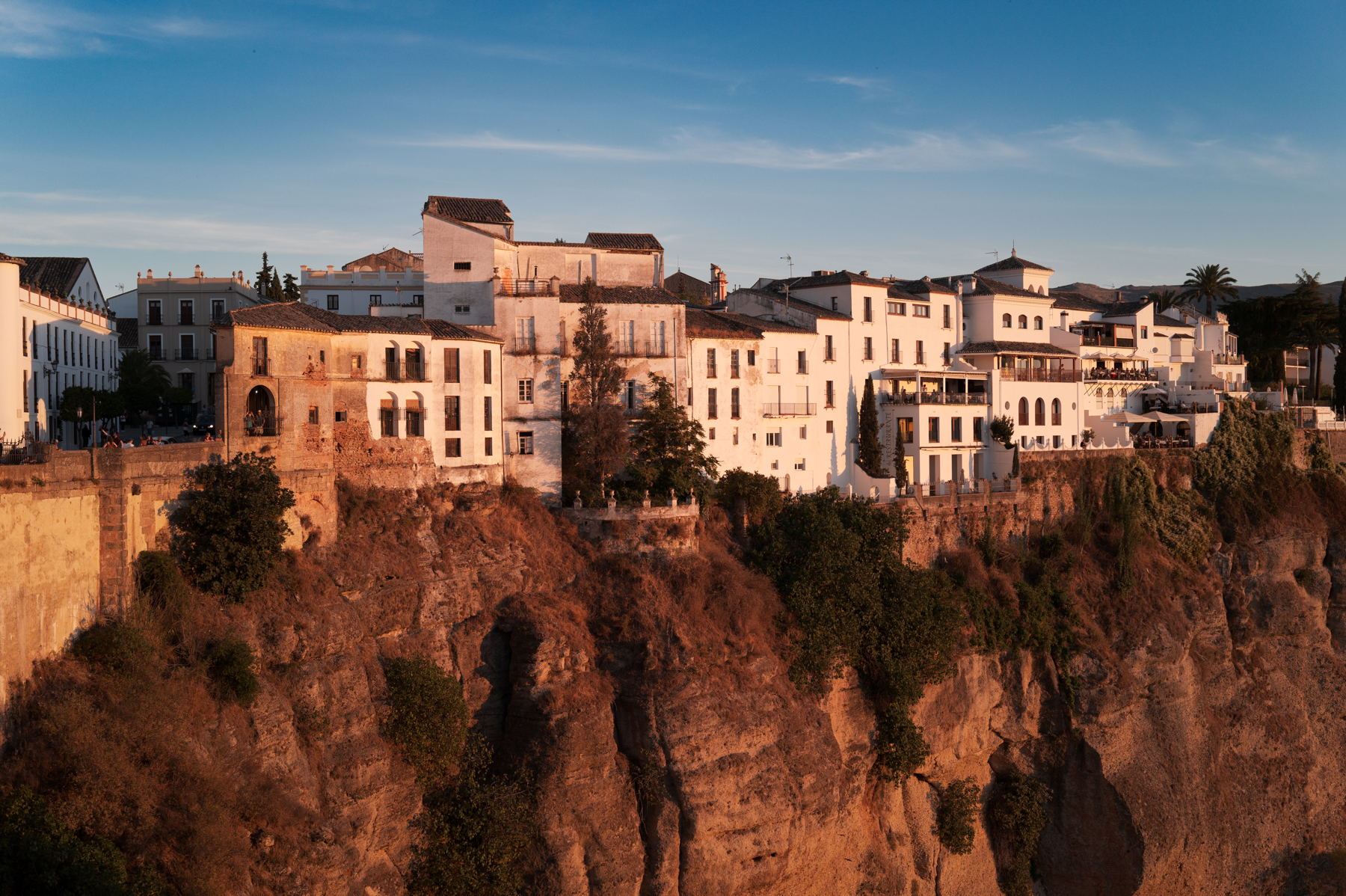
By this stage, it was well after 8:00 pm, and we still had a two-hour drive ahead of us to get back to Seville, so we headed back to the car. On the way back across the Puente Nuevo, we got a lovely view of some of Ronda’s white buildings in the glorious evening sunset light.
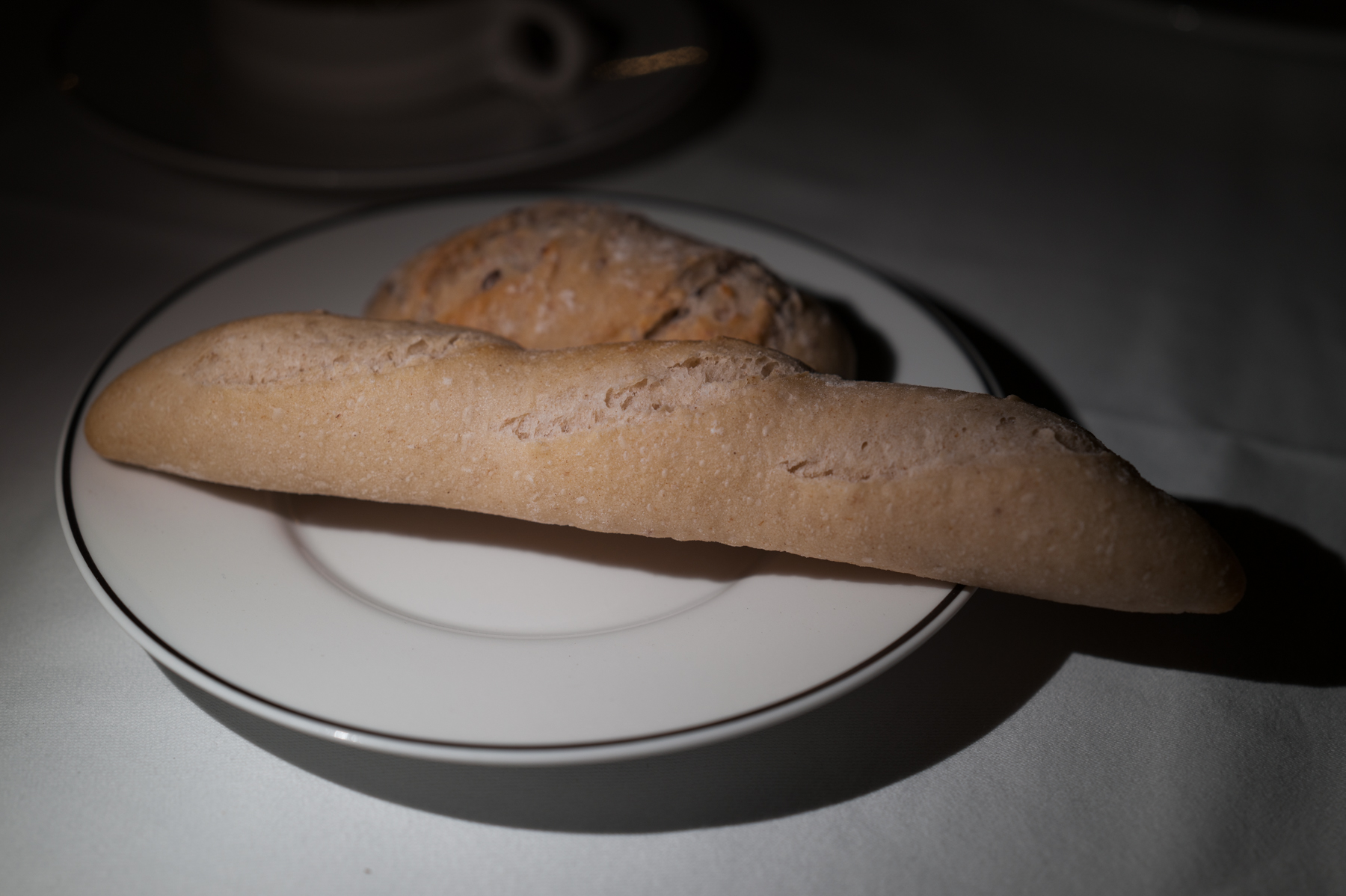
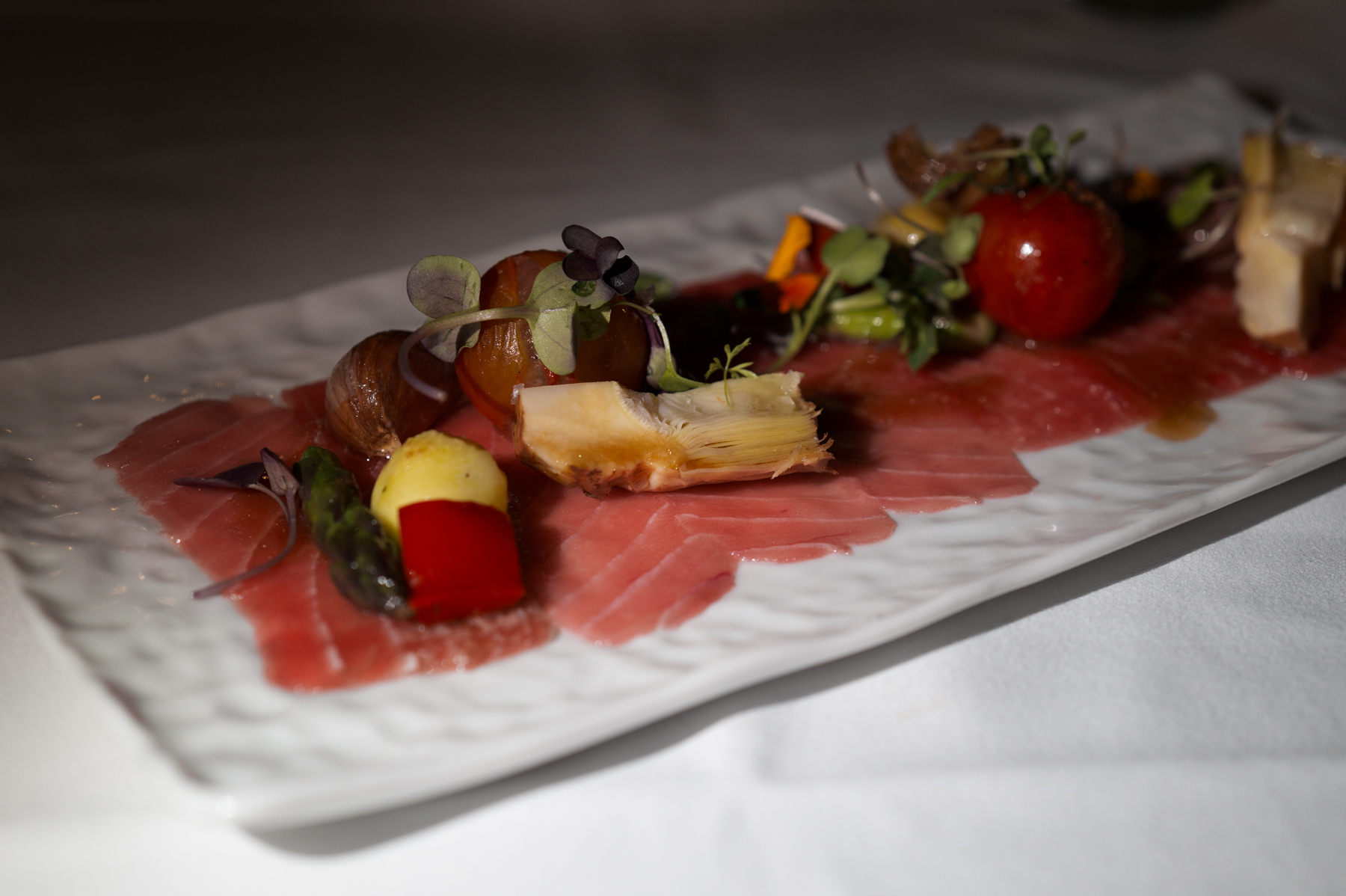
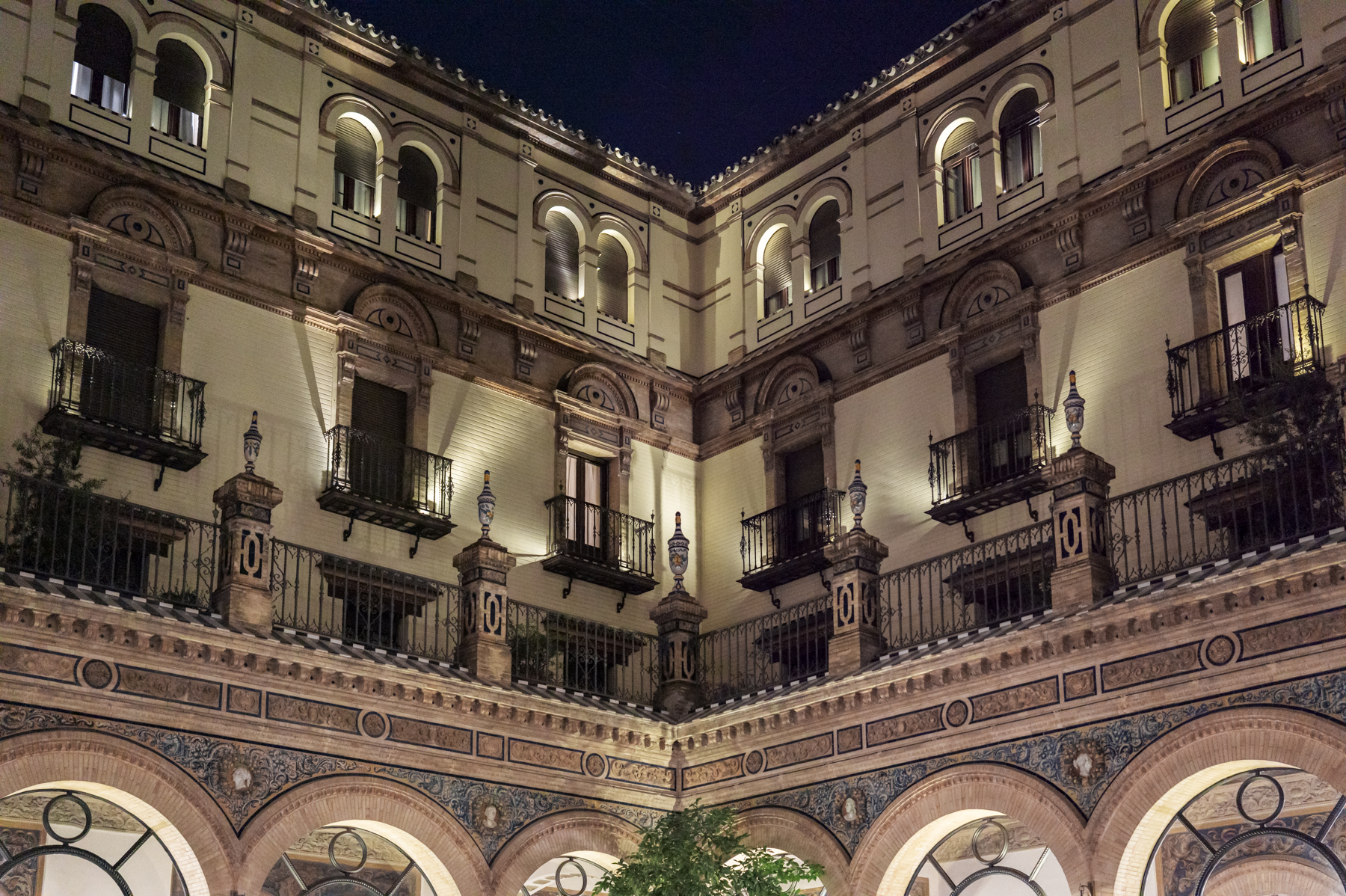
It was 11:00 pm by the time we arrived back at the hotel in Seville. And since this is Spain, the restaurant was still happy to seat us for dinner! We had a nice, light dinner outside in the courtyard.
After dinner, we went upstairs and promptly fell into bed after what has been a very big day. Tomorrow, we’re back on the road, with a 250-kilometre drive to Granada.