
Europe
Seville to Granada
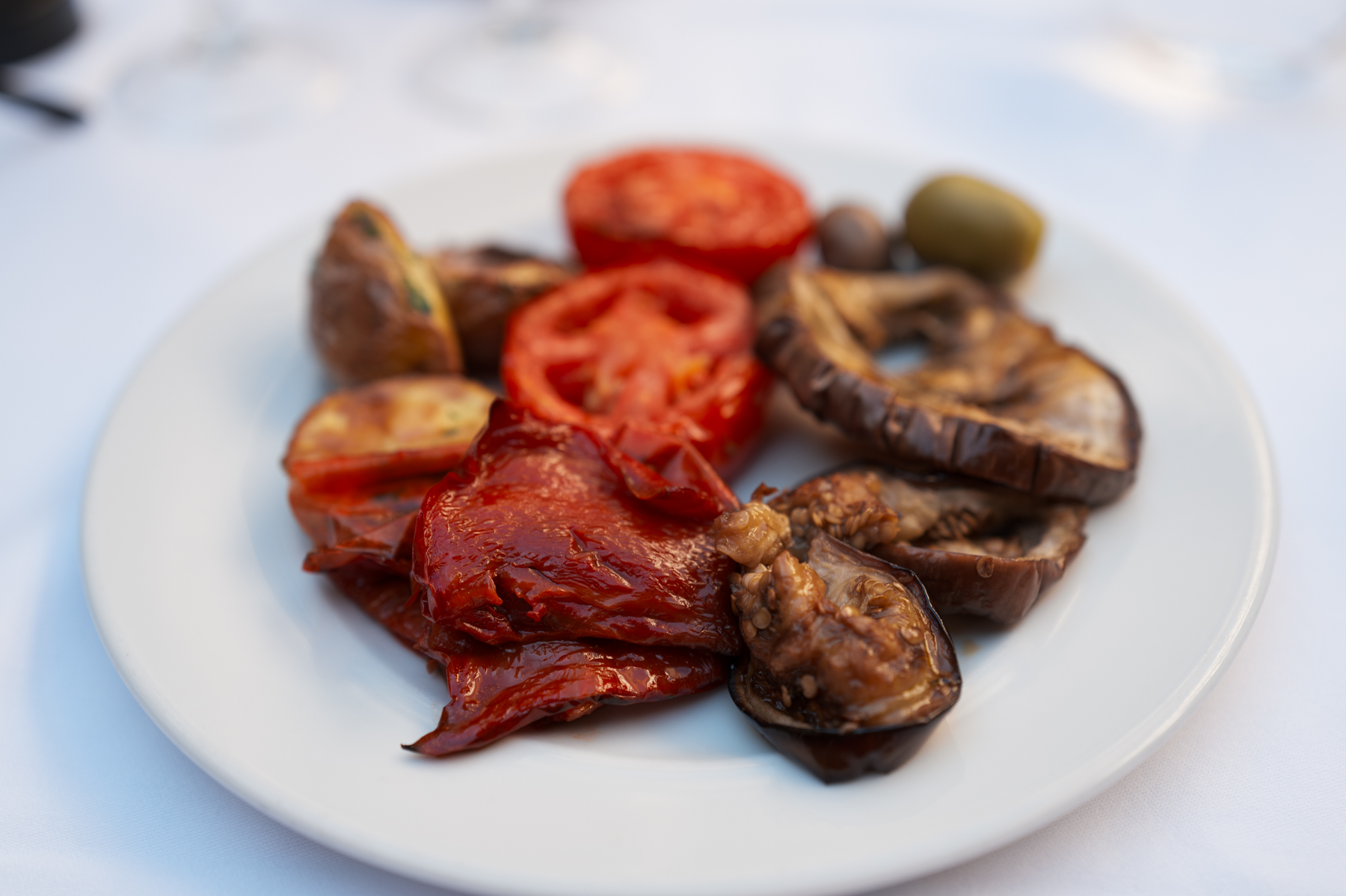
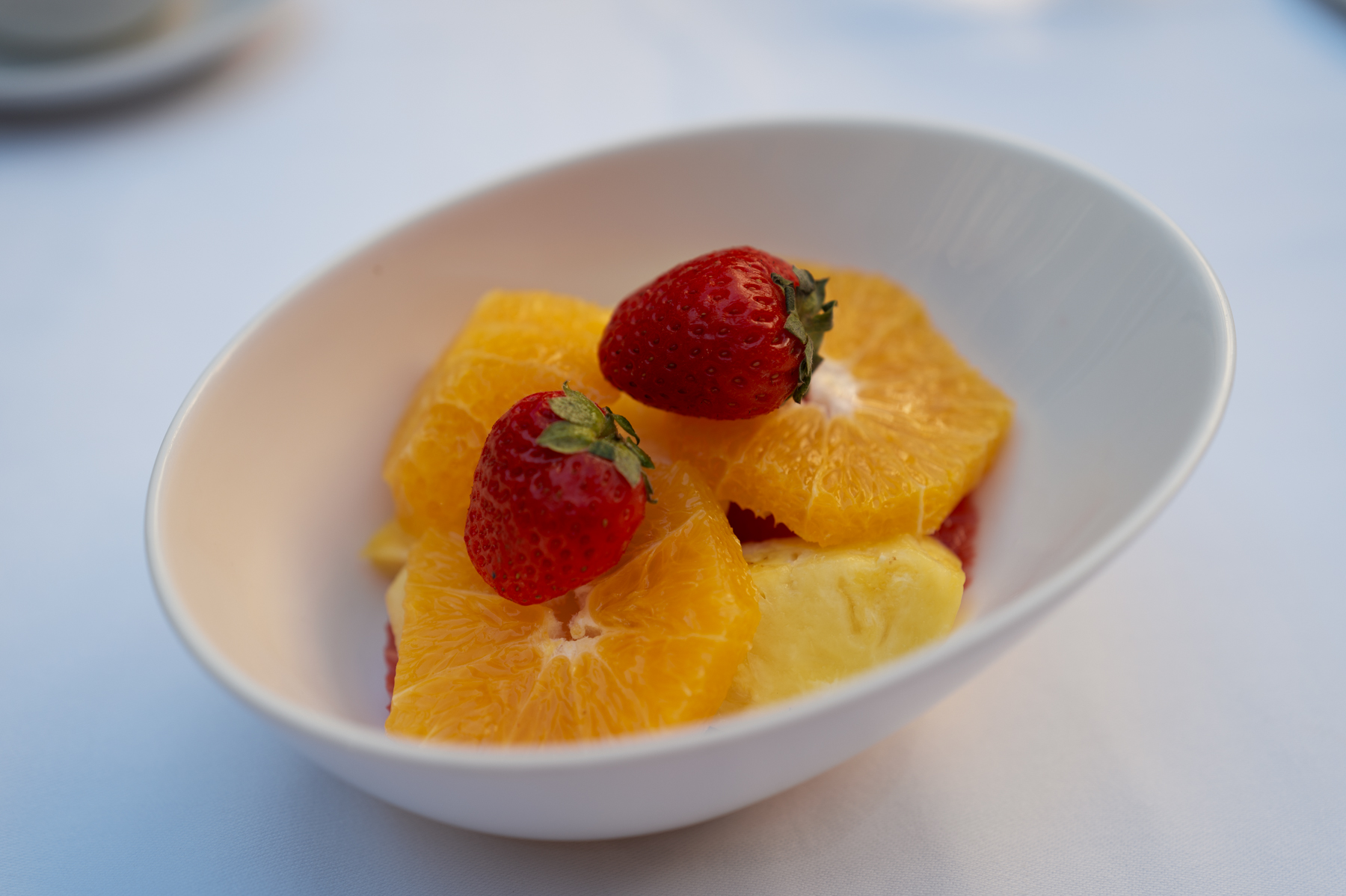
We managed to get downstairs by about 10:00 am this morning, having had a sleep-in after the big day we had yesterday. We enjoyed a nice breakfast, before heading back upstairs to our room to pack our suitcases.


We checked out of the hotel at about 11:30 am, and set off on the 250-kilometre trip to Granada. The drive was pretty easy right up until we got into the old part of Granada, which was a lot trickier to navigate. We were headed for the Seda Club Hotel, on Plaza De La Trinidad Esq. C, which we managed to locate. What we couldn’t locate was anywhere to park the car in the narrow, one-way street outside the hotel. So, we ended up doing a long lap around the block and, when we got back to the hotel again, we turned into the side street next to the hotel entrance. This side street was a one-way street but, unfortunately, not the way we were going! Andrea jumped out and found the hotel concierge, who moved some cones for us outside the hotel so we had somewhere to park. All that was left to do then was to back out of the one-way street and reverse up the street in front of the hotel to the parking spot. With guidance from some very enthusiastic locals, we managed back the over-sized BMW into the parking spot and, immediately got out and handed the car keys to hotel staff!
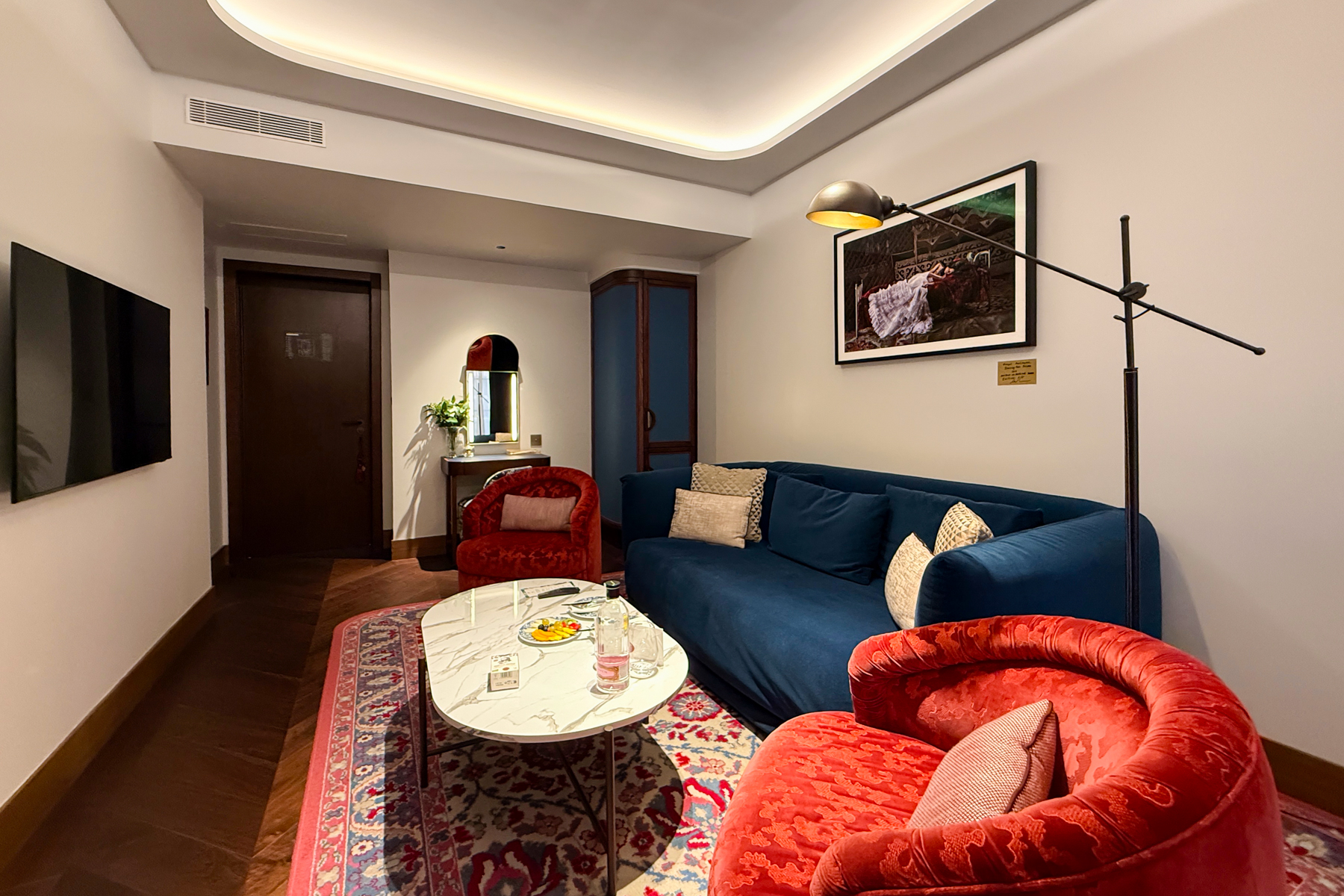
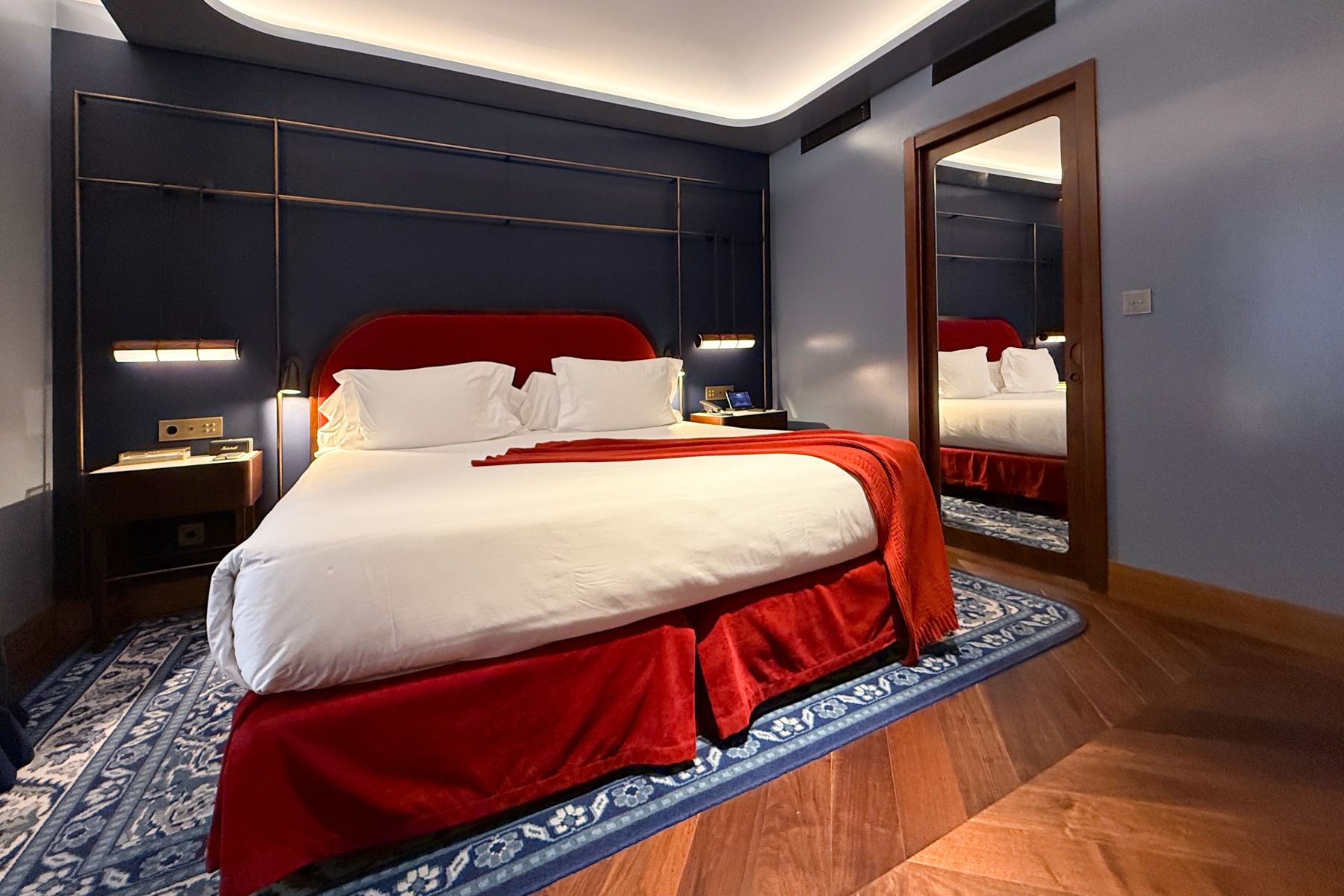
We headed inside, checked in, and went to our room.
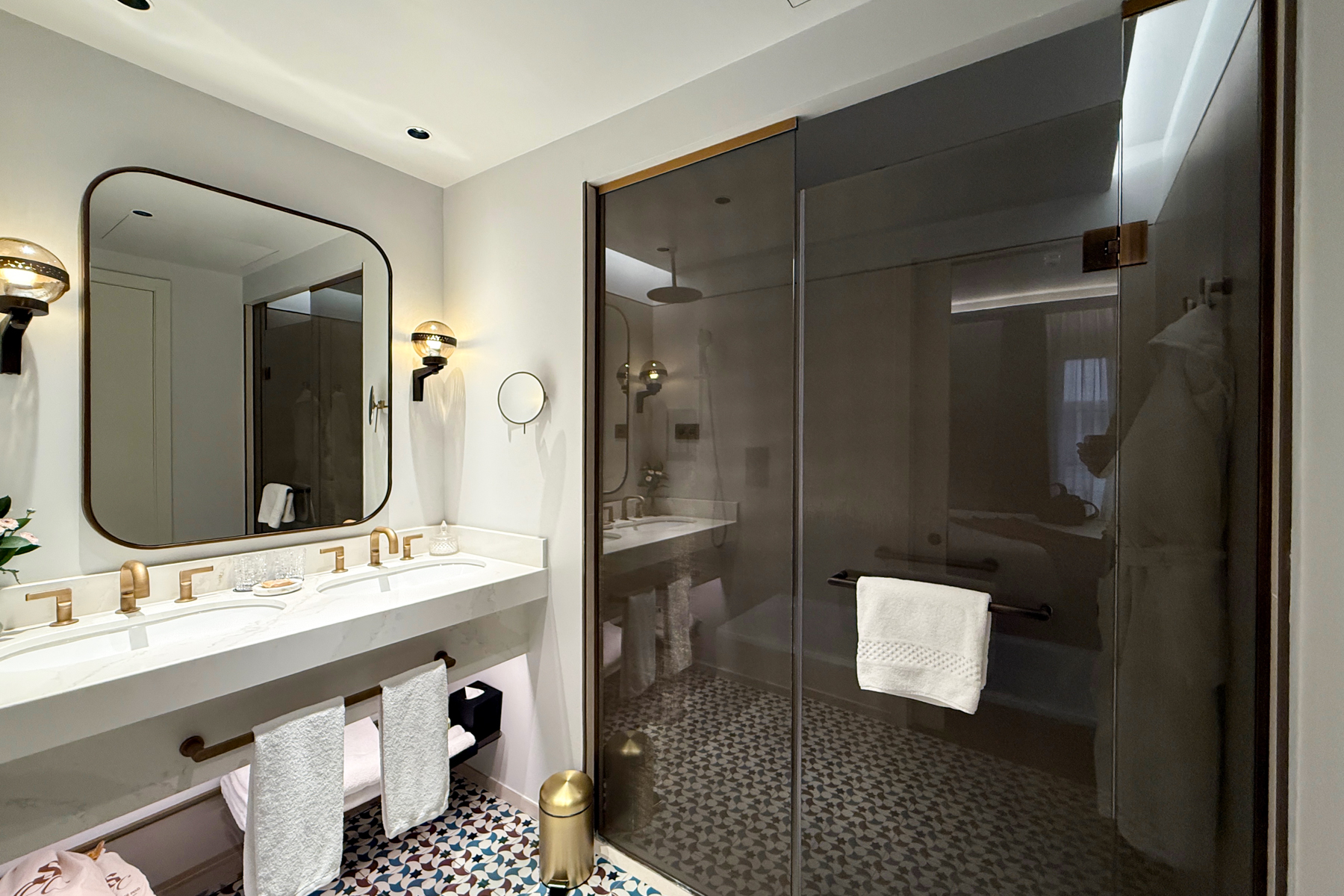
By this time, it was 2:45 pm. Our plan for the afternoon was to visit the Alhambra, the world-renowned palace and fortress complex. We had tickets booked for 4:00 pm, and we did not want to be late, so we had the hotel concierge book us a taxi for 3:15 pm for the ten-minute trip to the Alhambra.
The Alhambra was originally constructed by the Nasrid dynasty in the 13th and 14th centuries, on a strategic plateau overlooking the city and the Darro River. It was established as a citadel and later transformed into a royal palace by the Nasrid emirs, the last Muslim rulers of the Iberian Peninsula. Following the Christian Reconquista in 1492, the complex underwent extensive alterations, with sections replaced with Christian architecture and a Renaissance palace built for Charles V.
When we arrived at the Alhambra, it immediately became apparent how popular it is, and how important it is in Spanish history and culture. There were, literally, thousands of people here.
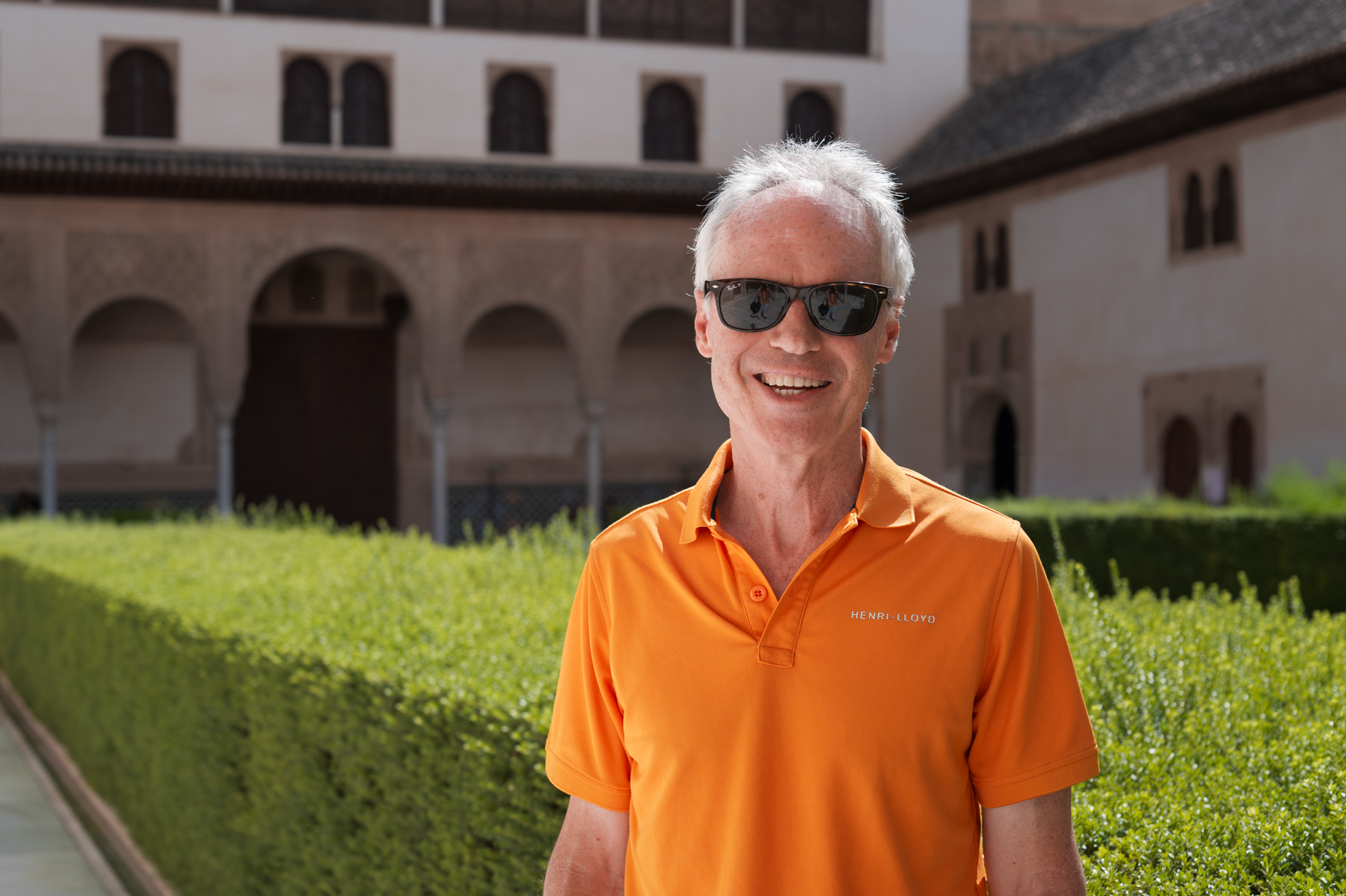
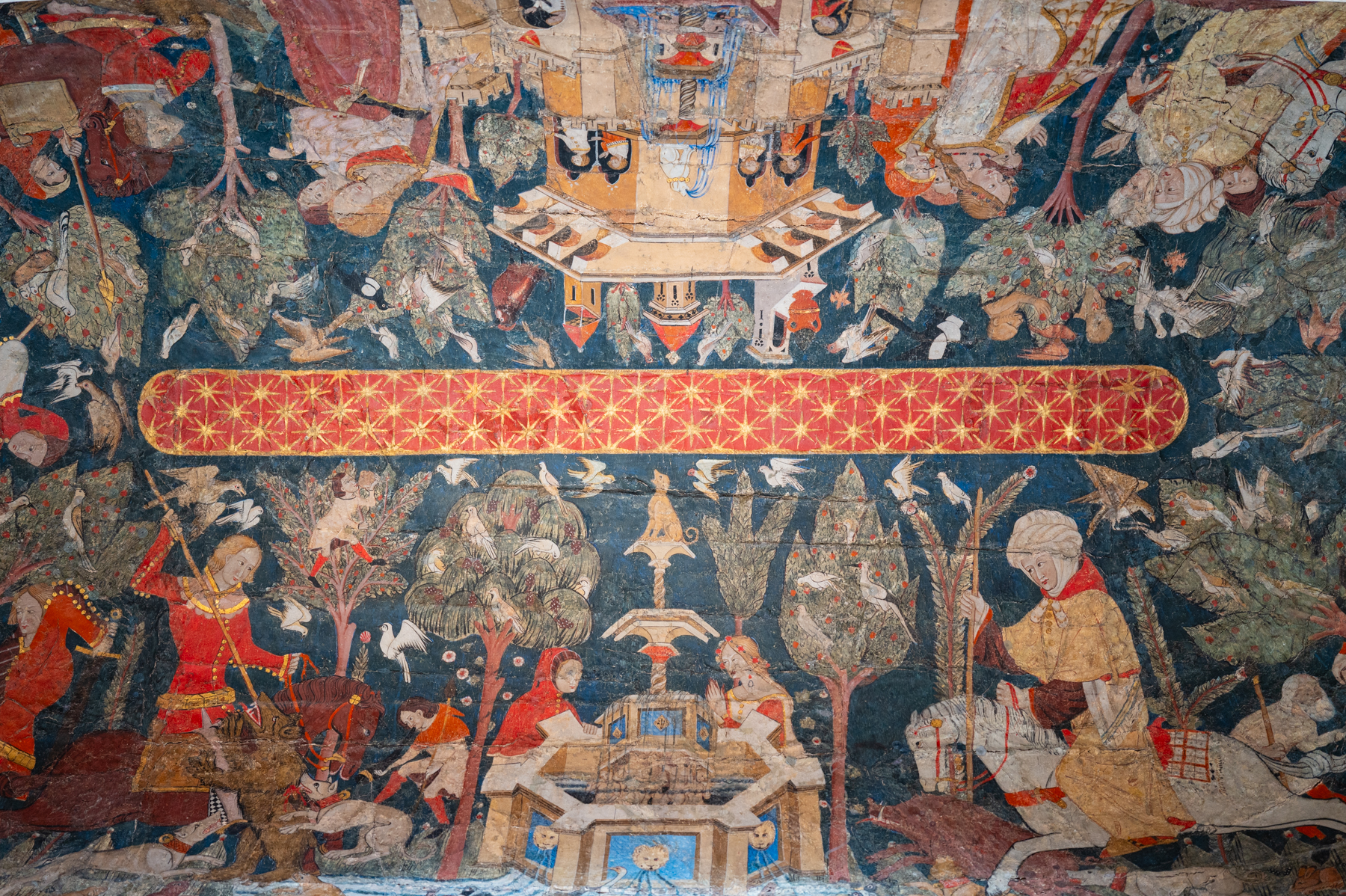
We lined up for our entry slot of 4:00 pm and, after having had our passports checked to verify our identities, we entered the Nasrid Palaces. The Nasrid Palaces comprise a series of interconnected palatial structures, each featuring intricate designs, courtyards, and gardens, inside the Alhambra complex.
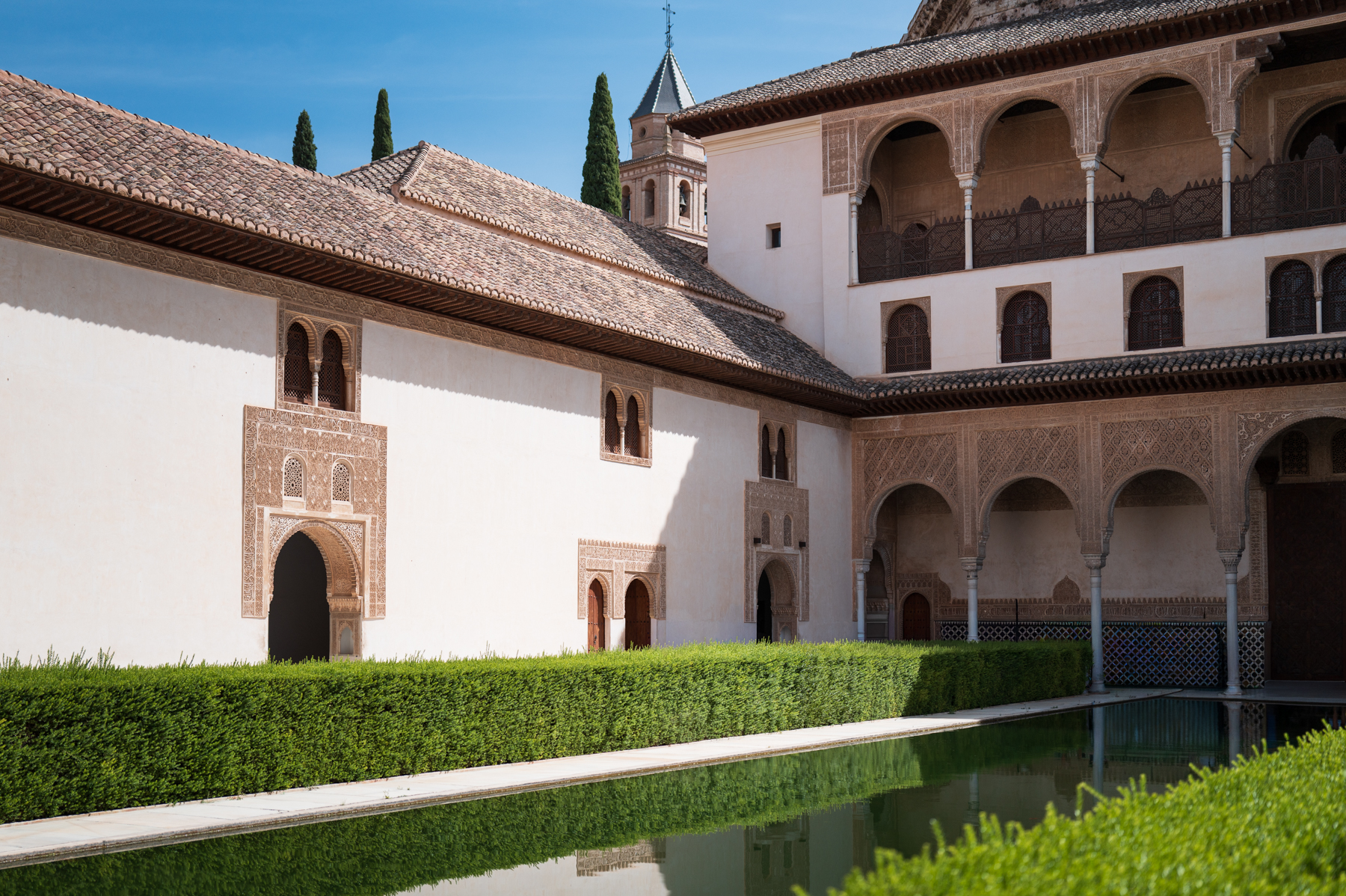
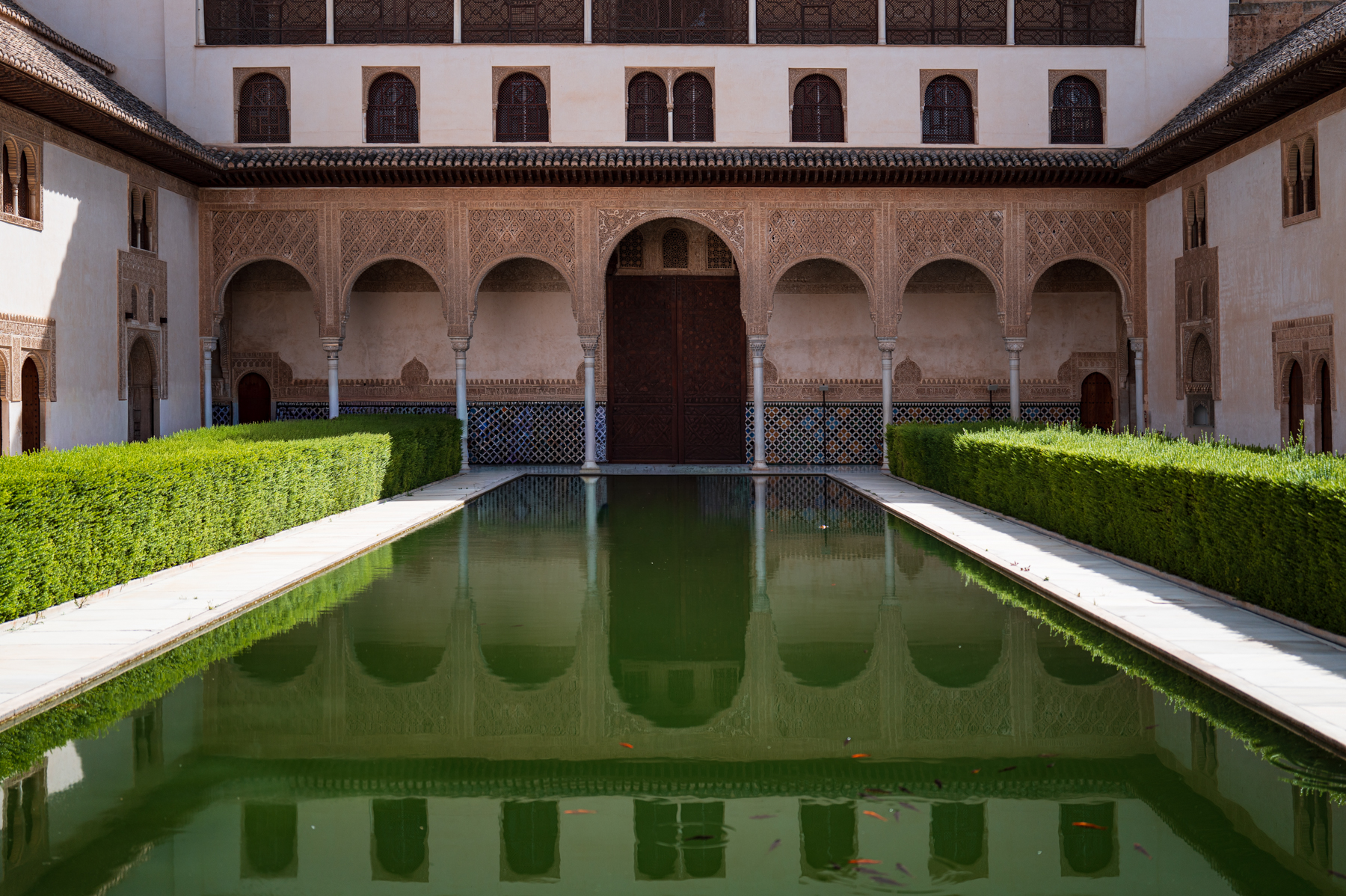
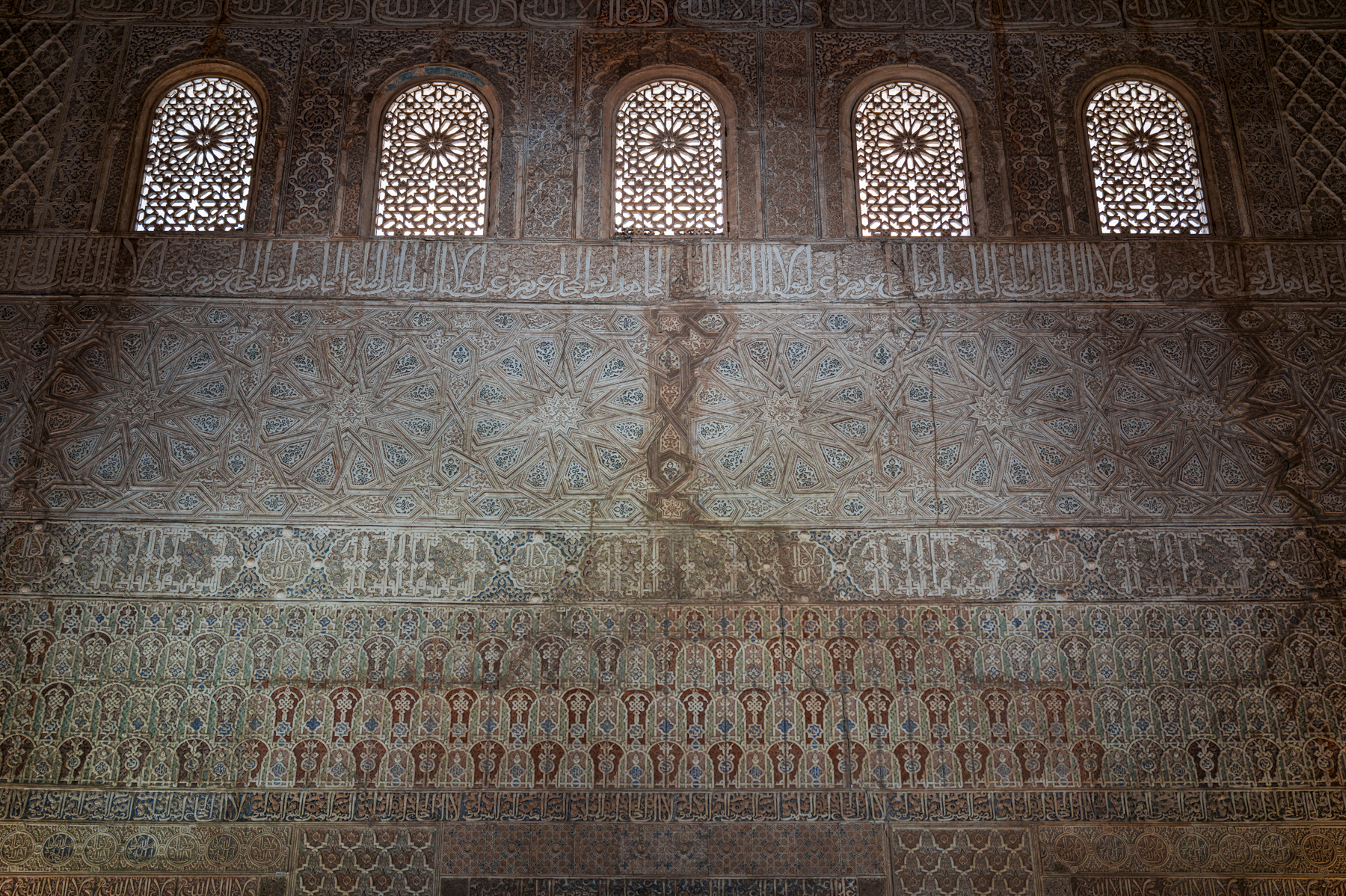
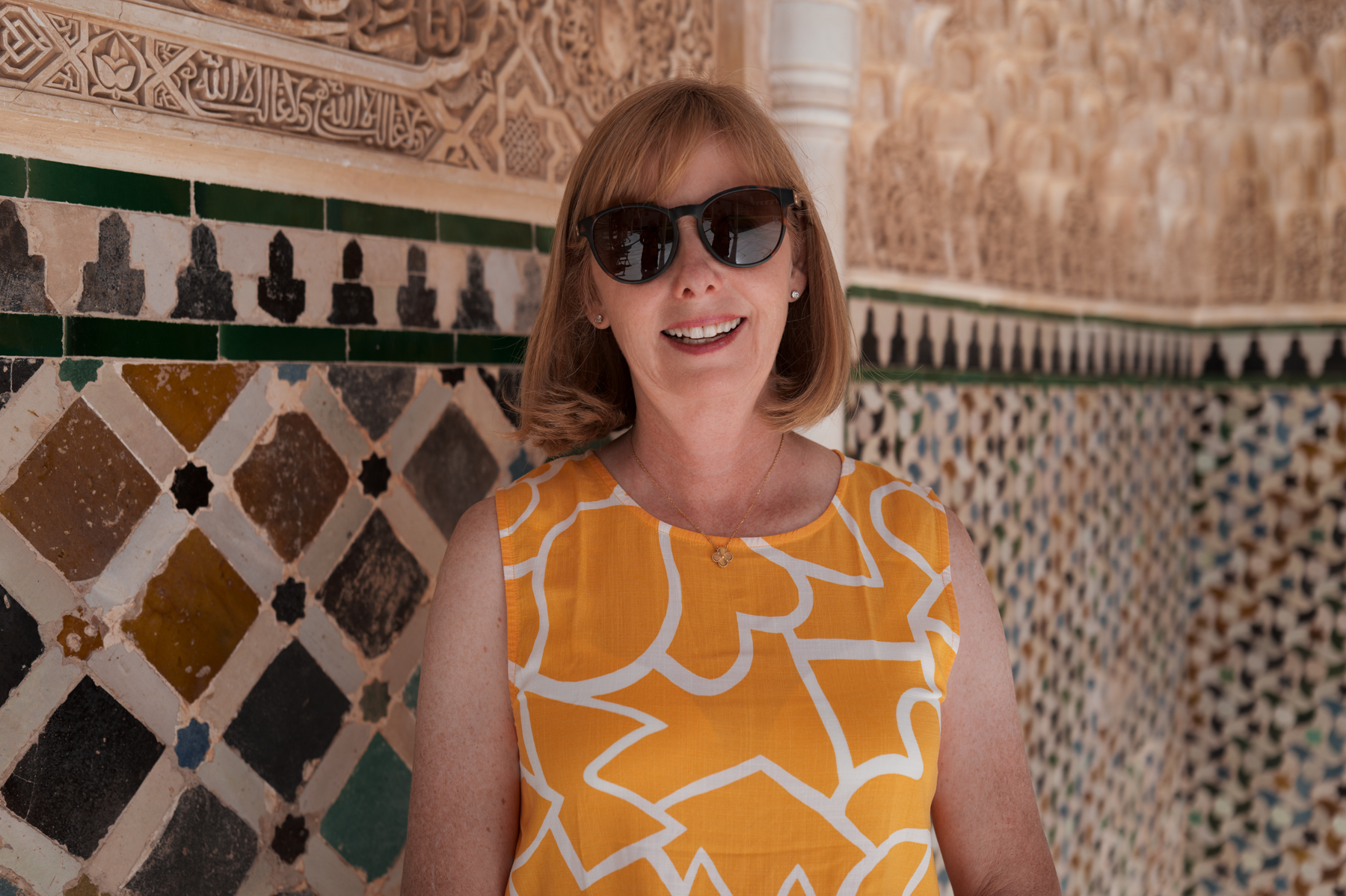
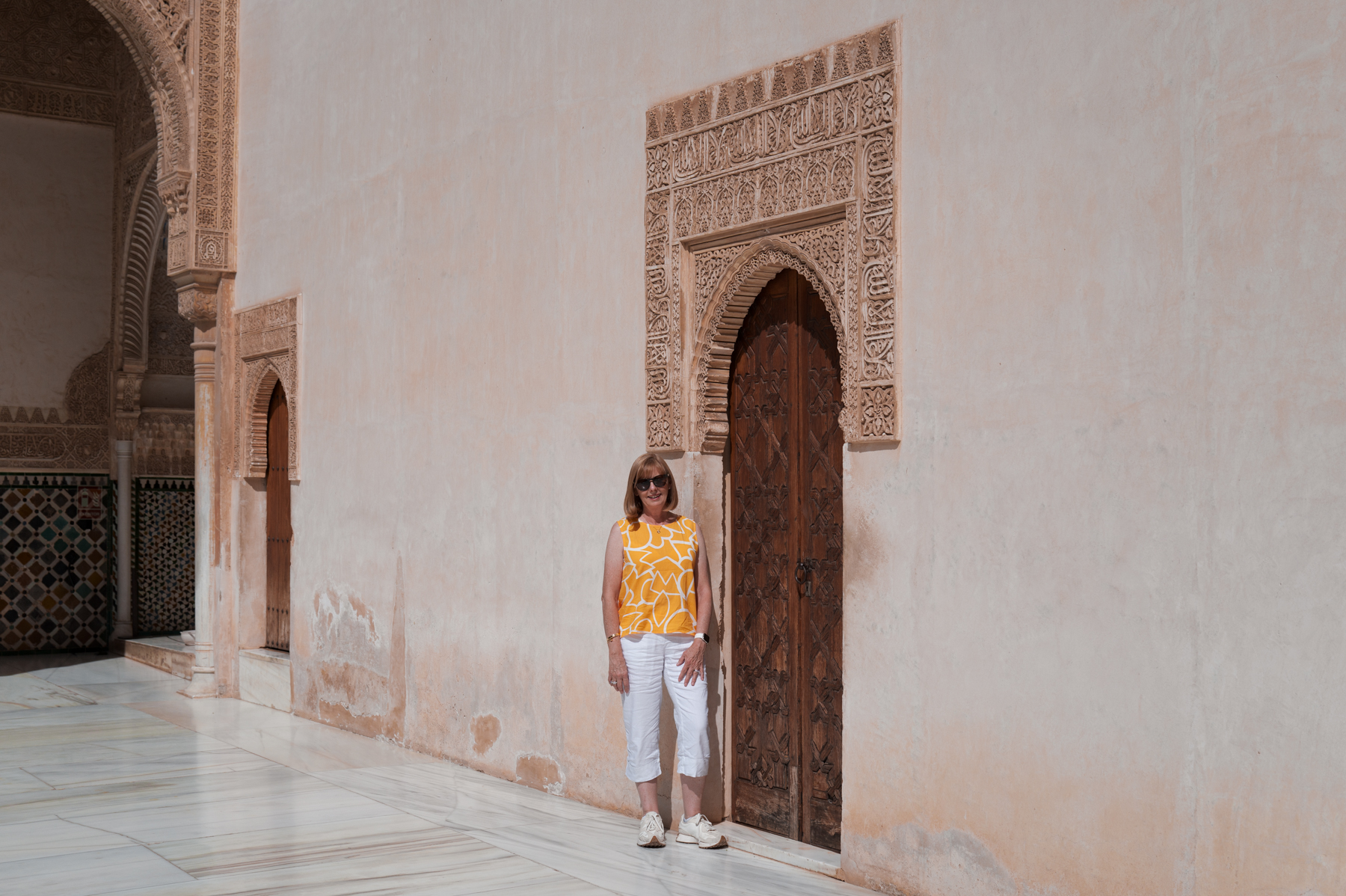
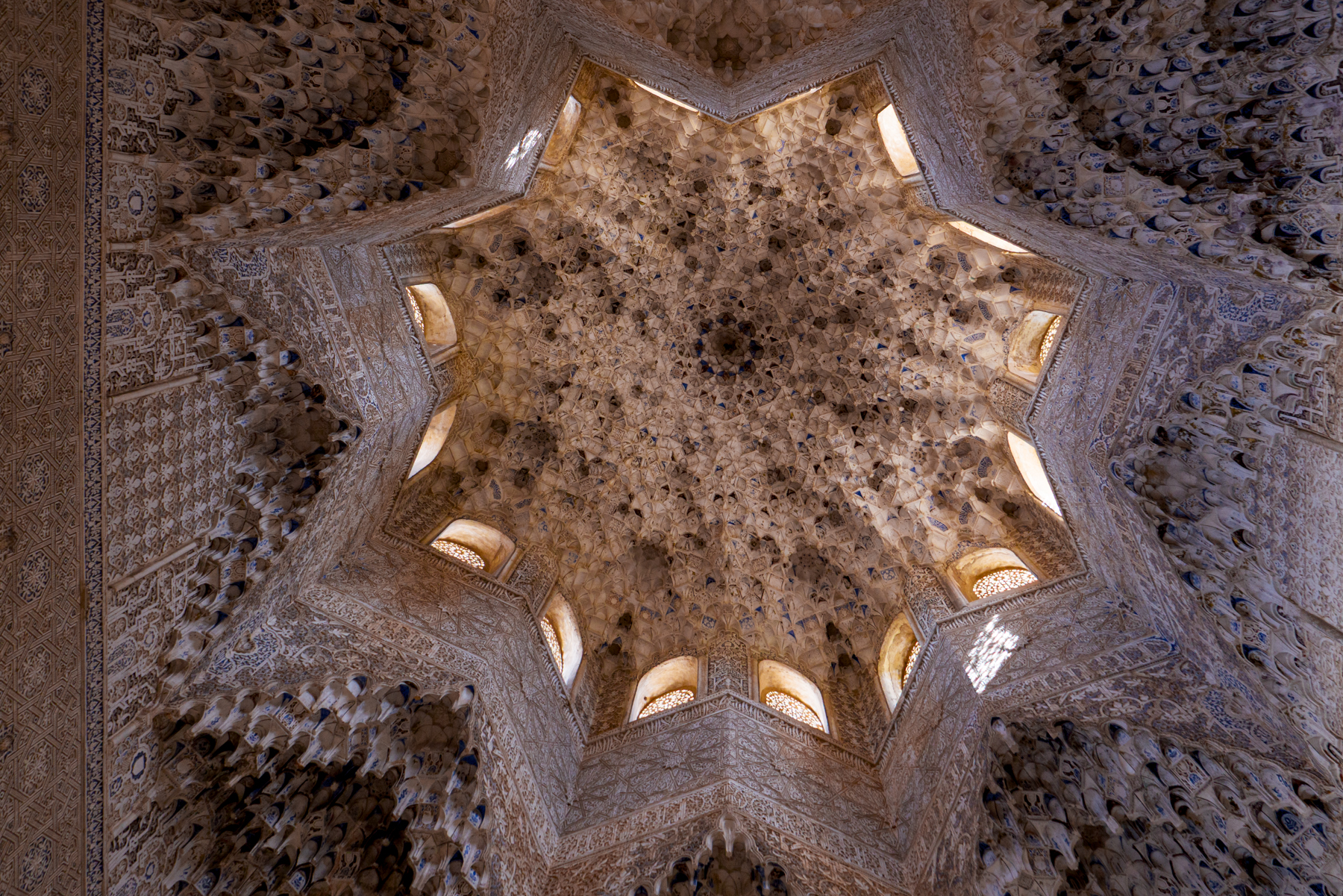
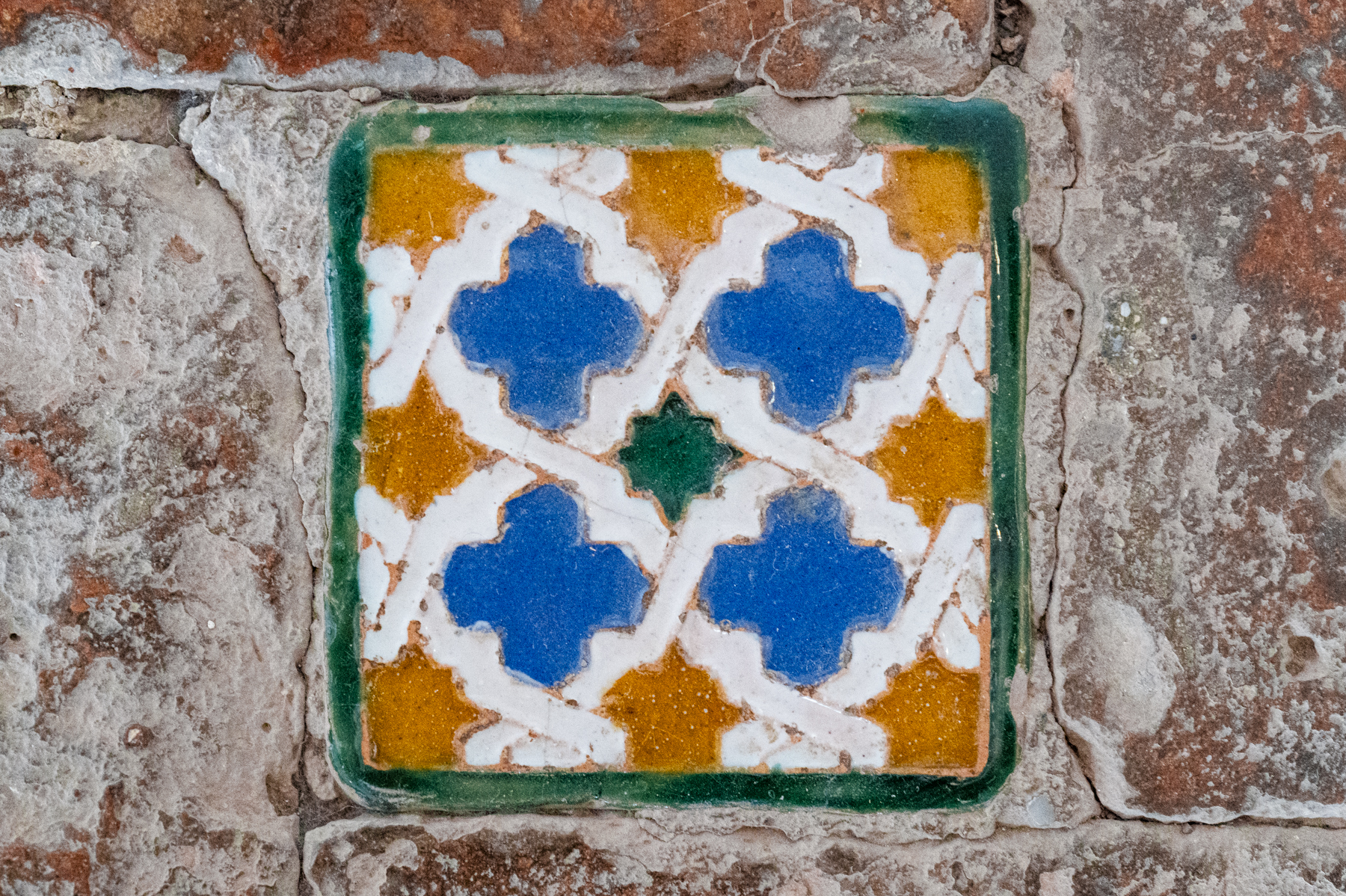
Throughout the Alhambra, the walls and floors are decorated with beautiful azulejos (glazed ceramic tiles). In the late 1960s, Jacques Arpels (nephew of the founders of Van Cleef & Arpels) visited the Alhambra complex, and was inspired by the palace’s decorative elements when designing the Alhambra jewellery collection. The ornate Moorish quatrefoil pattern became central to the iconic jewellery motif introduced by Van Cleef & Arpels in 1968.
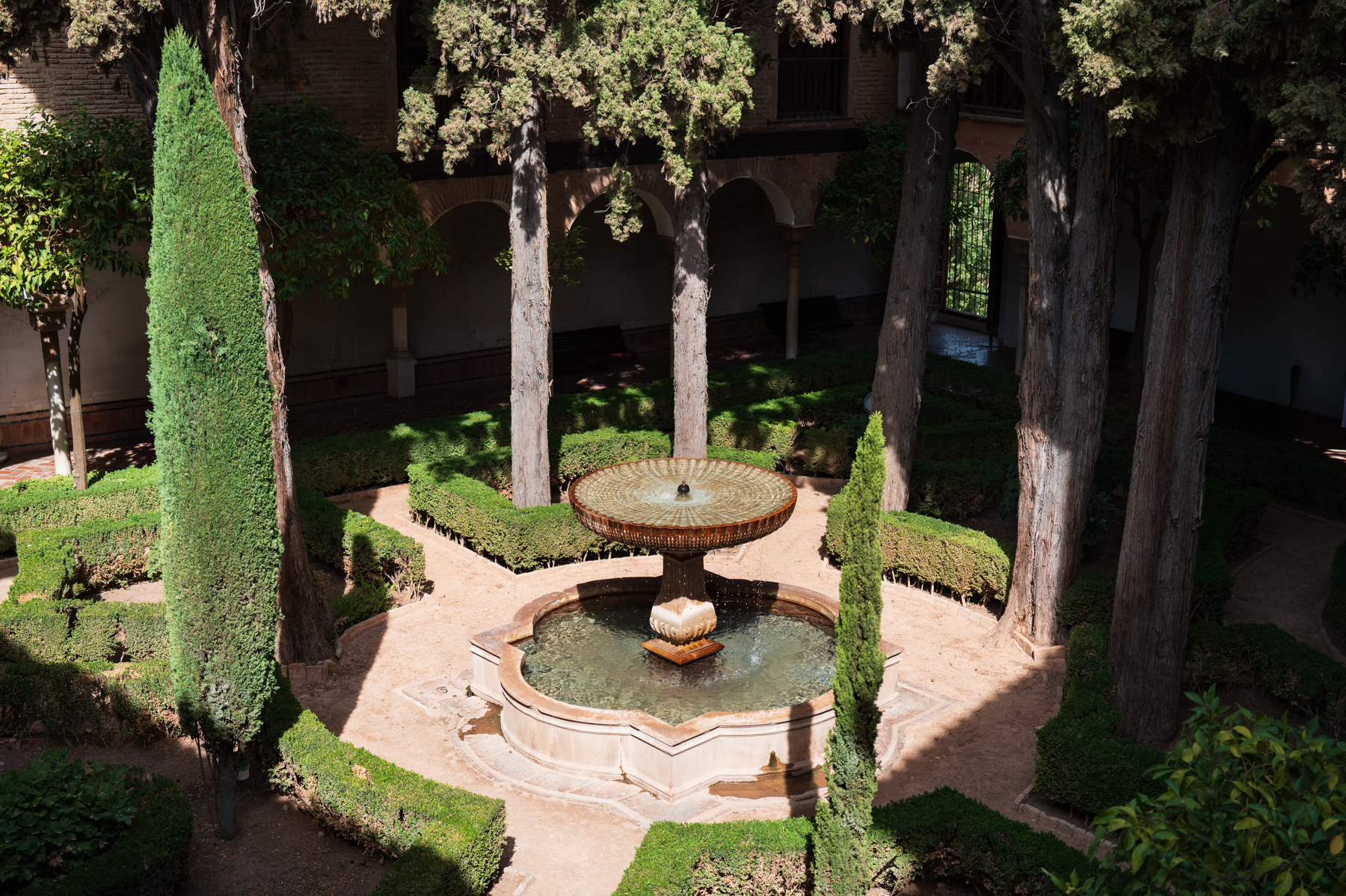
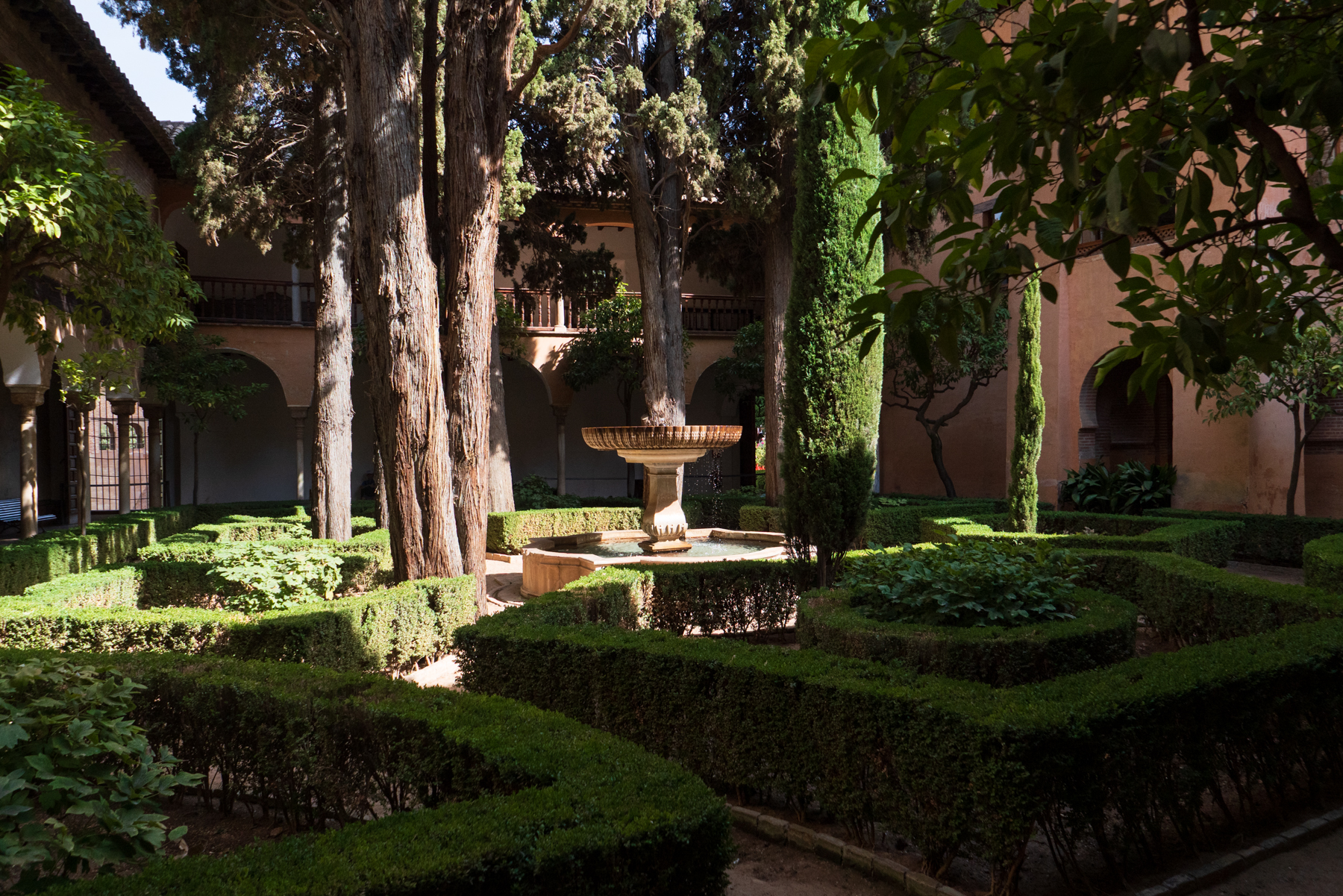
Many of the palace buildings opened onto beautiful courtyards, often including water features.
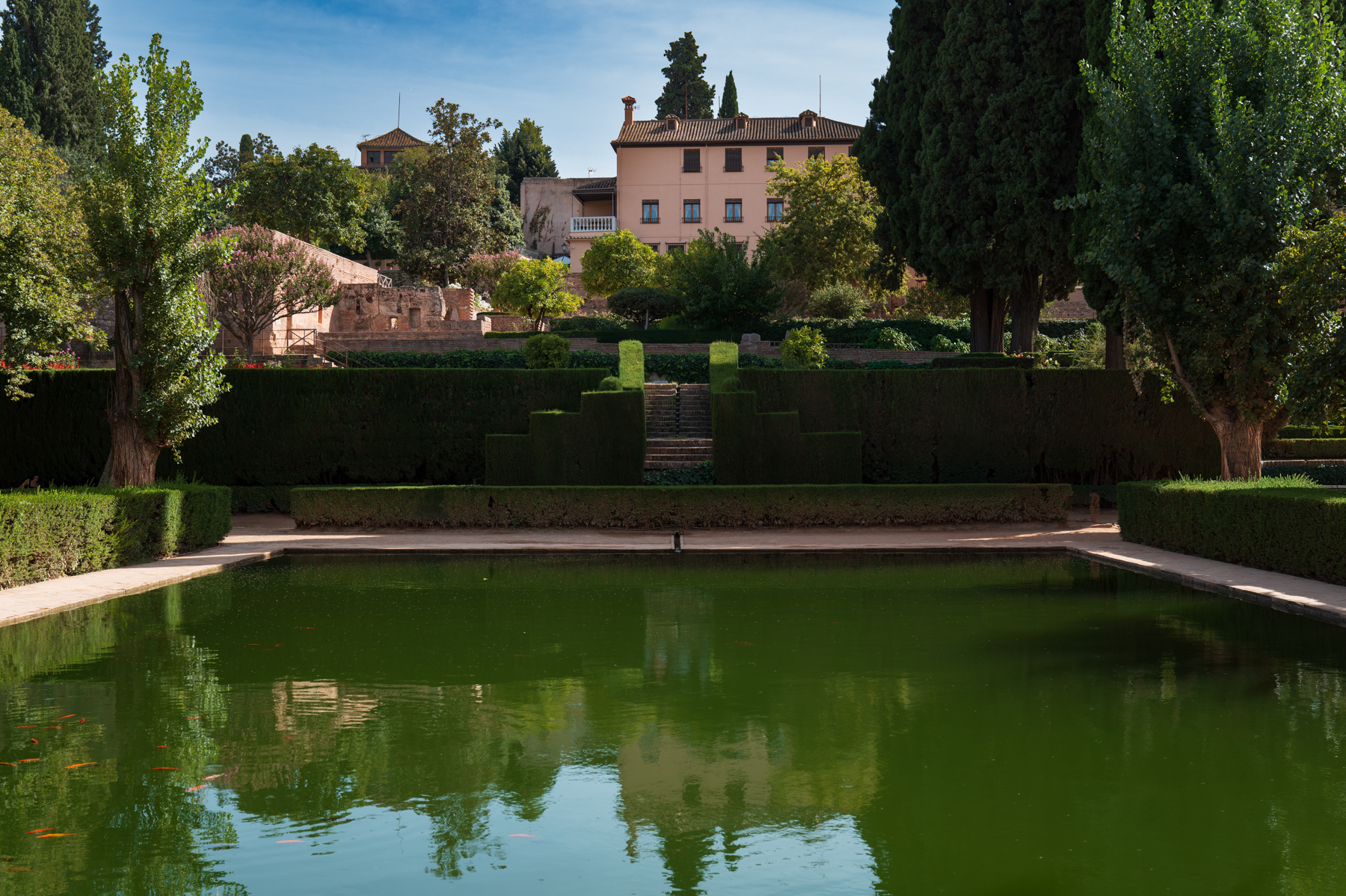
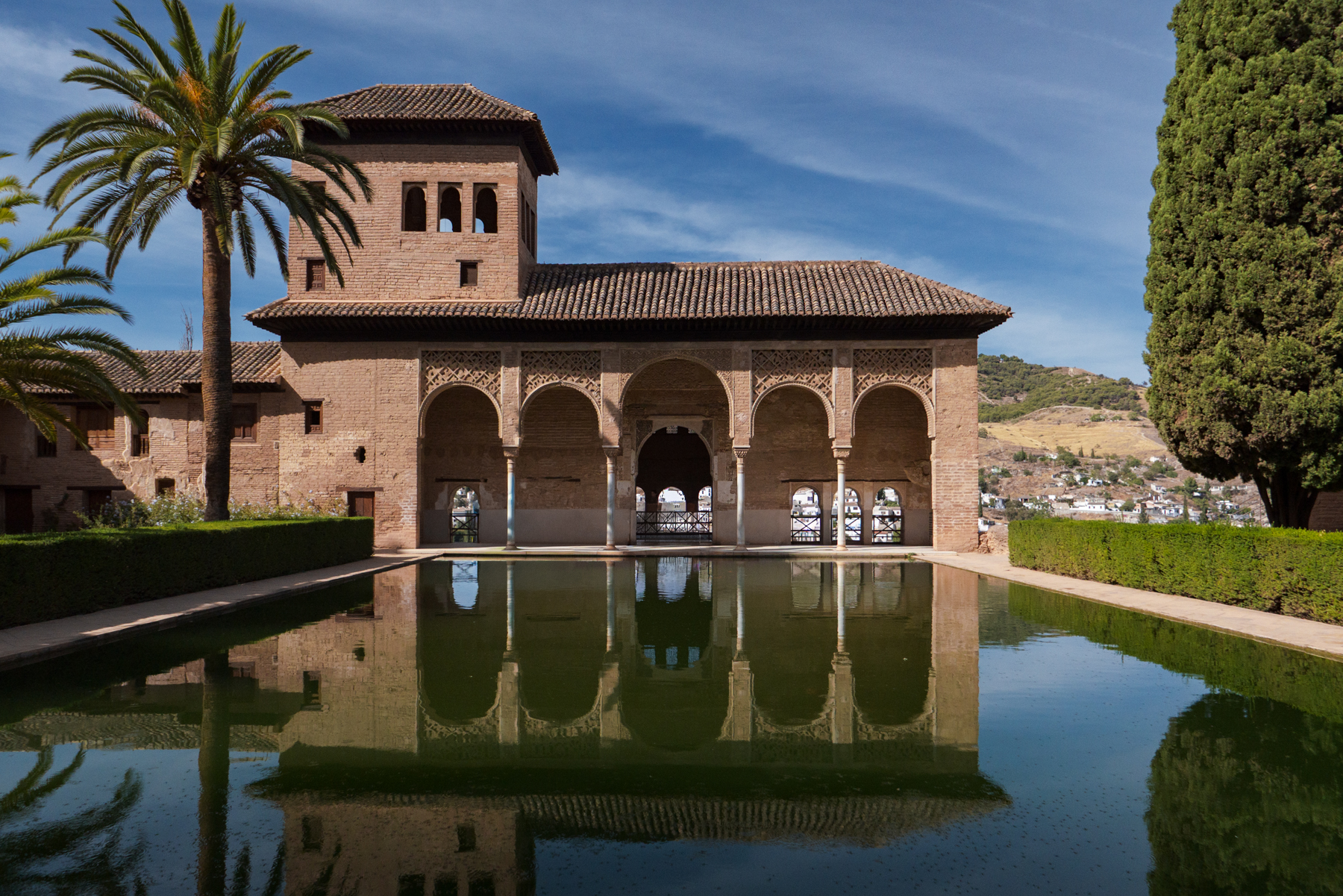
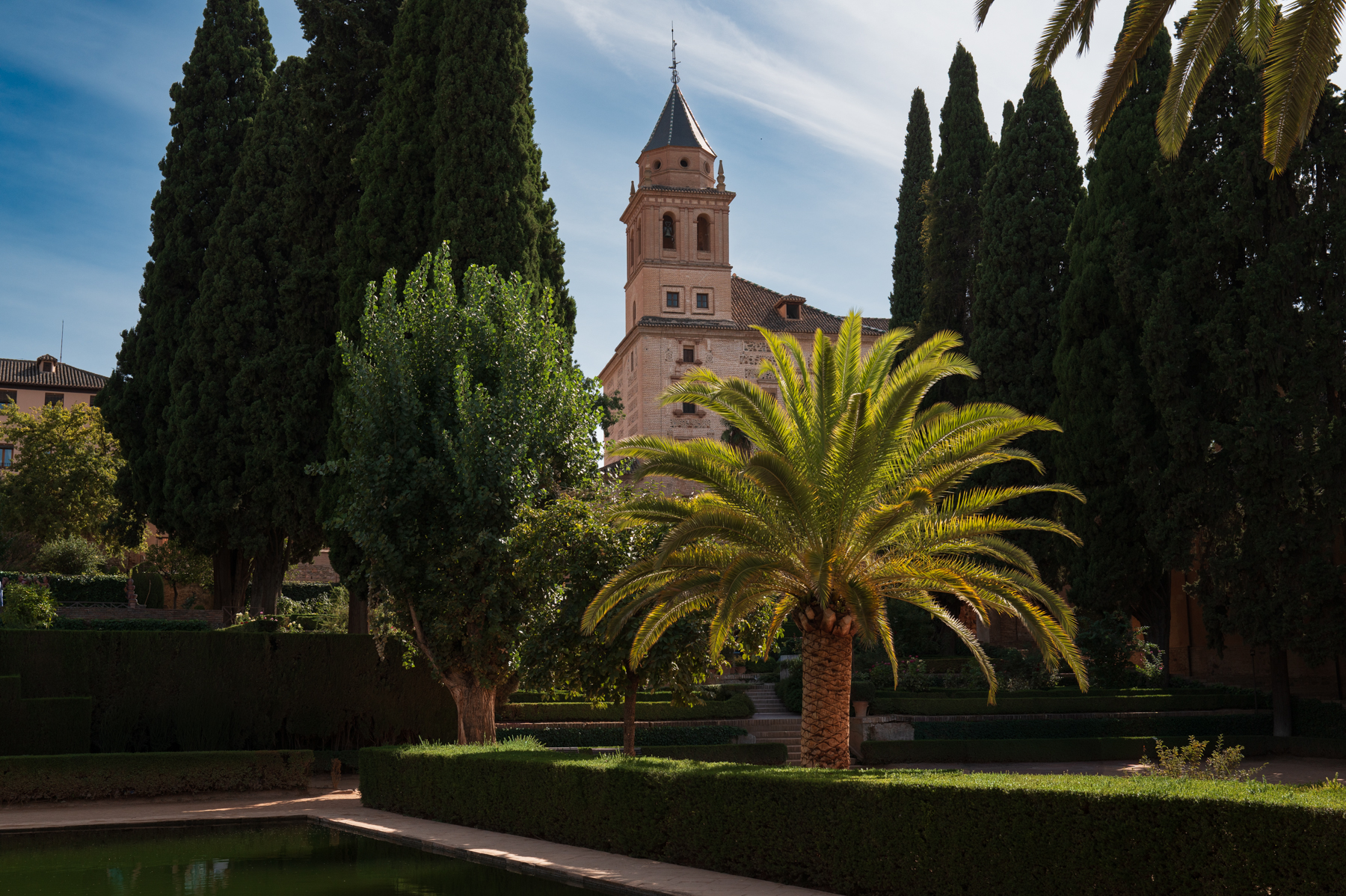
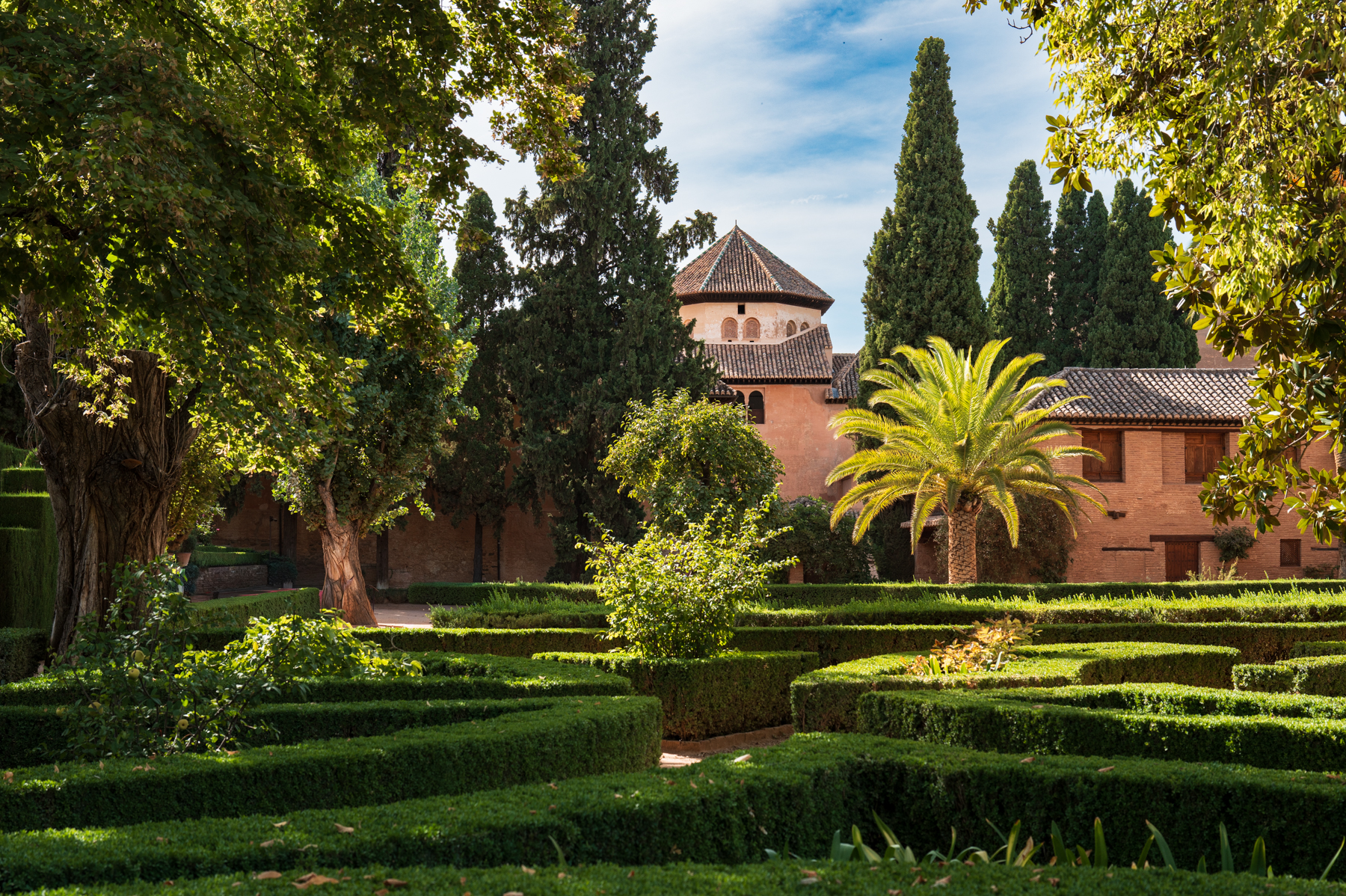
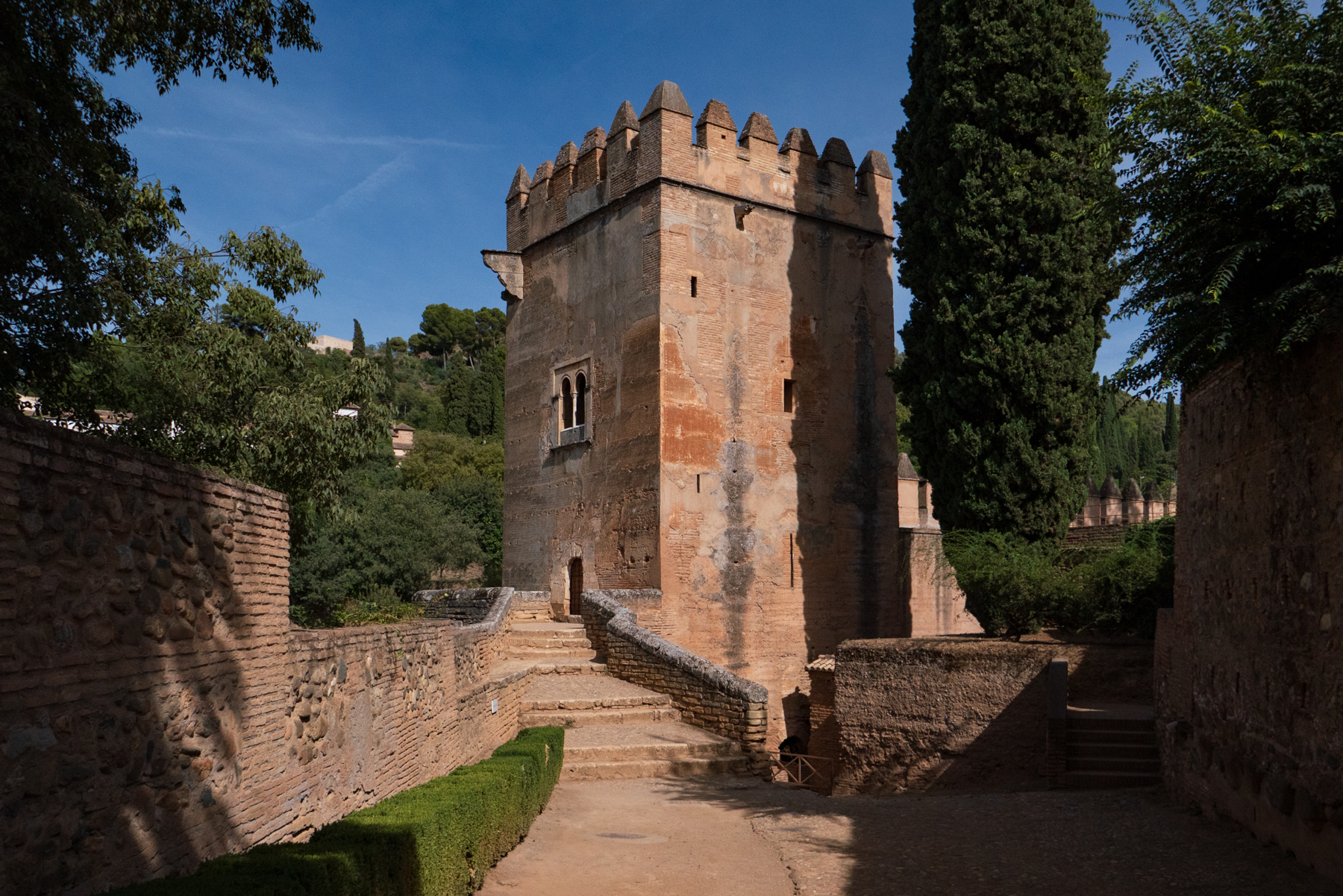
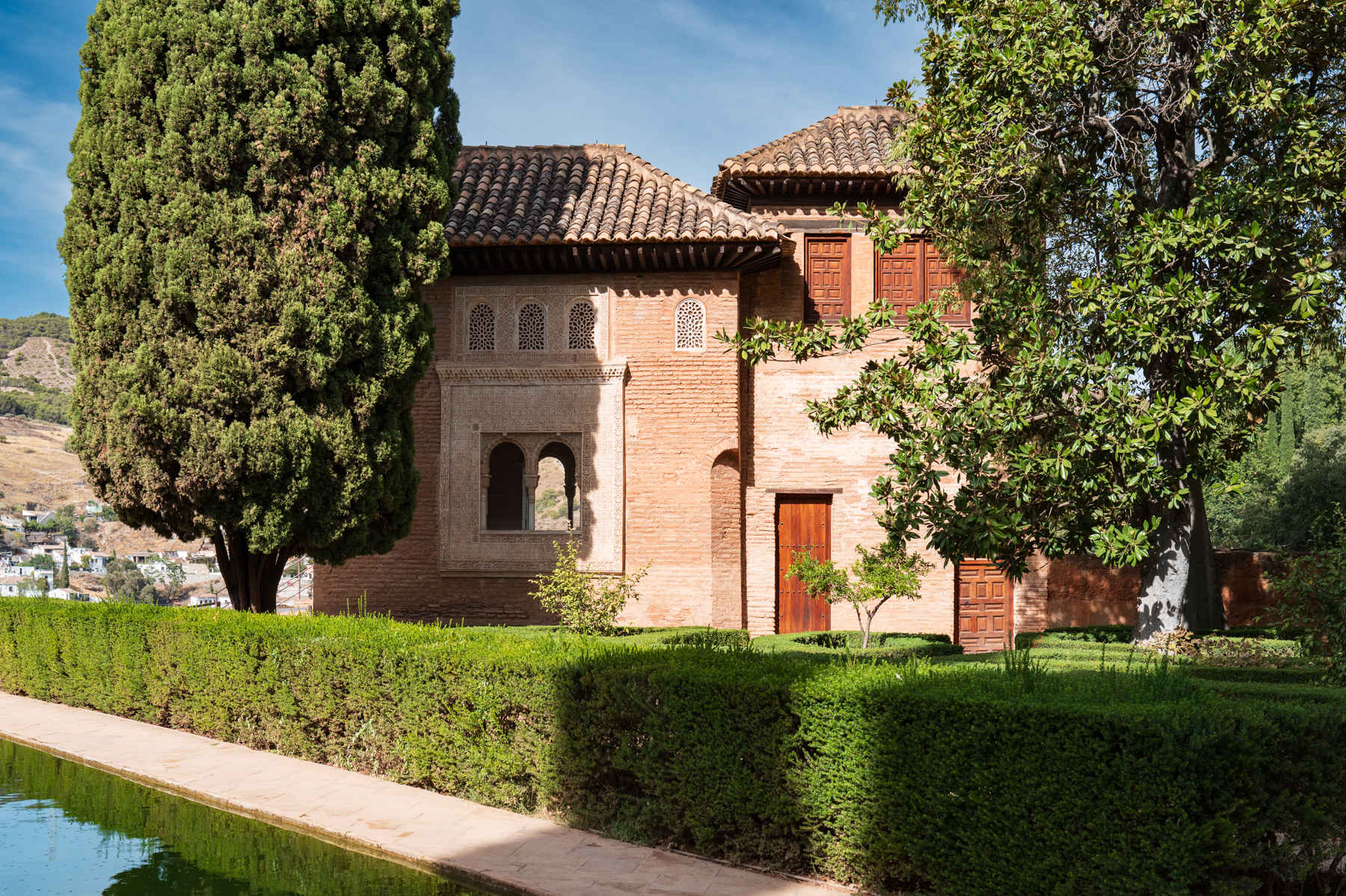
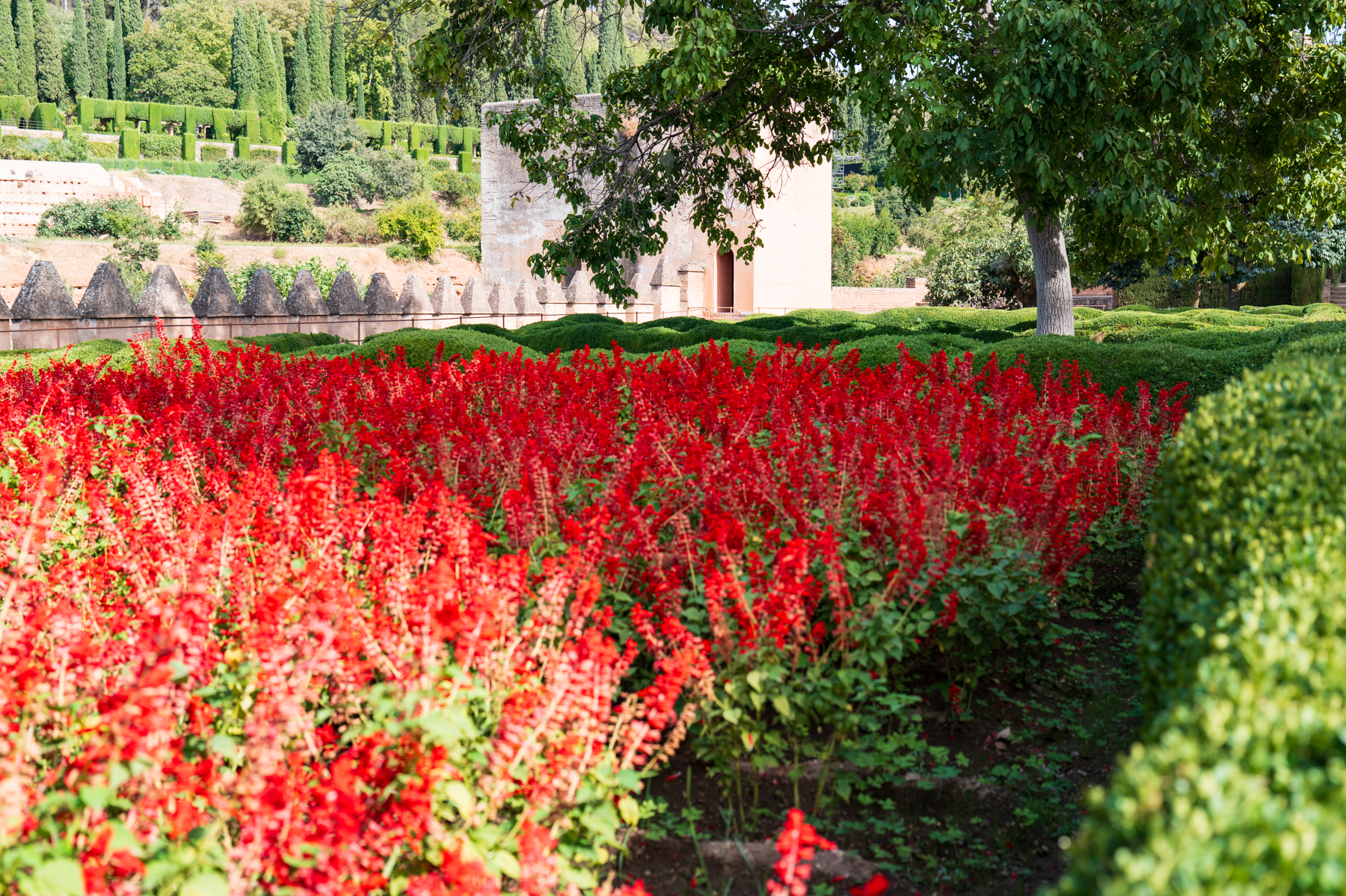
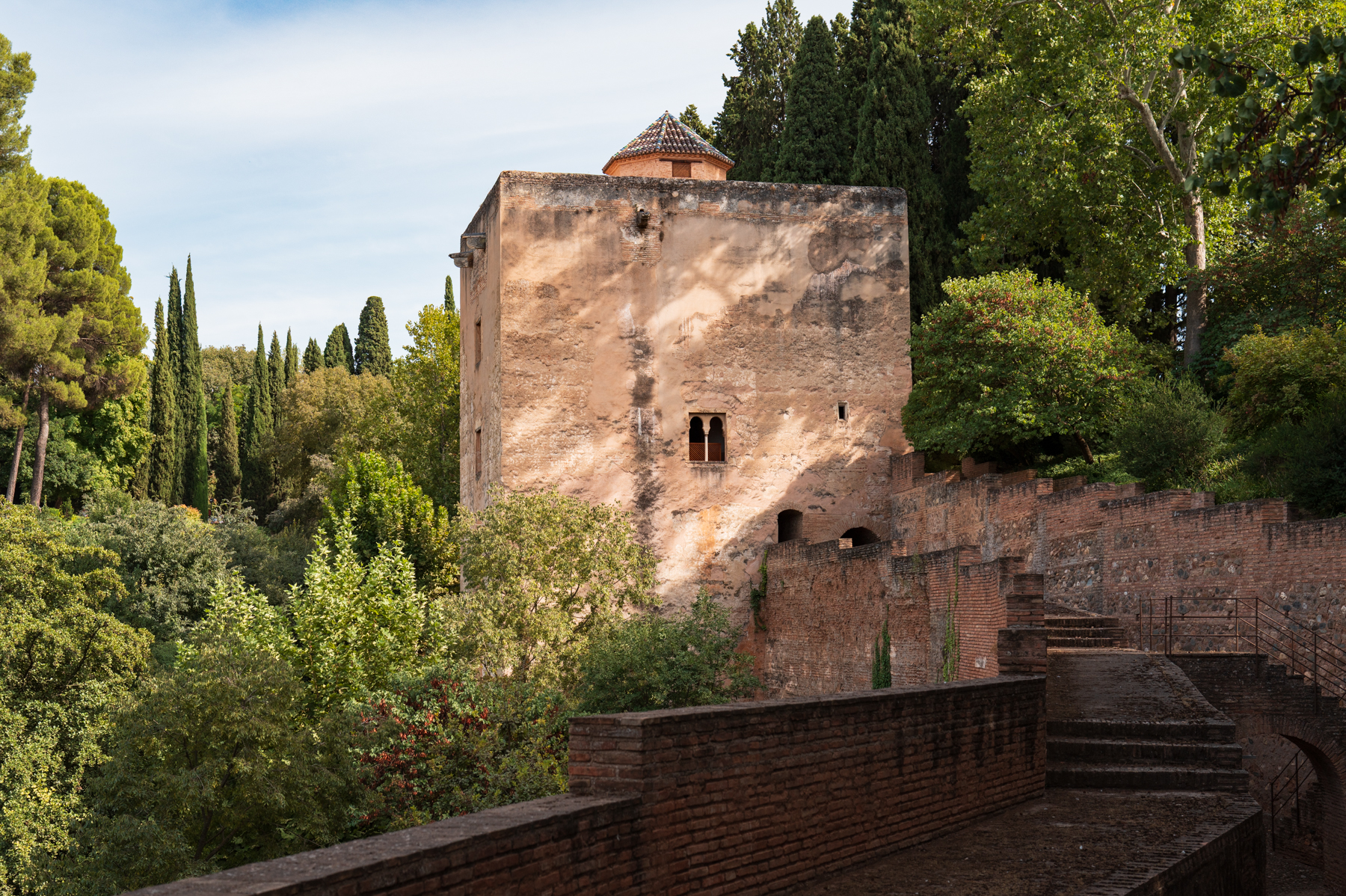
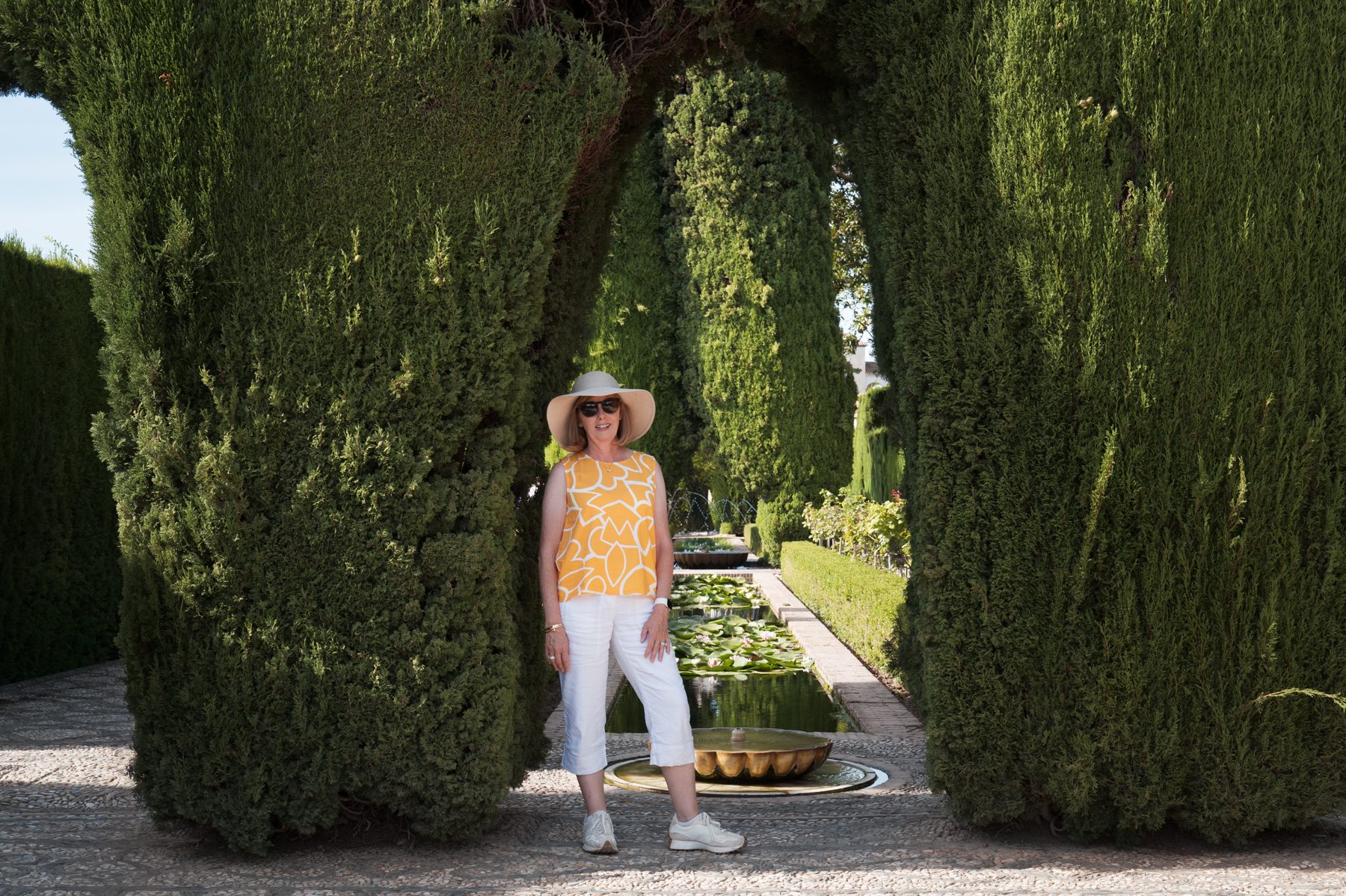
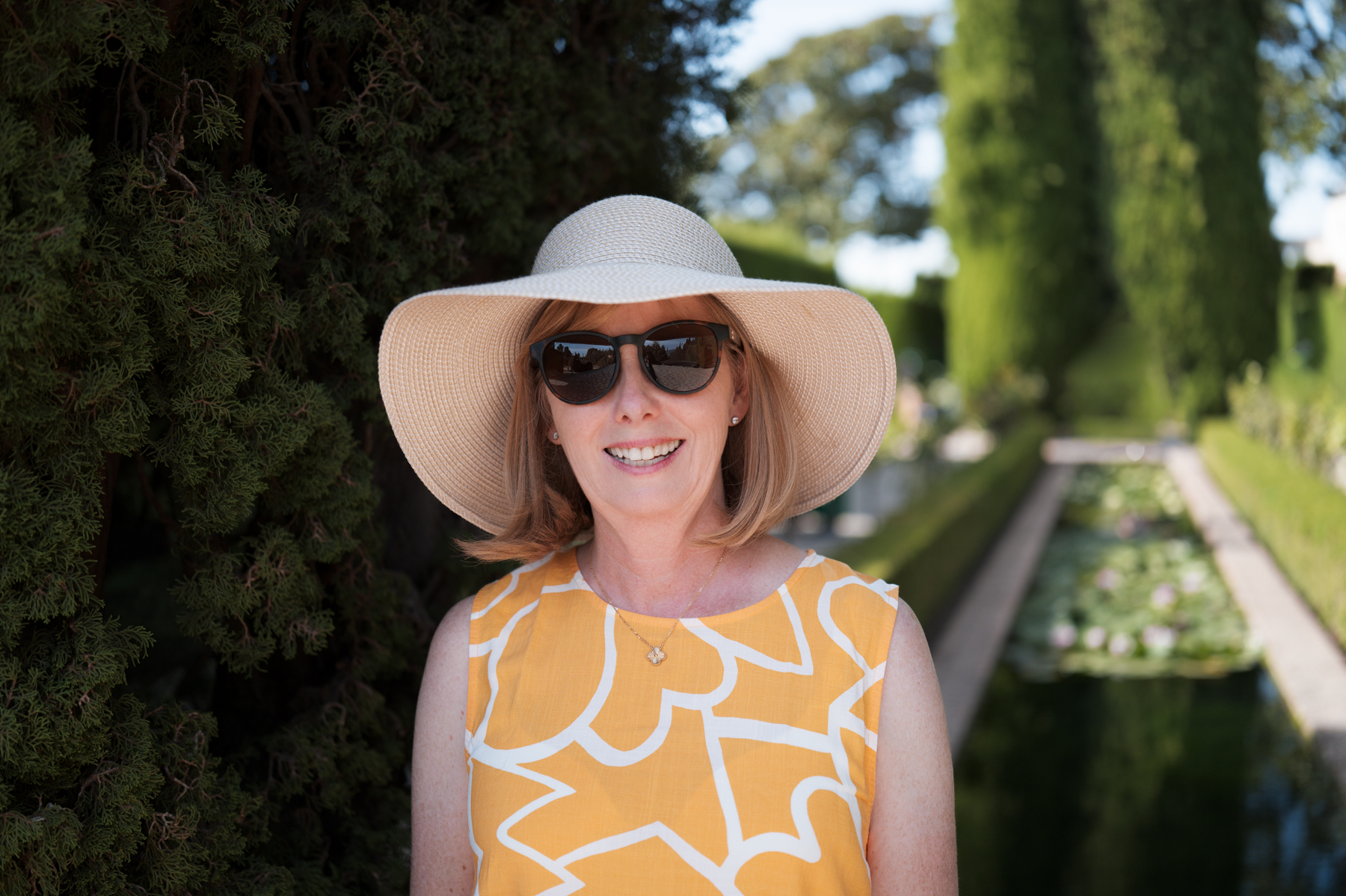
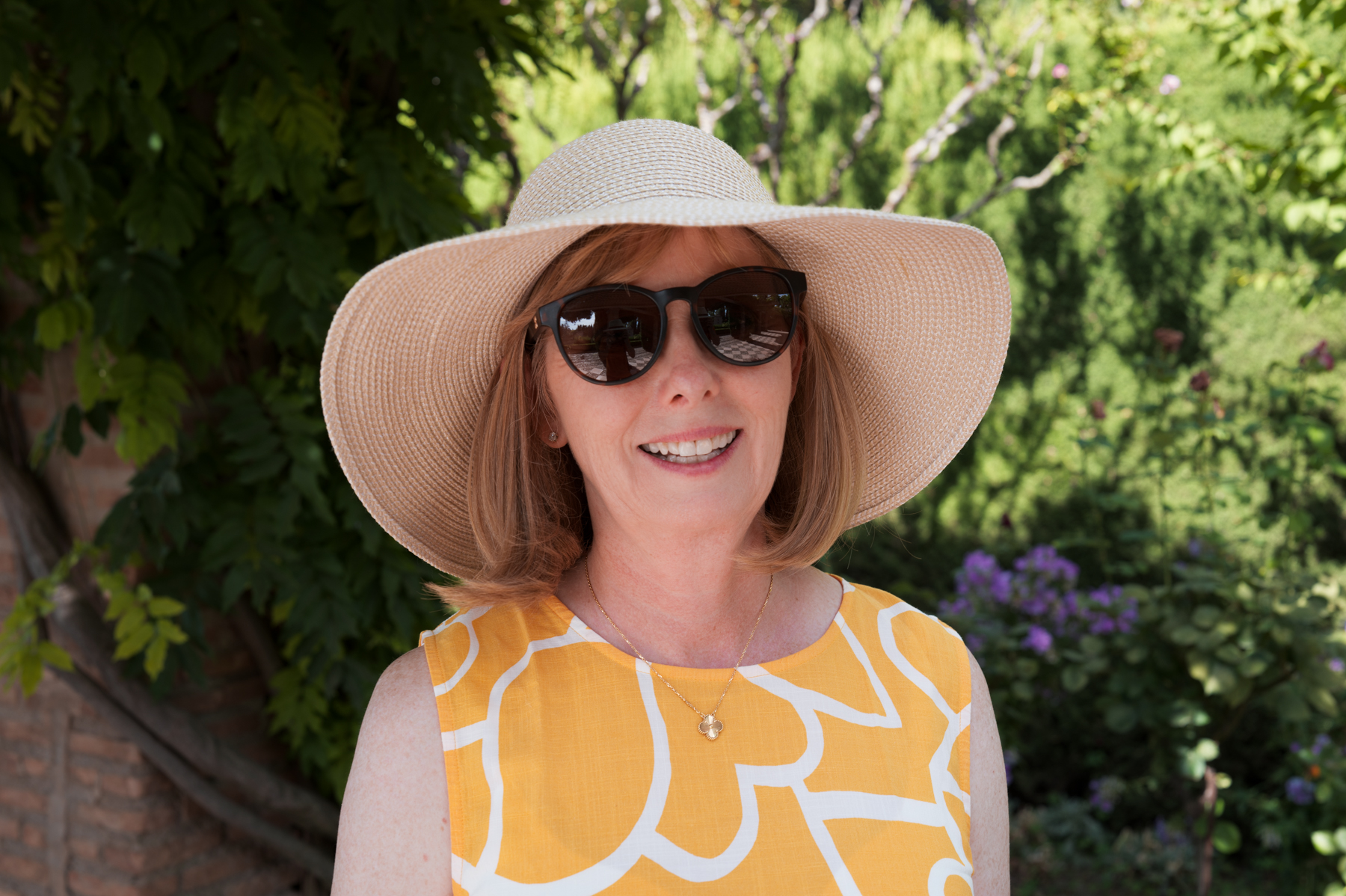
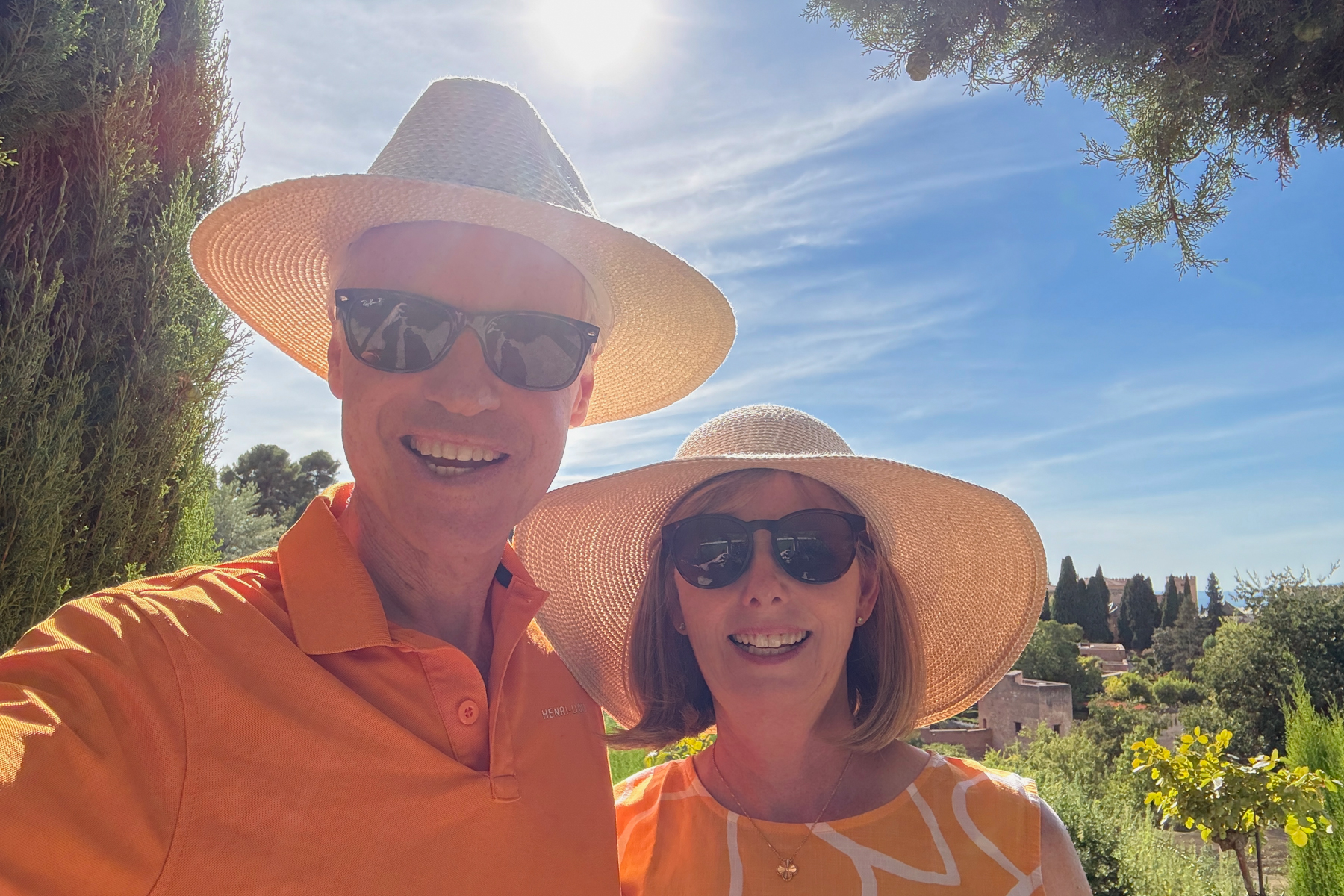
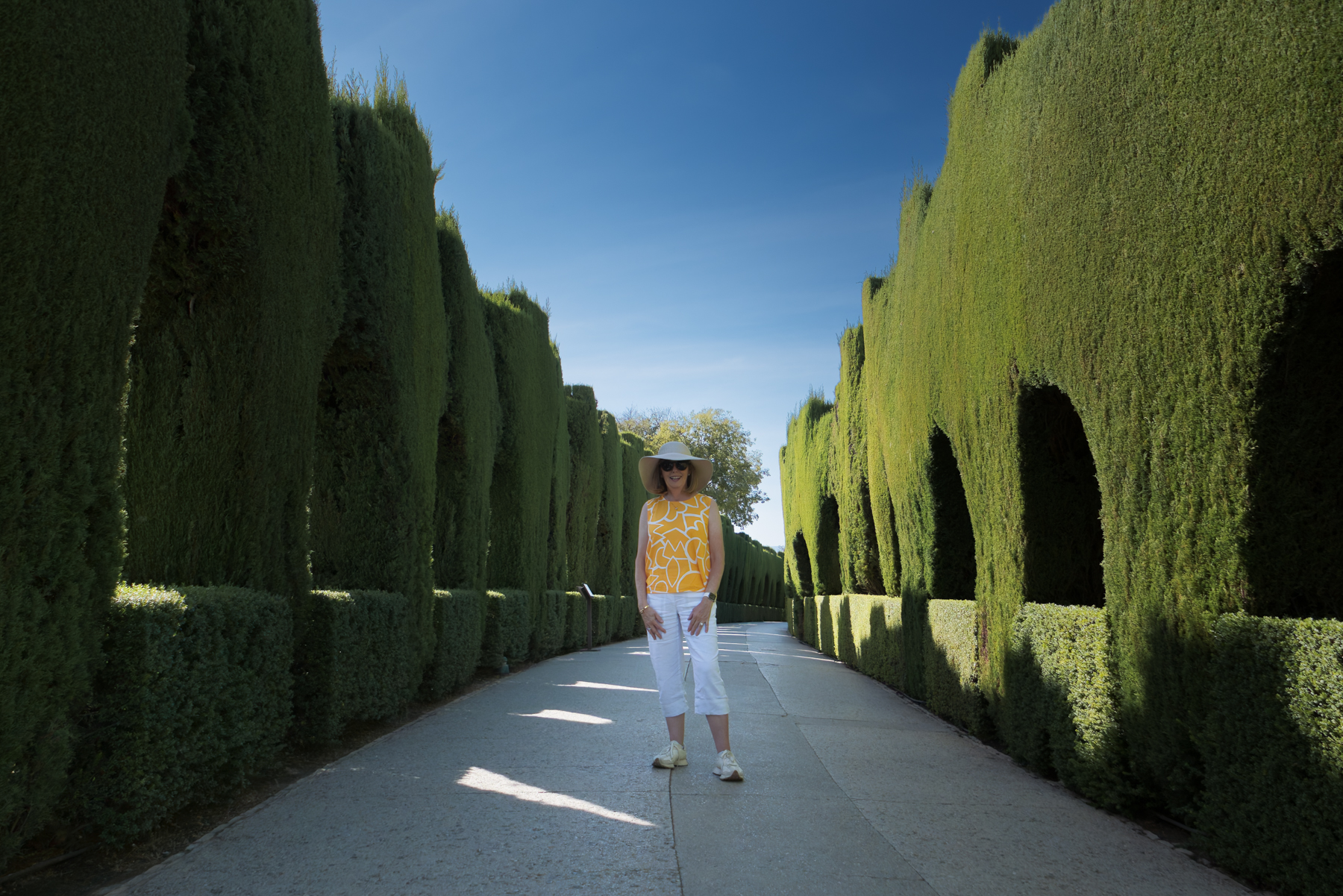
From the Alhambra gardens, we crossed the bridge to the Jardines del Generalife, the magnificent gardens surrounding the summer palace and rural retreat of the Nasrid sultans of Granada. (“Generalife” likely derives from the Arabic “Jannat al-‘Arif,” meaning “Garden of the Architect” or “Garden of the Gnostic.”) Built in the late 13th to early 14th centuries, the Generalife served as a private royal retreat, where the rulers could escape court life and enjoy a paradise-like setting of gardens, water, and orchards. The gardens are divided into different terraces, with lush plantings, myrtle hedges, flower beds, fruit trees, palm and cypress trees, all arranged around architectural elements like walkways, pavilions, and pools. The fact that these gardens were originally planted 800 years ago is quite incredible.
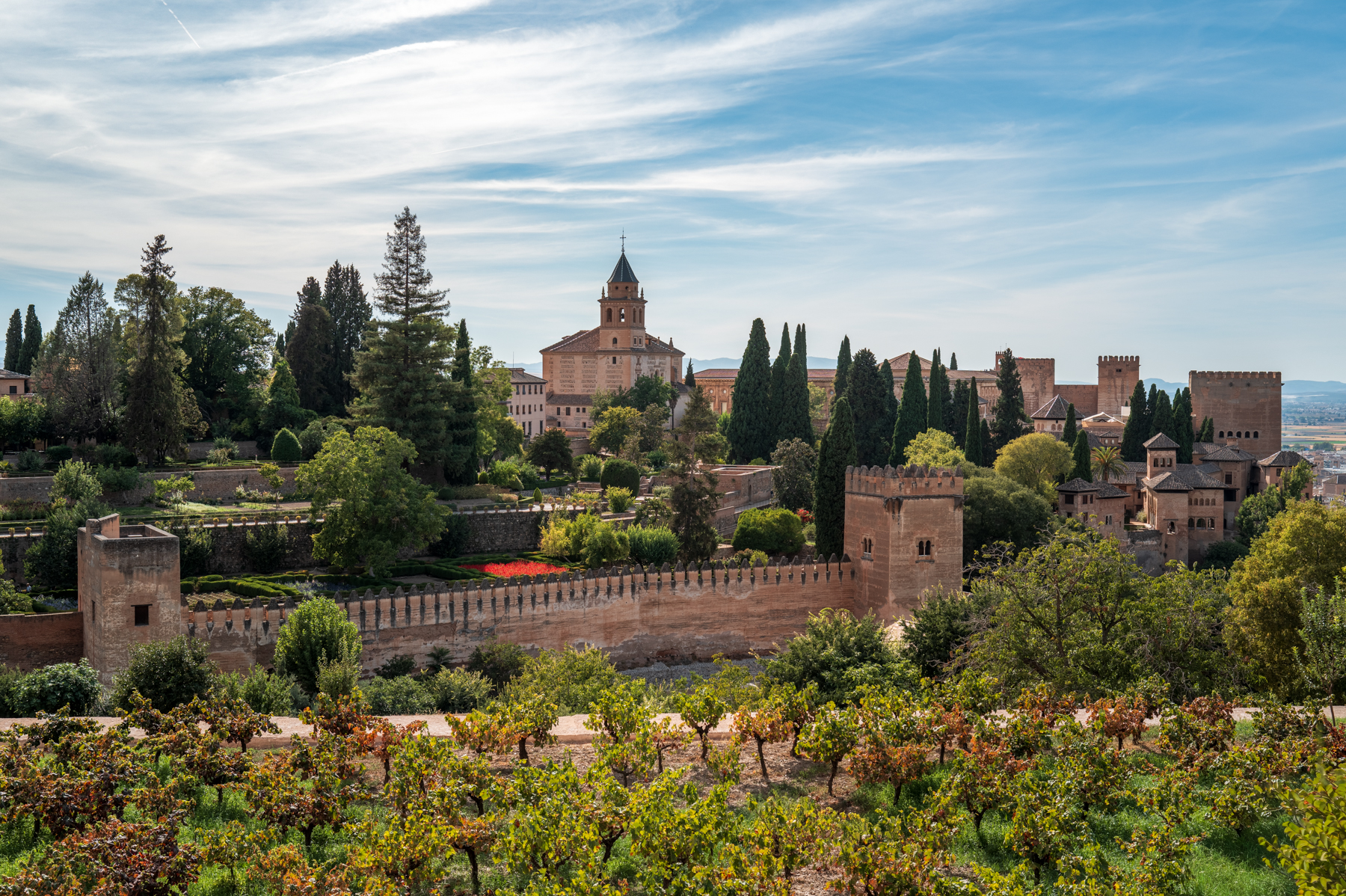
From the Generalife, we got a fantastic view of the Alhambra complex.
After exploring the incredibly beautiful Generalife, we crossed back over the bridge to the Alhambra complex.
By this time, it was nearly 6:00 pm, so we decided to stop for a light snack and cold drink in a nice cafe situated inside the Alhambra walls.
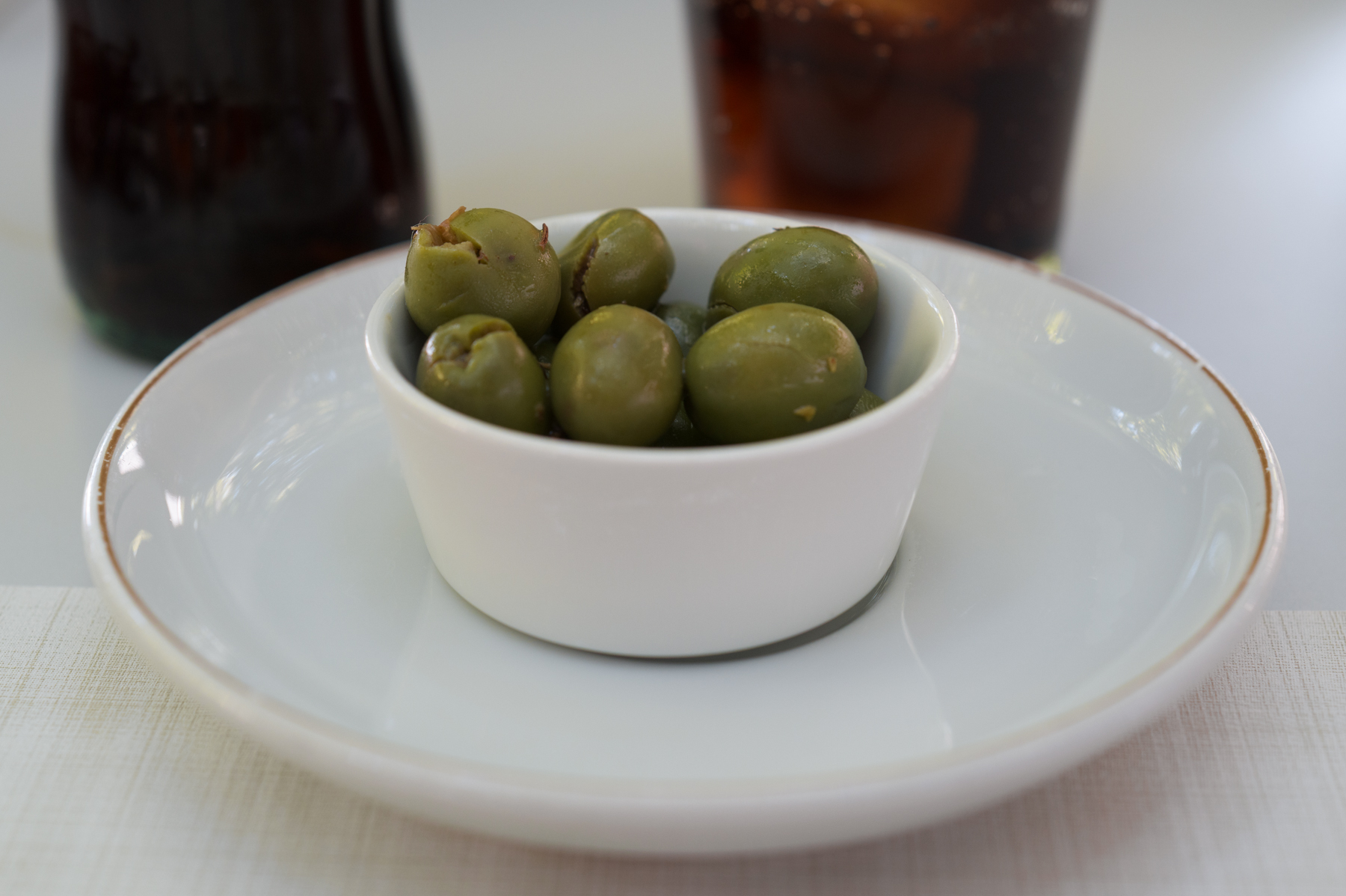

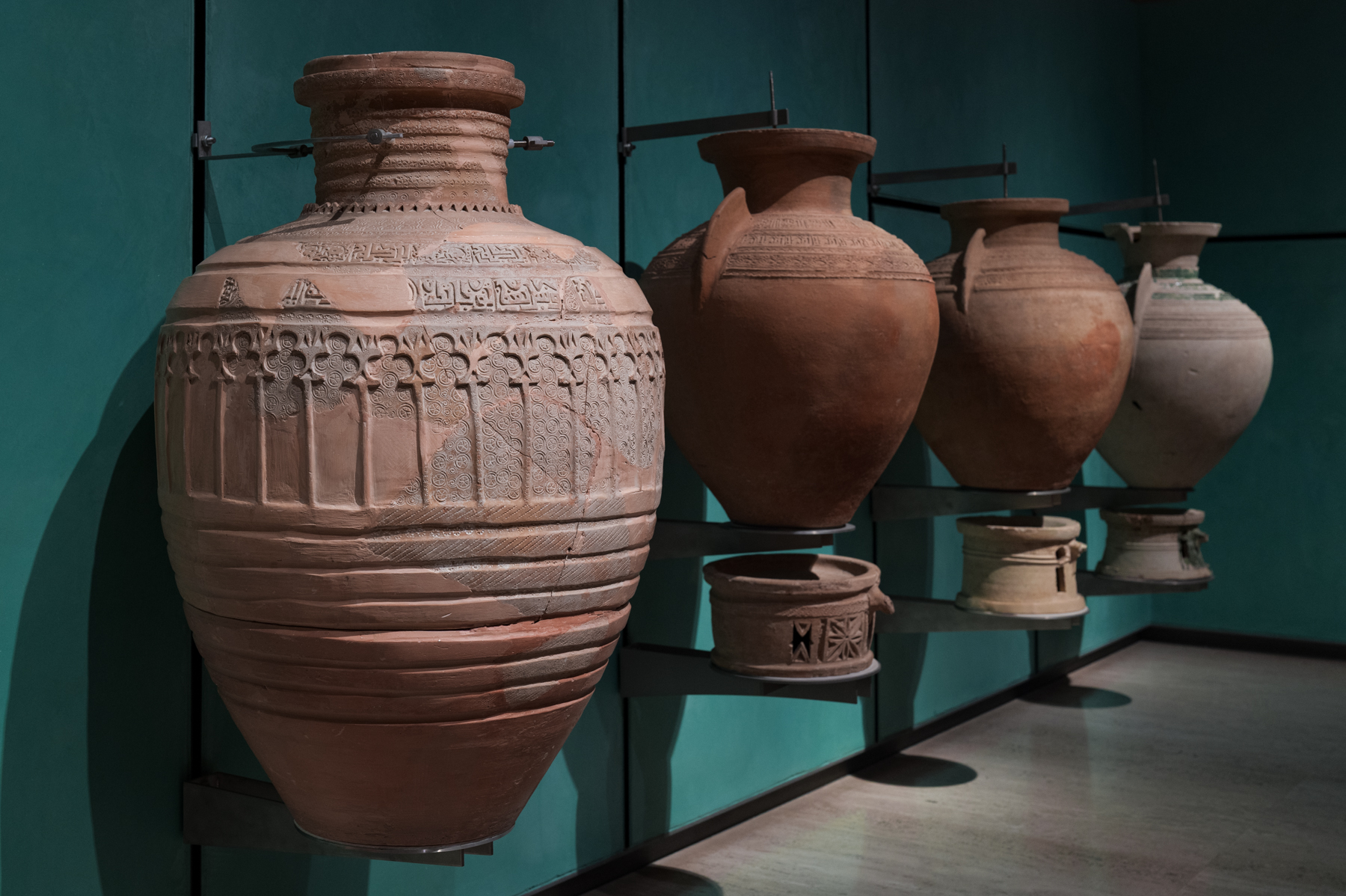
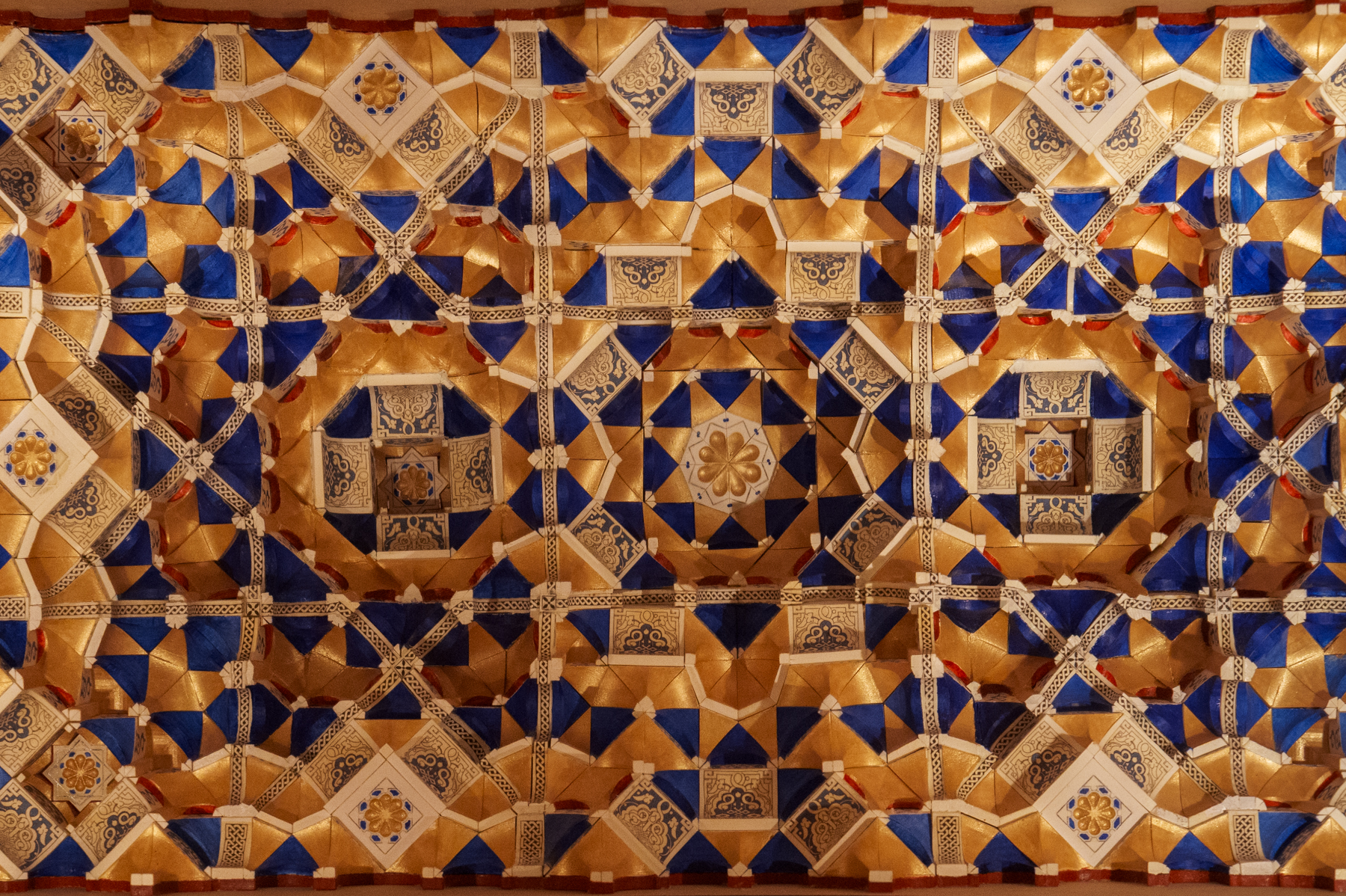
Feeling refreshed, we headed back out into the heat, and walked to the Museo de la Alhambra (housed in the Palacio de Carlos V), to look at the Moorish artefacts on display.
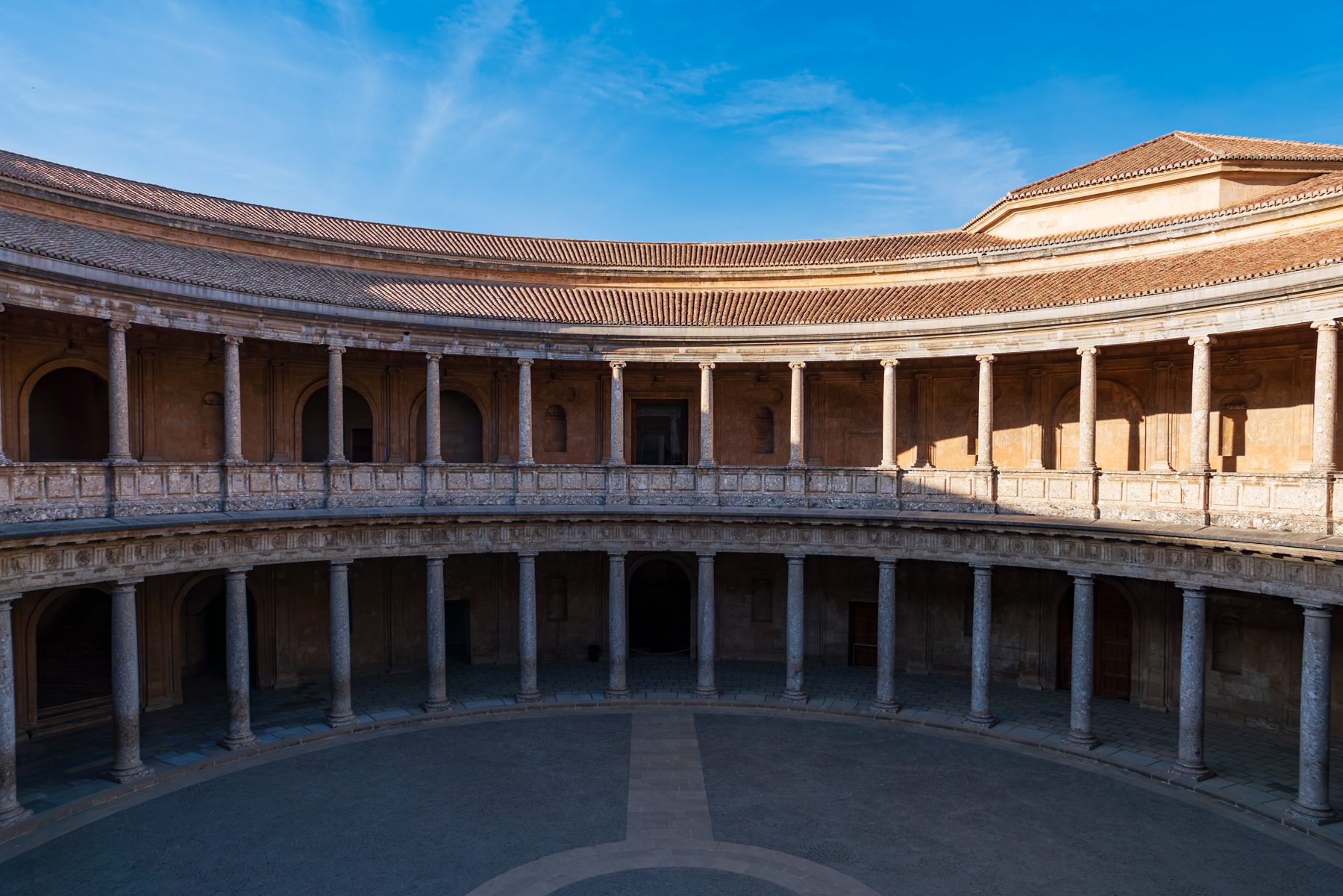
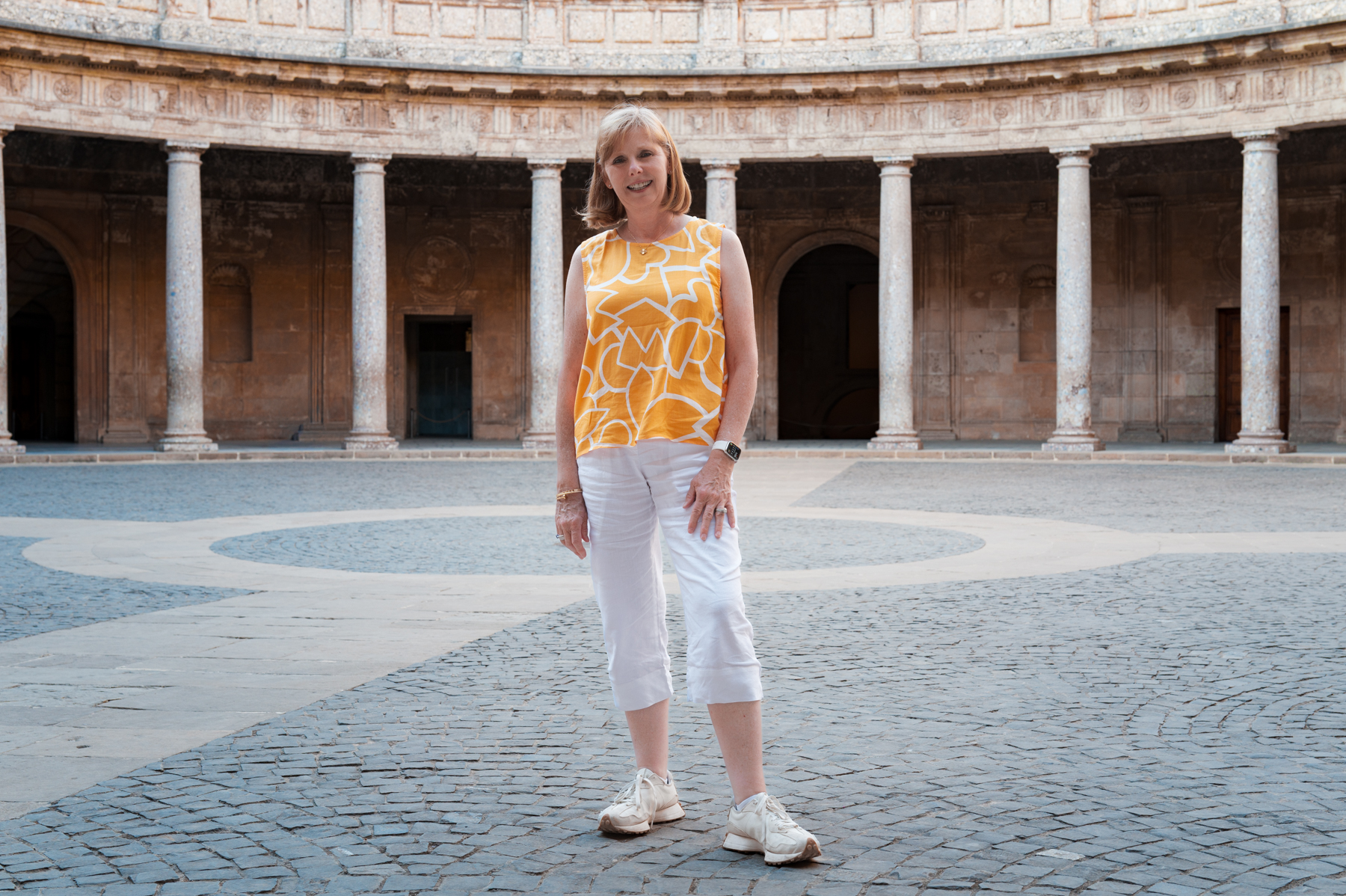
From the museum, we entered the circular central courtyard of the Palacio de Carlos V. This two-story courtyard was designed by Pedro Machuca, possibly a student of Michelangelo, which explains the Italian influences. Construction of the palace began in 1527, but was left unfinished for centuries. It was only fully completed in the 20th century.
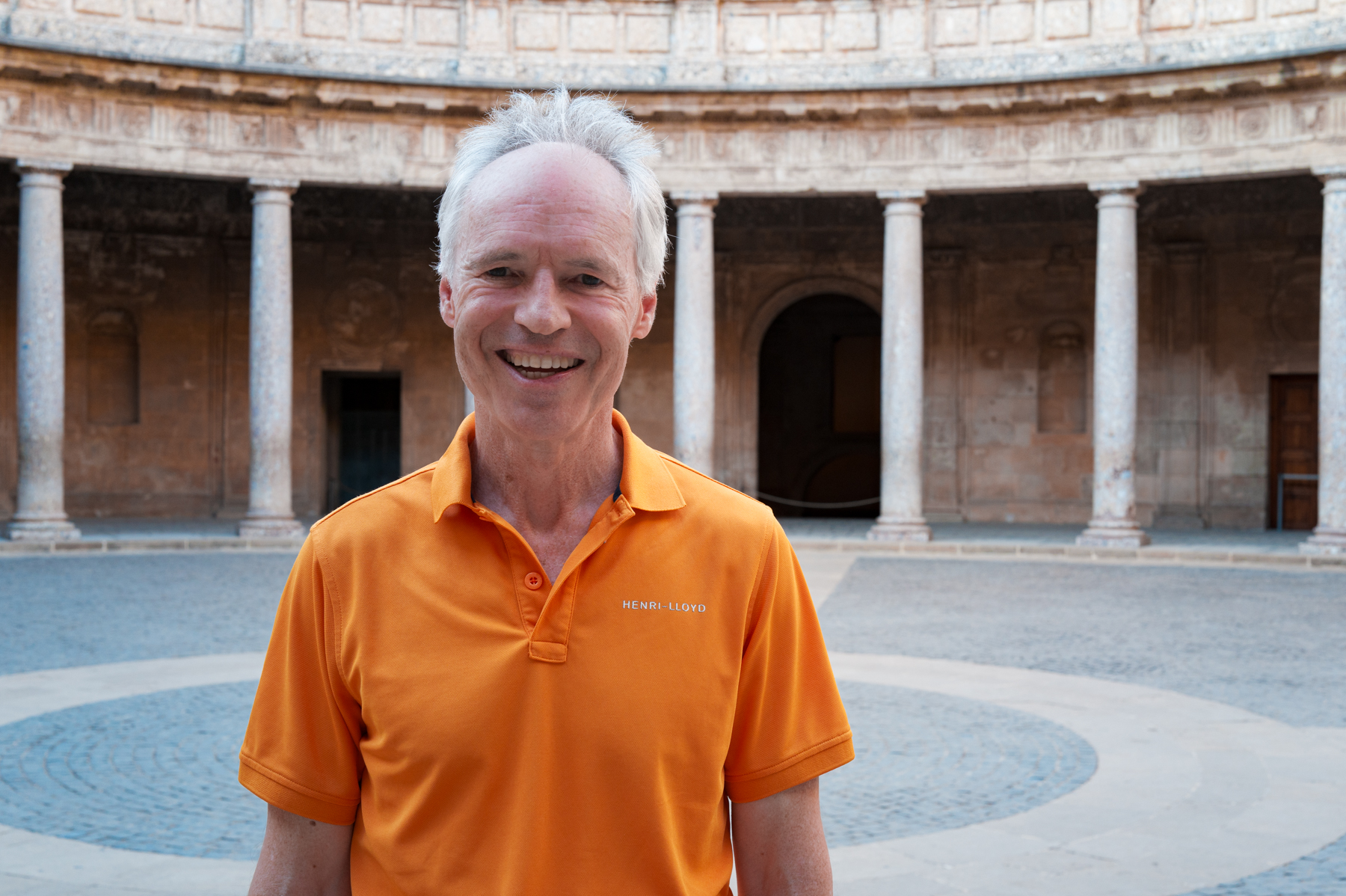
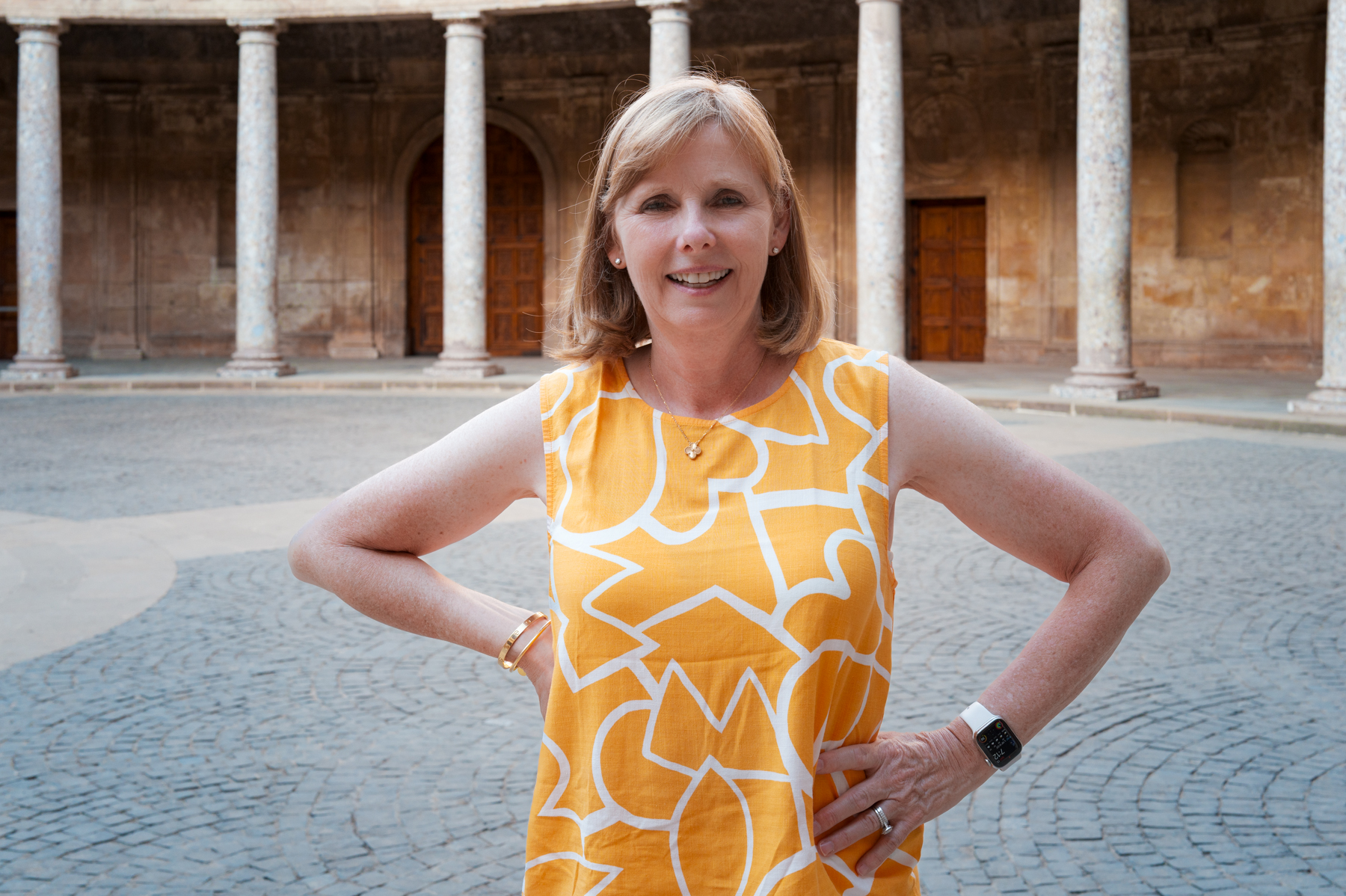
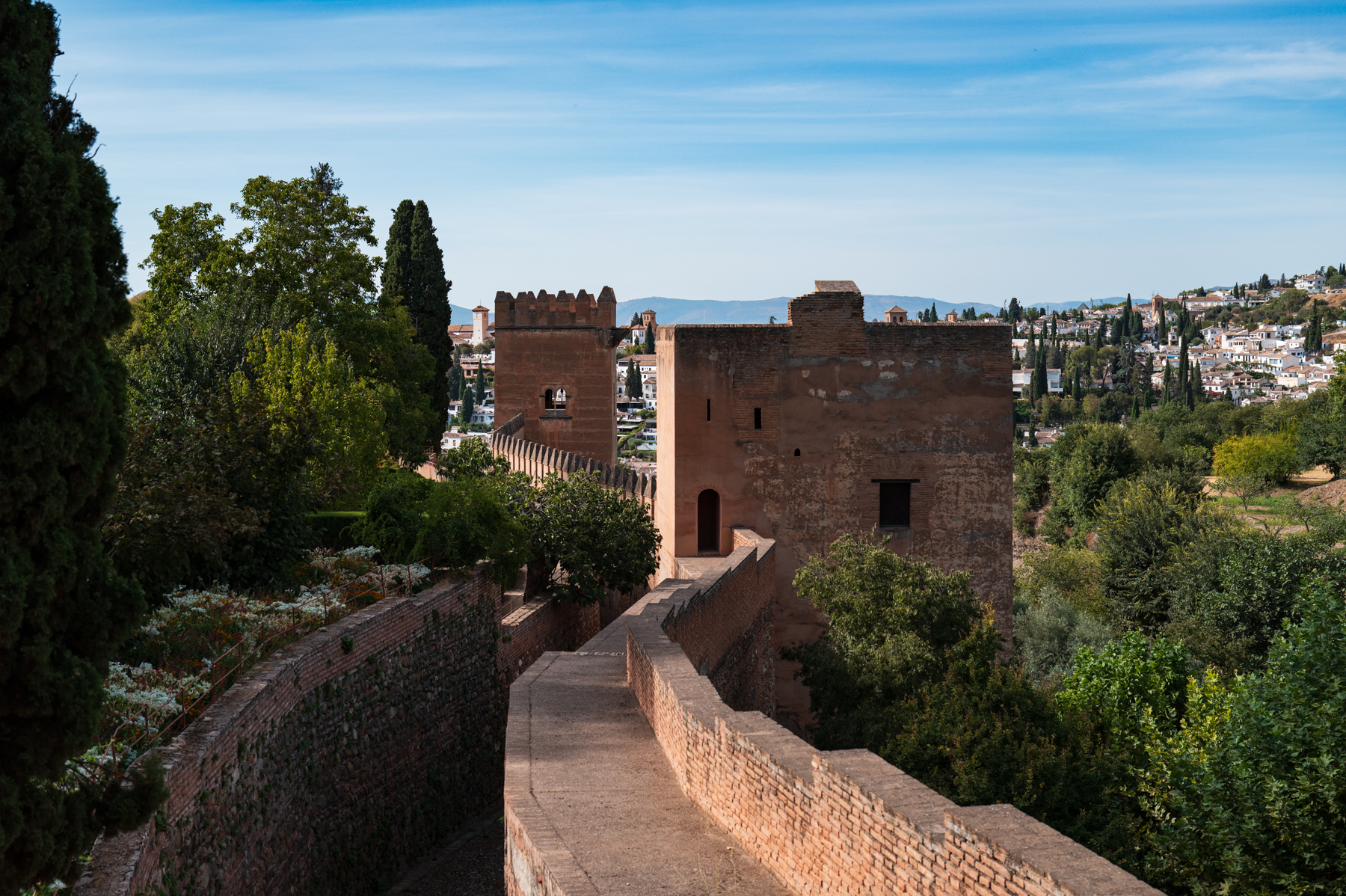
After looking around the Palacio de Carlos V, we walked to the Alcazaba, the fortress section of the Alhambra. The Alcazaba is the oldest and most fortified part of the Alhambra complex. This formidable structure served as the main military stronghold and command centre for the Nasrid rulers. The earliest references to a fortress here date back to the 9th century, but the Alcazaba took its present form under Muhammad I in the 13th century. We entered the fortress and climbed the watch tower to take in the views of Granada.
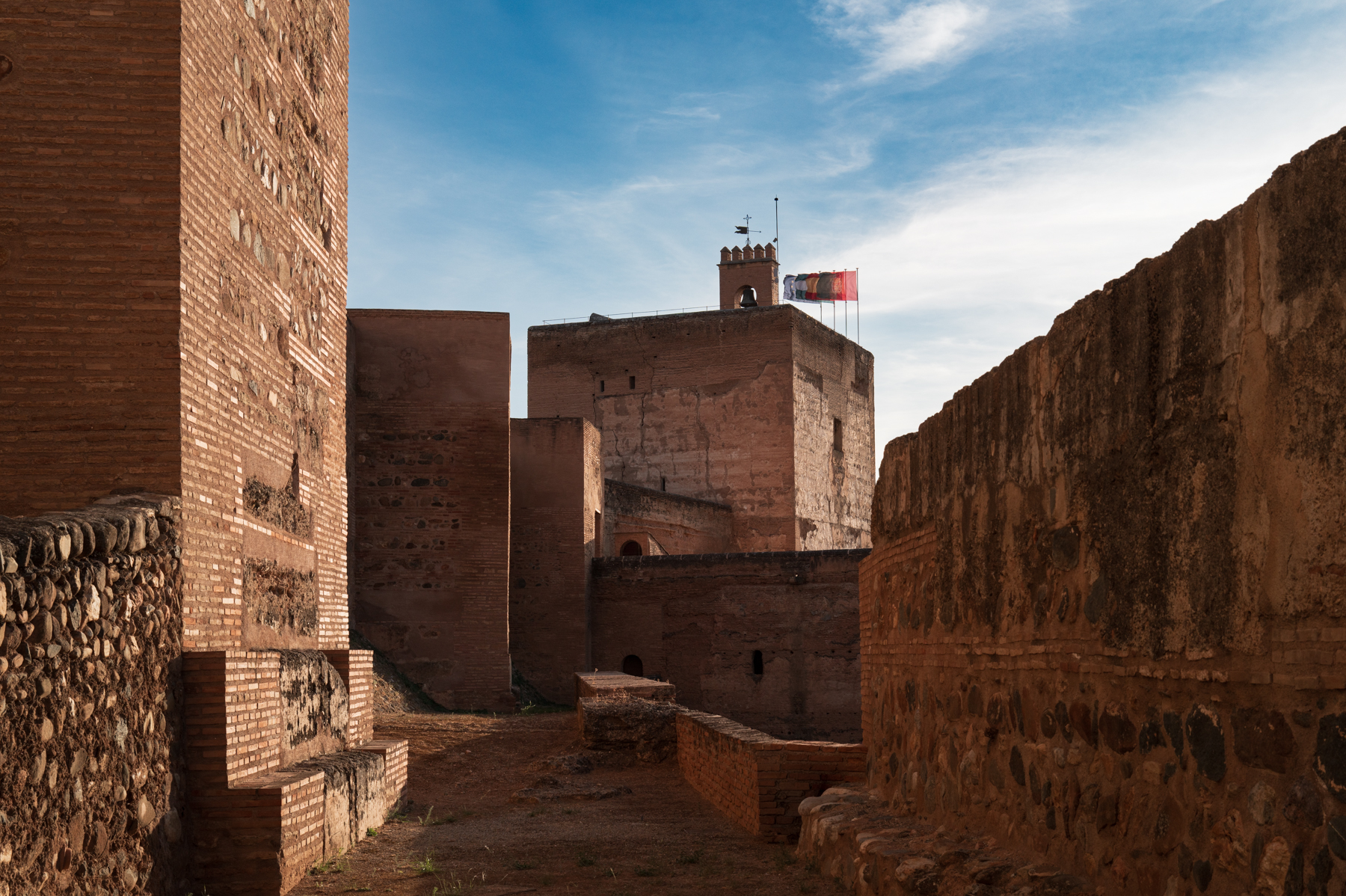
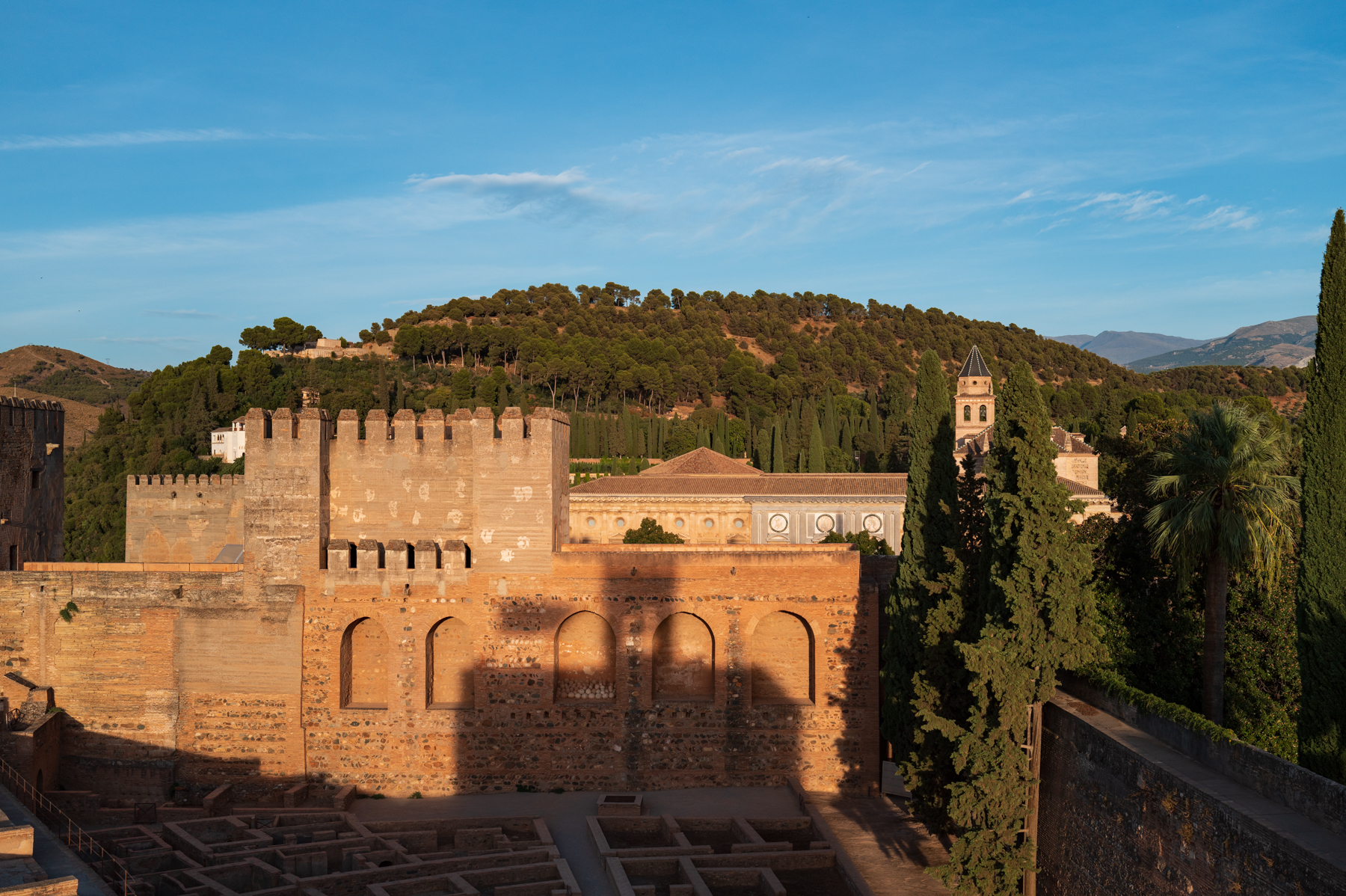
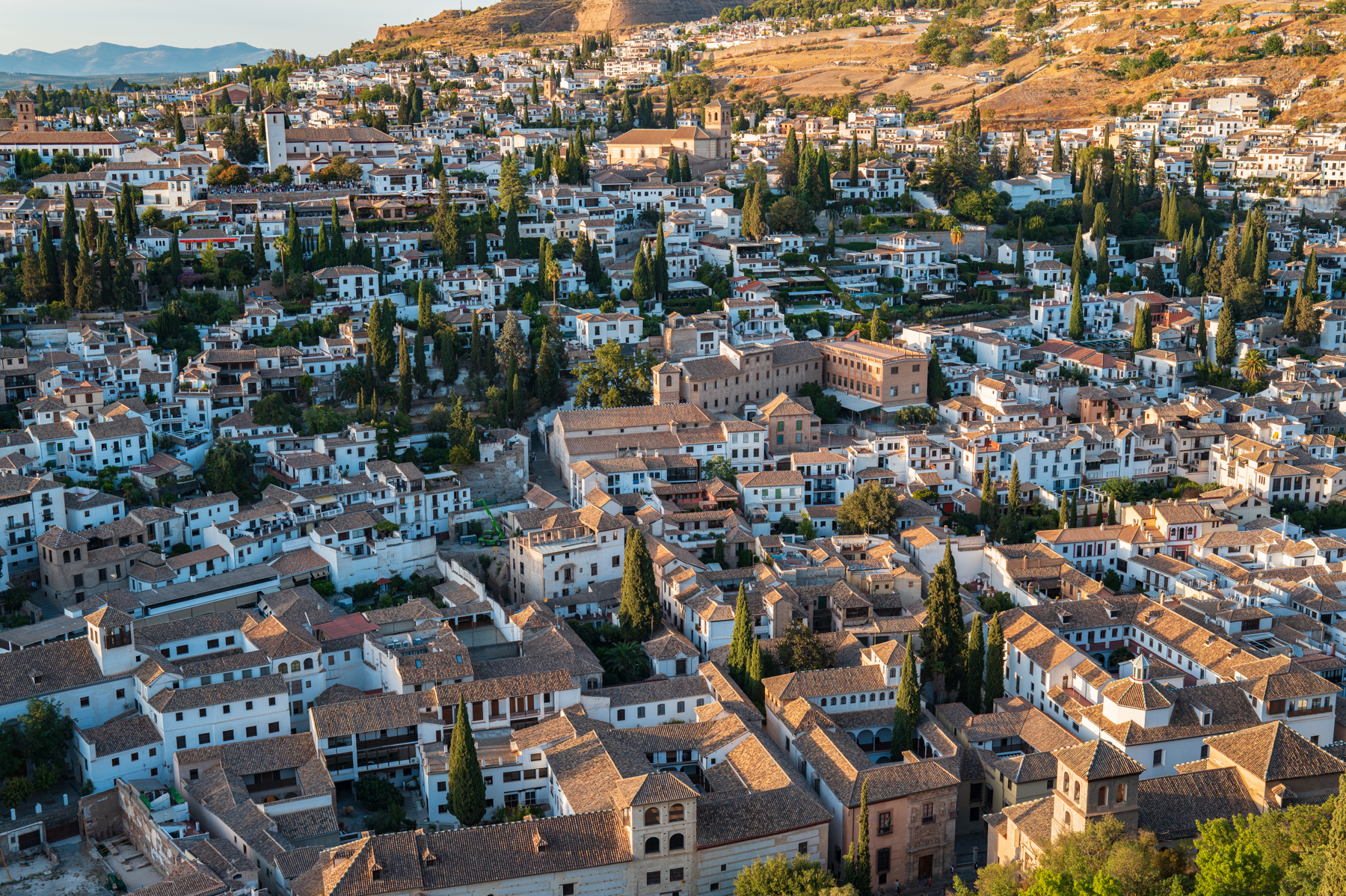
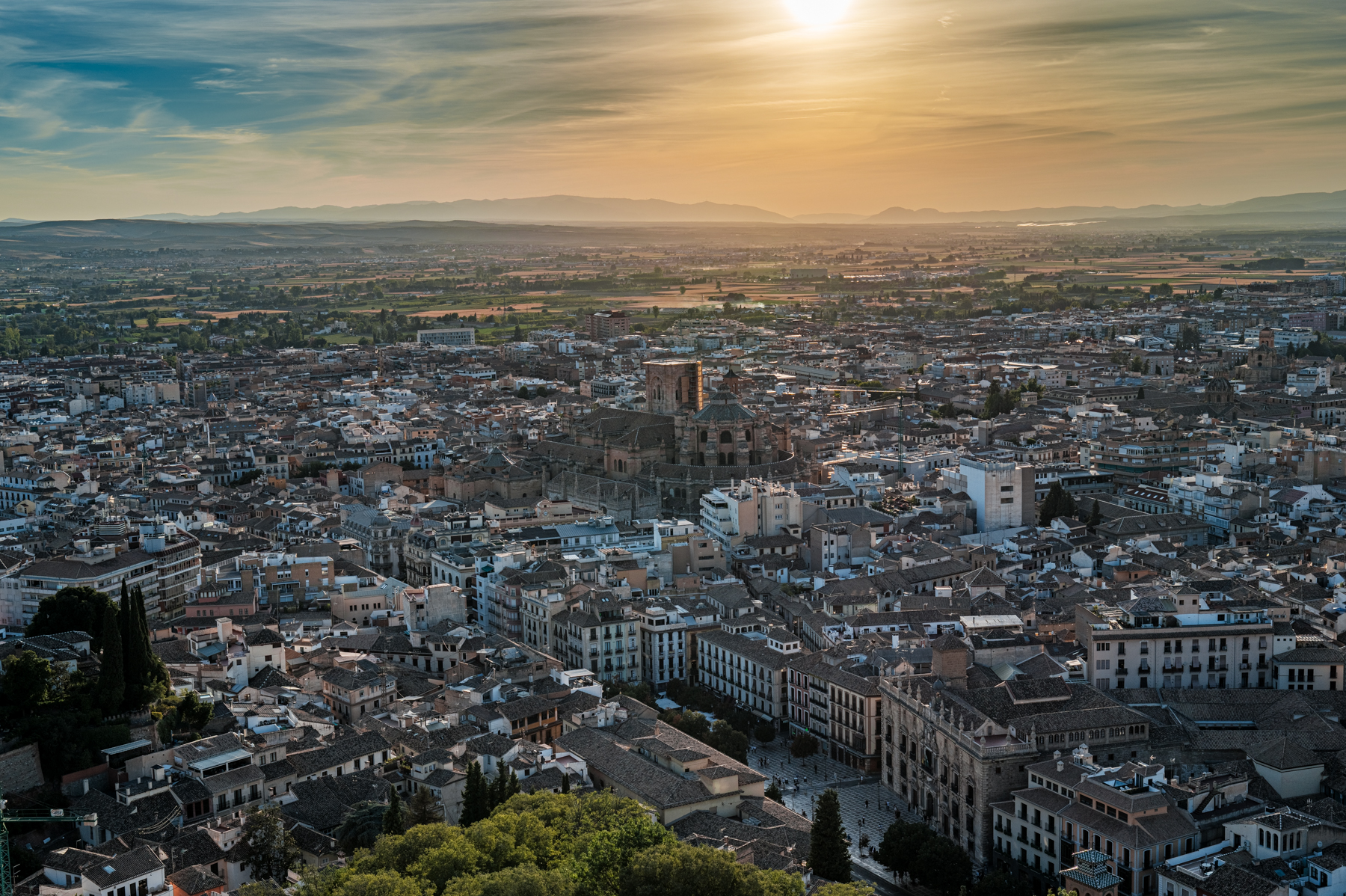
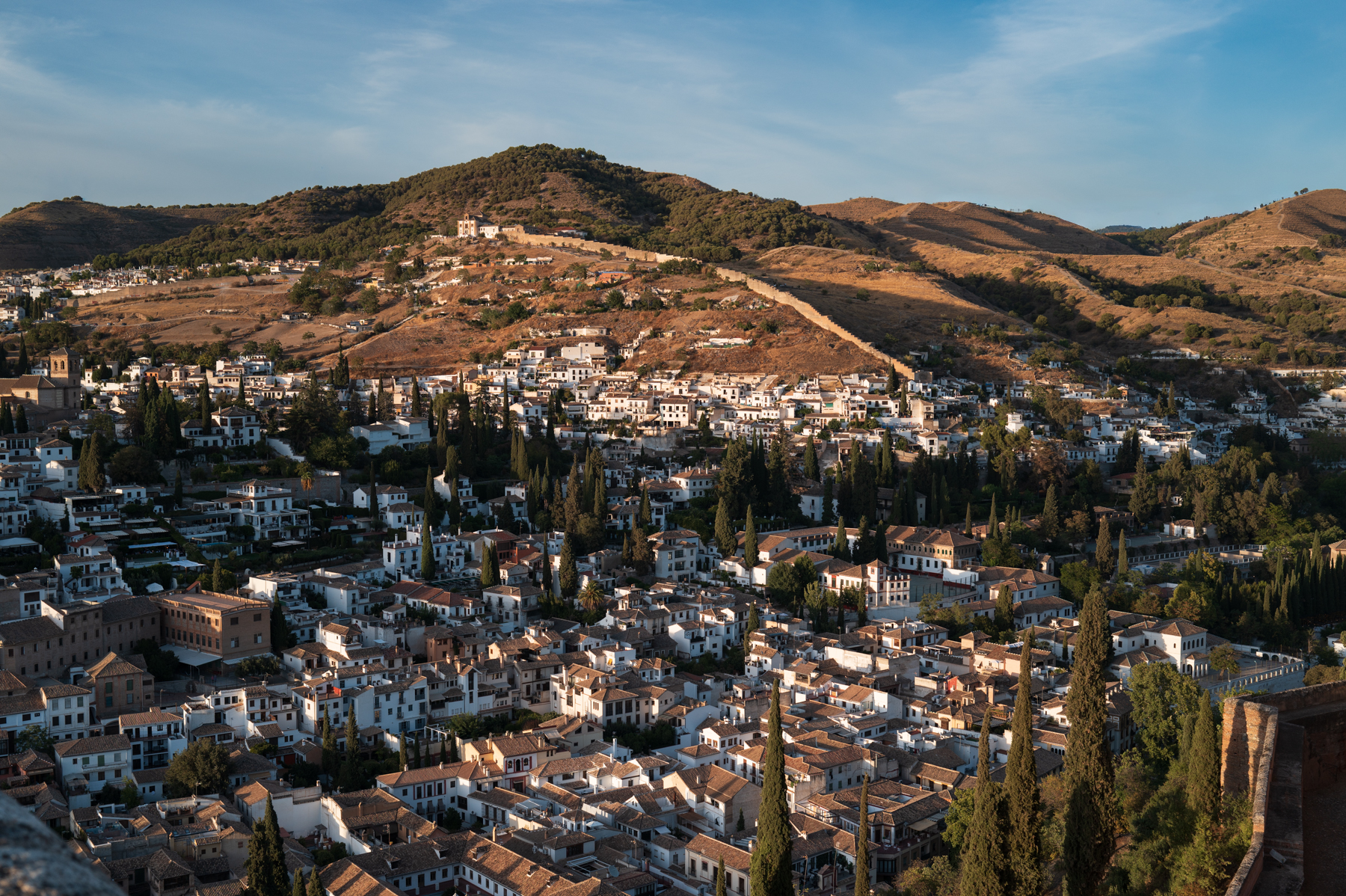
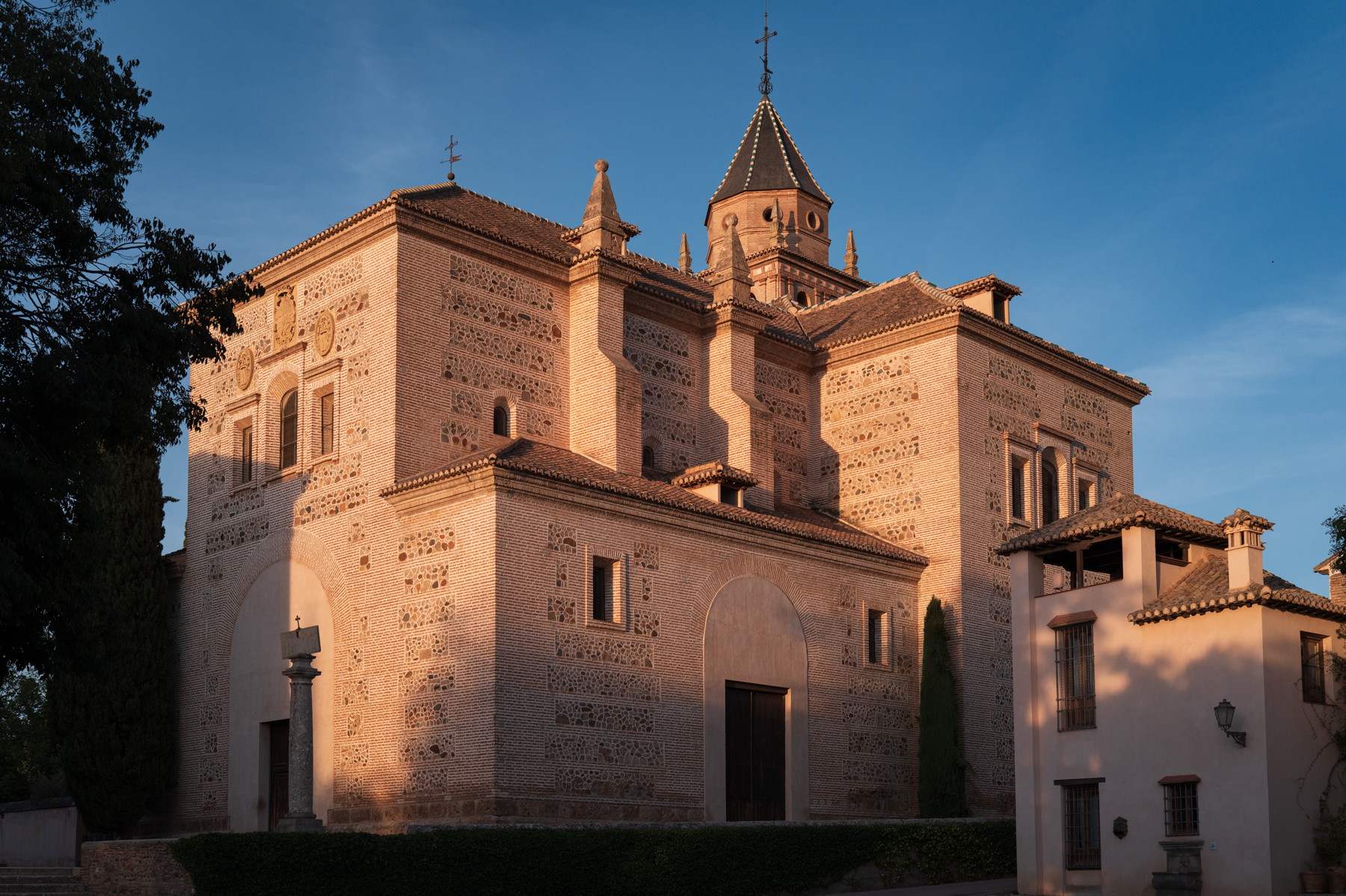
By the time we left the Alcazaba, it was approaching 8:00 pm. We walked back to the complex entrance, passing the Church of Santa María de la Alhambra, which looked beautiful in the setting sun.
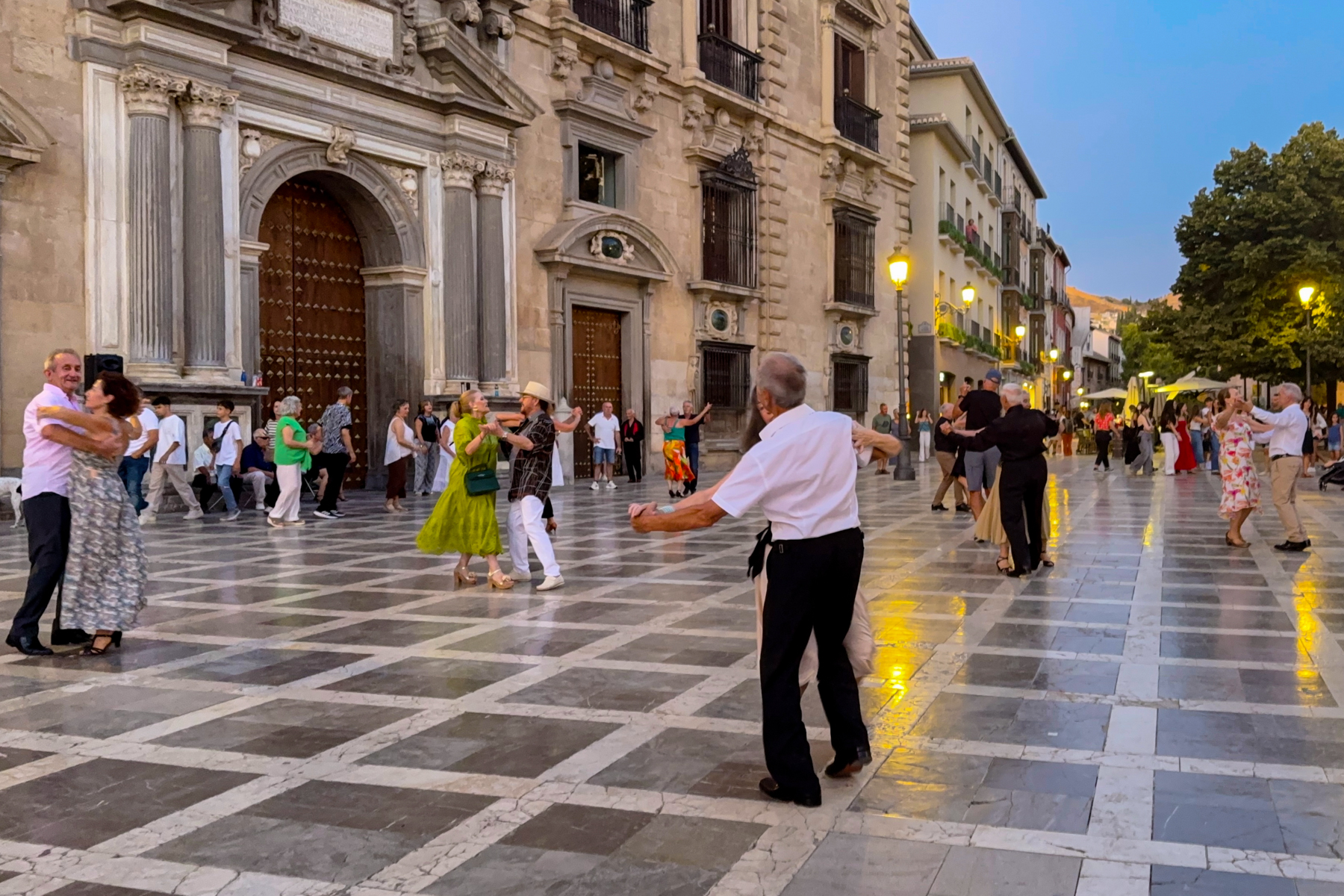
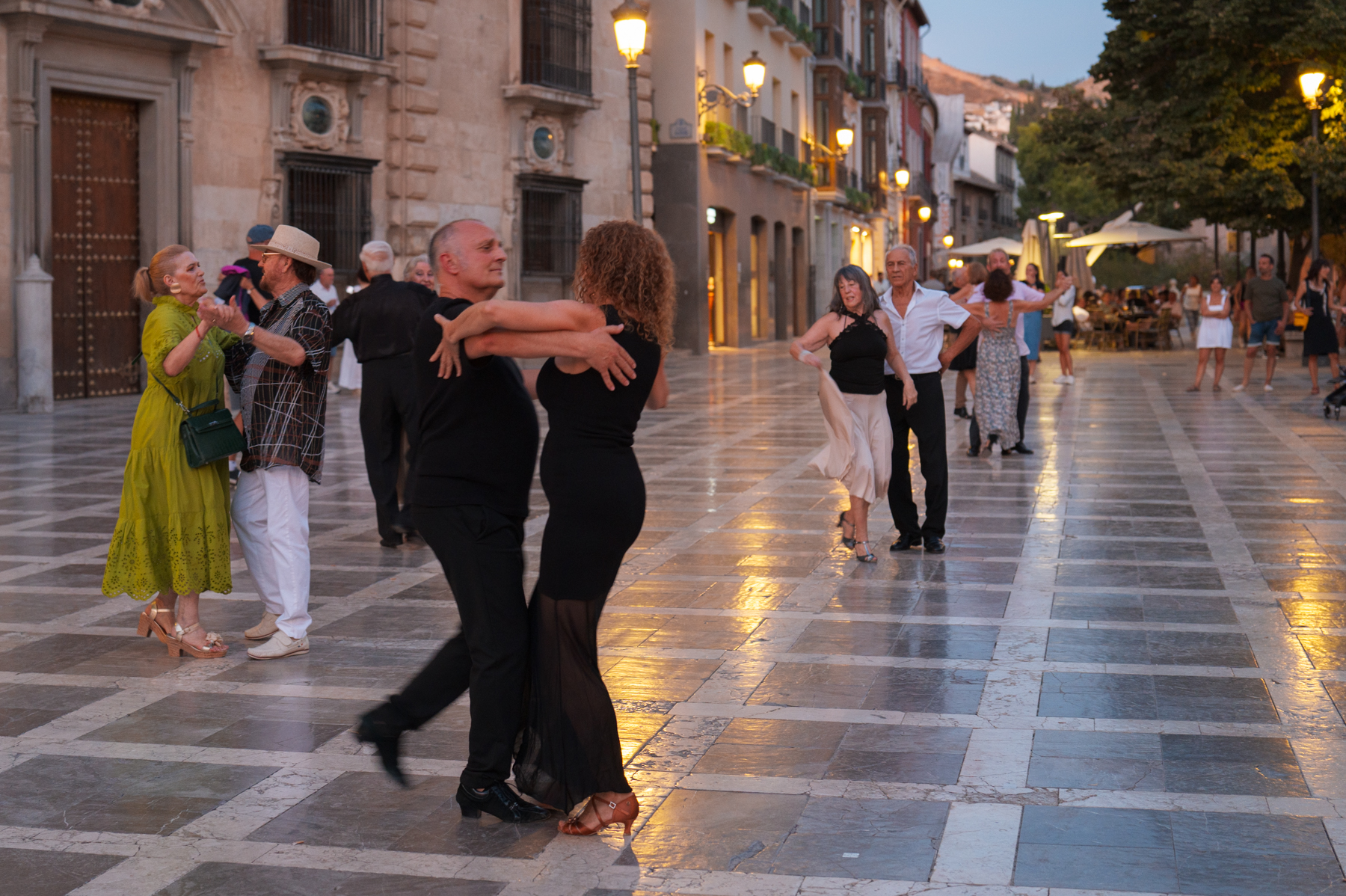
We waited for a while to see if any taxis might appear, but we soon gave up on this idea and headed down the hill on foot. Walking proved to be a better idea than taking a taxi because we were able to amble through the backstreets and soak up the wonderful atmosphere of this incredibly beautiful city. As we passed through Plaza de Santa Ana, we stopped to enjoy the locals dancing in the plaza.
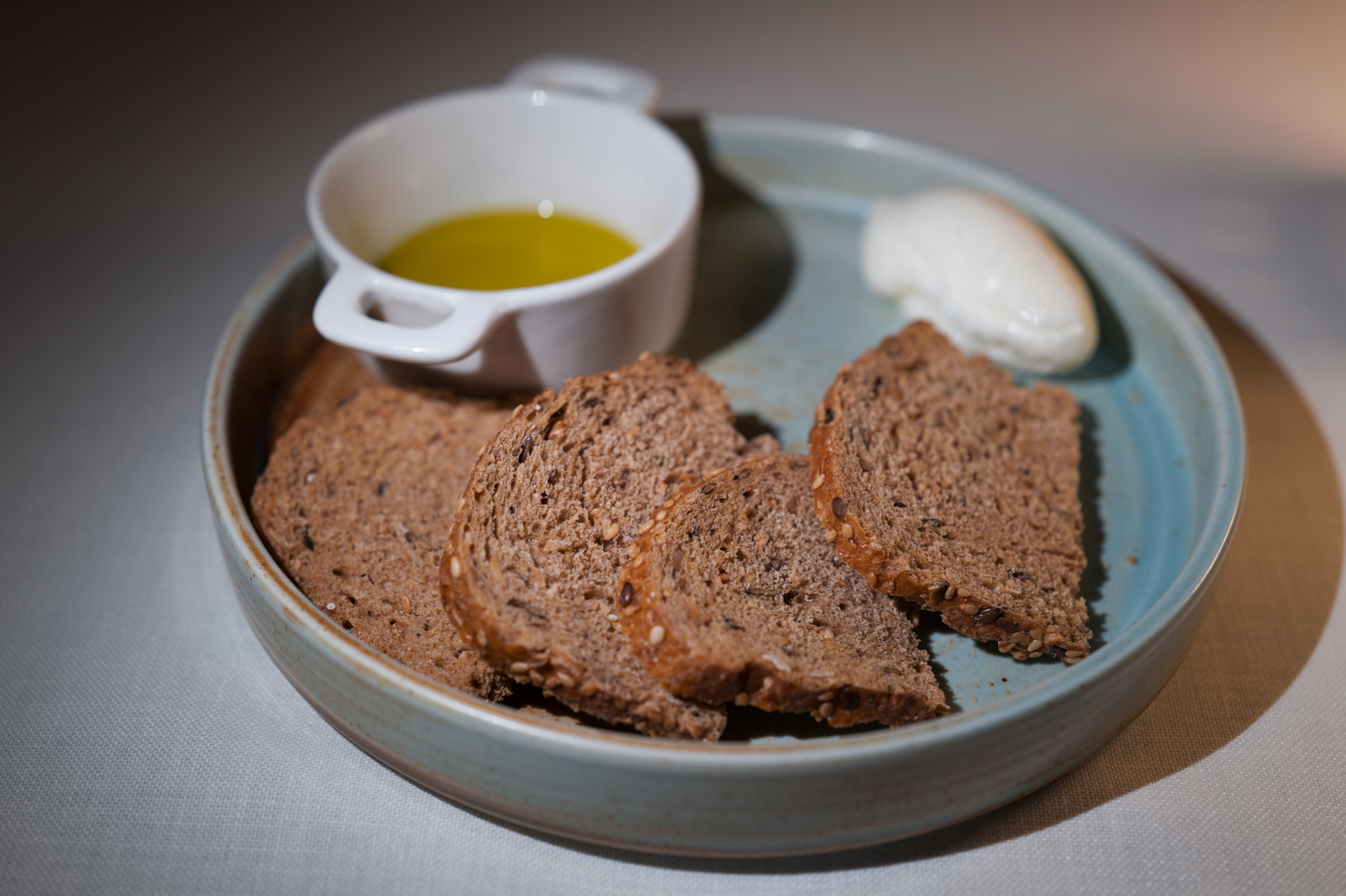
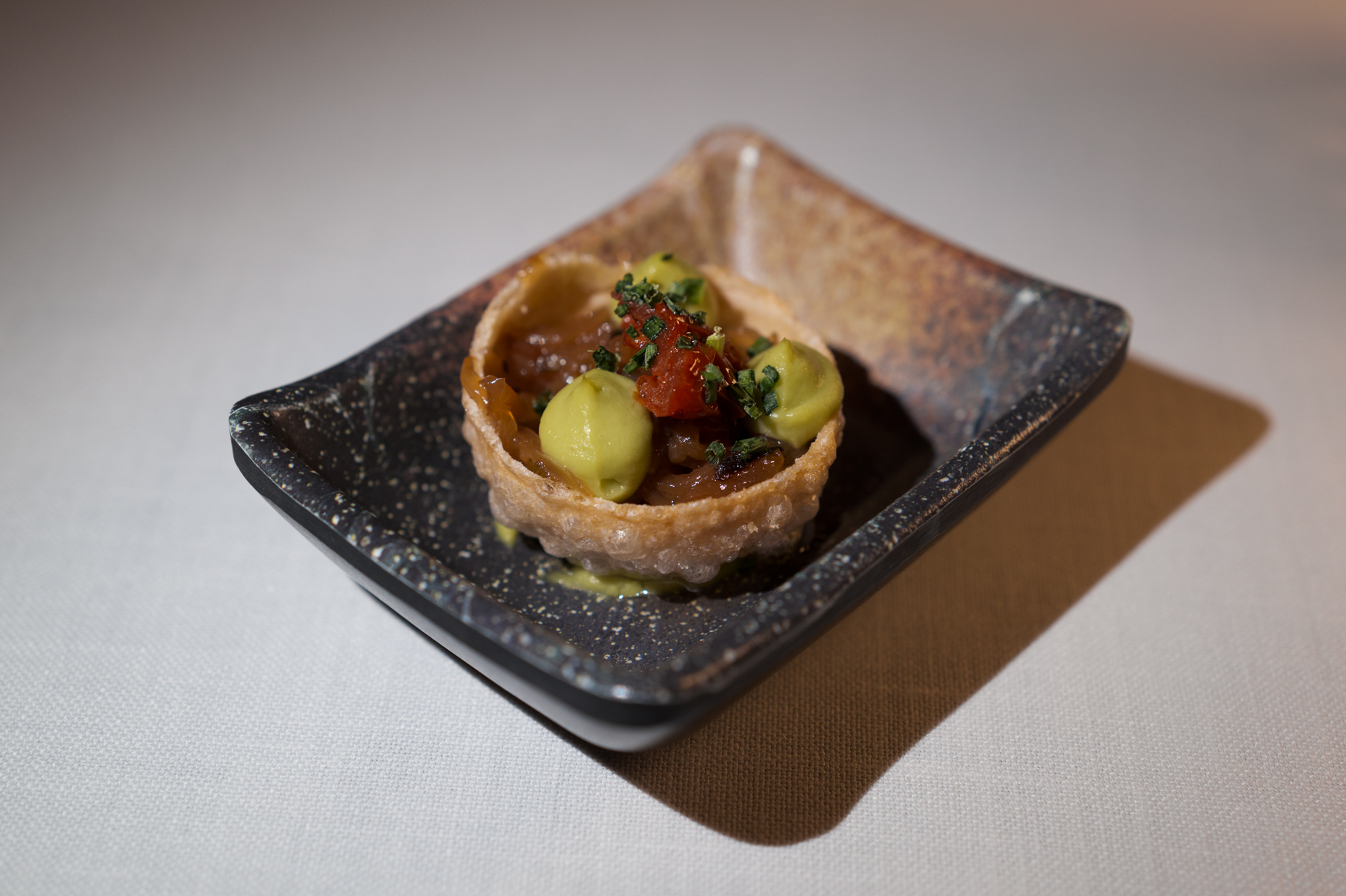
We got back to the hotel just after 9:00 pm. We decided to have dinner at the hotel’s restaurant, which proved to be an excellent choice.
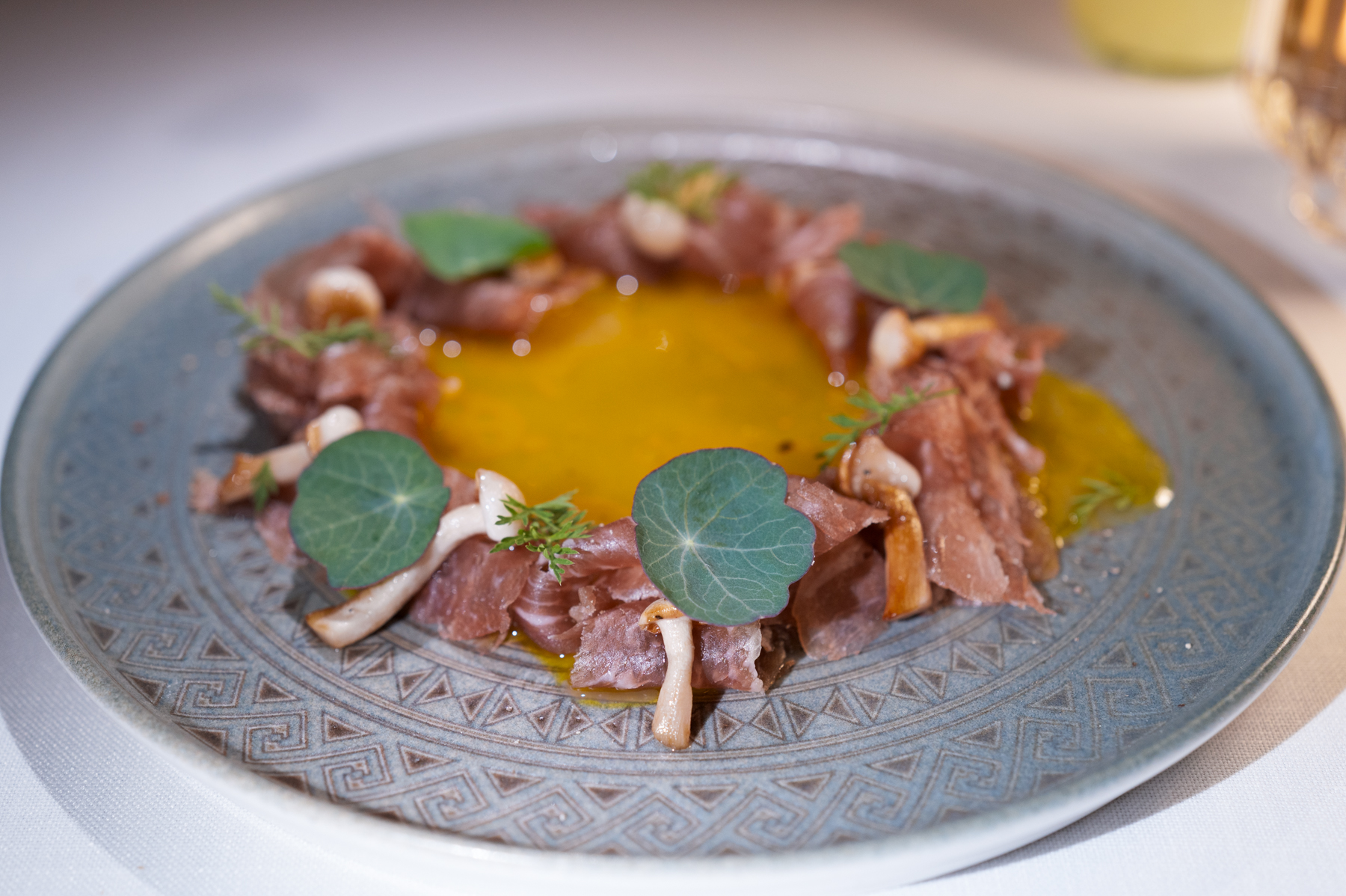
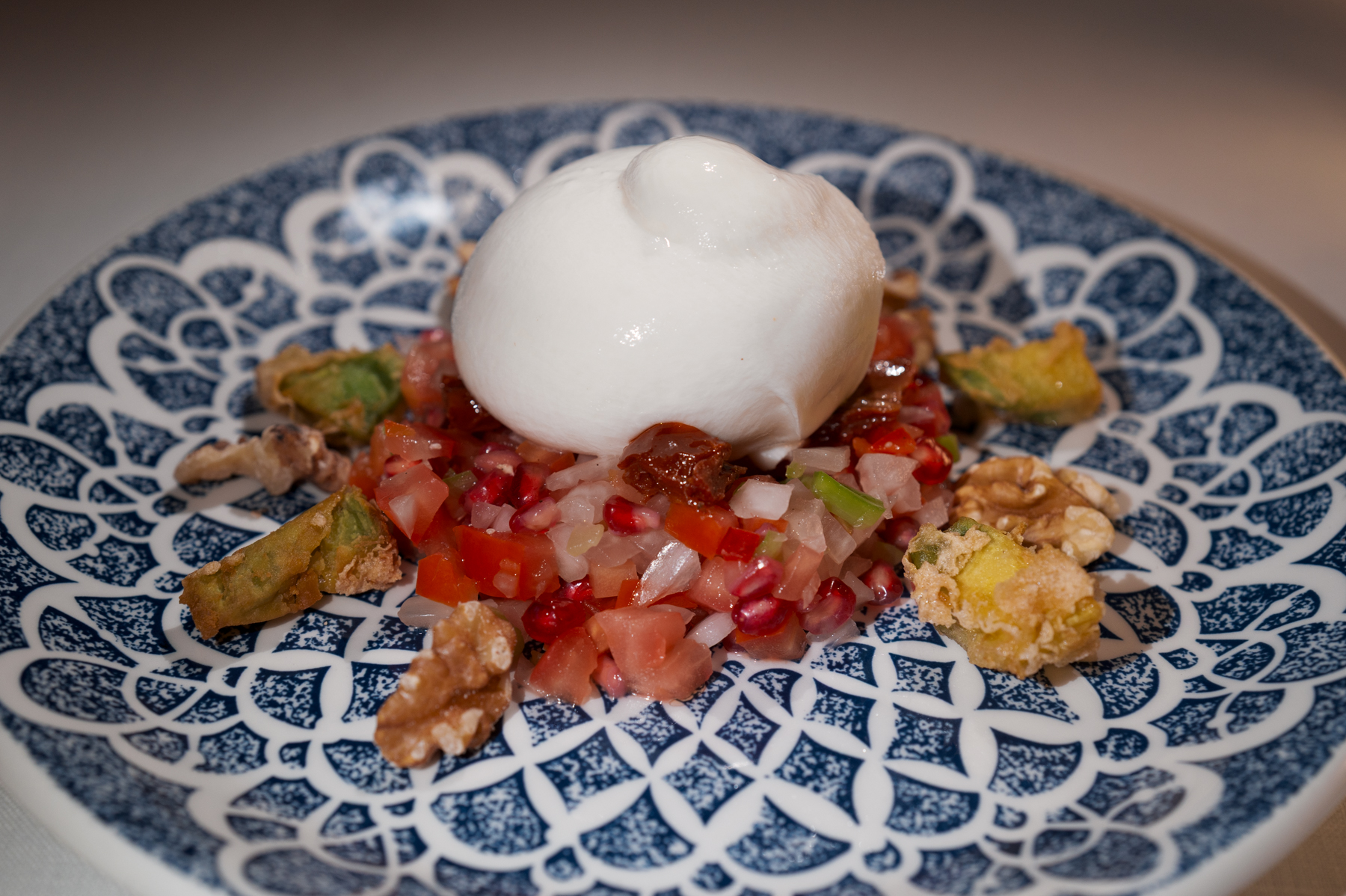
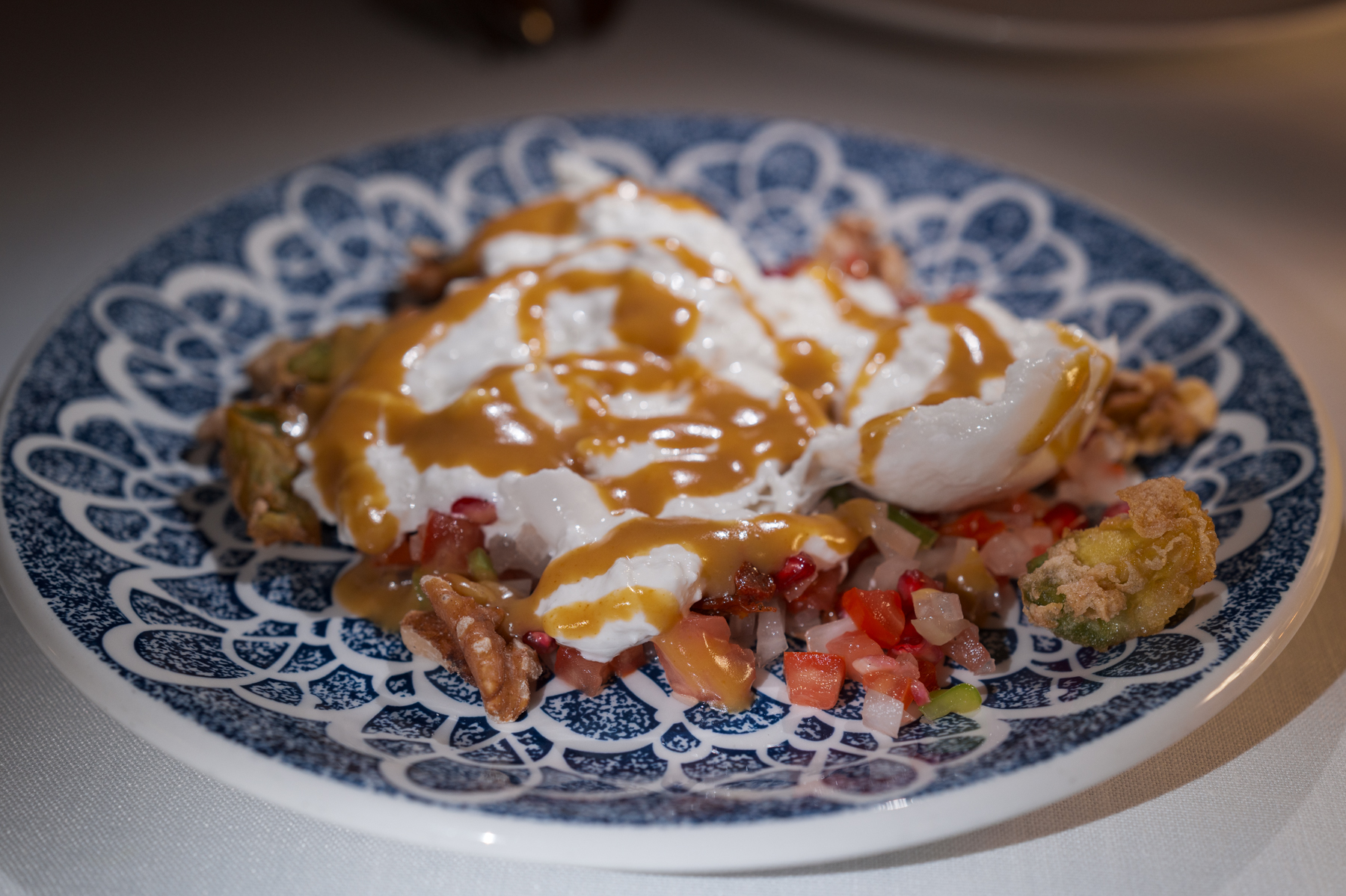
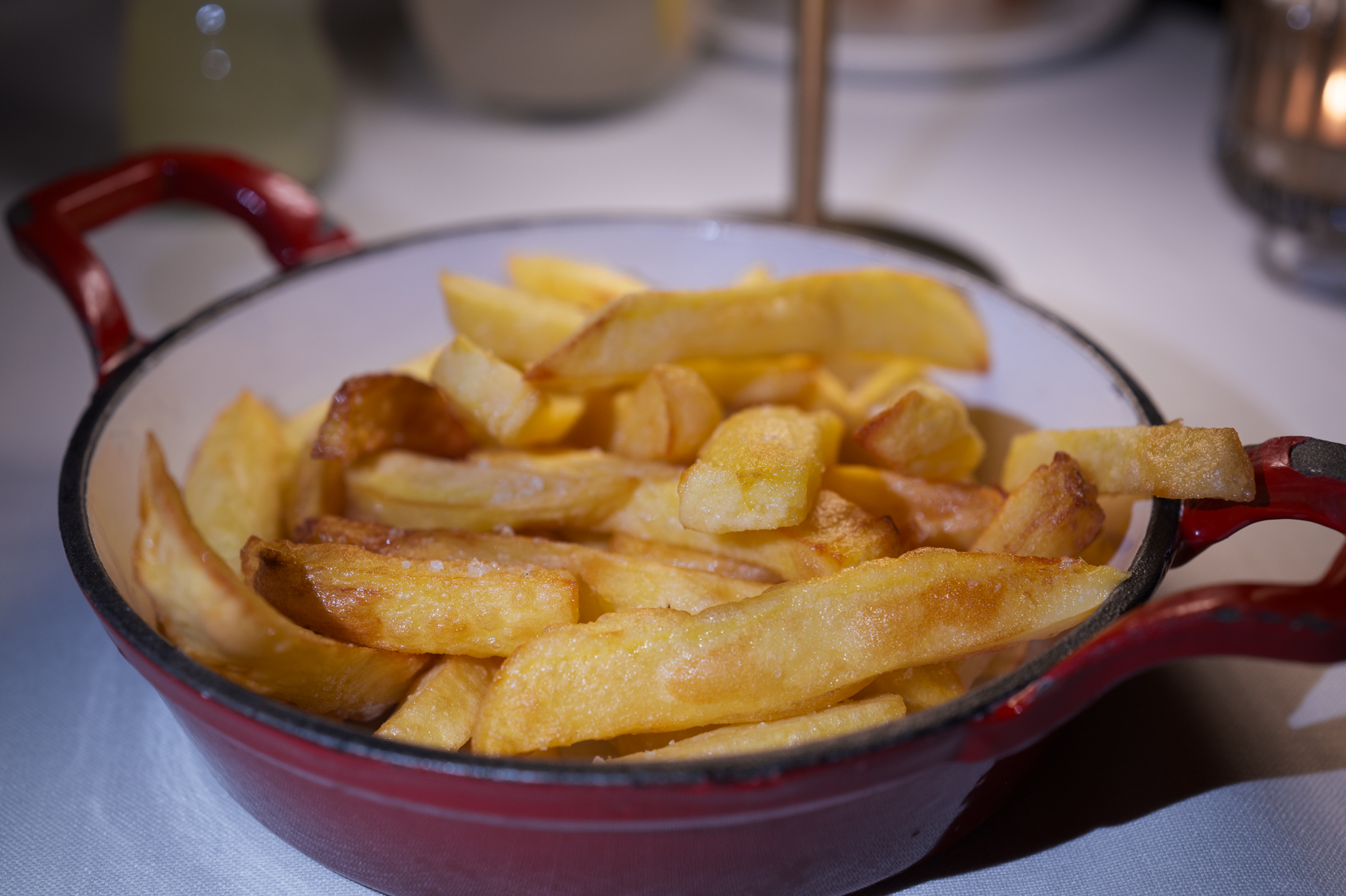
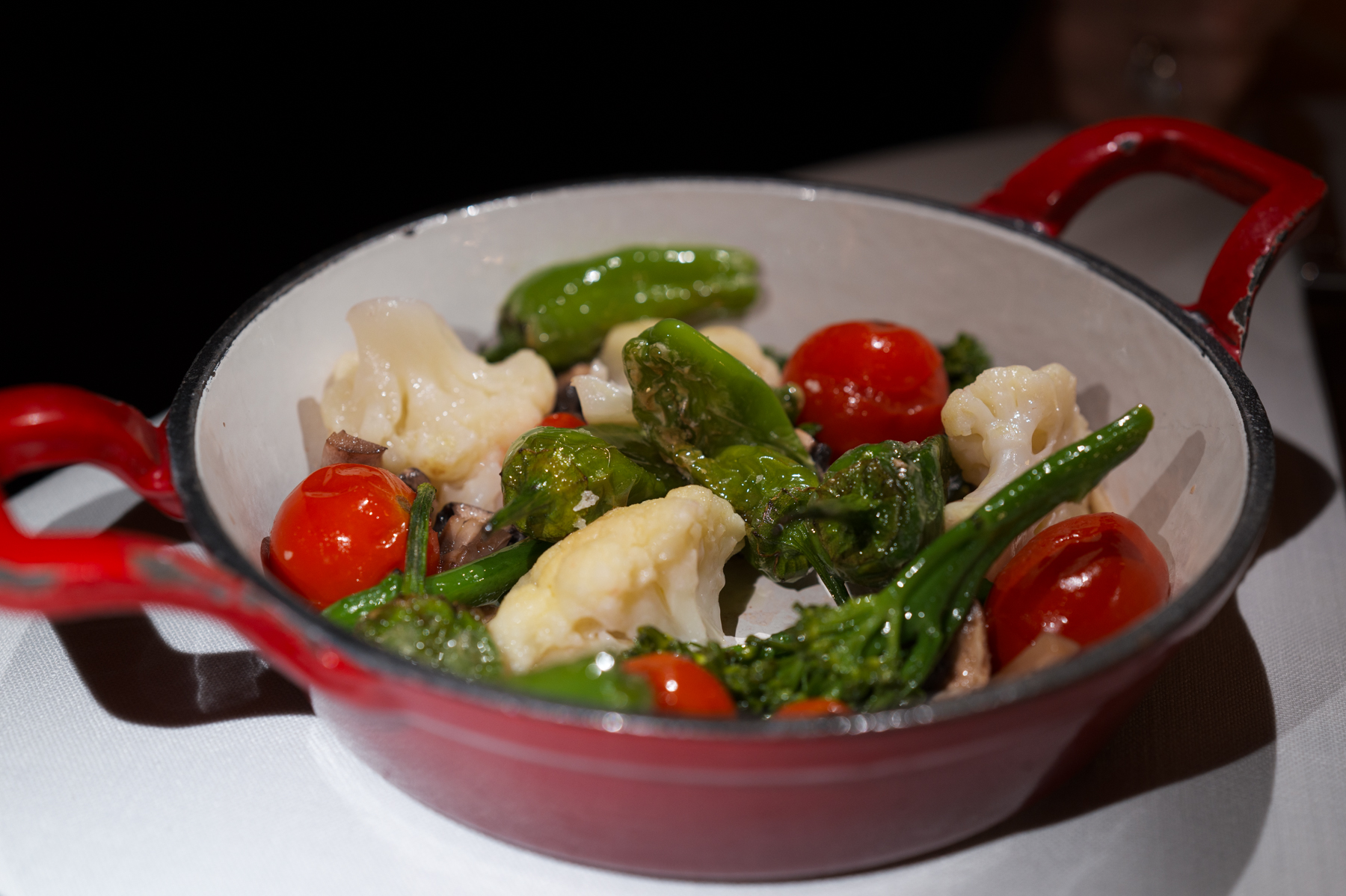
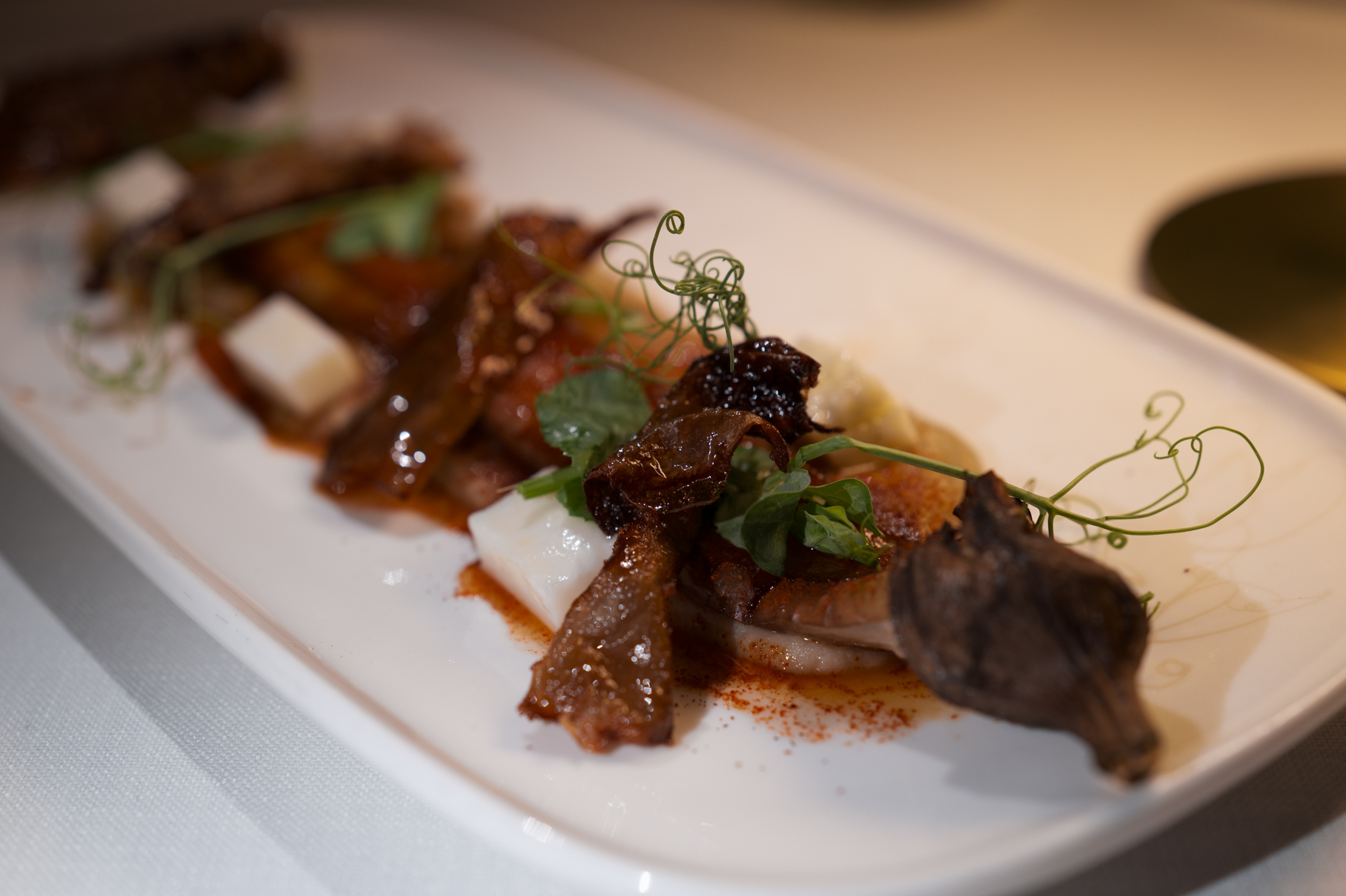
We finished dinner at around 10:30 pm, and headed upstairs to bed. Tomorrow, we’re driving about 500 kilometres northeast, to the coastal city of Valencia.